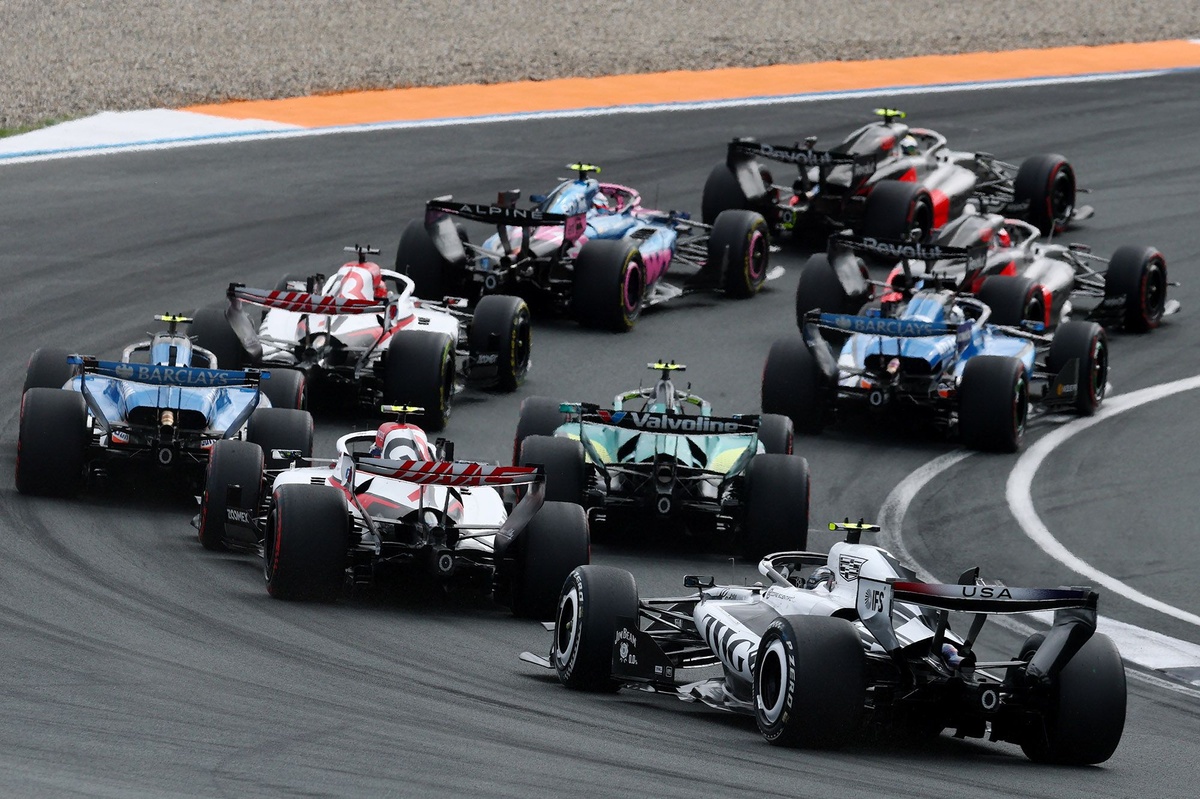
Key Highlights
- F1 presenter Will Buxton calls for a points system overhaul and aerodynamic testing reassessment ahead of the 2027 calendar’s expansion to 10 sprint weekends.
- Buxton argues current sprint points—capped at eight for the winner and only awarded to the top eight—are insufficient and should be extended deeper into the field.
- Increased sprint races intensify cost cap pressures, potentially requiring revised wind tunnel and CFD allocations tied to championship standings.
Buxton Demands Sprint Points Reform as 2027 Calendar Expands
Formula 1 faces mounting pressure to restructure its sprint race points allocation and revisit aerodynamic testing restrictions as the sport prepares for a significantly expanded sprint calendar in 2027. The call comes from veteran motorsports presenter and journalist Will Buxton, who outlined his concerns during an appearance on the Up To Speed podcast alongside co-host and Sky Sports analyst Naomi Schiff.
The 2027 Formula 1 calendar is slated to feature 10 sprint race weekends across Bahrain, Australia, Japan, Canada, Monaco, Great Britain, Italy, Brazil, Qatar, and Abu Dhabi. Under the current framework, sprint races award points only to the top eight finishers on a descending scale from eight points for the winner down to one point for eighth place. Buxton contends this structure no longer reflects the increased weight of Saturday competition.
Current Points Structure Deemed Inadequate for Expanded Sprint Role
“You should get more points. It should go down further. They should reallocate the point structure between sprints and the main one,”
Buxton asserted. He emphasized that the talent pool is already conditioned for multi-race weekends, noting that nearly every driver on the grid progressed through junior categories such as GP2—now Formula 2—which routinely featured two races per event.
“Don’t forget as well, every single driver in that field other than Fernando [Alonso] came through junior formulas from GP2, which is now Formula 2, with two races in a weekend. So, it’s not like they’re not used to it.”
Cost Cap and Aerodynamic Testing Limits Complicate Development
Beyond points allocation, Buxton highlighted the cascading impact of additional sprint events on the sport’s financial regulations. The introduction of more high-intensity weekends forces teams to recalibrate spending under the existing budget cap, potentially shifting resources toward simulation and wind tunnel work.
“To your point about development, it might then lead, under the budget cap, to teams having to rethink again how they allocate their spending throughout the year.”
He explained that aerodynamic development—already concentrated in Computational Fluid Dynamics (CFD) and wind tunnel testing—is governed by a sliding scale of allocated hours based on the previous season’s constructors’ championship finish. More sprint races could necessitate a “rejigging” of these limits to preserve development capacity.
“The vast majority, which is already the case, but even more of a focus on R&D going through CFD and wind tunnel, and obviously you have the limitations on that based on where you finish the previous championship season.”
“So that might need a bit of rejigging as well in order to allow a little more time to go into CFD and a little bit more time in the wind tunnel because that’s where the development will ultimately be done.”
Rookie Session Mandate Adds Further Scheduling Complexity
Co-host Naomi Schiff, a former W Series driver, added another layer to the operational challenge: the mandatory inclusion of rookie drivers in free practice sessions.
“Don’t forget we’ve got to get six rookie sessions in. Let’s not forget that as well. Each team has to give away six sessions to a rookie.”
This requirement, combined with an expanded sprint format, compresses the already limited track time available for race preparation and car setup, intensifying the strategic burden on team principals and sporting directors.
Why This Matters
The 2027 sprint expansion represents a fundamental shift in Formula 1’s competitive architecture. With nearly one-third of the calendar designated as sprint weekends, the distinction between “support” events and championship-defining races continues to blur. The current points gradient—designed when sprints were experimental—risks undervaluing performances that increasingly influence title outcomes. Simultaneously, the intersection of the cost cap, aerodynamic testing restrictions (ATR), and mandatory rookie running creates a multi-variable optimization problem for teams. Any recalibration of points or testing allowances will require consensus among the FIA, Formula One Management, and the teams, likely becoming a focal point of Sporting Advisory Committee discussions throughout 2025 and 2026.
Frequently Asked Questions
- How many sprint weekends are scheduled for the 2027 Formula 1 season?
- The 2027 calendar includes 10 sprint race weekends in Bahrain, Australia, Japan, Canada, Monaco, Great Britain, Italy, Brazil, Qatar, and Abu Dhabi.
- What is the current sprint race points distribution?
- Points are awarded to the top eight finishers: eight for first, seven for second, six for third, descending to one point for eighth place.
- How do aerodynamic testing restrictions (ATR) work under the cost cap?
- ATR allocate CFD and wind tunnel hours on a sliding scale based on the previous season’s constructors’ championship position; lower-placed teams receive more development time to promote convergence.
Leave a Reply