Key Highlights
- George Russell converted pole position into victory in Baku, modestly improving his Formula 1 championship prospects.
- Isack Hadjar delivered a strong Red Bull comeback, qualifying fourth and supporting Max Verstappen on the way to the podium.
- Franco Colapinto’s restart mistake damaged Alpine’s points chances, while Sergio Perez impressed on the Baku street circuit.
George Russell makes the most of Mercedes’ Baku advantage
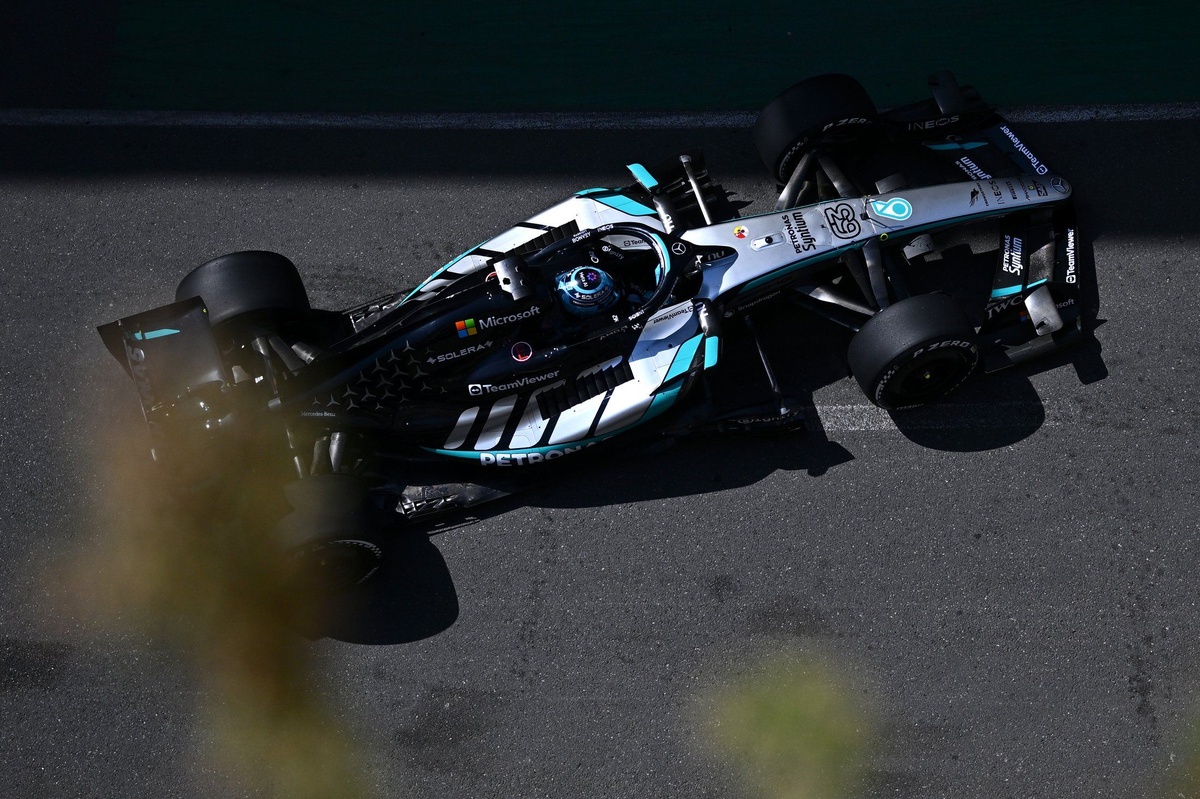
George Russell produced one of his most convincing weekends of the year at the Azerbaijan Grand Prix, converting a dominant pole position into victory and taking full advantage of a rare difficult weekend for Mercedes team-mate Kimi Antonelli.
The result does not transform Russell’s Formula 1 championship prospects. His chances may have increased from roughly one percent to about two percent, but there is still no clear championship battle. Given Mercedes’ advantage over its rivals in Baku, expectations of a major title resurgence would be excessive.
Even so, Russell did everything required of him. He secured pole by a substantial margin, controlled the race and capitalised on Antonelli’s early Q1 mistake, which prevented the Italian from showing his full potential. The weekend was arguably Russell’s strongest of the season apart from Australia.
Russell’s victory does not prove that he can still win the championship this year. It does, however, serve as an important reminder that the Mercedes driver remains quick and should not be dismissed completely.
Isack Hadjar validates Red Bull’s long-term confidence
Isack Hadjar’s position at Red Bull was not considered under serious threat during his recovery from a wrist injury. However, the contract extension handed to the French driver before his Formula 1 return prompted questions about the source of the team’s confidence.
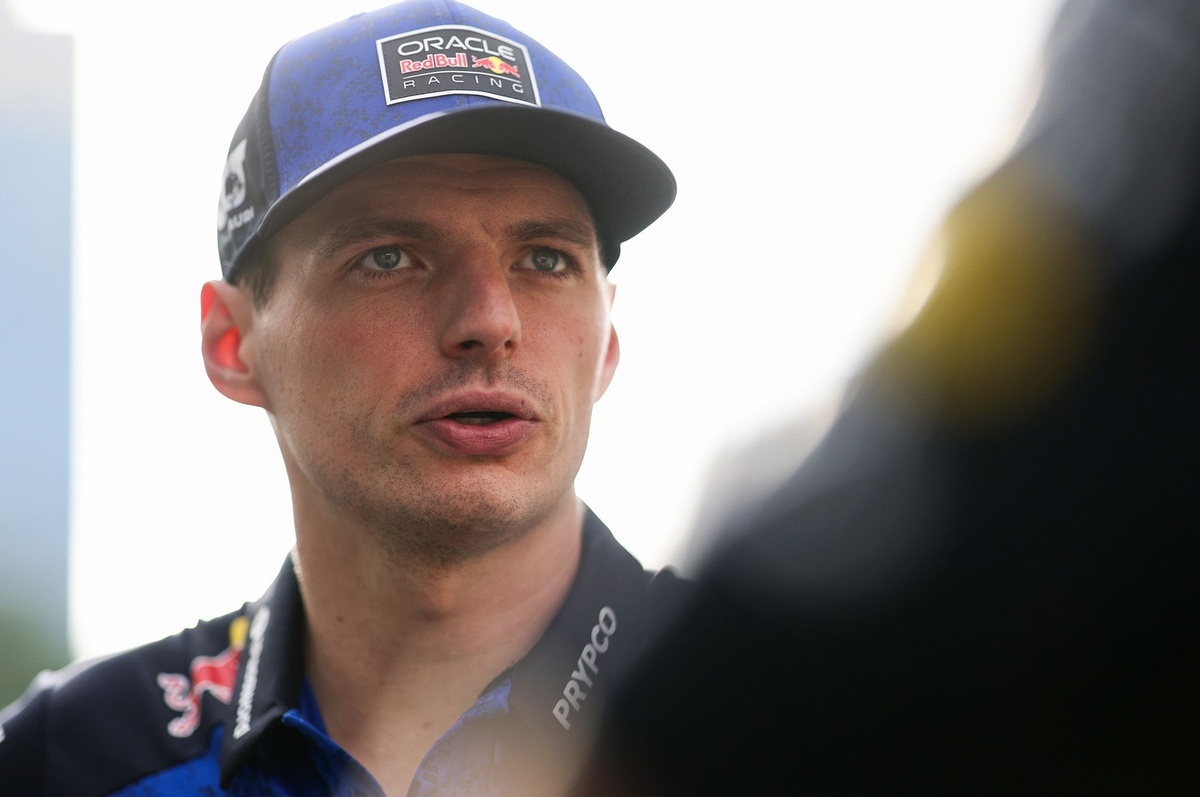
His performance in Baku provided a strong answer. Hadjar qualified fourth and stayed close to the action after Max Verstappen encountered mechanical problems. He then followed Red Bull’s strategic expectations in the race, giving up a promising position early on to support his team-mate.
Hadjar acted as Verstappen’s wingman and even urged the reigning Red Bull driver to increase his pace, a dynamic not seen since Sergio Perez’s early years with the team. He handled two Safety Car restarts and pressured Oscar Piastri into a mistake before following Verstappen onto the podium.
The result marked an impressive comeback for Hadjar and demonstrated why Red Bull has selected him as a long-term team-mate for Verstappen.
Williams’ FW48 B-spec shows promise but falls short
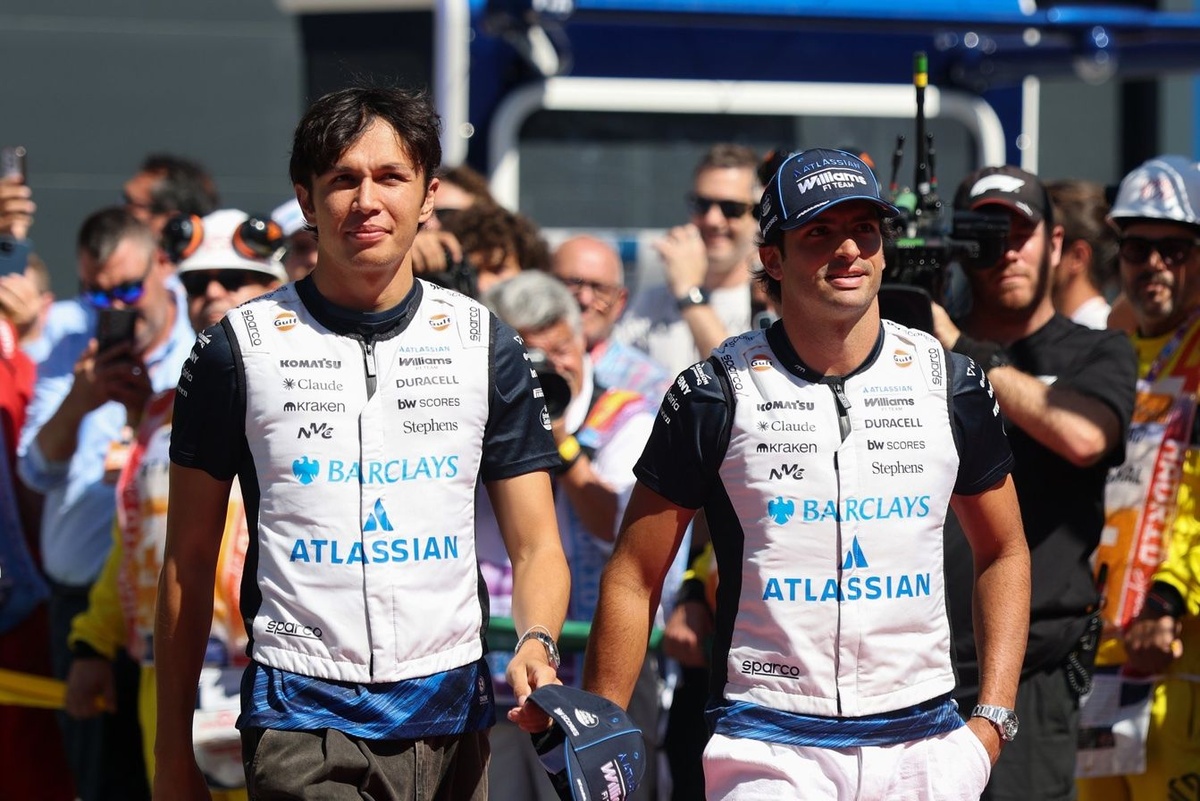
Williams arrived in Baku with significant expectations surrounding its long-awaited FW48 B-specification car. The package included an all-new, lighter chassis and a redesigned floor, although the team had described the update as a step toward stronger performance in 2027 rather than a revolutionary transformation.
The Azerbaijan weekend broadly confirmed that assessment. Williams returned to the midfield fight, and Carlos Sainz progressed to Q3, providing encouragement after a period away from the competitive centre of the field.
However, the high-speed Baku street circuit appeared well suited to the Mercedes-powered team’s natural strengths. With that advantage, remaining well outside the points picture on Saturday felt like a missed opportunity. The FW48’s performance at the higher-downforce circuits in Malaysia and Singapore will offer a clearer indication of whether the B-spec package can deliver consistent progress.
Alpine loses points after Franco Colapinto’s costly error
Alpine appeared set to secure another strong result as the leading team behind the frontrunners for a third consecutive race weekend. Both Franco Colapinto and Pierre Gasly were on course to score points, but the Baku race demonstrated how quickly Formula 1 fortunes can change.
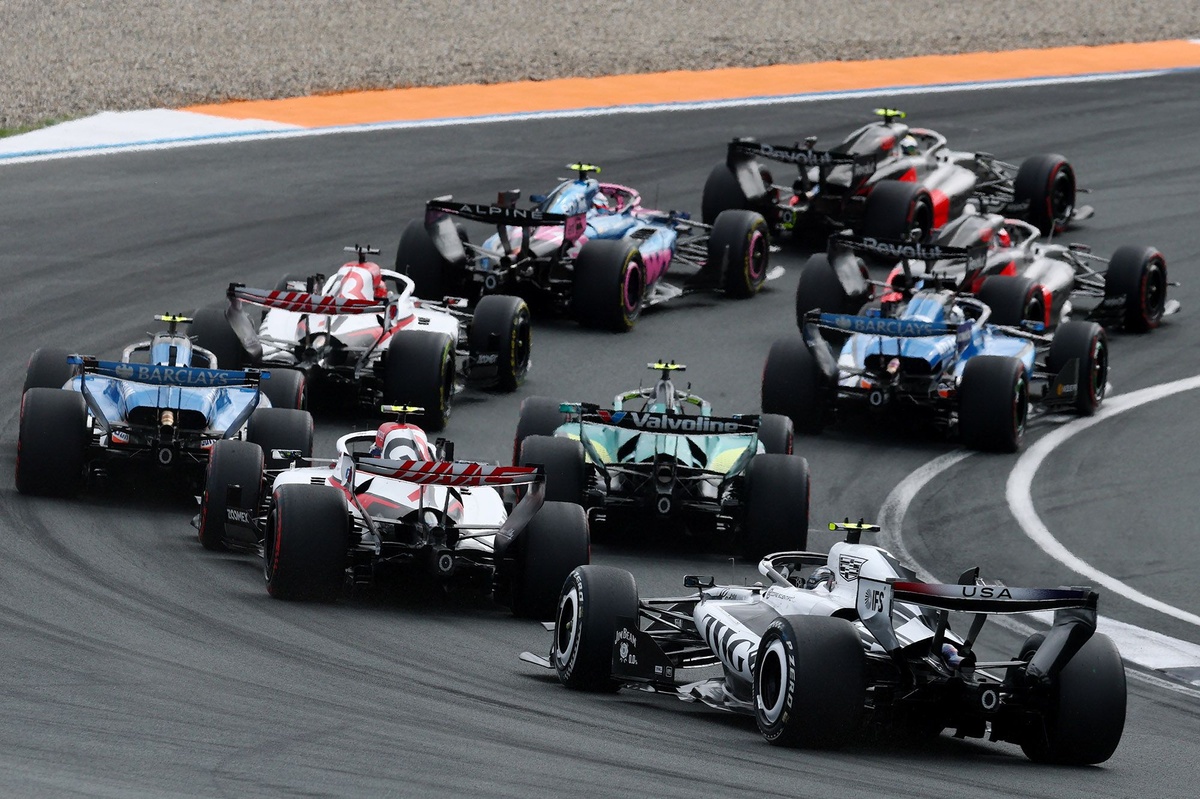
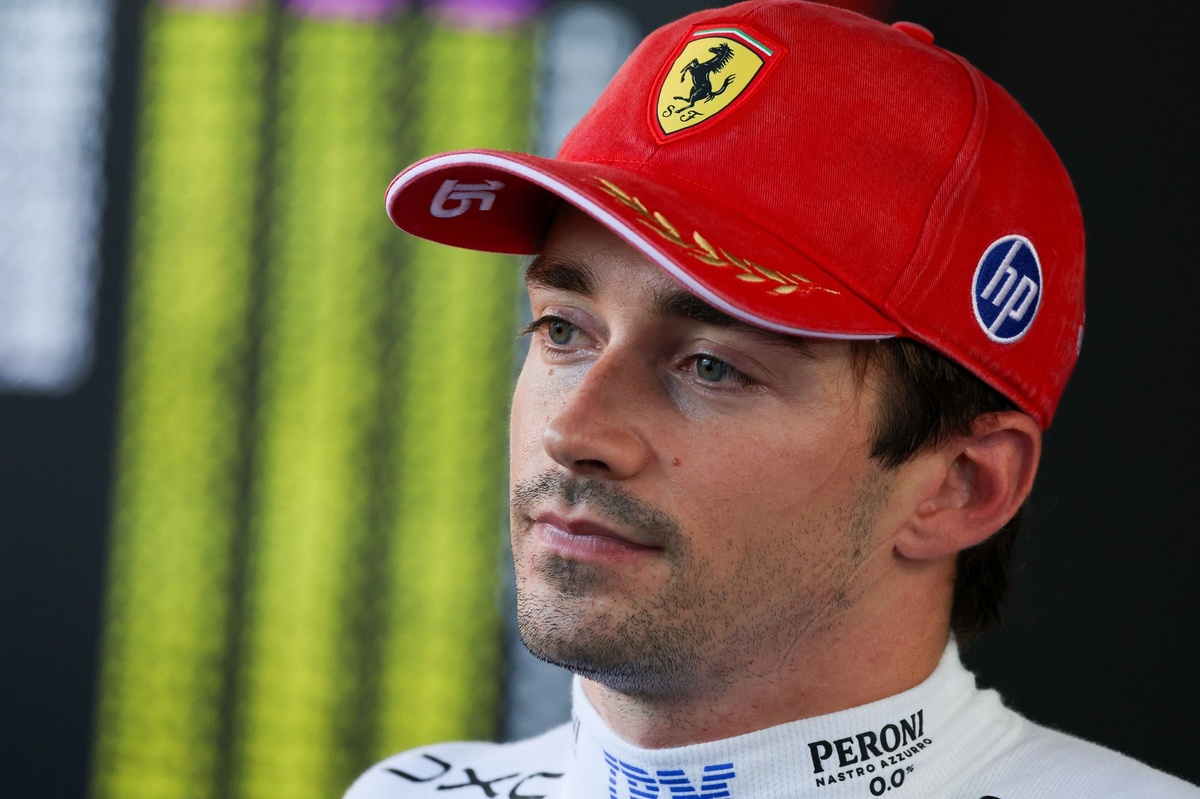
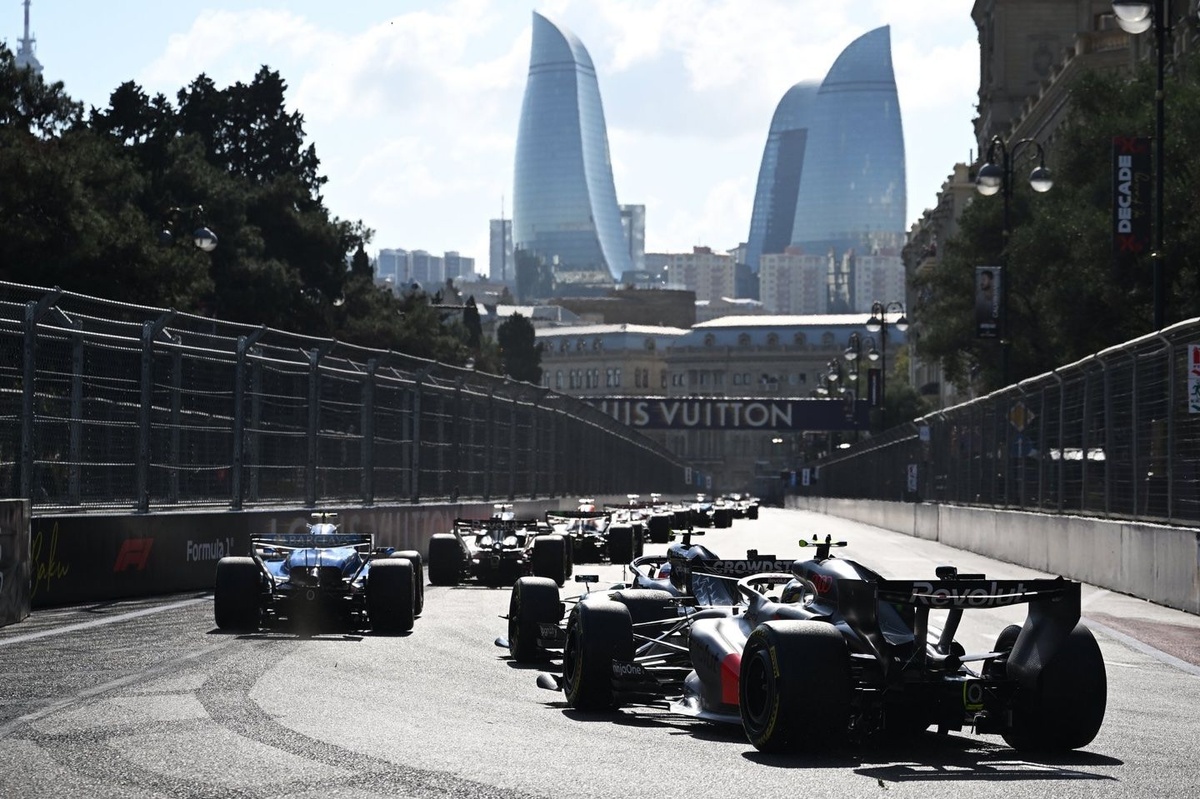
Following the Safety Car period caused by Alex Albon’s crash, Colapinto arrived too quickly at Turn 1 during the restart. He hit Gasly, who then made contact with Lando Norris’s McLaren, turning a promising Alpine result into a costly setback.
Colapinto quickly apologised to Gasly and the entire Alpine team. The incident came while Alpine is engaged in a close battle with Racing Bulls for fifth place in the constructors’ championship, increasing the significance of the lost opportunity.
The team’s response will attract attention after the tension between Gasly and Colapinto at the end of the previous race in Madrid, followed by online abuse aimed at Gasly. Alpine’s handling of the latest incident, both internally and publicly, will be closely watched.
Sergio Perez underlines his strength on street circuits
Sergio Perez showed his street-racing expertise in Baku, finishing 13th in Thursday’s second practice session and running one second per lap faster than Cadillac team-mate Valtteri Bottas. Bottas had a new floor and dampers for qualifying, which he described as transformative, but Perez was significantly stronger in the race, pulling away from him by between one and two seconds per lap.
Perez’s precise driving style is particularly effective on street circuits. He can manipulate the rear axle into a controlled slide without putting the car into the barriers, and he has moved beyond the unruly approach that characterised the early part of his Formula 1 career. His ability to manage his tyres has made him an archetypal ‘tyre whisperer’.
While watching FP2 from the Cadillac garage, the team observed Perez’s technique closely. At one stage, race engineer Carlo Pasetti asked Perez about what appeared to be an unusual braking approach into Turn 1.
“Baku style,” replied Perez, keeping a few secrets in his box.
In the race, Perez initially shadowed the Audi cars and opened a gap of more than 20 seconds to Bottas. The Safety Car disruption briefly gave him an opportunity to take 13th place from faster cars, but Gabriel Bortoleto and Oscar Piastri eventually passed him.
Perez finished 15th, a modest result that did not reflect the quality of his drive. His performance received less attention because the focus was on the leading battle between George Russell and Max Verstappen, but the large gap to Bottas before the Finn’s final-lap crash was notable for the Cadillac pit wall.
Why This Matters
The Baku weekend highlighted several important trends across the Formula 1 field. Russell’s win keeps a small possibility of a championship recovery alive while confirming that Mercedes can exploit its performance advantage when its lead driver executes cleanly. Red Bull’s confidence in Hadjar was also reinforced by a podium-supporting performance under pressure.
Further down the field, Williams still needs to establish whether its FW48 B-spec can provide reliable gains beyond circuits naturally suited to its package. Alpine’s clash showed how quickly points can disappear in a constructors’ battle, while Perez’s pace underlined the value of street-circuit expertise even when the final result does not reflect the quality of the performance.
Frequently Asked Questions
Did George Russell become a serious championship contender after winning in Baku?
No. Russell’s victory modestly improved his already small title prospects, but it did not create a clear championship battle.
Why was Isack Hadjar’s Red Bull performance significant?
Hadjar qualified fourth, supported Max Verstappen during the race, handled two Safety Car restarts and finished on the podium. The result supported Red Bull’s decision to extend his contract and plan for him as Verstappen’s long-term team-mate.
What happened between Alpine’s Franco Colapinto and Pierre Gasly?
Colapinto arrived too quickly at Turn 1 during a Safety Car restart and hit Gasly. Gasly then made contact with Lando Norris, costing Alpine a strong chance of scoring points.