Tag: trendingTeam

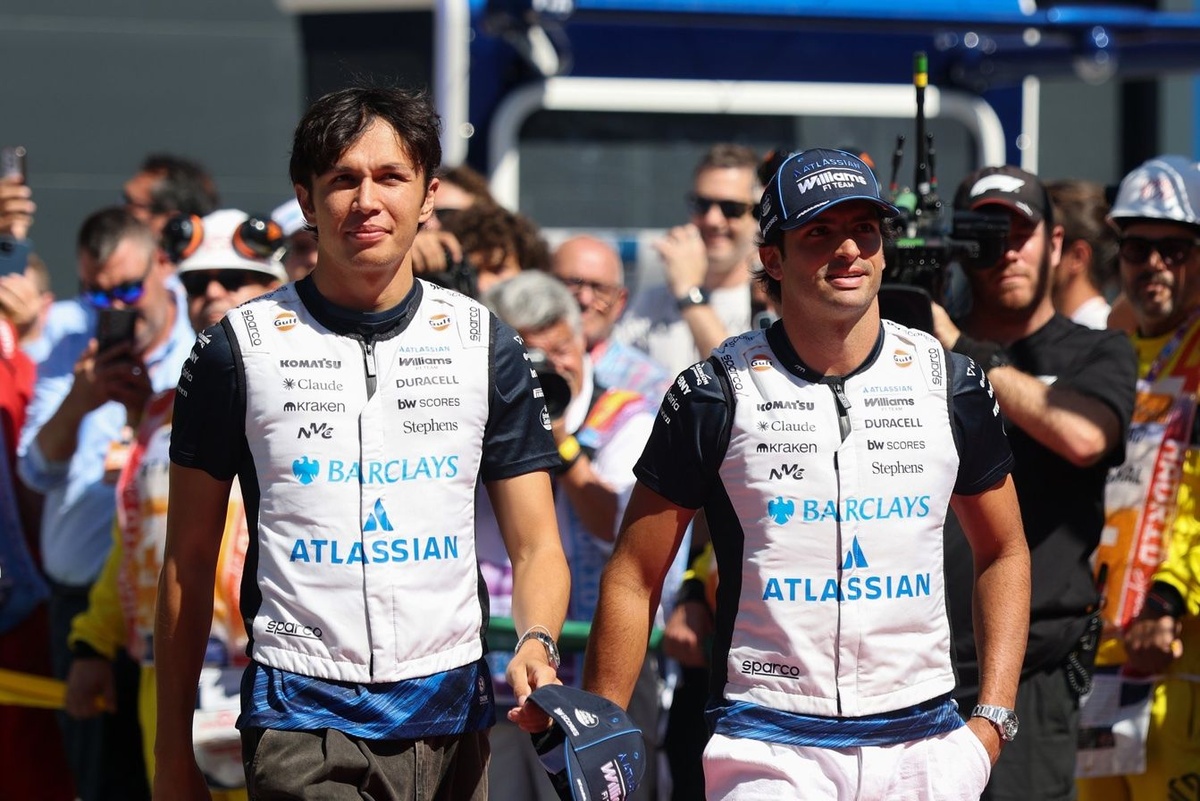
  • Alex Albon and Carlos Sainz Reveal Plans for F1 Boys’ Trip

    Alex Albon and Carlos Sainz Reveal Plans for F1 Boys’ Trip

    Key Highlights

    • Alex Albon and Carlos Sainz say a small group of Formula 1 drivers plans to remain in Asia for a boys’ trip between the Bahrain and Singapore Grands Prix.
    • Williams introduced a major FW48 upgrade package at the Azerbaijan Grand Prix, with Sainz qualifying ninth and Albon 13th.
    • Sainz will start the Baku race from 14th after receiving a five-place grid penalty for failing to slow under yellow flags.

    Alex Albon and Carlos Sainz reveal F1 drivers’ Asia trip plans

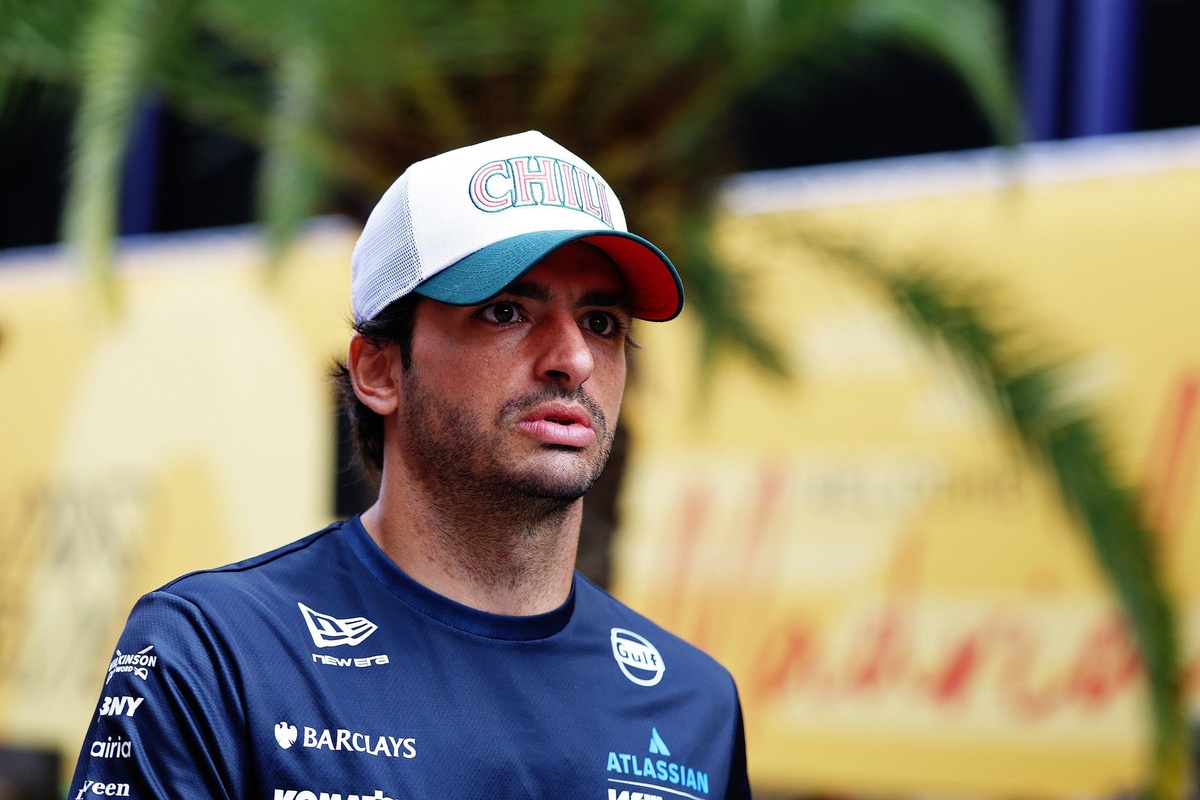
    Williams team-mates Alex Albon and Carlos Sainz have revealed that a small group of Formula 1 drivers will use the gap between the rescheduled Bahrain Grand Prix and the Singapore Grand Prix for a boys’ trip.

    The Bahrain Grand Prix will be held at the Sepang International Circuit in Malaysia because of the conflict in the Middle East. The revised schedule has given drivers the opportunity to remain in Asia between the two races instead of returning to their team bases.

    “We’re going to go on like a boys’ trip, I guess,” Albon said during an interview in the Fan Zone ahead of the Azerbaijan Grand Prix. “I think there are a few drivers where we’re going to hang out.”

    Sainz added: “Yeah, it’s going to be [a boys’ trip]. We just realised no one’s bringing their girlfriend. But it’s not like we’re going to do anything exciting. We’re going to be in a resort in the middle of nowhere.”

    Williams brings major FW48 upgrade to Baku

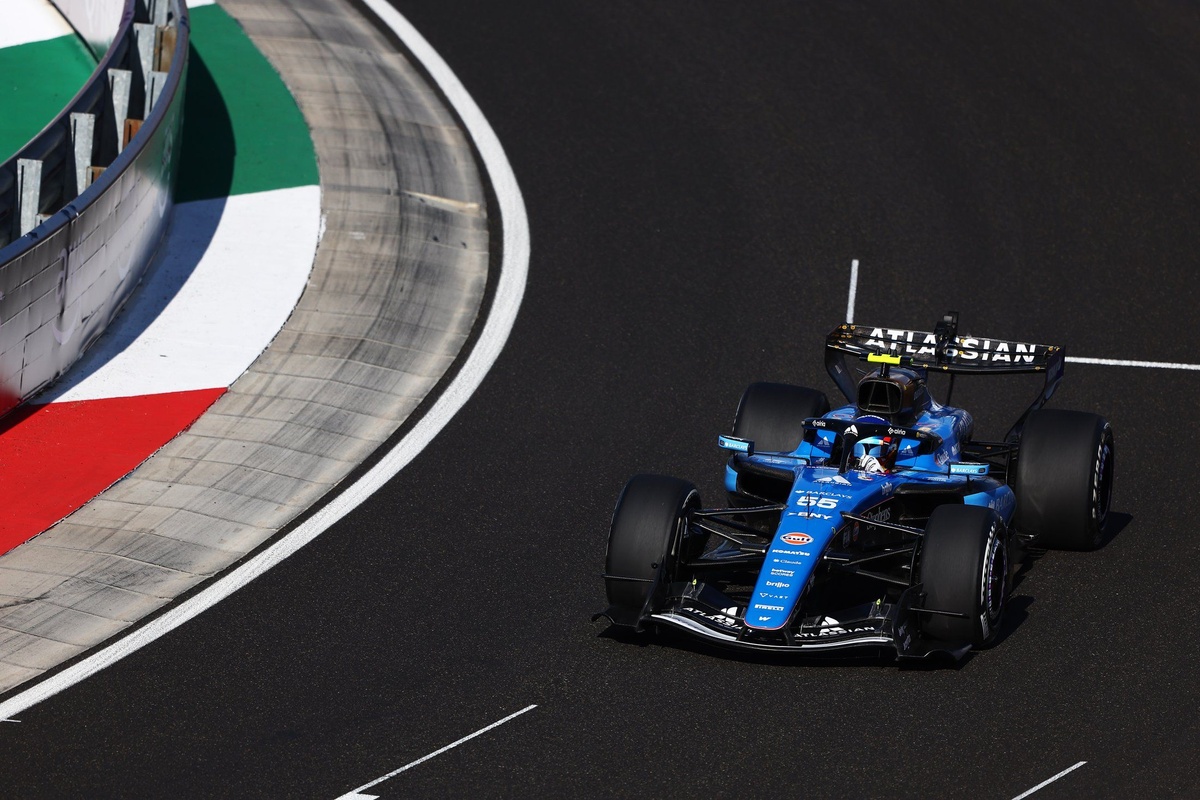
    The drivers’ travel plans come during an important weekend for Williams, which has introduced a major upgrade package for its FW48 at the Azerbaijan Grand Prix. After arriving at pre-season testing in Bahrain with an overweight car, the Grove-based team has worked on a B-specification car for Baku.

    The upgraded Williams machinery helped Sainz qualify ninth and Albon qualify 13th for the Azerbaijan Grand Prix. However, Sainz will begin the race from 14th after being handed a five-place grid penalty for failing to slow under yellow-flag conditions.

    The Spaniard also received two penalty points, taking his total to four points during the 12-month period. Sainz and Albon currently occupy 16th and 17th in the drivers’ championship, with six and five points respectively.

    Why This Matters

    The revised Formula 1 calendar has created an extended period in Asia between the Bahrain and Singapore races, allowing drivers to avoid returning to their bases between events. For Williams, the Azerbaijan Grand Prix is also an early test of whether its FW48 upgrade can improve the team’s performance after concerns over the car’s weight during pre-season testing.

    The Azerbaijan Grand Prix will take place at the Baku City Circuit at 3pm local time, which is noon UK time. Sainz’s grid penalty means Williams’ qualifying results will not translate directly into its starting positions for the race.

    Frequently Asked Questions

    Which Formula 1 drivers are planning the trip?

    Williams drivers Alex Albon and Carlos Sainz said that a small group of drivers will spend time together in Asia between the Bahrain and Singapore Grands Prix. They did not identify the other drivers involved.

    Why is the Bahrain Grand Prix being held in Malaysia?

    The Bahrain Grand Prix has been rescheduled to the Sepang International Circuit because of the conflict in the Middle East.

    Where will Carlos Sainz and Alex Albon start in Baku?

    Sainz qualified ninth but will start 14th after a five-place grid penalty. Albon qualified 13th and is set to start from that position.
  • Formula 1 Urged to Rethink Sprint Points System as 2027 Calendar Expands

    Formula 1 Urged to Rethink Sprint Points System as 2027 Calendar Expands

    Key Highlights

    • F1 presenter Will Buxton calls for a points system overhaul and aerodynamic testing reassessment ahead of the 2027 calendar’s expansion to 10 sprint weekends.
    • Buxton argues current sprint points—capped at eight for the winner and only awarded to the top eight—are insufficient and should be extended deeper into the field.
    • Increased sprint races intensify cost cap pressures, potentially requiring revised wind tunnel and CFD allocations tied to championship standings.

    Buxton Demands Sprint Points Reform as 2027 Calendar Expands

    Formula 1 faces mounting pressure to restructure its sprint race points allocation and revisit aerodynamic testing restrictions as the sport prepares for a significantly expanded sprint calendar in 2027. The call comes from veteran motorsports presenter and journalist Will Buxton, who outlined his concerns during an appearance on the Up To Speed podcast alongside co-host and Sky Sports analyst Naomi Schiff.

    The 2027 Formula 1 calendar is slated to feature 10 sprint race weekends across Bahrain, Australia, Japan, Canada, Monaco, Great Britain, Italy, Brazil, Qatar, and Abu Dhabi. Under the current framework, sprint races award points only to the top eight finishers on a descending scale from eight points for the winner down to one point for eighth place. Buxton contends this structure no longer reflects the increased weight of Saturday competition.

    Current Points Structure Deemed Inadequate for Expanded Sprint Role

    “You should get more points. It should go down further. They should reallocate the point structure between sprints and the main one,”

    Buxton asserted. He emphasized that the talent pool is already conditioned for multi-race weekends, noting that nearly every driver on the grid progressed through junior categories such as GP2—now Formula 2—which routinely featured two races per event.

    “Don’t forget as well, every single driver in that field other than Fernando [Alonso] came through junior formulas from GP2, which is now Formula 2, with two races in a weekend. So, it’s not like they’re not used to it.”

    Cost Cap and Aerodynamic Testing Limits Complicate Development

    Beyond points allocation, Buxton highlighted the cascading impact of additional sprint events on the sport’s financial regulations. The introduction of more high-intensity weekends forces teams to recalibrate spending under the existing budget cap, potentially shifting resources toward simulation and wind tunnel work.

    “To your point about development, it might then lead, under the budget cap, to teams having to rethink again how they allocate their spending throughout the year.”

    He explained that aerodynamic development—already concentrated in Computational Fluid Dynamics (CFD) and wind tunnel testing—is governed by a sliding scale of allocated hours based on the previous season’s constructors’ championship finish. More sprint races could necessitate a “rejigging” of these limits to preserve development capacity.

    “The vast majority, which is already the case, but even more of a focus on R&D going through CFD and wind tunnel, and obviously you have the limitations on that based on where you finish the previous championship season.”

    “So that might need a bit of rejigging as well in order to allow a little more time to go into CFD and a little bit more time in the wind tunnel because that’s where the development will ultimately be done.”

    Rookie Session Mandate Adds Further Scheduling Complexity

    Co-host Naomi Schiff, a former W Series driver, added another layer to the operational challenge: the mandatory inclusion of rookie drivers in free practice sessions.

    “Don’t forget we’ve got to get six rookie sessions in. Let’s not forget that as well. Each team has to give away six sessions to a rookie.”

    This requirement, combined with an expanded sprint format, compresses the already limited track time available for race preparation and car setup, intensifying the strategic burden on team principals and sporting directors.

    Why This Matters

    The 2027 sprint expansion represents a fundamental shift in Formula 1’s competitive architecture. With nearly one-third of the calendar designated as sprint weekends, the distinction between “support” events and championship-defining races continues to blur. The current points gradient—designed when sprints were experimental—risks undervaluing performances that increasingly influence title outcomes. Simultaneously, the intersection of the cost cap, aerodynamic testing restrictions (ATR), and mandatory rookie running creates a multi-variable optimization problem for teams. Any recalibration of points or testing allowances will require consensus among the FIA, Formula One Management, and the teams, likely becoming a focal point of Sporting Advisory Committee discussions throughout 2025 and 2026.

    Frequently Asked Questions

    How many sprint weekends are scheduled for the 2027 Formula 1 season?
    The 2027 calendar includes 10 sprint race weekends in Bahrain, Australia, Japan, Canada, Monaco, Great Britain, Italy, Brazil, Qatar, and Abu Dhabi.
    What is the current sprint race points distribution?
    Points are awarded to the top eight finishers: eight for first, seven for second, six for third, descending to one point for eighth place.
    How do aerodynamic testing restrictions (ATR) work under the cost cap?
    ATR allocate CFD and wind tunnel hours on a sliding scale based on the previous season’s constructors’ championship position; lower-placed teams receive more development time to promote convergence.
  • James Hinchcliffe Explains Why Ferrari Is “Happy” With Lewis Hamilton-Charles Leclerc Rivalry

    James Hinchcliffe Explains Why Ferrari Is “Happy” With Lewis Hamilton-Charles Leclerc Rivalry

    Key Highlights

    • James Hinchcliffe asserts Ferrari welcomes the intensifying rivalry between Lewis Hamilton and Charles Leclerc, calling it the expected outcome of signing the seven-time champion.
    • Hamilton rebounded in 2026 with his first Ferrari podium in China and maiden victory for the Scuderia in Barcelona, sitting third in the standings with 191 points.
    • Hinchcliffe describes the two-driver battle as a “privileged position” that accelerates development, though he acknowledges difficult team-order decisions may loom if Ferrari contends for the title in 2027.

    Hinchcliffe: Ferrari’s Hamilton-Leclerc Rivalry Is a Feature, Not a Bug

    Former IndyCar race-winner and current F1 TV analyst James Hinchcliffe has dismissed suggestions that Lewis Hamilton‘s resurgence at Ferrari constitutes a headache for team principal Frédéric Vasseur. Speaking on the F1 Nation podcast ahead of the Azerbaijan Grand Prix, Hinchcliffe argued the Scuderia deliberately engineered a high-stakes intra-squad duel when it recruited the seven-time world champion, and that the current friction is precisely the dynamic the Maranello hierarchy anticipated.

    From Struggle to Strength: Hamilton’s 2026 Turnaround

    Hamilton’s debut campaign with Ferrari in 2025 yielded scant reward as he grappled with the car and the organization’s operational rhythm. The narrative shifted decisively in 2026. Having acclimated to the squad and the revised technical regulations, the Briton claimed his first podium in red at the Chinese Grand Prix before converting pole position into a breakthrough victory at the Barcelona-Catalunya Grand Prix. Those results have propelled him to third in the drivers’ championship on 191 points, albeit 101 adrift of leader Kimi Antonelli. Team-mate Charles Leclerc, long regarded as the franchise cornerstone, sits fifth with 167 points.

    “They Didn’t Sign Him to Be Subservient”

    Asked whether Hamilton’s newfound pace had created an unforeseen management challenge for Vasseur, Hinchcliffe was unequivocal. “I think they’re happy to have the problem,” he said. “I don’t think Ferrari would sign somebody that they were anticipating to be slower and subservient to Charles, to the ‘Ferrari Golden Boy’.” The pundit emphasized that Vasseur, having managed Hamilton in junior categories, entered the partnership with open eyes regarding the 39-year-old’s ceiling. “Everybody knows exactly what Lewis is capable of, and Fred has seen it from the beginning. So, no, I think they were more surprised last year at the lack of issue they had with this because Lewis wasn’t up to the same pace as Charles, and that this year is really more what they were expecting to have, and frankly, it’s what they want.”

    Development Accelerant and the “Privileged Position”

    Hinchcliffe framed the internecine competition as a catalyst for engineering progress. “When you have two drivers that can push each other like this, you’re going to help make the team better. Yes, at some point it might bring up some difficult conversations and some difficult decisions, but that’s a privileged position to be in.” He projected that if Ferrari delivers a title-capable chassis in 2027, the dialogue will evolve from managing egos to adjudicating championship strategy. “It’s one that they hope, if they get the car right next year, that we’ll be having similar conversations next year, but talking about the championship implications of who they should back.”

    Why This Matters

    The Hamilton-Leclerc axis represents Formula 1’s most scrutinized driver pairing: a record-equalling champion chasing an eighth crown versus a homegrown talent anointed as the Scuderia’s future. Hinchcliffe’s assessment reframes the narrative from potential dysfunction to calculated roster construction. Ferrari’s 2026 form — race-winning pace but a substantial deficit to Antonelli in the standings — suggests the team has the raw performance to exploit a two-driver development loop. However, the “difficult conversations” Hinchcliffe anticipates will materialize only if the 2027 regulation set yields a genuine title contender. For now, Vasseur’s challenge is converting the rivalry into constructive data without fracturing garage harmony, a balancing act that will define Ferrari’s trajectory into the next regulatory cycle.

    Frequently Asked Questions

    Where does Lewis Hamilton stand in the 2026 drivers’ championship?
    Hamilton is third with 191 points, 101 points behind championship leader Kimi Antonelli.
    What were Hamilton’s key results for Ferrari in 2026?
    He scored his first podium for the team at the Chinese Grand Prix and took his maiden Ferrari victory at the Barcelona-Catalunya Grand Prix.
    Does James Hinchcliffe believe Ferrari will face team-order dilemmas?
    Yes. He acknowledges “difficult conversations and some difficult decisions” may arise, but characterizes that scenario as a “privileged position” that Ferrari actively sought by signing Hamilton.
  • Carlos Sainz Backs Bold Approach for Williams Junior Will Green’s Racing Future

    Carlos Sainz Backs Bold Approach for Williams Junior Will Green’s Racing Future

    Key Highlights

    • Carlos Sainz advises 13-year-old Williams Academy driver Will Green to prioritize finding the limit over consistency in his transition from karting to single-seaters.
    • The Spanish Formula 1 driver emphasizes that making mistakes while pushing hard is essential for learning and confidence-building at the junior level.
    • Green, the 2026 Karting European Championship junior champion, conducted the interview published on the Williams Racing YouTube channel.

    Sainz Mentors Williams’ Newest Academy Talent

    Carlos Sainz has offered candid guidance to Will Green, the 13-year-old karting prodigy who joined the Williams Racing Academy in December 2024, urging the British youngster to embrace risk-taking over conservative consistency as he prepares for the leap to single-seater competition. The conversation, filmed for the Williams Racing YouTube channel, featured the unique dynamic of Green interviewing the 32-year-old Spanish Grand Prix winner, providing a rare glimpse into how established Formula 1 stars view the developmental pathway.

    Embrace Mistakes to Multiply Talent

    Sainz’s central message focused on the psychological approach required during the formative junior years. “Don’t be afraid to make mistakes. It’s better to push too hard and make mistakes than try and be too conservative,” Sainz said in the video on the Williams YouTube channel. “You are at the age where it’s important to learn as much as possible. So, don’t be scared.” He elaborated that the window for aggressive experimentation is narrow and critical. “Don’t be afraid to make mistakes, risk too much and go for overtakes or last-lap moves that maybe are too risky. I would say that age is the time to do it because that’s when you will learn the most.”

    The Ferrari driver distinguished between productive errors and avoidable blunders. “Always try to be as close to the limit as possible. Obviously, don’t do anything stupid. If you can avoid stupid mistakes, avoid stupid mistakes. But go and take risks because when they pay off, you feel a lot of confidence, and that’s where your talent multiplies. You’re not only talented but also confident.” This philosophy underscores a broader paddock consensus that early-career confidence, forged at the edge of adhesion, is a prerequisite for elite performance.

    A Natural Transition from Karting to Cars

    Reflecting on his own graduation from karts, Sainz offered reassurance regarding the technical adjustment. “I felt that going from karting to cars was quite natural to me. It didn’t feel weird,” he added. “You will jump in a car one day. They will teach you how to drive with the gears, with everything. The first two laps will be strange but then your natural instinct of just pushing flat out whatever they give you will kick in and you will find a way.” The remarks serve to demystify the step up for Green, who currently holds the 2026 Karting European Championship junior title.

    Why This Matters

    The exchange highlights the increasing structure of Formula 1 junior programs, where teams like Williams invest in drivers as young as 13 and facilitate direct mentorship with current race winners. Sainz’s advice aligns with the “find the limit first” doctrine employed by many driver coaches: early consistency often masks a lack of ultimate pace potential. For Green, the 2026 European junior champion, the immediate challenge will be applying this mindset during his first tests in machinery such as the Formula 4 car, where the cost of errors rises sharply compared to karting. Williams’ decision to publish the dialogue publicly also signals a transparency strategy, showcasing their academy culture to sponsors, fans, and future recruits.

    Frequently Asked Questions

    Who is Will Green and what has he achieved?
    Will Green is a 13-year-old British driver announced as a Williams Racing Academy member in December 2024. He recently won the 2026 Karting European Championship junior title.
    What specific advice did Carlos Sainz give about making mistakes?
    Sainz told Green it is better to push too hard and make mistakes than to be too conservative, stating that taking risks at this age is when a driver learns the most and builds the confidence that multiplies talent.
    Where can the full interview be watched?
    The interview conducted by Green with Sainz was published on the official Williams Racing YouTube channel.
  • 2025 F1 Academy champion Doriane Pin sets timeline for Formula 1 race seat

    2025 F1 Academy champion Doriane Pin sets timeline for Formula 1 race seat

    Key Highlights

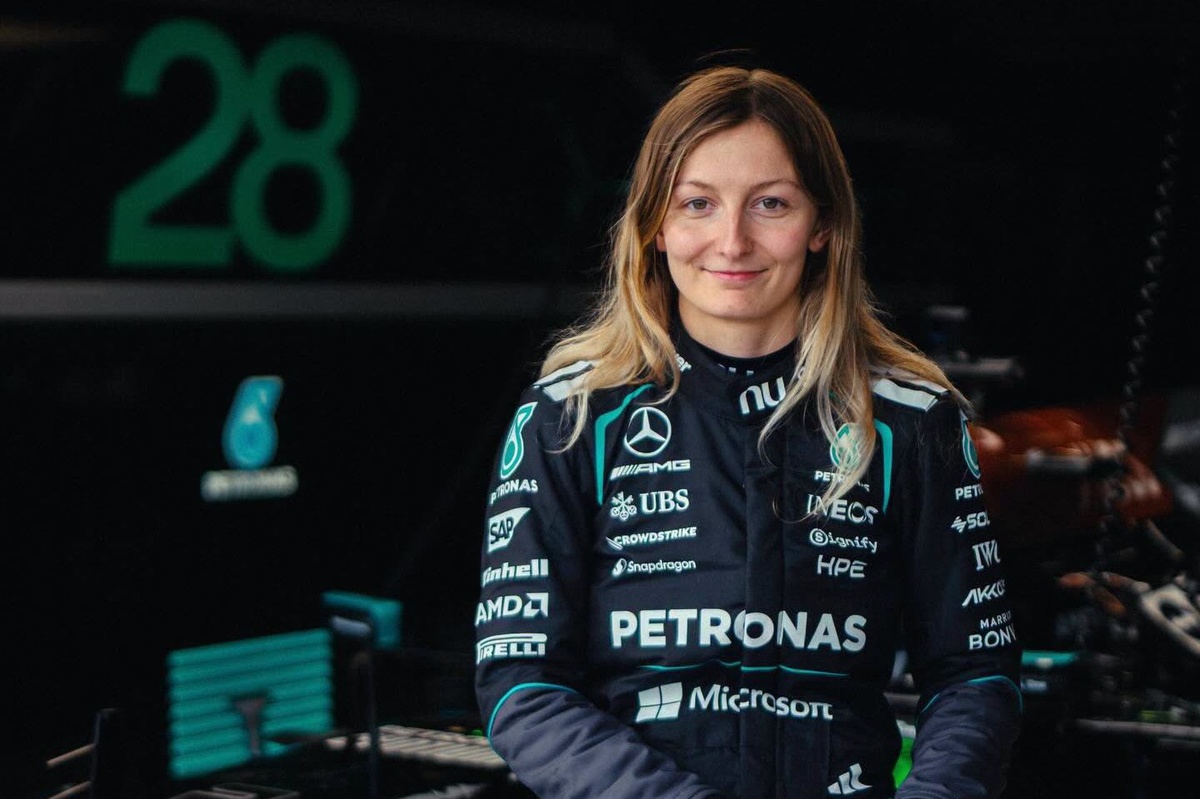
    • Mercedes Formula 1 development driver Doriane Pin has set a five-year target to secure a race seat on the F1 grid.
    • The 2025 F1 Academy champion became the first woman to drive a Mercedes F1 car at Silverstone in April 2026, testing the 2021 W12 challenger.
    • Pin advocates for greater diversity and inclusion in motorsport, emphasizing the need for more opportunities for women in Formula 1 and beyond.

    Pin Sets Ambitious Five-Year Formula 1 Timeline

    Mercedes Formula 1 development driver Doriane Pin has publicly declared her intention to earn a race seat on the Formula 1 grid within the next five years. The French driver, who currently serves as a development driver for the Brackley-based team, outlined her long-term career aspirations during a recent Mercedes In Convo With Kids interview. When asked where she envisions herself in half a decade, Pin responded directly: “In Formula 1. “That would be cool. It will open some doors to all the girls that want to be a Formula 1 driver.”

    Historic Silverstone Test and Multi-Series Programme

    Pin’s trajectory accelerated significantly after she clinched the F1 Academy championship in 2025, a triumph that secured her a development driver contract with Mercedes. In April 2026, the 22-year-old made history by becoming the first woman to drive a Mercedes Formula 1 car at Silverstone, piloting the W12 — the team’s challenger from the 2021 season. Beyond her Formula 1 commitments, Pin maintains a demanding multi-discipline schedule. She serves as a development driver for Peugeot in the FIA World Endurance Championship and for Citroën in Formula E, while also competing in the Le Mans Prototype 2 Pro-Am class of the European Le Mans Series for the Duqueine Team.

    Championing Diversity in a Male-Dominated Sport

    Pin’s ambition extends beyond personal achievement; she is a vocal advocate for systemic change within the motorsport industry. Asked what she would change about the world, she centered her answer on representation: “Diversity, in general,” she said about one thing she would change about the world. “So in sports and outside of sports, I think we need more diversity. “So more opportunities for everyone. Especially with my experience in a male-dominated sport like motorsport. So it would be good if we had a lot of women also in Formula 1.” Her perspective is informed by direct experience navigating the sport’s hierarchical structure, positioning her as a prominent voice for the next generation of female talent.

    Why This Matters

    Pin’s stated timeline and current trajectory place her among the most credible female prospects for a Formula 1 race seat in recent history. Her path mirrors and advances the progress made by predecessors such as Susie Wolff, who drove in official free practice sessions for Williams in 2014 — becoming the first woman to participate in a Grand Prix weekend in 22 years — and Jessica Hawkins, who completed a 26-lap test in the Aston Martin AMR21 at the Hungaroring in September 2023. With the F1 Academy now firmly established as a feeder series under Formula 1’s management, Pin’s development across single-seaters, endurance racing, and electric competition provides a uniquely broad technical foundation. Should she achieve her five-year goal, it would represent a watershed moment for gender diversity at the pinnacle of motorsport.

    Frequently Asked Questions

    Who is Doriane Pin?

    Doriane Pin is a 22-year-old French racing driver who won the 2025 F1 Academy championship. She is currently a Formula 1 development driver for Mercedes, a development driver for Peugeot in the World Endurance Championship and Citroën in Formula E, and competes in the LMP2 Pro-Am class of the European Le Mans Series for Duqueine Team.

    What historic milestone did Pin achieve at Silverstone in April 2026?

    Pin became the first woman to drive a Mercedes Formula 1 car at Silverstone, testing the team’s 2021 W12 challenger as part of her development driver duties.

    Which other female drivers have recently tested Formula 1 machinery?

    Susie Wolff drove in official free practice sessions for Williams in 2014, and Jessica Hawkins completed a 26-lap test in the Aston Martin AMR21 at the Hungaroring in September 2023.

  • Williams Accepts 2026 F1 Development Compromise, Shifts Focus to 2027

    Williams Accepts 2026 F1 Development Compromise, Shifts Focus to 2027

    Key Highlights

    • Williams Racing has accepted a developmental compromise for the remainder of the 2026 Formula 1 season, having redirected the majority of its engineering resources toward the 2027 campaign.
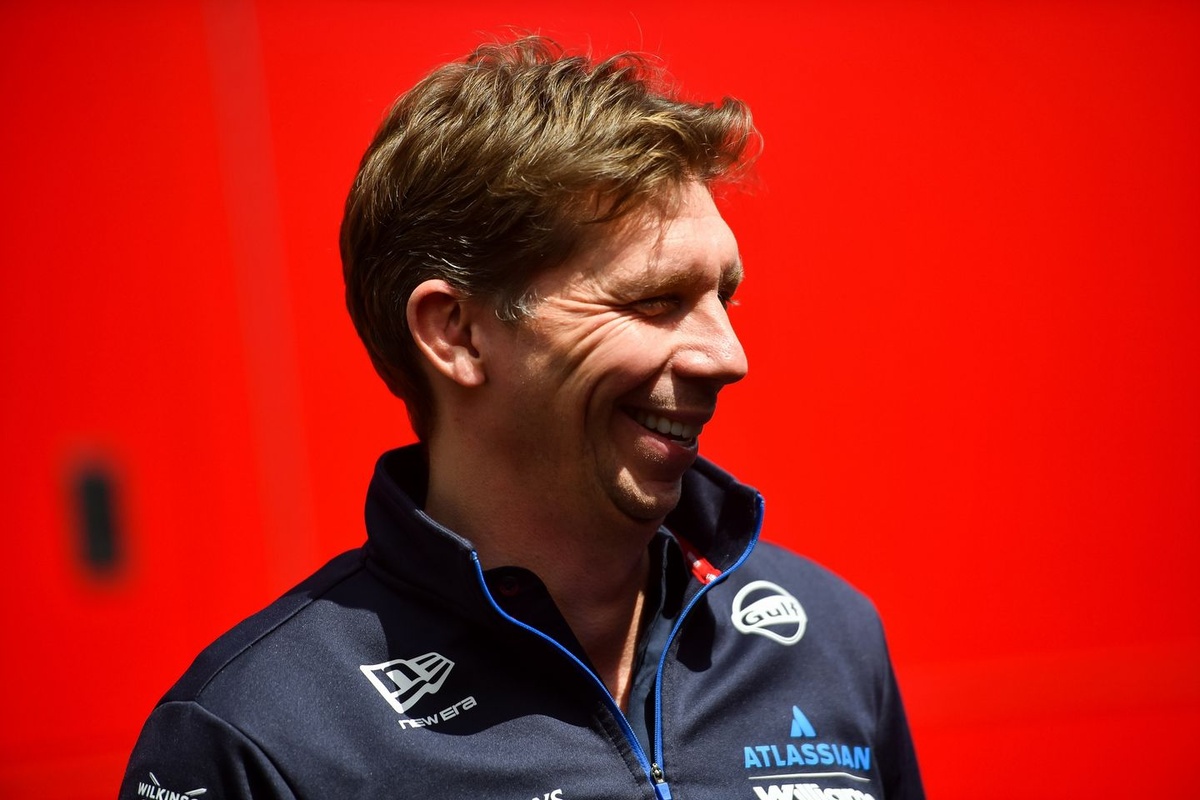
    • Team principal James Vowles confirmed two new chassis and aerodynamic upgrades will debut at the Azerbaijan Grand Prix to address car mass limits, but warned the updates will not be sufficient to consistently score points given the pace of rival development.
    • A difficult Spanish Grand Prix at the new Madring circuit—where Alex Albon finished 15th and Carlos Sainz retired with floor damage—exposed the extent of Williams’ current performance deficit relative to the midfield.

    Vowles Acknowledges Difficult Spanish Grand Prix Reality

    Williams team principal James Vowles offered a candid assessment of the squad’s trajectory during his post-race “Vowles Verdict” debrief following a challenging Spanish Grand Prix at the brand-new Madring circuit. The weekend underscored the Grove outfit’s current struggles: Alex Albon and Carlos Sainz qualified 16th and 17th respectively, before Sainz incurred a three-place grid penalty for impeding, dropping him to 20th on the grid. Albon managed only 15th at the finish, while Sainz retired after 43 laps due to floor damage.

    “For us, a difficult grand prix. We knew it was going to be difficult going into it,” Vowles explained. “It’s just exaggerating the issues we have at the moment, and we haven’t added performance to the car for far too long and have fallen back relative to teams around us.”

    Baku Upgrades Offer Limited Relief

    Looking ahead to the Azerbaijan Grand Prix, Vowles outlined a technical plan aimed at extracting immediate gains. “We have Baku coming up next, and it’s a race we’ve been looking forward to for a while. We’re going to be bringing two new chassis to that event in a bid to get our car mass below the limit. So that should be a strong step up in performance for us. And in addition to that, we’ll have some aerodynamic upgrades that go with it.”

    However, the team principal tempered expectations regarding the impact of those updates. “There is a however. The field has moved on so significantly and these upgrades, whilst powerful, simply won’t be what we are looking for in order to consistently score points.”

    Strategic Pivot Toward 2027 Season

    The fundamental constraint, Vowles revealed, is a resource allocation decision made months ago. “We’ve invested a lot already into next year and beyond, and the resultant behind this is that we accept the compromise to this year, and it stems from what happened over the winter, and we weren’t able to recuperate to the level we wanted. So, a positive step forward but really we need more, and it will come into next year.”

    This strategic pivot means Williams has effectively conceded the remainder of the 2026 championship, accepting a period of limited competitiveness to accelerate development for the 2027 regulation cycle.

    Why This Matters

    Williams’ situation illustrates the brutal resource allocation dilemma facing midfield teams under Formula 1’s cost cap and aerodynamic testing restrictions. With development bandwidth finite, teams must choose between fighting for points in the current season or investing early in the next regulatory cycle—a decision that can define competitiveness for years. For Williams, a historic constructor seeking to return to the front, the 2027 regulation changes represent a potential inflection point. The team’s willingness to endure a barren second half of 2026 signals high internal confidence in their 2027 concept, but also carries reputational and commercial risk if the projected gains fail to materialize. The Baku upgrades will serve as a litmus test for whether the new chassis can at least stabilize the car’s platform before the long pivot to next year.

    Frequently Asked Questions

    Why is Williams bringing two new chassis to the Azerbaijan Grand Prix?
    Williams is introducing two new chassis in Baku to reduce the car’s mass below the regulatory minimum weight limit, which Vowles described as a “strong step up in performance” for the team.
    Will the Baku upgrades make Williams competitive enough to score points regularly?
    No. Vowles explicitly stated that while the upgrades are “powerful,” the development rate of rival teams means they “simply won’t be what we are looking for in order to consistently score points.”
    What caused Williams to accept a compromise for the rest of the 2026 season?
    The team shifted the majority of its engineering resources to the 2027 project during the winter, and Vowles acknowledged they “weren’t able to recuperate to the level we wanted” for the current campaign, forcing a strategic acceptance of reduced competitiveness in 2026.
  • James Vowles Backs Madrid as ‘One to Watch’ Despite Calls for Changes

    James Vowles Backs Madrid as ‘One to Watch’ Despite Calls for Changes

    Key Highlights

    • Williams team principal James Vowles praised the inaugural Madrid Grand Prix organization, calling it potentially “one of the races to watch in the future” despite the circuit’s overtaking limitations.
    • The Madring street circuit offers exceptional logistics: 30 minutes from the city center, 10 minutes by metro, and roughly ten times the paddock space of typical venues.
    • Vowles confirmed Williams’ difficult weekend exposed their ongoing performance deficit, while noting Pirelli’s tyre selection—particularly the hard compound—was well-suited to the new tarmac.

    Vowles Hails Madrid Debut as Logistical Triumph Despite Racing Criticism

    Williams Racing team principal James Vowles has delivered a strong endorsement of Formula 1’s newest venue, declaring the inaugural Spanish Grand Prix at the Madring circuit a logistical success that could become a championship highlight. Speaking on the latest episode of The Vowles Verdict, the team chief commended the event organizers for avoiding the chaotic teething problems that typically plague first-year street races.

    “First and foremost, well done to the organisers,” the Williams team chief said during the latest episode of The Vowles Verdict. “It’s the first year of the grand prix, and typically that just means the event is a little chaotic, but it wasn’t the case in Madrid.

    Vowles emphasized the venue’s unique geographic advantages, noting its proximity to the Spanish capital and expansive footprint. He highlighted that the circuit sits just half an hour from the city centre—a journey reduced to roughly ten minutes via metro—and offers a paddock area approximately ten times larger than the standard allocation at other venues. While that space allows for significantly higher spectator capacity, Vowles candidly acknowledged the trade-off: considerable walking distances between the two main arena zones and the garages.

    “In fact, what I would say is it may be one of the races to watch in the future. Half an hour from the city centre, a capital city, 10 minutes, I think, if you took the metro as a result of it. Huge space, probably 10 times more space than we would normally have available to us, which has pros and cons. Pros means you can fit more people in. Cons, you wear out your shoe leather walking between the two different arenas and to the cars.”

    Technical Layout Praised, but Overtaking Deficit Looms Large

    On the sporting side, the verdict was more mixed. Drivers universally described the Madring layout as a demanding technical challenge, yet the race itself suffered from a distinct lack of overtaking opportunities—a shortcoming that has already prompted calls for layout revisions ahead of the 2027 edition. Vowles confirmed that circuit promoters are expected to study potential improvements to enhance the on-track spectacle.

    “In terms of the track itself, as you saw, very technical, and the drivers all commented that it was a difficult challenge for them, an enjoyable challenge for them,” Vowles continued. “But the racing also suffered slightly, and I’m sure the circuit organisers will be looking into how they can improve that for next year.”

    Williams’ Struggles Magnified by Circuit Demands

    For Williams, the weekend underscored the team’s current competitive trajectory. Vowles was blunt in his assessment: the Madring weekend was always anticipated to be difficult, and the circuit’s characteristics merely amplified the squad’s existing performance shortfall relative to midfield rivals. He pointed to a prolonged period without meaningful car upgrades as the root cause of their slide down the order.

    “For us, a difficult grand prix, we knew it was going to be difficult going into it. It’s just exaggerating the issues we have at the moment and we haven’t added performance to the car for far too long and have fallen back relative to teams around us.”

    Tyre Management and Pirelli’s Successful Selection

    Delving into the tyre data, Vowles revealed a clear split in compound performance. The soft and medium tyres suffered from pronounced graining—a rapid degradation of surface grip lap-on-lap—particularly evident during long runs rather than qualifying stints. Conversely, the hard compound proved remarkably durable, with multiple drivers able to stretch stints to near-full race distance. Vowles credited Pirelli for selecting the correct allocation and noted the new asphalt surface was in excellent condition, providing a stable platform for the compounds.

    “If I now focus on the details you may have seen on the softer compounds, the soft and the medium, we had graining, and that’s where the tyre suddenly just starts to lose a lot more performance every lap. Noticeable on the long runs, not in qualifying conditions. But the hard tyre, however, was a tyre, as you saw with a number of cars that could run near enough for the whole race. It was really on the edge, but just about on the good side. That means Pirelli have done a very good job bringing the right tyres to the event. It also means the circuit, the tarmac, was in a good state for it as well.”

    Concluding his analysis, Vowles reiterated that the primary objective for future editions must be improving overtaking dynamics, but he signed off with an unequivocal thumbs-up for the event’s debut.

    “As I said, the main real issue is: let’s look into how we can get more overtaking in future years. Otherwise, well done. Brilliant first race.”

    Why This Matters

    The Madrid Grand Prix represents Formula 1’s latest strategic push into major metropolitan markets, following the blueprint established by events in Las Vegas, Miami, and Singapore. Its successful logistical execution—seamless public transport integration, massive spectator capacity, and a purpose-built facility footprint—sets a new operational benchmark for street circuits. However, the overtaking deficit highlights the persistent tension between urban venue constraints and the sporting requirement for wheel-to-wheel racing. With the current contract running through 2026 and a likely extension to 2035, the FIA, FOM, and local promoters now face a critical 18-month window to engineer layout modifications—potentially widening key straights or reprofiling corners—before the 2027 season. For Williams, the weekend served as a stark data point: without a substantive aerodynamic upgrade package before the summer shutdown, the team risks cementing a backmarker status for the remainder of the 2025 campaign.

    Frequently Asked Questions

    Where is the Madrid Grand Prix held and how accessible is it?
    The race takes place at the Madring street circuit, located approximately 30 minutes from Madrid city centre by car and roughly 10 minutes via metro, offering exceptional public transport connectivity for a Formula 1 venue.
    What were the main criticisms of the inaugural Madring layout?
    The primary criticism centered on a lack of overtaking opportunities during the Grand Prix, prompting expectations that circuit organizers will pursue layout revisions ahead of the 2027 edition to improve the racing spectacle.
    How did Williams perform and what tyre strategy insights emerged?
    Williams endured a difficult weekend that exposed their ongoing performance deficit. The soft and medium tyres suffered from significant graining on long runs, while the hard compound proved highly durable, allowing near-full-race stints—Pirelli’s selection was validated by the new asphalt’s good condition.
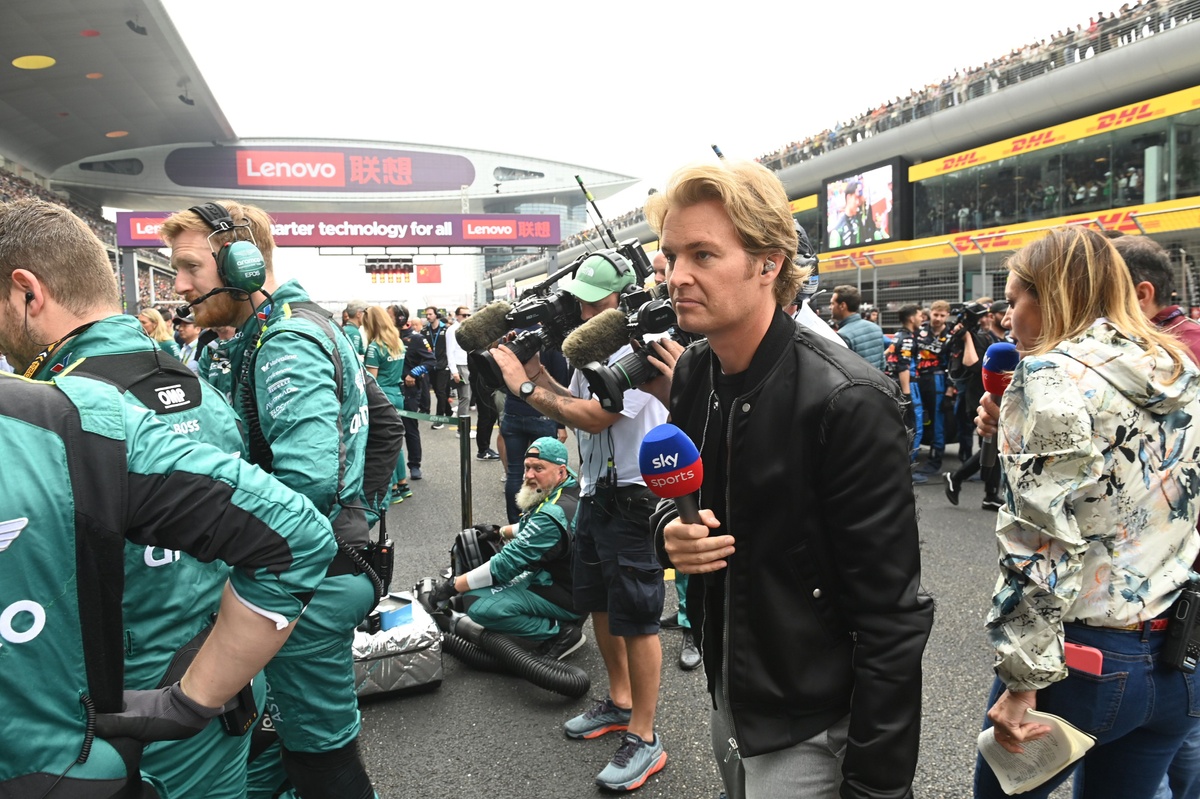
  • Nico Rosberg Proposes Major F1 VSC Rule Change After Lando Norris’ Spanish GP Setback

    Nico Rosberg Proposes Major F1 VSC Rule Change After Lando Norris’ Spanish GP Setback

    Key Highlights

    • 2016 Formula 1 World Champion Nico Rosberg has proposed closing the pitlane or drastically reducing the pitlane speed limit during Virtual Safety Car (VSC) periods to eliminate the unfair advantage gained by drivers who pit under VSC conditions.
    • The suggestion comes after the inaugural Spanish Grand Prix at the Madring circuit, where McLaren’s Lando Norris lost a likely victory after an ill-timed VSC deployed for Lance Stroll’s stranded Aston Martin allowed rivals to make cheaper pit stops.
    • Norris, who started from pole and built a lead over Mercedes’ Kimi Antonelli, had just passed the pit entry when the VSC was called, forcing him to stay out while Antonelli and Red Bull’s Max Verstappen pitted under neutralized conditions, ultimately finishing third behind race winner Antonelli and Verstappen.

    Rosberg Highlights Fundamental Flaw in VSC Pit Stop Delta

    Speaking on Sky Sports’ The F1 Show, 2016 Formula 1 World Champion Nico Rosberg dissected the strategic inequity exposed during the first-ever Spanish Grand Prix held at the Madring circuit. The race saw McLaren driver Lando Norris dominate the early stages from pole position, building a comfortable margin over Mercedes rookie Kimi Antonelli. However, the complexion of the Grand Prix shifted irrevocably when a Virtual Safety Car was deployed to retrieve Lance Stroll’s Aston Martin. Because Norris had just crossed the pit entry threshold, he was denied the opportunity to pit under the reduced time-loss delta that the VSC affords, while his primary rivals—including eventual race winner Antonelli and Red Bull Racing’s Max Verstappen—dived into the pits and emerged ahead.

    Former Champion Advocates for Structural Rule Changes

    Rosberg acknowledged the inherent lottery of neutralizations but argued the sport must explore regulatory fixes to preserve sporting fairness. “No, it’s just really unlucky,” Rosberg explained. “That’s the way it is. And it swings and roundabouts with the VSC and safety car deployments. You’re always going to have good luck or bad luck. It’s always horrible when that happens because he deserved to win, and it sucks that he lost it just because of a VSC.” He emphasized that while the VSC was introduced to avoid the spectacle-killing procession of a full Safety Car—“The problem is we hate seeing cars going round and round behind a safety car. It’s the most boring thing in the world of motorsport. And that’s why the VSC has been brought in so that we can reduce speed out there for minor dangers.”—the current rules create a perverse incentive where pitting under VSC yields a massive time gain relative to green-flag racing.

    Two Concrete Proposals to Neutralize the Pit Stop Advantage

    The German outlined two specific mechanisms to equalize the time loss of a pit stop regardless of track status. “Either the pitlane stays closed during a VSC, which then doesn’t give anybody the opportunity to take advantage during it or even why not something like: during a VSC, the pitlane speed limit gets reduced massively because it’s all about the time lost during a pitstop.” Rosberg explained the physics of the disparity: “The problem is during a VSC, the pitstop time lost is so much less because everybody on track is driving so slowly, so by going in the pits you lose a lot less race time, and that is the big problem, why then it becomes unfair.” His second proposal targets that delta directly: “But if you somehow find a way to make the pitstop time lost during a VSC as much time lost as when there’s no VSC, so you need to somehow slow people down who are going for the pitstop, that could be an idea. So then it’s all fair and equal for everybody.”

    Why This Matters

    The debate touches on a long-standing tension in Formula 1 between safety protocol integrity and competitive equity. The VSC was implemented precisely to minimize race neutralization time for minor incidents, yet its very efficiency—slowing cars on track without bunching the field—creates a “free” pit stop window that can overturn a driver’s legitimate on-track performance. The Madring race serves as a high-profile case study: Norris lost a near-certain win not through error or pace deficit, but through the geometric misfortune of track position relative to the pit entry at the moment of VSC deployment. As F1 evaluates its sporting regulations for future seasons, Rosberg’s proposals—closing the pitlane or mandating a drastically lower pitlane speed limit during VSC—represent practical, enforceable levers the FIA could pull to align the time cost of a pit stop with green-flag conditions, thereby removing the “lottery” element without reverting to full Safety Car deployments that degrade the spectacle.

    Frequently Asked Questions

    Why did Lando Norris lose the lead at the Spanish Grand Prix?

    A Virtual Safety Car was deployed to recover Lance Stroll’s Aston Martin just after Norris had passed the pit entry. This allowed rivals Kimi Antonelli and Max Verstappen to pit under VSC conditions—losing significantly less time relative to the field—while Norris was forced to stay out, dropping him to third by the finish.

    What specific rule changes did Nico Rosberg propose?

    Rosberg suggested two options: either keep the pitlane closed for the duration of a VSC, or drastically reduce the pitlane speed limit during a VSC so that the time lost during a pit stop equals the time lost under green-flag racing, neutralizing the unfair advantage.

    Was this the first Spanish Grand Prix at the Madring circuit?

    Yes, the race referenced was the inaugural Spanish Grand Prix held at the Madring circuit.

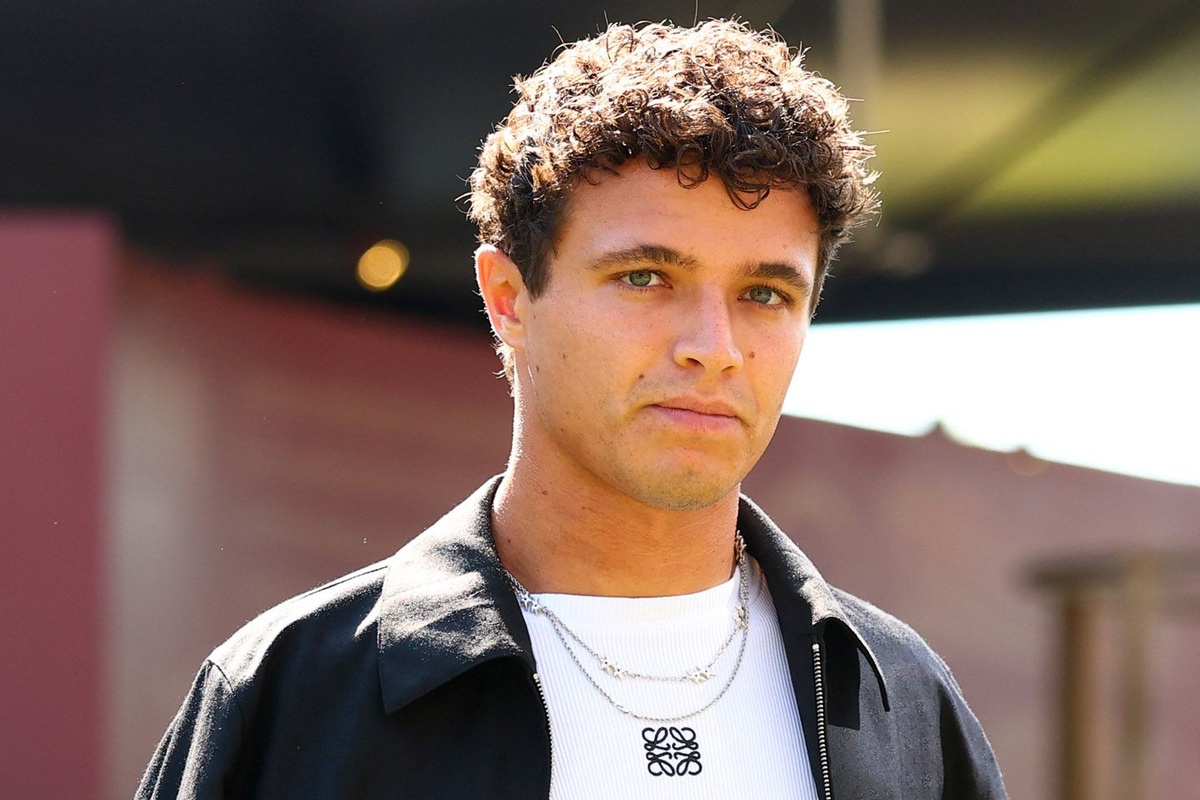
  • Lando Norris Spotted Driving Ferrari F40 in London Following 2025 Crash

    Lando Norris Spotted Driving Ferrari F40 in London Following 2025 Crash

    Key Highlights

    • Formula 1 champion Lando Norris has returned his rare Ferrari F40 to public roads in London following a January 2025 crash in Monaco that left the supercar damaged.
    • The F40, one of only 1,311 produced between 1987 and 1992, was being driven by a friend when it lost traction and struck guardrails while Norris was away.
    • Norris’s sighting comes after a third-place finish at the inaugural Spanish Grand Prix at Madring, while seven-time champion Lewis Hamilton has also recently acquired an F40.

    Norris’s Ferrari F40 Returns to London Streets After Monaco Crash Repair

    McLaren Formula 1 driver and 2025 world champion Lando Norris has been filmed driving his Ferrari F40 through London, marking the supercar’s first public appearance since a high-profile accident in Monaco earlier this year. The sighting follows Norris’s podium finish at the inaugural Spanish Grand Prix held at the new Madring circuit, where he secured third place. Footage circulating on social media shows the British driver behind the wheel of the iconic red supercar, confirming that extensive repairs have been completed since the January incident.

    Details of the January 2025 Monaco Accident

    The Ferrari F40 was involved in a crash on roads outside Monaco in January 2025 while Norris was traveling. According to reports, a friend was driving the vehicle when it lost traction exiting a left-hand corner and made contact with guardrails. The incident drew significant attention given the car’s rarity and historical significance. Norris addressed the situation shortly after it occurred, telling The Sun: “No [it is not back to normal]. It was when I was away. I wasn’t happy at all,” Norris told The Sun at the time. The 2025 champion took delivery of the F40 during the fourth quarter of 2024, adding it to a collection that already included multiple McLaren hypercars, a Porsche Carrera GT, and a Lamborghini Miura P400.

    Engineering Icon: The Ferrari F40 Legacy

    The crashed vehicle represents a significant piece of automotive history. Produced between 1987 and 1992, only 1,311 examples of the F40 were ever built. It holds the distinction of being the last road car personally overseen by Enzo Ferrari before his death in 1988, and it was the first street-legal production car to break the 200 mph barrier. The model’s twin-turbocharged V8 engine, lightweight composite construction, and raw driving dynamics have cemented its status as one of the most collectible supercars ever made, with values regularly exceeding several million dollars at auction.

    Fan Reaction and the Hamilton Connection

    Social media reaction to the London sighting was immediate and enthusiastic. On Instagram, one follower commented: “Good to see this car on the road again, after one of his friends crashed it some time ago,” while another praised: “Unbelievable taste in cars.” A third user drew a parallel to Norris’s Mercedes-powered rival, writing: “Are Lando and Lewis car sharing? Velcro on the back of the number plates?” The remark references Lewis Hamilton, the seven-time Formula 1 world champion who recently joined Scuderia Ferrari. Hamilton unveiled his own newly acquired Ferrari F40 ahead of the Italian Grand Prix at Monza, having previously sold his entire private car collection. The coincidence of both British F1 champions owning the same ultra-rare model has fueled discussion among motorsport and automotive enthusiasts alike.

    Why This Matters

    The return of Norris’s F40 to the road underscores the deep intersection between Formula 1 drivers and high-end automotive collecting. As brand ambassadors with substantial incomes and technical appreciation for engineering excellence, drivers like Norris and Hamilton serve as highly visible custodians of automotive heritage. The F40’s status as the final Enzo Ferrari–approved road car makes its preservation and active use particularly significant for marque historians and collectors. Furthermore, the Monaco crash and subsequent restoration highlight the specialized expertise required to repair carbon-fiber and Kevlar bodywork on a vehicle where original panels are irreplaceable. With both Norris and Hamilton now piloting F40s, the model’s cultural relevance within the F1 paddock has been reinforced, potentially influencing market values and collector interest in the coming years.

    Frequently Asked Questions

    When and where did Lando Norris’s Ferrari F40 crash?
    The crash occurred in January 2025 on public roads outside Monaco. A friend of Norris was driving when the car lost traction exiting a left-hand corner and struck guardrails. Norris was away at the time.
    How many Ferrari F40s were produced, and why is the model significant?
    Only 1,311 Ferrari F40s were built between 1987 and 1992. It was the last road car personally overseen by Enzo Ferrari and the first street-legal production car to exceed 200 mph, making it a landmark in automotive history.
    Does Lewis Hamilton also own a Ferrari F40?
    Yes. Seven-time Formula 1 champion Lewis Hamilton, who now drives for Scuderia Ferrari, recently acquired a Ferrari F40 after selling his previous car collection. He unveiled the purchase ahead of the Italian Grand Prix at Monza.
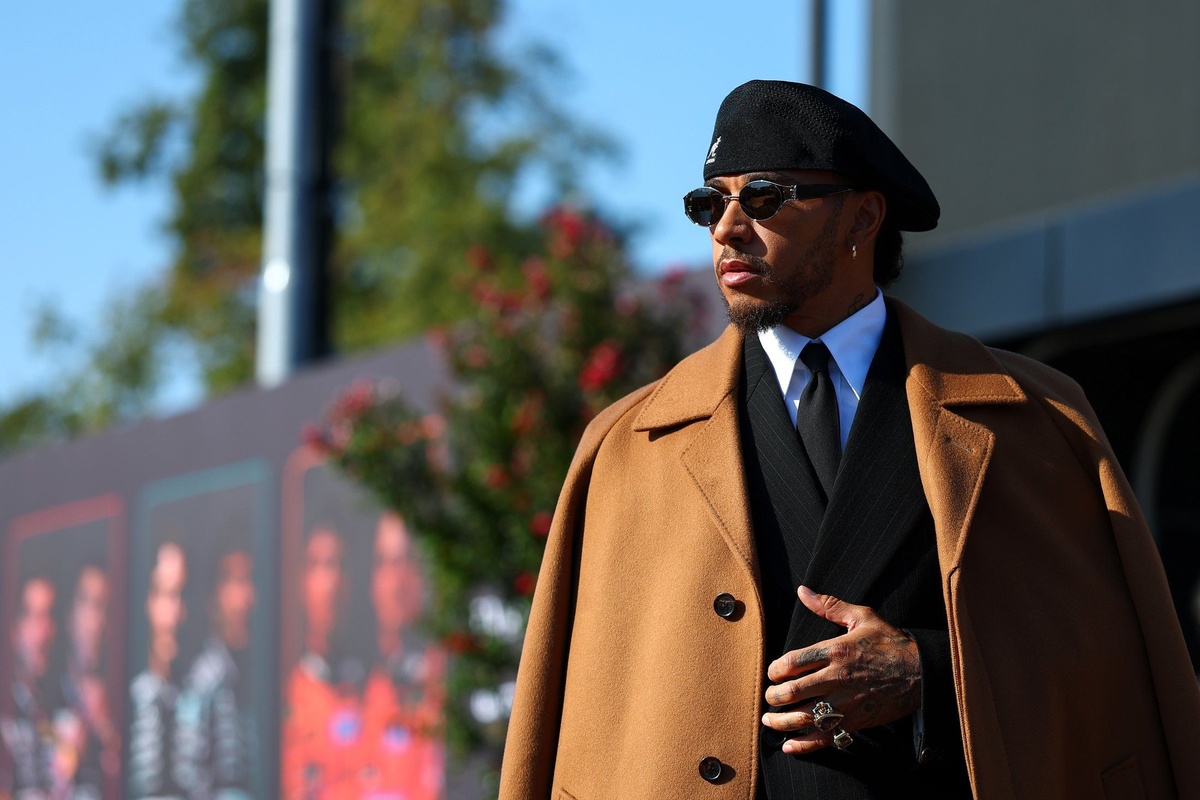
  • Lewis Hamilton’s Dawn Apollo Studios Signs Major New Deal with Skydance Sports

    Lewis Hamilton’s Dawn Apollo Studios Signs Major New Deal with Skydance Sports

    Key Highlights

    • Seven-time Formula 1 champion Lewis Hamilton has signed a multi-year, first-look production deal with Skydance Sports through his Dawn Apollo Studios company, expanding his footprint in film and television.
    • Dawn Apollo Studios, founded in 2022, will develop and produce scripted, unscripted, and animated content with Hamilton serving as executive producer on all projects.
    • The partnership follows Dawn Apollo’s significant involvement in “F1: The Movie,” which grossed over $634 million globally, and Hamilton has revealed three new film concepts in development, including two animations.

    Hamilton Expands Media Empire with Skydance Sports Partnership

    Seven-time Formula 1 World Champion Lewis Hamilton has formalized a multi-year, first-look production agreement with Skydance Sports, the sports entertainment division of Paramount Skydance, through his Dawn Apollo Studios banner. The deal positions the newly signed Ferrari driver as an executive producer across a slate of scripted, unscripted, and animated projects, marking a significant escalation of his off-track business ventures. Announced amid Hamilton’s debut season with Scuderia Ferrari, the partnership leverages the commercial momentum generated by “F1: The Movie,” the Apple Original Films release that Dawn Apollo helped shepherd to a global box office haul exceeding $634 million.

    Dawn Apollo Studios: From Consultancy to Content Creation

    Hamilton launched Dawn Apollo Studios in 2022 with a mandate to champion diverse storytelling across sport, culture, and entertainment. The company’s most visible credit to date is its deep involvement in “F1: The Movie,” the high-octane drama starring Brad Pitt and Damson Idris directed by Joseph Kosinski. Hamilton served as both executive producer and consultant on the production, embedding himself in the creative process from script development through post-production. The film’s commercial success—crossing the $634 million threshold worldwide—validated Dawn Apollo’s model of athlete-led content creation and provided the leverage for the new Skydance Sports arrangement.

    Strategic Alignment with Skydance Sports Leadership

    The agreement pairs Dawn Apollo with a division led by Jesse Sisgold, President of Skydance Sports, whose portfolio includes documentaries, series, and feature films centered on athletic narratives. Hamilton emphasized the cultural resonance of the collaboration in a statement accompanying the announcement:

    “I’ve always believed stories can help people see the world differently and spark important conversations,” the Ferrari driver explained.

    “That’s what excites me about Dawn Apollo Studios. It gives us the chance to back projects that feel honest, bold and meaningful, and to create space for voices and perspectives that haven’t always had that opportunity.

    “Skydance Sports understands how powerful sport, culture and entertainment can be in moving audiences, and I’m excited to team up with Jesse and the team to bring those stories to life.”

    Slate Expansion: Animations, Documentaries, and Feature Films

    Beyond the structural partnership, Hamilton has offered a glimpse into Dawn Apollo’s active development pipeline. Speaking to media during the 2025 Monaco Grand Prix weekend, he detailed three original concepts currently in various stages of writing, signaling a shift from consulting on external projects to originating intellectual property.

    “I’ve got three concepts that I’m writing,” he told the media at the 2025 Monaco Grand Prix. “I’m going to write them with a writer because I’ve never written a movie before.

    “But I’ve got these concepts and these ideas that I’ve come up with for movies. I think two of them will be animations and one of them is already in a phase of the first part of the script already, so it’s exciting.

    “And then there will be documentaries, there will be maybe a TV series at some stage, but mostly movies. I love the development of movies – that’s what I love the most.”

    This disclosure reveals a deliberate diversification strategy: two animated features, a live-action script nearing completion, and a broader slate encompassing documentaries and potential series. The animation focus suggests an intent to reach younger, global audiences beyond the core motorsport demographic, while the documentary and series formats align with the current streaming-driven demand for behind-the-scenes sports content.

    Why This Matters

    The Hamilton–Skydance Sports deal exemplifies the accelerating convergence of elite athlete branding, media ownership, and studio infrastructure. As traditional endorsement models evolve into equity and production partnerships, Hamilton is following a trajectory blazed by figures like LeBron James (SpringHill Company) and Peyton Manning (Omaha Productions), but with a distinct Formula 1 global platform. For Paramount Skydance, the alliance secures a first-look window on projects from one of the world’s most recognizable athletes at the precise moment his Ferrari move amplifies international visibility. For the industry, it signals that athlete-led studios are no longer vanity imprints but viable content engines capable of delivering theatrical-scale returns, as evidenced by the $634 million gross of “F1: The Movie.” The next 12–18 months will test whether Dawn Apollo can translate that singular success into a sustainable, multi-genre pipeline.

    Frequently Asked Questions

    What is Dawn Apollo Studios and when was it founded?

    Dawn Apollo Studios is Lewis Hamilton’s production company, established in 2022. It focuses on developing and producing scripted, unscripted, and animated content across film, television, and digital platforms, with an emphasis on diverse storytelling in sport and culture.

    How was Dawn Apollo involved in “F1: The Movie”?

    Dawn Apollo Studios was heavily involved in the making of “F1: The Movie,” with Hamilton serving as an executive producer and consultant on the project. The film, starring Brad Pitt and Damson Idris, grossed more than $634 million at the global box office.

    What new projects has Lewis Hamilton revealed are in development?

    At the 2025 Monaco Grand Prix, Hamilton disclosed he is writing three original concepts—two animated features and one live-action project already in early script phase—with plans for documentaries and a potential television series. He is collaborating with professional screenwriters on these projects.