Key Highlights
- Formula 1 has authorized Imola’s Autodromo Enzo e Dino Ferrari to begin constructing grandstands and preparing for a potential 2026 season finale as a contingency plan (Plan B) should the Qatar and Abu Dhabi Grands Prix be cancelled due to Middle East unrest.
- Formula One Management (FOM) is covering all financial risks for Imola’s preparations, including temporary grandstand construction, ensuring the circuit faces no financial exposure regardless of whether the race ultimately takes place.
- The decision deadline has shifted from mid-September to mid-October, with team principals confirming the new timeframe while emphasizing logistical challenges like European motorhome staffing rather than weather concerns.
Formula 1 Activates Imola Contingency for 2026 Season Finale
Plan B Preparations Underway Amid Middle East Uncertainty
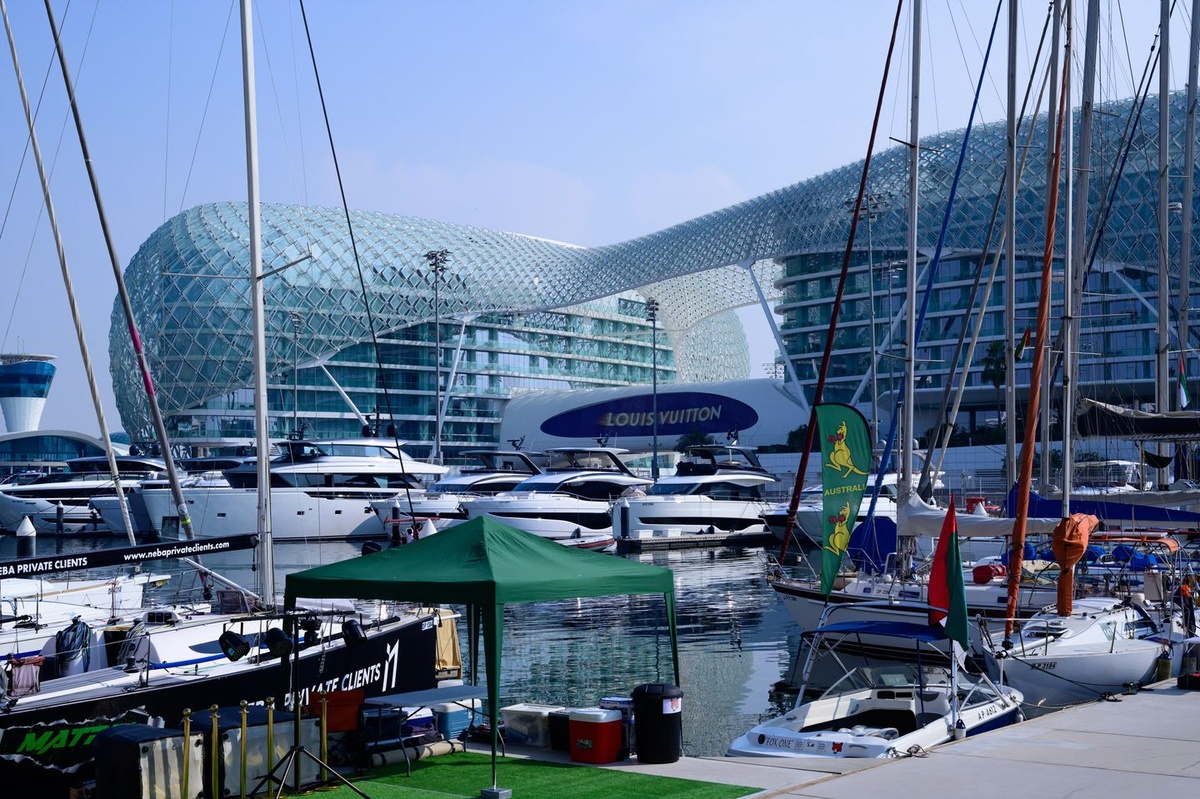
As Formula 1 enters the final phase of the 2025 season with three triple-headers on the calendar, attention has turned to the conclusion of the 2026 campaign. While the Qatar and Abu Dhabi Grands Prix remain scheduled as the season-ending events—constituting what F1 refers to as “Plan A”—the sport is actively preparing for a scenario in which continued unrest in the Middle East forces their cancellation. Behind the scenes, the green light has been given to develop a robust Plan B centered on the Autodromo Enzo e Dino Ferrari in Imola.
Sources within F1 have confirmed to Motorsport.com that organizers in Imola have now been instructed to build grandstands and continue all preparatory work as if the Emilia-Romagna Grand Prix will take place on the first weekend of December. This proactive stance does not guarantee the race will happen; Qatar and Abu Dhabi remain the primary target. However, Formula One Management (FOM) must press ahead with an alternative to guarantee a season finale after the Las Vegas Grand Prix in any eventuality.
Financial Risk Absorbed by Formula One Management
Building grandstands and maintaining full operational readiness without final confirmation carries significant financial risk. According to paddock sources, F1 is covering all those risks directly. This means FOM is fully paying for the preparations—including the construction of the temporary grandstands—and Imola will not face any financial liability regardless of the outcome. Should the Imola option ultimately prove unnecessary, this approach will cost F1 money, but the sport views it as a necessary insurance policy. If the situation in the Middle East escalates further a month before the scheduled races in Qatar and Abu Dhabi, F1 cannot afford to be without a ready-to-deploy alternative. The strategy also underscores F1’s desire to wait as long as possible before making a final decision, while acknowledging the substantial financial attractiveness of the final two race weekends in the Middle East.
Decision Timeline Shifts to Mid-October
F1 CEO Stefano Domenicali initially indicated a decision would be made in mid-September, but the evolving geopolitical landscape has altered that schedule. Several team principals now point to mid-October as the new timeframe for clarity, although F1 stresses there is no hard deadline. From a logistical perspective, there remains relatively little urgency at this stage, provided Imola is fully ready to step in by the first weekend of December.
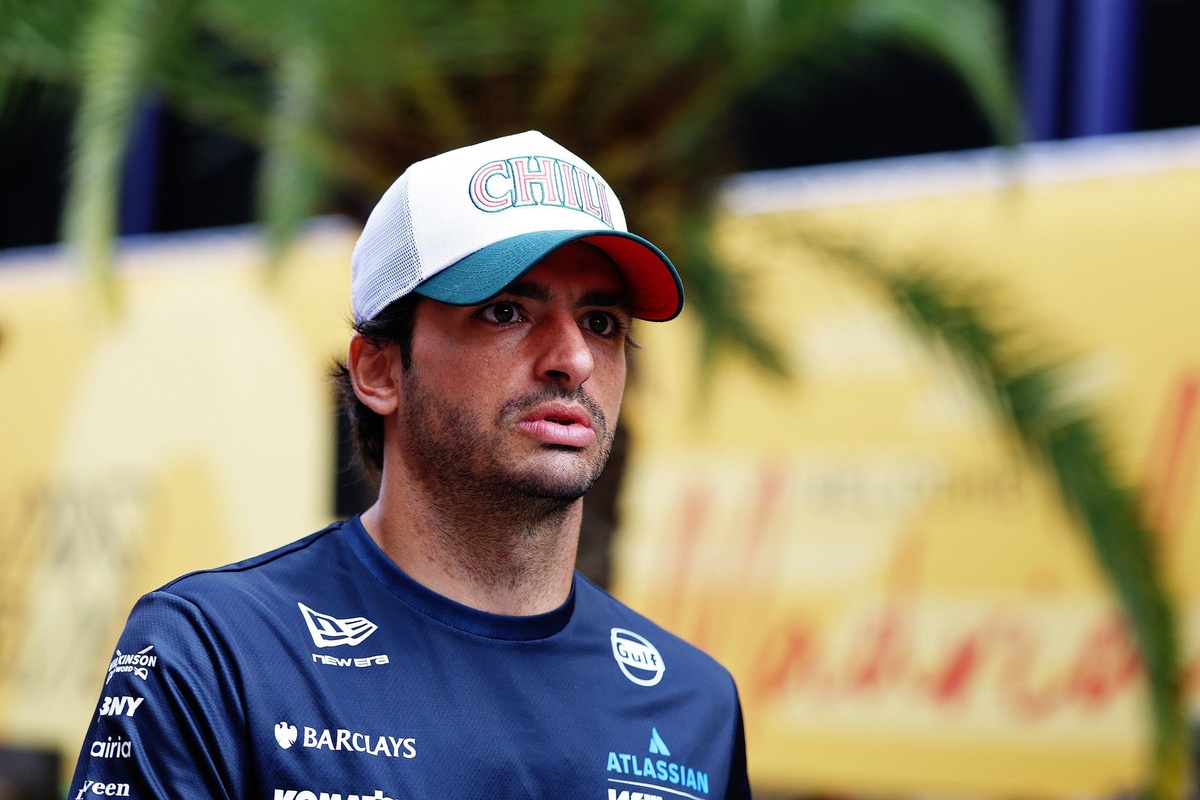
The teams have been informed of this reality and are not particularly concerned for now, a sentiment echoed during Thursday’s press conference in Baku. Haas team boss Ayao Komatsu stated:
“I believe that Stefano was targeting to tell us in mid-October, right? So, we all know what the situation is. I believe that Imola is getting ready in case we have to do it. I think the challenges are, for instance, things like European motorhome structure, etcetera. All those people who look after them, they have a winter job, so we need to find alternative people to do that. But I’m sure we all, as a family, community, will make sure if we have to do that, that will happen. But hopefully, as a baseline, we can go to Qatar and Abu Dhabi. That would be really good.”
Audi team principal Mattia Binotto shares the same view and confirms the mid-October timeframe.
“As we discussed during the F1 Commission last Monday, mid-October is the last call for such a decision.”
Teams Briefed on Logistical Realities
Binotto does not see potentially low temperatures as an obstacle to a possible season finale in Imola.
“The main challenges are more organisation and logistics, I would think. From a technical point, often we may say wintertime, snow tyres, but at the end, as a matter of fact, the average temperature in Imola in that time of the year is hotter than Las Vegas by the time we’ve got the race in Las Vegas. So I don’t think that’s a true concern. It’s more from the organisation and the logistics, really. And again, mid-October, hopefully we may do the right decision.”
The primary logistical hurdle identified by both Komatsu and Binotto revolves around the European motorhome infrastructure. Support staff who typically manage these facilities have winter employment commitments, requiring F1 and teams to source alternative personnel if the Imola race proceeds. Despite these complexities, the paddock mood remains pragmatic, with a clear preference for the established Middle East finale but full readiness to adapt.
Why This Matters
The activation of a formal Plan B for the 2026 season finale highlights the increasing complexity of managing a global sporting calendar amid geopolitical volatility. Formula 1’s commitment to covering Imola’s preparation costs—estimated to be substantial given the need for temporary grandstands and full circuit homologation—demonstrates the high stakes involved in protecting the integrity of the championship schedule. The Middle East races in Qatar and Abu Dhabi are not only lucrative but strategically vital to F1’s commercial model, making their potential loss a significant financial and operational blow. The shift of the decision deadline to mid-October reflects a calculated balance: maximizing the window to assess the security situation while retaining enough time to execute a European pivot. For teams, the logistical scramble—particularly re-staffing motorhome operations deep into the off-season—underscores the human resource challenges that often accompany calendar fluidity. Ultimately, this contingency planning ensures that whatever unfolds in the Middle East, Formula 1 can crown its 2026 champions on track, not in a boardroom.
Frequently Asked Questions
Why is Formula 1 preparing Imola as a backup for the 2026 season finale?
Formula 1 is preparing Imola as a contingency (Plan B) because continued unrest in the Middle East creates a risk that the scheduled season-ending races in Qatar and Abu Dhabi could be cancelled. F1 needs to guarantee a finale after the Las Vegas Grand Prix regardless of geopolitical developments.
Who is paying for the Imola preparations?
Formula One Management (FOM) is covering all financial risks associated with Imola’s preparations, including the construction of temporary grandstands. The circuit will not face any financial liability whether the race proceeds or not.
When will a final decision be made on the 2026 season finale location?
While F1 stresses there is no hard deadline, multiple team principals—including Ayao Komatsu (Haas) and Mattia Binotto (Audi)—indicate mid-October as the expected timeframe for a final decision, aligning with discussions at the recent F1 Commission meeting.