Homeowners across the United States should prepare for winter 2026–2027 based on regional conditions, as the Old Farmer’s Almanac forecasts a season of mild stretches, sudden freezes, and heavy snow in some areas.
“Winter won’t look the same everywhere this year,” shared Carol Connare, editor-in-chief of The Old Farmer’s Almanac. “While much of the country is headed for a milder season, some areas will still see plenty of cold and snow.”
Which homeowners will see the most snow?
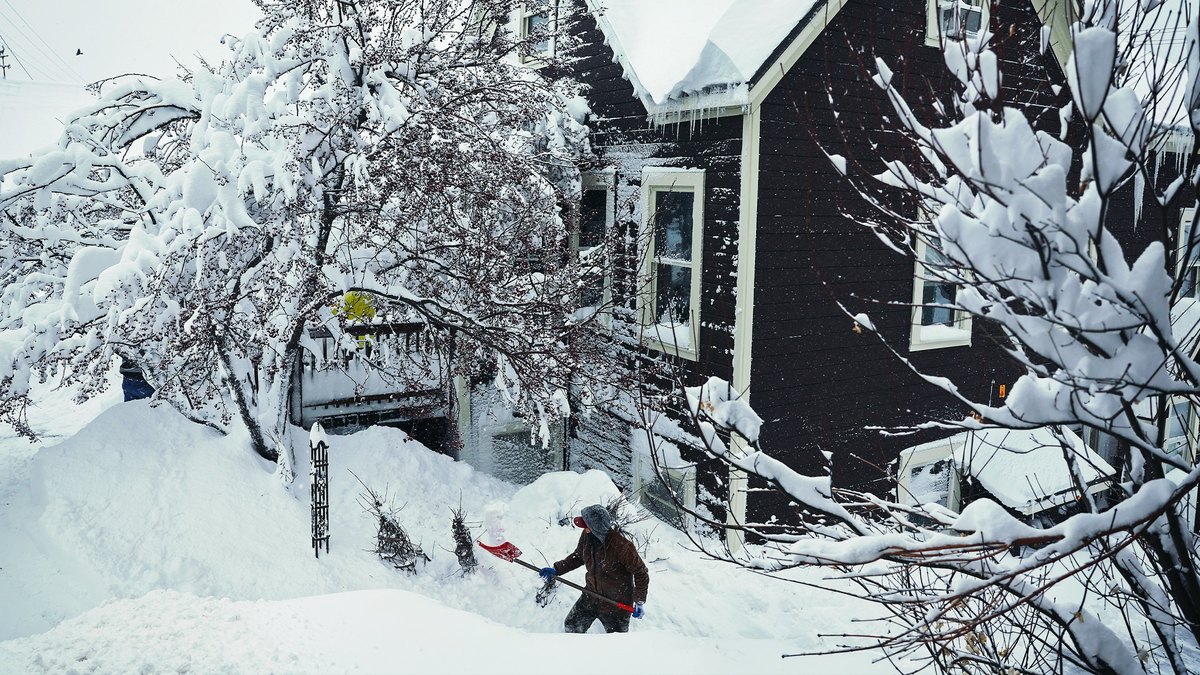
According to the Old Farmer’s Almanac winter forecast, the heaviest snowfall is expected from central New England through the Appalachians, across the Intermountain region and Pacific Northwest, and into Alaska.
Southern parts of the Northeast are also expected to receive above-normal snowfall, particularly in mid- and late December, mid-January, and early and late March. Northern Appalachian communities, especially those at higher elevations, could see significant accumulation during peak snow periods in mid-January and throughout February.
Some of this winter activity is expected to be influenced by the transition from a Super El Niño to a more active La Niña season. Homeowners in these areas should be prepared to clear heavy snow from roofs, monitor for damaging ice dams, and maintain proper foundation drainage during sudden thaws.
The Intermountain region and the Pacific Northwest are also expected to experience above-normal snowfall along with wet winter precipitation. Intermountain communities could see their snowiest periods in late November, late December, and early February. Pacific Northwest residents should prepare for heavy snow events in late December, mid-January, and mid-February.
Mountain properties in the Pacific Southwest may receive substantial snowfall after the start of the new year. In Alaska, above-average snowfall is forecast throughout an extended season, with peak accumulation expected in mid-November, early and late January, mid-February, and late March.
Where will it be coldest this winter?
Although milder winter conditions are expected across much of the country during the 2026–2027 season, the Almanac also forecasts severe below-normal cold snaps in some regions.
The most intense and prolonged cold is expected to extend from central New England south through the Appalachians and into the Ohio Valley. In the southern Northeast and Appalachian region, the coldest periods are forecast for mid-January through mid- to late February. Homeowners in the Ohio Valley could experience the sharpest chill during back-to-back freezes in mid- and late January.
In these eastern cold zones, homeowners should insulate unheated basements, wrap exposed plumbing, and schedule furnace inspections before January. These steps can help prevent burst pipes and unexpectedly high heating costs.
Hawaii is also expected to experience below-normal temperatures during the winter, with the coolest periods forecast for early to mid-November, early December, late January into early February, and early March.
Meanwhile, areas expected to have generally milder or above-normal average temperatures—including the Upper Midwest, Lower Lakes, Deep South, and Desert Southwest—could still face sudden freezes. Upper Midwest homeowners should prepare for severe cold in mid- to late January, while Lower Lakes residents could see extreme chills in early January and early February.
No. 1 Nebraska volleyball will open the 2026 season at the Players Era Volleyball Showcase on Aug. 29-30 at T-Mobile Arena in Las Vegas, facing UNLV and No. 2 Texas.
Players Era Volleyball Showcase Schedule
No. 1 Nebraska vs. UNLV: Aug. 29 at 7 p.m. CT. The match will air on FS1 and stream on FoxSports.
No. 1 Nebraska vs. No. 2 Texas: Aug. 30 at 2:30 p.m. CT. The match will air on FOX and stream on FoxSports.
Audio: Both matches will be broadcast on the Huskers Radio Network, Huskers.com and the official Huskers App.
Jack Kizer, Camryn Irwin and Kelsie Kasper will call both matches for FS1 and FOX.
John Baylor and Lauren (Cook) West will handle the Huskers Radio Network broadcast.
Nebraska vs. UNLV
Nebraska’s season opener against UNLV will be the first meeting between the Huskers and Rebels.
Nebraska vs. Texas History
Nebraska leads the all-time series against Texas, 33-25, through 58 meetings. The teams last met in the 2023 national championship, when the Longhorns swept the Big Red in Tampa.
Huskers Capture Spikes Under the Lights Title
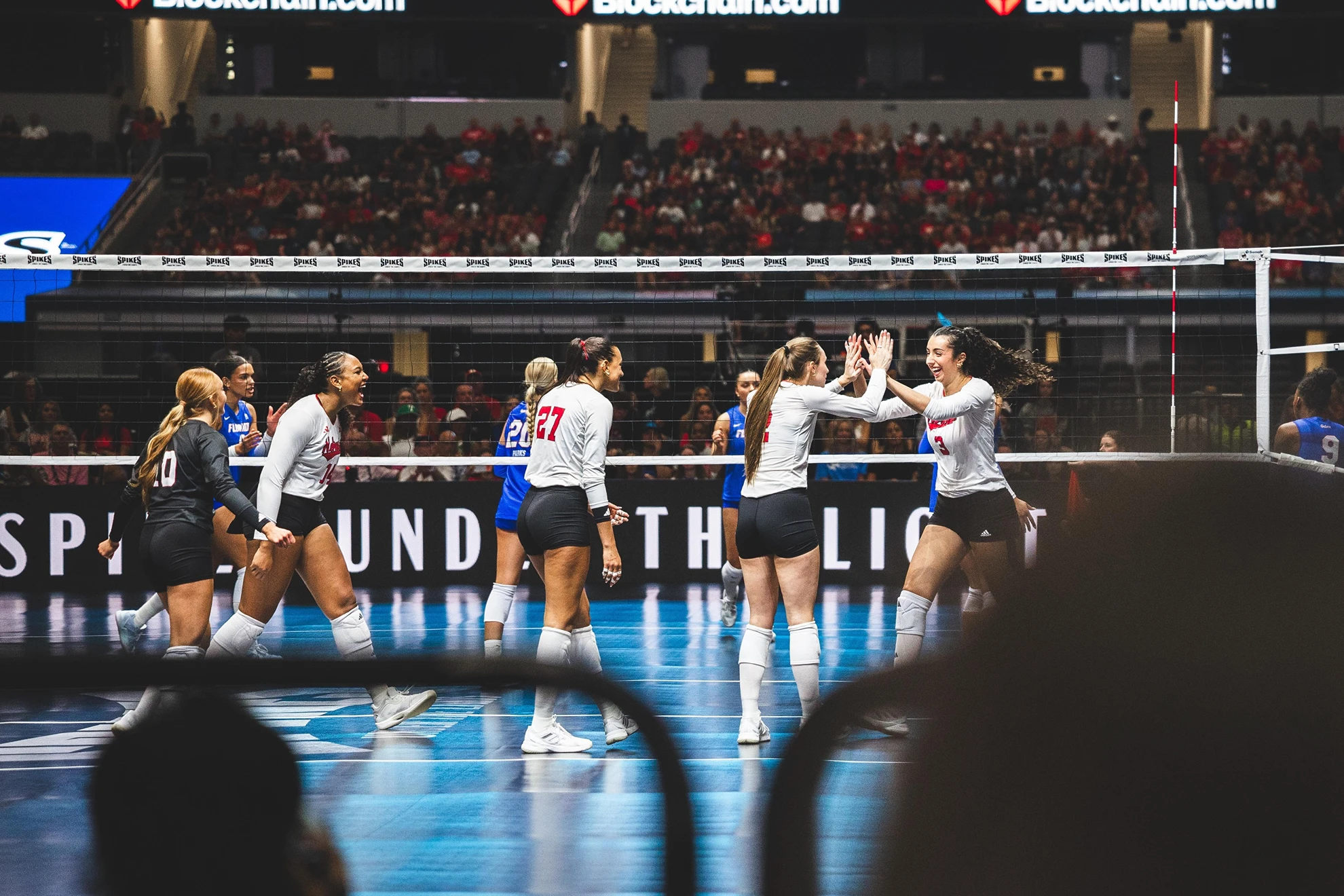
Nebraska won the inaugural Spikes Under the Lights championship after sweeping exhibition matches against No. 17 Florida and No. 11 SMU on Thursday night at AT&T Stadium in Arlington, Texas.
The Huskers swept Florida, 2-0 (21-19, 21-18), behind six kills from Teraya Sigler. Virginia Adriano and Andi Jackson added five kills apiece.
Nebraska clinched the championship with a dominant performance against SMU, hitting .339 as a team while limiting the Mustangs to a .068 hitting percentage. Sigler recorded seven kills and five digs, while Harper Murray added six kills and five digs. Manaia Ogbechie, Andi Jackson and Skyler Pierce each contributed three kills.
Nebraska in Season Openers
Nebraska is 44-7 all-time in season openers. The Huskers have won seven consecutive season-opening matches since losing in four sets to No. 7 Florida in 2018.
Huskers Begin Season No. 1 in AVCA Poll
Nebraska was ranked No. 1 in the preseason AVCA Coaches Poll released Aug. 10. The Huskers received 1,568 points, ahead of No. 2 Texas (1,427), No. 3 Kentucky (1,398), No. 4 Pitt (1,383) and No. 5 Stanford (1,312).
Nebraska received 57 first-place votes. Kentucky had four, while Texas and Texas A&M received one each.
The ranking marks Nebraska’s 124th week at No. 1 in the AVCA Coaches Poll, the most of any program in the nation. The Huskers have started a season ranked No. 1 three times in the last five years, including 2025 and 2022.
Nebraska will face No. 2 Texas at the Players Era Showcase on Aug. 30.
What Nebraska Returns
Kills: 1,126 of 1,630 (69.1%)
Assists: 1,474 of 1,500 (98.3%)
Service aces: 137 of 146 (93.8%)
Digs: 1,396 of 1,507 (92.6%)
Solo blocks: 30 of 51 (58.8%)
Block assists: 325 of 494 (65.8%)
About the Huskers
Nebraska is coming off a 33-1 season and reached the NCAA Regional Final before losing a 3-2 thriller in Lincoln to eventual national champion Texas A&M.
The Huskers return three AVCA All-Americans: seniors Andi Jackson, Harper Murray and Bergen Reilly.
Nebraska finished the 2025 regular season undefeated for the third time in program history, joining the 1994 and 2000 teams. The Huskers dropped only seven sets overall and one set in Big Ten play.
Nebraska’s 33-match winning streak was the second-longest in school history during the NCAA era. The Huskers have won 33 matches in three consecutive seasons.
Nebraska’s 99 wins from 2023-25 are the most in a three-year stretch in program history during the NCAA era.
The Huskers won their third consecutive Big Ten title in 2025 with a perfect 20-0 conference record. It was Nebraska’s first undefeated conference season since 2004, when the program competed in the Big 12.
Nebraska has won 37 conference championships, including six Big Ten titles in 2011, 2016, 2017, 2023, 2024 and 2025.
Dani Busboom Kelly became the first volleyball coach in Big Ten history to win the conference title in a first season as head coach at a school. John Cook won a Big Ten title at Nebraska in his first conference season in 2011, but it was his 12th season as Nebraska’s head coach.
Nebraska swept 15 consecutive matches and won 48 straight sets from late September through mid-November in 2025. Both streaks were the longest of their kind since the 2007 team swept 17 matches in a row and won 53 consecutive sets.
No. 1 vs. No. 2 History
Sunday’s match is expected to be the 43rd all-time meeting between the No. 1 and No. 2 teams, including the 34th regular-season matchup.
It will be the first No. 1-vs.-No. 2 matchup since Nebraska played Wisconsin in 2023.
The No. 1 team is 28-14 all-time in No. 1-vs.-No. 2 matches.
The last five No. 1-vs.-No. 2 matches have involved Nebraska, including Sunday’s match.
The matchup has ended in a sweep 15 times, compared with 10 five-set matches.
Current Big Ten teams have participated in 34 of the 43 all-time No. 1-vs.-No. 2 matches, including each of the last 10 and 23 of the last 24.
This will be Nebraska’s seventh No. 1-vs.-No. 2 matchup. The Huskers are 3-3 in their previous six.
Nebraska’s Two-Way Dominance
After leading the nation in hitting percentage and opponent hitting percentage last season, Nebraska became the first team to rank first nationally in both categories since at least 2014, the NCAA’s first season tracking opponent hitting percentage.
The Husker offense hit a school-record .351 in 2025 and topped .400 in nine matches, also a school record in the rally-scoring era.
Nebraska’s defense has led the nation in opponent hitting percentage three times in the last four seasons, in 2022, 2023 and 2025. Opponents hit .129 against the Huskers in 2025.
Nebraska’s Race to the Red Zone
Nebraska is 96-0 in sets under head coach Dani Busboom Kelly when reaching 20 points first. In October alone last season, the Huskers played 27 sets and went 27-0. An opponent reached 20 points in only three of those sets.
Big Red Road Show Features Professional Venues
Nebraska will begin the 2026 campaign with a schedule that includes venues from four professional sports leagues before playing its first match at the newly renovated John Cook Arena at the Bob Devaney Sports Center.
The road show starts at the home of the NFL’s Dallas Cowboys during the inaugural Spikes Under the Lights event at AT&T Stadium on Thursday, Aug. 27. No. 10 Penn State, No. 11 SMU and No. 17 Florida will join the Huskers for the three-hour exhibition event.
Nebraska officially opens the season at the first Players Era Volleyball Showcase in Las Vegas on Aug. 29-30. The Big Red will face UNLV on Aug. 29 and No. 2 Texas on Aug. 30 at T-Mobile Arena, home of the NHL’s Vegas Golden Knights.
After a midweek match at South Dakota State, Nebraska will travel to Chicago for matches at two additional professional venues. The Huskers will play DePaul on Sept. 4 at Wintrust Arena, home of the WNBA’s Chicago Sky, before facing Missouri in the Big Ten/SEC Challenge on Sept. 6 at Wrigley Field, home of MLB’s Chicago Cubs.
13 Matches Against 2025 NCAA Tournament Teams
Nebraska is scheduled to play 13 teams that qualified for the 2025 NCAA Tournament, including four regional finalists and one semifinalist.
In addition to those 13 regular-season matches, the Huskers will face Florida and could play SMU in exhibition matches at Spikes Under the Lights in Arlington, Texas.
2026 Big Ten Preseason Poll
Nebraska was selected as the favorite in the 2026 Big Ten Preseason Poll, based on a vote by the conference’s 18 head coaches in July.
Wisconsin and Penn State were picked second and third, respectively. Purdue and Minnesota rounded out the top five in fourth and fifth.
When major studios stop releasing comedies designed for theatrical audiences, they leave room for comedian-podcasters with intensely loyal fanbases. Busboys, starring Theo Von and David Spade, is a clear example. The film received a brief limited theatrical release last spring before finding a larger audience on Hulu, where it has remained near the top of the streaming service’s charts for the past two weeks.
Busboys: Stream It or Skip It?
The Story
Markie (David Spade) and Steef (Theo Von) are best friends stuck near the bottom of the socioeconomic ladder. After working together at a dead-end septic-pumping company, they decide to leave their old lives behind, move to Mexico and become waiters—an occupation they view as unusually prestigious.
Before they can reach that goal, however, they must start as busboys. Their attempt to work their way up in the restaurant industry forms the film’s central premise, though Busboys takes a long and disjointed route to get there.
The movie spends roughly 25 minutes on laborious backstory before settling into the story of two older men working as busboys in Arizona near the Mexican border. It then veers into a drug-dealing storyline and briefly sends the pair back to school in a plot reminiscent of Billy Madison. Instead of developing an observational comedy about the indignities of restaurant work, the film moves through disconnected jokes, complaints and escalating misfortune.
What Movie Does Busboys Resemble?
Spade and Von are credited with writing the screenplay, which often feels modeled on the least successful Happy Madison productions. Alongside Adam Sandler comedies such as The Do-Over, the film recalls Sandler-produced titles such as Paul Blart: Mall Cop, in which capable comic performers play scrappy underdogs who cannot catch a break.
The approach repeatedly places its leads in the path of cruel characters, apparently to establish them as lovable losers. Instead, the accumulation of abuse can make the movie feel hostile. Steef’s mother angrily insists that he direct all his money toward her preferred sex-change operation, while Markie’s inexplicably included girlfriend repeatedly cheats on him with a waiter. A childhood teacher mocks Steef because his father is in prison for murder, prompting him to leave school. Later, a Mexican child repeatedly subjects the men to an extended stream of profanity.
The result is a comedy about two foolish white men beset by women, transgender people, Mexicans and teachers. Its aggrieved tone can resemble a particularly resentful podcast.
Performance Worth Watching
Spade gets most of the film’s few laughs, but Lean McKendrick makes a stronger impression as a fellow restaurant worker. McKendrick, the talented writer-director of Scrambled, has only a small part, yet her brief appearances provide some of the movie’s brightest moments.
Review: A Confused Underdog Comedy
One character notes that busboys are generally young, entry-level restaurant workers, sometimes only 18 or 19. Rather than build comedy around the mismatch between that reality and two middle-aged men taking busboy jobs because they mistakenly believe a promotion to waiter will transform their lives, Busboys complicates its characters’ ages almost immediately.
An opening flashback shows a teenage Steef leaving school and meeting Markie, who is an unspecified number of years older, after Markie accidentally hits him with a car. The setup also requires Markie to drive around dogs dying of cancer and give them an enjoyable final experience. The teenage Steef is played by an actual teenager, while the main story takes place 16 years later. That leaves the 46-year-old Von playing a character who is apparently around 30, while Spade more convincingly portrays someone closer to Von’s real age.
The unnecessary timeline and backstory obscure a much simpler premise: two lifelong friends in dead-end jobs searching for a better life. The film’s convoluted structure suggests that Spade and Von began with a personal frustration about their less affluent backgrounds but never turned that material into a relatable or fully realized comedy about economic struggle.
Spade occasionally throws away a punchline effectively, and even modest laughs begin to feel valuable. But he lacks much of the half-amused, half-self-loathing snark associated with his best-known roles. He is in Joe Dirt territory without fully committing to the dumb-guy performance, leaving himself with a generic sad-sack persona. The film carries the same surly melancholy found in much of Spade’s later work, making it an unpleasant experience rather than an entertaining one.
Busboys also looks and feels underdeveloped. Spade and Von financed the project themselves and hired Jonah Feingold to direct. Although Feingold has considerable experience, including the poorly received romantic comedy Dating & New York, the film repeatedly stages scenes like rough versions of ideas that were never fully formed. Clunky transitions, weak spatial blocking and underdirected performances add to the problem.
The production ultimately depends on the scattered Spade-and-Von screenplay, which frequently introduces characters only to abandon them for long stretches. The film establishes an ensemble of restaurant workers, then sidelines that group for a drug-dealing plot. It is one of several choices that work against the movie’s own premise.
Comedy is difficult, and major studios have not helped younger comic performers by reducing production of inexpensive theatrical comedies. Still, Spade and Von are experienced enough to have recognized the film’s problems.
Our Verdict
Theo Von appears to have a fanbase that will not be easily deterred by negative reviews, which may help explain Busboys’ strong performance on Hulu. For most comedy viewers, however, the verdict is clear: skip it.
This is a dire, amateurish comedy that may leave viewers longing for the days of Black Sheep, or for something as genuinely funny as Tommy Boy.
Jesse Hassenger is a writer living in Brooklyn and a regular contributor to The A.V. Club, Polygon and The Week. He also hosts a podcast at www.sportsalcohol.com.
U.S. Soccer is closing in on a takeover of U.S. Youth Soccer, a move that could reshape youth soccer governance across the United States. Members of USYS, the country’s largest youth sports organization, are expected to approve a bylaw amendment at a meeting Saturday in Dallas that would transfer control to the U.S. Soccer Federation.
About a dozen people familiar with the matter, including several voting members, told The Athletic they expect the amendment to pass comfortably. The change would allow U.S. Soccer to fully absorb USYS by 2028 as part of a years-long effort to create a more coherent and less fragmented youth soccer system.
The takeover would not eliminate the “pay-to-play” model or immediately make soccer significantly cheaper, several sources cautioned. However, supporters believe it could strengthen grassroots soccer and give U.S. Soccer more authority to pursue broader reforms. Most sources spoke anonymously because they were not authorized to discuss the process publicly.
USYS is a 52-year-old national association with 2.5 million registered players and 54 state associations. Together, those organizations oversee large parts of recreational youth soccer nationwide. Although USYS-affiliated clubs, leagues and programs have lost hundreds of thousands of teenagers to US Club Soccer and competitive national leagues over the past two decades, they remain an important entry point for many young players.
The state associations, which administer much of USYS programming, will vote Saturday on a plan that would eventually dissolve the national association and establish a direct relationship with U.S. Soccer. The federation has told them it intends to empower them as “local arms” of a coordinated strategy, but the details of that strategy and the “future state” of youth soccer remain unclear.
That makes the vote consequential, even though its long-term impact is still uncertain.
Why is U.S. Soccer taking over USYS?
For most of its 113-year history, the U.S. Soccer Federation paid limited attention to youth soccer. Separate organizations, including USYS, emerged in the 1960s and 1970s to govern children’s clubs and leagues. The federation largely allowed those groups to operate independently while permitting entrepreneurial competitors to enter the market.
The result was a “fractured” or “fragmented” youth soccer landscape that can confuse parents, increase costs, complicate player development and limit the sport’s growth.
U.S. Soccer began pursuing change several years ago. In 2023, it launched an “ecosystem review,” added staff to build relationships with youth soccer leaders and spent months assessing how the system functions.
The review identified state associations as important, well-intentioned organizations that provide localized services, but also highlighted two central problems.
First, the state associations do not represent every part of youth soccer. Their affiliation with USYS placed them in competition with US Club and other organizations. Because player registration fees are central to their business models, they often devoted resources to keeping players within the USYS system rather than working with local governments to build fields or expand programming in underserved communities.
Second, some state associations were inefficient and financially troubled.
U.S. Soccer concluded that eliminating USYS and establishing a direct connection with the state associations could address both issues. The associations would be repurposed, and potentially restructured, as local implementers of U.S. Soccer’s broader plan to grow the game. Federation control could also enable a centralized registration system, giving U.S. Soccer greater access to millions of boys and girls who play soccer.
Will the takeover make youth soccer less expensive?
The new structure could make grassroots soccer somewhat more accessible if U.S. Soccer provides meaningful support to the state associations. Streamlined administration could lower costs or help coordinate more affordable programming. Direct financial support, potentially from sponsors and philanthropists able to fund programs across all 50 states, could also help.
But the most significant financial burden typically arrives during the pre-teen and teenage years, and the USYS takeover is unlikely to make competitive soccer much more affordable for those families.
At the “competitive” and “pre-professional” levels, as U.S. Soccer defines them, a complex network of clubs and leagues charges families thousands of dollars for coaching and exposure. Players are often required to drive or fly past similarly skilled athletes for tournaments, exclusive “showcase” events and even regular league games because the other players belong to a rival league or organization.
That travel adds thousands of dollars and dozens or hundreds of hours to the overall cost. Reducing those expenses and aligning the broader system will require U.S. Soccer to win support from organizations such as the Elite Clubs National League (ECNL), Girls Academy (GA) and Major League Soccer (MLS), which operates MLS Next, the leading academy circuit for teenage boys.
MLS will play a key role in the future of youth soccer in the U.S. (Jason Mowry/Getty Images)
What is U.S. Soccer’s broader youth soccer plan?
Multiple sources said the USYS takeover is only one part of U.S. Soccer’s larger effort to redesign competitive youth soccer nationwide. The federation wants “a more connected system that is easier to navigate, more accessible, and better aligned around the needs of players and participants.”
How to achieve that goal remains unresolved.
The ideal model would be a single, clearly defined pyramid that moves the most talented players toward the highest levels. That outcome may be unrealistic in the United States’ free-market environment. Even if U.S. Soccer absorbed existing leagues and organizations, new competitors could emerge. Efforts to block them could lead to costly legal disputes.
A more realistic model would be a tiered system involving multiple organizations and leagues, with standards for each level. Clubs and leagues would need to meet those standards to retain a desirable designation. The designations could reduce confusion for parents, while the standards could help ensure consistent programming and player environments.
The challenge will be persuading organizations such as ECNL and GA to agree on those standards. When U.S. Soccer introduced standards through its Development Academy during the last decade, many clubs resisted.
A redesigned system could also include more inter-league matches or merged competitions, reducing travel. Speaking to The Athletic in July, U.S. Soccer chief operating officer Dan Helfrich envisioned a future in which “the structure of competitive soccer between the ages of 11 and 15 has a different, more joined-up, more local and regional organization to it.”
Travel would remain necessary at the highest level because “best against best” is central to elite player development. Below that level, however, cooperation and a more practical structure could significantly reduce unnecessary travel.
U.S. Soccer COO Dan Helfrich at April’s SheBelieves Summit in Seattle, Washington (Ali Gradischer/USSF/Getty Images)
U.S. Soccer is negotiating with organizations including US Club, which sanctions ECNL and other regional and national leagues. Those groups have been cautious about publicly outlining their plans while the overall direction remains unsettled.
In a document published in early June, U.S. Soccer said it would release “a broader vision for the future of the game … later this summer.” Helfrich said in mid-July that a draft would be circulated for feedback and ultimately published “in the next few months.” Many people involved in the process hope the fall will bring greater clarity.
Will U.S. Soccer take over other youth soccer organizations?
Possibly, but no such outcome is certain.
The federation is in discussions with US Club, the American Youth Soccer Organization (AYSO) and other youth soccer groups. Each organization serves a different purpose and has a different structure, so the rationale and process for deeper U.S. Soccer control would vary.
People familiar with the discussions generally expect U.S. Soccer to strengthen its relationships with some of those organizations over the next year. The federation is already working closely with US Club under a January agreement that saw U.S. Soccer “enter into a new strategic partnership” with the for-profit company managing US Club’s business.
US Club’s board and members, however, retain full decision-making authority and control over the organization’s strategic direction.
What will happen to U.S. Youth Soccer and its competitions?
The revised bylaw amendment would make U.S. Soccer the sole voting member of USYS. Over the following two years, USYS would gradually dissolve into the federation.
USYS holds roughly $15 million in reserves. People familiar with the matter said complicated legal provisions govern those funds, but much or all of the money is expected to be distributed eventually to the state associations.
U.S. Soccer would then direct the state associations and assume control of USYS competitions, including the President’s Cup, a July national championship, and the Olympic Development Program (ODP).
ODP was once a premier pathway to college and professional soccer, but its relevance has declined during the 21st century as academies and national leagues expanded. U.S. Soccer could reinvent it as a local talent-identification network or take it in another direction.
The program and other competitions are likely to change, but the details have not been determined.
What will happen to the state associations?
The changes will not happen immediately. Through the fall and likely beyond, state associations will continue registering players, safeguarding participants, assigning referees and coordinating local programs.
Over time, after further discussions with U.S. Soccer, they are expected to evolve and possibly consolidate. There are currently 54 state associations, including two each in California, Texas, New York and Pennsylvania. Multiple people involved in the discussions said there will likely be fewer in the near future.
Staffing structures will change, and some services could be managed regionally or nationally. Local “boots on the ground” will remain important, but the exact changes will differ by state because each association has its own model and needs.
It has not yet been decided whether the associations will remain separate nonprofit organizations or become local U.S. Soccer offices.
Will the state associations vote for the changes?
The uncertainty is the most worrying aspect of the proposal for some state leaders. Some are stressed and anxious because they do not fully understand what they are being asked to approve. Others remain skeptical of U.S. Soccer, its discussions with the USYS board and its relationship with US Club. Some also fear they could lose their jobs if the new structure takes shape.
Even so, there is strong confidence that enough state associations will support the amendment Saturday for two primary reasons.
First, U.S. Soccer could continue pursuing reform even if the amendment fails. That outcome would create a difficult process: supportive state associations might effectively have to leave USYS and work directly with U.S. Soccer. But many involved believe change is inevitable.
“U.S. Soccer is the train, and it is pulling out of the station,” Jim Walker, the executive director of Georgia Soccer, told The Athletic. “And we can either get on board the train, or when the train leaves we’re left at the platform; and when the train gets to the next station, somebody else is gonna get on. I would much rather be a part of the solution to the obstacles that occur than be left standing on the platform and watching somebody else be part of the solution.”
Second, U.S. Soccer has built trust during the years-long process by listening to and collaborating with state leaders.
That has created a willingness among many participants to move forward despite the unanswered questions.
“It’s putting trust in U.S. Soccer,” Evan Dabby, the CEO of New Jersey Youth Soccer, told The Athletic, “to do what’s right to grow the game.”
Unlock more combat sports action with UFC Fight Pass, the 24/7 platform for live fights, original shows and events from around the world.
UFC Fight Pass delivers a constantly expanding selection of combat sports across multiple disciplines, giving fans something new to watch at any time. As the world’s authority in MMA, UFC brings together a wide range of fighting content in one streaming platform.
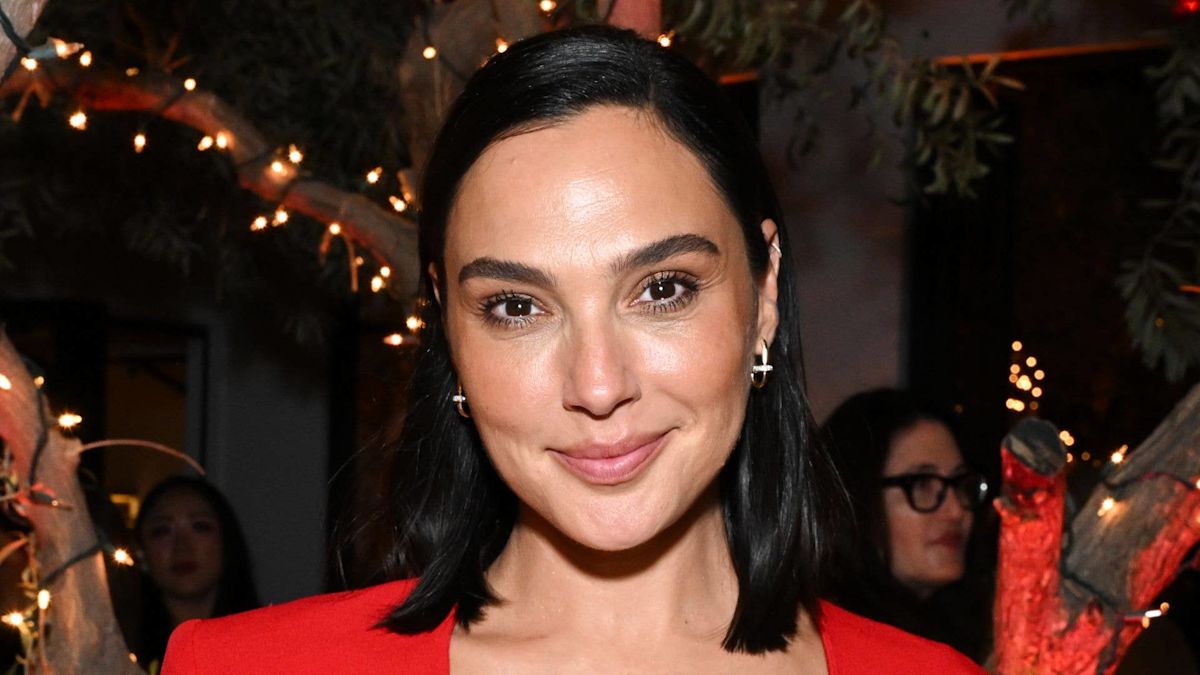
Gal Gadot made a striking entrance at the Los Angeles afterparty for her new psychological thriller, The Runner, on Thursday, August 27.
The 41-year-old actress wore a slinky red dress with a dramatically low neckline that highlighted her slim physique. The daring design also featured a thigh-high center slit, revealing her toned legs, which she lengthened with open-toed red heels.
Earlier that evening, Gadot attended the film’s premiere in a strapless navy-blue Danielle Frankel gown decorated with thousands of hand-applied, laser-cut satin petals.
Gal Gadot stars in The Runner
In The Runner, Gadot plays a high-powered London lawyer forced to race through the city to save her abducted son while following dangerous demands from an unknown caller.
The official synopsis reads:
“Maia Marten (Gal Gadot) has built her life on being one step ahead — a sharp, resourceful, high-powered lawyer at the top of London’s legal world. Gal’s dress featured a dangerously low neckline (@ Getty Images)”During her routine morning run, a single phone call shatters her world: her son has been taken. The instructions to get him back are simple and merciless — keep moving, follow every command, and tell no one. Stop, and he dies.”
“Forced to sprint through the city and obey a series of sinister commands, Maia must confront an impossible question: how far will she go to bring her son home?”
The role presented a particular challenge for Gadot because she was not a runner before filming began.
“I had to [train] because I am not a runner,” she told AP on the red carpet.
“I’m not Tom Cruise and running is not part of my life, I hated running before, so I had to literally learn how to run and prepped for nine months with the most amazing Olympic trainer that taught me how to love-ish running.”
Gal Gadot’s fourth baby
Gadot returned to screens in last year’s Snow White after taking time off following the birth of her fourth child with her husband, Jaron Varsano, in March 2024.
The actress surprised fans when she announced the birth of her daughter Ori on social media, having kept the pregnancy private.
Shortly after Ori was born, Gadot shared a photo of herself cradling her daughter and wrote:
“My sweet girl, welcome. The pregnancy was not easy and we made it through.”
She added:
“You have brought so much light into our lives, living up to your name, Ori, which means ‘my light’ in Hebrew. Our hearts are full of gratitude. Welcome to the house of girls. Daddy is pretty cool too.”
Gadot and Varsano already had three daughters: Alma, 14, Maya, nine, and Daniella, five.
In 2021, shortly after welcoming Daniella, Gadot was asked by James Corden whether she wanted to expand her family.
She said:
“The first one you’re so nervous about how it’s going to be. The second one, you worry about the first one, how she’s going to take it. Then by the third one, you’re like, they can deal with each other, let’s enjoy this.”
“Then you’re thinking, I don’t know if I’m ever going to have another baby, so I just enjoy every phase of it.”
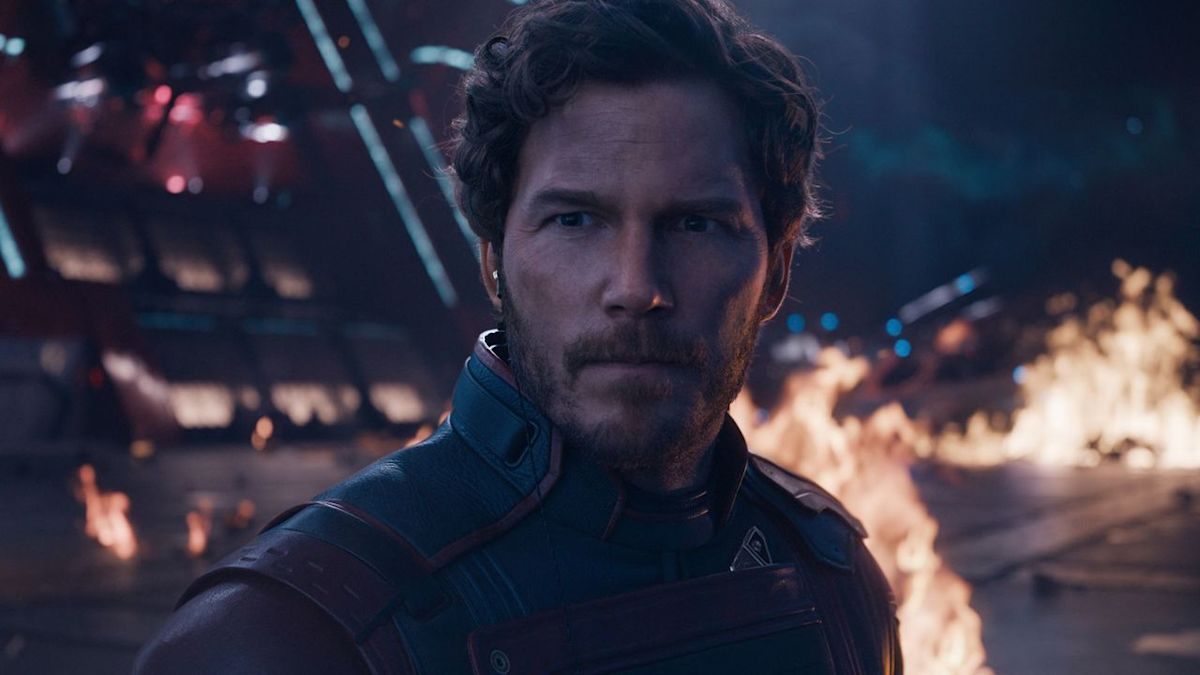
Marvel Studios casting director Sarah Halley Finn has revealed how Chris Pratt’s unsuccessful audition for Captain America helped put the future Star-Lord actor on the MCU’s radar.
Finn, who has helped cast MCU stars including Tom Holland, Robert Downey Jr. and Chadwick Boseman, discussed Pratt’s audition during an SDCC appearance on The Brandon Davis Show.
“He did a speech which was not comedic at all, it was kind of a rallying cry,” Finn recounted. “I don’t think this particular [speech] ended up in [Captain America: The First Avenger]. He’s trying to inspire and encourage somebody to move forward with courage. It was really simple, it was very heartfelt. There was just that touch of nobility you want to see in your heroes… after that audition, I was paying attention.”
How Chris Pratt landed the role of Star-Lord
Finn followed through on that interest, eventually bringing Pratt into a meeting with James Gunn for Guardians of the Galaxy. The audition led to Pratt being cast as Peter Quill, also known as Star-Lord, despite the actor initially resisting the opportunity.
“I was stuck on him,” Finn said. “He didn’t want to audition for that at all… I was so persistent to the point of being annoying. Even at that point, James Gunn was convinced he wasn’t right and didn’t want to see him.”
Pratt went on to appear in three Guardians of the Galaxy films and multiple Avengers movies, making the failed Captain America audition a fortunate turning point in his career.
Who else auditioned for Captain America?
Chris Evans ultimately won the role of Steve Rogers. Other notable actors who auditioned included Wilson Bethel, who later played Daredevil villain Bullseye; John Krasinski, who went on to portray a multiverse version of Reed Richards; Captain America actor Wyatt Russell; and Sebastian Stan.
For anyone else who has auditioned for Captain America, Pratt’s story suggests that a missed Marvel role may still lead to another major part in the MCU.
Want to relive the MCU’s best moments? Here’s our essential guide on how to watch the Marvel movies in order.
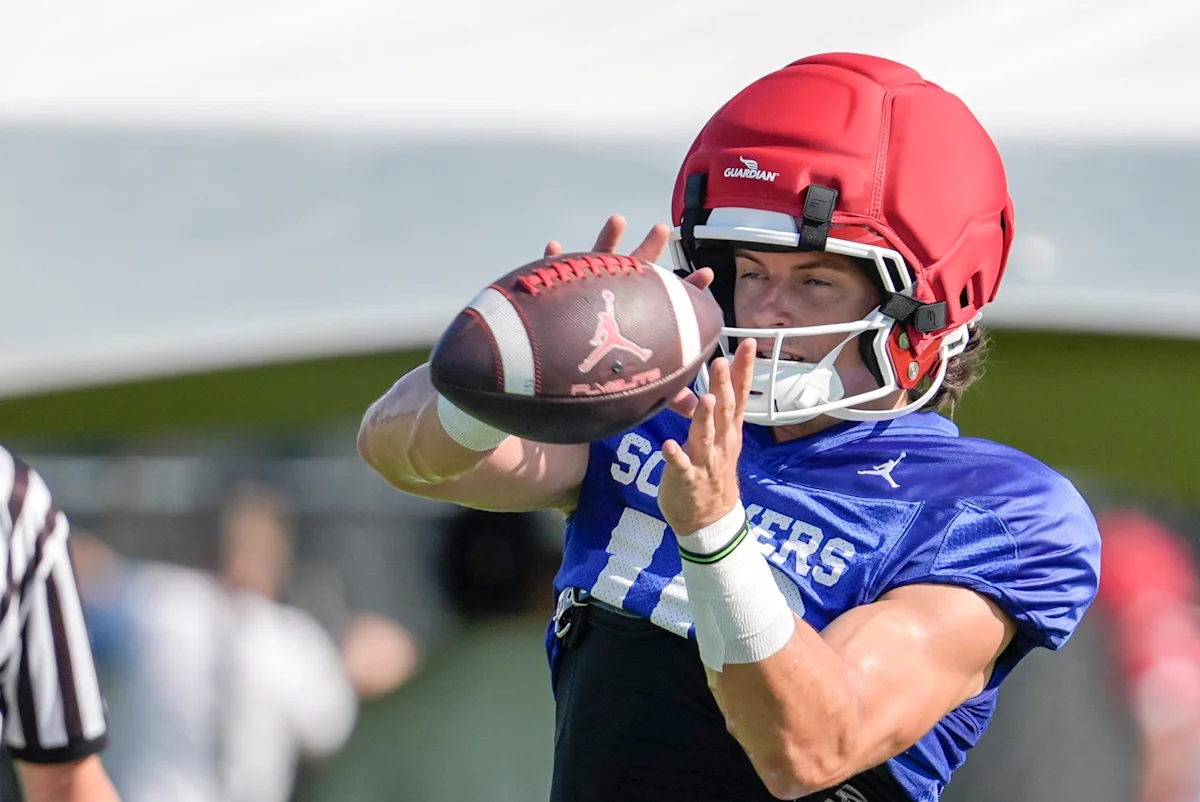
The Oklahoma Sooners are one week away from beginning the 2026 college football season, with a College Football Playoff berth among their goals. After a season that generated considerable momentum, Oklahoma enters the new campaign with plenty to prove—particularly at quarterback.
John Mateer remains Oklahoma’s biggest question
John Mateer is among the Sooners hoping to silence his critics. He passed for 2,885 yards, 14 touchdowns and 11 interceptions last season, producing a campaign defined by significant highs and lows.
Mateer opened the year as a Heisman Trophy favorite, but his uneven finish led to questions about whether he can lead Oklahoma over the top in the Southeastern Conference.
ESPN writer Dan Wetzel remains high on the Sooners and has even selected them to win the SEC. However, he acknowledged that Mateer still has more to prove.
“I really like the Sooners,” Wetzel said via the ‘College GameDay Podcast.’ “I think I picked them to win the SEC. I don’t know if John Mateer… like, I got to see more.”
Wetzel’s assessment is notable because his uncertainty about Mateer has not kept him from choosing Oklahoma as his SEC champion. His prediction suggests he believes the Sooners have enough talent around their quarterback to compete for the conference title, even if Mateer must take another step forward.
Oklahoma’s SEC ceiling depends on offensive consistency
Oklahoma’s defense should once again provide a strong foundation, but the offense will need to become more consistent. Mateer’s performance will be central to that improvement after his uneven 2025 season.
The Sooners have enough talent to be taken seriously in the SEC, and Wetzel’s conference prediction highlights their potential. The remaining question is whether Mateer can provide the stability Oklahoma needs to turn that potential into a College Football Playoff-caliber season.
Oklahoma’s fall camp has featured quarterback John Mateer, tight ends coach Jason Witten and offensive coordinator Ben Arbuckle, along with players including Bishop Thomas, Michael Fasusi, Eddy Pierre-Louis, E’Marion Harris, Darius Afalava, Jacob Jordan, Ace Hodges, Gunnar Allen, Ryan Fodje, Caleb Nitta, Kenny Ozowalu, Jett Niu, Jonathan Hatton Jr., Xavier Robinson and DeZephen Walker.
Follow @SoonersWire on X, formerly known as Twitter, and like the publication’s page on Facebook for ongoing coverage of Oklahoma news, notes and opinions. Jaron can also be followed on X at @jaronspor.
Aaron Paul’s 47th birthday sparked unexpected confusion online after some social media posts led fans to believe that the Breaking Bad actor had died. However, the death rumours are false. Aaron Paul is alive and recently celebrated his birthday.
The confusion appears to have been caused by the design and wording of certain birthday messages. Some posts resembled the tributes typically shared following a celebrity’s death, prompting users to mistake them for mourning messages as they spread across social media.
Paul, who became internationally famous for playing Jesse Pinkman in Breaking Bad, has also maintained a relatively low profile online in recent months. His reduced social media activity may have contributed to the misunderstanding.
Aaron Paul Took a Break From Social Media
The actor’s last Instagram update came in February 2026. At the time, Paul told his followers that he wanted to spend less time on his phone and focus on other activities.
“Goodbye for now my friends. I need to be a lot less bored and a lot more inspired. I’m putting my phone away and going to do that. Love and light!,” Aaron Paul had written.
Since then, Aaron Paul has not posted regularly on Instagram. The absence of recent updates from the actor himself appears to have caused some fans to believe the misleading birthday posts.
There is no information indicating that Paul’s social media break was related to a health issue.
What Is Aaron Paul Doing Now?
Although Aaron Paul has stepped away from social media, he remains active in film and television. His latest movie, Ash, was released in theatres on March 21, 2025.
Directed by Flying Lotus, the science-fiction horror film stars Aaron Paul as Brion and Eiza González as Riya. The story follows Riya after she awakens on an unfamiliar planet and discovers that her entire crew has been killed.
Brion later arrives on the planet, setting the stage for a fight for survival. The film combines science fiction with psychological horror.
Fantasy football draft preparation for the 2026 season includes identifying players who could outperform their current average draft position (ADP). ESPN NFL insider Adam Schefter has highlighted early-, middle- and late-round targets at quarterback, running back, wide receiver and tight end.
These players are not the only candidates to deliver strong seasons, but they stand out as potential values. They could receive serious consideration when fantasy managers are choosing between players at key points in the draft or breaking a tie.
How the 2026 fantasy football draft ranges work
The round ranges in this guide are based on ADP in 10-team leagues: “early” refers to Rounds 1-4, “middle” to Rounds 5-11 and “later” to Rounds 12 or higher.
Last season’s recommended middle-round values included wide receiver Jaxon Smith-Njigba. Later-round targets included quarterbacks Drake Maye and Trevor Lawrence, wide receiver Emeka Egbuka and running back Quinshon Judkins.
Player values can change depending on league size and scoring settings. A player may not need to be drafted in a 12-team league but could become much more valuable in a 16-team format. The players below offer strong value relative to their ESPN ADPs and have the potential to produce productive seasons.
Quarterback fantasy football targets
Fantasy managers can still justify selecting quarterbacks such as Josh Allen or Lamar Jackson early. However, the position offers considerable depth in 2026, creating opportunities to find value in the middle and later rounds.
Middle-round quarterbacks
Bo Nix, Broncos (ADP: 86.3): Nix’s ability to rack up fantasy points with his legs as much as his arm is underappreciated.
Caleb Williams, Bears (ADP: 92.2): His talent was on full display last season and, after a year in Ben Johnson’s offense, he should be even more improved.
Justin Herbert, Chargers (ADP: 106.0): Matched with Mike McDaniel as his offensive coordinator, Herbert could be in line for his best NFL season.
Later-round quarterbacks
Tyler Shough, Saints (ADP: 155.4): He flashed as a rookie last season and is expected to make continued growth in Year 2.
Jordan Love, Packers (ADP: 158.0): Team officials are confident he’s set up to take the next step this season.
Daniel Jones, Colts (ADP: 158.2): Jones was one of the best fantasy QBs last season until he was injured — and now he looks to be healthy.
Running back fantasy football targets
A case can be made to select Bijan Robinson or Jahmyr Gibbs with the No. 1 pick in fantasy football this season. The position also offers intriguing value in the later rounds.
Early-round running backs
Jahmyr Gibbs, Lions (ADP: 1.4): He might be the most dangerous offensive threat in the NFL, one with 38 touchdowns in the past two seasons.
Bijan Robinson, Falcons (ADP: 2.5): Robinson and Gibbs will — and should — be going 1-2 in almost every fantasy football draft.
Chase Brown, Bengals (ADP: 21.9): He is the lead back and a multipurpose threat in one of the highest-scoring offenses in the NFL.
Kenneth Walker III, Chiefs (ADP: 22.3): He has never finished higher than RB18 in a fantasy season, but he seems set to shatter that mark in 2026.
Omarion Hampton, Chargers (ADP: 25.3): When healthy last season, he was highly productive. If he’s healthy this season, he will be again.
Middle-round running backs
Bhayshul Tuten, Jaguars (ADP: 71.8): The Jaguars loved him coming out of college, and that hasn’t changed heading into his second season.
Kenny Gainwell, Buccaneers (ADP: 116.5): Bucs have raved about the different skills he brings to the offense.
Blake Corum, Rams (ADP: 135.1): He will share work with Kyren Williams … and be drafted many rounds later.
Jordan Mason, Vikings (ADP: 138.9): The Vikings seem determined to get their run game going, and Mason will benefit.
Chris Rodriguez Jr., Jaguars (ADP: 165.6): Head coach Liam Coen has been a fan of Rodriguez since they worked together at Kentucky.
Jonah Coleman, Broncos (ADP: 169.4): Denver’s backfield is crowded, but some have compared Coleman to Maurice Jones-Drew.
MarShawn Lloyd, Packers (ADP: 170.1): Lloyd has never been healthy at the NFL level but was healthy this summer.
Wide receiver fantasy football targets
With the NFL passing more than ever, fantasy managers can find useful wide receivers in every draft tier.
Early-round wide receivers
Ja’Marr Chase, Bengals (ADP: 4.0): Chase has lofty touchdown goals for the season and the talent to match.
Puka Nacua, Rams (ADP: 5.2): He still has plenty on the line as he heads into the final year of his contract.
Justin Jefferson, Vikings (ADP: 12.1): As talented as any receiver in the league and poised for a bounce-back season.
Chris Olave, Saints (ADP: 31.1): He is expected to be the team’s leading receiver in a high-paced offense.
Middle-round wide receivers
DeVonta Smith, Eagles (ADP: 40.4): Minus A.J. Brown, there should be even more targets for the talented and tough Smith.
Ladd McConkey, Chargers (ADP: 50.1): With Mike McDaniel as his offensive coordinator, McConkey could become the focal point of the Chargers’ passing attack.
Luther Burden III, Bears (ADP: 76.2): Head coach Ben Johnson has compared Burden to Amon-Ra St. Brown.
Parker Washington, Jaguars (ADP: 93.3): Washington’s talents shined at the end of last season and again in training camp.
Later-round wide receivers
Wan’Dale Robinson, Titans (ADP: 113.4): Former Giants head coach and current Titans offensive coordinator Brian Daboll fed him the football in New York last season, and now he gets to do the same in Tennessee.
Jordan Addison, Vikings (ADP: 114.1): With Kyler Murray at quarterback, Addison should make many plays downfield.
Josh Downs, Colts (ADP: 136.6): The older brother of Cowboys rookie safety Caleb Downs. This Downs is set to make his own mark.
KC Concepcion, Browns (ADP: 144.1): Even as a rookie, he’s expected to have a prominent role in the Browns’ offense.
Ja’Kobi Lane, Ravens (ADP: 167.7): A third-round pick this past spring, Lane was the star of Baltimore’s training camp.
Caleb Douglas, Dolphins (ADP: 169.4): Everybody struggled to cover him at a recent practice against the Commanders.
Cyrus Allen, Chiefs (ADP: 169.5): One of the most talked about players at Chiefs camp this summer.
Kayshon Boutte, Texans (ADP: 170.7): The talent has always been there, and now he has the opportunity to be the WR2 in Houston.
Pat Bryant, Broncos (ADP: 170.6): Bryant looks ready to shine in his second season.
Ryan Flournoy, Cowboys (ADP: 170.9): CeeDee Lamb and George Pickens aren’t the only Cowboys receivers who will produce this season.
Tre’ Harris, Chargers (ADP: 171.0): Like Bryant, he is poised to make a jump in his second season.
Devaughn Vele, Saints (ADP: 171.5): Showed a connection with Shough last season, and it figures to continue this season.
Tight end fantasy football targets
The tight end position could be among the deepest and most talented groups in fantasy football. There are premium options available early as well as potential values in the middle and later rounds.
Early-round tight ends
Brock Bowers, Raiders (ADP: 24.3): It didn’t take long for new head coach Klint Kubiak to identify the top option in his offense.
Middle-round tight ends
Colston Loveland, Bears (ADP: 45.0): Loveland’s targets in the Bears’ final four games last season: 10, 13, 10, 15.
Harold Fannin Jr., Browns (ADP: 75.0): Fannin stood out when he shared time with David Njoku last season, and now Njoku is no longer there.
Tucker Kraft, Packers (ADP: 88.8): He might not be full time until midseason, but even part-time Kraft is a threat.
Later-round tight ends
Isaiah Likely, Giants (ADP: 127.4): Likely followed his head coach to the Giants in free agency so he can be the No. 1 tight end. There’s no Mark Andrews around to block him.
Terrance Ferguson, Rams (ADP: 165.6): Head coach Sean McVay has admired Ferguson’s talents since the team drafted him in Round 2 last year.
AJ Barner, Seahawks (ADP: 169.5): Those around the Seahawks have described Barner as an ascending player.
Gunnar Helm, Titans (ADP: 170.6): Like many in the Titans’ offense, poised to make a jump.