Tag: TikTok

  • AI-Generated Future Polar Bear Reminds Us November 2026 Is Coming

    AI-Generated Future Polar Bear Reminds Us November 2026 Is Coming

    The internet’s latest time-bending joke has arrived right on schedule. A fresh wave of “Remember November 2026 Is Coming” memes is flooding Instagram Reels and TikTok, reviving a surreal piece of lore that first surfaced years ago.

    Origin of the Polar Bear Prophecy

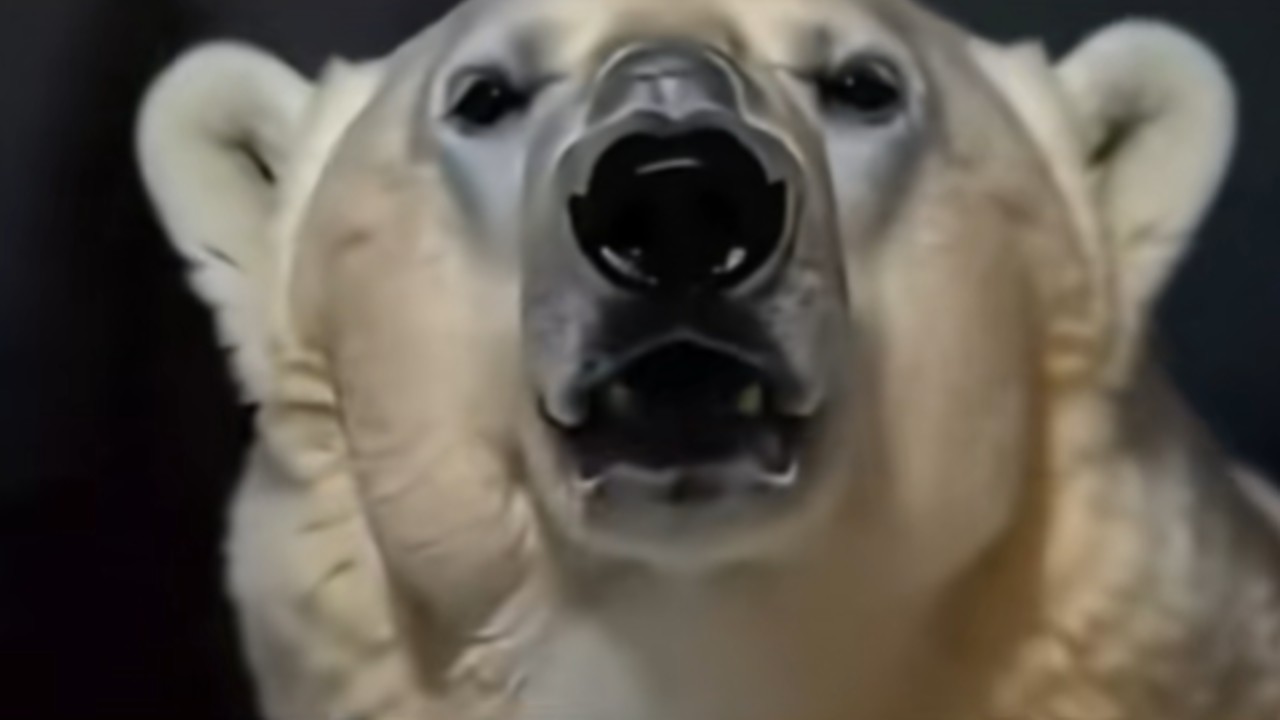
    The trend centers on an AI-generated video featuring a polar bear singing to the tune of “Life Goes On” by Oliver Tree. In the clip, the bear delivers the deadpan lyric: “Remember November 2026 is coming.” The video acts as a callback to the 2023 “Polar Bear 2026” meme, which users at the time joked was a dispatch from the future warning them about a specific date three years away.

    Why It Resurfaced in September 2026

    As the actual month of November 2026 approaches, the prophecy has become self-fulfilling. Creators on Instagram Reels and TikTok began reposting and remixing the bear’s musical reminder throughout September 2026, treating the date like a long-awaited cultural milestone. The humor lies in the loop: a 2023 joke about a 2026 meme is now a 2026 meme about the 2023 joke.

    Meme Culture’s Favorite Time Loop

    This format thrives on temporal irony. The polar bear isn’t predicting an event; it’s commemorating the meme itself. By the time the calendar flips to November, the joke will have completed its three-year arc—turning a throwaway AI video into a piece of shared internet history that users collectively willed into existence.

  • TikToker Explains TSA’s New Gate Access for Non-Ticketed Visitors, Sparking Heated Debate

    TikToker Explains TSA’s New Gate Access for Non-Ticketed Visitors, Sparking Heated Debate

    A TikTok video posted by @lisaremillard on September 8 details a new Transportation Security Administration pilot program that grants gate access to certain non-ticketed visitors for the first time in 25 years. The video had accumulated more than 56,000 likes and 9,000 shares at the time of publication.

    How the Gateside by TSA PreCheck Program Works

    The creator explained that the TSA has launched a pilot program called Gateside by TSA PreCheck. It allows approved visitors to meet arriving passengers at the gate, see departing travelers off, or spend time with someone facing a long layover — all without an airline ticket. Participation is limited, and the program is not yet available at every airport.

    Eligibility and Application Process

    According to the video, visitors must already hold a valid TSA PreCheck membership. Eligible members log into their PreCheck account and apply for Gateside access between one and three days before their intended visit. If approved, the visitor presents a government-issued ID at the TSA PreCheck lane along with the approval status displayed on their PreCheck dashboard, which serves in place of a boarding pass.

    Cost, Children, and Participating Airports

    The program is free for existing PreCheck holders. Children may also access the gate without a ticket when accompanied by a parent or guardian who has PreCheck and has received Gateside approval. As of the video’s publication, 13 airports nationwide are participating, with additional locations to be added in phases. The creator noted that availability may be limited during peak airline travel periods.

    @lisaremillard #tsa #airport #airportsecurity The TSA just announced it is now allowing certain non ticketed people to have gateside access to say goodbye or welcome home a loved one. This video explains who will qualify for gateside access and which airports are participating.

    ♬ original sound – ?The News Girl ?

    Historical Context: Gate Access Before and After 9/11

    The TikToker provided historical context, stating that gate access for non-ticketed individuals was standard practice before the September 11 attacks. During that era, people could freely walk through terminals and concourses without showing identification or travel documents, security screenings were minimal, and travelers could carry full-sized liquid containers in carry-on luggage — a period before the TSA existed. She said Congress established the TSA in response to the attacks, eliminated gate access for anyone without a ticket, and implemented the security framework still in place today.

    Comment Section Divided on the Change

    Reaction in the comments was mixed. One commenter pushed back on the historical framing, writing:

    “Am I the only one that’s OK with this? We used to be able to walk people to the gate.”

    Another commenter referenced an international comparison, noting:

    “Australia has had this for years. Not a big issue.”

    The creator also mentioned that the Trump administration has discussed modernizing airport policy and referenced a return to what it describes as a “golden age of travel,” though she clarified that the TSA did not cite a specific reason for launching the Gateside pilot.

    Verify Details Directly

    Readers can confirm the program’s existence and current status on the official TSA website at tsa.gov. The details above reflect the account as shared on TikTok by @lisaremillard.

  • Woman Finds Disturbing VHS Tape Hidden in Cupboard After Moving Into ‘Haunted’ 1792 House

    Woman Finds Disturbing VHS Tape Hidden in Cupboard After Moving Into ‘Haunted’ 1792 House

    Key Highlights

    • TikTok creator @saraheposts discovered a labeled VHS tape in the butler’s pantry of her newly purchased 240-year-old Maine home, which was reportedly the childhood residence of a “relatively famous politician.”
    • The tape, marked “1953 to 1957, scenes from home,” remains unwatched due to the creator’s horror-movie-inspired superstition and a notable historical anachronism: the VHS format did not launch until 1976.
    • Social media users flooded the comments urging her to play the footage, with some volunteering to watch it themselves or suggesting AI analysis, while skeptics pointed out the format discrepancy.

    Mystery VHS Tape Surfaces in Historic Maine Home

    TikTok creator Sarah, known as @saraheposts, has documented an unsettling discovery inside her recently acquired 18th-century Maine residence. In a video posted to her account, which focuses on historic preservation and “old house TikTok,” she revealed that a family member found a single VHS cassette inside a cabinet in the butler’s pantry shortly after the purchase closed but before the move-in date.

    The property, which Sarah describes as “haunted” in a tongue-in-cheek manner, dates back roughly 240 years. She notes the attic contains a small room with signatures on the walls and a coat hanger, calling it “a whole separate video” she is not yet ready to film. However, the VHS tape proved an immediate curiosity. “I promised that I would show the creepiest thing in this house and I’ll clarify that that does not include the attic,” Sarah told her followers. “The attic is a whole separate video when I feel like going up there — it’s in great condition for being 240 years old but there is a tiny room in the attic; there’s signatures on the walls, there’s a coat hanger up there, don’t even get me started. I’m not going up there today.”

    Horror Tropes and a Historical Anachronism

    Sarah’s reluctance to view the tape stems directly from the 2012 supernatural horror film Sinister, directed by Scott Derrickson and starring Ethan Hawke. In the film, a true-crime writer discovers a box of home movies in his new attic that turn out to be snuff films, unleashing a malevolent entity. “Right before we moved in (but we’d bought the house,) my little brother was walking the house for us; opened the cabinet and found a VHS tape,” Sarah recounted. “If you’ve ever seen the movie Sinister: if you find a VHS tape in your new home, you don’t watch it! You don’t watch it. So I’m not going to, but I will read the label on this for you. It says: ‘1953 to 1957, scenes from home’. This house was the childhood home of a relatively famous politician and so it would probably be an interesting tape to watch, but it’s never gonna happen. It’s neeeever gonna happen! I’ll probably burn it some day.”

    The label’s date range—1953 to 1957—immediately raised eyebrows among viewers. The VHS (Video Home System) format was developed by JVC and released commercially in 1976, two decades after the latest date on the label. This discrepancy suggests the tape is either a later recording of older film reels, a mislabeled item, or part of a staged narrative.

    Internet Reacts: Curiosity vs. Skepticism

    The comment section quickly filled with a mix of horror-movie jokes, genuine curiosity, and forensic skepticism. “Nothing would stop me from watching that tape,” one user wrote. Another offered: “Mail it to me. I’ll watch it and send u the cliff notes.” A third suggested a modern workaround: uploading the footage to an AI tool for summarization. Despite the engagement, Sarah has maintained her position that the tape will not be played.

    Why This Matters

    The incident highlights the intersection of social media storytelling, historic home ownership, and urban folklore. For owners of historic properties, discovering artifacts from previous occupants is common, though usually in the form of letters, newspapers, or photographs—not magnetic media formats that post-date the labeled content. The Sinister reference underscores how deeply horror cinema has shaped cultural reactions to found media. Additionally, the VHS anachronism serves as a real-time case study in digital media literacy: audiences quickly identified the technological impossibility, demonstrating how collective knowledge on platforms like TikTok can fact-check narrative details within hours. The identity of the “relatively famous politician” remains undisclosed, leaving a gap in the historical provenance that could authenticate or debunk the artifact’s origin.

    Frequently Asked Questions

    Who is the politician connected to the house?

    Sarah (@saraheposts) has not publicly identified the “relatively famous politician” whose childhood home she now owns. She only stated the property was their childhood residence.

    Why is the VHS tape considered anachronistic?

    The tape is labeled “1953 to 1957,” but the VHS format was not commercially available until 1976. This means the tape could not have been originally recorded in that format during those years; it would have to be a later transfer from film reels or a different medium.

    Has Sarah watched the tape or planned to?

    No. Sarah explicitly stated she will not watch it, citing the plot of the horror movie Sinister as a deterrent, and joked she would “probably burn it some day.”

  • Woman Defends Tipping Culture Despite Making Just $5 an Hour: ‘The Money Can Be Really Good’

    Woman Defends Tipping Culture Despite Making Just $5 an Hour: ‘The Money Can Be Really Good’

    A TikTok video from bartender Dana May, known as @ayedanamay, has reignited the debate over tipping culture in the United States. The clip, which had garnered 24,900 likes and 1,125 comments at the time of reporting, captures May explaining why she believes tipping remains essential — both for service workers and for consumers’ wallets.

    The Economics Behind a $5 Hourly Wage

    May earns a base pay of just $5 per hour at her bartending job. Like many tipped employees, she relies on customer gratuities to make a living wage. She argues that without tips, restaurants would be forced to raise menu prices significantly to cover higher labor costs, ultimately passing the expense to diners anyway.

    “In a perfect world, the restaurant would pay her a living wage,” the video narrative explains, “she believes that isn’t realistic.” May contends that eliminating tipping would not lower costs for customers; instead, it would shift the burden directly onto the bill.

    Anticipating Backlash

    May acknowledged she expected criticism for her stance. She emphasized that her low base wage is not her fault and that tips allow her to support herself. She also noted that bartending can be financially rewarding when tipping culture functions as intended. However, she warned that a widespread rejection of tipping could fundamentally alter the restaurant industry’s economy, affecting both workers and patrons.

    TikTok Commenters Split on Tipping Obligations

    The comments section reflected deep division. Some users outright rejected the expectation to tip.

    “I never tip, it’s not required,”

    one commenter wrote. Another challenged:

    “Show me that tipping is mandatory.”

    May replied directly, calling the opinion “brave” to share publicly.

    Others pointed out that food prices are rising regardless of tipping practices, suggesting higher bills are inevitable. Fellow service workers weighed in with support for May’s perspective.

    “As a bartender, if we were paid a “livable wage” and tipping wasn’t a thing anymore, I would not be in the industry anymore. You think I’m getting paid ~$15/hr to be HARASSED by MEN??,”

    one commenter stated, highlighting the non-monetary challenges of the job that tips help offset.

    Broader Implications for the Service Industry

    The discourse underscores a national tension: how much responsibility should fall on customers to compensate service staff? While May and other industry workers view tips as a critical component of their income — and a mechanism that keeps base menu prices lower — a growing segment of diners questions the fairness of a system that shifts wage obligations onto patrons.

    The Daily Dot was unable to independently verify the details described in the TikTok video. The information above is based solely on Dana May’s account of her experience and views on tipping culture.

  • Streamer Braeden Forces ‘La Fairs’ Meme, Blending ‘La Peace’ and ‘Fairs’

    Streamer Braeden Forces ‘La Fairs’ Meme, Blending ‘La Peace’ and ‘Fairs’

    Streamer Braeden Sparks Viral “La Fairs” Meme by Combining “La Peace” and “Fairs” Trends

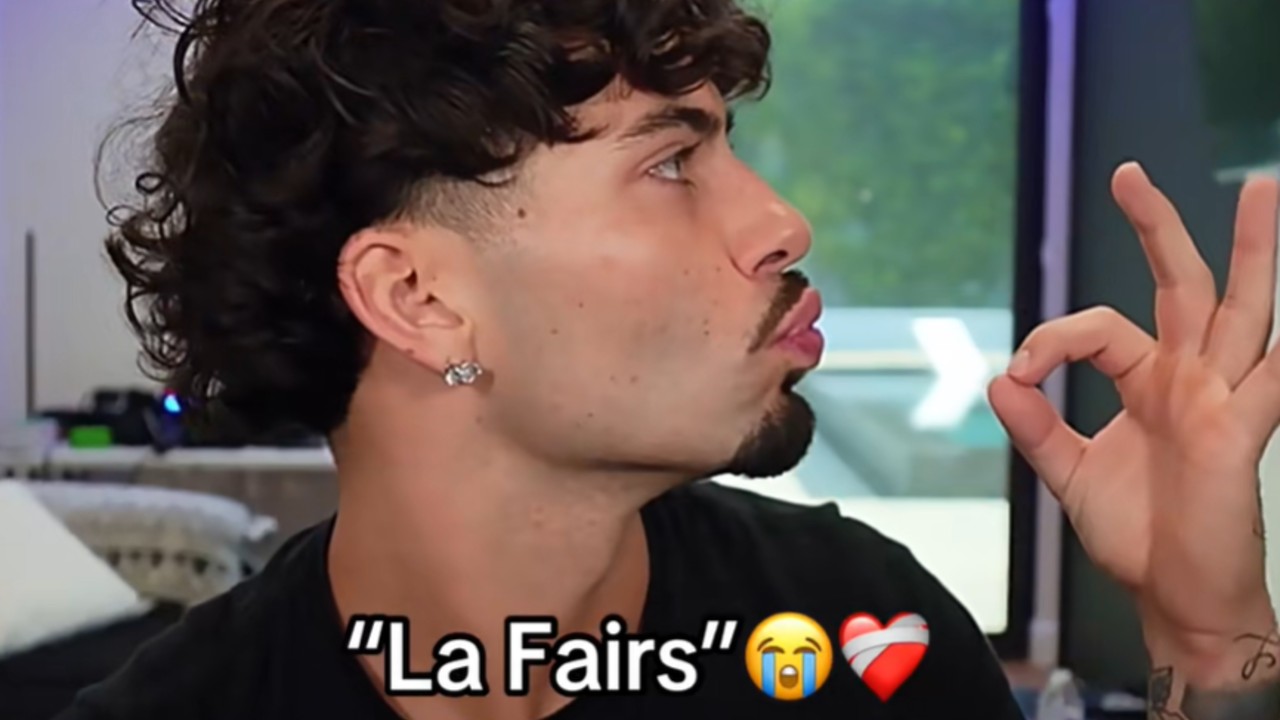
    A new forced ironic meme dubbed La Fairs has exploded across TikTok and Instagram Reels in September 2026, merging two distinct internet trends from earlier in the summer. The hybrid format draws from the August 2026 “La Peace” meme and the June 2026 “Fairs” slang meme, creating a meta-commentary on meme culture itself.

    Origin: A Streamer’s Experiment Goes Viral

    The phenomenon originated during a late-August 2026 livestream by content creator Braeden, who asserted that memes could be deliberately forced into existence. A clip from that broadcast was edited and quickly gained traction on short-form video platforms, inspiring a wave of derivative content throughout September.

    Format and Visual Language

    As a composite meme, La Fairs incorporates signature elements from both source trends. Common iterations depict Braeden styled as an ancient Greek philosopher—a visual nod to the La Peace meme—while simultaneously featuring the OK hand symbol associated with the Fairs slang. This juxtaposition underscores the ironic, self-aware nature of the trend.

    Meta Commentary on Meme Mechanics

    La Fairs stands out as a rare example of a meme explicitly created to test the mechanics of virality. By declaring the intent to force a meme into existence—and then succeeding—Braeden and the participating community have turned the trend into a running joke about how internet culture manufactures and spreads shared references.

  • Man Mocks Unrealistic Expectations at Minimum Wage Jobs: ‘We’re Going to Skip Your Break’

    Man Mocks Unrealistic Expectations at Minimum Wage Jobs: ‘We’re Going to Skip Your Break’

    TikTok Creator Mocks Unrealistic Minimum-Wage Job Expectations in Viral Video

    TikTok user @tyronereid shared a satirical video highlighting the unreasonable demands some employers place on minimum-wage workers. The clip has garnered 37,500 views and 70 comments, with many viewers stating the exaggerated scenarios hit uncomfortably close to home.

    Video Depicts Exaggerated—Yet Familiar—Workplace Scenarios

    The video features Tyrone portraying a boss or supervisor at a minimum-wage job delivering increasingly absurd directives. He says things like:

    “It’s actually kind of busy, so I think we’re going to skip your break for today. Yeah, sixteen hours straight of work,”

    “You finish at two in the morning, do you? Okay, we’re going to need you back for a four a.m. start tomorrow,”

    “I know you have college next week, but I decided to put you on for eighty hours. I hope that’s alright.”

    He continues to joke about the way some employers treat stressed workers—piling on more hours and assigning the most complicated customers. Restaurant-specific scenarios include a table of 42 people walking in and another table ordering 28 coffees, each with different syrups. While hyperbolic, the sketches reflect situations workers say they genuinely encounter.

    Commenters Share Relatable Workplace Experiences

    The comment section quickly filled with viewers sharing their own stories. One person challenged the premise:

    “Now do an exaggerated one,”

    Another commenter framed minimum-wage work as a lesson in self-advocacy:

    “These jobs are amazing for learning to say no, and standing up for yourself in the workplace,”

    Several users described experiences mirroring Tyrone’s sketches. One wrote:

    “I work at a PIZZA PLACE. I am an 18 year old shift lead and I was told that my availability was an inconvenience because I have school TWO… ONE TWO days a week and can’t come in until NOON on those days. We open at 9. Like…”

    Another added:

    “I used to work 35 hours a week and then all of a sudden worked 20. No notice whatsoever.”

    Multiple commenters said Tyrone’s exaggerated scenarios reflected real conditions they had faced on the job.

    The Daily Dot was unable to independently verify the workplace experiences described by commenters. The details of the video above are based on Tyrone’s account shared on TikTok under the username @tyronereid.

  • Montauk Local Criticizes Influencers for Treating Local Spots as Photo Ops: ‘Stop Pretending to Be Fake Rich’

    Montauk Local Criticizes Influencers for Treating Local Spots as Photo Ops: ‘Stop Pretending to Be Fake Rich’

    TikTok user @colebrewnyc, known as Colette, posted a video criticizing what she describes as an influx of influencers in Montauk. The clip has accumulated more than 107,000 views and 490 comments. Colette does not name specific individuals but voices frustration about changes in the community where she grew up.

    Lifelong Resident Describes Shifting Atmosphere

    Colette identifies herself as a lifelong Montauk resident who has watched the area transform significantly in recent years. She said the shift accelerated after the COVID-19 pandemic, when visitors began flocking to the hamlet in larger numbers.

    She recounted visiting The Montauket, a local dive bar she frequented almost daily with her family as a child. Colette described the venue as once “chill” but now difficult to enter, with lines sometimes stretching down the block.

    “[It] is devastating to me, because that place means a lot to me,” she said.

    Behavior, Not Popularity, Drives Frustration

    Colette clarified that the increased popularity itself is not the core issue. Instead, she said she is frustrated by the conduct of certain visitors inside establishments like The Montauket. She noted many patrons appeared young and dressed in a style she associated with influencers.

    The bar offers a sunset view, and Colette said some people pushed through crowds to reach the fence for photos. She also discussed the behavior of young male influencers, contrasting Montauk’s current reputation as a party destination with her childhood memories of the area.

    Another concern she raised involved what she described as rude behavior toward residents who do not match visitors’ expectations of the community.

    “Stop pretending to be fake rich for your Instagram story,” she said.

    Commenters Echo Concerns About Visitor Conduct

    The video sparked debate in the comments section, with many users expressing frustration over the treatment of locals and the performative nature of some visits.

    One commenter wrote, “I can’t wait for influencer culture to be over.”

    Another user laid out expectations for travelers: “Rule 1 of Travel: Support the local businesses. Rule 2 of Travel: Respect the locals,” said another user.

    Several New Yorkers shared parallel experiences in their own neighborhoods.

    “They did the same thing to most of lower Manhattan. I’m so over them,” one commenter said, while a Brooklyn resident added, “As a native Brooklynite that witnessed it happen in my neighborhoods about a decade ago, I feel you… wish I could say it gets easier but it only gets worse.”

    Others argued that visitors prioritize content creation over genuine experience.

    “Nobody wants to enjoy the experience they only want to log and post the experience,” another user wrote.

    The Daily Dot was unable to independently verify the details of Colette’s experience. The details above are based on the account shared by @colebrewnyc on TikTok.
  • Cristiano Ronaldo’s ‘Cheeky Boy’ Comment to Interviewer Resurfaces as Viral Meme on TikTok, Reels

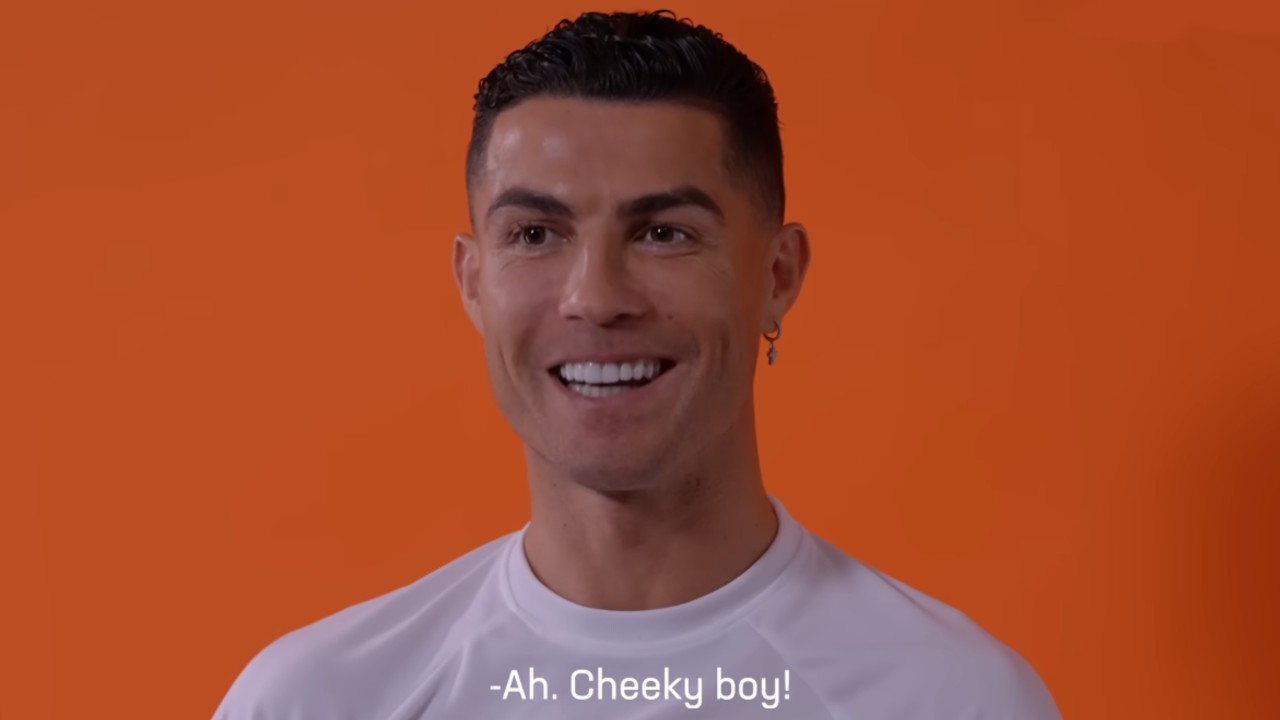
    Cristiano Ronaldo’s ‘Cheeky Boy’ Comment to Interviewer Resurfaces as Viral Meme on TikTok, Reels

    Cristiano Ronaldo “Cheeky Boy” Interview Clip Sparks Viral Meme Trend Across Social Media

    A short clip from a 2023 interview with football superstar Cristiano Ronaldo has evolved into a recurring internet phenomenon known as the “Cheeky Boy” Ronaldo meme series. The moment originated from a LiveScore video uploaded to YouTube in April 2023, during which Ronaldo playfully referred to the interviewer as a “cheeky boy.”

    From Interview Moment to Instagram Reels Sensation

    The exchange quickly captured online attention, becoming the subject of memes on Instagram Reels as early as 2023. Users remixed the clip across various formats, turning Ronaldo’s lighthearted remark into a versatile reaction template.

    TikTok Revival and the “Animal Transformation” Format

    The meme experienced a significant resurgence in September 2026 on TikTok, where it adopted a new narrative structure. In this iteration, creators pair footage of an animal engaging in humorous or inappropriate behavior with a sudden cut to the Ronaldo clip. The format typically carries a caption describing someone transforming into an animal, using the interviewer’s reaction as the punchline to the transformation scenario.

    This latest wave demonstrates how a single spontaneous moment from a sports interview can sustain cultural relevance across multiple platforms and years, continually adapting to the creative norms of each social media ecosystem.

  • Dollar General Manager Fired After Exposing “Labor Hour Cuts” on TikTok

    Dollar General Manager Fired After Exposing “Labor Hour Cuts” on TikTok

    Dollar General Manager Fired Following Viral TikTok on Workplace Conditions

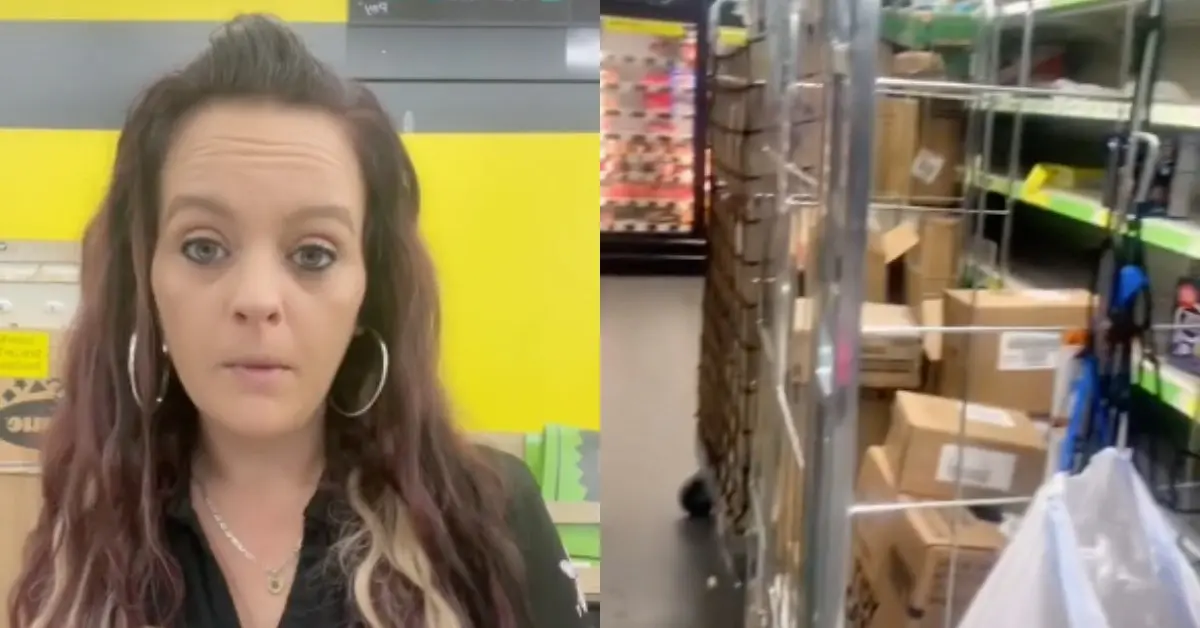
    Dollar General manager Mary Gundel was terminated after a TikTok she posted detailing harsh working conditions at her store went viral.

  • Doja Cat Reveals She ‘struggled with cocaine’ and Alcohol: ‘Needed to get this s–t off my chest’

    Doja Cat Reveals She ‘struggled with cocaine’ and Alcohol: ‘Needed to get this s–t off my chest’

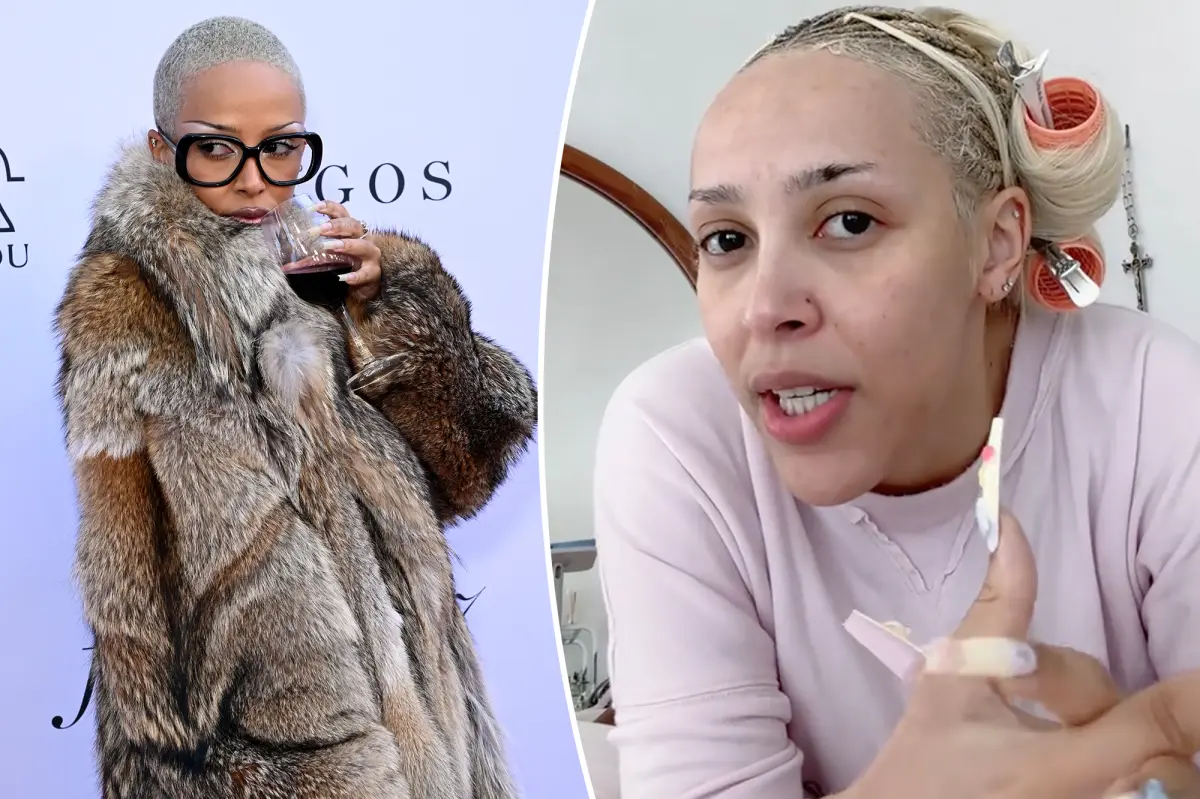
    The “Say So” singer revealed in a candid TikTok video shared Monday: “I have struggled with cocaine — could’ve been like eight years ago,”

    Source: pagesix.com