Tag: TikTok

  • Nolan Winking Responds to His Unofficial ‘Cappy’ Audition Becoming a Brainrot Meme

    Nolan Winking Responds to His Unofficial ‘Cappy’ Audition Becoming a Brainrot Meme

    Key Highlights

    • Content creator Nolan Winking uploaded an unofficial audition video for the role of Cappy, the sentient hat from Super Mario Odyssey, to Instagram in April 2026.
    • The clip exploded into a viral meme phenomenon across TikTok and Instagram Reels in September 2026, spawning “brainrot” edits, remixed audio trends, and dance and lip-dub challenges.
    • Winking embraced the internet’s response, reacting positively to the wave of user-generated content built around his original performance.

    The Audition That Wasn’t: Nolan Winking’s Cappy Performance

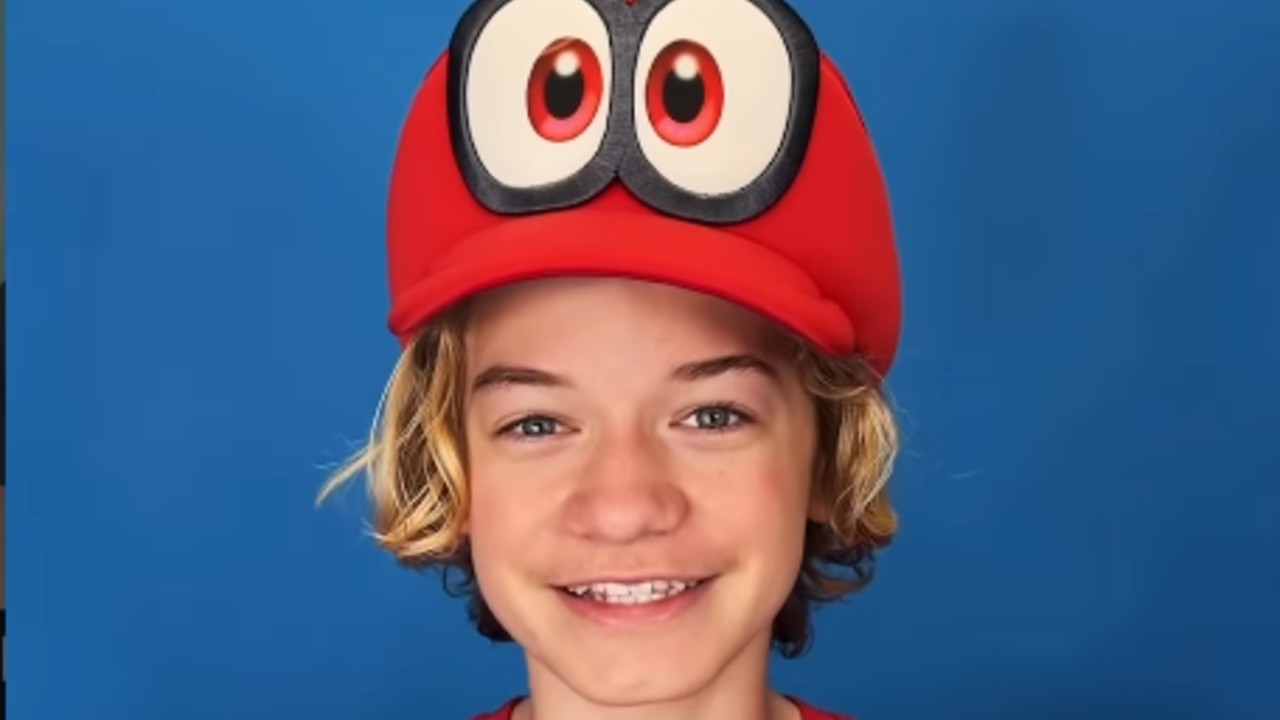
    In April 2026, digital creator Nolan Winking posted a video to Instagram that blended committed performance art with internet absurdity. Titled as an unofficial audition for the character Cappy—the sentient, mustachioed hat who serves as Mario’s primary companion and gameplay mechanic in Nintendo’s 2017 hit Super Mario Odyssey—the clip saw Winking embody the anthropomorphic headwear with surprising physicality and vocal mimicry. The premise carried a layer of meta-humor: Winking was ostensibly auditioning for a “Super Mario Odyssey movie,” a project that, at the time of the upload and this writing, has neither been officially announced by Nintendo nor confirmed by Illumination as a follow-up to 2023’s The Super Mario Bros. Movie.

    From Niche Upload to “Brainrot” Phenomenon

    For roughly five months, the video existed as a curiosity within Winking’s follower base. That changed dramatically in September 2026, when the algorithmic currents of TikTok and Instagram Reels seized on the clip. The video became the raw material for a massive, platform-native meme cycle. Editors remixed the footage into “brainrot” edits—a genre defined by rapid-fire, surreal, and often intentionally degrading visual and audio manipulation that signals deep engagement with internet subculture. Simultaneously, an isolated audio track of Winking’s “Cappy noises” detached from the visual context to become a standalone sound trend, underpinning thousands of dance routines and lip-dub performances.

    Creator Embraces the Chaos

    Unlike creators who distance themselves from ironic or mocking reinterpretations of their work, Winking leaned into the virality. Throughout September 2026, he responded positively to the deluge of edits and trend participations, engaging with the community that had transformed his sincere bit of character work into a shared inside joke. This reception cemented the video’s status not merely as a viral hit, but as a case study in how a creator’s good-faith participation can validate and extend a meme’s lifespan far beyond its initial upload window.

    Why This Matters

    The trajectory of Winking’s Cappy audition illustrates the modern lifecycle of character-driven internet comedy. It demonstrates how platforms like TikTok and Reels function as collaborative writers’ rooms, deconstructing a single performance into audio stems, visual templates, and lore expansions that the original author never anticipated. For Nintendo and Illumination, the organic demand for Cappy-centric content—evidenced by millions of user-generated videos—serves as unsolicited market research confirming the character’s breakout appeal ahead of any potential Super Mario Odyssey film adaptation. For creators, Winking’s trajectory underscores that relinquishing control of a clip to “brainrot” culture can be the definitive mark of having “made it” in the attention economy.

    Frequently Asked Questions

    Is a Super Mario Odyssey movie actually in production?
    No. As of the viral peak in September 2026, neither Nintendo nor Illumination had officially announced a Super Mario Odyssey film, nor confirmed it as a sequel to The Super Mario Bros. Movie. Winking’s audition was explicitly unofficial and satirical.
    What are “brainrot” edits?
    “Brainrot” edits are a style of internet video remix characterized by extreme visual distortion, layered irony, nonsensical captions, and rapid pacing. They are typically created by and for communities deeply immersed in platform-specific humor on TikTok and Instagram Reels.
    How did Nolan Winking react to the memes?
    Winking responded positively to the meme trend in September 2026, engaging with the edits, dances, and lip-dub videos created by users rather than requesting takedowns or expressing frustration.
  • Ted 2’s ‘Grr Mondays’ Scene Sparks Viral Hashtag Trend on TikTok, Reels

    Ted 2’s ‘Grr Mondays’ Scene Sparks Viral Hashtag Trend on TikTok, Reels

    Key Highlights

    • The “Grr Mondays” catchphrase originates from a sperm bank scene in the 2015 film Ted 2, where Mark Wahlberg’s character John Bennett is accidentally covered in sperm and the titular teddy bear posts a photo tagged “#GrrMondays.”
    • In September 2026, the scene experienced a viral resurgence on TikTok and Instagram Reels, inspiring widespread meme formats including audio-based animations and user reenactments.
    • The trend highlights the enduring cultural footprint of the Ted franchise and the cyclical nature of internet humor, where older media moments find new life through short-form video platforms.

    Origin of the “Grr Mondays” Catchphrase

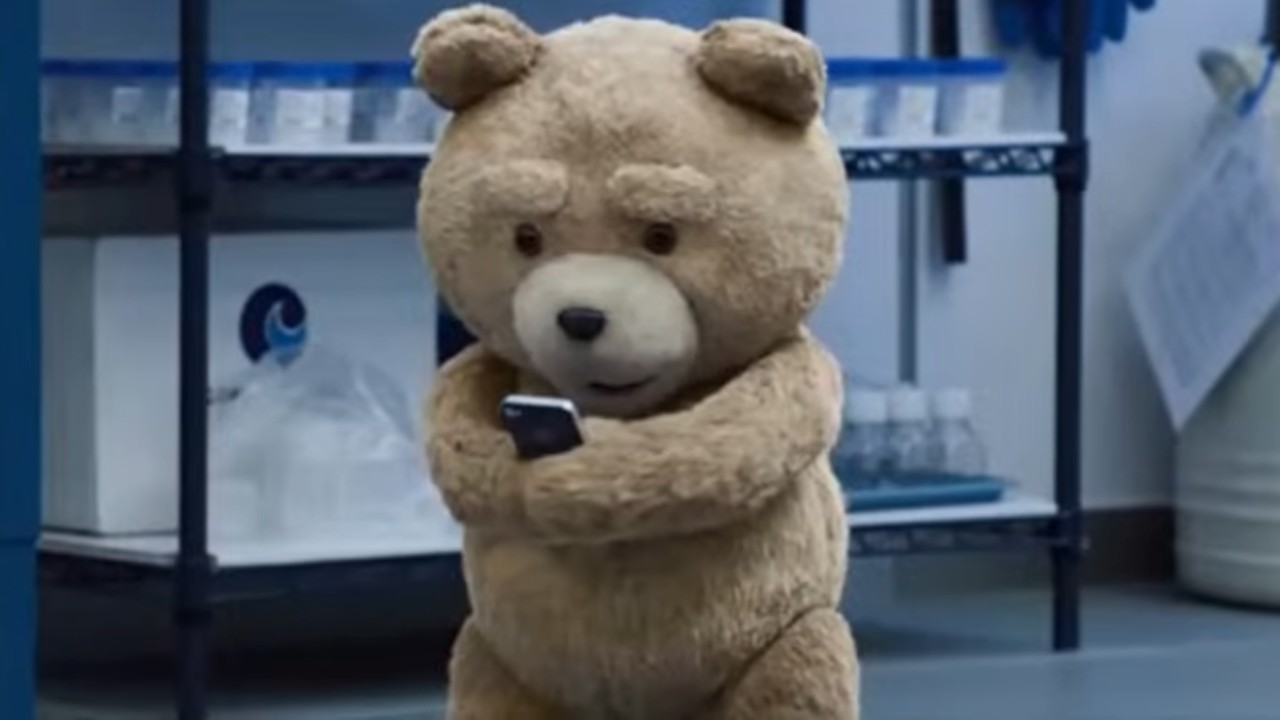
    The “Grr Mondays” meme traces its roots directly to a specific sequence in Ted 2, the 2015 sequel written and directed by Seth MacFarlane. In the scene, John Bennett, portrayed by Mark Wahlberg, visits a sperm bank as part of a subplot involving his attempts to have a child with his wife. A mishap occurs resulting in John being drenched in the donor material. Seizing the moment, the anthropomorphic teddy bear Ted—voiced by MacFarlane—snaps a photograph of the humiliated John and uploads it to Facebook with the sarcastic caption “#GrrMondays.” The line functions as a dark twist on the classic “Garfield” comic strip trope of hating Mondays, reframed through the franchise’s signature raunchy humor.

    Viral Resurgence on Short-Form Video Platforms

    More than a decade after the film’s theatrical release, the moment exploded into a major trend during September 2026. The catalyst for the resurgence appears to be the extraction of the scene’s audio—specifically the delivery of the hashtag line—which began circulating widely on TikTok and Instagram Reels. Creators on both platforms adopted the sound for two primary formats. The first involves animated edits, where artists synchronize original character animations or motion graphics to the audio clip. The second trend sees users filming live-action reenactments, often staging messy or unfortunate “Monday morning” scenarios in their own lives before cutting to the punchline. The hashtag #GrrMondays accumulated millions of views across the platforms during the peak of the trend.

    The Mechanics of the Meme Format

    The structure of the trend relies heavily on the juxtaposition of the audio’s specific cadence with visual misery. Because the source material is a single, punchy line of dialogue, it functions as a versatile “sound effect” for content creators. Unlike memes requiring complex narrative setups, the “Grr Mondays” format allows for low-barrier participation: a creator simply needs a relatable inconvenience—spilled coffee, a missed alarm, a work email notification—and the audio provides the instant comedic framing. This accessibility fueled the volume of user-generated content, pushing the 2015 movie clip back into the cultural conversation nearly eleven years post-release.

    Why This Matters

    The “Grr Mondays” phenomenon underscores the shifting dynamics of media longevity in the algorithmic era. Legacy comedy films, particularly those from the 2010s, are increasingly serving as raw material libraries for Gen Z and Alpha creators on TikTok and Reels. Studios and rights holders are observing that singular, quotable moments—often secondary gags rather than central plot points—can drive massive organic engagement years after a title leaves the box office. For Ted 2, a film that received mixed critical reviews upon release, the trend represents a significant “second life” asset, potentially driving catalog streaming revenue and maintaining franchise relevance ahead of any potential future installments or the Peacock streaming series. It also illustrates how platform-native humor (animations, POV reenactments) remediates passive film viewing into active, participatory culture.

    Frequently Asked Questions

    What movie is the “Grr Mondays” meme from?

    The meme originates from the 2015 movie Ted 2, directed by Seth MacFarlane and starring Mark Wahlberg.

    Why did the meme go viral in September 2026?

    The scene’s audio clip gained traction on TikTok and Instagram Reels, where creators used it for animations and reenactments depicting relatable “bad Monday” moments, driving millions of views under the #GrrMondays hashtag.

    What happens in the original scene?

    Mark Wahlberg’s character, John Bennett, has an accident at a sperm bank that leaves him covered in sperm. Ted photographs him and posts the picture to Facebook with the caption “#GrrMondays.”

  • Man Says Kidnapping Would Feel Like a Vacation: ‘I Need a Bit of a Break From My Life’

    Man Says Kidnapping Would Feel Like a Vacation: ‘I Need a Bit of a Break From My Life’

    Key Highlights

    • TikTok creator Anthony (@undiagnosedanthony) went viral with a video joking that being kidnapped would feel like a vacation, garnering over 72,900 likes and 549 comments.
    • Commenters initially responded with humor about escaping work and responsibilities, but a self-identified kidnapping survivor replied with a harrowing firsthand account condemning the trivialization of the crime.
    • The Daily Dot could not independently verify the survivor’s account but reported the exchange as a stark illustration of the gap between internet hyperbole and lived trauma.

    TikTok Creator Frames Kidnapping as ‘Vacation’ in Viral Video

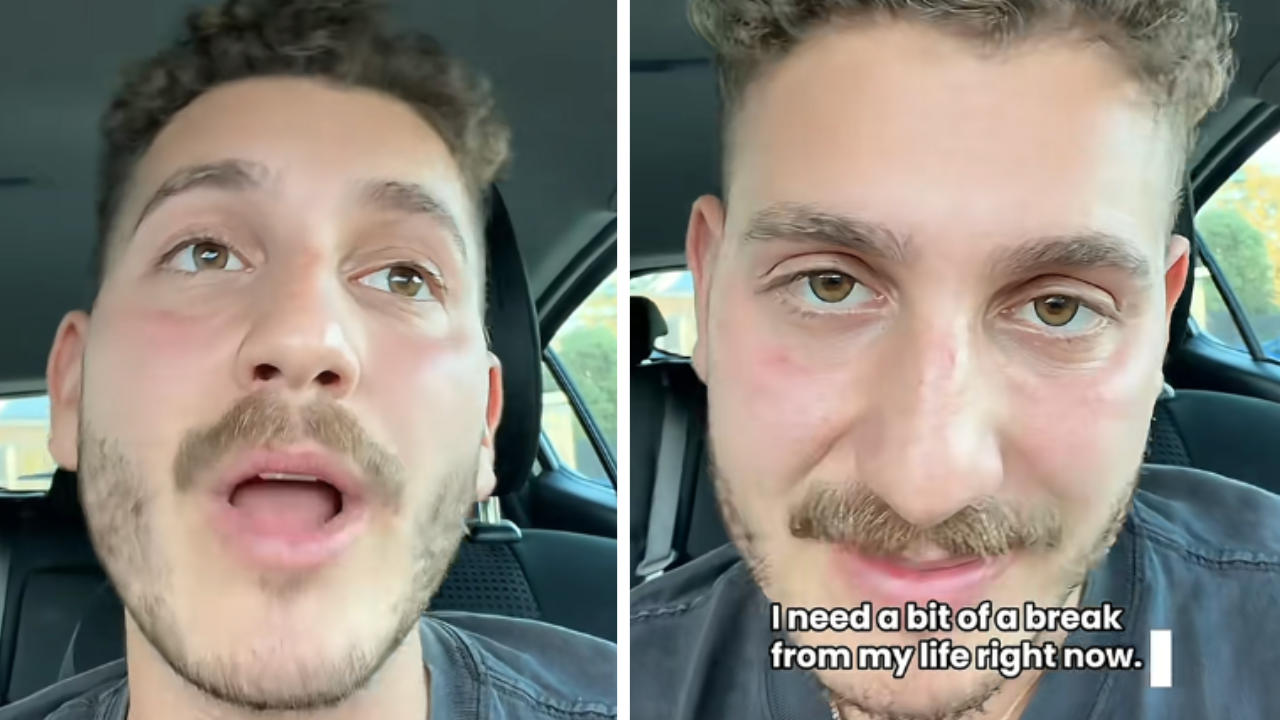
    TikTok user Anthony, who posts under the handle @undiagnosedanthony, sparked a massive online conversation after posting a video suggesting that being kidnapped would effectively function as a paid holiday. In the clip, which accumulated 72,900 likes and 549 comments, Anthony explicitly states he would welcome the scenario because he needs “a bit of a break from my life.” He frames the hypothetical kidnapping as a mutually beneficial transaction: the perpetrators would receive their ransom demand, while he would secure a week away from his daily routine and responsibilities.

    Comment Section Shifts From Dark Humor to Serious Testimony

    The initial response to the video largely mirrored its satirical tone, with users leaning into the absurdity of the premise. Many commenters focused on the prospect of escaping professional obligations, with one writing, “You mean I don’t have to go work?” Another added, “This is me all the time. Great excuse for calling in sick to work.” Others jokingly negotiated the terms of their theoretical abduction: “Going to prison for 6 weeks, I feel like I could get my ultimate beach body,” one user quipped, while another stipulated, “Just kidnap me with my glasses on and not my contacts and I’m sound.” A third joked, “If I can take my Kindle, they can keep me.”

    However, the tone shifted dramatically when a commenter identifying as a kidnapping survivor responded directly to Anthony. The individual wrote a detailed rebuke of the “vacation” narrative, drawing a direct line between the creator’s joke and their own past trauma. The survivor wrote:

    “I know you only meant this as a joke, but coming from someone who was kidnapped—and even said the same thing you posted years before my kidnapping as a joke—I think everyone probably says the same thing once in their life as a joke,” the commenter wrote.

    “But it’s definitely not a holiday, and every moment you are being held, not knowing why or even if anyone knows you’re in danger, is something I wish no one ever had to experience—especially when you’re being beaten and abused every day. I know you didn’t mean any harm by posting, but just remember there are true survivors of this, and it being made to be a holiday is 100% not the case.”

    Why This Matters: Viral Fatigue Meets Lived Reality

    The exchange highlights a recurring friction on social media platforms like TikTok, where hyperbolic expressions of burnout and “main character” humor frequently collide with the lived experiences of trauma survivors. Anthony’s video taps into a well-documented vein of internet humor centered on workplace exhaustion and the desire for radical escapism—a sentiment amplified by post-pandemic burnout culture. However, the survivor’s intervention serves as a potent reminder that the algorithmic amplification of such jokes can inadvertently minimize violent crimes. The Daily Dot noted it was unable to independently verify the commenter’s account of surviving a kidnapping, but the testimony nonetheless anchored the comment section in a reality far removed from the “Kindle and glasses” fantasy scenarios. The incident underscores the ethical complexity of content moderation and community discourse when dark humor intersects with unverifiable but deeply affecting personal narratives.

    Frequently Asked Questions

    Who is Anthony (@undiagnosedanthony)?

    Anthony is a TikTok content creator who posted a viral video joking that being kidnapped would feel like a vacation because he needs a break from his daily routine. The video received over 72,900 likes and 549 comments.

    What did the kidnapping survivor say in response?

    A commenter identifying as a kidnapping survivor replied that the experience is “definitely not a holiday,” describing being held without knowing why or if anyone knows you are in danger, and being “beaten and abused every day.” They urged the creator to remember there are true survivors for whom kidnapping is not a joke.

    Has the survivor’s story been verified?

    The Daily Dot reported that it was unable to independently verify the commenter’s account of surviving a kidnapping. The article’s details are based on the TikTok video and the reactions shared in the comments section.

  • Man Says Following Strangers on Instagram or TikTok Is Cheating: ‘What Are You Following Someone for if You Don’t Know Them?’

    Man Says Following Strangers on Instagram or TikTok Is Cheating: ‘What Are You Following Someone for if You Don’t Know Them?’

    Key Highlights

    • TikTok creator Anthony (@undiagnosedanthony) argues that following, liking, or commenting on attractive strangers’ social media profiles constitutes cheating, sparking viral debate.
    • Commenters are sharply divided, with some praising his strict boundaries while others label the views as insecurity and an erosion of the term “cheating.”
    • The discourse highlights shifting relationship norms around digital privacy, phone access, and social media boundaries in modern partnerships.

    TikTok Creator Redefines Infidelity in Viral Video

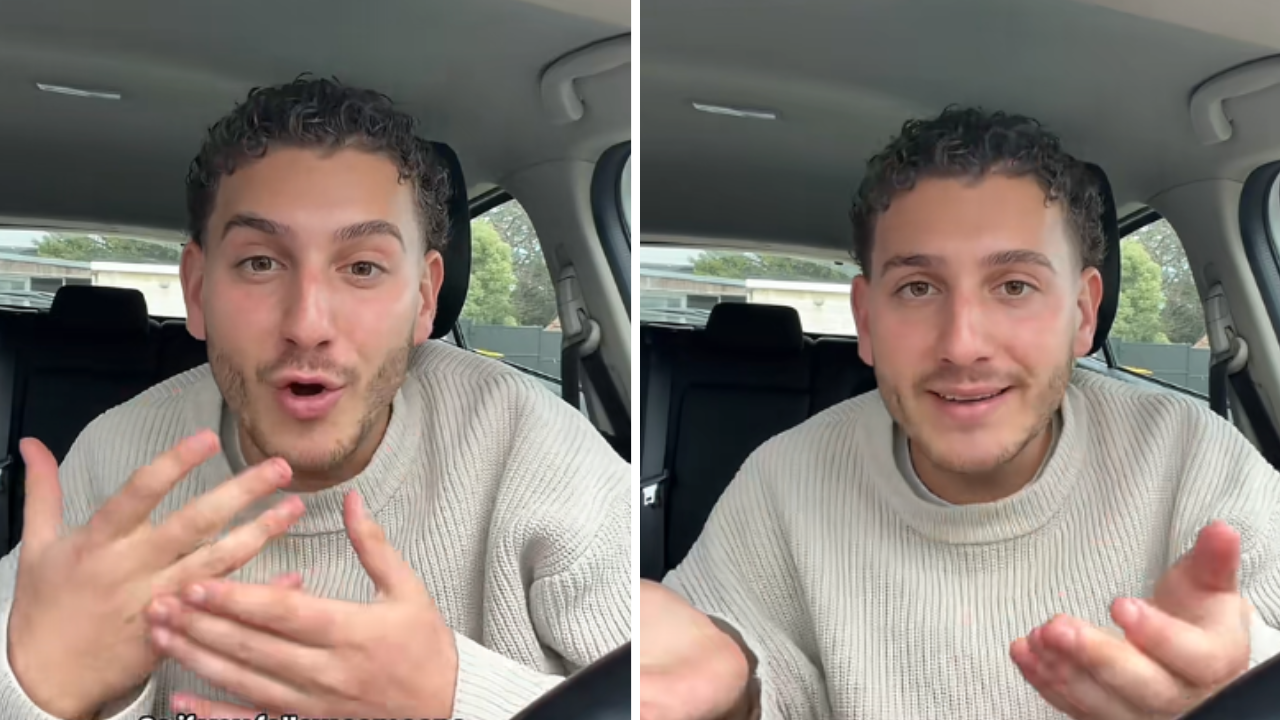
    A TikTok video posted by Anthony, known on the platform as @undiagnosedanthony, has ignited a fierce debate over the definition of cheating in the digital age. The video, which has garnered thousands of likes and 874 comments, outlines a strict framework for fidelity that classifies common social media behaviors—such as following attractive strangers, engaging with their content, and guarding one’s phone—as acts of unfaithfulness. Originally reported by The Daily Dot, the clip has become a flashpoint for conflicting philosophies on trust, privacy, and relationship boundaries.

    Anthony’s Argument: Digital Engagement as Betrayal

    In the video, Anthony establishes a baseline that following someone a person could be attracted to, despite having no personal connection, qualifies as cheating. He challenges the viewer’s intent, questioning what interest could exist beyond physical appearance. This logic extends to liking and commenting on that person’s posts, which he frames as active indicators of attraction rather than passive scrolling.

    Perhaps the most contentious point involves device privacy. Anthony posits that refusing to let a partner look through one’s phone is a potential sign of infidelity rather than a legitimate assertion of personal privacy. By equating opacity with guilt, the argument removes the nuance of individual autonomy, suggesting that transparency is the sole metric of loyalty.

    Comment Section Splits on ‘Insecurity’ vs. ‘Standards’

    The response in the comments section reveals a polarized audience. Supporters validated Anthony’s rigidity. One user wrote, “You’re strict, I like it,” while another agreed regarding visual boundaries, stating, “Lingering eyes drive me insane.” A third commenter offered a behavioral litmus test: “If you’re doing something that you wouldn’t do right in front of your partner, that’s considered cheating imo.” Another praised the approach as therapeutic, commenting, “You could be a couples therapist.”

    Personal anecdotes reinforced this view. One user shared a painful history, writing, “My ex husband’s insta feed was nothing but women. But his excuse was always ‘I went to school with them’ or ‘I was in AIT with them,’” illustrating how the behaviors Anthony describes can manifest in real-world betrayal.

    Critics Argue Definition Waters Down Cheating

    However, a significant portion of the commentary pushed back hard, characterizing the rules as controlling and rooted in insecurity. A lengthy, highly engaged rebuttal read: “This doesn’t scream, cheating, this screams insecurity to me. I would never tell someone who they could, and could not follow. Just like I would never allow someone to tell me who I could, and could not follow. My husband has access to my phone, but he has no reason to ever go in it. If he doesn’t trust me to have social media or a phone, we shouldn’t be together at all.”

    Others dismissed the premise entirely. “None of these are cheating …” one commenter asserted. The semantic dilution of the term “cheating” was a recurring theme. One user asked, “So people can’t just think someone else is good looking anymore? So many healthy couples will point out good-looking men and women because some people are just naturally very beautiful,” while another questioned the utility of the label: “I mean each relationship will have its own unique boundaries, but do some of the things you are listing not water down what ‘cheating’ is? Like, you are going to label your partner a cheater if they follow someone on TikTok?”

    Why This Matters: Digital Boundaries in Modern Relationships

    The viral nature of this debate underscores a fundamental tension in contemporary romance: the lack of universal norms for digital conduct. Unlike physical infidelity, which has relatively clear boundaries, “micro-cheating” behaviors—following, liking, direct messaging—exist in a gray zone defined entirely by individual couple agreements. The discourse exposes a generational and philosophical divide between relational security models (where transparency and restriction prove commitment) and autonomy models (where trust is demonstrated precisely by granting freedom). As social media becomes the primary arena for social validation and connection, these conflicts are likely to remain central to relationship counseling and cultural conversation.

    Frequently Asked Questions

    Who is Anthony (@undiagnosedanthony)?
    Anthony is a TikTok content creator who posted a viral video outlining his strict definitions of cheating, focusing on social media behaviors like following attractive strangers and phone privacy.
    What specific behaviors does he classify as cheating?
    He identifies three main categories: following someone you don’t know but are attracted to; liking or commenting on that person’s posts; and hiding your phone or refusing to let a partner look through it.
    Is there a consensus on whether these behaviors count as cheating?
    No. The comments on the video and subsequent coverage reveal a deep split. Some viewers agree these are boundary violations, while a large contingent argues they reflect insecurity and incorrectly expand the definition of infidelity.
  • ‘Family Guy’ Cutaway About Blocking the Street Sparks Viral Memes on TikTok, Instagram Reels

    ‘Family Guy’ Cutaway About Blocking the Street Sparks Viral Memes on TikTok, Instagram Reels

    Key Highlights

    • “We’re All Just Blocking the Street” originated from Family Guy season 15, episode 18 “The Peter Principal,” featuring a New Orleans second line band marching while singing about obstructing traffic.
    • The clip surged as a viral meme format on TikTok and Instagram Reels in September 2026, widely used for lip dubs and image macros captioned around the frustration of navigating crowded spaces.
    • The scene centers on Brian Griffin’s escalating annoyance as the band refuses to clear the roadway, a dynamic that resonated with social media users relating to everyday bottlenecks.

    From Cutaway Gag to Cultural Touchstone

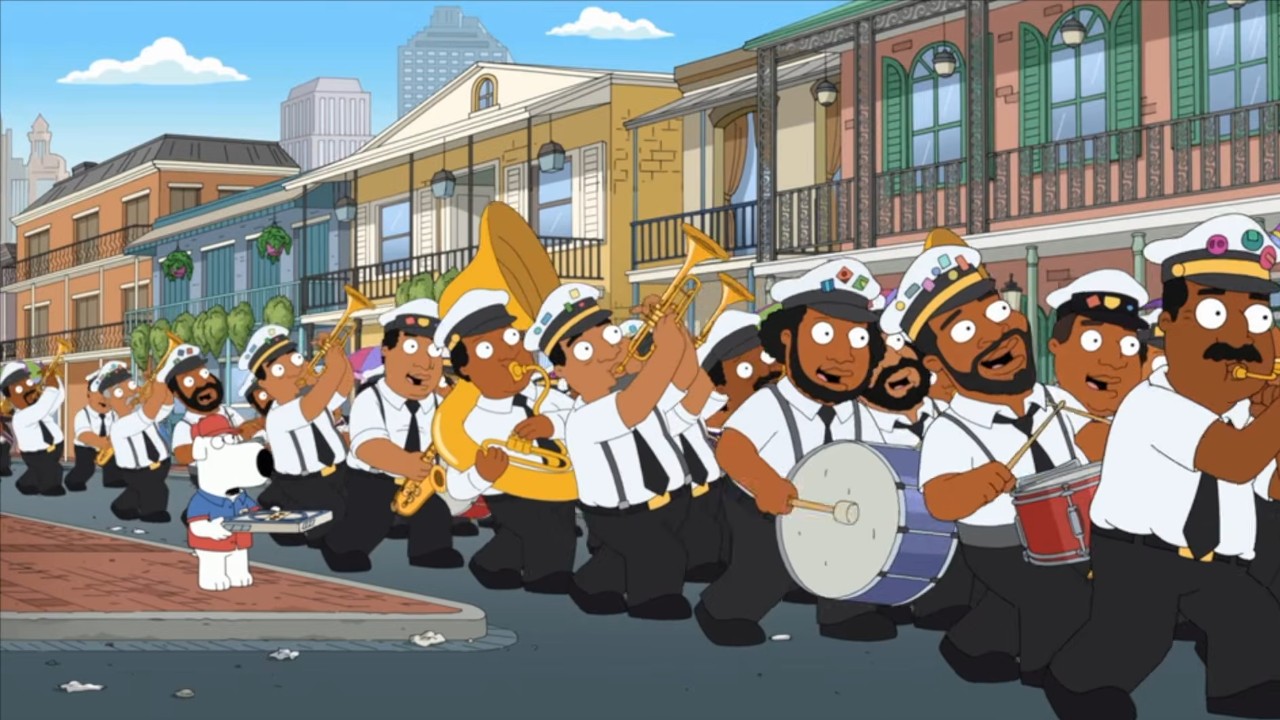
    When Family Guy aired “The Peter Principal” during its fifteenth season, the musical interlude “We’re All Just Blocking the Street” functioned as a classic cutaway gag: a brass-heavy second line band parades down a New Orleans thoroughfare, cheerfully chanting about their own obstructionism while Brian Griffin stews in gridlocked traffic. The sequence, built on the show’s signature blend of absurdity and observational humor, depicted the band as unapologetically communal and Brian as the lone rational actor trapped by their revelry. For years, the moment lived in the series’ deep catalog of memorable musical bits, cited mostly by fans ranking the best Family Guy songs or recalling the show’s frequent visits to the Crescent City.

    The September 2026 Resurgence on Short-Form Platforms

    That changed in September 2026 when the clip migrated to TikTok and Instagram Reels, where it mutated into a versatile meme template. Creators isolated the audio—often just the infectious refrain—and deployed it as a lip dub backdrop, syncing the lyrics to everything from concert crowds and festival choke points to grocery store aisles during holiday rushes. Simultaneously, the visual of the marching band became an image macro staple: the band stands in for any immovable mass, while Brian’s exasperated driver represents the viewer caught behind it. Captions typically riff on the universality of “getting stuck in a crowd,” whether literal or metaphorical, turning a decade-old cartoon joke into a shorthand for collective frustration in the algorithmic age.

    Why the Format Resonates Across Platforms

    The meme’s durability stems from its structural flexibility. The second line tradition—rooted in New Orleans jazz funerals and celebrations where the “main line” follows the band—carries inherent cultural weight about community claiming public space. Family Guy satirized that tradition by making the band self-aware (“We’re all just blocking the street”), and short-form creators reclaimed the irony, applying it to modern friction points: commuters halted by marathon runners, shoppers boxed in by sample tables, gamers stuck in lobby queues. The Brian Griffin reaction shot provides a ready-made reaction face, while the upbeat brass melody ensures the content feels participatory rather than purely cynical, a balance that fuels shareability on both TikTok’s For You Page and Instagram’s Explore grid.

    Why This Matters

    The trajectory of “We’re All Just Blocking the Street” illustrates how legacy animated sitcoms feed the meme economy long after their original broadcast. Family Guy‘s dense archive of musical cutaways—produced by a writers’ room that routinely parodies specific regional cultures—acts as a renewable resource for creators mining nostalgia and specificity. The September 2026 spike also underscores the role of audio-centric discovery on TikTok and Reels: a fifteen-second hook can resuscitate a scene from 2017, decoupling it from its narrative context and repurposing it as a universal reaction asset. For media analysts, the case reinforces that intellectual property holders benefit when legacy clips are easily licensable or tolerant of transformative use, because each viral cycle drives renewed viewership to the source series on streaming platforms.

    Frequently Asked Questions

    Which Family Guy episode features “We’re All Just Blocking the Street”?
    The song appears in season 15, episode 18, titled “The Peter Principal,” which originally aired in 2017.
    Why did the clip go viral in September 2026?
    TikTok and Instagram Reels creators adopted the audio and visual as a meme template for expressing the frustration of navigating crowded spaces, pairing the upbeat second line brass with relatable captions about bottlenecks.
    Who are the main characters in the original scene?
    The scene centers on Brian Griffin, the Griffin family’s anthropomorphic dog, who grows increasingly irritated while a New Orleans second line band marches down the street singing about blocking traffic.
  • TikToker Asks If Men Can Love Without Lust; Married Men Flood Comments

    TikToker Asks If Men Can Love Without Lust; Married Men Flood Comments

    Key Highlights

    • TikTok creator @kaylynmarie10 sparked a viral debate with a video questioning whether any man can love his partner without lusting after other women, amassing 4 million views.
    • The comment section polarized between skepticism and testimonials from married men asserting fidelity is not only possible but natural for them.
    • A parallel TikTok story by creator Kels Gordon detailed a real-life confrontation where a wife discovered her husband’s alleged long-term infidelity during a staged vow-renewal ceremony.

    A Viral Question Ignites a Referendum on Male Fidelity

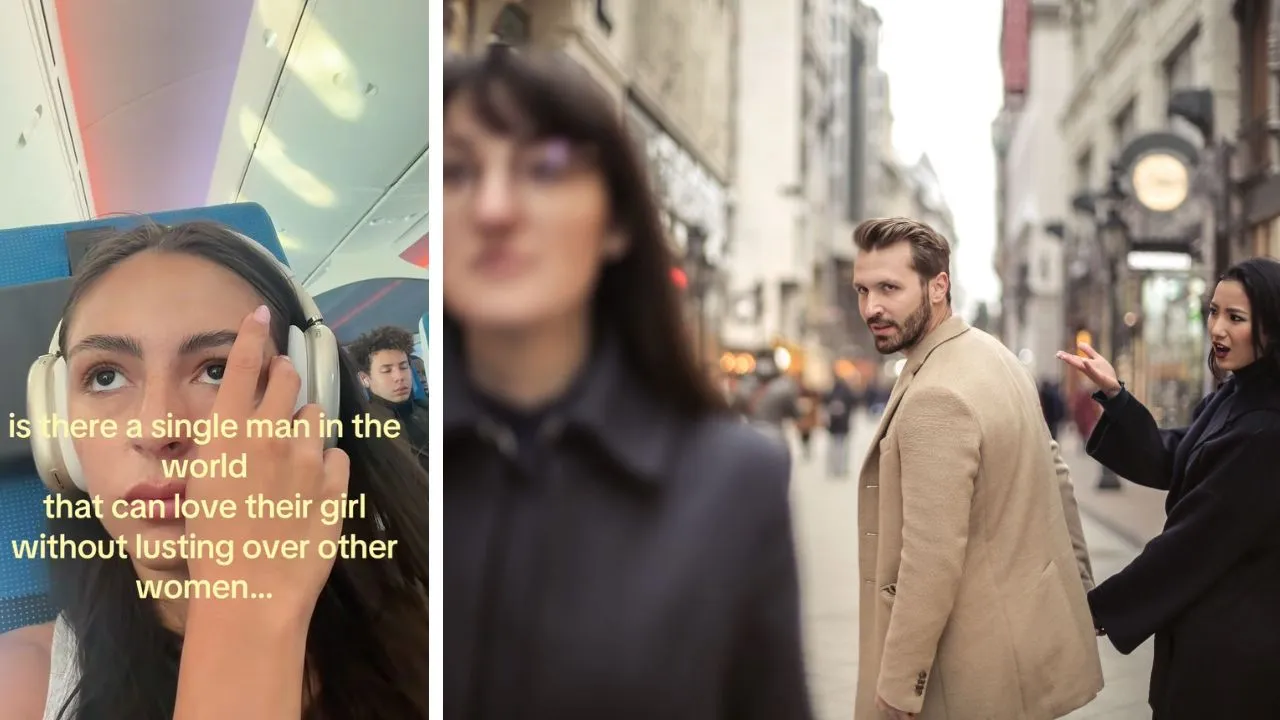
    A seemingly simple question posed on TikTok by creator @kaylynmarie10 has opened a raw, public fracture in how audiences perceive monogamy and male desire. In a video viewed 4 million times as of publication, the creator sits on an aircraft, headphones on, eyes closed, appearing contemplative. Over the footage runs the text: “Is there a single man in the world that can love their girl without lusting over other women…?” The query struck a nerve, transforming the comment section into an impromptu battlefield where lived experience clashed with deep-seated cynicism.

    Comments Section Becomes a Confessional for Married Men

    The responses were immediate and polarized. While some users leaned into humor or resignation—one commenter quipped, “I think Tom Holland is the only one.”—a significant contingent of self-identified married men used the platform to offer forceful counter-narratives. One user wrote a detailed testimony, stating:

    As a married man with 3 children without a shred of doubt… we can. I have absolutely no interest in anyone other than my wife. It’s not even a matter of self control, I’m just simply disinterested.

    Another commenter escalated the discourse by tying fidelity to identity and status, writing:

    Yup. Thats me. I can look at another woman and think she’s pretty but not lust. Married 26 years to the love of my life. 6’6 very fit and a wealthy executive of a large tech company. I get hit on regularly as I travel a lot and stay at nice places, so it would be easy to cheat. I would never do it but younger women try even when they I know I’m married. I have eyes on the prize. My job is to lead, protect and provide for my family but my wife is who I spoil. There are many men like me, we just keep to ourselves.

    These unsolicited testimonies reframed the video from a rhetorical lament into a referendum on the visibility of faithful men, suggesting a “silent majority” exists but chooses discretion over declaration.

    Parallel Narrative: A Real-World Confrontation Over Alleged Infidelity

    The conversation around male fidelity gained a disturbing real-world parallel through a separate viral TikTok series by creator Kels Gordon (@kelsgordon). Gordon recounted discovering her boyfriend, identified as Ethan, was allegedly living a double life as a married father. According to Gordon’s account, a woman approached her at a coffee shop identifying herself as Ethan’s wife. Initial disbelief shattered when the wife produced a family photograph featuring herself, their children, and Ethan.

    Gordon stated she immediately apologized, unaware of the marriage. The wife reportedly revealed this was not the first affair she had uncovered; over five years, she had discovered multiple infidelities but forgiven Ethan each time to preserve the family unit. The discovery of Gordon’s relationship allegedly became the breaking point, prompting the wife to pursue divorce.

    In a dramatic escalation detailed by Gordon, the two women collaborated on a staged vow-renewal ceremony attended by more than 100 guests, including family, friends, and colleagues. Mid-ceremony, the wife halted her vows, invited Gordon to walk down the aisle, and introduced her as Ethan’s girlfriend. Together, they confronted Ethan publicly. The wife filed for divorce shortly thereafter.

    Why This Matters: Digital Culture as a Court of Public Opinion

    These two viral moments—@kaylynmarie10’s philosophical query and @kelsgordon’s narrative exposé—illustrate how TikTok has evolved into a primary venue for adjudicating relationship norms and airing intimate grievances. The platform’s algorithm amplifies extreme poles: the performative confidence of the “provider-protector” archetype in the comments, and the raw, unverified spectacle of a public humiliation ritual in Gordon’s story.

    Critically, The Daily Dot could not independently verify the claims made in either video or the identities of those involved. The details reflect the accounts as shared by the creators. This verification gap is endemic to the “storytime” genre, where engagement metrics often reward narrative velocity over journalistic rigor. For audiences, the takeaway is a fragmented mosaic: fidelity is either a baseline expectation defended by anonymous husbands, or a fragile construct shattered by elaborate deceit. The discourse underscases a growing trend where private betrayals are litigated in the court of public opinion, with lasting digital footprints for all parties involved.

    Frequently Asked Questions

    What was the central question in @kaylynmarie10’s viral TikTok?
    The creator asked: “Is there a single man in the world that can love their girl without lusting over other women…?” The video garnered 4 million views and sparked a heated debate in the comments.
    How did married men respond in the comments?
    Many self-identified married men pushed back against the premise, asserting that fidelity is natural for them. One wrote he has “absolutely no interest in anyone other than my wife,” while another detailed 26 years of marriage, stating, “I can look at another woman and think she’s pretty but not lust.”
    What happened in the Kels Gordon TikTok story?
    Creator Kels Gordon alleged she discovered her boyfriend Ethan was married with children after his wife confronted her. The two women reportedly staged a vow-renewal ceremony to publicly expose Ethan, after which the wife filed for divorce. The Daily Dot could not verify these claims.
  • Man Claims Restaurant Workers Have ‘No Excuse to Be Broke’: ‘Hustle Until You Have $10K in the Bank’

    Man Claims Restaurant Workers Have ‘No Excuse to Be Broke’: ‘Hustle Until You Have $10K in the Bank’

    Key Highlights

    • TikTok creator Ryan Stannard (@ryan_stannard4) argues restaurant workers can achieve financial success through hustle, shift pickup, and saving habits, recommending workers build a $10,000 safety net.
    • The video sparked polarized debate, with commenters citing low base wages, toxic management, slow seasons, and federal minimum wage disparities as structural barriers to Stannard’s advice.
    • The Daily Dot could not independently verify Stannard’s earnings claims; the discourse reflects broader tensions around tipped labor economics and workplace conditions in the U.S. restaurant industry.

    TikTok Creator Sparks Debate With Claim That Restaurant Workers Have ‘No Excuse to Be Broke’

    TikTok content creator Ryan Stannard, who posts under the handle @ryan_stannard4, published a video reflecting on his experience in the restaurant industry and asserting that financial struggle among hospitality workers is largely a matter of personal accountability. The video, which had garnered 12,000 likes and 151 comments at the time of reporting, outlines a series of behavioral changes Stannard believes can transform a restaurant job into a lucrative career.

    Stannard’s Framework: Shift Pickup, Tip Maximization, and a $10,000 Target

    In the video, Stannard lists several strategies he says enabled his own success. He encourages workers to pick up colleagues’ shifts, work harder to increase tip earnings, and adopt a mindset of financial discipline. “Little steps in the right direction are still steps. Set a goal, hit the goal, raise the goal.” he wrote in the video’s caption. Stannard explicitly states he would rather clean restaurant bathrooms than struggle to pay bills, framing undesirable tasks as a necessary trade-off for income stability. He recommends that workers “hustling” until they accumulate $10,000 in their bank accounts, a threshold he says provides a critical financial safety net and peace of mind.

    Commenters Challenge Structural Realities of Tipped Labor

    The response on TikTok was sharply divided. A significant portion of commenters pushed back against Stannard’s characterization, arguing that his experience does not reflect the structural realities faced by many hospitality employees. One commenter wrote, “Except my manager expects me to clean the toilets for my regular wage every shift and will still complain about paying me if it takes time to do,” highlighting unpaid or underpaid side work. Another pointed to geographic and role-based wage disparities: “UNLESS you work at a slow restaurant/its slow season or if you’re a host on federal minimum wage.”

    Others emphasized the difficulty of securing high-volume positions in the current economy. “Most people struggle to even find a position in the industry that ACTUALLY either pay well, or is a spot busy enough to make them money,” one user wrote. The discussion touched on the federal tipped minimum wage of $2.13 per hour, which persists in numerous states, and the volatility of tip income during seasonal downturns or in lower-traffic establishments.

    Support for Savings Discipline Amid Skepticism on Universality

    Not all feedback was critical. Several commenters validated the core savings principle while contesting the universality of Stannard’s operational advice. “Might be the best advice he’s given. Although no ones paying their servers to clean toilets. That’s just wherever he worked. but the saving part is spot on. I saved up 11k in one year and I didn’t have to pick up doubles or give up all my weekends,” one user commented. Another offered a complementary perspective on professional conduct: “It is genuinely so easy to be one of the better servers at any restaurant. Don’t come into work under the influence whatsoever, trade cuts to close, don’t stand around and talk on shift, make your complete focus your tables and the money you make and you will see how easy it is to rise through the ranks.”

    Why This Matters: The Tipped Wage Debate in Context

    The viral exchange encapsulates a long-standing policy and cultural debate in the United States over the subminimum wage for tipped workers. Under the Fair Labor Standards Act, employers may pay tipped employees as little as $2.13 per hour federally, provided tips bring total compensation to the standard minimum wage; if they do not, the employer is legally required to make up the difference. However, enforcement is inconsistent, and wage theft investigations by the Department of Labor frequently cite restaurant violations. The discourse also reflects post-pandemic labor market shifts: while some urban fine-dining servers report record earnings, many casual-dining and rural workers face reduced hours, tip pooling dilution, and rising living costs that outpace gratuity income. Stannard’s $10,000 benchmark aligns with common personal-finance guidance for an emergency fund, yet the feasibility of reaching it varies dramatically by concept, region, and schedule control.

    Frequently Asked Questions

    Who is Ryan Stannard and what platform did he use?
    Ryan Stannard is a TikTok creator who posts under the username @ryan_stannard4. He shared a video discussing his perspective on earning potential and financial habits for restaurant workers.
    What specific financial goal does Stannard recommend for restaurant workers?
    Stannard advises workers to “hustle” until they have $10,000 in their bank accounts, which he says will help them feel more financially secure.
    Why did some TikTok users disagree with Stannard’s advice?
    Commenters cited structural barriers including the federal tipped minimum wage of $2.13 per hour, slow seasons, low-traffic restaurants, unpaid side work such as cleaning bathrooms at base pay, and difficulty securing high-earning positions in the current economy.
  • TikTokers Face Backlash for Turning 14-Year-Old’s Death Into Meme

    TikTokers Face Backlash for Turning 14-Year-Old’s Death Into Meme

    Key Highlights

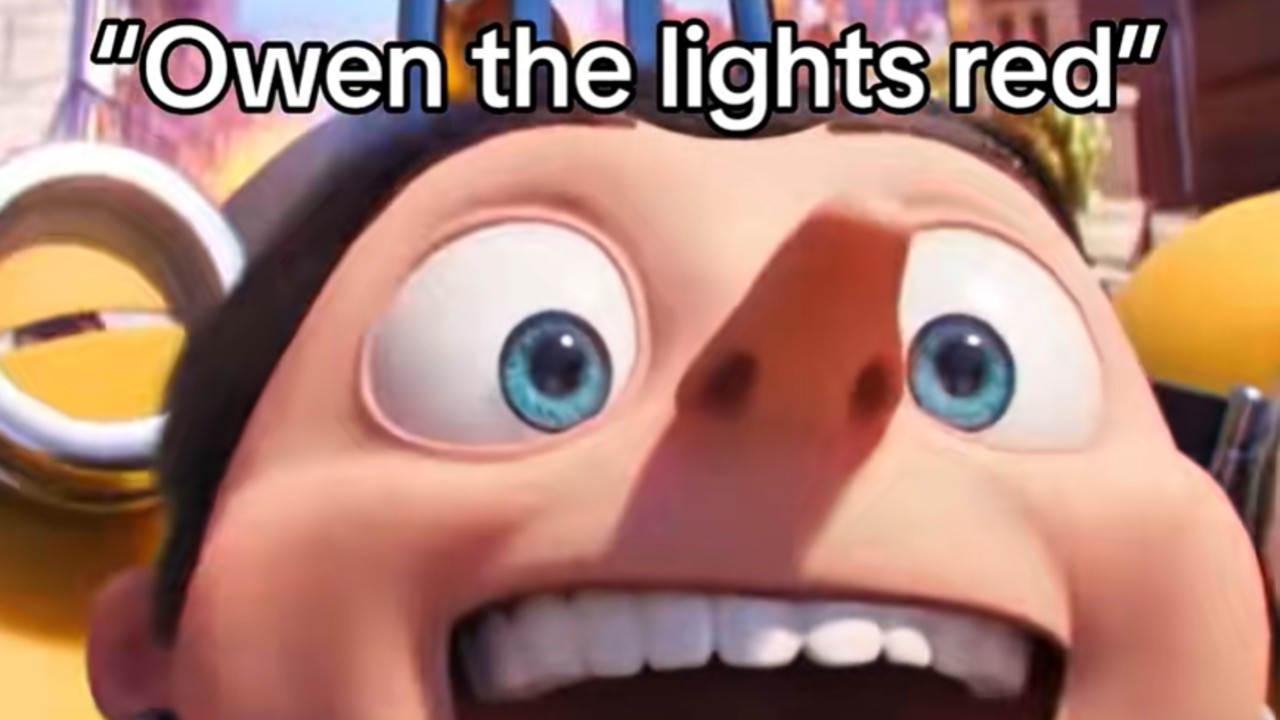
    • Viral meme trend “The Light Is Red Owen” mocks the September 2026 e-bike death of 14-year-old Utah resident Owen Harris, who ran a red light and was struck by a vehicle.
    • Memes using formats like SpongeBob Driving Crazy and Beast Boy driving crazy spread rapidly across TikTok and Instagram Reels in the days following the crash.
    • The trend has drawn significant online backlash for targeting a minor’s fatal accident, raising renewed concerns about content moderation and digital empathy on major social platforms.

    Fatal E-Bike Crash Sparks Controversial Meme Phenomenon

    A series of dark internet memes mocking the death of a Utah teenager has ignited widespread criticism across social media platforms, highlighting persistent tensions between viral content culture and basic human empathy. The trend, known as “The Light Is Red Owen,” centers on the September 12, 2026, death of 14-year-old Owen Harris, who was struck by a car while riding an e-bike through a red light in Utah.

    How the Memes Spread Across Platforms

    In the days following the fatal collision, remixes and image macros began circulating widely on TikTok and Instagram Reels. Many of the most-shared variations employ the popular “SpongeBob Driving Crazy” and “Beast Boy Driving Crazy” animation formats, digitally inserting Owen’s name into chaotic driving sequences. A recurring caption — “Yo Owen the light is red” — became a de facto catchphrase for the trend, repeated across thousands of posts and comment threads. The algorithmic amplification on both platforms allowed the memes to reach massive audiences before significant moderation intervention occurred.

    Backlash Over Targeting a Minor’s Death

    The virality of the memes prompted an immediate and sustained backlash from users, child safety advocates, and digital ethics commentators. Critics argue that the trend crosses a clear line by transforming a specific child’s fatal traffic accident into repeatable comedy content. Unlike abstract or fictional scenarios, the memes reference a real, named minor, his exact manner of death, and the precise location of the tragedy. Parents and local community members in Utah have expressed particular distress at seeing the incident repackaged for engagement metrics. The controversy has renewed calls for platforms to implement faster detection and removal of content that harass or exploit grieving families, especially when minors are involved.

    Why This Matters

    The “Light Is Red Owen” phenomenon underscores a recurring structural problem in short-form video ecosystems: algorithms optimized for engagement velocity often amplify shocking, transgressive, or cruel content before human moderators or automated safety systems can intervene. While TikTok and Meta have policies against harassment and hate speech, enforcement typically lags behind viral spread. The case also illustrates how meme formats — originally designed for absurdist or fictional humor — can be weaponized to target real-world tragedies with minimal friction. For policymakers and platform governance teams, the incident adds urgency to debates about mandatory “circuit breakers” that slow distribution of content flagged for potential harm to minors or vulnerable individuals. The Harris family has not issued a public statement, and Utah authorities have not commented on the online response to the crash investigation.

    Frequently Asked Questions

    Who was Owen Harris?
    Owen Harris was a 14-year-old resident of Utah who died on September 12, 2026, after the e-bike he was riding ran a red light and was struck by a car.
    What is the “Light Is Red Owen” meme?
    It is a viral meme trend that mocks Owen Harris’s fatal crash using formats like “SpongeBob Driving Crazy” and “Beast Boy Driving Crazy,” often accompanied by the phrase “Yo Owen the light is red.”
    On which platforms did the memes spread?
    The memes went viral primarily on TikTok and Instagram Reels in the days following the September 12 crash.
  • TikTok Star Mason Hull Faces Child Pornography Charges After Police Allege Initial Confession

    TikTok Star Mason Hull Faces Child Pornography Charges After Police Allege Initial Confession

    Key Highlights

    • TikTok creator Mason Hull, 18, has pleaded not guilty to 15 counts of possession of child sexual abuse material.
    • The charges allege Hull purchased child pornography online, according to reporting by TMZ.
    • Hull is known for “Looksmaxxing” content, a niche focused on physical appearance optimization.

    TikTok Personality Faces Federal Charges in Child Exploitation Case

    Social media personality Mason Hull, an 18-year-old content creator recognized for his “Looksmaxxing” videos on TikTok, is contesting serious federal criminal charges. TMZ reports that Hull has entered a plea of not guilty to 15 counts of possession of child sexual abuse material. The allegations center on accusations that Hull purchased explicit material depicting minors online, marking a significant legal escalation for the young influencer.

    Details of the Allegations and Legal Proceedings

    The case against Hull involves more than a dozen distinct counts, each representing a separate alleged instance of possession. Prosecutors contend that the defendant acquired the illegal material through online channels. By entering a not guilty plea, Hull and his legal team have signaled their intention to challenge the government’s evidence and the validity of the charges in court. The arraignment sets the stage for pre-trial motions, discovery, and potentially a trial date, though no future court dates were specified in the initial report.

    Background on the Creator and “Looksmaxxing” Culture

    Prior to his arrest, Hull had cultivated a following on TikTok within the “Looksmaxxing” community. This subculture revolves around maximizing one’s physical attractiveness through methods ranging from skincare and fitness routines to more extreme measures such as cosmetic surgery or bone-structure manipulation techniques. Hull’s content typically focused on advice, tutorials, and progress updates related to these practices. The charges stand in stark contrast to the self-improvement narrative typically associated with his online persona.

    Why This Matters

    This case highlights the ongoing challenge law enforcement faces in policing child sexual abuse material (CSAM) across digital platforms. The arrest of a recognizable social media figure underscores that online popularity offers no shield from prosecution for severe federal crimes. For the platform ecosystem, it serves as a reminder of the critical importance of robust moderation, reporting mechanisms, and cooperation with organizations like the National Center for Missing & Exploited Children (NCMEC) to identify and remove illegal content swiftly. The legal process will now test the evidence linking the defendant to the specific downloads and purchases alleged in the indictment.

    Frequently Asked Questions

    What specific charges does Mason Hull face?

    Mason Hull faces 15 counts of possession of child sexual abuse material. The charges allege that he purchased this illegal content online.

    How has Mason Hull responded to the charges?

    Hull has entered a plea of not guilty to all 15 counts, indicating he intends to fight the allegations in court.

    What is “Looksmaxxing” content?

    “Looksmaxxing” refers to an online subculture and content genre focused on maximizing physical attractiveness through various methods, including grooming, fitness, styling, and sometimes surgical or orthodontic interventions.

  • Woman Dines at Local Nigerian Restaurant, Pet Bird Steals the Show

    Key Highlights

    • TikTok creator Leilani (@leilanii_02) visited Crown Cafe in Dallas, Texas, after a viral “lunch in my city” search suggested the Nigerian restaurant.
    • Her pet bird, Mango, dominated viewer attention in the video, which garnered over 91,000 likes and 173 comments.
    • Commenters focused on Mango’s behavior, appearance, and bond with Leilani, with many noting the bird’s recovery and playful interactions.

    TikTok Creator’s Restaurant Visit Overshadowed by Pet Bird’s Antics

    TikTok creator Leilani, known as @leilanii_02, participated in a popular platform trend where users search “lunch in my city” and visit the recommended restaurant. The search directed her to Crown Cafe, a Nigerian restaurant in Dallas, Texas. While Leilani documented her meal and shared a casual life update—including mentioning her dog howling to enter the room and backyard destruction—her pet bird, Mango, became the unexpected star of the video.

    Mango Steals the Spotlight During Nigerian Food Review

    Throughout the TikTok, which had accumulated 91,200 likes and 173 comments at the time of reporting, Mango remained perched on Leilani’s shoulder. The bird hopped around, appeared to dance, sat still at times, and even defecated on the table during filming. Leilani discussed the Nigerian food, noting she had tried the cuisine before and was impressed with the quality of the meal from Crown Cafe. However, the comment section quickly shifted focus away from the restaurant review to the avian companion.

    Viewer Comments Center on Bird’s Behavior and Bond with Owner

    The comment section revealed intense viewer fascination with Mango. Multiple users remarked on the bird’s actions and apparent relationship with Leilani. One viewer wrote, “The little bird bouncing on her head is so silly,” while another observed, “Mango is cleaning you,” as the bird nestled against Leilani’s neck.

    Observations on Mango’s Health and Past

    Several commenters noted changes in Mango’s physical condition and demeanor. “Mango is slowly getting his vibrant colors back,” one user wrote, suggesting a health improvement. Another commenter referenced the bird’s history, stating, “That bird is so thankful to you for saving him from that cage he lived in.” These remarks indicate viewers have followed Leilani’s content long enough to track Mango’s progress over time.

    Affection and Relatability Drive Engagement

    Many comments expressed affection for the bird-owner dynamic. “It’s so cute how clingy Mango is,” one commenter wrote. Another viewer shared a common hesitation about bird ownership: “The bird is soo cuteee!!! I wouldn’t be able to do it, I would be overstimulated aha,” they wrote. A fellow bird owner added a relatable observation: “I thought my bird was the only one who goes for the earrings he even takes them off from me,” the commenter wrote, highlighting a shared behavioral quirk.

    Why This Matters

    This incident illustrates how organic, unscripted moments—particularly involving pets—often drive higher engagement on TikTok than planned content themes. The “lunch in my city” trend served as the initial hook, but the authentic interactions between Leilani and Mango generated the sustained viewer interest reflected in the comment volume and sentiment. For content creators, this underscores the unpredictable nature of virality; secondary elements in a video can become the primary conversation driver. For local businesses like Crown Cafe, the exposure from such trends remains valuable, even if the resulting discourse centers on the creator’s personal life rather than the food itself. The Daily Dot noted it was unable to independently verify the events described in the TikTok video, relying on Leilani’s account and viewer comments for details.

    Frequently Asked Questions

    What was the original purpose of Leilani’s TikTok video?
    Leilani was participating in a viral trend where users search “lunch in my city” and visit the suggested restaurant, which led her to Crown Cafe in Dallas to try Nigerian food.
    Why did viewers focus on Mango instead of the restaurant review?
    Mango remained on Leilani’s shoulder throughout the video, displaying behaviors like hopping, dancing, and nestling against her neck. Commenters were drawn to the bird’s personality, apparent recovery of vibrant feathers, and the visible bond with Leilani, sparking extensive discussion in the comments.
    Has The Daily Dot verified the events in the video?
    The Daily Dot stated it was unable to independently verify the events described in @leilanii_02’s TikTok video. The article’s details are based on Leilani’s account of her visit and the reactions shared by viewers in the comments.