Tag: Azerbaijan Grand Prix

  • F1 Azerbaijan GP: George Russell tops FP1 as Kimi Antonelli suffers Mercedes trouble

    F1 Azerbaijan GP: George Russell tops FP1 as Kimi Antonelli suffers Mercedes trouble

    Key Highlights

    • George Russell topped the opening practice session for the Azerbaijan Grand Prix with a 1m45.387s lap for Mercedes, leading Max Verstappen (Red Bull) and Charles Leclerc (Ferrari).
    • Championship leader Kimi Antonelli suffered a hydraulic failure on his Mercedes W17 at Turn 7, bringing out a virtual safety car and ending his running prematurely.
    • McLaren, Williams, and Audi all introduced substantial upgrade packages for the Baku street circuit, with McLaren’s revised sidepods, floor edge, and diffuser drawing particular attention.

    Russell Leads Mercedes 1-2 as Verstappen and Leclerc Chase

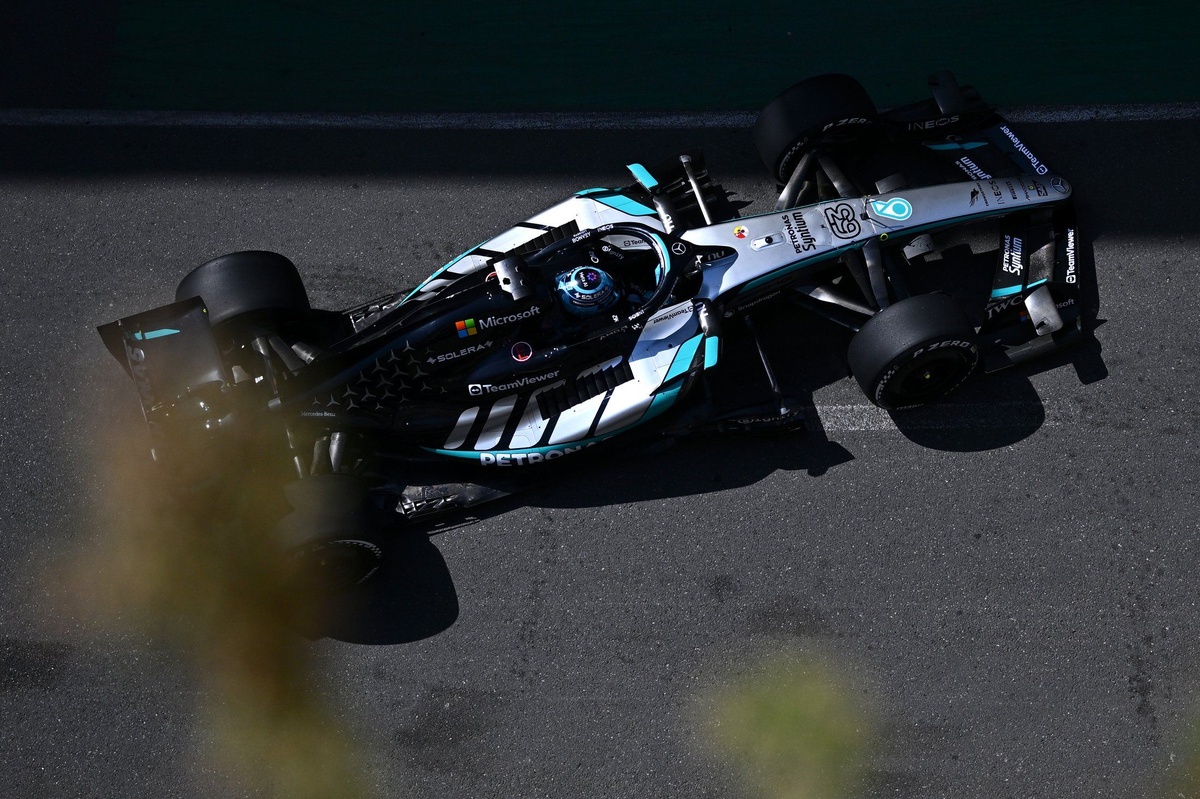
    George Russell set the pace in the first free practice session for the Formula 1 Azerbaijan Grand Prix, delivering a benchmark 1m45.387s on soft tyres with 20 minutes remaining to secure top spot for Mercedes. The Briton’s final effort edged out Max Verstappen’s Red Bull by a comfortable margin, while Charles Leclerc placed third for Ferrari to round out a tightly contested leading trio. The session, held on Thursday ahead of Saturday’s race to accommodate a national holiday, began cautiously on the dusty Baku city circuit, which sees Formula 1 action only once per year.

    Antonelli Hydraulic Failure Triggers Early Virtual Safety Car

    The session’s first major incident arrived before the halfway mark when championship leader Kimi Antonelli ground to a halt at Turn 7 with smoke billowing from his Mercedes W17. “a hydraulic issue,” the 20-year-old Italian reported over team radio, prompting a virtual safety car period while marshals cleared the car without requiring a red flag. The failure cost Antonelli valuable track time on a circuit where every lap counts, and he ultimately settled for fifth in the classification despite having briefly topped the timesheets with a 1m46.265s on harder rubber earlier in the hour.

    Upgrade Packages Debut as McLaren, Williams, and Audi Seek Gains

    Thursday’s running served as a critical shakedown for several significant technical updates. McLaren introduced new sidepods, a revised floor edge, and an updated diffuser aimed at addressing the MCL39’s low-speed weakness, though Oscar Piastri and Lando Norris endured a messy session—Norris languished in 14th without a representative soft-tyre lap as both cars underwent damage checks. Williams debuted its long-awaited package featuring a redesigned floor and lighter chassis, but brake overheating limited Carlos Sainz’s mileage. Audi’s upgraded machinery proved immediately competitive, with Nico Hulkenberg and Gabriel Bortoleto both reaching the top ten and displacing the Williams duo.

    Red Bull Brake Concerns and Rookie Impressions

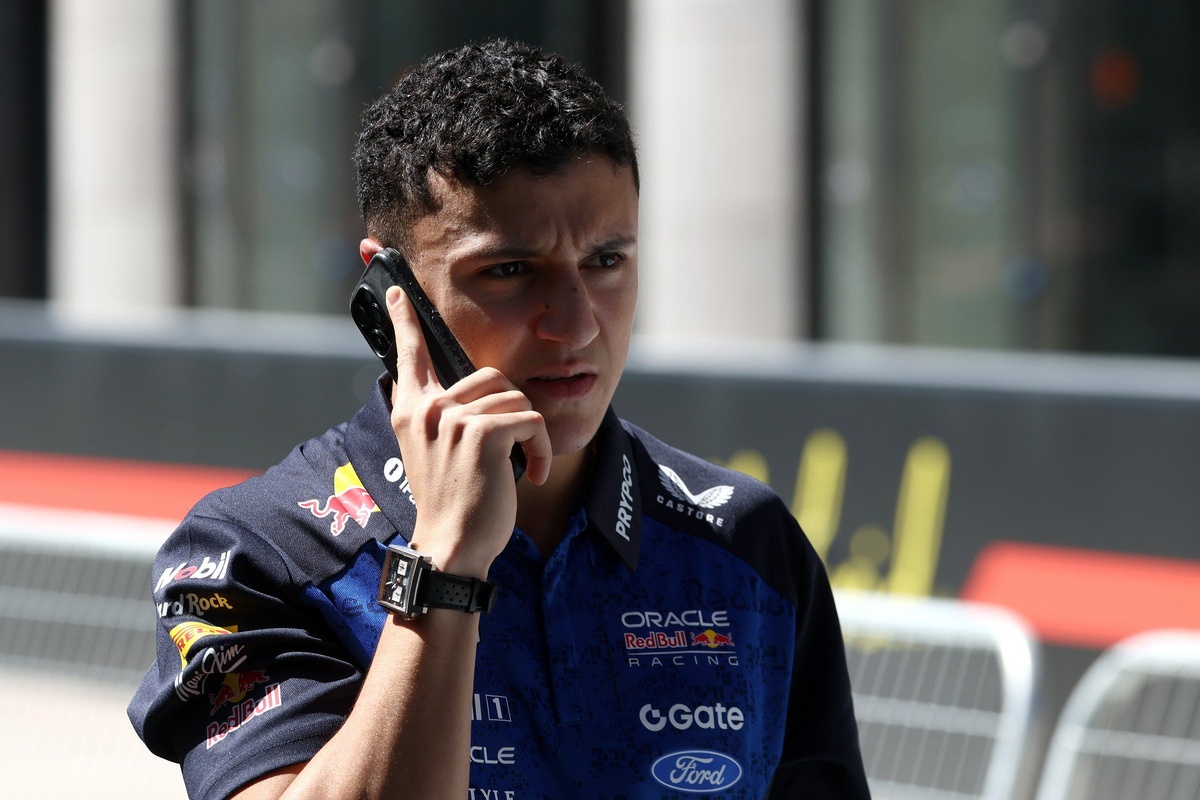
    Verstappen reported early that “the brakes on his RB22 were pulling,” a concern echoed by returning team-mate Isack Hadjar, who also grappled with an apparent power unit issue on his first appearance since a wrist fracture sidelined him for three weekends. Verstappen briefly jumped to the top of the order with a rapid lap before Russell responded, though the Dutchman locked his fronts at Turn 1 and used the escape road on his subsequent push. At Racing Bulls, Liam Lawson returned to form in seventh ahead of rookie Arvid Lindblad, whose late spin at Turn 7—combined with Hulkenberg’s Turn 4 issue—brought out a second virtual safety car in the closing minutes.

    Why This Matters

    The Azerbaijan Grand Prix’s unusual Thursday-to-Saturday schedule compresses preparation time, making FP1 data disproportionately valuable for teams validating upgrades on a unique street circuit. Russell’s strong showing suggests Mercedes’ recent development direction is paying dividends on low-speed layouts, while Antonelli’s reliability setback underscores the fragility of his championship lead. McLaren’s aggressive update suite signals their intent to arrest a recent performance slide, and Audi’s immediate competitiveness with Hulkenberg and Bortoleto hints at a potential midfield shake-up. With track evolution rapid on the dusty Baku surface, Friday’s second practice—held under representative evening conditions—will be critical for tyre degradation analysis and race simulation ahead of Saturday’s grand prix.

    Frequently Asked Questions

    Why is the Azerbaijan Grand Prix being held on a Saturday?
    The race weekend was shifted forward by one day to accommodate a national holiday in Azerbaijan on Sunday, moving the grand prix from its traditional Sunday slot to Saturday.
    What caused Kimi Antonelli to stop during FP1?
    Antonelli suffered a hydraulic failure on his Mercedes W17 at Turn 7, reporting “a hydraulic issue” before his car stopped on track and triggered a virtual safety car period.
    Which teams brought major upgrades to Baku?
    McLaren introduced new sidepods, a revised floor edge, and an updated diffuser; Williams debuted a redesigned floor and lighter chassis; and Audi ran an upgraded specification on both cars.
  • Kimi Antonelli admits ‘it’s not over until it’s over’ in ‘intense’ title battle

    Kimi Antonelli admits ‘it’s not over until it’s over’ in ‘intense’ title battle

    Key Highlights

    • Mercedes driver Kimi Antonelli holds an 81-point championship lead over teammate George Russell after securing eight Grand Prix victories and four podiums this season.
    • The 20-year-old Italian insists he is not losing focus despite Russell’s admission that he is “not in the fight for the drivers’ title” following Antonelli’s win in Madrid.
    • Ahead of the Azerbaijan Grand Prix at the Baku City Circuit, Antonelli acknowledges McLaren, Red Bull, and Ferrari have closed the performance gap to Mercedes, requiring flawless execution to extend his advantage.

    Antonelli Maintains Championship Discipline Amid Growing Title Talk

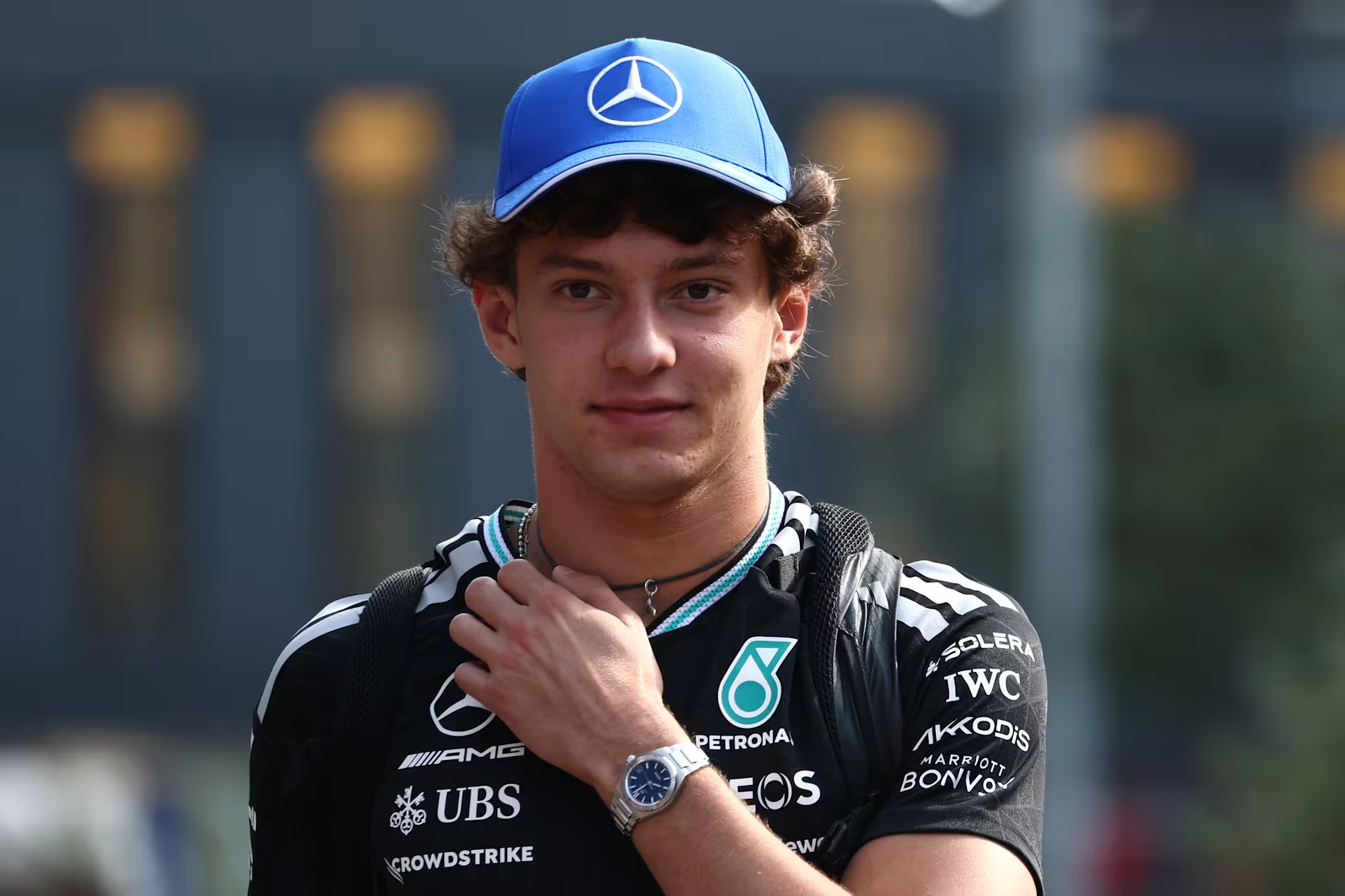
    Kimi Antonelli has conceded that while the Drivers’ Championship occupies his thoughts, he remains steadfast in his refusal to look beyond the immediate challenge of each race weekend. The 20-year-old Italian, who has dominated the current campaign with eight Grand Prix victories and a further four podium finishes, has constructed a commanding 81-point lead over his Mercedes teammate George Russell. That margin was underscored in Madrid, where Antonelli’s victory prompted Russell to declare he is not in the fight for the drivers’ title. Yet the championship leader is deliberately avoiding any sense of inevitability.

    One Race at a Time: The Tennis Analogy

    Speaking ahead of the upcoming Azerbaijan Grand Prix, Antonelli articulated a philosophy centered on process over outcome. It’s not over until it’s over,” he said. “Until you cross that finish line, it’s not over. It’s like tennis, one point at a time, here one race at a time. He elaborated that despite the natural temptation to calculate permutations as the season progresses, his analysis consistently returns to the same imperative: maintain current performance levels. Keep giving your best and keep trying to raise that bar, keep delivering results and see where we end up at the end of the year. As we’re getting closer, I’ve thought about the championship and stuff, but by thinking about it I’ve always come to the final conclusion that I need to keep driving like I am and delivering the results. The Mercedes driver added that while an early title conclusion would be welcome, he anticipates a demanding conclusion to the campaign. The sooner it’s over, the better it is. Still a long way and it’s not going to be easy. It’s going to be intense but I’m ready to give my best and to keep having fun.

    Baku Challenge: Managing Expectations Amid Converging Competition

    The Azerbaijan Grand Prix at the Baku City Circuit presents Antonelli with an opportunity to add to his victory tally, though he is keen to temper optimism. Last season, he narrowly missed a podium finish at the venue, finishing behind Carlos Sainz of Williams. However, the competitive landscape has shifted significantly. Antonelli acknowledged that rival teams McLaren and Red Bull have joined Ferrari in closing the performance gap to the Silver Arrows, creating a scenario where victory is no longer assured.

    Zero Margin for Error on Baku’s Streets

    Antonelli offered a candid assessment of the weekend ahead, naming specific rivals who could challenge Mercedes’ supremacy. I think it could be a good track for us but if McLaren have the upperhand, or Red Bull with Max [Verstappen] or even with Isack [Hadjar], then it might be one of those weekends where you have to be satisfied with maybe a podium or a P4. Of course the goal is always to win but we’ll see. He emphasized the unforgiving nature of the street circuit, where the margin for error is virtually non-existent. You have no margin for mistakes, or very little, and it’s going to be important to build up throughout the weekend, and when it matters to squeeze everything out of it. Always keep that tiny margin in case something happens. It is a cool track, very challenging. Hopefully we’re going to be fast.

    Why This Matters

    Antonelli’s 81-point lead represents a substantial buffer, but Formula 1 history is replete with championships lost through complacency or mechanical misfortune in the closing rounds. The convergence of McLaren, Red Bull—fielding both reigning champion Max Verstappen and rising talent Isack Hadjar—and Ferrari creates a multi-front threat that demands Mercedes extract maximum performance from every session. Baku’s high-speed straights and tight castle section historically produce chaotic races with frequent safety car periods, amplifying the importance of the “tiny margin” Antonelli referenced. For Mercedes, the remainder of the season serves as both a coronation opportunity for their rookie phenom and a critical development phase for 2025 car concepts under new technical regulations.

    Frequently Asked Questions

    How large is Kimi Antonelli’s championship lead over George Russell?

    Antonelli leads his Mercedes teammate George Russell by 81 points in the Drivers’ Championship standings.

    What did George Russell say after the Madrid Grand Prix?

    Following Antonelli’s victory in Madrid, Russell stated he is not in the fight for the drivers’ title, effectively conceding the championship to his teammate.

    Which teams does Antonelli identify as the primary threats at the Azerbaijan Grand Prix?

    Antonelli specifically named McLaren and Red Bull—highlighting both Max Verstappen and Isack Hadjar—as teams that have closed the gap to Mercedes and could hold the upper hand at Baku, alongside Ferrari.

  • Isack Hadjar to make racing return with Red Bull at Azerbaijan Grand Prix

    Isack Hadjar to make racing return with Red Bull at Azerbaijan Grand Prix

    Key Highlights

    • Isack Hadjar returns to Red Bull Racing for the Azerbaijan Grand Prix after recovering from a wrist injury sustained during summer training.
    • Liam Lawson completes his three-race substitute stint and returns to Visa Cash App Racing Bulls, while Yuki Tsunoda resumes reserve driver duties.
    • The Baku weekend schedule is condensed: Free Practice on Thursday, Qualifying on Friday, and the Grand Prix on Saturday to avoid a clash with Azerbaijan’s Remembrance Day on September 27.

    Hadjar Cleared for Baku Return After Summer Injury Layoff

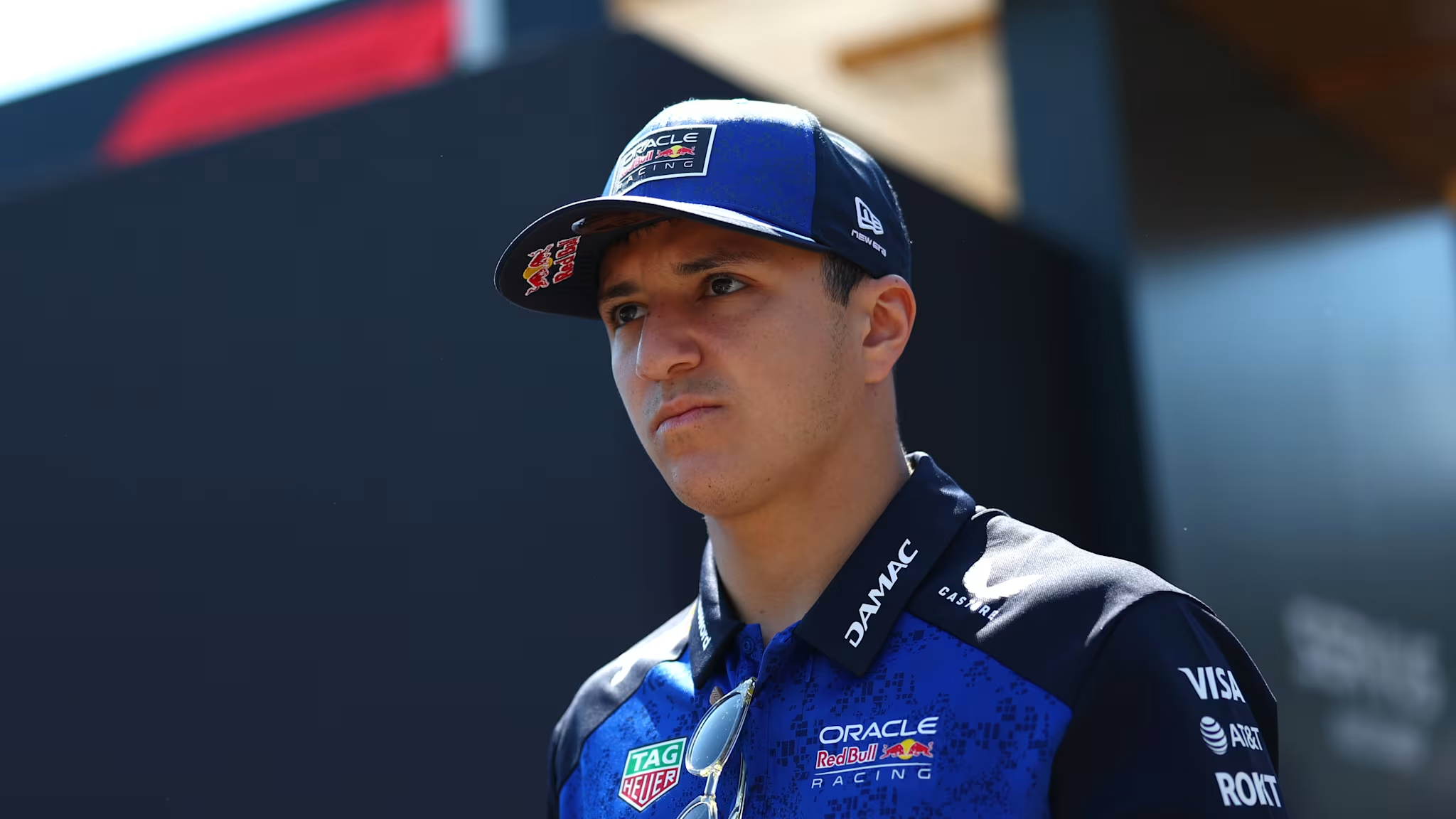
    Isack Hadjar is set to reclaim his seat at Oracle Red Bull Racing for the Azerbaijan Grand Prix, marking the end of a nearly two-month absence forced by a wrist injury sustained during off-track training over the summer break. The French-Algerian rookie missed three consecutive rounds — Zandvoort, Monza, and the inaugural Madring event — while undergoing rehabilitation. Red Bull confirmed on Tuesday that Hadjar has been declared fully fit and will participate in Thursday’s opening free practice session at the Baku City Circuit.

    Lawson’s Interim Stint Concludes with Praise from Red Bull Leadership

    Liam Lawson, who stepped into the second Red Bull seat alongside Max Verstappen for the three missed races, will now return to Visa Cash App Racing Bulls. The New Zealander’s performances drew explicit commendation from the team’s hierarchy. In a statement issued Tuesday, Red Bull emphasized Lawson’s professionalism under difficult circumstances:

    “Oracle Red Bull Racing is delighted to welcome Isack back this weekend,” read a statement issued by Red Bull on Tuesday.

    “Having made a successful recovery from his wrist injury, Isack will return to action at the Baku City Circuit on Thursday.”

    “The team would like to sincerely thank Liam for his professionalism, dedication and hard work over the past three races.”

    “Stepping in under challenging circumstances, he delivered some impressive performances and made a valuable contribution to the team.”

    “We wish him all the best as he returns to Visa Cash App Racing Bulls.”

    Lawson’s temporary promotion came at a critical juncture in the Constructors’ Championship battle, and his ability to extract competitive results from the RB20 on short notice strengthened Red Bull’s depth chart heading into the season’s final stretch.

    Tsunoda Resumes Reserve Role as Driver Rotation Resets

    The driver shuffle also sees Yuki Tsunoda revert to reserve driver duties for Red Bull Racing. The Japanese driver had been elevated to a more visible support role during Lawson’s stint but now returns to his standard simulator and development program. The rotation underscores Red Bull’s fluid driver pool strategy across its two Formula 1 entries, with Racing Bulls serving as both a development platform and a tactical reserve for the senior team.

    Compressed Baku Schedule Adds Tactical Complexity

    The Azerbaijan Grand Prix weekend operates on an altered timetable to accommodate Azerbaijan’s Remembrance Day on September 27. Rather than the traditional Friday-to-Sunday format, track action begins Thursday with Free Practice, followed by Qualifying on Friday and the Grand Prix itself on Saturday. This compression reduces preparation time for Hadjar’s reintegration and places a premium on immediate pace during the sole practice session. Engineers must finalize setup directions with minimal running, while Hadjar reacclimates to the RB20’s handling characteristics on a street circuit notorious for punishing errors.

    Why This Matters

    Hadjar’s return signals Red Bull’s confidence in their 2024 rookie investment amid a tightly contested Constructors’ fight. The team’s willingness to rotate Lawson back to Racing Bulls — rather than extend his audition — suggests satisfaction with Hadjar’s pre-injury trajectory and a desire to maintain continuity in their long-term driver development pipeline. For Lawson, the three-race audition provided valuable exposure to championship-pressure weekends, likely strengthening his case for a 2025 seat. The condensed Baku schedule, meanwhile, tests every team’s operational agility, with single-practice formats historically producing unpredictable grids and strategic variance.

    Frequently Asked Questions

    Why did Isack Hadjar miss the last three races?

    Hadjar sustained a wrist injury while training during the summer break, forcing him to sit out the Dutch Grand Prix at Zandvoort, the Italian Grand Prix at Monza, and the inaugural Madring event while he underwent rehabilitation.

    What happens to Liam Lawson now?

    Lawson returns to Visa Cash App Racing Bulls after completing his three-race substitute stint with the senior Red Bull team. Red Bull publicly thanked him for his “professionalism, dedication and hard work” and noted he “delivered some impressive performances.”

    Why is the Azerbaijan Grand Prix schedule different this year?

    The weekend has been moved forward by one day — Free Practice on Thursday, Qualifying on Friday, and the race on Saturday — to avoid a clash with Azerbaijan’s Remembrance Day on September 27.

  • Formula 1 2026 Azerbaijan Grand Prix: Start Time and How to Watch

    Formula 1 2026 Azerbaijan Grand Prix: Start Time and How to Watch

    Key Highlights

    • Formula 1 heads to the Baku City Circuit for the 2026 Azerbaijan Grand Prix, with the race scheduled for Saturday, September 26 at 15:00 local time.
    • Kimi Antonelli holds a commanding 81-point lead in the drivers’ championship after his Madrid victory, while Lando Norris seeks redemption after missing a potential win from pole position.
    • Formula 2 continues its 2026 campaign in Baku for Round 12 with championship leader Nikola Tsolov in action across a packed support-race schedule beginning Thursday, September 24.

    Formula 1 Arrives in Baku for Critical Championship Weekend

    The Formula 1 circus touches down in Azerbaijan this week for the ninth running of the Azerbaijan Grand Prix at the Baku City Circuit, marking the venue’s 10th Formula 1 outing since its debut as the European Grand Prix in 2016. The street circuit, renowned for its dramatic blend of high-speed straights and tight, twisty sections winding through the city’s historic old town and medieval walls, sets the stage for a pivotal weekend in the 2026 championship battle.

    Championship Dynamics: Antonelli Extends Lead, Norris Hunts Redemption

    Kimi Antonelli arrives in Baku with a formidable 81-point advantage at the top of the drivers’ standings following his victory at the previous round in Madrid. That race delivered a significant twist: polesitter Lando Norris, driving for McLaren, failed to convert his grid position into a win, handing Antonelli a crucial psychological and numerical edge. The McLaren driver will be desperate to bounce back on a circuit that has historically produced unpredictable outcomes, while Antonelli aims to continue his commanding run of form and tighten his grip on the title.

    Baku’s Unique Challenge and Historical Winners

    The Baku City Circuit’s distinctive layout—looping around the Caspian Sea waterfront and through the narrow streets of the old town—has consistently tested driver precision and car reliability. Over the years, only two drivers have managed multiple victories at this venue: Sergio Perez and Max Verstappen, both of whom have stood on the top step of the podium twice. Their success underscores the circuit’s demand for a blend of outright speed, tire management, and race craft, qualities that will be essential again this weekend.

    Session Schedule and Global Broadcast Details

    The weekend kicks off unusually early with Free Practice 1 on Thursday, September 24 at 12:30 local time, followed by Free Practice 2 at 16:00. Friday, September 25 sees Free Practice 3 at 12:30 and Qualifying at 16:00, setting the grid for the Grand Prix itself on Saturday, September 26 at 15:00 local time. Comprehensive global start times for all sessions are available via the official Formula 1 race hub.

    Fans can watch every session live on F1 TV Pro (available in selected territories), which offers ad-free coverage, onboard cameras from all 22 cars, and pre- and post-race shows in six languages. The service streams via Apple TV, Chromecast (Gen 2+), Android TV, Google TV, Amazon Fire TV, and Roku. For an enhanced experience, F1 TV Premium provides 4K Ultra HD/HDR streaming on up to six devices simultaneously, plus a personalized Multiview feature with 26 selectable feeds on compatible devices. The platform also includes live coverage of F2, F3, F1 ACADEMY, and Porsche Supercup sessions. Live timing remains accessible on F1.com and the official F1 app throughout the weekend.

    Weather Outlook and Formula 2 Support Action

    Current forecasts indicate mild and dry conditions for the Azerbaijan Grand Prix weekend, though the circuit’s proximity to the Caspian Sea often brings gusty winds that have caught out drivers in previous years. Teams will need to monitor aerodynamic balance closely, particularly during qualifying and the race.

    While Formula 3 concluded its season in Spain, the 2026 Formula 2 championship moves to Baku for Round 12. Championship leader Nikola Tsolov heads the field into a packed schedule: Qualifying, Practice, and Qualifying 2 all take place on Thursday, September 24. The Sprint Race runs Friday, September 25 at 08:15 local time, followed by Feature Race 1 at 14:15. Feature Race 2 is set for Saturday, September 26 at 11:00, providing a full day of junior single-seater action ahead of the Formula 1 Grand Prix.

    Why This Matters

    The Azerbaijan Grand Prix represents a critical juncture in the 2026 Formula 1 season. With Kimi Antonelli holding an 81-point championship lead, the pressure mounts on rivals—particularly Lando Norris and McLaren—to close the gap before the calendar enters its latter stages. Baku’s history of safety cars, red flags, and strategic variability offers a prime opportunity for a momentum shift. Additionally, the circuit’s status as a street venue with limited run-off areas amplifies the importance of qualifying performance and race-day execution. For Formula 2, Baku hosts a triple-header weekend that could decisively shape the title fight, with Nikola Tsolov aiming to extend his advantage under the unique pressure of two feature races in two days. The event also marks the continued evolution of F1’s broadcast strategy, with F1 TV Premium’s 4K Multiview offering a glimpse into the future of personalized motorsport consumption.

    Frequently Asked Questions

    When does the 2026 Azerbaijan Grand Prix race start?
    The Grand Prix starts on Saturday, September 26 at 15:00 local time at the Baku City Circuit. Global start times vary by time zone and are listed on the official Formula 1 race hub.
    How can I watch the Azerbaijan Grand Prix live?
    Live coverage is available on F1 TV Pro (ad-free, with onboards and multi-language commentary) and F1 TV Premium (4K UHD/HDR, Multiview, up to six devices). Both services stream via major smart TV platforms. Live timing is also free on F1.com and the F1 app.
    Who are the most successful drivers at the Baku City Circuit?
    Sergio Perez and Max Verstappen are the only drivers to have won multiple times in Baku, each with two victories. The circuit has produced a variety of winners since its 2016 debut as the European Grand Prix.
  • Azerbaijan Grand Prix Betting Guide: Latest Odds

    Azerbaijan Grand Prix Betting Guide: Latest Odds

    Key Highlights

    • Expert analysts deliver targeted wagering guidance for an upcoming racing event in Baku.
    • The service compiles essential betting intelligence to inform pre-race predictions.
    • Coverage focuses on equipping bettors with the information required for the Baku venue.

    Expert Analysis Targets Baku Race Predictions

    Ahead of the next competitive session at the Baku circuit, a team of specialists has assembled a dedicated preview designed to support wagering decisions. The initiative centers on consolidating the critical data points, form indicators, and situational factors that traditionally influence outcomes at the venue. By presenting this material in a structured format, the analysts aim to give readers a clearer foundation for evaluating the competitive landscape before finalizing their selections.

    Information Framework Built for Wagering Decisions

    The briefing is organized around the specific demands of the Baku layout, a venue known for its unique blend of long straights and tight, twisting sectors that place a premium on both power and precision. The experts have filtered the available statistics, recent performance trends, and circuit-specific variables into a concise briefing. This approach allows bettors to bypass raw data aggregation and move directly to the interpreted insights that carry the most weight for prediction accuracy.

    Why This Matters

    Street circuits such as Baku historically produce high-variance results, where safety-car periods, track evolution, and incident probability disrupt conventional form hierarchies. In this environment, access to curated expert analysis becomes a significant differentiators for anyone attempting to forecast finishing orders or podium compositions. The release of this targeted preview reflects the broader industry trend toward specialized, venue-specific content that addresses the distinct challenges each calendar stop presents, rather than relying on generic season-long narratives.

    Frequently Asked Questions

    What type of event in Baku does this betting information cover?

    The source specifies a racing event at the Baku venue but does not name the specific series or session. The analysis is tailored to the circuit’s characteristics.

    Who are the experts providing the analysis?

    The source refers to “our experts” without identifying individual analysts, their affiliations, or their track records.

    What specific betting markets or odds are discussed?

    The content describes the provision of “important betting information” generally. No specific markets, odds values, or recommended wagers are detailed in the source.

  • Williams Accepts 2026 F1 Development Compromise, Shifts Focus to 2027

    Williams Accepts 2026 F1 Development Compromise, Shifts Focus to 2027

    Key Highlights

    • Williams Racing has accepted a developmental compromise for the remainder of the 2026 Formula 1 season, having redirected the majority of its engineering resources toward the 2027 campaign.
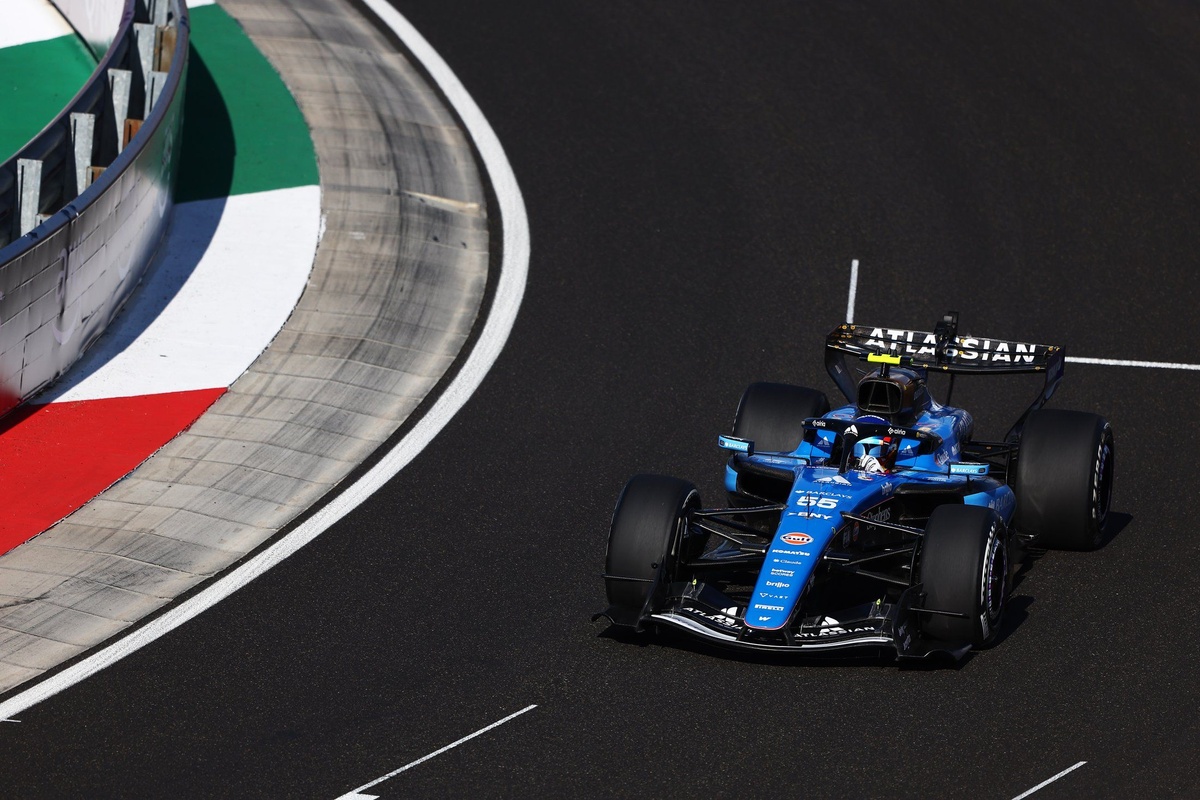
    • Team principal James Vowles confirmed two new chassis and aerodynamic upgrades will debut at the Azerbaijan Grand Prix to address car mass limits, but warned the updates will not be sufficient to consistently score points given the pace of rival development.
    • A difficult Spanish Grand Prix at the new Madring circuit—where Alex Albon finished 15th and Carlos Sainz retired with floor damage—exposed the extent of Williams’ current performance deficit relative to the midfield.

    Vowles Acknowledges Difficult Spanish Grand Prix Reality

    Williams team principal James Vowles offered a candid assessment of the squad’s trajectory during his post-race “Vowles Verdict” debrief following a challenging Spanish Grand Prix at the brand-new Madring circuit. The weekend underscored the Grove outfit’s current struggles: Alex Albon and Carlos Sainz qualified 16th and 17th respectively, before Sainz incurred a three-place grid penalty for impeding, dropping him to 20th on the grid. Albon managed only 15th at the finish, while Sainz retired after 43 laps due to floor damage.

    “For us, a difficult grand prix. We knew it was going to be difficult going into it,” Vowles explained. “It’s just exaggerating the issues we have at the moment, and we haven’t added performance to the car for far too long and have fallen back relative to teams around us.”

    Baku Upgrades Offer Limited Relief

    Looking ahead to the Azerbaijan Grand Prix, Vowles outlined a technical plan aimed at extracting immediate gains. “We have Baku coming up next, and it’s a race we’ve been looking forward to for a while. We’re going to be bringing two new chassis to that event in a bid to get our car mass below the limit. So that should be a strong step up in performance for us. And in addition to that, we’ll have some aerodynamic upgrades that go with it.”

    However, the team principal tempered expectations regarding the impact of those updates. “There is a however. The field has moved on so significantly and these upgrades, whilst powerful, simply won’t be what we are looking for in order to consistently score points.”

    Strategic Pivot Toward 2027 Season

    The fundamental constraint, Vowles revealed, is a resource allocation decision made months ago. “We’ve invested a lot already into next year and beyond, and the resultant behind this is that we accept the compromise to this year, and it stems from what happened over the winter, and we weren’t able to recuperate to the level we wanted. So, a positive step forward but really we need more, and it will come into next year.”

    This strategic pivot means Williams has effectively conceded the remainder of the 2026 championship, accepting a period of limited competitiveness to accelerate development for the 2027 regulation cycle.

    Why This Matters

    Williams’ situation illustrates the brutal resource allocation dilemma facing midfield teams under Formula 1’s cost cap and aerodynamic testing restrictions. With development bandwidth finite, teams must choose between fighting for points in the current season or investing early in the next regulatory cycle—a decision that can define competitiveness for years. For Williams, a historic constructor seeking to return to the front, the 2027 regulation changes represent a potential inflection point. The team’s willingness to endure a barren second half of 2026 signals high internal confidence in their 2027 concept, but also carries reputational and commercial risk if the projected gains fail to materialize. The Baku upgrades will serve as a litmus test for whether the new chassis can at least stabilize the car’s platform before the long pivot to next year.

    Frequently Asked Questions

    Why is Williams bringing two new chassis to the Azerbaijan Grand Prix?
    Williams is introducing two new chassis in Baku to reduce the car’s mass below the regulatory minimum weight limit, which Vowles described as a “strong step up in performance” for the team.
    Will the Baku upgrades make Williams competitive enough to score points regularly?
    No. Vowles explicitly stated that while the upgrades are “powerful,” the development rate of rival teams means they “simply won’t be what we are looking for in order to consistently score points.”
    What caused Williams to accept a compromise for the rest of the 2026 season?
    The team shifted the majority of its engineering resources to the 2027 project during the winter, and Vowles acknowledged they “weren’t able to recuperate to the level we wanted” for the current campaign, forcing a strategic acceptance of reduced competitiveness in 2026.
  • Williams’ FW48 Upgrade Package in Baku Crucial for Formula 1 Team’s Progress

    Williams’ FW48 Upgrade Package in Baku Crucial for Formula 1 Team’s Progress

    Key Highlights

    • Williams introduces its long-awaited major FW48 upgrade package at the Azerbaijan Grand Prix after a difficult 2026 season marked by weight issues and missed development milestones.
    • Drivers Carlos Sainz and Alex Albon caution that the upgrade may not close the gap to the midfield, as rival teams have accelerated their development pace beyond initial projections.
    • Team Principal James Vowles frames the Baku package as a critical validation of improved processes and simulation tools ahead of the 2027 FW50 project, while acknowledging no guarantees against future missteps.

    Williams Pins Hopes on Baku Upgrade After Difficult 2026 Campaign

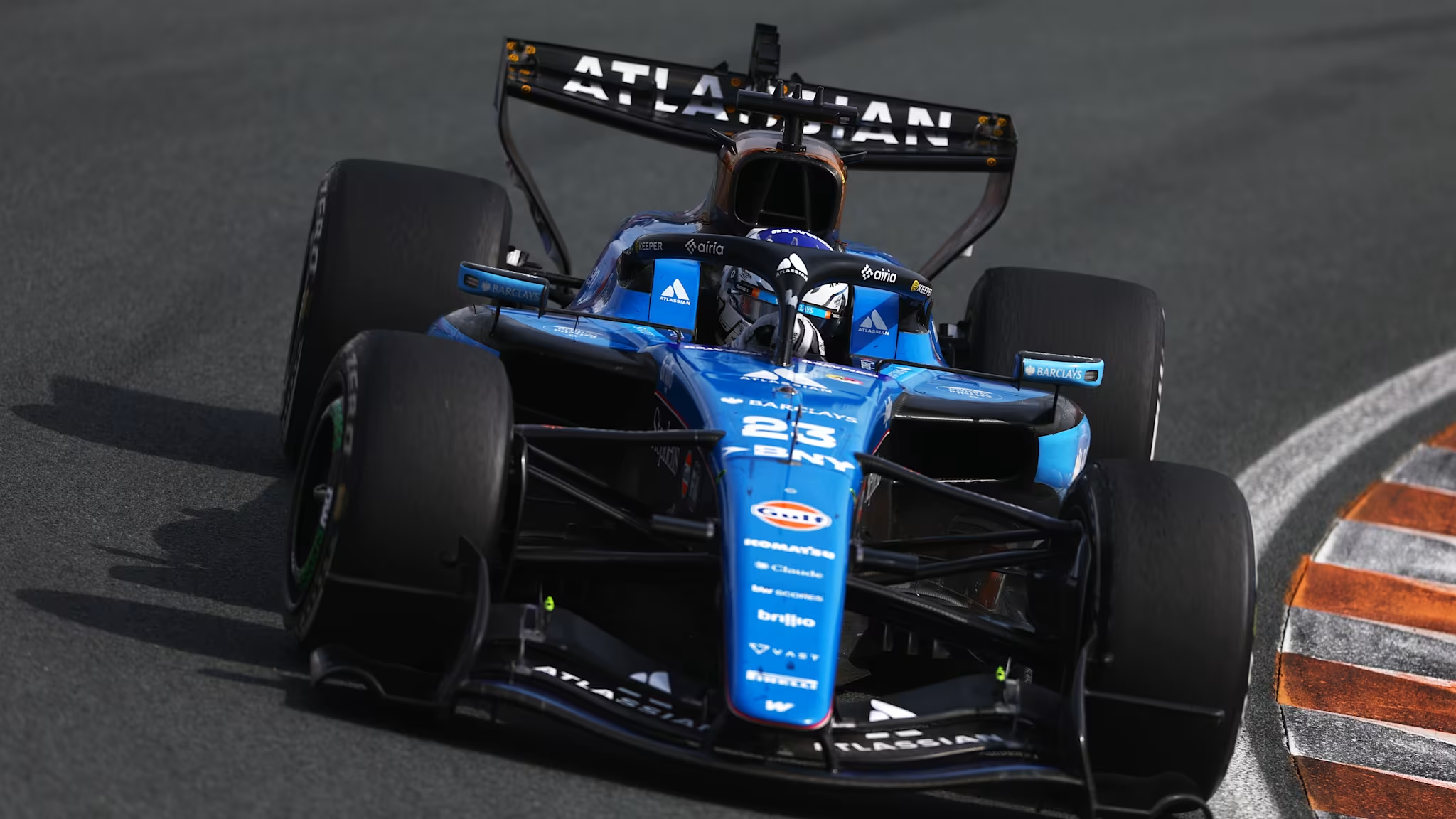
    The Azerbaijan Grand Prix represents a pivotal weekend for Williams Racing as the team finally debuts the major upgrade package for its FW48 challenger. The 2026 season has proven painful for drivers Carlos Sainz and Alex Albon, particularly given the promise shown during the previous campaign. Delays forced the squad to miss the Barcelona Shakedown, and when the car eventually hit the track it was significantly overweight and suffered from inherent aerodynamic issues. Like Aston Martin, Williams elected to concentrate resources on a substantial mid-season package, though smaller updates such as a revised front wing for Silverstone and an ongoing weight-reduction programme have been introduced in the interim.

    Midfield Development Race Outpaces Williams’ Progress

    The results underscore the scale of the challenge. Early in the year the drivers secured five points finishes, with Albon’s eighth place in the high-attrition Monaco Grand Prix the high watermark. Since then, however, the team has failed to score a single point, regularly finishing in the P15–P17 range. Improved reliability across the field has played a part, but the primary factor is that rivals have developed at a faster rate while Williams has largely stood still. Albon articulated the shifting landscape after a difficult race in Madrid: I think what’s been interesting this year is most of the midfield teams, they always bring one or two upgrades a year. That’s kind of how it’s gone. This year, even the midfield teams are bringing three or four upgrades a year, and the size of upgrades are huge as well. So if you think of us in a normal year, Baku would have put us back in contention. But we have to be honest with ourselves, the speed of the development race this year is huge – and yeah, we’ve fallen back.

    When the Baku package was signed off months ago, the projected gains looked promising. Yet as midfield competitors have improved, the goalposts have moved. The FW48 will be faster, but the relative gain may not produce the dramatic grid surge originally envisioned. Albon added a sobering assessment of the current deficit: We’re finishing realistically 50 seconds behind the midfield at the minute in a race. So we’re losing a second a lap, more or less, in the race, and this has to be a pretty big upgrade to do it. Let’s see. We know it’s going to be a good step. Is it going to be the full step? I’m hopeful for it, but I don’t think it will be. Unfortunately, we said it last year, but the focus is on next year as well. And we realise we’re too far back at the moment to have a couple of upgrades for this year. We need to focus on next year.

    Sainz and Albon Manage Expectations for Immediate Gains

    Sainz, who qualified second and finished third in Azerbaijan last year — a reminder of Williams’ competitiveness at certain venues — strikes a similarly cautious tone. At his home race he stated: I think that upgrade is going to definitely help us to get ourselves closer to potentially fighting for some points. But realistically speaking, that’s nowhere near where we wanted to be this year, nowhere near what we promised. So, it’s still not enough, and it’s still not where we want to be. It’s an upgrade that will help a bit the motivation of the team and just to look into the weekend with something to look forward to, maybe to potentially get a point or two when we were like we were at the beginning of the year. But it’s nowhere near where we want to be, and I think our biggest hope is putting all the eggs in next year’s basket.

    Sainz’s point about motivation is salient. Even if the Baku package does not propel the team into Q3 contention, delivering the performance gains calculated months ago would demonstrate that the development processes are functioning correctly — a crucial confidence builder for the design team working on the 2027 FW50.

    Vowles Highlights Process Improvements and Simulation Gaps

    The weekend is equally critical for Team Principal James Vowles, the architect of Williams’ long-term revival who recently secured contract extensions from both Sainz and Albon. Vowles has pointed to changes in methodology, the recruitment of key personnel such as Chief Optimisation and Planning Officer Piers Thynne, and upgraded simulation infrastructure as reasons to believe the team will avoid repeating the mistakes that hampered the 2026 car’s genesis. Speaking at Zandvoort, he explained: You’re making a thousand decisions in the winter. You don’t need many of them to be wrong before you start putting yourself into the wrong path. And that’ll be the difference between a few tenths, but a few tenths these days is the between winning a championship or not. You go to the level of what are the big building blocks you’re putting in place? Which is a combination of people, which is different to what we had before. A combination of strength in the team that was different to what we had before. And for us, we had a lack last year at the beginning of ’25 of simulation technology. That actually only came online in November last year. The car was already pretty much done by that point in time. So what we were doing was using educated guessing, and we got some of it wrong. If you look at our rear ride height, we developed at the wrong rear ride height, as did Aston, for that matter, and corrected it. That doesn’t seem like a huge amount. But you’re aerodynamically developing in completely the wrong space, and it’s not driven by anything more than simulation telling you that’s a good direction for whatever characteristic you’re after, and it goes wrong. That error can still be made across any winter, because you’re in a theoretical space against a maximal space.

    Baku Package as Validation for 2027 FW50 Direction

    If the Baku upgrade performs as predicted, it will signal that Williams’ revised workflows and toolsets are yielding results. However, Vowles offers no guarantees that the 2027 development cycle will be flawless: Not for a second am I going to promise anyone, because there’s no championship team that would. What you’re more trying to do is show that there’s enough depth that didn’t exist previously in the ways of working systems, tools, processes, and people that allow you to catch as many of those as possible.

    Why This Matters

    The Azerbaijan Grand Prix serves as a litmus test for Williams’ technical reorganization under James Vowles. The team’s struggles in 2026 — overweight car, delayed upgrades, simulation shortfalls — mirror challenges faced by several midfield outfits, but the accelerated development pace across the grid has exposed those deficiencies more ruthlessly. The ability to deliver a correlated upgrade that matches wind-tunnel and CFD predictions is fundamental to the credibility of the FW50 project, which aims to return Williams to championship contention. Furthermore, the public expectation management by both Sainz and Albon reflects a mature driver–team alignment, essential for maintaining morale during a transition year. The recruitment of figures like Piers Thynne and the belated arrival of advanced simulation tools highlight the infrastructure gap Williams is racing to close before the 2027 regulation cycle.

    Frequently Asked Questions

    What specific upgrades is Williams bringing to the Azerbaijan Grand Prix?

    The article refers to a “major upgrade package” for the FW48, described as the long-awaited mid-season development that the team focused on after missing the Barcelona Shakedown. Earlier smaller updates included a revised front wing at Silverstone and an ongoing weight-reduction programme.

    Why are Sainz and Albon downplaying the immediate impact of the Baku upgrade?

    Both drivers note that rival midfield teams have introduced three or four substantial upgrades this year — more than the typical one or two — moving the performance target significantly since the Baku package was defined. Albon estimates Williams is currently losing roughly one second per race lap to the midfield, so even a “good step” may not be enough to reach the points-paying positions consistently.

    How does this weekend affect Williams’ 2027 FW50 programme?

    A successful correlation of the Baku upgrade would validate the new processes, simulation tools, and personnel (including Chief Optimisation and Planning Officer Piers Thynne) that Team Principal James Vowles has put in place. This validation is critical for confidence in the FW50 development, though Vowles stresses that no team can guarantee a mistake-free winter.

  • Was Cadillac “faster” than Williams in Madring F1 Race?

    Was Cadillac “faster” than Williams in Madring F1 Race?

    Key Highlights

    • Sergio Perez showed strong race pace at the Spanish Grand Prix, matching and briefly surpassing Alexander Albon’s Williams before a water leak forced his retirement.
    • Teammate Valtteri Bottas struggled with significant tire degradation and brake management, highlighting a performance disparity within the Cadillac squad.
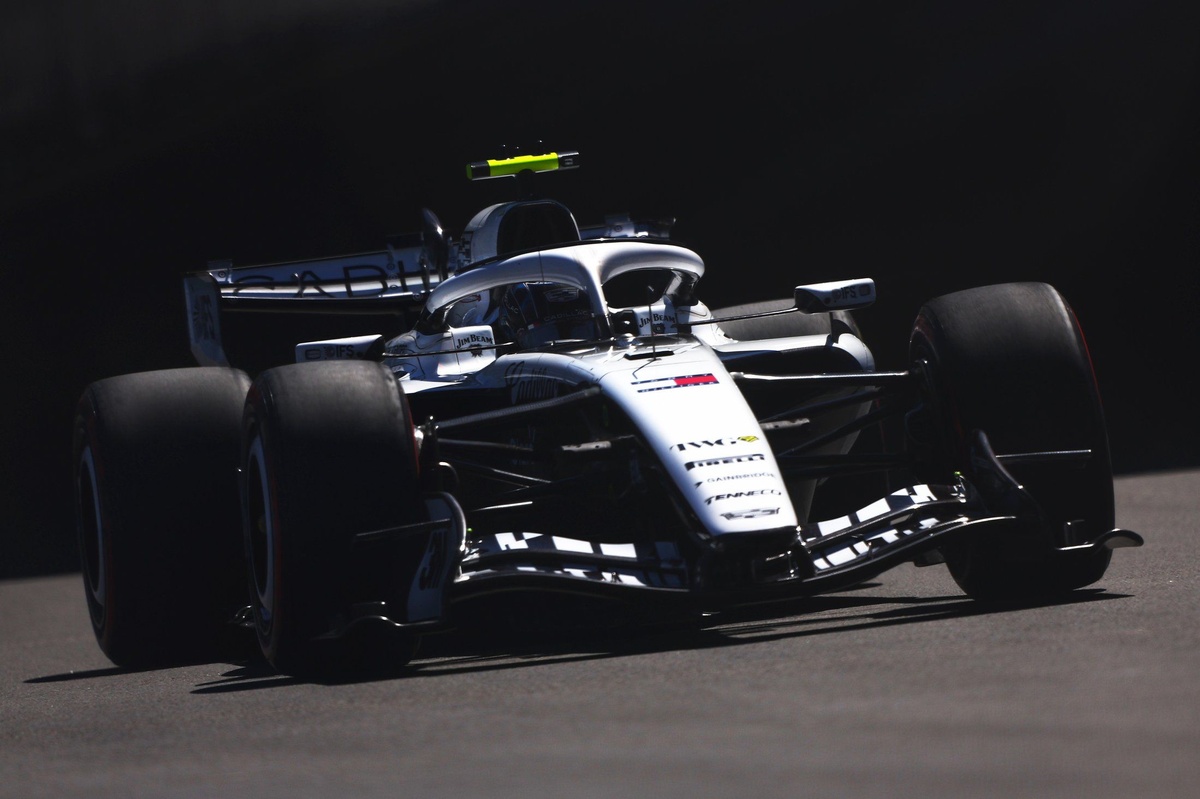
    • Cadillac targets improvement at the Azerbaijan Grand Prix, where the Baku circuit’s low-downforce nature may mask the MAC-26’s current aerodynamic deficiencies.

    Perez Finds Encouraging Pace Amid Reliability Woes

    Cadillac’s maiden Formula 1 campaign has largely been defined by backmarker status, but the Spanish Grand Prix at the new Madrid circuit—referred to as Madring—offered a glimmer of competitiveness from Sergio Perez. The Mexican driver qualified 18th but made a lively start, jumping past Yuki Tsunoda and Carlos Sainz to sit 16th. More importantly, his race pace proved genuinely competitive against the midfield benchmark.

    Perez spent the entirety of his race shadowing Alexander Albon’s Williams, running a near-identical strategy of mediums to hards under the Virtual Safety Car. “I was pretty much the same pace as [Alexander] Albon all the way through,” Perez commented. “I was within a second or two until we had the issue. So a really strong weekend for the team in terms of pace. We pushed everything, we were on the limit with the brakes, but we pushed to the very limit, and [I’m] happy with that.” Telemetry backed his assessment: while Perez was 0.403 seconds per lap slower on the medium compound over 11 representative laps, he turned the tables on the hard tire, lapping 0.351 seconds quicker than Albon over eight laps before a terminal water leak and blue flags ended his challenge.

    Bottas Highlights Degradation and Durability Deficits

    The picture was starkly different for Valtteri Bottas. The Finn languished at the rear of the field, managing excessive brake temperatures with persistent lift-and-coast throughout the afternoon. “We know we need to improve,” the Finn nervously chuckled. “The car is still not robust enough, and we need to make it a lot faster. And the deg today highlights how much we’re lacking, it’s like way more than the competition.” Cadillac’s reliability record underscores the struggle: the team has suffered 11 retirements or non-starts in the 2026 season, fewer than Aston Martin’s 15 but significantly more than Williams’ seven.

    When presented with Perez’s positive comparison to Albon, Bottas offered a nuanced counterpoint. “In the beginning we can be there, we’ve seen, but as the race progresses, the deg gets worse. But actually for the next event, I’m more hopeful that we can be there. Baku, the only high-speed corners, they are flat out; otherwise it’s slow- or medium-speed.” His assessment points to a fundamental aerodynamic inefficiency on the MAC-26 that punishes the car disproportionately on conventional circuits.

    Why This Matters: A Two-Tier Trajectory for a Rookie Team

    The divergent weekends of Perez and Bottas expose the volatile nature of Cadillac’s development curve. Perez’s ability to match a race-winning midfield outfit like Williams—albeit over a limited sample—suggests the underlying potential of the chassis and power unit package exists, provided the car is in its optimal window. Conversely, Bottas’s experience confirms that the operational window remains dangerously narrow, with tire degradation and thermal management acting as primary performance limiters. With 11 DNFs already on the board, reliability is not merely a statistical blemish but a barrier to data accumulation. The upcoming Azerbaijan Grand Prix represents a critical calibration opportunity: Baku’s unique layout, dominated by long straights and low-speed corners, reduces the downforce demand that currently plagues the MAC-26. A strong showing there would validate the team’s aerodynamic diagnosis and provide momentum heading into the European swing, but it would not solve the fundamental lack of robustness that Bottas emphasized.

    Frequently Asked Questions

    How did Sergio Perez’s pace compare to Alexander Albon at the Spanish Grand Prix?

    On the opening medium stint, Perez lapped 0.403 seconds slower per lap than Albon. After both switched to hard tires under the Virtual Safety Car, Perez was 0.351 seconds per lap quicker over eight representative laps before a water leak and blue flags intervened.

    What are Cadillac’s main technical issues according to Valtteri Bottas?

    Bottas cited insufficient car robustness, excessive tire degradation relative to rivals, and persistent brake temperature management issues requiring significant lift-and-coast throughout the race.

    Why is the Azerbaijan Grand Prix seen as a better opportunity for Cadillac?

    The Baku circuit features predominantly slow- and medium-speed corners with only flat-out high-speed sections, reducing the downforce demand that currently exposes the MAC-26’s aerodynamic deficiencies on conventional tracks.

  • Red Bull Insists “there is nothing wrong” With Isack Hadjar’s Recovery

    Red Bull Insists “there is nothing wrong” With Isack Hadjar’s Recovery

    Key Highlights

    • Red Bull team principal Laurent Mekies confirms Isack Hadjar’s wrist injury recovery is progressing normally, with a decision on his Baku return expected by Wednesday or Thursday.
    • Liam Lawson will continue preparing for both Red Bull Racing and Racing Bulls roles until Hadjar’s fitness is confirmed, having scored 14 points in three grands prix.
    • Hadjar consulted seven-time MotoGP champion Marc Marquez, whose own rushed return from a broken humerus in 2020 cost him an entire season, reinforcing the team’s cautious approach.

    Red Bull Prioritizes Long-Term Health Over Quick Return for Hadjar

    Red Bull Racing team principal Laurent Mekies delivered a measured update on Isack Hadjar’s injury situation following the Spanish Grand Prix, confirming the French rookie’s recovery from a wrist injury sustained during the summer break is proceeding according to plan. Hadjar has missed the last three Formula 1 rounds, with Liam Lawson stepping into the Red Bull Racing seat while Yuki Tsunoda covered reserve duties at Racing Bulls. Speaking after Sunday’s race in Madrid, Mekies emphasized that the team has no intention of rushing the sophomore driver back before he reaches full fitness.

    Marquez Consultation Reinforces Cautious Strategy

    A pivotal factor in shaping Red Bull’s conservative timeline was Hadjar’s interaction with seven-time MotoGP world champion Marc Marquez. The Spanish motorcycle racing icon famously fractured his humerus in the 2020 Jerez season opener, attempted to compete in the following race, and subsequently missed the remainder of the campaign due to complications. That cautionary tale resonated with the 20-year-old Frenchman, convincing him that patience serves his long-term interests better than an accelerated return. Mekies confirmed the team has “learned that it’s fundamentally a normal time for the sort of injuries he has,” validating their existing medical approach.

    Simulator Test Will Determine Baku Availability

    Mekies outlined a clear decision-making framework for the upcoming Azerbaijan Grand Prix. With “a bit more than a full week” before the Baku weekend, Hadjar will undergo evaluation before being placed on the simulator to experience “real-life constraints.” The team principal established a binary threshold: “If he feels close to 100%, we go for it; if he feels the recovery is not completed, we will stick on our approach to put his recovery first.” Mekies explicitly ruled out compromising Hadjar’s “long-term capacity to come back to 100%” for a premature race appearance, underscoring the organization’s investment in the driver’s development trajectory.

    Lawson Navigates Dual Preparation Challenge

    New Zealander Balances Two Team Workloads

    While Hadjar focuses on rehabilitation, Liam Lawson faces a demanding logistical challenge. The New Zealander must maintain race readiness for both Red Bull Racing and Racing Bulls until a final decision on Hadjar’s status emerges. “It’s a lot of time at the factory and doing a lot of extra preparations,” Lawson admitted, adding that “this week off won’t be much of a week off.” The 22-year-old has impressed in his three substitute appearances, accumulating 14 championship points and climbing to ninth in the drivers’ standings—just 12 points adrift of Hadjar despite the Frenchman’s five-race head start.

    Mental Preparation Complicated by Uncertainty

    Lawson candidly described the psychological toll of preparing for two fundamentally different cars with no guarantee of which he will drive in Baku. “Coming to the end of the [Madrid] weekend now, I feel quite comfortable in this car. But just going forward, it’s the unknown all the way up to the race weekends,” he explained. The Red Bull driver estimated clarity might not arrive until “Wednesday or Thursday for Baku,” making it “quite tricky to mentally prepare for what car I’m going to drive.” Lawson noted the machinery differences are substantial: “Going back now will be quite tough. It’s completely different to drive.”

    Why This Matters

    The Hadjar-Lawson situation highlights Red Bull’s evolving driver management philosophy under new leadership. With Mekies and sporting director Jonathan Wheatley steering the program following Christian Horner’s reduced operational role, the team is demonstrating a willingness to protect young assets rather than exploit short-term performance gaps. Hadjar’s consultation with Marquez—facilitated by Red Bull’s cross-discipline motorsport network—shows an innovative approach to athlete welfare that transcends series boundaries. For Lawson, the extended audition strengthens his case for a full-time 2026 seat, whether at Red Bull Racing, Racing Bulls, or elsewhere. The Baku decision will also test Red Bull’s simulator correlation capabilities, as Hadjar’s virtual running will serve as the primary fitness benchmark in the absence of on-track running. Championship-wise, Lawson’s 14-point haul has injected unexpected competitiveness into the midfield battle, with the New Zealander now within striking distance of established runners including Nico Hulkenberg and Fernando Alonso.

    Frequently Asked Questions

    When will Red Bull decide if Isack Hadjar races in Baku?

    According to team principal Laurent Mekies, the decision will likely come “probably all the way up to Wednesday or Thursday for Baku,” following a simulator evaluation after more than a week of recovery assessment.

    How has Liam Lawson performed in his three races replacing Hadjar?

    Lawson has scored 14 points across the three grands prix, placing him ninth in the drivers’ championship standings—just 12 points behind Hadjar despite missing the season’s first five rounds.

    Why did Isack Hadjar consult Marc Marquez about his injury?

    Hadjar sought advice from the seven-time MotoGP champion because Marquez famously rushed back from a broken humerus in 2020, aggravated the injury, and missed the rest of that season—a cautionary example that reinforced Red Bull’s patient approach to the Frenchman’s wrist recovery.

  • F2 Adds Extra Feature Race to Baku Schedule: Is This a Clue for F1’s Future?

    F2 Adds Extra Feature Race to Baku Schedule: Is This a Clue for F1’s Future?

    Formula 2 Announces Expanded ‘Supersized’ Baku Weekend Amid F1 Calendar Uncertainty

    The Formula 2 championship has confirmed a significantly expanded format for its upcoming round in Baku, adding an extra feature race and qualifying session just 10 days before the Azerbaijan Grand Prix weekend begins. The late decision arrives as the conclusion of the Formula 1 season faces potential disruption due to geopolitical tensions in the Middle East.

    Double-Header Format Confirmed for Azerbaijan

    In a statement released Monday, F2 organizers detailed a unique “supersized” race weekend structure. Unlike the standard format, the Baku event will now feature two qualifying sessions, one sprint race, and two feature races, alongside a single free practice session.

    “As Formula 2 is the only support event at the Azerbaijan Formula 1 Grand Prix, together with the promoters, we have opted for a supersized F2 race weekend, with one free practice, two qualifying sessions, one sprint race and two feature races,” F2 CEO Bruno Michel confirmed.

    “This is the only weekend where the timetable allows the additional sessions, which will increase the level of entertainment even further for the attending crowd and all our fans. The Baku City Circuit always provides us with amazing racing, so we’re very pleased to make the 12th Round of our season pretty unique.”

    Strategic Move Linked to Potential Calendar Changes

    While organizers did not explicitly state the rationale behind the expansion, the timing strongly suggests a contingency plan. The final two rounds of the 2024 season in Qatar and Abu Dhabi remain uncertain due to the escalating geopolitical situation in the region, raising the possibility of cancellations or venue changes that would cost drivers valuable championship points.

    The FIA and Formula 1 are expected to finalize decisions on the remainder of the calendar before the end of the month. Recent discussions have included the potential cancellation of the Qatar and Abu Dhabi rounds, with a relocated season finale at Imola in late November emerging as a possible alternative. A relocated Bahrain Grand Prix at Sepang, Malaysia, has already been added for early October.

    “The final two rounds of the season in Qatar and Abu Dhabi will resume with the usual weekend format made of one free practice followed by one qualifying, a sprint race and a feature race,” F2 said in a statement.

    That standard format remains the current plan for the season finale, but the situation remains fluid. The Baku expansion effectively front-loads competition opportunities, ensuring the championship can award a full complement of points even if the Middle Eastern rounds are disrupted.