Category: Sports

Sports news, viral moments, athletes, teams, and major competitions.

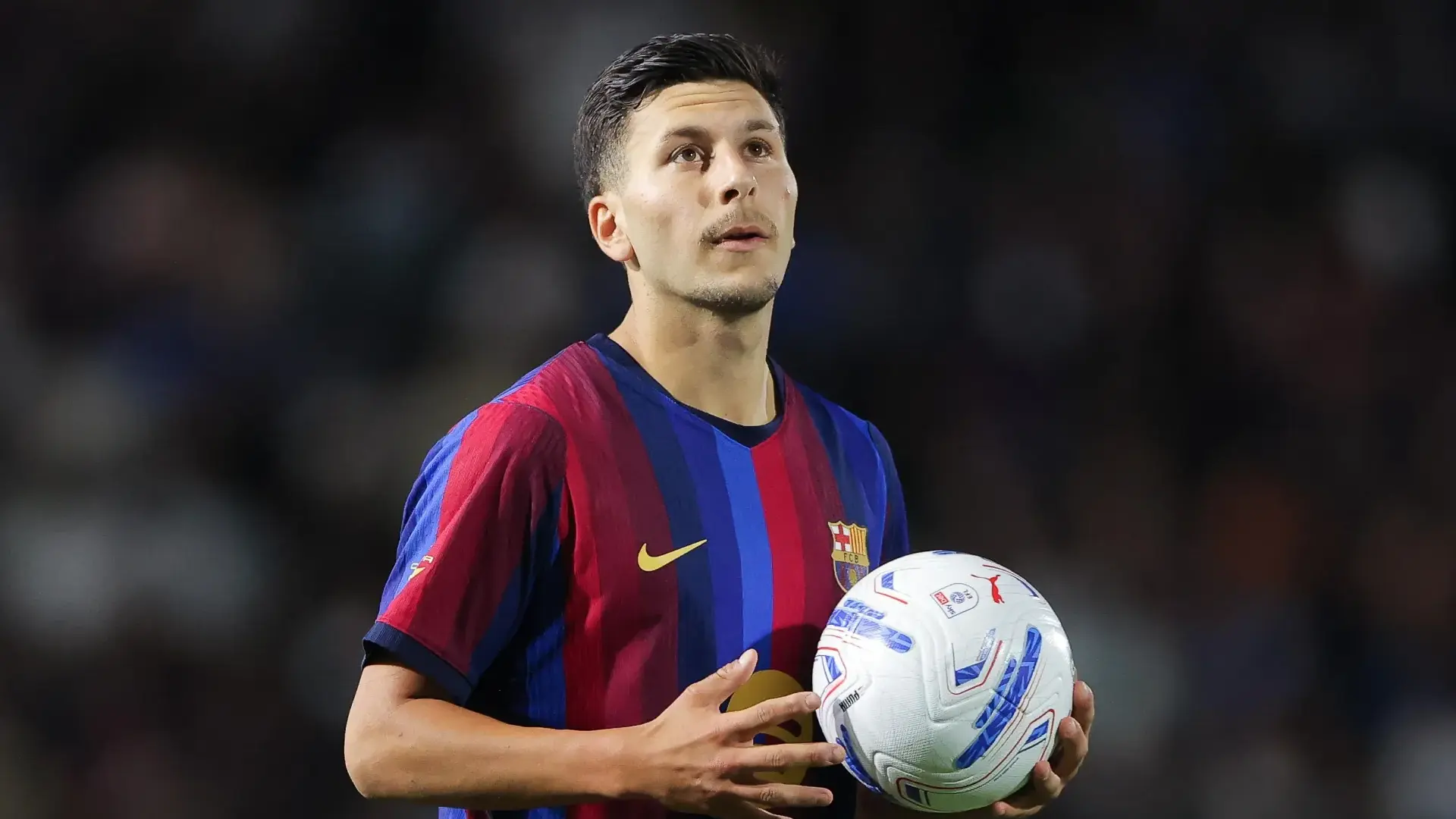
  • Roony Bardghji Begins New Stage of ACL Injury Recovery

    Roony Bardghji Begins New Stage of ACL Injury Recovery

    Key Highlights

    • Barcelona winger Roony Bardghji has advanced to a new phase of rehabilitation following anterior cruciate ligament surgery on his right knee.
    • The Sweden international sustained the ACL tear during a training session on August 10 and underwent successful surgery two days later.
    • The procedure was performed by Dr. Joan Carles Monllau, a renowned specialist in sports orthopedics.

    Injury Timeline and Surgical Intervention

    FC Barcelona’s young Swedish winger Roony Bardghji has reached a significant milestone in his recovery journey, moving into the next stage of rehabilitation after undergoing reconstructive surgery on his right knee. The 18-year-old forward, who joined Barcelona’s youth setup from FC Copenhagen in 2023, suffered a complete anterior cruciate ligament (ACL) tear during a routine training session on August 10. The injury immediately ruled him out for an extended period, dealing a blow to both the player’s development trajectory and the club’s squad depth options for the 2024-25 season.

    Medical staff acted swiftly, with Bardghji undergoing successful arthroscopic surgery on August 12. The operation was performed by Dr. Joan Carles Monllau, the head of medical services at Hospital de Barcelona and a highly respected figure in sports orthopedics who has treated numerous elite footballers. Dr. Monllau’s involvement signals the club’s commitment to ensuring the highest standard of care for one of their most promising academy talents.

    Rehabilitation Progress and Next Steps

    The transition to a new rehabilitation phase indicates that Bardghji’s post-operative healing has progressed according to protocol. ACL reconstruction typically requires a nine-to-twelve-month recovery timeline before a return to competitive match play, with the initial weeks focused on wound healing, swelling management, and restoring range of motion. The subsequent phases introduce progressive weight-bearing, neuromuscular control exercises, and eventually sport-specific drills.

    Barcelona’s medical and performance teams will now guide Bardghji through a carefully structured program designed to rebuild strength, stability, and confidence in the repaired knee. The club has a strong track record of managing long-term injuries within La Masia graduates, and the coaching staff will likely integrate the winger into modified training sessions as his conditioning improves, while maintaining strict adherence to return-to-play criteria.

    Impact on Barcelona’s Squad Planning

    Bardghji’s absence creates a notable void in Barcelona’s attacking options, particularly given the club’s reliance on versatile wide players under current tactical systems. The Swedish international had shown flashes of his considerable potential during pre-season preparations, combining technical ability with direct running and creative output. His injury compounds the challenges faced by the first-team coaching staff in managing a demanding fixture schedule across La Liga, Champions League, and domestic cup competitions.

    While the club possesses alternative options on the flanks, Bardghji’s specific profile—left-footed, comfortable cutting inside from the right, and capable of operating in tight spaces—offered a unique dimension. The rehabilitation timeline suggests a potential return in the second half of the season, which could provide a timely boost during the decisive months of the campaign.

    Why This Matters

    Roony Bardghji represents a significant investment in Barcelona’s future, both as a sporting asset and a product of the club’s global scouting network. His successful recovery is critical not only for the player’s career trajectory but also for the club’s long-term squad planning and financial strategy. ACL injuries in young players carry psychological as well as physical challenges, and Barcelona’s holistic approach—combining world-class medical intervention with patient, phased rehabilitation—will serve as a case study in elite athlete management. The club’s handling of this injury will be closely watched by other European teams navigating similar situations with emerging talents.

    Frequently Asked Questions

    When did Roony Bardghji suffer his ACL injury?

    Roony Bardghji tore his anterior cruciate ligament during a training session on August 10.

    Who performed the surgery on Bardghji’s knee?

    The surgery was performed by Dr. Joan Carles Monllau on August 12, two days after the injury occurred.

    What is the expected recovery timeline for Bardghji?

    While the club has not specified an exact return date, ACL reconstruction typically requires nine to twelve months of rehabilitation before a return to competitive football, suggesting a potential comeback in the second half of the 2024-25 season.
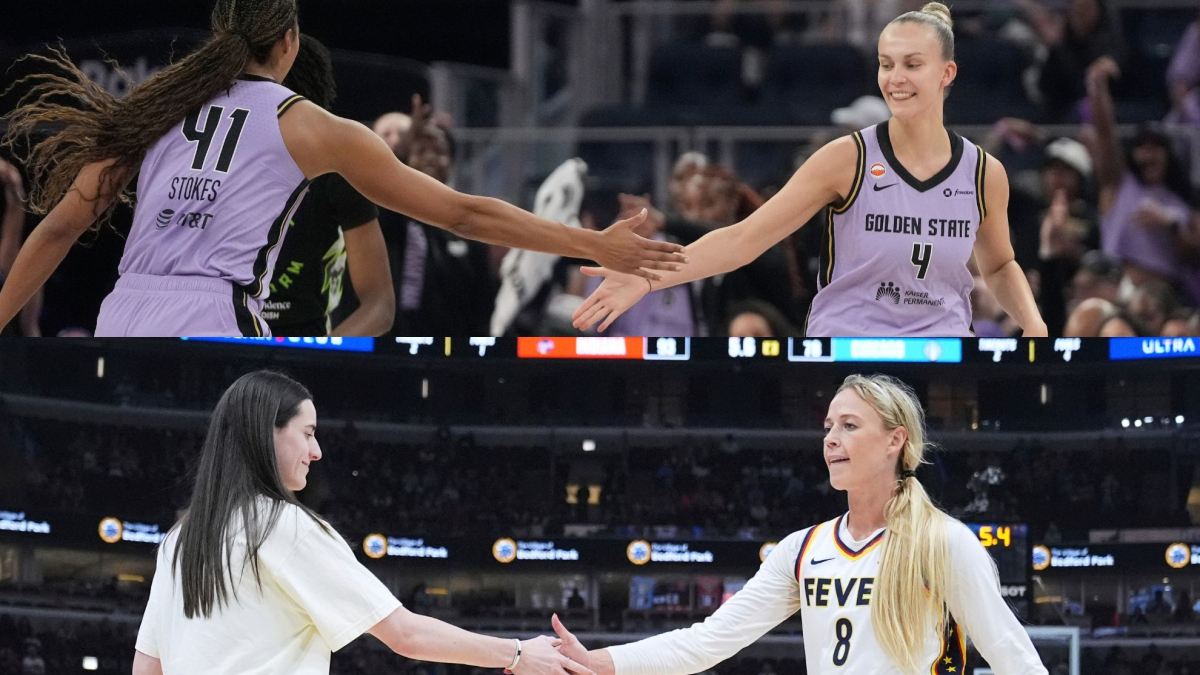
  • Golden State Valkyries Find What Indiana Fever Lacked in 2026 to Secure Second-Place Finish

    Golden State Valkyries Find What Indiana Fever Lacked in 2026 to Secure Second-Place Finish

    Key Highlights

    • Golden State Valkyries secured the No. 2 seed with the WNBA’s best defense (75.1 points allowed per game), while Indiana Fever’s league-leading offense (96.0 points per game) settled for the No. 6 seed after a head-to-head tiebreaker loss to Washington.
    • Valkyries’ balanced roster construction—led by Gabby Williams (14.4 ppg), Veronica Burton (5.7 apg, 69 steals), Kaitlyn Chen (14 fourth-quarter points in finale), and Kiah Stokes (franchise-record 248 rebounds, 74 blocks)—contrasts sharply with Fever’s three-star offensive core of Caitlin Clark, Kelsey Mitchell, and Aliyah Boston.
    • Golden State opens the playoffs September 27 against the Dallas Wings with home-court advantage, while Indiana draws a first-round matchup against the defending champion Las Vegas Aces.

    Defensive Identity Powers Valkyries to No. 2 Seed

    The 2024 WNBA regular season concluded with a stark philosophical divide between its most surprising contender and its most electrifying offense. The expansion Golden State Valkyries finished second in the standings by anchoring their season on the league’s stingiest defense, surrendering just 75.1 points per game. That identity allowed the franchise to remain competitive night after night, even before its offense found full rhythm, and gave the team a floor that pure offensive teams often lack.

    Balanced Scoring and Bench Depth Define Golden State’s Formula

    Rather than relying on a single supernova, the Valkyries distributed production across the roster. Gabby Williams paced the team at 14.4 points per game, while Veronica Burton orchestrated the attack with 5.7 assists and led the squad with 69 steals. Kiah Stokes dominated the interior, posting franchise records of 248 rebounds and 74 blocks. Perhaps most critically, Golden State’s bench provided consistent reinforcement across the 44-game grind—a luxury Indiana could not match. The Fever’s season rode on three All-Star-caliber performers: Caitlin Clark (22.3 ppg, 8.5 apg), Kelsey Mitchell (24.7 ppg), and Aliyah Boston (14.2 ppg, 9.1 rpg). Their combined brilliance produced the league’s most potent offense, yet the supporting cast lacked the same depth when the schedule tightened.

    Dramatic Final-Day Comeback Clinches Second Place

    The No. 2 seed came down to the season’s final night. Golden State entered Thursday, September 24 trailing the Los Angeles Sparks by 16 points, with the Las Vegas Aces lurking one game back. A loss would have handed second place to Las Vegas after their win over Phoenix. Instead, Kaitlyn Chen erupted for 14 points in the fourth quarter, fueling a rally that encapsulated the Valkyries’ season: a defense that kept them within striking distance, a bench player seizing a decisive moment, and a collective refusal to fold. The Aces won their finale but finished third.

    Indiana’s Offensive Firepower Falls Short in Tiebreaker

    Indiana’s path to the postseason was equally dramatic but crueler in outcome. The Fever entered the final day provisionally holding the fifth seed at 28-16, needing a win over the Minnesota Lynx to secure it. They fell 86-66. Simultaneously, the Washington Mystics defeated the Chicago Sky, pulling even at 28-16 and claiming the fifth seed via head-to-head tiebreaker. Indiana tumbled to sixth, transforming a historic offensive campaign into a first-round date with the two-time defending champion Las Vegas Aces—a matchup that drastically alters the degree of difficulty for a team built to outscore opponents.

    Why This Matters

    The divergence between Golden State and Indiana illustrates two viable but fundamentally different blueprints for WNBA success in 2024. The Valkyries proved an expansion franchise can compete immediately by establishing a defensive culture and cultivating roster depth—an approach that insulates against injury, fatigue, and opponent game-planning. The Fever demonstrated that elite offensive talent can carry a team to a winning record and statistical history, but the lack of defensive margin and bench reinforcement left them vulnerable to a single bad night and an unforgiving tiebreaker. As the playoffs begin, the Valkyries’ home-court advantage against Dallas offers a favorable draw to validate their model, while Indiana’s clash with Las Vegas becomes an immediate referendum on whether offense alone can dethrone a dynasty.

    Frequently Asked Questions

    Who are the Golden State Valkyries playing in the first round of the 2024 WNBA playoffs?

    The Valkyries open the postseason on September 27 against the Dallas Wings with home-court advantage as the No. 2 seed.

    Why did Indiana Fever drop to the No. 6 seed despite finishing 28-16?

    Indiana lost its finale to Minnesota while Washington beat Chicago, creating a tie at 28-16. The Mystics owned the head-to-head tiebreaker over the Fever, claiming the fifth seed and pushing Indiana to sixth.

    What franchise records did Kiah Stokes set for the Valkyries this season?

    Stokes finished the regular season with 248 rebounds and 74 blocks, both new single-season franchise records for Golden State.

  • Azerbaijan Grand Prix Preview: Russell’s Golden Opportunity Amid Expected Interruptions at Baku City Circuit

    Azerbaijan Grand Prix Preview: Russell’s Golden Opportunity Amid Expected Interruptions at Baku City Circuit

    Key Highlights

    • George Russell targets a third victory of the 2026 season as Mercedes performance potential aligns with Baku’s circuit characteristics
    • Formula 1 marks ten years of competition at the Baku City Circuit, adding historical significance to the Azerbaijan Grand Prix weekend
    • Russell enters the race second in the Drivers’ Championship following a mid-season slump and renewed form since the summer shutdown

    Baku’s Decade Milestone Sets Stage for Critical Championship Weekend

    Formula 1 arrives at the Baku City Circuit this weekend to commemorate a decade of Grand Prix racing on the Caspian Sea coastline. Since its debut in 2016, the Azerbaijan street circuit has established itself as one of the calendar’s most unpredictable venues, combining high-speed straights with a treacherous castle section that has produced dramatic championship moments. The 2026 edition carries heightened stakes as the championship enters its decisive phase, with the circuit’s unique demands offering opportunities for drivers and teams to alter the title trajectory.

    Russell’s Mercedes Resurgence Creates Winning Opportunity

    George Russell approaches Baku with what represents a golden opportunity to secure his first victory in seven rounds. Despite the demonstrated performance potential of the Mercedes W16 throughout the 2026 campaign, the British driver has converted that pace into just two wins to date. Russell endured a challenging mid-season period that stalled his championship challenge before an uptick in form coinciding with the return from the summer shutdown. The Mercedes package has historically suited Baku’s blend of power sensitivity and aerodynamic efficiency, and Russell’s current momentum positions him as a leading contender to capitalize on the circuit’s overtaking opportunities and frequent safety car interventions.

    Championship Implications Intensify at Azerbaijan Grand Prix

    Russell’s position as runner-up in the Drivers’ Championship adds strategic complexity to his Baku weekend. With the title fight entering its critical closing stages, every point carries amplified significance. The Azerbaijan Grand Prix has historically delivered high-attrition races where championship leaders have lost ground, and Russell’s recent form trajectory suggests he possesses the machinery and momentum to exploit any vulnerabilities among his rivals. The convergence of Mercedes’ technical suitability, Russell’s rediscovered rhythm, and Baku’s propensity for race-changing incidents creates a compelling narrative for the sport’s tenth visit to the Azerbaijani capital.

    Why This Matters

    The 2026 Azerbaijan Grand Prix represents a pivotal junction in the championship calendar. As Formula 1 celebrates ten years at Baku, the circuit’s reputation for unpredictability intersects with a title fight that has seen momentum shift repeatedly. Russell’s pursuit of a third victory is not merely a statistical milestone; it would signal Mercedes’ sustained competitiveness and potentially reset the championship dynamics heading into the final flyaway races. For the broader paddock, Baku serves as a litmus test of racecraft under pressure, where strategic acumen and adaptability often outweigh pure pace. The outcome will likely influence development trajectories and driver market perceptions as the season approaches its conclusion.

    Frequently Asked Questions

    How many wins does George Russell have in the 2026 Formula 1 season?

    George Russell has won two races during the 2026 Formula 1 season entering the Azerbaijan Grand Prix weekend.

    What is George Russell’s current position in the 2026 Drivers’ Championship?

    Russell sits second in the 2026 Drivers’ Championship standings ahead of the Baku round.

    Why is the 2026 Azerbaijan Grand Prix significant for Formula 1?

    The 2026 Azerbaijan Grand Prix marks the tenth anniversary of Formula 1 racing at the Baku City Circuit, celebrating a decade since the venue joined the calendar in 2016.

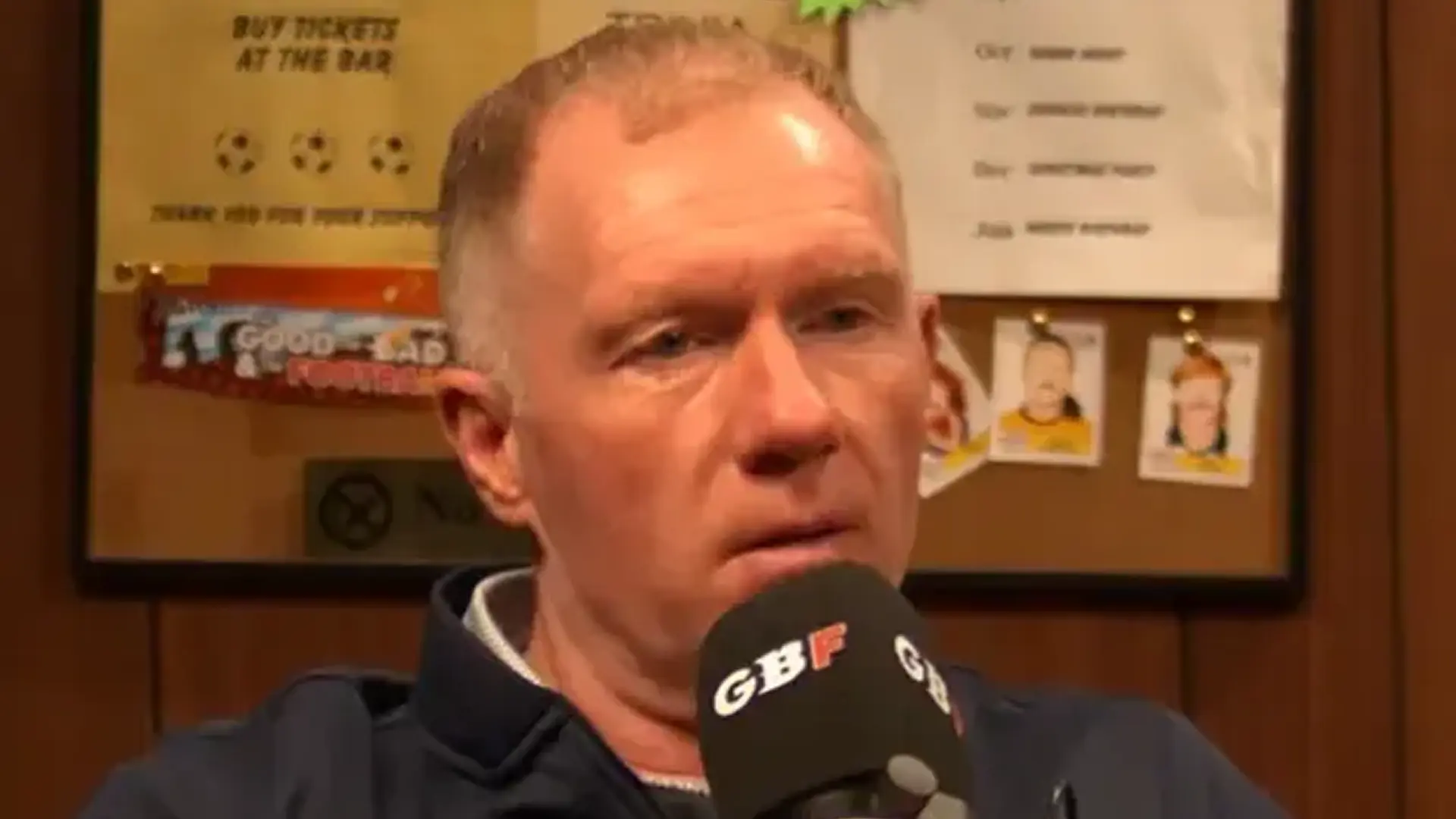
  • Paul Scholes criticises Jordan Henderson’s Chelsea start: ‘You couldn’t pick worse opponent’

    Paul Scholes criticises Jordan Henderson’s Chelsea start: ‘You couldn’t pick worse opponent’

    Key Highlights

    • Paul Scholes criticizes Xabi Alonso’s decision to start 36-year-old Jordan Henderson in Chelsea’s 3-0 loss to Brentford
    • Scholes cites Henderson’s age and Premier League physical demands as factors against a high-intensity Brentford side
    • The defeat raises questions about Chelsea’s midfield selection strategy under Alonso’s management

    Scholes Questions Chelsea’s Midfield Selection After Brentford Defeat

    Former Manchester United midfielder and current pundit Paul Scholes has publicly criticized Chelsea head coach Xabi Alonso’s tactical decision to start veteran midfielder Jordan Henderson in the club’s Premier League encounter against Brentford. The match, which concluded in a comprehensive 3-0 defeat for the Blues, has sparked debate regarding squad management and age-profile suitability in one of football’s most physically demanding leagues.

    Age and Intensity Mismatch Highlighted

    Scholes’ assessment centers on the perceived mismatch between Henderson’s current profile at 36 years old and the specific challenges posed by Brentford’s playing style. The Bees have established a reputation under their management for high-pressing, high-intensity football that places extraordinary physical demands on opposing midfielders. According to Scholes, selecting a player of Henderson’s age for such a fixture represented a questionable strategic choice, particularly given the pace and relentless nature of Brentford’s approach.

    Alonso’s Decision Under Scrutiny

    The criticism directs attention toward Xabi Alonso’s early tenure at Stamford Bridge and his approach to squad rotation and player deployment. Since assuming the head coach role, Alonso has faced the challenge of balancing experience with the athletic requirements of modern Premier League football. The decision to field Henderson from the start against a side renowned for its physical intensity suggests either a tactical preference for the former Liverpool captain’s leadership and positional sense, or a lack of viable alternatives in the current squad composition. The resulting 3-0 scoreline will inevitably amplify scrutiny of that calculation.

    Why This Matters

    The incident underscores a broader strategic tension facing Chelsea as they navigate a transitional period under new management. The Premier League’s escalating physical and tempo demands have increasingly marginalized players in their mid-to-late thirties, particularly in box-to-box midfield roles requiring sustained high-intensity output. Alonso’s handling of the Henderson situation may signal his broader philosophy regarding veteran integration versus youth development. With Chelsea’s squad depth and age profile under constant evaluation, this defeat and the ensuing commentary could influence future selection patterns, January transfer window priorities, and the club’s long-term midfield restructuring plans.

    Frequently Asked Questions

    What was the final score of the Chelsea vs Brentford match?
    Chelsea suffered a 3-0 defeat against Brentford in the Premier League fixture.
    Why did Paul Scholes criticize the decision to start Jordan Henderson?
    Scholes suggested Henderson’s age (36) and the physical demands of the Premier League made him a questionable choice against a Brentford side known for its high-intensity playing style.
    Who is the current head coach of Chelsea?
    Xabi Alonso is the current head coach of Chelsea.
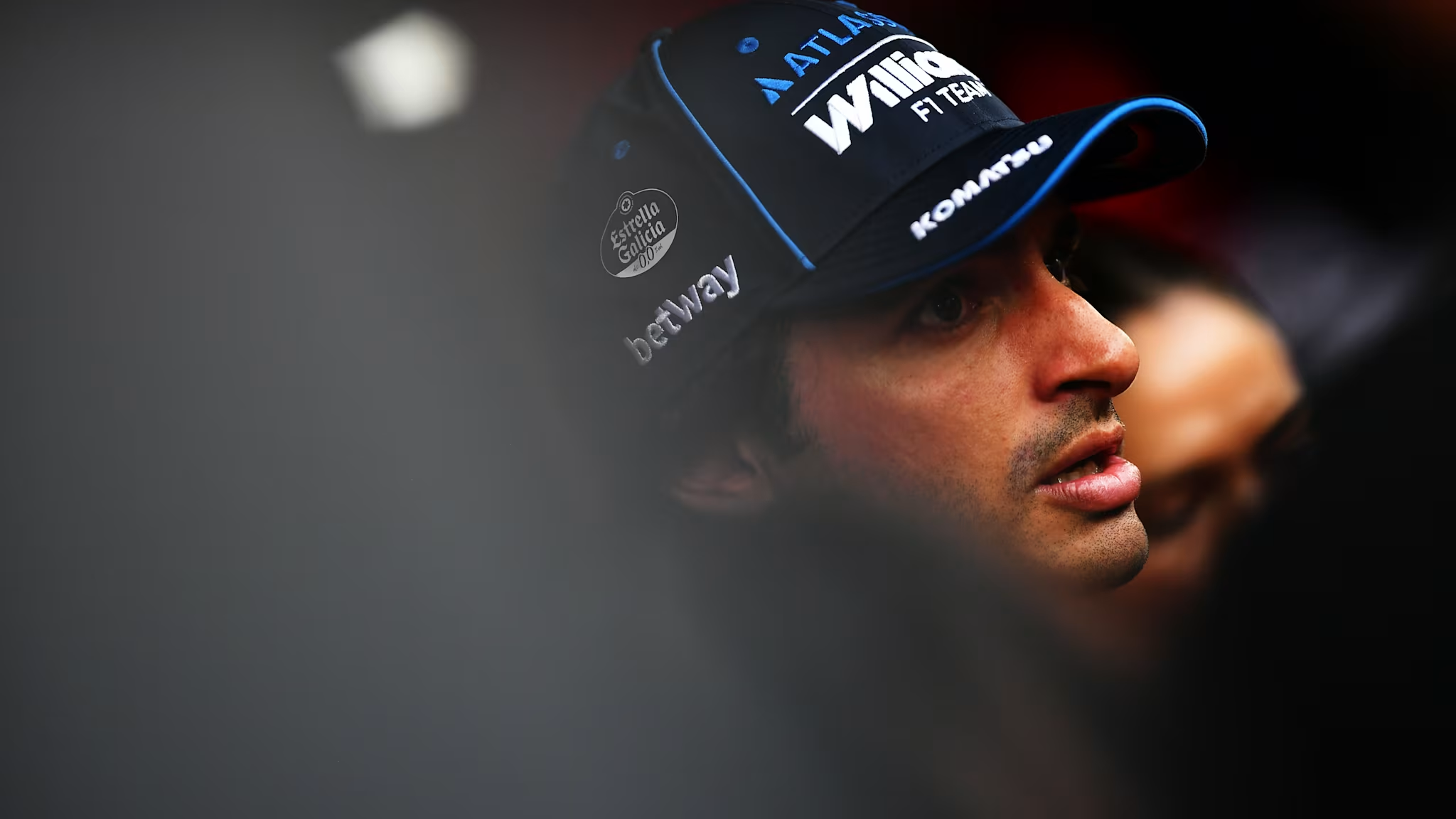
  • Carlos Sainz Handed Five-Place Grid Penalty for Azerbaijan GP After Yellow Flag Breach in Qualifying

    Carlos Sainz Handed Five-Place Grid Penalty for Azerbaijan GP After Yellow Flag Breach in Qualifying

    Key Highlights

    • Carlos Sainz received a five-place grid penalty for the Azerbaijan Grand Prix after stewards ruled he failed to slow for yellow flags in Qualifying at the Baku City Circuit.
    • The Williams driver drops from ninth to 14th on the grid, promoting Franco Colapinto, Ollie Bearman, Liam Lawson, Alex Albon, and Esteban Ocon.
    • Sainz was also handed two penalty points, bringing his 12-month total to four under Formula 1’s penalty regulations.

    Stewards Rule Against Sainz’s ‘Global Lift’ Defense

    Carlos Sainz’s strong qualifying performance for Williams at the Baku City Circuit has been significantly undermined by a post-session stewards’ investigation. The Spaniard had piloted his heavily upgraded FW46 to ninth place in Q3, but was subsequently summoned over a potential breach of yellow flag protocols. After reviewing telemetry, radio communications, and hearing from both Sainz and a Williams team representative, the stewards determined that the driver failed to sufficiently reduce speed in Marshalling Sector 4 while single yellow flags were displayed following Lando Norris’s off-track excursion at Turn 2.

    Decision Document Details Telemetry Evidence

    The stewards’ decision document provides a detailed account of the incident and the reasoning behind the penalty. “Single yellow flags were displayed in Marshalling Sectors 4 and 5, in particular after Turn 2 and on the approach to Turn 3,” the document states, noting that “the yellow indications were clearly visible and SAI had also received a radio warning from the team: ‘Yellow ahead, lift’.” Sainz confirmed at the hearing that he was aware of the yellow flag situation.

    Sainz offered a specific defense regarding his speed management through the flagged zones. “SAI explained that he intended to demonstrate a reduction in speed across the yellow area as a whole. He stated that he did not consider it necessary to reduce speed on the straight and instead intended to demonstrate his response when approaching and exiting Turn 3. He considered this to be a ‘global lift’ covering the consecutive yellow sectors.” He further argued that “the car which had originally caused the yellow was no longer in the run-off area and that he expected the yellow flags to be withdrawn.”

    Stewards Reject Interpretation, Cite Sector-by-Sector Obligation

    The stewards explicitly rejected Sainz’s interpretation of the regulations. “The stewards did not accept this interpretation. Where consecutive marshalling sectors are subject to yellow flag conditions, a driver must demonstrate a significant reaction to reduce speed in each individual yellow marshalling sector. A reduction in a subsequent sector cannot retrospectively satisfy the requirement applicable to the preceding yellow sector.” They further clarified that “the obligation is also not dependent on the driver’s own assessment of whether the original hazard remains present within a particular part of the yellow sector.”

    Telemetry data proved decisive in the ruling. “The telemetry clearly showed that SAI’s reaction to the yellow occurred only in Marshalling Sector 5. There was no meaningful reduction in speed in Marshalling Sector 4, which could realistically be attributed to a response to the yellow. Indeed, SAI recorded his fastest time of the session in Marshalling Sector 4.” Consequently, “the stewards therefore did not accept that the subsequent lift in Marshalling Sector 5 constituted a sufficient ‘global’ response covering both sectors. This is distinguishable from cases where the telemetry demonstrates a significant response to the yellow even though the overall sector time reduction is relatively small.”

    Penalty Applied Under Standard Guidelines

    Summarizing their findings, the stewards concluded: “In the present case, SAI was aware of the yellow, had received an explicit warning from the team, the yellow indications were clearly visible and the telemetry established that he did not demonstrate the required reaction in Marshalling Sector 4. The stewards therefore determine that SAI failed to sufficiently reduce speed under the single yellow flag in Marshalling Sector 4. The standard penalty under the Penalty Guidelines for this infringement during Qualifying is a drop of five grid positions.” The penalty drops Sainz from P9 to P14 for Saturday’s Grand Prix, elevating Franco Colapinto, Ollie Bearman, Liam Lawson, teammate Alex Albon, and Esteban Ocon by one position each.

    Why This Matters

    This ruling reinforces the FIA’s strict enforcement of yellow flag protocols, particularly the requirement for a demonstrable speed reduction in each individual marshalling sector rather than an averaged approach across consecutive zones. The decision highlights the increasing reliance on precise telemetry data to adjudicate compliance, leaving little room for driver interpretation of hazard status. For Williams, the penalty blunts the momentum gained from their significant Baku upgrade package, relegating Sainz to the fifth row while teammate Alex Albon benefits with a promotion to P13. With Sainz now carrying four penalty points on his 12-month license, any further infractions could edge him closer to a race ban threshold of 12 points, adding a layer of disciplinary pressure for the remainder of the season.

    Frequently Asked Questions

    Why was Carlos Sainz penalized in Azerbaijan Qualifying?

    Sainz was penalized for failing to sufficiently reduce speed in Marshalling Sector 4 while single yellow flags were displayed following Lando Norris’s off-track incident at Turn 2. The stewards ruled he did not demonstrate the required reaction in that specific sector, despite lifting in the subsequent Sector 5.

    How does the grid penalty affect the starting order for the Azerbaijan Grand Prix?

    Sainz drops from ninth to 14th on the grid. Franco Colapinto, Ollie Bearman, Liam Lawson, Alex Albon, and Esteban Ocon each gain one position as a result.

    What are the championship implications of the penalty points?

    Sainz now has four penalty points on his FIA Super License for the current 12-month period. Accumulating 12 points within a 12-month window triggers an automatic one-race ban, so this brings him one-third of the way toward that threshold.

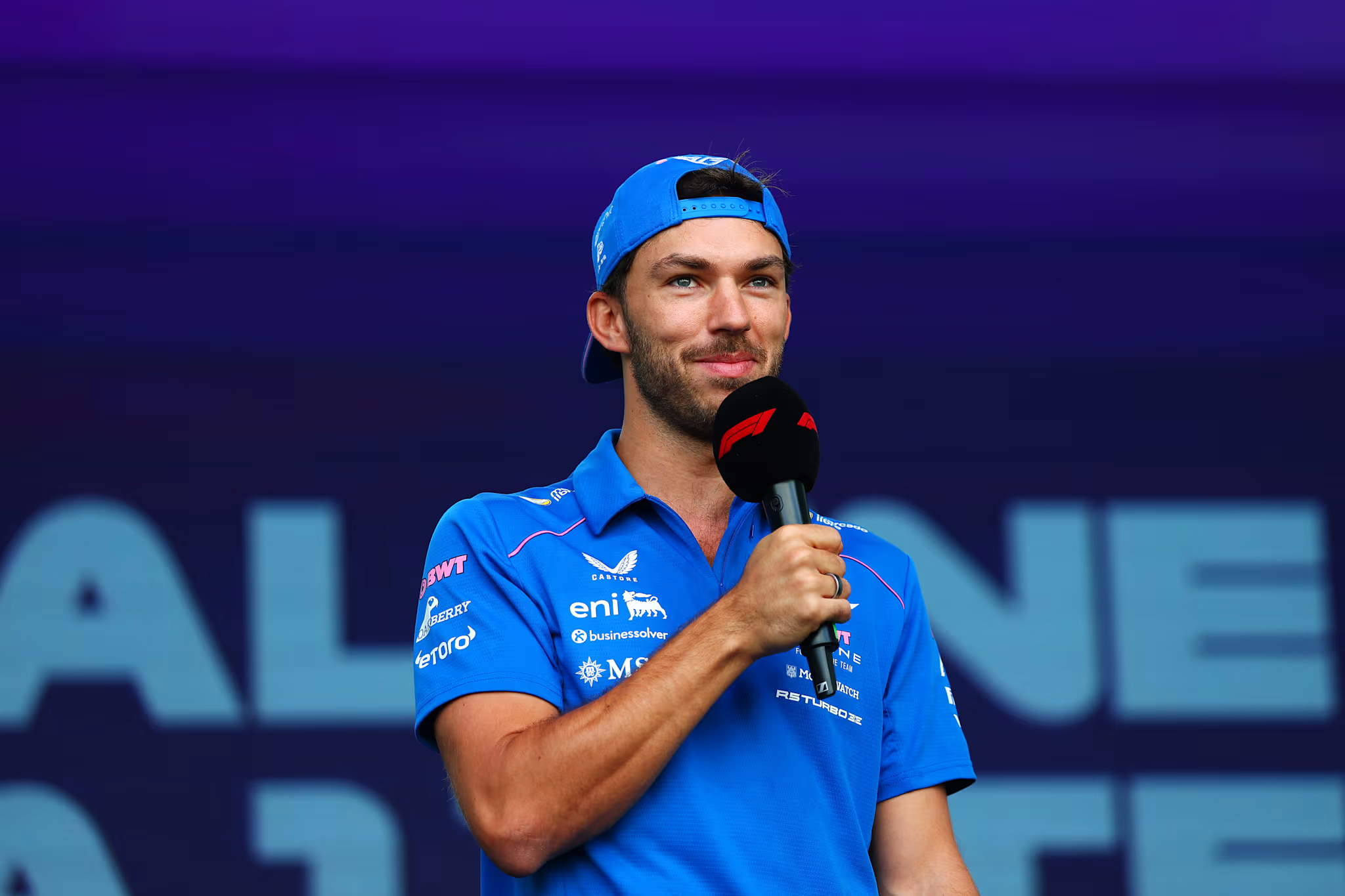
  • Pierre Gasly buoyed by Alpine gains after double Q3 appearance in Baku: ‘There was even more in it’

    Pierre Gasly buoyed by Alpine gains after double Q3 appearance in Baku: ‘There was even more in it’

    Key Highlights

    • Pierre Gasly qualified seventh for the Azerbaijan Grand Prix but believes yellow flags on his final runs cost Alpine a potential top-six start and a shot at overtaking Lewis Hamilton.
    • Teammate Franco Colapinto reached Q3 for the third time in 2026 but settled for tenth after a heavy lock-up at Turn 15 ruined his final flying lap.
    • With Racing Bulls rivals Liam Lawson and Arvid Lindblad starting outside the top ten, Alpine has a prime opportunity to cut the nine-point deficit in the ‘best of the rest’ Constructors’ battle.

    Gasly Believes Yellow Flags Masked Alpine’s True Baku Pace

    Pierre Gasly insists Alpine’s qualifying performance at the Baku City Circuit was stronger than the seventh-place grid slot suggests, revealing that yellow flags triggered by rivals running off track compromised his final two attempts in Q3. The Frenchman, fresh off his maiden pole position at Monza earlier this month, felt he had the pace to challenge Lewis Hamilton for sixth place before the session was repeatedly neutralized.

    Speaking after the session, Gasly emphasized the progress made with the A524’s setup around the demanding street layout. Very good work this weekend in terms of car set-up and getting to a place where I can really be comfortable with the balance and commit everywhere. I’m very pleased. He added that the car felt well-balanced enough to attack aggressively, a sentiment backed by his pace in the earlier qualifying segments where he peaked at sixth.

    Missed Opportunity in the ‘Best of the Rest’ Fight

    The context of the result amplifies its significance for the Enstone squad. Alpine currently trails Racing Bulls by nine points in the fight to be the leading midfield team—often termed ‘best of the rest’ behind the top four outfits. With Racing Bulls drivers Liam Lawson and Arvid Lindblad both eliminated outside the top ten on Saturday, the Azerbaijani Grand Prix represents a golden opportunity for Alpine to score heavily and close the gap.

    Gasly acknowledged the frustration of the yellow flags but maintained a constructive outlook on the broader championship picture. Strong Qualifying – honestly, our last two runs were both compromised with people going off, so I think there was even more in it. I think [getting] ahead of Lewis [Hamilton] was possible. He stressed that the team cannot control external factors but remains satisfied with the underlying performance. We don’t control it, we were just unlucky that people kept going off in front of us. Overall, bigger picture, I’m just happy with the car we have. It’s a good baseline that also gives me good confidence for tomorrow and the coming races.

    Colapinto Struggles with Braking Confidence in Q3

    While Gasly celebrated a strong baseline, the session was more challenging for Franco Colapinto. The Argentine rookie progressed to Q3 for the third time this season—a milestone marking Alpine’s third double-Q3 appearance of 2026—but a significant lock-up at Turn 15 on his final run induced heavy vibrations, forcing him to abort the lap and settle for tenth.

    Colapinto was candid about his difficulties with the Baku street circuit’s heavy braking zones. I think generally there’s still a lot to improve. It’s not been an easy session. I lacked a bit of pace, but then Q3 was not very well executed – I had this big lock-up and then I had really big vibrations for the last lap. He acknowledged the team’s developmental trajectory but admitted discomfort in the high-deceleration corners that define the Azerbaijan layout. We’re still doing the steps, we’re improving. I just lacked a bit in that Q3 to have a better result, but I will try to fight tomorrow and go forward. It’s good to have both cars in Q3.

    The rookie elaborated on the specific handling trait hindering his confidence. I’m not very comfortable in the hard braking zones, and here it’s full of those. It doesn’t feel so easy at the minute but we’ll try to work for tomorrow.

    Why This Matters: Constructors’ Battle Intensifies

    The Azerbaijan Grand Prix weekend has evolved into a pivotal round in the midfield championship standings. Alpine’s double Q3 appearance provides a tactical advantage over Racing Bulls, who failed to place either car in the top ten shootout. With both Alpine drivers starting inside the top ten—Gasly seventh and Colapinto tenth—the French manufacturer controls the strategic initiative for Sunday’s race.

    Gasly’s assessment that Ferrari holds a pace advantage is realistic, but the gap to the Scuderia appears manageable, while the deficit to Racing Bulls on the grid offers a tangible shot at maximum points. Historically, Baku’s high attrition rate and frequent Safety Car periods reward track position and strategic flexibility—areas where Alpine currently excels. The team’s ability to extract performance from the A524 on low-downforce street circuits signals a positive development trend heading into the final flyaway races of the season.

    Frequently Asked Questions

    What grid positions do Alpine drivers start from in Baku?

    Pierre Gasly will start seventh and Franco Colapinto tenth for the Azerbaijan Grand Prix, giving Alpine a double top-ten start.

    How does this result affect the Constructors’ Championship battle with Racing Bulls?

    Alpine trails Racing Bulls by nine points. With both Racing Bulls drivers (Lawson and Lindblad) starting outside the top ten, Alpine has a significant opportunity to score more points and close the gap in the fight for sixth place.

    Why was Gasly unable to improve on his final Q3 runs?

    Gasly’s last two flying laps in Q3 were compromised by yellow flags caused by other drivers running off track. He believes the car had the pace to qualify sixth, ahead of Lewis Hamilton, but the session interruptions prevented him from setting a representative time.

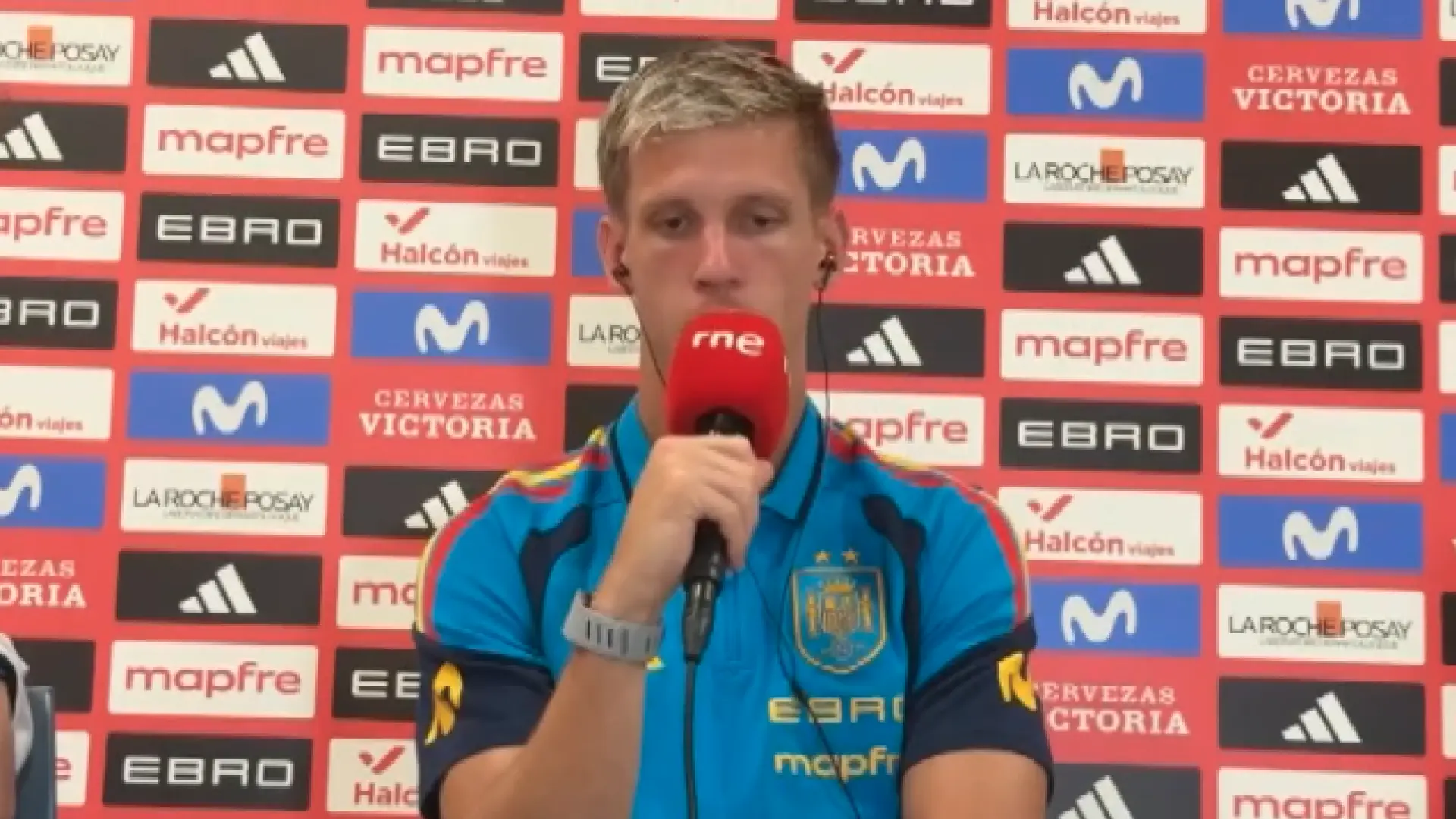
  • Dani Olmo Addresses La Liga Refereeing Controversy: ‘It doesn’t surprise me, we speak on pitch’

    Dani Olmo Addresses La Liga Refereeing Controversy: ‘It doesn’t surprise me, we speak on pitch’

    Key Highlights

    • Barcelona midfielder Dani Olmo addressed the escalating refereeing controversy in La Liga during an interview with Spanish public broadcaster RNE.
    • Olmo stated he was not surprised by the intense scrutiny surrounding officiating decisions following Real Madrid’s derby loss to Atletico Madrid.
    • The comments come amid heightened tension in Spanish football over VAR implementation and refereeing standards.

    Olmo Weighs In on La Liga Officiating Debate

    Barcelona midfielder Dani Olmo has become the latest high-profile figure to comment on the refereeing controversy currently dominating Spanish football discourse. Speaking in an interview with RNE (Radio Nacional de España), the Spain international offered his perspective on the firestorm that erupted following Real Madrid’s defeat to city rivals Atletico Madrid in the Madrid derby.

    The match, which ended in a victory for Diego Simeone’s side, triggered a wave of criticism from the Real Madrid camp regarding specific officiating decisions and the application of VAR technology. The fallout has extended far beyond the Santiago Bernabéu, drawing commentary from players, coaches, and pundits across the league.

    Midfielder Expects Scrutiny in High-Stakes Environment

    When asked directly about the debate during his appearance on the public broadcaster, Olmo indicated that the level of attention surrounding refereeing decisions did not catch him off guard. The 26-year-old playmaker, who returned to his boyhood club Barcelona in the summer transfer window after a successful spell at RB Leipzig, suggested that such intense focus is an inherent part of the landscape at the top level of Spanish football.

    His measured response contrasts with some of the more inflammatory rhetoric seen from club officials and managers in recent days. While Real Madrid released a strongly worded statement questioning the integrity of the competition, Olmo’s comments reflect a player’s pragmatic acceptance of the pressures that accompany title races and high-profile fixtures.

    Why This Matters

    The refereeing controversy underscores the persistent friction between La Liga’s two traditional giants and the match officials tasked with enforcing the laws of the game. With the title race often decided by razor-thin margins, every contentious decision is amplified. The league has invested heavily in VAR infrastructure, yet consistency and transparency remain flashpoints. Olmo’s intervention, while measured, signals that players are acutely aware of the narrative and its potential to distract from on-pitch performance. The next round of fixtures will test whether the temperature lowers or if the officiating debate continues to overshadow the football.

    Frequently Asked Questions

    What triggered the current refereeing controversy in La Liga?
    The controversy erupted following Real Madrid’s derby defeat to Atletico Madrid, after which the club publicly criticized specific officiating decisions and VAR application.
    What did Dani Olmo say about the situation?
    In an interview with RNE, Olmo stated he was not surprised by the attention surrounding refereeing decisions, implying such scrutiny is expected at the highest level of Spanish football.
    Which clubs are primarily involved in the dispute?
    The primary protagonists are Real Madrid, who voiced formal complaints, and Atletico Madrid, who won the derby match in question. Barcelona, Olmo’s club, is also a key stakeholder in the title race context.
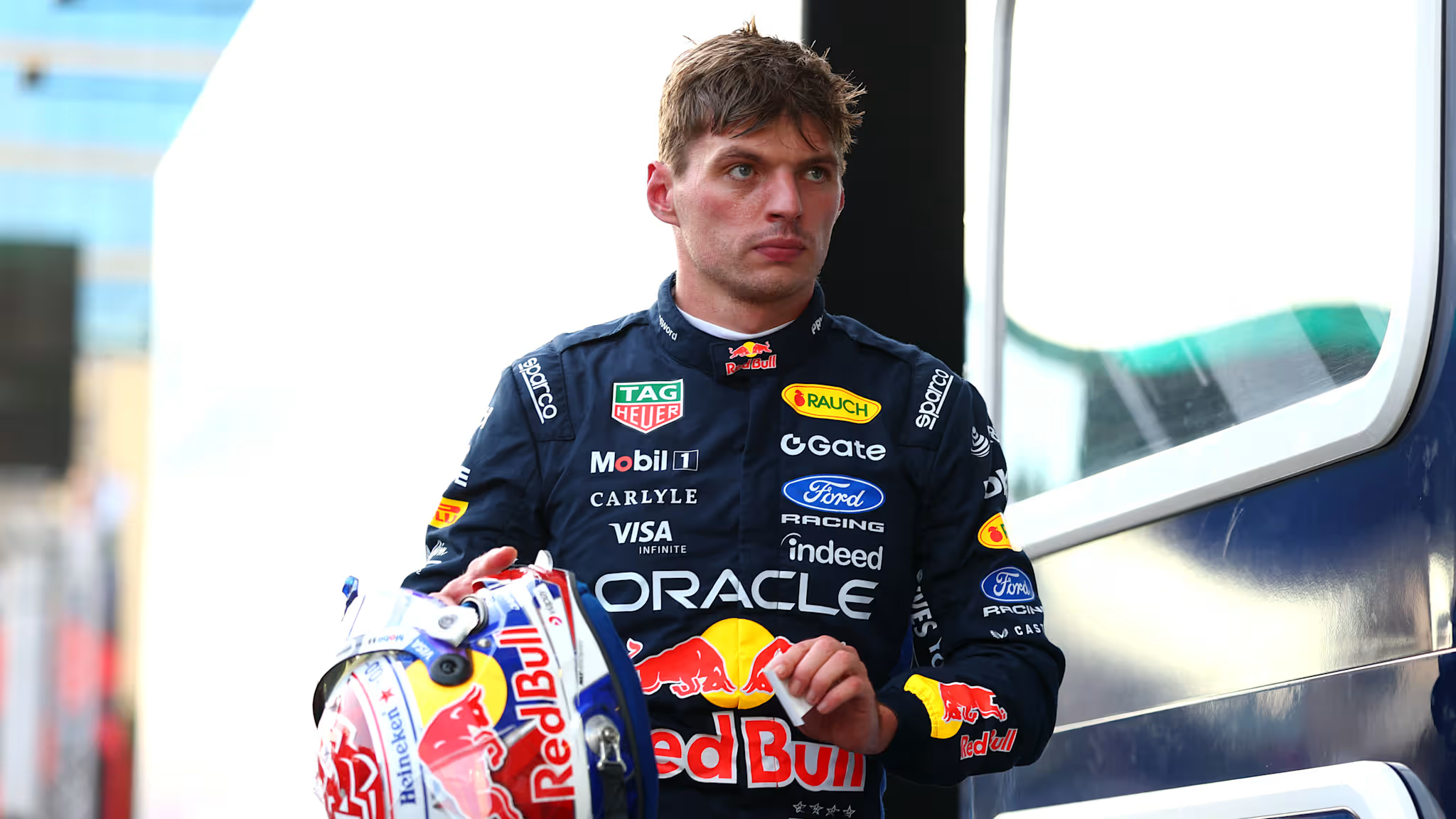
  • Max Verstappen Slams Red Bull as ‘Not Good Enough’ After ‘So Much Trouble’ in 2026 Azerbaijan GP Qualifying

    Max Verstappen Slams Red Bull as ‘Not Good Enough’ After ‘So Much Trouble’ in 2026 Azerbaijan GP Qualifying

    Key Highlights

    • Max Verstappen qualified eighth for the Azerbaijan Grand Prix after engine and battery issues cost him over 1.5 seconds to pole position.
    • Verstappen revealed his power unit was down half a second on straights compared to teammate Isack Hadjar from Q1, with an additional battery deployment failure in Q3.
    • Hadjar delivered a career-best qualifying result with fourth place on his return from a three-race absence due to a wrist injury.

    Verstappen’s Championship Challenge Hit by Power Unit Gremlins in Baku

    Max Verstappen’s bid for a fifth consecutive Formula 1 world championship suffered a significant setback on the streets of Baku as a cascade of power unit failures relegated the four-time title holder to eighth on the grid for the Azerbaijan Grand Prix. After dominating Friday’s final practice session — topping the timesheets ahead of the Mercedes duo of George Russell and Kimi Antonelli — Verstappen entered qualifying as the clear favorite for pole position. Instead, he found himself 1.5 seconds adrift of the front row, watching his championship lead come under renewed pressure.

    Engine Deficit and Battery Failure Derail Q3 Campaign

    The problems began immediately. From the opening segment of qualifying, Verstappen’s Honda power unit was delivering significantly less straight-line speed than the identical unit in his teammate’s car. The deficit — approximately half a second per lap on the long Baku straights — left Red Bull engineers baffled and the Dutch driver permanently on the back foot.

    Any hope of recovery evaporated in Q3. On what Verstappen described as his “middle lap, which is normally a good lap,” the energy recovery system failed to deploy fully exiting Turn 16, the final corner before the start-finish straight. “My battery just didn’t charge to 100%, so I had to abort the lap, which means you lose tyre temperature and around here that’s killing,” Verstappen explained. The aborted lap cost precious tyre temperature on a circuit where heat retention is critical. A subsequent yellow flag triggered by Lando Norris running off track further compromised his final attempt.

    “The whole Qualifying was not how it should be,” Verstappen said. “Already from Q1, my engine is already half a second down on the straight compared to my team mate and they can’t understand why, so you’re just on the back foot. Then in Q3, on my middle lap, which is normally a good lap, exiting the final corner Turn 16, my battery just didn’t charge to 100%, so I had to abort the lap, which means you lose tyre temperature and around here that’s killing. [I] tried to put as much temperature in it, tried to push on the final lap but of course being down on top speed and I had a yellow flag from Lando [Norris off] in front of me meant that’s where we are. It’s not good enough. The whole weekend we are running really well, the car was feeling well and then we run into so much trouble in Qualifying. It’s not good enough.”

    Verstappen acknowledged that matching Russell’s benchmark — eight tenths clear of the field — was likely unrealistic, but insisted second place was achievable. “When you have that many issues, you also don’t deserve to be there,” he added. “We need to be more robust and we need to be on top of these things.”

    Hadjar Shines on Injury Return as Red Bull’s Bright Spot

    While Verstappen struggled, the second Red Bull garage delivered a remarkable performance. Isack Hadjar, returning to Formula 1 after a three-round absence caused by a wrist injury sustained in a practice shunt at Zandvoort, qualified fourth — his best grid position of the season and only the fourth occasion in 2024 he has outqualified his world champion teammate.

    Hadjar’s measured approach paid dividends on a circuit notorious for punishing mistakes. “I’m actually even surprised to be that close from second,” Hadjar said. “It’s good. Even though I feel like there’s still more to come. I feel like I was building up the whole weekend, I didn’t take many risks [in practice], it’s a risky track, I don’t want to hit the wall with my conditions right now. Honestly, I took it quite easy but I felt like there was still more to unlock, even in Q3 I wish we had more laps. All in all, it’s still good.”

    Why This Matters

    Verstappen’s qualifying disaster arrives at a pivotal moment in the championship. With McLaren’s Lando Norris and Oscar Piastri consistently challenging at the front, and Mercedes showing resurgent form through Russell and Antonelli, Red Bull’s constructor lead has evaporated. The Baku street circuit offers limited overtaking opportunities, meaning Verstappen’s eighth-place start severely compromises his race-day points haul. More concerning for Red Bull is the unexplained power unit discrepancy between the two cars — a reliability concern that could resurface across the remaining flyaway races. Meanwhile, Hadjar’s strong showing validates Red Bull’s decision to retain him despite his rookie errors earlier in the season, providing a data baseline for 2025 driver lineup discussions.

    Frequently Asked Questions

    What caused Verstappen’s poor qualifying performance in Baku?

    A combination of an unexplained engine power deficit — approximately half a second per lap on straights compared to his teammate — and a battery deployment failure in Q3 that forced him to abort a flying lap, followed by a yellow flag on his final attempt.

    How did Isack Hadjar perform on his return from injury?

    Hadjar qualified fourth, his best grid position of the 2024 season, and outqualified Verstappen for only the fourth time this year. He adopted a conservative practice program to manage his recovering wrist before delivering a strong qualifying performance.

    What are the championship implications of Verstappen starting eighth?

    Starting eighth at Baku — a circuit with limited overtaking — significantly reduces Verstappen’s chance of a high points finish, allowing title rivals Lando Norris, Oscar Piastri, and George Russell to potentially close the gap in the drivers’ standings.

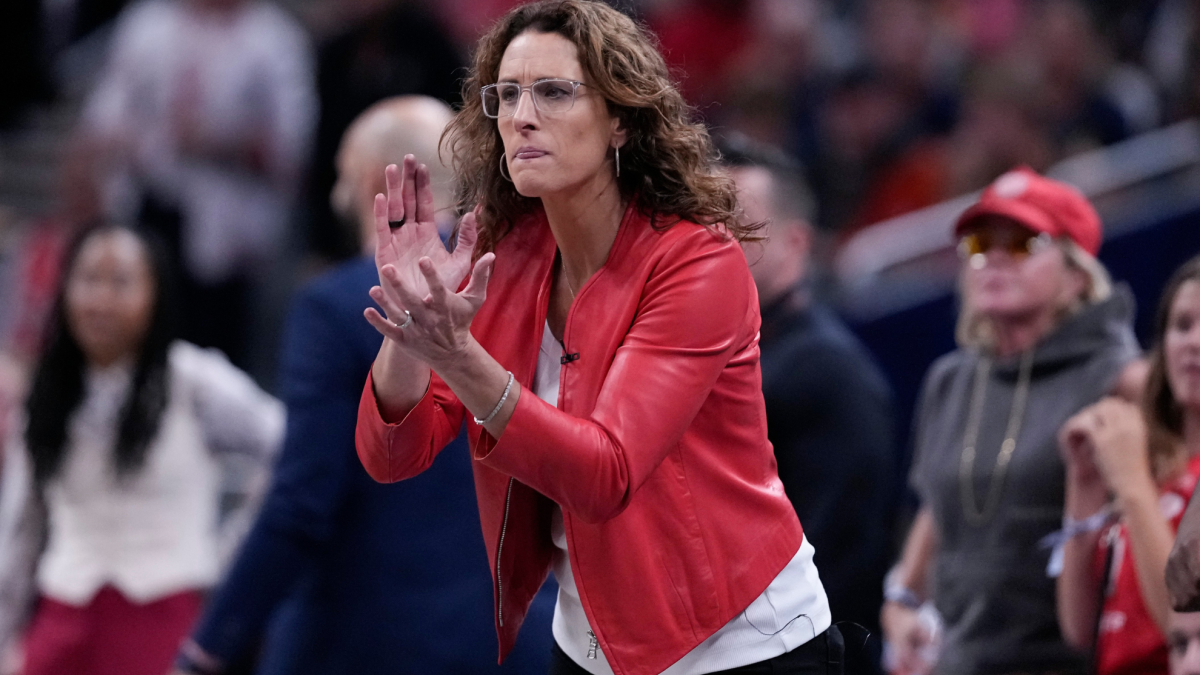
  • Aliyah Boston, Ty Harris Injury Update: Stephanie White Raises Concerns in Indiana

    Aliyah Boston, Ty Harris Injury Update: Stephanie White Raises Concerns in Indiana

    Key Highlights

    • Aliyah Boston exited Indiana’s regular-season finale with a right lower-leg flare-up, though coach Stephanie White described it as a precautionary move after the game slipped away.
    • Ty Harris suffered an awkward fall in the third quarter and required assistance leaving the floor; her status remains unknown pending further evaluation.
    • The Fever shot season lows from the field and three-point range in an 86-66 loss to Minnesota, falling behind 25-4 early, before turning focus to a best-of-three first-round series against the Las Vegas Aces.

    Boston’s Exit Casts Shadow Over Playoff Preparations

    Indiana’s regular-season finale against the Minnesota Lynx deteriorated rapidly from a competitive mismatch into a night of mounting injury concerns. The Fever were already trailing by double digits when All-Star forward Aliyah Boston departed late in the first half with a recurrence of the right lower-leg issue that has troubled her at various points this season. Boston finished with just four points and three rebounds in limited action. Her availability looms large for Indiana’s offensive structure, which relies on the interior balance she provides alongside perimeter stars Caitlin Clark and Kelsey Mitchell — a balance that will be tested against an Aces frontline anchored by MVP candidate A’ja Wilson.

    Coach White Offers Measured Optimism on Boston, Uncertainty on Harris

    Following the 86-66 defeat, head coach Stephanie White characterized Boston’s removal as precautionary. “Just a flare-up, same lower leg,” White said. Asked whether Boston was held out after halftime mainly out of caution, White answered: “Yes.” The description suggested Indiana may have avoided a major setback with the second-year center. The same reassurance was not available for guard Ty Harris, who went down awkwardly while attacking the basket in the third quarter and needed help leaving the court. “No update on Ty yet,” White said. “She’s still being evaluated, so hopefully we’ll have an update later.” When asked if Harris’s ankle had become trapped underneath her on the play, White added: “I don’t know. It was an awkward fall. I’m not really sure.” Harris ended the night with four points and two assists.

    Offensive Struggles Compound Injury Woes

    The Fever’s problems extended well beyond the training room. Indiana opened the game 2-of-16 from the field, dug a 25-4 hole, and finished with season-low shooting percentages both overall and from three-point range. “I know I said this two games ago, but I don’t believe we shoot it like that very often,” White said. “We just need to not let that affect us on the other end. We have to continue to be better.” Clark struck a similarly blunt tone in the postgame locker room. “At this point, everybody’s record is 0-0,” she said. “We’re going into the playoffs.” She added: “We came out and got punched in the mouth, we didn’t make shots and had two players go down. This was a pretty crappy night overall.”

    Why This Matters

    Indiana enters the postseason as the sixth seed facing a daunting first-round matchup against the third-seeded Las Vegas Aces in a best-of-three series. The Aces, led by two-time MVP A’ja Wilson, present a unique challenge with their size and defensive versatility, making Boston’s interior presence and Harris’s perimeter defense critical components of Indiana’s game plan. The Fever’s offensive identity this season has been built on the three-headed attack of Clark, Mitchell, and Boston; any limitation on Boston forces Clark and Mitchell to shoulder an even heavier creative burden against Las Vegas’s elite perimeter defense. Additionally, Harris’s potential absence would thin an already shallow backcourt rotation. The immediate priority for Indiana’s medical and coaching staff is to gain clarity on Harris’s condition and ensure Boston’s flare-up remains a minor, manageable issue before Game 1 tips off.

    Frequently Asked Questions

    What is Aliyah Boston’s injury status for the playoffs?

    Boston left the regular-season finale with a right lower-leg flare-up, the same issue she has dealt with at points during the season. Coach Stephanie White described it as a precautionary removal after the game was out of reach, suggesting optimism that it is not a major setback, but her official status for Game 1 against Las Vegas has not been confirmed.

    How serious is Ty Harris’s injury?

    Harris suffered an awkward fall in the third quarter and had to be helped off the floor. As of the postgame press conference, White stated there was no update and that Harris was still being evaluated. The nature of the injury — whether ankle, knee, or otherwise — remains undisclosed.

    When does Indiana’s playoff series against Las Vegas begin?

    The Fever will face the third-seeded Las Vegas Aces in a best-of-three first-round series. The exact date and time for Game 1 will be announced by the WNBA following the conclusion of the regular season.

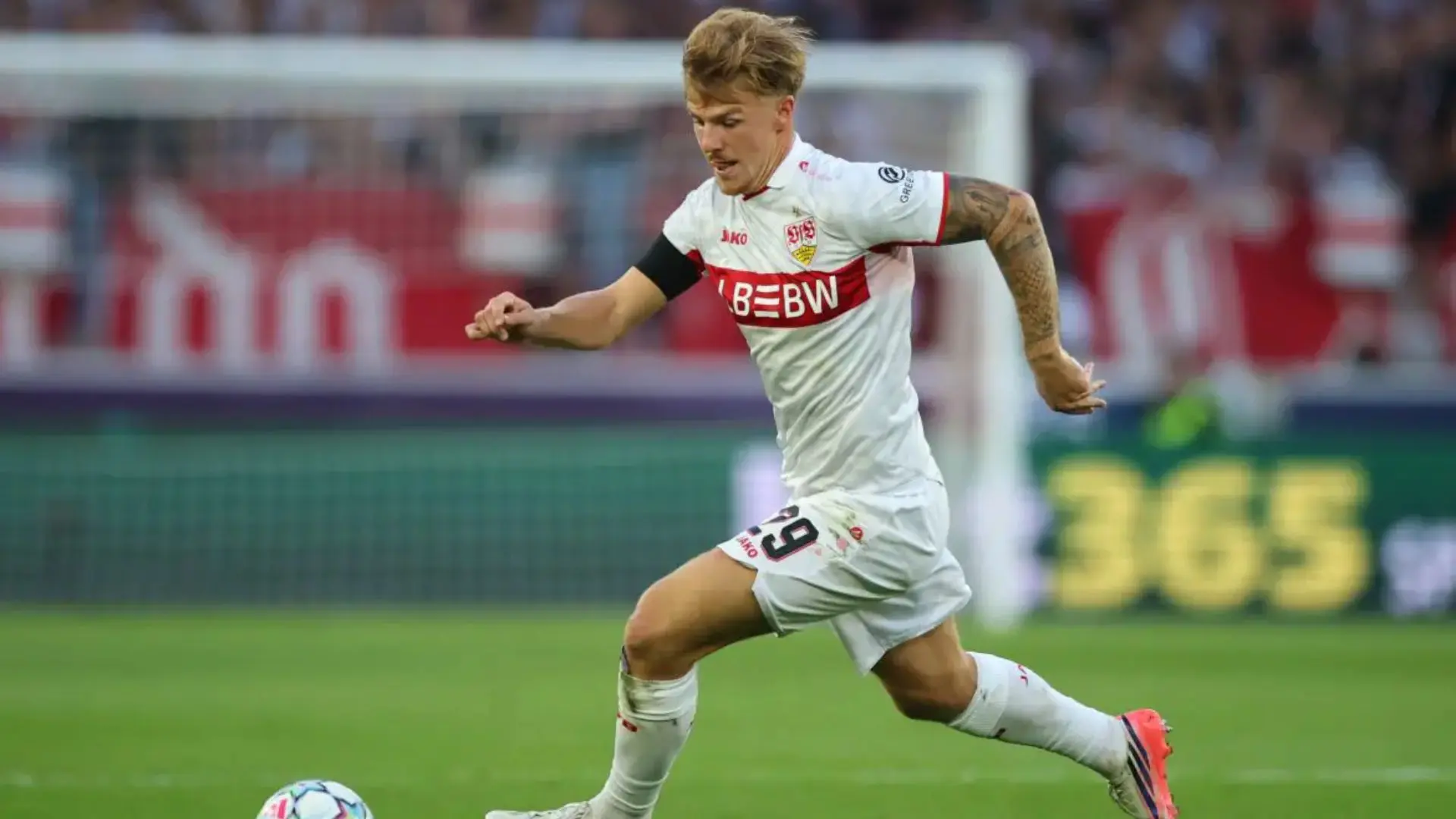
  • Real Madrid Monitoring Stuttgart Defender Finn Jeltsch, Reports Say

    Real Madrid Monitoring Stuttgart Defender Finn Jeltsch, Reports Say

    Key Highlights

    • Real Madrid are tracking Stuttgart centre-back Finn Jeltsch, 20, for a potential summer 2025 transfer.
    • The defender carries a €35 million valuation, but Los Blancos aim to secure him on a free transfer if his form holds.
    • Diario AS reports the Spanish giants view Jeltsch as a long-term defensive reinforcement amid squad planning.

    Real Madrid Identify Stuttgart’s Finn Jeltsch as Summer Transfer Target

    Real Madrid have added Stuttgart centre-back Finn Jeltsch to their recruitment radar ahead of the 2025 summer transfer window, according to a report from Spanish outlet Diario AS. The 20-year-old German defender has impressed in the Bundesliga with his composure, aerial ability, and tactical maturity, prompting interest from Europe’s most successful club. Madrid’s scouting department has monitored Jeltsch’s development closely over recent months, viewing him as a profile that fits their long-term defensive restructuring plans.

    Valuation and Contract Strategy Shape Potential Deal

    Stuttgart value Jeltsch at approximately €35 million, a figure that reflects his growing reputation and the club’s strong negotiating position. However, Real Madrid are reportedly prepared to wait and pursue a cost-effective alternative: signing the player on a free transfer when his contract situation allows. The Spanish champions have employed similar strategies successfully in recent years, most notably with Antonio Rüdiger and David Alaba. For this approach to materialise, Jeltsch would need to maintain his current performance level and consistency throughout the remainder of the season, avoiding injury or form dips that could alter the equation.

    Defensive Depth and Succession Planning Drive Interest

    The pursuit of Jeltsch aligns with Real Madrid’s broader squad management philosophy under Carlo Ancelotti and sporting director Juni Calafat. With Antonio Rüdiger and Éder Militão entering their thirties, and David Alaba recovering from a long-term knee injury, the club requires young, high-ceiling centre-backs capable of stepping into starting roles. Jeltsch’s left-footed profile adds further tactical value, offering balance alongside right-footed options. His Bundesliga experience — including Champions League minutes this season — suggests he could adapt quickly to the demands of elite European competition.

    Why This Matters

    Real Madrid’s interest in Finn Jeltsch signals a proactive approach to defensive succession at a time when several top European clubs are scrambling for quality centre-backs. The Bundesliga has become a proven pipeline for Madrid — Jude Bellingham and Antonio Rüdiger both arrived via Germany — and Jeltsch represents the next potential acquisition from that market. For Stuttgart, retaining the Germany U21 international would be a major statement of ambition, but the financial allure of a free-transfer departure could test their resolve. The coming months will reveal whether Jeltsch’s trajectory continues upward and if Madrid’s patience yields another strategic coup in the transfer market.

    Frequently Asked Questions

    How old is Finn Jeltsch and what position does he play?

    Finn Jeltsch is 20 years old and plays as a centre-back for VfB Stuttgart in the Bundesliga. He is left-footed and has also featured for Germany at youth international levels.

    Why would Real Madrid wait for a free transfer instead of paying €35 million now?

    Real Madrid have a recent history of securing high-quality players — such as Antonio Rüdiger and David Alaba — on free transfers by waiting for contracts to enter their final stages. This strategy reduces financial outlay while still acquiring elite talent, provided the player maintains form and fitness.

    Has Finn Jeltsch played in the Champions League this season?

    Yes, Jeltsch has gained Champions League experience with Stuttgart during the 2024-25 campaign, which has further elevated his profile among Europe’s top clubs, including Real Madrid.