Category: Sports

Sports news, viral moments, athletes, teams, and major competitions.

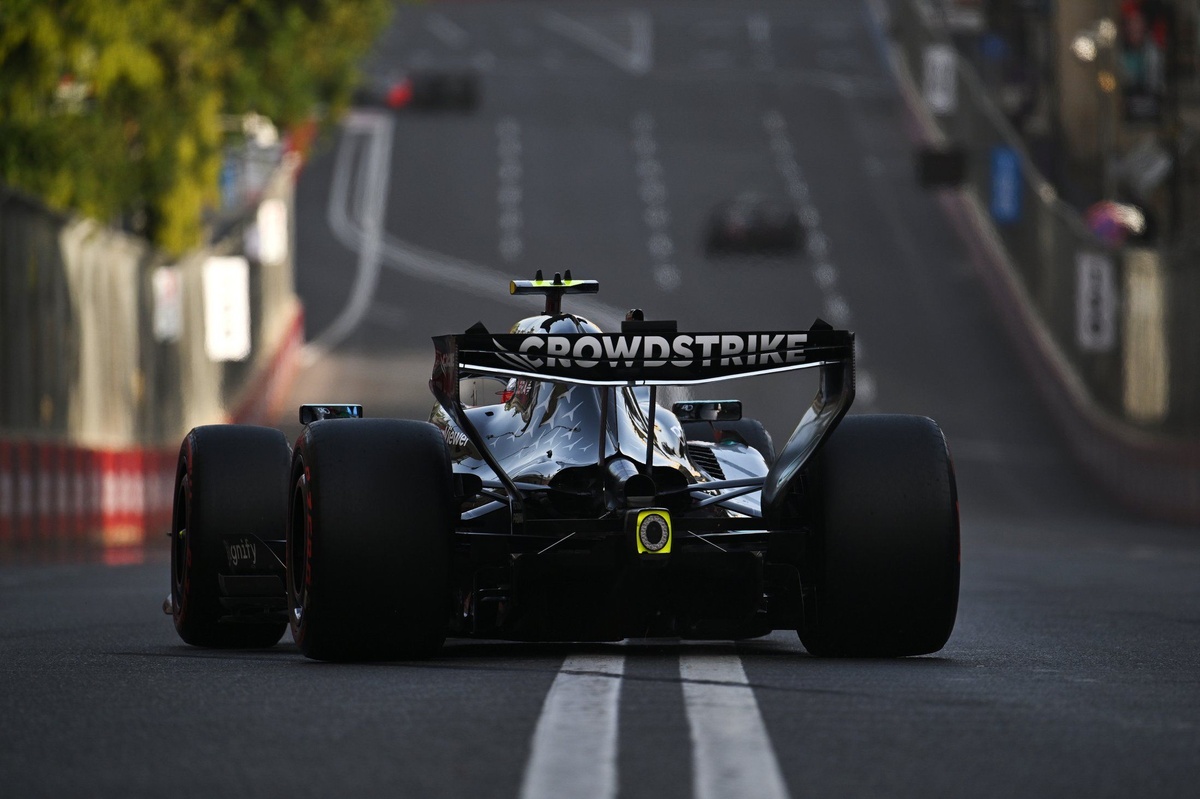
  • Why Mercedes’ Huge Baku Practice Advantage May Not Be the Real Picture

    Why Mercedes’ Huge Baku Practice Advantage May Not Be the Real Picture

    Key Highlights

    • George Russell topped both Thursday practice sessions at the Baku City Circuit, with Mercedes holding a 0.827-second advantage over Max Verstappen’s Red Bull.
    • Red Bull technical director Pierre Waché admitted the deficit was larger than expected, particularly on straight-line speed, while Mercedes deputy principal Bradley Lord cautioned against reading too much into the times.
    • Championship leader Kimi Antonelli lost critical track time due to a hydraulic failure requiring an engine change, though Mercedes avoided a grid penalty as the replacement unit was from the existing pool.

    Mercedes Dominates Opening Practice in Baku as Russell Sets Pace

    Mercedes delivered a commanding performance during Thursday’s two practice sessions at the Baku City Circuit, with George Russell leading the timesheets in both FP1 and FP2. The British driver’s benchmark left the first non-Mercedes entry — Max Verstappen’s Red Bull — trailing by 0.827 seconds, a margin that immediately caught the attention of rival teams. The session unfolded without Mercedes’ long-awaited upgrade package for the W17, which is slated for debut in Malaysia, making the outright pace on the existing specification all the more striking for the competition.

    Red Bull Concedes Unexpected Straight-Line Deficit

    The scale of the gap prompted a candid assessment from Red Bull technical director Pierre Waché, who acknowledged the deficit exceeded pre-weekend expectations.

    “Yes, I didn’t expect this big gap, mainly on the straights. Afterwards we have to analyse if it’s coming from a tow [or something else]. But yes, we have work to do to achieve what they have achieved”,

    Waché told Motorsport.com. He added that while Red Bull will introduce its final major upgrade package for the RB22 this weekend, the current picture looks challenging.

    “I hope that it’s closer, but it looks like they are a lot quicker than us. We will see what we can do to make the car quicker, but if this is the real delta, then it will be tough for us.”

    Red Bull junior Isack Hadjar, returning to the cockpit after illness, echoed the sentiment, describing Mercedes as “out of touch” relative to the rest of the field.

    “A bit, [and thinking] why they are so far away. I think that’s very impressive. I think we have a good car, we’ve been in the mix with McLaren and Ferrari, but yeah, Mercedes, they are out of touch.”

    Mercedes Urges Caution Despite Commanding Display

    Despite the dominant showing, Mercedes deputy team principal Bradley Lord — standing in for Toto Wolff this weekend — moved quickly to temper expectations. Lord attributed much of the apparent advantage to program differences, noting Mercedes completed more timed laps on the soft compound during FP2.

    “I don’t think it’s a representative gap, honestly. We ran more timed laps on the soft tyre in FP2. Max only had one go, so did the McLarens.

    “Probably don’t read too much into it, because every timed lap you did, the lap times were improving. We did one more than everyone else, and therefore probably found a bit more in the track and a bit more in the tyre than they were able to.”

    Lord highlighted Russell’s strong track record at Baku, where the driver finished second last year despite illness, as a factor in the team’s confidence.

    “George was pretty sick here last year and still finished P2. So it’s a circuit… I mean, he goes well at every circuit, but this is one where traditionally he’s had some really strong results”,

    Lord said. He also emphasized the value of having both cars performing at the front.

    “And that’s what you’re looking for as a team, that if one car hits trouble, the other one’s right up there and leading the way. He’s done that today and hopefully can continue doing that through the rest of the weekend.”

    Antonelli Loses Track Time to Hydraulic Issue

    The “trouble” Lord referenced befell championship leader Kimi Antonelli, who suffered a hydraulic failure during FP1 that forced an unscheduled engine change. The mechanics completed the swap in roughly 15 minutes, readying the car just as a red flag halted FP2.

    “Obviously it’s put him behind the curve a little bit, so he’s just missing laps and missing time out on track, but equally, it was a mega job from the mechanics”,

    Lord explained.

    “The car came back, I think, 15 minutes after practice, and it was ready to go just as the red flag came out in FP2. So they did an epic job to swap the engine, get the old one out and the new one in.

    “No penalty, because it’s one that’s already in the pool, and yeah, we were ready to go. So we’ve at least salvaged as much of the session as we could.”

    The lost running is particularly costly on a street circuit where track evolution is rapid and confidence-building laps are at a premium.

    Rivals Play Down Thursday Significance

    Ferrari team principal Frederic Vasseur dismissed the relevance of Thursday’s timesheet with characteristic bluntness.

    “I’m getting too old to pay too much attention to Friday!”

    When reminded the session took place on Thursday, Vasseur laughed and added:

    “Friday is useless, imagine the Thursday!”

    Why This Matters

    Mercedes’ unexpected pace in Baku reshapes the narrative around the 2025 championship fight. After a season where McLaren and Ferrari have regularly challenged Red Bull, a Mercedes resurgence — especially without its planned upgrade — introduces a three-way battle at the front that few predicted. For Red Bull, the straight-line deficit highlighted by Waché suggests a fundamental aerodynamic or power-unit installation discrepancy that upgrades may not fully resolve at this circuit. Antonelli’s lost track time could prove decisive in a tight qualifying battle, where street-circuit experience and rhythm are critical. With Mercedes’ upgrade still to come in Malaysia, the competitive hierarchy may shift again before the flyaway races conclude.

    Frequently Asked Questions

    Why was Mercedes so far ahead in Baku practice without its new upgrade package?

    Mercedes’ advantage likely stems from a combination of George Russell’s exceptional suitability to the Baku street circuit, a favorable tire preparation strategy that included more soft-compound timed laps than rivals, and strong baseline performance of the current W17 specification. Deputy team principal Bradley Lord explicitly cautioned that the gap is not fully representative.

    Will Kimi Antonelli face a grid penalty for the engine change?

    No. The replacement power unit was drawn from Mercedes’ existing pool allocation, meaning no penalty applies. The mechanics completed the swap during the FP1/FP2 break, allowing Antonelli to participate in the remainder of FP2, albeit with reduced running.

    What is Red Bull’s plan to close the gap this weekend?

    Red Bull is introducing its final major upgrade package for the RB22 at Baku. Technical director Pierre Waché acknowledged the team has “work to do” to match Mercedes’ straight-line speed and overall pace, but the new parts are expected to address some of the aerodynamic shortcomings exposed on Thursday.

  • Racing Bulls’ Mixed Fortunes: Liam Lawson Returns, Arvid Lindblad Crashes in 2026 Azerbaijan GP Practice

    Racing Bulls’ Mixed Fortunes: Liam Lawson Returns, Arvid Lindblad Crashes in 2026 Azerbaijan GP Practice

    Key Highlights

    • Liam Lawson returns to Racing Bulls after a three-race stint at Red Bull, finishing 12th in FP2 and targeting a top-10 qualifying spot.
    • Rookie Arvid Lindblad crashed heavily in FP2 at the castle section, bringing out red flags and causing significant right-side damage to his car.
    • Team Principal Alan Permane refused to punish Lindblad, calling it “rookie enthusiasm” and emphasizing support over criticism.

    Lawson Returns to Familiar Surroundings as Racing Bulls Reset in Baku

    Racing Bulls experienced a Thursday of contrasting fortunes on the streets of Baku, with Liam Lawson settling back into the squad after his temporary promotion to Red Bull Racing while rookie Arvid Lindblad learned a harsh lesson on the unforgiving Azerbaijan circuit. The New Zealander completed a solid FP1 in seventh place before slipping to 12th in the afternoon session, while the British youngster’s day ended prematurely against the barriers.

    Lindblad’s Rookie Error Brings Out Red Flags

    The second practice session told a dramatically different story for the team’s newest addition. Twenty minutes into FP2, Lindblad clouted the walls through the castle section, bringing out the red flags and causing significant damage to the right-hand side of his machinery. The incident echoed his previous FP2 crash in Madrid, raising questions about his adaptation to street circuits. The British driver radioed his team to apologise, saying he’d just clipped the wall by a millimetre. He also faced a scary moment earlier in the session when the Ferrari of Lewis Hamilton suddenly appeared in front of him in the final sector while he was on a hot lap, forcing him to take avoiding action.

    Permane Offers Support Over Punishment for Young Driver

    Speaking after the session, Team Principal Alan Permane made it clear he would not come down hard on his rookie. “It’s not the time to come down on him like a ton of bricks, it’s the time to support him. It was a millimetre. It’s a bit of a shame. It’s certainly not the right time to crash like that, if that was Q3 and he was absolutely going for it, you can understand it. But it’s a little bit of ‘the car was feeling good’. I think it’s just a little bit of rookie enthusiasm, but nothing more than that.” Permane added that Lindblad was looking quick on that lap and the team are going to take that as a positive going into the rest of the event.

    Welcome Return for Lawson After Red Bull Loan Spell

    Permane also welcomed the fact the squad have Lawson back after a three-race stint covering Isack Hadjar at sister team Red Bull Racing. “Much as we love Yuki [Tsunoda] — and the whole team does, he’s a very popular figure – it’s good to have Liam back in his car, in the team, working very, very well with Arvid, and those two lift each other up through the weekend.” Lawson himself expressed satisfaction at the reunion. “Honestly, it was good. This morning we were quite strong. We definitely didn’t have the same performance in FP2, where everybody else made a decent step, so we have to look at that and try and improve things for tomorrow. But overall, it’s good. It’s nice to be back in my car. It feels like home, but we have some work to do to match those guys.” The New Zealander confirmed the team will be working overnight to improve in the low speed corners to try and get themselves into the top 10 in Qualifying on Friday.

    Why This Matters

    The Azerbaijan Grand Prix represents a critical juncture for Racing Bulls’ driver development strategy. With Lawson’s return from his Red Bull Racing audition, the team gains valuable experience and a benchmark for car performance, while Lindblad’s baptism of fire on a street circuit highlights the steep learning curve facing rookie drivers in Formula 1. The team’s decision to support rather than sanction Lindblad signals a long-term developmental approach, prioritizing confidence-building over immediate results. As the only practice session before Friday qualifying under the sprint format, Thursday’s running carried outsized importance, and the overnight work on low-speed corner performance will determine whether Racing Bulls can translate their FP1 promise into a competitive grid position.

    Frequently Asked Questions

    Why was Liam Lawson driving for Red Bull Racing recently?

    Lawson completed a three-race stint at Red Bull Racing covering for Isack Hadjar before returning to his regular Racing Bulls seat for the Azerbaijan Grand Prix weekend.

    What caused Arvid Lindblad’s crash in FP2?

    Lindblad clipped the wall by a millimetre through the castle section of the Baku street circuit, bringing out red flags and causing significant damage to the right-hand side of his car.

    What are Racing Bulls’ priorities for Friday qualifying?

    The team will work overnight to improve performance in low-speed corners, with Lawson targeting a top-10 qualifying position after the car lost pace relative to competitors in FP2.

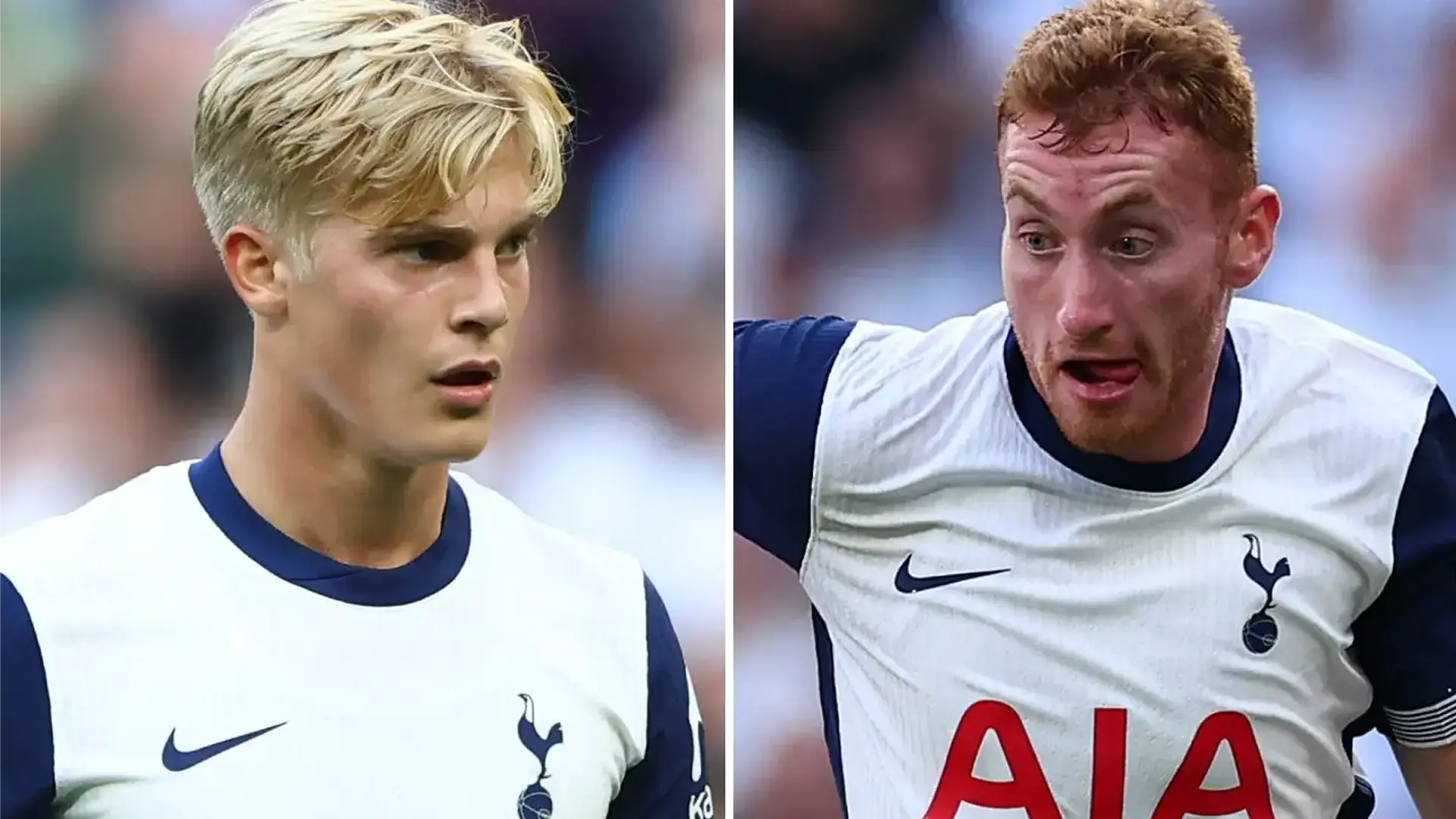
  • Lucas Bergvall Praises Kulusevski’s Recovery: ‘He is a real machine’

    Lucas Bergvall Praises Kulusevski’s Recovery: ‘He is a real machine’

    Key Highlights

    • Tottenham midfielder Lucas Bergvall described teammate Dejan Kulusevski as a “real machine” during his rehabilitation.
    • Kulusevski has been sidelined for over 500 days following a serious patella injury in his right knee.
    • The injury occurred during Tottenham’s 2-0 defeat to Crystal Palace at the conclusion of the 2024-25 season.

    Bergvall Hails Kulusevski’s Resilience Amid Lengthy Absence

    Tottenham Hotspur midfielder Lucas Bergvall has offered a glowing assessment of Dejan Kulusevski’s rehabilitation progress, labeling the Swedish international a “real machine” as he works toward a long-awaited return to competitive football. The young midfielder’s comments provide a rare positive update on a player who has been absent from match action for an extended period, offering encouragement to supporters eager to see the winger back in a Spurs shirt.

    Timeline of a 500-Day Sidelining

    Kulusevski’s last competitive appearance dates back to the final match of the 2024-25 campaign, a 2-0 defeat against Crystal Palace. During that fixture, the attacker sustained a serious patella injury to his right knee, an issue that has subsequently kept him out of action for more than 500 days. The sheer length of the layoff underscores the severity of the setback and the complexity of the recovery process for a player previously integral to Tottenham’s attacking structure.

    Rehabilitation Progress Fuels Optimism

    While the club has managed the timeline cautiously, Bergvall’s observation suggests that Kulusevski is making significant strides behind the scenes. The description of his teammate as a “real machine” points to an intense work ethic and physical conditioning that have characterized the rehabilitation phase. For a squad navigating a demanding fixture schedule, the impending return of a player of Kulusevski’s creative quality would represent a substantial boost to tactical options and squad depth.

    Why This Matters

    Dejan Kulusevski’s prolonged absence has been a significant storyline for Tottenham across multiple transfer windows and managerial tenures. His ability to operate effectively across the front line and in deeper creative roles makes him a versatile asset in Ange Postecoglou’s system. A successful return would not only alleviate the creative burden on other attackers but also provide the manager with a proven Premier League performer capable of unlocking compact defenses. The next steps will involve integrating him into full team training and potentially utilizing Under-21 or behind-closed-doors fixtures to rebuild match sharpness before a senior competitive return.

    Frequently Asked Questions

    When did Dejan Kulusevski last play a competitive match?

    Kulusevski’s last competitive appearance was during Tottenham’s 2-0 defeat to Crystal Palace at the end of the 2024-25 season, which occurred more than 500 days ago.

    What specific injury has kept Kulusevski sidelined?

    He suffered a serious patella injury in his right knee.

    What did Lucas Bergvall say about Kulusevski’s recovery?

    Bergvall praised his teammate as a “real machine” and stated he believes Kulusevski is making significant progress towards a return to competitive action.

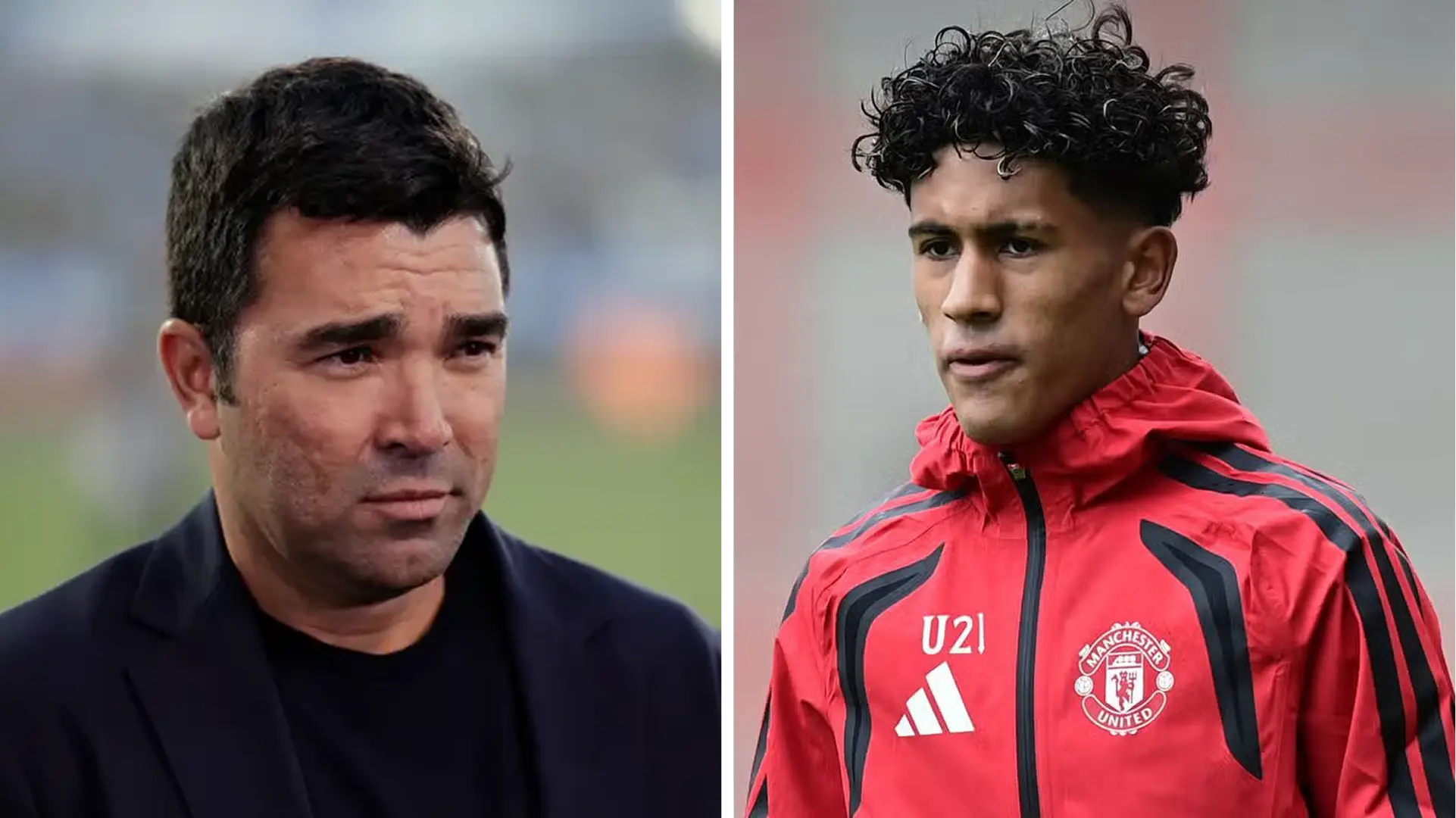
  • Deco denies Barcelona interest in Man United’s JJ Gabriel: ‘We are not interested in any player in his situation’

    Deco denies Barcelona interest in Man United’s JJ Gabriel: ‘We are not interested in any player in his situation’

    Key Highlights

    • Barcelona sporting director Deco has dismissed speculation linking the club with a move for Manchester United youth prospect JJ Gabriel.
    • The 15-year-old attacker has attracted interest from multiple European clubs while developing in the United academy system.
    • Reports had suggested Barcelona were actively monitoring Gabriel’s contractual situation at Old Trafford.

    Deco Shuts Down Barcelona Transfer Speculation Surrounding Manchester United Teenager

    Barcelona’s sporting director Deco has moved swiftly to quell rising transfer rumors connecting the Catalan giants with Manchester United youth talent JJ Gabriel. The 15-year-old forward, who has been progressing through the ranks at Old Trafford, emerged as a reported target for several top European clubs in recent weeks, with Barcelona frequently cited as a leading admirer in Spanish and British media outlets.

    Youth Recruitment Strategy Under Scrutiny

    The speculation highlighted the intense competition for elite youth prospects across European football. Gabriel, still in the early stages of his development at United’s academy, represents the profile of player that top clubs increasingly track years before they reach professional maturity. However, Deco’s public dismissal suggests either that Barcelona’s interest was overstated by external reports or that the club has opted not to pursue a complicated negotiation for a minor still under contract in England.

    Manchester United’s Academy Retention Challenges

    For Manchester United, the situation underscores the ongoing challenge of retaining their most promising academy graduates amid aggressive scouting from continental rivals. The Premier League club has invested heavily in its youth infrastructure under the current ownership structure, yet the allure of La Liga giants like Barcelona and Real Madrid remains a persistent threat to their long-term planning. Gabriel’s age places him in a regulatory gray area where FIFA compensation rules and domestic academy protections intersect, often leading to protracted disputes.

    Why This Matters

    Deco’s clarification reflects a broader shift in how elite clubs manage public narratives around youth recruitment. With FIFA’s regulations on international transfers of minors remaining strict, public interest in a 15-year-old player can complicate negotiations and invite regulatory scrutiny. For Barcelona, the episode illustrates the balance between building a future squad through La Masia and supplementing it with external talent—a strategy Deco has emphasized since returning to the club in a leadership role. For Manchester United, retaining Gabriel would signal stability in their academy pathway, while losing him would reignite debates about the club’s ability to protect its developmental investments.

    Frequently Asked Questions

    Who is JJ Gabriel?

    JJ Gabriel is a 15-year-old youth player currently in the Manchester United academy system. He has attracted attention from several top European clubs due to his potential as an attacking prospect.

    What did Deco say about Barcelona’s interest?

    Barcelona sporting director Deco played down reports linking the club with a move for Gabriel, effectively dismissing the speculation that the Catalan side was actively pursuing the teenager.

    Can Barcelona sign a 15-year-old from Manchester United?

    Under FIFA regulations, international transfers of players under 18 are generally prohibited unless specific exceptions apply, such as the player’s parents moving for non-football reasons or the transfer occurring within the European Union or European Economic Area. Since Brexit, transfers between UK and EU clubs for minors face additional restrictions, making any potential move highly complex.

  • F1 Azerbaijan Grand Prix Friday Schedule, Weather Forecast and How to Watch

    F1 Azerbaijan Grand Prix Friday Schedule, Weather Forecast and How to Watch

    Key Highlights

    • Mercedes dominates Azerbaijan GP Friday practice with George Russell topping FP2 by over half a second ahead of championship leader and teammate Kimi Antonelli.
    • Opening day disrupted by multiple incidents: Arvid Lindblad crashed at the castle section, Oliver Bearman suffered a power unit failure, and Fernando Alonso completed just nine laps due to a suspected oil leak.
    • Friday brings significantly cooler, windier conditions with northerly gusts up to 75 km/h and possible light showers, creating unpredictable car balance ahead of qualifying.

    Mercedes Sets Early Pace in Baku

    Formula 1 arrives at Friday’s running in Baku with Mercedes firmly in control after a commanding second practice session for the 2026 Azerbaijan Grand Prix. George Russell led the way with a benchmark lap that placed him more than half a second clear of the field, while championship leader Kimi Antonelli secured a Mercedes 1-2 in his second season with the Silver Arrows. The performance underscores the team’s strong adaptation to the 2026 technical regulations and positions both drivers as early favorites for pole position.

    Max Verstappen split the Mercedes duo in third for Red Bull, though the gap of over 0.5 seconds to Russell suggests the reigning champions have work to do overnight. Charles Leclerc followed in fourth for Ferrari, with Lewis Hamilton rounding out the top five in the second Ferrari. Lando Norris led McLaren’s efforts in sixth after the Woking squad spent Thursday evaluating a substantial upgrade package introduced for the Baku weekend.

    Incidents Disrupt Opening Running

    The first day of track action was far from straightforward for several competitors. Arvid Lindblad brought out the red flags after crashing at the narrow castle section, a notorious pinch point on the Baku City Circuit where the historic walls leave zero margin for error. Shortly after the session resumed, Oliver Bearman reported a power unit failure that ended his running prematurely.

    Perhaps most concerning for Aston Martin, Fernando Alonso managed just nine laps before a suspected oil leak sidelined the two-time champion’s AMR26. The limited mileage leaves Alonso and the team with a compressed timeline to dial in the car setup during Friday’s sole remaining practice hour before qualifying.

    McLaren Works Through Upgrade Package

    McLaren’s Thursday focus centered on correlating wind tunnel and CFD data with on-track performance for their latest development package. Norris’s sixth-place finish suggests the updates are functioning as intended, though the team will use FP3 to further optimize aerodynamic balance and tire management across Baku’s unique blend of high-speed straights and tight, twisty sectors. Teammate Oscar Piastri’s session data will provide crucial comparative feedback as McLaren targets a return to the sharp end of the grid.

    Friday Schedule and Broadcast Details

    The Baku City Circuit hosts final practice at 12:30 pm local time (AZT) on Friday, September 25, followed by qualifying at 4:00 pm AZT. For international viewers, the sessions translate to 9:30 am BST / 1:00 pm BST in the United Kingdom and 4:30 am ET / 8:00 am ET for US Eastern Time audiences.

    Broadcast coverage varies by region: Apple TV serves as the primary US broadcaster for the 2026 season under a multi-year agreement, with all sessions streaming live on the platform. F1 TV remains the championship’s global subscription streaming service. UK viewers can watch every session live on Sky Sports, with streaming via Sky Go or NOW, while Channel 4 provides free-to-air highlights. Motorsport.com will deliver live text coverage and updates throughout the weekend.

    Weather Could Play Decisive Role

    Meteorological forecasts indicate a significant shift in conditions for Friday. Temperatures are expected to drop to around 24°C during FP3 before falling into the low-20s for qualifying, accompanied by increased cloud cover and substantially stronger northerly winds. Gusts could reach 75 km/h during final practice and 65 km/h during qualifying, posing a distinct challenge on Baku’s exposed 2.2-kilometer main straight and heavy braking zones.

    Light showers are possible toward the end of FP3 and during qualifying, though only minimal precipitation is currently predicted. The wind factor may prove more influential, potentially destabilizing car balance under braking and through the high-speed turns of Sector 2. Saturday’s race day is forecast to improve considerably, with clearer skies and temperatures around 25°C.

    Why This Matters

    The Azerbaijan Grand Prix has historically produced unpredictable outcomes due to the Baku City Circuit’s unique characteristics: a street layout combining ultra-fast straights with tight, wall-lined sections that punish the slightest error. Mercedes’ Friday pace suggests they have extracted strong performance from the 2026 regulation package, but the compressed Saturday schedule — with just one practice hour before qualifying — amplifies the importance of overnight setup work. The forecast wind conditions add a variable that could shuffle the competitive order, particularly for teams struggling with aerodynamic sensitivity. With the championship battle still in its early phases, a strong result in Baku could set the tone for the European swing of the 2026 calendar.

    Frequently Asked Questions

    What time is qualifying for the 2026 Azerbaijan Grand Prix?

    Qualifying begins at 4:00 pm local time (AZT) on Friday, September 25. That corresponds to 1:00 pm BST in the UK and 8:00 am ET in the US Eastern Time zone.

    How can I watch the Azerbaijan GP in the United States?

    All sessions are available live on Apple TV, which is Formula 1’s primary US broadcast partner for the 2026 season under a multi-year deal. F1 TV also streams every session globally via subscription.

    Why is wind such a factor at the Baku City Circuit?

    Baku features a 2.2-kilometer main straight and several exposed sections where strong crosswinds and headwinds can destabilize cars under braking and through high-speed corners. Gusts forecast up to 75 km/h could make car balance unpredictable, particularly during qualifying when teams run low fuel and maximum engine modes.

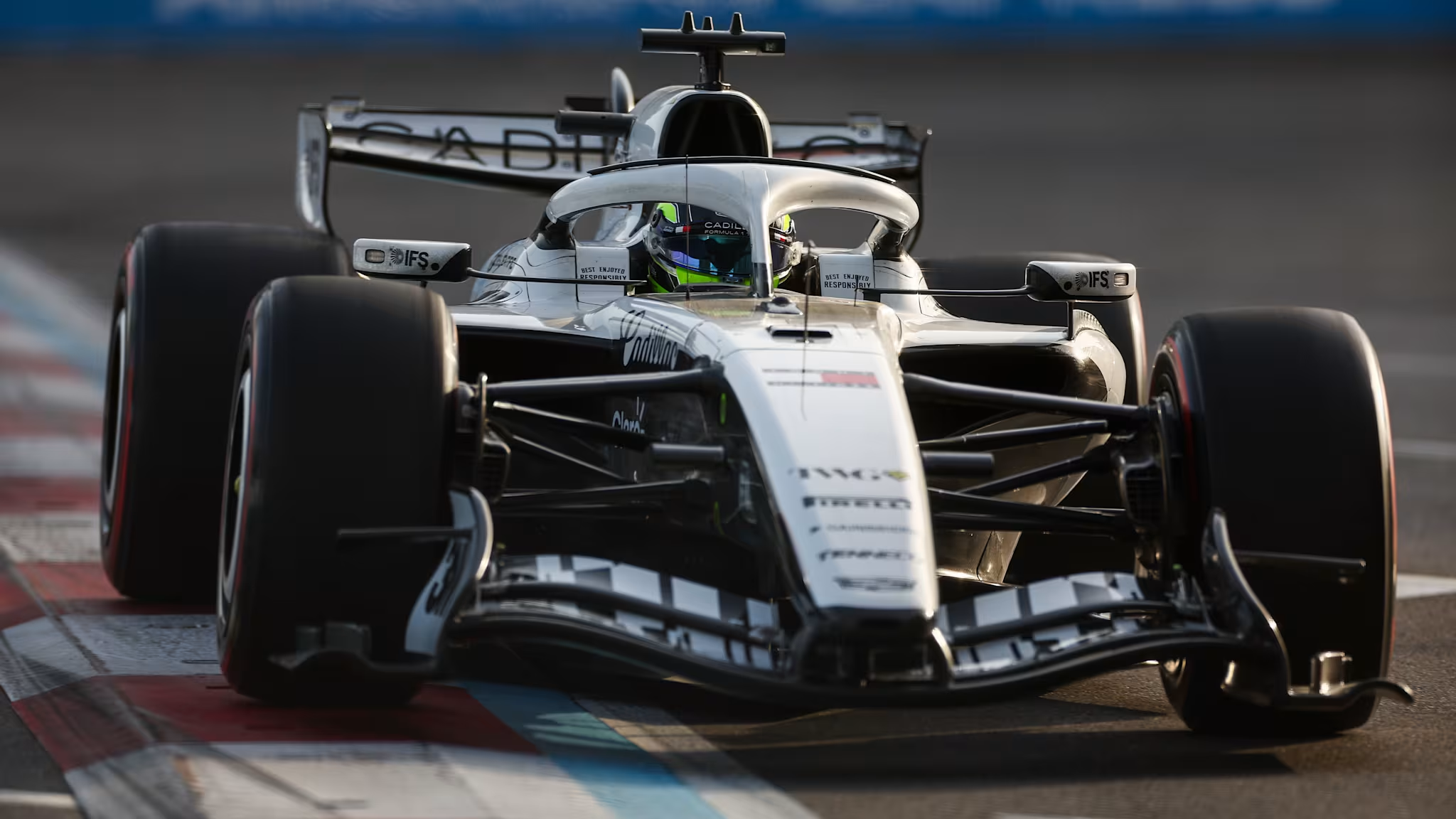
  • Cadillac Recruits Technical Leaders from Red Bull and Ferrari for Long-Term Development

    Cadillac Recruits Technical Leaders from Red Bull and Ferrari for Long-Term Development

    Key Highlights:

    • Cadillac F1 Team appoints three senior technical leaders from Red Bull, Mercedes, Aston Martin, and Ferrari ahead of their debut season.
    • Craig Skinner (Red Bull), Eric Blandin (Mercedes/Aston Martin), and Tim Lean (Ferrari/Red Bull/McLaren) will join in coming months to lead development and aerodynamics.
    • Team Principal Marcin Budkowski says the hires mark a “vital step in the technical evolution” toward long-term championship ambitions.

    Cadillac F1 Bolsters Technical Leadership with Championship-Pedigree Hires

    Cadillac Formula 1 Team has announced a trio of high-profile senior technical appointments, signaling a decisive move to accelerate the organizational maturity of the sport’s newest entrant. The American manufacturer, which is contesting its inaugural season in 2026, confirmed that Craig Skinner, Eric Blandin, and Tim Lean will assume critical leadership roles spanning vehicle development, aerodynamics, and simulation in the coming months. The recruitment drive targets proven race-winners from the sport’s most successful recent operations, including Red Bull Racing, Mercedes, Aston Martin, and Scuderia Ferrari.

    Skinner, Blandin, and Lean Bring Decades of Front-Running Experience

    Craig Skinner arrives as Chief Development Engineer after a 20-year tenure at Red Bull Racing, where he served as Chief Designer during the squad’s dominant constructors’ championship campaigns from 2021 through 2024. His remit at Cadillac will focus on strengthening the linkage between concept, design, analysis, and delivery. Leading the aerodynamics group, Eric Blandin joins from Aston Martin, where he held the Deputy Technical Director title, following an extended spell at Mercedes as Chief Aerodynamicist. Completing the trio, Tim Lean takes the role of Chief Engineer – Aerodynamics Modelling and Simulation. Lean’s background includes five years as Principal Aerodynamicist at Ferrari, alongside prior senior positions at McLaren and Red Bull Racing.

    Budkowski Frames Appointments as Foundation for Long-Term Competitiveness

    The appointments follow the earlier transition in team leadership, which saw Marcin Budkowski replace Graeme Lowdon as Team Principal. Budkowski, who has held senior technical roles at multiple championship-winning outfits, framed the latest hires as a structural necessity for a team building its capability from the ground up.

    “The Cadillac Formula 1 Team today announced three senior technical appointments that mark an important milestone in the continued technical evolution of the organisation, strengthening leadership across vehicle development and the broader aerodynamics function.

    “These key appointments underscore Cadillac Formula 1 Team’s commitment to developing the technical depth, collaboration and accountability required to support its long-term ambitions in Formula 1. They will all join the team in the next few months.”

    “These appointments represent a vital step in the technical evolution of the team,” added Budkowski. “Bringing together experienced leadership across development, aerodynamics and modelling will help us create a stronger integrated technical organization and improve performance on track.

    “Craig, Eric and Tim bring race and championship-winning experience to Cadillac F1 in areas that are central to our long-term development.”

    Why This Matters

    For a new entrant, the speed at which operational capacity is built determines the trajectory of on-track performance. Cadillac’s strategy mirrors the approach taken by other successful late-era entrants—most notably the Brawn GP/Red Bull lineage—where securing deep technical authority early allows the team to bypass developmental dead ends. The specific blend of expertise—Red Bull’s integrated car concept methodology via Skinner, Mercedes/Aston Martin’s aero philosophy via Blandin, and Ferrari’s simulation rigor via Lean—suggests Cadillac is attempting to synthesize the best practices of the current top four constructors into a single technical framework. With the 2026 regulation overhaul introducing new power unit and chassis rules, the window to establish a competitive baseline is narrow; these hires, arriving months before the first race, indicate Cadillac intends to hit the ground with a mature technical structure rather than a developmental one.

    Frequently Asked Questions

    When will the new technical leaders officially join Cadillac F1?

    The team statement confirms that Craig Skinner, Eric Blandin, and Tim Lean will all join “in the next few months,” positioning them to contribute ahead of the 2026 season launch.

    What specific roles will each appointee hold?

    Craig Skinner is appointed Chief Development Engineer; Eric Blandin becomes Head of Aerodynamics; and Tim Lean takes the title Chief Engineer – Aerodynamics Modelling and Simulation.

    How does this fit with the recent Team Principal change?

    Marcin Budkowski replaced Graeme Lowdon as Team Principal earlier in the team’s formation phase. Budkowski, who has championship experience at multiple teams, directly endorsed the new technical hires as a “vital step” toward building an integrated, high-accountability technical organization capable of sustained front-running performance.

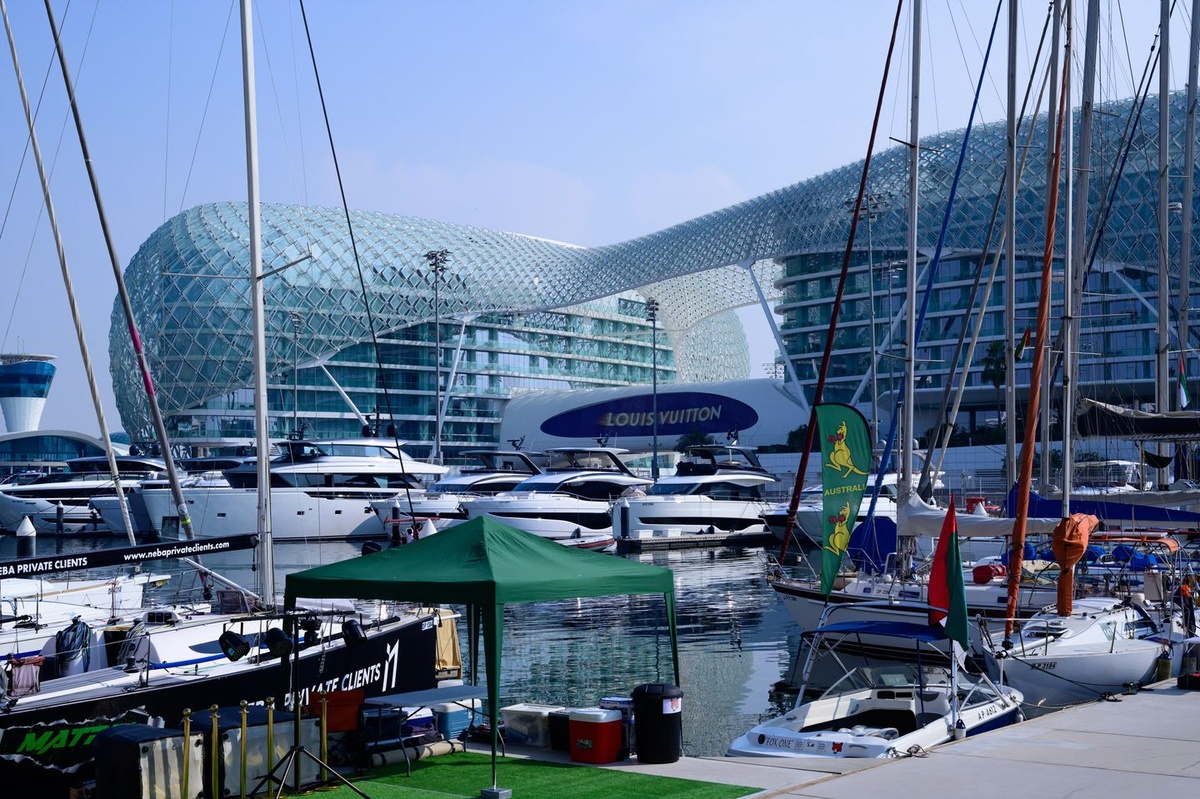
  • Imola Builds Grandstands as Abu Dhabi Plan A Emerges for F1 Season Finale

    Imola Builds Grandstands as Abu Dhabi Plan A Emerges for F1 Season Finale

    Key Highlights

    • Formula 1 has authorized Imola’s Autodromo Enzo e Dino Ferrari to begin constructing grandstands and preparing for a potential 2026 season finale as a contingency plan (Plan B) should the Qatar and Abu Dhabi Grands Prix be cancelled due to Middle East unrest.
    • Formula One Management (FOM) is covering all financial risks for Imola’s preparations, including temporary grandstand construction, ensuring the circuit faces no financial exposure regardless of whether the race ultimately takes place.
    • The decision deadline has shifted from mid-September to mid-October, with team principals confirming the new timeframe while emphasizing logistical challenges like European motorhome staffing rather than weather concerns.

    Formula 1 Activates Imola Contingency for 2026 Season Finale

    Plan B Preparations Underway Amid Middle East Uncertainty

    As Formula 1 enters the final phase of the 2025 season with three triple-headers on the calendar, attention has turned to the conclusion of the 2026 campaign. While the Qatar and Abu Dhabi Grands Prix remain scheduled as the season-ending events—constituting what F1 refers to as “Plan A”—the sport is actively preparing for a scenario in which continued unrest in the Middle East forces their cancellation. Behind the scenes, the green light has been given to develop a robust Plan B centered on the Autodromo Enzo e Dino Ferrari in Imola.

    Sources within F1 have confirmed to Motorsport.com that organizers in Imola have now been instructed to build grandstands and continue all preparatory work as if the Emilia-Romagna Grand Prix will take place on the first weekend of December. This proactive stance does not guarantee the race will happen; Qatar and Abu Dhabi remain the primary target. However, Formula One Management (FOM) must press ahead with an alternative to guarantee a season finale after the Las Vegas Grand Prix in any eventuality.

    Financial Risk Absorbed by Formula One Management

    Building grandstands and maintaining full operational readiness without final confirmation carries significant financial risk. According to paddock sources, F1 is covering all those risks directly. This means FOM is fully paying for the preparations—including the construction of the temporary grandstands—and Imola will not face any financial liability regardless of the outcome. Should the Imola option ultimately prove unnecessary, this approach will cost F1 money, but the sport views it as a necessary insurance policy. If the situation in the Middle East escalates further a month before the scheduled races in Qatar and Abu Dhabi, F1 cannot afford to be without a ready-to-deploy alternative. The strategy also underscores F1’s desire to wait as long as possible before making a final decision, while acknowledging the substantial financial attractiveness of the final two race weekends in the Middle East.

    Decision Timeline Shifts to Mid-October

    F1 CEO Stefano Domenicali initially indicated a decision would be made in mid-September, but the evolving geopolitical landscape has altered that schedule. Several team principals now point to mid-October as the new timeframe for clarity, although F1 stresses there is no hard deadline. From a logistical perspective, there remains relatively little urgency at this stage, provided Imola is fully ready to step in by the first weekend of December.

    The teams have been informed of this reality and are not particularly concerned for now, a sentiment echoed during Thursday’s press conference in Baku. Haas team boss Ayao Komatsu stated:

    “I believe that Stefano was targeting to tell us in mid-October, right? So, we all know what the situation is. I believe that Imola is getting ready in case we have to do it. I think the challenges are, for instance, things like European motorhome structure, etcetera. All those people who look after them, they have a winter job, so we need to find alternative people to do that. But I’m sure we all, as a family, community, will make sure if we have to do that, that will happen. But hopefully, as a baseline, we can go to Qatar and Abu Dhabi. That would be really good.”

    Audi team principal Mattia Binotto shares the same view and confirms the mid-October timeframe.

    “As we discussed during the F1 Commission last Monday, mid-October is the last call for such a decision.”

    Teams Briefed on Logistical Realities

    Binotto does not see potentially low temperatures as an obstacle to a possible season finale in Imola.

    “The main challenges are more organisation and logistics, I would think. From a technical point, often we may say wintertime, snow tyres, but at the end, as a matter of fact, the average temperature in Imola in that time of the year is hotter than Las Vegas by the time we’ve got the race in Las Vegas. So I don’t think that’s a true concern. It’s more from the organisation and the logistics, really. And again, mid-October, hopefully we may do the right decision.”

    The primary logistical hurdle identified by both Komatsu and Binotto revolves around the European motorhome infrastructure. Support staff who typically manage these facilities have winter employment commitments, requiring F1 and teams to source alternative personnel if the Imola race proceeds. Despite these complexities, the paddock mood remains pragmatic, with a clear preference for the established Middle East finale but full readiness to adapt.

    Why This Matters

    The activation of a formal Plan B for the 2026 season finale highlights the increasing complexity of managing a global sporting calendar amid geopolitical volatility. Formula 1’s commitment to covering Imola’s preparation costs—estimated to be substantial given the need for temporary grandstands and full circuit homologation—demonstrates the high stakes involved in protecting the integrity of the championship schedule. The Middle East races in Qatar and Abu Dhabi are not only lucrative but strategically vital to F1’s commercial model, making their potential loss a significant financial and operational blow. The shift of the decision deadline to mid-October reflects a calculated balance: maximizing the window to assess the security situation while retaining enough time to execute a European pivot. For teams, the logistical scramble—particularly re-staffing motorhome operations deep into the off-season—underscores the human resource challenges that often accompany calendar fluidity. Ultimately, this contingency planning ensures that whatever unfolds in the Middle East, Formula 1 can crown its 2026 champions on track, not in a boardroom.

    Frequently Asked Questions

    Why is Formula 1 preparing Imola as a backup for the 2026 season finale?

    Formula 1 is preparing Imola as a contingency (Plan B) because continued unrest in the Middle East creates a risk that the scheduled season-ending races in Qatar and Abu Dhabi could be cancelled. F1 needs to guarantee a finale after the Las Vegas Grand Prix regardless of geopolitical developments.

    Who is paying for the Imola preparations?

    Formula One Management (FOM) is covering all financial risks associated with Imola’s preparations, including the construction of temporary grandstands. The circuit will not face any financial liability whether the race proceeds or not.

    When will a final decision be made on the 2026 season finale location?

    While F1 stresses there is no hard deadline, multiple team principals—including Ayao Komatsu (Haas) and Mattia Binotto (Audi)—indicate mid-October as the expected timeframe for a final decision, aligning with discussions at the recent F1 Commission meeting.

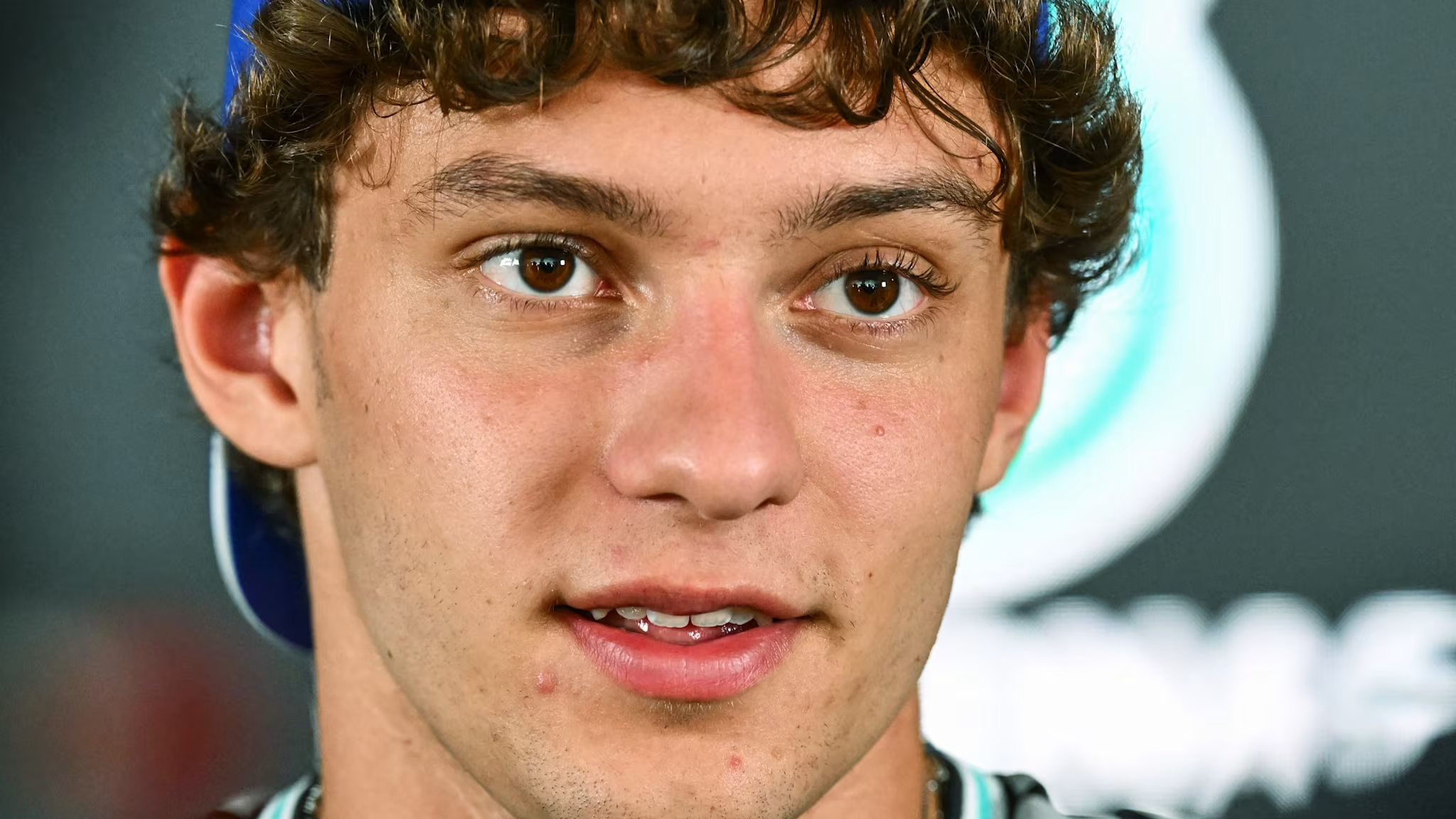
  • ‘Feel like it was a good recovery’ – Kimi Antonelli, Mercedes Reflect on Practice Ahead of 2026 Azerbaijan Grand Prix

    ‘Feel like it was a good recovery’ – Kimi Antonelli, Mercedes Reflect on Practice Ahead of 2026 Azerbaijan Grand Prix

    Key Highlights

    • Kimi Antonelli describes his Azerbaijan Grand Prix practice as “a good recovery” despite a hydraulic failure in FP1 and a power unit change that cost him half of FP2.
    • The championship leader, holding an 81-point advantage after his Madrid win, still managed fifth in FP1 and second in FP2, while teammate George Russell topped both sessions.
    • Mercedes Deputy Team Principal Bradley Lord warns that rival updates from McLaren and Red Bull will close the performance gap, predicting a much tighter qualifying and race.

    Antonelli Overcomes Mechanical Setbacks to Stay in Contention

    Kimi Antonelli entered the Baku weekend with a commanding 81-point lead in the drivers’ standings following his victory in Madrid, but Thursday’s running presented an immediate test of resilience. The Mercedes driver suffered a hydraulic issue aboard his W15 approaching the midpoint of Free Practice 1, abruptly ending his participation in the one-hour session. The team was then forced to fit a new power unit due to fire damage, sidelining the Italian for the entire first half of FP2.

    Strong Pace Despite Limited Track Time

    Even with the severely curtailed programme, Antonelli posted competitive times, finishing fifth fastest in FP1 and second quickest in FP2. His teammate, George Russell, demonstrated the car’s underlying potential by topping both sessions, finishing more than half a second clear of Antonelli in the afternoon. Speaking after the day’s running, Antonelli remained upbeat about the team’s efforts to maximize the available laps.

    “We tried to do the max with what we had. Obviously lost quite a few laps in FP1 and then missing half of FP2 is never ideal, especially on a street circuit,” said Antonelli.

    “Overall I feel like it was a good recovery. I feel quite good in the car, obviously a few things to work on but looking forward to tomorrow.”

    Mercedes Braces for Tighter Competition as Rivals Introduce Upgrades

    While the FP2 timesheets painted a rosy picture for the Silver Arrows, Deputy Team Principal Bradley Lord struck a note of caution. He highlighted that major competitors have introduced significant development packages for the Azerbaijan round, which he expects will compress the field once qualifying and the Grand Prix commence.

    “We’ve seen competitors bring pretty big update packages if you look at McLaren, Red Bull as well. They’ll be absolutely in the mix, I don’t think the gaps at the top after FP2 were representative of the true gaps in performance,” he said.

    “I think everything will be much closer once we’re all running the same number of laps on the tyres.”

    “We hope to be in the mix, we should be in the mix on a low-drag circuit like this having performed really strongly at Monza but we’ll have our work cut out to get on pole.”

    Why This Matters

    The Azerbaijan Grand Prix represents a critical junction in the 2024 Formula 1 season. Baku’s unique street circuit layout—combining a low-drag straight with a twisty, castle section—places a premium on both raw power and mechanical grip, making it a strong indicator of each team’s development trajectory. For Antonelli, converting his championship lead into a clean weekend amid reliability gremlins would be a significant psychological blow to his rivals. For Mercedes, the weekend serves as a litmus test for their low-drag aerodynamic philosophy after a dominant showing at Monza. With McLaren and Red Bull deploying substantial upgrade packages, the competitive order established in Friday practice is widely expected to shuffle dramatically once engine modes are turned up and fuel loads are normalized for qualifying.

    Frequently Asked Questions

    What mechanical issues did Kimi Antonelli face during Friday practice in Baku?
    Antonelli suffered a hydraulic failure in FP1 that ended his session early. The team subsequently discovered fire damage requiring a full power unit change, causing him to miss the first half of FP2.
    How did Antonelli perform despite the limited running?
    Despite completing only half of the available practice laps, Antonelli finished fifth in FP1 and second in FP2, demonstrating strong underlying pace on the street circuit.
    Why does Mercedes expect the competition to be closer in qualifying and the race?
    Deputy Team Principal Bradley Lord noted that rivals McLaren and Red Bull have brought significant upgrade packages to Baku. He believes the FP2 gaps are not representative because teams were running different programmes, tyre strategies, and fuel loads, and that the field will compress once everyone runs comparable specifications in qualifying.
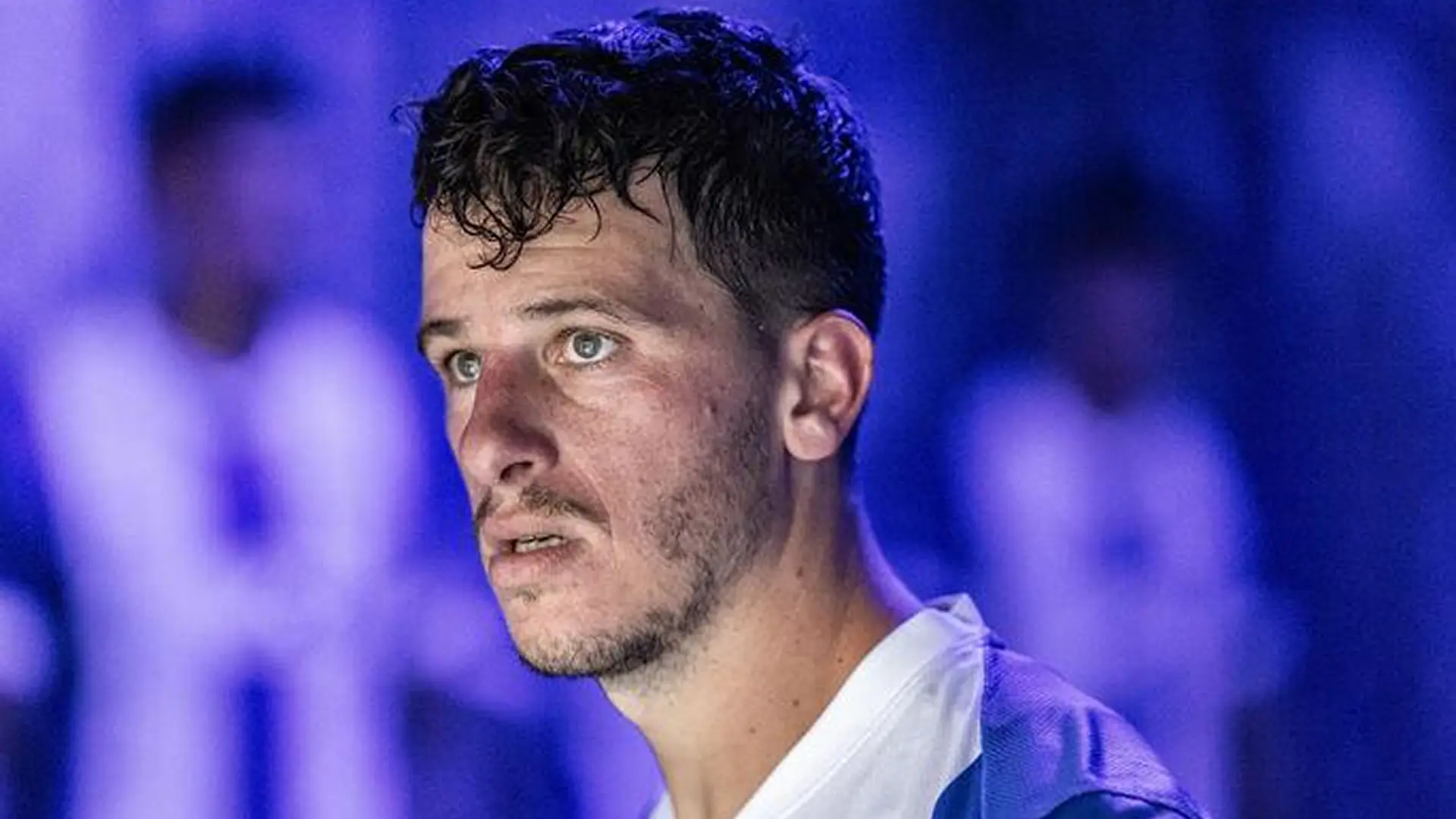
  • Diego Demme, 34, Announces Retirement from Professional Football

    Diego Demme, 34, Announces Retirement from Professional Football

    Key Highlights

    • Former Germany international Diego Demme has announced his retirement from professional football at age 34.
    • The defensive midfielder confirmed his decision in an emotional statement posted on Instagram.
    • Demme reflected on a career that began with a childhood dream of playing football at the highest level.

    Demme Announces Retirement After Distinguished Career

    Former Germany international Diego Demme has officially brought his professional playing career to a close at the age of 34. The defensive midfielder, who earned recognition at the highest level of the international game, made the announcement through a personal statement shared on his official Instagram account. The news marks the end of a journey that saw Demme progress from youth aspirations to representing his country on the senior stage.

    Instagram Statement Reflects on Childhood Dream

    In confirming his decision, Demme utilized social media to deliver an emotional farewell to the sport. The statement detailed a retrospective look at his trajectory, grounding his professional achievements in the early ambition that drove him. By citing a “childhood dream of playing football at the highest level” as the foundation of his career, the midfielder framed his retirement as the fulfillment of that original aspiration rather than merely a conclusion forced by age or circumstance.

    Defensive Midfielder’s Journey to International Stage

    Demme’s profile as a defensive midfielder typically entails a role defined by tactical discipline, ball recovery, and distribution—attributes that facilitate team structure rather than individual accolades. His elevation to the Germany national team setup underscores a career characterized by consistent high-level performance in domestic competition. While the announcement did not detail specific club affiliations or statistical milestones, the attainment of senior international caps for a major footballing nation like Germany serves as a definitive benchmark of his quality and longevity in the professional game.

    Why This Matters

    The retirement of a senior international player inevitably prompts reflection on the lifecycle of the modern professional footballer. Demme’s exit at 34 aligns with the typical age range for midfielders in physically demanding roles to transition out of top-flight competition. His choice to announce the news directly to supporters via Instagram highlights the shifting dynamic of athlete communication, where players increasingly control their own narratives without traditional media intermediaries. For the clubs and national team structures he leaves behind, the departure represents a loss of institutional experience and leadership qualities often associated with veteran defensive midfielders.

    Frequently Asked Questions

    How old is Diego Demme upon his retirement?
    Diego Demme announced his retirement at the age of 34.
    How did Diego Demme announce his retirement?
    He confirmed his decision in an emotional statement on Instagram.
    What level did Diego Demme play at internationally?
    He is a former Germany international, having represented the senior national team.
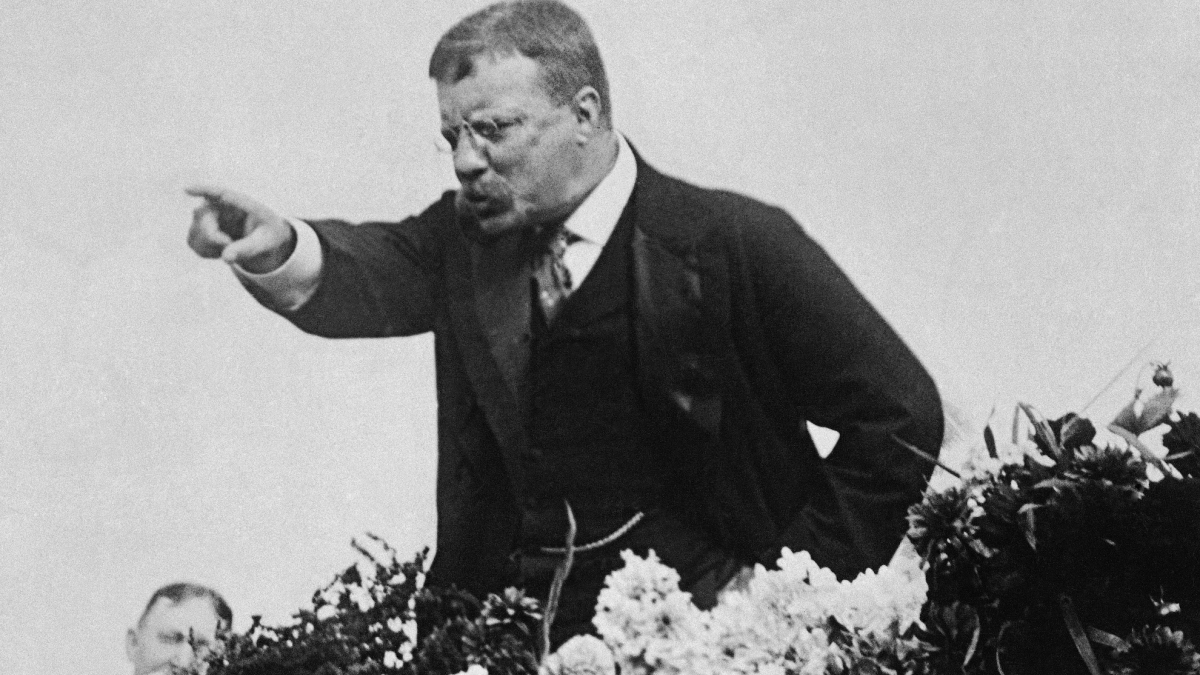
  • Theodore Roosevelt: “Far and away the best prize that life has to offer is the chance to work hard at work worth doing”

    Theodore Roosevelt: “Far and away the best prize that life has to offer is the chance to work hard at work worth doing”

    Key Highlights

    • Theodore Roosevelt’s famous quote—”Far and away the best prize that life has to offer is the chance to work hard at work worth doing”—reflects a philosophy shaped by decades of public service, exploration, and intellectual pursuit.
    • Before becoming the 26th U.S. president at age 42, Roosevelt held roles ranging from New York State Assemblyman and NYC Police Commissioner to Assistant Secretary of the Navy and Governor of New York.
    • His administration translated that philosophy into sweeping corporate regulation, consumer protections, a massive expansion of federal conservation lands, and Nobel Prize–winning diplomacy in the Russo-Japanese War.

    The Architecture of a Working Philosophy

    Theodore Roosevelt spent much of his life taking on difficult roles, ambitious projects, and demanding public responsibilities. That breadth of experience gave weight to one of his best-known observations: “Far and away the best prize that life has to offer is the chance to work hard at work worth doing.” The line is frequently cited as a celebration of sheer effort, but Roosevelt’s intent was more precise. He was not arguing that labor becomes noble simply because it is arduous; rather, he contended that hard work becomes meaningful only when it serves a purpose that justifies the time, energy, and sacrifice involved.

    A Résumé That Tests the Maxim

    Roosevelt’s own career illustrates the principle. Before reaching the White House, he had already served in the New York State Assembly, the U.S. Civil Service Commission, the New York City Police Commission, the Navy Department, the governorship of New York, and the vice presidency. His interests stretched far beyond electoral politics. He was a published historian, a recognized naturalist, a working rancher in the Dakota Territory, an explorer of uncharted Amazon tributaries, and a prolific author of more than thirty books. He co-founded the Boone and Crockett Club, spearheaded early conservation movements, and maintained a lifelong engagement with scientific inquiry. That range gave his philosophy of work a practical edge—Roosevelt was not theorizing about busyness; he was describing a pattern he had lived repeatedly.

    Presidential Governance as Applied Theory

    Roosevelt brought the same intensity to the presidency. His administration pursued aggressive corporate regulation through antitrust enforcement, enacted landmark consumer protections such as the Pure Food and Drug Act, and oversaw a dramatic expansion of federal conservation—placing roughly 230 million acres of land under public protection. On the world stage, he mediated the Russo-Japanese War, an effort that earned him the 1906 Nobel Peace Prize and signaled the United States’ arrival as a diplomatic power. Historians continue to debate aspects of his record, particularly regarding race and imperial policy, but there is little dispute that he approached public office with extraordinary, purpose-driven energy.

    Why the Distinction Still Matters

    The distinction Roosevelt drew remains relevant in modern labor markets. A demanding job can become exhausting when it feels disconnected from any larger goal; the same hours can feel energizing when the worker believes the output has real consequence. Sustainability in any long-term endeavor—building a business, raising a family, mastering a craft, or advancing a cause—often hinges less on workload than on the conviction that the work deserves to be done. Roosevelt did not define success as escaping labor; he defined it as finding labor important enough to justify the effort.

    Why This Matters

    Roosevelt’s framework reframes contemporary conversations about burnout, “quiet quitting,” and the search for meaningful employment. By anchoring the value of work in purpose rather than volume, the quote offers a criteria for evaluating career choices, organizational culture, and public policy. It also serves as a historical reminder that many of the regulatory and conservation structures Americans rely on today—from food-safety laws to the National Park System—were born from a leadership style that treated governing as “work worth doing.” As automation and AI reshape the labor landscape, the question of what constitutes purposeful effort will only grow more urgent.

    Frequently Asked Questions

    What is the exact wording of Theodore Roosevelt’s most famous work quote?

    The verbatim quotation is: “Far and away the best prize that life has to offer is the chance to work hard at work worth doing.”

    Which roles did Roosevelt hold before becoming president?

    He served in the New York State Assembly, the U.S. Civil Service Commission, the New York City Police Commission, as Assistant Secretary of the Navy, as Governor of New York, and as Vice President of the United States.

    How did Roosevelt’s philosophy translate into presidential policy?

    His administration pursued antitrust enforcement, consumer-protection legislation such as the Pure Food and Drug Act, a vast expansion of federally protected lands, and active international diplomacy—including mediation of the Russo-Japanese War, for which he received the Nobel Peace Prize.