Category: Sports

Sports news, viral moments, athletes, teams, and major competitions.

  • Max Verstappen: ‘I was trying everything’ after missing 2026 Azerbaijan Grand Prix victory

    Max Verstappen: ‘I was trying everything’ after missing 2026 Azerbaijan Grand Prix victory

    Key Highlights

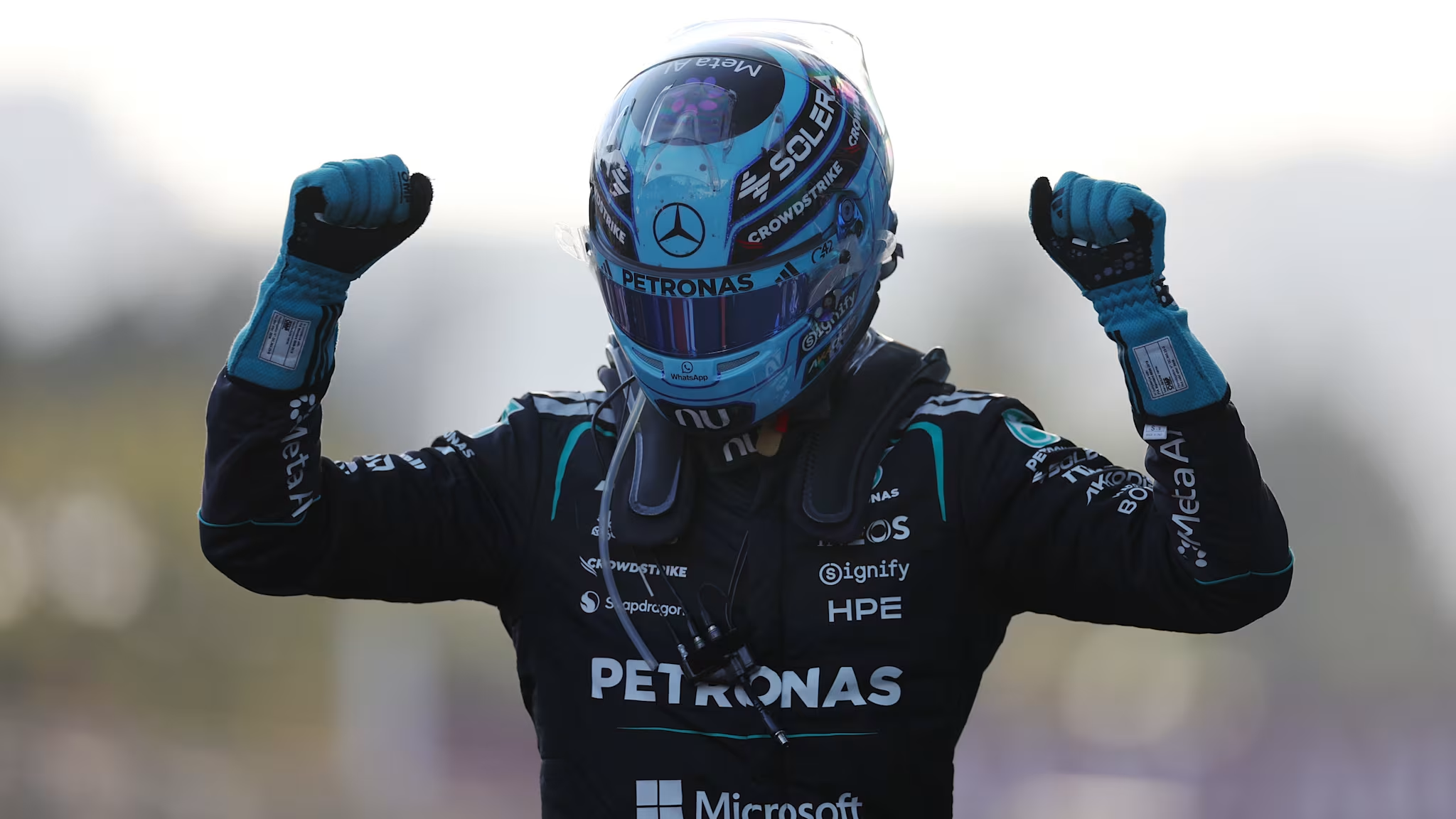
    • Max Verstappen finished second at the Azerbaijan Grand Prix, losing to George Russell by just one-tenth of a second after starting eighth on the grid.
    • The Red Bull driver recovered through the field on medium tyres before a safety car allowed a switch to softs, where he matched Russell’s pace but could not complete the overtake.
    • Verstappen remains without a victory in the 2026 season, admitting he “was trying everything” including brushing the wall at Turn 16 on the final laps.

    Verstappen’s Baku Charge Falls Short by a Tenth

    From Eighth on Grid to a Photo-Finish Duel

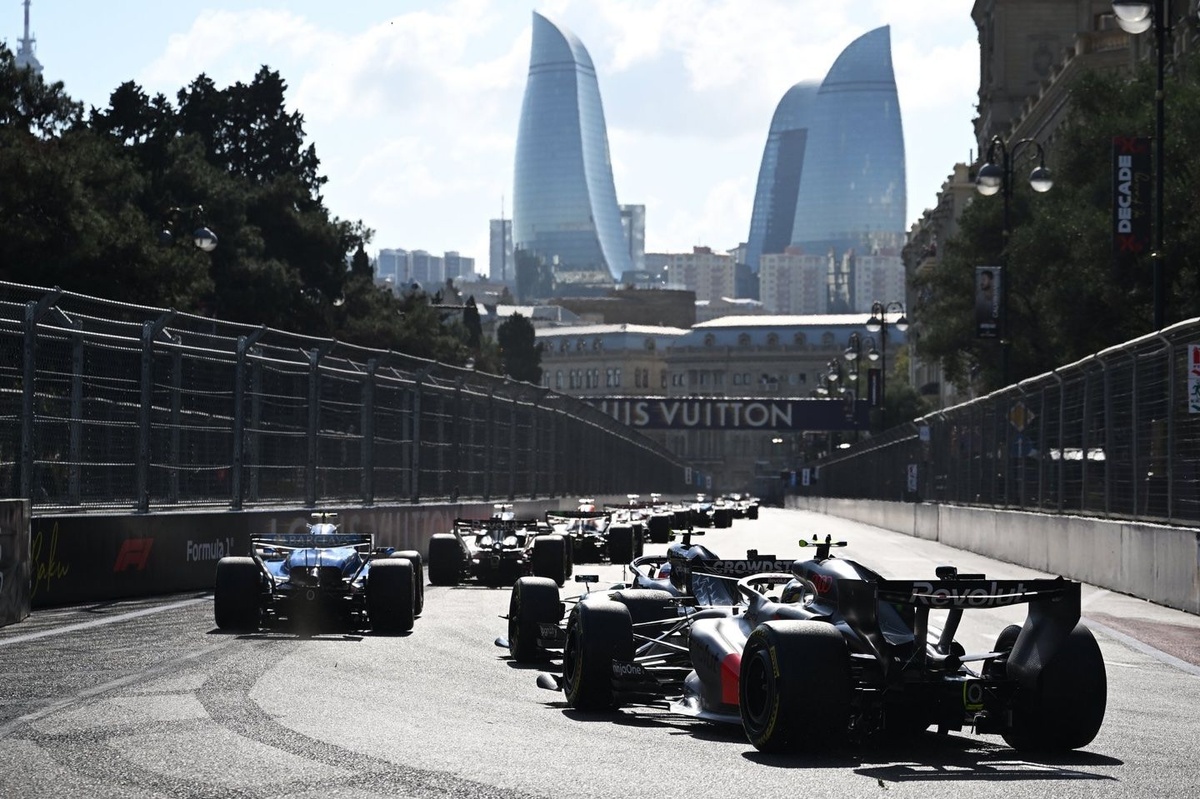
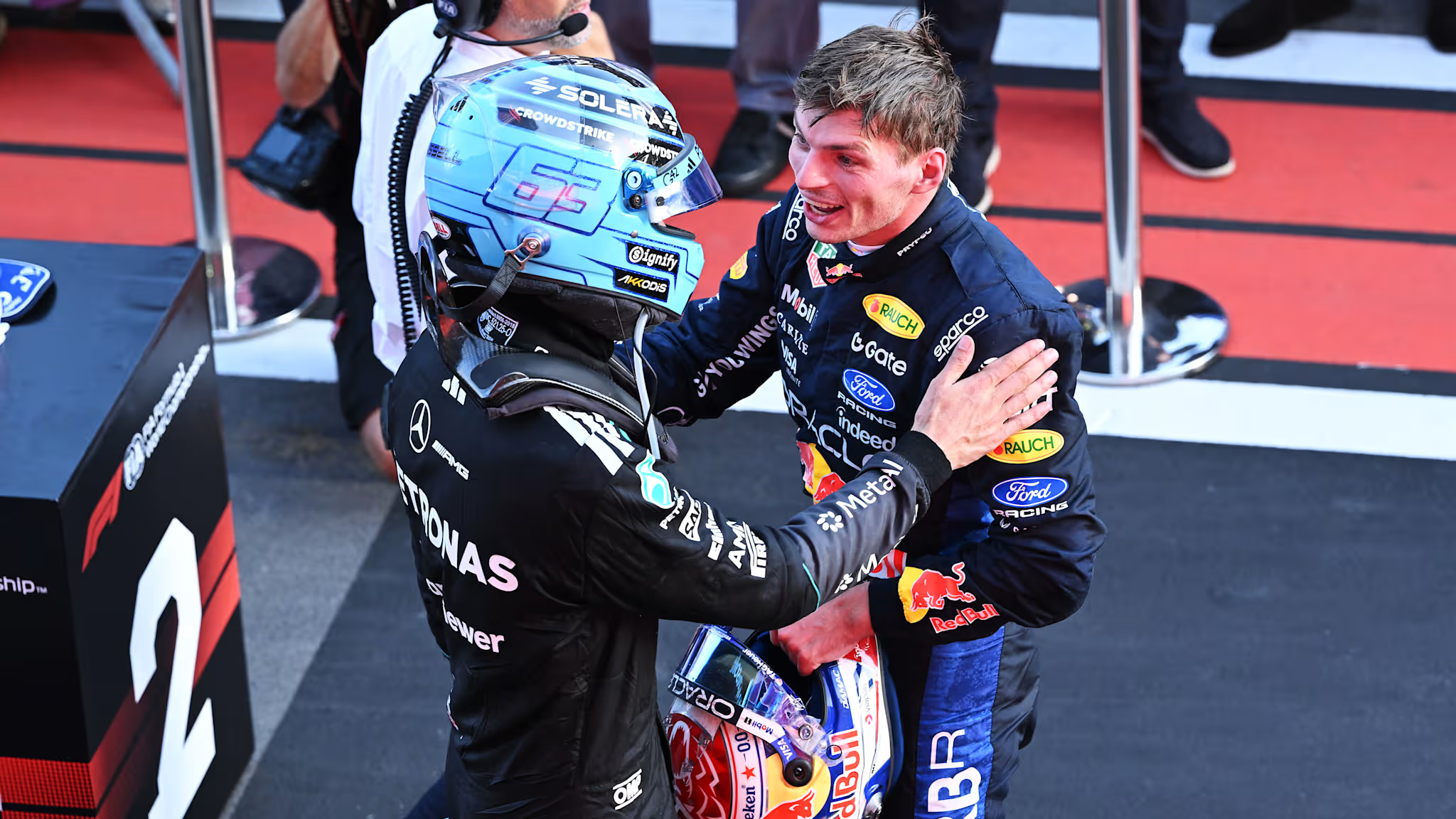
    Max Verstappen conceded he “was trying everything” to claim victory on the streets of Baku, the Red Bull driver eventually falling short by just one tenth against George Russell. The Dutchman was left a frustrated eighth on the grid for Saturday’s 51-lap race after issues in Qualifying, but Verstappen quickly began to make progress with the medium tyre. Moving into third, Verstappen demoted Oscar Piastri’s McLaren for second at the first of two Safety car restarts, allowing him to challenge race leader Russell in the closing stages.

    Tyre Strategy and the Medium-Stint Struggle

    Reflecting on the difficult opening phase, the four-time World Champion explained: “Starting in P8 I knew it wasn’t going to be that straightforward but we worked our way quite nicely up into the top three but that first stint was very tricky.” He added: “That medium tyre was just not very good, not having the grip that I think the soft tyres had so was just trying to survive on that stint to try and stay with the guys on the soft.” The intervention of the Safety Car transformed the race dynamics. “I think that Safety Car came at the right time for everyone to box onto that soft, because once we were on that soft tyre, it felt a lot better, just miles faster.” Verstappen noted the pace advantage was clear: “I think that also showed once George and I were on the soft, we were pulling away quite a lot over everyone else.”

    Final-Lap Drama and a Missed Opportunity

    Verstappen stayed on the cusp of a one-second gap to Russell over the final laps down the main straight, with Red Bull enjoying straight-line speed during the race. A yellow flag at Turn 15 after Valtteri Bottas crashed gifted Verstappen the chance to gain an even stronger slipstream on the run to the line for the final time. But the Dutchman ultimately fell short by just one tenth, meaning he has still yet to record a victory during the 2026 season. “I was trying everything that I have available,” said Verstappen in his quest to pass Russell, which included glancing the wall on the entry to Turn 16 several times. “Of course on the last lap because there was a yellow, I think George picked up a bit of boost lag, so he didn’t pull out of Turn 15 and that gave me a little bit more of an opportunity and that’s why it was so close to the line. We were constantly one second, so we were very close to each other.”

    Why This Matters

    The result extends Verstappen’s winless start to the 2026 campaign, placing added pressure on Red Bull to unlock race-winning performance across varying circuit layouts. While the team demonstrated strong straight-line speed in Baku, the inability to convert a recovery drive from P8 into victory highlights the fine margins separating the leading contenders. Russell’s ability to manage tyre degradation and defend under late-race pressure strengthens Mercedes’ championship credentials, while the safety car timing and yellow-flag dynamics underscore how unpredictable street circuits remain. With the championship still in its early stages, both drivers and teams will analyse the tyre-phase data from Baku to refine strategies for upcoming rounds.

    Frequently Asked Questions

    Why did Verstappen start eighth in Baku?

    Verstappen qualified eighth after encountering issues during the qualifying session, which compromised his grid position for the 51-lap race.

    What role did the safety car play in Verstappen’s charge?

    The safety car allowed Verstappen and the leaders to switch from the struggling medium compound to the soft tyre, which Verstappen described as “miles faster,” enabling him to close the gap to Russell and pull away from the rest of the field.

    How close was the finish between Verstappen and Russell?

    Verstappen finished just one-tenth of a second behind Russell, with a late yellow flag for Valtteri Bottas’ crash giving the Red Bull driver a stronger slipstream on the final run to the line.
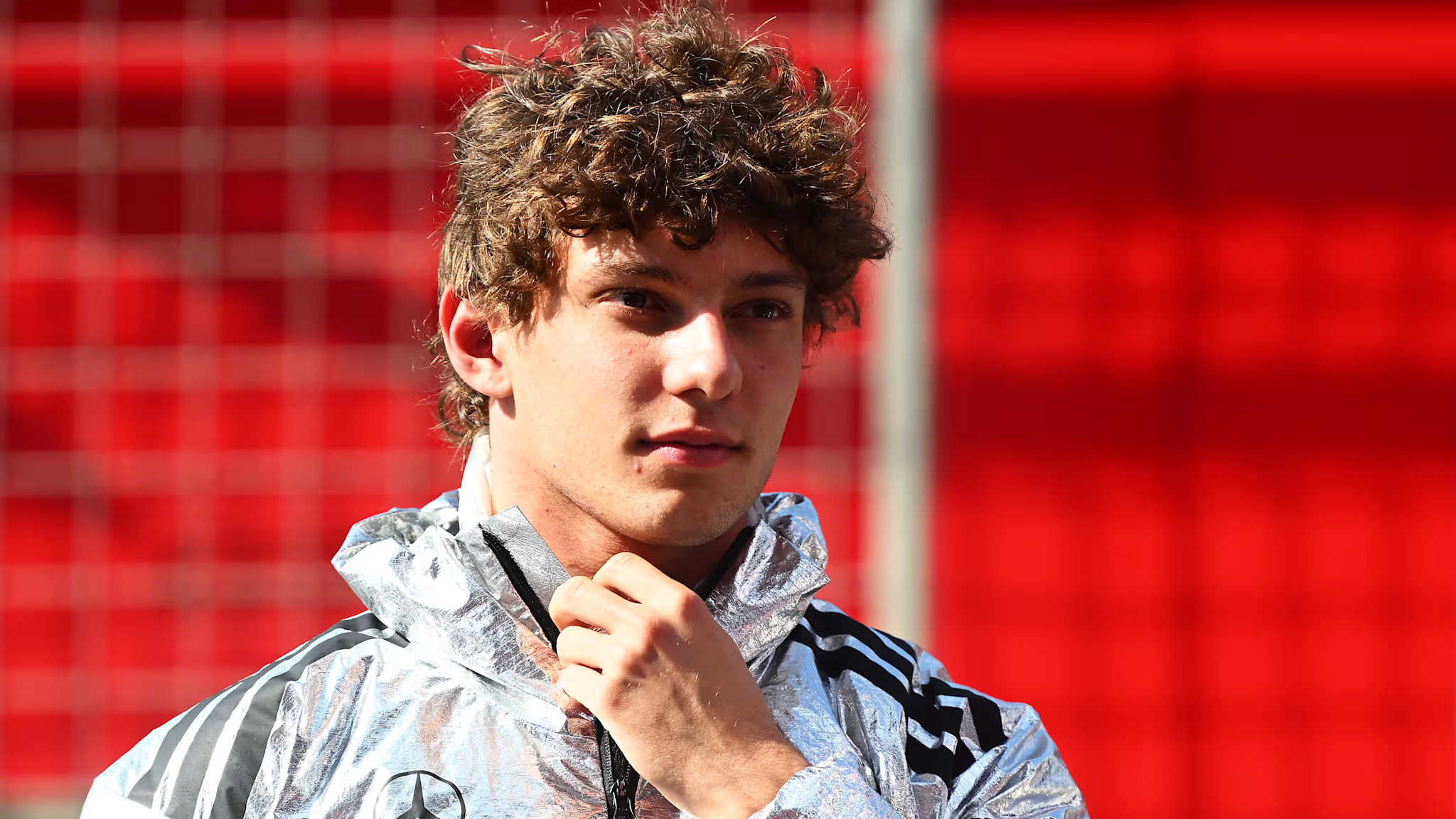
  • Kimi Antonelli Vows to Learn from ‘worst weekend of the season’ in Azerbaijan

    Kimi Antonelli Vows to Learn from ‘worst weekend of the season’ in Azerbaijan

    Key Highlights

    • Kimi Antonelli endured his “worst weekend of the season” at the Azerbaijan Grand Prix, crashing in qualifying and starting 16th before recovering to fifth.
    • Teammate George Russell’s pole-to-victory drive reduced Antonelli’s championship lead from 81 points to 66.
    • Antonelli revealed he carried “big floor damage” after contact with Ollie Bearman at the Safety Car restart, limiting his race pace.

    Disastrous Start in Baku Sets Tone for Difficult Weekend

    Kimi Antonelli’s Azerbaijan Grand Prix weekend unraveled early, with the Italian driver characterizing the event as his “worst weekend of the season” by a significant margin. Technical problems plagued his practice sessions before a dramatic crash in the opening phase of Qualifying relegated him to 16th on the grid. The setback stood in stark contrast to teammate George Russell, who secured pole position for Mercedes, highlighting the fine margins that defined the weekend for the championship leader.

    Race Day Recovery Amid Significant Floor Damage

    Despite the compromised grid slot, Antonelli mounted a determined recovery drive to finish fifth. However, the race was far from straightforward. Contact with Haas driver Ollie Bearman at the Safety Car restart inflicted substantial aerodynamic damage, a factor Antonelli identified as critical to his inability to challenge further forward.

    “I think it’s one of those days where you have to be happy with P5. Obviously it was the worst weekend, by far, of the season.”

    “I was just… I felt always a step behind, and especially with the mistake in Qualifying, the confidence level was not high. In today’s race I just tried to… today was about damage limitation.”

    “I didn’t have strong pace, and also after [contact with Haas’ Ollie Bearman at] the Safety Car restart I was carrying big damage, big floor damage.”

    “It was not easy out there, but I just did my best.”

    Championship Lead Cut as Russell Capitalizes

    The weekend’s championship implications were significant. Russell’s flawless execution—converting pole position into victory—slashed Antonelli’s title advantage from 81 points to 66. The 15-point swing underscores how quickly momentum can shift in a tightly contested season, placing added pressure on Antonelli to maximize every remaining opportunity.

    Antonelli Focused on Mental Reset for Asian Swing

    Looking ahead, the Formula 1 circus heads to Malaysia and Singapore over the next two weekends, marking a busy final phase of the campaign. Antonelli remains confident that Baku represents an anomaly rather than a trend, emphasizing the lessons learned.

    “I think this weekend taught me a lot.”

    “I think in many occasions this weekend… I don’t know, probably also with the mindset I was not in the best pace.”

    “I’ll just make sure that next weekend we get back at the right level.”

    Why This Matters

    The Azerbaijan weekend exposed vulnerabilities in Antonelli’s otherwise dominant season. While a single bad weekend is statistically inevitable over a long championship, the combination of a qualifying error, race-day damage, and a teammate’s maximum score creates a perilous narrative shift. With the championship lead now at 66 points—still substantial but no longer insurmountable—the psychological dynamic changes. Russell has demonstrated he can deliver a perfect weekend when the car is beneath him, and the upcoming street circuits in Singapore (and potentially Malaysia, per the current schedule) demand the precision and confidence Antonelli lacked in Baku. How he responds mentally over the next fortnight will likely define the championship’s final chapter.

    Frequently Asked Questions

    What caused Kimi Antonelli’s poor qualifying performance in Baku?

    Antonelli crashed heavily in the opening phase of Qualifying after technical problems hampered his practice running, leaving him 16th on the grid while teammate George Russell took pole position.

    How much did Antonelli’s championship lead decrease after the Azerbaijan Grand Prix?

    George Russell’s victory from pole reduced Antonelli’s championship lead from 81 points to 66 points, a swing of 15 points in a single weekend.

    What damage did Antonelli sustain during the race?

    Antonelli reported “big floor damage” following contact with Haas driver Ollie Bearman at the Safety Car restart, which he said compromised his pace for the remainder of the race.

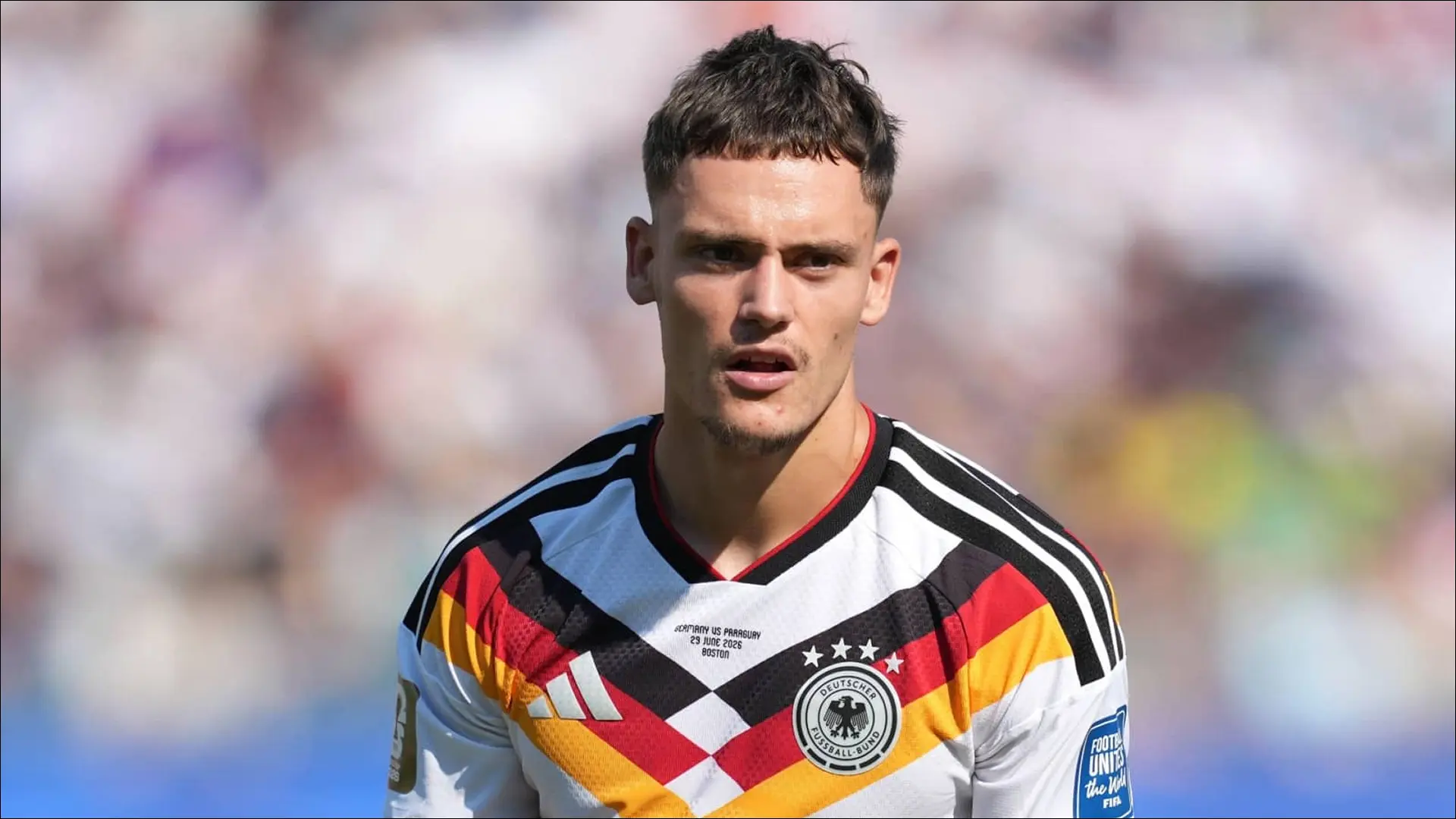
  • Klopp warns against rushing Wirtz: ‘That would be the worst thing we could do now’

    Klopp warns against rushing Wirtz: ‘That would be the worst thing we could do now’

    Key Highlights

    • Germany head coach Jürgen Klopp has publicly defended Florian Wirtz following a challenging period at Liverpool.
    • Wirtz was initially named to Germany’s secondary squad for Nations League matches against Serbia and Greece.
    • Jamal Musiala’s muscle injury against the Netherlands prompted Wirtz’s elevation to the primary squad ahead of schedule.

    Klopp’s Defense of Wirtz Amid Liverpool Struggles

    Germany head coach Jürgen Klopp has issued a strong vote of confidence in Florian Wirtz after the attacking midfielder endured a difficult spell at club level with Liverpool. The German tactician, known for his player-centric management style, moved quickly to shield the 21-year-old playmaker from excessive scrutiny, emphasizing the importance of patience and perspective when evaluating a young talent adapting to the rigors of Premier League football. Klopp’s intervention signals a protective stance designed to insulate Wirtz from external pressure as he navigates a pivotal phase in his professional development.

    Squad Selection Dynamics for Nations League Campaign

    The selection saga began with the announcement of Germany’s squad structure for the upcoming UEFA Nations League fixtures against Serbia and Greece. Initially, Wirtz found himself placed in the secondary group, a decision that reflected the coaching staff’s cautious approach to his workload management following a demanding club season. This reserve role would have allowed the Bayer Leverkusen product to train with the national team setup without the immediate expectation of significant match minutes, providing a lower-stakes environment to regain rhythm and confidence.

    Musiala Injury Accelerates Wirtz Call-Up

    The strategic calculus shifted dramatically when Jamal Musiala, Bayern Munich’s dynamic attacking midfielder, suffered a muscle injury during Germany’s encounter with the Netherlands. Musiala’s withdrawal created an immediate void in the creative hub of Julian Nagelsmann’s first-team plans, forcing the coaching staff to accelerate Wirtz’s integration into the primary squad. The Bayer Leverkusen star’s promotion underscores his status as the natural heir to Musiala’s playmaking responsibilities and highlights the trust the national team hierarchy places in his technical ability to influence games at the highest level.

    Why This Matters

    This sequence of events illuminates several critical dynamics within German football. First, it reveals the delicate balance national team coaches must strike between club form and long-term player development—Klopp’s public backing serves as both a shield and a signal that Wirtz remains central to Germany’s creative future. Second, the rapid elevation from standby to starter-in-waiting demonstrates the razor-thin margins in elite international football, where a single injury can reshape tournament narratives. With the Nations League serving as a crucial preparatory platform for major tournaments, Wirtz’s minutes against Serbia and Greece will offer valuable data on his readiness to shoulder creative burden in Musiala’s absence, potentially defining Germany’s tactical identity heading into the next competitive cycle.

    Frequently Asked Questions

    Why was Florian Wirtz initially placed in Germany’s second squad?

    Wirtz was assigned to the secondary squad as a load-management measure following a demanding season at Liverpool, allowing him to reintegrate with the national team setup without immediate pressure for significant playing time in the Nations League fixtures against Serbia and Greece.

    What prompted Florian Wirtz’s promotion to the first squad?

    Jamal Musiala sustained a muscle injury during Germany’s match against the Netherlands, creating a vacancy in the attacking midfield role that led coaches to elevate Wirtz to the primary squad earlier than originally planned.

    What is Jürgen Klopp’s role in this situation?

    As Germany head coach, Jürgen Klopp publicly defended Wirtz after his difficult period at Liverpool, emphasizing the need for patience with the young midfielder and backing his inclusion in the national team setup despite recent club struggles.

  • Russell Narrowly Holds Off Verstappen to Win Chaotic Azerbaijan GP

    Russell Narrowly Holds Off Verstappen to Win Chaotic Azerbaijan GP

    Key Highlights

    • George Russell secured his third victory of the 2025 season and eighth career win at the Azerbaijan Grand Prix, holding off Max Verstappen by a mere 0.1 seconds in a dramatic finish.
    • The race featured seven retirements—including Lando Norris, Alex Albon, and both Aston Martin drivers—and three Safety Car periods that reshuffled the order and created a chaotic finale.
    • Red Bull achieved a double podium with Isack Hadjar claiming third, while Kimi Antonelli recovered from a qualifying crash to finish fifth from 16th on the grid.

    Russell Survives Verstappen Assault to Win in Baku

    George Russell converted a dominant pole position into a hard-fought victory at the Azerbaijan Grand Prix, crossing the line just one-tenth of a second ahead of a charging Max Verstappen. The Mercedes driver controlled the opening stint after a superb launch, building a lead that peaked near ten seconds before a series of Safety Car interventions erased his advantage and set up a thrilling final-lap duel. The win marks Russell’s third of the season and his first since the Austrian Grand Prix in Round 8.

    Qualifying Masterclass Sets the Stage

    The foundation for victory was laid on Saturday when Russell delivered what the team described as a “superlative lap” in Q3, securing pole position by a massive 0.837-second margin over Charles Leclerc’s Ferrari—the largest gap of the year. The front row was completed by Oscar Piastri and Isack Hadjar on the second row, with Lando Norris and Lewis Hamilton lining up behind. The session was not without drama: championship leader Kimi Antonelli crashed heavily at Turn 1 in Q1, damaging his car and consigning him to a P16 start, significantly adrift of his dominant teammate. Pre-race penalties further shuffled the grid, with Carlos Sainz demoted five places for a yellow flag infringement and both Aston Martin drivers relegated to the back row for power unit element changes.

    Safety Cars and Chaos Rewrite the Race

    The Grand Prix was defined by attrition and intervention. An early stoppage for Lance Stroll’s water pressure issue was a mere prelude. On Lap 9, Alex Albon locked up and hit the barriers at Turn 6, bringing out the first full Safety Car and prompting a round of pit stops. Red Bull executed a flawless double stack to maintain Hadjar ahead of Verstappen. The restart saw Verstappen finally pass Piastri for second, but chaos erupted immediately behind: Franco Colapinto locked up at Turn 1, colliding with Alpine teammate Pierre Gasly and collecting Norris in a three-car pileout that neutralized the race again.

    A second restart handed Russell a cleaner getaway, but disaster struck Piastri when he, too, locked up at Turn 1 while running third, spinning to the rear of the field. Amid the turmoil, Antonelli methodically carved through the order, passing Hamilton for fifth with eight laps remaining. At the front, Verstappen hounded Russell relentlessly, the pair separated by mere tenths. A late yellow flag for Valtteri Bottas’s crash threatened to freeze the order, but the race stayed green for a final-lap shootout. Verstappen pulled alongside down the main straight but could not complete the pass.

    Red Bull Podium and Antonelli’s Damage Limitation

    Behind the leading duo, Hadjar held on for a career-best third place, delivering Red Bull a double podium. Leclerc finished a lonely fourth for Ferrari, while Antonelli’s recovery drive from P16 to P5 stood as one of the drives of the day, limiting the championship damage from his qualifying error. Hamilton crossed the line sixth for Ferrari, ahead of a fierce battle for seventh where Arvid Lindblad edged Esteban Ocon at the line. Haas celebrated a double points finish for the first time since Monaco, with Ollie Bearman ninth and Carlos Sainz tenth. Nico Hulkenberg and Liam Lawson missed out in eleventh and twelfth, the latter left frustrated after contact with Racing Bulls teammate Hadjar, who sarcastically remarked, I love getting taken out by my team mate. That’s pretty sick.

    Why This Matters

    The Azerbaijan Grand Prix underscored the extreme competitiveness of the 2025 field, where track position and tyre management are amplified by the Baku City Circuit’s unforgiving walls. Russell’s ability to manage a failing turbo issue on the final laps—revealing post-race that when the yellow flag came out, I lifted off the power, and when I went back, I had no turbo, so then I had no power—highlights the mechanical fragility underpinning the sporting spectacle. For Red Bull, the double podium signals strong race pace despite Verstappen’s early tyre struggles, while Mercedes will take confidence from Russell’s control and Antonelli’s resilience. The high attrition rate—seven non-finishers including both Aston Martins and both Alpines—emphasizes the premium on reliability as the championship heads into a critical triple-header sequence.

    Frequently Asked Questions

    Who won the 2025 Azerbaijan Grand Prix?
    George Russell won the race for Mercedes, securing his third victory of the season and eighth career win, finishing 0.1 seconds ahead of Max Verstappen.
    How many drivers retired from the Azerbaijan Grand Prix?
    Seven drivers failed to finish: Alex Albon, Franco Colapinto, Pierre Gasly, Lando Norris, Fernando Alonso, Lance Stroll, and Valtteri Bottas.
    What is the next race on the 2025 Formula 1 calendar?
    The next stop is the Bahrain Grand Prix at the Sepang International Circuit in Malaysia, scheduled for October 2–4, as part of a triple-header sequence.
  • Five Quick Takeaways from the Azerbaijan Grand Prix

    Five Quick Takeaways from the Azerbaijan Grand Prix

    Key Highlights

    • George Russell converted pole position into victory in Baku, modestly improving his Formula 1 championship prospects.
    • Isack Hadjar delivered a strong Red Bull comeback, qualifying fourth and supporting Max Verstappen on the way to the podium.
    • Franco Colapinto’s restart mistake damaged Alpine’s points chances, while Sergio Perez impressed on the Baku street circuit.

    George Russell makes the most of Mercedes’ Baku advantage

    George Russell produced one of his most convincing weekends of the year at the Azerbaijan Grand Prix, converting a dominant pole position into victory and taking full advantage of a rare difficult weekend for Mercedes team-mate Kimi Antonelli.

    The result does not transform Russell’s Formula 1 championship prospects. His chances may have increased from roughly one percent to about two percent, but there is still no clear championship battle. Given Mercedes’ advantage over its rivals in Baku, expectations of a major title resurgence would be excessive.

    Even so, Russell did everything required of him. He secured pole by a substantial margin, controlled the race and capitalised on Antonelli’s early Q1 mistake, which prevented the Italian from showing his full potential. The weekend was arguably Russell’s strongest of the season apart from Australia.

    Russell’s victory does not prove that he can still win the championship this year. It does, however, serve as an important reminder that the Mercedes driver remains quick and should not be dismissed completely.

    Isack Hadjar validates Red Bull’s long-term confidence

    Isack Hadjar’s position at Red Bull was not considered under serious threat during his recovery from a wrist injury. However, the contract extension handed to the French driver before his Formula 1 return prompted questions about the source of the team’s confidence.

    His performance in Baku provided a strong answer. Hadjar qualified fourth and stayed close to the action after Max Verstappen encountered mechanical problems. He then followed Red Bull’s strategic expectations in the race, giving up a promising position early on to support his team-mate.

    Hadjar acted as Verstappen’s wingman and even urged the reigning Red Bull driver to increase his pace, a dynamic not seen since Sergio Perez’s early years with the team. He handled two Safety Car restarts and pressured Oscar Piastri into a mistake before following Verstappen onto the podium.

    The result marked an impressive comeback for Hadjar and demonstrated why Red Bull has selected him as a long-term team-mate for Verstappen.

    Williams’ FW48 B-spec shows promise but falls short

    Williams arrived in Baku with significant expectations surrounding its long-awaited FW48 B-specification car. The package included an all-new, lighter chassis and a redesigned floor, although the team had described the update as a step toward stronger performance in 2027 rather than a revolutionary transformation.

    The Azerbaijan weekend broadly confirmed that assessment. Williams returned to the midfield fight, and Carlos Sainz progressed to Q3, providing encouragement after a period away from the competitive centre of the field.

    However, the high-speed Baku street circuit appeared well suited to the Mercedes-powered team’s natural strengths. With that advantage, remaining well outside the points picture on Saturday felt like a missed opportunity. The FW48’s performance at the higher-downforce circuits in Malaysia and Singapore will offer a clearer indication of whether the B-spec package can deliver consistent progress.

    Alpine loses points after Franco Colapinto’s costly error

    Alpine appeared set to secure another strong result as the leading team behind the frontrunners for a third consecutive race weekend. Both Franco Colapinto and Pierre Gasly were on course to score points, but the Baku race demonstrated how quickly Formula 1 fortunes can change.

    Following the Safety Car period caused by Alex Albon’s crash, Colapinto arrived too quickly at Turn 1 during the restart. He hit Gasly, who then made contact with Lando Norris’s McLaren, turning a promising Alpine result into a costly setback.

    Colapinto quickly apologised to Gasly and the entire Alpine team. The incident came while Alpine is engaged in a close battle with Racing Bulls for fifth place in the constructors’ championship, increasing the significance of the lost opportunity.

    The team’s response will attract attention after the tension between Gasly and Colapinto at the end of the previous race in Madrid, followed by online abuse aimed at Gasly. Alpine’s handling of the latest incident, both internally and publicly, will be closely watched.

    Sergio Perez underlines his strength on street circuits

    Sergio Perez showed his street-racing expertise in Baku, finishing 13th in Thursday’s second practice session and running one second per lap faster than Cadillac team-mate Valtteri Bottas. Bottas had a new floor and dampers for qualifying, which he described as transformative, but Perez was significantly stronger in the race, pulling away from him by between one and two seconds per lap.

    Perez’s precise driving style is particularly effective on street circuits. He can manipulate the rear axle into a controlled slide without putting the car into the barriers, and he has moved beyond the unruly approach that characterised the early part of his Formula 1 career. His ability to manage his tyres has made him an archetypal ‘tyre whisperer’.

    While watching FP2 from the Cadillac garage, the team observed Perez’s technique closely. At one stage, race engineer Carlo Pasetti asked Perez about what appeared to be an unusual braking approach into Turn 1.

    “Baku style,” replied Perez, keeping a few secrets in his box.

    In the race, Perez initially shadowed the Audi cars and opened a gap of more than 20 seconds to Bottas. The Safety Car disruption briefly gave him an opportunity to take 13th place from faster cars, but Gabriel Bortoleto and Oscar Piastri eventually passed him.

    Perez finished 15th, a modest result that did not reflect the quality of his drive. His performance received less attention because the focus was on the leading battle between George Russell and Max Verstappen, but the large gap to Bottas before the Finn’s final-lap crash was notable for the Cadillac pit wall.

    Why This Matters

    The Baku weekend highlighted several important trends across the Formula 1 field. Russell’s win keeps a small possibility of a championship recovery alive while confirming that Mercedes can exploit its performance advantage when its lead driver executes cleanly. Red Bull’s confidence in Hadjar was also reinforced by a podium-supporting performance under pressure.

    Further down the field, Williams still needs to establish whether its FW48 B-spec can provide reliable gains beyond circuits naturally suited to its package. Alpine’s clash showed how quickly points can disappear in a constructors’ battle, while Perez’s pace underlined the value of street-circuit expertise even when the final result does not reflect the quality of the performance.

    Frequently Asked Questions

    Did George Russell become a serious championship contender after winning in Baku?

    No. Russell’s victory modestly improved his already small title prospects, but it did not create a clear championship battle.

    Why was Isack Hadjar’s Red Bull performance significant?

    Hadjar qualified fourth, supported Max Verstappen during the race, handled two Safety Car restarts and finished on the podium. The result supported Red Bull’s decision to extend his contract and plan for him as Verstappen’s long-term team-mate.

    What happened between Alpine’s Franco Colapinto and Pierre Gasly?

    Colapinto arrived too quickly at Turn 1 during a Safety Car restart and hit Gasly. Gasly then made contact with Lando Norris, costing Alpine a strong chance of scoring points.

  • Alex Albon and Carlos Sainz Reveal Plans for F1 Boys’ Trip

    Alex Albon and Carlos Sainz Reveal Plans for F1 Boys’ Trip

    Key Highlights

    • Alex Albon and Carlos Sainz say a small group of Formula 1 drivers plans to remain in Asia for a boys’ trip between the Bahrain and Singapore Grands Prix.
    • Williams introduced a major FW48 upgrade package at the Azerbaijan Grand Prix, with Sainz qualifying ninth and Albon 13th.
    • Sainz will start the Baku race from 14th after receiving a five-place grid penalty for failing to slow under yellow flags.

    Alex Albon and Carlos Sainz reveal F1 drivers’ Asia trip plans

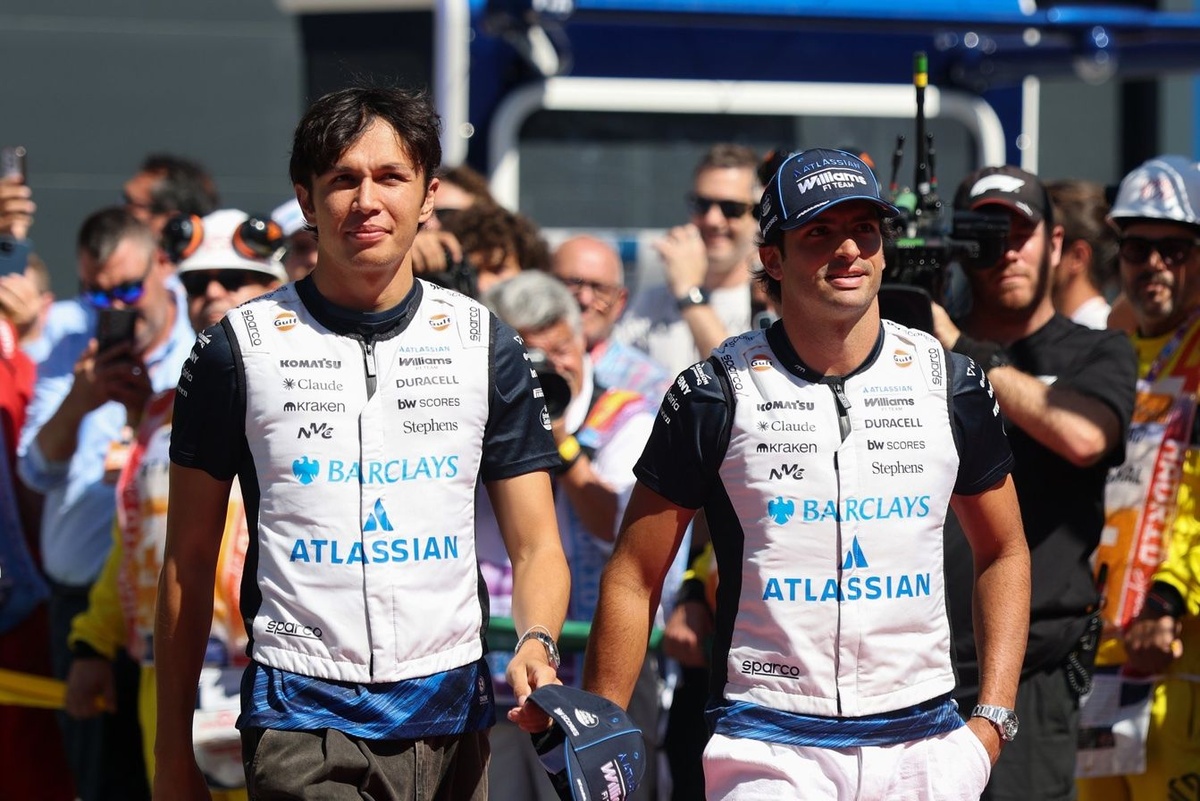
    Williams team-mates Alex Albon and Carlos Sainz have revealed that a small group of Formula 1 drivers will use the gap between the rescheduled Bahrain Grand Prix and the Singapore Grand Prix for a boys’ trip.

    The Bahrain Grand Prix will be held at the Sepang International Circuit in Malaysia because of the conflict in the Middle East. The revised schedule has given drivers the opportunity to remain in Asia between the two races instead of returning to their team bases.

    “We’re going to go on like a boys’ trip, I guess,” Albon said during an interview in the Fan Zone ahead of the Azerbaijan Grand Prix. “I think there are a few drivers where we’re going to hang out.”

    Sainz added: “Yeah, it’s going to be [a boys’ trip]. We just realised no one’s bringing their girlfriend. But it’s not like we’re going to do anything exciting. We’re going to be in a resort in the middle of nowhere.”

    Williams brings major FW48 upgrade to Baku

    The drivers’ travel plans come during an important weekend for Williams, which has introduced a major upgrade package for its FW48 at the Azerbaijan Grand Prix. After arriving at pre-season testing in Bahrain with an overweight car, the Grove-based team has worked on a B-specification car for Baku.

    The upgraded Williams machinery helped Sainz qualify ninth and Albon qualify 13th for the Azerbaijan Grand Prix. However, Sainz will begin the race from 14th after being handed a five-place grid penalty for failing to slow under yellow-flag conditions.

    The Spaniard also received two penalty points, taking his total to four points during the 12-month period. Sainz and Albon currently occupy 16th and 17th in the drivers’ championship, with six and five points respectively.

    Why This Matters

    The revised Formula 1 calendar has created an extended period in Asia between the Bahrain and Singapore races, allowing drivers to avoid returning to their bases between events. For Williams, the Azerbaijan Grand Prix is also an early test of whether its FW48 upgrade can improve the team’s performance after concerns over the car’s weight during pre-season testing.

    The Azerbaijan Grand Prix will take place at the Baku City Circuit at 3pm local time, which is noon UK time. Sainz’s grid penalty means Williams’ qualifying results will not translate directly into its starting positions for the race.

    Frequently Asked Questions

    Which Formula 1 drivers are planning the trip?

    Williams drivers Alex Albon and Carlos Sainz said that a small group of drivers will spend time together in Asia between the Bahrain and Singapore Grands Prix. They did not identify the other drivers involved.

    Why is the Bahrain Grand Prix being held in Malaysia?

    The Bahrain Grand Prix has been rescheduled to the Sepang International Circuit because of the conflict in the Middle East.

    Where will Carlos Sainz and Alex Albon start in Baku?

    Sainz qualified ninth but will start 14th after a five-place grid penalty. Albon qualified 13th and is set to start from that position.

  • ESPN Reminds Caitlin Clark She Isn’t WNBA’s Best Yet, Sparking Controversy

    ESPN Reminds Caitlin Clark She Isn’t WNBA’s Best Yet, Sparking Controversy

    Key Highlights

    • ESPN ranked Indiana Fever guard Caitlin Clark No. 2 among WNBA postseason players behind Las Vegas Aces star A’ja Wilson, sparking immediate debate across social media.
    • Clark finished the 2026 regular season with career-best averages of 22.3 points, 8.3 assists, and 4.0 rebounds, leading the league’s No. 1 offense and recording 14 points-assists double-doubles.
    • The No. 6 seed Fever open the playoffs against the No. 3 seed Aces, creating a direct first-round matchup between the two top-ranked players in ESPN’s list.

    ESPN Postseason Ranking Ignites Debate Over Clark’s Standing

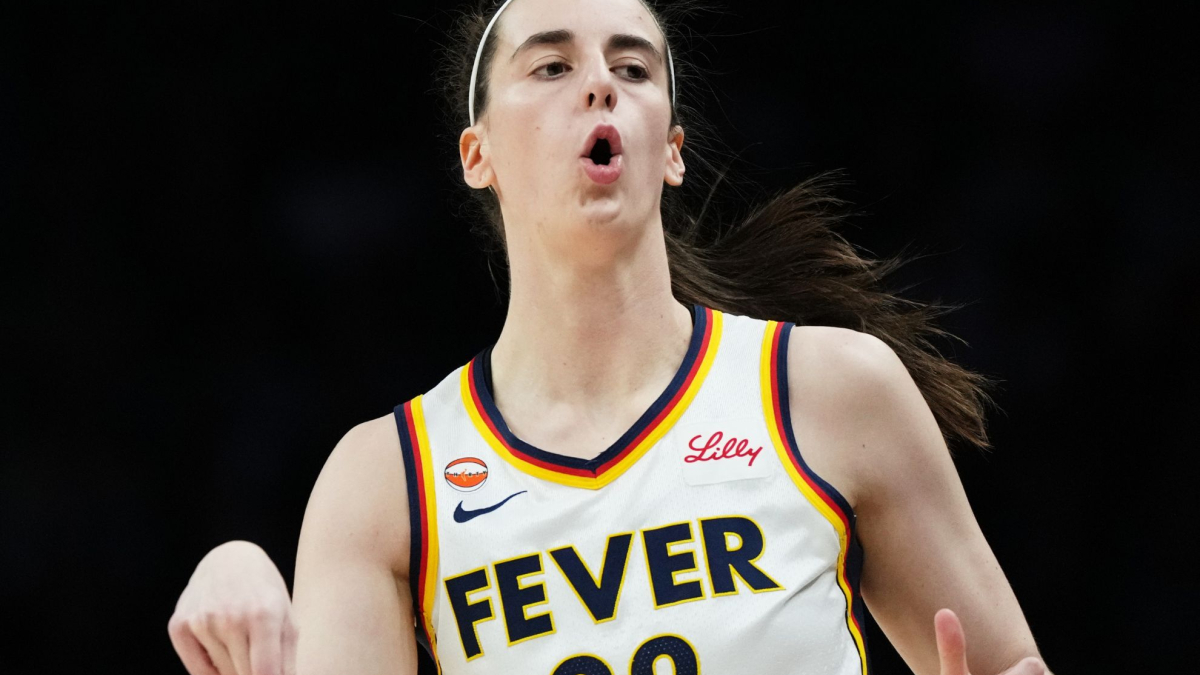
    Caitlin Clark enters the 2026 WNBA Playoffs following the most productive regular season of her professional career, yet the conversation surrounding the Indiana Fever guard extends well beyond her on-court production. ESPN’s latest postseason player rankings placed Clark at No. 2 among playoff participants, trailing only Las Vegas Aces forward A’ja Wilson. The decision proved instantly polarizing, with the ranking itself quickly becoming a larger story than the list it belonged to. Reaction on X.com, formerly known as Twitter, was predictably split as fans weighed in on the league’s most scrutinized player.

    Social Media Reaction Split on Clark’s No. 2 Placement

    The online discourse reflected the unusual space Clark occupies in the league’s ecosystem. While her statistical output was elite, almost every assessment of her game now feeds into a broader argument about her status relative to established stars. Critics of the ranking were vocal and immediate. One user wrote, “That’s a joke.” Another second said, “Nasty work. ESPN has fell off.” And a third commented, “Is this a joke in the last game she was missing.” The disagreement is notable because it comes from opposite directions: some fans believe Clark’s scoring and playmaking warranted the top spot over Wilson, while others point to Wilson’s MVP credentials and complete two-way impact as justification for the current order. Clark’s Fever teammate Kelsey Mitchell entered the postseason ranked No. 5 by the same outlet.

    Historic Regular Season Anchored by Offensive Mastery

    ESPN’s Kareem Copeland highlighted the scale of Clark’s campaign, writing that she “finished the best year of her career ranked No. 3 in points” and was “at the helm of the league’s No. 1 offense.” The numbers bear that out. Clark averaged 22.3 points, 8.3 assists, and 4.0 rebounds per game, finishing third in the WNBA in scoring and second in assists while recording 14 points-assists double-doubles. One of the clearest examples of her ceiling arrived in July, when she produced 45 points and 10 assists in a single game. She also closed the regular season on a tear, averaging 30.2 points and 10.0 assists over a five-game stretch before a rough finale.

    Playoff Opener Sets Up Direct Duel With Wilson

    Clark’s final regular-season game was easily one of her worst: she scored two points on 1-of-12 shooting in Indiana’s 86-66 loss to the Minnesota Lynx. However, that performance does not obscure the body of work that earned her the No. 2 ranking. The stakes of the debate are heightened by the playoff bracket. Indiana enters as the No. 6 seed and opens against the No. 3 seed Las Vegas Aces, giving the first round a direct matchup between the two players ESPN placed at the top of its list. The Aces eliminated the Fever in last season’s semifinals, though Clark did not participate in that postseason due to an injury-shortened year. This time, she is healthy and coming off a career-best regular season at age 24. Heading straight into a series against the player ranked above her, Clark has an immediate opportunity to make her case on the floor, even if the online argument over ESPN’s order is unlikely to disappear.

    Why This Matters

    The controversy surrounding Clark’s ranking underscores the unique pressure facing the league’s most visible player. Her statistical dominance — leading the No. 1 offense in league history by offensive rating — clashes with traditional MVP voting criteria that prioritize two-way impact and team success, areas where Wilson has historically excelled. The Fever’s No. 6 seed reflects a roster still building around Clark’s generational playmaking, while the Aces remain the league’s standard for championship construction. This first-round series serves as an early referendum: can Clark’s offensive gravity overcome a superior, more balanced Las Vegas roster? The answer will shape the narrative around the league’s hierarchy for the remainder of the postseason and into the offseason.

    Frequently Asked Questions

    What were Caitlin Clark’s final 2026 regular-season statistics?

    Clark averaged 22.3 points, 8.3 assists, and 4.0 rebounds per game. She finished third in the WNBA in scoring, second in assists, and recorded 14 points-assists double-doubles.

    Who is ranked ahead of Caitlin Clark in ESPN’s postseason player rankings?

    Las Vegas Aces star A’ja Wilson is ranked No. 1, placing her ahead of Clark at No. 2 among players competing in the 2026 WNBA Playoffs.

    When and where do the Fever and Aces play their first-round series?

    As the No. 6 seed, the Indiana Fever open the playoffs on the road against the No. 3 seed Las Vegas Aces. The series marks a rematch of last season’s semifinals, which Las Vegas won in Clark’s absence due to injury.

  • Julian Ward Appointed Liverpool Sporting Director Effective Immediately

    Julian Ward Appointed Liverpool Sporting Director Effective Immediately

    Key Highlights

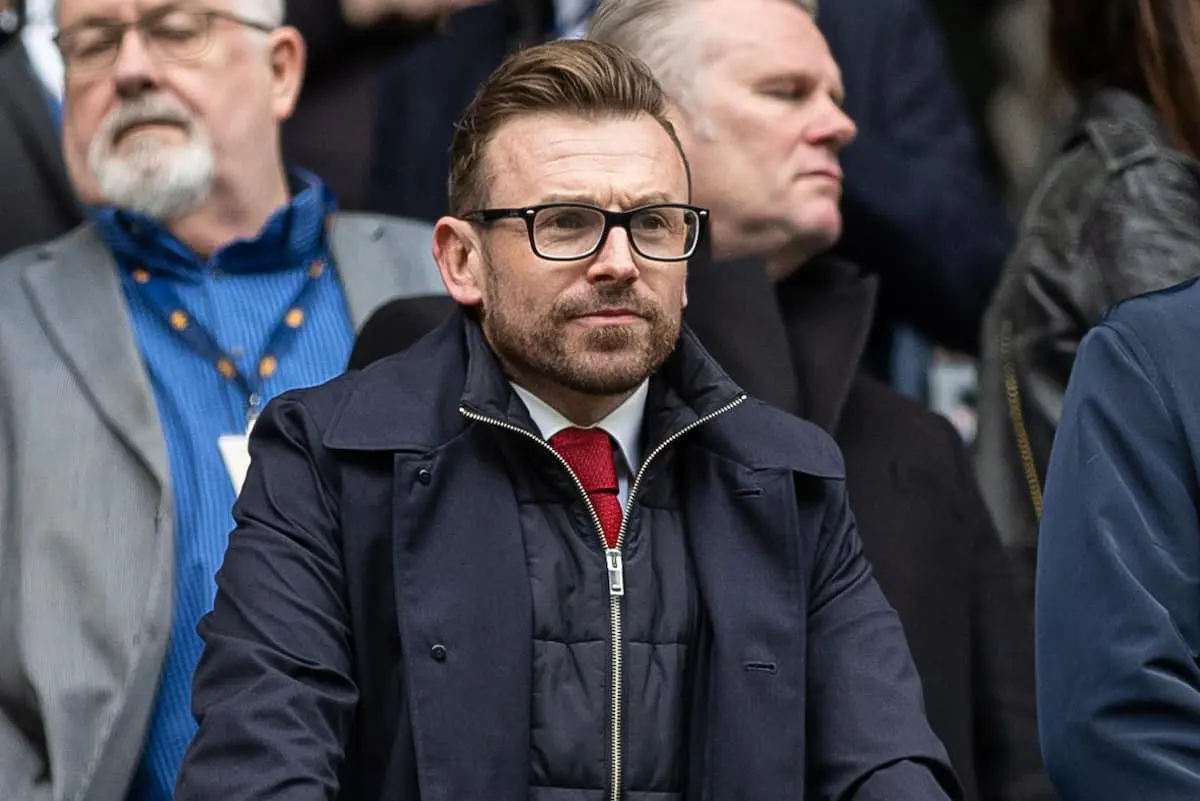
    • Liverpool FC has officially appointed Julian Ward as the club’s new sporting director, effective immediately.
    • Ward previously served as FSG’s technical director and returns to a role he held at Anfield during the 2022–23 season.
    • The appointment signals continuity in Liverpool’s football operations and recruitment strategy under Fenway Sports Group.

    Ward Returns to Lead Liverpool’s Football Operations

    Liverpool Football Club has confirmed the appointment of Julian Ward as sporting director, marking a significant return for the executive who previously occupied the position during the 2022–23 campaign. The club announced that Ward assumes the role with immediate effect, stepping back into a leadership position he knows intimately after a brief spell as technical director for owners Fenway Sports Group (FSG). His reappointment is designed to ensure stability across the club’s recruitment, scouting, and football operations departments at a pivotal moment in the sporting calendar.

    Continuity and Institutional Knowledge Drive the Decision

    Ward’s career at Liverpool spans more than a decade, beginning in scouting roles before progressing to assistant sporting director and eventually sporting director under the previous regime. His deep familiarity with the club’s data-driven recruitment model, player development pathways, and the strategic vision set out by FSG made him a natural candidate to reprise the position. The decision to bring him back underscores the ownership’s preference for internal promotion and operational continuity rather than an external search that could disrupt ongoing transfer planning and long-term squad building.

    Strategic Implications for the Upcoming Transfer Windows

    With the summer transfer window approaching, Ward’s immediate priority will be finalizing Liverpool’s recruitment targets and managing potential outgoings in coordination with head coach Arne Slot and the football operations team. His prior tenure saw the club navigate complex negotiations and integrate data analytics into player evaluation, a framework that remains central to Liverpool’s competitive strategy. The sporting director will also oversee the academy’s alignment with first-team needs, ensuring that homegrown talent continues to feed into the senior squad.

    Why This Matters

    The reappointment of Julian Ward reflects Fenway Sports Group’s broader governance philosophy: retaining institutional expertise to maintain strategic coherence across its football portfolio. By reinstalling a leader who already understands the club’s cultural and operational DNA, Liverpool minimizes the risk of strategic drift during a period of managerial transition. This move also signals to agents, players, and rival clubs that the recruitment structure remains robust and decisive, a critical factor in securing high-value targets in an increasingly competitive market.

    Frequently Asked Questions

    What is Julian Ward’s previous experience at Liverpool?
    Ward previously served as Liverpool’s sporting director during the 2022–23 season and has held various scouting and recruitment roles at the club over more than ten years.
    Why did FSG choose to reappoint Ward instead of hiring externally?
    The ownership group values continuity and Ward’s intimate knowledge of Liverpool’s recruitment model, data infrastructure, and long-term planning, which reduces disruption during a key transfer period.
    When does Ward officially start in the role?
    The club confirmed that Ward takes up the position with immediate effect.
  • Roony Bardghji Begins New Stage of ACL Injury Recovery

    Roony Bardghji Begins New Stage of ACL Injury Recovery

    Key Highlights

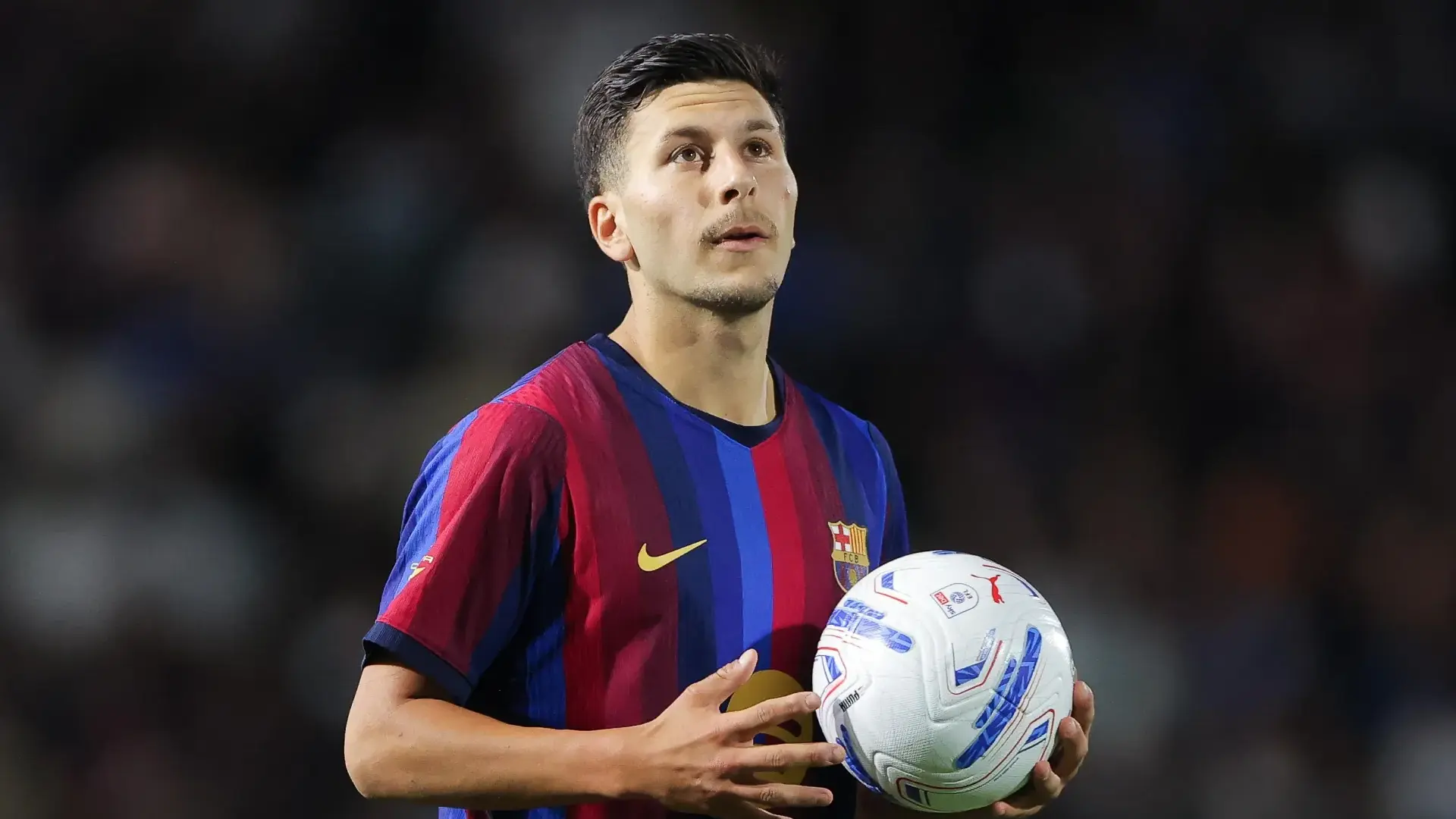
    • Barcelona winger Roony Bardghji has advanced to a new phase of rehabilitation following anterior cruciate ligament surgery on his right knee.
    • The Sweden international sustained the ACL tear during a training session on August 10 and underwent successful surgery two days later.
    • The procedure was performed by Dr. Joan Carles Monllau, a renowned specialist in sports orthopedics.

    Injury Timeline and Surgical Intervention

    FC Barcelona’s young Swedish winger Roony Bardghji has reached a significant milestone in his recovery journey, moving into the next stage of rehabilitation after undergoing reconstructive surgery on his right knee. The 18-year-old forward, who joined Barcelona’s youth setup from FC Copenhagen in 2023, suffered a complete anterior cruciate ligament (ACL) tear during a routine training session on August 10. The injury immediately ruled him out for an extended period, dealing a blow to both the player’s development trajectory and the club’s squad depth options for the 2024-25 season.

    Medical staff acted swiftly, with Bardghji undergoing successful arthroscopic surgery on August 12. The operation was performed by Dr. Joan Carles Monllau, the head of medical services at Hospital de Barcelona and a highly respected figure in sports orthopedics who has treated numerous elite footballers. Dr. Monllau’s involvement signals the club’s commitment to ensuring the highest standard of care for one of their most promising academy talents.

    Rehabilitation Progress and Next Steps

    The transition to a new rehabilitation phase indicates that Bardghji’s post-operative healing has progressed according to protocol. ACL reconstruction typically requires a nine-to-twelve-month recovery timeline before a return to competitive match play, with the initial weeks focused on wound healing, swelling management, and restoring range of motion. The subsequent phases introduce progressive weight-bearing, neuromuscular control exercises, and eventually sport-specific drills.

    Barcelona’s medical and performance teams will now guide Bardghji through a carefully structured program designed to rebuild strength, stability, and confidence in the repaired knee. The club has a strong track record of managing long-term injuries within La Masia graduates, and the coaching staff will likely integrate the winger into modified training sessions as his conditioning improves, while maintaining strict adherence to return-to-play criteria.

    Impact on Barcelona’s Squad Planning

    Bardghji’s absence creates a notable void in Barcelona’s attacking options, particularly given the club’s reliance on versatile wide players under current tactical systems. The Swedish international had shown flashes of his considerable potential during pre-season preparations, combining technical ability with direct running and creative output. His injury compounds the challenges faced by the first-team coaching staff in managing a demanding fixture schedule across La Liga, Champions League, and domestic cup competitions.

    While the club possesses alternative options on the flanks, Bardghji’s specific profile—left-footed, comfortable cutting inside from the right, and capable of operating in tight spaces—offered a unique dimension. The rehabilitation timeline suggests a potential return in the second half of the season, which could provide a timely boost during the decisive months of the campaign.

    Why This Matters

    Roony Bardghji represents a significant investment in Barcelona’s future, both as a sporting asset and a product of the club’s global scouting network. His successful recovery is critical not only for the player’s career trajectory but also for the club’s long-term squad planning and financial strategy. ACL injuries in young players carry psychological as well as physical challenges, and Barcelona’s holistic approach—combining world-class medical intervention with patient, phased rehabilitation—will serve as a case study in elite athlete management. The club’s handling of this injury will be closely watched by other European teams navigating similar situations with emerging talents.

    Frequently Asked Questions

    When did Roony Bardghji suffer his ACL injury?

    Roony Bardghji tore his anterior cruciate ligament during a training session on August 10.

    Who performed the surgery on Bardghji’s knee?

    The surgery was performed by Dr. Joan Carles Monllau on August 12, two days after the injury occurred.

    What is the expected recovery timeline for Bardghji?

    While the club has not specified an exact return date, ACL reconstruction typically requires nine to twelve months of rehabilitation before a return to competitive football, suggesting a potential comeback in the second half of the 2024-25 season.

  • Golden State Valkyries Find What Indiana Fever Lacked in 2026 to Secure Second-Place Finish

    Golden State Valkyries Find What Indiana Fever Lacked in 2026 to Secure Second-Place Finish

    Key Highlights

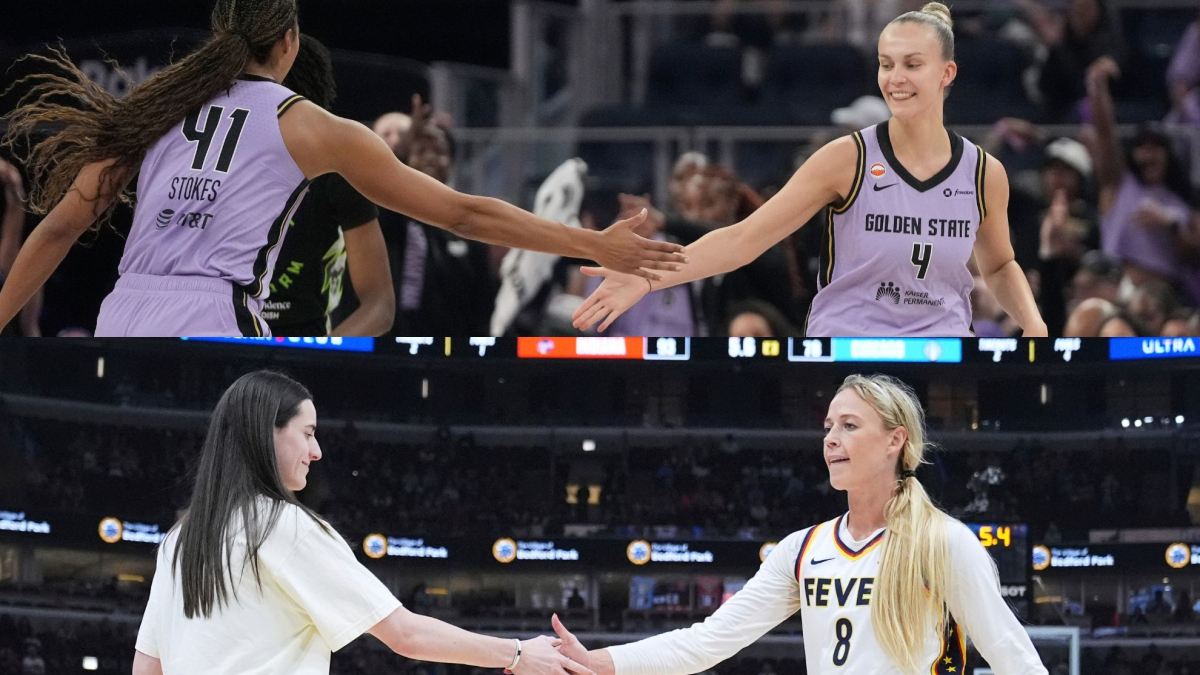
    • Golden State Valkyries secured the No. 2 seed with the WNBA’s best defense (75.1 points allowed per game), while Indiana Fever’s league-leading offense (96.0 points per game) settled for the No. 6 seed after a head-to-head tiebreaker loss to Washington.
    • Valkyries’ balanced roster construction—led by Gabby Williams (14.4 ppg), Veronica Burton (5.7 apg, 69 steals), Kaitlyn Chen (14 fourth-quarter points in finale), and Kiah Stokes (franchise-record 248 rebounds, 74 blocks)—contrasts sharply with Fever’s three-star offensive core of Caitlin Clark, Kelsey Mitchell, and Aliyah Boston.
    • Golden State opens the playoffs September 27 against the Dallas Wings with home-court advantage, while Indiana draws a first-round matchup against the defending champion Las Vegas Aces.

    Defensive Identity Powers Valkyries to No. 2 Seed

    The 2024 WNBA regular season concluded with a stark philosophical divide between its most surprising contender and its most electrifying offense. The expansion Golden State Valkyries finished second in the standings by anchoring their season on the league’s stingiest defense, surrendering just 75.1 points per game. That identity allowed the franchise to remain competitive night after night, even before its offense found full rhythm, and gave the team a floor that pure offensive teams often lack.

    Balanced Scoring and Bench Depth Define Golden State’s Formula

    Rather than relying on a single supernova, the Valkyries distributed production across the roster. Gabby Williams paced the team at 14.4 points per game, while Veronica Burton orchestrated the attack with 5.7 assists and led the squad with 69 steals. Kiah Stokes dominated the interior, posting franchise records of 248 rebounds and 74 blocks. Perhaps most critically, Golden State’s bench provided consistent reinforcement across the 44-game grind—a luxury Indiana could not match. The Fever’s season rode on three All-Star-caliber performers: Caitlin Clark (22.3 ppg, 8.5 apg), Kelsey Mitchell (24.7 ppg), and Aliyah Boston (14.2 ppg, 9.1 rpg). Their combined brilliance produced the league’s most potent offense, yet the supporting cast lacked the same depth when the schedule tightened.

    Dramatic Final-Day Comeback Clinches Second Place

    The No. 2 seed came down to the season’s final night. Golden State entered Thursday, September 24 trailing the Los Angeles Sparks by 16 points, with the Las Vegas Aces lurking one game back. A loss would have handed second place to Las Vegas after their win over Phoenix. Instead, Kaitlyn Chen erupted for 14 points in the fourth quarter, fueling a rally that encapsulated the Valkyries’ season: a defense that kept them within striking distance, a bench player seizing a decisive moment, and a collective refusal to fold. The Aces won their finale but finished third.

    Indiana’s Offensive Firepower Falls Short in Tiebreaker

    Indiana’s path to the postseason was equally dramatic but crueler in outcome. The Fever entered the final day provisionally holding the fifth seed at 28-16, needing a win over the Minnesota Lynx to secure it. They fell 86-66. Simultaneously, the Washington Mystics defeated the Chicago Sky, pulling even at 28-16 and claiming the fifth seed via head-to-head tiebreaker. Indiana tumbled to sixth, transforming a historic offensive campaign into a first-round date with the two-time defending champion Las Vegas Aces—a matchup that drastically alters the degree of difficulty for a team built to outscore opponents.

    Why This Matters

    The divergence between Golden State and Indiana illustrates two viable but fundamentally different blueprints for WNBA success in 2024. The Valkyries proved an expansion franchise can compete immediately by establishing a defensive culture and cultivating roster depth—an approach that insulates against injury, fatigue, and opponent game-planning. The Fever demonstrated that elite offensive talent can carry a team to a winning record and statistical history, but the lack of defensive margin and bench reinforcement left them vulnerable to a single bad night and an unforgiving tiebreaker. As the playoffs begin, the Valkyries’ home-court advantage against Dallas offers a favorable draw to validate their model, while Indiana’s clash with Las Vegas becomes an immediate referendum on whether offense alone can dethrone a dynasty.

    Frequently Asked Questions

    Who are the Golden State Valkyries playing in the first round of the 2024 WNBA playoffs?

    The Valkyries open the postseason on September 27 against the Dallas Wings with home-court advantage as the No. 2 seed.

    Why did Indiana Fever drop to the No. 6 seed despite finishing 28-16?

    Indiana lost its finale to Minnesota while Washington beat Chicago, creating a tie at 28-16. The Mystics owned the head-to-head tiebreaker over the Fever, claiming the fifth seed and pushing Indiana to sixth.

    What franchise records did Kiah Stokes set for the Valkyries this season?

    Stokes finished the regular season with 248 rebounds and 74 blocks, both new single-season franchise records for Golden State.