Category: Sports

Sports news, viral moments, athletes, teams, and major competitions.

  • Kimi Antonelli’s Luxury Problem Sparks Concern for Toto Wolff and Mercedes

    Kimi Antonelli’s Luxury Problem Sparks Concern for Toto Wolff and Mercedes

    Key Highlights

    • Kimi Antonelli secured a strong result at the Madring circuit in Madrid despite repeated track-limit warnings from race engineer Pete Bonnington and a late-race brush with the wall at Turn 7.
    • Mercedes team principal Toto Wolff described the 20-year-old Italian as “an inch too cool,” joking with father Marco Antonelli about his son’s aggressive driving while acknowledging it may be the source of his speed.
    • Both Wolff and Antonelli insist the rookie is not thinking about the championship, emphasizing a compartmentalized approach and a strong support network to manage pressure through the remainder of the 2025 season.

    Antonelli’s Flat-Out Approach Tests Mercedes’ Patience in Madrid

    The Madring circuit in Madrid provided the latest showcase of Kimi Antonelli’s uncompromising driving style, a trait that continues to deliver results while simultaneously testing the nerves of the Mercedes pit wall. Race engineer Pete Bonnington assumed the role of a stern schoolteacher throughout the Grand Prix, relentlessly reminding the 20-year-old Italian to respect track limits on a layout where overtaking proved virtually impossible. Having gained an early advantage from a well-timed virtual safety car period, Antonelli’s primary task was to bring the car home cleanly ahead of Max Verstappen and Lando Norris, who were resigned to following the Mercedes to the finish line.

    Radio Drama: From “Weird Steering” to a Wall Strike

    The race weekend nearly took a dramatic turn earlier in the event when Antonelli delivered what sounded like a prank call over the team radio. Antonelli: “Check the car!” Bonnington responded calmly, “Which corner?” only for the driver to clarify, “No I didn’t touch any wall, but the steering feels weird…” The tension escalated with five laps remaining. Despite facing little genuine pressure from behind, Antonelli tagged one of the concrete walls lining the challenging circuit. “I touched the wall on the entry to Turn 7,” Antonelli yelled. The incident underscored a pattern of flirting dangerously with track boundaries, much to the dismay of his father Marco and team boss Toto Wolff.

    Wolff: “He’s Causing Us Grey Hair” But Speed Justifies the Risk

    Speaking after the race, Wolff offered a candid, often humorous assessment of his young charge’s methodology. Revealing a post-race conversation with Marco Antonelli, the Mercedes chief stated: “I just discussed it with his father and we were joking: ‘What an idiot!’. No, that’s just Kimi. The white lines, we had to drum it into his head that he shouldn’t go over the white lines. Even in Monza, he still went over the white lines and [risked] the car. And the same with track limits. At a certain stage, I said to him: ‘Don’t you see out of the car? Do we need to sit you that high up so that you have [avoid] those track limit things? We had a laugh about it. And today, six laps to the end or whatever it was, he says: ‘Check the car, I just brushed the wall.’ What?! He’s causing us grey hair. But maybe he’s like this and maybe that’s what’s making him so quick.”

    Wolff doubled down on the characterization, adding: “He had to hit the wall again because he wants to go fast. Sometimes for me, he’s an inch too cool.” The team principal suggested this flat-out approach is a trait Mercedes will have to live with, at least until it eventually goes wrong. Yet, when pressed on whether the pressure of a maiden world championship challenge might alter the rookie’s mindset, Wolff was adamant it would not.

    Compartmentalization and the “Black Swan” Philosophy

    Addressing the championship implications for the youngest driver ever in such a position, Wolff insisted: “I promise you he’s not thinking about it. The way this kid is able to compartmentalise and be the young kid and then get into the car and be the mature racing driver… If Kimi says to himself: ‘I’m not thinking about the championship’, then he’s not thinking about the championship. We are also trying, the parents and myself, the team is saying: ‘You know, this is not finished.’ There are black swan events. They can come and you’re losing something out of your hands when you didn’t think it was possible to lose. So, he’s not going to think about it. We’re too grown up and mature for this. We think about worst-case scenarios. He doesn’t think about it.”

    Building on the lessons of a troubled debut year in 2025, Antonelli feels equipped to handle the season’s remaining challenges, whether the finale arrives in Abu Dhabi or at an impromptu home race in Imola near his native Bologna. He credits his support system for keeping him grounded. “I’m lucky to have really good people around me. I have an incredible team that supports me, a great family. Especially my dad is the one who keeps me on the ground. Especially when he sees that I might lose a little bit the way, he doesn’t [hesitate] to tell me off or to just tell me to come back to the ground. On my side, as I said many times, I just try to do my best every race, trying to really drive as fast as I can whenever I go in the car. And then we’ll see where we end up at the end of the year. But definitely I don’t want to overcomplicate things or just drive worrying about championship or results. Just driving, doing my best.”

    Why This Matters: The Antonelli Paradox

    Kimi Antonelli’s 2025 campaign represents a fascinating case study in modern Formula 1 driver management. Mercedes has invested heavily in the Italian teenager as a cornerstone of their post-Lewis Hamilton era, and his raw pace is undeniable. However, the Madrid weekend crystallized the central tension of his rookie season: the razor-thin line between “maximum attack” and “costly mistake.” The Madring circuit’s unforgiving walls and strict track limits acted as a pressure cooker, exposing the operational friction between a driver whose instinct is to push beyond the limit and an engineering team desperate for reliability. Wolff’s public joking—referencing “grey hair” and calling his own driver an “idiot” affectionately—signals a management strategy of acceptance rather than suppression. The team has calculated that neutering Antonelli’s aggression might dull the very weapon that makes him quick. The broader championship picture remains volatile; with Verstappen and Norris still in contention, Mercedes cannot afford a “black swan” event caused by an avoidable error. The coming rounds will test whether this high-wire act can be sustained until the checkered flag in Abu Dhabi.

    Frequently Asked Questions

    What happened during Kimi Antonelli’s radio exchange with Pete Bonnington in Madrid?

    Early in the race, Antonelli reported a steering issue saying, “Check the car!” When Bonnington asked which corner, Antonelli clarified he hadn’t hit a wall but the steering felt weird. Later, with five laps to go, Antonelli struck the wall at Turn 7 entry, reporting, “I touched the wall on the entry to Turn 7.”

    How did Toto Wolff characterize Antonelli’s driving style after the race?

    Wolff described Antonelli as “an inch too cool” and revealed he and Marco Antonelli joked, “What an idiot!” regarding the track limits violations. Wolff acknowledged the aggression causes “grey hair” but suggested it might be the source of Antonelli’s speed, stating Mercedes will have to live with the approach until it goes wrong.

    Is Kimi Antonelli thinking about the 2025 World Championship?

    Both Wolff and Antonelli insist he is not. Wolff emphasized Antonelli’s ability to compartmentalize and stated the team and parents constantly remind him “this is not finished,” focusing on “black swan events” and worst-case scenarios. Antonelli said he simply tries to drive as fast as possible every race without overcomplicating things or worrying about the championship.
  • Michael Sweetney, College Star Whose NBA Career Was Derailed by Depression, Dies at 43

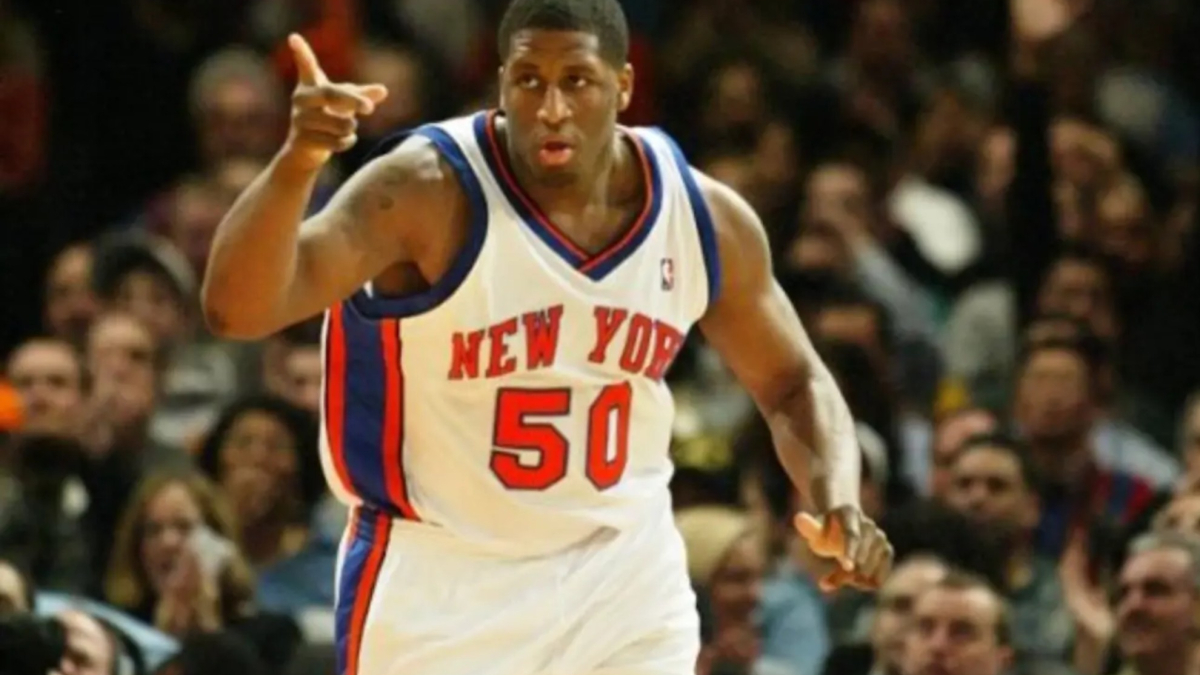
    Michael Sweetney, College Star Whose NBA Career Was Derailed by Depression, Dies at 43

    Key Highlights

    • Former NBA first-round pick Michael Sweetney died Thursday at age 43; his wife, India Sweetney, announced the passing on social media, and no cause of death has been disclosed.
    • Sweetney starred at Georgetown University, averaging 22.8 points, 10.4 rebounds, and 3.2 blocks per game in 2002–03, earning Naismith Player of the Year consideration before New York selected him ninth overall in the 2003 NBA Draft.
    • After a 233-game NBA career with the Knicks and Bulls marred by depression, eating disorders, and weight struggles, Sweetney played internationally and became a mental-health advocate following his 2017 retirement.

    Georgetown Dominance Propels Sweetney to Lottery Status

    Michael Sweetney arrived at the NBA with a résumé that signaled franchise-cornerstone potential. During his final season with the Georgetown Hoyas in 2002–03, the 6-foot-10 power forward posted monstrous averages of 22.8 points, 10.4 rebounds, 3.2 blocks, 1.9 assists, and 1.5 steals per game. Those numbers placed him firmly in the conversation for the Naismith College Player of the Year award and vaulted him into the top ten of draft boards league-wide. The New York Knicks ultimately selected him with the ninth overall pick in the 2003 NBA Draft, envisioning a physical interior presence to anchor their frontcourt for years to come.

    Personal Tragedy and Mental-Health Struggles Derail NBA Trajectory

    Sweetney’s professional career unraveled almost immediately. Just before his rookie season, his father passed away, plunging the 21-year-old into a deep depression that he later spoke about publicly. Compounded by limited playing time, the grief manifested in severe eating disorders and rapid weight gain; at his listed height of 2.03 meters (6’10”), Sweetney reportedly reached approximately 150 kilograms (330 pounds) during his NBA tenure, with additional weight added in later years. He appeared in 233 games across two seasons with New York and two with Chicago—after a 2005 trade that sent him to the Bulls alongside Eddy Curry, Tim Thomas, and Antonio Davis—averaging 6.5 points and 4.5 rebounds in 15.5 minutes per contest.

    Global Journeyman Career and Post-Playing Advocacy

    When NBA opportunities evaporated, Sweetney embarked on a globe-trotting second act, suiting up for clubs in China, Puerto Rico, the Dominican Republic, Venezuela, and Uruguay before officially retiring in 2017. Rather than retreat from the sport, he leveraged his platform to destigmatize mental illness, drawing on his own experience to speak candidly about the depression and disordered eating that derailed what scouts once projected as an All-Star trajectory. His advocacy work added a redemptive chapter to a basketball life defined as much by resilience off the court as by dominance on it.

    Why This Matters

    Sweetney’s passing at 43 underscores the long-term health risks—both physical and psychological—that can follow elite athletes long after the final buzzer. His story remains a cautionary tale for player-development staff across professional leagues: even lottery-level talent can collapse without robust mental-health infrastructure, grief counseling, and nutritional support. The Knicks–Bulls trade that moved Sweetney and Eddy Curry also reshaped two franchises’ salary-cap trajectories for years, a reminder of how quickly draft capital can depreciate when human factors are overlooked. As the basketball community mourns, his post-career advocacy continues to influence how teams approach holistic wellness for current and future players.

    Frequently Asked Questions

    What was Michael Sweetney’s cause of death?

    As of the initial announcement by his wife, India Sweetney, on social media, the cause of death has not been disclosed publicly.

    How many NBA games did Sweetney play and what were his career averages?

    He appeared in 233 regular-season games for the New York Knicks and Chicago Bulls, averaging 6.5 points, 4.5 rebounds, and 15.5 minutes per game.

    What teams did Sweetney play for after leaving the NBA?

    He competed professionally in China, Puerto Rico, the Dominican Republic, Venezuela, and Uruguay before retiring in 2017.

  • Union Jack Classic: Kansas vs. Arizona State at Wembley for First US College Game

    Union Jack Classic: Kansas vs. Arizona State at Wembley for First US College Game

    Key Highlights

    • Eight of the world’s ten largest stadiums by capacity are dedicated to U.S. college football, each seating over 100,000 fans, surpassing most NFL venues in scale.
    • College football fandom is characterized by deep generational loyalty and traditions—including marching bands, spirit squads, and in-game chants—drawing comparisons to European soccer culture.
    • Big 12 Commissioner Brett Yormark emphasizes the sport’s unique “pageantry, traditions, and fandom” as a dynamic, high-energy experience distinct from the professional game.

    The Cultural Weight of College Football in America

    While the National Football League dominates the national television conversation, the foundation of the sport—and in many regions its beating heart—remains the U.S. college system. Virtually every NFL player develops through the collegiate ranks, but the popularity of the amateur game often eclipses its professional counterpart at the local level. This dynamic is most visible in the sheer scale of the infrastructure: eight of the ten largest stadiums on the planet are college football venues, all boasting capacities exceeding 100,000 spectators. These massive structures are not merely concrete and steel; they serve as weekly pilgrimage sites for communities where allegiance is inherited rather than chosen.

    Generational Loyalty and the “Tribal” Atmosphere

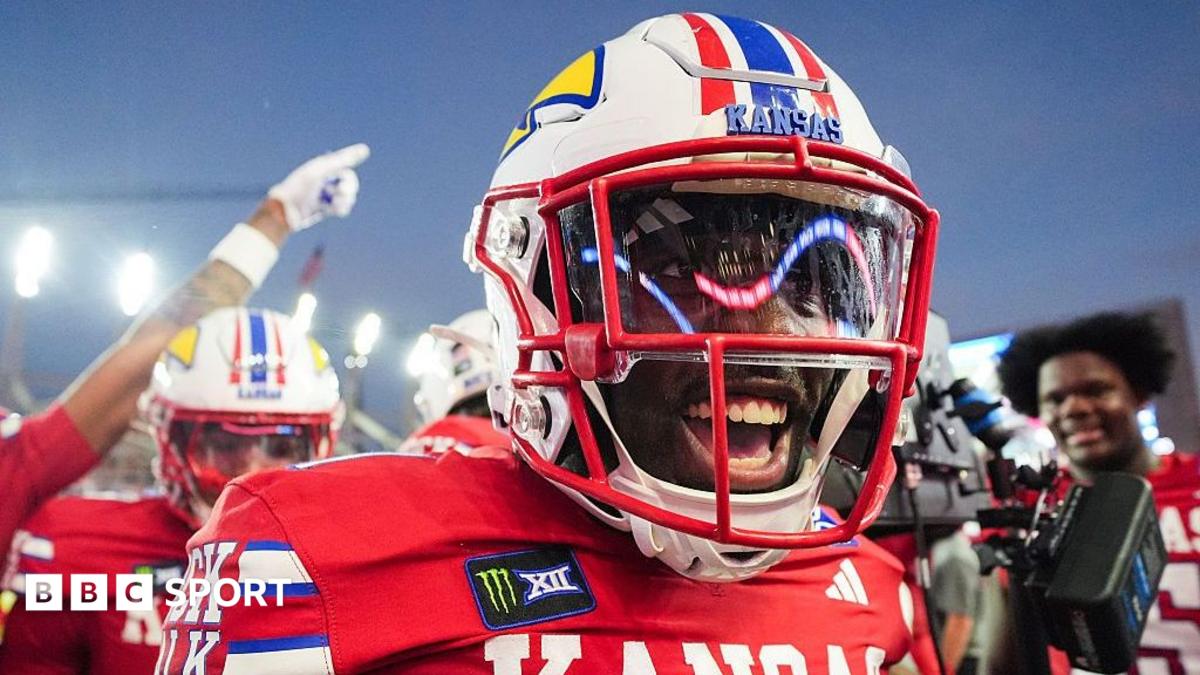
    The intensity of the college game is fueled by a multi-generational bond that professional franchises, often subject to relocation and free agency, struggle to replicate. Support for a university team is frequently a birthright passed down through families, with multiple generations attending the same institution. This lineage creates a profound sense of identity. Kansas player Calvin Clements exemplifies this continuity as a fifth-generation Jayhawk, a legacy shared by high-profile alumni such as actor Paul Rudd. Fellow Kansas native and lifelong fan Jason Sudeikis has woven references to the University of Kansas (KU) into his creative work, further cementing the program’s cultural footprint. As Dubiski told BBC Sport, “They’re very spirited, and you get the tribalism, so it’s the closest thing we have to European football fanbases.”

    Game Day Rituals: Tailgates, Bands, and Chants

    The pageantry surrounding college football extends well beyond the gridiron. Both the NFL and college ranks share the tradition of tailgate parties, where fans congregate in parking lots for hours of food and drink before kickoff. However, the in-stadium experience diverges sharply. College games feature a constant soundtrack provided by marching bands and spirit squads—comprising cheerleaders, dancers, and mascots—while the stands erupt in coordinated chants throughout the contest. This organic, participatory atmosphere stands in contrast to the often curated, entertainment-driven presentation of the professional league.

    Commissioner Yormark on the “Unique Product”

    Big 12 Conference Commissioner Brett Yormark has positioned this distinct atmosphere as a primary selling point in an increasingly crowded sports marketplace. Speaking on the conference’s strategic vision, Yormark stated, “We want the game to showcase what we think is one of the greatest sports in America.” He elaborated on the specific elements that differentiate the collegiate product: “There’s something special about college football – the pageantry, the traditions, the fandom. It’s dynamic – there’s a lot of energy and passion. It truly is an experience.” This framing underscores an industry-wide effort to protect and promote the amateur game’s unique identity amid conference realignment and the professionalization of athlete compensation.

    Why This Matters

    The enduring dominance of college football in facility size and fan passion highlights a structural reality of the American sports landscape: the sport serves as the primary cultural anchor for vast swathes of the country, particularly in regions without NFL franchises. As the sport navigates a transformative era—marked by the expansion of the College Football Playoff, massive media rights deals, and the advent of Name, Image, and Likeness (NIL) compensation for athletes—preserving the “pageantry and traditions” cited by Commissioner Yormark has become a strategic imperative. Conference leaders and university administrators are betting that the generational, tribal connection described by Dubiski is the sport’s most resilient asset, insulating it against the transactional nature of modern professional sports. The next phase of conference realignment and revenue distribution will test whether the business model can sustain the communal experience that fills those 100,000-seat stadiums.

    Frequently Asked Questions

    How does college football stadium capacity compare to the NFL?

    College football venues dominate the list of the world’s largest stadiums. Eight of the top ten largest stadiums globally are U.S. college football stadiums, all holding more than 100,000 fans. By comparison, the largest NFL stadium, MetLife Stadium, has a capacity of approximately 82,500, placing it well outside the global top ten.

    Who is Brett Yormark and why is his perspective significant?

    Brett Yormark is the Commissioner of the Big 12 Conference, one of the “Power Four” conferences that govern the highest level of college football. His leadership role places him at the center of decisions regarding media rights, conference realignment, and the strategic positioning of the collegiate game against professional sports competition.

    What specific traditions differentiate the college game day experience from the NFL?

    While both share pre-game tailgating, the college in-stadium experience is defined by live marching bands, organized spirit squads (cheerleaders, dancers, mascots), and continuous, organic crowd chants throughout the game. These elements create a participatory, “tribal” atmosphere often likened to European soccer matches, contrasting with the NFL’s more produced, entertainment-focused presentation.

  • How the Women’s 800m Became Athletics’ Headline Act

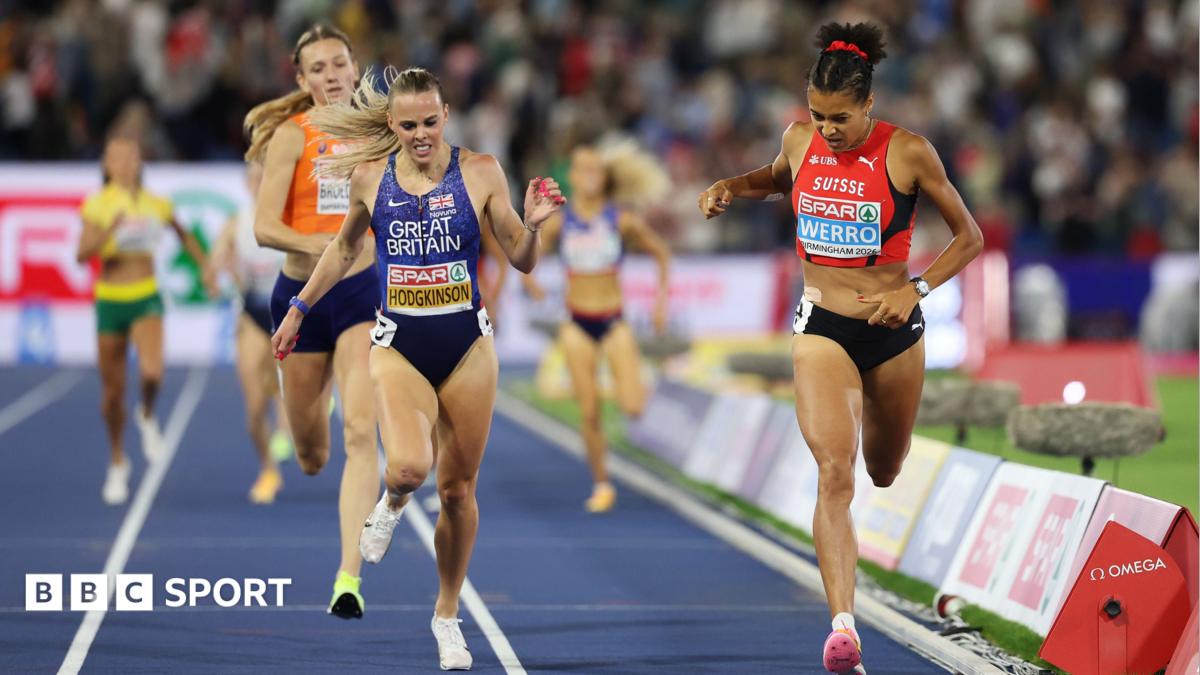
    How the Women’s 800m Became Athletics’ Headline Act

    Key Highlights

    • Ann Brightwell (née Packer) won gold in the women’s 800m at the 1964 Tokyo Olympics, setting a world record of 2:01.1 and becoming the first British woman to win an Olympic track gold.
    • The victory came 32 years after the women’s 800m was removed from the Olympics following controversial claims about women’s fragility, which Brightwell describes as “all a lie.”
    • Brightwell balanced elite training with her career as a teacher, noting many athletes of her era faced job loss or unpaid leave to compete.

    Historic Gold in Tokyo

    At the 1964 Tokyo Olympics, Ann Brightwell — then competing under her maiden name Ann Packer — crossed the finish line in the women’s 800m to claim gold in a world-record time of two minutes 01.1 seconds. The triumph marked a watershed moment: Brightwell became the first British woman ever to win an Olympic gold medal on the track. Reflecting on the immediate aftermath, she recalled the reaction of her future husband. “My husband, who was my fiance then, said to me, ‘you don’t realise what you’ve done’.” At the time, the magnitude of the achievement did not fully register. “I didn’t give it a thought at the time… but now I realise I played a very small part in women running longer distances.”

    Overcoming a 32-Year Ban

    Brightwell’s victory carried profound historical weight. The women’s 800m had been banned from the Olympic programme for 32 years after the 1928 Amsterdam Games, when officials claimed female competitors were collapsing from exhaustion. Brightwell was acutely aware of the narrative that had suppressed women’s middle-distance running for decades. “Men weren’t happy about women competing in these very high profile events…we were considered too frail and too delicate.” She dismissed the contemporary accounts that justified the ban. “And they took it upon themselves to make it look really bad. They were saying women were collapsing on the way round. But it was all a lie.” The event was finally reinstated at the 1960 Rome Olympics, paving the way for Brightwell’s breakthrough four years later in Tokyo.

    Balancing Sport and Career

    The 22-year-old Brightwell prepared for her Olympic debut while working full-time as a teacher — a reality shared by many athletes of her generation. She highlighted the professional sacrifices required to pursue elite sport in an era without sponsorship or lottery funding. “Many people in my era either had to take unpaid leave or resign, or they got sacked because they were trying to juggle their sports with their career,” she said. Brightwell considered herself lucky to have supportive employers. “My school was very tolerant towards what I was doing, so I was fortunate.” Her ability to manage both responsibilities underscores the amateur ethos that defined British athletics in the early 1960s.

    Why This Matters

    Ann Brightwell’s 1964 gold medal did more than rewrite the British record books; it symbolized the definitive return of women’s middle-distance running to the global stage after a three-decade exile rooted in gender bias. The 1928 ban, justified by fabricated reports of physical collapse, delayed the development of women’s 800m running by a generation. Brightwell’s world-record performance in Tokyo validated the event’s legitimacy and inspired future pioneers such as Kelly Holmes and Dame Jessica Ennis-Hill. Her story also illuminates the systemic barriers faced by female athletes who balanced unpaid athletic ambition with professional careers — a struggle that resonates in contemporary debates over athlete funding, maternity protections, and equal opportunity in sport.

    Frequently Asked Questions

    What world record did Ann Brightwell set at the 1964 Olympics?
    She won the women’s 800m gold in a world-record time of 2 minutes 01.1 seconds.
    Why was the women’s 800m removed from the Olympics after 1928?
    Officials claimed female runners were collapsing from exhaustion, but Brightwell and historians regard those accounts as fabricated to justify excluding women from middle-distance events.
    How did Brightwell train while working as a teacher?
    She fitted training around her teaching job, benefiting from a tolerant school that allowed her the flexibility many athletes of her era were denied.
  • Bayern Munich Tracking 15-Year-Old Manchester United Winger JJ Gabriel

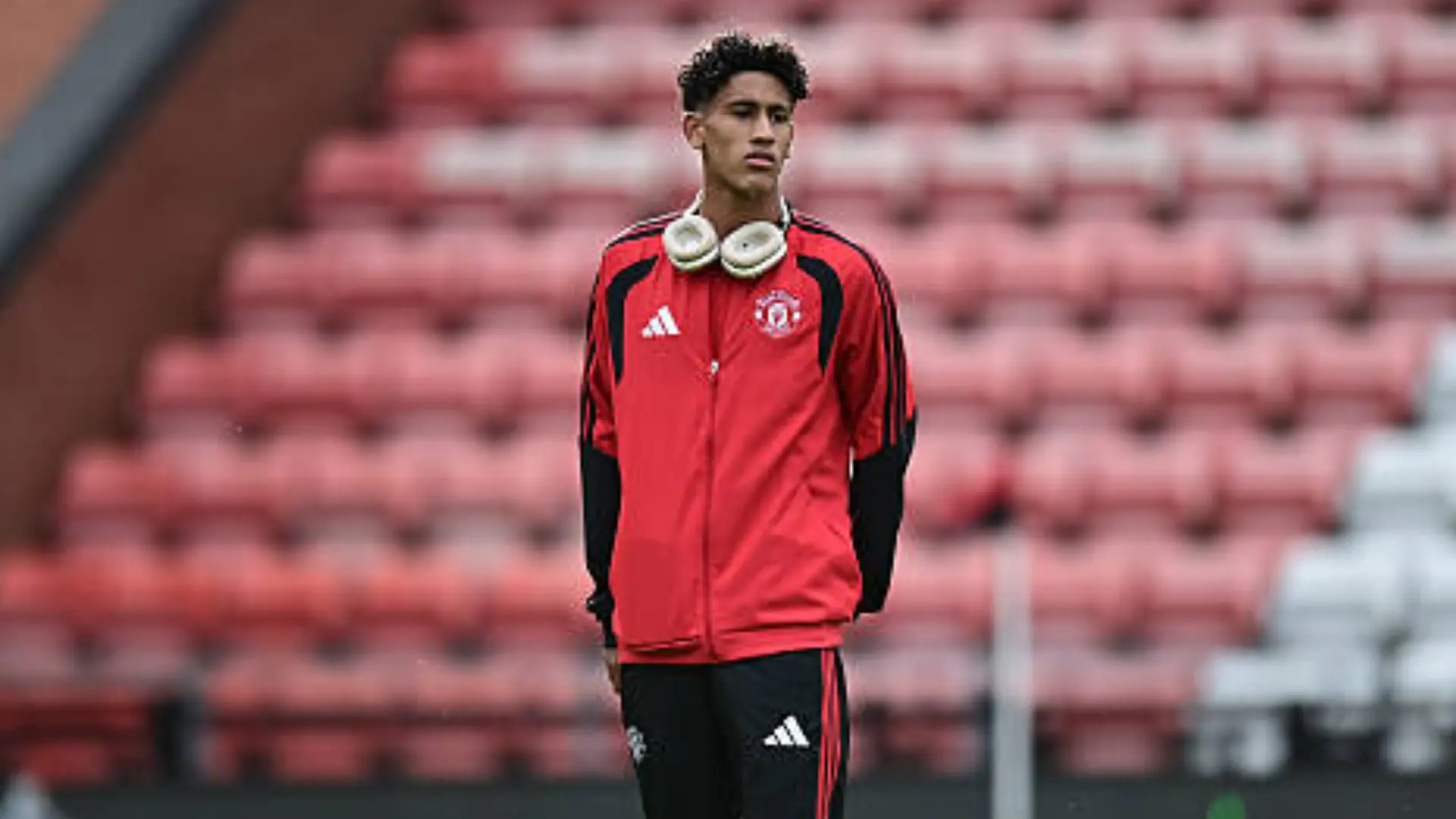
    Bayern Munich Tracking 15-Year-Old Manchester United Winger JJ Gabriel

    Key Highlights

    • Bayern Munich sporting director Christoph Freund addressed transfer speculation linking the club with 15-year-old Manchester United winger JJ Gabriel during a Thursday press conference.
    • Freund acknowledged the player’s “high potential” but refused to discuss contracted players from other clubs in detail.
    • The comments highlight Bayern’s continued interest in elite youth talent while adhering to professional protocols regarding under-contract players at rival institutions.

    Freund Addresses Gabriel Speculation at Press Conference

    Bayern Munich sporting director Christoph Freund faced questions regarding the club’s reported interest in Manchester United academy prospect JJ Gabriel during a scheduled press conference on Thursday. The 15-year-old winger, widely regarded as one of the most exciting talents in the United youth system, has attracted attention from several major European clubs in recent months. Freund confirmed the German record champions are aware of the player’s development but maintained a cautious diplomatic line when pressed on the specifics of any potential pursuit.

    Diplomatic Stance on Contracted Academy Players

    While Freund openly acknowledged Gabriel’s “high potential,” he declined to comment extensively on the situation, citing the player’s current contractual status with Manchester United. This approach aligns with standard industry protocol among elite European clubs, which typically avoid public discussion of minors or players under contract at rival academies to avoid violations of FIFA regulations on the protection of minors and inducement rules. The sporting director’s remarks suggest Bayern is monitoring the situation closely but will operate strictly within regulatory frameworks.

    Bayern’s Youth Recruitment Strategy Remains Active

    The inquiry into Gabriel fits a broader pattern of Bayern Munich’s proactive approach to identifying and securing generational talent before they reach the first team at rival clubs. In recent years, the Bavarian giants have invested heavily in their campus infrastructure and scouting network across Europe, targeting players in the U15 to U17 age brackets. While the club has historically promoted from within—producing stars like Thomas Müller, Philipp Lahm, and more recently Jamal Musiala and Aleksandar Pavlović—they have also supplemented the pipeline with external signings such as Mathys Tel and Bryan Zaragoza, signaling a dual-track philosophy.

    Why This Matters

    The exchange underscores the intensifying competition for elite youth talent across Europe’s top leagues. With Premier League academies producing technically advanced players at a high rate, Bundesliga clubs like Bayern are increasingly looking to England’s youth systems as a recruitment ground. However, FIFA’s Article 19 restrictions on international transfers of minors mean any move for a player like Gabriel—who is under 18—would face significant regulatory hurdles unless his family relocates for non-football reasons. For Manchester United, retaining Gabriel represents a test of their academy’s ability to convince top prospects that their pathway to the first team at Old Trafford remains viable amid interest from continental heavyweights. The next 12–18 months will be critical in determining whether Gabriel signs a professional contract with United or explores options abroad.

    Frequently Asked Questions

    Who is JJ Gabriel?
    JJ Gabriel is a 15-year-old winger currently playing in the Manchester United academy system. He is widely considered one of the club’s most promising youth prospects in his age group.
    Did Bayern Munich make an official offer for Gabriel?
    No. Christoph Freund’s comments were limited to acknowledging the player’s potential and declining to discuss contracted players from other clubs. There is no indication of a formal bid or negotiation.
    Can Bayern Munich sign a 15-year-old from Manchester United under current regulations?
    Under FIFA Article 19, international transfers of players under 18 are generally prohibited unless the player’s parents move to the new country for reasons unrelated to football, or the transfer takes place within the EU/EEA and the player is aged 16–18. Since Gabriel is 15 and the UK is no longer in the EU, a direct transfer would face significant legal barriers.
  • Steph Curry Bucks NBA Trend Followed by LeBron James: Warriors Star Refuses to Conform

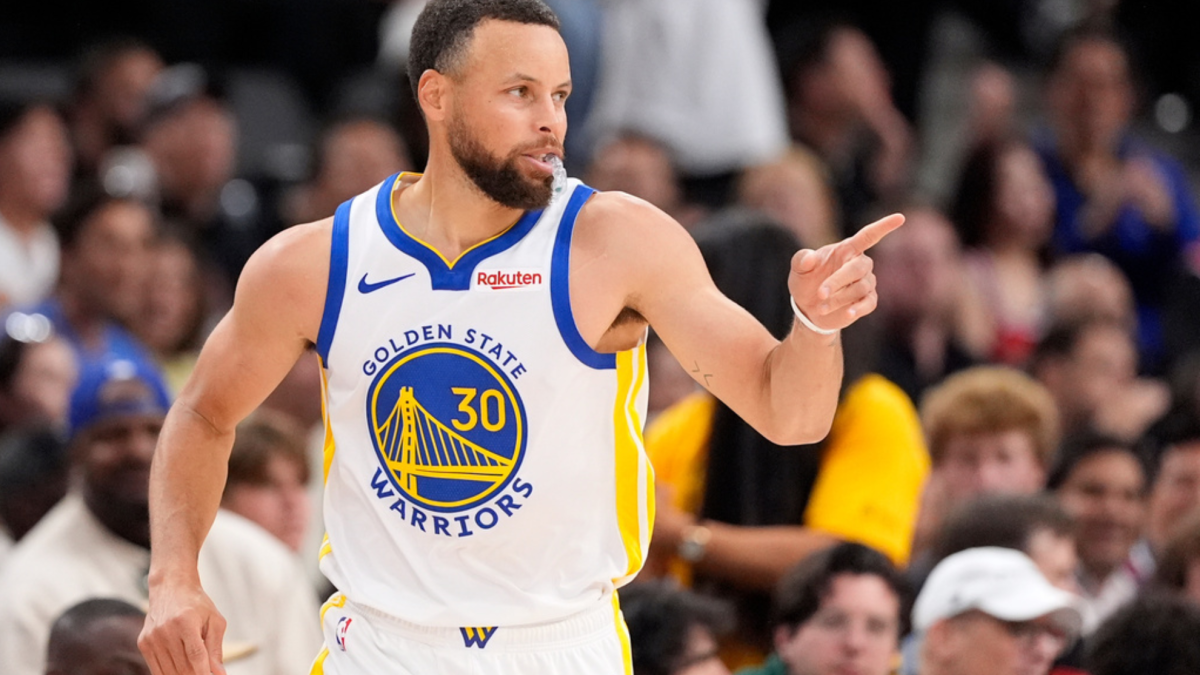
    Steph Curry Bucks NBA Trend Followed by LeBron James: Warriors Star Refuses to Conform

    Key Highlights

    • LeBron James signed a two-year, $8 million contract with the Philadelphia 76ers after eight seasons with the Los Angeles Lakers, joining a revamped core alongside Jaylen Brown, Joel Embiid, and Tyrese Maxey.
    • Stephen Curry dismissed any influence from James’ move on his own future, declaring his intent to remain a “lifer” with the Golden State Warriors as he enters the final year of his current deal.
    • Warriors general manager Mike Dunleavy confirmed plans to offer Curry a two-year, $136.7 million extension, stating confidence that the franchise icon will finish his career in Golden State.

    Curry Draws Firm Line as James Embraces New Challenge in Philadelphia

    The NBA’s offseason landscape shifted dramatically this summer as LeBron James concluded his eight-year tenure with the Los Angeles Lakers, agreeing to a two-year, eight-million-dollar contract with the Philadelphia 76ers. The move gives the four-time champion a fresh pursuit of a fifth title alongside a dramatically reshaped roster. However, Stephen Curry—James’ longtime rival and Olympic teammate—made it unequivocally clear that his own career trajectory remains anchored to the Bay Area.

    Speaking to CNBC, Curry addressed speculation that James’ franchise switch might signal a broader trend of veteran stars seeking new challenges late in their careers. “Not at all,” Curry said to CNBC. “I’ve always stated that I want to be a lifer with Golden State, what we’ve built there, the fact that I get to run it back this year with Draymond [Green] and Coach Kerr.” He added, “So all the contract stuff, this NBA thing from year to year is so crazy. Things change really fast, but I do know my interest and mission to stay in Golden State and be competitive is there, and the contract stuff will take care of itself.”

    Warriors Leadership Signals Long-Term Commitment to Franchise Icon

    Golden State’s front office has matched Curry’s loyalty with concrete financial planning. General manager Mike Dunleavy confirmed the organization intends to present the two-time MVP with a two-year, $136.7 million contract extension. “I’m pretty confident Steph will finish his career here,” Dunleavy said. “But ultimately, it’s his call, his decision. We wouldn’t love it, but he’s earned the right to go where he wants.” The proposed extension would carry Curry through his age-39 season, formalizing a partnership that has defined an era of Warriors basketball defined by four championships and a revolutionary playing style.

    While James, now 42, embarks on what may be the final chapter of his storied career in a new city, Curry—entering his age-37 season—has drawn a sharp contrast. The Warriors’ next contractual step will determine when that commitment becomes official, but the franchise cornerstone has already separated his legacy path from James’ latest relocation.

    Philadelphia’s High-Stakes Gamble on Veteran Star Power

    The 76ers’ acquisition of James caps an aggressive offseason that also saw Jaylen Brown arrive from the Boston Celtics in a blockbuster trade sending Paul George and significant draft compensation to Massachusetts. The new core—James, Brown, Joel Embiid, and Tyrese Maxey—represents a win-now construction for a franchise that finished 45-37 in the 2025/26 season before a first-round playoff exit.

    James arrived in Philadelphia vowing that winning remains central to his decision, explicitly targeting an NBA Finals appearance. Yet significant variables cloud the projection. Embiid’s durability remains a critical concern; the former MVP appeared in only 39% of the team’s games over the previous three seasons. Meanwhile, James enters his age-42 campaign carrying the accumulated mileage of 22 NBA seasons, raising questions about whether the 76ers’ veteran-heavy roster can sustain championship-level production across an 82-game schedule and deep playoff run.

    Why This Matters

    The divergent paths of the NBA’s two defining superstars of the last 15 years encapsulate a broader league dynamic: the tension between championship-chasing mobility and franchise-altering loyalty. James’ move to Philadelphia—his fourth franchise—reinforces a player-empowerment era where legends curate their late-career narratives across multiple markets. Curry’s stance, backed by Dunleavy’s extension planning, represents the diminishing model of the one-team icon, a legacy builder in the mold of Dirk Nowitzki or Kobe Bryant. For the Warriors, securing Curry’s finish-line contract ensures organizational stability and brand continuity. For the 76ers, the James-Brown-Embiid-Maxey experiment tests whether assembled All-NBA talent can overcome health uncertainty and age curves in a compressed contention window. The coming season will serve as a referendum on both philosophies.

    Frequently Asked Questions

    What are the terms of LeBron James’ contract with the Philadelphia 76ers?
    James signed a two-year deal worth eight million dollars total, joining the 76ers after eight seasons with the Los Angeles Lakers.
    Has Stephen Curry requested a trade or indicated he might leave the Warriors?
    No. Curry explicitly stated, “I’ve always stated that I want to be a lifer with Golden State,” and dismissed any influence from James’ move on his own plans.
    What extension is the Warriors’ front office planning to offer Stephen Curry?
    General manager Mike Dunleavy confirmed Golden State plans to offer Curry a two-year, $136.7 million contract extension.
  • James Vowles Backs Madrid as ‘One to Watch’ Despite Calls for Changes

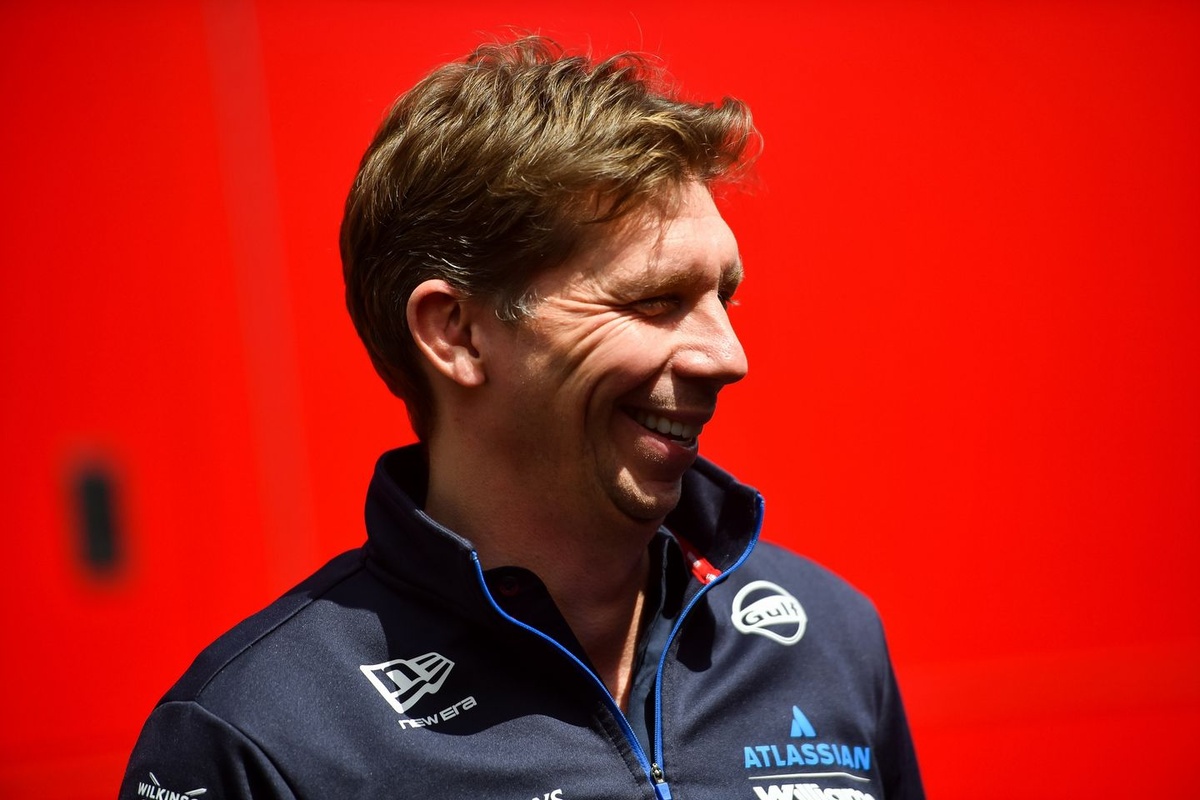
    James Vowles Backs Madrid as ‘One to Watch’ Despite Calls for Changes

    Key Highlights

    • Williams team principal James Vowles praised the inaugural Madrid Grand Prix organization, calling it potentially “one of the races to watch in the future” despite the circuit’s overtaking limitations.
    • The Madring street circuit offers exceptional logistics: 30 minutes from the city center, 10 minutes by metro, and roughly ten times the paddock space of typical venues.
    • Vowles confirmed Williams’ difficult weekend exposed their ongoing performance deficit, while noting Pirelli’s tyre selection—particularly the hard compound—was well-suited to the new tarmac.

    Vowles Hails Madrid Debut as Logistical Triumph Despite Racing Criticism

    Williams Racing team principal James Vowles has delivered a strong endorsement of Formula 1’s newest venue, declaring the inaugural Spanish Grand Prix at the Madring circuit a logistical success that could become a championship highlight. Speaking on the latest episode of The Vowles Verdict, the team chief commended the event organizers for avoiding the chaotic teething problems that typically plague first-year street races.

    “First and foremost, well done to the organisers,” the Williams team chief said during the latest episode of The Vowles Verdict. “It’s the first year of the grand prix, and typically that just means the event is a little chaotic, but it wasn’t the case in Madrid.

    Vowles emphasized the venue’s unique geographic advantages, noting its proximity to the Spanish capital and expansive footprint. He highlighted that the circuit sits just half an hour from the city centre—a journey reduced to roughly ten minutes via metro—and offers a paddock area approximately ten times larger than the standard allocation at other venues. While that space allows for significantly higher spectator capacity, Vowles candidly acknowledged the trade-off: considerable walking distances between the two main arena zones and the garages.

    “In fact, what I would say is it may be one of the races to watch in the future. Half an hour from the city centre, a capital city, 10 minutes, I think, if you took the metro as a result of it. Huge space, probably 10 times more space than we would normally have available to us, which has pros and cons. Pros means you can fit more people in. Cons, you wear out your shoe leather walking between the two different arenas and to the cars.”

    Technical Layout Praised, but Overtaking Deficit Looms Large

    On the sporting side, the verdict was more mixed. Drivers universally described the Madring layout as a demanding technical challenge, yet the race itself suffered from a distinct lack of overtaking opportunities—a shortcoming that has already prompted calls for layout revisions ahead of the 2027 edition. Vowles confirmed that circuit promoters are expected to study potential improvements to enhance the on-track spectacle.

    “In terms of the track itself, as you saw, very technical, and the drivers all commented that it was a difficult challenge for them, an enjoyable challenge for them,” Vowles continued. “But the racing also suffered slightly, and I’m sure the circuit organisers will be looking into how they can improve that for next year.”

    Williams’ Struggles Magnified by Circuit Demands

    For Williams, the weekend underscored the team’s current competitive trajectory. Vowles was blunt in his assessment: the Madring weekend was always anticipated to be difficult, and the circuit’s characteristics merely amplified the squad’s existing performance shortfall relative to midfield rivals. He pointed to a prolonged period without meaningful car upgrades as the root cause of their slide down the order.

    “For us, a difficult grand prix, we knew it was going to be difficult going into it. It’s just exaggerating the issues we have at the moment and we haven’t added performance to the car for far too long and have fallen back relative to teams around us.”

    Tyre Management and Pirelli’s Successful Selection

    Delving into the tyre data, Vowles revealed a clear split in compound performance. The soft and medium tyres suffered from pronounced graining—a rapid degradation of surface grip lap-on-lap—particularly evident during long runs rather than qualifying stints. Conversely, the hard compound proved remarkably durable, with multiple drivers able to stretch stints to near-full race distance. Vowles credited Pirelli for selecting the correct allocation and noted the new asphalt surface was in excellent condition, providing a stable platform for the compounds.

    “If I now focus on the details you may have seen on the softer compounds, the soft and the medium, we had graining, and that’s where the tyre suddenly just starts to lose a lot more performance every lap. Noticeable on the long runs, not in qualifying conditions. But the hard tyre, however, was a tyre, as you saw with a number of cars that could run near enough for the whole race. It was really on the edge, but just about on the good side. That means Pirelli have done a very good job bringing the right tyres to the event. It also means the circuit, the tarmac, was in a good state for it as well.”

    Concluding his analysis, Vowles reiterated that the primary objective for future editions must be improving overtaking dynamics, but he signed off with an unequivocal thumbs-up for the event’s debut.

    “As I said, the main real issue is: let’s look into how we can get more overtaking in future years. Otherwise, well done. Brilliant first race.”

    Why This Matters

    The Madrid Grand Prix represents Formula 1’s latest strategic push into major metropolitan markets, following the blueprint established by events in Las Vegas, Miami, and Singapore. Its successful logistical execution—seamless public transport integration, massive spectator capacity, and a purpose-built facility footprint—sets a new operational benchmark for street circuits. However, the overtaking deficit highlights the persistent tension between urban venue constraints and the sporting requirement for wheel-to-wheel racing. With the current contract running through 2026 and a likely extension to 2035, the FIA, FOM, and local promoters now face a critical 18-month window to engineer layout modifications—potentially widening key straights or reprofiling corners—before the 2027 season. For Williams, the weekend served as a stark data point: without a substantive aerodynamic upgrade package before the summer shutdown, the team risks cementing a backmarker status for the remainder of the 2025 campaign.

    Frequently Asked Questions

    Where is the Madrid Grand Prix held and how accessible is it?
    The race takes place at the Madring street circuit, located approximately 30 minutes from Madrid city centre by car and roughly 10 minutes via metro, offering exceptional public transport connectivity for a Formula 1 venue.
    What were the main criticisms of the inaugural Madring layout?
    The primary criticism centered on a lack of overtaking opportunities during the Grand Prix, prompting expectations that circuit organizers will pursue layout revisions ahead of the 2027 edition to improve the racing spectacle.
    How did Williams perform and what tyre strategy insights emerged?
    Williams endured a difficult weekend that exposed their ongoing performance deficit. The soft and medium tyres suffered from significant graining on long runs, while the hard compound proved highly durable, allowing near-full-race stints—Pirelli’s selection was validated by the new asphalt’s good condition.
  • Lionel Messi’s Sweaty Embrace Sparks Ciro’s Unexpected Reaction, Leaves Both Laughing After Inter Miami Win

    Lionel Messi’s Sweaty Embrace Sparks Ciro’s Unexpected Reaction, Leaves Both Laughing After Inter Miami Win

    Key Highlights

    • Lionel Messi celebrated Inter Miami’s 2-0 Campeones Cup victory over Cruz Azul with his three sons in a candid, sweaty family moment on the field.
    • Youngest son Ciro sparked laughter by touching Messi’s sweat-soaked jersey and smelling his hand, while Thiago initially hesitated before embracing his father.
    • Messi scored his 100th goal for Inter Miami to open the scoring before Casemiro sealed the win on September 16, 2024.

    Messi’s Historic Night Ends in Unscripted Family Comedy

    Lionel Messi added another milestone to his storied career on September 16, netting his 100th goal for Inter Miami as the Herons dispatched Cruz Azul 2-0 to lift the 2026 Campeones Cup at Chase Stadium. Yet the image that lingered longest from the Florida night had nothing to do with statistics or silverware. Still dripping from the exertion of a full 90 minutes, the Argentine captain walked toward the touchline where his three boys—Thiago, 11, Mateo, 8, and Ciro, 6—waited, turning a routine post-match embrace into a spontaneous slice of family life broadcast to millions.

    The Sweat Check That Stole the Show

    Ciro, the youngest of the Messi clan, provided the evening’s most genuine humor. After tentatively patting his father’s soaked shoulder, the six-year-old lifted his hand to his nose, inhaling deeply with the curiosity only a child could muster. Messi, ever expressive, caught the gesture instantly. Father and son locked eyes and erupted in shared laughter, a moment of unfiltered connection that no choreographed celebration could replicate. Cameras caught Mateo watching the exchange with a grin, while Thiago, approaching adolescence, wore the look of a boy negotiating the boundary between public coolness and private affection.

    From Reluctance to Embrace

    Thiago’s hesitation was palpable. He pulled a exaggerated face, wiping his palms on his shorts as if preparing for an unpleasant chore, before finally surrendering to the pull of family gravity and wrapping his arms around his father’s neck. The progression—from comedic recoil to wholehearted hug—encapsulated the unique dynamic of growing up Messi: equal parts global spectacle and ordinary bedtime routine. By the time the confetti settled, all three boys were clinging to their father, the weight of a historic 100th club goal rendered secondary to the gravity of dad coming home.

    Why This Matters

    The Campeones Cup triumph marks Inter Miami’s second piece of silverware in 2024, following the Leagues Cup title, and underscores the immediate impact of a roster built around Messi, Sergio Busquets, Jordi Alba, and now Casemiro. The Brazilian midfielder’s late strike—his first for the club—signaled depth beyond the headline names. Yet the post-match scenes also humanize a franchise often viewed through a purely commercial lens. In a league striving for mainstream cultural relevance, unscripted authenticity—especially involving the world’s most recognizable athlete—generates organic reach that marketing budgets cannot buy. With the MLS Cup playoffs looming, the psychological boost of a trophy and a healthy, happy captain could prove decisive.

    Frequently Asked Questions

    What competition did Inter Miami win on September 16?
    Inter Miami defeated Cruz Azul 2-0 to win the 2026 Campeones Cup, a single-match showdown between the reigning MLS Cup and Liga MX champions.
    How many goals has Lionel Messi scored for Inter Miami?
    The opening goal against Cruz Azul was Messi’s 100th in all competitions for the club since his July 2023 arrival.
    Who scored Inter Miami’s second goal?
    Casemiro, the Brazilian midfielder signed from Manchester United in August 2024, netted the insurance goal in the second half.
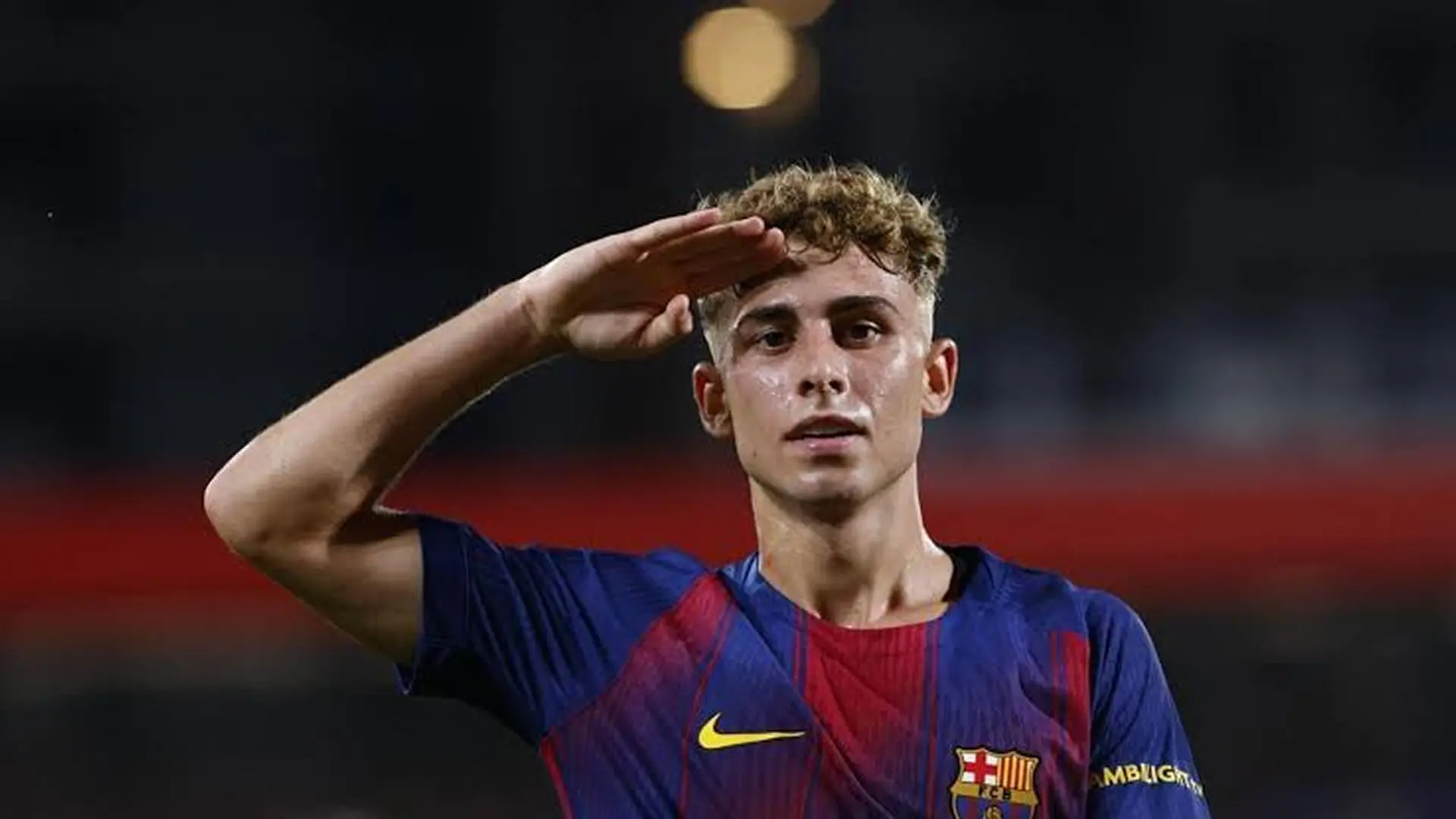
  • Fermin: ‘I think I’m a little different from Xavi and Andres’

    Fermin: ‘I think I’m a little different from Xavi and Andres’

    Key Highlights

    • Barcelona midfielder Fermín López distinguishes his playing style from club legends Xavi and Andrés Iniesta despite occupying similar midfield positions.
    • The Spain international emphasizes a more attack-oriented, goal-scoring approach compared to his predecessors’ playmaking focus.
    • López missed the FIFA World Cup due to injury but has since established himself as a key figure for Barcelona and the national team.

    Fermín López Charts His Own Midfield Path at Barcelona

    Barcelona academy graduate Fermín López has moved to clarify his stylistic identity within a lineage of iconic midfielders, explicitly separating his game from that of club legends Xavi Hernández and Andrés Iniesta. While acknowledging the positional overlap—all three operate in the interior midfield channels—the 21-year-old Spain international insists his natural instincts lean decisively toward the final third. In recent comments, López described his approach as fundamentally more aggressive in attacking terms, prioritizing goal contributions and forward runs over the deep-lying orchestration that defined the Xavi-Iniesta era.

    From La Masia to the First Team: A Different Profile

    López’s rise through La Masia has been marked by a profile that blends technical assurance with a pronounced vertical threat. Unlike Xavi, who governed tempo from a deeper registry, or Iniesta, whose genius lay in progressive carrying and chance creation from wider or half-space positions, López frequently arrives late in the box and strikes from distance. This distinction is not merely rhetorical; it reflects a tactical evolution at Barcelona under Hansi Flick, where interior midfielders are encouraged to penetrate the penalty area as supplementary attackers. The Andalusian’s goal tally since breaking into the first team underscores a tangible output that aligns with his self-assessment.

    World Cup Setback and Subsequent Resurgence

    Context adds weight to López’s current trajectory. A significant injury ruled him out of Spain’s 2022 FIFA World Cup campaign in Qatar, a tournament where La Roja exited in the round of 16. The setback delayed his senior international debut, but he has since become a regular feature in Luis de la Fuente’s squads, earning caps and contributing to Spain’s UEFA Euro 2024 triumph. His resilience through rehabilitation and rapid adaptation to top-level demands have reinforced his reputation as a player of mental fortitude as well as technical quality.

    Why This Matters

    López’s self-definition signals a broader shift in Barcelona’s midfield philosophy. The club is moving away from the “control and dominate” archetype that defined its golden era toward a more dynamic, multi-functional model suited to modern transitional football. For Spain, his emergence provides a goal-scoring midfield option that complements technical controllers like Rodri and Pedri. As Barcelona navigates a post-Xavi managerial landscape and Spain builds toward the 2026 World Cup, López’s distinct profile offers tactical flexibility that neither of his legendary predecessors provided in their primes. His continued development will be a barometer for both club and country’s strategic direction.

    Frequently Asked Questions

    How does Fermín López’s playing style differ from Xavi and Iniesta?

    López describes his game as more attack-focused and goal-oriented, emphasizing forward runs, late arrival in the box, and shooting, whereas Xavi and Iniesta were renowned for deep playmaking, tempo control, and chance creation.

    Why did Fermín López miss the 2022 World Cup?

    He was ruled out of Spain’s squad for the 2022 FIFA World Cup in Qatar due to a significant injury sustained prior to the tournament.

    What role does Fermín López play for Barcelona and Spain?

    He operates as an interior midfielder (number 8) with license to attack, functioning as a supplementary goal threat in Hansi Flick’s system at Barcelona and as a dynamic option in Luis de la Fuente’s Spain setup.

  • Alejandro Garnacho Faces Potential Chelsea Return After Falling Down Aston Villa Pecking Order, Reports Say

    Alejandro Garnacho Faces Potential Chelsea Return After Falling Down Aston Villa Pecking Order, Reports Say

    Key Highlights

    • Daily Mail journalist Tom Collomosse describes a potential permanent stay for Alejandro Garnacho at Aston Villa as a ‘quite a turnaround’.
    • The winger arrived at the Midlands club on a summer loan deal from Chelsea.
    • Collomosse’s assessment suggests the player’s current trajectory at Villa Park makes a long-term move unexpected.

    Collomosse Weighs In on Garnacho’s Villa Future

    Daily Mail correspondent Tom Collomosse has offered a striking assessment regarding Alejandro Garnacho’s prospects of remaining at Aston Villa beyond the current campaign. Writing for the publication, Collomosse characterized the scenario of the Argentine international securing a permanent transfer to the Villans as a significant shift in narrative. He stated it would be ‘quite a turnaround’ if the player ends up staying at the club beyond this season.

    Summer Loan Move Set the Stage

    The context for this evaluation stems from the winger’s arrival at Villa Park during the summer transfer window. Garnacho joined the Midlands club on a temporary basis, departing Chelsea on loan in search of regular first-team minutes. The move was initially framed as a development opportunity for the talented wide player, allowing him to test himself in the Premier League with a side competing for European qualification.

    Assessing the “Turnaround” Narrative

    Collomosse’s use of the phrase ‘quite a turnaround’ implies that current circumstances—whether related to playing time, performance levels, tactical fit, or the club’s transfer strategy—do not presently align with a permanent arrangement. For a loan signing to convert into a long-term asset, typically a player must exceed expectations or fill a critical squad void. The journalist’s observation suggests that, as things stand, Garnacho’s trajectory at Villa has not yet reached that threshold.

    Why This Matters

    The situation highlights the inherent uncertainty of loan deals involving high-potential players from elite academies. For Aston Villa, sporting director Monchi and manager Unai Emery must weigh the cost of a potential permanent fee against Garnacho’s output and the club’s broader recruitment targets. For Chelsea, the loan serves as a valuation exercise; a successful spell strengthens their asset, while a difficult one complicates future planning. The January transfer window and the season’s final months will be decisive in determining whether Collomosse’s skeptical outlook holds or if the player forces a revision of the narrative.

    Frequently Asked Questions

    Who reported that a permanent move for Garnacho would be a ‘turnaround’?
    Tom Collomosse, writing for the Daily Mail, made the assessment.
    Which club did Garnacho join on loan in the summer?
    He joined Aston Villa on loan from Chelsea.
    What does the ‘turnaround’ comment imply about his current status?
    It suggests that based on current form, playing time, or club dynamics, a permanent transfer appears unlikely unless circumstances change significantly.