Category: Sports

Sports news, viral moments, athletes, teams, and major competitions.

  • Inside F1’s ‘Brutal’ Fuel Development Race and How It Could Benefit the Wider World

    Inside F1’s ‘Brutal’ Fuel Development Race and How It Could Benefit the Wider World

    Key Highlights

    • F1’s 2026 regulations mandate Advanced Sustainable Fuels made from carbon capture, municipal waste, and non-food biomass — replacing the previous 10% ethanol biofuel blend as part of the sport’s Net Zero 2030 commitment.
    • Audi and technology partner BP developed 400 pilot fuel samples and tested 200 blends in the new power unit, delivering 240,000 litres of test fuel to their Neuburg facility ahead of the Barcelona shakedown.
    • Regulation changes for 2027, including increased fuel flow to rebalance combustion versus electrical power, will create further development opportunities for sustainable fuel chemistry and engine dynamics.

    The Engineering Challenge Behind F1’s 2026 Sustainable Fuel Revolution

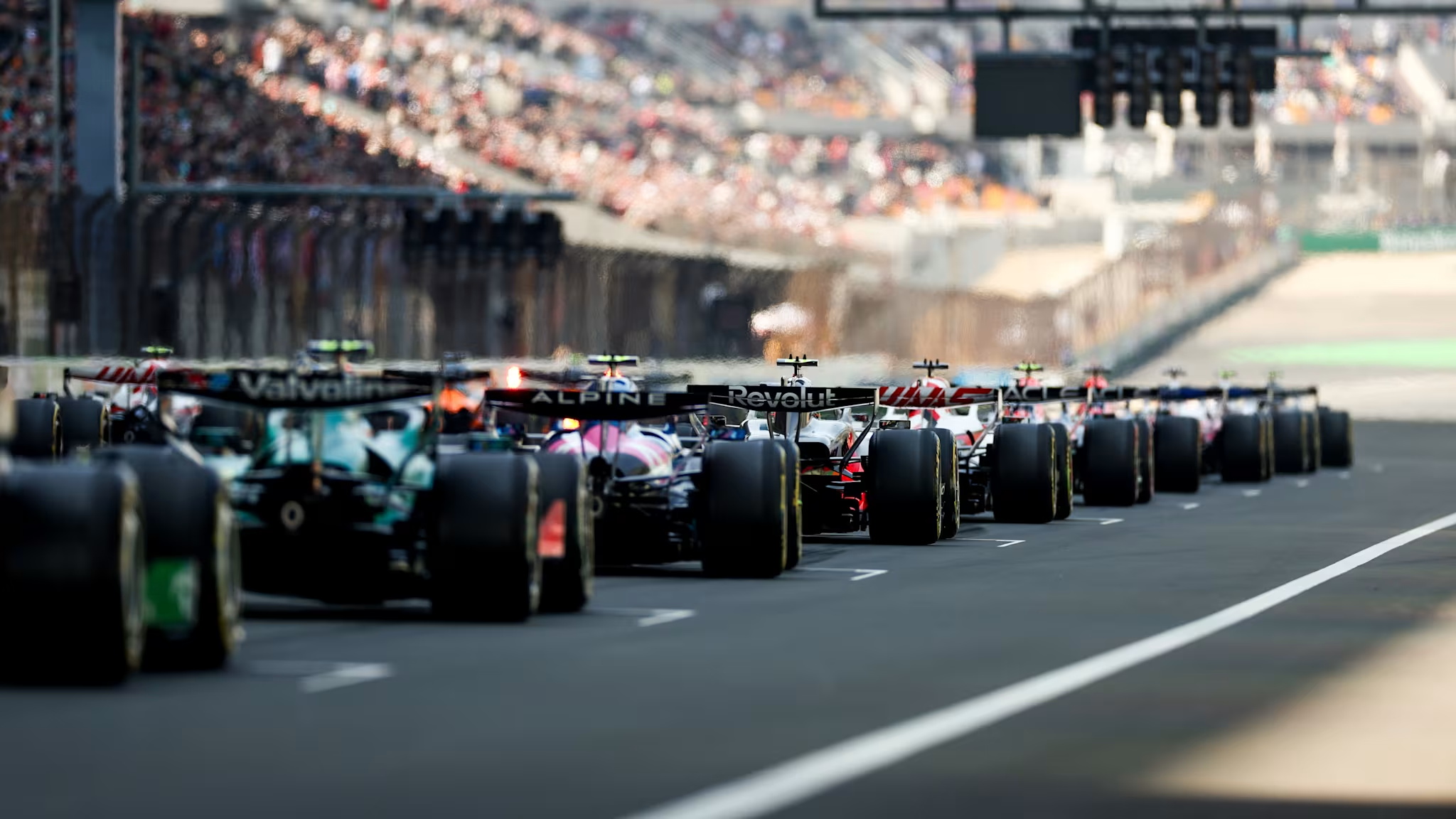
    Formula 1’s 2026 season marks a watershed moment not only for new chassis and power unit regulations but for the introduction of Advanced Sustainable Fuels — a pioneering technology mandated by the FIA that teams and their partners have been pushing to maximise for both performance and reliability. Prior to this year’s rules reset, F1 already boasted the most efficient engines on the planet with turbo-hybrid power units using 10% ethanol biofuel, a modest step in the sport’s commitment to becoming Net Zero by 2030. That commitment has now been stepped up significantly, with the governing body requiring fuels derived from carbon capture (taking CO₂ directly from the air or industrial emissions), municipal waste, and non-food biomass. Sometimes described as “drop-in” fuels, they are designed to replace fossil fuel equivalents without any adjustments required inside the engine, meaning they can theoretically be used in road cars.

    Starting from Scratch: Audi and BP’s Development Marathon

    Over the last couple of years, in the build-up to F1’s new era, squads and their fuel partners cycled through a host of product iterations to find the perfect blend and hit the ground running at the Barcelona Shakedown in January. For Audi, that meant working closely with technology partner BP, who assessed 70 fuel components and developed 400 pilot fuel samples before the 2026 campaign, while testing 200 fuel blends in the German manufacturer’s all-new power unit and delivering 240,000 litres of test fuel to their Neuburg facility.

    “There are two things here,” says Luc Jolly, BP’s Motorsports Technology Fluid Lead, in conversation with F1.com. “One is that Audi are a new team, with a brand-new power unit, working to a new regulation set, and secondly, there’s the Advanced Sustainable Fuels requirement.

    “We know the types of fuel components, molecules, additives and things that have typically worked well in F1 engines in the past, but essentially, all of the fossil-based componentry that we’d normally use, and was very well established, was not available to us.

    “We’ve had to kind of start from scratch in terms of what works really well in the Audi engine, while that’s been developing, and then once we know what works, how do we do that in an advanced, sustainable way, that the FIA will approve?”

    Performance vs Reliability: The Eternal Trade-off

    Finding the perfect balance between performance and reliability is easier said than done, especially at the start of a new ruleset — but Jolly and his dedicated BP motorsport team embraced that task from the outset.

    “For people like me, it’s an awesome technical challenge,” adds Jolly. “That is why we like F1. Yes, it’s about the drivers, the fans, the passion, and all those kinds of things, but it’s also a technical sport. If you didn’t get these new things coming along that shake things up a bit, it wouldn’t be F1, would it?

    “F1 is the pinnacle of motorsport and engineering, and with anything in engineering there’s that trade-off between performance, how well something’s going to perform, and how much margin we have to leave in terms of reliability.

    “Obviously we have the regulations in F1 around how many engines you can use per year, and the ideal scenario is that you don’t over-engineer. That’s a major consideration. We’re trying to find the sweet spot of being just reliable enough, so you unlock the maximum performance, and that’s not something you necessarily absolutely nail in year one.

    “The competition in F1 is absolutely brutal. Everyone’s got talented people, right? But we’re on that journey, and it’s about who develops the quickest, and we think this year we’re building really strong foundations.”

    Driver Perspective: Gabriel Bortoleto’s Learning Curve

    Also present for the fuel deep-dive is Gabriel Bortoleto, who made his F1 debut with Sauber in 2025 before the team transitioned to Audi’s works effort — the Brazilian sharing his own fascination about what has gone into F1’s 2026 fuels.

    “We were downstairs just before you guys came in and had a chat,” says Bortoleto, pointing in Jolly’s direction. “I was asking him all my questions, and I had so many more questions that I would [end up asking him] for the rest of the day!

    “It’s funny, because I grew up literally driving, driving, driving, driving, and you keep driving and evolving your techniques on the driving side, but when you reach F1, it’s a completely different world. It’s all about innovation, it’s all about bringing upgrades to the car, to the engine, in the fuel, in every component in the car.

    “I feel like my life has changed in the last year in that sense. I was used to driving with one chassis, with one fuel supplier, with one engine supplier all my life, and now it’s a different topic. With BP and Audi, it has been completely different, and it’s been very interesting so far to learn about many of these topics.

    “My part and my involvement can only be once I jump in the car on the track, and I give feedback. I don’t go to the lab and tell the guys, ‘Look, I need more!’ I just give the feedback of what I feel about the engine, and then that passes through the areas it needs to go.”

    Jolly jumps back in: “It’s an important part of it. We’re continually looking for the next upgrade, the next optimisations. Now that we’re racing, there is information coming back from the engineers at the track, which will have come from the drivers. Even though me and Gabi aren’t talking every day, it’s part of the whole picture.”

    The Future of Advanced Sustainable Fuels: 2027 and Beyond

    With those next upgrades and optimisations in mind, how much more scope for development does Jolly see when it comes to Advanced Sustainable Fuels over the next few years?

    “There’s always scope for continuing to develop,” Jolly makes clear. “In the first year of a new regulation cycle, and you’ll see it with all the teams, it’s that race of bringing upgrades, bringing more performance.

    “I don’t think anyone would be in a position this year where they’re thinking there’s no more performance to be had — there’s plenty more.

    “The other key thing to mention is with the regulations being adjusted [for 2027], and the increased fuel flow to rebalance the combustion power versus the electrical power, that is going to bring opportunities, and that will change fundamentally how the fuel performs in the engine.

    “It’s a lot more complicated than just putting more fuel in. It really alters the dynamics inside the engine. So, I think even if it wasn’t for that, there would be more to do, but now there’s kind of change on change being added.”

    While F1 remains the focus for Jolly’s engineers, there is potential — as touched on above — for Advanced Sustainable Fuels to be used in road cars moving forward. There have also been on-track demonstrations from Sebastian Vettel and his “Race Without Trace” project in recent times, with sustainable fuels powering a Nigel Mansell Williams FW14B, an Ayrton Senna McLaren MP4/8, and his own Red Bull RB9.

    “In terms of some of the componentry, the additive chemistry, and how you make the combustion work better, the processes… those are the types of things we’re learning,” explains Jolly, when it comes to F1’s latest fuel technology making its way into road cars.

    “At the moment, my team and I are fully focused on giving Audi the best performance possible, but we are part of the same team that’s developing BP Ultimate road fuels. We’re very well connected, we’re sharing learnings. As we’re going through this, we’re considering what from the stuff that we’re doing in the F1-dedicated team could potentially be of benefit to road fuel customers.

    “Again, it’s about the journey, and we’re on that journey. The development cycle for F1 has to be very quick, and commercial stuff tends to take a bit longer. So, it’s a little bit down the road, but we’re on the learning journey with them.”

    Why This Matters

    The introduction of Advanced Sustainable Fuels in 2026 represents the most significant regulatory shift in Formula 1’s powertrain philosophy since the hybrid era began in 2014. By mandating fuels derived from carbon capture, municipal waste, and non-food biomass — while maintaining the “drop-in” compatibility that allows theoretical use in existing road engines — F1 is positioning itself as a high-pressure testbed for technologies that could accelerate decarbonisation across the broader transportation sector. The Audi-BP partnership exemplifies the new development paradigm: with fossil-based componentry banned, suppliers must reinvent fuel chemistry from first principles while simultaneously optimising for a brand-new power unit architecture. The 2027 regulation adjustment, increasing fuel flow to rebalance combustion and electrical power output, adds another layer of complexity that will drive further innovation. Meanwhile, the direct technology transfer pathway — with BP’s F1-dedicated team sharing learnings with its road fuel division — creates a tangible mechanism for track-to-road relevance. As Sebastian Vettel’s “Race Without Trace” demonstrations have shown, these fuels can already power historic F1 machinery without modification, underscoring their potential as a bridge technology for the existing global vehicle fleet.

    Frequently Asked Questions

    What exactly are Advanced Sustainable Fuels and how do they differ from previous F1 fuels?

    Advanced Sustainable Fuels are mandated by the FIA for the 2026 season and must be made from sources such as carbon capture (taking CO₂ directly from the air or industrial emissions), municipal waste, and non-food biomass. They replace the previous 10% ethanol biofuel blend used in the turbo-hybrid era. Described as “drop-in” fuels, they are designed to replace fossil fuel equivalents without requiring any adjustments inside the engine, meaning they can theoretically be used in road cars.

    How extensive was the development process for Audi and BP ahead of the 2026 season?

    Audi and technology partner BP assessed 70 fuel components and developed 400 pilot fuel samples before the 2026 campaign. They tested 200 fuel blends in Audi’s all-new power unit and delivered 240,000 litres of test fuel to their Neuburg facility in Germany. BP’s Luc Jolly described the process as starting “from scratch” because all previously established fossil-based componentry was unavailable under the new regulations.

    Will the 2027 regulation changes affect sustainable fuel development?

    Yes. According to Luc Jolly, the 2027 regulations include increased fuel flow to rebalance combustion power versus electrical power. This will “change fundamentally how the fuel performs in the engine” and create new development opportunities. Jolly emphasized it is “a lot more complicated than just putting more fuel in” as it “really alters the dynamics inside the engine,” adding “change on change” to the development challenge.

  • Tremayne: Why the Portuguese Grand Prix Return to the F1 Calendar Delights Me

    Tremayne: Why the Portuguese Grand Prix Return to the F1 Calendar Delights Me

    Key Highlights

    • Estoril circuit remembered for distinctive atmosphere during its tenure hosting the Portuguese Grand Prix.
    • Snake encounter in the paddock near the press room becomes a noted anecdote from the venue’s Formula 1 history.
    • Former F1 driver Perry McCarthy’s characterization of journalists as ‘reptiles’ recalled in connection with the incident.

    Estoril’s Unique Paddock Atmosphere Recalled

    The Autódromo do Estoril, which hosted the Portuguese Grand Prix for over a decade until 1996, has been remembered for a paddock environment that combined competitive intensity with an unusual proximity to nature. The circuit, located on the Portuguese Riviera west of Lisbon, was a fixture on the Formula 1 calendar from 1984 to 1996 and earned a reputation among the traveling press corps for a relaxed yet professional ambiance that contrasted with the sterile corporate hospitality suites becoming common at newer venues.

    Unexpected Wildlife Encounter in the Press Area

    Among the more memorable episodes from the Estoril years involves a reptilian visitor that appeared in the paddock not far from the media center. The snake, which emerged in the vicinity of the working press room, prompted brief alarm before it became clear the creature was significantly more apprehensive of the human contingent than they were of it. After a short standoff, the animal retreated without incident, slithering away into the surrounding undergrowth. The episode underscored the circuit’s semi-rural setting, where the boundary between the high-tech world of grand prix racing and the local ecosystem remained porous.

    McCarthy’s ‘Reptiles’ Quip Resonates

    The incident inevitably drew comparisons to a well-known observation by Perry McCarthy, the British driver who competed for the Andrea Moda and Spyker teams in the early 1990s. McCarthy, never reluctant to offer a colorful assessment of the paddock hierarchy, famously referred to the assembled journalist corps as ‘reptiles’. The snake’s appearance near the press room was noted at the time as a moment of unintended symmetry, as if the local fauna had taken McCarthy’s metaphor literally. The former driver, who later gained wider fame as the original Top Gear Stig, has frequently recounted his experiences navigating the often fractious relationship between competitors and the media during his motorsport career.

    Why This Matters

    Estoril occupies a distinct chapter in Formula 1 history as one of the last “traditional” European circuits before the widespread adoption of Hermann Tilke-designed venues characterized by expansive run-off areas and standardized facilities. The snake anecdote, while minor in the grand narrative of world championship racing, illustrates the organic, less sanitized character of grand prix weekends in that era. As Formula 1 evaluates future calendar expansion and the potential return of a Portuguese round—most recently held at the Algarve International Circuit in Portimão—veteran observers often cite Estoril’s blend of challenging topology and authentic atmosphere as a benchmark. The circuit remains active in national and historic racing, preserving the layout where Ayrton Senna claimed his first victory in 1985 and where Jacques Villeneuve and Michael Schumacher collided in the 1997 title decider.

    Frequently Asked Questions

    When did the Portuguese Grand Prix take place at Estoril?
    The Formula 1 Portuguese Grand Prix was held at the Autódromo do Estoril from 1984 to 1996 inclusive, before moving to the Algarve International Circuit for races in 2020, 2021, and 2022.
    Who is Perry McCarthy?
    Perry McCarthy is a British former racing driver who competed in Formula 1 for the Andrea Moda and Spyker teams in 1992. He later became widely known as the original “Stig” on the BBC motoring show Top Gear and is recognized for his candid commentary on motorsport culture.
    What happened to the snake in the paddock?
    According to the account, the snake was frightened by the presence of people near the press room and eventually slithered away into the surrounding area without harm to anyone or further incident.
  • Jake Paul Accuses Ryan Garcia of Costing Paramount Tens of Millions by Challenging Terence Crawford

    Jake Paul Accuses Ryan Garcia of Costing Paramount Tens of Millions by Challenging Terence Crawford

    Key Highlights

    • Ryan Garcia scored a second-round TKO over Conor Benn at T-Mobile Arena on September 12, retaining his WBC welterweight title in a Zuffa Boxing event that drew a live gate of more than $8 million and streamed globally on Paramount+.
    • Jake Paul publicly attacked Garcia in a now-deleted social media post, accusing him of costing Paramount “tens of millions” and making a racial “white power” remark; the financial claim remains unproven in public reporting.
    • Terence Crawford, who remains retired, dismissed Garcia’s challenges and directed him toward active contenders including Devin Haney, Keyshawn Davis, Shakur Stevenson, Richardson Hitchins, and Teofimo Lopez.

    Garcia Stops Benn in Second Round at T-Mobile Arena

    Ryan Garcia’s victory over Conor Benn was intended as a signature moment for both the fighter and the nascent Zuffa Boxing promotion. Instead, the aftermath has been dominated by a cascading series of verbal confrontations involving Jake Paul, Terence Crawford, and questions about the commercial viability of Garcia’s next moves. Garcia stopped Benn at 1:25 of the second round at Las Vegas’ T-Mobile Arena on September 12, retaining his WBC welterweight title in front of a sold-out crowd of 18,855. Zuffa Boxing reported a live gate exceeding $8 million for the event, while Paramount+ carried the card as part of its global streaming partnership with the promotion. Paramount officially described the bout as a first-of-its-kind global Paramount+ event, available to subscribers at no additional cost in most markets.

    Jake Paul’s Deleted Post Ignites Controversy

    Garcia did not spend long celebrating. His ongoing verbal battle with Crawford intensified after the former undisputed champion responded to Garcia’s repeated challenges, prompting Paul to enter the conversation with a now-deleted social-media post aimed directly at Garcia.

    “Brother, you need to stop the bulls**it,” read the post from Paul. “Crawford would take you down in two seconds and beat your a** in the streets. And so would I.”

    “You just lost Paramount $10’s of millions. Only thing your the face of is that white power.”

    The figure cited by Paul has not been independently established in the available public reporting, so his claim should be understood as an accusation rather than a confirmed measure of Paramount’s financial loss.

    Garcia-Crawford Feud Turns Personal

    The dispute between Garcia and Crawford did not suddenly appear after the Benn fight. Garcia had been questioning Crawford’s career choices for months, particularly his decision to step away from professional boxing rather than continue taking on younger elite opponents. Crawford, meanwhile, has repeatedly pushed back at Garcia’s challenges. After Garcia defeated Benn, the argument became even more personal.

    Speaking with Ariel Helwani, Garcia said:

    “He’s (Crawford) jealous of me. He knows that. He can’t deny that fact in him. He’s like, Damn, I don’t really like this f***er. Cool. Jealousy, motherf***er. I’ll beat the f*** out you. I’ll beat the jealous out of you.”

    Crawford subsequently mocked Garcia for challenging him after his retirement and suggested Garcia should focus on active fighters. Garcia responded:

    “Okay, so let’s square up, bro, on or off the ring. I’m ready to handle this.”

    Paul-Garcia History Adds Personal Dimension

    That exchange is particularly relevant because Garcia’s relationship with Paul has also deteriorated over time. Paul and Garcia were once on friendly terms, but their relationship has become considerably more complicated. Paul also previously targeted Garcia as a potential opponent after a planned exhibition against Gervonta “Tank” Davis failed to materialize. Garcia ultimately rejected an offer that was widely reported to have been worth around $20 million. Explaining his decision to Shannon Sharpe, Garcia said:

    “I was offered Mario for a world title, and I said to myself, ‘If I’m always chasing money, I’m a real boxer, you know, and I have a world title on the line,’” Garcia told Shannon Sharpe. “And I just knew you chase money; nothing good comes out of it, right? I’ve done it before.”

    “I’ve made this mistake before. Don’t chase the money…And then this little carrot came wiggling at me. I was like, nah, that doesn’t seem right. It’s temptation. I’m going to stick to what I know. And ultimately, I’m getting, you know, well, getting paid a lot of money for this fight. So, it’s like it worked out for me.”

    That history gives Paul’s criticism a personal dimension, but there is also an obvious promotional backdrop.

    Zuffa Boxing and Paramount+ Stakes

    Conor Benn’s move to Zuffa Boxing was one of the promotion’s biggest early statements. The Ring reported that Benn initially signed a one-fight agreement reportedly worth $15 million before agreeing to a five-fight extension through 2028. Garcia’s destruction of Benn therefore represented more than simply another win on his record. It was also the outcome of a heavily promoted event built around Zuffa’s expanding presence in boxing and Paramount+’s investment in the sport. Paul’s argument appears to be that Garcia’s continuing focus on Crawford could complicate the commercial possibilities that might otherwise surround Garcia’s next fight. Whether that actually cost Paramount tens of millions, however, remains unproven.

    Garcia’s Suspension History and Career Rebuild

    There is another part of Garcia’s history that continues to follow him. In 2024, the New York State Athletic Commission suspended him for one year after positive tests for the banned substance ostarine. His victory over Devin Haney was subsequently changed to a no-contest, while Garcia forfeited his disclosed purse and received a $10,000 fine. Garcia has since rebuilt his career and now holds the WBC welterweight championship after defeating Mario Barrios and successfully defending it against Benn. His latest victory was emphatic, with the referee stopping the contest 1:25 into the second round.

    What Comes Next for Garcia

    For now, Crawford does not appear interested in reversing his retirement for Garcia. After their latest exchange, Crawford told Garcia to focus on active names including Devin Haney, Keyshawn Davis, Shakur Stevenson, Richardson Hitchins and Teofimo Lopez. Garcia, meanwhile, has plenty of options of his own. He has spoken about pursuing Teofimo Lopez and other major names, meaning the Crawford rivalry may remain a social-media story rather than becoming an immediate fight. Paul’s intervention has added another layer to the situation. What began as a fighter calling out a retired rival has now become a wider argument involving promoters, broadcasters, money and the commercial future of one of boxing’s most marketable champions.

    Why This Matters

    The confluence of events surrounding Garcia’s win over Benn illustrates the shifting power dynamics in modern boxing. Zuffa Boxing, backed by UFC ownership, is leveraging Paramount+’s streaming reach to challenge established promotional models, and Benn’s lucrative multi-fight deal signals a willingness to invest heavily in talent acquisition. However, the sport’s economics remain tied to pay-per-view and subscription metrics, making the “main event” narrative critical. Paul’s unsubstantiated claim about Paramount’s losses—whether strategic posturing or genuine grievance—highlights how fighter behavior on social media is now treated as a material business risk by broadcast partners. Meanwhile, Crawford’s refusal to unretire for Garcia underscores a growing trend: elite fighters controlling their own schedules and leveraging legacy status rather than chasing mandatory challengers. For Garcia, the path forward involves navigating a crowded welterweight landscape populated by active, high-risk opponents like Haney, Stevenson, and Lopez, all while managing a reputation that oscillates between marketable volatility and promotional liability.

    Frequently Asked Questions

    Did Ryan Garcia actually cost Paramount tens of millions of dollars?

    No public reporting has independently verified Jake Paul’s claim that Garcia lost Paramount “tens of millions.” Paul’s statement appears in a deleted social media post and should be treated as an unproven accusation rather than a confirmed financial figure.

    Is Terence Crawford coming out of retirement to fight Ryan Garcia?

    As of the latest exchange, Crawford has shown no indication of reversing his retirement. He explicitly told Garcia to focus on active fighters such as Devin Haney, Keyshawn Davis, Shakur Stevenson, Richardson Hitchins, and Teofimo Lopez.

    Why did Jake Paul criticize Ryan Garcia after the Benn fight?

    Paul’s criticism stems from a mix of personal history—he previously pursued a fight with Garcia that was rejected—and promotional interests. Paul argues that Garcia’s fixation on a retired Crawford undermines the commercial momentum generated by the Zuffa Boxing/Paramount+ event, though the financial impact he cites remains unverified.

  • Williams Accepts 2026 F1 Development Compromise, Shifts Focus to 2027

    Williams Accepts 2026 F1 Development Compromise, Shifts Focus to 2027

    Key Highlights

    • Williams Racing has accepted a developmental compromise for the remainder of the 2026 Formula 1 season, having redirected the majority of its engineering resources toward the 2027 campaign.
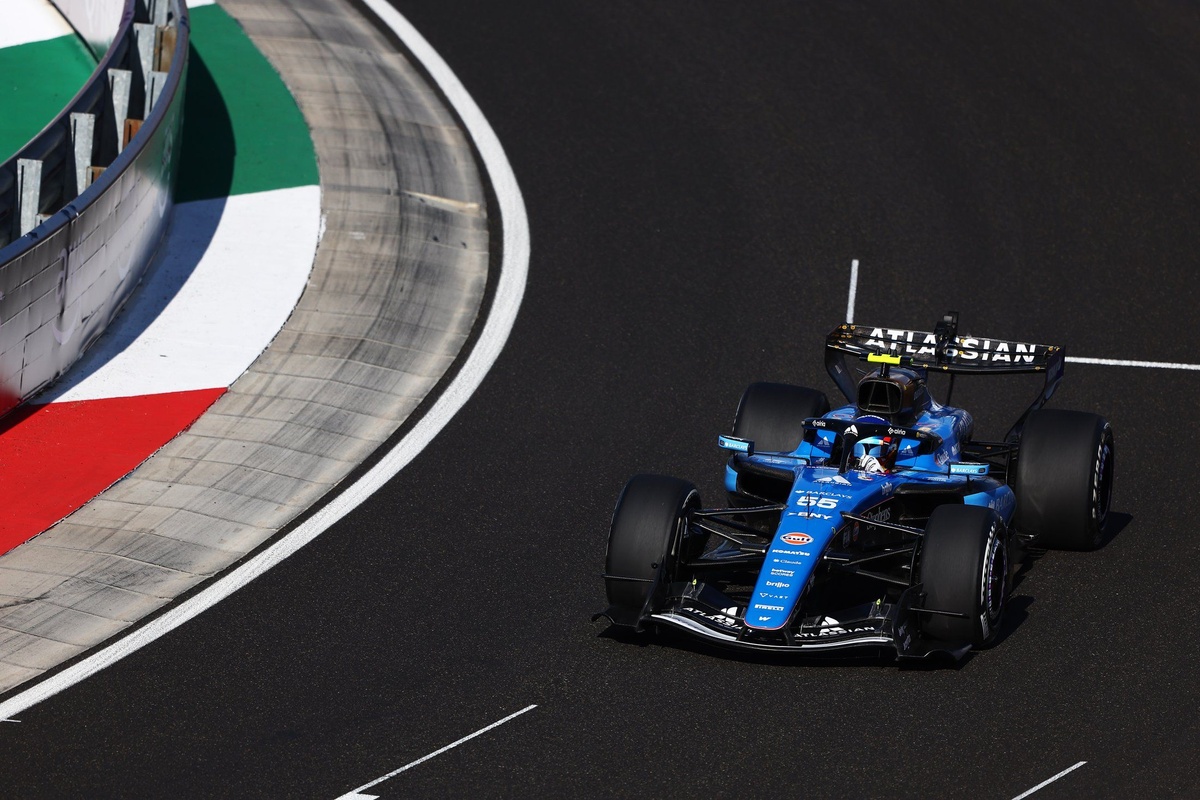
    • Team principal James Vowles confirmed two new chassis and aerodynamic upgrades will debut at the Azerbaijan Grand Prix to address car mass limits, but warned the updates will not be sufficient to consistently score points given the pace of rival development.
    • A difficult Spanish Grand Prix at the new Madring circuit—where Alex Albon finished 15th and Carlos Sainz retired with floor damage—exposed the extent of Williams’ current performance deficit relative to the midfield.

    Vowles Acknowledges Difficult Spanish Grand Prix Reality

    Williams team principal James Vowles offered a candid assessment of the squad’s trajectory during his post-race “Vowles Verdict” debrief following a challenging Spanish Grand Prix at the brand-new Madring circuit. The weekend underscored the Grove outfit’s current struggles: Alex Albon and Carlos Sainz qualified 16th and 17th respectively, before Sainz incurred a three-place grid penalty for impeding, dropping him to 20th on the grid. Albon managed only 15th at the finish, while Sainz retired after 43 laps due to floor damage.

    “For us, a difficult grand prix. We knew it was going to be difficult going into it,” Vowles explained. “It’s just exaggerating the issues we have at the moment, and we haven’t added performance to the car for far too long and have fallen back relative to teams around us.”

    Baku Upgrades Offer Limited Relief

    Looking ahead to the Azerbaijan Grand Prix, Vowles outlined a technical plan aimed at extracting immediate gains. “We have Baku coming up next, and it’s a race we’ve been looking forward to for a while. We’re going to be bringing two new chassis to that event in a bid to get our car mass below the limit. So that should be a strong step up in performance for us. And in addition to that, we’ll have some aerodynamic upgrades that go with it.”

    However, the team principal tempered expectations regarding the impact of those updates. “There is a however. The field has moved on so significantly and these upgrades, whilst powerful, simply won’t be what we are looking for in order to consistently score points.”

    Strategic Pivot Toward 2027 Season

    The fundamental constraint, Vowles revealed, is a resource allocation decision made months ago. “We’ve invested a lot already into next year and beyond, and the resultant behind this is that we accept the compromise to this year, and it stems from what happened over the winter, and we weren’t able to recuperate to the level we wanted. So, a positive step forward but really we need more, and it will come into next year.”

    This strategic pivot means Williams has effectively conceded the remainder of the 2026 championship, accepting a period of limited competitiveness to accelerate development for the 2027 regulation cycle.

    Why This Matters

    Williams’ situation illustrates the brutal resource allocation dilemma facing midfield teams under Formula 1’s cost cap and aerodynamic testing restrictions. With development bandwidth finite, teams must choose between fighting for points in the current season or investing early in the next regulatory cycle—a decision that can define competitiveness for years. For Williams, a historic constructor seeking to return to the front, the 2027 regulation changes represent a potential inflection point. The team’s willingness to endure a barren second half of 2026 signals high internal confidence in their 2027 concept, but also carries reputational and commercial risk if the projected gains fail to materialize. The Baku upgrades will serve as a litmus test for whether the new chassis can at least stabilize the car’s platform before the long pivot to next year.

    Frequently Asked Questions

    Why is Williams bringing two new chassis to the Azerbaijan Grand Prix?
    Williams is introducing two new chassis in Baku to reduce the car’s mass below the regulatory minimum weight limit, which Vowles described as a “strong step up in performance” for the team.
    Will the Baku upgrades make Williams competitive enough to score points regularly?
    No. Vowles explicitly stated that while the upgrades are “powerful,” the development rate of rival teams means they “simply won’t be what we are looking for in order to consistently score points.”
    What caused Williams to accept a compromise for the rest of the 2026 season?
    The team shifted the majority of its engineering resources to the 2027 project during the winter, and Vowles acknowledged they “weren’t able to recuperate to the level we wanted” for the current campaign, forcing a strategic acceptance of reduced competitiveness in 2026.
  • Ester Exposito’s Message ‘goes viral’ After She Lashes Out at Rumors Targeting Her

    Ester Exposito’s Message ‘goes viral’ After She Lashes Out at Rumors Targeting Her

    Key Highlights

    • Spanish actress Ester Expósito condemns the proliferation of “hoaxes” and “fake news” targeting her personal life, describing herself as “very unprotected” against image misuse.
    • Expósito reveals rumors spread this summer were “opportunistic and often misogynistic,” specifically citing false infidelity narratives linked to her relationship with Real Madrid forward Kylian Mbappé.
    • The Elite star declares she is “drawing a line” against the noise, expressing trust that the public is learning to recognize social media manipulation tactics.

    Ester Expósito Speaks Out Against “Misogynistic” Hoaxes and Media Vulnerability

    Spanish actress Ester Expósito, internationally recognized for her leading role in Netflix’s Elite, has delivered a forceful indictment of the rumor mill surrounding her private life. During a candid appearance on the Cadena SER program “Hoy por hoy” with host Aimar Bretos, the 24-year-old performer addressed the toll of relentless media scrutiny, which has intensified significantly following the public emergence of her romantic relationship with French football superstar Kylian Mbappé.

    The Toll of Viral Misinformation

    Expósito articulated a profound sense of vulnerability regarding the unchecked spread of falsehoods. She described the current media landscape as one where fabrication has become routine, leaving public figures defenseless against the weaponization of their own likeness. The actress emphasized the absence of accountability mechanisms for those who invent and disseminate damaging narratives.

    Reflecting on the specific nature of the attacks, Expósito identified a gendered dimension to the harassment. She characterized the most damaging rumors as “opportunistic and often misogynistic,” engineered explicitly to “defame and hurt.” While she declined to itemize every false allegation, she confirmed that the summer of 2024 brought a particularly vicious wave of speculation, much of it centered on fabricated infidelity stories designed to undermine her relationship with the Real Madrid captain.

    “Drawing a Line” Against the Noise

    Despite the sustained pressure, Expósito revealed a strategic shift in her approach to public defense. She acknowledged the futility of a reactive posture—constantly denying individual falsehoods—while firmly asserting that silence does not constitute validation. “Most of the time I let it pass because I can’t live denying every single thing; that does not mean in the slightest that it’s true,” she stated.

    However, the actress signaled a definitive endpoint to her patience. Expressing faith in the media literacy of the general public, she argued that audiences are increasingly adept at recognizing the commercial incentives behind viral manipulation. “I want to think that people are not stupid and that we are coming to understand how social media works, how manipulating things sells, and I trust that people do not believe everything they read,” she remarked. “This summer I felt like drawing a line.”

    Why This Matters

    Expósito’s intervention highlights the acute intersection of celebrity culture, sports fandom, and the attention economy. Her relationship with Mbappé—one of the world’s most marketable athletes—has placed her at the center of a transnational media vortex where Spanish entertainment press, French sports journalism, and global social media algorithms converge. The actress’s explicit labeling of the rumors as “misogynistic” underscores a broader pattern in which women linked to high-profile male athletes face disproportionate scrutiny, often subjected to narratives questioning their fidelity or motives. Her call for platform accountability and her expression of legal helplessness (“we are very unprotected”) resonate with ongoing policy debates in the European Union regarding the Digital Services Act and the obligations of platforms to mitigate non-consensual content and targeted harassment.

    Frequently Asked Questions

    What specific rumors did Ester Expósito reference?
    Expósito referenced “really nasty” rumors from summer 2024, specifically citing false infidelity allegations and “absurd hoaxes created with the aim of tarnishing a story between two people and hurting my dignity” regarding her relationship with Kylian Mbappé.
    Why has media attention on Expósito increased recently?
    While Expósito is a established star in Spain from Elite, her romantic relationship with Real Madrid forward Kylian Mbappé has drastically amplified her global media exposure, making her a target for tabloid speculation and social media-driven narratives.
    What is Expósito’s strategy for handling future rumors?
    She stated she is “drawing a line,” moving away from the exhaustion of denying every falsehood. She expressed trust that the public is becoming more media literate and understands the financial incentives behind viral manipulation on social platforms.
  • Cristiano Ronaldo Rejected by a Premier League Giant

    Cristiano Ronaldo Rejected by a Premier League Giant

    Key Highlights

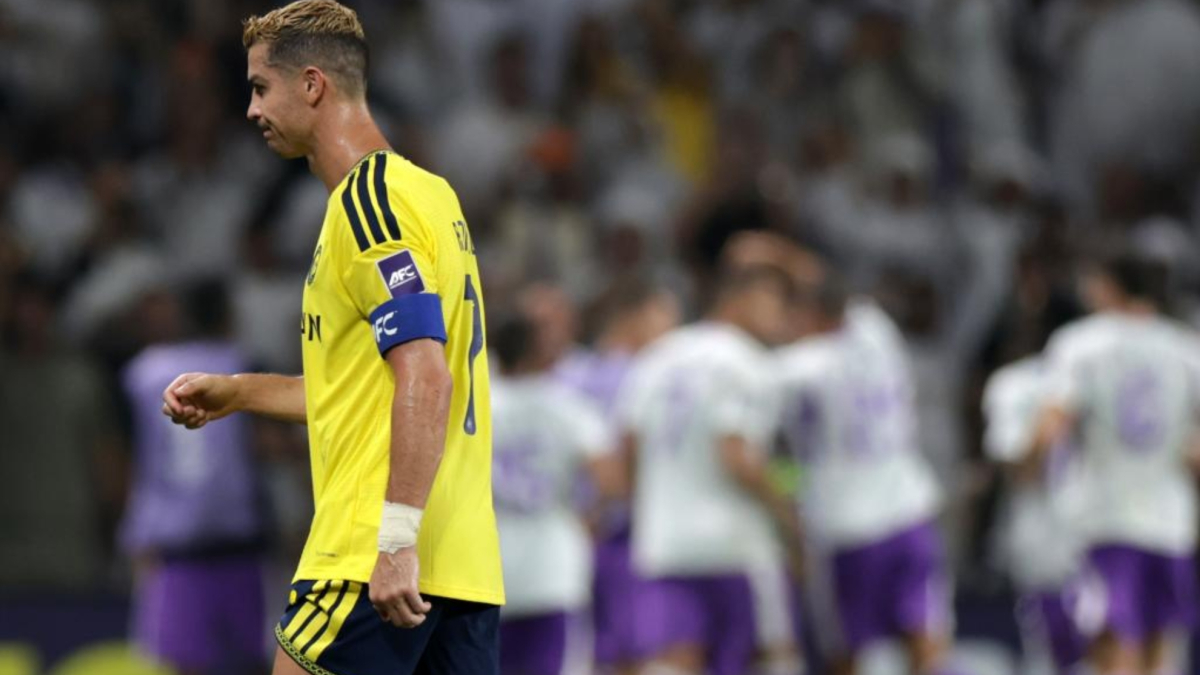
    • Todd Boehly actively pursued Cristiano Ronaldo during his first Chelsea transfer window in 2022, meeting with agent Jorge Mendes to discuss a move from Manchester United.
    • Thomas Tuchel, then Chelsea manager and reigning Champions League winner, vetoed the signing, making his “firm opposition” clear on multiple occasions according to The Athletic.
    • Ronaldo remained at Old Trafford until his contract was terminated in late 2022, while Chelsea moved on without the Portuguese superstar.

    Boehly’s First Window Ambition Targeted Ronaldo

    When the Todd Boehly-led consortium completed its takeover of Chelsea in May 2022, the new ownership group wasted little time signaling its intent to operate at the very top of the global transfer market. During that inaugural summer window, Boehly—who also assumed the role of interim sporting director—identified Cristiano Ronaldo as a primary target. The Portuguese forward was enduring a turbulent second spell at Manchester United, a campaign that saw the Red Devils finish a disappointing sixth in the Premier League and miss out on Champions League football. Sensing an opportunity to acquire one of the sport’s most marketable and prolific assets, Boehly engaged directly with Jorge Mendes, Ronaldo’s long-time agent, to explore the feasibility of a switch to Stamford Bridge.

    Tuchel’s Veto Halted the Stamford Bridge Switch

    Despite the owner’s enthusiasm and the agent’s involvement, the deal collapsed before it could materialize. The decisive voice belonged to Thomas Tuchel, the German tactician who had guided Chelsea to the Champions League title just a year prior. According to reporting from The Athletic, Tuchel “made his firm opposition to any agreement for the Portuguese forward very clear on several occasions”. The manager’s stance was rooted in tactical and squad dynamic concerns, effectively overriding the commercial and sporting arguments presented by the hierarchy. Tuchel’s authority in football matters proved absolute, and the prospective transfer was shelved.

    Consequences for Club and Player

    The fallout from the blocked move shaped the immediate future of both parties. Ronaldo stayed at Old Trafford for the first half of the 2022–23 season, a period marked by diminishing playing time under Erik ten Hag and a controversial interview with Piers Morgan that ultimately led to his contract being mutually terminated in November 2022. He subsequently joined Saudi Pro League side Al-Nassr in January 2023. Chelsea, meanwhile, proceeded with a different recruitment strategy under Tuchel before the manager himself was dismissed in September 2022, paving the way for Graham Potter and later Mauricio Pochettino. The club’s attack relied on summer signings such as Raheem Sterling and Pierre-Emerick Aubameyang rather than the five-time Ballon d’Or winner.

    Why This Matters

    The episode illuminates the early power dynamic at Chelsea under the Boehly-Clearlake Capital ownership. It demonstrates that despite the owner’s willingness to pursue galactico-style signings for both sporting and commercial returns, the football department retained veto power over player acquisitions—a structure that would later evolve as the club moved toward a more data-driven, long-term recruitment model under subsequent sporting directors. For Ronaldo, the missed move represents a sliding-doors moment; a transfer to a reigning European champion managed by an elite coach might have extended his peak in Europe’s top tier, whereas the reality saw his Manchester United tenure end in acrimony and a move to the Middle East.

    Frequently Asked Questions

    Did Chelsea officially bid for Cristiano Ronaldo in 2022?
    While Todd Boehly held concrete talks with Jorge Mendes and the move was seriously considered, no formal bid was submitted after Thomas Tuchel blocked the transfer.
    Why did Thomas Tuchel oppose signing Ronaldo?
    Tuchel reportedly opposed the deal due to concerns over tactical fit, squad harmony, and the profile of a player who demanded a specific playing style that conflicted with his system.
    What happened to Ronaldo after the Chelsea move collapsed?
    Ronaldo remained at Manchester United until his contract was terminated by mutual agreement in November 2022, after which he signed for Saudi Arabian club Al-Nassr in January 2023.
  • Mercedes Targets Pole Drought End with Malaysia F1 Upgrades

    Mercedes Targets Pole Drought End with Malaysia F1 Upgrades

    Key Highlights

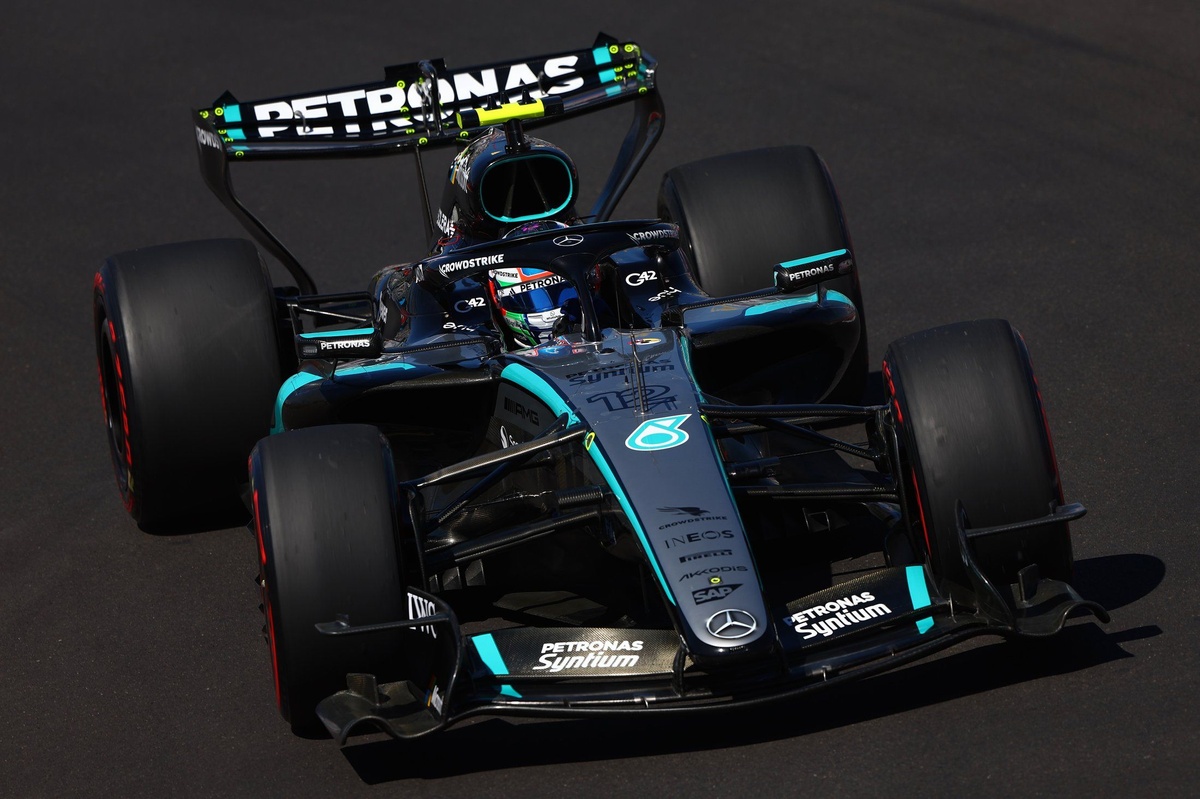
    • Mercedes confirms its next major Formula 1 upgrade package will debut at the Malaysian Grand Prix on 2–4 October, targeting a return to pole-contending form.
    • Despite a commanding 145-point championship lead over Ferrari, the Silver Arrows have not claimed pole position since Kimi Antonelli topped qualifying at Spa in July.
    • Trackside engineering director Andrew Shovlin expects a “decent step” from the Malaysian updates but cautions the competitive gap to McLaren and Ferrari is now just one or two tenths.

    Mercedes Targets Malaysian Upgrade to Arrest Qualifying Slide

    Mercedes has confirmed that its next significant Formula 1 development package will arrive at the Malaysian Grand Prix on 2–4 October, marking the Asian venue’s return to the calendar in place of Bahrain. The German manufacturer enters the event with a substantial 145-point advantage over Ferrari in the 2026 Constructors’ Championship, a lead built despite the team’s last major upgrade being introduced at the Montreal round in May. Since then, Mercedes has relied on minor, circuit-specific updates while rivals Ferrari and McLaren have pursued more aggressive development programmes.

    That strategic conservatism has coincided with a shift in competitive momentum. After winning the opening six grands prix of the season, Mercedes has secured only four victories in the subsequent eight rounds, with McLaren and Ferrari each claiming two wins. More critically for a team historically defined by Saturday dominance, the Silver Arrows have not started from pole position since Kimi Antonelli set the pace at Spa-Francorchamps in July—a drought spanning four consecutive race weekends.

    Shovlin Details Baku Strategy and Upgrade Timeline

    Speaking on the Nu Silver Arrows Radio Show podcast, trackside engineering director Andrew Shovlin outlined the team’s immediate approach. With the Azerbaijan Grand Prix preceding Malaysia, Shovlin acknowledged limited new components for the Baku street circuit, emphasising its unique demands.

    “We haven’t got much new coming to Baku, but actually that’s a circuit that’s more about drag than downforce. So the car was good in Monza, hopefully it will work well in Baku. But, you need a car that can have a good straight line speed.”

    “There’s other things, though, you need in Baku, like the sort of street circuit nature, almost that Monaco-esque being able to deal with the low speed, keeping all the wheels on the ground.”

    Looking beyond the Caspian Sea venue, Shovlin confirmed the developmental focus shifts eastward.

    “And then the updates, well, they’re going to come Malaysia onwards and hopefully we’ll make a decent step. I don’t think we’re going to be out front by miles, but hopefully we’ll be back into a position where we can really go into qualifying, knowing that we’re fighting for pole.”

    Championship Lead Masks Growing Qualifying Deficit

    The disconnect between Mercedes’ race-day potency and its qualifying form is stark. Antonelli has converted the W15’s race pace into back-to-back victories at Monza and Madrid, yet the team finds itself on a pole-position drought that contrasts sharply with the opening phase of the campaign. In the three most recent rounds without a Mercedes pole, McLaren’s Lando Norris has topped the timesheets each time—a reversal from the first ten rounds where the Silver Arrows swept every pole position.

    Shovlin articulated the fine margins now defining the championship’s front row.

    “Early in the season, we tended to go thinking, we have a car that if we do a really good job, it should be on pole. We should be fighting for a race win. Whereas now the margin between finishing first and finishing sixth is one or two tenths and it’s difficult to predict because Monza is a unique track.”

    “It needs a car that’s quite slippy with low drag and then new circuit like Madring couldn’t be more different. But we just focus on getting the most out of the car and if we win, awesome.”

    Why This Matters

    The Malaysian Grand Prix represents a pivotal inflection point in the 2026 season. While Mercedes’ championship buffer provides insulation, the convergence of performance among the top three teams—now separated by mere hundredths of a second in qualifying—threatens to erode the operational advantages that come with starting at the front. For team principal Toto Wolff and technical director James Allison, the Malaysian upgrade must deliver not merely incremental lap time but a restoration of the qualifying predictability that underpinned the team’s early-season dominance. With McLaren and Ferrari showing no signs of slowing their development trajectories, the Sepang event will test whether Mercedes’ conservative mid-season strategy was a calculated masterstroke or a window of opportunity ceded to rivals.

    Frequently Asked Questions

    When will Mercedes’ next major upgrade arrive?
    The next significant development package is scheduled for the Malaysian Grand Prix on 2–4 October 2026.
    Why has Mercedes not taken pole since July?
    The competitive gap to McLaren and Ferrari has narrowed to one or two tenths of a second, making qualifying outcomes highly sensitive to circuit characteristics. Lando Norris has claimed pole in three of the last four rounds for McLaren.
    What is Mercedes’ current championship position?
    Mercedes leads the 2026 Constructors’ Championship by 145 points over second-placed Ferrari, despite winning only four of the last eight races.
  • Daniel Teasdale: How Prince Naseem’s Protégé Never Became Boxing Champion

    Daniel Teasdale: How Prince Naseem’s Protégé Never Became Boxing Champion

    Key Highlights

    • Daniel Teasdale was touted as the successor to Prince Naseem Hamed by trainer Brendan Ingle, who declared him “better than Naz at the same age” during his teenage years.
    • Photographer Simon Roberts was directed by Ingle to document Teasdale instead of Hamed in 1997, with Ingle predicting the youngster would become “bigger than Naz.”
    • Despite extensive media coverage, national titles, and documentary attention before his professional debut, Teasdale’s promised rise to world championship status never materialized.

    The Prodigy from the Ingle Gym

    In the corridors of Brendan Ingle’s renowned Sheffield gym, where a conveyor belt of world champions was forged, a teenager named Daniel Teasdale once stood on the precipice of boxing immortality. The Rotherham-born super-middleweight had drawn comparisons to the gym’s most famous export, Prince Naseem Hamed, before he had even thrown a punch as a professional. Hamed had captured his first world title at the age of 21; Teasdale, still in his teens, was already the subject of national newspaper features, books, and documentary crews tracking his anticipated ascent.

    Ingle’s Bold Prediction

    The architect of this hype was Ingle himself, a trainer whose judgment carried the weight of history. Having guided both fighters from childhood, Ingle did not hedge his assessment. “He’s better than Naz at the same age,” said trainer Brendan Ingle. The statement carried extraordinary implication: the “Prince” was a generational talent, yet his mentor believed the pupil in the corner possessed superior raw ability at the equivalent stage of development.

    A Photographer’s Pivot

    The conviction was vividly illustrated in 1997 when photographer Simon Roberts arrived at the gym intending to capture Hamed. Ingle redirected his lens. “Brendan said ‘don’t worry about Naz, start photographing that kid in the corner. He’s going to be bigger than Naz’. That was Daniel,” Roberts said. Roberts proceeded to follow the young sensation, documenting a rise that the boxing world assumed was inevitable. Teasdale backed the early faith with a succession of national titles, cementing his status as the next standard-bearer for the Ingle stable.

    The Promise That Faded

    Yet the narrative arc that began with such certainty diverged sharply from the script. The professional career that followed the amateur accolades and media fanfare failed to yield the world championships, the fortune, or the crossover fame that had been forecast. The “heir to Naz” remained a title of potential rather than achievement, a cautionary tale of a talent identified early but never fully realized on sport’s grandest stage.

    Why This Matters

    The trajectory of Daniel Teasdale underscores the volatile alchemy of boxing prospects, where amateur brilliance and gym lore do not guarantee professional conquest. The Ingle gym’s methodology produced legends like Hamed, Johnny Nelson, and Kell Brook, yet Teasdale’s case highlights the gap between being labeled “the next big thing” and navigating the political, physical, and psychological gauntlet of the professional ranks. For historians and fans, his story remains a poignant “what if” in British boxing folklore, illustrating how the weight of expectation—especially when measured against a once-in-a-generation showman like Hamed—can become a burden rather than a catalyst.

    Frequently Asked Questions

    Who was Daniel Teasdale compared to during his amateur career?
    He was compared to Prince Naseem Hamed, with trainer Brendan Ingle stating he was “better than Naz at the same age.”
    What did photographer Simon Roberts witness at the Ingle gym in 1997?
    Roberts was told by Ingle to ignore Hamed and photograph Teasdale instead, with Ingle predicting Teasdale would become “bigger than Naz.”
    Did Daniel Teasdale win a world title as a professional?
    No. Despite winning national titles and receiving significant media attention before his pro debut, his promise never materialized into world championship success.
  • Jeremy Doku in line for Sunderland return: ‘Probably he can be available’

    Jeremy Doku in line for Sunderland return: ‘Probably he can be available’

    Key Highlights

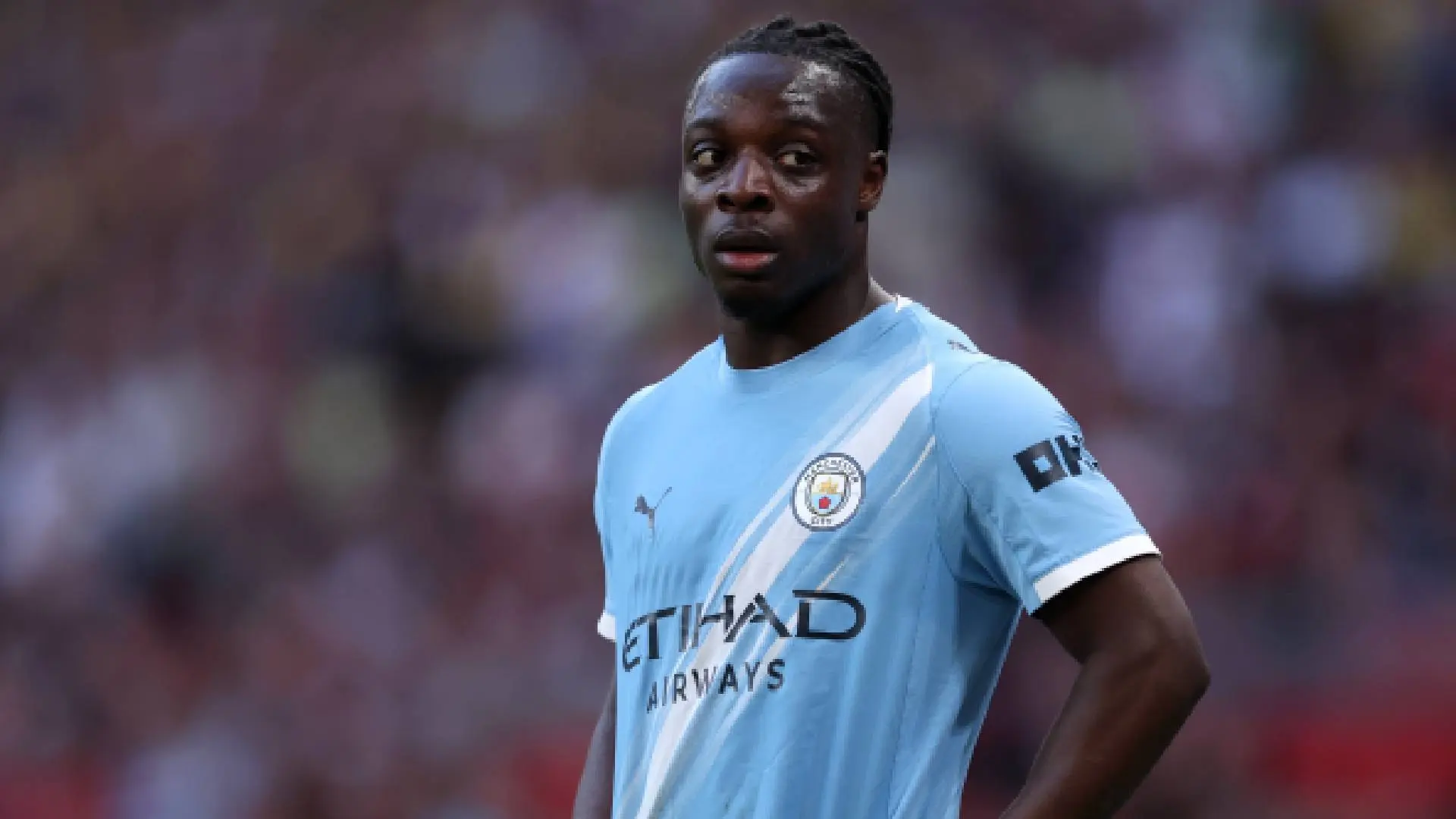
    • Jeremy Doku is expected to return to the Manchester City squad for Sunday’s match against Sunderland after recovering from a calf injury.
    • Manager Enzo Maresca confirmed the Belgium international is back in contention ahead of the Premier League fixture.
    • Doku’s return provides a significant attacking boost for City as they navigate a congested fixture schedule.

    Doku Cleared for Selection After Calf Layoff

    Manchester City winger Jeremy Doku is poised to make his return to competitive action on Sunday when the Premier League champions host Sunderland at the Etihad Stadium. The 22-year-old Belgium international has been sidelined with a calf problem but has reportedly returned to full training this week, placing him in contention for a place in the matchday squad.

    Maresca Confirms Winger’s Availability

    City manager Enzo Maresca delivered the positive update during his pre-match press conference, indicating that the former Rennes attacker has overcome the muscular issue that has kept him out of recent fixtures. Doku’s pace and direct running have been a key component of City’s wide play since his summer arrival, and his absence has coincided with a period where the team has looked to diversify its attacking patterns.

    Tactical Implications for Sunday’s Fixture

    The potential return of Doku offers Maresca additional tactical flexibility on the flanks. With Savinho and Phil Foden having shouldered much of the wide creative burden in recent weeks, Doku’s ability to beat a man one-on-one and drive into the final third adds a different dimension to City’s attack. His presence also allows the Italian coach to manage minutes across a demanding schedule that includes Champions League and domestic cup commitments in the coming weeks.

    Injury Management in a Congested Calendar

    The calf injury represented Doku’s first significant fitness setback since joining the club. City’s medical and performance staff will likely monitor his match sharpness closely, with a substitute appearance a plausible scenario should Maresca opt for a cautious reintegration. The club’s depth in wide areas means there is no immediate pressure to rush the Belgian back into the starting XI, though his impact off the bench could prove decisive against a Sunderland side expected to sit deep and counter.

    Why This Matters

    Doku’s return to fitness is a timely boost for Manchester City as they enter a critical phase of the season. With the Premier League title race tightening and Champions League knockout stages approaching, squad depth and rotational options become paramount. The Belgian’s unique skill set—explosive acceleration, close control in tight spaces, and willingness to take on defenders—provides a specific tactical outlet that few other players in the squad replicate. His availability also eases the load on fellow wingers, reducing the risk of further muscular injuries during a period of high match frequency. For Sunderland, facing a fully stocked City attack represents a significantly stiffer test than one missing its most dynamic dribbler.

    Frequently Asked Questions

    When did Jeremy Doku suffer the calf injury?

    The exact date of the injury was not specified in the manager’s update, but Doku has missed recent fixtures while undergoing rehabilitation. His return to training this week signals the conclusion of his recovery period.

    Will Jeremy Doku start against Sunderland?

    Enzo Maresca stated Doku is “back in contention,” which typically means he is available for selection. Whether he starts or features from the bench will be a tactical decision made closer to kick-off, with match fitness and the overall game plan factoring into the choice.

    How many games has Doku missed due to the calf problem?

    The source did not specify the exact number of matches missed. Doku has been absent from the matchday squad for recent fixtures while recovering from the calf issue.

  • Kim Kardashian Opens Up About Health Condition Linked to Family Tragedy

    Kim Kardashian Opens Up About Health Condition Linked to Family Tragedy

    Key Highlights

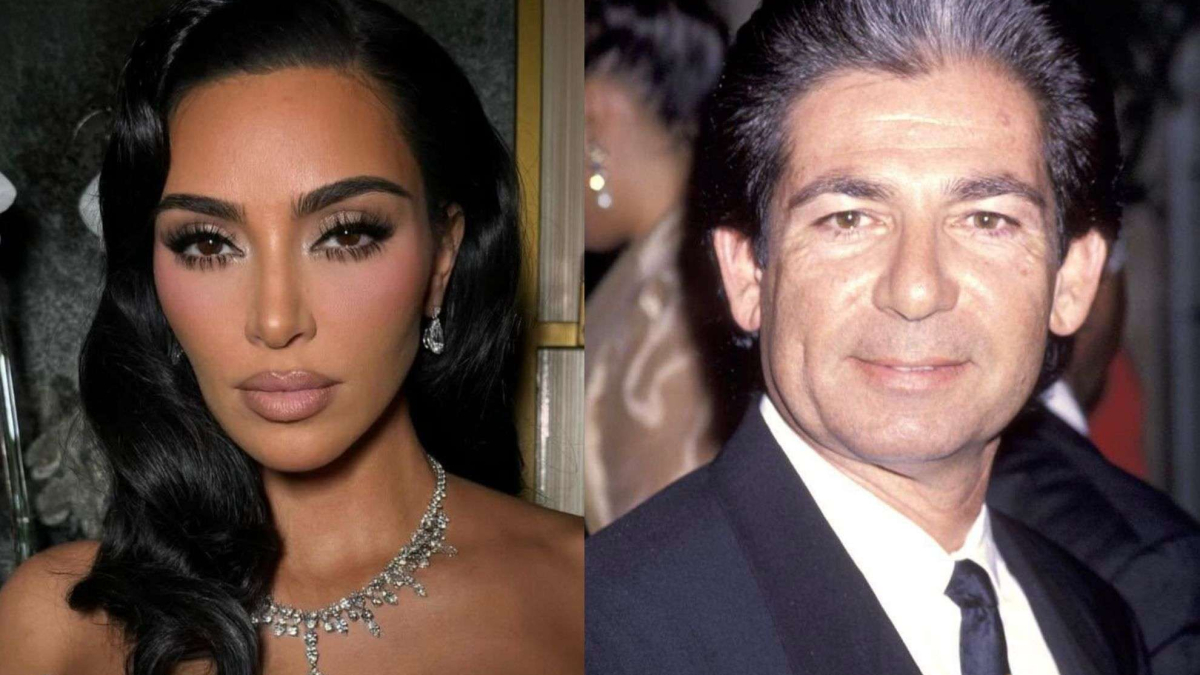
    • Kim Kardashian revealed an esophagitis diagnosis in the Season 8 trailer for The Kardashians, prompting emotional reactions from her family due to the history of her father Robert Kardashian’s death from esophageal cancer in 2003.
    • Esophagitis is an inflammatory condition of the esophageal lining distinct from esophageal cancer; treatment depends on the underlying cause, which can include acid reflux, infections, allergies, or medication irritation.
    • Khloé Kardashian previously shared on her Khloé in Wonder Land podcast that their father died roughly six to seven weeks after his terminal diagnosis, a loss that left unresolved grief and guilt for the siblings.

    Kim Kardashian Discloses Esophagitis Diagnosis in New Season Trailer

    Reality television star and SKIMS founder Kim Kardashian has disclosed a new health diagnosis that has reverberated through her family, reviving memories of one of the most painful chapters in their lives. In a newly released trailer for Season 8 of Hulu’s The Kardashians, Kardashian reveals she has been diagnosed with esophagitis, an inflammatory condition affecting the lining of the esophagus. While the condition is medically distinct from cancer, the news struck an immediate emotional chord because her father, famed attorney Robert Kardashian, died from esophageal cancer in 2003 at the age of 59.

    The preview shows Kardashian having her hair done when she states, “I have something called esophagitis.” The footage then cuts to the entrepreneur lying in a hospital bed undergoing a medical evaluation. An off-camera voice asks a question that underscores the family’s deep-seated fear: “Didn’t your father… isn’t it what he died of?” The moment visibly affects matriarch Kris Jenner, who struggles to maintain composure, saying in the trailer, “I can’t, it makes me want to cry.”

    Understanding Esophagitis: Causes, Symptoms, and Treatment

    Although the trailer does not detail the severity of Kardashian’s condition or its specific cause, the diagnosis has drawn renewed public attention to a disorder that can significantly impair quality of life. According to the Mayo Clinic, esophagitis is inflammation of the tissue lining the esophagus—the muscular tube connecting the mouth to the stomach. Common symptoms include painful swallowing, difficulty swallowing, chest pain, and upper digestive discomfort.

    Common causes range from chronic acid reflux (GERD) and infections to allergies and irritation from certain medications. Medical guidance indicates that treatment protocols depend heavily on identifying the underlying cause and assessing the extent of tissue damage. If left untreated, esophagitis can lead to complications such as dehydration, unintended weight loss, and the narrowing or scarring of the esophageal passage, known as strictures.

    Family History Casts Long Shadow Over Diagnosis

    The emotional weight of the diagnosis is inextricably linked to the family’s history. Robert Kardashian, widely recognized for his role on O.J. Simpson’s defense team during the 1990s murder trial, passed away just weeks after his esophageal cancer diagnosis. His rapid decline left a lasting psychological impact on his children, a trauma that resurfaced following Kim’s announcement.

    During an April 2025 episode of her Khloé in Wonder Land podcast, Khloé Kardashian spoke candidly about the experience. “My dad died really quickly,” Khloé recalled. “He had esophageal cancer and I think he died six or seven weeks after diagnosis.” She explained that at the time, she struggled to process both the speed of her father’s decline and the fact that he never fully discussed the terminal nature of his illness with his children. “I need someone to blame, so I’m gonna blame my dad, ’cause he didn’t tell me that it was terminal,” she said while reflecting on the anger and guilt she carried after his death. Over time, Khloé said she found peace through openly discussing her grief, eventually reaching a point where she could remember her father with admiration rather than sadness.

    Why This Matters: Distinguishing Condition from Cancer

    The public discourse surrounding Kim Kardashian’s health highlights a critical medical distinction. While the anatomical location is the same, esophagitis and esophageal cancer are separate conditions. According to the Cleveland Clinic, esophageal cancer develops when abnormal cells grow uncontrollably within the esophagus and form tumors. Esophagitis, by contrast, is an inflammatory response that is often treatable and reversible depending on the etiology.

    For the Kardashian-Jenner family, however, the medical distinction does not fully alleviate the psychological association. The diagnosis serves as a stark reminder of their patriarch’s sudden passing and the unresolved grief the siblings have navigated publicly over the last two decades. As Season 8 prepares to air, viewers will likely witness how the family navigates this health scare against the backdrop of their shared history.

    Frequently Asked Questions

    What is esophagitis and how does it differ from esophageal cancer?

    Esophagitis is inflammation of the esophageal lining caused by factors such as acid reflux, infections, allergies, or medication irritation. It is generally treatable. Esophageal cancer involves the uncontrolled growth of abnormal cells forming tumors in the esophagus. They are distinct conditions, though chronic esophagitis can, in rare cases, increase cancer risk over time.

    How did Robert Kardashian die?

    Robert Kardashian died in 2003 at age 59 from esophageal cancer, approximately six to seven weeks after receiving his diagnosis, according to his daughter Khloé Kardashian.

    Has Kim Kardashian disclosed the cause or severity of her esophagitis?

    As of the Season 8 trailer release, Kim Kardashian has not publicly disclosed the specific cause, severity, or treatment plan for her esophagitis diagnosis.