Category: Buzz

Unique, interesting, and unusual stories.

  • Woman Claims Boyfriend Faked College Career, Fabricated GPA: ‘He Was Studying for Nothing’

    Woman Claims Boyfriend Faked College Career, Fabricated GPA: ‘He Was Studying for Nothing’

    Key Highlights

    • TikTok creator Gabriela Garbato revealed her boyfriend fabricated his entire college experience, including pretending to be a pre-med student at the University of Florida.
    • He allegedly faked assignments, a class schedule, a GPA slightly higher than hers, and a bowling scholarship at Midland University, while actually attending Santa Fe Community College before dropping out.
    • The viral video sparked discussion about pathological lying and relationship dynamics, with commenters speculating he was intimidated by her academic success.

    TikTok Creator Exposes Boyfriend’s Elaborate College Deception

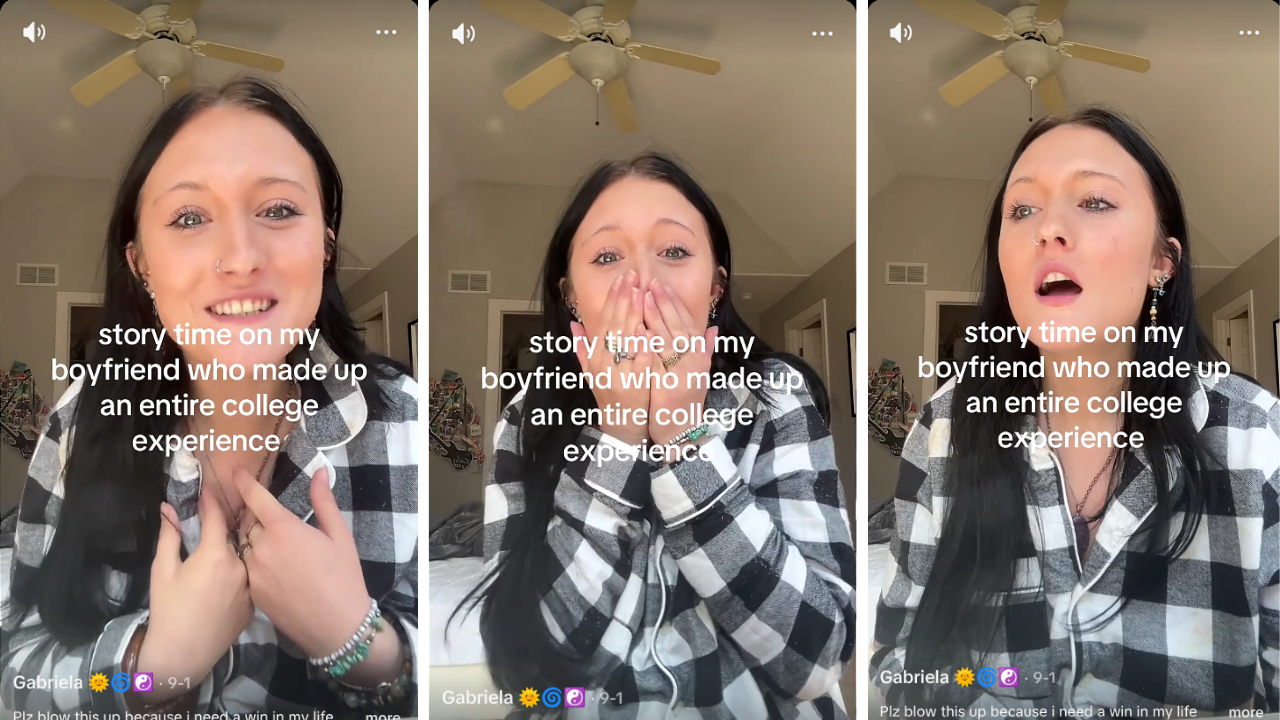
    TikTok content creator Gabriela Garbato (known as @gabriela.garbato) has gone viral after sharing a detailed account of how her boyfriend allegedly lied about his entire college experience to everyone in his life, including her. The video, which has amassed nearly 975,000 views and over 1,400 comments, outlines a years-long fabrication that included a fake pre-med enrollment at the University of Florida (UF), a manufactured GPA designed to one-up her own, and a fictitious bowling scholarship at Midland University in Nebraska. The Daily Dot, which first reported on the story, noted it was unable to independently verify the events described in Garbato’s TikTok; the details here are based on her account and the ensuing viewer reactions.

    Suspicion Arises Over Pre-Med Claims

    According to Garbato, she had been skeptical from the start about her boyfriend’s claim that he was enrolled as a pre-med student at UF. Because she was also a pre-med student, she was familiar with the curriculum and professors, and she noticed he struggled to answer specific questions about his classes. Over time, she said, “cracks began to appear in his story.” She explained that he had researched the classes pre-med students typically take, which allowed him to appear knowledgeable on certain subjects. However, when she asked for the name of his biochemistry professor—a class she knew had only one instructor—he could not provide it. A subsequent search of the university’s student directory yielded no record of his name, leading her to conclude he had never enrolled.

    Confrontation and Confession

    Seeking answers, Garbato called him and said, “You didn’t go to Florida. You didn’t go to UF.” At that point, according to her account, he admitted to lying about his college experience. She described the most disturbing aspect not as the lie itself, but the extensive effort he allegedly put into making it believable. This included faking assignments, creating a class schedule, and even studying for pre-med classes alongside her. “We fake studied together,” Gabriela said. “He was studying for nothing!”

    Fabricated GPA and Scholarship

    The deception extended to academic achievements. Garbato recounted, “This is my favorite part. I asked him what his GPA was. . . I told him my GPA first. Conveniently the GPA he made up was 0.1 point better than my GPA.” She said he confessed to inventing the GPA specifically to one-up her. He also claimed to have attended Midland University on a bowling scholarship, but later admitted he had actually attended Santa Fe Community College for two years before dropping out. After the confrontation, Garbato said he confessed to his family and friends as well, eventually thanking her for exposing the secret because he could now live honestly.

    Aftermath and Viewer Reactions

    Garbato stated she still loved her boyfriend but knew she needed to end the relationship due to how easily he had lied to her and those around him. The video’s comment section ignited a broader conversation. One commenter wrote, “It’s kinda crazy how I’ve heard so many people who fake going to school to their friends and family… like what you going to do on graduation day?” Another highlighted the paradox of pathological lying: “Pathological liars are so insane like all the work they do to maintain the lie they could’ve just actually done the thing they’re lying about.” A separate commenter speculated on the relational dynamic, writing, “He def was intimidated by you and couldn’t stand the fact that his gf was doing better than him.”

    Why This Matters

    This case underscores how social media platforms like TikTok have become venues for personal storytelling that can quickly escalate into public discourse on psychology and relationship ethics. The alleged lengths of the deception—fabricating not just attendance but coursework, grades, and a scholarship—raise questions about the psychological drivers behind sustained falsehoods, particularly when they intersect with competitive dynamics in romantic partnerships. For audiences, the story serves as a cautionary tale about trust verification and the potential for elaborate performative lies. It also highlights the role of digital communities in crowdsourcing analysis and support after such revelations, as seen in the thousands of comments dissecting the boyfriend’s possible motives.

    Frequently Asked Questions

    Who is Gabriela Garbato?
    Gabriela Garbato is a TikTok content creator who posts under the handle @gabriela.garbato. She shared a viral video detailing her discovery that her boyfriend had fabricated his entire college history.
    What specific lies did the boyfriend allegedly tell?
    He claimed to be a pre-med student at the University of Florida, faked a class schedule and assignments, invented a GPA 0.1 points higher than Garbato’s, and said he attended Midland University on a bowling scholarship. In reality, he attended Santa Fe Community College for two years before dropping out.
    Has the story been independently verified?
    The Daily Dot reported that it was unable to independently verify the events described in Garbato’s TikTok video. The details are based on her account and the reactions of commenters on the platform.
  • Man Claims Restaurant Workers Have ‘No Excuse to Be Broke’: ‘Hustle Until You Have $10K in the Bank’

    Man Claims Restaurant Workers Have ‘No Excuse to Be Broke’: ‘Hustle Until You Have $10K in the Bank’

    Key Highlights

    • TikTok creator Ryan Stannard (@ryan_stannard4) argues restaurant workers can achieve financial success through hustle, shift pickup, and saving habits, recommending workers build a $10,000 safety net.
    • The video sparked polarized debate, with commenters citing low base wages, toxic management, slow seasons, and federal minimum wage disparities as structural barriers to Stannard’s advice.
    • The Daily Dot could not independently verify Stannard’s earnings claims; the discourse reflects broader tensions around tipped labor economics and workplace conditions in the U.S. restaurant industry.

    TikTok Creator Sparks Debate With Claim That Restaurant Workers Have ‘No Excuse to Be Broke’

    TikTok content creator Ryan Stannard, who posts under the handle @ryan_stannard4, published a video reflecting on his experience in the restaurant industry and asserting that financial struggle among hospitality workers is largely a matter of personal accountability. The video, which had garnered 12,000 likes and 151 comments at the time of reporting, outlines a series of behavioral changes Stannard believes can transform a restaurant job into a lucrative career.

    Stannard’s Framework: Shift Pickup, Tip Maximization, and a $10,000 Target

    In the video, Stannard lists several strategies he says enabled his own success. He encourages workers to pick up colleagues’ shifts, work harder to increase tip earnings, and adopt a mindset of financial discipline. “Little steps in the right direction are still steps. Set a goal, hit the goal, raise the goal.” he wrote in the video’s caption. Stannard explicitly states he would rather clean restaurant bathrooms than struggle to pay bills, framing undesirable tasks as a necessary trade-off for income stability. He recommends that workers “hustling” until they accumulate $10,000 in their bank accounts, a threshold he says provides a critical financial safety net and peace of mind.

    Commenters Challenge Structural Realities of Tipped Labor

    The response on TikTok was sharply divided. A significant portion of commenters pushed back against Stannard’s characterization, arguing that his experience does not reflect the structural realities faced by many hospitality employees. One commenter wrote, “Except my manager expects me to clean the toilets for my regular wage every shift and will still complain about paying me if it takes time to do,” highlighting unpaid or underpaid side work. Another pointed to geographic and role-based wage disparities: “UNLESS you work at a slow restaurant/its slow season or if you’re a host on federal minimum wage.”

    Others emphasized the difficulty of securing high-volume positions in the current economy. “Most people struggle to even find a position in the industry that ACTUALLY either pay well, or is a spot busy enough to make them money,” one user wrote. The discussion touched on the federal tipped minimum wage of $2.13 per hour, which persists in numerous states, and the volatility of tip income during seasonal downturns or in lower-traffic establishments.

    Support for Savings Discipline Amid Skepticism on Universality

    Not all feedback was critical. Several commenters validated the core savings principle while contesting the universality of Stannard’s operational advice. “Might be the best advice he’s given. Although no ones paying their servers to clean toilets. That’s just wherever he worked. but the saving part is spot on. I saved up 11k in one year and I didn’t have to pick up doubles or give up all my weekends,” one user commented. Another offered a complementary perspective on professional conduct: “It is genuinely so easy to be one of the better servers at any restaurant. Don’t come into work under the influence whatsoever, trade cuts to close, don’t stand around and talk on shift, make your complete focus your tables and the money you make and you will see how easy it is to rise through the ranks.”

    Why This Matters: The Tipped Wage Debate in Context

    The viral exchange encapsulates a long-standing policy and cultural debate in the United States over the subminimum wage for tipped workers. Under the Fair Labor Standards Act, employers may pay tipped employees as little as $2.13 per hour federally, provided tips bring total compensation to the standard minimum wage; if they do not, the employer is legally required to make up the difference. However, enforcement is inconsistent, and wage theft investigations by the Department of Labor frequently cite restaurant violations. The discourse also reflects post-pandemic labor market shifts: while some urban fine-dining servers report record earnings, many casual-dining and rural workers face reduced hours, tip pooling dilution, and rising living costs that outpace gratuity income. Stannard’s $10,000 benchmark aligns with common personal-finance guidance for an emergency fund, yet the feasibility of reaching it varies dramatically by concept, region, and schedule control.

    Frequently Asked Questions

    Who is Ryan Stannard and what platform did he use?
    Ryan Stannard is a TikTok creator who posts under the username @ryan_stannard4. He shared a video discussing his perspective on earning potential and financial habits for restaurant workers.
    What specific financial goal does Stannard recommend for restaurant workers?
    Stannard advises workers to “hustle” until they have $10,000 in their bank accounts, which he says will help them feel more financially secure.
    Why did some TikTok users disagree with Stannard’s advice?
    Commenters cited structural barriers including the federal tipped minimum wage of $2.13 per hour, slow seasons, low-traffic restaurants, unpaid side work such as cleaning bathrooms at base pay, and difficulty securing high-earning positions in the current economy.
  • TikTokers Face Backlash for Turning 14-Year-Old’s Death Into Meme

    TikTokers Face Backlash for Turning 14-Year-Old’s Death Into Meme

    Key Highlights

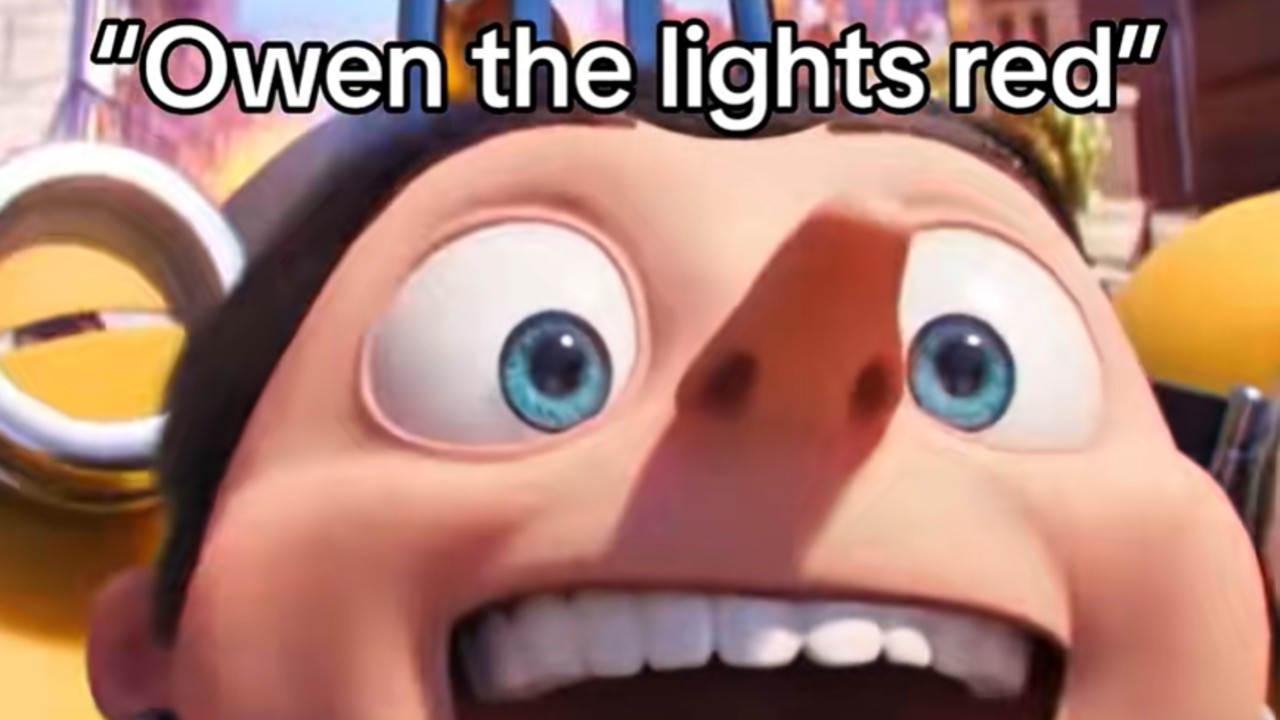
    • Viral meme trend “The Light Is Red Owen” mocks the September 2026 e-bike death of 14-year-old Utah resident Owen Harris, who ran a red light and was struck by a vehicle.
    • Memes using formats like SpongeBob Driving Crazy and Beast Boy driving crazy spread rapidly across TikTok and Instagram Reels in the days following the crash.
    • The trend has drawn significant online backlash for targeting a minor’s fatal accident, raising renewed concerns about content moderation and digital empathy on major social platforms.

    Fatal E-Bike Crash Sparks Controversial Meme Phenomenon

    A series of dark internet memes mocking the death of a Utah teenager has ignited widespread criticism across social media platforms, highlighting persistent tensions between viral content culture and basic human empathy. The trend, known as “The Light Is Red Owen,” centers on the September 12, 2026, death of 14-year-old Owen Harris, who was struck by a car while riding an e-bike through a red light in Utah.

    How the Memes Spread Across Platforms

    In the days following the fatal collision, remixes and image macros began circulating widely on TikTok and Instagram Reels. Many of the most-shared variations employ the popular “SpongeBob Driving Crazy” and “Beast Boy Driving Crazy” animation formats, digitally inserting Owen’s name into chaotic driving sequences. A recurring caption — “Yo Owen the light is red” — became a de facto catchphrase for the trend, repeated across thousands of posts and comment threads. The algorithmic amplification on both platforms allowed the memes to reach massive audiences before significant moderation intervention occurred.

    Backlash Over Targeting a Minor’s Death

    The virality of the memes prompted an immediate and sustained backlash from users, child safety advocates, and digital ethics commentators. Critics argue that the trend crosses a clear line by transforming a specific child’s fatal traffic accident into repeatable comedy content. Unlike abstract or fictional scenarios, the memes reference a real, named minor, his exact manner of death, and the precise location of the tragedy. Parents and local community members in Utah have expressed particular distress at seeing the incident repackaged for engagement metrics. The controversy has renewed calls for platforms to implement faster detection and removal of content that harass or exploit grieving families, especially when minors are involved.

    Why This Matters

    The “Light Is Red Owen” phenomenon underscores a recurring structural problem in short-form video ecosystems: algorithms optimized for engagement velocity often amplify shocking, transgressive, or cruel content before human moderators or automated safety systems can intervene. While TikTok and Meta have policies against harassment and hate speech, enforcement typically lags behind viral spread. The case also illustrates how meme formats — originally designed for absurdist or fictional humor — can be weaponized to target real-world tragedies with minimal friction. For policymakers and platform governance teams, the incident adds urgency to debates about mandatory “circuit breakers” that slow distribution of content flagged for potential harm to minors or vulnerable individuals. The Harris family has not issued a public statement, and Utah authorities have not commented on the online response to the crash investigation.

    Frequently Asked Questions

    Who was Owen Harris?
    Owen Harris was a 14-year-old resident of Utah who died on September 12, 2026, after the e-bike he was riding ran a red light and was struck by a car.
    What is the “Light Is Red Owen” meme?
    It is a viral meme trend that mocks Owen Harris’s fatal crash using formats like “SpongeBob Driving Crazy” and “Beast Boy Driving Crazy,” often accompanied by the phrase “Yo Owen the light is red.”
    On which platforms did the memes spread?
    The memes went viral primarily on TikTok and Instagram Reels in the days following the September 12 crash.
  • Viral Song Turns Fan-Made Mario Characters ‘Wawario’ and ‘Wawaluigi’ Into Memes

    Viral Song Turns Fan-Made Mario Characters ‘Wawario’ and ‘Wawaluigi’ Into Memes

    Key Highlights

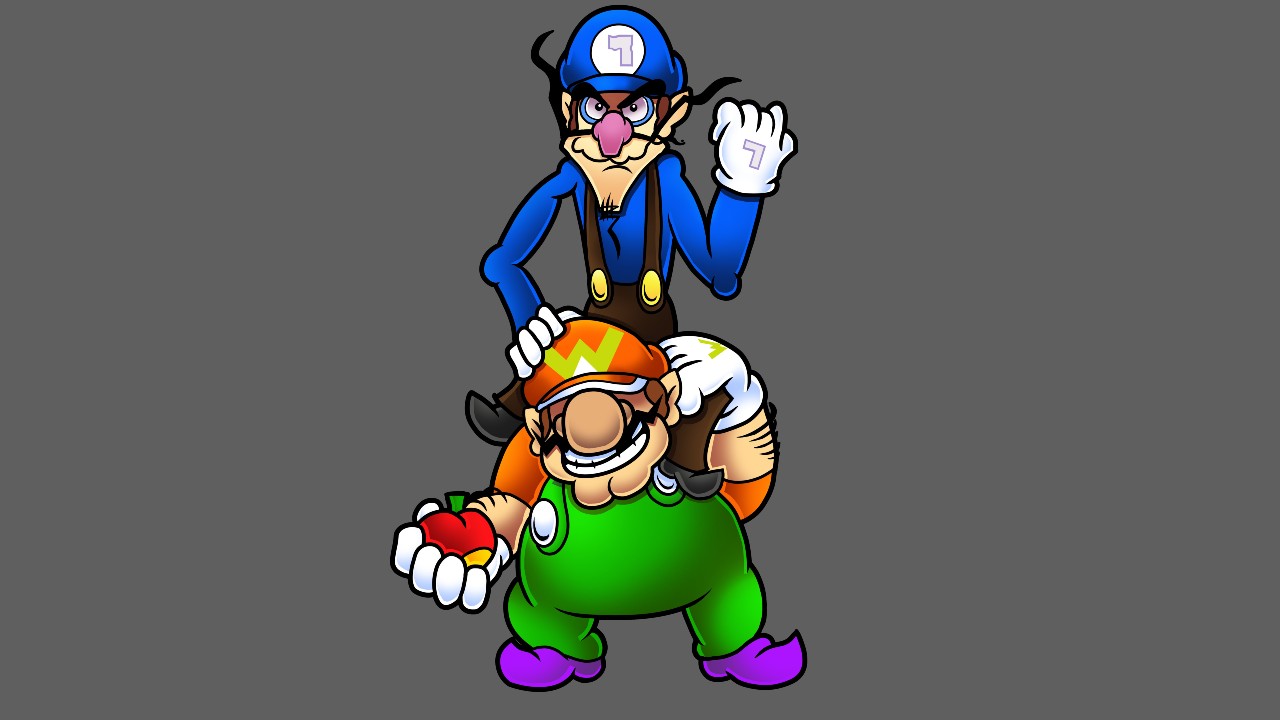
    • Fan characters Wawario and Wawaluigi serve as rivals to Nintendo’s Wario and Waluigi, creating a meta-rivalry chain extending from Mario and Luigi
    • Wawario originated in a June 2015 YouTube animation with a popular redesign emerging in September 2021, while Wawaluigi’s definitive design debuted on DeviantArt in May 2017
    • Both characters experienced a major viral resurgence across X and TikTok during late August through September 2026, generating widespread memes and fan art

    The Meta-Rivalry: How Fan Creations Extended the Mario Universe’s Antagonist Lineage

    The Nintendo fandom has long been fertile ground for creative reinterpretation, but few fan-made concepts have constructed such a deliberate hierarchical structure as Wawario and Wawaluigi. These characters represent a second order of rivalry: Wario and Waluigi were originally conceived as greedy, antagonistic counterparts to Mario and Luigi respectively. Wawario and Wawaluigi then position themselves as rivals to those rivals, creating a recursive narrative layer that speaks to the community’s appetite for expanding the Mushroom Kingdom’s rogues’ gallery beyond official canon.

    Visual Design and Character Conception

    Wawario is depicted as a large, imposing figure bearing strong resemblance to Wario but distinguished by several unsettling features: he possesses no eyes, a missing tooth, and wears an orange hat and shirt paired with green overalls—a color inversion that visually signals his oppositional role. Wawaluigi, by contrast, takes Waluigi’s already lanky frame and distorts it further into what descriptors call a “grotesque, ratty version,” clad in a blue shirt and black overalls. These design choices amplify the exaggerated physical traits that define the Wario Bros., pushing them into uncanny territory that resonates with internet horror aesthetics and “creepypasta” adjacent communities.

    Timeline of Emergence and Digital Archaeology

    The historical record places Wawario’s first documented appearance in a YouTube animation dated June 2015, though this early iteration differs from the design that would later cement his popularity. That more recognizable version surfaced online as early as September 2021, suggesting a multi-year gestation period before the character found its definitive form. Wawaluigi’s trajectory is more precisely attributed: the character’s most popular design was uploaded to DeviantArt by user savagewaluigi2000 in May 2017. This attribution provides a rare clear origin point for a fan creation that would later detach from its creator and enter the broader meme ecosystem.

    Viral Resurgence and Platform Dynamics

    After years of circulating in niche corners of Nintendo fandom, both characters experienced a synchronized explosion in visibility during late August through September 2026. The surge manifested primarily on X (formerly Twitter) and TikTok, where the characters became subjects of memes, fan art, animations, and comparative analyses. This timeline suggests algorithmic amplification or a catalyst event—potentially a high-profile creator’s video or a trending hashtag challenge—reintroduced the concepts to a new generation of users unfamiliar with their mid-2010s origins. The platform specificity is notable: TikTok’s short-form video format favors the visual absurdity of the character designs, while X’s quote-tweet and thread culture facilitates the lore-building and “iceberg” style content that deepens engagement with obscure gaming mythology.

    Why This Matters

    The Wawario and Wawaluigi phenomenon illustrates how gaming communities construct layered mythologies around intellectual properties they don’t own. These characters exist in a liminal space: they are derivative works that reference official Nintendo characters (Wario, Waluigi) who are themselves derivative inversions of Mario and Luigi. This recursive creativity demonstrates the depth of fan engagement—participants aren’t merely consuming content but actively extending narrative logic in ways that feel internally consistent to the franchise’s established grammar. The 2026 viral wave also highlights how older internet artifacts can resurface years later through platform algorithm shifts, finding new audiences on platforms that didn’t exist or weren’t dominant at the time of their creation. For researchers of digital folklore and meme evolution, the documented timeline—from a 2015 YouTube video and 2017 DeviantArt post to a 2026 cross-platform trend—offers a clean case study in the lifecycle of fan-generated gaming mythology.

    Frequently Asked Questions

    Are Wawario and Wawaluigi official Nintendo characters?

    No. Both characters are entirely fan-created and have no affiliation with Nintendo. They originated from internet communities—Wawario from a 2015 YouTube animation and Wawaluigi from a 2017 DeviantArt post by user savagewaluigi2000.

    What is the relationship between Wawario/Wawaluigi and Wario/Waluigi?

    Wawario and Wawaluigi are conceptualized as rivals to Wario and Waluigi respectively. Since Wario and Waluigi are themselves rivals to Mario and Luigi, this creates a “rival to the rival” dynamic that extends the antagonist hierarchy by one additional layer.

    Why did these characters go viral in 2026?

    The characters experienced a surge in popularity across X and TikTok during late August through September 2026. While the specific catalyst isn’t documented in the source, the resurgence likely resulted from algorithmic rediscovery on platforms that favor visual absurdity and lore-driven content, introducing the decade-old fan designs to new audiences.

  • Woman Returns Early From Work Trip, Finds Sister and Boyfriend Living in Her Apartment, Orders Them Out at 11 PM

    Woman Returns Early From Work Trip, Finds Sister and Boyfriend Living in Her Apartment, Orders Them Out at 11 PM

    Key Highlights

    • A 29-year-old woman discovered her 24-year-old sister and her boyfriend had been secretly staying in her apartment on weekends while she traveled for work, using a keypad code intended only for plant care and mail collection.
    • Upon returning home early at 11 p.m., the poster found the couple sleeping in her bed, wearing her clothing, and using her belongings, prompting her to demand they leave immediately despite the late hour.
    • Reddit commenters overwhelmingly supported the poster, characterizing the sister’s behavior as an entitled violation of boundaries and rejecting the sister’s subsequent claim of humiliation.

    Sister Exploits Keypad Access for Unauthorized Weekend Stays

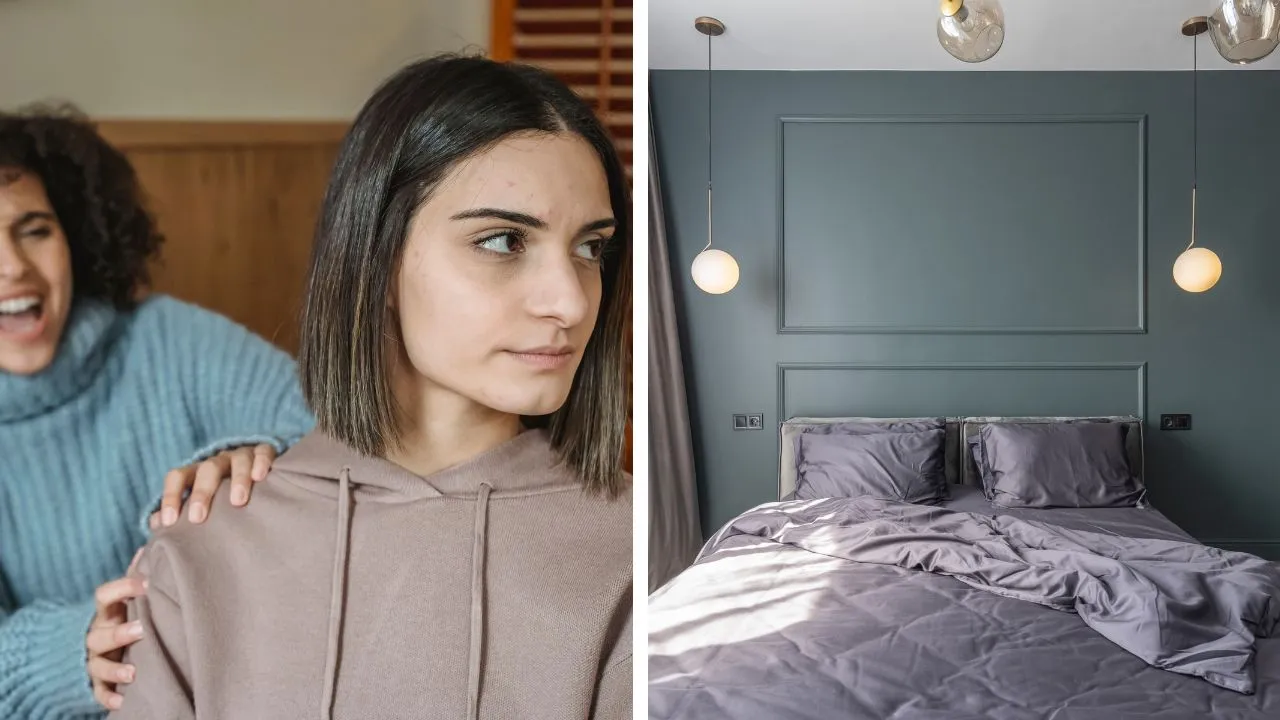
    The conflict originated from a seemingly routine arrangement. The original poster, a 29-year-old professional who travels approximately two weeks per month for work, provided her 24-year-old sister with the keypad code to her apartment strictly to water my plants and grab my mail during her absences. The sister, who still resides with their parents, and her boyfriend, who lives with three roommates, apparently interpreted this access as an open invitation.

    The situation escalated when a neighbor observed the sister and a man carrying bags up on a Saturday. When confronted, the sister claimed she’d just brought her boyfriend along to water the plants. The poster reiterated that the code was solely for plants and mail, to which her sister replied obviously, a reaction the poster described as making her feel like I was being weird for even asking.

    Early Return Reveals Extent of Boundary Violation

    The deception unraveled when the poster’s meetings concluded a day early, prompting her to fly home Thursday night instead of Friday. She arrived around 11 p.m. to discover the television on, her sister’s boyfriend stretched out on the couch, and her sister in the kitchen wearing one of the poster’s hoodies. Their bags were in the poster’s bedroom, and it was evident the couple had been sleeping in her bed.

    According to the post, the sister exclaimed, You weren’t supposed to be back until tomorrow, before admitting the couple had been staying at the apartment most weekends the poster was traveling. The poster, who had been traveling since 6 a.m., ordered them to leave immediately. When the sister asked if they could stay until morning, the poster refused, citing her need for her own bed with clean sheets. The couple departed by 11:30 p.m. for a 45-minute drive to the boyfriend’s residence, and the poster changed the keypad code the following morning.

    Fallout and Community Judgment on r/AITApod

    The following day, the sister texted the poster, accusing her of humiliating her in front of her boyfriend and treating her like some stranger who broke in. The sister has not responded to the poster’s messages since. The post, shared on r/AITApod, garnered over 6,600 upvotes and 1,100 comments at the time of reporting, with the vast majority of commenters siding with the poster.

    One commenter argued the sister brought the embarrassment on herself, writing, She took advantage of you and knew she was in the wrong. She humiliated herself in front of her boyfriend. Another rejected the premise that the poster caused the humiliation, stating, OP didn’t humiliate anybody. Getting caught doing something shady is not the same as being humiliated. honestly the audacity to be mad after getting caught sleeping in someone else’s bed is insane. A third commenter invoked a literary comparison to describe the sister’s sense of entitlement, writing, Especially since you know that they for sure did more than sleep in that bed. And she was wearing her sister’s hoodie! She’s a modern day Goldilocks, and everything of her sisters is ‘just right!’

    Why This Matters

    This incident highlights recurring tensions around boundaries, consent, and the exploitation of familial trust in shared living arrangements. The sister’s decision to convert a specific, limited authorization—plant care and mail retrieval—into unrestricted personal lodging for herself and her partner exemplifies a pattern of boundary erosion that often goes unchecked until a confrontation forces clarity. The Reddit community’s near-unanimous verdict reflects a broader cultural consensus that access granted for a defined purpose does not imply permission for personal use, particularly when it involves occupying someone’s private sleeping space and wearing their clothing without consent. The sister’s subsequent claim of humiliation, rather than accountability, underscores a dynamic where the violator reframes the enforcement of boundaries as the offense. For the poster, the immediate consequences include a changed lock code and a fractured sibling relationship; the longer-term implication is the necessity of explicit, enforceable boundaries with family members who may conflate access with entitlement.

    Frequently Asked Questions

    What was the original agreement between the poster and her sister regarding apartment access?
    The poster gave her sister the keypad code strictly to water my plants and grab my mail while she traveled for work approximately two weeks per month.
    How did the poster discover her sister and boyfriend were staying in the apartment?
    The poster returned home a day early at 11 p.m. and found the boyfriend stretched out on the couch, her sister wearing the poster’s hoodie in the kitchen, and their bags in her bedroom, with clear evidence they had been sleeping in her bed.
    How did Reddit commenters react to the sister’s claim of humiliation?
    Commenters overwhelmingly rejected the sister’s accusation, with one stating OP didn’t humiliate anybody. Getting caught doing something shady is not the same as being humiliated, and another noting the sister humiliated herself in front of her boyfriend.
  • HR Errors in Firing Notices: Workers Share Stories of Wrong Dates, Names, Pronouns

    HR Errors in Firing Notices: Workers Share Stories of Wrong Dates, Names, Pronouns

    Key Highlights

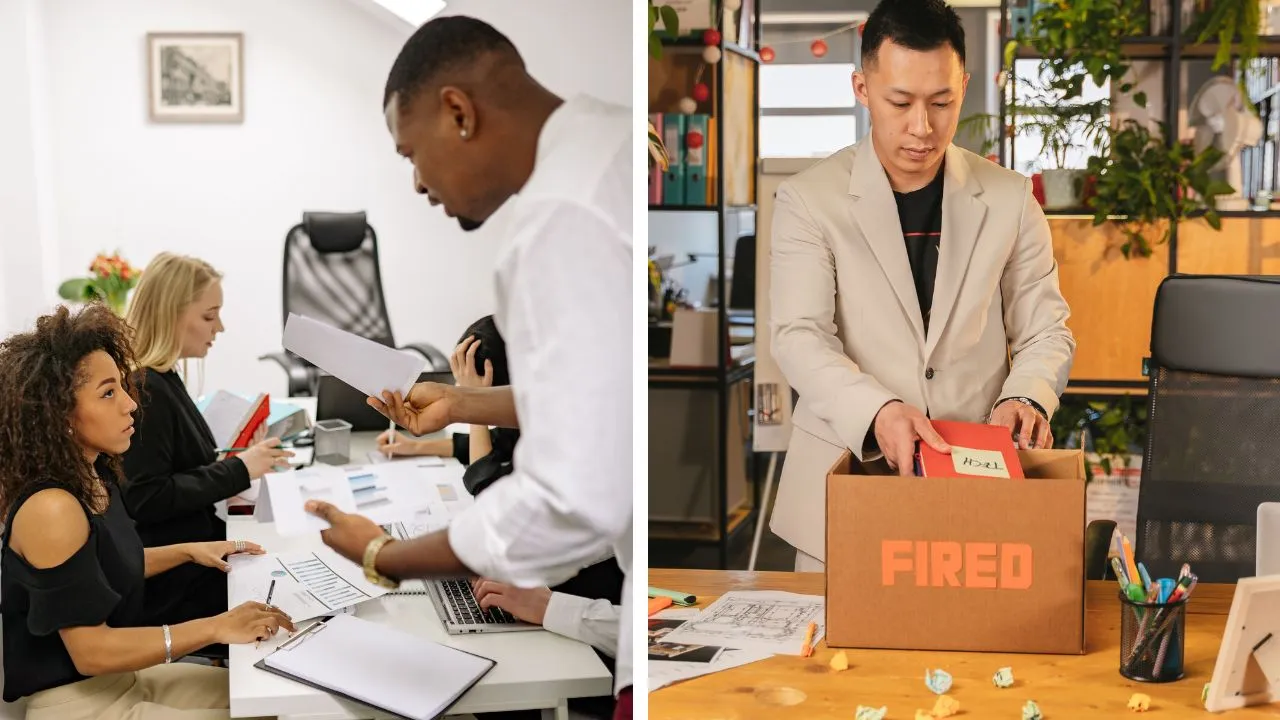
    • A viral Reddit thread on r/AskReddit gathered over 2,000 upvotes and 578 comments from users sharing termination meeting experiences involving alleged HR errors.
    • Commenters described mismatched dates on termination notices, performance improvement plans copied from other employees with unchanged names and pronouns, and disputed military discharge paperwork.
    • An HR professional commented that including employee disagreement boxes on termination documents protects companies legally while documenting message delivery.

    Reddit Users Detail Termination Meetings Marred by Administrative Errors

    A thread on the subreddit r/AskReddit asking people who had been fired to share what human resources told them during termination meetings drew significant engagement, amassing over 2,000 upvotes and 578 comments as of publication. The responses paint a picture of termination processes that commenters allege were riddled with factual inaccuracies, reused documentation, and procedural irregularities.

    Mismatched Dates and Altered Records

    One commenter, u/enami2020, reported that HR cited a serious mistake on their watch as grounds for termination. The commenter stated the cited incident never occurred and that HR had altered dates to support the claim. According to the poster, the termination notice itself contradicted HR’s account.

    “The termination notice was two pages. Both pages had different dates of service,”

    they wrote, adding that HR had edited one page but forgot to update the second. The commenter said the mismatch left them feeling relieved rather than upset about losing the job, writing that coworkers “couldn’t even be bothered to keep a very short and simple series of lies straight.”

    Performance Plan Reused With Another Employee’s Details

    Another commenter described a colleague’s performance improvement plan (PIP) that appeared to reuse a document written for a different employee. The plan referred to their coworker, a man named Michael, using the name Natalie and she/her pronouns in multiple places. The commenter said the company had placed a woman named Natalie on a PIP months earlier; she had since left for a higher-paying job.

    “clearly took [sic] Natalie’s PIP and replaced a few of the instances of her name with Michael, didn’t even bother to do it completely.”

    The commenter added that some performance issues listed in the document referred to a vehicle project Michael had not worked on, noting the pair worked for an automaker. According to the account, Michael pushed back with HR, threatened to sue, and eventually left for a better-paying job elsewhere.

    Ontario Employment Law and Military Discharge Disputes

    A separate reply focused on Ontario employment law rather than a personal story. The commenter explained that employers in Ontario can dismiss workers without cause as long as they pay severance or termination pay, adding that the timing of a rehire could matter legally.

    “If they tell you they’re eliminating your role and then post the same job for cheaper… you can likely sue for improved severance,”

    they wrote.

    A commenter identifying as a Navy veteran described a dispute over a broken foot. They said urgent care staff initially told them they were malingering because they weren’t reacting dramatically enough to the injury. The poster said they were later diagnosed with double pneumonia and migraines while the Navy overlooked the foot injury. The discharge paperwork claimed their foot was “already broken” before enlistment, despite having passed medical inspections beforehand.

    “It took 3 years of fighting with the help of a VA advocate before they finally admitted it was their fault,”

    they wrote.

    HR Professional Describes Documentation Practice

    A commenter identifying as a head of HR described their own approach to termination paperwork. They said their documents include a box for employees to note disagreement along with space for written comments. The commenter said the practice protected the company legally while giving employees an opportunity to respond.

    “90% of the time you don’t have to have them agree, you just have to prove you delivered the message,”

    they wrote.

    Why This Matters

    The Reddit thread highlights recurring concerns about administrative rigor in employment termination processes. Allegations of mismatched dates on official notices, recycled performance improvement plans containing another employee’s name and pronouns, and disputed military discharge characterizations suggest systemic documentation failures that can expose organizations to legal liability and reputational damage. The Ontario employment law comment underscores jurisdictional nuances workers may leverage when roles are ostensibly eliminated but reposted at lower compensation. The HR professional’s commentary reflects a risk-management perspective: documenting message delivery and employee acknowledgment—or explicit disagreement—serves as a legal safeguard. The Daily Dot was unable to independently verify the employment disputes, termination details, or legal outcomes described in the Reddit comments; the accounts reflect user-submitted narratives on r/AskReddit.

    Frequently Asked Questions

    What were the most common issues Reddit users reported in termination meetings?
    Users reported mismatched dates on termination notices, performance improvement plans copied from other employees without updating names or pronouns, and discharge paperwork contradicting prior medical clearances.
    Can an employer in Ontario fire someone without cause?
    According to a commenter citing Ontario employment law, employers can dismiss workers without cause provided they pay severance or termination pay; rehiring for the same role at lower pay may enable a claim for improved severance.
    How does including a disagreement box on termination paperwork help employers?
    An HR professional stated that providing space for employee disagreement or comments documents that the message was delivered, which legally protects the company even if the employee refuses to agree with the termination rationale.
  • Woman Says ‘Hell No’ to Mall Kiosk Tip Request; Cashier Replies ‘I Just Asked’

    Woman Says ‘Hell No’ to Mall Kiosk Tip Request; Cashier Replies ‘I Just Asked’

    Key Highlights

    • A TikTok video capturing a woman’s blunt refusal to tip at a mall retail counter has amassed over 3 million views, igniting widespread debate about tipping expectations in non-service settings.
    • The exchange, recorded by user @lovee.leahh_, shows the customer responding “Hell no!” when asked twice if she wanted to leave a tip, prompting the cashier to reply, “Ok! I just asked.”
    • Commenters overwhelmingly supported the shopper, with many arguing tipping should be reserved for traditional service roles like restaurant servers and stylists, not retail transactions.

    Viral Mall Encounter Sparks Renewed Tipping Culture Debate

    A routine checkout at a mall retail shop has become the latest flashpoint in America’s ongoing conversation about tipping fatigue. In a video posted by TikTok creator Leah Danzy under the handle @lovee.leahh_, a woman identified only as a shopper is heard declining a tip prompt with striking candor. The clip, which had garnered 3 million views and 3,244 comments at the time of publication, captures a moment that resonated deeply with viewers frustrated by the proliferation of tip requests across consumer transactions.

    The Exchange at the Counter

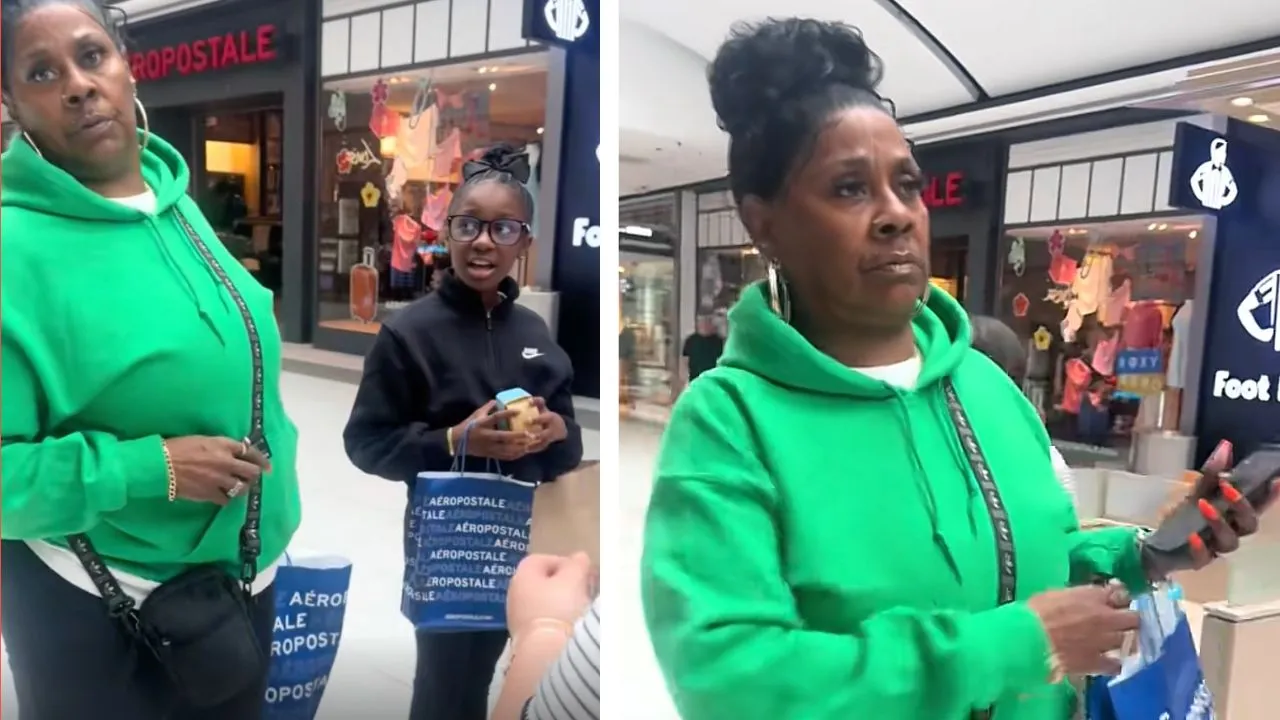
    The video opens with the woman standing at a payment counter, preparing to pay for her purchases. The shop employee can be heard asking twice, “Do you want to tip?” The customer responds immediately and emphatically: “Hell no!” followed by “No tip.”

    The cashier replies, “Ok! I just asked.” Unfazed, the woman counters, “I know, and I just told you,” and begins to walk away. A young girl accompanying her—identified in the caption as Ariel—watches the interaction with her mouth open in apparent surprise. As she exits, the shopper tells the employee, “Thank you! Have a good day.” She then turns toward the camera and remarks, ‘They are talking about f—— tip,’ before the video ends.

    The caption reads: “I still can’t get over this. Ariel was so embarrassed.”

    Comment Section Reflects Broad Frustration

    The response in the comments section was swift and largely sympathetic to the shopper. One user wrote, “I’m done with tips. Only at restaurants, and that’s all.” Another asked, “Everyone getting tips! Can I get one at my corporate job? Damn.” A third commenter questioned the context: “What did she purchase? I feel like tips are for restaurant servers and stylists.” A fourth summed up the prevailing sentiment: “She’s not wrong she just spent her money to purchase an item what does she need a tip for ?”

    The discourse mirrors a growing national sentiment that tipping prompts have overreached beyond traditional hospitality roles into retail, counter-service, and even self-checkout scenarios.

    Context: A Pattern of Tipping Controversies

    This incident follows a prior Daily Dot report on TikTok creator @gemma.moro, a waitress who shared a video detailing a table of eight that allegedly left a $10 tip on a bill exceeding $300. That video accumulated over 780,000 views and 6,100 comments. In her car after the shift, @gemma.moro expressed frustration that the large party occupied her section for hours, preventing her from serving other tables that might have tipped more generously. She stated she would have been less bothered by the low amount if the table had been easier to serve. Her video included the pointed caption: “Don’t go out to eat if you can’t afford to tip sorry ??”

    The Daily Dot was unable to independently verify the total bill amount, the tip left, or the identities of the family described in the @gemma.moro video. The details reflect the accounts shared by @lovee.leahh_ and @gemma.moro on TikTok.

    Why This Matters

    The viral spread of the mall encounter underscores a critical inflection point in U.S. tipping culture. As point-of-sale systems increasingly default to tip prompts—often with preset percentages of 15%, 20%, or 25%—consumers are confronting gratuity requests in contexts where no table service, personal care, or customized labor occurs. Retail workers, unlike tipped restaurant servers, typically earn at least the standard minimum wage, raising questions about whether tip screens serve as a subtle wage subsidy shift from employers to customers. The backlash captured in the comments suggests a growing consumer pushback against what many perceive as “tip creep,” with potential implications for how businesses configure payment terminals and how policymakers might address wage transparency in service-adjacent roles.

    Frequently Asked Questions

    Who posted the viral video of the woman refusing to tip at the mall?
    The video was posted by TikTok user @lovee.leahh_ (Leah Danzy).
    What exactly did the woman say when asked if she wanted to tip?
    She responded, “Hell no!” followed by “No tip.”
    How did the cashier react to the refusal?
    The cashier replied, “Ok! I just asked.”
  • Delivery Driver Refuses to Test Stranger’s Dog Obedience, Sparking TikTok Debate

    Delivery Driver Refuses to Test Stranger’s Dog Obedience, Sparking TikTok Debate

    Key Highlights

    • Amazon delivery driver Ladii Lanna (@ladiilanna) refused to test a customer’s claim that their dog “Max” would obey voice commands shouted through a window, citing safety concerns.
    • The viral TikTok, posted September 7, amassed over 52,000 likes and sparked debate among viewers and fellow delivery workers about safety protocols with unrestrained pets.
    • The Daily Dot could not independently verify the events, which remain based solely on the driver’s social media account.

    Delivery Driver Declines to Test Stranger’s Dog Commands, Sparking Safety Debate

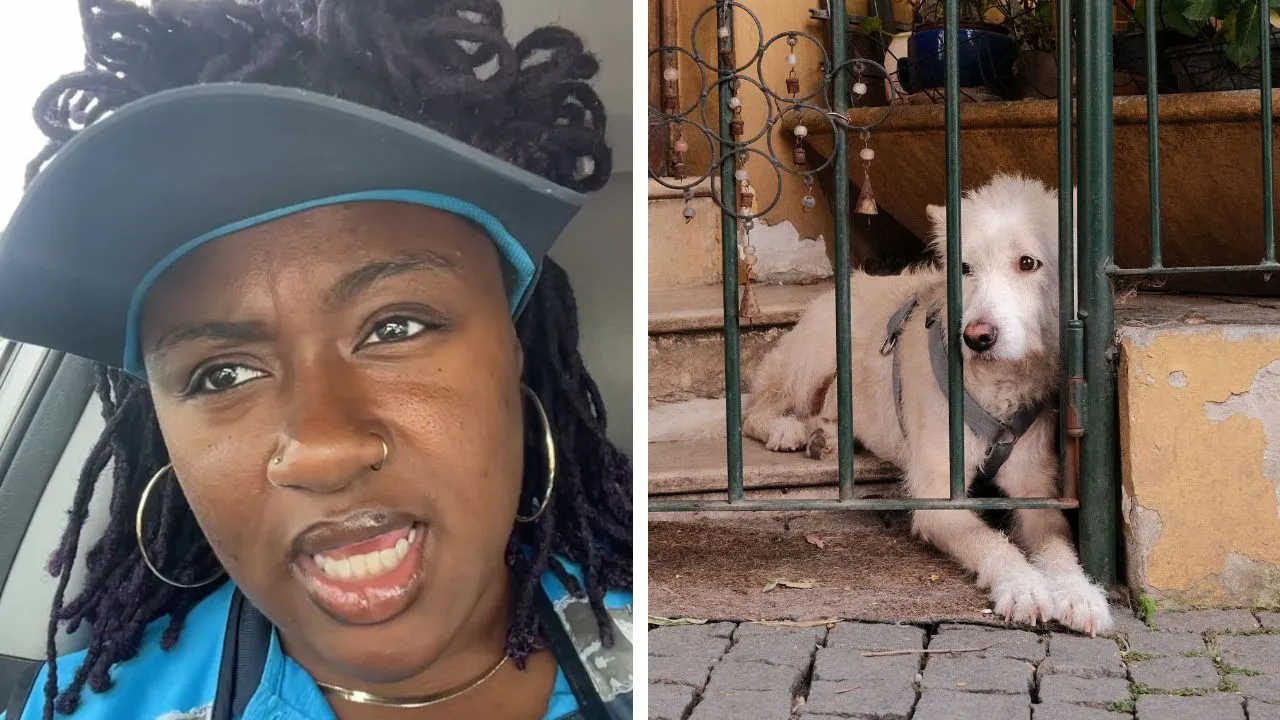
    A routine package delivery took an unusual turn on September 7 when Amazon driver Ladii Lanna, who posts under the handle @ladiilanna, arrived at a customer’s home and encountered an unrestrained dog. According to Lanna’s TikTok recounting, she called ahead to request the dog be secured inside. The customer’s husband answered and stated the couple was not home. Rather than arrange for someone to contain the animal, he suggested an alternative: Lanna should shout through the window, “Max, go in your kennel,” assuring her the dog would comply and not disturb her.

    Customer Insists Dog Will Obey Verbal Commands From Stranger

    Lanna said she was taken aback by the suggestion. The wife then took the phone and repeated the same instructions, telling the driver to ask Max to “go lay down” and insisting the dog would obey. Lanna recalled responding, “Okay, yeah,” before ending the call. She subsequently left a note stating the packages could not be delivered due to an unsafe dog situation and departed the property. “Don’t play with me,” she said in the video, expressing disbelief at the expectation.

    TikTok Community Divided on Driver’s Decision

    The video, captioned “Customers say the wildest stuff ever! I can’t make it up.”, quickly gained traction, surpassing 52,000 likes as of publication. Commenters were split on the driver’s refusal. Some admitted curiosity about whether the command would work but acknowledged they would not risk proximity: “I would’ve tried it. But I would’ve still driven off.” Others emphasized personal safety, with one user writing, “Protect yourself. Don’t test that theory.” Several joked that Max might only respond to his owners, not a stranger.

    Delivery Workers and Pet Owners Share Similar Experiences

    The discussion expanded as other delivery personnel and pet owners chimed in with their own stories. Multiple commenters reported being bitten or frightened by dogs during deliveries, while others described customers asking them to approach pets. Very few viewers indicated they would have tested the command from a safe distance, such as from inside their vehicle. The consensus among professional drivers leaned toward prioritizing safety over experimentation.

    Why This Matters

    The incident highlights an ongoing tension in the gig economy and last-mile delivery sector: the responsibility for pet containment often falls ambiguously between customers and drivers. While carriers like Amazon, UPS, and FedEx have policies allowing drivers to skip deliveries when animals pose a threat, enforcement relies on real-time judgment. Viral moments like this amplify awareness of the risks delivery workers face daily—from dog bites to unpredictable animal behavior—and underscore the need for clearer customer accountability and safer delivery protocols. As e-commerce volume grows, these encounters are likely to increase, making standardized safety practices and customer education more critical.

    Frequently Asked Questions

    Did the delivery driver ever attempt the voice command?
    No. Ladii Lanna explicitly stated she refused to test the command, left a note citing an unsafe dog situation, and did not deliver the packages.
    Has the incident been independently verified?
    The Daily Dot reported it was unable to independently verify the events described in the TikTok video. The account is based solely on the driver’s social media post.
    What are standard delivery policies regarding unrestrained dogs?
    Most major carriers, including Amazon, permit drivers to decline delivery if a dog is not secured and poses a safety risk. Drivers are generally instructed not to interact with animals and to prioritize personal safety.
  • Vacationers Leave Beach Chairs for Lunch, Return to Family Saying ‘Call the Cops if You Don’t Like It’

    Vacationers Leave Beach Chairs for Lunch, Return to Family Saying ‘Call the Cops if You Don’t Like It’

    Key Highlights

    • A Reddit user called police after a family occupied their unattended beach chairs and umbrellas and consumed their beverages during an off-season vacation.
    • The family initially claimed the items were abandoned, then became hostile and dared the owner to call law enforcement, which resulted in citations for the family.
    • The r/AmItheAsshole community debated whether leaving personal property unattended on a public beach constitutes abandonment or if the family’s actions constituted theft.

    Beach Vacation Dispute Escalates to Police Involvement

    A routine beach vacation took an unexpected turn when a Reddit user, identified as u/Snazzle-Frazzle, confronted another family for using their personal beach equipment and consuming their drinks. The incident, shared on the r/AmItheAsshole subreddit, has sparked significant debate about property rights, beach etiquette, and appropriate responses to perceived theft.

    According to the original post, the user was staying at a rental house approximately a five-minute walk from the beach during the off-season. The user described the 10-mile stretch of beach as nearly empty, with “hardly a dozen people” present. The user’s group had established a routine of setting up chairs and umbrellas in the mid-morning and leaving them unattended while going for lunch.

    “We’ve been setting up our chairs and umbrellas in the mid-morning and often leaving them unattended as we go for lunch,” the user wrote.

    Confrontation Leads to Law Enforcement Response

    Upon returning from lunch, the user and friends discovered a family seated in their chairs and drinking sodas from their coolers. The user approached the family directly, while companions remained “dumbfounded” at the scene.

    “They were acting all coy and saying that they thought the chairs were abandoned,” the user wrote. “I told them no, it wasn’t, and to get out. That’s when they dropped the coy routine and got snarly, telling me if we didn’t want it taken, we shouldn’t have left it, and if we don’t like it, we can call the cops. I told them alright, if that’s what they wanted and walked off.”

    Despite friends advising against it, the user contacted police. Approximately 20 minutes later, officers arrived at the beach access point. The situation escalated when the family initially claimed ownership of the equipment, prompting the user to identify their name written on the chair backs.

    “I would have been content with the cop just having them give us our stuff back, but since they lied to the cop, he ended up writing them all tickets,” the user wrote.

    Aftermath and Community Reaction

    The incident has created ongoing tension between the neighboring rental properties. The user reported that the cited family is now “mean-mugging us from the balcony of their house two down from ours,” while the user’s own friends continue to criticize the decision to involve law enforcement.

    “Now they are all mean-mugging us from the balcony of their house two down from ours, and my friends are still saying I shouldn’t have made a scene. I didn’t have any intention of the cop giving them citations. I’m not pressed about the cost of the stuff; for me, it was just the principle of someone stealing something and then actually going ‘finders keepers’ when the owner tries to get it back.”

    The post garnered 941 comments reflecting divided opinions. One commenter supported the user: “They were trying to steal your stuff. You did nothing wrong. Don’t leave your stuff unattended.” Another took a middle position: “Leaving your stuff unattended is stupid, but not inherently wrong.” A third defended the practice entirely: “It’s the beach; how do you not leave your stuff there to go do beach shit? It’s completely normal to leave your chairs and cooler while swimming or grabbing lunch.”

    Why This Matters

    This incident highlights broader questions about property norms on public beaches, particularly during off-peak seasons when enforcement and social monitoring are minimal. The debate touches on the legal distinction between abandoned property and temporarily unattended personal belongings, as well as the appropriate escalation path for disputes over low-value items. The police decision to issue citations rather than simply mediate the return of property suggests the family’s false claims to officers may have elevated the matter from a civil dispute to a criminal one. For beachgoers, the case serves as a reminder that leaving valuables unattended—even on seemingly empty beaches—carries risks, while confronting suspected thieves can lead to unpredictable legal outcomes.

    Frequently Asked Questions

    Was the family legally entitled to use the unattended chairs and umbrellas?

    No. Property left temporarily unattended on a public beach does not constitute abandonment. The original owner retained ownership rights, and the family’s use of the equipment and consumption of the beverages without permission constituted unauthorized use of private property.

    Why did police issue citations instead of just returning the property?

    According to the Reddit user, the family initially lied to the responding officer by claiming the equipment belonged to them. Providing false information to law enforcement can result in citations or charges, which appears to be what occurred in this case.

    Is it common practice to leave beach equipment unattended while going to lunch?

    Opinions vary. Many beachgoers consider it normal to leave chairs, umbrellas, and coolers while swimming or eating, especially during off-season periods with few other visitors. However, doing so carries inherent risks of theft or unauthorized use, as this incident demonstrates.

  • Mother’s One-Sentence Response to Daughter Bullying Classmate Over Shoes and Hair Moves Comment Section to Tears

    Mother’s One-Sentence Response to Daughter Bullying Classmate Over Shoes and Hair Moves Comment Section to Tears

    Key Highlights

    • TikTok user @xnatsuo shared a video confronting her daughter Dakota after the school reported she bullied a classmate over her shoes and hair, including using a racial slur to describe the girl’s hair texture.
    • The mother responded by taking Dakota’s savings to fund “special treatment” for the bullied student and warned that future incidents would result in giving away Dakota’s possessions.
    • The video’s emotional climax — the mother revealing “I was that little girl that you just bullied” — resonated deeply with viewers, many of whom shared their own childhood bullying experiences in the comments.

    Viral TikTok Captures Mother’s Direct Confrontation With Daughter Over Bullying

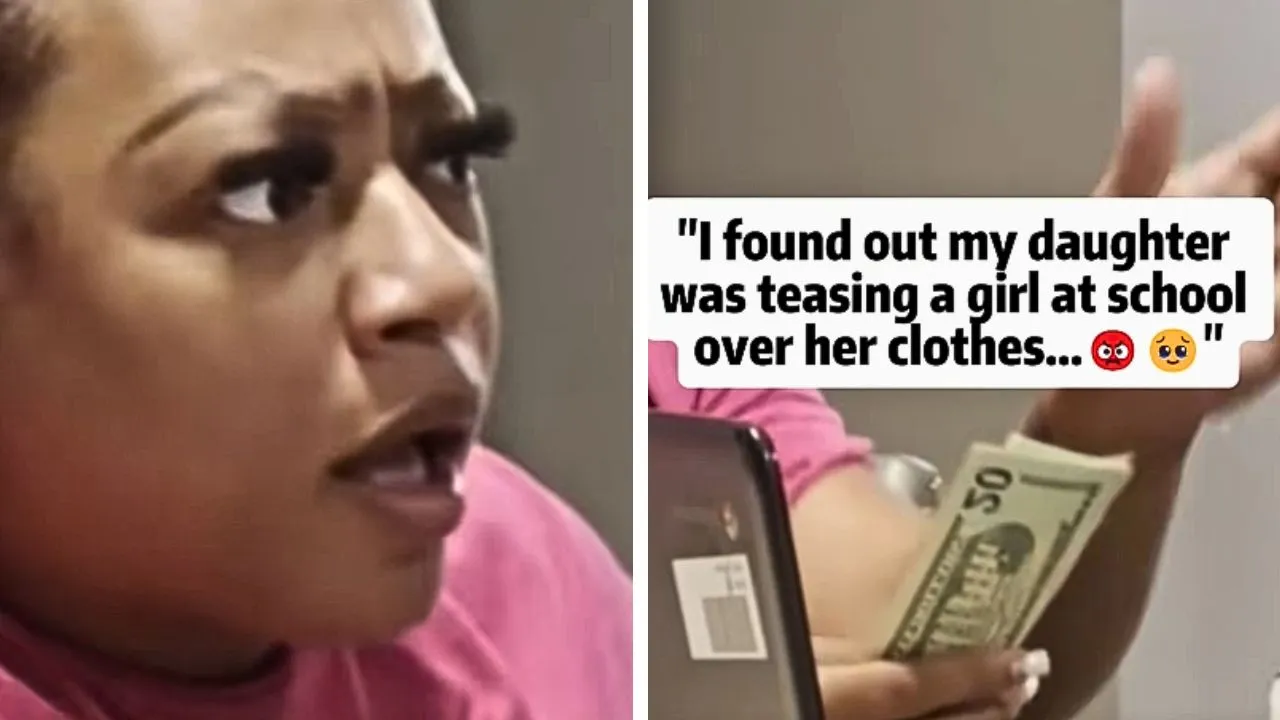
    A video posted by TikTok creator @xnatsuo has garnered more than 892,000 likes as of publication, drawing widespread praise for the mother’s measured but firm approach to addressing her daughter’s bullying behavior. The footage shows the parent, identified only by her handle, confronting her daughter Dakota after receiving an email from the school reporting that Dakota had targeted a classmate over her shoes and hair. According to the mother, the bullied student had been left “crying and was uncomfortable and embarrassed” by Dakota’s comments.

    Racial Slur Used During Incident Adds Gravity to Confrontation

    When questioned about the incident, Dakota reportedly used a term widely considered a racial slur to describe the other student’s hair. She said the classmate’s shoes were dirty and that her hair was “nappy.” The mother’s response was immediate and personal. She asked her daughter where she thought she came from and reminded her of the values she had been taught. “What have I told y’all to be?” she asks in the video. “Humble about everything you get,” she says as the daughter is too ashamed to reply.

    Consequences Tied Directly to Empathy and Restitution

    The mother then outlined tangible consequences. She stated she would take Dakota’s savings and spend the money on “special treatment for the girl who had been bullied.” She also made clear that if the school contacted her again about bullying, she would give away her daughter’s possessions. The approach — focusing on restitution and empathy rather than physical punishment or shame — became a focal point of the comment section’s response.

    Mother’s Personal Revelation Strikes Emotional Chord

    In the video’s most affecting moment, the mother tells her daughter, “I was that little girl that you just bullied.” That disclosure reverberated across the platform. One commenter wrote, “My eyes filled with tears when I heard her say, ‘Because I was that little girl you bullied!’” Another shared, “Many of us were that little girl [who] was bullied.” Multiple viewers disclosed that they had been bullied in primary school and that such experiences can stay with people for the rest of their lives.

    Why This Matters

    The video touches on several intersecting conversations in parenting discourse and online culture. First, it illustrates a restorative justice approach to childhood bullying — prioritizing repair of harm over retribution — which child development experts increasingly advocate. Second, the racial dimension of the insult (“nappy”) highlights how bias around hair texture and appearance manifests early and requires explicit parental intervention. Third, the mother’s self-disclosure as a former victim reframes the interaction from authority-versus-child to survivor-to-perpetrator, a dynamic that clearly resonated with the audience. The Daily Dot noted it could not independently verify the events described, including the school’s communication or the identities of those involved, but the video’s impact as a cultural artifact remains significant regardless of verifiability. The child’s name, Dakota, has been used as provided in the video.

    Frequently Asked Questions

    What specific consequences did the mother impose on her daughter?

    The mother said she would take Dakota’s savings and spend the money on “special treatment” for the bullied classmate. She also warned that if the school contacted her again about bullying, she would give away Dakota’s possessions.

    What racial slur did the daughter reportedly use?

    According to the mother’s account in the video, Dakota described the other student’s hair as “nappy” — a term widely considered a racial slur when used to denigrate natural Black hair texture.

    Has the school or the other family been identified?

    No. The Daily Dot reported it could not independently verify the events described, including the school’s communication or the identities of those involved. The account comes solely from the TikTok video shared by @xnatsuo.