Category: Buzz

Unique, interesting, and unusual stories.

  • Woman Urges Women to Prioritize Finances After Husband Requests Postnup: ‘Put Money Before Men’

    Woman Urges Women to Prioritize Finances After Husband Requests Postnup: ‘Put Money Before Men’

    Key Highlights

    • TikTok creator @xshe_breadwins advised a woman to “put money over men” and seek legal counsel after her husband requested a postnuptial agreement 2.5 years into their marriage following his business success.
    • The viral video garnered 63,600 likes and over 1,600 comments, with viewers largely supporting the wife and speculating the husband’s request signals potential divorce or financial concealment.
    • The Daily Dot could not independently verify the couple’s circumstances; the report is based solely on the TikTok question, the creator’s response, and viewer reactions.

    TikTok Creator Urges Financial Protection Amid Postnup Request

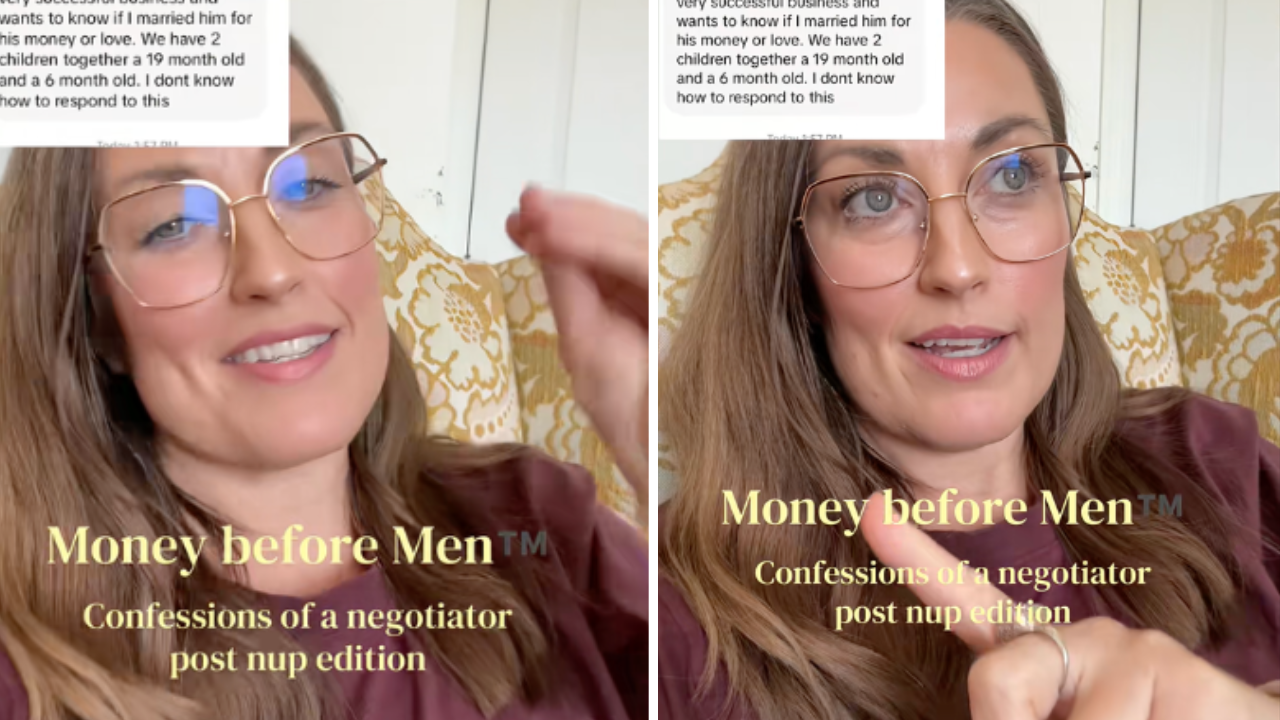
    A TikTok creator known as @xshe_breadwins has sparked widespread discussion after advising a follower to prioritize her financial security following her husband’s unexpected request for a postnuptial agreement. The creator, who regularly answers viewer questions about money and relationships under the series hashtag #moneybeforemen, responded to a woman whose husband asked her to sign a postnup after his business became successful—two and a half years into their marriage. The couple shares two young children.

    According to the question submitted to @xshe_breadwins, the husband also questioned whether his wife loved him or his money. The TikToker viewed the situation as a potential warning sign and advised the woman to “put money over men,” emphasizing that the advice is part of her ongoing series focused on helping women protect themselves financially in marriage. She further recommended the woman contact a lawyer and secure legal representation before agreeing to any terms, suggesting the postnup could have implications beyond the immediate disagreement and raising the possibility—though unconfirmed—that the husband might be considering divorce.

    Viewer Reactions Highlight Skepticism and Support for Legal Counsel

    The video, which has accumulated 63,600 likes and 1,626 comments, generated a flood of viewer opinions. Many commenters expressed skepticism about the husband’s timing and motives.

    “You were married BEFORE he had this business and now he wants a prenup 2.5 years after? No,”

    one person commented.

    Another commenter argued the wife likely contributed indirectly to the business’s success:

    “No way in hell can he prove that she didn’t help him make that business. could he have focused on that if she hadn’t been supporting him at home? That postnup is going to be at least 50/50 for the current valuation and then at least 30% of profits for every future year babes,”

    they wrote.

    Several commenters speculated about hidden motives, with one stating:

    “Asking after 2.5 years of marriage? Either his business got more successful and he’s hiding money or he’s thinking about divorce. Or both,”

    Another echoed the creator’s legal advice:

    “He’s planning to leave. Get a lawyer now.”

    The comment section largely centered on financial protection and the importance of understanding the legal ramifications of signing a postnuptial agreement.

    Why This Matters: Financial Literacy and Legal Awareness in Marriage

    This viral exchange underscores a growing conversation on social media about financial transparency and legal preparedness within marriages, particularly when financial circumstances shift significantly after the wedding. Postnuptial agreements, while legally valid tools for asset protection, can also signal relationship instability or power imbalances when introduced unilaterally years into a marriage—especially when one spouse’s business success alters the financial landscape. The response from @xshe_breadwins and her audience reflects a broader movement encouraging women to maintain independent financial awareness, understand marital property rights, and seek professional legal counsel before signing binding documents. The Daily Dot notes it was unable to independently verify the specific circumstances described in the TikTok video, reminding readers that the details are based solely on the user-submitted question, the creator’s response, and public comments.

    Frequently Asked Questions

    What is a postnuptial agreement and how does it differ from a prenup?

    A postnuptial agreement is a legal contract created after a couple marries that outlines how assets and debts will be divided in the event of divorce or death. Unlike a prenuptial agreement, which is signed before marriage, a postnup is executed during the marriage, often in response to significant financial changes such as business success, inheritance, or career shifts.

    Why did the TikToker advise the woman to “put money over men”?

    The creator, @xshe_breadwins, framed the advice as part of her #moneybeforemen series aimed at helping women protect themselves financially in marriage. She viewed the husband’s postnup request—especially paired with his questioning of his wife’s motives—as a red flag warranting immediate legal consultation and financial self-advocacy.

    Can a postnup be challenged in court?

    Yes. Postnuptial agreements can be challenged on grounds such as coercion, lack of full financial disclosure, unconscionable terms, or if one party did not have independent legal representation. Courts scrutinize postnups closely, particularly when they are presented during marital discord or without adequate time for review.

  • Waiter Charges Guest for Each Extra Lemon After She Refuses Free Lemonade Offer: “I Don’t Want a Lemonade’

    Waiter Charges Guest for Each Extra Lemon After She Refuses Free Lemonade Offer: “I Don’t Want a Lemonade’

    Key Highlights

    • TikTok creator Jon Jeffrey Frederick (@johnnyharlow) says he charged a restaurant guest 25 cents per extra lemon after she repeatedly requested additional lemon and sugar for her water but declined a free lemonade.
    • The guest reportedly questioned the charges on her bill and denied asking for the extra lemons, despite the waiter’s account of multiple requests during a brunch shift.
    • The viral video, with over 1 million views, sparked debate among service workers and customers about lemonade pricing, garnish policies, and why some diners prefer DIY lemon water over fountain lemonade.

    Waiter’s Viral TikTok Details Lemon Dispute With Brunch Guest

    Content creator Jon Jeffrey Frederick, who posts under the handle @johnnyharlow, shared a storytime video on TikTok that has amassed just over 1 million views and 1,234 comments. In the clip, Frederick recounts an interaction he says occurred while working as a waiter during a brunch service. According to his account, a guest ordered a glass of water with extra lemon and sugar — the foundational ingredients for lemonade. Anticipating further requests, Frederick says he fulfilled the initial order exactly as asked.

    Guest Declines Free Lemonade, Requests More Garnishes

    Almost immediately after receiving the water, the guest signaled for more. Frederick recalls her saying, I think I’m gonna need some more lemon and probably some more sugar. Rather than continue supplying individual garnishes, Frederick says he offered her a glass of lemonade as a more practical solution. The guest refused, stating, I don’t want a lemonade. Frederick then sweetened the offer, proposing to provide the lemonade at no charge. The guest took offense, responding, Don’t you think I can afford a lemonade?

    Itemized Charges Lead to Billing Confrontation

    Frederick says he ultimately brought the additional lemons the guest requested but added a 25-cent charge for each individual lemon to her bill. When the guest reviewed the check, she questioned the extra fees. Frederick explains he told her the charges were for the extra lemon garnishes she had requested for her water. According to his account, the guest then denied having asked for the additional lemons, despite his recollection of repeated requests. Frederick concluded the video by noting the total cost of the extra garnishes exceeded the menu price of a standard glass of lemonade.

    Why This Matters: Garnish Policies and the Economics of “Free” Water

    The incident highlights a long-standing friction point in the hospitality industry: the cost of “free” accompaniments. While water is typically complimentary, the garnishes — lemon wedges, lime slices, cherries — represent tangible inventory costs that scale with volume. Frederick’s video resonated with service professionals precisely because it illustrates a common workaround: guests constructing a beverage from free components to avoid paying for a menu item. The comment section revealed institutional responses to this behavior. One commenter described a country club that implemented a formal policy: Each water serving comes with one (1) lemon slice. An additional slice (1) may be given upon request. Each additional will be $0.50. They noted the policy stopped almost the next day. Another commenter offered a consumer perspective, writing, DIY lemonade might be better than fountain syrup lemonade. I don’t see the problem. Maybe she wants less sweet lemonade. The Daily Dot was unable to independently verify the events described in Frederick’s TikTok; the details are based on his account and the reactions shared by commenters.

    Frequently Asked Questions

    How much did the waiter charge for each extra lemon?
    According to Jon Jeffrey Frederick’s account, he charged the guest 25 cents for each individual extra lemon she requested.
    Did the guest accept the free lemonade offer?
    No. Frederick says the guest declined the lemonade twice — first when offered as an alternative, and again when offered for free — before continuing to request additional lemons and sugar for her water.
    Has the restaurant’s lemon policy been verified?
    The Daily Dot states it was unable to independently verify the events described in the TikTok video. The details are based solely on Frederick’s account and the experiences shared by commenters on the post.
  • Woman Dines at Local Nigerian Restaurant, Pet Bird Steals the Show

    Key Highlights

    • TikTok creator Leilani (@leilanii_02) visited Crown Cafe in Dallas, Texas, after a viral “lunch in my city” search suggested the Nigerian restaurant.
    • Her pet bird, Mango, dominated viewer attention in the video, which garnered over 91,000 likes and 173 comments.
    • Commenters focused on Mango’s behavior, appearance, and bond with Leilani, with many noting the bird’s recovery and playful interactions.

    TikTok Creator’s Restaurant Visit Overshadowed by Pet Bird’s Antics

    TikTok creator Leilani, known as @leilanii_02, participated in a popular platform trend where users search “lunch in my city” and visit the recommended restaurant. The search directed her to Crown Cafe, a Nigerian restaurant in Dallas, Texas. While Leilani documented her meal and shared a casual life update—including mentioning her dog howling to enter the room and backyard destruction—her pet bird, Mango, became the unexpected star of the video.

    Mango Steals the Spotlight During Nigerian Food Review

    Throughout the TikTok, which had accumulated 91,200 likes and 173 comments at the time of reporting, Mango remained perched on Leilani’s shoulder. The bird hopped around, appeared to dance, sat still at times, and even defecated on the table during filming. Leilani discussed the Nigerian food, noting she had tried the cuisine before and was impressed with the quality of the meal from Crown Cafe. However, the comment section quickly shifted focus away from the restaurant review to the avian companion.

    Viewer Comments Center on Bird’s Behavior and Bond with Owner

    The comment section revealed intense viewer fascination with Mango. Multiple users remarked on the bird’s actions and apparent relationship with Leilani. One viewer wrote, “The little bird bouncing on her head is so silly,” while another observed, “Mango is cleaning you,” as the bird nestled against Leilani’s neck.

    Observations on Mango’s Health and Past

    Several commenters noted changes in Mango’s physical condition and demeanor. “Mango is slowly getting his vibrant colors back,” one user wrote, suggesting a health improvement. Another commenter referenced the bird’s history, stating, “That bird is so thankful to you for saving him from that cage he lived in.” These remarks indicate viewers have followed Leilani’s content long enough to track Mango’s progress over time.

    Affection and Relatability Drive Engagement

    Many comments expressed affection for the bird-owner dynamic. “It’s so cute how clingy Mango is,” one commenter wrote. Another viewer shared a common hesitation about bird ownership: “The bird is soo cuteee!!! I wouldn’t be able to do it, I would be overstimulated aha,” they wrote. A fellow bird owner added a relatable observation: “I thought my bird was the only one who goes for the earrings he even takes them off from me,” the commenter wrote, highlighting a shared behavioral quirk.

    Why This Matters

    This incident illustrates how organic, unscripted moments—particularly involving pets—often drive higher engagement on TikTok than planned content themes. The “lunch in my city” trend served as the initial hook, but the authentic interactions between Leilani and Mango generated the sustained viewer interest reflected in the comment volume and sentiment. For content creators, this underscores the unpredictable nature of virality; secondary elements in a video can become the primary conversation driver. For local businesses like Crown Cafe, the exposure from such trends remains valuable, even if the resulting discourse centers on the creator’s personal life rather than the food itself. The Daily Dot noted it was unable to independently verify the events described in the TikTok video, relying on Leilani’s account and viewer comments for details.

    Frequently Asked Questions

    What was the original purpose of Leilani’s TikTok video?
    Leilani was participating in a viral trend where users search “lunch in my city” and visit the suggested restaurant, which led her to Crown Cafe in Dallas to try Nigerian food.
    Why did viewers focus on Mango instead of the restaurant review?
    Mango remained on Leilani’s shoulder throughout the video, displaying behaviors like hopping, dancing, and nestling against her neck. Commenters were drawn to the bird’s personality, apparent recovery of vibrant feathers, and the visible bond with Leilani, sparking extensive discussion in the comments.
    Has The Daily Dot verified the events in the video?
    The Daily Dot stated it was unable to independently verify the events described in @leilanii_02’s TikTok video. The article’s details are based on Leilani’s account of her visit and the reactions shared by viewers in the comments.
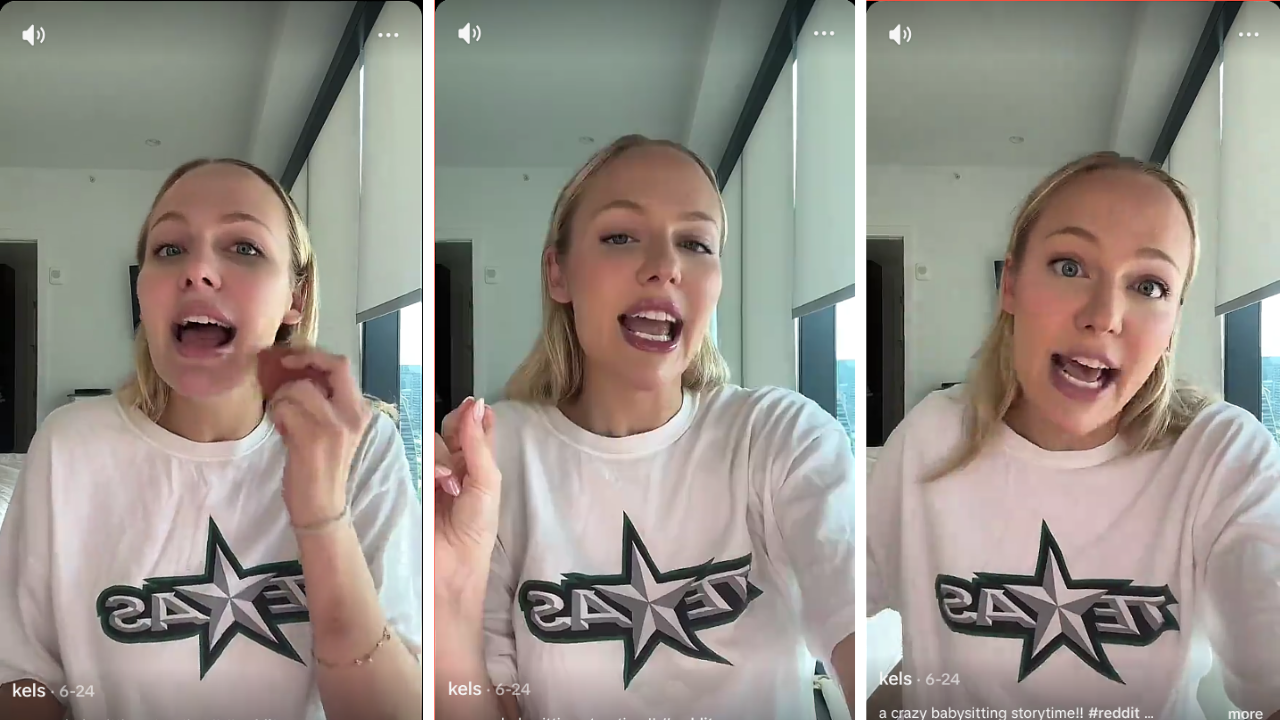
  • Babysitter Calls Police After Parents Allegedly Refuse to Come Home: ‘You Need to Stay’

    Babysitter Calls Police After Parents Allegedly Refuse to Come Home: ‘You Need to Stay’

    Key Highlights

    • TikTok creator @kelsgordon says she called police nonemergency line after parents allegedly refused to return home by agreed 7 p.m. deadline, instead stating they would arrive between 1:00 and 2:00 a.m.
    • The mother reportedly dismissed Kels’ prior commitment to a second babysitting job at 7:30 p.m., texting “No. You need to stay” and rejecting alternatives such as a neighbor or replacement sitter.
    • Two officers arrived by 7 p.m.; the parents returned shortly after, and the father questioned why police were called, suggesting the mother had not informed him of the babysitter’s hard deadline.

    Babysitter Details Standoff With Parents Who Allegedly Ignored Agreed End Time

    TikTok creator Kels Gordon, known as @kelsgordon, posted a storytime video that has amassed 1.5 million views and 869 comments describing a babysitting job that escalated into a police response. Gordon, who said she has worked part-time as a babysitter since her teenage years, explained that she accepted a Saturday engagement from 2 to 7 p.m. for a family new to the area who had found her through word of mouth. She emphasized that she made her 7 p.m. departure time explicit because she had a second, long-standing babysitting commitment at 7:30 p.m. for a family whose father had an important awards show that evening.

    Mother Allegedly Changes Plans and Demands Sitter Stay Until Early Morning

    According to Gordon’s account, the children behaved well and the afternoon proceeded smoothly until approximately 6 p.m., when the mother texted to say she and her husband had encountered friends during dinner and would be home late. When Gordon asked for an estimated return time, the mother replied, “Hard to say. But, maybe around 1:00 or 2:00 a.m.” Gordon said she initially thought the woman was joking and asked again; the mother confirmed she was serious. Gordon reminded the mother of her 7:30 p.m. obligation and the need to leave by 7 p.m., but the mother dismissed the concern and responded, “No. You need to stay.” The mother added that the other family would need to make other arrangements because she could not leave her children home alone.

    Sitter Seeks Police Assistance After Alternatives Rejected

    Gordon said she proposed several alternatives, including locating another babysitter or asking a neighbor to watch the children temporarily, but the mother rejected each suggestion and insisted she remain. Following advice from her own mother, Gordon contacted the police nonemergency line. She said two officers arrived at the home by 7 p.m. and attempted to call the mother, who did not answer; the officers left a voicemail. Approximately five minutes later, Gordon received an angry text from the mother. The parents arrived home shortly thereafter. Gordon stated the father immediately asked why she had called the police when she had allegedly told his wife she was willing to stay until 1 or 2 a.m.—a claim Gordon denied, saying it revealed the mother had not been forthright with her husband about the arrangement. Despite the confrontation, Gordon said she was paid for her time and made it to her second babysitting job on schedule.

    Why This Matters

    The incident highlights the vulnerabilities gig workers and informal caregivers face when clients unilaterally change terms without consent. Babysitters, nannies, and other in-home service providers often operate without formal contracts, leaving them exposed to schedule overruns, safety concerns, and disputes over compensation. The involvement of law enforcement underscores how quickly such situations can escalate when a worker’s personal boundaries and professional commitments are disregarded. The viral response on TikTok—where commenters debated the appropriateness of calling police versus other remedies—reflects broader public interest in labor protections for domestic workers and the power dynamics inherent in private household employment.

    Frequently Asked Questions

    Did the police file a report or make any arrests?

    The source does not indicate that any police report was filed or arrests made. Gordon stated the officers arrived, attempted to contact the mother, left a voicemail, and the parents returned home shortly after. No further law enforcement action was described.

    Was the babysitter compensated for the additional time?

    Gordon said she was paid for her services and did not mention any dispute over payment for the hours worked up to 7 p.m. She did not state whether she received additional compensation for the delay caused by the parents’ late return.

    Has the family responded publicly to the allegations?

    No public response from the family has been reported. The Daily Dot noted it was unable to independently verify the events described in Gordon’s TikTok video, and the details are based solely on her account and viewer comments.

  • Inside the Label: How Prodogi Formulated a Cleaner Way to Care for Your Dog’s Teeth

    Inside the Label: How Prodogi Formulated a Cleaner Way to Care for Your Dog’s Teeth

    Prodogi Targets Dog Dental Care Without Added Calories

    Prodogi is being presented as a vet-formulated dog dental strip designed to provide oral health support. The product’s positioning focuses on helping address canine dental care in a strip format.

    The product is also described as delivering its intended oral health support without adding a single hidden calorie. That feature distinguishes Prodogi’s stated nutritional profile from dental products that may contribute additional calories to a dog’s daily intake.

    A Potential First in Vet-Formulated Dog Dental Strips

    According to the source, Prodogi may be the first vet-formulated dog dental strip on the market to combine oral health support with a no-hidden-calorie formulation. The wording indicates that this is a market-positioning claim rather than a confirmed industry-wide designation.

    The available information does not specify Prodogi’s ingredients, recommended use, clinical evidence, or the particular dental concerns the strip is intended to address. It identifies the product’s core claims as veterinary formulation, canine oral health support, and the absence of hidden calories.

    Why This Matters

    Dog owners increasingly consider both dental care and daily calorie intake when selecting pet products. Prodogi’s stated approach brings those considerations together by presenting a dental strip intended to support oral health without adding hidden calories. Further product details would be needed to assess its ingredients, effectiveness, and place among existing dog dental-care options.

    Frequently Asked Questions

    What is Prodogi?

    Prodogi is described as a vet-formulated dog dental strip designed to support canine oral health.

    Does Prodogi contain hidden calories?

    The source states that Prodogi provides oral health support without adding a single hidden calorie.

    Is Prodogi the first product of its kind?

    The source says Prodogi may be the first vet-formulated dog dental strip on the market with this combination of oral health support and no hidden calories. The claim is presented as a possibility, not as a confirmed industry-wide fact.

  • Colossal Builds Genetic Noah’s Ark for World’s 100 Most Endangered Species

    Colossal Builds Genetic Noah’s Ark for World’s 100 Most Endangered Species

    Key Highlights

    • Colossal Biosciences announced the inaugural node of its global BioVault network at the World Governments Summit in Dubai.
    • The BioVault initiative aims to preserve the genetic code of life on Earth as a hedge against biodiversity loss.
    • The company described the genetic preservation network as its most ambitious undertaking to date.

    Colossal Unveils BioVault Genetic Preservation Network at Dubai Summit

    De-extinction and species preservation company Colossal Biosciences used the global stage of the World Governments Summit in Dubai to launch the first operational node of its ambitious BioVault network. The announcement marks a strategic pivot toward large-scale genetic safeguarding, positioning the preservation of planetary biodiversity as a core infrastructure project alongside the firm’s headline-grabbing de-extinction targets such as the woolly mammoth and the thylacine.

    A Global Ark for Genetic Heritage

    The BioVault concept is designed to function as a distributed, redundant repository for the genomic material of endangered and extant species. By establishing the first node in Dubai, Colossal is initiating a physical and digital architecture intended to secure the biological blueprints of life against accelerating extinction rates, habitat destruction, and climate instability. The company characterized the endeavor as its most audacious mission yet, signaling a scope that extends beyond resurrecting individual lost species to underpinning the genetic resilience of entire ecosystems.

    Strategic Launch at the World Governments Summit

    Choosing the World Governments Summit as the venue underscores the geopolitical and policy dimensions of genetic resource management. The summit convenes heads of state, ministers, and international organization leaders to shape future governance frameworks. Colossal’s presentation there frames biodiversity preservation not merely as a scientific pursuit but as a matter of national security, food stability, and intergenerational equity, inviting sovereign participation in the BioVault’s expansion.

    Why This Matters

    The BioVault launch reflects a growing convergence between advanced biotechnology and global conservation policy. As the Kunming-Montreal Global Biodiversity Framework pushes nations to protect 30% of land and sea by 2030, ex-situ genetic banking is gaining recognition as an essential complement to in-situ habitat protection. Colossal’s model—combining CRISPR-based genetic engineering capabilities with a planetary-scale biobanking network—represents a novel private-sector approach to a traditionally public-sector mandate. The Dubai node serves as a proof-of-concept; the critical next steps involve standardizing sample provenance protocols, securing long-term funding models independent of grant cycles, and negotiating data sovereignty agreements with source nations to ensure the network operates within the Nagoya Protocol on access and benefit-sharing.

    Frequently Asked Questions

    What is the Colossal BioVault?
    The BioVault is a global network of physical and digital repositories initiated by Colossal Biosciences to preserve the genetic code of Earth’s biodiversity. The first node was unveiled at the World Governments Summit in Dubai.
    How does BioVault relate to Colossal’s de-extinction projects?
    While Colossal is known for de-extinction efforts targeting species like the woolly mammoth, the BioVault represents a broader mission to safeguard the genomic material of currently endangered and extant species, creating a genetic backup for planetary biodiversity.
    Why was the launch announced at the World Governments Summit in Dubai?
    The summit gathers global government leaders, providing a platform to frame genetic preservation as a strategic priority for national policy, international cooperation, and long-term resilience planning.
  • Employee Says Boss Ordered Them to Leave Early, Then Demanded They Stay After Finding Reports Incomplete

    Employee Says Boss Ordered Them to Leave Early, Then Demanded They Stay After Finding Reports Incomplete

    Key Highlights

    • Reddit user u/MoneyOrganic4728 shared a workplace story on r/pettyrevenge that garnered 18,000 upvotes, describing how their employer’s decision to terminate them early backfired when unfinished reports were discovered.
    • The employee strategically gave only two weeks’ notice instead of the industry-standard month, anticipating the company’s pattern of dismissing departing staff before their notice period ended.
    • After being told to leave within two days, the employee had already secured an early start date at their new job, leaving the former employer scrambling to complete critical reports without them.

    Reddit User’s Strategic Notice Period Sparks Discussion on Workplace Dynamics

    A post on Reddit’s r/pettyrevenge forum has ignited widespread conversation about notice periods, employer reciprocity, and the unintended consequences of premature termination. User u/MoneyOrganic4728 detailed their experience navigating a toxic workplace exit, revealing how their former company’s attempt to cut ties early ultimately left them without critical personnel to complete pending deliverables. The narrative resonated deeply with the community, amassing 18,000 upvotes and nearly 500 comments as of publication.

    The Calculated Two-Week Notice

    In their field, u/MoneyOrganic4728 explained, it is customary to provide a full month’s notice before departing. However, their workplace had established a pattern of telling employees to leave before their two-week notice period concluded. Anticipating this behavior, the Redditor made a deliberate calculation: “For this reason, I only gave 2 weeks instead of a month since I could reasonably go without income for 2-4 weeks until I get my first check from my new job,” they wrote. This strategic decision reflected both financial preparedness and a learned expectation of how their employer typically handled departures.

    Employer’s Reversal and Employee’s Countermove

    As predicted, the company instructed the employee to leave after just two days. When u/MoneyOrganic4728 emailed to note that unfinished reports remained, the employer insisted on their departure regardless. The Redditor described being “fine with the decision” at that point. However, the company quickly reversed course upon realizing the operational gap: “They screwed themselves by not checking if I had reports coming up before telling me to gtfo. They quickly emailed back and said ‘on second thought, you can stay for the full 2 weeks and get those reports done!’” the user recounted.

    By that time, u/MoneyOrganic4728 had already acted on their expectation of an early exit. “I emailed them back and informed them that because I expected to be let go early, I made arrangements with my new job to start early and already informed them I would be starting early. So I couldn’t stay the full 2 weeks anymore, since I was originally told 2 days,” they added. The employee’s proactive coordination with their new employer rendered the former company’s request impossible to fulfill.

    Community Response Highlights Systemic Workplace Issues

    The story struck a chord across r/pettyrevenge, with numerous commenters sharing parallel experiences of employers who terminate departing staff prematurely, only to face operational disruptions. One user recounted a similar situation after eight years at a company, underscoring that the pattern transcends tenure and industry. Other community members praised u/MoneyOrganic4728 for their professionalism in flagging the unfinished reports before leaving, noting that many would have simply departed without warning. Practical advice also emerged in the thread, including guidance on applying for unemployment benefits following an early dismissal—a detail that reflects the real financial stakes for workers caught in such scenarios.

    Why This Matters

    This episode illuminates a recurring tension in modern employment: the asymmetry between employer expectations of loyalty and the reality of at-will employment practices. When companies normalize cutting notice periods short, they erode the mutual trust that makes standard notice conventions functional. The r/pettyrevenge discussion reveals how workers are increasingly adopting defensive strategies—shortening their own notice, securing early start dates elsewhere, and documenting outstanding work—to protect themselves against employer unpredictability. For organizations, the lesson is clear: premature terminations can create immediate operational vacuums, especially when institutional knowledge walks out the door unfinished. The Daily Dot notes it was unable to independently verify the events described; the account rests solely on u/MoneyOrganic4728’s post and the ensuing community dialogue.

    Frequently Asked Questions

    What happened to the unfinished reports after the employee left?

    The source does not specify whether the reports were ultimately completed or by whom. The former employer requested the employee stay to finish them, but u/MoneyOrganic4728 had already committed to an early start at their new job and declined to return.

    Is it common for employers to ask employees to leave before their notice period ends?

    According to u/MoneyOrganic4728 and multiple commenters on the thread, this practice occurs with enough frequency that workers in certain fields factor it into their resignation planning. The Redditor noted their workplace had “a history of telling employees to leave before their two-week notice period was over,” prompting their decision to give only two weeks instead of the customary month.

    Can an employee collect unemployment if let go early during a notice period?

    Several commenters on the Reddit thread mentioned the possibility of applying for unemployment benefits after an early dismissal. Eligibility varies by jurisdiction and specific circumstances, so workers in this situation should consult their state’s unemployment office for definitive guidance.

  • No One on X Agrees With Concept of Video ‘If You Log Out It’s Still 2007’

    No One on X Agrees With Concept of Video ‘If You Log Out It’s Still 2007’

    Key Highlights

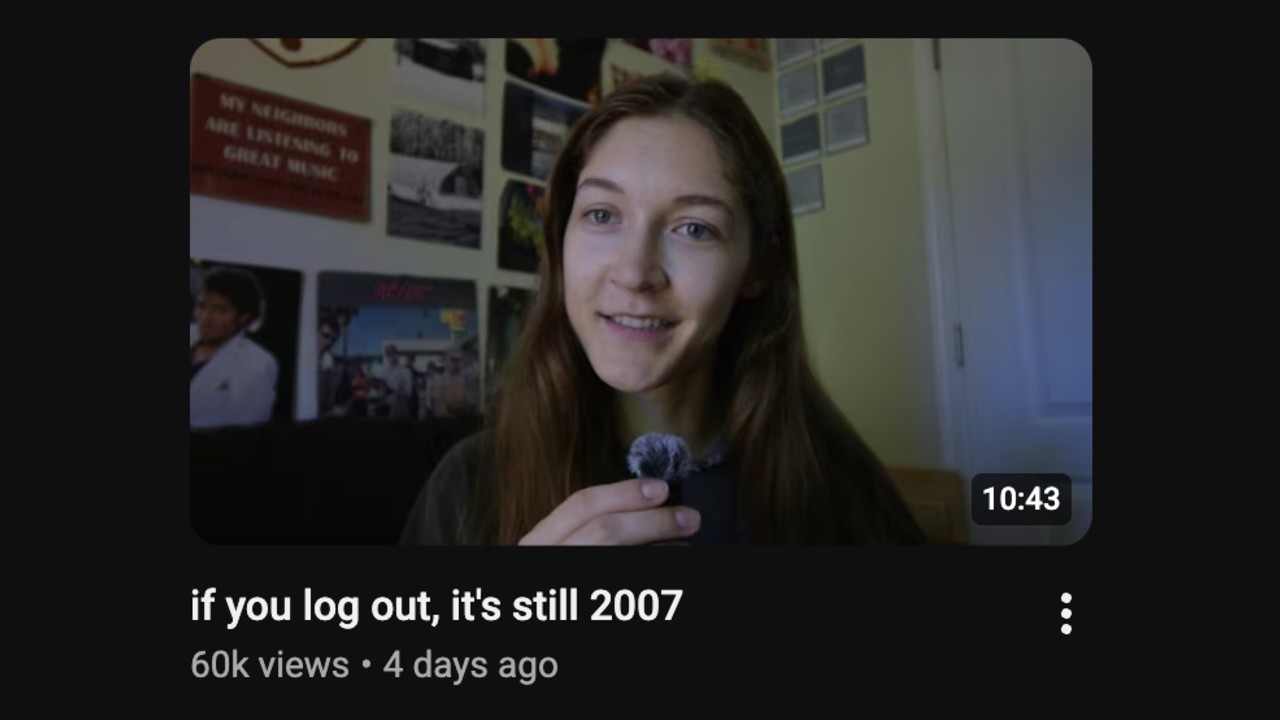
    • YouTube creator Emilymarie’s video “If You Log Out, It’s Still 2007” went viral in September 2026 after a screenshot spread across X, sparking widespread discourse about internet nostalgia and generational identity.
    • The video explores how growing up during the 2000s and witnessing rapid internet evolution affected the creator’s mental health and development, resonating with viewers who experienced similar digital coming-of-age.
    • Online reactions split between users embracing the premise that offline life retains a 2007 feeling and critics using humor to highlight how dramatically the physical world has changed since then.

    Viral Video Examines Digital Nostalgia and Generational Disconnect

    A YouTube video published in September 2026 by content creator Emilymarie has ignited a significant conversation across social media platforms about the psychological impact of growing up alongside the internet’s rapid transformation. Titled “If You Log Out, It’s Still 2007,” the video details the creator’s experience maturing during the 2000s while witnessing the internet evolve from a novelty into an omnipresent infrastructure, and how that trajectory shaped her mental health and personal development.

    Screenshot Amplifies Reach on X, Triggering Meme Culture

    The video gained substantial traction after a screenshot displaying its thumbnail and title circulated widely on X (formerly Twitter) later that same month. The image served as a catalyst, inspiring what observers described as “discourse” and a wave of memes centered on the title’s central proposition: that disconnecting from the digital world returns one to a reality that still feels like 2007. The concept struck a nerve with a generation that came of age during the Web 2.0 era, prompting both earnest reflection and satirical commentary.

    Online Community Divided Over Premise of Static Offline Reality

    Reactions to the viral moment revealed a sharp divide in how internet users perceive the relationship between digital life and physical reality. Many commenters resonated with the sentiment, sharing personal anecdotes about how certain offline spaces, habits, or cultural touchstones appear frozen in the late 2000s. Conversely, a significant portion of the response took the form of refutation through humor. Users posted jokes highlighting modern realities—such as electric vehicle charging stations, QR code menus, smartphone ubiquity, and post-pandemic social norms—as evidence that logging off does not, in fact, transport a person back to 2007.

    Why This Matters

    This viral episode underscores a growing cultural preoccupation with the “digital native” experience and the psychological weight of living through the internet’s adolescence. As platforms like YouTube and X become primary archives for generational memory, content creators like Emilymarie function as informal historians of the digital transition. The debate sparked by the video reflects broader societal questions about whether the offline world has been fundamentally altered by digital saturation or if a pre-algorithm normalcy remains accessible. The phenomenon also illustrates how X continues to act as an accelerator for long-form video content, where a single static image can reframe a creator’s work for a massive audience within hours.

    Frequently Asked Questions

    Who is Emilymarie and what is the video about?
    Emilymarie is a YouTube content creator who published a video in September 2026 titled “If You Log Out, It’s Still 2007.” The video discusses her experience growing up during the 2000s, witnessing the rapid evolution of the internet, and the impact that digital transformation had on her mental health and development.
    How did the video go viral?
    A screenshot of the video’s thumbnail and title was shared on X (formerly Twitter) in September 2026. The post spread widely, inspiring extensive discussion, memes, and debate about the video’s central premise.
    What was the main point of contention in the online discourse?
    The discourse centered on the title’s suggestion that the offline world still feels like 2007. While some users agreed that certain aspects of physical life remain unchanged, others refuted the idea by pointing to modern developments like smartphones, electric vehicles, QR codes, and post-pandemic changes as proof that the offline world has moved on significantly.
  • Drake Wears Pomni Shirt From ‘The Amazing Digital Circus’

    Drake Wears Pomni Shirt From ‘The Amazing Digital Circus’

    Key Highlights

    • Drake wears official Pomni merchandise from The Amazing Digital Circus in his self-funded short film FOMO.
    • Cosplayer PinkyChu accompanies Drake to Hot Topic for an “emo makeover” sequence featuring the gray Pomni sweatshirt.
    • The crossover triggered a wave of shocked, meme-driven responses from TADC fans, intertwining with ongoing controversies surrounding Drake and his feud with Kendrick Lamar.

    Drake’s FOMO Short Film Features The Amazing Digital Circus Merchandise

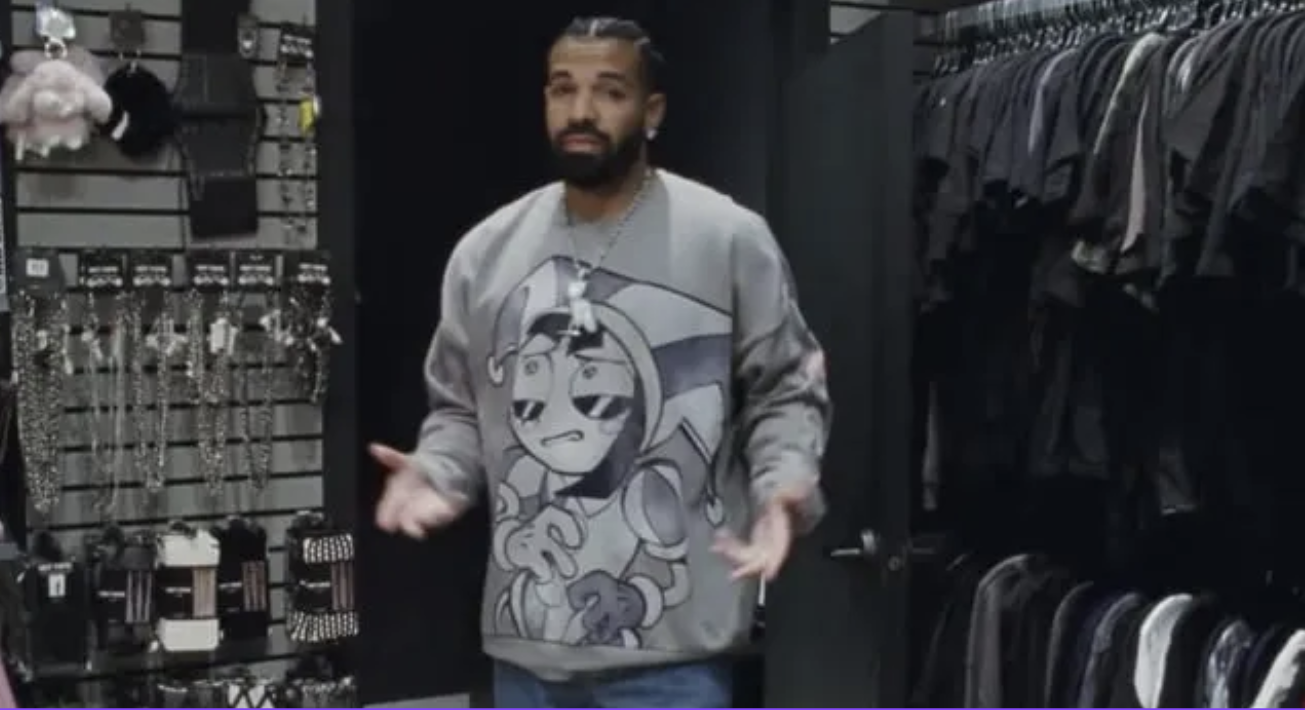
    Canadian rapper Drake has inserted himself into the animated indie phenomenon The Amazing Digital Circus (TADC) via his self-funded short film FOMO. In a widely circulated segment, the artist is seen wearing a large gray sweatshirt emblazoned with Pomni, the jester-like protagonist of the Glitch Productions series. The appearance marks a high-profile collision between mainstream hip-hop culture and the surreal, internet-born animated series created by Gooseworx and produced by the Australian studio Glitch.

    PinkyChu and the Hot Topic “Emo Makeover” Scene

    The segment does not merely feature the shirt in passing; it builds a narrative around the acquisition. Drake appears alongside the cosplayer known as PinkyChu—also styled as Pink Chew or Pinkychu—who acts as a guide for an “emo makeover.” The duo visits a Hot Topic retail location, a chain long associated with alternative youth culture and band merchandise, where Drake tries on the Pomni sweatshirt among other outfits. The choice of Hot Topic as the setting reinforces the specific aesthetic subculture the scene attempts to evoke.

    Fan Reaction: Shock, Memes, and References to Drake’s Controversies

    Following the release of the FOMO segment, the response across social media platforms was immediate and overwhelmingly characterized by disbelief and irony. The Amazing Digital Circus fan communities reacted with a mix of confusion and amusement at seeing the global superstar donning merch from a niche web series. However, the discourse quickly expanded beyond the crossover itself. Commentators layered the moment with references to Drake’s longstanding public feud with Kendrick Lamar and persistent criticisms regarding his attempts to assimilate into younger internet subcultures. The Pomni sweatshirt became a visual shorthand for what critics perceive as calculated relatability.

    Why This Matters

    The incident underscores the accelerating speed at which independent digital intellectual property can penetrate mainstream celebrity consciousness. The Amazing Digital Circus, which debuted on YouTube in October 2023, amassed hundreds of millions of views rapidly, bypassing traditional gatekeepers. Drake’s unsanctioned—or at least self-directed—integration of Glitch Productions’ character signals that indie animation now commands cultural capital equivalent to legacy media franchises. For Glitch and the broader creator economy, the moment validates the commercial viability of creator-owned IP. For Drake, it represents another data point in a career strategy heavily reliant on meme literacy and internet adjacency, even as that strategy invites scrutiny regarding authenticity and cultural co-option.

    Frequently Asked Questions

    What is the FOMO short film?
    FOMO is a self-funded short film released by Drake. It features surreal, vignette-style segments involving the rapper in various scenarios, including the Hot Topic shopping trip with cosplayer PinkyChu.
    Who is Pomni and what is The Amazing Digital Circus?
    Pomni is the main character of The Amazing Digital Circus, an animated web series created by Gooseworx and produced by Glitch Productions. The show follows characters trapped in a virtual reality circus and has gained massive popularity on YouTube since its 2023 debut.
    Why did the Pomni shirt scene generate controversy?
    The scene went viral largely due to the tonal dissonance between Drake’s celebrity status and the niche indie animation. Critics and fans framed the moment within existing narratives about Drake’s public feud with Kendrick Lamar and accusations that he strategically adopts internet trends to maintain cultural relevance with younger demographics.
  • Why Is Drake Wearing a Pomni Shirt?

    Why Is Drake Wearing a Pomni Shirt?

    Key Highlights

    • Drake wears official Pomni merchandise from The Amazing Digital Circus in his self-funded short film FOMO, marking a notable crossover between mainstream hip-hop and indie animation fandom.
    • The segment features cosplayer PinkyChu giving Drake an “emo makeover” at Hot Topic, where he tries on a large gray Pomni sweatshirt.
    • The release sparked a massive meme-driven reaction online, with fans referencing Drake’s ongoing feud with Kendrick Lamar and longstanding critiques about his attempts to align with youth culture.

    Drake’s FOMO Short Film Features Unexpected The Amazing Digital Circus Crossover

    Canadian rapper and global superstar Drake has once again inserted himself into internet subculture, this time through a surprise appearance wearing official merchandise from the indie animated series The Amazing Digital Circus (TADC). The moment occurs in FOMO, a self-funded short film released by Drake that blends surreal humor with meta-commentary on fame and relevance. In a widely circulated segment, the artist is seen alongside popular cosplayer PinkyChu — also known online as Pink Chew or Pinkychu — who takes him to the retail chain Hot Topic for an “emo makeover.” Among the outfits Drake models is an oversized gray sweatshirt prominently featuring Pomni, the jester-like protagonist of TADC, produced by Australian studio Glitch Productions.

    From Hot Topic Aisles to Viral Timeline Explosion

    The inclusion of Pomni apparel — officially licensed and sold through Hot Topic — immediately ignited a firestorm across social media platforms, particularly within the passionate TADC fanbase. Reactions ranged from genuine bewilderment to elaborate meme edits, with many users expressing disbelief at the collision of a mainstream rap icon and a niche digital animation series that debuted on YouTube in October 2023. The series, created by Gooseworx and produced by Glitch Productions, has cultivated a devoted following for its surreal psychological horror-comedy aesthetic and distinct character designs. Drake’s decision to wear the merchandise in a high-production short film suggested either a calculated cultural nod or an authentic engagement with the property, though the internet largely leaned toward skepticism.

    Reaction Fueled by Drake’s Cultural Positioning and Kendrick Lamar Feud

    Much of the discourse surrounding the FOMO segment extended beyond the novelty of the crossover. Observers tied the moment to Drake’s well-documented history of adopting emerging trends, slang, and internet aesthetics — a pattern critics argue reflects an effort to maintain cultural proximity to younger audiences. This perception was amplified by the ongoing, highly publicized feud between Drake and fellow rapper Kendrick Lamar, which has dominated hip-hop conversation since early 2024. In that context, the Pomni sweatshirt appearance was framed by many as another instance of Drake curating a relatable, “chronically online” persona. Memes juxtaposed the rapper’s emo makeover with lyrics from Lamar’s diss tracks, while others mocked the perceived desperation of a 37-year-old megastar shopping at Hot Topic with a TikTok-famous cosplayer.

    Why This Matters

    The FOMO segment underscores the accelerating collapse of boundaries between mainstream celebrity and niche internet culture. The Amazing Digital Circus, despite its independent origins and digital-first distribution, has achieved viewership numbers rivaling traditional television animation, making it a prime target for cultural co-option. Drake’s involvement — whether organic or strategic — signals that even deeply online, lore-heavy properties are now on the radar of top-tier entertainers seeking relevance. For Glitch Productions and the TADC team, the exposure represents an unprecedented promotional boost, though it arrives wrapped in irony and controversy. Meanwhile, the episode adds another data point to the ongoing conversation about Drake’s role as a cultural barometer — and whether his engagements reflect genuine fandom or a sophisticated algorithm for staying central in the attention economy.

    Frequently Asked Questions

    What is The Amazing Digital Circus and who produces it?
    The Amazing Digital Circus is an animated web series created by Gooseworx and produced by Glitch Productions, an Australian animation studio. It premiered on YouTube in October 2023 and follows Pomni, a jester-like character trapped in a surreal digital world. The series has garnered hundreds of millions of views and a cult following for its blend of dark humor, psychological themes, and distinctive visual style.
    Who is PinkyChu and what is their role in the FOMO segment?
    PinkyChu (also styled as Pink Chew or Pinkychu) is a cosplayer and content creator known for their work in anime and gaming communities. In Drake’s FOMO short film, they appear alongside the rapper and guide him through an “emo makeover” at Hot Topic, where Drake tries on the Pomni sweatshirt.
    Why did the Pomni shirt scene generate such a strong reaction online?
    The reaction stemmed from the unexpected crossover between Drake — a global music superstar with a controversial reputation for trend-chasing — and The Amazing Digital Circus, a niche but wildly popular indie animation. The moment was amplified by existing narratives around Drake’s feud with Kendrick Lamar and long-standing critiques that he artificially inserts himself into youth and internet culture to maintain relevance.