Category: Buzz

Unique, interesting, and unusual stories.

  • ‘You Met Satan Today, My Friend’: Chef With 30 Years Experience Receives Burger Order for 7 Seconds Per Side

    ‘You Met Satan Today, My Friend’: Chef With 30 Years Experience Receives Burger Order for 7 Seconds Per Side

    Key Highlights

    • Veteran chef with 30 years experience shares photo of burger cooked seven seconds per side on r/KitchenConfidential, sparking viral debate.
    • Post accumulates over 12,000 upvotes and 1,167 comments as Reddit users clash over food safety, customer autonomy, and kitchen responsibility.
    • Chef confirms restaurant legally fulfilled request after verifying local food code, though jurisdiction remains unverified.

    Veteran Chef Shares Unusual Order on Reddit

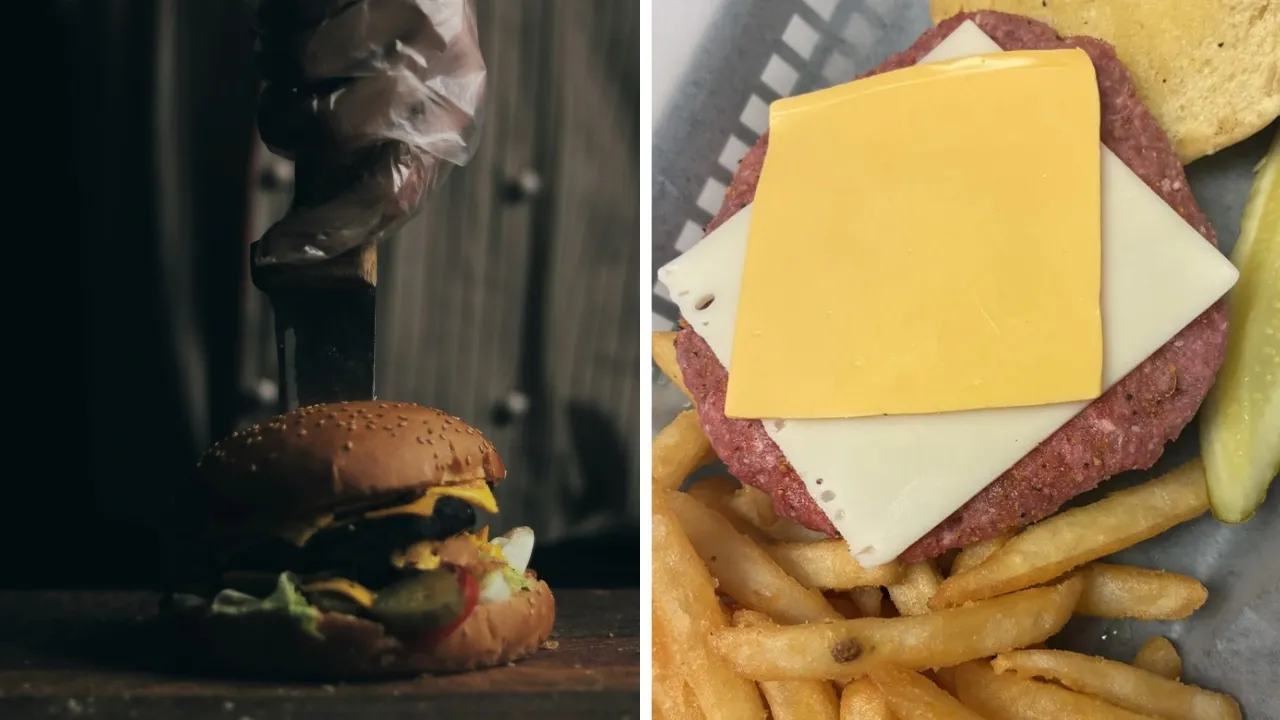
    A chef with three decades of professional experience turned to Reddit’s r/KitchenConfidential community to document one of the most unusual orders of their career. The post, titled “30 years I have been cooking and still some orders can surprise me.” by user u/FriedDM96, featured a photograph of a burger with barely cooked ground beef, cold cheese, and fries. As of publication, the thread had drawn more than 12,000 upvotes and 1,167 comments, quickly becoming a flashpoint for debate over culinary boundaries and food safety protocols.

    Customer Insists on Near-Raw Ground Beef

    According to the chef’s account, a woman visited the restaurant and asked to speak directly with the cook. She requested a burger cooked for only seven seconds on each side—essentially raw ground beef. The chef questioned whether she truly wanted that preparation, to which she confirmed the request and asked for the meat “as raw as possible.” The customer also told the chef she believed raw meat offered a healthier option. The chef disagreed and explained the potential risks of undercooked ground beef. Still, the chef prepared the burger according to her request. The resulting photo quickly became the focus of Reddit’s reaction.

    Reddit Community Divided on Food Safety

    The comment section erupted into a heated discussion spanning personal preference, professional ethics, and legal liability. One user wrote, “This is so wrong.” Another commenter shared their own experience with raw ground beef, stating they once worked with someone who ate raw ground beef while cooking. The discussion quickly shifted from personal taste toward food safety concerns.

    A second user argued that restaurants should refuse requests like this, writing, “I cannot believe any chef worth their salt let that out of a kitchen.” Another commenter focused on potential legal consequences, writing, “Depending on where you live serving this could be illegal.” Some commenters noted that certain jurisdictions allow restaurants to serve raw animal protein with appropriate warnings. One commenter explained that certain jurisdictions allow restaurants to serve raw animal protein, noting that restaurants can warn customers about potential risks. However, several users still questioned whether the chef should have accepted this particular order.

    Culinary Distinctions and Cultural Context

    The conversation also included people who regularly eat raw or barely cooked meat. One commenter said they enjoy steak blue, tartare and carpaccio, explaining that intact steak differs from ground meat because grinding introduces more surface area. Another user mentioned German mettbrötchen, which features raw minced pork served on bread.

    The Photo Became Reddit’s Main Attraction

    Beyond the safety debate, the burger’s presentation generated plenty of jokes across the thread. One commenter wrote, “Presentation man. You gotta drop the cheese on the flat top for a beat.” The original poster replied that the customer specifically wanted the cheese cold, adding that the bread only received warming rather than full toasting. Another user joked, “You met Satan today, my friend.” Someone else called the order “Sysco’s finest tartar.” The comments showed how quickly the strange-looking burger became a source of culinary jokes.

    The chef later clarified that they checked the relevant food code before serving the burger and said the restaurant could legally fulfill the request. However, the screenshots alone cannot establish the applicable local regulations. The discussion therefore remained centered on whether the order made sense. The post ultimately exposed a sharp divide between customer choice and kitchen responsibility. Some users defended unusual food preferences when restaurants follow applicable rules. Others argued that raw ground beef crosses a line that chefs should not accommodate. The Daily Dot could not independently verify the restaurant’s location or applicable food regulations.

    Why This Matters

    This incident highlights the ongoing tension between consumer autonomy and professional liability in the food service industry. While dishes like steak tartare, carpaccio, and mettbrötchen have established culinary traditions and specific preparation protocols to mitigate risk, ground beef presents a fundamentally different hazard profile due to increased surface area and bacterial distribution during grinding. The USDA recommends cooking ground beef to an internal temperature of 160°F (71°C) to eliminate pathogens like E. coli and Salmonella. Restaurants operating in jurisdictions with consumer advisory provisions may legally serve undercooked proteins if proper warnings are posted, but the ethical calculus for kitchen staff remains complex. The viral nature of this post underscores how social media amplifies scrutiny of food safety decisions, potentially influencing both public perception and regulatory attention.

    Frequently Asked Questions

    Is it legal for restaurants to serve raw or undercooked ground beef?

    Legality varies by jurisdiction. Some health codes permit serving raw or undercooked animal proteins if the restaurant provides a consumer advisory warning about foodborne illness risks. The chef in this case stated they verified their local food code allowed the preparation, though The Daily Dot could not independently confirm the restaurant’s location or specific regulations.

    Why is ground beef riskier to eat rare than whole cuts like steak?

    Grinding meat distributes surface bacteria throughout the entire product, whereas intact cuts like steak typically harbor pathogens only on the exterior. Searing a whole steak kills surface bacteria, but grinding internalizes contamination, requiring thorough cooking to achieve safety.

    Did the chef face any consequences for serving the burger?

    Based on the Reddit thread and subsequent reporting, no disciplinary action or legal consequence has been reported. The chef indicated the order complied with local food code, and the discussion remained confined to online debate about professional judgment and food safety standards.
  • Server Shares Trick to Keep Restaurant Guests Happy During Rush: ‘Reset Their Mental Clock’

    Server Shares Trick to Keep Restaurant Guests Happy During Rush: ‘Reset Their Mental Clock’

    Key Highlights

    • TikTok creator and longtime server Ryan Stannard (@ryan_stannard4) shared a technique called “resetting their mental clock” to manage multiple tables during busy shifts, earning over 31,800 likes.
    • The method involves briefly acknowledging every table—even while en route to another—to reassure guests they haven’t been forgotten, which Stannard says resets their internal wait-time expectations.
    • Commenters offered conflicting strategies, from treating all tables as a single party to citing strict corporate greet-time standards that make Stannard’s approach impractical in some restaurants.

    Server’s Viral ‘Mental Clock’ Technique Sparks Debate Among Restaurant Workers

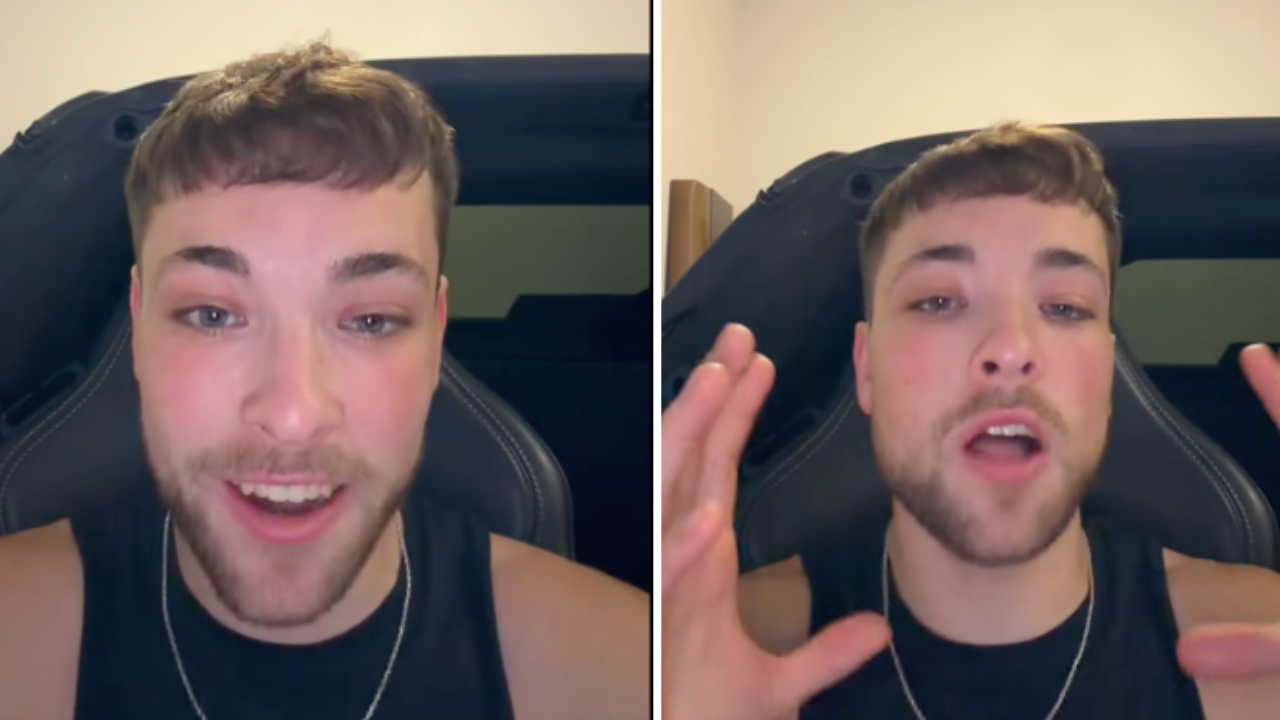
    Ryan Stannard, a longtime server who shares industry advice under the handle @ryan_stannard4 on TikTok, recently posted a video outlining a simple but potentially powerful tactic for juggling a full section. The clip, which had amassed 31,800 likes and 207 comments at the time of publication, centers on a concept Stannard calls “resetting their mental clock.” The premise: when a server’s section fills up, the instinct may be to focus entirely on the table currently being served. Stannard argues that taking a few seconds to make eye contact, offer a quick greeting, and verbally acknowledge every other table—telling them “I’ll be right with you”—fundamentally changes the guest’s perception of the wait.

    How the ‘Reset’ Works in Practice

    According to Stannard, the moment a server acknowledges a waiting table, the customer’s internal countdown—their “mental clock”—restarts because they now know service is imminent. This brief intervention, he contends, buys the server valuable time to complete tasks at the POS, run food, or finish taking an order elsewhere without the pressure of guests feeling abandoned. The advice resonated with a segment of the commentariat. One user declared, “Rule #1 of serving: COMMUNICATE,” while another reinforced the psychology: “Just saying hello to your tables will buy you some time. As long as they know someone is coming to take care of them, they will calm people down.”

    Industry Veterans Push Back With Alternative Workflows

    Not every restaurant professional found the technique universally applicable. A detailed dissenting comment laid out a contrasting, assembly-line workflow: “Negative! You treat it all like one party. You greet table one, write all their drinks down ask them if they want appetizers. Then you got a table two you do the same thing, followed by table 3. Stop by POS station ringing all appetizers for every table plus any alcoholic beverages then you go to the kitchen and you make everybody’s drinks,” the commenter wrote. Others pointed to rigid corporate metrics that leave no room for discretionary check-ins. One server explained, “Truthfully, I understand what you mean, but the restaurant I work at has a 30 second greet, and 1 min non alc standard. I love to swing by and grab as many first rounds as possible but unfortunately if I’m getting shopped it’ll look bad on my part,” referencing mystery-shopper evaluations tied to specific time standards.

    When Guests Refuse to Let Go

    A third friction point emerged from the unpredictable human element: tables that monopolize the server’s time. One commenter described a scenario where guests claim readiness but then deliberate at length, effectively trapping the server. “What happens if a table says they are ready, take what feels like 10 mins to order and won’t let you walk away. I’ll say ‘I can give yall some more time’ and they say no that they are ready right now and it feels like you can’t walk away, even though other tables are waiting on you. This happened to me on Saturday and ruined my whole flow,” they wrote. The thread collectively illustrates that no single heuristic—whether Stannard’s mental-clock reset, a batched greeting system, or strict adherence to corporate timers—can account for every variable in a dining room.

    Why This Matters

    The conversation around Stannard’s video underscores a persistent tension in hospitality labor: the gap between individualized, experience-based heuristics and the standardized, metric-driven protocols imposed by many restaurant groups. As labor markets tighten and guest expectations rise—fueled in part by social media reviews—servers are increasingly forced to navigate contradictory demands: provide personalized, attentive service while hitting rigid speed-of-service targets measured by mystery shoppers and POS analytics. The viral spread of this debate on TikTok also highlights how frontline workers are using the platform to crowdsource operational knowledge, effectively creating an informal, peer-to-peer training network that bypasses traditional management structures. For operators, the takeaway is clear: any service standard must leave enough autonomy for staff to handle the real-time variability—chatty tables, kitchen bottlenecks, staffing gaps—that no script can fully anticipate.

    Frequently Asked Questions

    What exactly is the “reset their mental clock” technique?
    It is a brief, proactive acknowledgment—eye contact, a greeting, and a verbal assurance such as “I’ll be right with you”—given to every table in a server’s section, even while the server is actively engaged with another party. The goal is to restart the guest’s internal wait timer so they feel seen rather than forgotten.
    Why do some servers say the technique doesn’t work in their restaurant?
    Many chain and corporate restaurants enforce strict service-time benchmarks (e.g., a 30-second initial greet, one-minute non-alcoholic beverage delivery) that are measured by mystery shoppers. Deviating to check on other tables can cause a server to miss those metrics and face disciplinary action.
    Has The Daily Dot verified the claims made in the TikTok video and comments?
    No. The publication explicitly states it was unable to independently verify the experiences described by Ryan Stannard or the commenters; the article is based solely on the content of the TikTok post and the ensuing discussion.
  • Tenant Has Neighbor’s Truck Towed After Repeated Parking in Her Paid Spot

    Tenant Has Neighbor’s Truck Towed After Repeated Parking in Her Paid Spot

    Key Highlights

    • Reddit user u/glitter-princessz had her neighbor’s truck towed after it repeatedly occupied her assigned, paid parking spot (No. 14) at their apartment complex despite multiple warnings.
    • The neighbor responded by calling her a “psycho Karen” and demanding $250 reimbursement for tow yard fees, claiming she should have notified him before towing.
    • Reddit commenters on r/AmItheKaren overwhelmingly supported her decision, citing the neighbor’s entitlement and the ample prior warnings given.

    Tenant Escalates Parking Dispute After Months of Violations

    A tenant at an apartment complex that charges a monthly fee for assigned parking spots took decisive action after a neighbor persistently parked in her designated space, Reddit user u/glitter-princessz shared on the subreddit r/AmItheKaren. The original poster confirmed she pays for spot No. 14, but for several months a fellow resident routinely occupied it with a large truck.

    From Polite Notes to Formal Complaints

    Initially assuming an honest mistake, the tenant left a handwritten note on the truck’s windshield kindly asking the neighbor to use his own assigned space. When that indirect approach failed, she confronted him directly. Although he acknowledged the error and apologized, he resumed parking in her spot within days. She then escalated the matter to the apartment complex’s head office via email. Management responded by sending a building-wide reminder to all residents, yet the violation continued unabated.

    Final Straw Prompts Towing Action

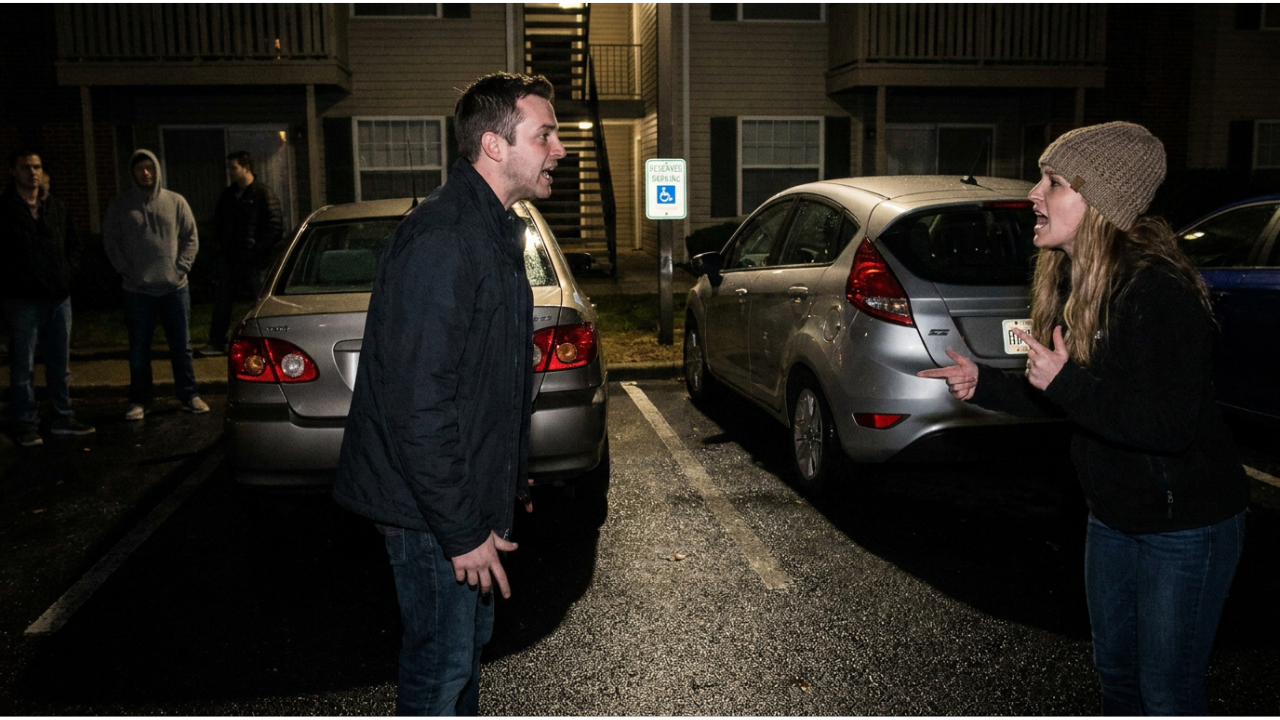
    The situation culminated one night when the tenant returned home late from work to find the same truck in spot No. 14 once again. Forced to park several blocks away, she contacted a towing company and had the vehicle removed from the premises. The following morning, the neighbor appeared at her door, calling her a “psycho Karen” and demanding she reimburse the $250 he paid to retrieve his truck from the impound lot. He argued she should have given him a final warning before towing, but she maintained she had already attempted resolution four separate times through notes, direct conversation, and management intervention.

    Why This Matters

    This dispute highlights common tensions in multi-unit housing where paid amenities like assigned parking create clear contractual expectations. The case illustrates how informal resolution attempts—notes, conversations, management reminders—can fail against repeated violations, pushing paying tenants toward enforcement mechanisms like towing. It also reflects broader online discourse around the “Karen” label, with commenters debating whether enforcing one’s paid rights constitutes entitled behavior or justified self-advocacy. The Daily Dot notes it could not independently verify the events, which are based solely on the Reddit poster’s account and community reactions.

    Frequently Asked Questions

    How many times did the tenant warn the neighbor before towing?
    She attempted resolution four times: a handwritten note, a direct confrontation, an email to management (prompting a building-wide reminder), and the final incident that triggered the tow.
    What was the neighbor’s response to the towing?
    The neighbor came to her door the next morning, called her a “psycho Karen,” and demanded $250 reimbursement for the tow yard retrieval fee.
    How did the Reddit community react to the post?
    Commenters largely supported the tenant’s decision, with multiple users sharing similar experiences and affirming that the neighbor had received ample warnings before enforcement action.
  • Job Candidate Rejected After 5 Interview Rounds by Executive in Car: ‘Just a Cultural FORMALITY’

    Job Candidate Rejected After 5 Interview Rounds by Executive in Car: ‘Just a Cultural FORMALITY’

    Key Highlights:

    • Reddit user BebopDrifter8 detailed a six-week, five-round interview process with a mid-sized tech firm that ended in rejection after a final 15-minute Zoom call with the VP of Operations, who conducted the interview from his car while looking at his phone.
    • The recruiter had explicitly framed the final VP conversation as a “cultural FORMALITY” and indicated an offer would follow immediately, according to the candidate’s account.
    • The post garnered 1,500 upvotes and 208 comments on r/Jobs, sparking widespread discussion about protracted hiring pipelines, lack of candidate respect, and unpaid work disguised as interview assessments.

    Six-Week Interview Marathon Ends in 15-Minute Rejection from Executive’s Car

    A Reddit user identified as BebopDrifter8 has ignited a viral conversation on the r/Jobs subreddit after chronicling a hiring ordeal that spanned six weeks and five distinct interview rounds, only to culminate in a summary rejection delivered by a vice president who appeared disengaged during a brief Zoom call. The post, which accumulated 1,500 upvotes and 208 comments, resonated deeply with a community increasingly fatigued by opaque, protracted recruitment practices in the technology sector.

    From ‘Frontrunner’ to Rejected: The Timeline of a Collapsed Offer

    According to the candidate’s account, the process with an unnamed mid-sized tech firm began with a standard recruiter screen and progressed through a hiring manager interview, a 90-minute case study presentation delivered to four team leads, and a peer chat. At every stage, the candidate reported being told they were the leading contender. “Every single person told me I was the frontrunner,” BebopDrifter8 wrote. The recruiter subsequently scheduled a final step, describing it as a mere formality. “She literally told me it was just a cultural FORMALITY and that an offer would follow right after.”

    VP Interview Conducted from a Vehicle, Focused on College GPA

    The final conversation with the Vice President of Operations deviated sharply from the recruiter’s framing. The candidate reported that the VP joined the Zoom call from inside his car and was visibly looking at his phone during the session. The executive asked only two questions, one of which concerned the applicant’s college grade point average—a metric the candidate had not been asked about in any prior round. Shortly after the call concluded, a rejection email arrived, ending the six-week investment with no substantive feedback.

    Community Response: Shared Trauma and ‘Dodged Bullet’ Sentiment

    The comment section evolved into a repository of similar grievances. One user described a nearly identical five-interview marathon across three days and five to six weeks, ending in a generic automated rejection email after two weeks of silence. “These companies are so wrapped up in their own BS that they forget to treat candidates with dignity and respect,” the commenter wrote. Another detailed a five-round process that concluded with the company stating the role was “no longer funded,” suspecting the final job simulation round was actually unpaid labor. “Round 5 was a job simulation that I suspect was an actual piece of work I did for them. The market is nutso right now,” they noted. A prevailing sentiment suggested the original poster may have avoided a toxic workplace. “This doesn’t even sound like you’d want to work there if the VP treats people that way. You probably dodged a bullet in this whole thing,” one Redditor commented.

    Why This Matters: The Hidden Costs of Performative Hiring

    The incident underscores a systemic friction in the current labor market: the growing disparity between the resources candidates expend on multi-stage assessments and the accountability employers demonstrate in return. Lengthy pipelines involving case studies, presentations, and simulations often extract significant unpaid intellectual labor while offering candidates little transparency into decision-making criteria. The recruiter’s characterization of a decisive executive interview as a “cultural FORMALITY” highlights a dangerous misalignment between talent acquisition messaging and hiring authority reality. For employers, such practices risk employer-brand damage, candidate ghosting, and legal exposure if assessments cross into productive work. For job seekers, the episode reinforces the necessity of vetting interview processes early—asking about the number of stages, decision-makers, and whether final rounds are truly evaluative or ceremonial.

    Frequently Asked Questions

    How many interview rounds did BebopDrifter8 complete before rejection?
    The candidate completed five rounds: a recruiter screen, a hiring manager interview, a 90-minute case study presentation to four team leads, a peer chat, and a final 15-minute Zoom call with the VP of Operations.
    What reason did the recruiter give for the final VP interview?
    The recruiter explicitly stated the conversation with the VP of Operations was “just a cultural FORMALITY” and that an offer would follow immediately afterward.
    Has The Daily Dot verified the events described in the Reddit post?
    No. The Daily Dot stated it was “unable to independently verify the events described in the Reddit post” and based its reporting on BebopDrifter8’s account and commenter testimony.
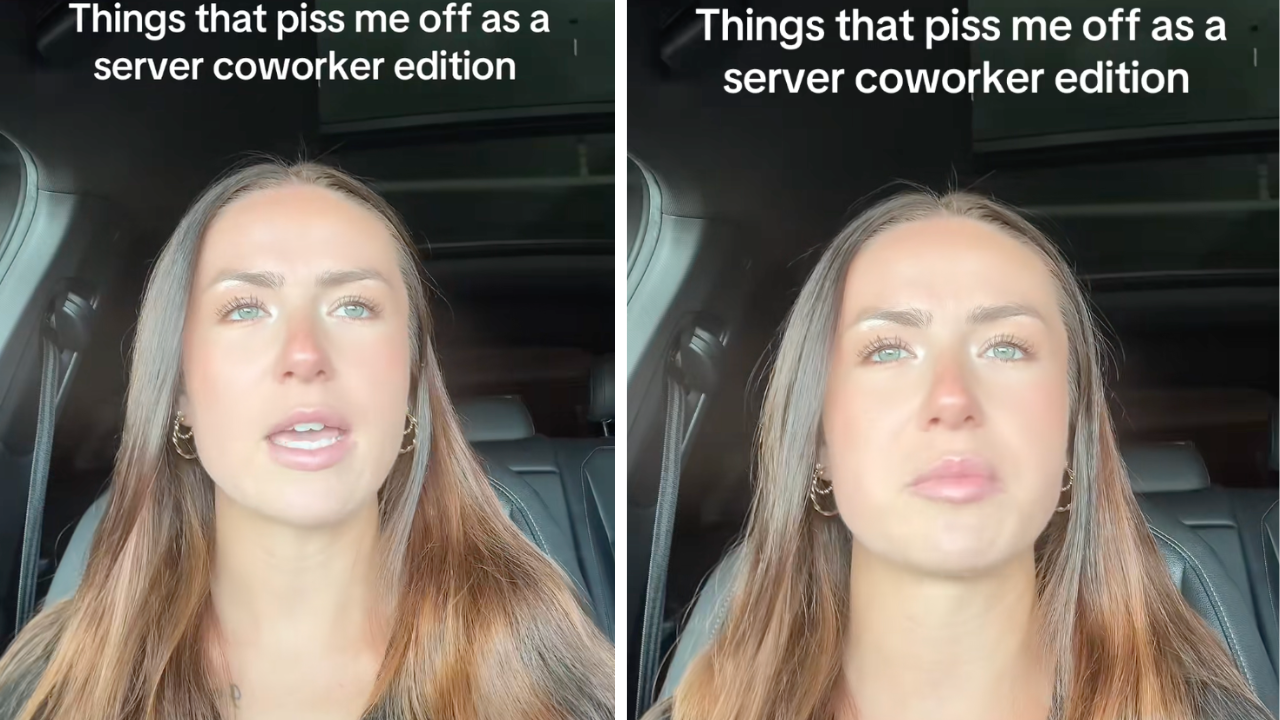
  • Server Calls Out 3 Frustrating Restaurant Habits: ‘That Just Really Gets to Me’

    Server Calls Out 3 Frustrating Restaurant Habits: ‘That Just Really Gets to Me’

    Key Highlights

    • TikTok server @hannah__lynn16 (Hannah) posted a viral video with 156,100 views detailing three workplace pet peeves: late-arriving coworkers refusing to help open, servers ignoring assigned side work, and colleagues leaving dirty tables before shift cuts.
    • Hundreds of fellow servers flooded the comments validating her frustrations, with one 20-year veteran stating, “More times than not, I’m mad at my coworkers and not the customers.”
    • Commenters suggested systemic management failures rather than individual laziness, noting that unclear expectations and poor accountability enable the behavior Hannah described.

    Server’s TikTok Rant Exposes Common Restaurant Workplace Tensions

    TikTok creator @hannah__lynn16, who goes by Hannah, recently struck a nerve across the service industry with a candid video enumerating three specific behaviors that frustrate her as a restaurant server. The clip has amassed 156,100 views and 338 comments, sparking a widespread conversation about team dynamics, accountability, and the often-overlooked friction between front-of-house staff.

    Opening Shift Struggles: The 11 a.m. Server Who Won’t Help

    Hannah’s first grievance centers on the handoff between the sole opener and the midday crew. She arrives at 10:15 a.m. to prepare the restaurant for an 11:00 a.m. opening, but describes a recurring scenario where the scheduled 11:00 a.m. server arrives, watches her scramble to finish opening tasks, and simply waits for their first table without offering assistance. “We have one opener. We come in at 10:15. The restaurant opens at 11. We always have an 11:00am server come in. So when that 11:00am server comes in, and they see me still running around trying to do things to get the restaurant open, and then they just stand there and wait for their first table, and don’t ask me if I need help with anything,” she says in the video. This failure to pitch in during a critical window leaves the opener shouldering the full setup burden alone.

    Side Work Evasion: Assigned Tasks Left Undone

    The second issue involves the restaurant’s running side work chart—a system that assigns specific recurring tasks (like refilling ice bins) to named servers each shift. Hannah describes colleagues who stand idle in the kitchen while their designated duties go neglected, forcing her to intervene. “At my restaurant, we have a lot of servers on at the same time, usually for night shifts. So we have, like, a running side work chart, and it is always filled out with someone’s name next to the running side work that they’re responsible for. So an example being, you know, filling up ice. If I see that person standing there in the kitchen doing nothing, and the ice bin is empty, and I have to ask you to get ice,” she explains. The chart exists precisely to prevent this confusion, yet compliance appears inconsistent.

    Pre-Bussing Neglect: Leaving Plates for the Closing Crew

    Hannah’s third frustration—admittedly one that “doesn’t really affect me personally”—involves servers who deliberately skip pre-bussing tables before being cut (sent home) at night. Because the restaurant trains bussers to clear only glasses and trash, not plates, departing servers leave full dishware behind, creating extra work for those remaining. “This doesn’t really affect me personally, it just really gets on my nerves for some reason. But when my co workers don’t pre-bus their tables, and it happens a lot at night, specifically when they know that they’re about to be cut soon, and then they don’t wanna get sad again, so they’ll just leave their tables filled with dishes. Because our bussers are trained to only grab, like, glasses and trash off of the table and not grab plates. So they’ll do it on purpose, and that just really gets to me for some reason,” she says. The phrase “don’t wanna get sad again” appears to reference the disappointment of being cut early or having sections reduced.

    Industry-Wide Resonance: Commenters Validate the Experience

    The comment section quickly became a forum for shared grievances. A veteran server with over 20 years of experience summed up a sentiment echoed by many: “I’m 37. Been in the restaurant world for over 20 years. More times than not, I’m mad at my coworkers and not the customers.” Another commenter emphasized personal accountability: “I ALWAYS stay on top of my side work, because when its time to go. I’m out of there with all my work is done.” The volume of similar stories suggests Hannah’s experience reflects systemic patterns rather than isolated incidents.

    Management Accountability Questioned

    Several observers redirected the focus toward leadership. One commenter wrote bluntly, “Sounds like you might have a management issue.” This perspective frames the behaviors Hannah describes—ignoring opening duties, skipping assigned side work, abandoning tables—as symptoms of insufficient oversight, unclear consequences, or a culture where teamwork isn’t enforced. When side work charts exist but aren’t upheld, and when bussers’ limited scope creates gaps no one fills, the responsibility arguably extends beyond individual servers to the systems managing them.

    Why This Matters

    The viral response to Hannah’s video underscores a persistent, under-discussed challenge in hospitality: interpersonal friction among staff often outweighs guest-related stress. While customer complaints dominate public narratives about restaurant work, servers consistently report that coworker reliability, fairness in task distribution, and management enforcement of standards dictate daily job satisfaction more than any difficult table. The video also highlights how tipped-wage structures and shift-cut practices can incentivize short-term self-preservation over collective responsibility—when being cut early means lost income, servers may prioritize exiting quickly over leaving their station ready for the next shift. For operators, the takeaway is clear: clear side work protocols, enforced accountability, and busser training that covers full table clearance aren’t just operational details—they’re retention tools.

    Frequently Asked Questions

    What were the three specific pet peeves Hannah described in her TikTok?

    Hannah cited: (1) 11:00 a.m. servers who watch the opener struggle but refuse to help set up; (2) coworkers who ignore their assigned side work tasks (like refilling ice) while standing idle; and (3) servers who deliberately leave dirty plates on tables before being cut, knowing bussers only clear glasses and trash.

    Did other servers agree with Hannah’s complaints?

    Yes. The video garnered 338 comments, many from servers validating her experience. A 20-year veteran stated they’re more often angry at coworkers than customers, and numerous commenters shared similar frustrations with side work neglect and pre-bussing failures.

    Was the restaurant’s management mentioned as a factor?

    Multiple commenters suggested the issues stem from management failures rather than individual laziness, citing lack of accountability, unclear enforcement of side work charts, and busser training gaps that leave plates uncleared.

  • Amazon Delivers Headphones in Under an Hour, Shocking Customer: ‘What’s Going on Here?’

    Amazon Delivers Headphones in Under an Hour, Shocking Customer: ‘What’s Going on Here?’

    Key Highlights

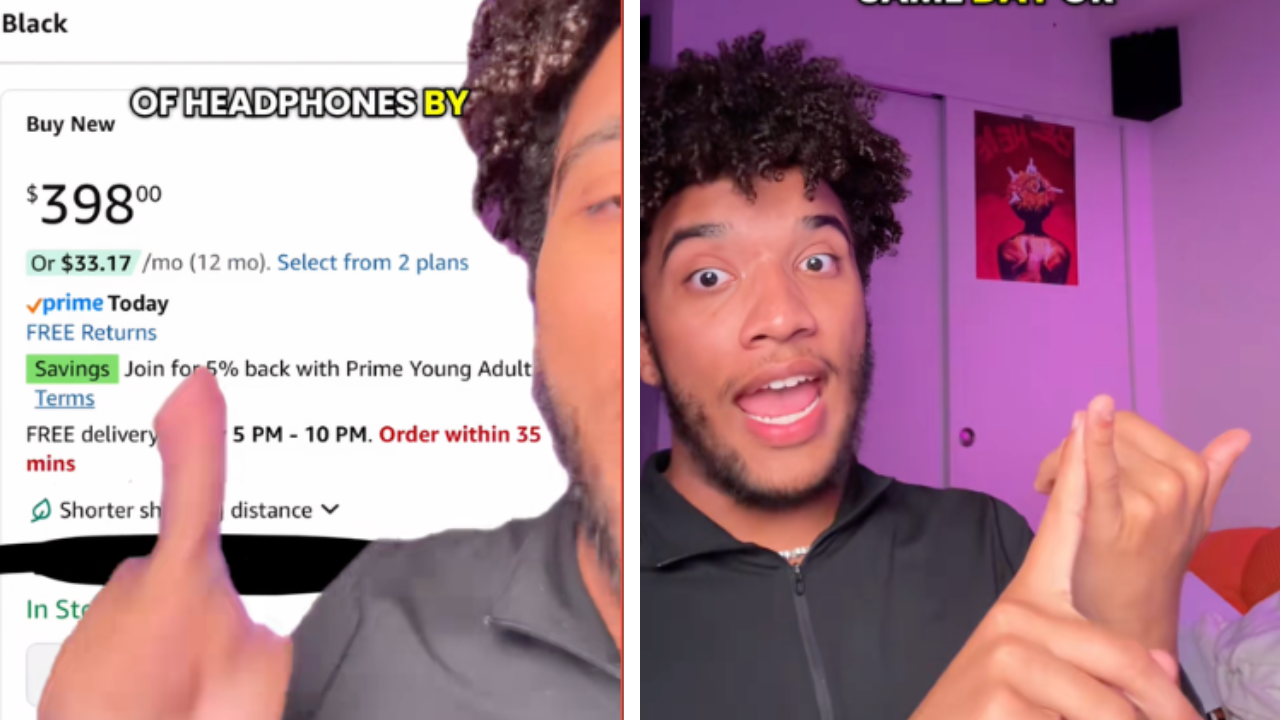
    • TikTok creator @carterpc documented receiving an Amazon headphone order in under an hour, sparking a viral discussion with over 222,000 likes.
    • Amazon Flex drivers and warehouse workers explained the logistics behind ultra-fast delivery, citing proximity to facilities, algorithmic inventory placement, and the Flex contractor model.
    • The Daily Dot could not independently verify the specific operational details shared in the video’s comment section.

    TikTok Creator Stunned by Sub-Hour Amazon Delivery Window

    Content creator Carter, known as @carterpc on TikTok, recently placed an order for headphones on Amazon anticipating a standard next-day or overnight shipping window. Instead, the platform estimated the package would arrive at his door in less than 60 minutes—specifically by 5 p.m. the same day. The speed caught him off guard, prompting him to post a video questioning the mechanics behind such rapid fulfillment. “How can Amazon deliver same day… AT 5PM??” he captioned the clip, which quickly amassed 222,100 likes and 1,223 comments as viewers debated the logistics.

    Amazon Workers Break Down the ‘Flex’ Model and Route Efficiency

    The video’s comment section became an impromptu AMA session as Carter invited Amazon employees and delivery drivers to share their experiences. A self-identified Amazon Flex driver responded directly, stating: “I’m an Amazon Flex driver. We are the ones that deliver same day/next day packages out of our own vehicles. Ask whatever questions you want.” When asked about the routes enabling such speed, the driver elaborated: “The routes are anywhere from 3-5 hours long depending on what we agreed to deliver it for with Amazon since we are private contractors.” This distinction is critical: Flex drivers operate as independent contractors using personal vehicles, distinct from Amazon’s Delivery Service Partners (DSPs) who drive branded vans on fixed shifts.

    Proximity, Predictive Algorithms, and Station Operations Cited as Factors

    Several commenters offered complementary explanations for the sub-hour window. One user pointed to geographic luck, writing: “You probably live within a 20 minute drive from a major Amazon warehouse. That’s the only way this is possible.” A worker claiming to operate inside a delivery station corroborated the feasibility, commenting: “I work in a delivery station and it’s 100% possible.” Another theory centered on anticipatory logistics: “They use algorithms and stuff to know what you want to order before you do and have it already at the closest warehouse just waiting for you to order it.” A former delivery worker added nuance regarding the personnel involved, noting: “I did Amazon delivery I can confirm that most likely it’s not a driver who works for a DSP that would be delivering it and would most likely be someone who is a flex driver who delivers out of their own vehicle and on their own schedule.”

    Why This Matters: The Evolution of Last-Mile Logistics

    The viral exchange underscores a fundamental shift in e-commerce consumer expectations and the infrastructure supporting them. Amazon’s investment in a vast network of fulfillment centers, sortation centers, and delivery stations—coupled with the gig-economy Flex program—creates a density of inventory and labor that makes hyper-local, sub-hour delivery technically viable for specific SKUs in specific zip codes. The discussion also highlights the opacity of algorithmic inventory positioning; while “anticipatory shipping” patents exist, the real-time deployment of predictive stocking at the neighborhood level remains a proprietary black box. For consumers, the takeaway is that “same-day” is no longer a ceiling; for workers, the conversation reinforces the operational differences between DSP employees and Flex contractors, including route autonomy, vehicle costs, and scheduling flexibility.

    Frequently Asked Questions

    How does Amazon deliver packages in under an hour?
    It relies on a combination of extreme proximity to a delivery station or warehouse, the Amazon Flex contractor network using personal vehicles for immediate dispatch, and algorithmic inventory placement that stocks high-demand items at the nearest facility before an order is placed.
    What is the difference between an Amazon Flex driver and a DSP driver?
    Flex drivers are independent contractors who use their own vehicles and choose their own blocks (typically 3–5 hours). DSP (Delivery Service Partner) drivers are employees of third-party logistics companies that operate Amazon-branded vans on fixed routes and shifts.
    Has The Daily Dot verified these delivery claims?
    No. The outlet explicitly states it was unable to independently verify the specific delivery process described by the commenters; the article is based solely on @carterpc’s TikTok video and the accompanying user comments.
  • Landlord Calls Tenant ‘Entitled’ After She Changes Wi-Fi Password, Restricts Apartment Access

    Landlord Calls Tenant ‘Entitled’ After She Changes Wi-Fi Password, Restricts Apartment Access

    Key Highlights

    • A Reddit user reported her landlord repeatedly entered her apartment without notice and expected unrestricted Wi-Fi access, prompting her to change the password and restrict entry.
    • The landlord responded by calling her “entitled” and threatening not to renew her lease after she required advance notice for apartment access.
    • Reddit commenters cited landlord-tenant laws requiring 24-hour written notice for entry in most U.S. states, advising documentation of unlawful entries.

    Reddit User Details Landlord Dispute Over Unauthorized Entry and Wi-Fi Access

    A post on the subreddit r/AmITheAsshole by user u/feifanhotpot has drawn significant attention after the original poster described a escalating conflict with her landlord regarding privacy, property access, and internet usage. The woman, who lives in the same building as her landlord, detailed how the property owner initially provided notice before entering her unit but eventually began letting himself in without warning using a spare key. While she acknowledged that landlords occasionally need access for repairs, she said the frequency and lack of communication made her uncomfortable, especially since nothing had gone missing from the apartment.

    Boundary Setting Leads to Lease Threat

    After the original poster informed the landlord she was not comfortable with unannounced entries, the landlord reportedly asserted his ownership rights and dismissed her concerns. Days later, he requested the Wi-Fi password to “check the router.” She complied but soon noticed internet activity while she was away from home. In response, she changed the Wi-Fi password, effectively cutting off the landlord’s access. The landlord confronted her, accusing her of making his job more difficult because he could no longer enter the apartment or use the internet freely. The woman maintained that he must contact her in advance to arrange a suitable time for any entry.

    Landlord Calls Tenant ‘Entitled’ and Threatens Non-Renewal

    The situation intensified when the landlord called the tenant “entitled” and threatened to cancel her lease once it expired. The original poster stood her ground, stating that as a paying tenant, she was entitled to privacy in her home and that the landlord would no longer have unlimited access to her Wi-Fi. The Daily Dot, which reported on the Reddit thread, noted it was unable to independently verify the events described, and the details are based solely on the original poster’s account and the reactions of Reddit commenters.

    Why This Matters: Tenant Rights and Landlord Access Laws

    The incident highlights a common friction point in landlord-tenant relationships: the balance between a property owner’s right to access their asset and a tenant’s legal right to quiet enjoyment and privacy. In the United States, most states legally require landlords to provide advance written notice—typically 24 hours—before entering an occupied rental unit, barring genuine emergencies such as a water leak or fire. The Reddit commenters’ responses reflect widespread awareness of these statutory protections. One commenter emphasized, “And it’s not ‘a boundary,’ it’s the law. If this is in the US, most states require 24 hours written notice before a landlord can enter a rental unless it’s an emergency situation like a water leak.” Another reinforced this, advising documentation: “Exactly this. I’d say in MOST places it is against the lease and probably considered trespassing when entering without minimum 24 hour notice except in cases of emergency. NTA and I’d be looking for a new place as well as getting a hidden camera or two and documenting the unlawful entries.” The case underscores the importance of tenants understanding their local landlord-tenant statutes and maintaining written records of all communications and unauthorized entries.

    Frequently Asked Questions

    Can a landlord enter my apartment without notice?

    In most U.S. jurisdictions, landlords are legally required to provide reasonable advance notice—usually 24 hours in writing—before entering a tenant’s unit, except in legitimate emergency situations. Entry without notice may constitute a violation of the lease and local law.

    Is a tenant allowed to change the Wi-Fi password if the landlord has access?

    If the tenant is the account holder and pays for the internet service, they generally have the right to control access to their Wi-Fi network. A landlord does not have an automatic right to use a tenant’s personal internet connection.

    What should a tenant do if a landlord enters without permission?

    Tenants should document each unauthorized entry with dates, times, and any communications. They should review their lease and local landlord-tenant laws, send a written request for compliance with notice requirements, and consider contacting a tenant rights organization or attorney if the behavior continues.

  • Seven Years Since ‘Naruto Area 51 Runner’ Went Viral

    Seven Years Since ‘Naruto Area 51 Runner’ Went Viral

    Key Highlights

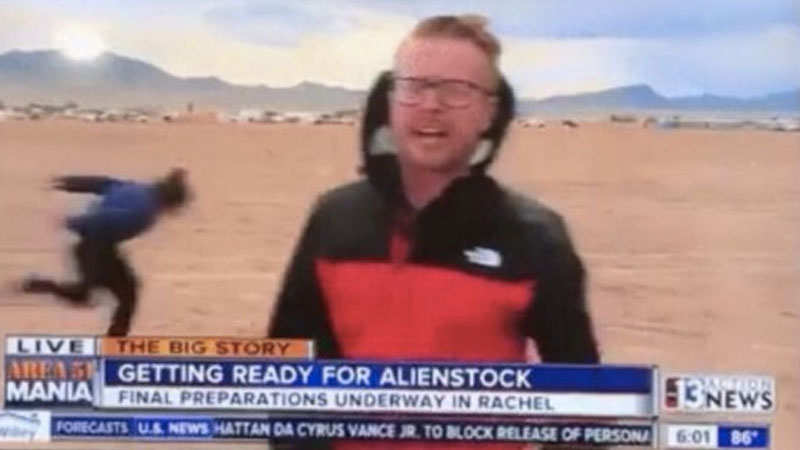
    • Elia Elixir became the viral face of the “Storm Area 51” event after photobombing a live news broadcast with the “Naruto Run.”
    • The distinctive running style—arms stretched backward, torso leaned forward—originates from the titular character of the anime Naruto and was a central meme in the event’s planning.
    • Footage of the incident spread rapidly across social platforms, cementing the moment as a defining piece of internet culture and inspiring countless image macro memes.

    The Viral Moment at the Storm Area 51 Gathering

    In September 2019, the desert surrounding the highly classified United States Air Force facility known as Area 51 became the backdrop for a surreal intersection of internet culture and mainstream media. The “Storm Area 51, They Can’t Stop All of Us” event, which began as a satirical Facebook proposal, drew thousands of curiosity seekers, journalists, and meme enthusiasts to the Nevada desert. Amid the festival atmosphere and heavy media presence, one attendee, Elia Elixir, inadvertently secured a place in digital folklore. While a television news crew conducted a live segment covering the gathering, Elixir sprinted into the frame behind the reporter, executing the now-iconic “Naruto Run” with committed precision.

    Anime Origins and Meme Mechanics

    The maneuver performed by Elixir is a direct visual reference to Naruto Uzumaki, the protagonist of Masashi Kishimoto’s globally renowned manga and anime franchise Naruto. In the series, the titular ninja and other characters frequently run with their arms extended straight behind their torsos and their upper bodies tilted forward at a sharp angle. While stylized for animation, the posture became a shorthand for supernatural speed within the fandom. By the time the Storm Area 51 event was conceptualized in mid-2019, “Naruto running” had already been adopted by the event’s online community as a tongue-in-cheek tactical strategy—participants joked that the posture would allow them to dodge bullets or move too fast for base security to target. Elixir’s live-TV recreation transformed this inside joke into a broadcast reality.

    From Live Broadcast to Enduring Digital Artifact

    The clip of Elixir’s photobomb detached from its original news context almost immediately. Within hours, the video was clipped, re-uploaded, and remixed across platforms including Twitter, Reddit, TikTok, and YouTube. The moment’s appeal lay in its perfect encapsulation of the event’s chaotic energy: a serious journalistic backdrop disrupted by a physical manifestation of an anime meme. The footage fueled a wave of image macro memes, with Elixir’s silhouette pasted into historical photos, movie scenes, and other news broadcasts. The incident demonstrated the accelerating feedback loop between offline spectacles and online participatory culture, where attendees arrive not just to witness but to generate content designed for viral amplification.

    Why This Matters

    The “Area 51 Naruto Run” incident serves as a case study in the lifecycle of a modern meme. It illustrates how a fictional movement mechanic from a Japanese anime series migrated into Western internet humor, was adopted as a collective joke for a real-world gathering, and was ultimately physically performed on live television—creating a feedback loop that solidified the moment in the cultural record. For media analysts, the event highlights the increasing difficulty of distinguishing between “organic” crowd behavior and performed content creation at high-visibility events. For platforms, it underscores the speed at which a few seconds of background footage can be stripped of context and repurposed into a durable, remixable asset. The phenomenon remains a touchstone reference for the “Storm Area 51” event, often cited alongside the “Alienstock” festival and the minimal arrests as a defining example of the gathering’s lighthearted, internet-native character.

    Frequently Asked Questions

    Who is Elia Elixir?
    Elia Elixir is the attendee at the September 2019 “Storm Area 51” event who went viral after photobombing a live news broadcast by performing the “Naruto Run” behind the reporter.
    What is the “Naruto Run”?
    The “Naruto Run” is a distinctive running style featured in the anime and manga series Naruto, where the character runs with arms stretched straight back and the torso leaned forward. It was adopted by the Storm Area 51 online community as a satirical “tactic” for the raid.
    Why did the video become such a popular meme?
    The clip resonated because it visually collided a serious live news report with a niche anime reference, perfectly capturing the absurd, internet-driven nature of the Storm Area 51 event. Its clear, loopable action made it ideal for remixing into image macros and video edits across social media.
  • Woman Says She Landed First Journalism Job Despite Knowing ‘Absolutely Nothing’ About Sports

    Woman Says She Landed First Journalism Job Despite Knowing ‘Absolutely Nothing’ About Sports

    Key Highlights

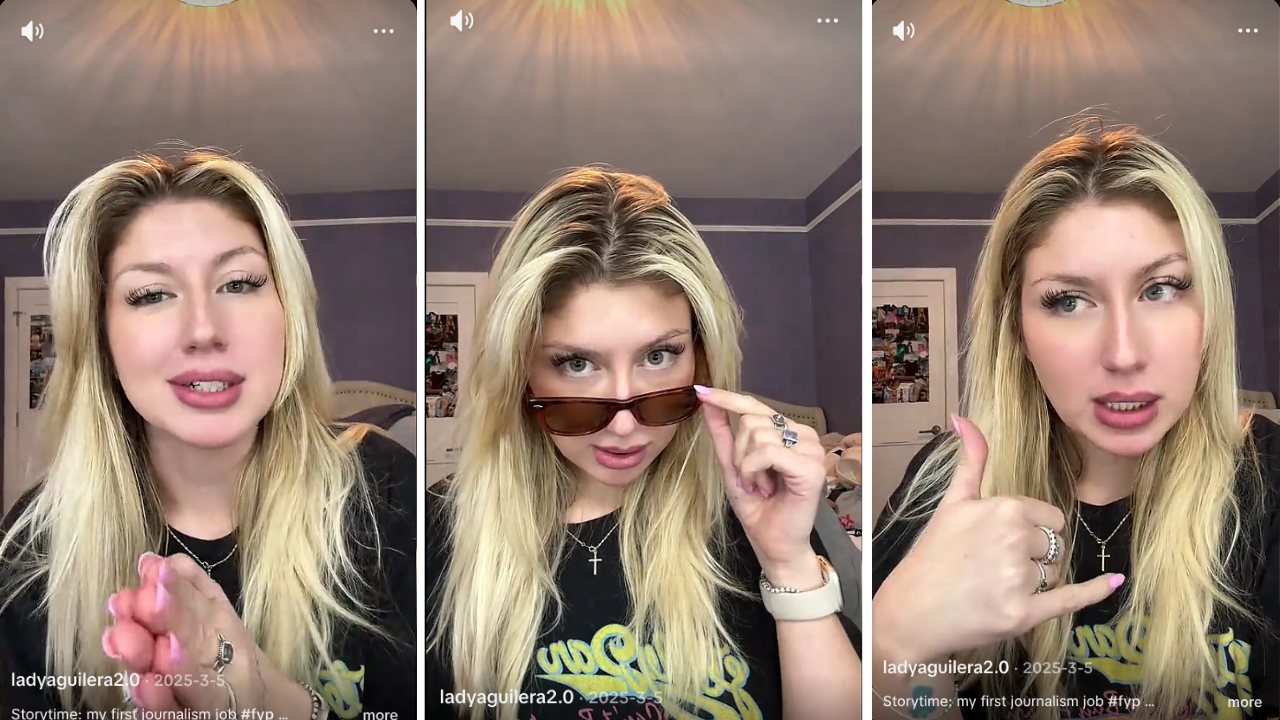
    • TikTok creator Taylor Nicole (@ladyaguilera2.0) landed a sports editor position at a newspaper despite having no sports knowledge, attributing her success to “blind delusion” and radical honesty during the interview.
    • The interviewer initially appeared surprised to discover Taylor was a woman, as her unisex name may have led to assumptions she was male; she chose to admit ignorance of athlete statistics rather than bluff.
    • The hiring manager explicitly praised her candor, telling her, “I like that you were honest with me… You came in here honest,” and ranked her among the top candidates for the role.

    TikTok Creator Lands Journalism Role Through Radical Honesty

    Content creator Taylor Nicole, known to her followers as @ladyaguilera2.0, has gone viral after sharing how she secured her first journalism job at a newspaper company despite possessing zero experience in the required specialty. The TikTok video, which has amassed 1 million views and 225 comments, details her application for a sports editor position while still in college. In the caption and narration, she attributed her unexpected breakthrough to “blind delusion” and an unshakable belief in her own abilities—a mindset that resonated widely with viewers navigating competitive job markets.

    The Interview That Defied Expectations

    Taylor recounted that after submitting her application, she received an interview invitation and immediately began cramming the basic rules of popular sports to avoid total ignorance. Upon arriving at the waiting area, she found herself surrounded by male applicants discussing recent football highlights, heightening her awareness of the field’s gender imbalance. She speculated that the hiring manager may have initially assumed she was a man based on her unisex name. When one particularly knowledgeable male candidate emerged from his interview confident he had secured the position, Taylor decided she had nothing to lose by being completely transparent.

    When called into the office, Taylor said the interviewer’s demeanor shifted visibly. “Taylor?” he said in a confused tone, clearly surprised to see a woman. Despite his bewilderment, she smiled confidently and proceeded. After fielding standard journalism questions with ease, she encountered a detailed query about an athlete’s statistics. Faced with the choice to fabricate an answer or admit her gap, she chose honesty—while pivoting to emphasize her writing proficiency and rapid learning capacity.

    Why Candor Won the Offer

    The turning point came when the interviewer requested a writing sample. After reviewing it, he nodded approvingly and delivered the feedback that sealed the outcome. “I like that you were honest with me. . . A lot of people come in here. . . They try to show me their knowledge of sports. You came in here honest.” Taylor said the hiring manager valued her humility and authenticity, ultimately placing her among the top applicants for the position. The Daily Dot noted it was unable to independently verify the events described in the TikTok; the account rests on Taylor Nicole’s narration and the ensuing comment thread.

    Why This Matters

    The story touches on several recurring dynamics in media hiring: the persistence of gender imbalances in sports journalism, the tendency for candidates to overstate domain expertise, and the unexpected weight hiring managers may place on soft skills such as honesty and adaptability. Taylor’s experience illustrates how authenticity can differentiate a candidate in a pool where technical knowledge is often performatively inflated. It also highlights the power of social media to surface unconventional career narratives that challenge traditional credentialing gatekeeping. For newsroom leaders, the anecdote serves as a reminder that writing fundamentals and learning agility may outweigh niche encyclopedic knowledge—especially for entry-level roles where training is expected.

    Frequently Asked Questions

    Did Taylor Nicole actually get the sports editor job?

    According to her TikTok account, yes—she was considered one of the top applicants and implied she received the offer. However, The Daily Dot stated it could not independently verify the events; the details are based solely on her video and viewer comments.

    What did the interviewer say that confirmed honesty was the deciding factor?

    The interviewer told her: “I like that you were honest with me. . . A lot of people come in here. . . They try to show me their knowledge of sports. You came in here honest.” He explicitly contrasted her approach with other candidates who attempted to demonstrate sports expertise.

    How did viewers react to the story?

    Commenters largely applauded her authenticity. One wrote: “You KILLED it – a Masterclass in how to get a job by being your authentic best self, showing your potential.” Another shared a parallel experience: “I got a job working at a car company with zero car knowledge. Worked there for nearly two years, still barely know anything about cars.”

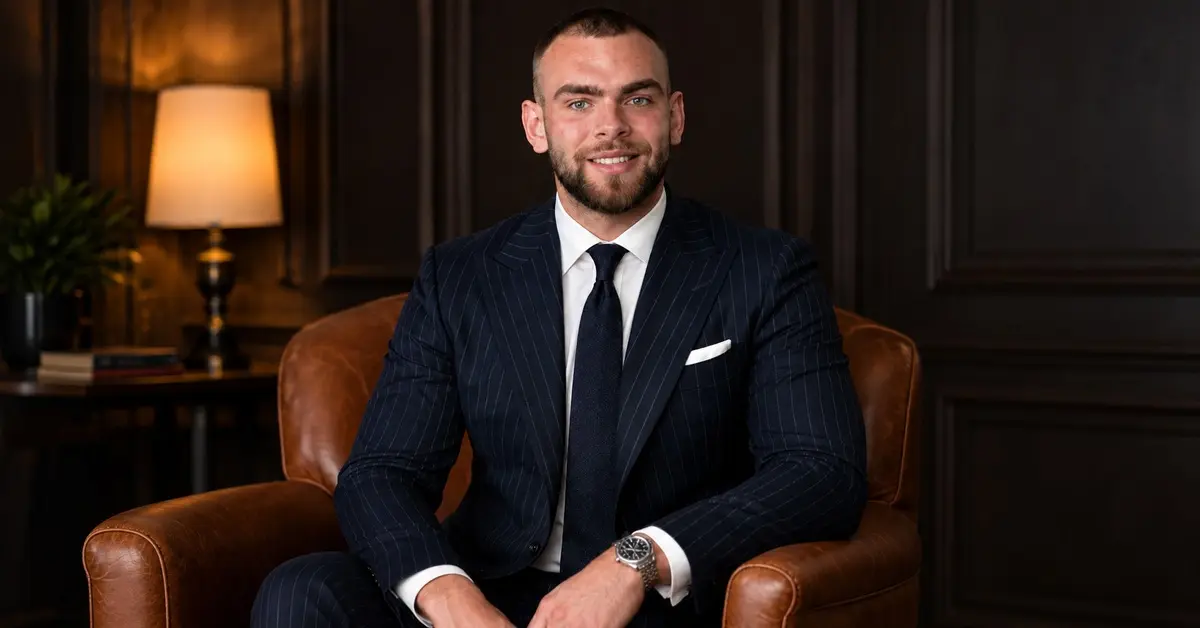
  • Niklas Freihofer: What Matters Most for Long-Term Building

    Niklas Freihofer: What Matters Most for Long-Term Building

    Key Highlights

    • Niklas Freihofer defines ambition through the lens of expansion across opportunities, companies, capital, and influence.
    • The statement frames growth as a multidimensional pursuit rather than a singular metric.
    • The quote highlights a strategic perspective linking ambition directly to scalable resource accumulation.

    Freihofer Articulates a Broad Vision of Ambition

    In a concise observation, Niklas Freihofer outlines a framework where ambition is inextricably linked to expansion. The statement moves beyond abstract drive, anchoring the concept in tangible vectors: more opportunities, more companies, more capital, and more influence. This perspective suggests a deliberate strategy of compounding growth across distinct but interconnected domains.

    Deconstructing the Four Pillars of Expansion

    The quote identifies four specific dimensions of expansion. Opportunities imply market access and deal flow. Companies suggest portfolio diversification or organizational multiplication. Capital refers to the financial fuel required for scaling. Influence captures the resulting market power and network effects. Together, they form a cohesive thesis: ambition manifests as a systematic broadening of reach and resources.

    Implications for Entrepreneurial and Investment Strategy

    For founders and investors, Freihofer’s framing serves as a diagnostic tool. It implies that measuring ambition requires tracking progress across all four vectors simultaneously. A venture adding companies but not capital, or gaining influence without new opportunities, may reflect an incomplete execution of this expansive definition. The statement encourages a balanced scorecard approach to growth.

    Why This Matters

    In an ecosystem often focused on valuation milestones or headcount growth, Freihofer’s definition refocuses attention on the structural components of scale. It underscores that sustainable expansion requires parallel development of deal pipelines, organizational capacity, financial reserves, and ecosystem authority. This holistic view is particularly relevant in late-stage venture and private equity, where the complexity of managing multiple portfolio companies demands exactly this kind of multidimensional ambition.

    Frequently Asked Questions

    Who is Niklas Freihofer?

    Niklas Freihofer is the individual attributed with the statement defining ambition through expansion across opportunities, companies, capital, and influence.

    What are the four components of expansion mentioned in the quote?

    The four components are: more opportunities, more companies, more capital, and more influence.

    How does this definition of ambition differ from conventional views?

    Conventional views often treat ambition as a singular drive or outcome (e.g., revenue growth). Freihofer’s definition breaks it into four distinct, simultaneous expansion vectors, framing ambition as a multidimensional operational strategy rather than a single goal.