Key Highlights
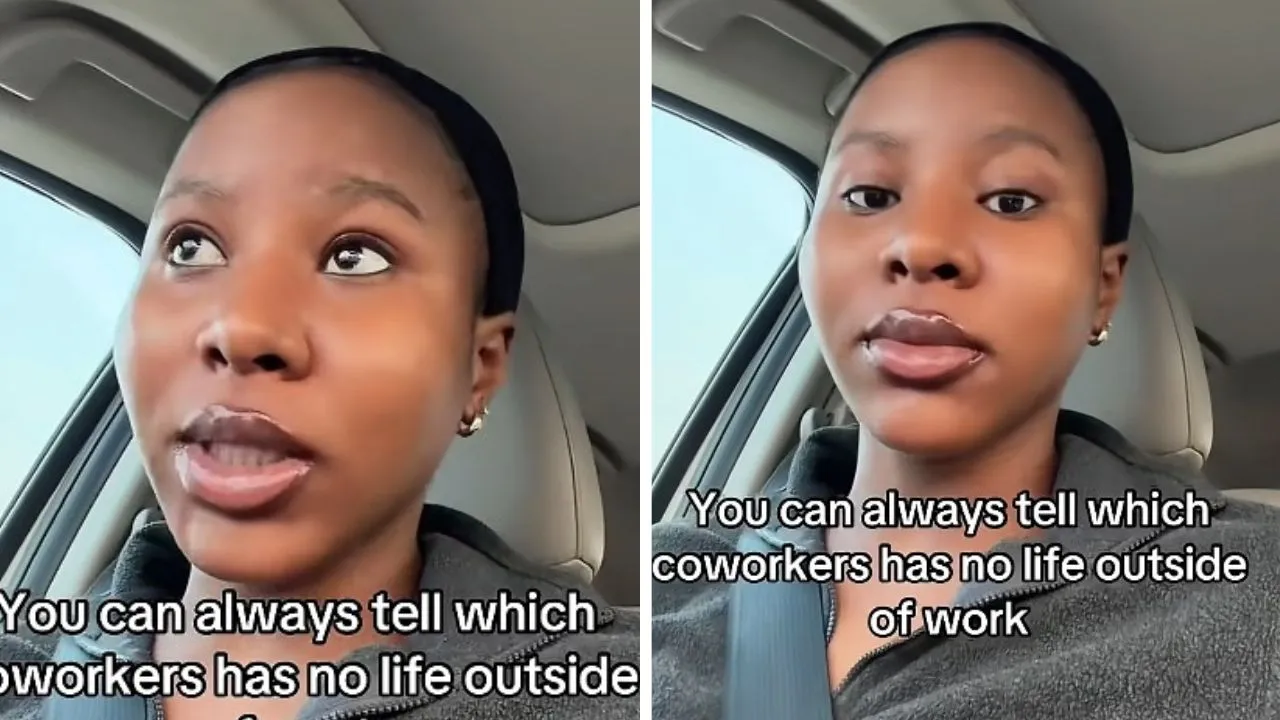
- TikTok creator Meray (@luv.merayy) sparked a viral workplace debate with a video identifying coworkers who appear to have no life outside the office, garnering over 799,000 likes and 4,049 comments.
- Viewers shared diverse experiences, from colleagues who arrive early and stay late to socialize, to those who mock coworkers for car troubles or lack of vehicles.
- The conversation highlighted varying definitions of work-life balance, with some admitting to limited social lives but maintaining professional boundaries, while others criticized excessive workplace socializing.
TikTok Observation Ignites Workplace Culture Discussion
TikTok creator Meray, known as @luv.merayy, has triggered a widespread conversation about office dynamics after posting a short video calling out coworkers who seem to live at the workplace. The content creator kept her message straightforward and avoided naming specific colleagues, stating she had noticed the same pattern across multiple jobs. “You can always tell which coworker has no life outside of work,” she said in the video. She ended the observation with “No shade,” giving the comment a playful edge that resonated with hundreds of thousands of viewers.
At the time of publication, Meray’s video had accumulated over 799,000 likes and 4,049 comments on the platform, indicating the observation struck a significant chord with the TikTok community. The Daily Dot reported on the viral post, noting how a familiar workplace observation evolved into a broader dialogue about professional boundaries, social expectations, and the diverse ways employees navigate their relationship with work.
Viewer Responses Reveal Complex Workplace Dynamics
The comment section quickly became a forum for shared experiences and differing perspectives on workplace culture. One viewer joked about colleagues who “Walk into work just to show off their no work clothes,” appearing to target coworkers who spend unusually long hours at the office. Several users questioned why some colleagues treat workplaces like social clubs, while others raised different frustrations entirely.
A second viewer introduced a socioeconomic dimension to the discussion, asking “Why do they make fun of you when you have car problems?” They also questioned why coworkers mock people who do not own cars, connecting employment with the fundamental goal of earning money for everyday expenses. This comment highlighted how workplace social dynamics can intersect with financial pressures and transportation challenges that affect employees’ lives outside work.
Another user offered a self-aware perspective, writing “Me! I have no life outside of work! But I also keep to myself at work!” Their response drew an important distinction between having a limited social life and actively seeking attention or socialization at the workplace. This nuance added depth to the conversation, suggesting that Meray’s observation might describe a behavioral pattern rather than simply a lack of outside interests.
Debate Centers on Boundaries and Work-Life Integration
Other viewers focused specifically on employees who remain at work long after their shifts conclude. One commenter asked “Staying after their work hours just to talk….like what are we doing?” while a separate user described coworkers arriving hours early or visiting on days off, stating “I’m not even coming near my work on my day off.” These responses underscored a clear divide in how different workers view the appropriate boundaries between professional obligations and personal time.
The comments collectively highlighted different ways people define and practice work-life balance. Some viewers criticized excessive workplace socializing as unprofessional or unnecessary, while others described themselves as private workers who maintain strict separation. Meray’s original post did not attack people who lack active social lives; instead, she focused on how workplace habits can reveal where someone chooses to spend their time and energy. The Daily Dot noted it could not independently verify the viewers’ personal experiences shared in the comments.
Why This Matters
This viral moment reflects ongoing tensions in modern workplace culture regarding professional boundaries, social expectations, and the blurring lines between work and personal life. As remote and hybrid work arrangements have reshaped office dynamics since 2020, questions about appropriate workplace socialization, presenteeism, and performative dedication have become more prominent. The discussion also touches on socioeconomic factors—such as transportation access and financial pressures—that influence how employees engage with their workplace beyond core responsibilities. For employers and managers, the conversation signals a need to understand diverse employee motivations and foster inclusive cultures that respect different approaches to work-life integration without penalizing those who maintain stricter boundaries.
Frequently Asked Questions
Who is Meray and what did she post on TikTok?
Meray is a TikTok creator known as @luv.merayy who posted a video observing that you can always identify coworkers who have no life outside of work. She stated she noticed this pattern across multiple jobs and ended her comment with “No shade” to indicate a playful tone.
How did viewers respond to the video?
The video received over 799,000 likes and 4,049 comments. Viewers shared varied experiences including coworkers who arrive early and stay late to socialize, colleagues who mock others for car troubles or lack of vehicles, and some who admitted fitting the description but maintained professional boundaries by keeping to themselves at work.
What broader workplace issues does this discussion highlight?
The conversation reveals tensions around work-life balance definitions, professional boundaries, presenteeism culture, and how socioeconomic factors like transportation access affect workplace dynamics. It also shows a divide between employees who view work as a social hub versus those who maintain strict separation between professional and personal life.
Leave a Reply