Tag: TikTok trend

  • TikTok’s “How I Feel In My Hometown” Trend Explained

    TikTok’s “How I Feel In My Hometown” Trend Explained

    Key Highlights

    • A TikTok trend titled “How I Feel In My Hometown” emerged in late August 2026, pairing local footage with anime or fictional character edits.
    • The format uses the on-screen caption “how I feel in my hometown” to express emotions such as awkwardness, boredom, displacement, and nostalgia.
    • The trend leverages relatable media characters to visualize the complex experience of returning to or residing in one’s place of origin.

    The Anatomy of a Viral Hometown Sentiment

    In late August 2026, a new meme format began circulating on TikTok that quickly crystallized a specific, widely shared emotional experience. Known interchangeably as “How I Feel In My Hometown” or “How It Feels In My Hometown,” the trend invites creators to juxtapose video clips or static images of recognizable local landmarks—their high school, a specific strip mall, a childhood park—with edited footage of an anime protagonist or another fictional character. The connective tissue is a simple, lowercased caption: “how I feel in my hometown.”

    Visual Language and Emotional Resonance

    The trend’s power lies in its economy of storytelling. By overlaying a fictional character’s dramatic reaction—whether it is a blank stare of existential dread, a frantic attempt to escape, or a quiet moment of tearful recognition—onto mundane local geography, users bridge the gap between internal psychology and external environment. The selected characters often come from popular anime series, though the source material extends across animation, gaming, and live-action franchises. This choice allows participants to outsource the articulation of complex feelings to a pre-existing visual vocabulary understood by the platform’s culturally literate user base.

    Mapping the Spectrum of Return

    While the specific character edits vary, the emotional core of the trend clusters around a distinct set of themes. Primary among them is a sense of awkwardness or feeling visibly out of place, often depicted through characters hiding their faces or shrinking into themselves. Boredom and stagnation are frequent motifs, represented by characters staring into middle distance or engaging in repetitive, low-stakes actions. However, the trend is not purely negative; a significant subset of posts leans into nostalgia or a bittersweet identification with a character’s journey, suggesting that the hometown serves as both a trap and a touchstone for identity formation.

    Why This Matters

    The rapid adoption of the “How I Feel In My Hometown” trend underscores TikTok’s role as a primary engine for collective emotional processing among younger demographics. It transforms the private, often isolating experience of navigating one’s past geography into a public, shareable language. For sociologists and digital culture analysts, the trend offers a real-time dataset on how Generation Z and younger Millennials conceptualize “home”—not merely as a location, but as a psychological state characterized by regression, alienation, and the search for self-definition against the backdrop of formative spaces. The trend also highlights the increasing dominance of anime and “fandom” aesthetics as a universal lingua franca for emotional expression on social media, superseding traditional reaction GIFs or stock photography.

    Frequently Asked Questions

    When did the “How I Feel In My Hometown” trend start?
    The trend emerged on TikTok in late August 2026 and spread over the following weeks.
    What kind of media is typically used for the character edits?
    Users most frequently edit in characters from anime series, though characters from other franchises such as video games, Western animation, and live-action properties are also used.
    Is the trend exclusively about negative feelings toward one’s hometown?
    No. While awkwardness, boredom, and feeling out of place are common themes, the trend also encompasses nostalgia and positive identification with a character’s journey, reflecting a complex, often bittersweet relationship with one’s origins.
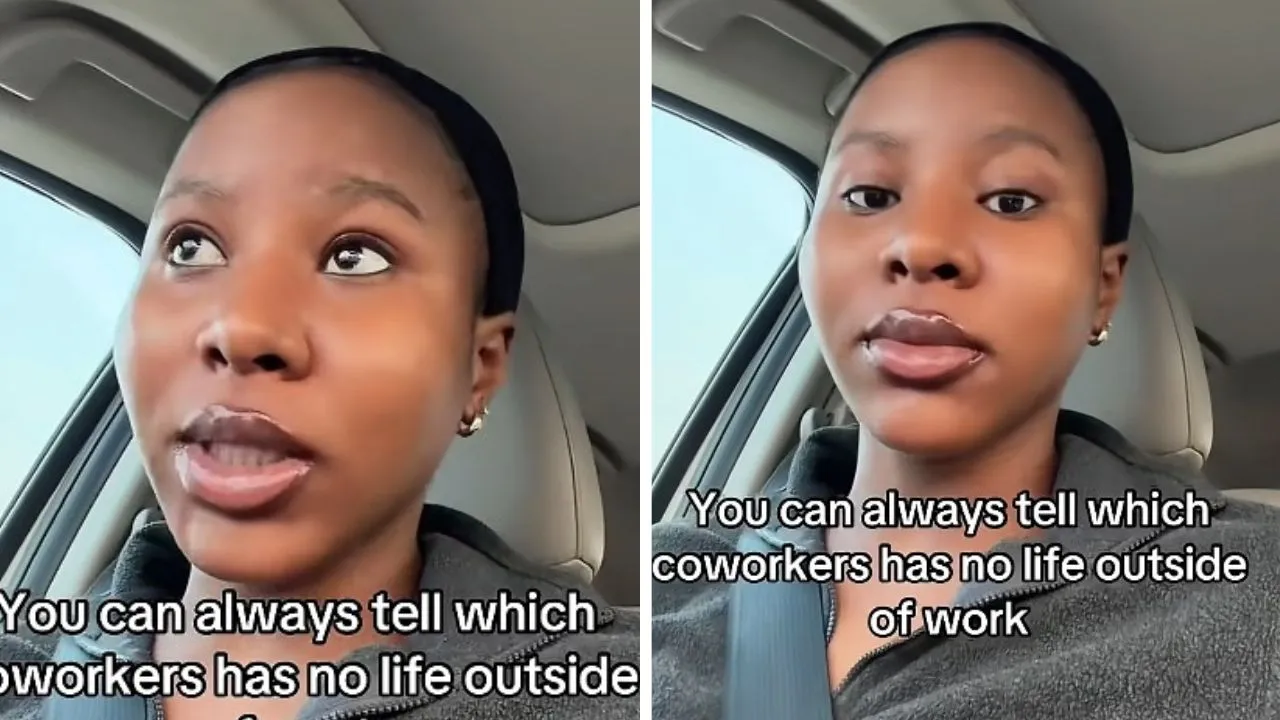
  • TikToker Says You Can Always Spot the Coworker With No Life Outside Work — Viewers Agree

    TikToker Says You Can Always Spot the Coworker With No Life Outside Work — Viewers Agree

    Key Highlights

    • TikTok creator Meray (@luv.merayy) sparked a viral workplace debate with a video identifying coworkers who appear to have no life outside the office, garnering over 799,000 likes and 4,049 comments.
    • Viewers shared diverse experiences, from colleagues who arrive early and stay late to socialize, to those who mock coworkers for car troubles or lack of vehicles.
    • The conversation highlighted varying definitions of work-life balance, with some admitting to limited social lives but maintaining professional boundaries, while others criticized excessive workplace socializing.

    TikTok Observation Ignites Workplace Culture Discussion

    TikTok creator Meray, known as @luv.merayy, has triggered a widespread conversation about office dynamics after posting a short video calling out coworkers who seem to live at the workplace. The content creator kept her message straightforward and avoided naming specific colleagues, stating she had noticed the same pattern across multiple jobs. “You can always tell which coworker has no life outside of work,” she said in the video. She ended the observation with “No shade,” giving the comment a playful edge that resonated with hundreds of thousands of viewers.

    At the time of publication, Meray’s video had accumulated over 799,000 likes and 4,049 comments on the platform, indicating the observation struck a significant chord with the TikTok community. The Daily Dot reported on the viral post, noting how a familiar workplace observation evolved into a broader dialogue about professional boundaries, social expectations, and the diverse ways employees navigate their relationship with work.

    Viewer Responses Reveal Complex Workplace Dynamics

    The comment section quickly became a forum for shared experiences and differing perspectives on workplace culture. One viewer joked about colleagues who “Walk into work just to show off their no work clothes,” appearing to target coworkers who spend unusually long hours at the office. Several users questioned why some colleagues treat workplaces like social clubs, while others raised different frustrations entirely.

    A second viewer introduced a socioeconomic dimension to the discussion, asking “Why do they make fun of you when you have car problems?” They also questioned why coworkers mock people who do not own cars, connecting employment with the fundamental goal of earning money for everyday expenses. This comment highlighted how workplace social dynamics can intersect with financial pressures and transportation challenges that affect employees’ lives outside work.

    Another user offered a self-aware perspective, writing “Me! I have no life outside of work! But I also keep to myself at work!” Their response drew an important distinction between having a limited social life and actively seeking attention or socialization at the workplace. This nuance added depth to the conversation, suggesting that Meray’s observation might describe a behavioral pattern rather than simply a lack of outside interests.

    Debate Centers on Boundaries and Work-Life Integration

    Other viewers focused specifically on employees who remain at work long after their shifts conclude. One commenter asked “Staying after their work hours just to talk….like what are we doing?” while a separate user described coworkers arriving hours early or visiting on days off, stating “I’m not even coming near my work on my day off.” These responses underscored a clear divide in how different workers view the appropriate boundaries between professional obligations and personal time.

    The comments collectively highlighted different ways people define and practice work-life balance. Some viewers criticized excessive workplace socializing as unprofessional or unnecessary, while others described themselves as private workers who maintain strict separation. Meray’s original post did not attack people who lack active social lives; instead, she focused on how workplace habits can reveal where someone chooses to spend their time and energy. The Daily Dot noted it could not independently verify the viewers’ personal experiences shared in the comments.

    Why This Matters

    This viral moment reflects ongoing tensions in modern workplace culture regarding professional boundaries, social expectations, and the blurring lines between work and personal life. As remote and hybrid work arrangements have reshaped office dynamics since 2020, questions about appropriate workplace socialization, presenteeism, and performative dedication have become more prominent. The discussion also touches on socioeconomic factors—such as transportation access and financial pressures—that influence how employees engage with their workplace beyond core responsibilities. For employers and managers, the conversation signals a need to understand diverse employee motivations and foster inclusive cultures that respect different approaches to work-life integration without penalizing those who maintain stricter boundaries.

    Frequently Asked Questions

    Who is Meray and what did she post on TikTok?

    Meray is a TikTok creator known as @luv.merayy who posted a video observing that you can always identify coworkers who have no life outside of work. She stated she noticed this pattern across multiple jobs and ended her comment with “No shade” to indicate a playful tone.

    How did viewers respond to the video?

    The video received over 799,000 likes and 4,049 comments. Viewers shared varied experiences including coworkers who arrive early and stay late to socialize, colleagues who mock others for car troubles or lack of vehicles, and some who admitted fitting the description but maintained professional boundaries by keeping to themselves at work.

    What broader workplace issues does this discussion highlight?

    The conversation reveals tensions around work-life balance definitions, professional boundaries, presenteeism culture, and how socioeconomic factors like transportation access affect workplace dynamics. It also shows a divide between employees who view work as a social hub versus those who maintain strict separation between professional and personal life.

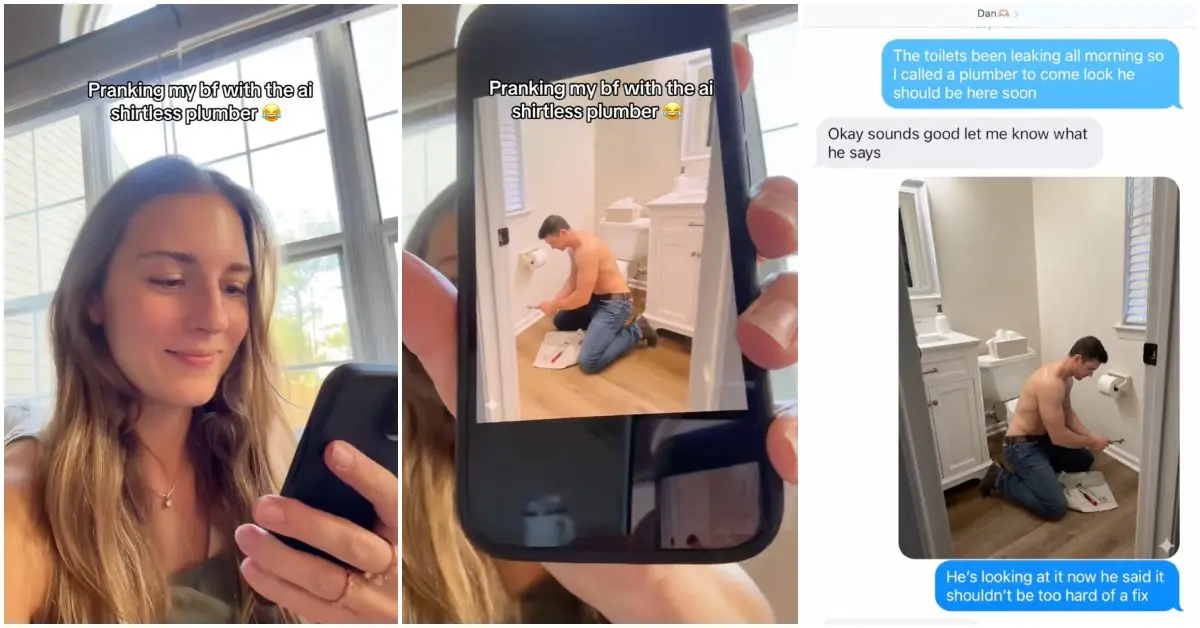
  • Woman Pranks Boyfriend With AI-Generated Shirtless Plumber Photo

    Woman Pranks Boyfriend With AI-Generated Shirtless Plumber Photo

    What You Need to Know About the ‘AI Shirtless Plumber’ Trend

    A viral TikTok trend dubbed the “AI Shirtless Plumber” prank leverages AI image generation to insert a shirtless plumber into photos.

  • Five Years Ago, ‘Quandale Dingle’ Entered the Scene

    Five Years Ago, ‘Quandale Dingle’ Entered the Scene

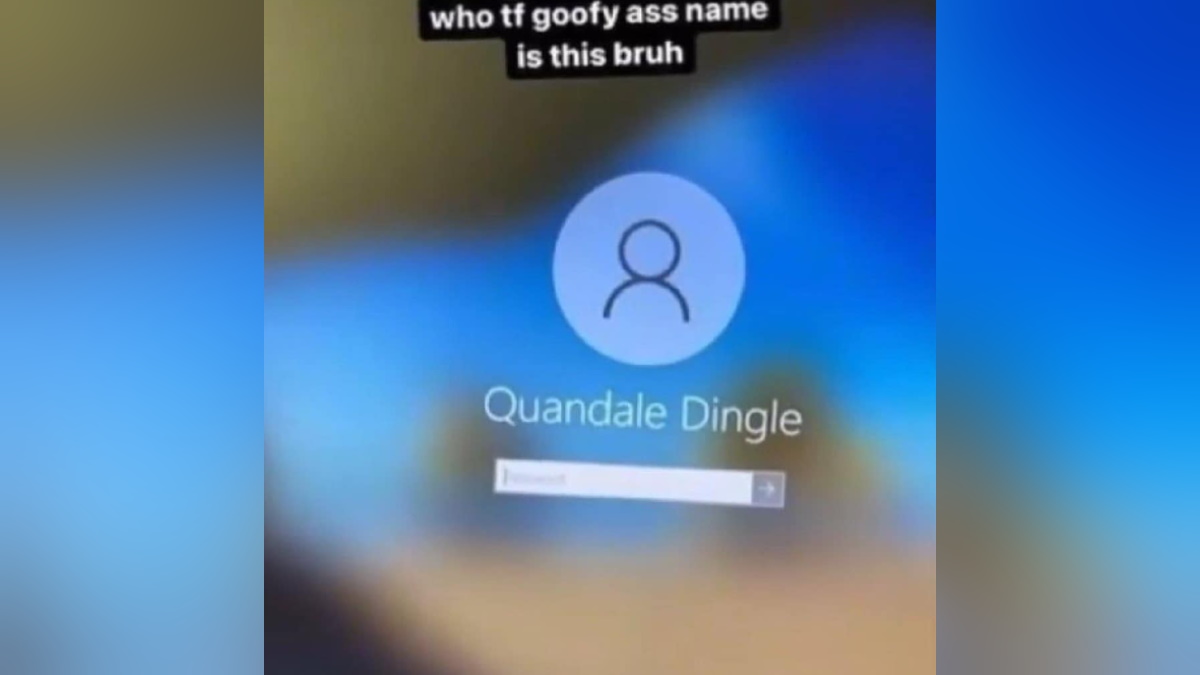
    Quandale Dingle Meme Origin: From High School Football Player to Viral Internet Phenomenon

    A Pennsauken high school football player named Quandale Dingle became the unexpected center of a widespread internet meme phenomenon beginning in September 2021. The trend originated from a viral screenshot of a PC login screen displaying the distinctive name, which first appeared on Twitter and quickly gained traction through widespread reposts.

    Viral Screenshot Sparks Meme Culture

    The earliest known upload of the login screen screenshot surfaced on Twitter in September 2021. The image captured attention primarily due to the unusual nature of the name “Quandale Dingle,” which users found inherently humorous. This initial post catalyzed a wave of derivative content, as internet users began creating memes specifically referencing the name and its perceived absurdity.

    Evolution into Distorted Image Macros and TikTok Trends

    By late 2021 and continuing into early 2022, the meme evolved beyond simple text-based jokes. Creators began utilizing heavily distorted images of individuals, predominantly Black men, as visual representations of the fictionalized “Quandale Dingle” character within ironic meme formats. This visual shift marked a significant development in the meme’s lifecycle, moving it from a name-based joke to a character-driven format.

    Simultaneously, the phenomenon expanded to TikTok, where a distinct trend emerged involving parody RapTV-style posts. Users on the platform created fabricated music news updates and announcements attributed to the Quandale Dingle persona, further cementing the name’s place in early 2020s internet culture.

  • Haminations Cringe Spreads Across TikTok

    Haminations Cringe Spreads Across TikTok

    Haminations Cringe Trend Resurfaces on TikTok, Sparking Nostalgia and Self-Deprecating Humor

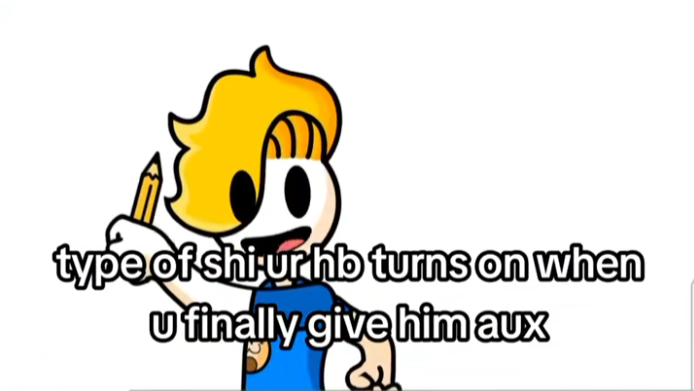
    A viral TikTok trend known as Haminations Cringe—also referred to as the Haminations Song Meme or “Who I Am” Meme—has taken over the platform, turning clips from popular YouTuber and indie animator Haminations (real name Bryson Rasmussen) into a widespread inside joke about internet nostalgia and the perceived awkwardness of early content creation.

    Origin of the Trend: A 2019 Introduction Video

    The trend centers on a 2019 video in which Rasmussen sings an original song while introducing himself and discussing his personal interests. For years, the video existed as a sincere piece of channel history. However, the footage resurfaced in late 2026, quickly gaining traction as TikTok users began repurposing the clips for a new, ironic context.

    From Sincere Intro to Relatable Parody

    Instead of mocking the creator maliciously, the trend has evolved into a form of collective self-deprecation. Users are utilizing the “Who I Am” footage to parody their own past enthusiasm and childhood interests. Many participants express embarrassment over having watched and enjoyed Haminations during their youth, using the audio and visuals as a template to joke about the universal awkwardness of introducing oneself, listing hobbies, or openly sharing things one enjoys.

    Why the Meme Resonates

    The virality of the Haminations Cringe trend highlights a broader cultural dynamic on TikTok: the recontextualization of “cringe” content as a bonding mechanism. By laughing at the earnestness of a creator’s early work—and by extension, their own younger selves—users transform potential mockery into a shared moment of vulnerability. The trend underscores how internet culture recycles sincerity into irony, allowing a generation of viewers to process their digital coming-of-age through humor.

  • Old Edited Viral Video of Reporter Hit by Stop Sign Resurfaces as TikTok Trend After Dolly Parton’s Death

    Old Edited Viral Video of Reporter Hit by Stop Sign Resurfaces as TikTok Trend After Dolly Parton’s Death

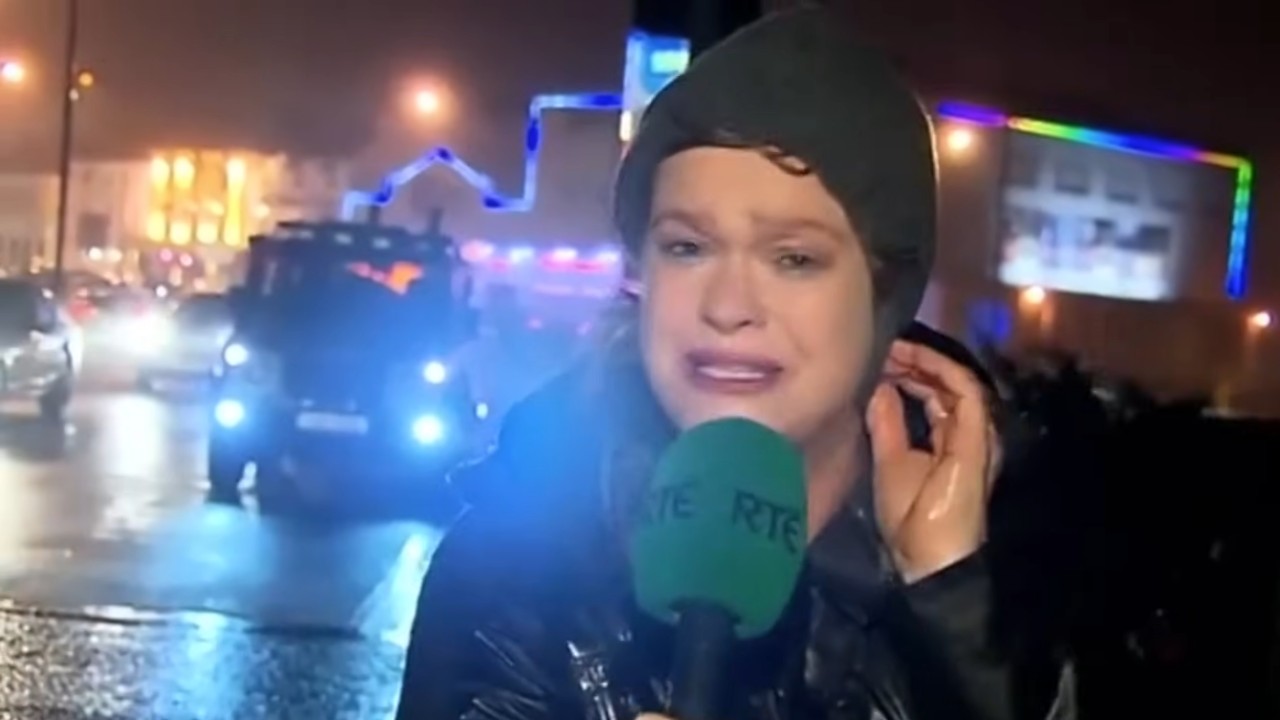
    An Irish news report from December 2015 has found renewed viral life on social media, more than a decade after its original broadcast. The footage features RTÉ reporter Teresa Mannion delivering a forceful weather warning during Storm Desmond, a segment that became an internet sensation and has now resurfaced as a popular audio trend on TikTok.

    The Original Broadcast

    The video was originally posted by RTÉ in December 2015. Standing in harsh winds and rain, Mannion urged the public to stay safe, stating: “Don’t make unnecessary journeys, don’t take risks on treacherous roads, and don’t swim in the sea!” Her intense delivery and the ferocity of the storm behind her made the clip an instant classic of Irish internet culture.

    Edited Version and Meme Status

    Shortly after the initial broadcast, an edited version of the video began circulating online. This doctored footage appeared to show Mannion being struck by a flying stop sign. The realism of the edit led some viewers to believe the incident had actually occurred, further cementing the clip’s status as a viral phenomenon.

    2026 TikTok Resurgence

    In August 2026, the audio from Mannion’s report experienced a significant resurgence on TikTok. Creators adopted the sound for a specific trend mourning the loss of celebrities. The format serves as a grim warning to public figures, urging them not to make “unnecessary journeys” that might lead to their death. The trend saw a sharp spike in usage in late August 2026 following the death of Dolly Parton.