Author: Maya Brooks

  • Montauk Local Criticizes Influencers for Treating Local Spots as Photo Ops: ‘Stop Pretending to Be Fake Rich’

    Montauk Local Criticizes Influencers for Treating Local Spots as Photo Ops: ‘Stop Pretending to Be Fake Rich’

    TikTok user @colebrewnyc, known as Colette, posted a video criticizing what she describes as an influx of influencers in Montauk. The clip has accumulated more than 107,000 views and 490 comments. Colette does not name specific individuals but voices frustration about changes in the community where she grew up.

    Lifelong Resident Describes Shifting Atmosphere

    Colette identifies herself as a lifelong Montauk resident who has watched the area transform significantly in recent years. She said the shift accelerated after the COVID-19 pandemic, when visitors began flocking to the hamlet in larger numbers.

    She recounted visiting The Montauket, a local dive bar she frequented almost daily with her family as a child. Colette described the venue as once “chill” but now difficult to enter, with lines sometimes stretching down the block.

    “[It] is devastating to me, because that place means a lot to me,” she said.

    Behavior, Not Popularity, Drives Frustration

    Colette clarified that the increased popularity itself is not the core issue. Instead, she said she is frustrated by the conduct of certain visitors inside establishments like The Montauket. She noted many patrons appeared young and dressed in a style she associated with influencers.

    The bar offers a sunset view, and Colette said some people pushed through crowds to reach the fence for photos. She also discussed the behavior of young male influencers, contrasting Montauk’s current reputation as a party destination with her childhood memories of the area.

    Another concern she raised involved what she described as rude behavior toward residents who do not match visitors’ expectations of the community.

    “Stop pretending to be fake rich for your Instagram story,” she said.

    Commenters Echo Concerns About Visitor Conduct

    The video sparked debate in the comments section, with many users expressing frustration over the treatment of locals and the performative nature of some visits.

    One commenter wrote, “I can’t wait for influencer culture to be over.”

    Another user laid out expectations for travelers: “Rule 1 of Travel: Support the local businesses. Rule 2 of Travel: Respect the locals,” said another user.

    Several New Yorkers shared parallel experiences in their own neighborhoods.

    “They did the same thing to most of lower Manhattan. I’m so over them,” one commenter said, while a Brooklyn resident added, “As a native Brooklynite that witnessed it happen in my neighborhoods about a decade ago, I feel you… wish I could say it gets easier but it only gets worse.”

    Others argued that visitors prioritize content creation over genuine experience.

    “Nobody wants to enjoy the experience they only want to log and post the experience,” another user wrote.

    The Daily Dot was unable to independently verify the details of Colette’s experience. The details above are based on the account shared by @colebrewnyc on TikTok.
  • Woman Alleges Aritzia Employees Laughed at Her While Shopping: ‘I Literally Caught Them Laughing at Me’

    Woman Alleges Aritzia Employees Laughed at Her While Shopping: ‘I Literally Caught Them Laughing at Me’

    TikTok Creator Alleges Aritzia Employees Mocked Her Height While Shopping

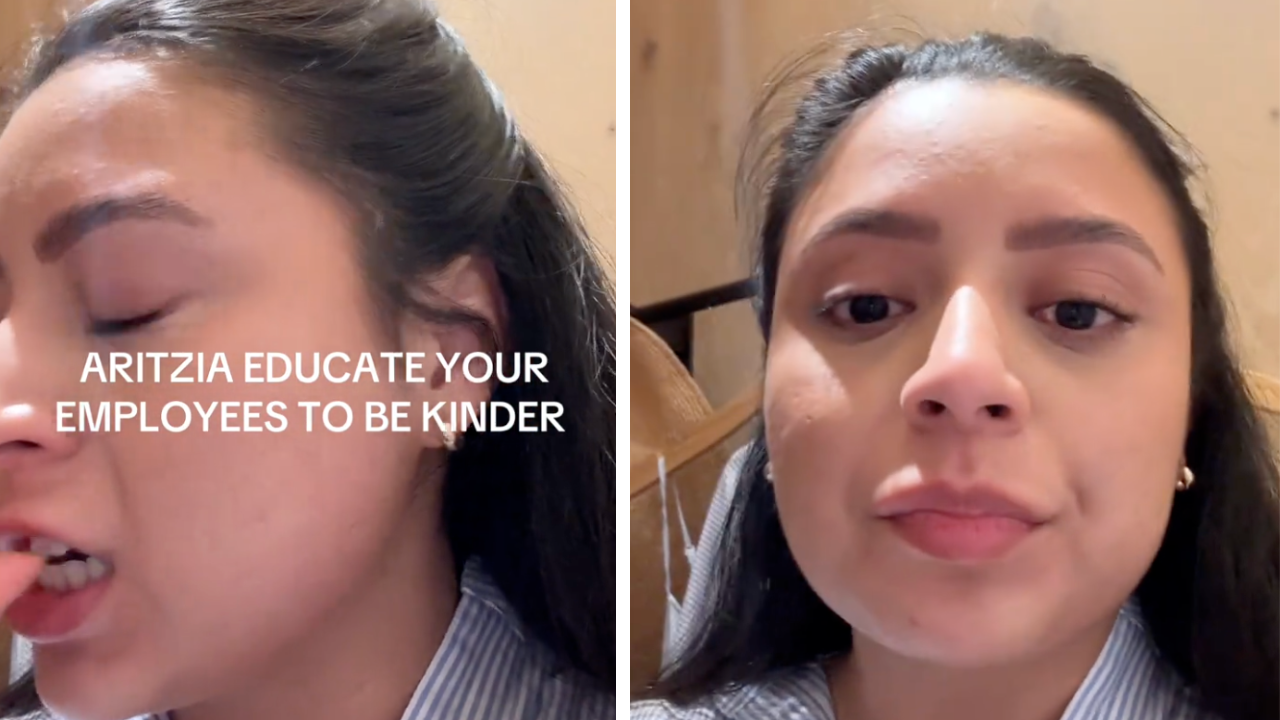
    TikTok creator @lifewithlizeth (Lizeth Bravo) posted a viral video describing an upsetting encounter with staff at an Aritzia store. The clip has amassed over 11 million views and more than 9,000 comments. In the video, Lizeth appears visibly emotional, wiping away tears as she recounts the incident. The caption reads: “ARITZIA EDUCATE YOUR EMPLOYEES TO BE KINDER.” The Daily Dot could not independently verify which Aritzia location was involved.

    Lizeth’s Account of the Incident

    The video opens with Lizeth addressing the camera while music plays in the background. She states:

    “I’m in Aritzia right now. I walked out trying on something. Mind you, I’m 4’11. So yeah, I had to cuff the pants. I literally caught them [the employees] laughing at me.”

    Lizeth said the interaction left her upset and frustrated, noting that nothing like this had happened to her before. She explained that when she asked for the employees’ opinion on a shirt she had tried on, they ignored her. However, when she returned to the changing room, they immediately began asking for her help—despite having ignored her moments earlier.

    In the video’s caption, Lizeth elaborated further:

    “I have never ever experienced this before. I drive down to LA all the time specifically to shop at Aritzia and this time I went for my birthday. I was so excited to buy some new pieces for spring and loved so many pieces I tried on. And the entire time no one was helping me. They were helping everyone else next to me besides myself. I asked for help and was ignored. I wanted their opinion on the shirt and instead I caught them looking at me laughing because I cuffed the jeans and was standing on my tip toes because I’m 4’11. I felt so embarrassed every time I had to walk out to look into the mirror that I decided to prop my phone up inside the dressing room to look in there. What drew the line for me was actually catching two people, who are suppose to style and support you, starring and laughing at me. I LOVED those jeans and SO many other pieces, but I grabbed one item and left because I wanted to cry and was so embarrassed.”

    Commenters React: Support, Criticism, and Broader Discussion

    The comment section quickly filled with reactions. Many users expressed support for Lizeth, while others criticized what they described as “mean girl” behavior from the employees.

    One commenter wrote:

    “Oh honey! That’s why you shop at Aritzia and they work at Aritzia!”

    Another user referenced Lizeth’s career as a registered nurse:

    “You’re an RN. They work retail. Don’t let THEM get to you.”

    Several commenters argued that the employees should have remained professional regardless of the situation.

    Debate Over Responding in the Moment

    While some commenters questioned why Lizeth didn’t confront the staff, others emphasized how difficult it can be to react instantly.

    “Y’all are acting like it’s so easy, but when it’s happening in real time—especially with employees—it can be uncomfortable and unexpected. Not everyone processes and reacts instantly. I’m so sorry this happened to you,”

    one user commented.

    Discussion About Retail Workers and Respect

    The conversation also sparked a broader dialogue about respecting retail employees. Although Lizeth accused two specific workers of rude behavior, some commenters cautioned against generalizing about all retail staff.

    “Why are the comments shaming retail workers to uplift you? I’m mad for you and I’d never treat anyone that way. But I work in retail and reading these comments is so dehumanizing, we aren’t worth less for our jobs :(,”

    one retail worker wrote.

    Others echoed the sentiment, urging that the employees’ alleged behavior be addressed without making sweeping judgments about people who work in retail.

    Aritzia Responds on TikTok

    Aritzia’s official TikTok account replied to Lizeth in the comments, though the content of that response was not detailed in the source material.

    Image Credit: TikTok | @lifewithlizeth

    Disclaimer: The Daily Dot was unable to independently verify the specific store location or the events described. The details above reflect the account shared by @lifewithlizeth on TikTok.

  • Woman Says Service Industry Managers Are Inconsiderate Scheduling “Clopen” Shifts: ‘I Have a Life!’

    Woman Says Service Industry Managers Are Inconsiderate Scheduling “Clopen” Shifts: ‘I Have a Life!’

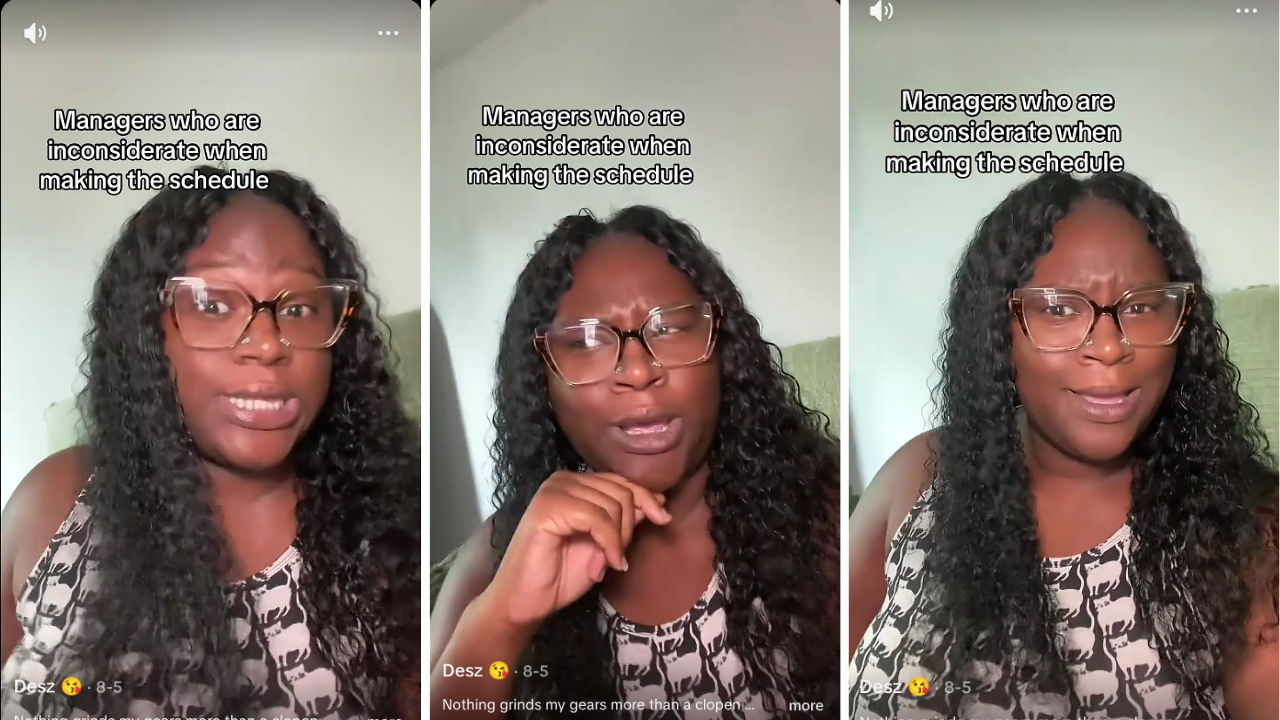
    TikTok creator @deszthebratt has sparked a widespread conversation about scheduling practices in the service industry. Her video, which has amassed over 184,000 views and more than 900 comments, criticizes what she describes as inconsiderate “clopen” shifts assigned by managers in food service and customer-facing roles.

    What Is a “Clopen” Shift?

    The term “clopen” refers to a scheduling practice where an employee is required to close an establishment late at night and return early the following morning to open it. The TikToker recorded her video after a night shift, explaining that this routine leaves her with virtually no personal time between shifts.

    @deszthebratt

    Nothing grinds my gears more than a clopen #retail #customerservice #workbelike #fyp

    original sound – Desz ?

    Creator Details Exhausting Reality of Back-to-Back Shifts

    In the video, she details the grueling timeline: businesses in her mall often close at 10 p.m. and reopen as early as 7 a.m. This leaves workers with only a narrow window to commute, decompress, and sleep before returning.

    She asked, “Why do you think I would want to sit up here, clean the whole store, clean the whole store, set up the store for in the morning, and stay until close?”

    She went on to explain that by the time she arrives home after a closing shift, she has no time for anything else before she must wake up early to open again.

    “Only thing I had time to do was sleep. . . Why do you think I wanna do that?” she said. She added that the managers who assign these shifts have never worked a shift requiring them to close at night and return to open the next morning, calling the practice unfair.

    Commenters Rally Behind Criticism of Scheduling Fairness

    The video resonated with many viewers who agreed that closing-and-opening shifts are universally disliked. Several commenters pointed to a lack of equity in how schedules are constructed.

    One commenter wrote, “And these store managers make the schedule to benefit them and not trying to make the schedule to be fair.”

    Retail Manager Responds: Scheduling Errors Are Often Unintentional

    A self-identified retail manager offered a different perspective, stating that “clopen” shifts are not typically assigned maliciously.

    They wrote, “I’m a retail manager. i make the schedule. I promise when we do that it’s not on purpose. . . making a schedule and trying to place people where they are needed & work around vacations & request days off. . . It’s not fun. lol we make mistakes.”

    The Daily Dot was unable to independently verify the creator’s claims about her work schedule. The details above are based on statements shared by @deszthebratt on TikTok.

  • Woman Shares 3 Rules for Long-Distance Relationship Success: Planning Visits, Communicating, and ‘This Is Expected’

    Woman Shares 3 Rules for Long-Distance Relationship Success: Planning Visits, Communicating, and ‘This Is Expected’

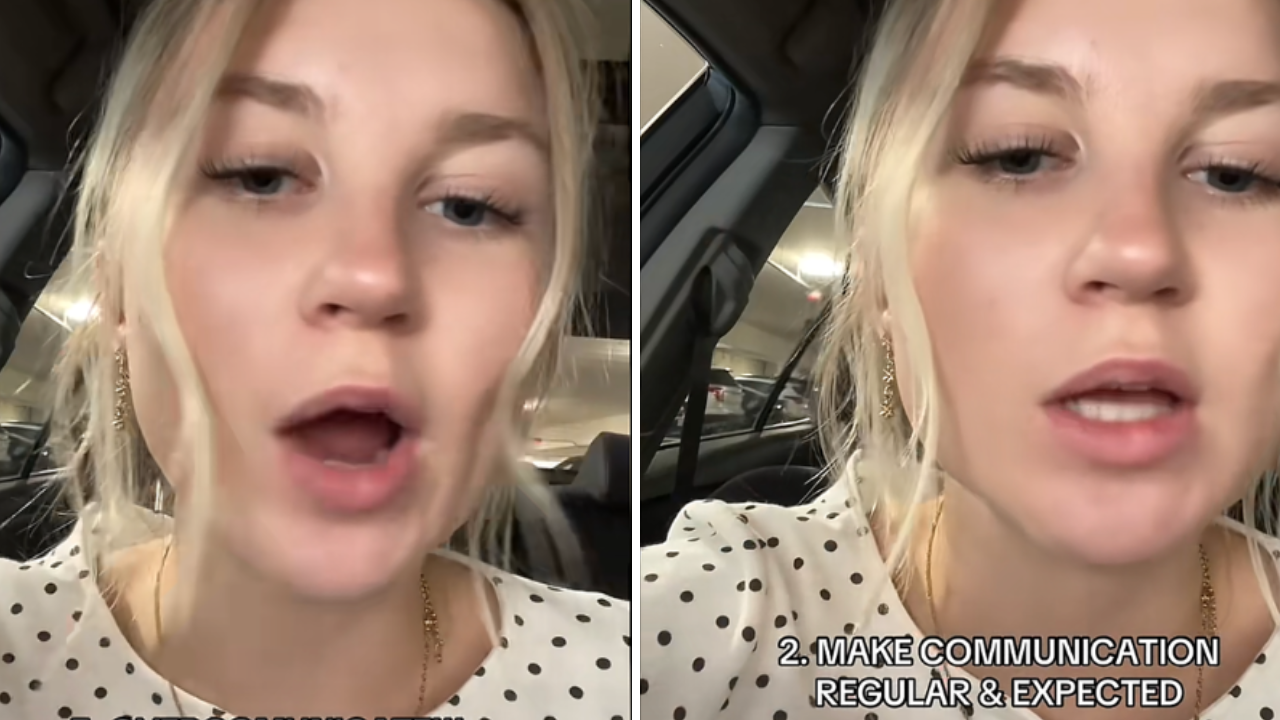
    TikTok creator Chessie, known as @chessie.772, has gone viral after sharing her personal framework for sustaining a long-distance relationship. Her video, which has amassed over 24,000 likes and 187 comments, outlines three practical rules she and her boyfriend follow to maintain their connection while living apart.

    The ‘Three-Month Rule’ and Adjusting to Distance

    Chessie introduces the concept of a “three-month rule,” suggesting that after roughly 90 days, couples begin to confront the day-to-day realities of a long-distance dynamic. Drawing from her own experience, she details three expectations she believes are essential for navigating this phase successfully.

    Rule 1: Always Have the Next Visit Booked

    Uncertainty about the next reunion can amplify the stress of separation. Chessie emphasizes the importance of having a concrete visit planned. She explains that a scheduled meeting provides a tangible milestone to anticipate and offers reassurance that the distance is temporary.

    Rule 2: Prioritize Intentional Communication

    Staying in touch is vital, but Chessie argues that the quality of interaction matters more than quantity. She and her boyfriend have developed a system to make their exchanges more personal. They use an application that delivers messages directly to the recipient’s phone lock screen, ensuring a personalized note is the first thing seen upon waking. This replaces generic “good morning” texts with something more meaningful. Chessie notes that this level of intentional communication is a mutual expectation in their relationship and encourages other couples to discover their own effective rhythms.

    Rule 3: Overcommunicate to Prevent Resentment

    Her final guideline centers on transparency. Chessie advises addressing concerns immediately rather than allowing them to fester. She asserts that proactive discussion resolves potential conflicts before they escalate into larger issues, preserving the health of the partnership.

    The Temporary Nature of Long Distance

    Beyond the specific rules, Chessie reminds viewers that the long-distance phase is not permanent. She urges couples to remain motivated and continue investing effort into the relationship while they navigate the separation.

    Community Response Highlights Shared Struggles and Strategies

    The comment section revealed a spectrum of experiences. Some viewers described relationships spanning years without an in-person meeting, while others discussed navigating four-year separations. Many resonated with Chessie’s emphasis on communication. One commenter encapsulated this sentiment:

    “Being long-distance for 4 and a half years has taught me that it takes a lot of time, patience, and effort, but communication is the biggest key. If something is bothering you or needs to be talked about, bring it up. Don’t let problems sit because they’ll only get bigger. Change is going to happen, and both people have to be willing to grow and make changes when they’re needed.”

    Both Chessie and the commenters who supported her advice converge on a central theme: sustained commitment and proactive effort are the bedrock of a successful long-distance relationship.

  • Worker Books Fake Meetings With Himself for Months; Internet Calls It Genius

    Worker Books Fake Meetings With Himself for Months; Internet Calls It Genius

    Reddit Debate Erupts Over Coworker Booking ‘Fake Meetings’ to Block Focus Time

    A Reddit post describing a colleague’s calendar habits has sparked a widespread discussion about workplace boundaries, meeting culture, and productivity strategies. Shared on the r/work subreddit by user @pathetic_lineage, the thread details how an employee allegedly scheduled phantom meetings with himself for months to prevent disruptions.

    The Original Post: A Manager Gets Involved

    According to the original poster (OP), they discovered their coworker had been populating his calendar with meetings that involved no other attendees. The situation escalated when a manager requested more information regarding the coworker’s schedule, prompting Reddit users to debate whether the behavior warranted a formal report or a warning—or if it was a problem at all.

    Community Verdict: ‘Genius’ Boundary Setting

    The overwhelming consensus among commenters supported the coworker. Many argued that booking time on a calendar is a standard, legitimate method for reserving uninterrupted deep-work sessions.

    “He’s using it to work, and so people don’t bother him,” one commenter noted, questioning what was wrong with the practice. Another labeled the strategy “genius,” emphasizing that the employee was not using the time for personal matters but for setting professional boundaries. A third user stated the coworker was “owning [his] calendar” and suggested the real issue might be a workplace culture that fails to respect employees’ schedules.

    Common Tactics: ‘Focus Time’ and Calendar Blocking

    Numerous commenters shared that they employ identical strategies. Common approaches include:

    • Blocking out calendar sections labeled as “focus time”
    • Naming blocks after specific projects or tasks
    • Reserving most of the workday for solo work, leaving only specific slots open for meetings

    One Redditor recounted a week they forgot to block their calendar, resulting in 36 hours of meetings and almost zero progress on other duties. The anecdote underscored a central theme: unnecessary meetings frequently consume hours needed for core responsibilities.

    Balancing Collaboration and Deep Work

    While most criticized excessive meetings, several acknowledged their necessity for complex problem-solving, decision-making, or consensus-building. A commenter identifying as a former product manager and current program manager proposed a hybrid approach:

    • Hold meetings only when live discussion is truly required.
    • Use shared documents and task reminders for routine collaboration.
    • Cancel the meeting outright if there is nothing substantive to discuss.

    To Report or Not to Report?

    Commenters were divided on whether the OP should inform management. Some advised warning the coworker so they could prepare if a manager decided to drop into a scheduled session. Others strongly cautioned the OP to stay out of the matter entirely.

    Many stressed that the OP lacks full context. As one user pointed out, the coworker might have legitimate meetings mixed in with the blocked time, making it impossible to verify the “fake” nature of every entry.

    This article is based on a discussion from Reddit’s r/work community. The original post appeared on The Daily Dot.

  • Doctor Dismisses Hour-Late Arrival; Patient’s Social Media Post Sparks ‘Open the Cabinets’ Comments

    Doctor Dismisses Hour-Late Arrival; Patient’s Social Media Post Sparks ‘Open the Cabinets’ Comments

    Patient Waits Over an Hour for 9 a.m. Appointment, Turns to Reddit for Venting and Creative Suggestions

    A routine doctor’s appointment scheduled for 9:00 a.m. turned into a frustrating ordeal for one patient, who took to Reddit after waiting more than an hour with no sign of the physician. The incident, shared on the subreddit r/mildlyinfuriating by user @transfatpikachu, quickly gained traction, amassing 47,000 upvotes and over 3,900 comments at the time of publication.

    The Scene: A Clean Exam Room, No Doctor in Sight

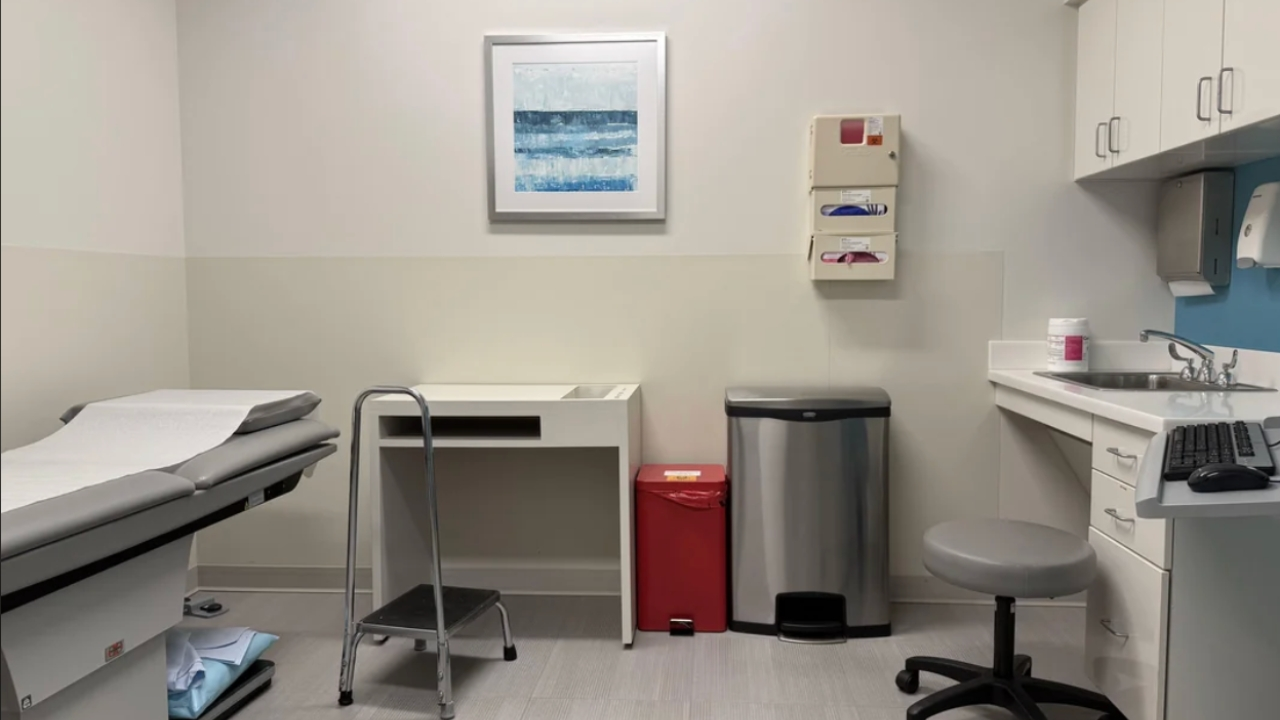
    The original post included a photo of the examination room—sterile, organized, and fully stocked with medical equipment behind closed cabinets. Everything appeared in order, the poster noted, “all except the doctor.”

    In the caption, the patient acknowledged the demanding nature of medical professions and expressed understanding that legitimate emergencies or scheduling overruns can cause delays. However, the core grievance centered on a complete lack of communication: no staff member had acknowledged the wait, offered an explanation, or provided an updated timeline. By 9:55 a.m., nearly an hour past the scheduled start, the doctor had still not arrived.

    Reddit Responds: Humor, Solidarity, and Creative Time-Killers

    The comment section exploded with a mix of empathy, shared experiences, and tongue-in-cheek suggestions for how to occupy the time. The top-voted comment, earning 14,000 upvotes, proposed a classic tactic:

    “Start opening cabinets. They will be right in…”

    That suggestion sparked a thread of similarly inventive ideas. One Redditor recommended:

    “Time to start making glove balloon animals.”

    Several commenters confirmed they had actually done this, including one parent who entertained a young child at a pediatrician’s office using disposable gloves from the cabinet. Other suggestions ranged from “Start taking samples as compensation for your time” to making a quick run to Costco or Walmart.

    Update: Doctor Arrives—But the Frustration Lingers

    Roughly 10 minutes after the post went live, the doctor finally entered the room. According to the original poster, the physician did not acknowledge the delay and “brushed off” concerns throughout the appointment. The patient summed up the experience with a single, sarcastic remark:

    “Gotta love American healthcare!”

    The story resonated widely, highlighting a common patient pain point: not the wait itself, but the silence that accompanies it. As one commenter put it, a simple “We’re running behind, it’ll be 15 more minutes” can transform frustration into patience.

  • Mom Says Kids Got Her Banned From Dentist’s Office: “Can Never Show My Face There Again”

    Mom Says Kids Got Her Banned From Dentist’s Office: “Can Never Show My Face There Again”

    Key Highlights

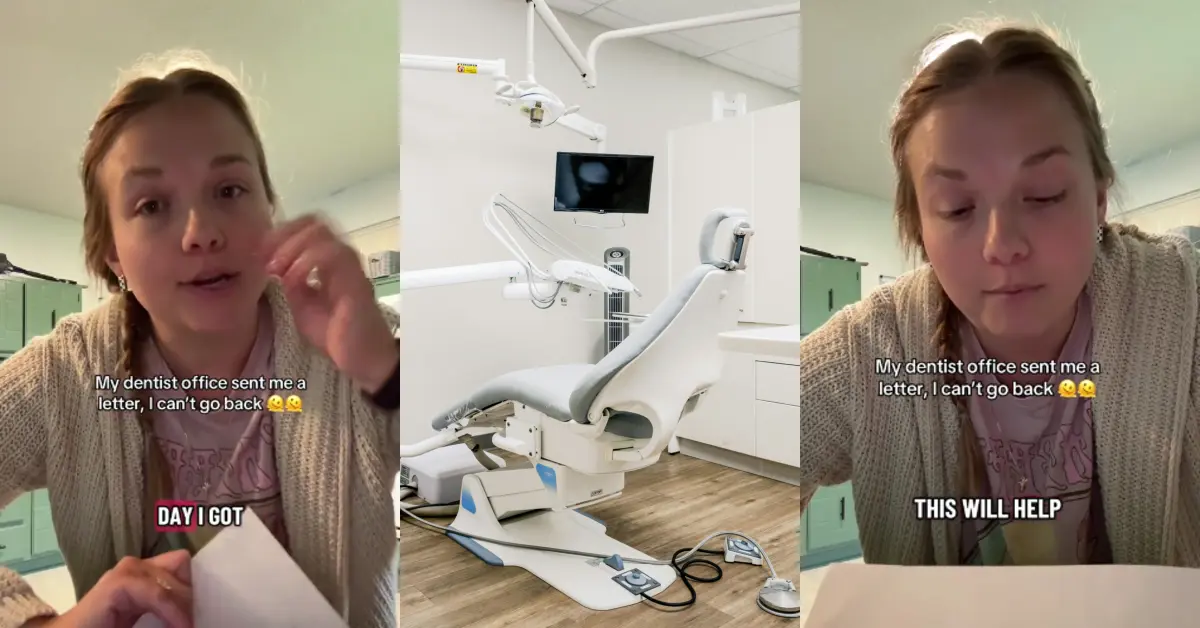
    • A mother of four reports her dentist banned her children from the practice, and she describes the decision as “valid.”
    • Online reaction suggests widespread criticism that the mother is misunderstanding the core issue behind the ban.
    • The incident has sparked debate about parental accountability and patient behavior in healthcare settings.

    Dentist Removes Family From Practice After Repeated Issues

    A mother of four has shared that her family dentist took the step of banning her children from the office, a decision she publicly agreed with, describing it as “valid”. The disclosure, which circulated widely on social media, quickly drew a wave of commentary from users who argued the parent was overlooking the fundamental reasons such a drastic measure would be necessary. While the specific clinical or behavioral details leading to the dismissal were not itemized in the initial report, the dentist’s decision to terminate the relationship with an entire family unit signals a severe breakdown in the standard patient-provider dynamic.

    Online Discourse Centers on Parental Responsibility

    The reaction across platforms highlighted a sharp divide between the mother’s acceptance of the ban and the broader audience’s perception. Commenters largely contended that a practitioner does not dismiss pediatric patients without substantial cause, typically citing chronic missed appointments, disruptive behavior unmanaged by guardians, or refusal to follow treatment protocols. The consensus among observers was that characterizing the ban as “valid” without addressing the underlying conduct suggested a disconnect between the parent’s self-assessment and the clinical reality that prompted the action. The discourse underscored how public forums often serve as de facto tribunals for professional boundaries in healthcare.

    Why This Matters

    This situation touches on a growing friction point in pediatric dentistry and general practice: the extent to which providers can enforce behavioral contracts with guardians. Dental offices increasingly rely on formal policies regarding cancellations, accompaniment requirements, and conduct standards to maintain safety and operational viability. When a practice resorts to dismissal, it often reflects liability concerns or an inability to deliver safe care under the circumstances. The viral nature of this story illustrates how social media amplifies private healthcare disputes, potentially influencing how other practices draft and enforce their own patient agreements.

    Frequently Asked Questions

    Can a dentist legally refuse to treat children?
    Yes, in non-emergency situations, private dental practices generally have the right to terminate the doctor-patient relationship with proper notice, provided the decision is not based on discriminatory grounds prohibited by law.
    What typically leads to a family being dismissed from a dental practice?
    Common reasons include repeated no-shows or late cancellations, failure to follow pre- or post-operative instructions, abusive behavior toward staff, or a guardian’s refusal to allow necessary diagnostic procedures like radiographs.
    How should a parent respond if their child is dismissed from a practice?
    Experts recommend requesting a written explanation, obtaining records promptly for continuity of care, and seeking a new provider who may be a better fit for the family’s needs and communication style.
  • Pregnant Worker Stunned After Man Expects Her to Lift Mattress: “I’m Gonna Call Corporate”

    Pregnant Worker Stunned After Man Expects Her to Lift Mattress: “I’m Gonna Call Corporate”

    Key Highlights

    • A mattress store employee, who was 37 weeks pregnant, was asked by a male customer to assist with lifting a heavy mattress.
    • The worker expressed disbelief at the expectation given her advanced pregnancy.
    • The incident highlights ongoing concerns about workplace safety and customer awareness regarding pregnant employees.

    Incident at Mattress Store Raises Questions About Customer Expectations

    A routine shopping trip at a mattress store took an unexpected turn when a male customer requested that a visibly pregnant employee help him lift a heavy mattress. The worker, who was 37 weeks into her pregnancy, reported that she could not believe the man expected her to perform such a physically demanding task given her condition. The encounter underscores a recurring tension in retail environments where physical labor requirements sometimes clash with the health realities of expectant staff members.

    Employee’s Reaction and Workplace Policy Implications

    According to the account, the employee was stunned by the request. At 37 weeks pregnant, medical guidelines typically advise against heavy lifting to mitigate risks such as preterm labor, placental abruption, or musculoskeletal injury. While many retailers have policies that restrict pregnant employees from heavy lifting and require accommodations, the burden often falls on the worker to communicate limitations or on management to enforce safety protocols proactively. This incident suggests that customer assumptions about service expectations can override visible cues, placing employees in uncomfortable and potentially hazardous positions.

    Broader Concerns for Retail Worker Safety

    The situation reflects a broader issue within the retail sector: the reliance on frontline staff to manage physically taxing inventory without adequate support systems. Mattresses are notably heavy and awkward to maneuver, often requiring team lifts or mechanical aids. When a pregnant worker is the only available staff member, or when a customer directly demands assistance, the safety infrastructure fails. Advocates for workplace rights argue that stores must implement clear, visible policies—such as signage indicating weight limits for employee assistance or designated “team lift only” protocols—to protect vulnerable workers from external pressure.

    Why This Matters

    This incident resonates beyond a single store interaction. It touches on legal frameworks like the Pregnant Workers Fairness Act (PWFA) in the United States, which mandates reasonable accommodations for pregnancy-related limitations, including lifting restrictions. It also highlights the need for consumer education; customers may not realize that asking a pregnant employee to lift heavy items is not just inconsiderate but potentially illegal if the employer fails to intervene. As the retail workforce diversifies, businesses must ensure that safety protocols are not only written but actively enforced and communicated to the public to prevent such confrontations.

    Frequently Asked Questions

    What exactly happened at the mattress store?

    A male customer asked a store employee who was 37 weeks pregnant to help him lift a heavy mattress. The worker was shocked by the request given her advanced pregnancy.

    Why is this incident significant?

    It highlights the gap between workplace safety policies for pregnant employees and real-world customer expectations. It raises concerns about retail workers’ vulnerability to physical strain and the need for better enforcement of accommodations.

    What protections exist for pregnant workers in similar situations?

    In the U.S., the Pregnant Workers Fairness Act requires employers to provide reasonable accommodations, such as lifting restrictions, unless it causes undue hardship. Many states have additional laws. Employers are responsible for ensuring these protections are upheld, even when pressure comes from customers.

  • “I Hate the American Flag” — Woman Says She and Veteran Husband Hide U.S. Flag Over Trump

    “I Hate the American Flag” — Woman Says She and Veteran Husband Hide U.S. Flag Over Trump

    A woman has stated that her animosity toward the Trump administration and its supporters has extended to the American flag, leading both her and her husband to dislike the national symbol.

  • Hunter Biden Launches Meme Coin; ‘Channel 5’ Faces Backlash Over Mailing List Sharing

    Hunter Biden Launches Meme Coin; ‘Channel 5’ Faces Backlash Over Mailing List Sharing

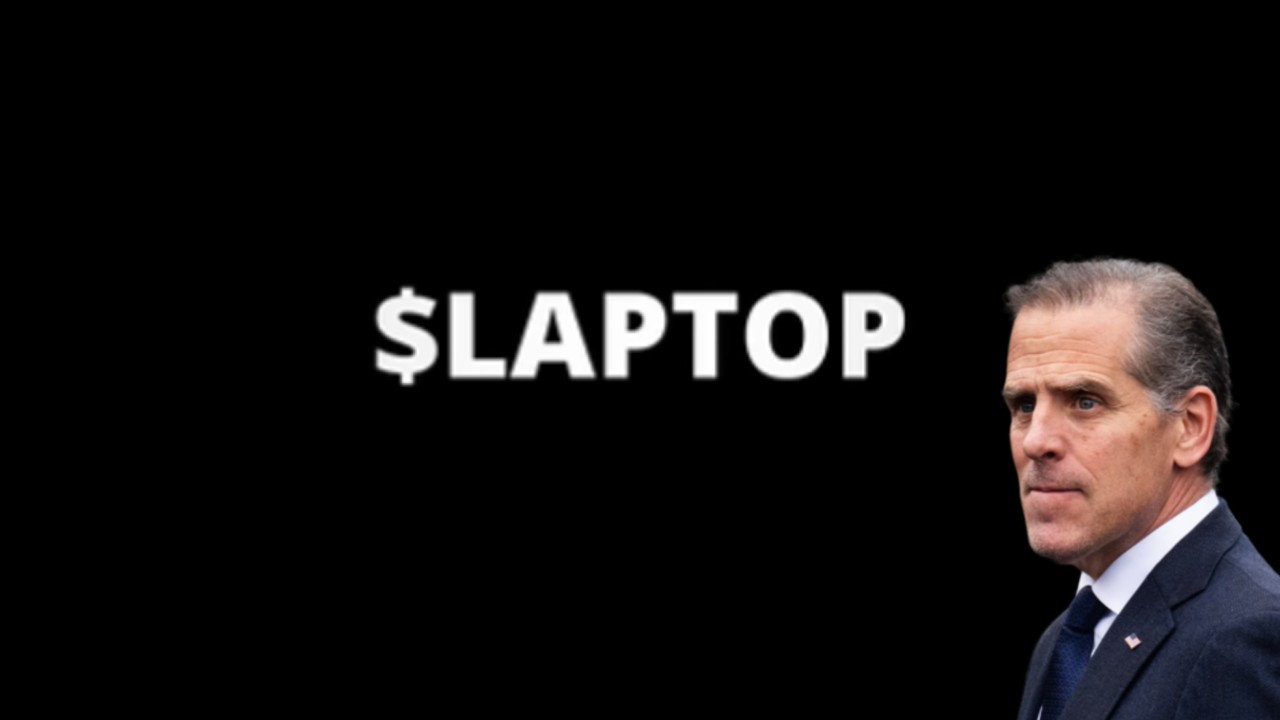
    Hunter Biden Launches $LAPTOP Meme Coin Amid Controversy

    Hunter Biden, son of former President Joe Biden, has launched a cryptocurrency meme coin called $LAPTOP. The token’s name references the 2020 controversy surrounding a laptop allegedly abandoned by Biden, whose contents were subsequently leaked online.

    Launch Details and Public Reaction

    The meme coin was announced on September 7, 2026. The launch drew significant online criticism from multiple angles. Critics argued that meme coins generally function as scams, while others viewed the venture as damaging to Biden’s efforts to rehabilitate his public image over the previous year. Many commentators suggested the cryptocurrency launch represented a step backward in those rehabilitation efforts.

    Channel 5 Mailing List Controversy

    Independent journalist Andrew Callaghan and his media company, Channel 5, faced separate backlash related to the coin’s promotion. Channel 5 provided Biden with their mailing list, which he then used to promote the $LAPTOK cryptocurrency.

    Channel 5 subsequently claimed they were unaware Biden would use the list for cryptocurrency promotion and publicly denounced the coin. Critics argued that providing the mailing list was inappropriate and disrespectful to Channel 5’s supporters. The company maintains they did not share public subscribers’ email addresses.