Author: admin

  • Is South Korea the XRP crash trigger? These numbers make you sit up and take notice

    Is South Korea the XRP crash trigger? These numbers make you sit up and take notice


    • Upbit XRP/KRW has shown strong, partly automated net selling pressure for months and is often only weakly correlated to Binance.
    • Intermittent “Reverse Kimchi Discount” indicates sellers’ KRW-driven liquidity needs. On “crash days” sales intensity increases sharply.

    An analysis of order book and trade data from the South Korean exchange Upbit indicates ongoing, automated selling pressure in the XRP/KRW pair. Pseudonymous analyst “Dom” (X: @traderview2) argues that KRW-driven order flow can at times shape pricing more than many traders expect.

    The influence of South Korea on the XRP price

    Dom writeshe evaluated 82 million trades on Upbit (XRP/KRW) and, for comparison, 444 million trades on Binance. The trigger was a short-term movement the day before:

    “It started with yesterday’s price action. -57 million XRP in CVD over 17 hours. That looked completely crazy. So I examined the trades in detail – including bot patterns, possible iceberg orders and signs of wash trading. The selling pressure was real. Algorithmic.”

    According to Dom, the timing was particularly striking: 61% of the trades were triggered within 10 milliseconds. “A single bot traded continuously for 17 hours – with only one interruption of 33 seconds,” says Dom.

    Dom describes the pattern as recurring. Upbit XRP/KRW is “net negative in every single month over 10 months”. Example months: April -165 million, July -197 million, October -382 million, January -370 million XRP (net). Overall, Dom puts net selling pressure at “3.3 billion XRP net. Around $5 billion.”

    Over the period, only one week out of 46 was net positive. The comparison with Binance should also show that it is not just a global dynamic.

    Dom writes, “Binance His core statement: “The hourly correlation between the two exchanges is only 0.37. The order flow on Upbit often behaves independently.”

    Der „Reverse Kimchi Discount“

    What is also noticeable is a phase in which XRP on Upbit was temporarily traded below the global price level: “From April to September, Upbit-XRP was traded 3 to 6% below Binance. A reverse kimchi discount.” Dom sees the discounts accepted over months as an indication that the sellers were primarily looking for KRW liquidity, not the best possible price. Dom writes:

    “They don’t care about price. They need KRW, are obligated to use Upbit, and/or are Korean holders taking profits.”

    On the day of the October 10th crash, the price structure shifted abruptly: “Korean private investors completely freaked out. The premium turned from -0.07% to +2.4% in a single day. Trades increased fivefold to 832,000.” At the same time, the sellers became more active: “And the sellers? They doubled their daily rate. From -6.3 million/day to -11.2 million/day.”
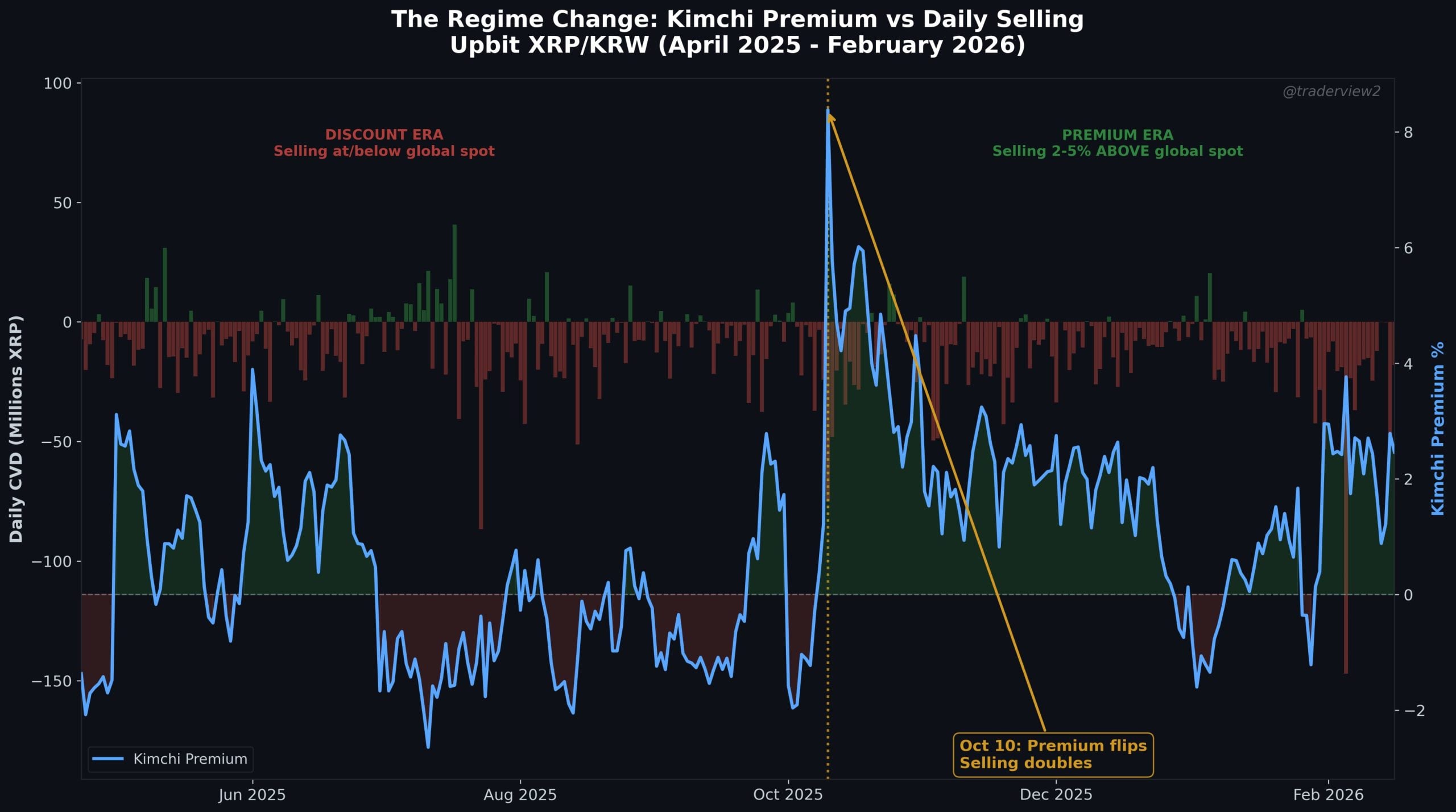
    XRP order book data
    XRP order book data | Source: X @traderview2

    Dom also organizes Upbit flow data by global XRP days on Binance. On “crash days (< -5%)” he sees “-46M average CVD” and a ratio of “1.49x sell/buy”. On “Moon days (> 5%)”, however, “+8 million average CVD” at “0.93x sale/purchase”. For Dom, this suggests pro-cyclical behavior:

    “Read that again. On moon days, Korean retail investors become net buyers. They accumulate. On crash days, selling intensity is eight times higher.”
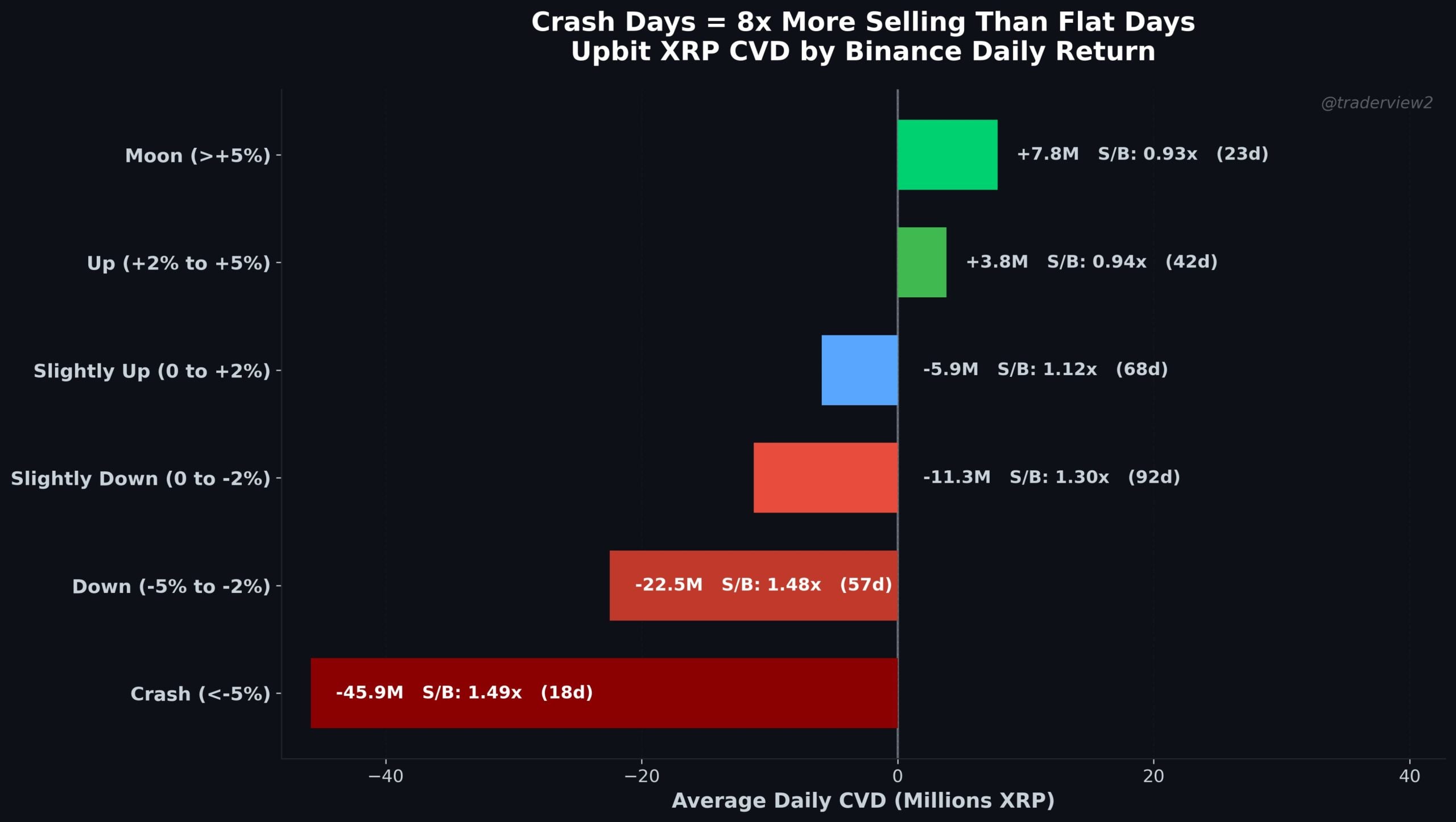
    XRP order book data analysis
    XRP Order Book Data Analysis | Source: X @traderview2

    The trade sizes are also asymmetrical: “28% of buy trades are tiny fractional sizes […] that matches KRW-denominated orders,” while the sell side “round numbers […] 10, 100, 1000 XRP” show.

    “One side looks like retail. The other looks like a machine.”

    What does this mean for XRP?

    Dom puts the magnitude into perspective: “3.3 billion XRP represents 5.4% of the total circulating supply of XRP” – net over “a single trading pair on a single exchange in 10 months.”

    Dom leaves it open whether Korean retail owners are primarily behind the behavior or a specific institution linked to KRW. However, its data suggests that Upbit’s XRP/KRW flow can at times have a significant impact on short-term price movements. Monitoring Korean stock market data may therefore be more relevant for traders than is often assumed.

  • XRP price collapse shakes the altcoin market

    XRP price collapse shakes the altcoin market


    • The XRP price lost around 50% in a few days. From a level of almost two euros it fell to a low of 1.08 euros.
    • The plunge triggered a wave of panic selling that quickly reached the entire altcoin sector.

    Market observers speak of a classic capitulation phase in which retail investors in particular reflexively withdraw liquidity from the market, while more nervous professionals assess the situation more soberly.

    Parallel to the price decline, the overarching Fear & Greed Index fell to the rare value of nine points. Such extreme anxiety levels only occur in exceptionally stressful phases and are historically considered more of a contrarian indicator than a harbinger of a long-term downward trend.

    The XRP-specific sentiment index also reached an annual low. The discrepancy between fundamental data and market sentiment is particularly pronounced in this phase.

    Presumably unnoticed whale accumulation

    While retail investors sell in panic, onchain data does not show a bad picture. Large XRP holdings are increasingly being withdrawn from centralized exchanges.

    Such movements are seen as an indication that long-term investors are building up positions and available supply is decreasing. This divergence between price reaction and capital flows is a recurring pattern in early reversal phases and is closely watched by analysts.

    Fundamental disputes and capital flight are not helpful

    A heated debate between Ripple representatives and Bitcoiners is causing additional tension. Ripple supervisory board member and ex-CTO David Schwartz recently called Bitcoin a “technological dead end” and described XRP as the more efficient infrastructure for an increasingly AI-powered financial world.

    Ex-Ripple-CTO Schwartz
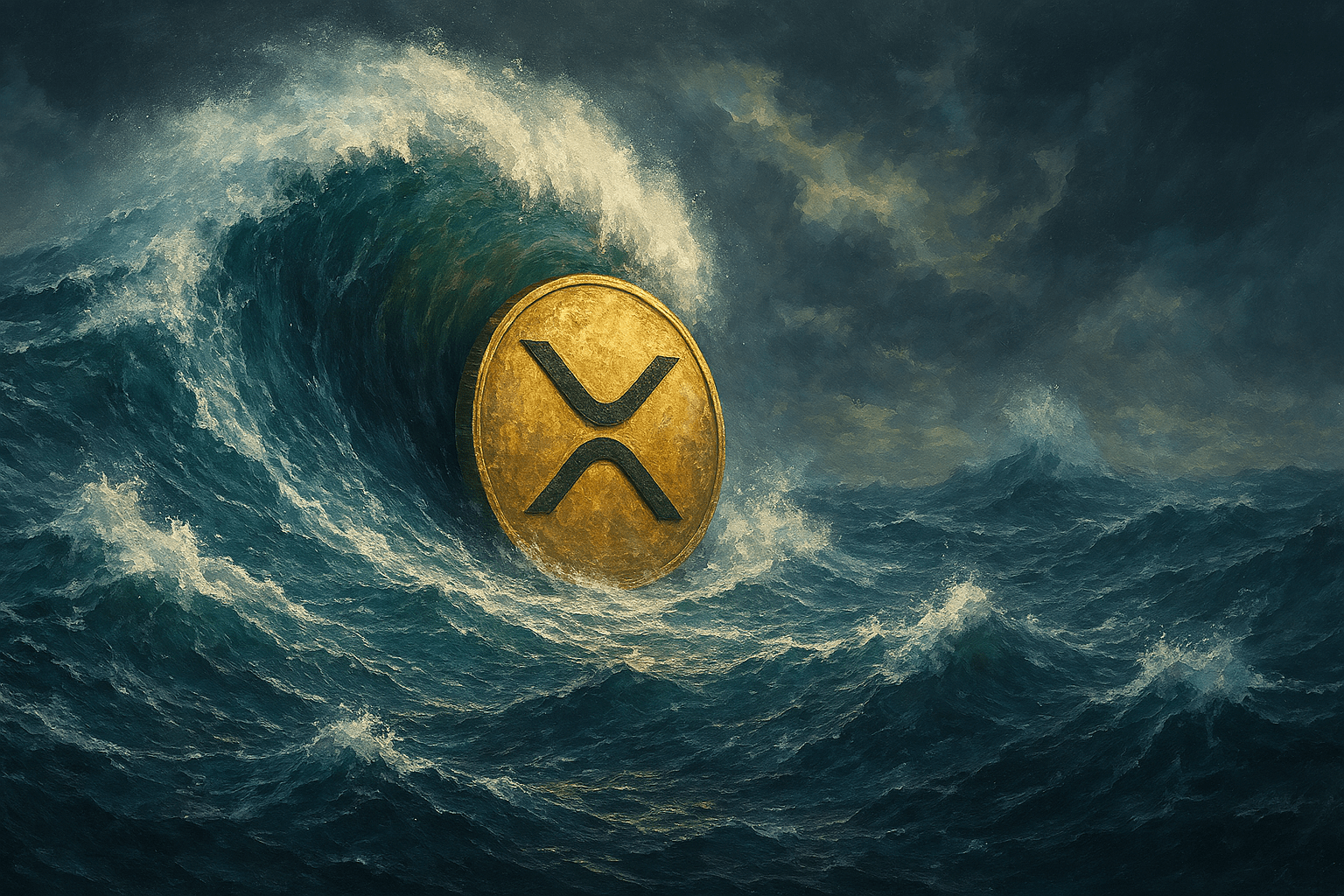
    Image created with AI using ChatGPT (DALL·E)

    At the same time, the global capital flight from overvalued tech stocks is exacerbating the situation. Investors are looking for infrastructure applications that can be used in the real economy as uncertainty in the crypto market increases.

    This mix of technological rivalry and overreaction forms the Core of the current XRP price crisis and the uncertainty of the altcoin market.

  • Is Bitcoin as undervalued as it was three years ago?

    Is Bitcoin as undervalued as it was three years ago?


    • According to current onchain data, the Bitcoin price is showing an undervaluation that was last observed in March 2023, when Bitcoin was trading at around $20,000.
    • The MVRV indicator – Market Value to Realized Value – measures the relationship between market value and realizable value. It is currently at 1.13, which means there is a chance of bottoming out.

    The MVRV value is a central indicator for evaluating the Bitcoin network. Values ​​close to one indicate that the market price is close to the average purchase price of all coins. In the past, such phases often marked turning points for holding stocks at a loss. The current decline to 1.13 is the lowest level since March 2023 and signals a significant slowdown in the market after the sharp rises of recent months.

    Different cycle progression

    However, analysts note that the current cycle is structurally different from previous bull markets. While Bitcoin reached MVRV values ​​of over 4 in previous peak phases, the highest value in the most recent cycle was only 2.28.

    This suggests that the market has not become extremely overvalued despite new all-time highs. This peculiarity complicates classic pattern recognition and makes historical comparisons less reliable.

    Onchain data points to trend reversal

    In addition to the MVRV indicator, the MVRV Z score also shows a significant cooling. This indicator measures how much the current valuation deviates from the long-term average. According to current analyses, the Z‑Score is at a level that is even lower than in the bottom phases of 2015, -18, -20 and -22. In the past, such extreme values ​​have often been associated with accumulation phases and subsequent trend changes.

    Parallel to March 23 with a significantly higher price

    The comparison with March 2023 results from the similar on-chain structure, not from the absolute price value. At that time, Bitcoin was trading at around $20,000 after the market had just digested the FTX crash.

    Today the price is significantly higher, but the valuations are similar. This suggests that, despite high nominal prices, the market is moving into a phase in which long-term investors are investing more and speculators are giving up.

    Ancient Bitcoin Whale Sells Another 500 BTC, Total Profits Hit $260M
    Image created with AI using ChatGPT (DALL·E)

    It could be the classic dip.

  • Fed under pressure: The 2027 trade could boost Bitcoin

    Fed under pressure: The 2027 trade could boost Bitcoin


    • In the next twelve months, around $9.6 trillion in US government debt will need to be refinanced, with direct relevance to Bitcoin.
    • Yield curve control could be back on the agenda by 2027 at the latest, which could price Bitcoin in early as a “liquidity seismograph”.

    A refinancing problem is growing in the US markets and this could put the Fed under pressure faster than many would like. For Bitcoin and crypto, this is more than background noise from the macro.

    Furkan Yildirim calculates: In the next twelve months, around $9.6 trillion in US national debt will have to be refinanced – around a third of the total debt. This is relevant for Bitcoin because it becomes a liquidity question: Who will absorb these emissions – and under what conditions?

    Yildirim writes on X:

    “Nearly $10 trillion in U.S. government debt needs to be refinanced over the next 12 months. That’s not a typo. That’s a third of all outstanding U.S. government debt.”

    He shows a chart: According to him, the “green line”, i.e. the debt due within a year, rises to $9.6 trillion. Short runners therefore make up 33%. This means that changes at the short end have an immediate impact on the state budget.

    What this means for Bitcoin

    The sticking point is today’s interest rate levels – and an interest burden that is already high. Yildirim writes that interest payments are “over a trillion dollars per year.” And even an increase of 0.25 percentage points means “an additional 95 billion” – year after year.

    From Yildirim’s point of view, what makes matters worse is that Treasury Secretary Bessent himself admitted that the window for cheap long-term financing in 2021/2022 had been missed. Instead, the financing is repeatedly rolled out via short-term T-bills. This means that the state is much more dependent on interest rates – and every fluctuation hurts more quickly.

    The big question is how Kevin Warsh – Trump’s nominee for Fed Chair – would handle this. Warsh was a Fed governor and comes from a Wall Street background. He is considered a hawk who threw down quantitative easing (QE) in protest in 2011 and criticized the Fed’s excessive balance sheet for years.

    At the same time, Warsh has argued for interest rate cuts since the end of 2025 – citing AI-related productivity gains that could enable growth without inflation. The problem is that Warsh also emphasizes that the balance sheet must shrink, not grow.

    Yildirim derives a trilemma from this – none of the options is particularly comfortable.

    Option 1: Lower your balance sheet further – and accept higher long-term interest rates. If the Fed does not replace maturing securities, the private market will have to absorb the duration. This could push up long-term interest rates – bad for real estate, stock valuations and ultimately also for government refinancing.

    Option 2: Maintain the balance sheet and effectively cap long-term interest rates. That would be exactly the “monetary dominance” that Warsh criticizes: the Fed as a permanent buyer of government bonds.

    Option 3: Push mature long-distance runners more into short-distance runners. A time-buying strategy that turns the balance sheet “effectively into a variable-rate liability.”

    Yildirim’s most likely view is a mixed strategy: cutting interest rates at the short end while the balance sheet continues to shrink. Citadel Securities is cited as the origin of an idea that is described as a “financial conditions-neutral” approach: What tightening the balance sheet brings should be offset by the interest rate cut.

    Why does this become a “2027 trade”? Yildirim explains:

    “If 9 to 10 trillion dollars have to be refinanced every year. If at the same time the deficits are over 6% of GDP. If foreign buyers, especially China, withdraw and the demand for US government bonds declines structurally.”

    Then at some point only one solution remains: “The Fed will have to buy again. On a large scale.” Not immediately, not in 2026 – but “by 2027 or 2028 at the latest” yield curve control will be back on the table, i.e. directly capping long-term interest rates through large bond purchases.

    As a harbinger, Yildirim cites “reserve management purchases” since December 2025: officially no QE, but in fact balance sheet expansion through purchases of short-term treasuries. His findings: The balance sheet is growing again, slowly and under a different label.

    Yildirim calls Bitcoin a “liquidity seismograph”; In his view, the correlation between the Fed’s balance sheet and price is “empirically well documented.” He refers to episodes such as 2019 (QT stopped, balance sheet up again), 2020/2021 (balance sheet from 4 to almost 9 trillion, Bitcoin up to 69,000) and 2022 (QT, Bitcoin up to 15,000). His key question is therefore timing, not direction: “The central question is not whether there will be more liquidity. The question is when. And how much.”

    The next few months will show whether the USA will roll through this in an orderly manner – or whether more monetary policy will have to intervene again in the end. If that happens, Bitcoin will likely be the first to price it in.

  • Social media giant X soon to launch in-app crypto trading

    Social media giant X soon to launch in-app crypto trading


    • The X-Corporation is continuing to transform its social media service of the same name into an all-in-one app.
    • In the future, customers will be able to trade stocks and cryptocurrencies directly from the app.

    The new function is based on so-called Smart Cashtags and will be introduced gradually over the coming weeks.

    X-Product Manager Nikita Bier clarifiedthat the company will not act as a broker itself. You just want to initiate the trade, while its practical execution will continue to take place via external partners.

    Smart cash tags as an introduction

    The new function expands the already known cash tags $BTC and $TSLA with interactive elements. In the future, customers will see real-time charts, price data and financial information directly in the feed. Tapping or clicking on “Buy” or “Sell” takes you directly to a connected broker or crypto exchange.

    X Corp
    Source: X, @elonmusk

    X itself does not process any orders or hold any trading licenses, but rather acts as an interface between social media and financial service providers.

    The goal is the all-in-one financial app

    The trading initiation is another building block in Elon Musk’s long-term strategy to expand X into an “all-in-one app”. At the same time, the company is working on X Money, a peer-to-peer payment system that is already being tested in the USA.

    X cooperates with VISA and develops its own wallet infrastructure. The integration of financial data, payments and trading functions is intended to turn the service into a communications, media and financial service provider.

    Spam and manipulation warning

    Despite the ambitious plans, Nikita Bier publicly expressed concerns about possible side effects. He warned of an increase in crypto spam, aggressive advertising accounts and coordinated pump-and-dump attempts that could harm customers.

    X already has to defend itself against botnets and questionable financial influencers who exploit certain trends to manipulate inexperienced investors. Product manager Bier emphasized that the implementation must be carried out carefully in order to prevent misuse and not to endanger the quality of the social media service.

    After the new in-app trading function was announced, there were immediate rumors that the X-Corporation would become a broker itself and set up its own crypto exchange.

    Bier immediately contradicted this and made it clear that the company itself would not execute any trades and that it would not manage customer funds. X remains an intermediary who promotes the trade but does not carry it out himself.

    This means that X-Corporation bears no risk when it comes to regulation, while at the same time they open up and earn new revenue models through partner programs and traffic redirects.

  • US asset manager Apollo secures 9% of all MORPHO tokens

    US asset manager Apollo secures 9% of all MORPHO tokens


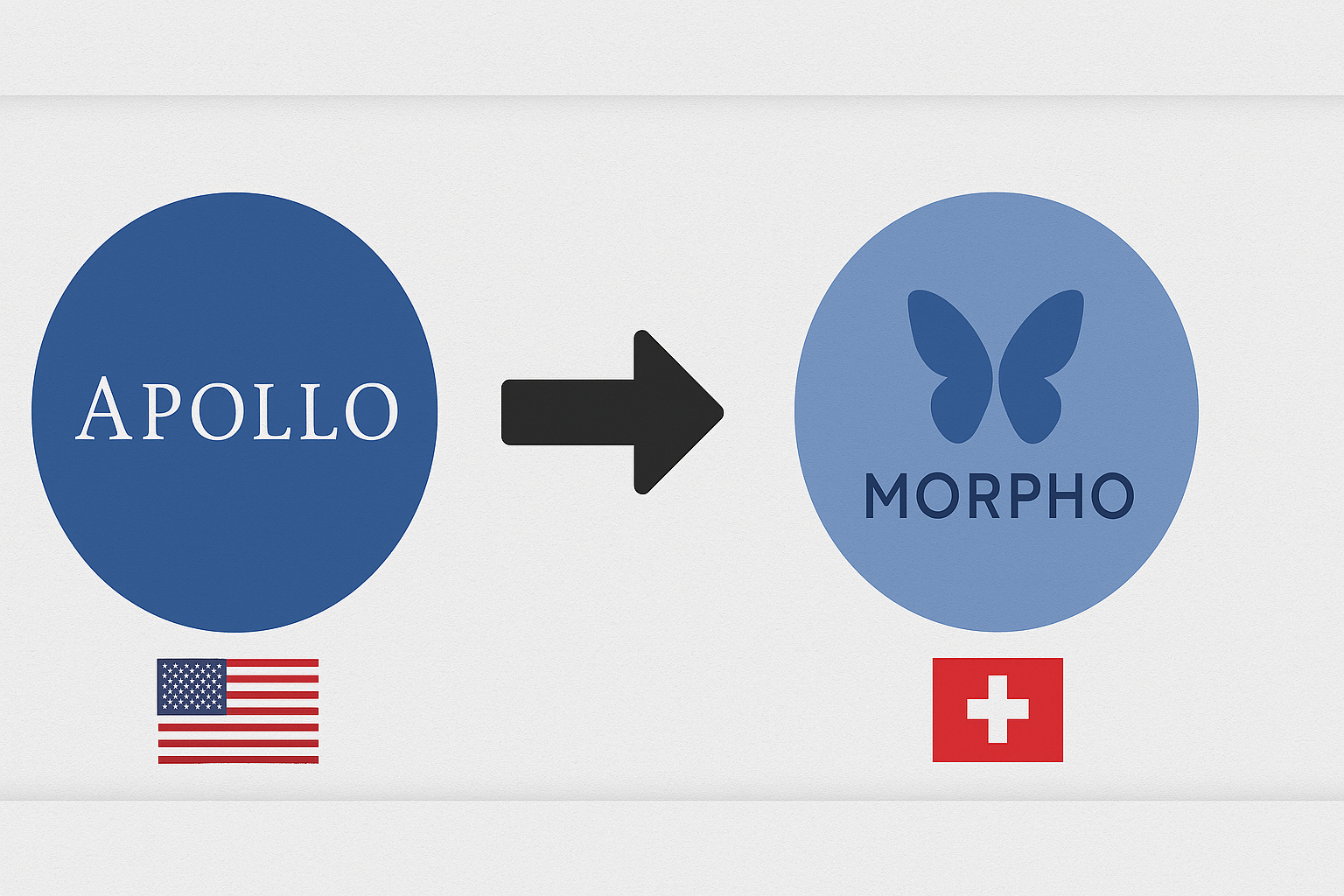
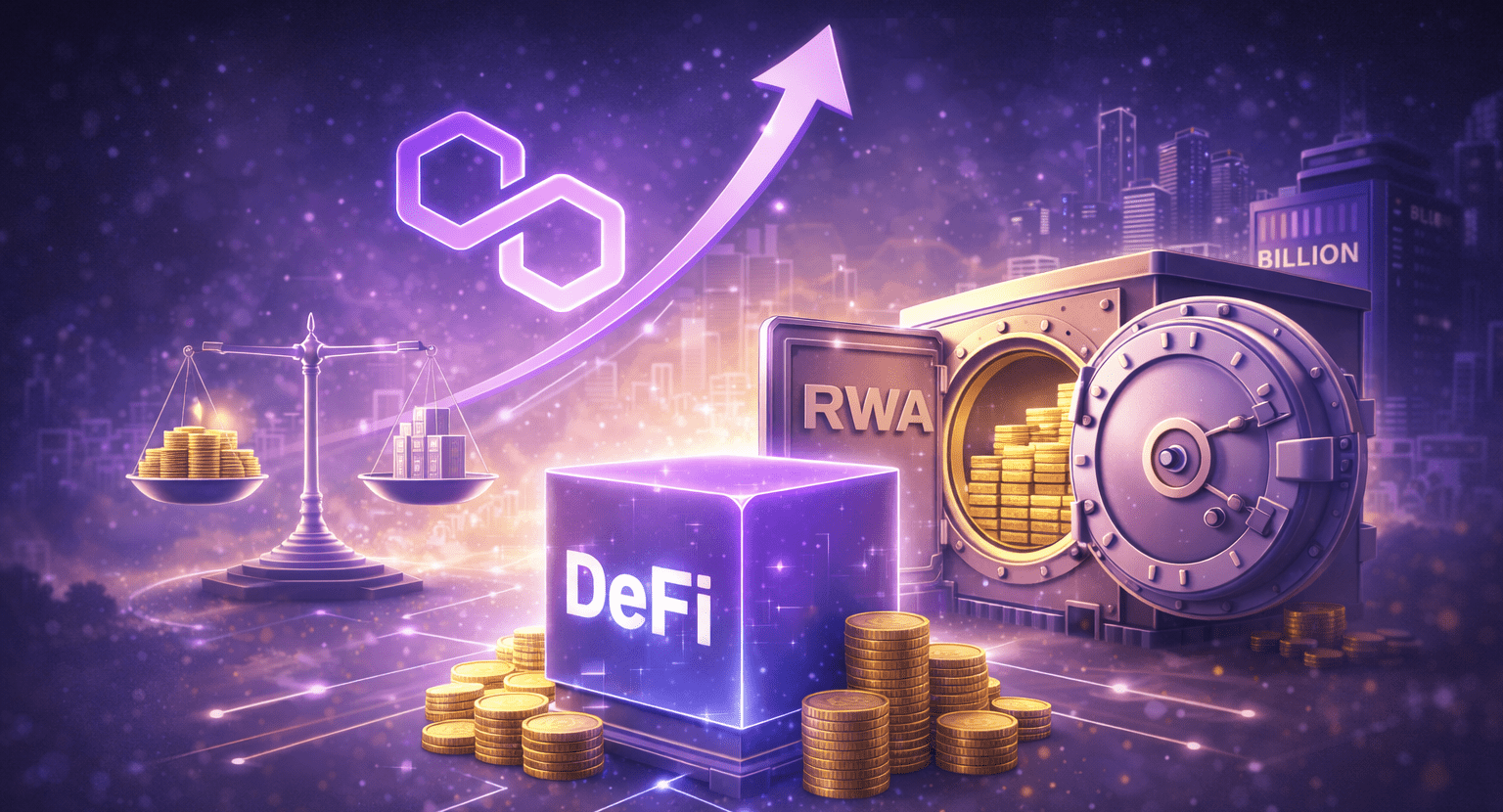
    • The US asset manager Apollo Global Management is making a strategic entry into DeFi. He secured 9% of the token share of the Swiss Morpho Association using a purchase option.
    • The transaction is scheduled to last 4 years and combines stock market purchases, OTC deals and more complicated acquisition models. This creates a cooperation between two global representatives of TradFi and DeFi.

    Morpho currently manages a TVL of around $5.8 billion and is considered one of the most efficient lending protocols in the DeFi sector. The entry of the TradFi group Apollo gives Morpho access to credit markets that impress with transparency, automation and real-time risk management.

    The Morpho Association emphasizes that they want to develop new onchain credit markets together and professionalize existing structures. Apollo is thus positioning itself early in a segment that is increasingly seen as the foundation of tokenized financial products.

    Competition between asset managers

    The move comes in a market environment in which large asset managers are massively expanding their blockchain strategies. BlackRock has already presented its RWA initiatives, and Apollo is now following suit with a clear focus on DeFi lending and governance influence.

    With a share of up to 9% of MORPHO tokens Apollo receives direct access on voting, incentive structures and governance decisions – a novelty that redefines the balance of power between decentralized communities and institutional investors.

    Market reaction and importance for the industry

    The MORPHO token reacted immediately to the report and temporarily gained double digits, but remains in the red for the year.

    The participation is still a strong signal for the market: DeFi lending is increasingly perceived as a professional, scalable sector. The integration of onchain and offchain lending products is likely to accelerate as new questions arise about the regulation of large TradFi players.

    DeFi-Lending
    Image created with AI by ChatGPT (DALL-E)

    In the long term, the Apollo Morpho deal could be seen as a turning point where institutional capital began to actively shape the structures of DeFi credit markets.

  • IOTA meets South Korea’s top banks: TWIN is introduced

    IOTA meets South Korea’s top banks: TWIN is introduced


    • IOTA presents TWIN to banks and institutions in Seoul and promotes cross-border verifiable trading documents plus the KRW stablecoin use case on IOTA.
    • Schiener relies on tokenization for faster financing and gives examples from Rwanda, Kenya and UK-Poland.

    IOTA presented itself to institutions and banks in Seoul and presented the trade infrastructure initiative TWIN there. At the newly launched World Crypto Forum on February 11th, co-founder Dominik Schiener outlined how commercial papers and data can be secured so that they can be verified across borders.

    IOTA is pushing Korea

    “IOTA is building something like a highway. If we use blockchain, we can verify the origin and authenticity of data and that can help cross-border companies enormously,” said Schiener on the forum. He added: “Every country wants to export more.”

    At the same time, the IOTA Foundation wrote on Monday via X that Schiener spoke in a panel about how TWIN could help make a KRW stablecoin practically usable “via the IOTA network”.

    Local reporting described TWIN as an international collaboration organization that “securely connects” documents and data from global trade – between countries, institutions and companies. The actors involved include IOTA, the World Economic Forum and the Tony Blair Institute for Global Change.

    Schiener explained the goal of making trade financing and document flows more efficient via tokenization. “If we tokenize trade documents, invoices and the like, trust increases and trade barriers can disappear,” is the line echoed in the reporting. This is the central mechanism in the narrative: not speculation, but provability and standardization of documents as a lever for financing and settlement.

    Case studies: Rwanda, Kenya, UK-Poland

    As a specific example, Schiener cited a company from Rwanda that is active in tantalum mining and incurs high financing costs in a classic bank setup.

    “We work with a mining company in Rwanda that specializes in tantalum. As a local company, they often face around 20% interest from banks for trade financing,” he explained. “Using blockchain, we have tokenized warehouse receipts and ownership rights, allowing them to receive instant funding as a stablecoin, backed by a trusted asset.”

    He attached this to a payment argument that is less technical than operational: time. “Africa is often cut off from the SWIFT network, so it can take days for funds to arrive,” said Schiener. “With stablecoins, payments can be made instantly – even on weekends.”

    From Kenya, he reported on a completed experiment on data security in the public sector: There, “34 government systems” were connected via IOTA to secure and verify data. And he drew a line to Europe: In a UK-Poland case, the persistence of paper-based documents still has real risks.

    “The UK still has the problem that some trade documents are on paper. Errors can lead to deliveries failing,” said Schiener. “If trade documents are stored digitally on the blockchain at customs, this can be solved – and more goods can be cleared faster, reducing costs and increasing revenue.”

    In addition to the official program, IOTA relied on an institutional format in Yeouido, the financial district of Seoul. On

    At the end, IOTA emphasized that a new TWIN/IOTA video had been shown on site, brochures had ended up in the participants’ documents and Schiener interviews had taken place “across the venue”. The message was unmistakable: Korean institutions were consciously aware of TWIN “for the first time”.

    Schiener concluded his statements with a specific Korea anchor. “Korea also wants to expand trade,” he said. “We want to work with the KRW stablecoin to increase liquidity and cross-border payments across our trade network.”

  • Halle Berry known as out film director for his behaviour whereas filming


    Halle Berry has spoken concerning the time she known as out X-Males director Bryan Singer on set for his behaviour.

    She’s showing in new movie Crime 101 alongside the likes of Chris Hemsworth, Mark Ruffalo and Barry Keoghan, and whereas chatting with Entertainment Weekly concerning the film she stated her expertise in coping with sexism, racism and ageism drew her to the function.

    Berry stated: “I assumed, wow, I’ve a chance right here to place in movie one thing that I am wildly enthusiastic about personally.

    “And that is not all the time the case if you tackle a personality. Generally they’re so removed from you. It is good to get into a brand new pores and skin and expertise one thing totally different, however this was so me.

    “My battle with this character was as a result of it was so me, how do I make it really feel like a personality and never really feel prefer it was Halle up there simply having her say, proper?

    Halle Berry stated she may draw on venting frustration at a boss for her function in Crime 101 (Rodin Eckenroth/Getty Pictures)

    “However then I noticed alongside the way in which it was okay to have it’s a little bit bit me, a little bit bit Sharon, as a result of my say feels actually necessary on this planet for ladies proper now. And so I simply leaned into that, and [director] Bart [Layton] let me lean into that and let that a part of me shine by way of.”

    At some extent within the movie her character Sharon tears into her boss with a vocal tirade, and Berry stated she had been capable of do one thing comparable in actual life whereas on the set of the second X-Males film.

    Berry defined she ‘obtained to inform Bryan Singer simply the place to go and the best way to get there’ in an incident which was notable sufficient for Alan Cumming to incorporate in his memoir.

    Explaining what occurred on set, she stated: “All people was mad, however all of them stated to me, ‘Halle, you go inform ’em,’ as a result of they knew I’d.

    “And it is one of many biggest days on a set, telling somebody who was wronging the complete crew, the complete forged, precisely the place to go. After which I obtained on a aircraft and flew house with my X-Males swimsuit on.”

    Berry stated she ‘obtained to inform Bryan Singer simply the place to go and the best way to get there’ over an alleged incident the place a stunt went flawed and injured Hugh Jackman (Kevin Winter/Getty Pictures)

    She stated ‘that man deserved it’, and within the model Alan Cumming wrote about she is claimed to have informed the director ‘you possibly can kiss my black ass’.

    In a report from the Hollywood Reporter in 2020 they cited sources which claimed the alleged incident occurred after the director fell out with producer Tom DeSanto.

    They reported that the producer tried to finish taking pictures after studying the director and a few crew members had taken a narcotic and he was involved somebody on set could be injured throughout filming of a stunt that includes a lot of the forged.

    They reported that the stunt was alleged to be filmed the next day so the stunt coordinator was not current and issues went flawed leaving Hugh Jackman bleeding, with the forged confronting the director and Berry allegedly tearing into Singer.

    A consultant for Bryan Singer informed the Hollywood Reporter ‘nothing like that ever occurred’.

    The LADbible Group have contacted Bryan Singer’s representatives for remark.

  • Netherlands considers 36% tax on crypto book profits – Holland in distress?

    Netherlands considers 36% tax on crypto book profits – Holland in distress?


    • The Netherlands could be facing the most radical tax decision that an EU state has implemented in decades.
    • From 2028, a 36 percent tax could be imposed on unrealized gains from liquid assets.

    Cryptocurrencies, stocks and bonds are affected. This would de facto abolish the previous system of fictitious returns, which the Supreme Court ruled unconstitutional in 2021.

    The new law According to the government, it is intended to achieve fairer taxation of real capital gains and modernize the tax system.

    Taxation of imaginary profits

    Book profits that have not yet been realized would be taxed. Critics warn of significant liquidity problems, as taxpayers will in future have to pay taxes on profits that only exist on paper.

    Volatile assets like Bitcoin could experience forced sales if investors cannot cover the tax burden with liquid assets.

    In addition, the law does not take inflation into account, which leads to a de facto taxation of assets. Industry associations and economists speak of a “systemic risk” for long-term private wealth creation.

    Krypto-Inflation
    Image created with AI by ChatGPT (DALL-E)

    Long-term investors are alarmed

    The Dutch crypto community reacts with incomprehension. Because digital assets are subject to significant price fluctuations, investors may find themselves in situations where they would have to pay taxes on profits that then evaporate.

    Experts point to historical Bitcoin corrections of 30 to 50 percent within a few weeks. The planned annual revaluation as of the reporting date further exacerbates this risk.

    For long-term investors who do not sell their crypto assets, this creates a structural liquidity problem that does not exist in this form in any other EU country.

    The final decision is pending

    The Senate of Parliament will now decide whether the law actually comes into force. Although observers expect its approval, several political parties have already signaled that they want to return to the classic capital gains model, in which profits are only taxed when the asset generating the tax is sold.

    However, this would require new parliamentary majorities.

    If the reform were to be implemented unchanged, the Netherlands would probably become the most unattractive location for private capital investments in Europe.

    Tax consultants are already reporting growing demand for advice on emigration and shifting assets abroad.

    If there is actually a capital flight, the state could end up collecting less taxes than with the current tax liability regime.

  • James Van Der Beek’s mates helped make enormous fee one month earlier than his loss of life


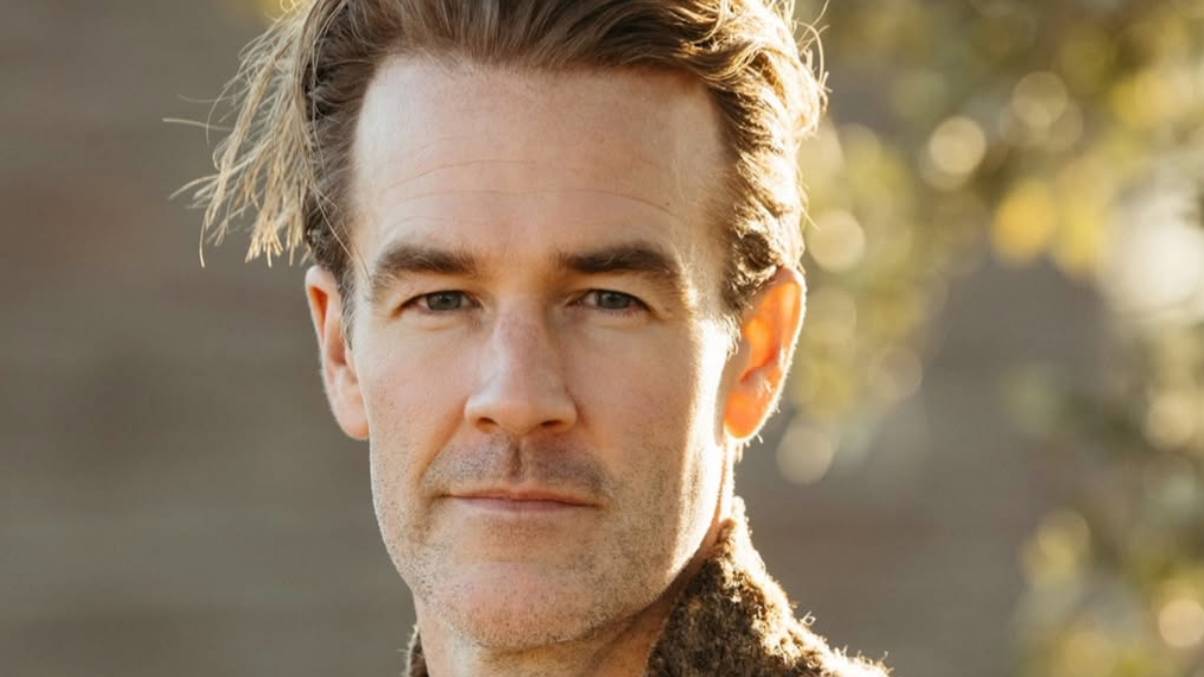
    Mates of the late actor James Van Der Beek helped him with a down fee for a home his household had been renting so they may personal it.

    The Dawson’s Creek star died earlier this week on the age of 48, together with his household posting a tribute on 11 February saying he’d handed within the morning.

    A GoFundMe was established for the household which at time of writing had handed $2.6 million because it mentioned that paying for the actor’s most cancers remedy had left them ‘out of funds’ and put them via ‘important monetary pressure’.

    Now his representatives have informed People that shortly earlier than his loss of life his mates helped him put cash in direction of a Texas ranch his household had been dwelling in and renting.

    They defined that Van Der Beek, his spouse Kimberly and their six youngsters had been dwelling on the rented ranch till some mates helped arrange a belief to place some cash down on the property.

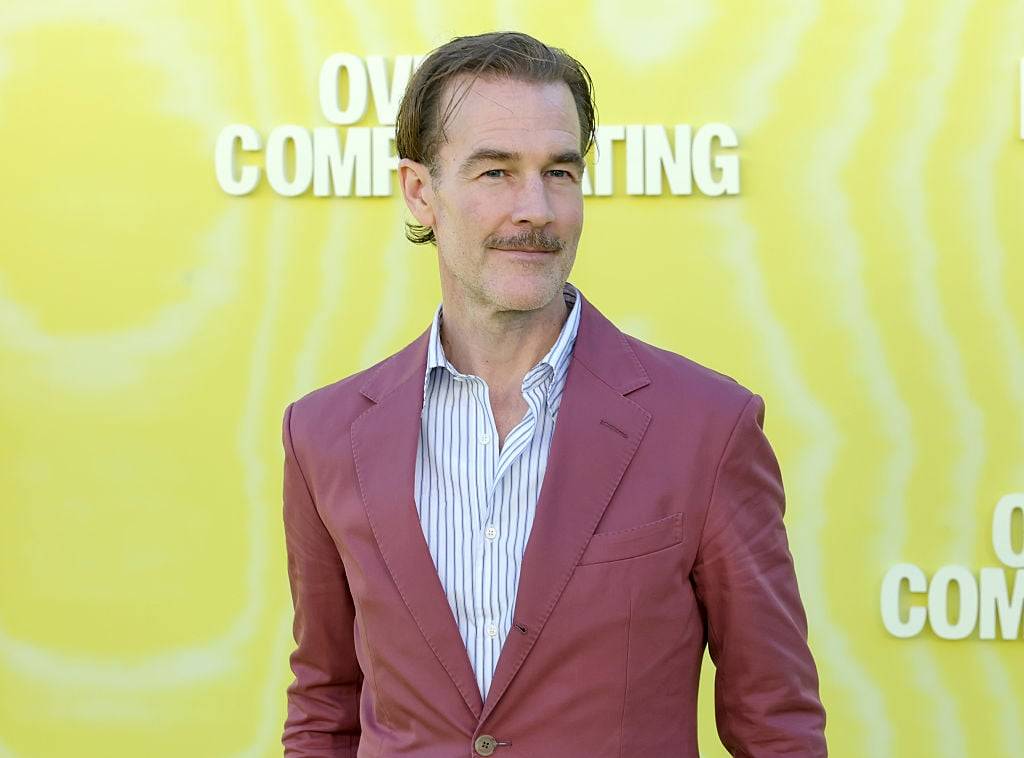
    James Van Der Beek, pictured final yr, purchased a home his household had been dwelling in with assist from his mates (Kevin Winter/Getty Pictures)

    “James secured down fee for the Texas ranch for the household with the assistance of mates via a belief so they may shift from lease to mortgage,” they defined.

    The household had left California in 2020 to maneuver to Austin, Texas and based on Realtor they rented the ranch as they needed to attempt life in one other state earlier than settling down.

    Realtor additionally reviews that the household purchased the ranch price $4.76 million on 9 January, simply over a month earlier than Van Der Beek died.

    Following his loss of life, tributes to the actor have poured in together with his brother Jared saying that they had a ‘particular bond’ however now the ‘bodily bond was damaged’.

    He mentioned: “I now know why folks name it heartbreak once you lose somebody near you. There’s a feeling of devastation and ache that runs so deep within the coronary heart, I didn’t know it will harm so badly.

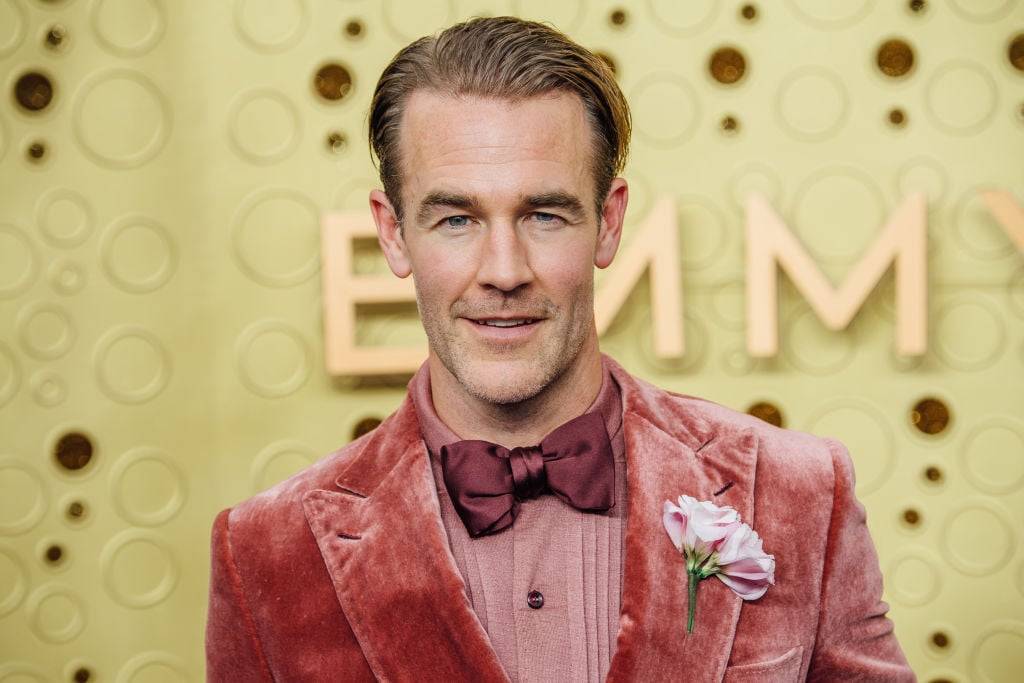
    The actor had assist from mates to place a fee down on the home shortly earlier than he died (Emma McIntyre/Getty Pictures)

    “He was my particular person, the one I went to for any and all issues. I’ve regarded as much as him since I used to be born. He has by no means didn’t be there for me every time I wanted him.”

    Jared mentioned his brother had been a ‘smart soul’ and that as painful as shedding his brother was ‘all of the outpouring of affection, prayers, and assist’ had been useful.

    The actor’s final message had are available January the place he’d despatched a message to his followers speaking in regards to the issue of a New Yr’s Decision and ‘new beginnings at a time when nature rests’.