Tag: Virtual Safety Car

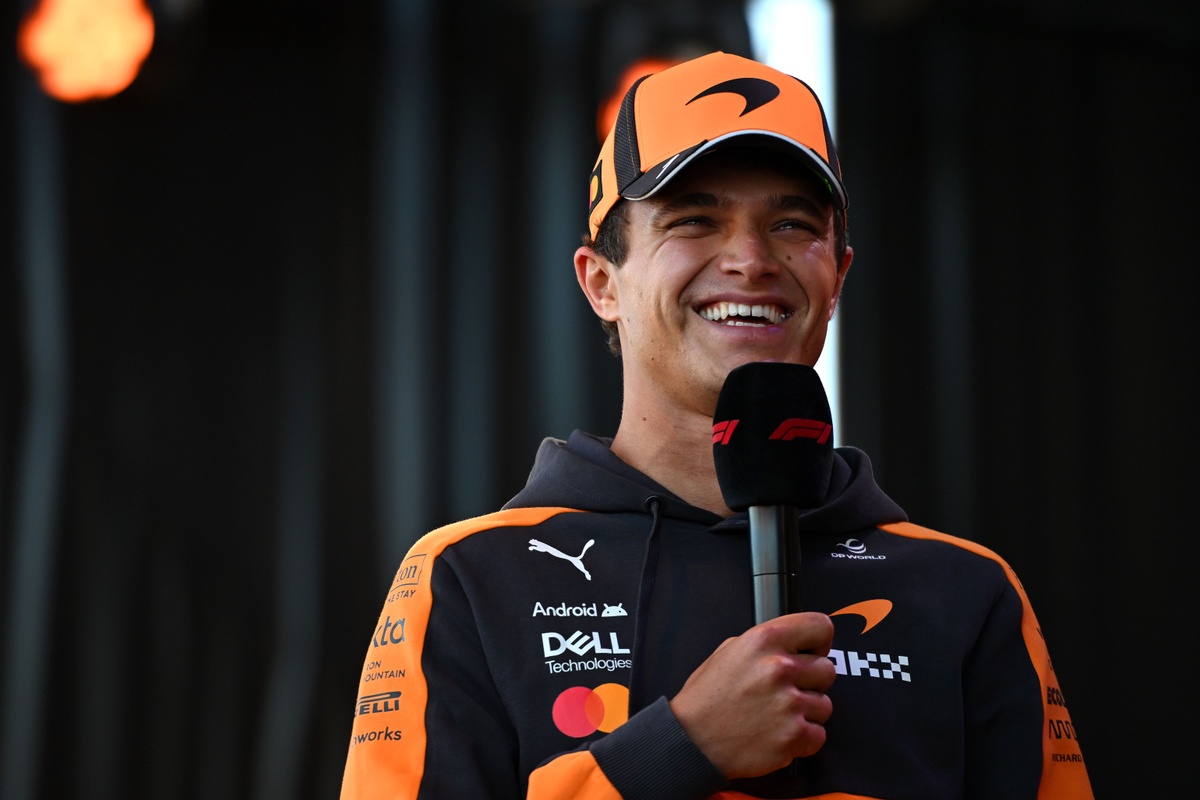
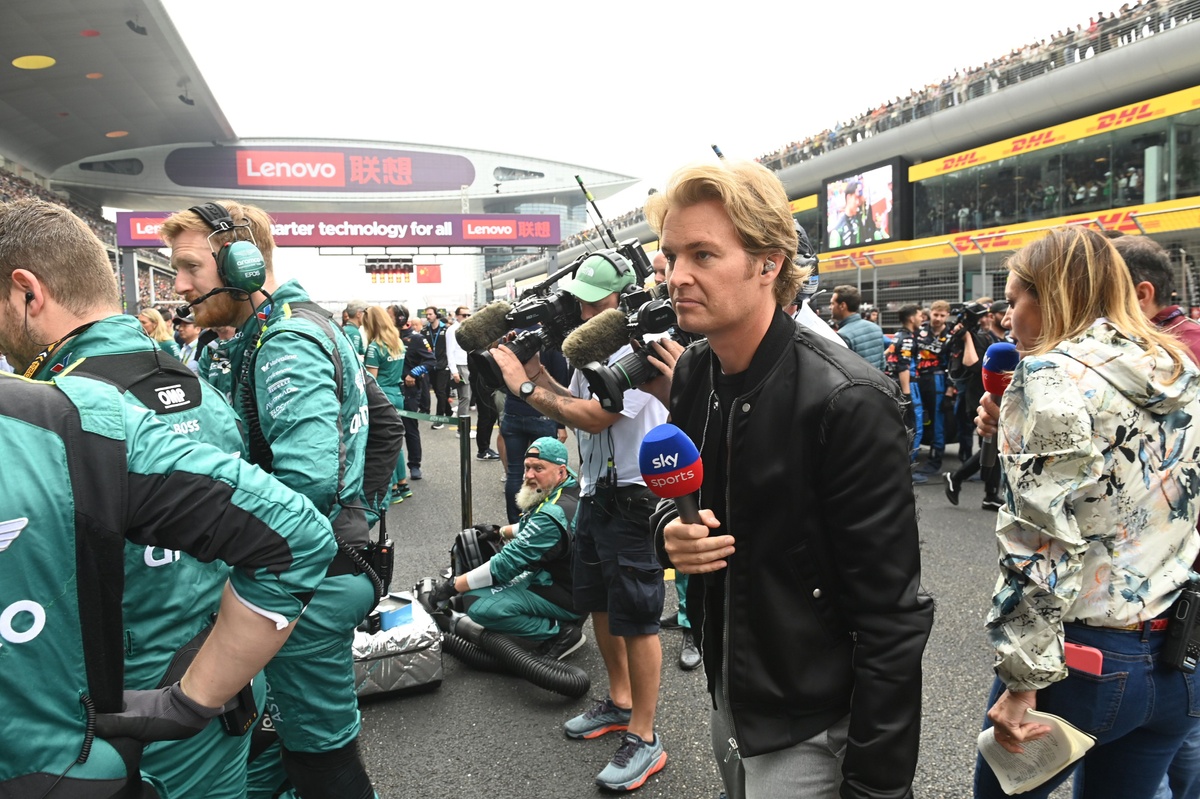
  • Nico Rosberg Proposes Major F1 VSC Rule Change After Lando Norris’ Spanish GP Setback

    Nico Rosberg Proposes Major F1 VSC Rule Change After Lando Norris’ Spanish GP Setback

    Key Highlights

    • 2016 Formula 1 World Champion Nico Rosberg has proposed closing the pitlane or drastically reducing the pitlane speed limit during Virtual Safety Car (VSC) periods to eliminate the unfair advantage gained by drivers who pit under VSC conditions.
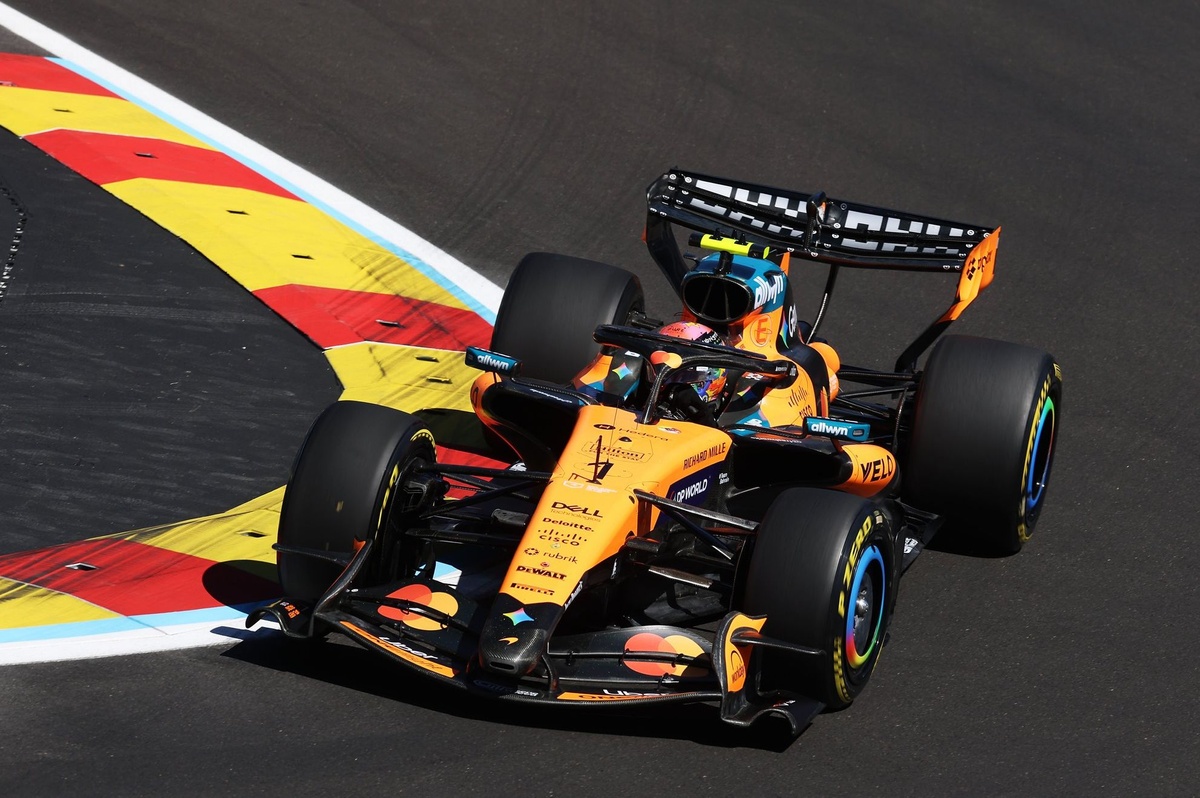
    • The suggestion comes after the inaugural Spanish Grand Prix at the Madring circuit, where McLaren’s Lando Norris lost a likely victory after an ill-timed VSC deployed for Lance Stroll’s stranded Aston Martin allowed rivals to make cheaper pit stops.
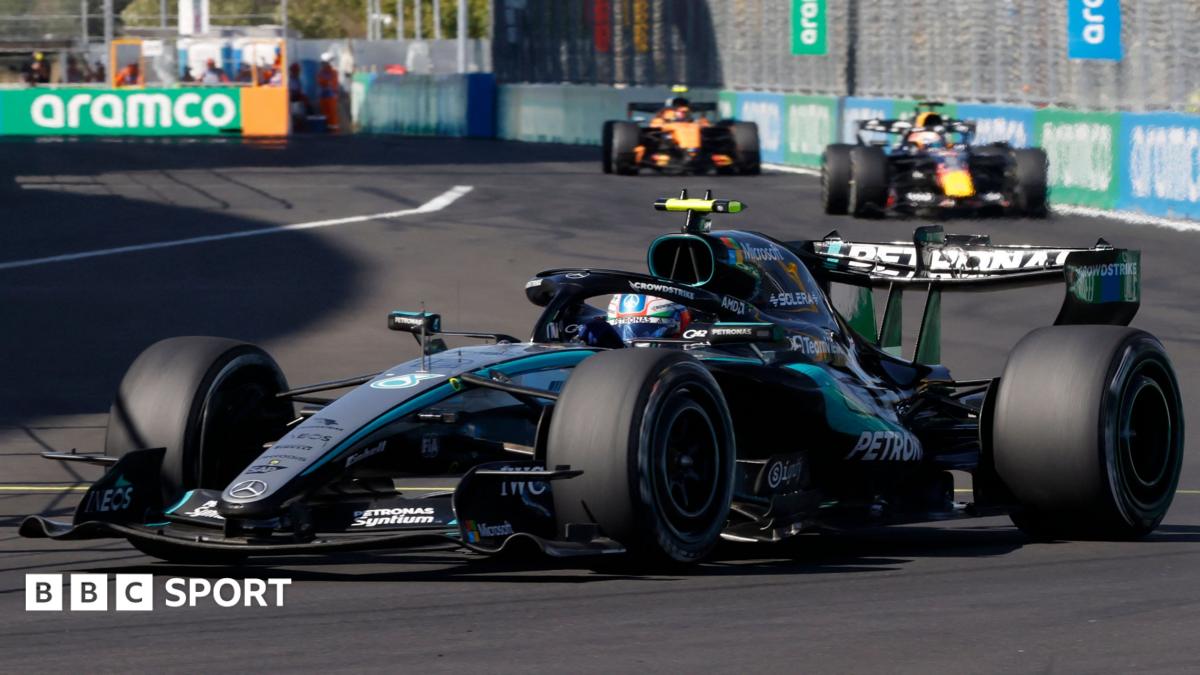
    • Norris, who started from pole and built a lead over Mercedes’ Kimi Antonelli, had just passed the pit entry when the VSC was called, forcing him to stay out while Antonelli and Red Bull’s Max Verstappen pitted under neutralized conditions, ultimately finishing third behind race winner Antonelli and Verstappen.

    Rosberg Highlights Fundamental Flaw in VSC Pit Stop Delta

    Speaking on Sky Sports’ The F1 Show, 2016 Formula 1 World Champion Nico Rosberg dissected the strategic inequity exposed during the first-ever Spanish Grand Prix held at the Madring circuit. The race saw McLaren driver Lando Norris dominate the early stages from pole position, building a comfortable margin over Mercedes rookie Kimi Antonelli. However, the complexion of the Grand Prix shifted irrevocably when a Virtual Safety Car was deployed to retrieve Lance Stroll’s Aston Martin. Because Norris had just crossed the pit entry threshold, he was denied the opportunity to pit under the reduced time-loss delta that the VSC affords, while his primary rivals—including eventual race winner Antonelli and Red Bull Racing’s Max Verstappen—dived into the pits and emerged ahead.

    Former Champion Advocates for Structural Rule Changes

    Rosberg acknowledged the inherent lottery of neutralizations but argued the sport must explore regulatory fixes to preserve sporting fairness. “No, it’s just really unlucky,” Rosberg explained. “That’s the way it is. And it swings and roundabouts with the VSC and safety car deployments. You’re always going to have good luck or bad luck. It’s always horrible when that happens because he deserved to win, and it sucks that he lost it just because of a VSC.” He emphasized that while the VSC was introduced to avoid the spectacle-killing procession of a full Safety Car—“The problem is we hate seeing cars going round and round behind a safety car. It’s the most boring thing in the world of motorsport. And that’s why the VSC has been brought in so that we can reduce speed out there for minor dangers.”—the current rules create a perverse incentive where pitting under VSC yields a massive time gain relative to green-flag racing.

    Two Concrete Proposals to Neutralize the Pit Stop Advantage

    The German outlined two specific mechanisms to equalize the time loss of a pit stop regardless of track status. “Either the pitlane stays closed during a VSC, which then doesn’t give anybody the opportunity to take advantage during it or even why not something like: during a VSC, the pitlane speed limit gets reduced massively because it’s all about the time lost during a pitstop.” Rosberg explained the physics of the disparity: “The problem is during a VSC, the pitstop time lost is so much less because everybody on track is driving so slowly, so by going in the pits you lose a lot less race time, and that is the big problem, why then it becomes unfair.” His second proposal targets that delta directly: “But if you somehow find a way to make the pitstop time lost during a VSC as much time lost as when there’s no VSC, so you need to somehow slow people down who are going for the pitstop, that could be an idea. So then it’s all fair and equal for everybody.”

    Why This Matters

    The debate touches on a long-standing tension in Formula 1 between safety protocol integrity and competitive equity. The VSC was implemented precisely to minimize race neutralization time for minor incidents, yet its very efficiency—slowing cars on track without bunching the field—creates a “free” pit stop window that can overturn a driver’s legitimate on-track performance. The Madring race serves as a high-profile case study: Norris lost a near-certain win not through error or pace deficit, but through the geometric misfortune of track position relative to the pit entry at the moment of VSC deployment. As F1 evaluates its sporting regulations for future seasons, Rosberg’s proposals—closing the pitlane or mandating a drastically lower pitlane speed limit during VSC—represent practical, enforceable levers the FIA could pull to align the time cost of a pit stop with green-flag conditions, thereby removing the “lottery” element without reverting to full Safety Car deployments that degrade the spectacle.

    Frequently Asked Questions

    Why did Lando Norris lose the lead at the Spanish Grand Prix?

    A Virtual Safety Car was deployed to recover Lance Stroll’s Aston Martin just after Norris had passed the pit entry. This allowed rivals Kimi Antonelli and Max Verstappen to pit under VSC conditions—losing significantly less time relative to the field—while Norris was forced to stay out, dropping him to third by the finish.

    What specific rule changes did Nico Rosberg propose?

    Rosberg suggested two options: either keep the pitlane closed for the duration of a VSC, or drastically reduce the pitlane speed limit during a VSC so that the time lost during a pit stop equals the time lost under green-flag racing, neutralizing the unfair advantage.

    Was this the first Spanish Grand Prix at the Madring circuit?

    Yes, the race referenced was the inaugural Spanish Grand Prix held at the Madring circuit.
  • Kimi Antonelli and Mercedes Make Their Own Luck in Madrid

    Kimi Antonelli and Mercedes Make Their Own Luck in Madrid

    How Kimi Antonelli and Mercedes Mastered the VSC to Win the Spanish Grand Prix

    Kimi Antonelli’s victory at the Formula 1 Spanish Grand Prix appeared to hinge on a stroke of luck when a Virtual Safety Car (VSC) was triggered by Lance Stroll’s retirement. However, a deeper look at the telemetry and team radio reveals a calculated masterclass in racecraft and strategy from the Mercedes rookie and his pitwall.

    The VSC Moment That Changed the Race

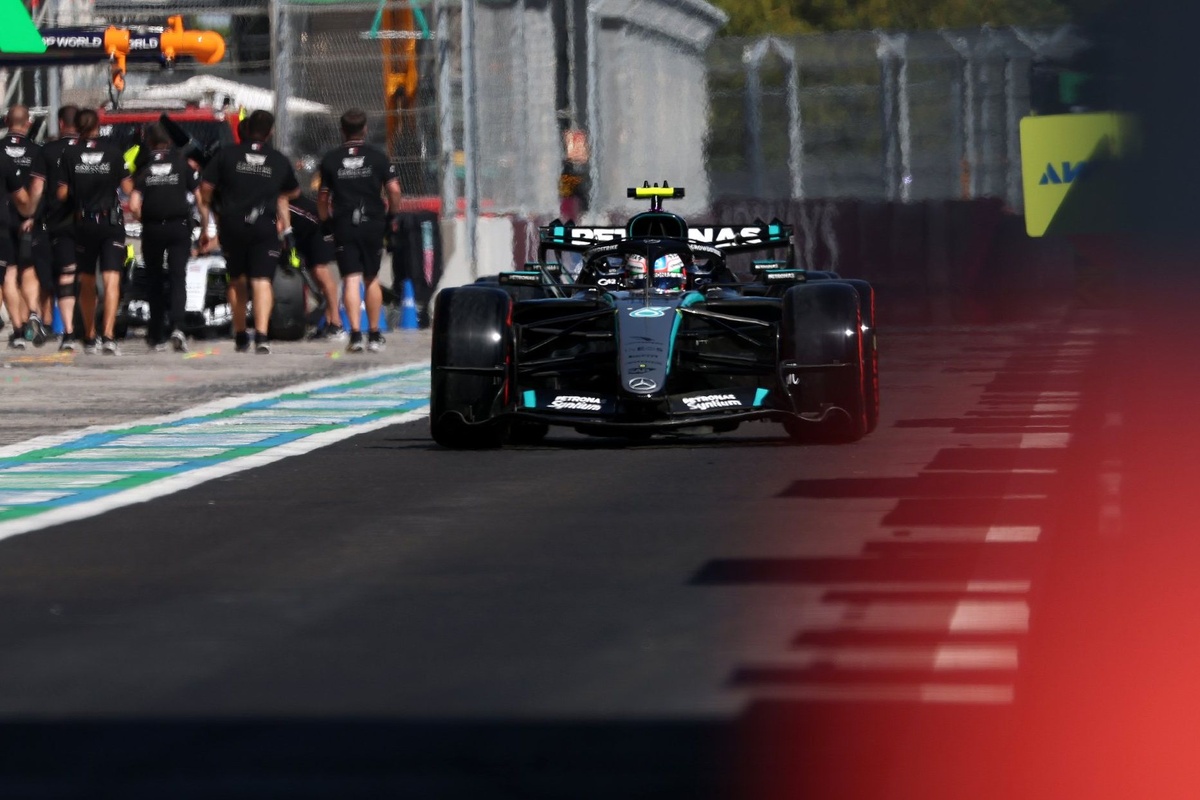
    The neutralisation period arrived at the precise moment to flip the script on a race that Lando Norris seemed destined to win. Norris had already passed the pitlane entry when the VSC was deployed, eliminating his chance to stop. Antonelli, conversely, managed to dive into the pits at the last second. He emerged with the “virtual” lead, slotting in just behind Charles Leclerc, who had yet to make his stop.

    While the timing was fortunate, it was not accidental. Mercedes had anticipated the neutralisation, and Antonelli manipulated his pace to buy the team the critical seconds required to execute the stop.

    Telemetry Reveals Deliberate Pace Management

    Data analysis highlights exactly how Antonelli created his own opportunity. The moment yellow flags flew for Stroll’s stranded Aston Martin at Turn 20, race engineer Peter Bonnington alerted the Italian. Antonelli immediately backed off—significantly more than required by the regulations.

    Comparing Lap 13 vs. Lap 14

    • Turn 19: Antonelli entered 29 km/h slower than on the previous lap.
    • Turn 20 Braking Zone: He arrived 24 km/h slower, lifting off the throttle much earlier.

    This deliberate deceleration cost him several tenths against Norris and Max Verstappen on track, but it gifted his strategists the time window needed to confirm the VSC and call him in.

    Antonelli vs. Verstappen Under Identical Conditions

    The contrast is stark when comparing Antonelli’s telemetry to Verstappen, who was running six seconds behind under the same yellow flags before the VSC was officially deployed:

    • Verstappen was 15 km/h faster through Turn 19.
    • Verstappen reached the Turn 20 braking point 18 km/h quicker, lifting later.

    Antonelli was not merely adhering to the yellow flag delta; he was actively managing the gap to the pit entry to ensure he would be in position if—and when—the race was neutralised.

    Driver and Pitwall in Perfect Sync

    Antonelli confirmed the pre-emptive nature of his actions after the race, crediting the early warning from his engineer.

    “In my case, the timing was perfect: Bono warned me in the final sector that a virtual safety car might come out, so I lifted off,” Antonelli said after the race. “I slowed down a bit on purpose to see if I could catch the VSC right before the pit entry, and it worked out great.”

    The Mercedes pitwall had already flagged a high probability of a VSC based on real-time analysis of Stroll’s incident. This foresight allowed the strategy group to initiate the communication chain before Race Control made the official call.

    Three-Second Decision Making

    Team principal Toto Wolff praised the speed of the internal process, estimating the entire chain—from strategy identification to driver execution—took roughly three seconds.

    “The chain of command, the process was great,” Wolff said. “The strategy group had it on their mind, obviously, and then someone said, ‘That’s not going to clear quickly with the Aston Martin in the wall’. And then it was strategy to Bono, Bono double-checked, Bono to Kimi, and that was all. We’re talking about three seconds.”

    Racecraft Beyond the Years

    It remains impossible to quantify exactly how many tenths Antonelli’s deliberate lifting contributed to the successful stop versus the VSC timing itself. However, the episode serves as a compelling case study in the 18-year-old’s ability to read a race dynamically. By anticipating the neutralisation and adjusting his speed proactively, he handed his team the margin required to execute a race-winning strategy.

  • Mercedes Explains Why George Russell Pitted Under VSC at Madring

    Mercedes Explains Why George Russell Pitted Under VSC at Madring

    Key Highlights

    • Mercedes deputy team principal Bradley Lord revealed George Russell’s alternate strategy was forced by the poorly timed virtual safety car on lap 14, which ruined the team’s planned one-stop on hard tyres.
    • Russell switched to mediums under the VSC to attempt an undercut on Charles Leclerc, then returned to hards on lap 28, finishing just 0.7 seconds behind the Ferrari in fifth place.
    • The result leaves Russell 81 points adrift of Mercedes teammate and championship leader Kimi Antonelli, with the Briton admitting a title challenge now feels “exceptionally unlikely.”

    VSC Timing Derails Mercedes’ Original One-Stop Plan for Russell

    Mercedes deputy team principal Bradley Lord has detailed the strategic dilemma that forced George Russell into a two-stop strategy during Formula 1’s Spanish Grand Prix, explaining that the virtual safety car deployment on lap 14 arrived at the “worst possible time” for the British driver. Russell started sixth on the hard compound tyre with a clear intention to run long and execute a one-stop race, mirroring the approach of Charles Leclerc ahead of him in the Ferrari. However, the neutralisation period—triggered while Russell was the second car on hards behind Leclerc—eliminated any realistic chance of overtaking or undercutting on similar-aged rubber.

    Why Mercedes Chose to ‘Box Opposite to Leclerc’

    Faced with the prospect of Russell simply circulating behind the Ferrari to the finish, Mercedes opted for a reactive ‘box opposite to Leclerc’ call under the VSC. “The opportunity to undercut was very, very limited, and the opportunity to overtake was almost non-existent for cars on similar age tyres,” Lord explained. The team fitted medium tyres knowing they would not last the remaining 43 laps, planning a 20-lap stint before switching back to the more durable hard compound for the final phase. This divergent strategy was a calculated gamble to create a performance differential in a race where track position appeared unassailable.

    Russell’s Pace Forces Ferrari’s Hand and Nearly Yields a Podium

    The tactical switch sparked an impressive performance from Russell. His pace on the medium tyre was sufficient to pressure Leclerc into an earlier pit stop than Ferrari likely desired, a move that simultaneously handed clean air to race leader and Mercedes teammate Kimi Antonelli. Russell rejoined on fresh hards for the closing laps and hounded Leclerc relentlessly, crossing the line a mere 0.7 seconds adrift of the Ferrari in fifth place. Lord noted Russell “unleashed some really impressive performance” and that the hard tyre proved “quite fragile” on the Ferrari in the final stint.

    Why This Matters

    The Spanish Grand Prix outcome underscores the critical importance of safety car timing in modern Formula 1 strategy, particularly at circuits like Madrid where overtaking is at a premium. For Mercedes, the race delivered a bittersweet narrative: a dominant victory for championship leader Kimi Antonelli, facilitated by the same VSC that compromised Russell’s race. The 81-point gap now separating the teammates highlights how quickly a title fight can pivot on a single strategic variable. With Russell openly conceding his championship hopes are “exceptionally unlikely,” the focus within the team will inevitably shift toward consolidating Antonelli’s lead while extracting maximum constructors’ points from both cars in the remaining rounds.

    Frequently Asked Questions

    Why did George Russell pit under the Virtual Safety Car when he started on hard tyres?

    The VSC deployed on lap 14 at the worst possible moment for Russell’s planned one-stop strategy. As the second car on hards behind Charles Leclerc, staying out would have condemned him to following the Ferrari to the finish with almost zero overtaking opportunity. Mercedes chose to ‘box opposite to Leclerc,’ fitting mediums to create a strategic differential.

    How did Russell’s alternate strategy affect the race outcome?

    Russell’s medium-tyre stint forced Leclerc into an earlier pit stop than Ferrari planned, which gave Kimi Antonelli clean air at the front. Russell then switched back to hards on lap 28 and closed to within 0.7 seconds of Leclerc by the finish, setting the fastest lap of the race in the process.

    What is George Russell’s current championship deficit to Kimi Antonelli?

    Following the Spanish Grand Prix, Russell trails Mercedes teammate and championship leader Kimi Antonelli by 81 points. Russell has described his chances of fighting for the title as “exceptionally unlikely.”

  • F1 Q&A: Madring’s Overtaking Problem, Virtual Safety Car Operation, and 2027 Rookie Prospects

    F1 Q&A: Madring’s Overtaking Problem, Virtual Safety Car Operation, and 2027 Rookie Prospects

    Key Highlights

    • Lando Norris lost a likely Spanish Grand Prix victory due to unique Virtual Safety Car timing that prevented only him from pitting, reigniting debate over minimum VSC duration rules.
    • McLaren team principal Andrea Stella expressed uncertainty over whether VSCs should last at least one full lap to equalize conditions or remain a “hands of the Gods” variable.
    • Haas appears the most likely entry point for 2026 rookies, with F2 champion Leonardo Fornaroli and Ferrari academy driver Rafael Camara leading candidates alongside Toyota protege Ryo Hirakawa.

    Norris Misfortune Reignites Virtual Safety Car Debate

    Lando Norris’ cruel twist of fate at the Spanish Grand Prix has thrust Formula 1’s Virtual Safety Car regulations back into the spotlight. The McLaren driver lost a commanding race lead—and near-certain victory—when a VSC deployment froze the field at the precise moment his track position made a pit stop impossible, while rivals behind him gained a free stop under neutralized conditions. Unlike previous strategic VSC gains, where teams deliberately gambled on a neutralisation, Norris’ predicament was purely circumstantial: he was the sole driver unable to access the pits during the brief window. The incident has been described as a “chance card in Monopoly” by observers, highlighting the arbitrary nature of the current system.

    Stella Questions Fairness, FIA Process Looms

    McLaren Team Principal Andrea Stella admitted the situation left him conflicted. “Offering a personal opinion, I’m puzzled myself as to what’s right,” Stella said. “Is it correct to give enough duration such that everyone will have been subject to the same track conditions? So, for instance, the virtual safety car lasts at least one full lap. Or you just keep it in the hands of the Gods, and sometimes you are lucky, sometimes you are not. I’m not sure.”

    Norris revealed after the race that the specific issue of VSC duration and pit-lane equity “has been spoken about many, many times” in driver briefings. Any regulatory change would follow a formal pathway: analysis by the Sporting Advisory Committee, then review by the F1 Commission comprising teams, commercial rights holder Formula 1, and governing body the FIA. However, sources indicate no immediate momentum exists for a rule alteration, as safety-car variability is widely accepted as an intrinsic, albeit unpredictable, competitive element.

    2026 Rookie Market: Haas the Epicenter of Opportunity

    With most 2026 driver line-ups settled or trending toward continuity, Haas emerges as the primary gateway for new talent. Esteban Ocon’s seat appears vulnerable, creating a rare opening. The leading contenders are Italy’s Leonardo Fornaroli, the reigning Formula 2 champion and a McLaren development driver, and Brazilian Rafael Camara, currently second in the F2 standings and a Ferrari Academy member. Both have tested for the American squad and reportedly impressed. Haas reserve driver Ryo Hirakawa, a long-time Toyota protege linked to the team’s technical partnership, remains in contention but is considered a less probable choice. The team is understood to prioritize a combination of pace and financial backing.

    Red Bull Junior Shuffle and Cadillac’s American Dilemma

    Elsewhere, Red Bull is evaluating a promotion for F2 championship leader Nikola Tsolov into the Racing Bulls squad. Such a move would necessitate dropping either Liam Lawson—who has performed solidly this season—or impressive rookie Arvid Lindblad, making the decision complex. At Cadillac, the plan to fast-track IndyCar race-winner Colton Herta has stalled; his difficult F2 campaign, yielding just a best finish of fifth and 19th in the standings, makes a 2026 graduation a significant risk. Fellow American Ugo Ugochukwu, who clinched the Formula 3 title in Madrid, is on Cadillac’s radar but is likely too inexperienced for an immediate F1 step. His stature—well over six feet, taller than current grid giants Esteban Ocon, Alex Albon, and George Russell—also presents unique cockpit integration challenges. The only other potential vacancy hinges on Fernando Alonso’s undecided future at Aston Martin.

    Why This Matters

    The Norris incident exposes a structural tension in F1’s sporting regulations: the balance between operational efficiency—the VSC’s original purpose of minimizing disruption for quickly cleared hazards—and competitive equity. The current rules, evolved through iterations including pit-lane closures, still allow a neutralisation to arbitrarily advantage or disadvantage a single driver based solely on micro-sector position at the moment of deployment. With the Sporting Advisory Committee and F1 Commission as the only formal mechanisms for change, any adjustment will be deliberate and political, requiring consensus among teams that may benefit from the status quo. Simultaneously, the 2026 rookie landscape reflects a broader trend of grid stability driven by multi-year contracts and academy consolidation, making Haas’s decision a bellwether for how teams weigh academy allegiance versus immediate performance and commercial value.

    Frequently Asked Questions

    Could the VSC rules be changed before the end of the 2025 season?

    It is highly unlikely. Any amendment requires analysis by the Sporting Advisory Committee and approval by the F1 Commission, a process that typically spans months. There is currently no indication that the FIA or Formula 1 management views this as an urgent safety or sporting integrity issue warranting an expedited change.

    Who is the favorite for the open Haas seat in 2026?

    There is no clear favorite. Leonardo Fornaroli (McLaren-backed F2 champion) and Rafael Camara (Ferrari-backed F2 runner-up) are the two primary candidates, both having tested successfully. Ryo Hirakawa (Toyota/HAAS reserve) is a dark horse. The final decision will likely weigh on-track performance, simulator work, and the commercial package each driver brings.

    Is Colton Herta’s F1 dream over?

    Not necessarily, but his path has narrowed significantly. A move to F1 in 2026 looks improbable given his current F2 form. Cadillac may opt to let him complete the F2 season to rebuild momentum for a potential 2027 entry, or explore alternative candidates like Ugo Ugochukwu, though the latter’s physical stature and inexperience present additional hurdles.

  • Why Formula 1 Should Avoid Knee-Jerk Rule Changes After Lando Norris’ Madrid Heartbreak

    Why Formula 1 Should Avoid Knee-Jerk Rule Changes After Lando Norris’ Madrid Heartbreak

    Lando Norris lost a potential Formula 1 victory at the Spanish Grand Prix through no fault of his own or his team’s, but due to the unfortunate timing of a virtual safety car (VSC) deployed on lap 14 following Lance Stroll’s retirement. The McLaren driver missed the pitlane entry by mere seconds before the VSC activation, making him the primary loser in a scenario where his main rivals—who lacked his outright pace—gained a “cheap” pit stop. The fastest driver on track ultimately settled for third place.

    Norris Questions Fairness of Current VSC Rules

    The outcome reignited debate regarding potential rule changes, with the VSC becoming the dominant talking point in Barcelona. Speaking in the post-race press conference, Norris expressed frustration over the lack of control he had over the situation.

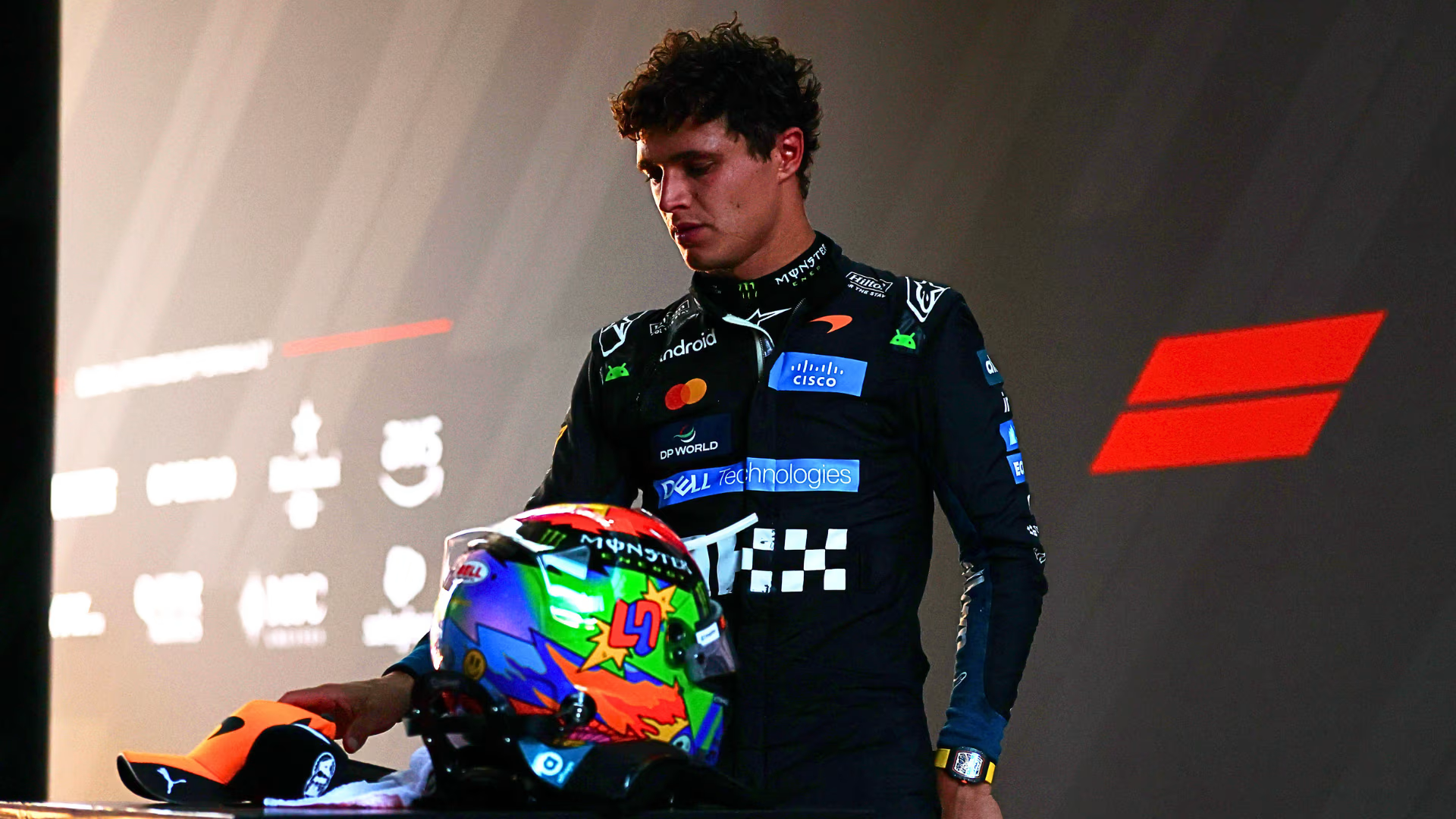
    “There’s literally nothing I could do as a driver today to do a better job,” said Norris a few minutes after the finish in the press conference. “Pole, led the race, and to lose it for nothing in my control is, I don’t think, how a race should be won.

    “But I think people… I hope people agree, I think people would agree. But it is racing and it’s happened, so I can’t really complain about it. I can be upset about it, but I can’t really complain about it.”

    Proposed Solutions: Closing Pitlane or Mandatory VSC Duration

    In the aftermath, “easy solutions” often surface. Norris himself outlined two prominent ideas during the same press conference.

    “We have spoken about it in the past several times, about how it can be at least covered for one lap or everyone has the opportunity to do the pit stops, or you just block the pit entry and no one can box apart from if you have a puncture or something, you know.

    “So, I think there’s a few things you could do to make it more simple and more fair for everyone, but that’s a bigger discussion.”

    While both options—closing the pitlane under VSC or ensuring a full-lap VSC duration—would have neutralized the disadvantage for Norris in Spain, analysis suggests both create significant new problems.

    Why Closing the Pitlane Creates Safety Risks

    Closing the pitlane entry during a VSC would prevent the “cheap stop” scenario. Without refuelling, cars do not risk running dry during a safety period, making this seem logical. However, VSCs and safety cars are primarily deployed for on-track incidents involving damaged cars.

    Closing the pitlane while cars are circulating with damage—such as missing wheels or front wing failures—is illogical and unsafe. Allowing only damaged cars to pit introduces regulatory grey areas: defining what constitutes “damage” is complex. For instance, would the front wing damage sustained by Oscar Piastri in Madrid qualify? Furthermore, it could incentivize drivers to deliberately induce punctures to earn a pitstop right.

    “I think it’s something, as a group of drivers, I think we would all want,” he said, but also admitted that “there’s a lot more to it”.

    “You know, depending on if it’s raining and there’s a VSC and you’re on slicks, does it mean you can box or not? It’s a complicated subject.”

    Preventing drivers on slick tyres from switching to wets during a VSC deployed for safety would contradict the very purpose of the intervention. If a simple fix existed, it would likely have been implemented long ago.

    Why a Mandatory Full-Lap VSC Fails Strategically

    The alternative—guaranteeing the VSC lasts at least one full lap so every driver can pit—addresses the specific Madrid scenario where the VSC ended before Norris completed his lap. However, this creates strategic distortions in other common scenarios.

    Consider if Norris had pitted on lap 12 to cover an undercut from Kimi Antonelli (Mercedes). A subsequent VSC on lap 14 would put Norris at risk of losing track position to Antonelli. A mandatory full-lap VSC would guarantee Mercedes a “cheap” stop regardless of how quickly the track was cleared, artificially enforcing an “unfair” outcome. Critics would then likely demand race control act faster, ignoring that safety—not sporting equity—dictates deployment duration.

    Safety Remains the Sole Priority for Race Control

    The sporting outcome is not a factor for race control when deploying safety measures, nor should it be. Motor racing remains dangerous; safety is the only priority during incident management.

    “But I think as a collection of drivers, if we all talk about it, I think everyone wants the same thing, and that’s just fairness for everyone,” said Norris. “So yeah, of course I’m complaining about it today. I could benefit from it next week, next time out, and I could win because of it.

    “So yeah, I have to take it on the chin, but I just hope it doesn’t happen to anyone again because it’s just not how you should lose a race.”

    Accepting the Inherent Unpredictability of Sport

    While drivers are right to raise concerns, media headlines demanding immediate rule changes based on one event should not dictate regulatory overhauls. The Spanish GP highlighted a long-standing issue with VSC timing luck, but its persistence exists precisely because no simple solution withstands scrutiny across all scenarios.

    Those offering straightforward fixes typically fall into two categories: those who misunderstand the complexity of the problem, or politicians. Ultimately, the only realistic “solution” may be accepting that sport is not always fair—and that the VSC lottery, while frustrating, is an inherent variable in Formula 1.

  • McLaren Won’t Blame F1 Race Control for Spanish GP Loss

    McLaren Won’t Blame F1 Race Control for Spanish GP Loss

    Key Highlights

    • Lando Norris lost a near-certain Spanish Grand Prix victory after a Virtual Safety Car triggered by Lance Stroll’s brake failure cost him approximately 20 seconds relative to rivals who pitted under the neutralisation.
    • McLaren Team Principal Andrea Stella refused to criticise race control, stating the race director’s sole focus must be safety and that regulatory changes require a lengthy process through the Strategy Advisory Committee and F1 Commission.
    • Norris acknowledged the misfortune was part of racing but noted this was likely the first time he had lost a race win specifically due to VSC timing, having previously benefited from similar scenarios.

    Norris Dominates Early Before VSC Cruelly Intervenes

    The 2025 Formula 1 Spanish Grand Prix at the Madring circuit appeared destined for a McLaren victory after Lando Norris converted pole position into a commanding early lead. The Briton quickly pulled away from Mercedes rookie Kimi Antonelli and reigning champion Max Verstappen, exploiting the clean air that is critical on a layout where overtaking proved exceptionally difficult across F1, F2, and F3 support races throughout the weekend.

    That narrative unravelled when Lance Stroll suffered a brake failure on his Aston Martin, forcing the Canadian to stop at the side of the track. Race control deployed a Virtual Safety Car (VSC) at the precise moment Norris had just passed the pit entry. By the time the McLaren driver completed the additional lap required to reach the pits, the track had already gone green again. Meanwhile, Antonelli, Verstappen, and the chasing pack had all dived into the pits under the VSC, swapping tyres at a significantly reduced time loss. Norris emerged from his eventual stop having surrendered roughly 20 seconds to his principal rivals, effectively handing the race lead—and ultimately the win—to Antonelli.

    Stella Defends Race Control, Points to Governance Process

    Despite the bitter disappointment, McLaren Team Principal Andrea Stella was unequivocal in refusing to apportion blame to the race director or FIA race control. Speaking after the Grand Prix, the Italian emphasised that the official’s mandate during a live incident is strictly limited to safety management.

    “Like all the times in which a safety car or a virtual safety car timing or duration has a large influence on a race, we have an opportunity to review whether we can do things differently,”

    Stella said.

    “But this is not under the jurisdiction of the race director. The race director applies the guidance and the regulations at the moment of the race that he’s directing. And I think that when there’s a situation like the one that caused the virtual safety car, the attention of the race director, and rightly so, is on when the conditions exist to turn the virtual safety car on and when they exist to turn it off. I don’t think he takes a look at what’s happening in the race. It would be a big distraction.”

    Stella confirmed the team had absolutely no comment on the race direction of the Spanish GP, adding they had done a good job according to what is present. However, he conceded there was scope for wider reflection on maintaining fairness.

    “I’m puzzled myself as to what’s right,” Stella continued. “Is it correct to give enough duration such that everyone will be subject to the same track conditions? So, for instance, the virtual safety car lasts at least one full lap. Or, you just keep it in the hands of the gods? And sometimes you are lucky, sometimes you are not. I’m not sure myself.”

    The McLaren boss outlined the formal pathway for any regulatory adjustment, noting it must originate in the Strategy Advisory Committee (SAC), progress to the F1 Commission, and ultimately be written into the Sporting Regulations—a relatively lengthy process that precludes any immediate change.

    “But in general, there’s the right place to have this sort of conversation which is the Strategy Advisory Committee, the famous SAC. And this is a topic that may be added to the agenda and discussed over there. But if it’s a change, it will have to be a change that goes through the SAC, then the F1 Commission, and then we have to go at some stage to the Sporting Regulations.”

    Norris Takes Philosophical View on Cruel Timing

    For Norris, the loss was particularly stinging because it occurred while fighting for a victory rather than mere points. In the post-race press conference, the 25-year-old articulated a balanced perspective, recognising that the fickle nature of safety-car timing has swung both ways during his career.

    “I was the only one, the only one on the whole grid that didn’t get the chance to do the pitstop,” Norris said in the post-race press conference. “That’s just unfortunate. It’s happened in races and there’s been plenty of times where I’ve gained from it in the past and times where I lost from it.”

    “It’s racing, but never when fighting for a win. So, I think it’s probably one of the first times a win has been lost simply because of it.”

    Why This Matters

    The Spanish Grand Prix episode has reignited a long-standing debate within Formula 1 regarding the sporting equity of Virtual Safety Car and Safety Car deployments. Because the VSC freezes gaps at the moment of deployment, any driver who has not yet passed the pit entry when the signal is given gains a massive advantage over those who have just missed it. The Madring circuit’s layout—where track position is paramount and overtaking is at a premium—amplified the consequence to a race-deciding level.

    Stella’s reference to the Strategy Advisory Committee underscores that any solution—whether a mandatory minimum VSC duration, a “pit window” guarantee, or a red-flag-style reset—must navigate F1’s multi-layered governance structure involving teams, the FIA, and commercial rights holders. Until such a mechanism is ratified, the sport must accept that the timing of neutralisations remains, in Stella’s words, in the hands of the gods. For Norris and McLaren, the focus now shifts to recovering the championship momentum lost on a Sunday where pace was never the issue.

    Frequently Asked Questions

    Why did Lando Norris lose the Spanish Grand Prix?
    Norris lost the lead when a Virtual Safety Car was deployed moments after he passed the pit entry. He was forced to complete an extra lap at reduced speed before pitting, while rivals including Kimi Antonelli and Max Verstappen pitted immediately under the VSC, gaining roughly 20 seconds on the McLaren driver.
    Is McLaren protesting the race director’s decision?
    No. Team Principal Andrea Stella explicitly stated McLaren has absolutely no comment on the race direction and believes the race director’s sole responsibility during a live incident is safety, not sporting equity.
    Could the rules be changed to prevent this happening again?
    Any rule change would need to be proposed at the Strategy Advisory Committee (SAC), approved by the F1 Commission, and written into the Sporting Regulations. Stella described this as a relatively lengthy process, meaning no immediate fix is expected.
  • Monday Morning Debrief: Could Lando Norris Have Won the Spanish Grand Prix After the VSC?

    Monday Morning Debrief: Could Lando Norris Have Won the Spanish Grand Prix After the VSC?

    Lance Stroll’s race came to an abrupt end on Lap 13 of the Grand Prix after a catastrophic brake failure sent his Aston Martin into the run-off area at Turn 20. The Canadian driver hit the brakes for the corner and the pedal went to the floor, leaving him stranded and triggering a chain of events that dramatically altered the race outcome.

    Virtual Safety Car Timing Costs Norris Victory Chance

    The deployment of a Virtual Safety Car (VSC) to clear Stroll’s stricken car proved decisive for the race lead. Lando Norris had just passed the pit exit to begin Lap 14 when the VSC was called, a timing misfortune that effectively handed the strategic advantage to his rivals.

    Antonelli Capitalises on Fortuitous Timing

    Kimi Antonelli was in the perfect position to exploit the VSC window. The young driver arrived at the pit lane entry just in time to make a “free” pit stop under the neutralised conditions, minimising time loss and vaulting himself into a race-winning position that the on-track pace alone might not have secured.

  • Lando Norris Wins ‘Who Slept Best Last Night’ Title

    Lando Norris Wins ‘Who Slept Best Last Night’ Title

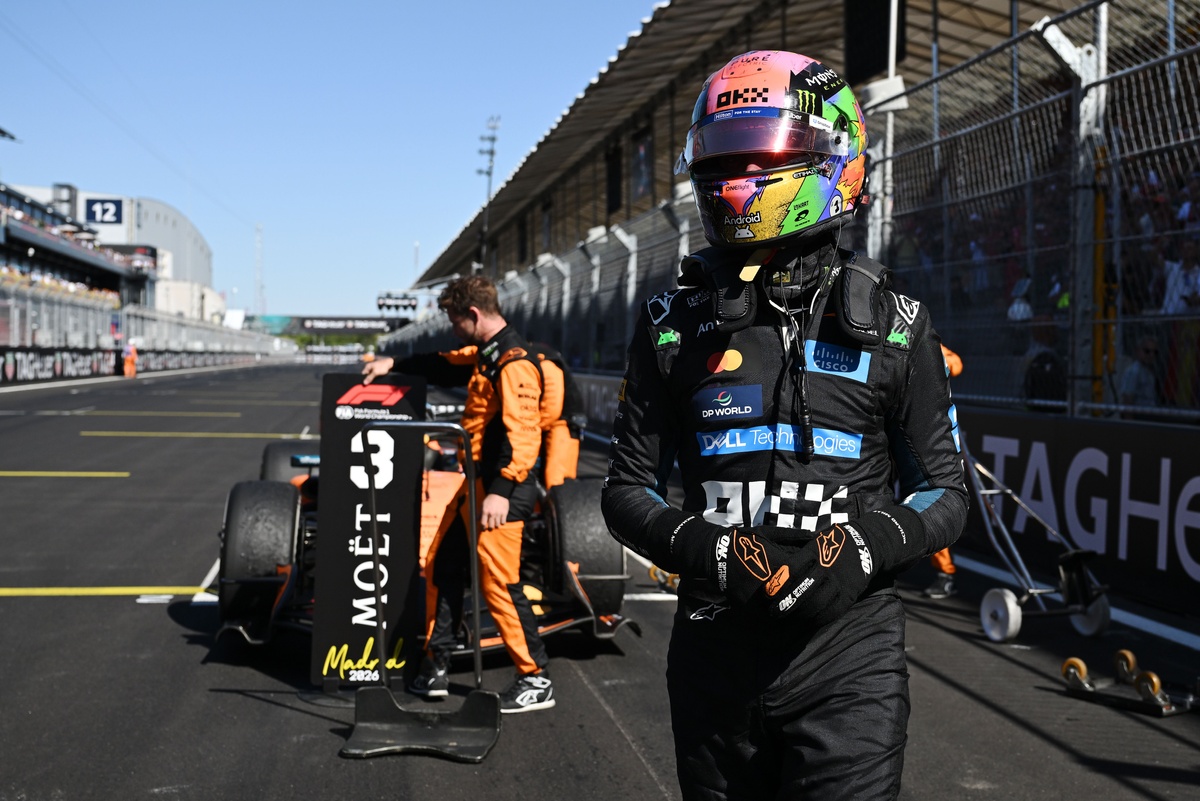
    Lando Norris summed up his Spanish Grand Prix heartbreak with brutal honesty on the cooldown lap in Madrid. “We were too quick, that’s all it was.” Those six words captured the cruel irony that defined the inaugural Spanish GP at the Madring circuit.

    How a Six-Second Gap Decided the Madrid Winner

    The sequence began on lap 13 when Lance Stroll parked his Aston Martin at Turn 20 with a brake problem. Norris was just a few corners behind, holding a comfortable six-second advantage over Kimi Antonelli. Had Norris been three or four seconds slower on his opening medium stint, he would have reached the pit lane entry just as track marshals determined they needed to push the stranded car to a safer location.

    Instead, the timing worked against the McLaren driver. Race director Rui Marques deployed the Virtual Safety Car, triggering a cascade of cheap pit stops across the field. Norris had just passed the pit lane entry when the VSC activated, forcing him to slow to comply with delta times. By the time he completed the lap, officials had cleared the Aston Martin, and the VSC period ended. Almost the entire field had pitted under neutralized conditions; Norris was forced to stop under green flag conditions, surrendering track position.

    Antonelli Admits Victory Feels Hollow

    The beneficiary, Kimi Antonelli, offered a remarkably candid assessment after climbing from his Mercedes. “It’s good to win, but it doesn’t feel as good,” the Italian conceded during the post-race broadcast interview with James Hinchcliffe. Jolyon Palmer had predicted earlier in the week that Antonelli’s recent fortune resembled a lottery win, and Sunday’s events in Madrid appeared to validate that observation.

    This is not to diminish Antonelli’s championship credentials, but the circumstances underscored how luck has intervened in his favor during the 2025 season, a contrast to the more testing challenges he faced in his rookie campaign.

    Norris Delivers a Masterclass in Defeat

    Norris was, by any objective measure, the standout performer of the weekend, continuing the form he has displayed since McLaren’s resurgence following their Hungarian upgrade, Monza excepted. This should have been his third victory in four races. While the championship fight is effectively over, a win would have energized those still clinging to title hopes.

    His team radio message as he returned to the pits revealed both frustration and resolve: “Very unlucky today, guys. We deserved the win quite easily, so a big thank you. Didn’t think we were going to have a chance here, but we should have won. Well done guys. Keep it going.” He added a line that spoke volumes about his current mindset: “I’ll keep delivering.”

    Perspective on Luck’s Two-Way Street

    In the post-race press conference, Norris acknowledged that VSC timing has cost others victories before, while admitting he benefited from a timely safety car at his maiden Miami win in 2023. His philosophical acceptance, “what comes around goes around,” reflects a maturity forged since that breakthrough.

    The transformation from the self-deprecating “No wins” Norris of early 2023 to the driver declaring “I’ll keep delivering” illustrates a profound shift in self-belief and understanding of his own capabilities.

    Norris Debunks the “Driver Difference” Theories

    Recent commentary from Max Verstappen and George Russell has suggested that 2026 regulations reduce the impact a driver can make. Verstappen cited Liam Lawson’s improved form as evidence, while Russell linked Lewis Hamilton’s revival and Antonelli’s dominance to driving styles suited to the new rules, including Norris in that category.

    Norris’s performances dismantle both arguments. He has not only outperformed Oscar Piastri this season, the gap has widened significantly compared to 2025. Piastri’s standout moments have been scarce outside of commercial appearances, while Norris has produced a string of exceptional performances. The data suggests Norris is making the difference, and it transcends driving style preferences.

    McLaren’s Operational Excellence Signals 2027 Threat

    With an 81-point championship lead over his nearest rival, who is not Norris, Antonelli’s 2026 title appears secure. Verstappen’s late-season heroics last year are not repeatable on demand, and even Toto Wolff’s cautious public stance likely masks active championship merchandise planning for the Italian rookie.

    For Norris and McLaren, the bigger picture is encouraging. The organization under Andrea Stella continues to impress with systematic car development, eliminating weaknesses methodically. Norris now looks like the ideal product of that culture, a driver with immense potential refined into a consistent force.

    Being “too quick” cost Norris a victory in Madrid, but that same pace will win far more races in the future than it costs. With McLaren’s trajectory and Norris’s confidence, the 2027 championship battle promises to be considerably closer.

  • Spanish Grand Prix: How VSC Cost Lando Norris Race Win — And Should F1 Change the Rules?

    Spanish Grand Prix: How VSC Cost Lando Norris Race Win — And Should F1 Change the Rules?

    Norris Explains Pit Stop Decision After Race

    After the race, McLaren faced questions about whether pitting on the following lap was the optimal call or if Lando Norris should have stayed out. Norris defended the decision, stating: “I had to come in at the end of the lap because it was the only chance.”

    He elaborated on the trade-offs: “It was still effectively some pit loss, (but) the fact that everyone’s kind of on colder tyres and you’re still minimising the pit loss.” Norris highlighted the tyre performance disparity: “The medium tyre (on which Norris had started the race) was destroyed and the hard tyre (to which Antonelli and Verstappen switched) was amazing.”

    Despite the outcome, Norris pointed to strong pace: “But the pace was very, very strong and on the hard tyre… I know they were stuck (behind Ferrari’s Charles Leclerc, who stayed out under the VSC), we caught up 13, 14 seconds or more, almost. So, plenty of positives. A day full of positives, just one thing let it all down.”

    Stella Analyzes Strategy Options

    McLaren team principal Andrea Stella confirmed the team evaluated staying out: “We considered staying out, but you have to accept the fact that now you are on relatively used medium tyres. And the people behind you will be on new hard. So you’re never going to open a gap on people on new hard.”

    Anticipating the VSC: Risk vs Reward

    Another question was whether McLaren should have anticipated the Virtual Safety Car (VSC) and pitted Norris before its deployment. Stella admitted: “In hindsight, that would have been a good idea.”

    However, he emphasized the real-time risks, noting the Madring circuit’s long pit lane — the longest on the calendar — meant a pit stop carried a significant time penalty. Stella said: “I would have to review with my engineers, see whether it was kind of obvious that it would end up in a virtual safety car. Therefore, you try to anticipate or not.”

    He detailed the specific danger: “Here, the problem is that you need to be extremely careful, because it’s 27 seconds if you don’t pit under a virtual safety car.”

    Stella explained the consequence of a wrong prediction: “So if you get it wrong, it would be extremely penalising. From the lead, you pit unnecessarily, and now you have lost the victory.”

    He outlined the team’s guiding principle: “So a good rule is to respond to what is a fact, to what is the real condition of the circuit.”

    Looking ahead, Stella said: “But we will definitely take a look as to whether in these conditions it was just simply, you know, obvious that he would end up in a virtual safety car. I cannot answer at the moment.”

  • 2026 Spanish Grand Prix Race Day: Team Reactions and Post-Race Comments

    2026 Spanish Grand Prix Race Day: Team Reactions and Post-Race Comments

    Mercedes Claims Victory at Madring as Antonelli Capitalizes on VSC Timing

    Kimi Antonelli converted a fortuitously timed Virtual Safety Car period into his eighth victory of the season at the inaugural Madrid Grand Prix, while teammate George Russell finished fifth after strategy complications left him on the wrong tyre compound at the critical moment.

    Antonelli Turns VSC Luck into Race Lead

    Starting from second on the grid, Antonelli made a strong launch but ran wide at the first corner while challenging for the lead, forcing him to cede the position. His attempt to return the place was messy, briefly dropping him behind Max Verstappen before the Red Bull driver was also required to give back a position. That sequence left Antonelli running second, several seconds adrift of race leader Lando Norris.

    The complexion of the race changed when the Virtual Safety Car was deployed. Mercedes pitted Antonelli immediately, executing a “cheap” stop onto the Hard compound that vaulted him into the net lead. From there, the Italian managed the remainder of the race cleanly to secure the win.

    Russell Hampered by Hard Tyre Start and VSC Timing

    Russell’s afternoon was more difficult. Contact with Oscar Piastri at the start left him fortunate to hold sixth place. The team elected to start the Briton on the Hard tyre with the intention of running long, but the VSC deployment timing worked against that strategy. Russell pitted under the VSC, then stopped a second time when the Medium tyre proved insufficiently durable, dropping him further down the order. He ultimately crossed the line in fifth.

    Driver Reactions

    Kimi Antonelli, 1st

    “It was great to get the victory today, but we know we were a little bit fortunate with the timing of the Virtual Safety Car. Lando (Norris) was in control at the front, but we were able to dive into the pits just as the Virtual Safety Car was deployed, make the cheap stop onto the Hard, get the net lead and run to the end. We probably didn’t deserve to win therefore but we will of course take it.

    “We can also be happy with our pace today. We know we are still out of step with other teams in terms of upgrades, but we have been able to win the last two races at very different circuits. That is encouraging as we continue the season; we have a good position in the championships but we know there is still a very long way to go.”

    George Russell, 5th

    “No matter what we had done with strategy today we would have finished P5. The Virtual Safety Car came at the worst point for everyone who had started on the Hard tyre like me, and the best point for those who had started on the Medium. Unfortunately, that is how racing goes sometimes but it is a little bit the story of my season so far! It was very difficult to overtake today but I’ve enjoyed driving the Madring overall this weekend.

    “It is going to be an intense run to the end of the season. I’m looking forward to getting back to the factory, working with the team, and getting ready for the first of three triple-headers. My pace today, particularly on the Hard tyre, felt good so we can be encouraged by that as we head to Baku.”

    Team Management Perspective

    Toto Wolff, Head of Mercedes-Benz Motorsport

    “We are pleased to have taken the first victory at the Madring; it has been another successful new event for F1 at a great location. Kimi drove well and, whilst the Virtual Safety Car played into his hands, he drove well to bring the car home at what has proved to be a very challenging circuit. To take another win at such a different track to Monza, having not brought a major update package to the car since Canada, is very encouraging.

    “On George’s side, he was slightly unfortunate with the timing of the Virtual Safety Car. We started him on the Hard tyre, intending to go long, but we had to take the cheap stop under the Virtual Safety Car and to do something different if we were to try and beat Leclerc. The Ferrari stayed out and we switch George to the Medium but unfortunately it wasn’t the strongest tyre today. George reported early on that he was suffering so we went back to the Hard compound; ultimately whatever we had done we would have come home P5 today.

    “We now have one week to get ready for Baku and the beginning of the first of three triple-headers. Extending our lead in the championships is good but we know there is still so much racing to come. It is going to be an intense run to the end of the season but we’re excited for that challenge.”

    Andrew Shovlin, Trackside Engineering Director

    “That was a great result for Kimi and a really strong weekend for the team. We clearly benefited from the timing of the Virtual Safety Car, but credit goes to the drivers and everyone in the garage for being ready to react. The execution of both stops was excellent and that helped us take the win today.

    “For Kimi, the decision to pit under the Virtual Safety Car was the one that ultimately put him in the net lead of the race. George’s situation was a little more complicated. We had elected to do the opposite of Leclerc strategically because, when you’re behind, you often need to try something different to create an opportunity. As the race unfolded, though, it became clear that the Hard tyre was performing better than we had expected and was the compound to be on. That said, if we had mirrored the Ferrari’s strategy, we would have still likely finished P5 with overtaking proving so difficult.

    “Ultimately, the Virtual Safety Car arrived at the perfect moment for the cars that could switch onto the Hard tyre, and that’s sometimes how racing goes. The important thing is that we’ve come away with a race win, a strong points haul, and strengthened our position in both championships.

    “We’ll regroup over the next few days and prepare for the run to the finish of the season. Nine races in 11 weeks is going to be a demanding stretch for everyone, but we’ve put ourselves in a good position in both title fights and we’ll keep pushing right to the final Grand Prix.”

    Championship Implications and Upcoming Schedule

    The result extends Mercedes’ lead in both championships heading into a demanding conclusion to the campaign. The series now embarks on the first of three triple-headers, beginning with the Azerbaijan Grand Prix in Baku next weekend. With nine races scheduled across eleven weeks, the team acknowledges the intense workload ahead but remains confident in its competitive position despite not introducing a major upgrade package since the Canadian Grand Prix in June.