Tag: Spanish Grand Prix

  • Spanish GP Promises Madrid Circuit Changes After F1 Criticism

    Spanish GP Promises Madrid Circuit Changes After F1 Criticism

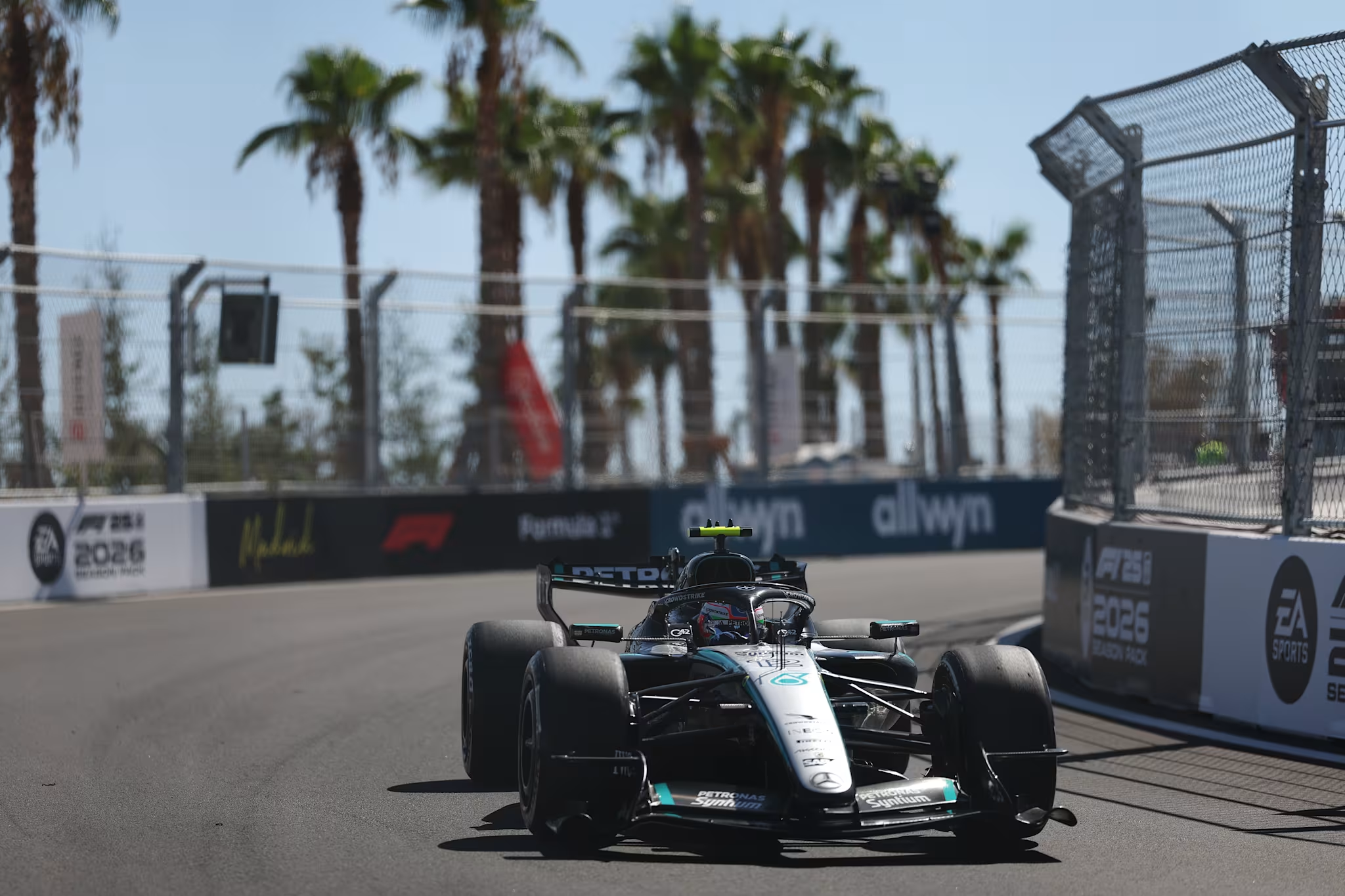
    Organisers of the Formula 1 Spanish Grand Prix at Madrid’s new Madring circuit are preparing layout modifications for the 2027 event to address a lack of overtaking opportunities that defined the venue’s inaugural weekend. The 5.4km track, constructed around the IFEMA fairgrounds, earned praise for its facilities and qualifying challenge but produced limited on-track action across F1, F2, and F3 races.

    Overtaking Issues Dominate Post-Race Analysis

    The primary passing zone was intended to be the Turn 5 chicane at the end of the circuit’s longest straight. However, the corner’s geometry—requiring combined braking and steering—allowed leading cars to defend easily. Drivers raised these concerns during Friday night’s briefing, highlighting multiple corners where simultaneous braking and turning neutralized overtaking potential. The circuit’s lengthy pitlane was also criticised for discouraging alternative pitstop strategies.

    Organisers Commit to Changes for 2027

    Speaking exclusively to Motorsport.com after Sunday’s race, event managing director Luis Garcia Abad confirmed his team is ready to implement necessary modifications. He revealed that the FIA has already provided specific recommendations for the 2027 layout.

    “Being honest with you, the FIA defined clearly which is the way to improve the track layout, and we will be open because we will have to reinstall the track for the next year,”

    Abad told Motorsport.com.

    “I really believe that the drivers enjoyed qualifying a lot. But for sure we will try to make an improvement for next year.”

    The Madrid race is the first year of a 10-year contract. With the northern half of the circuit built on previously empty land, Abad emphasised the physical capacity for significant revisions.

    “We have the space, we have a venue, we have the facilities, we have the capacity to do it,”

    he promised.

    “I’m sure that FOM, FIA, and ourselves, we will try. If we can improve something, we will do it.”

    Norris Proposes Specific Layout Revisions

    World champion Lando Norris offered detailed suggestions after the race, advocating for a high-speed straight linking Turn 17 to Turn 20 to create a heavy braking zone similar to corners at Circuit of the Americas.

    “To me, it’s not a great racetrack. It’s great in qualifying, but a straight line from Turn 17 straight to Turn 20 [would help], to have a much wider entry like Austin Turn 1 or Turn 10, a big hairpin. You’ll create much better opportunities for everyone and you’ll be able to enjoy the race.”

    Norris also identified the Turn 5-6-7 complex as a key area requiring attention.

    “There are some simple changes and maybe some trickier ones, like Turn 5, 6, 7. It’s hard to know exactly what is the best thing. The fact you have to turn and brake [at the same time] basically defeats the whole object of racing.”

  • Monday Morning Debrief: Could Lando Norris Have Won the Spanish Grand Prix After the VSC?

    Monday Morning Debrief: Could Lando Norris Have Won the Spanish Grand Prix After the VSC?

    Lance Stroll’s race came to an abrupt end on Lap 13 of the Grand Prix after a catastrophic brake failure sent his Aston Martin into the run-off area at Turn 20. The Canadian driver hit the brakes for the corner and the pedal went to the floor, leaving him stranded and triggering a chain of events that dramatically altered the race outcome.

    Virtual Safety Car Timing Costs Norris Victory Chance

    The deployment of a Virtual Safety Car (VSC) to clear Stroll’s stricken car proved decisive for the race lead. Lando Norris had just passed the pit exit to begin Lap 14 when the VSC was called, a timing misfortune that effectively handed the strategic advantage to his rivals.

    Antonelli Capitalises on Fortuitous Timing

    Kimi Antonelli was in the perfect position to exploit the VSC window. The young driver arrived at the pit lane entry just in time to make a “free” pit stop under the neutralised conditions, minimising time loss and vaulting himself into a race-winning position that the on-track pace alone might not have secured.

  • Carlos Sainz Slept the Worst Last Night

    Carlos Sainz Slept the Worst Last Night

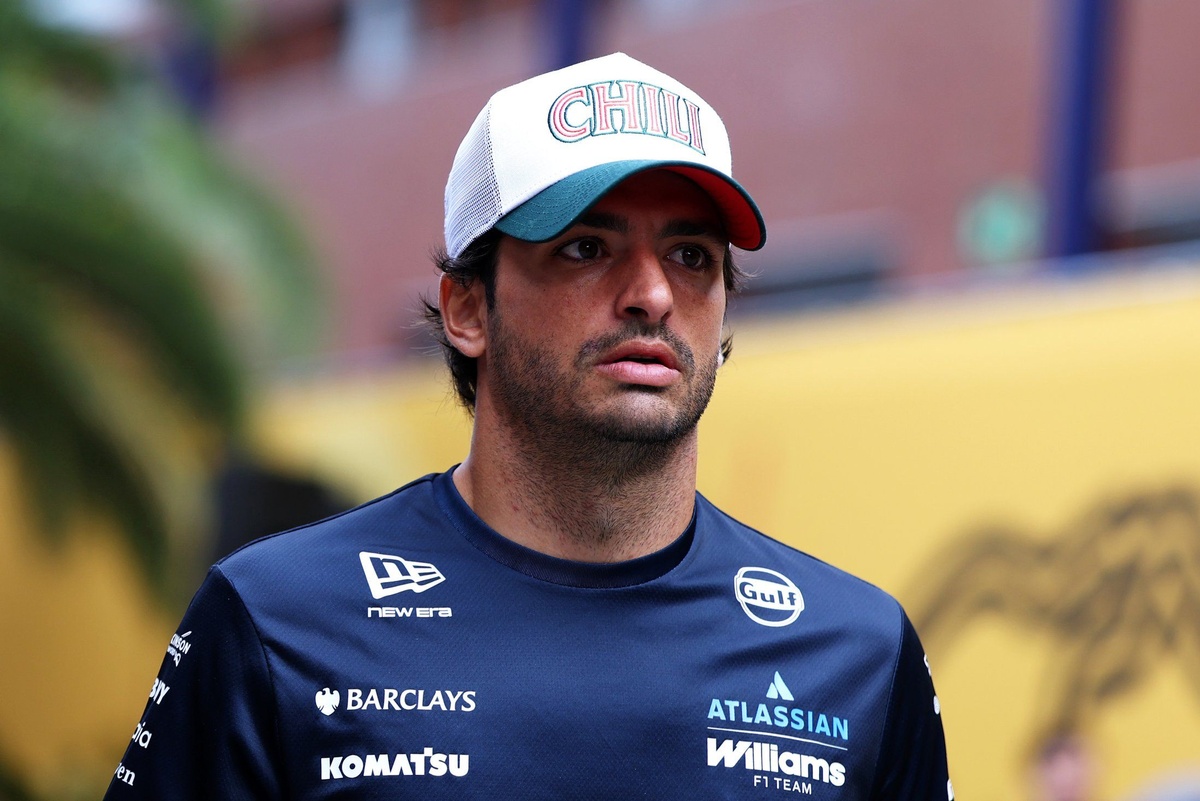
    Formula 1’s debut at the Madring circuit in Madrid delivered a spectacle more notable for its procedural tedium than its sporting drama, drawing immediate comparisons to the underwhelming inaugural European Grand Prix in Baku a decade earlier. While the 2016 Azerbaijan race eventually faded into a procession, it at least offered a spectacular visual backdrop through the historic Old City. Madrid’s first outing, staged on the exhibition grounds of IFEMA, lacked even that aesthetic redemption.

    A Circuit Without Identity

    The layout, a blend of permanent facility and temporary asphalt, prompted sharp criticism from Grand Prix Drivers’ Association chairman Alexander Wurz. Speaking in his punditry role for Austrian broadcaster ORF, Wurz described the venue as a concrete channel and questioned its distinctiveness.

    Am I in Australia now, am I in Valencia, am I here in Madrid, where am I? Or in Jeddah? These street circuits always look the same. That means I’m not representing my host city in such a cool way. There’s quite a lot you could do here.

    The comparison to Valencia’s unloved street circuit is unavoidable. Both share an anti-charm defined by wide, featureless straights and heavy braking zones that discourage overtaking. The Madring effectively functions as Monaco for the poor—all the processional frustration with none of the glamour or historical weight.

    Rosberg’s Critique and the Ambassador Role

    Former world champion Nico Rosberg, commentating for Sky Sports, directed pointed criticism at Carlos Sainz for his role as the event’s official ambassador.

    Carlos Sainz was the ambassador. So we need to criticise Carlos Sainz.

    That assessment feels disproportionate. Sainz had no hand in the circuit’s design or its peripheral location—a compromise dictated by the bureaucratic realities of routing a Grand Prix through a historic European city centre. Unlike Baku or Singapore, where the track threads through the urban heart, Madrid’s race sits on the outskirts, a victim of democratic process rather than driver influence.

    Opening-Lap Chaos and a Gamer’s Mistake

    What Sainz can own is his start-line audacity. After a blistering launch that saw him pass three cars into Turn 1, he attempted a move on Yuki Tsunoda that ended with a locked right-front tyre and heavy contact. The Williams driver later characterized the incident with striking understatement.

    small contact with Tsunoda that damaged my floor

    Onboard footage told a different story: a dive-bomb manoeuvre more suited to a PlayStation restart than a 300 km/h reality. The damage terminated his race pace, and a subsequent five-second penalty—this time for squeezing Fernando Alonso toward the wall under braking—compounded a miserable afternoon.

    Alonso’s Fury and Sainz’s Deflection

    The two-time champion did not hide his frustration over team radio.

    Yeah, he squeezed me into the wall, man. The start, he crashed into two people. Now squeezed me to the wall on breaking.

    Sainz’s response was equally revealing.

    I think he complained on the radio so he managed to get me a penalty like always.

    The exchange underscored a fractious dynamic between Spain’s two F1 stars, neither of whom factored in the result. Sainz eventually retired, citing negligible downforce from the floor damage.

    Hopefully this is the last year here in Madrid that I’m fighting for P16 and from next year onwards, I can fight for something more.

    The Williams Gamble and a Career at a Crossroads

    That optimism sits uneasily alongside the cold logic of the driver market. Sainz recently extended his Williams contract, framing it as belief in a long-term project. Yet the subtext is clear: no seat opened at Mercedes, Ferrari, McLaren, or Red Bull. Toto Wolff chose rookie Kimi Antonelli over the experienced Spaniard; Max Verstappen stayed put at Red Bull.

    At 32, with stints at Toro Rosso, Renault, McLaren, and Ferrari behind him, Sainz’s championship window is narrowing. His four Grand Prix wins and reputation for racecraft and commercial acumen guarantee a place in F1’s upper-middle tier, but the trajectory suggests a final chapter defined by midfield scraps rather than title assaults.

    A Missed Pivot to Audi?

    In hindsight, the Audi/Sauber project—where then-team principal Andreas Seidl courted him aggressively—might have offered a clearer path to relevance. A works programme, even a nascent one, carries structural advantages a customer team cannot replicate. By 2026, the regulatory reset could have aligned with Audi’s maturity curve. Williams, by contrast, remains in a rebuilding phase with no guaranteed timeline for front-running competitiveness.

    Where the Talent Belongs

    Sainz possesses the versatility and technical IQ to excel beyond the sprint format. Endurance racing—Le Mans, the Nürburgring 24 Hours—would showcase his consistency, tyre management, and strategic depth against a field that increasingly includes F1 graduates. There, he might yet duel with Verstappen or Antonelli on equal machinery, at the highest level—the kind befitting a driver of his calibre.

    For now, the Madring debut serves as a metaphor: a promising package placed on the wrong circuit, waiting for a breakthrough that the current roadmap struggles to deliver.

  • Lando Norris Wins ‘Who Slept Best Last Night’ Title

    Lando Norris Wins ‘Who Slept Best Last Night’ Title

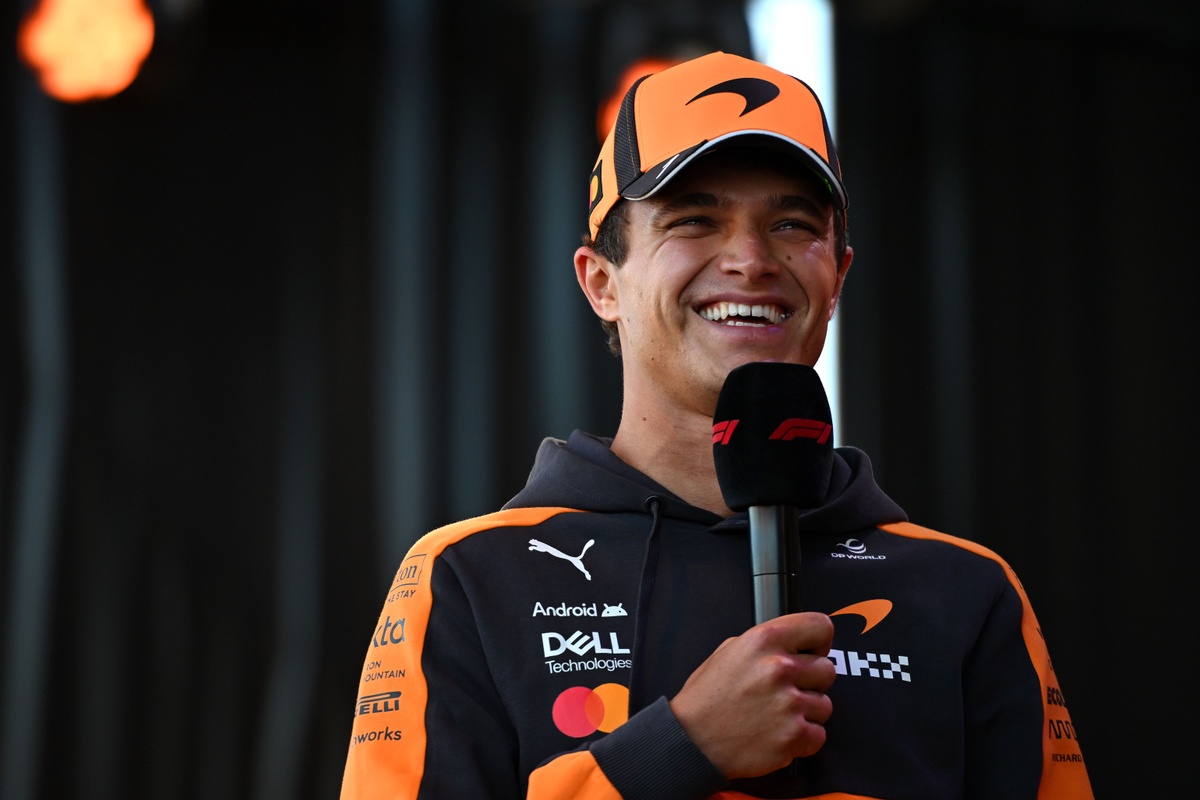
    Lando Norris summed up his Spanish Grand Prix heartbreak with brutal honesty on the cooldown lap in Madrid. “We were too quick, that’s all it was.” Those six words captured the cruel irony that defined the inaugural Spanish GP at the Madring circuit.

    How a Six-Second Gap Decided the Madrid Winner

    The sequence began on lap 13 when Lance Stroll parked his Aston Martin at Turn 20 with a brake problem. Norris was just a few corners behind, holding a comfortable six-second advantage over Kimi Antonelli. Had Norris been three or four seconds slower on his opening medium stint, he would have reached the pit lane entry just as track marshals determined they needed to push the stranded car to a safer location.

    Instead, the timing worked against the McLaren driver. Race director Rui Marques deployed the Virtual Safety Car, triggering a cascade of cheap pit stops across the field. Norris had just passed the pit lane entry when the VSC activated, forcing him to slow to comply with delta times. By the time he completed the lap, officials had cleared the Aston Martin, and the VSC period ended. Almost the entire field had pitted under neutralized conditions; Norris was forced to stop under green flag conditions, surrendering track position.

    Antonelli Admits Victory Feels Hollow

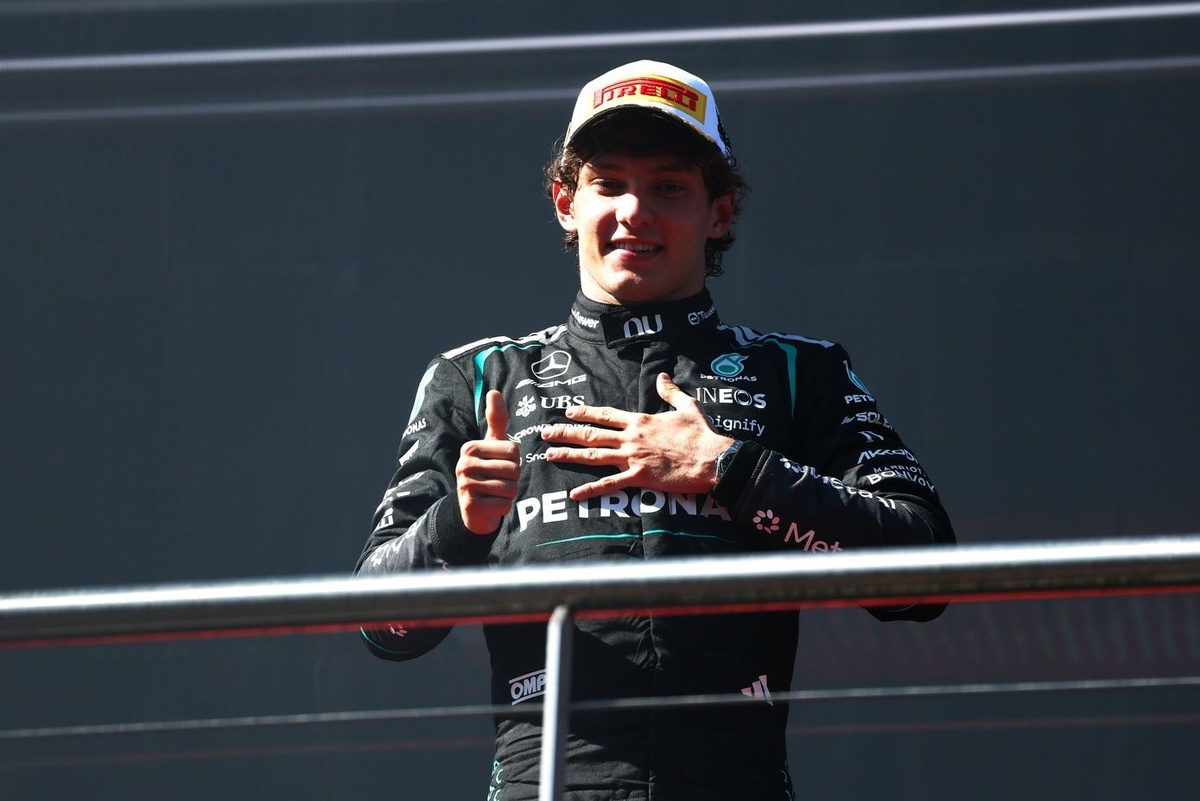
    The beneficiary, Kimi Antonelli, offered a remarkably candid assessment after climbing from his Mercedes. “It’s good to win, but it doesn’t feel as good,” the Italian conceded during the post-race broadcast interview with James Hinchcliffe. Jolyon Palmer had predicted earlier in the week that Antonelli’s recent fortune resembled a lottery win, and Sunday’s events in Madrid appeared to validate that observation.

    This is not to diminish Antonelli’s championship credentials, but the circumstances underscored how luck has intervened in his favor during the 2025 season, a contrast to the more testing challenges he faced in his rookie campaign.

    Norris Delivers a Masterclass in Defeat

    Norris was, by any objective measure, the standout performer of the weekend, continuing the form he has displayed since McLaren’s resurgence following their Hungarian upgrade, Monza excepted. This should have been his third victory in four races. While the championship fight is effectively over, a win would have energized those still clinging to title hopes.

    His team radio message as he returned to the pits revealed both frustration and resolve: “Very unlucky today, guys. We deserved the win quite easily, so a big thank you. Didn’t think we were going to have a chance here, but we should have won. Well done guys. Keep it going.” He added a line that spoke volumes about his current mindset: “I’ll keep delivering.”

    Perspective on Luck’s Two-Way Street

    In the post-race press conference, Norris acknowledged that VSC timing has cost others victories before, while admitting he benefited from a timely safety car at his maiden Miami win in 2023. His philosophical acceptance, “what comes around goes around,” reflects a maturity forged since that breakthrough.

    The transformation from the self-deprecating “No wins” Norris of early 2023 to the driver declaring “I’ll keep delivering” illustrates a profound shift in self-belief and understanding of his own capabilities.

    Norris Debunks the “Driver Difference” Theories

    Recent commentary from Max Verstappen and George Russell has suggested that 2026 regulations reduce the impact a driver can make. Verstappen cited Liam Lawson’s improved form as evidence, while Russell linked Lewis Hamilton’s revival and Antonelli’s dominance to driving styles suited to the new rules, including Norris in that category.

    Norris’s performances dismantle both arguments. He has not only outperformed Oscar Piastri this season, the gap has widened significantly compared to 2025. Piastri’s standout moments have been scarce outside of commercial appearances, while Norris has produced a string of exceptional performances. The data suggests Norris is making the difference, and it transcends driving style preferences.

    McLaren’s Operational Excellence Signals 2027 Threat

    With an 81-point championship lead over his nearest rival, who is not Norris, Antonelli’s 2026 title appears secure. Verstappen’s late-season heroics last year are not repeatable on demand, and even Toto Wolff’s cautious public stance likely masks active championship merchandise planning for the Italian rookie.

    For Norris and McLaren, the bigger picture is encouraging. The organization under Andrea Stella continues to impress with systematic car development, eliminating weaknesses methodically. Norris now looks like the ideal product of that culture, a driver with immense potential refined into a consistent force.

    Being “too quick” cost Norris a victory in Madrid, but that same pace will win far more races in the future than it costs. With McLaren’s trajectory and Norris’s confidence, the 2027 championship battle promises to be considerably closer.

  • 5 Betting Lessons from Antonelli’s Spanish GP Win

    5 Betting Lessons from Antonelli’s Spanish GP Win

    Mercedes Driver Holds 81-Point Lead in Drivers’ Championship After Eighth Season Win

    The Mercedes star leads the Drivers’ Championship by 81 points after his eighth win of the season.

  • Kimi Antonelli’s “precious” moment with father goes viral after Spanish GP win

    Kimi Antonelli’s “precious” moment with father goes viral after Spanish GP win

    Key Highlights

    • Mercedes driver Andrea Kimi Antonelli secured his eighth Formula 1 victory at the Spanish Grand Prix in Madrid, extending his championship lead to 81 points over teammate George Russell.
    • A heartwarming post-race moment between Antonelli and his father Marco went viral, featuring a red carnation exchange and embrace that fans described as “wholesome” and “precious.”
    • Despite his commanding points advantage, the 20-year-old Italian insists he is not focusing on the championship title, preferring a race-by-race approach ahead of the Azerbaijan Grand Prix on September 24-26.

    Antonelli Dominates in Madrid as Championship Lead Grows

    Andrea Kimi Antonelli continued his remarkable rookie campaign with a decisive victory at the Spanish Grand Prix, marking his eighth win of the Formula 1 season. The Mercedes driver crossed the finish line in Madrid to claim another 25 points, stretching his advantage in the drivers’ standings to a commanding 81-point margin over teammate George Russell, who currently occupies second place. The result further cements Antonelli’s status as the overwhelming favorite for the championship with six rounds remaining on the calendar.

    Viral Father-Son Moment Captures Hearts

    Beyond the on-track dominance, it was a tender post-race scene that captured the imagination of the global Formula 1 community. After parking his Mercedes on the grid, Antonelli was greeted at the barriers by his father, Marco Antonelli, who held a single red carnation. As he handed the flower to his son, the pair shared a laugh and an embrace before the 20-year-old proceeded to his pre-podium duties. The moment, quickly dubbed “Papanelli” by fans—a blend of “Papa” and Antonelli—exploded across social media platforms.

    On Reddit, one user commented, “Such a wholesome moment. Kimi is so easy to root for,” while another joked, “What is this, The Bachelor?” Over on X, the sentiment was equally warm: “The fact that little red carnation was from Papanelli. Stop, that’s so precious,” read one post. Further reactions included, “This is the most Italian thing ever and I love it! Andiamo Kimi!” and the bold declaration, “The new GOAT.”

    Champion’s Mindset: Race by Race

    Despite the near-insurmountable lead, Antonelli refused to engage in title talk during his post-race media duties. When pressed on the prospect of securing his maiden world championship, the Italian was unequivocal in his focus.

    “Well, that’s exactly what I don’t want to do,” Antonelli explained after the race. “I want to keep pushing race by race, you know, keep delivering and keep enjoying all the way, and then, you know, trying to do my best every race. And then we’ll see where we end up at the end of the year.”

    Why This Matters

    Antonelli’s 81-point lead with six races remaining places him in a historically dominant position; mathematically, he could clinch the title as early as the next round in Azerbaijan if results align. However, his public insistence on a process-oriented mindset mirrors the approach taken by recent champions who avoided early complacency. For Mercedes, the Spanish Grand Prix weekend validated their 2024 development trajectory and solidified Antonelli’s status as the franchise’s new cornerstone following Lewis Hamilton’s departure. The Baku City Circuit, hosting rounds 15 through 26 September, presents a unique low-downforce challenge where Mercedes has historically excelled, offering Antonelli a prime opportunity to move within striking distance of the crown.

    Frequently Asked Questions

    How many points does Kimi Antonelli lead the championship by?

    Antonelli leads the drivers’ championship by 81 points over his Mercedes teammate George Russell following his victory at the Spanish Grand Prix.

    When is the next Formula 1 race?

    The next round is the Azerbaijan Grand Prix, scheduled for September 24-26 at the Baku City Circuit.

    What was the significance of the red carnation moment?

    The red carnation was given to Antonelli by his father, Marco Antonelli, in a spontaneous post-race celebration that went viral on social media, with fans praising the genuine, emotional display between father and son.

  • Lewis Hamilton “lucky to make it round” after Spanish GP brake failure

    Lewis Hamilton “lucky to make it round” after Spanish GP brake failure

    Key Highlights

    • Lewis Hamilton retired from the Spanish Grand Prix in Madrid after a sudden brake failure on the opening laps while running third.
    • Ferrari team principal Fred Vasseur confirmed the team attempted remote fixes before retiring the car, citing safety concerns on the wall-lined Madring circuit.
    • Vasseur stated Ferrari had the pace to challenge for the win, but track position dominance made overtaking nearly impossible during the 57-lap procession.

    Brake Failure Ends Hamilton’s Race Early at Madring

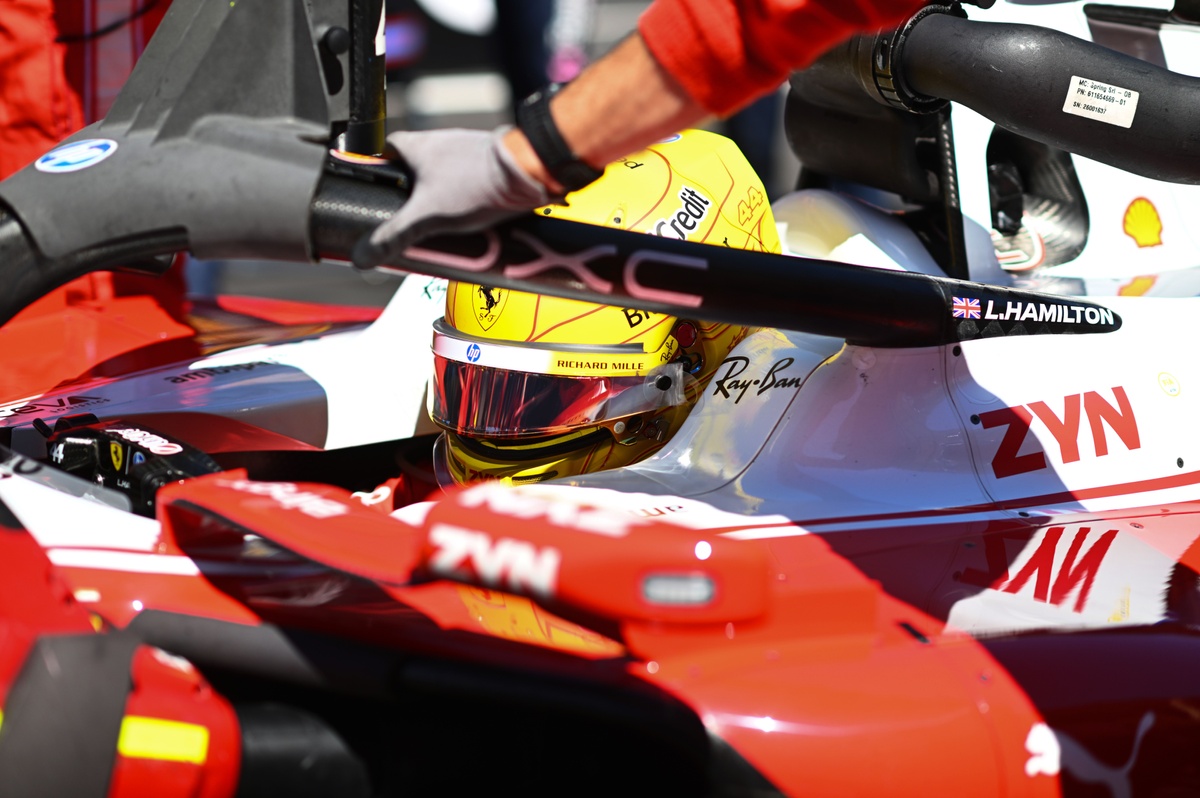
    Lewis Hamilton’s Spanish Grand Prix ended in frustration on Sunday after a catastrophic brake failure forced the seven-time world champion into an early retirement from the inaugural running at Madrid’s Madring circuit. The Ferrari driver had been locked in a battle with Red Bull’s Max Verstappen for third place during the opening laps when his brake pedal began to extend abnormally, leaving him unable to slow the SF-25 effectively.

    The issue manifested suddenly on the first lap. Hamilton reported that the car was stopping normally under braking for Turn 5 before the pedal “took a step,” causing him to carry excessive speed into the corner. Although the braking performance briefly recovered, giving the team and driver momentary hope, the pedal subsequently went fully to the floor. Hamilton described the incident as “really unexpected” and admitted he was “lucky to make it round” to the pits without a heavy impact, having already brushed the wall after missing a braking point.

    Ferrari Opts for Safety Over Salvage on Treacherous Layout

    With the 5.4-kilometre Madring layout lined by unforgiving barriers, Ferrari elected not to gamble on a damaged car. Team principal Fred Vasseur revealed that engineers attempted to rectify the problem via steering-wheel adjustments from the pit wall, but the failure recurred “a couple of corners later.” Vasseur characterized the decision to retire the car as straightforward: “Staying on track made no sense in a crazy race. We didn’t want to take any risk.”

    The retirement marked a bitter conclusion to a weekend where Ferrari appeared to possess genuine race-winning performance. Vasseur pointed to the pace of Hamilton’s teammate, Charles Leclerc, as evidence that the Scuderia had the speed to challenge the frontrunners. However, the team boss was blunt about the nature of the 57-lap contest, describing it as a “procession dominated by track position” where overtaking was “mega difficult.”

    Why This Matters

    The Spanish Grand Prix highlighted two critical storylines for Formula 1’s 2025 season. First, Hamilton’s mechanical DNF underscores the reliability challenges Ferrari continues to face in its championship push, wasting a rare opportunity where the SF-25 demonstrated clear front-running pace. Second, the processional nature of the race at the new Madring venue raises immediate questions about the circuit’s suitability for F1. With overtaking described as virtually impossible by a team principal whose driver was on the receiving end of the track-position trap, stakeholders will likely scrutinize whether layout modifications or regulatory adjustments are needed to prevent future editions from becoming static affairs. For Hamilton, the zero points represent a significant blow in the drivers’ standings, while Ferrari must quickly diagnose the brake-system gremlin before the next round.

    Frequently Asked Questions

    What caused Lewis Hamilton’s retirement at the Spanish Grand Prix?
    A sudden brake failure caused the pedal to go long and eventually travel fully to the floor, leaving Hamilton unable to slow the car reliably. The issue first appeared on lap one at Turn 5, briefly recovered, then failed permanently.
    Why did Ferrari retire the car instead of trying to continue?
    Team principal Fred Vasseur cited the wall-lined nature of the Madring circuit and the recurrence of the failure after attempted remote fixes. He stated that continuing “made no sense in a crazy race” and the team refused to take safety risks.
    Did Ferrari have the pace to win the Spanish Grand Prix?
    According to Vasseur, the pace shown by Charles Leclerc indicated Ferrari “had the pace to fight with everybody.” However, he emphasized that track position was the decisive factor in a race where overtaking was extremely difficult.
  • Spanish Grand Prix: How VSC Cost Lando Norris Race Win — And Should F1 Change the Rules?

    Spanish Grand Prix: How VSC Cost Lando Norris Race Win — And Should F1 Change the Rules?

    Norris Explains Pit Stop Decision After Race

    After the race, McLaren faced questions about whether pitting on the following lap was the optimal call or if Lando Norris should have stayed out. Norris defended the decision, stating: “I had to come in at the end of the lap because it was the only chance.”

    He elaborated on the trade-offs: “It was still effectively some pit loss, (but) the fact that everyone’s kind of on colder tyres and you’re still minimising the pit loss.” Norris highlighted the tyre performance disparity: “The medium tyre (on which Norris had started the race) was destroyed and the hard tyre (to which Antonelli and Verstappen switched) was amazing.”

    Despite the outcome, Norris pointed to strong pace: “But the pace was very, very strong and on the hard tyre… I know they were stuck (behind Ferrari’s Charles Leclerc, who stayed out under the VSC), we caught up 13, 14 seconds or more, almost. So, plenty of positives. A day full of positives, just one thing let it all down.”

    Stella Analyzes Strategy Options

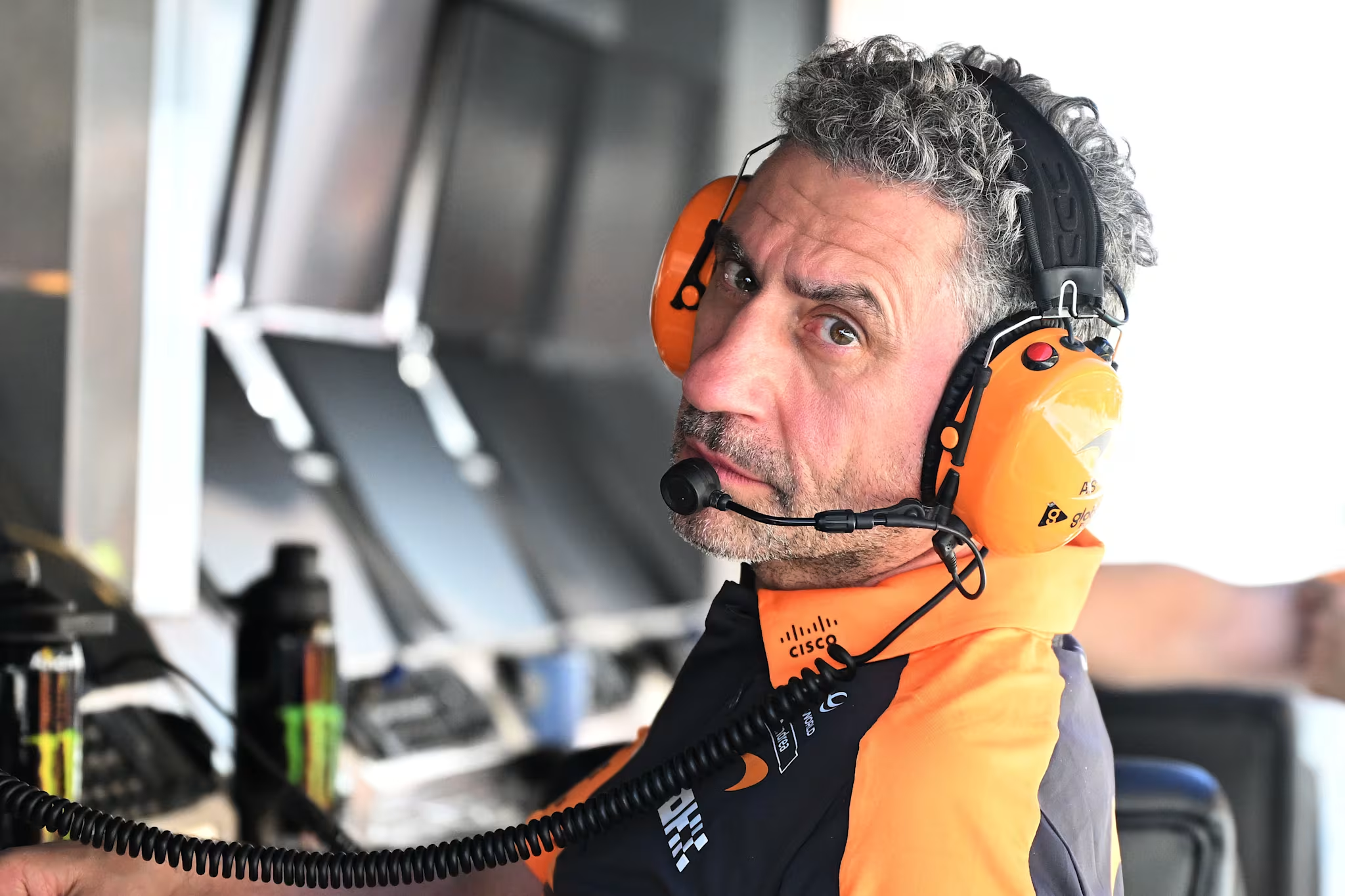
    McLaren team principal Andrea Stella confirmed the team evaluated staying out: “We considered staying out, but you have to accept the fact that now you are on relatively used medium tyres. And the people behind you will be on new hard. So you’re never going to open a gap on people on new hard.”

    Anticipating the VSC: Risk vs Reward

    Another question was whether McLaren should have anticipated the Virtual Safety Car (VSC) and pitted Norris before its deployment. Stella admitted: “In hindsight, that would have been a good idea.”

    However, he emphasized the real-time risks, noting the Madring circuit’s long pit lane — the longest on the calendar — meant a pit stop carried a significant time penalty. Stella said: “I would have to review with my engineers, see whether it was kind of obvious that it would end up in a virtual safety car. Therefore, you try to anticipate or not.”

    He detailed the specific danger: “Here, the problem is that you need to be extremely careful, because it’s 27 seconds if you don’t pit under a virtual safety car.”

    Stella explained the consequence of a wrong prediction: “So if you get it wrong, it would be extremely penalising. From the lead, you pit unnecessarily, and now you have lost the victory.”

    He outlined the team’s guiding principle: “So a good rule is to respond to what is a fact, to what is the real condition of the circuit.”

    Looking ahead, Stella said: “But we will definitely take a look as to whether in these conditions it was just simply, you know, obvious that he would end up in a virtual safety car. I cannot answer at the moment.”

  • How Brutal VSC Timing Turned Lando Norris’ Spanish GP Upside Down

    How Brutal VSC Timing Turned Lando Norris’ Spanish GP Upside Down

    Norris Loses Spanish GP Victory by Two Seconds as VSC Timing Ends Win Hopes

    Lando Norris missed victory at the Spanish Grand Prix by a mere two seconds — the margin between the McLaren driver passing the Madring pit entry and the deployment of the virtual safety car that ultimately handed the win to Kimi Antonelli. Norris had built a 6.2-second lead over the Mercedes rookie by the start of lap 14 and appeared firmly in control after shaking off a frantic opening lap that saw championship leader Max Verstappen run off at both Turn 1 and Turn 5 while pressuring the Briton.

    Stroll’s Brake Failure Triggers Chain of Events

    The race dynamics shifted dramatically when Lance Stroll stopped at Turn 20 at the end of lap 13. The Aston Martin driver reported fading brakes — a problem that had earlier affected Lewis Hamilton, who managed to nurse his Ferrari back to the pits. Unlike Hamilton, Stroll had no strategic reason to continue and parked his car at the marshals’ post near the barrier opening, making it accessible for retrieval.

    Yellow flags waved just as Norris exited Turn 14. At that point, there was little indication a VSC would be called; the expectation appeared to be that marshals could quickly remove the stranded Aston Martin.

    McLaren team principal Andrea Stella later reflected on the decision not to pit pre-emptively:

    “In hindsight, it would have been a good idea [to pit pre-emptively], but we will have to review with my engineers to see whether it was kind of obvious that it would end up in a virtual safety car,” said McLaren team principal Andrea Stella.

    “Here, the problem is that you need to be extremely careful because it is 27 seconds if you don’t pit under a virtual safety car. So if you get it wrong it will be extremely penalising: from the lead, you pit unnecessarily and now you have lost the victory.

    “So, I think a good rule is to respond to what is a fact, to what is the real condition of the circuit. But we will definitely take a look as to whether in these conditions it was just simply obvious that it would end up in a virtual safety car.”

    VSC Deployed Two Seconds Too Late for Norris

    When Norris passed Stroll’s car, yellow flags were still displayed. McLaren opted against a pre-emptive stop, and the race leader negotiated Turns 21 and 22 — the final corners of the Madring layout. The virtual safety car was deployed the moment Norris exited the last corner, a timing McLaren calculated as just two seconds too late to bring their driver in.

    Antonelli, now 6.3 seconds behind, received the call to pit — as did Verstappen and George Russell. Both Antonelli and Verstappen switched to hard tyres, securing a one-stop strategy to the finish. Norris, meanwhile, faced at least one more lap before he could stop, with the risk that the VSC would end before he could capitalize on the reduced pit-lane time loss — approximately 30 seconds under normal conditions at Madring.

    Norris Stops After VSC Ends, Loses Track Position

    Antonelli and Verstappen emerged from their VSC stops behind Charles Leclerc, who had stayed out on his original hard tyres. Had Norris pitted under VSC conditions, he likely would have rejoined ahead of the Ferrari. Instead, Norris was instructed to stop regardless of the VSC status. The VSC ended as he rounded Turn 21, and he entered the pit lane for his sole stop, taking on hard tyres.

    A slow front-right wheel change added several seconds to his stationary time. Stella assessed the impact:

    “In fairness and for completeness, we had a seven second pit stop, so there’s definitely takeaways even when it comes to our operations.

    “It would have not made a difference for the final result, because probably Lando would have pitted anyhow behind Russell and even if not, it would have not been possible to overtake Verstappen and Antonelli. So definitely, we take note that there’s a lot of work to do in our operation, and it’s not the first time that we have a slow stop. But in terms of the race itself, it didn’t make a difference.”

    After Russell’s subsequent stop on lap 28, Norris closed on Verstappen but remained trapped in the Red Bull’s wake until the chequered flag, with victory slipping further away each lap.

    Radio Traffic Reveals Real-Time Decision Making

    The team radio exchange between race engineer Will Joseph and Norris captures the uncertainty:

    Will Joseph: Yellow flags at turn 20. Yellows. Virtual safety car deployed, virtual safety car deployed. No drives in the delta.
    Lando Norris: We box?

    WJ: If it stays long enough.
    LN: How big’s the crash?
    WJ: I think someone’s brakes… There are marshals on track at turn 20, I haven’t seen it. Just try and stay on the delta.
    And Lando [radio breaks]?
    LN: I think so, do you?
    WJ: Yes, we are.
    WJ: Lando, confirming we are boxing this lap, irrespective.
    LN: Confirmed.
    WJ: We still think there’s marshals on track.
    WJ: Virtual safety car ending, virtual safety car ending.
    LN: Confirmed box still?
    WJ: Yes, confirmed box. So box this lap.

    Could McLaren Have Gone Long?

    The lingering question is whether McLaren should have kept Norris out longer to build a sufficient gap. With Leclerc holding up Verstappen and Antonelli, a case exists that Norris could have extended his stint, built the roughly 30-second advantage needed to clear Antonelli, and either emerged ahead of Leclerc or waited behind him for the Ferrari’s stop.

    The data, however, undermines that scenario. Norris was on used mediums, and his gap to Leclerc pre-VSC stood at just 13.8 seconds. His per-lap advantage over the Ferrari was rapidly diminishing: 0.506 seconds quicker on lap 10, 0.272 on lap 11, 0.264 on lap 12, and only 0.027 on lap 13. With Leclerc experiencing no hard-tyre degradation and gaining pace from fuel burn, building the required 16-second buffer after the VSC lifted was effectively impossible.

    Norris quipped that McLaren had been “too fast” over the weekend — suggesting that in their usual competitive position, the VSC timing would have favored them. Stella concluded:

    “We considered staying out, but you have to you have to accept the fact that now you are on relatively used medium tyres and the people behind you will be a new hard – so you’re never going to open a gap on people with a new hard,” Stella concluded. “Therefore we kind of needed to accept that that was what we should have done, and the fact that it was incredibly unfortunate.

    “Sometimes we talk about being unlucky. I think at times the being unlucky is used for too many applications but, in this case, it’s almost a mathematical definition of being unlucky.”
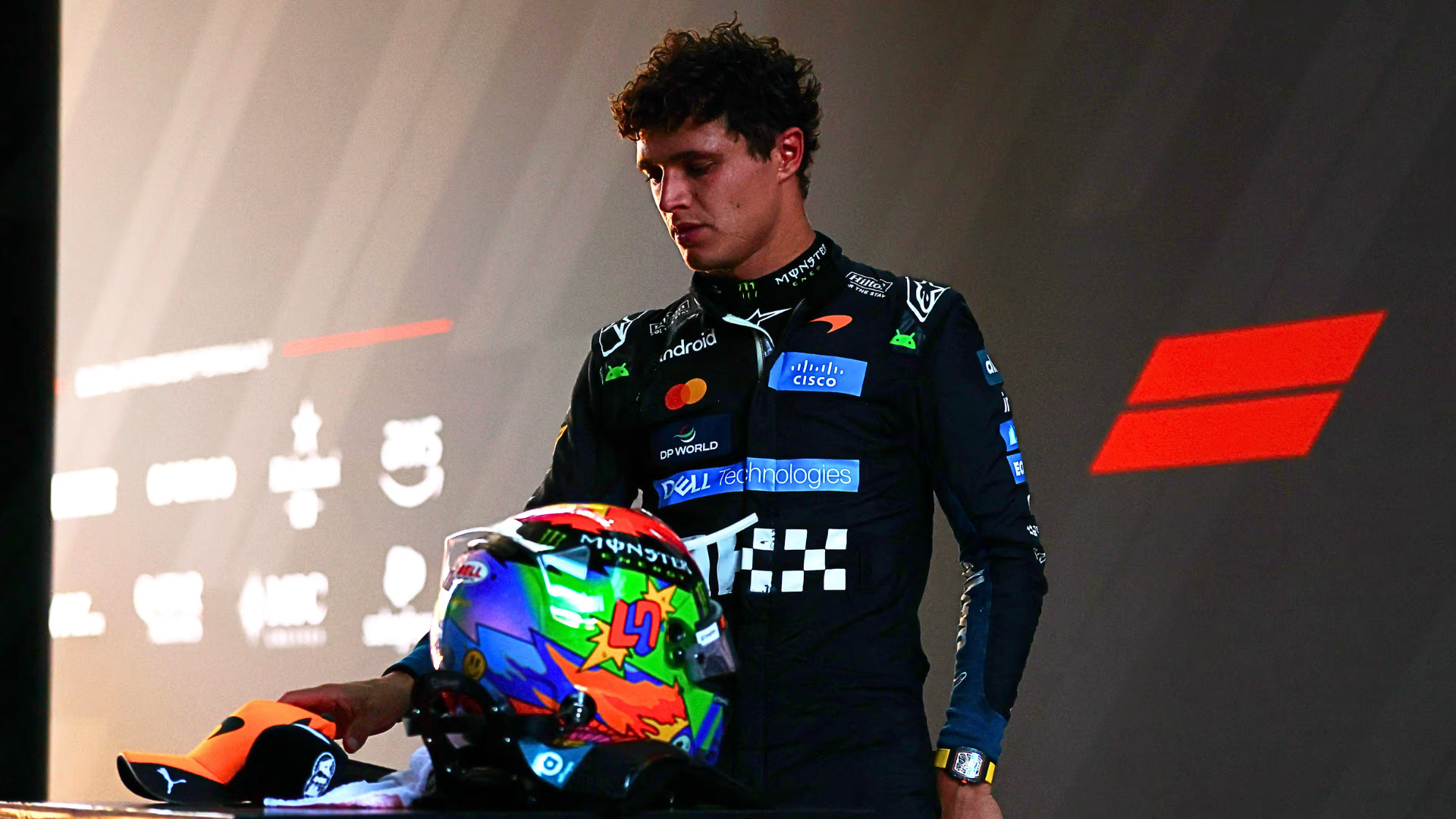
  • “There was no option to retain the lead” – Andrea Stella explains logic behind Lando Norris’ ‘unlucky’ Spanish GP pit stop

    “There was no option to retain the lead” – Andrea Stella explains logic behind Lando Norris’ ‘unlucky’ Spanish GP pit stop

    McLaren Team Principal Andrea Stella has detailed the strategic call that saw Lando Norris pit for fresh tyres just as the Virtual Safety Car (VSC) period concluded at the Spanish Grand Prix, acknowledging that there was no option to retain the lead.

    VSC Timing Costs Norris Lead

    After securing pole position with a dramatic final lap in qualifying, Norris defended strongly against Kimi Antonelli on the opening lap and built a comfortable advantage. The race dynamics shifted when a VSC was deployed to recover Lance Stroll’s stranded Aston Martin. While rivals Antonelli and Max Verstappen pitted under the neutralised conditions, Norris had already passed the pit entry. He entered the pits only as the VSC ended, enduring a 7-second stop that dropped him to fifth place. Despite a strong recovery to finish third, the team’s frustration was evident.

    Stella Explains Strategic Reasoning

    Speaking to F1 TV, Stella laid out the rationale behind the decision:

    Starting from pole position, leading the race and having incredible pace… this would’ve been a race won by many seconds, and we ended up in third position.

    The reality is that in racing, there are elements that you can control and some that you cannot control. The timing of the Virtual Safety Car was a couple of seconds too late – Lando had already passed the pit entry – and then he was a few seconds too early because then it was ending once he came in to pit.

    When asked to elaborate on the logic of pitting versus staying out, Stella added:

    The logic is that if you stay out, you stay out with used mediums [that are] already grained, and it means that at some stage you will pit behind the people that have already pitted on the hard tyres, so it’s going to be a similar race to [Charles] Leclerc.

    We would actually have pitted even earlier because the medium would finish earlier, so there was no option really to retain the lead.

    We needed to accept that the timing was incredibly unfortunate and, like I said, it’s a positive race overall.

    The elements that we could not control made a difference but those that we could control make us very optimistic for the future.

    Positive Outlook Despite Frustration

    McLaren’s competitive trajectory has been upward all season, highlighted by Norris’s dominant victories in Hungary and the Netherlands. The Spanish Grand Prix weekend reinforced that progress, even in defeat. Verstappen admitted Norris was faster than all of us in the closing stages, while Antonelli felt the British driver deserved to win.

    Stella concluded with a perspective focused on the bigger picture:

    Just very unlucky, but I want to think that the positive message of a McLaren [that was] so competitive at a very different circuit layout to Zandvoort and Hungary is very encouraging for the future.

    We take it on the chin. Today we were too fast to win the race because had we been a little slower, we would’ve made it to the pits! We have a smile on our faces, we look forward to the rest of the season.