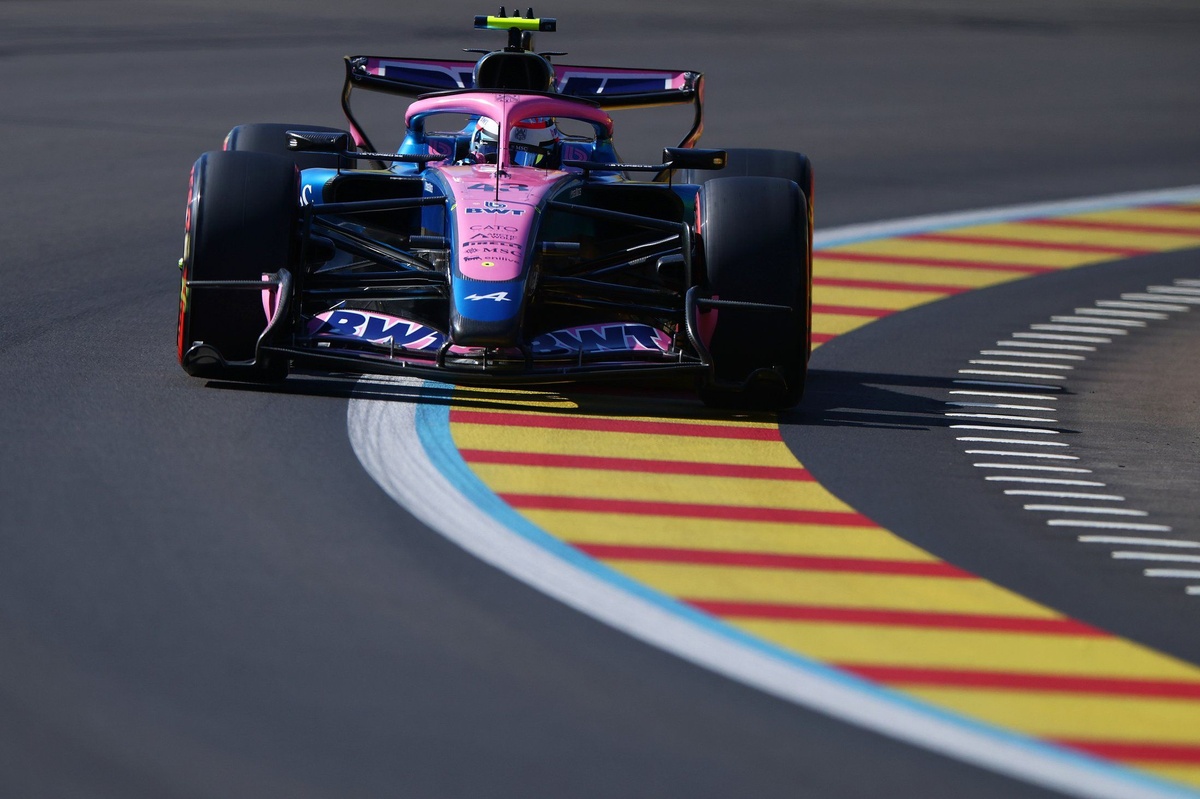
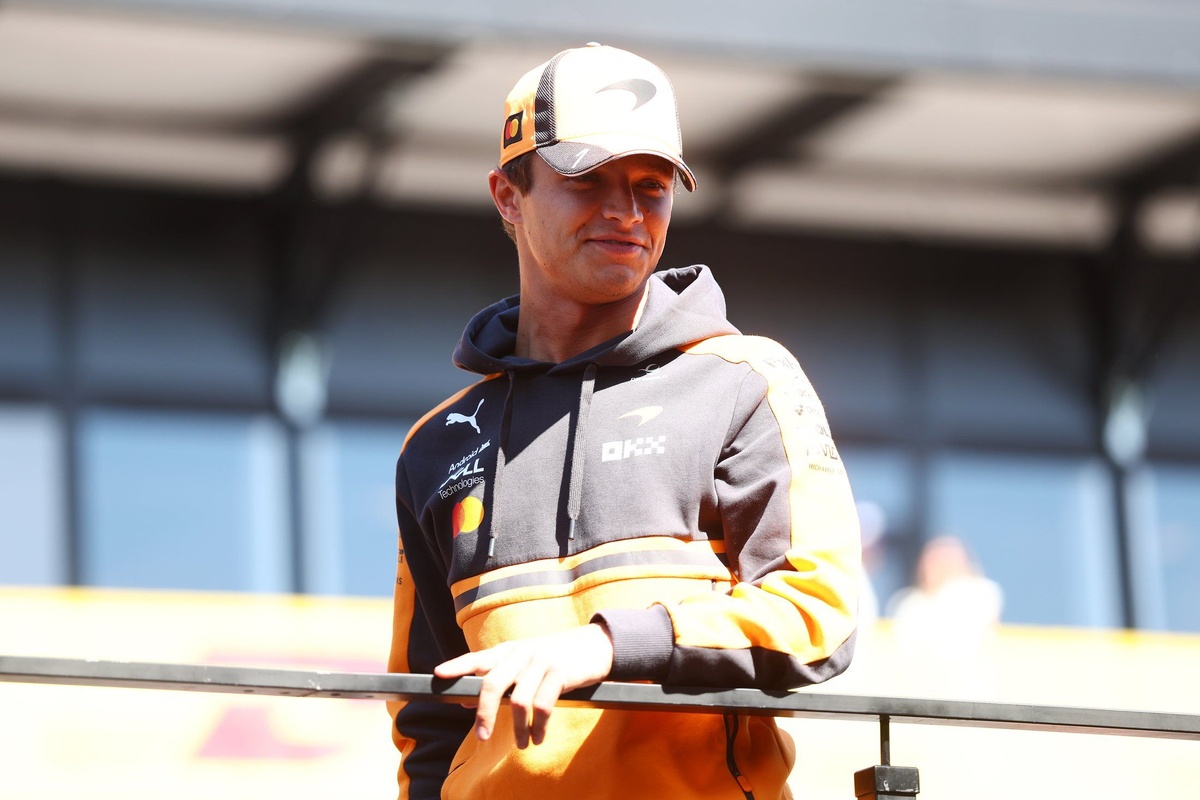
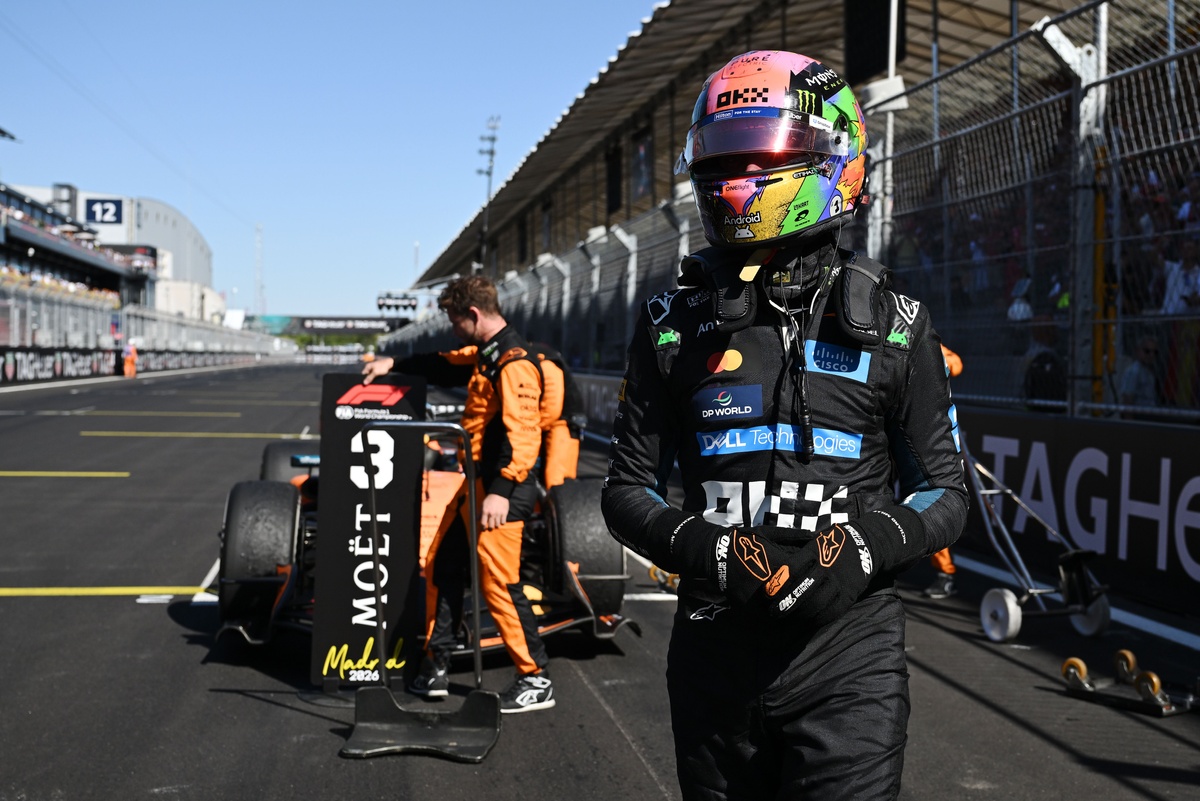
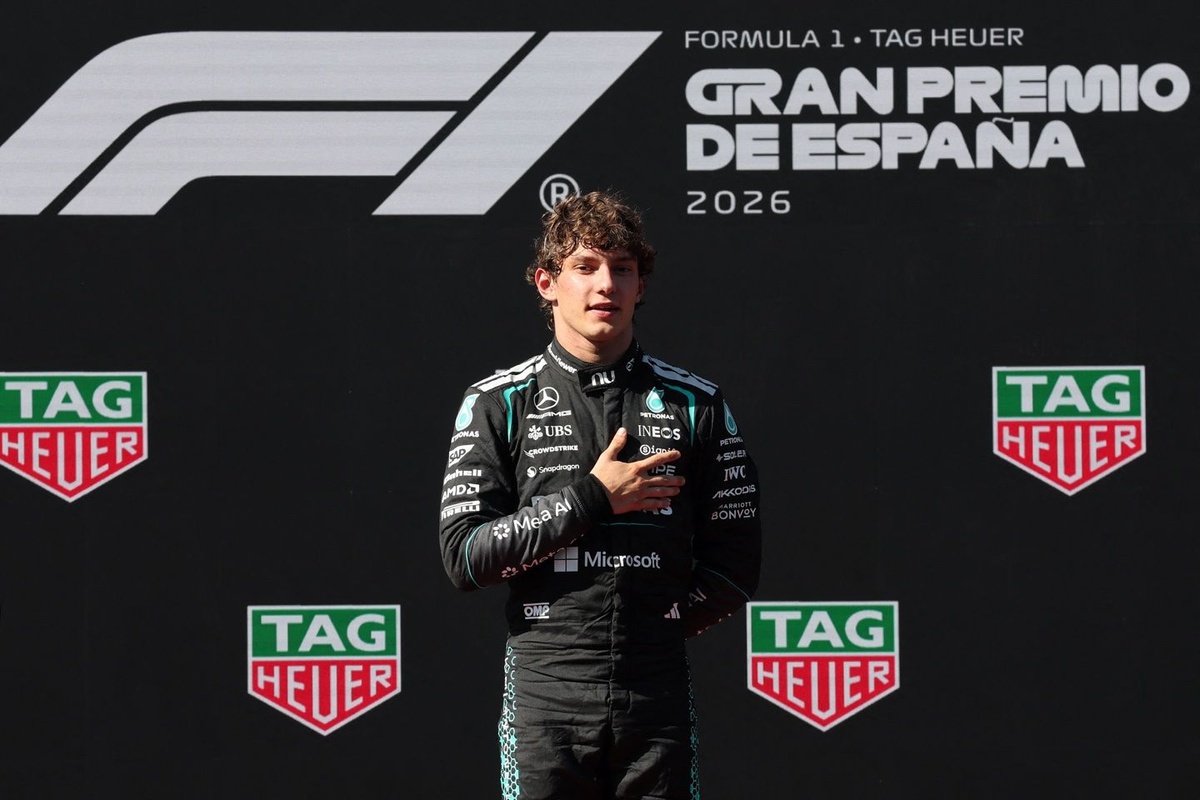
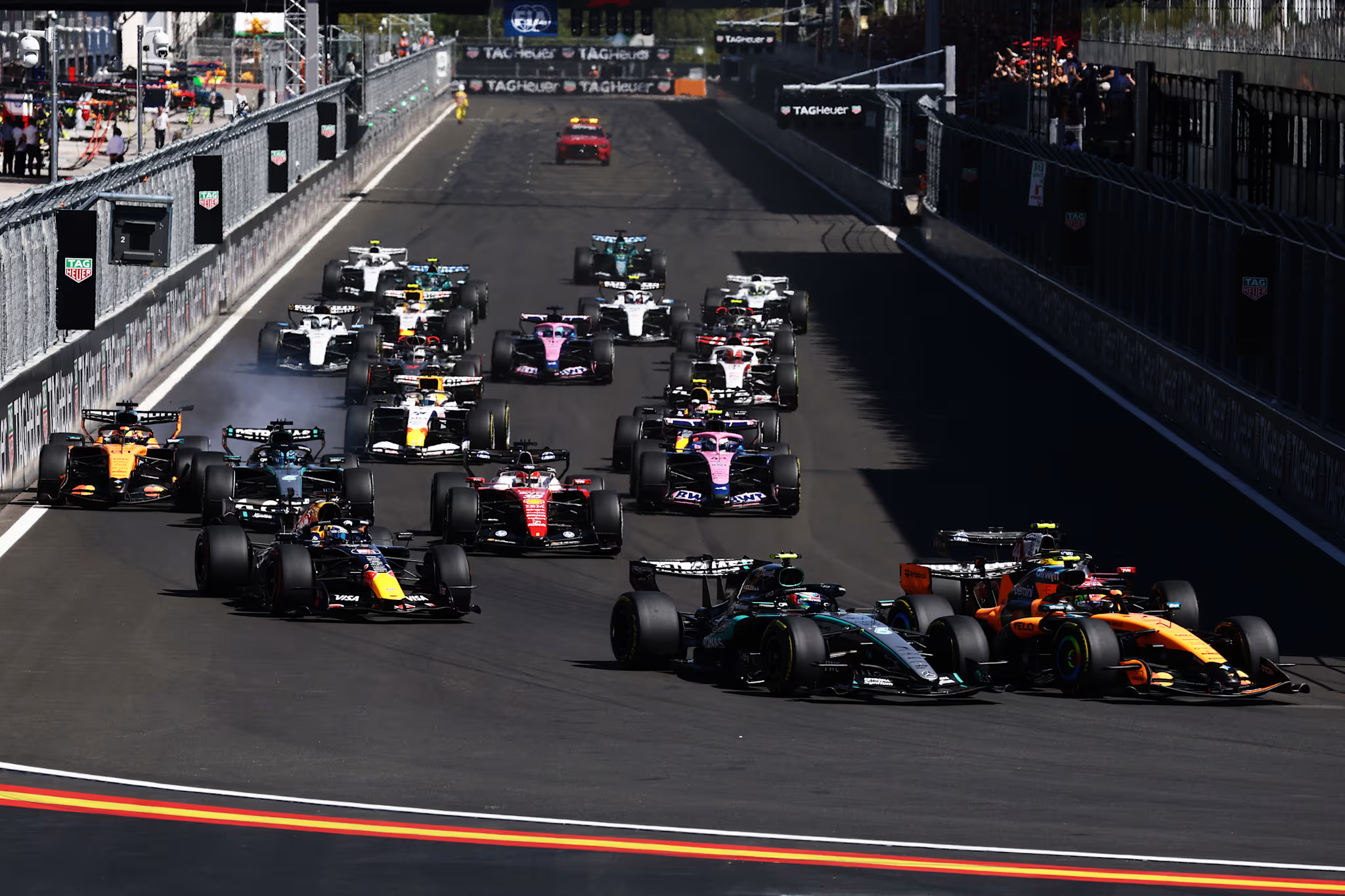
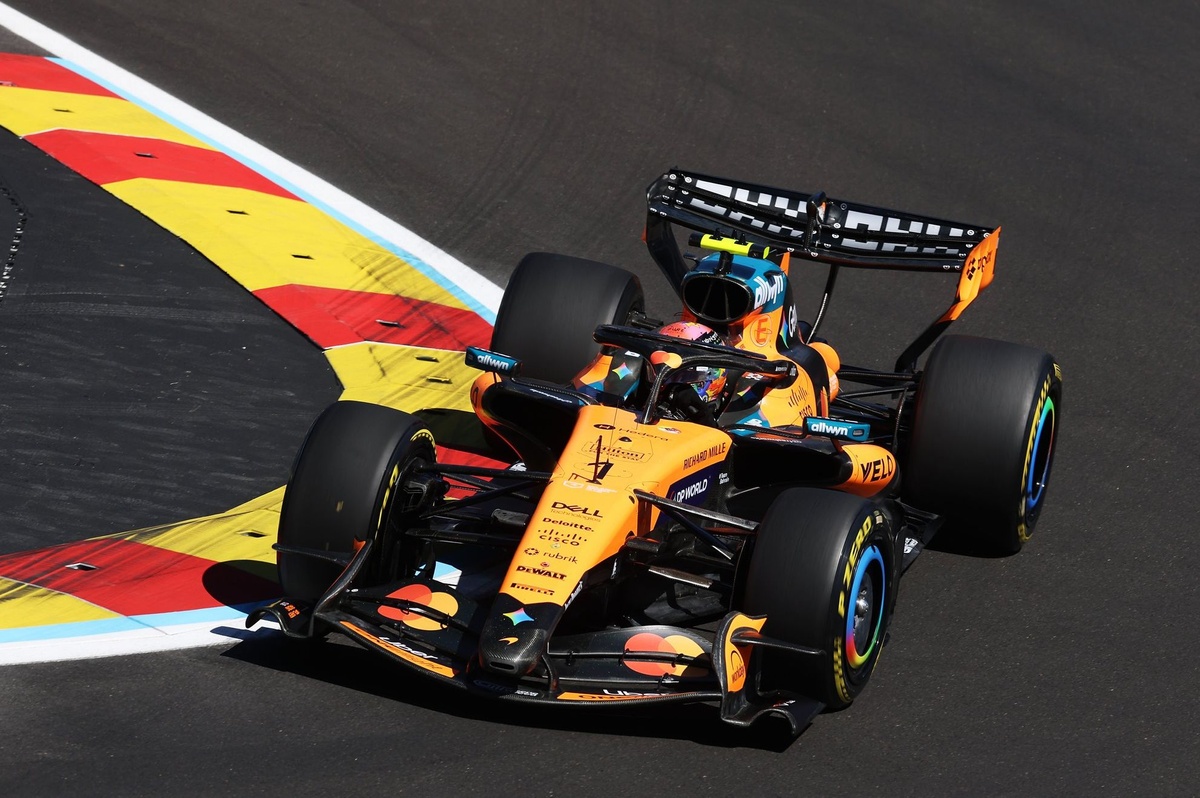
Tag: Madring

  • Mercedes Explains Why George Russell Pitted Under VSC at Madring

    Mercedes Explains Why George Russell Pitted Under VSC at Madring

    Key Highlights

    • Mercedes deputy team principal Bradley Lord revealed George Russell’s alternate strategy was forced by the poorly timed virtual safety car on lap 14, which ruined the team’s planned one-stop on hard tyres.
    • Russell switched to mediums under the VSC to attempt an undercut on Charles Leclerc, then returned to hards on lap 28, finishing just 0.7 seconds behind the Ferrari in fifth place.
    • The result leaves Russell 81 points adrift of Mercedes teammate and championship leader Kimi Antonelli, with the Briton admitting a title challenge now feels “exceptionally unlikely.”

    VSC Timing Derails Mercedes’ Original One-Stop Plan for Russell

    Mercedes deputy team principal Bradley Lord has detailed the strategic dilemma that forced George Russell into a two-stop strategy during Formula 1’s Spanish Grand Prix, explaining that the virtual safety car deployment on lap 14 arrived at the “worst possible time” for the British driver. Russell started sixth on the hard compound tyre with a clear intention to run long and execute a one-stop race, mirroring the approach of Charles Leclerc ahead of him in the Ferrari. However, the neutralisation period—triggered while Russell was the second car on hards behind Leclerc—eliminated any realistic chance of overtaking or undercutting on similar-aged rubber.

    Why Mercedes Chose to ‘Box Opposite to Leclerc’

    Faced with the prospect of Russell simply circulating behind the Ferrari to the finish, Mercedes opted for a reactive ‘box opposite to Leclerc’ call under the VSC. “The opportunity to undercut was very, very limited, and the opportunity to overtake was almost non-existent for cars on similar age tyres,” Lord explained. The team fitted medium tyres knowing they would not last the remaining 43 laps, planning a 20-lap stint before switching back to the more durable hard compound for the final phase. This divergent strategy was a calculated gamble to create a performance differential in a race where track position appeared unassailable.

    Russell’s Pace Forces Ferrari’s Hand and Nearly Yields a Podium

    The tactical switch sparked an impressive performance from Russell. His pace on the medium tyre was sufficient to pressure Leclerc into an earlier pit stop than Ferrari likely desired, a move that simultaneously handed clean air to race leader and Mercedes teammate Kimi Antonelli. Russell rejoined on fresh hards for the closing laps and hounded Leclerc relentlessly, crossing the line a mere 0.7 seconds adrift of the Ferrari in fifth place. Lord noted Russell “unleashed some really impressive performance” and that the hard tyre proved “quite fragile” on the Ferrari in the final stint.

    Why This Matters

    The Spanish Grand Prix outcome underscores the critical importance of safety car timing in modern Formula 1 strategy, particularly at circuits like Madrid where overtaking is at a premium. For Mercedes, the race delivered a bittersweet narrative: a dominant victory for championship leader Kimi Antonelli, facilitated by the same VSC that compromised Russell’s race. The 81-point gap now separating the teammates highlights how quickly a title fight can pivot on a single strategic variable. With Russell openly conceding his championship hopes are “exceptionally unlikely,” the focus within the team will inevitably shift toward consolidating Antonelli’s lead while extracting maximum constructors’ points from both cars in the remaining rounds.

    Frequently Asked Questions

    Why did George Russell pit under the Virtual Safety Car when he started on hard tyres?

    The VSC deployed on lap 14 at the worst possible moment for Russell’s planned one-stop strategy. As the second car on hards behind Charles Leclerc, staying out would have condemned him to following the Ferrari to the finish with almost zero overtaking opportunity. Mercedes chose to ‘box opposite to Leclerc,’ fitting mediums to create a strategic differential.

    How did Russell’s alternate strategy affect the race outcome?

    Russell’s medium-tyre stint forced Leclerc into an earlier pit stop than Ferrari planned, which gave Kimi Antonelli clean air at the front. Russell then switched back to hards on lap 28 and closed to within 0.7 seconds of Leclerc by the finish, setting the fastest lap of the race in the process.

    What is George Russell’s current championship deficit to Kimi Antonelli?

    Following the Spanish Grand Prix, Russell trails Mercedes teammate and championship leader Kimi Antonelli by 81 points. Russell has described his chances of fighting for the title as “exceptionally unlikely.”
  • Audi F1 Junior Freddie Slater Secures F2 Deal for 2027 Season

    Audi F1 Junior Freddie Slater Secures F2 Deal for 2027 Season

    Key Highlights

    • Formula 3 runner-up and Audi F1 junior Freddie Slater will join Invicta Racing for the 2027 Formula 2 season.
    • The 18-year-old Briton secured the 2024 Italian F4 and 2025 Formula Regional European titles before a strong rookie F3 campaign with Trident in 2026, claiming eight podiums and a victory in Hungary.
    • Slater follows the proven Trident-to-Invicta pipeline that produced back-to-back F2 rookie champions Gabriel Bortoleto and Leonardo Fornaroli, with Rafael Camara currently challenging for the 2026 F2 title.

    Slater Secures 2027 F2 Seat with Invicta Racing

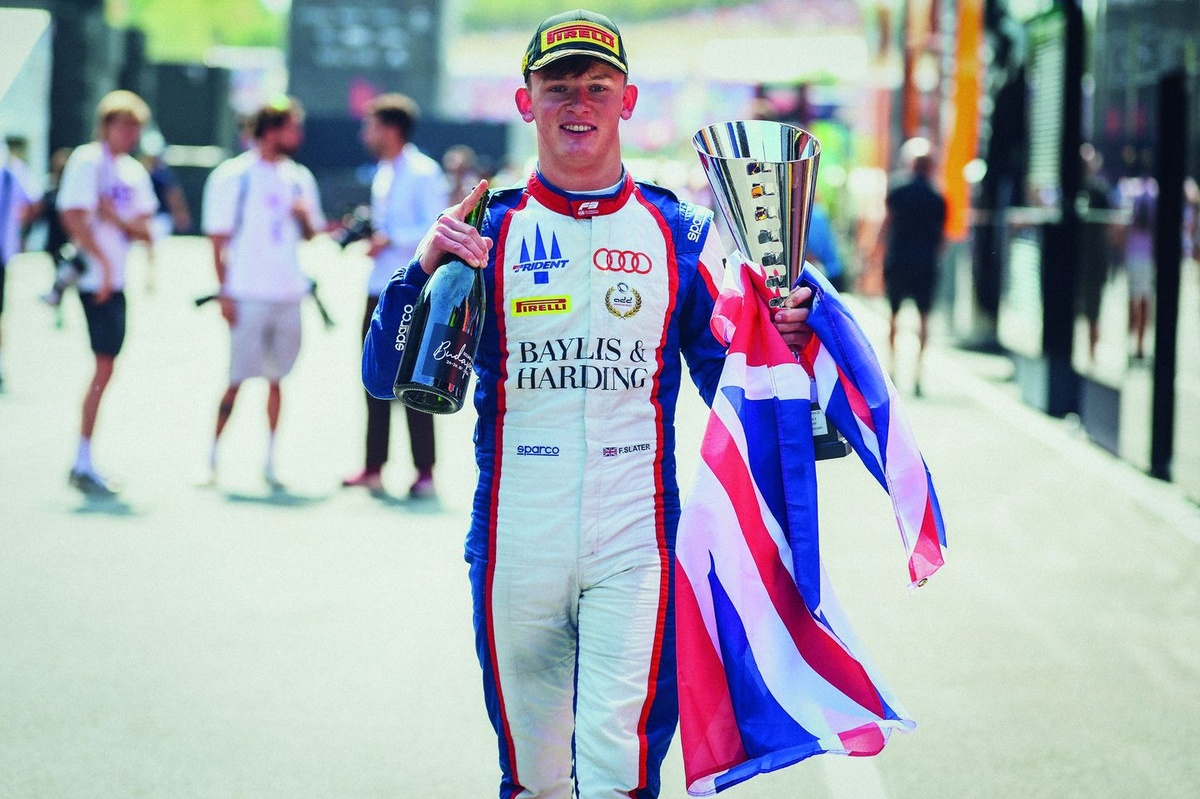
    Formula 3 runner-up Freddie Slater has confirmed his graduation to the FIA Formula 2 Championship for the 2027 season, signing with the Norfolk-based Invicta Racing squad. The announcement marks a significant milestone for the 18-year-old British driver, who serves as a junior for the Audi Formula 1 programme and was recruited to spearhead the manufacturer’s new Driver Development Programme in 2026.

    Slater’s ascent has been rapid. After capturing the 2024 Italian F4 Championship and the 2025 Formula Regional European Championship by Alpine titles, he stepped up to Formula 3 with the Trident team for the 2026 campaign. Despite being classified as a rookie—though he contested two rounds in 2025—Slater immediately demonstrated title credentials, stringing together four consecutive feature-race podiums to seize the championship lead heading into the summer break.

    Strong Rookie Campaign Yields Runner-Up Finish

    A late-season points drought, where Slater accrued just 15 points across the final five rounds, allowed Campos Racing driver Ugo Ugochukwu to overtake him in the standings. Nevertheless, the Briton finished a comfortable second in the final classification, securing eight total podiums including a feature-race victory in Hungary. He topped the rookie standings ahead of second-year driver Tuukka Taponen and fellow debutant Taito Kato.

    “I’m really excited to be stepping up to Formula 2 with Invicta Racing next year,” Slater said. “I learned a lot in Formula 3 this season, and I feel I have developed as a driver and as a person over the course of the year. Invicta has a great record in Formula 2, and I cannot wait to get started with the team and prepare for our campaign together. I am also very grateful for the continued support from the Audi Driver Development Programme. There is still a lot for me to learn, and I’m really looking forward to taking on this new challenge.”

    Following a Proven Championship Pathway

    Slater’s move replicates a highly successful trajectory established in recent years. The Trident-to-Invicta pipeline has delivered three consecutive Formula 3 champions—Gabriel Bortoleto, Leonardo Fornaroli, and Rafael Camara—who all transitioned to the Norfolk outfit for their rookie F2 campaigns. Bortoleto and Fornaroli each captured the F2 title in their first attempt, while Camara currently sits a close second in the 2026 standings, keeping the streak alive.

    Audi Driver Development Programme director Allan McNish emphasized the strategic fit. “The move to Formula 2 is the natural next step for Freddie, and an important new phase of his development as a driver,” said Audi Driver Development Programme director Allan McNish. “He enjoyed a strong Formula 3 season, fighting for the title until the final round – showing his speed, racecraft and progress throughout the year. We are very proud of what Freddie has achieved this season and how he has developed along the way. Invicta Racing has had an excellent record in recent years, and we are delighted to be working with them. We believe it is the ideal environment for him, and we look forward to supporting him as he takes on this new challenge in 2027.”

    Why This Matters

    Slater’s promotion underscores Audi’s long-term investment in young talent ahead of its anticipated Formula 1 entry. By placing their junior in a team with a documented history of developing rookie champions, the German manufacturer maximizes the probability of immediate competitiveness in F2. For Invicta Racing, securing a driver of Slater’s calibre—backed by a major OEM programme—reinforces their status as the premier destination for F3 graduates. The 2027 season will test whether Slater can convert his qualifying pace and racecraft into a title challenge, emulating Bortoleto and Fornaroli, or whether the step up in tyre management and race strategy presents a steeper learning curve.

    Frequently Asked Questions

    When will Freddie Slater make his Formula 2 debut?

    Freddie Slater will debut in the FIA Formula 2 Championship at the start of the 2027 season with Invicta Racing.

    What championships has Slater won prior to F2?

    Slater won the 2024 Italian F4 Championship and the 2025 Formula Regional European Championship by Alpine before finishing runner-up in the 2026 Formula 3 Championship.

    How does the Trident-to-Invicta pipeline benefit Slater?

    The last three Formula 3 champions—Gabriel Bortoleto, Leonardo Fornaroli, and Rafael Camara—won their titles with Trident before moving to Invicta Racing for F2. Bortoleto and Fornaroli both won the F2 championship as rookies, establishing a proven development pathway that Slater now enters.

  • Red Bull Insists “there is nothing wrong” With Isack Hadjar’s Recovery

    Red Bull Insists “there is nothing wrong” With Isack Hadjar’s Recovery

    Key Highlights

    • Red Bull team principal Laurent Mekies confirms Isack Hadjar’s wrist injury recovery is progressing normally, with a decision on his Baku return expected by Wednesday or Thursday.
    • Liam Lawson will continue preparing for both Red Bull Racing and Racing Bulls roles until Hadjar’s fitness is confirmed, having scored 14 points in three grands prix.
    • Hadjar consulted seven-time MotoGP champion Marc Marquez, whose own rushed return from a broken humerus in 2020 cost him an entire season, reinforcing the team’s cautious approach.

    Red Bull Prioritizes Long-Term Health Over Quick Return for Hadjar

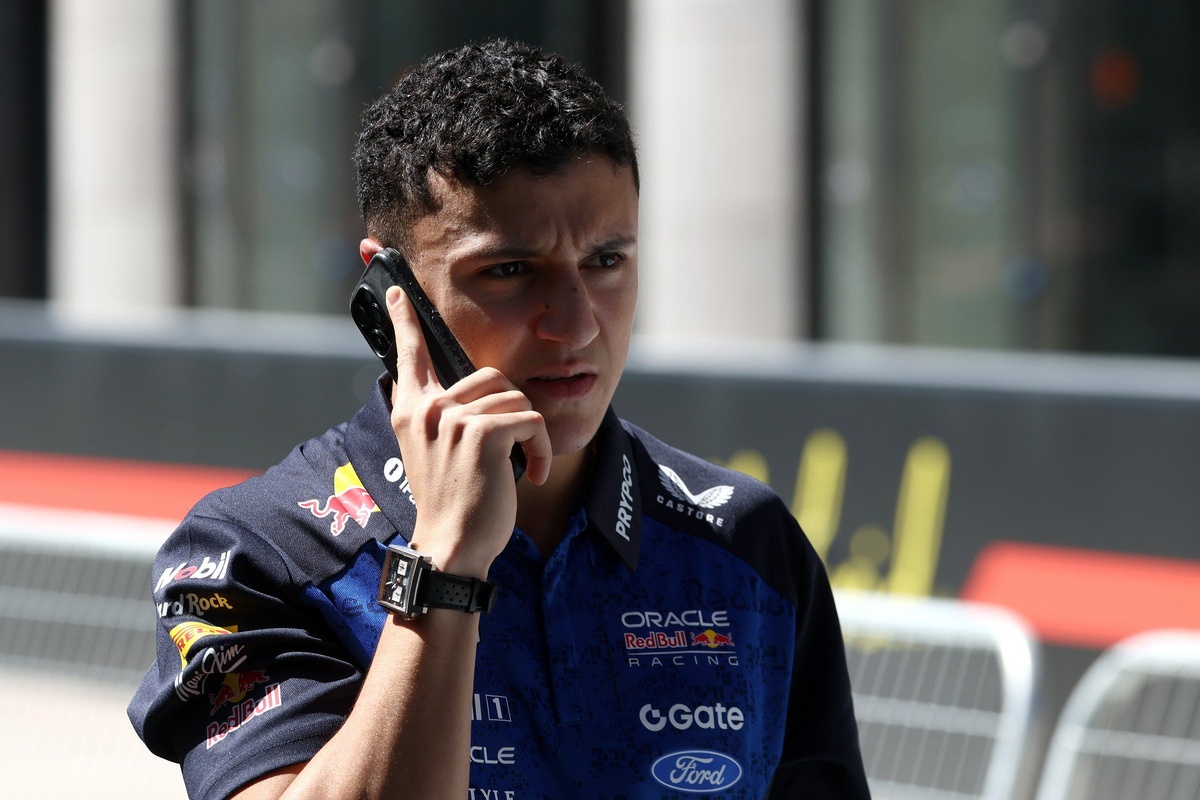
    Red Bull Racing team principal Laurent Mekies delivered a measured update on Isack Hadjar’s injury situation following the Spanish Grand Prix, confirming the French rookie’s recovery from a wrist injury sustained during the summer break is proceeding according to plan. Hadjar has missed the last three Formula 1 rounds, with Liam Lawson stepping into the Red Bull Racing seat while Yuki Tsunoda covered reserve duties at Racing Bulls. Speaking after Sunday’s race in Madrid, Mekies emphasized that the team has no intention of rushing the sophomore driver back before he reaches full fitness.

    Marquez Consultation Reinforces Cautious Strategy

    A pivotal factor in shaping Red Bull’s conservative timeline was Hadjar’s interaction with seven-time MotoGP world champion Marc Marquez. The Spanish motorcycle racing icon famously fractured his humerus in the 2020 Jerez season opener, attempted to compete in the following race, and subsequently missed the remainder of the campaign due to complications. That cautionary tale resonated with the 20-year-old Frenchman, convincing him that patience serves his long-term interests better than an accelerated return. Mekies confirmed the team has “learned that it’s fundamentally a normal time for the sort of injuries he has,” validating their existing medical approach.

    Simulator Test Will Determine Baku Availability

    Mekies outlined a clear decision-making framework for the upcoming Azerbaijan Grand Prix. With “a bit more than a full week” before the Baku weekend, Hadjar will undergo evaluation before being placed on the simulator to experience “real-life constraints.” The team principal established a binary threshold: “If he feels close to 100%, we go for it; if he feels the recovery is not completed, we will stick on our approach to put his recovery first.” Mekies explicitly ruled out compromising Hadjar’s “long-term capacity to come back to 100%” for a premature race appearance, underscoring the organization’s investment in the driver’s development trajectory.

    Lawson Navigates Dual Preparation Challenge

    New Zealander Balances Two Team Workloads

    While Hadjar focuses on rehabilitation, Liam Lawson faces a demanding logistical challenge. The New Zealander must maintain race readiness for both Red Bull Racing and Racing Bulls until a final decision on Hadjar’s status emerges. “It’s a lot of time at the factory and doing a lot of extra preparations,” Lawson admitted, adding that “this week off won’t be much of a week off.” The 22-year-old has impressed in his three substitute appearances, accumulating 14 championship points and climbing to ninth in the drivers’ standings—just 12 points adrift of Hadjar despite the Frenchman’s five-race head start.

    Mental Preparation Complicated by Uncertainty

    Lawson candidly described the psychological toll of preparing for two fundamentally different cars with no guarantee of which he will drive in Baku. “Coming to the end of the [Madrid] weekend now, I feel quite comfortable in this car. But just going forward, it’s the unknown all the way up to the race weekends,” he explained. The Red Bull driver estimated clarity might not arrive until “Wednesday or Thursday for Baku,” making it “quite tricky to mentally prepare for what car I’m going to drive.” Lawson noted the machinery differences are substantial: “Going back now will be quite tough. It’s completely different to drive.”

    Why This Matters

    The Hadjar-Lawson situation highlights Red Bull’s evolving driver management philosophy under new leadership. With Mekies and sporting director Jonathan Wheatley steering the program following Christian Horner’s reduced operational role, the team is demonstrating a willingness to protect young assets rather than exploit short-term performance gaps. Hadjar’s consultation with Marquez—facilitated by Red Bull’s cross-discipline motorsport network—shows an innovative approach to athlete welfare that transcends series boundaries. For Lawson, the extended audition strengthens his case for a full-time 2026 seat, whether at Red Bull Racing, Racing Bulls, or elsewhere. The Baku decision will also test Red Bull’s simulator correlation capabilities, as Hadjar’s virtual running will serve as the primary fitness benchmark in the absence of on-track running. Championship-wise, Lawson’s 14-point haul has injected unexpected competitiveness into the midfield battle, with the New Zealander now within striking distance of established runners including Nico Hulkenberg and Fernando Alonso.

    Frequently Asked Questions

    When will Red Bull decide if Isack Hadjar races in Baku?

    According to team principal Laurent Mekies, the decision will likely come “probably all the way up to Wednesday or Thursday for Baku,” following a simulator evaluation after more than a week of recovery assessment.

    How has Liam Lawson performed in his three races replacing Hadjar?

    Lawson has scored 14 points across the three grands prix, placing him ninth in the drivers’ championship standings—just 12 points behind Hadjar despite missing the season’s first five rounds.

    Why did Isack Hadjar consult Marc Marquez about his injury?

    Hadjar sought advice from the seven-time MotoGP champion because Marquez famously rushed back from a broken humerus in 2020, aggravated the injury, and missed the rest of that season—a cautionary example that reinforced Red Bull’s patient approach to the Frenchman’s wrist recovery.

  • Franco Colapinto Reveals Key Takeaways from Gasly at Monza

    Franco Colapinto Reveals Key Takeaways from Gasly at Monza

    Franco Colapinto credited a detailed review of Pierre Gasly’s Monza qualifying masterclass for his own breakthrough performance at the Spanish Grand Prix, where the Alpine driver reached Q3 and converted a strong Saturday into a points-scoring seventh-place finish on Sunday.

    Monza Disparity Sparks Data Deep Dive

    The turning point arrived at the Italian Grand Prix. Despite running closely in the opening segment — Colapinto was fourth in Q1, just 0.050 seconds behind session-topper Gasly — the gap yawned as qualifying progressed. Gasly found three tenths in Q2 and four tenths in Q3 to claim a shock pole position, leaving his rookie teammate eighth on the grid.

    Reflecting on the session immediately after, Colapinto acknowledged the deficit:

    “Pierre was very quick throughout qualifying. In Q1 I was very close, and I think as the sessions went on, he kept improving more than I did. I have a lot to work on on my side to understand that and learn from how much he was improving with every attempt while I was falling a little bit behind,”

    Colapinto said at the time.

    Determined to close the gap, the Argentine spent the intervening week poring over telemetry and video to dissect where Gasly extracted additional performance run after run.

    Madrid Turnaround: ‘One of My Best Qualifying Sessions’

    The preparation paid dividends at the Circuit de Barcelona-Catalunya. Colapinto outqualified Gasly across every segment, advancing to Q3 despite abandoning his first Q2 run after running wide at the high-speed La Monumental corner.

    Speaking to media including Motorsport.com after the race, he described the Saturday performance as a career highlight:

    “[Madrid] qualifying was one of the best qualifying sessions I’ve done, with very, very perfect laps and putting the car into Q3. It was always going to be tricky with the Audis and the RBs going very fast here,”

    Colapinto told media including Motorsport.com after finishing seventh on Sunday.

    Race day validated the single-lap pace. Colapinto held position through the opening chaos, managed tyre degradation effectively, and crossed the line seventh to secure six valuable championship points.

    “Today we stayed ahead in the race and scored a lot of points. So I’m very happy. Once again, it’s extremely positive and I’m very happy with the pace and the results.”

    Lessons in Energy Management and Incremental Improvement

    Asked specifically what he had absorbed from Gasly’s Monza approach, Colapinto highlighted a blend of driving technique and strategic systems management — the latter a critical skill in modern Formula 1 qualifying where energy deployment curves differ between Q1, Q2, and Q3.

    “I think a bit of everything,” he said. “He is more experienced and the steps he was making in everything, both in driving and energy management, from one run to another, from Q1 to Q2 to Q3, were very clear. I learned from that.”

    The rookie felt his own progression through the Madrid qualifying hour mirrored that lesson.

    “I ticked everything and I’m very pleased with that. I think after Monza I learned a lot from Pierre’s qualifying and I tried to take a step here. I did it and I maximised everything again,”

    he said.

    “I think here I was really on it in qualifying, at a very difficult track. It’s probably the most difficult one of the year to nail a lap and also the most satisfying one when you do it. Both Q2 and Q3 were amazing laps. Again, I took a step there and that’s what I was looking for. So I’m happy with that.”

    With the European summer swing underway, Alpine will hope the intra-team dynamic continues to elevate both drivers as the midfield battle intensifies.

  • Max Verstappen “Max vs 100” Entry List Revealed: Who Is Racing?

    Max Verstappen “Max vs 100” Entry List Revealed: Who Is Racing?

    Formula 1 world champion Max Verstappen is set to face a field of 100 challengers in a unique karting spectacle streaming live on Disney+ this Wednesday, 16 September. The “Max vs 100” event will take place on a purpose-built circuit at Silverstone, where the Red Bull Racing driver must fight his way through the pack over 30 laps while his opponents work collectively to keep him behind them.

    Verstappen: “I’ll just rock up and have a good time”

    Speaking during the Spanish Grand Prix weekend, Verstappen adopted a relaxed attitude toward the unusual challenge.

    “I’ll just rock up and have a good time, to be honest. Let’s see how it goes. But yeah, it’s a lot of people,” he said.

    “Starting from the back, it’s going to be challenging, but I hope I can catch them all. But we don’t know yet. I don’t even know the format at the moment. So I will just rock up and do my thing.”

    Star-studded entry list spans sport, streaming, and entertainment

    The opposition features an eclectic mix of professional athletes, content creators, streamers, television personalities, and motorsport figures. Below is the confirmed entry list categorized by primary background.

    Professional athletes and sports stars

    • Leticia Bufoni – Professional skateboarder
    • Sarah Lezito (Sarah Vignot) – Stunt rider
    • Arda Saatçi – Ultra athlete
    • Lethal Shooter (Chris Matthews) – NBA shooting coach
    • Janja Garnbret – Professional climber
    • Leo Neugebauer – Decathlon world champion
    • Molly Carlson – Professional cliff diver
    • Matt Jones – Mountain bike athlete
    • Billy Bolt – Motorcycle racer
    • Aidan Heslop – Cliff diver
    • Pol Tarrés – Enduro rider
    • Si Hyun Park – Professional drift driver
    • Drift Games (David Egan) – Creator and drift driver
    • Mélanie Buffetaud – Content creator and parkour athlete
    • Charles Poujade – Parkour athlete and content creator

    Motorsport media and creators

    • Queen B (Rebecca Evans) – Motorsport creator and presenter
    • Gabs Djay – Motorsport content creator
    • Bea Eguiraun – Motorsport presenter and test rider
    • Tommo McCluskey – Motorsport content creator and presenter
    • Larry Chen – Automotive photographer
    • MrCarSounds (Greg Gevojanyan) – Content creator
    • Supercar Blondie (Niklaus Manuel Hirschi) – Automotive media CEO
    • GoKartGod – Electric kart manufacturer
    • Nate Saunders – F1 reporter

    Streamers and gaming personalities

    • TheGrefg – Streamer and content creator
    • Caedrel (Marc Lamont) – Streamer
    • TheDonato (Donato José Muñoz Calabres) – Streamer and content creator
    • Helydia (Celia Tansel) – Streamer and content creator
    • Diogo ‘MoveMind’ da Silva – Streamer and content creator
    • Jonathan Amaral – Professional Esports player
    • RDJavi (Steven Javier Santos del Rosario) – Streamer
    • TechnoGamerz (Ujjwal Chaurasia) – Gaming content creator
    • Amar (Amar Al-Naimi) – Streamer and entertainer
    • Nugato (Ilija Ravlić) – Streamer
    • iiTzTimmy (Timothy An) – Streamer and professional gamer
    • Qucee (Quentin Correia) – Streamer and YouTuber
    • ExtraEmily (Emily Xuechun Zhang) – Streamer
    • Shreeman Legend (Siddhant Praveen Joshi) – Streamer and YouTuber
    • Tyrique Hyde – Streamer

    YouTubers and content creators

    • Zac Alsop – YouTuber
    • Pieface23 (Jack McDermott) – Content creator
    • TGFBro (Romell Henry) – YouTube content creator
    • Manny (Emmanuel David Brown) – YouTuber
    • Dantic (Daniel Moss) – Content creator and YouTuber
    • Developer Adam (Adam Powell) – Content creator
    • Kalia Lai – Content creator and athlete
    • James Doyle – Content creator
    • AustrianKiwi (Jonathan Balchin) – Comedian
    • Nathan Lust – Content creator
    • Tettrem (Mateus dos Santos Machado Almeida) – Content creator and streamer
    • Mars (Zhang Jing) – Extreme sports creator
    • Pamkutya (Norbert Osbáth) – Content creator
    • Roberts Vītols – Content creator
    • Paky TWC (Patrick Tremolada) – YouTuber
    • Enis Kirazoğlu – Content creator
    • Karol Zdęba – YouTuber
    • Vale Sulca – Content creator
    • German Rodezel – Content creator
    • Pableke (Pablo Jimenez) – Content creator
    • Josh Richards – Creator and entrepreneur
    • John-Marc van Wyk – Content creator
    • Dyler – Artist and content creator
    • Nnnurdaylet – Content creator
    • Julia Haller – Content creator
    • Wirtual (Øyvind Ludwig Iversen) – Content creator
    • Daniel Ahola – Content creator
    • Joe Tasker – Content creator and television presenter
    • Bella James – Content creator
    • Juank Perez – Content creator
    • Jakidale (Jacopo D’Alesio) – YouTuber and content creator
    • Sporttouchen (Timothé Rangström) – Content creator
    • Taylor Serage – Content creator
    • Jojo Sim – Content creator
    • Henry Robert Williams – Sports journalist
    • Austin Sprinz – Content creator

    Television, media, and entertainment

    • Amber Gill – Television personality
    • Stungpegg (Nieve Petruzziello) – Sports presenter and content creator
    • Bash The Entertainer (Bachala Mbunzama) – Content creator and comedian
    • Fresia Aria – Football reporter
    • Joseph Brophy – Sports journalist
    • Molly Marsh – Influencer and television personality
    • Neo Yau (Yau Hawk Sau) – Actor and content creator
    • Mike Dokas – TikTok creator

    Fitness and lifestyle influencers

    • Shredded Fox (Jan Liška) – YouTuber and fitness influencer

    The Max vs 100 event promises an unprecedented crossover between elite motorsport and digital entertainment culture, with all action broadcast live on Disney+ from Silverstone on 16 September.

  • Guenther Steiner Criticizes Lando Norris’s Coca-Cola Spanish GP Moment as ‘unprofessional’

    Guenther Steiner Criticizes Lando Norris’s Coca-Cola Spanish GP Moment as ‘unprofessional’

    Guenther Steiner Criticizes Lando Norris Over Coca-Cola Cooldown Room Incident at Spanish Grand Prix

    Former Haas Formula 1 team principal Guenther Steiner has labeled Lando Norris’s decision to drink a Coca-Cola in the post-race cooldown room as unprofessional, following the Spanish Grand Prix in Madrid. The incident occurred after Norris finished third at the Madring circuit, sparking debate across the paddock and social media.

    Norris Defends Right to Choose His Drink

    With rival beverage company PepsiCo holding an official partnership with Formula 1, a series official reportedly asked the McLaren driver to put the Coca-Cola down. Norris firmly pushed back, stating:

    “I just did a race, so I’m allowed to drink what I would like. Thank you so much.”

    The exchange quickly went viral, with many fans praising Norris for standing his ground. However, Steiner offered a sharply different perspective during an appearance on The Red Flags Podcast.

    Steiner: “If You Are a Professional, You Don’t Do That”

    The former team chief argued that Norris should have adhered to the sport’s commercial protocols, regardless of personal preference.

    “If you are a professional, you don’t do that. End of story,” the former team chief said. “You know what you can do and what you cannot do. You’re well trained. He shouldn’t have done it. Is it a bad thing that he did it? Will somebody get hurt? No. But as a pro, you shouldn’t do it. But he has done it. And you know what? I couldn’t give a s***.”

    Commercial Reality Behind the Controversy

    When asked if the issue stemmed directly from PepsiCo’s F1 partnership, Steiner explained the categorical nature of sponsorship rights.

    “It’s all going by categories. They sell it and obviously if you don’t pay, you cannot have it. And he had a Coke. It was not the smartest thing to do.”

    Steiner added that the backlash ultimately benefited the non-sponsor brand.

    “But as I said, I don’t care because now, for Coca-Cola, it worked out pretty good. It was pretty good for [Coca-Cola]. If they wouldn’t have said anything, nobody would have even noticed, but because it was so bumped up now it’s a thing, and now Coca-Cola is laughing.”

    Race Context and Championship Standings

    Norris started the Spanish Grand Prix from pole position but dropped to third after an ill-timed virtual safety car period cost him the lead. He currently sits fourth in the 2025 drivers’ championship with 186 points, trailing leader Kimi Antonelli by 106 points.

    Lando Norris, McLaren. Photo by: Federico Basile
  • Why Formula 1 Should Avoid Knee-Jerk Rule Changes After Lando Norris’ Madrid Heartbreak

    Why Formula 1 Should Avoid Knee-Jerk Rule Changes After Lando Norris’ Madrid Heartbreak

    Lando Norris lost a potential Formula 1 victory at the Spanish Grand Prix through no fault of his own or his team’s, but due to the unfortunate timing of a virtual safety car (VSC) deployed on lap 14 following Lance Stroll’s retirement. The McLaren driver missed the pitlane entry by mere seconds before the VSC activation, making him the primary loser in a scenario where his main rivals—who lacked his outright pace—gained a “cheap” pit stop. The fastest driver on track ultimately settled for third place.

    Norris Questions Fairness of Current VSC Rules

    The outcome reignited debate regarding potential rule changes, with the VSC becoming the dominant talking point in Barcelona. Speaking in the post-race press conference, Norris expressed frustration over the lack of control he had over the situation.

    “There’s literally nothing I could do as a driver today to do a better job,” said Norris a few minutes after the finish in the press conference. “Pole, led the race, and to lose it for nothing in my control is, I don’t think, how a race should be won.

    “But I think people… I hope people agree, I think people would agree. But it is racing and it’s happened, so I can’t really complain about it. I can be upset about it, but I can’t really complain about it.”

    Proposed Solutions: Closing Pitlane or Mandatory VSC Duration

    In the aftermath, “easy solutions” often surface. Norris himself outlined two prominent ideas during the same press conference.

    “We have spoken about it in the past several times, about how it can be at least covered for one lap or everyone has the opportunity to do the pit stops, or you just block the pit entry and no one can box apart from if you have a puncture or something, you know.

    “So, I think there’s a few things you could do to make it more simple and more fair for everyone, but that’s a bigger discussion.”

    While both options—closing the pitlane under VSC or ensuring a full-lap VSC duration—would have neutralized the disadvantage for Norris in Spain, analysis suggests both create significant new problems.

    Why Closing the Pitlane Creates Safety Risks

    Closing the pitlane entry during a VSC would prevent the “cheap stop” scenario. Without refuelling, cars do not risk running dry during a safety period, making this seem logical. However, VSCs and safety cars are primarily deployed for on-track incidents involving damaged cars.

    Closing the pitlane while cars are circulating with damage—such as missing wheels or front wing failures—is illogical and unsafe. Allowing only damaged cars to pit introduces regulatory grey areas: defining what constitutes “damage” is complex. For instance, would the front wing damage sustained by Oscar Piastri in Madrid qualify? Furthermore, it could incentivize drivers to deliberately induce punctures to earn a pitstop right.

    “I think it’s something, as a group of drivers, I think we would all want,” he said, but also admitted that “there’s a lot more to it”.

    “You know, depending on if it’s raining and there’s a VSC and you’re on slicks, does it mean you can box or not? It’s a complicated subject.”

    Preventing drivers on slick tyres from switching to wets during a VSC deployed for safety would contradict the very purpose of the intervention. If a simple fix existed, it would likely have been implemented long ago.

    Why a Mandatory Full-Lap VSC Fails Strategically

    The alternative—guaranteeing the VSC lasts at least one full lap so every driver can pit—addresses the specific Madrid scenario where the VSC ended before Norris completed his lap. However, this creates strategic distortions in other common scenarios.

    Consider if Norris had pitted on lap 12 to cover an undercut from Kimi Antonelli (Mercedes). A subsequent VSC on lap 14 would put Norris at risk of losing track position to Antonelli. A mandatory full-lap VSC would guarantee Mercedes a “cheap” stop regardless of how quickly the track was cleared, artificially enforcing an “unfair” outcome. Critics would then likely demand race control act faster, ignoring that safety—not sporting equity—dictates deployment duration.

    Safety Remains the Sole Priority for Race Control

    The sporting outcome is not a factor for race control when deploying safety measures, nor should it be. Motor racing remains dangerous; safety is the only priority during incident management.

    “But I think as a collection of drivers, if we all talk about it, I think everyone wants the same thing, and that’s just fairness for everyone,” said Norris. “So yeah, of course I’m complaining about it today. I could benefit from it next week, next time out, and I could win because of it.

    “So yeah, I have to take it on the chin, but I just hope it doesn’t happen to anyone again because it’s just not how you should lose a race.”

    Accepting the Inherent Unpredictability of Sport

    While drivers are right to raise concerns, media headlines demanding immediate rule changes based on one event should not dictate regulatory overhauls. The Spanish GP highlighted a long-standing issue with VSC timing luck, but its persistence exists precisely because no simple solution withstands scrutiny across all scenarios.

    Those offering straightforward fixes typically fall into two categories: those who misunderstand the complexity of the problem, or politicians. Ultimately, the only realistic “solution” may be accepting that sport is not always fair—and that the VSC lottery, while frustrating, is an inherent variable in Formula 1.

  • Nico Rosberg Stunned by Kimi Antonelli’s “Unbelievable” Maturity Amid 2026 F1 Title Fight

    Nico Rosberg Stunned by Kimi Antonelli’s “Unbelievable” Maturity Amid 2026 F1 Title Fight

    Rosberg Astonished by Antonelli’s Maturity as Mercedes Rookie Extends 2026 Title Lead

    2016 Formula 1 World Champion Nico Rosberg says he has been left astonished by Kimi Antonelli’s composure during the 2026 season, after the Mercedes rookie secured his eighth victory of the year at the inaugural Spanish Grand Prix held at the Madring circuit.

    The win extends Antonelli’s commanding lead atop the Drivers’ Championship to 81 points over teammate George Russell, who sits second in the standings. The Italian entered the season as a title contender alongside the experienced Russell but has rapidly established himself as the class of the field.

    Rosberg Draws Parallels to 2016 Title Pressure

    Speaking to Sky Sports F1 after the Madrid race, Rosberg compared Antonelli’s current mindset to the intense psychological burden he carried during his own championship-winning campaign.

    “We are all human. He’s not superhuman,” Rosberg said. “I was absolutely terrified that it was hard to drive properly. The nearer I got to the end of the season, it was impossible for me to win races or get pole because my brain capacity had so much fear of losing my dream with a stupid mistake or with something which can easily happen.

    “At some point he will have to feel that a little bit. But it’s unbelievable so far how solid and mature he is. Even Toto can’t believe it.”

    Rosberg’s reference to fear paralyzing performance late in a title fight underscores the rarity of Antonelli’s consistency. Despite being only 20 years old, the Italian became the youngest driver ever to lead the championship following back-to-back wins at the Chinese and Japanese Grands Prix, and has only strengthened his grip since.

    Wolff: Antonelli is “Cool as a Cucumber”

    Mercedes Team Principal Toto Wolff echoed Rosberg’s amazement, describing his young driver’s demeanor as almost preternaturally calm.

    “I think he’s cool – sometimes an inch too cool! When he brushes the wall five laps from the end and comes on the radio ‘check the car’, you’re like ‘really, again, white lines, walls’ but maybe that’s how he keeps himself in the zone,” Wolff said.

    “Almost his youth helps him a lot because he’s 20. He could stay in this sport for 20 years with so many opportunities. He’s so above all of our expectations and his own. He’s just going with the flow.

    “I think there is also a genetic factor. You are born cool as a cucumber or you’re not. You can see this in junior formula or karting – taking pressure easier.

    “He’s taken this to another level. We are talking about Formula 1. You see junior drivers crumbling in Formula 2.

    “He’s just doing his thing. We told him ‘this is a race where we need to bring it home, need to score points whether it’s P2 or P5, we don’t care, just drive it home’. He does that and goes fast.”

    Wolff’s assessment highlights a maturity that defies the typical rookie trajectory. While many questioned when the pressure would finally affect the young Italian, Antonelli continues to deliver race-winning speed alongside the discipline of a veteran.

    Championship Momentum Builds for Mercedes Phenom

    With eight victories already secured and a substantial points cushion over a proven race-winner in Russell, Antonelli’s maiden title appears increasingly inevitable. The Madrid weekend served as further evidence that the Mercedes driver possesses not only raw pace but the psychological resilience required to close out a championship—a trait that even a former champion like Rosberg finds remarkable.

  • What We Learned From Formula 1’s First Visit to the Madring

    What We Learned From Formula 1’s First Visit to the Madring

    The debut of a new circuit always injects a mix of adrenaline, curiosity, and trepidation into a Formula 1 weekend, and the Madring in Madrid delivered on every front. The inaugural Spanish Grand Prix at this venue offered immediate lessons on driver adaptation, tyre strategy, and the shifting dynamics of the 2026 title fight.

    How drivers tackled a fresh challenge

    While factors like weather swings and split‑second strategy calls always influence a race result, drivers usually rely on intimate knowledge of track layouts honed over years of simulator work and muscle memory. The Madring reset that familiarity. Despite extensive virtual preparation, the reality of a freshly laid surface, the proximity of the walls, and the electric atmosphere of the Spanish capital could only be absorbed once Free Practice 1 began on Friday afternoon.

    Home favourite Fernando Alonso described the layout as “very technical” and “attractive”, while several drivers drew parallels to Jeddah’s high‑speed, narrow character. Like its Saudi Arabian counterpart, the Madring showed its teeth early: Arvid Lindblad, Lewis Hamilton, and Ollie Bearman all ran into trouble during Free Practice. As the field found the initial limits, lap times tumbled dramatically — plummeting by more than two seconds between FP1 and Lando Norris’s stunning final qualifying effort.

    Tyre management proved decisive

    The ability to nurse tyres remains a cornerstone of race success, extending stint options and preserving grip for stability. At the Madring, that skill was tested severely. George Russell admitted after qualifying, “as the track has got faster, I’ve been struggling to get the most out of the tyres”, a deficit he believed cost him a shot at pole position and left him sixth on the grid.

    In the Grand Prix, Nico Hulkenberg secured just his third points finish of the season as Audi continued to close the gap to midfield rivals Racing Bulls and Alpine. The German highlighted that “managing the tyres and making sure you get to the end” made the difference on a day when the three teams showed “identical pace”. Lando Norris also excelled in tyre preservation — until a poorly timed Virtual Safety Car unravelled his race. He remained proud of his performance, stating: “The way I drive, the way I can look after the tyres and get lap time out of it, it’s giving me a lot of opportunities and I can do a better job than the others.”

    La Monumental lived up to its name

    Few corners punish Pirelli rubber as severely as La Monumental. This 550‑metre arena‑style section, flanked by up to 45,000 passionate fans and featuring a banking gradient of up to 24%, became a defining feature of the circuit. The variety of racing lines through the corner sparked heated moments, especially as it leads into a blind crest that demands immense courage to attack flat‑out.

    Another twist in the title fight

    It is rare to hear an F1 driver — among the most ruthless competitors in sport — concede that a rival deserved victory more than they did, yet that is exactly what unfolded in Madrid. Kimi Antonelli claimed his eighth win of the season, extending his Drivers’ Championship lead to a commanding 81 points. Despite the triumph, he remarked: “It’s good to win, but it doesn’t feel as good because I think Lando today deserved to win. But overall, you know, we’ll take it.”

    Antonelli’s assessment undersold his own drive: starting second, he overtook Norris during the pit stops and inherited the lead from Charles Leclerc after the Ferrari driver’s long opening stint ended with fewer than ten laps remaining. The 20‑year‑old then resisted pressure from both Norris and Max Verstappen to secure the most comfortable championship position of his career so far.

    The weekend also revealed a shift in mindset within the Mercedes camp. Team‑mate George Russell declared he is no longer “in the fight for the drivers’ title” after finishing fifth. Team principal Toto Wolff disagreed, stressing that anything can happen over the remaining rounds and that a “nice buffer” can evaporate quickly after a couple of crashes or retirements. With Norris on a scintillating run of form, Ferrari consistently close, and Russell operating with reduced pressure, the battle for the 2026 crown remains wide open.

  • McLaren Won’t Blame F1 Race Control for Spanish GP Loss

    McLaren Won’t Blame F1 Race Control for Spanish GP Loss

    Key Highlights

    • Lando Norris lost a near-certain Spanish Grand Prix victory after a Virtual Safety Car triggered by Lance Stroll’s brake failure cost him approximately 20 seconds relative to rivals who pitted under the neutralisation.
    • McLaren Team Principal Andrea Stella refused to criticise race control, stating the race director’s sole focus must be safety and that regulatory changes require a lengthy process through the Strategy Advisory Committee and F1 Commission.
    • Norris acknowledged the misfortune was part of racing but noted this was likely the first time he had lost a race win specifically due to VSC timing, having previously benefited from similar scenarios.

    Norris Dominates Early Before VSC Cruelly Intervenes

    The 2025 Formula 1 Spanish Grand Prix at the Madring circuit appeared destined for a McLaren victory after Lando Norris converted pole position into a commanding early lead. The Briton quickly pulled away from Mercedes rookie Kimi Antonelli and reigning champion Max Verstappen, exploiting the clean air that is critical on a layout where overtaking proved exceptionally difficult across F1, F2, and F3 support races throughout the weekend.

    That narrative unravelled when Lance Stroll suffered a brake failure on his Aston Martin, forcing the Canadian to stop at the side of the track. Race control deployed a Virtual Safety Car (VSC) at the precise moment Norris had just passed the pit entry. By the time the McLaren driver completed the additional lap required to reach the pits, the track had already gone green again. Meanwhile, Antonelli, Verstappen, and the chasing pack had all dived into the pits under the VSC, swapping tyres at a significantly reduced time loss. Norris emerged from his eventual stop having surrendered roughly 20 seconds to his principal rivals, effectively handing the race lead—and ultimately the win—to Antonelli.

    Stella Defends Race Control, Points to Governance Process

    Despite the bitter disappointment, McLaren Team Principal Andrea Stella was unequivocal in refusing to apportion blame to the race director or FIA race control. Speaking after the Grand Prix, the Italian emphasised that the official’s mandate during a live incident is strictly limited to safety management.

    “Like all the times in which a safety car or a virtual safety car timing or duration has a large influence on a race, we have an opportunity to review whether we can do things differently,”

    Stella said.

    “But this is not under the jurisdiction of the race director. The race director applies the guidance and the regulations at the moment of the race that he’s directing. And I think that when there’s a situation like the one that caused the virtual safety car, the attention of the race director, and rightly so, is on when the conditions exist to turn the virtual safety car on and when they exist to turn it off. I don’t think he takes a look at what’s happening in the race. It would be a big distraction.”

    Stella confirmed the team had absolutely no comment on the race direction of the Spanish GP, adding they had done a good job according to what is present. However, he conceded there was scope for wider reflection on maintaining fairness.

    “I’m puzzled myself as to what’s right,” Stella continued. “Is it correct to give enough duration such that everyone will be subject to the same track conditions? So, for instance, the virtual safety car lasts at least one full lap. Or, you just keep it in the hands of the gods? And sometimes you are lucky, sometimes you are not. I’m not sure myself.”

    The McLaren boss outlined the formal pathway for any regulatory adjustment, noting it must originate in the Strategy Advisory Committee (SAC), progress to the F1 Commission, and ultimately be written into the Sporting Regulations—a relatively lengthy process that precludes any immediate change.

    “But in general, there’s the right place to have this sort of conversation which is the Strategy Advisory Committee, the famous SAC. And this is a topic that may be added to the agenda and discussed over there. But if it’s a change, it will have to be a change that goes through the SAC, then the F1 Commission, and then we have to go at some stage to the Sporting Regulations.”

    Norris Takes Philosophical View on Cruel Timing

    For Norris, the loss was particularly stinging because it occurred while fighting for a victory rather than mere points. In the post-race press conference, the 25-year-old articulated a balanced perspective, recognising that the fickle nature of safety-car timing has swung both ways during his career.

    “I was the only one, the only one on the whole grid that didn’t get the chance to do the pitstop,” Norris said in the post-race press conference. “That’s just unfortunate. It’s happened in races and there’s been plenty of times where I’ve gained from it in the past and times where I lost from it.”

    “It’s racing, but never when fighting for a win. So, I think it’s probably one of the first times a win has been lost simply because of it.”

    Why This Matters

    The Spanish Grand Prix episode has reignited a long-standing debate within Formula 1 regarding the sporting equity of Virtual Safety Car and Safety Car deployments. Because the VSC freezes gaps at the moment of deployment, any driver who has not yet passed the pit entry when the signal is given gains a massive advantage over those who have just missed it. The Madring circuit’s layout—where track position is paramount and overtaking is at a premium—amplified the consequence to a race-deciding level.

    Stella’s reference to the Strategy Advisory Committee underscores that any solution—whether a mandatory minimum VSC duration, a “pit window” guarantee, or a red-flag-style reset—must navigate F1’s multi-layered governance structure involving teams, the FIA, and commercial rights holders. Until such a mechanism is ratified, the sport must accept that the timing of neutralisations remains, in Stella’s words, in the hands of the gods. For Norris and McLaren, the focus now shifts to recovering the championship momentum lost on a Sunday where pace was never the issue.

    Frequently Asked Questions

    Why did Lando Norris lose the Spanish Grand Prix?
    Norris lost the lead when a Virtual Safety Car was deployed moments after he passed the pit entry. He was forced to complete an extra lap at reduced speed before pitting, while rivals including Kimi Antonelli and Max Verstappen pitted immediately under the VSC, gaining roughly 20 seconds on the McLaren driver.
    Is McLaren protesting the race director’s decision?
    No. Team Principal Andrea Stella explicitly stated McLaren has absolutely no comment on the race direction and believes the race director’s sole responsibility during a live incident is safety, not sporting equity.
    Could the rules be changed to prevent this happening again?
    Any rule change would need to be proposed at the Strategy Advisory Committee (SAC), approved by the F1 Commission, and written into the Sporting Regulations. Stella described this as a relatively lengthy process, meaning no immediate fix is expected.