Tag: Health

  • Sylvester Stallone Opens Up About Eating Disorder Struggle While Filming Rocky Franchise

    Sylvester Stallone Opens Up About Eating Disorder Struggle While Filming Rocky Franchise

    Key Highlights

    • Sylvester Stallone revealed in a New York Times interview that his extreme physical preparation for the Rocky and Rambo franchises led to bulimia, steroid use, and what he now calls “one of the most damaging periods” of his life.
    • The actor disclosed he has undergone nine back operations, two shoulder operations, and three neck fusions, stating his body is “held together with baling wire” and that maintaining his action-star physique “came at a terrible price.”
    • Stallone credited his 1997 role in Cop Land — playing an overweight, partially deaf sheriff — with liberating him from the “armour” of his muscular image, and said he would advise his younger self to let someone else “carry the banner” and avoid doing his own stunts.

    The Physical Toll of an Action Icon

    Sylvester Stallone, now 80, has offered a stark reassessment of the physical regimen that defined his rise to global stardom. In a candid interview with The New York Times, the actor disclosed that the relentless pursuit of an increasingly extreme physique for the Rocky and Rambo franchises spiraled into a dangerous obsession, culminating in bulimia and long-term structural damage to his body. What began as professional preparation became, in his words, “one of the most damaging periods of my life.”

    From Armour to Obsession

    Stallone described his physique not merely as a job requirement but as a psychological shield. “It was my armour,” he confessed. The evolution of Rocky Balboa — from a relatively ordinary fighter in 1976 to a chiseled champion — mirrored Stallone’s own escalating demands on his body. With Rambo, the goal shifted toward a leaner, “feral” aesthetic. “I started to think: Design your body like a jaguar, a cat,” he said. “Not big like Arnold, but more feral and aggressive and very limber and athletic.” That vision soon curdled into pathology. “Then it became an obsession. Really bad,” Stallone said. “It got to the point where I became bulimic. You heard it here first.”

    The nadir arrived during the filming of Rocky III in 1982. “I couldn’t hold anything down,” he said. “Or I didn’t want to keep it down because I became so obsessed with staying at that point of fitness, literally an obsessive body-worship kind of thing.” The actor also spoke plainly about performance-enhancing drugs. Asked directly about steroid use, he replied: “Oh, my god, you have to.”

    A Ledger of Injuries and a Turning Point

    The cumulative physical cost is extensive: nine back operations, two shoulder operations, and three neck fusions. “Everything is held together with baling wire, but I still want to stay in good shape,” he said. A pivotal shift came with James Mangold’s 1997 crime drama Cop Land, in which Stallone portrayed Freddy Heflin, an overweight, partially deaf sheriff — a deliberate departure from the muscle-bound archetype. “It wasn’t until I did Cop Land, when I had to play the weakest guy in the room — partially deaf, overweight — that I felt somewhat liberated,” he said. Asked whether he still regarded his physique as armour, his answer was immediate: “No, no, no.”

    Why This Matters

    Stallone’s disclosure adds a high-profile voice to the growing conversation about body dysmorphia, eating disorders, and the long-term health consequences of extreme physical transformation in the entertainment industry. His experience underscores the often-invisible toll on male actors pressured to maintain hyper-muscular physiques across decades-long franchises. The admission of steroid use during the 1980s and 1990s — an era with minimal regulation or oversight — also reframes the cultural memory of that period’s action-cinema aesthetic. As the industry continues to grapple with on-set safety and performer well-being, Stallone’s regret over performing his own stunts and his counsel to “let someone else carry the banner” resonate as a cautionary note for current and future generations of action performers.

    Frequently Asked Questions

    What eating disorder did Sylvester Stallone develop while training for Rocky and Rambo?

    Stallone developed bulimia, which he described as reaching a crisis point during the filming of Rocky III in 1982. He said he “couldn’t hold anything down” or “didn’t want to keep it down” due to an obsession with maintaining a specific level of leanness and fitness.

    Did Sylvester Stallone admit to using steroids?

    Yes. When asked directly whether he had taken steroids during his action-film prime, Stallone responded, “Oh, my god, you have to.” He argued that achieving and sustaining the required physique while training intensely and restricting calories was not realistically possible without performance-enhancing drugs.

    What role helped Sylvester Stallone break free from his body-image obsession?

    Stallone credited his role as Sheriff Freddy Heflin in James Mangold’s 1997 film Cop Land. Playing an overweight, partially deaf character — “the weakest guy in the room” — gave him a sense of liberation from the muscular “armour” he had maintained for years.

    Support resources: If you’ve been affected by any of the issues in this article and would like to speak with someone in confidence, call the BEAT Eating Disorders helpline on 0808 801 0677. Helplines are open 3pm–8pm Monday to Friday. Alternatively, you can try the one-to-one webchat.

  • Hannah Fry Discusses Cancer Diagnosis, Celebrity Traitors, Career and Family

    Hannah Fry Discusses Cancer Diagnosis, Celebrity Traitors, Career and Family

    Key Highlights

    • Mathematician and broadcaster Professor Hannah Fry joins the cast of Celebrity Traitors season two on BBC, bringing her expertise in patterns, probability, and human behaviour to the psychological game.
    • Fry, 42, was appointed Cambridge University’s first Professor of the Public Understanding of Mathematics in 2025, following a distinguished career at University College London and a PhD in fluid dynamics.
    • The author and presenter has publicly detailed her 2021 cervical cancer diagnosis, radical hysterectomy, and resulting lymphoedema, exploring the statistical realities of treatment decisions in her documentary Making Sense of Cancer with Hannah Fry.

    From Cambridge Lecture Halls to the Traitors Castle

    The upcoming second season of BBC’s Celebrity Traitors introduces a contestant whose professional toolkit is uniquely suited to the show’s blend of deception, deduction, and social dynamics. Professor Hannah Fry—mathematician, author, broadcaster, and newly appointed Professor of the Public Understanding of Mathematics at the University of Cambridge—steps into the castle with a resume that spans fluid dynamics, urban behaviour modelling, and prime-time science communication.

    Born in Essex, Fry, 42, earned her PhD in fluid dynamics—the study of physics and engineering concerning fluids in motion—before building an academic career at University College London. Her research into the mathematics of cities and patterns in human behaviour has translated into a prolific media presence. In 2025, Cambridge University appointed her as its inaugural Professor of the Public Understanding of Mathematics, a role designed to make mathematics more accessible to wider audiences through television, radio, podcasts, and books.

    “Hannah is an outstanding mathematician and researcher, and one of the UK’s best maths communicators,” said Professor Colm-cille Caulfield, Head of DAMTP. “Mathematics affects so many aspects of our everyday lives in interesting and exciting ways, and Hannah will strengthen the excellent work already being done at Cambridge in this area. We in DAMTP, along with our Faculty of Mathematics colleagues in the Department of Pure Mathematics and Mathematical Statistics, are so excited to have her join us.”

    A Broadcasting Portfolio Built on Clarity

    Fry’s television and radio credits read like a syllabus for applied mathematics in everyday life. She has presented The Secret Genius of Modern Life, Making Sense of Cancer with Hannah Fry, Curious Cases on BBC Radio 4, the Royal Institution Christmas Lectures, Horizon documentaries, The Great British Intelligence Test, Have I Got News for You, and The Rest Is Science. Her work consistently demonstrates an ability to distil complex data and probabilistic reasoning into narratives that engage general audiences—a skill set directly transferable to a game built on incomplete information and behavioural tells.

    Her bibliography reinforces this translational mission. The Mathematics of Love applies statistical models to romantic relationships; Hello World examines algorithms and the limits of technological decision-making; The Indisputable Existence of Santa Claus uses probability to unpack Christmas traditions; and The Complete Guide to Absolutely Everything explores human nature through a mathematical lens. Each title reflects her stated goal: making the abstract concrete.

    Personal Resilience Amid Professional Ascent

    While Fry’s professional trajectory has climbed sharply, her personal life has encompassed significant adversity. In 2021, at age 36, she was diagnosed with cervical cancer. The treatment required a radical hysterectomy, which she has described in unsparing detail.

    “It looked as though the cancer was in four of the nodes, but we weren’t totally sure. The surgeons decided to do a very radical and aggressive surgery. They essentially took out about a third of my abdomen.”

    The surgery left her with lymphoedema, a chronic condition causing tissue swelling, as defined by the NHS. Her documentary Making Sense of Cancer with Hannah Fry examines the statistical frameworks behind treatment choices and the patient’s role in those calculations. Speaking to Wired, she articulated the tension between clinical protocols and individual values:

    “These are not nice treatments—they have life-changing repercussions,” she said. “With cancer, you’re often fighting an invisible enemy that may or may not be there. And even if it is there, it may or may not pose a real threat.”

    She later reflected on the decision-making process:

    “It’s not really about regret. It’s just that I feel like the calculation was made without me having the chance to put what I really cared about into the equation.”

    Fry was previously married to mathematician Phil Lythell for nine years; they share two daughters. The couple separated in 2022, following her diagnosis and treatment. She has spoken publicly about positive co-parenting and has since moved on with a new partner, Oli Sanger.

    Why the Traitors Format Plays to Her Strengths

    Celebrity Traitors is fundamentally a game of Bayesian updating: contestants continuously revise probabilities about who among them is a Traitor based on voting patterns, behavioural cues, and shifting alliances. Fry’s academic work on pattern recognition in human behaviour, combined with her communication expertise, positions her to excel at both the analytical and social layers of the game. She can model the probability space of remaining Traitors, detect deviations from baseline behaviour in other players, and articulate her reasoning in ways that persuade the group—essentially performing public understanding of mathematics in real time, under pressure.

    However, her visibility as a high-profile intellectual also makes her a potential target. In a format where perceived competence often invites early elimination, Fry’s credentials could frame her as a threat to be neutralised rather than an ally to be kept.

    Why This Matters

    Fry’s casting signals a broader trend in celebrity reality programming: the integration of subject-matter experts whose professional disciplines map directly onto the game’s mechanics. Just as The Traitors (UK and US versions) has featured politicians, spies, and detectives, Fry brings formal training in the very tools—probability, game theory, behavioural pattern analysis—that the show rewards. Her presence also highlights the increasing public visibility of mathematicians and data scientists as communicators, a shift Cambridge’s new professorship was created to accelerate. For viewers, her participation offers a case study in how quantitative reasoning performs in a high-stakes, socially complex environment where data is noisy, trust is scarce, and the cost of a miscalculation is elimination.

    Frequently Asked Questions

    Is Hannah Fry related to Stephen Fry?

    No. Despite sharing a surname, both appearing on Celebrity Traitors (in different seasons), and both having academic backgrounds, they are not related.

    What is Hannah Fry’s role on Celebrity Traitors—Traitor or Faithful?

    Her role has not been revealed. The show maintains secrecy around assignments until broadcast.

    What awards has Hannah Fry received for science communication?

    She was awarded the Christopher Zeeman Medal in 2018 and the Royal Society David Attenborough Award in 2024. She also serves as President of the Institute of Mathematics and its Applications.

  • Presley Gerber Dies in $7.7M ‘sober house’ Rehab Facility

    Presley Gerber Dies in $7.7M ‘sober house’ Rehab Facility

    Key Highlights

    • Presley Gerber, 27-year-old son of supermodel Cindy Crawford and businessman Rande Gerber, died on September 20, 2026, while residing at a $7.7 million structured recovery residence in Santa Monica.
    • The Santa Monica Police Department is investigating the death as a suspected overdose with no indication of foul play; the Los Angeles County Medical Examiner will determine the official cause and manner of death.
    • Gerber had been publicly open about his struggles with addiction and mental health, previously stating on the Studio 22 podcast that helping others facing similar challenges was his life’s purpose.

    Death at Luxury Recovery Facility Prompts Police Investigation

    Presley Gerber, the 27-year-old model and son of supermodel Cindy Crawford and hospitality entrepreneur Rande Gerber, passed away on Sunday, September 20, 2026, while staying at a high-end rehabilitation facility in Santa Monica, California. The family confirmed the news to TMZ through a representative who stated: “The family is asking for privacy during this very difficult and painful time.” According to a report from the Los Angeles County Medical Examiner, Gerber died at the center, which carries a $7.7 million valuation and describes itself as a “structured recovery residence” rather than a traditional hospital or detox center.

    Inside the Structured Recovery Residence

    TMZ reports that the facility operates a program “designed for people transitioning out of more intensive treatment and trying to rebuild their lives in a supervised, sober environment.” The curriculum addresses substance abuse, mental-health conditions, eating disorders, trauma, and co-occurring disorders. Residents participate in shared meals, social activities, outings, and wellness offerings such as yoga, hiking, and art workshops. The center emphasizes building healthy relationships and accountability within a sober-living setting. Amenities include around-the-clock on-site staff, a gym, a movie theatre, chef-prepared meals, and extensive outdoor and common areas. It remains unclear how long Gerber had been at the facility prior to his death.

    Police Treat Case as Suspected Overdose

    The Santa Monica Police Department (SMPD) responded to the scene and has opened an investigation. In an official statement, the department said: “On September 20, 2026, at approximately 9:35 a.m., Santa Monica Police Department officers responded to a report of a possible overdose in the 1000 block of Berkeley Street. Upon arrival, officers located an adult male who was deceased.” The statement continued: “The Los Angeles County Department of Medical Examiner has identified the individual as Presley Gerber, 27.” Detectives are investigating the death as a suspected overdose. “At this time, there is no indication of foul play. The official cause and manner of death will be determined by the Los Angeles County Department of Medical Examiner.” The SMPD added: “The investigation remains ongoing. Additional inquiries regarding the Medical Examiner’s findings should be directed to that department.“

    A Public Advocate for Mental Health

    Gerber, who followed his mother into a modeling career, was the brother of model and actress Kaia Gerber. Throughout his life, he spoke candidly about his personal battles. Three years prior to his death, during an appearance on the Studio 22 podcast, he shared: “Having struggled with mental health, depression and some other things that come along with that, I think that whether I help one person or a hundred people get out of that place that I was in at one point in my life, that’s all I need to do.” He further elaborated: “[Mental health] is an issue. It is such a big part of my life. It’s a 24/7 job, and there’s so much to it. That’s really what I want to do: help people, whether you’re depressed, you’re struggling with something that is having a negative effect on your body. I mean it could be anything, and there’s no judgment.” His advocacy highlighted the ongoing nature of recovery and the desire to destigmatize mental health struggles.

    Why This Matters

    The death of Presley Gerber at a premium “structured recovery residence” underscores the complex realities of addiction treatment and the vulnerabilities that persist even within highly supervised, resource-rich environments. The facility’s model—bridging intensive clinical care and independent sober living—represents a growing segment of the recovery industry aimed at long-term reintegration. However, this tragedy illustrates that transitional phases remain high-risk periods for relapse and overdose. The involvement of the Santa Monica Police Department and the Los Angeles County Medical Examiner signals a standard procedural response, but the outcome may prompt broader scrutiny of safety protocols, patient monitoring, and the regulatory oversight of non-hospital recovery residences in California. For the public, Gerber’s openness about his struggles and his stated mission to help others adds a poignant layer to the loss, reinforcing the message that recovery is rarely linear and that support systems must be robust enough to withstand crisis moments.

    Frequently Asked Questions

    Where did Presley Gerber die?

    He died at a $7.7 million structured recovery residence in the 1000 block of Berkeley Street in Santa Monica, California.

    What is the official cause of death?

    The official cause and manner of death have not yet been determined. The Los Angeles County Department of Medical Examiner will make that determination. The Santa Monica Police Department is currently investigating the death as a suspected overdose.

    Had Presley Gerber spoken publicly about his struggles before?

    Yes. Three years before his death, he appeared on the Studio 22 podcast and spoke openly about his battles with mental health, depression, and addiction, stating that helping others facing similar challenges was his primary life goal.

  • Presley Gerber Dies in $7.7 ‘Sober House’ Rehab Facility

    Presley Gerber Dies in $7.7 ‘Sober House’ Rehab Facility

    Key Highlights

    • Presley Gerber, 27, son of supermodel Cindy Crawford and businessman Rande Gerber, died on September 20, 2026, at a luxury rehab facility in Santa Monica.
    • The Santa Monica Police Department is investigating the death as a suspected overdose; no foul play is suspected, and the official cause awaits the Los Angeles County Medical Examiner’s determination.
    • The $7.7 million “structured recovery residence” offers a supervised sober-living program with 24/7 staff, wellness activities, and amenities aimed at residents transitioning from intensive treatment.

    Presley Gerber Dies at 27 Inside Santa Monica Recovery Residence

    Presley Gerber, the 27-year-old model and son of supermodel Cindy Crawford and hospitality executive Rande Gerber, passed away on Sunday, September 20, 2026, while residing at a high-end rehabilitation facility in Santa Monica, California. The family confirmed the news to TMZ through a representative, who stated: “The family is asking for privacy during this very difficult and painful time.” The Los Angeles County Medical Examiner’s office confirmed the death occurred at the center, and the Santa Monica Police Department (SMPD) has opened an investigation into the circumstances.

    Police Investigate Suspected Overdose at Berkeley Street Facility

    According to an official statement released by the SMPD, officers responded to a call at approximately 9:35 a.m. on September 20, 2026, in the 1000 block of Berkeley Street. “Upon arrival, officers located an adult male who was deceased,” the statement reads. “The Los Angeles County Department of Medical Examiner has identified the individual as Presley Gerber, 27.” Detectives are treating the case as a suspected overdose. “At this time, there is no indication of foul play. The official cause and manner of death will be determined by the Los Angeles County Department of Medical Examiner,” the department added, noting that the investigation remains ongoing and directing further inquiries to the Medical Examiner’s office.

    Inside the $7.7 Million ‘Structured Recovery Residence’

    TMZ has reported new details regarding the facility where Gerber was staying, describing it as a $7.7 million property that identifies itself as a “structured recovery residence” rather than a traditional hospital or detox center. The program is “designed for people transitioning out of more intensive treatment and trying to rebuild their lives in a supervised, sober environment,” according to the outlet. The center caters to individuals living with substance abuse, mental-health conditions, eating disorders, trauma, and co-occurring disorders. Its curriculum includes shared meals, social activities, outings, and wellness offerings such as yoga, hiking, and art workshops, all intended to help residents build healthy relationships and accountability. The property features around-the-clock on-site staff, a gym, a movie theater, chef-prepared meals, and extensive outdoor and common areas. It is not currently known how long Gerber had been a resident at the facility prior to his death.

    A Public Advocate for Mental Health and Recovery

    Gerber, who followed his mother into a modeling career, had been candid about his personal battles with addiction and mental health. In an appearance on the Studio 22 podcast three years ago, he spoke extensively about his motivation to help others. “Having struggled with mental health, depression and some other things that come along with that, I think that whether I help one person or a hundred people get out of that place that I was in at one point in my life, that’s all I need to do,” he said. He continued: “[Mental health] is an issue. It is such a big part of my life. It’s a 24/7 job, and there’s so much to it. That’s really what I want to do: help people, whether you’re depressed, you’re struggling with something that is having a negative effect on your body. I mean it could be anything, and there’s no judgment.” He is survived by his parents and his sister, model and actress Kaia Gerber.

    Why This Matters

    The death of Presley Gerber underscores the persistent and fatal risks associated with substance use disorder, even among individuals engaged in structured, high-resource recovery programs. The facility in question represents a growing tier of “sober living” residences that bridge the gap between acute clinical treatment and independent living—a transition period widely recognized by addiction specialists as critically vulnerable to relapse. The involvement of the Santa Monica Police Department and the Los Angeles County Medical Examiner signals a standard protocol for unattended deaths in such settings, with the final classification of the cause of death pending toxicology results. The case also highlights the public role Gerber embraced as an advocate for mental health awareness, using his platform to destigmatize the very struggles that ultimately claimed his life.

    Frequently Asked Questions

    Where did Presley Gerber die?

    He died at a private rehabilitation facility described as a “structured recovery residence” located in the 1000 block of Berkeley Street in Santa Monica, California.

    What is the official cause of death?

    The official cause and manner of death have not yet been determined. The Los Angeles County Department of Medical Examiner will release findings following an autopsy and toxicology analysis. The Santa Monica Police Department is currently investigating the death as a suspected overdose.

    Was Presley Gerber open about his struggles?

    Yes. In a podcast interview three years prior to his death, Gerber spoke publicly about his experiences with depression, mental health challenges, and addiction, expressing a strong desire to help others facing similar battles.

  • People Report Ads Invading Their Dreams; Expert Explains Why

    People Report Ads Invading Their Dreams; Expert Explains Why

    Key Highlights

    • New survey data from The Media Image reveals 61% of Americans report experiencing advertisement-like content in their dreams over the past year, with 38% saying it occurs frequently.
    • Experts attribute the phenomenon to heightened daily ad exposure via social media and the brain’s natural memory consolidation processes during REM sleep, not covert marketing technology.
    • Clinical Lead Dr. Daniel Atkinson recommends a digital curfew of at least one hour before bed and engaging in mindful activities like crafting to reduce dream intrusions.

    Surge in Reports of ‘Dream Advertising’ Sparks Online Discussion

    A growing chorus of voices on social media platforms is describing a surreal modern experience: watching commercials while asleep. On the Dreams subreddit, one user asked, “Has dream advertising started?” before revealing that “for the last year or so, every dream [they have had] has revolved over some kind of product.” The sentiment was echoed by another Redditor who described a “very specific” advert in their dream that felt “almost like product placement.” They added, “Not the first time this has happened. I’ve had ads pop up right in the middle of a dream just like YouTube ads. They’ve infiltrated the dream world. Honestly not surprised, it was gonna happen at some point.” Similar accounts appeared on Facebook, where one person wrote, “My dreams have commercials in them, I’ve noticed recently that between different dreams I will have a dream that’s an advertisement for things. Maybe it’s because I sleep with the TV on but it seems like this just started happening the past three or four days.”

    Survey Data Quantifies the Phenomenon

    Anecdotal reports are now backed by quantitative research. Data released this year by The Media Image indicates that a significant majority of the U.S. population is experiencing this phenomenon. The survey found that 61 percent of Americans say they have had dreams that include ad-like content in the last year. For a substantial minority, this is a recurring event: 38 percent report it happens frequently, ranging from once a month to every day. Perhaps most tellingly, 41 percent admitted that they think ads are actively infiltrating their dreams, suggesting a widespread perception that marketing has breached the final frontier of mental privacy.

    Expert Analysis: Neuroscience Over Nefarious Tech

    While the frequency of these reports evokes comparisons to dystopian fiction, medical experts offer a grounded neurological explanation. Dr. Daniel Atkinson, Clinical Lead at Treated, dismissed the idea of direct dream-hacking technology. “One reason is exposure. Previously, adverts were something we consumed comparatively infrequently: when watching television, reading magazines or newspapers or travelling past a billboard. Now, we’re seeing adverts much more often as we engage with social media and use online tools for day-to-day activities, at pretty much any time of day.” He added a second factor: “Another reason is novelty. Again, advertising has evolved to a point where elaborate, fantastical imagery is more common because it’s easier to pull off from a production standpoint.”

    How the Brain Processes Ads During Sleep

    Dr. Atkinson detailed the specific cognitive mechanics that transform daytime scrolling into nighttime narratives. “The brain processes and catalogues images and and information during the day and stores this in the thalamus, and often more deeply processes data that’s catchy or repetitive in the cerebral cortex,” he explained. “The prefrontal cortex and hippocampus effectively decide whether or not to ‘keep’ something for later, and it’s at this point that associations with that memory begin to be matched to emotions and motivations (‘I want to buy one of those’). When you enter REM sleep at night, the brain is working to further process this information, and this is why images might infiltrate dreams.” He noted that certain creative formats are stickier than others: “Animated content, or campaigns utilising bright colours with a higher level of contrast, have a higher visual salience and are usually easier to recall, and these might be prioritised by the brain because they’re more striking than other images we’ve seen throughout the day.”

    Why This Matters

    The prevalence of advertising in dreams underscores the sheer volume of media consumption in the digital age. With the average person encountering thousands of marketing messages daily—via algorithmic feeds, video pre-rolls, and native advertising—the brain’s nightly “defragmentation” process inevitably sorts through this backlog. This phenomenon highlights a shift in cognitive load; the boundary between waking consumption and subconscious processing is thinning not because of invasive tech, but because the sheer density of visual stimuli has saturated working memory. For the advertising industry, it serves as an unintended metric of creative salience: campaigns that penetrate dreams are those achieving the highest visual and emotional encoding. For public health, it reinforces the link between screen hygiene and sleep quality, framing digital boundaries as a neurological necessity rather than a lifestyle preference.

    Frequently Asked Questions

    Are companies using technology to insert ads directly into people’s dreams?

    No. According to Dr. Daniel Atkinson, there is no evidence of “Black Mirror”-style mind infiltration. The phenomenon is explained by the brain’s natural memory consolidation processes during REM sleep, fueled by the unprecedented volume of advertising imagery encountered during waking hours.

    How common is it to see advertisements in dreams?

    It is remarkably common. Survey data from The Media Image indicates that 61% of Americans have experienced ad-like content in their dreams over the past year, with 38% reporting it happens frequently (monthly to daily).

    What can I do to stop dreaming about ads?

    Dr. Atkinson recommends implementing a digital curfew of at least one hour before bed and engaging in mindful, tactile activities—such as drawing, crafting, or embroidery—to help the brain filter out the day’s visual noise before sleep onset.

  • Katie Price Shares New Details on Son Harvey After He Started Mounjaro Journey

    Katie Price Shares New Details on Son Harvey After He Started Mounjaro Journey

    Key Highlights

    • Katie Price confirms son Harvey, 24, has been on Mounjaro (tirzepatide) for nearly a month after medical team approval despite complex medication regimen for Prader-Willi syndrome, autism, and sight impairment.
    • Harvey weighs just under 30 stone (approx. 190 kg/420 lbs) with BMI double the obesity threshold; Price reveals doctors warn he is at high risk of heart attack and struggles with breathlessness and mobility.
    • In latest podcast update, Price reports Harvey’s appetite has increased over the past 10 days, prompting a planned dosage increase at his upcoming clinic visit where he will be weighed.

    Katie Price Shares Monthly Update on Harvey’s Mounjaro Treatment Amid Ongoing Health Concerns

    Former glamour model and mother of five Katie Price has provided a candid update on her eldest son Harvey Price’s weight management journey, approximately one month after the 24-year-old began treatment with Mounjaro, the brand name for tirzepatide, a GLP-1 and GIP receptor agonist used for weight loss and type 2 diabetes. The update, delivered on her podcast The Katie Price Show, follows her previous revelation that Harvey’s weight had reached just under 30 stone (approximately 190 kilograms or 420 pounds), placing his body mass index at double the clinical threshold for obesity.

    Complex Medical Background Necessitated Multi-Disciplinary Approval

    Harvey lives with a rare genetic condition, Prader-Willi syndrome, which is characterized by chronic insatiable hunger, intellectual disability, and hormonal deficiencies, alongside autism and significant sight impairment. These co-morbidities, combined with his existing medication regimen, meant that initiating Mounjaro required extensive sign-off from his medical team. Price described the process on the Andrew Gold podcast: “I’ve tried going private with him to start him on Mounjaro, but because of his medical… it’s easy for me to just give it but because of his other medication, you have to have all the team tick it off.” Her sister Sophie Price previously noted the medication would “really help him” as he had been “struggling at the minute.”

    Health Risks Drive Decision, Not Aesthetics

    Price has been unequivocal that the decision to pursue pharmacologic intervention is motivated solely by Harvey’s deteriorating physical health and quality of life. She detailed the daily realities: “It’s getting to a point now, where he doesn’t want to walk anywhere, he gets out of breath and sweats and they have said he is at high risk of having a heart attack. I bathe him twice a day and it breaks my heart seeing him get in and out of the bath because he’s so big and heavy.” Summarizing her stance, she stated: “This isn’t for looks, it’s for a better quality of life for him.” Price also disclosed her own fear: “What I worry about is Harvey having a heart attack, his obesity. He weighs just under 30 stone.”

    Early Treatment Response Shows Increased Appetite, Prompting Dosage Adjustment

    In her most recent podcast episode, Price reported a notable development in Harvey’s response to the medication. “Harvey starts his next Mounjaro tomorrow. I don’t know if anyone else is on it, but I’ve noticed with Harvey, the past sort of 10 days, he’s wanting more portions, more snacks. So I think it needs to be upped, which they said every month.” She added that Harvey is scheduled for a weigh-in at his next clinic appointment: “He’s going to get weighed tomorrow, so you’ll find out next week how much he’s lost and they’ll be upping his dosage.”

    Price also shared insights into the practical dietary management she has implemented: “Harvey has been on the Mounjaro nearly a month, he’s got one week left. I’ve been cooking meals like in the containers, batching cooking, then I’ve been eating them as well. I have noticed, I don’t know anyone else who has taken Mounjaro, a lot of my friends have, I asked them… The past week, Harvey is now wanting more food, more this, is that because he needs to up the level? Which they are doing in a week. I’ve noticed it. He goes back in a week and I can’t wait to see what he’s lost.”

    Why This Matters

    Harvey Price’s case highlights the complex clinical considerations when using GLP-1/GIP receptor agonists like tirzepatide in patients with rare genetic obesity syndromes such as Prader-Willi, particularly when polypharmacy and intellectual disability are present. The requirement for multi-disciplinary team approval underscores the safety protocols necessary when introducing these medications alongside existing treatments for seizure control, behavioral management, or hormonal replacement. The reported increase in appetite after several weeks on therapy aligns with known pharmacological phenomena where dose escalation is often required to maintain satiety effects as metabolic adaptation occurs. For families and clinicians managing similar complex cases, Price’s public documentation offers real-world insight into the challenges of balancing medication access, side effect monitoring, dietary support, and quality-of-life outcomes. The upcoming weigh-in and dosage adjustment will provide further data on Harvey’s individual response trajectory.

    Frequently Asked Questions

    What is Mounjaro and why was it chosen for Harvey Price?

    Mounjaro (tirzepatide) is a dual GLP-1 and GIP receptor agonist injection approved for type 2 diabetes and, in some jurisdictions, for chronic weight management. It was chosen for Harvey Price after his medical team assessed his severe obesity—just under 30 stone with BMI double the obesity threshold—and determined the potential benefits for reducing cardiovascular risk and improving mobility outweighed the risks, despite his complex medication regimen for Prader-Willi syndrome, autism, and sight impairment.

    How long has Harvey been on Mounjaro and what are the early results?

    Harvey has been on Mounjaro for nearly one month as of Katie Price’s latest podcast update. While definitive weight loss figures are pending his scheduled clinic weigh-in, Price reports that over the past 10 days his appetite has increased, requesting more portions and snacks, which she and the clinical team interpret as a signal that his dosage requires the standard monthly escalation.

    Is the treatment for cosmetic reasons?

    No. Katie Price has explicitly stated: “This isn’t for looks, it’s for a better quality of life for him.” She cited Harvey’s breathlessness, inability to walk far, excessive sweating, and doctors’ warnings of high heart attack risk as the driving factors. Daily care challenges, such as bathing him twice daily due to his size, further underscore the medical necessity.

  • Debby Ryan Suffered ‘life-altering brain injury’, Spent Six Months in Neurological Rehab

    Debby Ryan Suffered ‘life-altering brain injury’, Spent Six Months in Neurological Rehab

    Key Highlights

    • Debby Ryan reveals she suffered a life-altering brain injury and five total concussions, requiring six months of intensive neurological rehabilitation.
    • The actor describes lasting neurological effects including sensory overload, debilitating migraines, and the need to close her eyes to focus and think clearly.
    • Ryan credits her support team for helping her navigate permanent identity changes, referring to herself as “pre-incident Debby” and “post-incident Debby.”

    Debby Ryan Details Life-Altering Brain Injury and Lengthy Recovery

    Disney Channel alum and Insatiable star Debby Ryan, 33, disclosed a harrowing medical history during a September 15 appearance on Mythical Kitchen’s Last Meals, revealing she has sustained five concussions over the course of her life. One of those injuries, she said, was a ‘life-altering’ brain trauma that left her ‘out of commission for like six months’ and necessitated an extended stay in a specialized neurological rehabilitation facility. “I had a pretty crazy life-altering brain injury a few years ago, and I was out of commission for like six months,” Ryan stated. “I went to this neurological rehab for like six months.”

    The severity of the injury prompted Ryan to adopt a new vocabulary for her own identity, distinguishing between ‘pre-incident Debby’ and ‘post-incident Debby’ to mark the profound shift in her health and cognition. She described pursuing aggressive, unconventional interventions to regain function, characterizing the protocol as ‘cutting edge medical treatment’ and ‘fringe science treatment’ aimed at helping her get ‘back online’. Throughout the ordeal, Ryan emphasized the critical role of her inner circle. “I feel really fortunate that I have an amazing team of people around me who sort of reminded me who I am and was and also held a lot of space for that to change, potentially permanently, and love me through that,” she said.

    Ongoing Neurological Challenges and Migraine Struggles

    Despite the intensive rehab, Ryan acknowledged that certain cognitive and sensory functions ‘just did not come back’ after the primary injury. She described a persistent need to ‘shut her eyes in order to be able to focus on something and think clearly’, a coping mechanism for the sensory processing difficulties that linger. Beyond the single catastrophic event, Ryan detailed four additional concussions resulting from separate ‘incidents’, compounding her neurological vulnerability.

    Compounding the trauma, Ryan identifies as a ‘migraine warrior’ who endures ‘hellish’ attacks that overwhelm her sensory system. She painted a vivid picture of the daily reality of living with this condition. “Quite often the world is really loud,” she said, explaining how her migraines can affect her daily life, “It’s really too bright, it’s too – there’s a lot going on.” This sensory flooding—auditory, visual, and cognitive—underscores the invisible, ongoing nature of her recovery.

    Career Trajectory From Disney Channel to Netflix

    Ryan’s public profile began in childhood with a role on Barney & Friends. Her breakthrough arrived in 2008 as Bailey Pickett on The Suite Life on Deck alongside Dylan and Cole Sprouse, leading directly to the titular role in the Disney Channel hit Jessie as nanny and aspiring actor Jessie Prescott. Her film credits include 16 Wishes and Radio Rebel, while her pivot to mature roles landed her the lead in the Netflix dark comedy Insatiable. Upcoming projects include the 2026 drama The Sun Never Sets, where she stars as Lindsay opposite Dakota Fanning. Early television appearances also include a guest arc on Hannah Montana and a role in the American Horror Stories episode The Thing Under the Bed.

    Why This Matters

    Ryan’s candid disclosure adds a high-profile voice to the growing conversation around traumatic brain injury (TBI), post-concussion syndrome, and the often invisible long-term sequelae of head trauma. Her experience highlights the nonlinear, years-long recovery timeline that can follow even a single severe concussion, compounded by repetitive injury. The actor’s description of sensory overload, migraine comorbidity, and the psychological recalibration of identity—‘pre-incident’ versus ‘post-incident’—resonates with clinical narratives of persistent post-concussive symptoms. Moreover, her access to ‘fringe science treatment’ and specialized neurological rehab underscores disparities in care access for brain injury patients. As a performer whose career relies on cognitive stamina and emotional regulation, Ryan’s continued work illustrates both the possibility of adaptation and the permanent compromises many survivors navigate privately.

    Frequently Asked Questions

    What brain injury did Debby Ryan suffer?
    Debby Ryan suffered a ‘life-altering’ brain injury—one of five total concussions—that required six months of neurological rehabilitation and left lasting cognitive and sensory deficits.
    How long was Debby Ryan’s recovery?
    Ryan was ‘out of commission for like six months’ and attended neurological rehab for a similar duration, though she notes some functions ‘just did not come back’ and she continues to manage chronic migraines and sensory sensitivity.
    What ongoing symptoms does Debby Ryan experience?
    Ryan experiences debilitating migraines, sensory overload (describing the world as ‘really loud’ and ‘really too bright’), and must sometimes close her eyes to focus and think clearly.
  • Emily Willis’ brother reveals haunting final text messages before she was left ‘permanently disabled’

    Emily Willis’ brother reveals haunting final text messages before she was left ‘permanently disabled’

    Key Highlights

    • Adult film star Emily Willis, 27, has been left permanently paralyzed following a reported heart attack during her January 2024 stay at Summit Malibu for ketamine addiction treatment.
    • A $3 million settlement was reached after a lawsuit alleged a “horrendous breakdown in clinical care,” with Willis set to receive approximately $1.25 million after attorney fees and liens.
    • Willis’s brother Michael shared a final text exchange from January 27, 2024, showing Willis was optimistic entering treatment; her mother Yesenia Cooper reports she now communicates via eye movements and understands roughly 80% of her surroundings.

    Final Text Messages Reveal Optimism Before Medical Crisis

    Newly shared text messages between adult film performer Emily Willis and her brother Michael offer a poignant glimpse into the 27-year-old’s mindset moments before she checked into Summit Malibu on January 27, 2024. The messages, provided to the Daily Mail, show Willis referring to her brother affectionately as “Bubs” and outlining a clear plan for her stay at the facility, which she entered for ketamine addiction treatment.

    The exchange reads: “Hey Bubs, I am about to check in. I might not have my phone. So, if you don’t hear from me in the next seven days, that’s why!! Then I get my phone back after detox.” Michael replied with encouragement: “I love you. You got this make sure you come out of this with a plan forward miss you tons proud you’re taking care of yourself call me when you can.” Speaking to the publication, Michael stated: “She was strong going in and had a path forward. I had zero reason to think anything would go wrong.”

    Rapid Deterioration and Alleged Clinical Failures

    According to the family’s legal complaint and subsequent court documents, Willis’s condition deteriorated alarmingly fast. By January 30—just three days after admission—staff notes described her as “dishevelled, frail, disoriented.” On February 3, paramedics were summoned after Willis reportedly experienced difficulty breathing, yet she declined transfer to a hospital. The following day, February 4, a nurse found her unresponsive, without a pulse and not breathing. Paramedics performed resuscitation for nearly an hour before restoring her pulse.

    The lawsuit alleged that Willis suffered from dehydration, infection, and severe physical distress that were not properly addressed by staff. Her family contended that her “health was ignored until it was too late,” causing her life to change “forever.” Summit Malibu denied wrongdoing and did not admit liability, asserting in its defense that Willis had refused medication and refused to be transferred to a hospital.

    Settlement Reached After Extended Legal Battle

    After more than a year of litigation, the parties reached a $3 million settlement agreement. Per court filings, Willis is expected to receive roughly $1.25 million after deduction of attorney fees and liens. The defendants maintained their denial of liability throughout. The settlement brings closure to a case that highlighted serious questions about patient monitoring and emergency protocols at high-end addiction treatment centers.

    Current Condition: Paralysis and Ongoing Recovery

    Willis remained in what the family described as a “vegetative coma” for weeks. By May 2024, her representatives said she was “showing some signs of responsiveness like eye tracking but is still unable to communicate.” In a July 2024 interview with TMZ, her mother, Yesenia Cooper, provided an update: while Willis is not verbal, she can communicate using eye movements and by shaking her head, and she understands approximately 80 percent of what occurs around her. Cooper emphasized that Willis is “getting better day by day” and continues to fight to “live the best life possible,” though she remains fully paralyzed and requires around-the-clock care.

    Why This Matters

    The Emily Willis case has drawn intense scrutiny to the operational standards of luxury rehabilitation facilities, particularly regarding the management of acute medical emergencies in patients undergoing detoxification. The allegations—missed signs of systemic infection, delayed emergency response, and a patient left without a pulse for nearly an hour—underscore the potential consequences when clinical oversight fails in a setting marketed as providing premium, individualized care. The settlement, while resolving the family’s legal claims, does not establish regulatory precedent; however, it may prompt tighter licensing reviews and stricter transfer-to-hospital protocols at similar centers in California and beyond. For the adult entertainment industry, the case also highlights the vulnerability of performers who often navigate high-stress careers without robust occupational health safeguards.

    Frequently Asked Questions

    What caused Emily Willis’s paralysis?

    Willis suffered a reported heart attack on February 4, 2024, after being found unresponsive and without a pulse at Summit Malibu. Paramedics resuscitated her for nearly an hour. The family’s lawsuit alleged that preceding symptoms—including dehydration, infection, and severe distress—were not adequately treated, leading to the cardiac event and resulting permanent paralysis.

    How much will Emily Willis receive from the settlement?

    The total settlement amount is $3 million. After attorney fees and liens are deducted, court documents indicate Willis will receive approximately $1.25 million.

    What is Emily Willis’s current medical status?

    As of mid-2024, Willis is fully paralyzed and requires 24-hour care. She is non-verbal but communicates through eye tracking and head movements. Her mother, Yesenia Cooper, reports she understands roughly 80% of her environment and is improving gradually.

  • HYROX HQ Receives Rule Change Submission After Athlete Refuses to Quit Race Despite Soiling Herself

    HYROX HQ Receives Rule Change Submission After Athlete Refuses to Quit Race Despite Soiling Herself

    Key Highlights

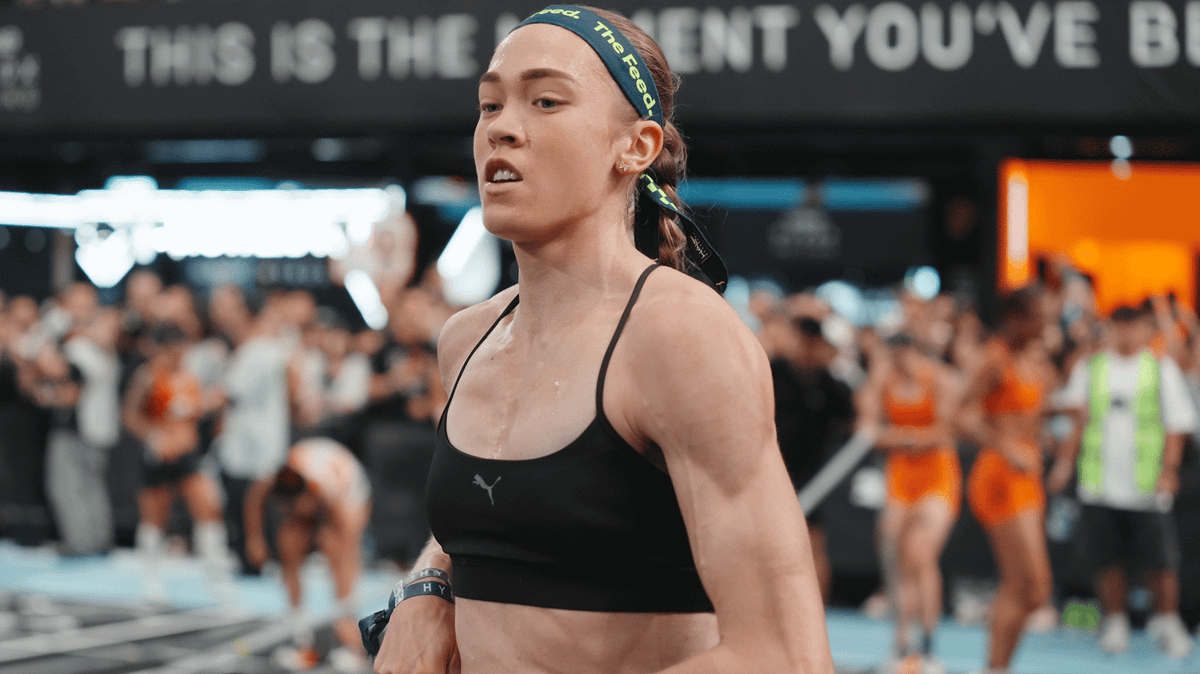
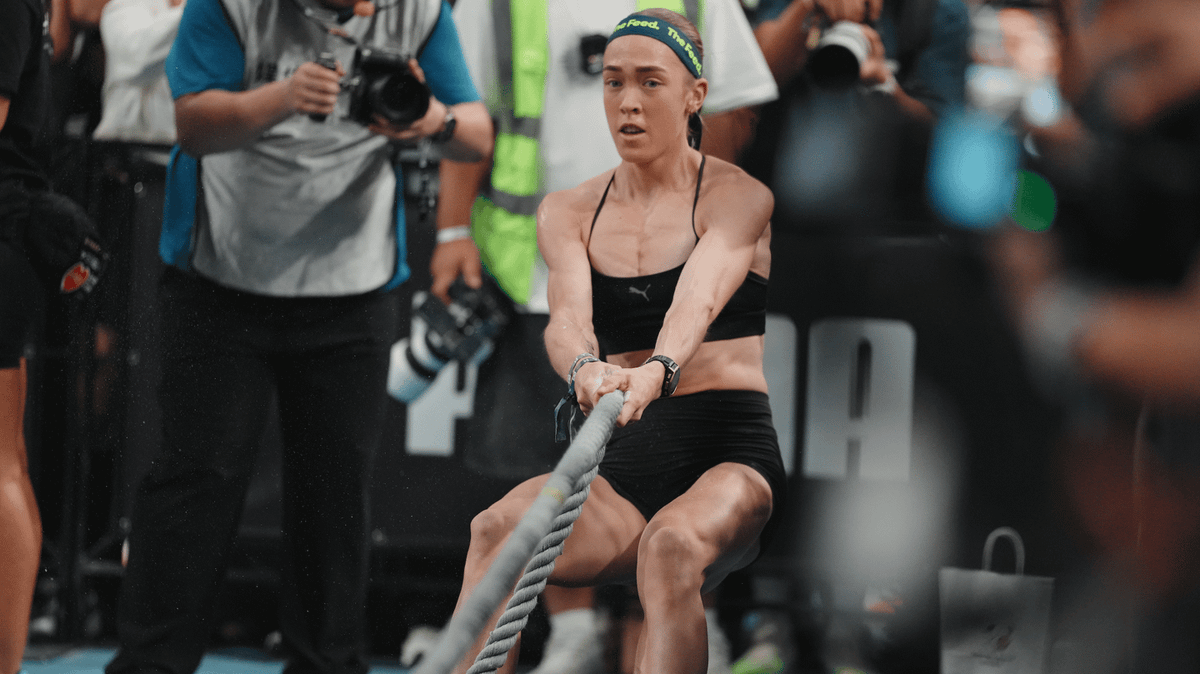
    • Australian athlete Joanna Wietrzyk won the HYROX Beijing women’s solo race on September 12 despite visibly soiling herself during competition, finishing in 61 minutes 23 seconds.
    • HYROX China has formally requested rulebook revisions to address biohazard scenarios, proposing penalties for severe physical discomfort and public health risks after organizers did not intervene mid-race.
    • Wietrzyk dismissed the controversy on Instagram with a post-race IV photo captioned “Go hard or go home … a win is a win,” while social media users widely called for her immediate disqualification.

    HYROX Beijing Incident Sparks Formal Rule Change Demand

    The HYROX fitness competition’s Chinese division has moved to overhaul its regulatory framework following a controversial incident at the Beijing event on Saturday, September 12. Australian athlete Joanna Wietrzyk suffered a visible loss of bowel control during the women’s solo race, with fecal matter evident on her legs and one arm, yet continued to compete without intervention from race officials. Wietrzyk ultimately claimed victory with a finishing time of 61 minutes and 23 seconds. According to a report by The Global Times on September 14, HYROX China issued a statement explicitly aimed at initiating systemic changes to the current rulebook, which presently contains no official penalties for such scenarios.

    Organizers Face Criticism for Lack of Mid-Race Intervention

    While HYROX rules explicitly prohibit athletes from spitting, expelling mucus, or littering on the course, organizers did not reprimand or remove Wietrzyk during the competition. A cleaning crew was reportedly tasked with sanitizing all contaminated areas overnight, including replacing carpets, but the absence of real-time enforcement has drawn sharp criticism from competitors and industry observers. The Chinese arm of the business has now communicated with HYROX HQ, which must consider adding detailed revisions covering course management protocols, event suspension triggers, and result determination guidelines for biohazard situations.

    Social Media Erupts Over Biohazard Concerns and Fairness

    The incident ignited a firestorm across social media platforms, particularly on Reddit, where commentators overwhelmingly argued that Wietrzyk should have been disqualified immediately. “This is a biohazard. Full stop,” declared one user, while another insisted, “Should be an immediate DQ and removal from the event. I’ve the same opinion of that during marathons/triathlons.” A third commenter acknowledged the physiological unpredictability but emphasized competitor safety: “Sometimes we’re betrayed by our body, and it’s out of our personal control, but I think perhaps HYROX should have instantly DQ’ed her and offered her another chance at a different time/place so that the spread [of] bodily fluids won’t put other athlete’s health at risk.”

    World Record Holder Responds with Defiance

    Wietrzyk, 24, who set a world record at HYROX Warsaw in April 2024 with a time of 54 minutes 25 seconds, appeared indifferent to the backlash. In an Instagram Story that has since expired, she posted a selfie receiving intravenous fluids and nutrients, captioning it: “Go hard or go home … a win is a win.” She added, “In all seriousness, thank you for all the support. I’ll be back soon x.” The post underscored a stark disconnect between the athlete’s perspective and the mounting calls for stricter health and safety enforcement.

    Why This Matters

    The Beijing incident exposes a significant governance gap in one of the world’s fastest-growing hybrid fitness racing series. HYROX events, which combine running with functional workout stations, have expanded rapidly across Europe, North America, and Asia, attracting both elite and amateur athletes. The lack of a clear biohazard protocol not only endangers competitor health through potential pathogen exposure but also risks legal liability and reputational damage for the brand. HYROX China’s proactive push for rulebook amendments—specifically codifying penalties for “severe physical discomfort and public health risks”—sets a precedent that HYROX HQ will likely need to adopt globally to maintain consistent standards across its international circuit. The outcome will shape how endurance sports balance athlete autonomy, competitive integrity, and public health safeguards in an era of heightened hygiene awareness.

    Frequently Asked Questions

    Was Joanna Wietrzyk disqualified from the HYROX Beijing race?
    No. Despite visible fecal contamination during the event, race organizers did not intervene or disqualify her. She finished first in the women’s solo division with a time of 61:23.
    What specific rule changes has HYROX China proposed?
    HYROX China has requested that scenarios involving “severe physical discomfort and public health risks” be added to the rulebook with defined penalties. They also seek revisions to course management, event suspension, and result determination guidelines.
    How did Joanna Wietrzyk respond to the controversy?
    Wietrzyk posted an Instagram Story showing her receiving IV fluids post-race, captioned “Go hard or go home … a win is a win” and “In all seriousness, thank you for all the support. I’ll be back soon x.”
  • HYROX athlete who refused to quit race after soiling herself shares defiant statement in now-deleted post

    HYROX athlete who refused to quit race after soiling herself shares defiant statement in now-deleted post

    Key Highlights

    • Australian HYROX champion Joanna Wietrzyk won the women’s solo event in Beijing with a time of 61 minutes and 23 seconds despite suffering an apparent gastrointestinal incident that stained her leg mid-race.
    • The incident has ignited fierce debate across the HYROX community over hygiene protocols, with many calling for immediate disqualification rules for biohazard situations similar to existing bans on spitting and littering.
    • HYROX organizers defended Wietrzyk against online threats while confirming contaminated equipment was removed and lanes sanitized, but stopped short of implementing new disqualification policies.

    The Incident in Beijing

    Thirty-five years after Gary Lineker’s infamous on-pitch incident during the 1990 World Cup, Australian HYROX world record holder Joanna Wietrzyk has become the latest elite athlete to compete through a severe gastrointestinal episode. Over the weekend at an indoor HYROX endurance event in Beijing, video footage and photos captured by news.com.au show Wietrzyk continuing through multiple race stations while a dark liquid stained her leg — an indication she had defecated during competition.

    Remarkably, the 16-24 age category competitor not only finished the course but claimed victory in the women’s solo division with a winning time of 61 minutes and 23 seconds. The incident occurred despite HYROX’s existing rules prohibiting spitting, littering, and “snotting” across the tracks, raising immediate questions about whether biohazard protocols need expansion.

    Social Media Reaction and Disqualification Debate

    In the aftermath, Wietrzyk appeared unfazed. Via a since-deleted Instagram Story, she posted a selfie while attached to an IV drip backstage, captioning it: “Go hard or go home … a win is a win. In all seriousness, thank you for all the support. I’ll be back soon x.”

    The casual response fueled a polarized reaction across social platforms. One commenter wrote: “Rules need to be changed expeditiously!” adding, “And kid, you know this lady is so fast she literally could take a restroom break, come back and still win, and I’m not even exaggerating.” A Reddit user echoed the disqualification sentiment: “Should be an immediate DQ and removal from the event. I’ve the same opinion of that during marathons/triathlons.” Another argued: “This is a biohazard. Full stop. Sometimes we’re betrayed by our body, and it’s out of our personal control, but I think perhaps HYROX should have instantly DQ’ed her and offered her another chance at a different time/place so that the spread [of] bodily fluids won’t put other athlete’s health at risk.”

    Race organizers confirmed that contaminated equipment was removed from the course on race day and affected lanes were closed for sanitization. Deep-cleaning was scheduled overnight before the next day’s competition, though many competitors felt the response was insufficient given the health risks.

    HYROX Organizers Respond to Controversy

    Amid the division, the German-based HYROX organization issued a detailed statement addressing both the competitive controversy and the wave of online abuse directed at Wietrzyk:

    “We recognise that this can understandably lead to frustration, questions and strong views within our community. Those concerns are legitimate and, as organisers, we must be prepared to hear them, examine what happened and take responsibility for continuing to improve. And we will. But there is an important line.

    Frustration should never be directed towards the athletes themselves. They are the people who put themselves on the line, compete at the highest level and make competition what it is.

    There is no place in our community for threats of violence or encouragement to harm an athlete. As this has happened this weekend, we want to be very clear and direct: any person identified as engaging in this behaviour – whether through comments, direct messages or social media – will be permanently banned from all HYROX events.

    We are currently reviewing and identifying those responsible, and action will be taken.”

    The statement acknowledges community concerns about race protocols while drawing a firm line against athlete harassment. LADbible has reached out to Wietrzyk’s representatives for further comment.

    Why This Matters

    The Beijing incident exposes a gap in HYROX’s rulebook that has existed since the fitness racing series expanded globally. While the organization explicitly bans spitting, littering, and nasal discharge on course — treating them as conduct violations — there is no published policy addressing fecal or urinary incidents, which can occur during extreme exertion, particularly in endurance formats combining running with functional fitness stations.

    Unlike marathon running, where portable toilets are stationed along outdoor courses, HYROX events take place in indoor arenas with limited restroom access during competition. Athletes competing at maximal intensity for 60-90 minutes face genuine physiological risks, including exercise-induced gastrointestinal syndrome. The lack of a clear protocol creates inconsistent enforcement and leaves both athletes and officials without guidance.

    The organizers’ refusal to disqualify Wietrzyk — while simultaneously threatening permanent bans for online critics — signals a prioritization of athlete protection over immediate rule changes. However, the community backlash suggests pressure will mount for formal biohazard protocols before the next season. How HYROX balances competitor dignity, public health, and competitive fairness will likely set a precedent for hybrid fitness racing worldwide.

    Frequently Asked Questions

    Was Joanna Wietrzyk disqualified for the incident?

    No. Wietrzyk was not disqualified. She completed the course and was officially awarded first place in the women’s solo 16-24 age category with a time of 61 minutes and 23 seconds. HYROX organizers have not indicated any retroactive penalty.

    What are HYROX’s current rules regarding bodily fluids on course?

    HYROX explicitly bans spitting, littering, and “snotting” (nasal discharge) on the competition track as conduct violations. However, there is no published rule specifically addressing urination or defecation during competition, creating the policy gap at the center of this controversy.

    What action is HYROX taking against online critics?

    HYROX has stated it is “currently reviewing and identifying” individuals who made threats of violence or encouraged harm toward Wietrzyk on social media, direct messages, or comments. The organization said any person identified engaging in such behavior “will be permanently banned from all HYROX events.”