Author: Jordan Hayes

  • ‘Bit of a shock to the system’: Budkowski shares first impressions leading Cadillac F1 team

    ‘Bit of a shock to the system’: Budkowski shares first impressions leading Cadillac F1 team

    Key Highlights

    • Marcin Budkowski returns to Formula 1 as Cadillac Team Principal after a two-year absence, replacing Graeme Lowdon ahead of the Dutch Grand Prix.
    • Budkowski describes the return as “a bit of a shock to the system” due to the sport’s intense pace and technical complexity, particularly the sensory overload of 12 radio channels on the pit wall.
    • Despite Cadillac remaining the only team without points in their maiden season, Budkowski identifies short-term reliability and long-term performance development as clear priorities.

    Budkowski Re-Enters F1 Paddock With Cadillac Appointment

    Former FIA and Alpine executive Marcin Budkowski has assumed the role of Team Principal at Cadillac Formula 1 Team, marking his return to the sport after a two-year hiatus. The Polish engineer and manager, who previously held senior positions at Prost, McLaren, Alpine, and the FIA, took the helm just before the Dutch Grand Prix at the end of August, succeeding Graeme Lowdon. His appointment comes at a critical juncture for the American squad, which is navigating its inaugural season as the only entry on the grid yet to score a championship point.

    Adjusting to the “Shock” of F1’s Relentless Pace

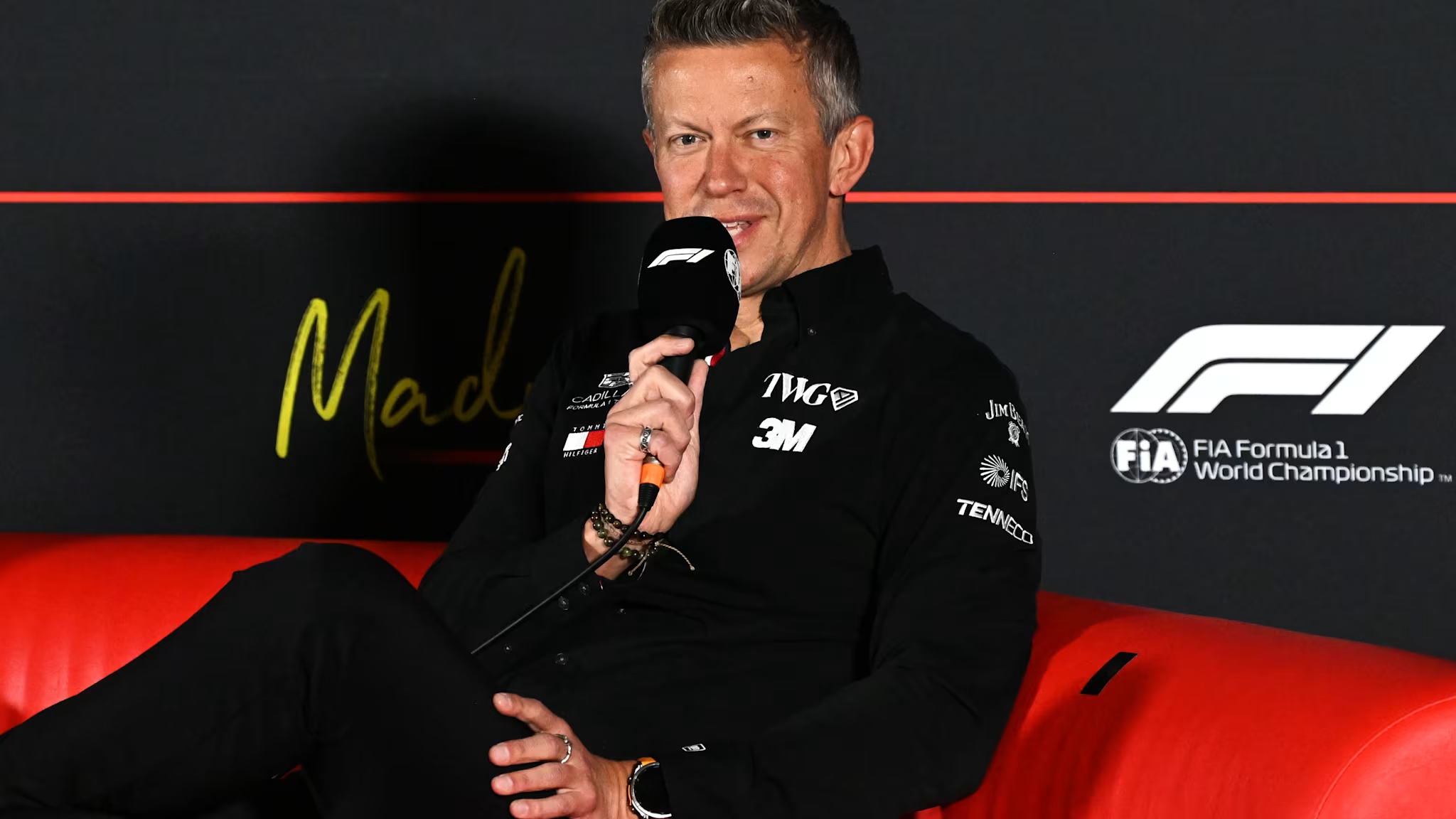
    Speaking during Friday’s teams’ press conference ahead of the Spanish Grand Prix, Budkowski offered a candid assessment of his first weeks back in the paddock. He acknowledged that the transition from media roles with Eleven Sports Poland and Viaplay back to the operational coalface has been jarring.

    “What hits you first is the pace of F1, which I knew well but a few years out of the sport and it’s a bit of a shock to the system because it’s incredibly fast-paced, technical and hard-working, especially when you start in a new team and new project,”

    Budkowski said. He also highlighted the immediate sensory challenge of returning to the pit wall.

    “The other thing is the first time I sat again on the pit wall in FP1 in Zandvoort and I had 12 channels blasting in my ears. It took me a little bit of time for my brain to get used to it.”

    Leadership Philosophy: People Over Processes

    Despite the technological and operational intensity, Budkowski insists the core tenets of leadership remain unchanged. He emphasized that building a competitive outfit ultimately relies on human capital and organizational alignment rather than purely technical solutions.

    “But the reality is, if you bring it back to the essentials and basics, it’s about people, it’s about building the team. It’s about putting the right people in the right positions, getting everybody to work together and in terms of leadership, give them a vision and align everybody in that direction. That hasn’t changed.”

    Assessing Cadillac’s Maiden Season: Progress Amid Struggles

    Cadillac’s debut campaign has been defined by a lack of pace and reliability, with Valtteri Bottas’ 13th-place finish in the Chinese Grand Prix standing as the team’s best result to date. However, after overseeing three race weekends, Budkowski expressed encouragement regarding the internal culture and structural foundations laid under difficult circumstances.

    “I’ve seen a lot of good things in the team, and it’s pretty impressive given the time they had to build the team and conditions with the entry and everything. A lot of good things, there’s no legacy compared to some other teams. There’s a lot of open-minded, constructive discussions going on but there’s also a number of shortcuts that are being taken, which is inevitable when you build a new team in such a time.”

    He identified immediate operational reliability as the primary short-term focus, acknowledging the gap to the front-runners.

    “It’s about working in some areas that need more attention. In the short-term, reliability. We’ve seen we’ve struggled with that in some areas and just getting the operational excellence to the next level, which is not the level of a top team as of today, but that’s understandable.”

    Looking further ahead, Budkowski noted that strategic priorities for performance gains are crystallizing.

    “Longer term, there’s some clearer priorities emerging for what we need to do and better, mostly to improve our performance and our pace.”

    Why This Matters

    Budkowski’s appointment signals Cadillac’s intent to stabilize a turbulent maiden voyage by installing a proven operator with deep institutional knowledge of F1’s sporting and technical regulations. His experience at the FIA—where he served as Head of the F1 Technical Department—and his tenure at Alpine/Renault provide a rare blend of governance insight and team management expertise. For a new entrant struggling with the basics of operational excellence, his focus on “people” and “process” over quick technical fixes suggests a methodical, long-term restructuring approach. The team’s ability to translate his diagnosis of “shortcuts” into robust systems will determine whether they can escape the backmarker status before the 2026 regulation reset.

    Frequently Asked Questions

    When did Marcin Budkowski officially become Cadillac Team Principal?
    Budkowski assumed the role just before the Dutch Grand Prix at the end of August, replacing Graeme Lowdon.
    What is Cadillac’s best result in their debut 2024 season?
    The team’s highest finish to date is Valtteri Bottas’ 13th place at the Chinese Grand Prix; they remain the only team without a championship point.
    What are Budkowski’s stated priorities for the team?
    In the short term, he is focusing on reliability and operational excellence. Long-term priorities center on structural improvements to elevate performance and pace.
  • Lewis Hamilton Denies Claims He’s Pushing Ferrari to Replace Key Staff

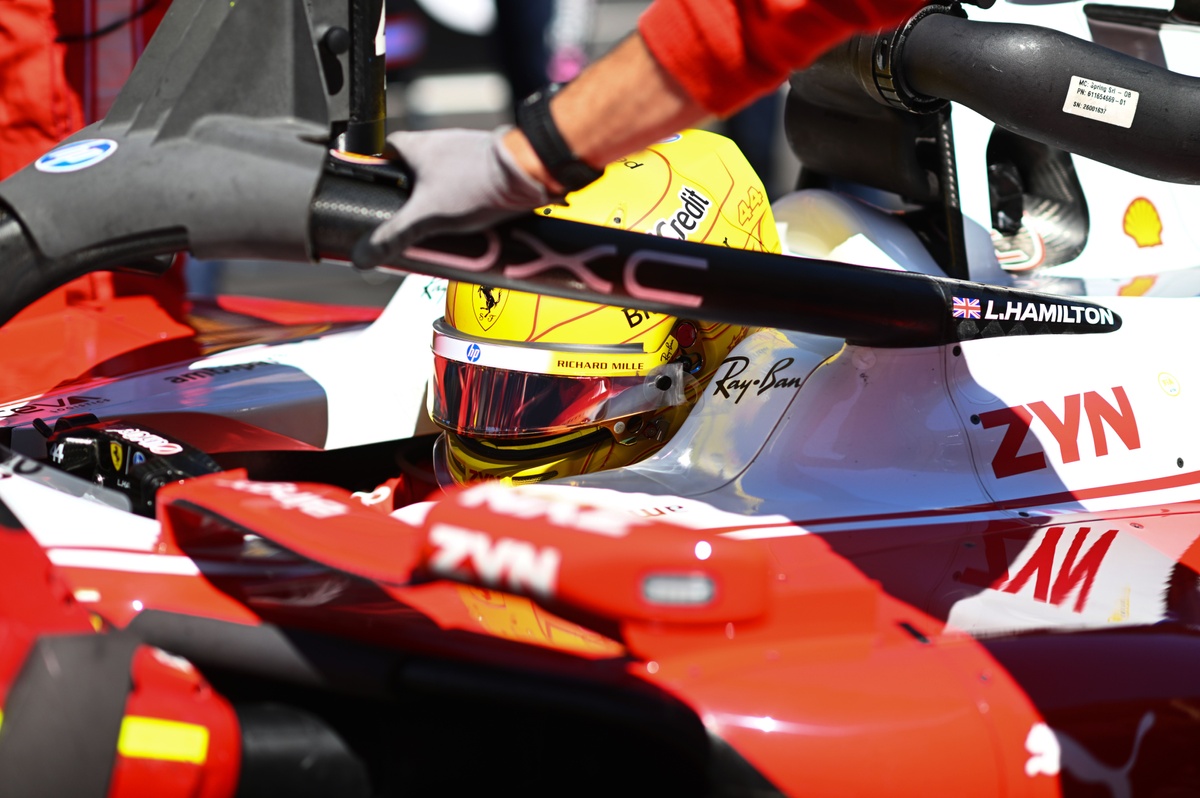
    Lewis Hamilton Denies Claims He’s Pushing Ferrari to Replace Key Staff

    Key Highlights

    • Lewis Hamilton has categorically denied Italian media reports claiming he pressured Ferrari to replace key on-track personnel following frustrating race executions.
    • The seven-time world champion affirmed his commitment to empowering his current team, stating he has “never asked for anyone on my team to be replaced.”
    • Hamilton’s 2026 season has shown significant improvement with a maiden Ferrari victory in Barcelona and a current third-place championship standing.

    Hamilton Refutes Corriere della Sera Claims of Internal Pressure

    Lewis Hamilton has moved swiftly to quash speculation emanating from the Italian press regarding his relationship with the Scuderia Ferrari operation. A report published by Corriere della Sera alleged that the British driver had been advocating for the removal of several key members of his on-track engineering and strategy group. The newspaper did not identify the specific personnel targeted by these alleged demands but linked the supposed friction to Hamilton’s visible frustration over race execution during recent Grand Prix weekends.

    The publication cited two specific flashpoints from the 2026 campaign. At the Dutch Grand Prix in August, Hamilton expressed exasperation over team radio regarding the strategic decision to keep him behind teammate Charles Leclerc for an extended period while hunting for a podium finish. Subsequently, at the Italian Grand Prix in Monza, the 40-year-old was reportedly displeased with a first-lap collision involving Leclerc, suggesting the onus was on Team Principal Fred Vasseur to manage the intra-team dynamic. Corriere della Sera further speculated that the long-standing professional relationship between Hamilton and Vasseur—dating back to their GP2 championship collaboration in 2006—had become strained under the weight of these incidents.

    Driver Issues Direct Denial Via Social Media Channels

    Addressing the rumors head-on, Hamilton utilized his official social media platforms to issue a comprehensive rebuttal. The statement preserved the driver’s exact wording and intent:

    “I’ve seen some of the stories that have gone out and I want to clear it up here. I’ve never asked for anyone on my team to be replaced. Everyone I work with works hard every day and their dedication is what moves us forward. I always try to empower and lift people to be the best versions of themselves or at least see the best in themselves. I may not always achieve that but it’s my intention and what I’m here to do. We all work together and that will continue.”

    The forceful denial underscores a leadership philosophy centered on collective development rather than personnel upheaval. Hamilton’s emphasis on “empower and lift people” aligns with his public persona as a mentor figure within the paddock, contrasting sharply with the narrative of a driver engineering a purge of his support staff.

    Context: A Season of Transition and Resurgence

    While the current rumors have been dismissed, the background context reveals a driver actively reshaping his technical environment. Heading into the 2026 season, Hamilton implemented structural changes to his engineering group following a disappointing debut campaign with Ferrari in 2025. That inaugural year saw him finish sixth in the Drivers’ Championship, 86 points adrift of Leclerc in fifth, without securing a single podium finish.

    In response, the team executed a notable shuffle: race engineer Riccardo Adami was replaced by a dual-engineer structure comprising Carlo Santi and Cedric Grosjean. Additional, unspecified “tweaks” were made to the operational setup. The early returns on this restructuring have been positive. Hamilton secured his maiden victory for the Scuderia at the Spanish Grand Prix in Barcelona in June, executing a decisive three-stop strategy after 14 rounds with the team. He currently sits third in the 2026 Drivers’ Standings, though he trails championship leader Kimi Antonelli of Mercedes by a substantial 101-point margin.

    Why This Matters

    The episode highlights the intense scrutiny faced by high-profile driver transfers, particularly when a champion of Hamilton’s stature joins a historic manufacturer like Ferrari. The Italian media landscape is notorious for amplifying paddock rumors, and Corriere della Sera‘s report reflects the pressure narrative that often accompanies periods of underperformance or visible on-track frustration. Hamilton’s direct engagement with fans via social media to correct the record represents a modern approach to narrative control, bypassing traditional press channels. For Ferrari, maintaining a stable, high-functioning engineering environment around both Hamilton and Leclerc remains critical as they chase both Drivers’ and Constructors’ titles against a dominant Mercedes package led by Antonelli.

    Frequently Asked Questions

    Did Lewis Hamilton ask Ferrari to fire his race engineer or strategy team?
    No. Hamilton explicitly stated on social media: “I’ve never asked for anyone on my team to be replaced.” He denied the Corriere della Sera report entirely.
    What changes did Hamilton make to his engineering team for 2026?
    Following a difficult 2025 debut season, Hamilton replaced race engineer Riccardo Adami with a two-engineer structure: Carlo Santi and Cedric Grosjean. Other unspecified operational tweaks were also implemented.
    How is Hamilton performing in the 2026 season compared to 2025?
    Significantly better. He achieved his first Ferrari win at the Spanish Grand Prix in Barcelona and currently sits third in the Drivers’ Championship, whereas he finished sixth in 2025 without a podium.
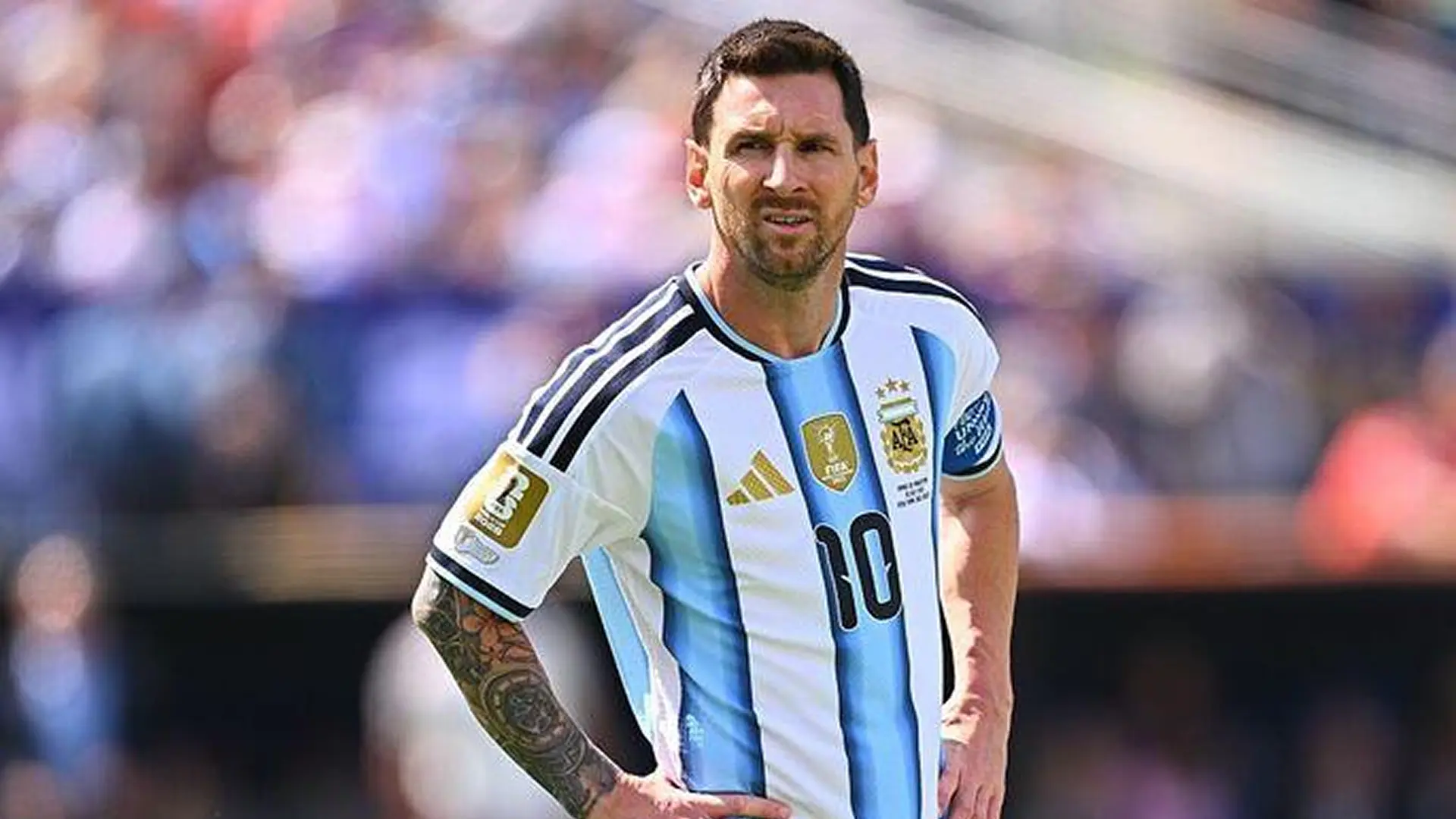
  • Casemiro backs Messi to win Ballon d’Or: ‘He's still the best’

    Casemiro backs Messi to win Ballon d’Or: ‘He's still the best’

    Key Highlights

    • Inter Miami midfielder Casemiro publicly endorses teammate Lionel Messi as a contender for the 2026 Ballon d’Or award.
    • The Brazilian World Cup winner declares Messi “still the best” despite the Argentine forward approaching his 39th birthday.
    • The verdict signals growing confidence within the Inter Miami locker room ahead of a pivotal 2025-26 season spanning MLS, Leagues Cup, and FIFA Club World Cup.

    Casemiro’s Bold Prediction for Messi’s 2026 Ballon d’Or Prospects

    Inter Miami’s high-profile midfield addition Casemiro has thrown the weight of his considerable reputation behind Lionel Messi’s bid to claim an unprecedented ninth Ballon d’Or in 2026. The five-time UEFA Champions League winner, who arrived at Chase Stadium this summer after a trophy-laden spell at Manchester United, assessed his new captain’s chances with unambiguous clarity. “He’s still the best.” The verdict, delivered without qualification, underscores the reverence Messi continues to command from elite peers even in the twilight phase of an historic career.

    The Inter Miami Connection Reshapes Expectations

    Casemiro’s endorsement carries particular resonance given his front-row seat to Messi’s daily routine since joining the Herons. The 32-year-old Brazilian international operates as the midfield anchor tasked with providing the defensive solidity and distribution platform that allows Miami’s attacking talisman to conserve energy and influence matches decisively. Their on-field partnership, still in its embryonic stages, has already produced glimpses of the telepathic understanding that characterized Messi’s most dominant Barcelona eras. With the 2025 FIFA Club World Cup and a congested 2026 World Cup qualifying calendar looming, the synergy between South America’s two most decorated active players could determine both club and continental fortunes.

    Historical Precedent and the Age Barrier

    Messi would be 39 years old by the time the 2026 Ballon d’Or ceremony takes place, an age at which only Stanley Matthews (1956) and Fabio Cannavaro (2006) have previously claimed football’s most prestigious individual honor. However, the Argentine’s 2023 triumph at age 36 already rewrote the record books for oldest winner. Casemiro’s insistence that his teammate remains the sport’s premier performer suggests the Inter Miami camp views chronological age as secondary to Messi’s sustained output—18 goals and 12 assists across 22 appearances in his debut MLS campaign—and the unique tournament structure awaiting in 2026, where a potential World Cup swansong on home soil could provide the narrative crescendo voters historically reward.

    Why This Matters

    The Casemiro-Messi alliance represents more than a feel-good storyline for Major League Soccer; it encapsulates the league’s accelerating trajectory toward global relevance. When a player of Casemiro’s pedigree—four Champions League titles, five Club World Cups, a Copa América, and over 70 Brazil caps—voluntarily departs Europe’s elite tier to join Messi in Miami, it signals a paradigm shift in player power dynamics and league perception. The 2026 Ballon d’Or conversation will inevitably orbit around the FIFA World Cup hosted across the United States, Canada, and Mexico, where Messi could captain Argentina in defense of their 2022 crown. A deep run, combined with MLS silverware and Club World Cup success, would construct a compelling portfolio for voters. Casemiro’s public backing also reflects Inter Miami’s internal culture under Javier Mascherano, where veteran leadership is empowered to shape narrative and accountability.

    Frequently Asked Questions

    Has Casemiro played with Messi before joining Inter Miami?

    No. Casemiro and Messi never shared a club team prior to the Brazilian’s 2024 move to Inter Miami. They faced each other numerous times in El Clásico matches during Casemiro’s Real Madrid tenure and in Argentina-Brazil internationals, but this is their first experience as teammates.

    What competitions could boost Messi’s 2026 Ballon d’Or case?

    The 2025 FIFA Club World Cup (expanded 32-team format), the 2026 FIFA World Cup in North America, and the 2025-26 MLS season including Leagues Cup and CONCACAF Champions Cup all offer high-visibility platforms for Messi to accumulate trophies and standout performances before voting concludes.

    How many Ballon d’Or awards has Messi won previously?

    Lionel Messi holds the all-time record with eight Ballon d’Or titles (2009, 2010, 2011, 2012, 2015, 2019, 2021, 2023). A ninth in 2026 would extend his lead over Cristiano Ronaldo (five) to four.

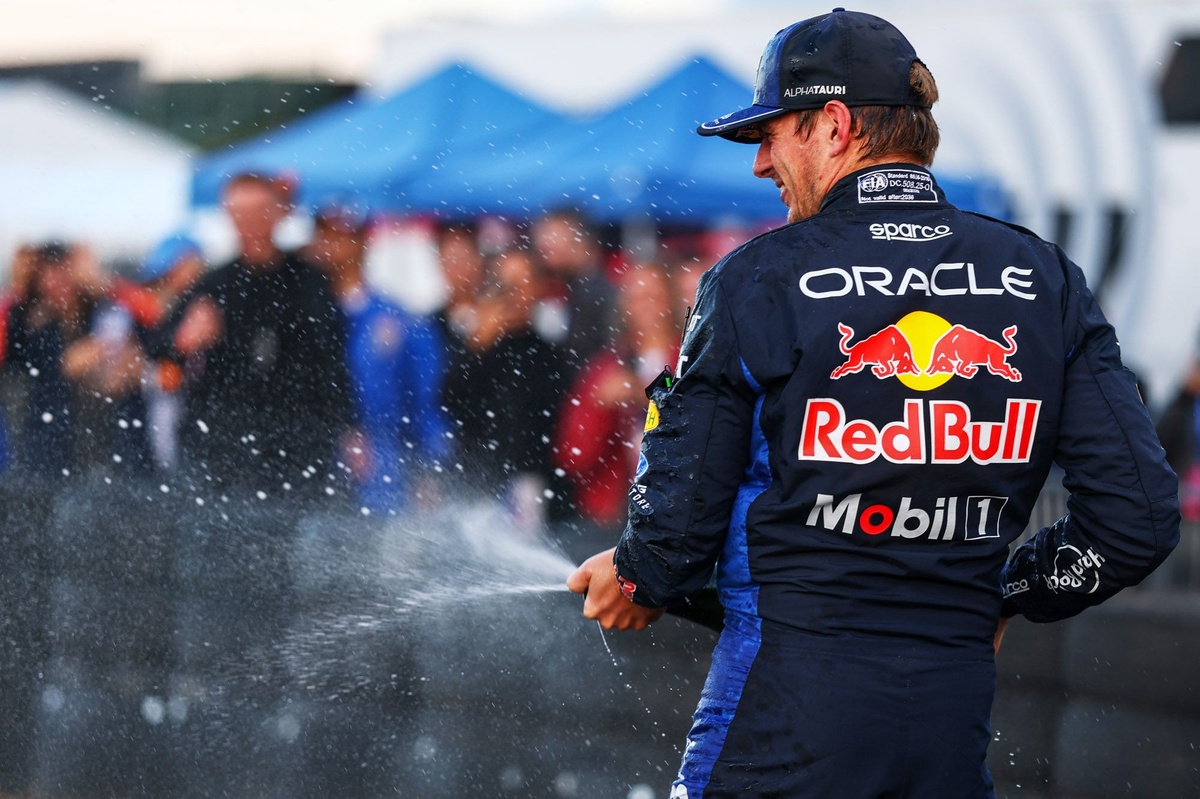
  • Max Verstappen Surprises Himself with Strong Karting Challenge Performance

    Max Verstappen Surprises Himself with Strong Karting Challenge Performance

    Key Highlights

    • Max Verstappen overtook all 100 amateur competitors in just 14 laps (37 minutes) at Red Bull’s “Max vs 100” karting challenge at Silverstone, well under the 30-lap limit.
    • The four-time Formula 1 world champion eliminated 64 rivals on the opening lap and 84 by lap five, demonstrating the reaction speed and racecraft gap between an F1 driver and amateur karters.
    • Verstappen praised Red Bull’s creative event culture and teased future challenges, suggesting “maybe 200” amateurs as a potential next step.

    Verstappen Dominates Silverstone Karting Spectacle in Record Time

    Red Bull’s latest showcase event, “Max vs 100,” unfolded on Wednesday at a purpose-built circuit combining Silverstone’s karting facility with sections of the historic Grand Prix layout, including the iconic Brooklands corner. The format pitted Max Verstappen, the reigning four-time Formula 1 World Champion, against a field of 100 amateur drivers drawn from content creators, motorsport industry personnel, and athletes. Starting from the very back of the grid, Verstappen was tasked with overtaking every competitor within a 30-lap window. He completed the objective in just 14 laps, covering the distance in 37 minutes.

    Opening Lap Masterclass Defines the Challenge

    The disparity in skill was immediately evident at lights out. Verstappen’s reaction speed allowed him to gain a dozen positions before Turn 1, slicing through the pack with surgical precision. By the end of the opening tour, he had dispatched 64 of the 100 competitors. That number rose to 84 by the completion of lap five, effectively deciding the challenge long before the halfway mark of the allotted 30 laps.

    Reflecting on the start, Verstappen admitted the grid position initially daunted him. “When I was walking to the grid and saw where I had to start, I was like, ‘oof, that’s very far back,’” he said. “But after my first lap I was like, ‘ah, I think we’re alright, I think we’re good’. It was mainly just depending on the first two laps. If I clear the first two laps well, then, yeah, what can it be, 15 or 20 laps? But the first lap went a bit better than expected, so that helps a lot.”

    Instinct, Trust, and Respect in the Melee

    Navigating a rolling chicane of 100 karts demands more than raw pace; it requires instantaneous decision-making. Verstappen described the process as pure instinct. “You just act on instinct whatever happens,” he added. “When the lights go out, you kind of just see where the gaps are and then you also need to trust the people around you that they don’t do anything crazy. To be honest, they didn’t. They were very excited with each other, but they were actually quite nice to me. So they didn’t need to crash into me or whatever. But you just act really quickly when you see everything unfold in front of you.”

    The Dutchman’s commentary highlights a critical dynamic: the amateurs’ enthusiasm manifested as mutual competition rather than obstruction of the protagonist, allowing Verstappen to execute clean overtakes rather than survive collisions.

    A Decade of Red Bull Spectacle and the Promise of More

    Wednesday’s event continues a tradition of unconventional challenges orchestrated by Red Bull since Verstappen joined the program in 2016. Previous iterations have included GT car tests and a memorable caravan-towing race alongside former teammate Daniel Ricciardo. The Austrian energy drink giant has cultivated a brand identity around such “outlandish” spectacles, blending marketing reach with genuine driver engagement.

    Verstappen, now 28, expressed genuine affection for this side of his commercial duties. “With Red Bull, they always come up with some crazy, fun things – it suits me. I can really be myself. The way it was organised today, I know that it requires a lot of effort to be able to do something like this and inviting so many people over, but it’s a lot of fun to be a part of that.” He added a reflective note on his tenure: “Sometimes I get reminded of what I actually did in the past and I’m like, ‘oh my god, did I really do that?’. It’s fun and it’s definitely one of the best one out there. How many times do you have the opportunity to create something like this? Racing against a hundred other people. I think it’s very cool, only Red Bull can do something like this.”

    Looking ahead, the champion half-joked about raising the stakes: “I said before, I was like, ‘maybe 200′” amateurs for a future edition.

    Why This Matters

    The “Max vs 100” event serves multiple strategic purposes beyond entertainment. For Red Bull Racing, it reinforces the team’s reputation for innovative fan engagement and content creation, leveraging Verstappen’s global star power and authentic personality. The format—streamed widely across social platforms—generates millions of impressions at a fraction of traditional media buy costs. For Verstappen, it offers a low-stakes competitive outlet that sharpens reflexes and racecraft without the physical and logistical burden of formal testing, which is heavily restricted by FIA regulations. The event also underscores the growing symbiosis between elite motorsport and the creator economy; by inviting influencers and athletes into the competitive arena, Red Bull bridges the gap between hardcore racing audiences and newer, younger demographics. As Formula 1 expands its global footprint, such bespoke events become critical touchpoints for brand retention and audience growth.

    Frequently Asked Questions

    How many laps did Max Verstappen need to overtake all 100 competitors?
    Verstappen completed the challenge in 14 laps, well within the 30-lap limit set by the event organizers.
    What was the composition of the 100 amateur drivers?
    The field consisted of content creators, motorsport personnel, and athletes invited by Red Bull for the spectacle.
    Has Verstappen done similar events with Red Bull before?
    Yes. Since joining Red Bull in 2016, he has participated in various challenges, including GT car tests and a caravan-towing race with former teammate Daniel Ricciardo.
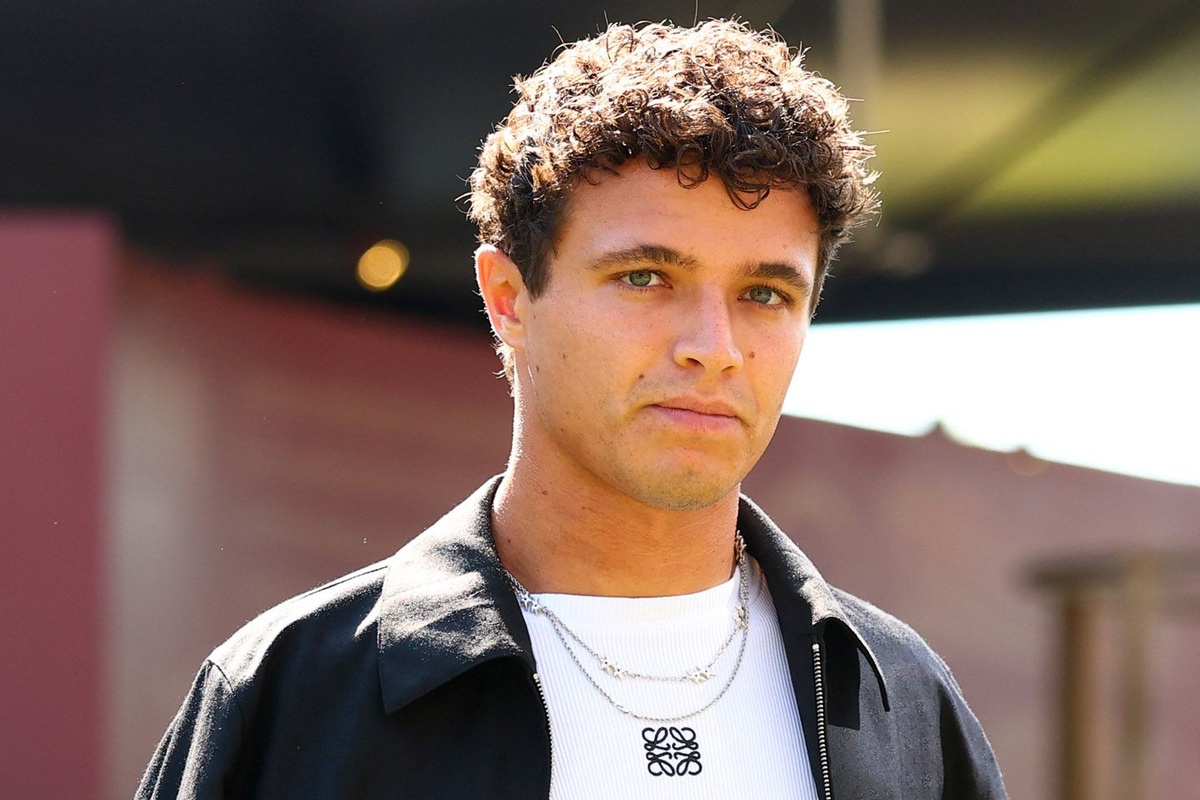
  • Lando Norris Spotted Driving Ferrari F40 in London Following 2025 Crash

    Lando Norris Spotted Driving Ferrari F40 in London Following 2025 Crash

    Key Highlights

    • Formula 1 champion Lando Norris has returned his rare Ferrari F40 to public roads in London following a January 2025 crash in Monaco that left the supercar damaged.
    • The F40, one of only 1,311 produced between 1987 and 1992, was being driven by a friend when it lost traction and struck guardrails while Norris was away.
    • Norris’s sighting comes after a third-place finish at the inaugural Spanish Grand Prix at Madring, while seven-time champion Lewis Hamilton has also recently acquired an F40.

    Norris’s Ferrari F40 Returns to London Streets After Monaco Crash Repair

    McLaren Formula 1 driver and 2025 world champion Lando Norris has been filmed driving his Ferrari F40 through London, marking the supercar’s first public appearance since a high-profile accident in Monaco earlier this year. The sighting follows Norris’s podium finish at the inaugural Spanish Grand Prix held at the new Madring circuit, where he secured third place. Footage circulating on social media shows the British driver behind the wheel of the iconic red supercar, confirming that extensive repairs have been completed since the January incident.

    Details of the January 2025 Monaco Accident

    The Ferrari F40 was involved in a crash on roads outside Monaco in January 2025 while Norris was traveling. According to reports, a friend was driving the vehicle when it lost traction exiting a left-hand corner and made contact with guardrails. The incident drew significant attention given the car’s rarity and historical significance. Norris addressed the situation shortly after it occurred, telling The Sun: “No [it is not back to normal]. It was when I was away. I wasn’t happy at all,” Norris told The Sun at the time. The 2025 champion took delivery of the F40 during the fourth quarter of 2024, adding it to a collection that already included multiple McLaren hypercars, a Porsche Carrera GT, and a Lamborghini Miura P400.

    Engineering Icon: The Ferrari F40 Legacy

    The crashed vehicle represents a significant piece of automotive history. Produced between 1987 and 1992, only 1,311 examples of the F40 were ever built. It holds the distinction of being the last road car personally overseen by Enzo Ferrari before his death in 1988, and it was the first street-legal production car to break the 200 mph barrier. The model’s twin-turbocharged V8 engine, lightweight composite construction, and raw driving dynamics have cemented its status as one of the most collectible supercars ever made, with values regularly exceeding several million dollars at auction.

    Fan Reaction and the Hamilton Connection

    Social media reaction to the London sighting was immediate and enthusiastic. On Instagram, one follower commented: “Good to see this car on the road again, after one of his friends crashed it some time ago,” while another praised: “Unbelievable taste in cars.” A third user drew a parallel to Norris’s Mercedes-powered rival, writing: “Are Lando and Lewis car sharing? Velcro on the back of the number plates?” The remark references Lewis Hamilton, the seven-time Formula 1 world champion who recently joined Scuderia Ferrari. Hamilton unveiled his own newly acquired Ferrari F40 ahead of the Italian Grand Prix at Monza, having previously sold his entire private car collection. The coincidence of both British F1 champions owning the same ultra-rare model has fueled discussion among motorsport and automotive enthusiasts alike.

    Why This Matters

    The return of Norris’s F40 to the road underscores the deep intersection between Formula 1 drivers and high-end automotive collecting. As brand ambassadors with substantial incomes and technical appreciation for engineering excellence, drivers like Norris and Hamilton serve as highly visible custodians of automotive heritage. The F40’s status as the final Enzo Ferrari–approved road car makes its preservation and active use particularly significant for marque historians and collectors. Furthermore, the Monaco crash and subsequent restoration highlight the specialized expertise required to repair carbon-fiber and Kevlar bodywork on a vehicle where original panels are irreplaceable. With both Norris and Hamilton now piloting F40s, the model’s cultural relevance within the F1 paddock has been reinforced, potentially influencing market values and collector interest in the coming years.

    Frequently Asked Questions

    When and where did Lando Norris’s Ferrari F40 crash?
    The crash occurred in January 2025 on public roads outside Monaco. A friend of Norris was driving when the car lost traction exiting a left-hand corner and struck guardrails. Norris was away at the time.
    How many Ferrari F40s were produced, and why is the model significant?
    Only 1,311 Ferrari F40s were built between 1987 and 1992. It was the last road car personally overseen by Enzo Ferrari and the first street-legal production car to exceed 200 mph, making it a landmark in automotive history.
    Does Lewis Hamilton also own a Ferrari F40?
    Yes. Seven-time Formula 1 champion Lewis Hamilton, who now drives for Scuderia Ferrari, recently acquired a Ferrari F40 after selling his previous car collection. He unveiled the purchase ahead of the Italian Grand Prix at Monza.
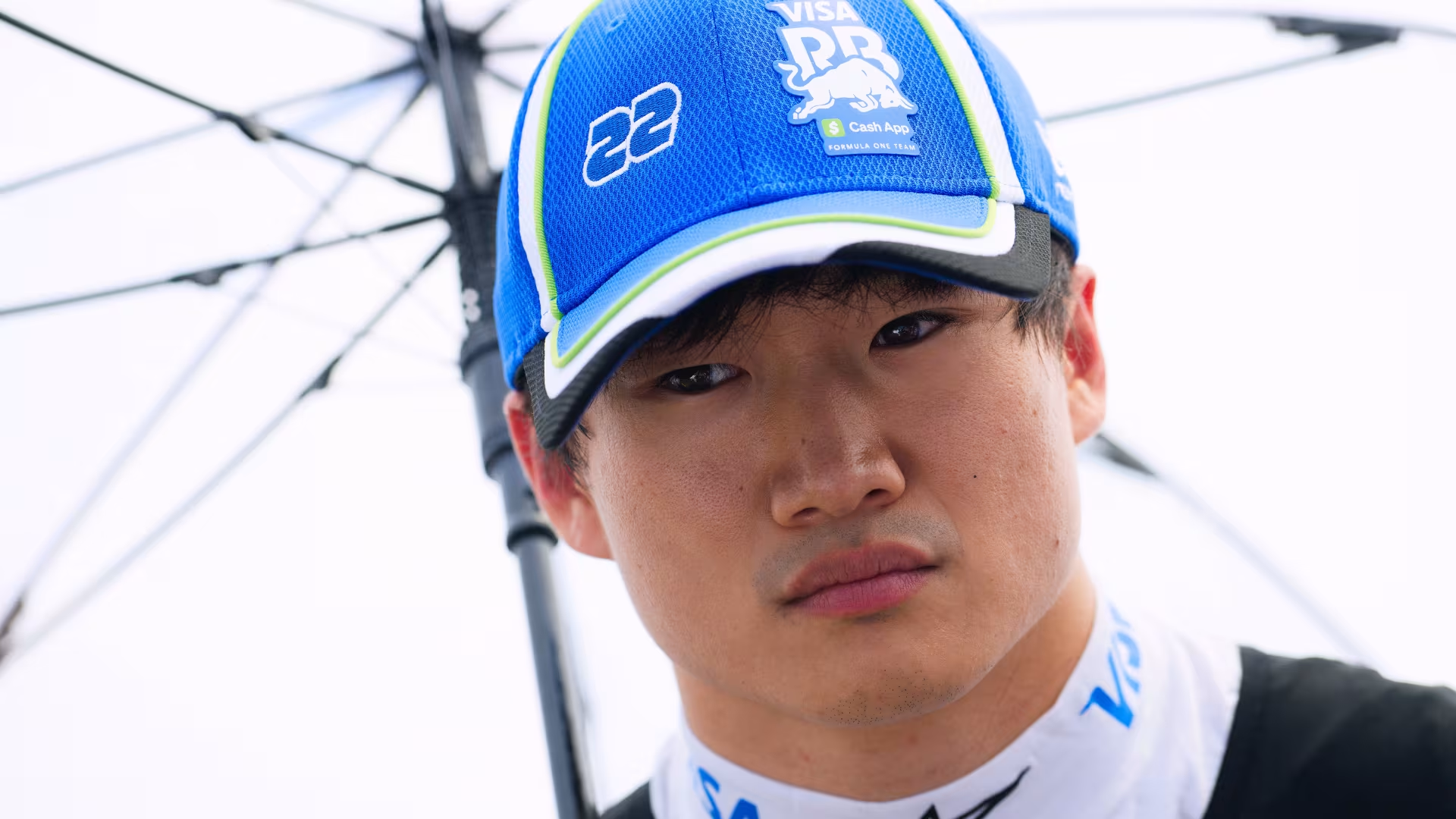
  • Yuki Tsunoda Reveals Biggest 2025 Mistake, How Red Bull Struggles Made Him a Better Driver

    Yuki Tsunoda Reveals Biggest 2025 Mistake, How Red Bull Struggles Made Him a Better Driver

    Tsunoda’s Unexpected Return to Racing Bulls

    Yuki Tsunoda has enjoyed a surprise three-race cameo in 2026, slotting into Racing Bulls in place of Liam Lawson following Isack Hadjar’s injury. While it remains unknown whether Tsunoda will get a fourth outing this season, the Japanese racer has certainly made the most of his unexpected comeback.

    Reflections on a Difficult 2025 Season at Red Bull

    Tsunoda is Red Bull’s reserve driver this season, having lost his race seat at the end of last year. After being promoted to Red Bull from the third round of the 2025 season, Tsunoda struggled to make much of an impact and was resigned to playing a support role in Max Verstappen’s championship bid.

    Speaking on the latest episode of official F1 podcast Beyond the Grid, Tsunoda explained just how tough 2025 was for him, after many years of relative success at Racing Bulls under their various guises, and exactly what he felt was his biggest mistake.

    “One thing about myself I think, if I say [being] completely honest, I have a big enough ego to not change my driving style,” Tsunoda said. “I know what I’m doing in terms of driving. I believe in myself, so I never try to change my driving style to other drivers, even though the driver is competitive and fast.

    “Obviously Max, it’s a different case, he’s a World Champion, he proves a lot of things and I still learn a lot of things from his driving. [It was] probably the first year out of any years since I started that I thought about changing driving style and tried to do something similar to Max.

    “But in my perspective, if I just look at data, I didn’t really see a huge difference in terms of driving. What I think now is the biggest mistake in last year was to try to replicate the set-up what he’s doing.”

    Tsunoda scored just seven times out of the 21 Grands Prix he contested with Red Bull, in a car that Verstappen took to second in the championship. The comparison between the two late in that season was stark, with Verstappen winning five of the final eight races, while Tsunoda in the same period recorded a P6, P7 and P10 finish.

    That resulted in Tsunoda losing his seat, with Hadjar promoted from Racing Bulls to replace him.

    “When I got told, I still remember, I didn’t feel that much of huge disappointment or devastated feeling. Obviously, still disappointed and pretty sad that I’m not driving next year. But not as I expected, I don’t know why.

    “I fought really hard. I fought more than ever in that 2025 year, more than ever. And even if I look back now, I don’t have much regret. I gave everything and the outcome is something I didn’t like, obviously, but honestly, I just gave everything.”

    Lessons Learned and a Strong Comeback

    Tsunoda believes the struggles he went through in 2025 have made him a better driver, and he has impressed for Racing Bulls.

    In a new generation of cars, which are very different from what he drove last year, Tsunoda has done well in the three races he has contested – especially in Zandvoort, where the Sprint format meant he only had one practice session to get used to all the changes.

    “Going back to this Netherlands story, jumping into the car that I’ve never driven, Sprint Qualifying format, team is doing really well, you know, running P5 in Championship, [knowing] that you can’t really mess up for the race, you want to have points,” he added.

    “Somehow, I was like really, [feeling] okay. I didn’t feel anything, that much, of pressure.”

    Tsunoda finished 11th in Zandvoort, one place ahead of his team mate. But he then finished 10th at Monza to pick up a point for the team and help them in their fight against Alpine.

    “The feeling I had, crossing the line, finishing P10, is definitely a bit more special P10 than certainly last three years of my career. Felt like really similar feeling towards first time I scored points in AlphaTauri [in my] first year.

    “I felt very valuable, [more] than usual. I was so happy, team are happy, and the kind of moments that you can celebrate with the team – that we had a good race weekend – is something I didn’t have for a while. It was a very nice moment.”

    Future Aspirations for 2027

    As to Tsunoda’s future, he is still trying to secure a full-time drive for next season. But it is a tough ask, with very few open seats left available.

    “My primary focus is F1. I’m trying to be back. That’s my target and I’m not thinking anything else. For myself, it’s fortunate that I got opportunities so I try and maximise it and hope I can be back in 2027.”

    To listen to this week’s episode of Beyond The Grid, simply hit go on the audio player above or click here to listen via your preferred podcasting platform.

    You can also check out a huge selection of previous episodes – spanning every decade of F1 – in our dedicated Beyond The Grid library.

    You can also watch the podcast on the F1 YouTube channel.

  • Ranked: The 10 Power Unit Manufacturers with the Most F1 Wins in History

    Ranked: The 10 Power Unit Manufacturers with the Most F1 Wins in History

    Top 10 Most Successful Formula 1 Engine Manufacturers of All Time

    Ferrari stands as the most iconic team in Formula 1 history, defined by its scarlet liveries and a roster of legendary drivers. However, Mercedes has now drawn level at the summit of the most successful power unit manufacturers, matching Ferrari’s tally of 251 Grand Prix victories following Kimi Antonelli’s win at the 2026 Spanish Grand Prix.

    From these two motorsport powerhouses to defunct giants like Coventry Climax and BRM, here are the top 10 engine producers with the most Formula 1 wins across 76 years of championship racing.

    1. Ferrari – 251 Wins

    Ferrari has contested every Formula 1 season since the inaugural championship in 1950, amassing vast success over the decades with drivers such as Alberto Ascari, Niki Lauda, and Michael Schumacher. The Scuderia has secured a colossal 251 victories with its own power units. Charles Leclerc celebrated the team’s 250th win at the 2026 British Grand Prix, while the additional victory came courtesy of Sebastian Vettel’s maiden triumph for Toro Rosso in 2008, when the team operated as a Ferrari customer.

    Ferrari’s very first Grand Prix victory belonged to José Froilán González, known as the “Pampas Bull.” He joined the squad for five rounds in 1951, finishing on the podium at every appearance, including a win at Silverstone.

    1. Mercedes – 251 Wins

    Mercedes competed in only two Formula 1 campaigns (1954 and 1955) before a lengthy sabbatical. The manufacturer returned in the mid-1990s as an engine supplier for Sauber and McLaren, later adding Brawn GP and Racing Point to its customer roster. The original stint yielded two Drivers’ Championships for Juan Manuel Fangio, but the modern era of dominance stems from McLaren’s Mika Häkkinen (1998, 1999 World Champion), Brawn GP’s Jenson Button (2009 World Champion), and the full works re-entry in 2010.

    After returning as a constructor with Michael Schumacher and Nico Rosberg, Mercedes required two years to win a race and another two to claim a first title. By then, Lewis Hamilton had joined the team, going on to claim 85 of Mercedes’ total victories. Rosberg, Kimi Antonelli, Valtteri Bottas, and George Russell have also contributed to the record tally.

    3. Ford Cosworth – 176 Wins

    The Cosworth DFV ranks among the most dominant engines in F1 history, delivering 155 wins across outfits including Team Lotus, Brabham, Tyrrell, and Williams. Between the 1960s and 1980s, it was the default choice for any team not building its own power unit. Jim Clark secured its maiden victory at the 1967 Dutch Grand Prix, driving from eighth to first in the Lotus 49. A testament to its supremacy: every single race in the 1969 and 1973 seasons was won by a DFV-powered car.

    The turbo era forced an evolution, with later Ford Cosworth variants adding 21 further wins. These came predominantly via Benetton and McLaren, though Giancarlo Fisichella claimed the final victory for Jordan at the 2003 Brazilian Grand Prix.

    4. Renault – 169 Wins

    Renault pioneered the regular use of turbocharged engines in Formula 1. After two seasons of severe reliability issues—it took 14 races to record a first finish—the breakthrough arrived in 1979. Jean-Pierre Jabouille, who had endured every prior retirement, won the French Grand Prix that year. Alain Prost’s arrival in 1981 unlocked the program’s potential, yielding nine wins before the works team declined and withdrew in 1986.

    Ironically, greater success followed the 1989 ban on turbos when Renault began supplying Williams. Subsequent partnerships with Benetton and Red Bull lifted the total to 169 victories, with Esteban Ocon scoring the final win at the 2021 Hungarian Grand Prix. Renault departed F1 again at the end of the 2025 season, prompting Alpine to switch to Mercedes power for the 2026 regulations.

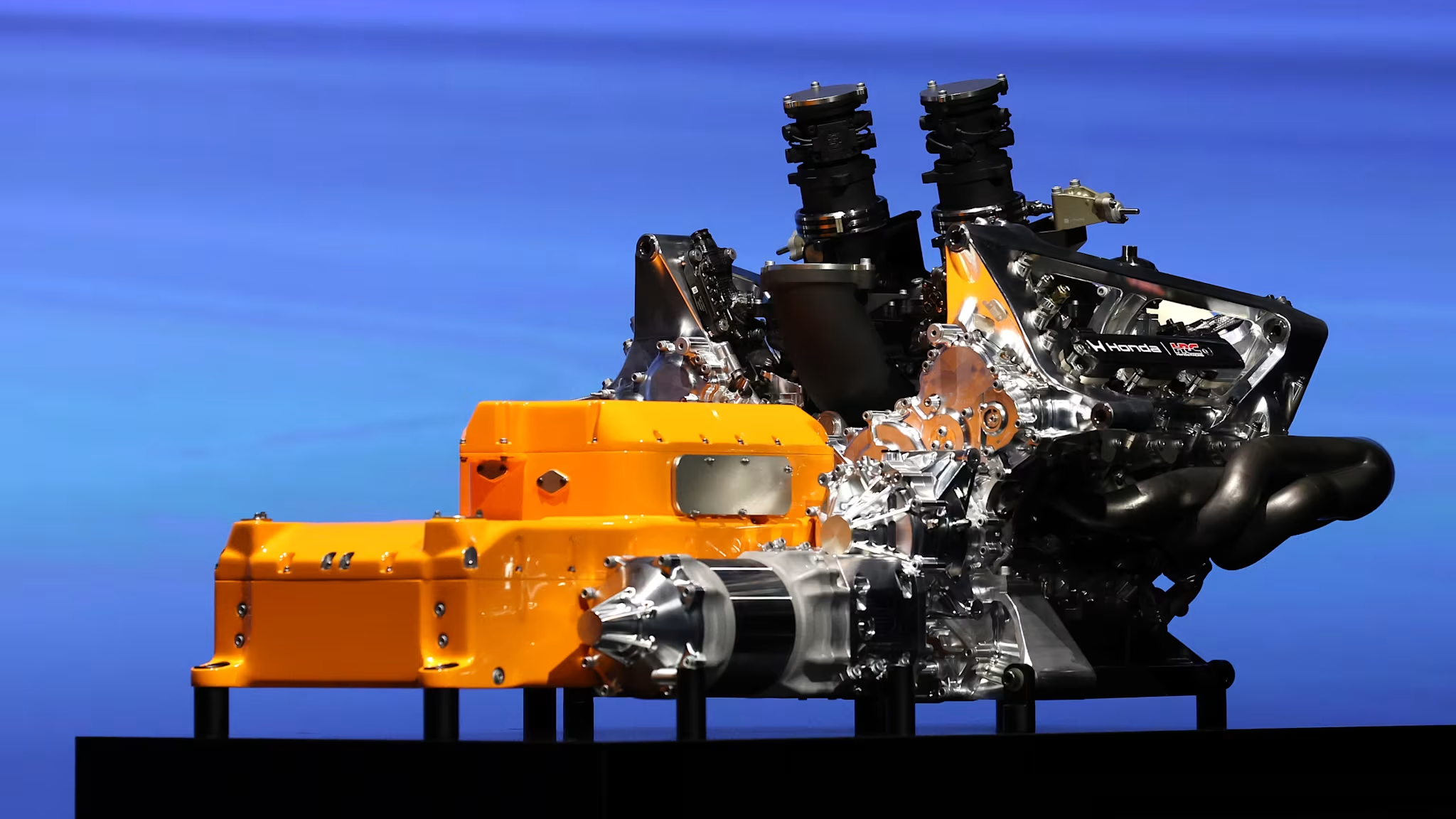
    5. Honda – 89 Wins

    Honda’s F1 history is fractured across four separate stints, beginning in 1964. Early success came quickly as Richie Ginther won the 1965 Mexican Grand Prix in a Honda-built chassis and engine. The manufacturer returned as a supplier for Spirit, Williams, Lotus, McLaren, and Tyrrell between 1983 and 1992. While factory support varied, Nigel Mansell, Nelson Piquet, Ayrton Senna, and Alain Prost all proved Honda could provide an unbeatable power unit.

    Financial reasons triggered a withdrawal before Honda purchased BAR, which became Brawn GP when Honda exited again amid the 2008 economic crisis. A fruitful partnership with Red Bull began in 2019, with Max Verstappen delivering the first win of the V6 turbo-hybrid era. The tally reached 89 victories, the last coming at the 2021 Abu Dhabi Grand Prix, though this was far from the end of Honda’s involvement in the sport.

    6. Coventry Climax – 40 Wins

    Coventry Climax had manufactured engines since the early 20th century but entered racing in the 1950s. Stirling Moss scored their first win at the 1958 Argentine Grand Prix, though the standard 2-litre unit lacked the power to challenge rivals consistently. A 2.5-litre version arrived in 1959, propelling Jack Brabham to the World Championship. The engine proved versatile across Lotus, Cooper, Brabham, and Lola chassis, securing 40 Grand Prix wins between 1958 and 1965.

    The program bowed out in style when Jim Clark secured his third career Grand Slam at the 1965 German Grand Prix en route to the title. Coventry Climax left motorsport when the 3-litre formula was introduced.

    7. Honda RBPT – 38 Wins

    Max Verstappen’s hard-fought 2021 Drivers’ Championship coincided with Honda’s official departure, but the manufacturer agreed to support Red Bull’s transition to in-house production under the Red Bull Powertrains (RBPT) banner. A new agreement transferred the Honda engine IP to Red Bull through the end of the 2025 season, with Honda providing technical support as required.

    This arrangement yielded one of the most dominant seasons in recent memory, as Red Bull won all but one race in 2023, amassing 860 points. While 2024 and 2025 were less productive, the partnership concluded with 38 victories overall, placing seventh on the all-time list.

    8. TAG Porsche – 25 Wins

    Short-lived but immensely successful, the TAG-funded Porsche engine powered McLaren from 1983 to 1987. Originally slated for a 1984 debut, Niki Lauda insisted on early testing, forcing a modified chassis for the 1983 Dutch Grand Prix. The unit was effective immediately: Alain Prost won the season-opening 1984 Brazilian Grand Prix, though Lauda claimed that year’s title. The duo combined for 25 victories before McLaren switched to Honda in 1988, inspired by the Japanese manufacturer’s strong showings with Williams.

    9. BMW – 20 Wins

    BMW’s early F1 involvement consisted of sporadic private entries, but the 1980s saw a full commitment to challenge Renault’s turbo dominance. After an initial exclusive deal with Brabham faltered—Bernie Ecclestone’s team initially preferred Cosworth—Nelson Piquet delivered BMW’s first win at the 1982 Canadian Grand Prix.

    The 1989 ban on turbos paused BMW’s involvement. The manufacturer later replaced Renault at Williams, delivering a competitive engine for 2000 and a more aggressive evolution that won the 2001 San Marino Grand Prix. By 2003, Williams consistently fought for wins but could not match Ferrari’s dominance, ending the partnership in 2005. BMW’s subsequent purchase of Sauber yielded only one victory—Robert Kubica at the 2008 Canadian Grand Prix—before the team was sold back to Peter Sauber.

    10. BRM – 18 Wins

    British Racing Motors (BRM) endured a shaky start as overly ambitious engines failed to deliver results. Delayed development eventually yielded a first win for Jo Bonnier at the 1959 Dutch Grand Prix. Partner Alfred Owen threatened to cancel the project without improvement, promoting former Rolls-Royce employee Tony Rudd to Chief Development Engineer—a masterstroke. Rudd resolved fundamental issues, culminating in Graham Hill’s 1962 Drivers’ Championship.

    BRM also sold engines to privateers, but performance faded, and the marque exited F1 in 1977 with 18 Grand Prix victories: 17 as a works team and one via Team Lotus.

  • Lewis Hamilton’s Dawn Apollo Studios Signs Major New Deal with Skydance Sports

    Lewis Hamilton’s Dawn Apollo Studios Signs Major New Deal with Skydance Sports

    Key Highlights

    • Seven-time Formula 1 champion Lewis Hamilton has signed a multi-year, first-look production deal with Skydance Sports through his Dawn Apollo Studios company, expanding his footprint in film and television.
    • Dawn Apollo Studios, founded in 2022, will develop and produce scripted, unscripted, and animated content with Hamilton serving as executive producer on all projects.
    • The partnership follows Dawn Apollo’s significant involvement in “F1: The Movie,” which grossed over $634 million globally, and Hamilton has revealed three new film concepts in development, including two animations.

    Hamilton Expands Media Empire with Skydance Sports Partnership

    Seven-time Formula 1 World Champion Lewis Hamilton has formalized a multi-year, first-look production agreement with Skydance Sports, the sports entertainment division of Paramount Skydance, through his Dawn Apollo Studios banner. The deal positions the newly signed Ferrari driver as an executive producer across a slate of scripted, unscripted, and animated projects, marking a significant escalation of his off-track business ventures. Announced amid Hamilton’s debut season with Scuderia Ferrari, the partnership leverages the commercial momentum generated by “F1: The Movie,” the Apple Original Films release that Dawn Apollo helped shepherd to a global box office haul exceeding $634 million.

    Dawn Apollo Studios: From Consultancy to Content Creation

    Hamilton launched Dawn Apollo Studios in 2022 with a mandate to champion diverse storytelling across sport, culture, and entertainment. The company’s most visible credit to date is its deep involvement in “F1: The Movie,” the high-octane drama starring Brad Pitt and Damson Idris directed by Joseph Kosinski. Hamilton served as both executive producer and consultant on the production, embedding himself in the creative process from script development through post-production. The film’s commercial success—crossing the $634 million threshold worldwide—validated Dawn Apollo’s model of athlete-led content creation and provided the leverage for the new Skydance Sports arrangement.

    Strategic Alignment with Skydance Sports Leadership

    The agreement pairs Dawn Apollo with a division led by Jesse Sisgold, President of Skydance Sports, whose portfolio includes documentaries, series, and feature films centered on athletic narratives. Hamilton emphasized the cultural resonance of the collaboration in a statement accompanying the announcement:

    “I’ve always believed stories can help people see the world differently and spark important conversations,” the Ferrari driver explained.

    “That’s what excites me about Dawn Apollo Studios. It gives us the chance to back projects that feel honest, bold and meaningful, and to create space for voices and perspectives that haven’t always had that opportunity.

    “Skydance Sports understands how powerful sport, culture and entertainment can be in moving audiences, and I’m excited to team up with Jesse and the team to bring those stories to life.”

    Slate Expansion: Animations, Documentaries, and Feature Films

    Beyond the structural partnership, Hamilton has offered a glimpse into Dawn Apollo’s active development pipeline. Speaking to media during the 2025 Monaco Grand Prix weekend, he detailed three original concepts currently in various stages of writing, signaling a shift from consulting on external projects to originating intellectual property.

    “I’ve got three concepts that I’m writing,” he told the media at the 2025 Monaco Grand Prix. “I’m going to write them with a writer because I’ve never written a movie before.

    “But I’ve got these concepts and these ideas that I’ve come up with for movies. I think two of them will be animations and one of them is already in a phase of the first part of the script already, so it’s exciting.

    “And then there will be documentaries, there will be maybe a TV series at some stage, but mostly movies. I love the development of movies – that’s what I love the most.”

    This disclosure reveals a deliberate diversification strategy: two animated features, a live-action script nearing completion, and a broader slate encompassing documentaries and potential series. The animation focus suggests an intent to reach younger, global audiences beyond the core motorsport demographic, while the documentary and series formats align with the current streaming-driven demand for behind-the-scenes sports content.

    Why This Matters

    The Hamilton–Skydance Sports deal exemplifies the accelerating convergence of elite athlete branding, media ownership, and studio infrastructure. As traditional endorsement models evolve into equity and production partnerships, Hamilton is following a trajectory blazed by figures like LeBron James (SpringHill Company) and Peyton Manning (Omaha Productions), but with a distinct Formula 1 global platform. For Paramount Skydance, the alliance secures a first-look window on projects from one of the world’s most recognizable athletes at the precise moment his Ferrari move amplifies international visibility. For the industry, it signals that athlete-led studios are no longer vanity imprints but viable content engines capable of delivering theatrical-scale returns, as evidenced by the $634 million gross of “F1: The Movie.” The next 12–18 months will test whether Dawn Apollo can translate that singular success into a sustainable, multi-genre pipeline.

    Frequently Asked Questions

    What is Dawn Apollo Studios and when was it founded?

    Dawn Apollo Studios is Lewis Hamilton’s production company, established in 2022. It focuses on developing and producing scripted, unscripted, and animated content across film, television, and digital platforms, with an emphasis on diverse storytelling in sport and culture.

    How was Dawn Apollo involved in “F1: The Movie”?

    Dawn Apollo Studios was heavily involved in the making of “F1: The Movie,” with Hamilton serving as an executive producer and consultant on the project. The film, starring Brad Pitt and Damson Idris, grossed more than $634 million at the global box office.

    What new projects has Lewis Hamilton revealed are in development?

    At the 2025 Monaco Grand Prix, Hamilton disclosed he is writing three original concepts—two animated features and one live-action project already in early script phase—with plans for documentaries and a potential television series. He is collaborating with professional screenwriters on these projects.

  • Alpine Hires Former Mercedes F1 Tech Chief Mike Elliott as CTO

    Alpine Hires Former Mercedes F1 Tech Chief Mike Elliott as CTO

    Key Highlights

    • Alpine F1 appoints former Mercedes CTO Mike Elliott as Chief Technical Officer in a newly created role at the Enstone factory.
    • Elliott returns to Enstone after previous tenure as principal aerodynamicist during the Renault and Lotus eras, bringing eight Constructors’ and eight Drivers’ championship pedigree.
    • The appointment comes as Alpine fights Racing Bulls for fifth in the 2025 Constructors’ Championship ahead of its 2026 transition to Mercedes power units.

    Alpine Bolsters Technical Leadership with Mike Elliott Appointment

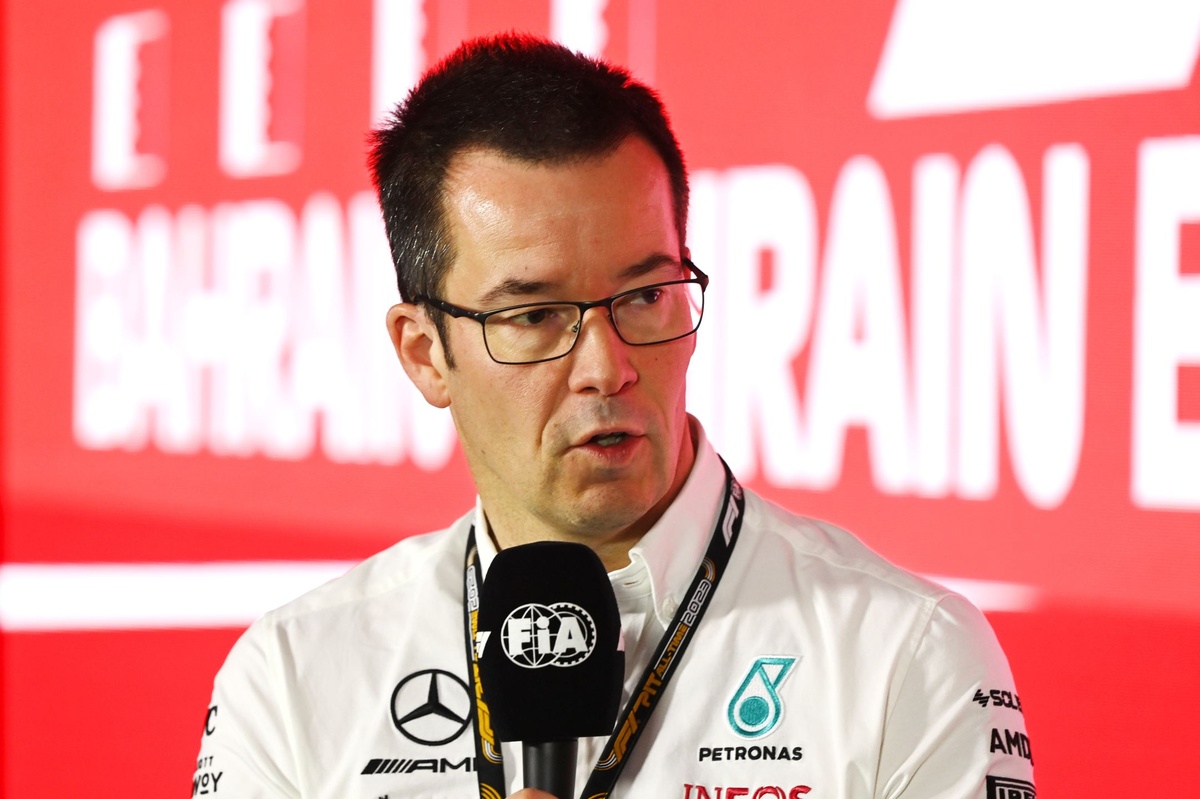
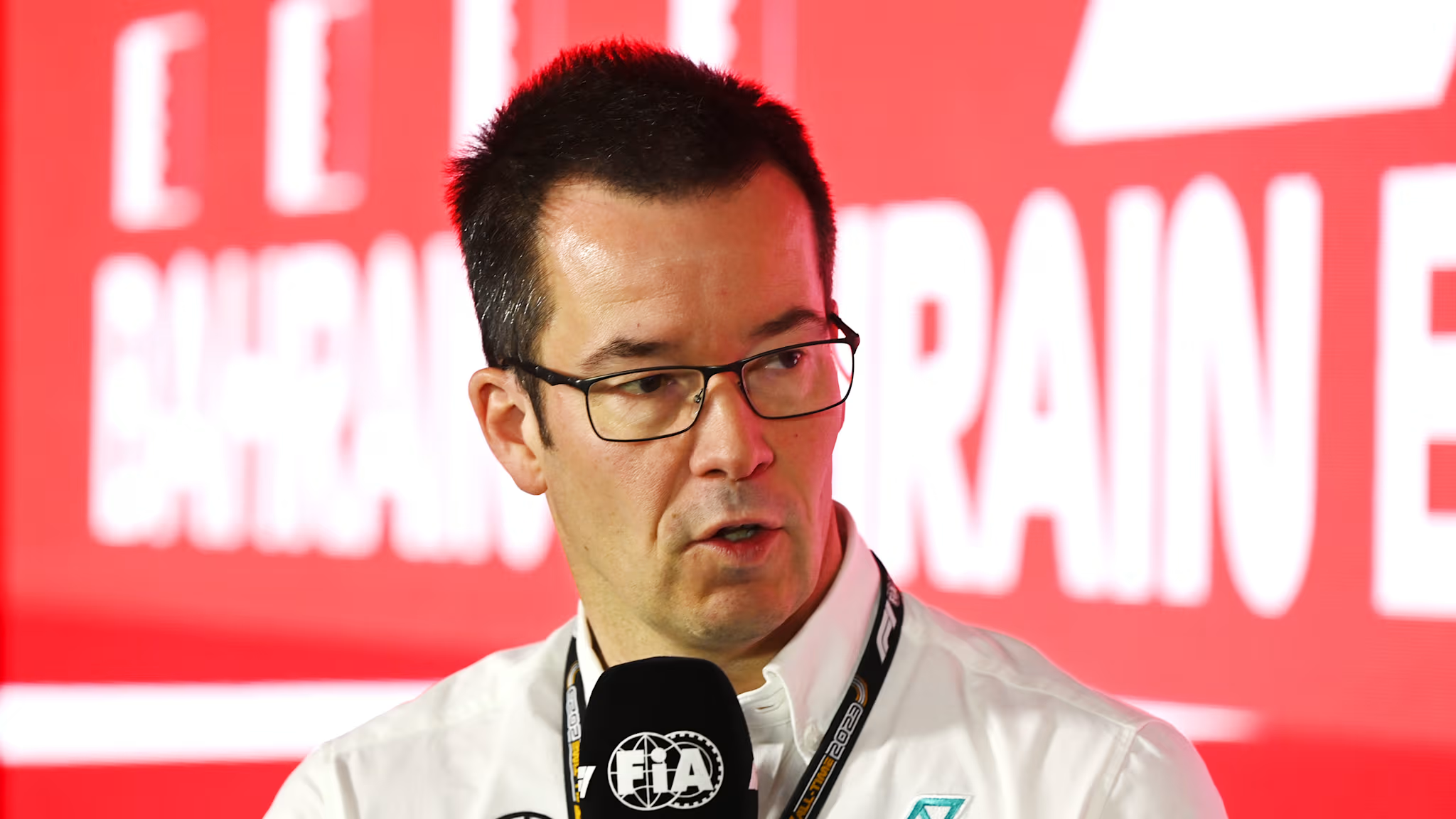
    The BWT Alpine Formula 1 Team has confirmed the appointment of Mike Elliott as Chief Technical Officer, a newly created position designed to oversee the technical and engineering functions at the team’s factory at Enstone. The announcement, made on Thursday, signals a significant reinforcement of the squad’s technical hierarchy as the outfit targets a return to the front of the grid. Elliott, a 52-year-old British engineer, assumes immediate responsibility for the entire technical area, with current Executive Technical Director David Sanchez now reporting directly into him.

    A Proven Championship Pedigree Returns to Enstone

    The hiring represents a notable homecoming for Elliott, who previously served as the team’s principal aerodynamicist during its Renault and Lotus iterations. His career trajectory since departing Enstone has been defined by sustained success at Mercedes. He joined the Brackley-based squad as Head of Aerodynamics, playing a pivotal role in the team’s early dominance of the 2014 hybrid regulations. Elliott subsequently rose through the ranks to serve as Technical Director and ultimately Chief Technical Officer, a tenure that saw him trade positions with James Allison before his departure from Mercedes in 2023.

    Alpine Highlights Championship CV and Strategic Fit

    In its official statement, Alpine emphasized the depth of Elliott’s winning experience. “He has a proven track record in the sport, having contributed to an impressive eight constructors’ and eight drivers’ championships,” the team stated. Alpine further contextualized the strategic rationale behind the hire, noting that “Elliott’s arrival at Enstone strengthens the team’s technical capabilities as the team looks to build on the improved performances on track and close the gap to the top four teams.” This mandate aligns directly with the team’s current trajectory, having sacrificed development on the 2024 car to prioritize the 2025 and 2026 projects.

    Why This Matters

    The appointment of Mike Elliott is a definitive statement of intent from Alpine and its parent company, Renault Group. After a difficult start to the current regulatory cycle, the team has shown signs of recovery in 2025, currently battling Visa Cash App Racing Bulls for fifth place in the Constructors’ Championship. Crucially, 2026 marks a seismic shift for the Enstone operation: it will be the first season Alpine competes as a customer team for Mercedes power units, ending its factory engine program. Elliott’s intimate knowledge of Mercedes’ power unit installation requirements, cooling architectures, and aero-philosophy—gained during his decade-long stint at Brackley—provides a unique bridge between the chassis team and their new engine partner. His elevation above David Sanchez also clarifies a technical reporting structure that has seen frequent reorganization in recent years, placing a single, highly experienced figure at the apex of technical decision-making ahead of the all-new 2026 regulations.

    Frequently Asked Questions

    What is Mike Elliott’s specific mandate at Alpine?

    Elliott has been appointed Chief Technical Officer, a newly created role in which he will “oversee the technical and engineering functions at the team’s factory at Enstone.” He sits atop the technical hierarchy, with Executive Technical Director David Sanchez now reporting to him.

    Why is his Mercedes background significant for Alpine’s 2026 season?

    Alpine will switch to Mercedes customer power units in 2026. Elliott spent over a decade at Mercedes, rising to CTO, giving him unparalleled insight into the power unit’s integration requirements, which is critical for designing the all-new 2026 chassis regulations.

    How has Alpine performed recently to warrant this structural change?

    After a deliberate strategy of sacrificing 2024 development to focus on future regulations, Alpine has made a strong start to the 2025 season, currently fighting Racing Bulls for fifth place in the Constructors’ Championship.

  • Alpine Appoints Mike Elliott as Chief Technical Officer

    Alpine Appoints Mike Elliott as Chief Technical Officer

    Alpine has confirmed the appointment of Mike Elliott as Chief Technical Officer, marking a significant return to Formula 1 for the British engineer following his departure from Mercedes in late 2023.

    Extensive Formula 1 Pedigree

    Elliott brings 23 years of elite-level experience to the Enstone-based operation. His career began at McLaren in 2000 as an aerodynamicist, where he advanced through various technical roles before joining Renault in 2008. He remained with the Enstone outfit through its various iterations until 2012, when he moved to Mercedes.

    At Mercedes, Elliott progressed to Head of Aerodynamics before serving as Technology Director from 2017 to 2021 and Technical Director between 2021 and 2023. He briefly assumed the Chief Technical Officer role in a 2023 leadership swap with James Allison, departing the team six months later.

    Alpine Statement on Appointment

    In a statement confirming his appointment, Alpine stated that Elliott will “oversee the technical and engineering functions at the team’s factory at Enstone” in his new position, adding: “He has a proven track record in the sport, having contributed to an impressive eight Constructors’ and eight Drivers’ Championships.

    “Elliott’s arrival at Enstone strengthens the team’s technical capabilities as the team looks to build on the improved performances on track and close the gap to the top four teams.”

    Strategic Significance for Alpine

    The hiring represents a clear statement of intent from Alpine as they target a return to the front of the grid. Elliott’s championship-winning experience at Mercedes, combined with his prior knowledge of the Enstone facility, positions him to make an immediate impact on the team’s technical direction for the 2025 season and beyond.