Author: Maya Brooks

  • Who Is ‘Barf Simmons’?

    Who Is ‘Barf Simmons’?

    Key Highlights

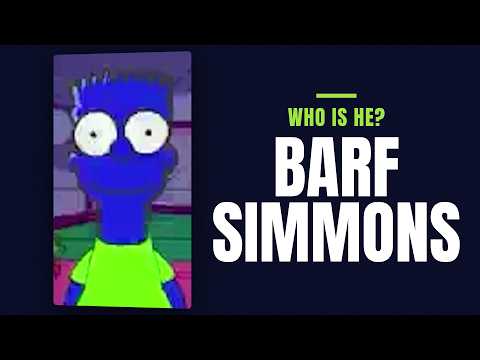
    • Barf Simmons is a meme series built around a distorted, blue-skinned, elongated version of Bart Simpson from The Simpsons.
    • The character is sometimes referred to as “Barf Symptons” across online communities.
    • The meme leans into a deliberately unsettling, “creepy” aesthetic that contrasts sharply with the original cartoon’s style.

    The Emergence of a Surreal Internet Icon

    In the constantly evolving landscape of internet humor, few phenomena illustrate the appetite for surreal reinterpretation as clearly as Barf Simmons. The meme series takes Bart Simpson—one of the most recognizable animated characters in television history—and warps him into a figure that is simultaneously familiar and deeply uncanny. By stretching his proportions to unnatural lengths and recoloring his skin a sickly blue, creators have transformed a mainstream pop-culture staple into an avatar of the “creepy aesthetic” that thrives on platforms devoted to bizarre, dreamlike, or deliberately off-putting humor.

    Visual Language and the “Creepy Aesthetic”

    The power of the Barf Simmons format lies in its visual dissonance. The original Bart Simpson is defined by sharp yellow geometry, a mischievous grin, and a voice that has echoed through three decades of broadcast television. Barf Simmons discards all of that: the elongated limbs and torso suggest a body pulled like taffy, while the blue palette evokes bruising, cold, or digital corruption. This deliberate ugliness is not accidental; it signals membership in a subculture that values the unsettling over the polished, the glitched over the pristine. The alternate spelling “Barf Symptons”—which appears interchangeably in community posts—adds a layer of phonetic corruption, reinforcing the sense that the character exists in a degraded, copy-of-a-copy space where canonical spelling no longer applies.

    Spread, Variation, and Community Adoption

    Because the source material is a single, easily reproducible image template, Barf Simmons has proven highly mutable. Editors drop the figure into unlikely backgrounds, pair him with nonsensical captions, or animate him in jerky, low-frame-rate loops that amplify the unease. The meme travels across imageboards, social-media timelines, and video-editing discords without a central author or release date, behaving more like folklore than a marketed product. Each iteration reinforces the core rule: the character must remain blue, elongated, and vaguely nauseating—hence the “Barf” prefix—while everything else is fair game for irony, absurdity, or outright horror.

    Why This Matters

    Barf Simmons exemplifies how internet communities remix corporate intellectual property into folk art that the original rights holders neither authorize nor control. The Simpsons has been a particularly fertile target for such remixing—consider earlier waves like “Simpsons Wave” vaporwave edits or the “Steamed Hams” surreal edits—because its visual language is universally recognized, lowering the barrier to entry for creators. The “creepy aesthetic” branch, of which Barf Simmons is a recent representative, reflects a broader cultural comfort with body horror, glitch art, and post-irony among younger digital natives. As platforms continue to prioritize short-form, algorithmically amplified visual content, templates that can be produced in seconds yet carry dense subcultural signaling will remain dominant vectors for collective creativity.

    Frequently Asked Questions

    What exactly is Barf Simmons?
    Barf Simmons is a meme series that depicts a blue, extremely elongated distortion of Bart Simpson from The Simpsons, rendered in a deliberately unsettling “creepy aesthetic.”
    Why is the character sometimes called “Barf Symptons”?
    “Barf Symptons” is an alternate, phonetically corrupted spelling used interchangeably in online posts, reinforcing the meme’s glitched, copy-degraded vibe.
    Where did the meme originate?
    The exact origin point is diffuse; like much folk internet art, Barf Simmons emerged organically across imageboards and social feeds without a single credited creator or launch date.
  • IShowSpeed’s ‘Ronaldo Day’ Clip Becomes Powerful Brainrot Meme

    IShowSpeed’s ‘Ronaldo Day’ Clip Becomes Powerful Brainrot Meme

    Key Highlights:

    • Streamer IShowSpeed’s 2024 hockey training video with NHL player Cole Caufield spawned the viral “Happy Day, Ronaldo Day” meme in September 2026.
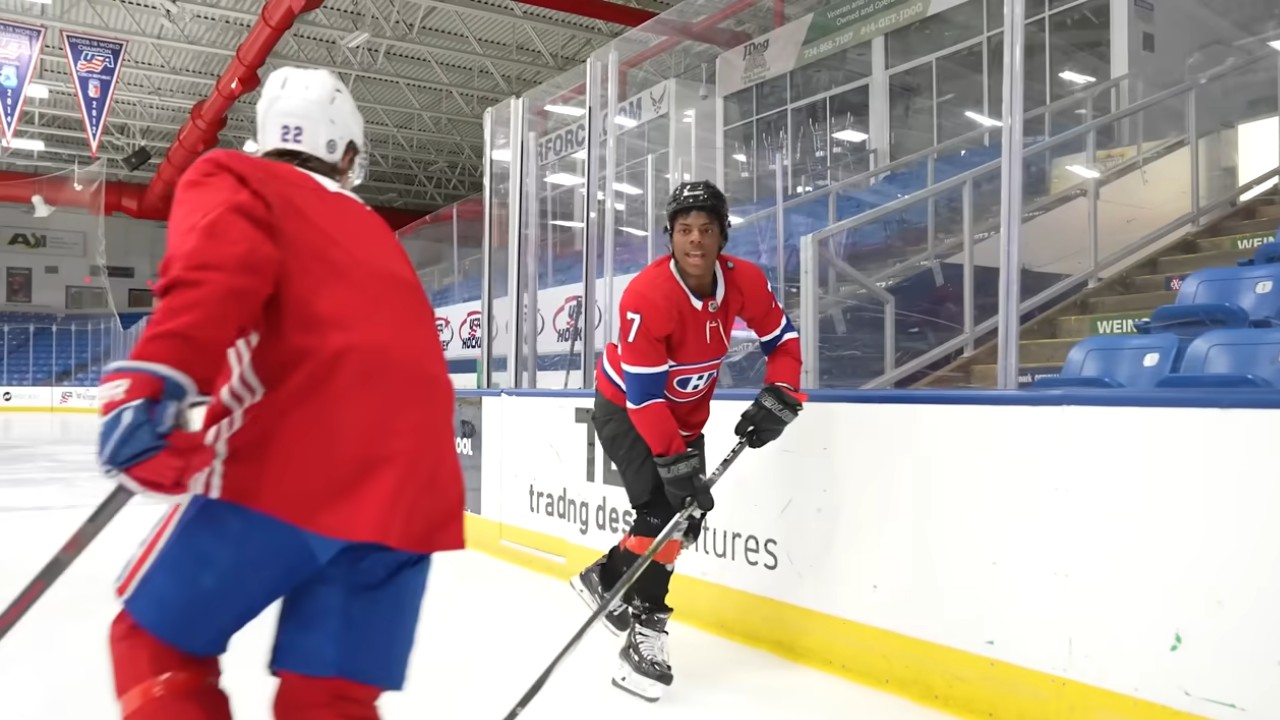
    • The clip features IShowSpeed skating and chanting “Happy day, Ronaldo day” before being body-checked into the boards by a hockey player.
    • The trend exploded across social platforms with accuracy reenactments and stylized “brainrot” video edits driving millions of views.

    From Hockey Lesson to Viral Phenomenon

    The “Happy Day, Ronaldo Day” meme originated from a collaborative video uploaded to IShowSpeed’s YouTube channel in 2024, where the popular streamer attempted to learn ice hockey under the guidance of Montreal Canadiens forward Cole Caufield. During the session, IShowSpeed can be seen skating across the ice while rhythmically chanting “Happy day, Ronaldo day”—a homage to his idol, Cristiano Ronaldo—before a sudden, full-speed body check sends him crashing into the dasher boards. The unscripted collision, captured from multiple camera angles, became the centerpiece of a meme wave that erupted two years after the original upload.

    September 2026: The Meme Explodes

    Although the source footage had been publicly available since 2024, it remained relatively dormant until September 2026, when short-form creators on TikTok, YouTube Shorts, and Instagram Reels began remixing the clip en masse. The trend was fueled by two distinct creative lanes: accuracy reenactments, in which users meticulously recreate the choreography, timing, and camera movements of the original fall, and stylized “brainrot” edits, which layer the audio with distorted bass, surreal visual effects, and rapid-fire jump cuts characteristic of Gen-Z internet humor. Aggregator accounts and meme pages amplified the reach, pushing the hashtag #HappyDayRonaldoDay into millions of cumulative views within weeks.

    Why This Matters

    The trajectory of “Happy Day, Ronaldo Day” illustrates how legacy content can be resurrected by algorithmic serendipity and participatory remix culture. For IShowSpeed, whose brand thrives on chaotic, high-energy moments, the meme reinforces his status as a perennial source of viral raw material. For Cole Caufield and the NHL, the crossover exposes hockey to a demographic that rarely consumes traditional sports broadcasts. Marketers and platform analysts are tracking the phenomenon as a case study in delayed virality—content that lies dormant for years before exploding when the right audio snippet aligns with prevailing meme aesthetics.

    Frequently Asked Questions

    When was the original “Happy Day, Ronaldo Day” video recorded?
    The source footage was filmed during a 2024 hockey training session and uploaded to IShowSpeed’s YouTube channel that same year.
    Who is the NHL player featured in the video?
    Cole Caufield, a forward for the Montreal Canadiens, appears alongside IShowSpeed in the original lesson.
    Why did the meme go viral in 2026 instead of 2024?
    The clip resurfaced in September 2026 when short-form creators began producing accuracy reenactments and stylized “brainrot” edits, triggering algorithmic amplification across TikTok, YouTube Shorts, and Instagram Reels.
  • Student’s ‘Are You Old?’ Question Prompts 57-Year-Old Educator’s Viral Facial Rejuvenation Before-and-After

    Student’s ‘Are You Old?’ Question Prompts 57-Year-Old Educator’s Viral Facial Rejuvenation Before-and-After

    Key Highlights

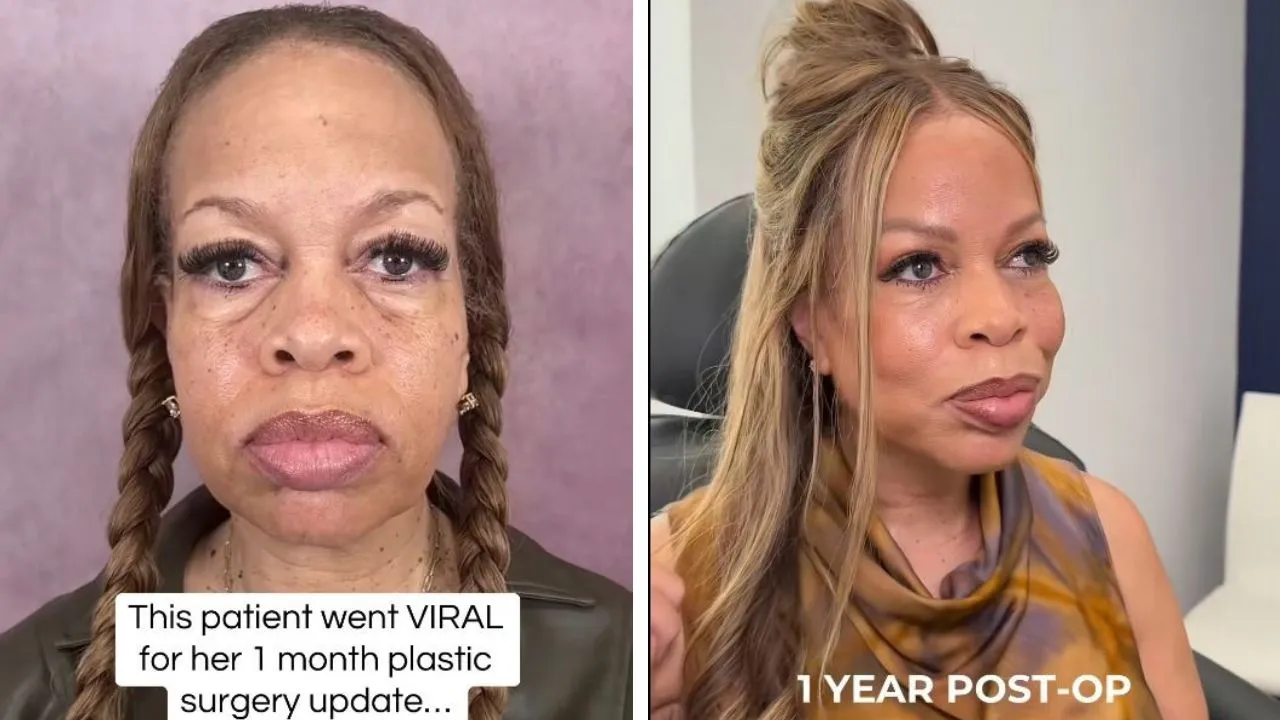
    • Beverly Hills facial plastic surgeon Dr. Carl Truesdale’s TikTok showcasing a full facial rejuvenation on 57-year-old educator Patricia has garnered over 148,000 likes and gone viral.
    • Patricia underwent a combination of procedures — including eyelid surgery, endoscopic brow lift, facial fat transfer, face and neck lift, and a permanent chin implant — partly to address scarring from a prior cervical fusion surgery.
    • The patient, who is preparing to begin a PhD program, said a student’s question — “are you old” — prompted her to seek a refreshed look for public speaking engagements, and she specifically chose a surgeon experienced with the needs of Black patients.

    Viral TikTok Documents Educator’s Facial Rejuvenation Journey

    A TikTok posted by Dr. Carl Truesdale, a Beverly Hills facial plastic surgeon, has drawn widespread attention after documenting the results of a comprehensive facial rejuvenation performed on a patient identified as Patricia, a 57-year-old educator preparing to begin a PhD program. As of publication, the video had accumulated 148,400 likes, 934 comments, and 4,362 saves. Patricia first appeared on Dr. Truesdale’s YouTube series Beyond the Surface in Season 2 Episode 3, where her surgical plan was initially detailed.

    Combination of Procedures Addresses Aging and Surgical Scarring

    According to the video, Patricia underwent a combination of procedures including upper and lower eyelid surgery, an endoscopic brow lift, facial fat transfer, a face and neck lift, and a permanent chin implant. The neck lift specifically addressed skin laxity that developed following a cervical fusion surgery — performed through a front-of-neck incision after an earlier accident — which had left visible scarring. Dr. Truesdale’s approach aimed to correct both the signs of aging and the residual effects of the prior medical procedure.

    Student’s Candid Question Sparked Decision

    Patricia said a comment from one of her students made her reconsider her appearance, recalling that a child had asked her, “are you old,” which led her to notice she looked tired without makeup. She wanted a refreshed look heading into public speaking engagements and her upcoming graduate coursework, and she wanted her presence to read as energized rather than tired to her audience. She specifically sought a surgeon experienced with the needs of Black patients, saying doctors “don’t necessarily understand the unique needs that we have” when it comes to issues like hyperpigmentation. She said Dr. Truesdale worked to preserve her natural features throughout the procedure rather than altering them.

    One-Month Follow-Up Shows Early Results

    The video includes a follow-up appointment roughly one month after surgery, in which Dr. Truesdale reviewed her results, pointing to her jawline definition, under-eye contour, and the integration of the chin implant. He told her that some remaining asymmetry in swelling was normal at that stage and would continue to improve. Patricia said she no longer felt the need to wear makeup to leave the house, saying she could now go out with just “tinted sunscreen and sunglasses” and feel confident in public.

    Why This Matters

    The viral response to Patricia’s case highlights several intersecting trends in aesthetic medicine and social media. First, it underscores the growing influence of platforms like TikTok and YouTube in shaping patient expectations and surgeon visibility, with educational series such as Beyond the Surface blurring the line between clinical documentation and marketing. Second, Patricia’s emphasis on finding a surgeon who understands the specific needs of Black patients — including concerns around hyperpigmentation and scar management — reflects a broader demand for culturally competent care in plastic surgery. Third, the case illustrates how personal catalysts, such as a child’s blunt question, can drive elective surgical decisions, particularly among professionals entering new public-facing roles. The Daily Dot notes it was unable to independently verify Patricia’s medical history, the specific procedures performed, or Dr. Truesdale’s credentials beyond what was stated in the video, reinforcing the importance of consulting a board-certified surgeon and verifying credentials independently before pursuing cosmetic procedures.

    Frequently Asked Questions

    What procedures did Patricia undergo?

    Patricia underwent a combination of upper and lower eyelid surgery, an endoscopic brow lift, facial fat transfer, a face and neck lift, and a permanent chin implant, as shown in Dr. Truesdale’s TikTok and YouTube series Beyond the Surface.

    Why did Patricia choose Dr. Truesdale?

    She specifically sought a surgeon experienced with the needs of Black patients, stating that doctors “don’t necessarily understand the unique needs that we have” regarding issues like hyperpigmentation, and she said Dr. Truesdale worked to preserve her natural features rather than alter them.

    What was the catalyst for Patricia seeking surgery?

    A student asked her, “are you old,” which made her notice she looked tired without makeup. She wanted a refreshed, energized appearance for upcoming public speaking engagements and her PhD program coursework.

  • Women Reenact Men’s First Date Behavior; Not Standing to Say Hello Sparks Comment Section Debate

    Women Reenact Men’s First Date Behavior; Not Standing to Say Hello Sparks Comment Section Debate

    Key Highlights

    • TikTok creator @brakyni posted a POV skit depicting two women imitating stereotypical male behaviors on first dates, amassing over 34,500 likes and sparking widespread discussion in the comments.
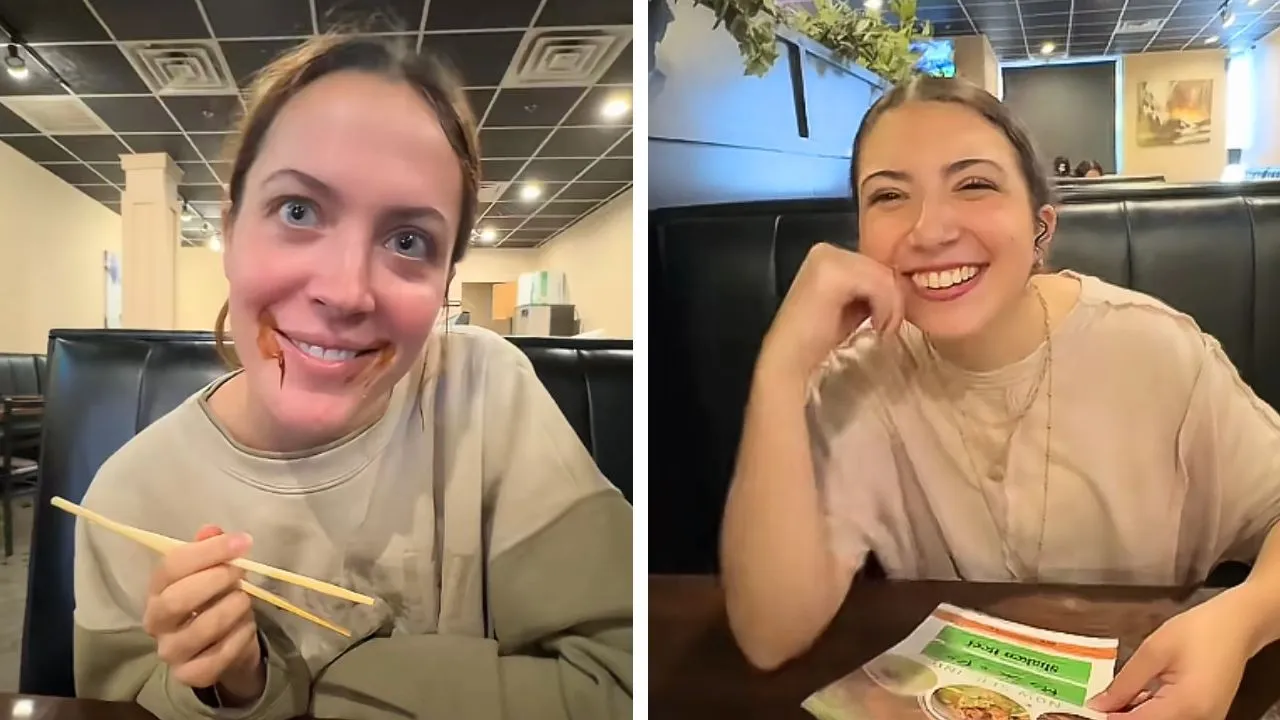
    • The sketch highlights relatable awkward moments including men not standing to greet their date, struggling with chopsticks, mispronouncing menu items, and inappropriate physical greetings like hand-kissing and air kisses.
    • Commenters shared personal dating horror stories, including one woman who described a date who arrived in oversized basketball shorts, lied about his height, ordered two margaritas, and asked her to drive him home due to intoxication.

    TikTok Sketch Satirizes First-Date Behaviors, Strikes a Nerve With Viewers

    A point-of-view style video posted to TikTok by user @brakyni has ignited a conversation about modern dating dynamics after two women performed a satirical take on how they perceive men behaving during first encounters. The video, uploaded just a day prior to reporting, carries the overlay text “Men on first date” and a caption describing the scenarios as giving women the “heebie jeebies.” Despite the biting humor, the creator clarified in a subsequent comment that one of the performers, Kate, had actually gone on a date the previous day, noting that the sketch “had nothing to do with the way he behaved.”

    Sketch Breaks Down Awkward Arrival Rituals and Dining Fumbles

    The comedic sketch unfolds through a series of vignettes. In the opening scene, one woman portrays a date arriving while the other plays the male counterpart, who asks her name, offers a handshake, and compliments her appearance—all while remaining seated. The omission of standing to greet a date emerged as a flashpoint in the comment section. Further segments depict a man struggling to pronounce a dish yet attempting to play it off playfully, another kissing a woman’s hand and delivering an air kiss from across a booth, and multiple instances where the performers burst into laughter mid-bit. Additional scenarios show men speaking with food in their mouths and attempting to use chopsticks unsuccessfully, layering physical comedy onto the social commentary.

    Comment Section Becomes Forum for Shared Dating Horror Stories

    The video’s comment section quickly evolved into a space for users to compare notes and share personal experiences. One commenter asked, “Y’all don’t get hugged?” explaining they typically initiate hugs unless the woman appears uncomfortable, in which case they refrain from asking. A female user responded with raw vulnerability: “I am so scared to start dating again.” Another commenter zeroed in on the greeting ritual, asking if others “don’t get the awkward hug at the very beginning where [the men] sniff your hair?” while a different user declared they “would have left immediately if a man just sat in his chair the whole time instead of standing up to greet her.”

    Among the most striking anecdotes, one woman recounted meeting a date who arrived wearing a Polo shirt and basketball shorts with the shirt “too big for him.” She noted she was wearing a dress and discovered during the date that he had lied about his height. As the evening progressed, he ordered two margaritas and then informed her she would need to take him home because he was already too inebriated. She concluded: “Safe to say we didn’t speak after that.”

    Why This Matters: Viral Humor Reflects Real Dating Fatigue

    The resonance of @brakyni’s sketch underscores a broader cultural conversation about dating expectations, gendered social scripts, and the fatigue many women report experiencing in heterosexual dating scenarios. The video’s popularity—exceeding 34,500 likes—signals that the depicted behaviors, while exaggerated for comedic effect, align with widely recognized patterns. The comment section’s transformation into a repository for personal testimony highlights how social media platforms function as informal support networks where users validate shared experiences. The Daily Dot could not independently verify the personal experiences described by commenters, but the volume and specificity of responses suggest the sketch tapped into a collective frustration with performative or inconsiderate dating conduct.

    Frequently Asked Questions

    Who created the viral TikTok video about first-date behaviors?

    The video was posted by TikTok user @brakyni and features two women, one identified as Kate, performing a POV-style skit imitating how they perceive men acting on first dates.

    What specific behaviors does the sketch satirize?

    The sketch depicts men not standing to greet their date, offering handshakes instead of warmer greetings, mispronouncing menu items, kissing hands and giving air kisses, speaking with food in their mouths, and struggling to use chopsticks—all while the performers laugh at the absurdity.

    What was the most discussed personal anecdote in the comments?

    One woman shared a story about a date who arrived in oversized basketball shorts and a Polo shirt, lied about his height, ordered two margaritas, became intoxicated, and asked her to drive him home—ending with her statement: “Safe to say we didn’t speak after that.”

  • ‘Doctors Don’t Get a Tip, Why You Want Tips?’: Server Says She’d Prefer 20% Tip After Table of 6 Women Leaves Little

    ‘Doctors Don’t Get a Tip, Why You Want Tips?’: Server Says She’d Prefer 20% Tip After Table of 6 Women Leaves Little

    Key Highlights

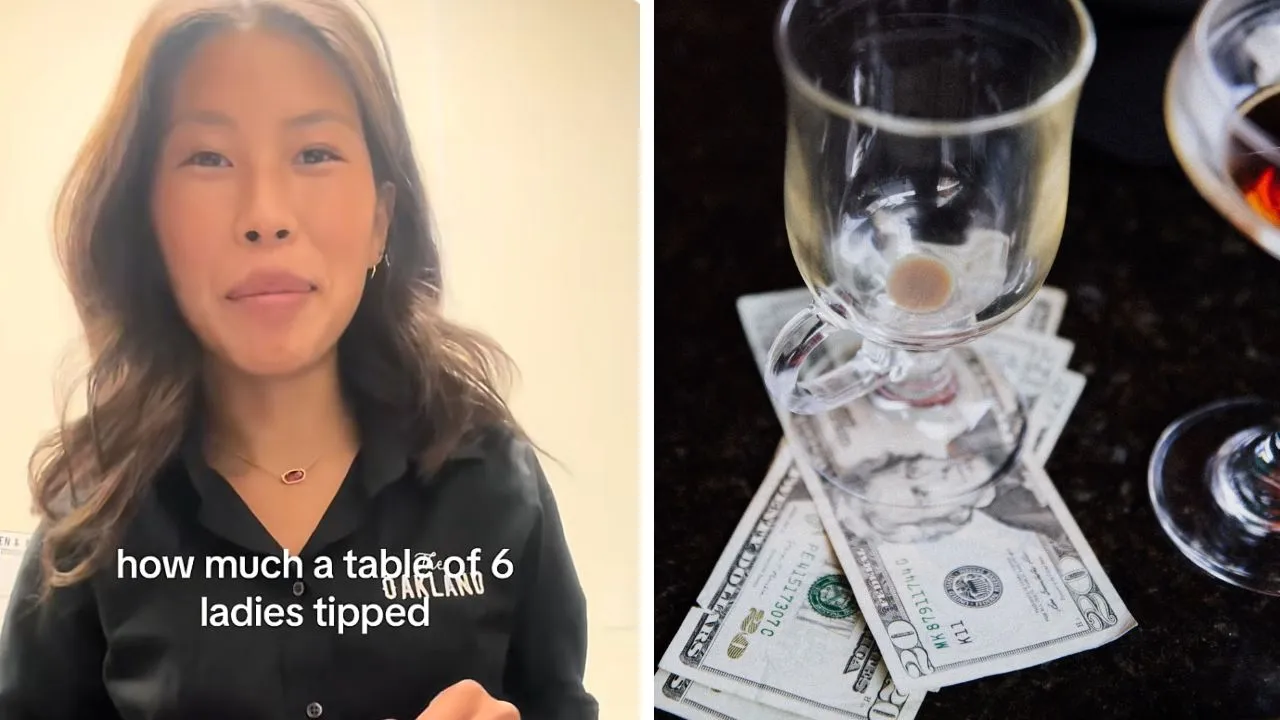
    • TikTok creator @Andjjj.7 posted a video on May 8, 2025, showing itemized tips from a table of six women, revealing multiple $0 tips on bills ranging from $32 to $60.
    • The video amassed 12.7 million views, 802,500 likes, and 21,700 comments, igniting a polarized debate over tipping expectations versus earned gratuity.
    • A separate viral clip from creator @lovee.leahh_ captured a retail customer refusing a tip prompt with “Hell no!” — further fueling the national conversation on tip fatigue.

    Server’s Itemized Receipt Breakdown Sparks Massive Tipping Debate

    TikTok user @Andjjj.7 — identified in the video as a server in restaurant uniform — uploaded a clip on May 8, 2025, that has since garnered 12.7 million views, 802,500 likes, and 21,700 comments. In the video, she flips through six separate checks from a single table of six women, narrating the tip amount left on each. The first bill, $51, carried a $9 tip. The second, $32, received $0. The third, $55, also received $0. The fourth, $60, left a $6 tip. A $21 bill yielded a $7 tip, and a final $23 bill left $4. Summarizing the experience, she stated directly to the camera:

    “I am grateful for any tip but will prefer 20 percent.”

    The on-screen caption accompanying the post read:

    @andjjj.7 their bill was $250. tipping culture may have gotten out of hand but I didn’t know we’re normalizing no tips. ♬ original sound – Andj

    Comment Section Erupts With Divergent Views on Gratuity Norms

    The comment section quickly became a battleground for opposing philosophies on tipping culture. One user challenged the expectation of tips altogether, writing:

    “doctors dont get a tip; why u want tips? Bruh.”

    Another commenter echoed the sentiment that gratuity should reflect service quality, not obligation:

    “You earn tips not expect them.”

    A third contributor offered a detailed personal anecdote illustrating a performance-based approach:

    “There’s only been one time I haven’t tipped a server and it was because he never refilled my drink. there was no one else in the restaurant to serve I gave him the change he brought me back which was like 9cents. I’ll give a $20 tip on a $50 total just because the server was amazing. you leave me to eat without a drink to wash it down your getting Pennies.”

    Yet another voice acknowledged systemic issues while defending the practice of tipping service workers:

    “I get that the tipping culture is getting out of hand but not tipping servers is crazyyyyyy.”

    Parallel Viral Moment: Retail Tip Prompt Rejection Goes Viral

    The discourse gained additional momentum from a separate TikTok posted by creator @lovee.leahh_ (Leah Danzy), which documented a confrontation at a mall retail counter. In the clip, a female customer completes a purchase when the shop employee asks twice, “Do you want to tip?” The customer responds emphatically:

    “Hell no!”

    She continues, “No tip.” After the shopkeeper replies, “Ok! I just asked,” the customer counters, “I know, and I just told you,” and begins walking away. She adds, “Thank you! Have a good day,” then turns toward the camera and appears to address the person filming:

    ‘They are talking about f—- tip,’

    before the video ends. Danzy captioned the post: “I still can’t get over this? Ariel was so embarrassed #fypシ゚viral #fyp #grandmagonewild ♬ original sound – Leah Danzy.”

    Why This Matters

    The dual viral moments underscore a growing cultural flashpoint in the United States: the expansion of tip prompts beyond traditional full-service dining into counter service, retail, and self-checkout environments. While the federal tipped minimum wage remains $2.13 per hour in many states — making tips essential income for servers — consumers increasingly report “tip fatigue” amid inflation and ubiquitous digital prompts. The @Andjjj.7 video highlights the tension between servers who depend on 20% gratuity as a professional standard and diners who view tipping as discretionary or excessive. Meanwhile, the @lovee.leahh_ clip illustrates how tip requests in non-service contexts can provoke hostility. Neither TikTok experience has been independently verified by The Daily Dot, but together they reflect a nationwide debate over who should be tipped, how much, and whether the burden of fair wages should fall on customers or employers.

    Frequently Asked Questions

    What were the exact tip amounts left by the table of six women in the @Andjjj.7 video?

    The server showed six checks: $51 bill with $9 tip; $32 bill with $0 tip; $55 bill with $0 tip; $60 bill with $6 tip; $21 bill with $7 tip; $23 bill with $4 tip. The total bill was approximately $250.

    How did the retail customer in the @lovee.leahh_ video respond when asked to tip?

    The customer said “Hell no!” and “No tip.” After the employee said “Ok! I just asked,” she replied “I know, and I just told you,” wished them a good day, and told the camera, “They are talking about f—- tip.”

    Has The Daily Dot verified the events shown in these TikTok videos?

    No. The Daily Dot explicitly stated it was “unable to independently verify the experiences described by commenters on this video” and noted the details reflect the creators’ stated views and commenters’ individual accounts as shared on TikTok.

  • ‘Much Cheaper to Just Get a New Girlfriend’: Woman Posts Video of Boyfriend Buying New Couch Because She Cheated on Old One

    ‘Much Cheaper to Just Get a New Girlfriend’: Woman Posts Video of Boyfriend Buying New Couch Because She Cheated on Old One

    Key Highlights

    • A TikTok video posted by @sonogoodmorning showing a woman’s boyfriend buying a replacement couch after she admitted to cheating on their original one has garnered over 307,000 likes and sparked intense debate.
    • The comment section overwhelmingly criticized the woman’s framing of the gesture as a relationship goal, with top comments questioning why the cheater wasn’t the one making reparative efforts.
    • The viral discourse highlights shifting social media norms around public admissions of infidelity and the gendered expectations of accountability in relationships.

    Viral TikTok Reframes Infidelity as ‘Relationship Goals,’ Sparking Backlash

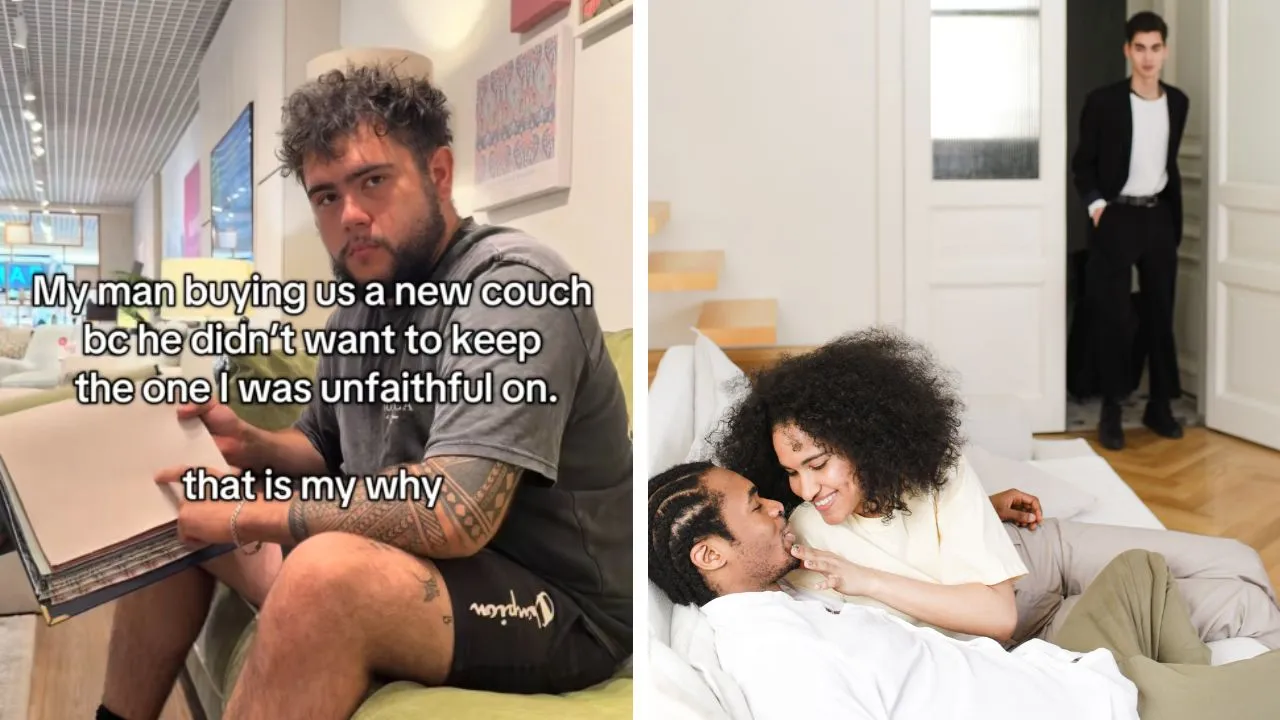
    A video posted to TikTok by user @sonogoodmorning has ignited a fierce conversation about accountability, gender dynamics, and the performative nature of relationship content on social media. The clip, which has accumulated more than 307,000 likes, depicts a couple browsing a furniture store. A text overlay on the video reads: “my man buying us a new couch because he didn’t want to keep the one I was unfaithful on.” A subsequent overlay adds: “that is my why,” referencing a popular trend where users share the reasons behind their long-term partnerships. The account’s caption reinforced the narrative: “real men stay and work things out.”

    Visual Cues Contradict the Narrative

    While the on-screen text attempts to frame the man’s actions as a noble gesture of forgiveness, the visual evidence tells a more complicated story. In the footage, the man appears visibly upset—he does not smile, avoids celebratory affect, and continues looking at his partner as if seeking validation or reassurance. He points out fabric samples dutifully, but his demeanor suggests resignation rather than the generous spirit implied by the caption. The woman recording, by contrast, smiles and pans the camera toward him with an expression of satisfaction and gratitude. The dissonance between the curated caption and the raw body language became the focal point for thousands of commenters.

    Comment Section Rejects the ‘Flex’

    The response in the comments was swift and largely condemnatory of the woman’s perspective. The top-liked comment, earning over 7,700 likes, stated bluntly: “This is not the flex you think it is.” Another user wrote: “Much cheaper and easier to just get a new girlfriend, brother,” while a third asked: “Why are people just admitting to cheating lately? Did it stop being the most embarrassing thing ever?”

    A significant thread of discussion emerged from women who expressed frustration at being placed in a position where they felt compelled to “side with a man.” One commenter articulated the tension: “I would like to be a ‘girl’s girl’ but genuinely believed that ‘cheating is not okay.’” Another addressed the creator directly: “Girl, why do you make me side with a man?” This sentiment underscores a broader cultural friction: the expectation of gender solidarity clashing with a baseline moral rejection of infidelity.

    Debate Centers on Burden of Repair

    Beyond the initial outrage, a more nuanced critique took hold regarding the distribution of reparative labor. Multiple commenters argued that if reconciliation was the genuine goal, the effort should originate from the partner who violated the trust. As one user put it, the woman “should be the one buying the couch, if at all, and also consistently make efforts and gestures to show him that she genuinely wants to be in this relationship and carry on with him.” Another injected dark humor into the critique: “Every time you want something new, be unfaithful on it.”

    The Daily Dot was unable to independently verify the events described in this video. The details above reflect the account shared by @sonogoodmorning on TikTok. The identities of those shown in the video have not been confirmed.

    Why This Matters

    This incident exemplifies how TikTok’s algorithm incentivizes vulnerable or controversial personal disclosures as content fodder. The “that is my why” trend, originally intended to celebrate enduring love, has been co-opted to aestheticize trauma bonding and uneven power dynamics. The viral backlash also reflects a growing public fatigue with narratives that recast accountability as optional—particularly when the labor of repair falls disproportionately on the wronged party. As social media continues to blur the line between authentic sharing and performative storytelling, audiences are increasingly literate in spotting the difference between a genuine gesture of repair and a content opportunity.

    Frequently Asked Questions

    Who posted the original TikTok video?

    The video was posted by TikTok user @sonogoodmorning. The account shared the footage with the caption “real men stay and work things out.”

    What was the specific reason given for buying a new couch?

    According to the text overlay in the video, the boyfriend purchased the new couch “because he didn’t want to keep the one I was unfaithful on.”

    Has the authenticity of the video been verified?

    No. The Daily Dot explicitly stated it “was unable to independently verify the events described in this video” and noted that “the identities of those shown in the video have not been confirmed.”

  • TikToker Tips $20 on $249 Bill at LA Restaurant, Posts Receipt — Comments Do the Math and React

    TikToker Tips $20 on $249 Bill at LA Restaurant, Posts Receipt — Comments Do the Math and React

    Key Highlights

    • TikTok creator @captain.t.roll posted a receipt from Ember & Vine in Los Angeles showing a $249 subtotal and a handwritten $20 tip, sparking a viral debate over tipping norms.
    • The creator argues tipping should be a flat dollar amount based on service effort, not a percentage of the bill, stating the industry has “brainwashed” diners into treating 20% as mandatory.
    • Commenters were divided, with some calculating a 20% tip would equal $58 ($50/hour for the server), while a self-identified cook criticized servers for expecting large tips while kitchen staff endure harder conditions.

    TikTok Receipt Ignites Debate Over Percentage-Based Tipping Culture

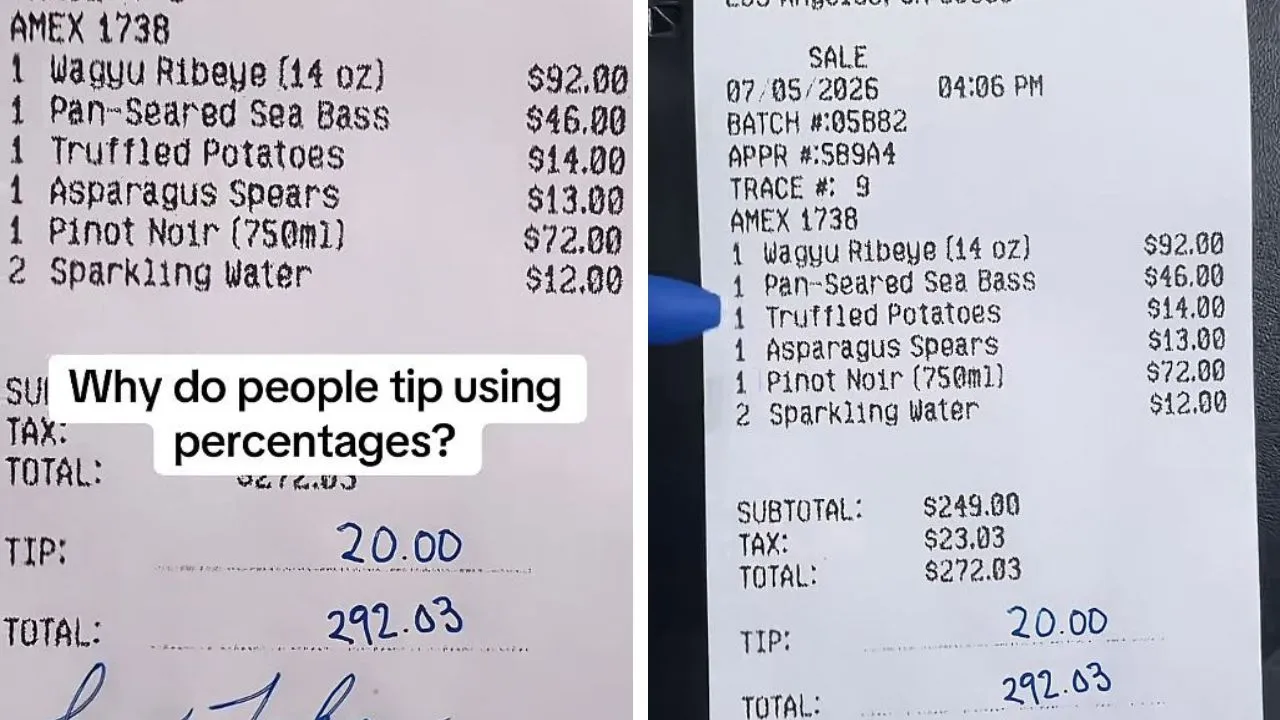
    A viral TikTok posted by user @captain.t.roll has reignited a heated conversation about American tipping customs after the creator shared a receipt from Ember & Vine, a restaurant in Los Angeles. The bill showed a subtotal of $249 for a meal that included a wagyu ribeye, pan-seared sea bass, truffled potatoes, asparagus spears, and a bottle of Pinot Noir. After tax, the total reached $272.03, and the diner added a handwritten tip of $20, bringing the final amount to $292.03. As of publication, the video had amassed more than 43,600 likes, 8,000 comments, and 6,700 shares, according to The Daily Dot.

    Creator Argues Service Effort Does Not Scale With Menu Prices

    In the video, @captain.t.roll challenged the prevailing expectation that tips should be calculated as a fixed percentage of the total bill. He argued that diners have been “brainwashed by the restaurant industry” into treating 20 percent as a mandatory standard rather than a voluntary gesture. The creator explained that he calculates tips based on the subtotal, not the post-tax total, and that his $20 tip represented less than 10 percent of the $249 subtotal. He maintained that this logic applies universally, whether dining at a fast-casual establishment or a higher-end venue like Ember & Vine, because the physical service—carrying food from the kitchen to the table—remains the same regardless of the restaurant’s pricing tier.

    The TikToker further contended that a higher-priced dish does not require additional labor from the server. “Any added value tied to a more expensive dish belongs to the kitchen staff who prepared it, not the person delivering it,” he stated, adding that his $20 tip equated to $20 an hour if his table was the only one served during that period. He pushed back against the notion that tipping norms are immutable, asserting that diners are free to set their own standard for what constitutes appropriate compensation for table service.

    Comment Section Erupts With Competing Calculations and Perspectives

    The comment section quickly became a forum for competing arithmetic and ideological positions. One commenter calculated that a 20 percent tip on the $292 total would amount to $58, remarking that the server “just made $50 an hour to carry out food to you.” Another user agreed with the creator’s premise, arguing that a $75 bottle of wine requires the same effort to serve as a $20 bottle, and therefore the tip should remain consistent rather than fluctuate with the menu price.

    A commenter identifying as a cook introduced a different dimension to the debate, criticizing the focus on server compensation while kitchen staff labor under more difficult conditions. The commenter wrote that servers expecting large tips ignore kitchen workers who are “sweating hot standing getting yelled at having to cook” while servers wait on tables and use their phones between orders. The Daily Dot noted it was unable to independently verify the identity of the customer in the video, the server involved, or the accuracy of the receipt shown, and emphasized that the details reflect the creator’s account and commenters’ opinions as shared on TikTok.

    Why This Matters

    The viral spread of this receipt underscores a growing cultural friction point in the United States: the expanding expectation of tipping across more service categories and at higher percentage thresholds, often termed “tipflation.” As menu prices rise with inflation, percentage-based tipping automatically increases server earnings without a corresponding increase in service labor, fueling arguments that the model is outdated. Simultaneously, the disparity between front-of-house and back-of-house compensation remains a structural issue in the restaurant industry, with kitchen staff often earning significantly less than servers who receive tips. The debate touches on broader questions about wage fairness, the responsibility of employers versus customers to compensate workers, and whether social pressure has transformed a voluntary gratuity into a de facto mandatory surcharge.

    Frequently Asked Questions

    What was the total bill and tip amount shown in the viral TikTok?

    The receipt from Ember & Vine in Los Angeles showed a subtotal of $249, a total of $272.03 after tax, and a handwritten tip of $20, bringing the final total to $292.03.

    What is the creator’s argument against percentage-based tipping?

    @captain.t.roll argues that tipping should be a flat dollar amount reflecting the labor of service, which does not change based on menu prices. He calculates tips on the subtotal, not the post-tax total, and believes diners have been “brainwashed by the restaurant industry” into treating 20% as mandatory.

    Has the receipt or the identities involved been verified?

    The Daily Dot reported it was unable to independently verify the identity of the customer in the video, the identity of the server, or the accuracy of the receipt shown. The details reflect the creator’s account and commenters’ opinions as shared on TikTok.

  • Woman Says Date Blocked Her After She Declined Invite In, Despite Telling Him She Wanted Long-Term

    Woman Says Date Blocked Her After She Declined Invite In, Despite Telling Him She Wanted Long-Term

    Key Highlights

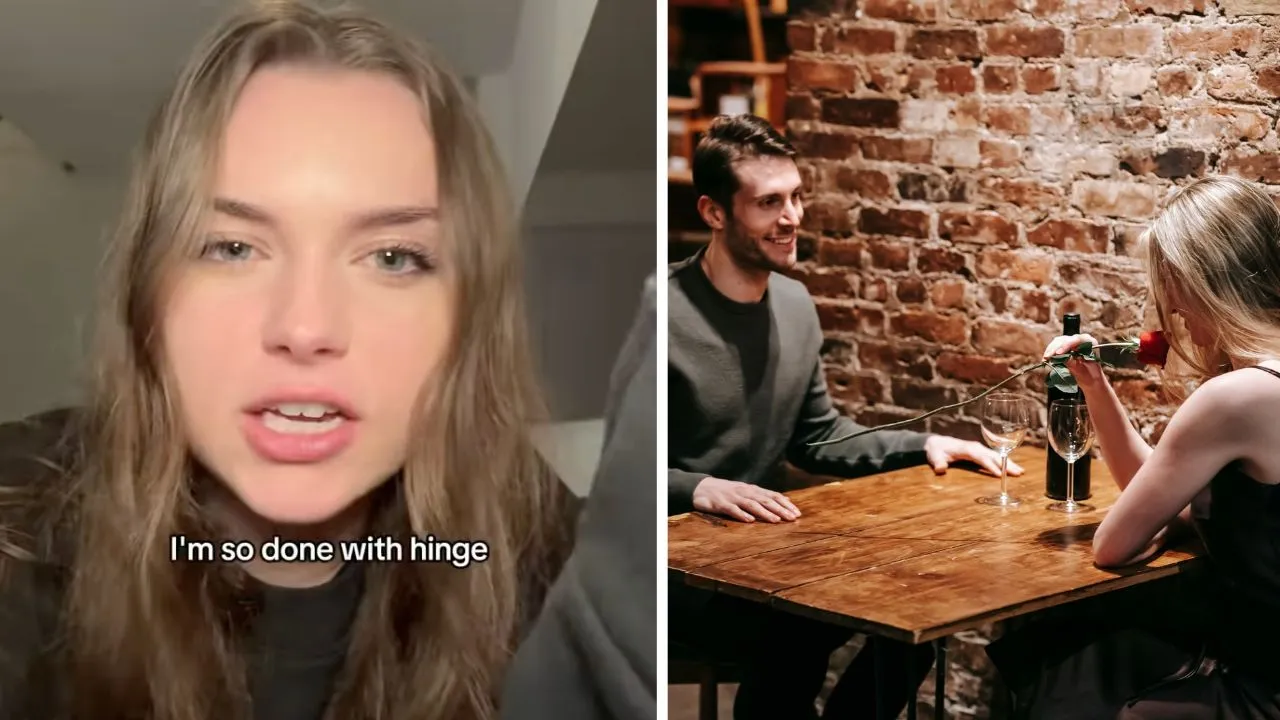
    • Instagram user @sophiasinlovee’s viral video detailing a Hinge date where she declined a first-night invitation and was subsequently blocked and unmatched has garnered over 480,000 views.
    • Despite clearly stating she sought a long-term relationship, the woman claims her date asked to come inside after walking her home, then cut contact the next morning.
    • The incident has sparked widespread discussion about communication gaps and differing definitions of “long-term” on dating apps, with many users sharing similar experiences.

    Viral Video Exposes Disconnect Between Stated Intentions and Actions on Hinge

    An Instagram user known as @sophiasinlovee has ignited a significant conversation about modern dating dynamics after posting a video recounting a frustrating experience on the dating app Hinge. The video, which had accumulated 480,000 views, 9,397 likes, and 498 comments at the time of reporting, details a first date where the user says she explicitly communicated her desire for a serious partnership, only to face what she describes as a contradictory and abrupt ending.

    Date Dynamics: Stated Goals vs. Late-Night Expectations

    According to the account shared in the video, the date began positively. The woman described the evening as going “pretty well.” Approximately halfway through the meeting, the topic of relationship intentions arose. She stated that she felt the question was natural and responded clearly.

    “I like to date intentionally, and my profile clearly states that,” she said in the video.

    She noted a discrepancy in their profiles: while her profile indicated she was seeking a long-term relationship, his profile stated he was looking for something short-term but was open to long-term. Despite this clarification and her explicit verbal confirmation, the man remained for another hour and subsequently walked her to her apartment.

    Abrupt Escalation and Immediate Cutoff

    The situation escalated rapidly after they arrived at her residence. The woman recounted that she thanked the man for dinner and said good night. His response, she claims, revealed a starkly different expectation for the evening’s conclusion.

    “Are you not gonna invite me in?”

    She resisted the invitation, stating she does not invite dates inside on a first meeting. The following morning, the narrative took a sharper turn. The user reported that the man had blocked her on Instagram and unmatched her on Hinge.

    “I was pretty clear that I wasn’t looking for a hookup, so why did you think that’s what you were getting?” she asked viewers.

    Concluding her video, the user declared she is “done with Hinge” and intends to pivot exclusively to matchmaker services, specifically naming Blind Tuesdate as an alternative.

    Comment Section Reflects Wider App Fatigue and Ambiguity

    The comment section of the viral post quickly became a forum for shared grievances and cynicism regarding dating app mechanics. One commenter offered a structural critique of the platform’s business model:

    “what do you expect, you’re on a dating app..You think they make money out of successfully pairing people up and losing users?”

    Another user contributed a personal anecdote that underscores the ambiguity of the term “long-term” on these platforms:

    “Bruh… I met this guy on Hinge who said he was looking for a long-term relationship. We started talking, and then, in a random conversation, he mentioned that he’d eventually marry whoever his parents chose for him and just wanted someone to date until then, which would probably be another year or year and a half. Apparently, that’s what he meant by “long term” coz as per his logic anything beyond an [sic] year is long term. I was so done, I uninstalled Hinge.”

    Why This Matters: Trust and Terminology in Digital Dating

    This incident highlights a persistent friction point in app-based dating: the reliability of self-reported intentions. While platforms like Hinge prompt users to select relationship goals—ranging from “short-term” to “long-term” or “life partner”—there is no verification mechanism ensuring alignment between a user’s selection and their actual behavior. The viral nature of @sophiasinlovee’s video suggests a broad resonance with the experience of “intentions mismatch,” where users feel misled by profiles that signal openness to commitment while behavior suggests a pursuit of casual encounters.

    The discussion in the comments further reveals a crisis of definition. The term “long-term” appears to be subject to wildly subjective interpretations, ranging from marriage-minded partnership to a placeholder arrangement lasting a year. This semantic ambiguity erodes trust, a critical currency for retention on dating platforms. As users like the video creator migrate toward curated matchmaking services like Blind Tuesdate—which often involve human vetting and clearer accountability—the pressure mounts on algorithmic apps to address the gap between profile signaling and user reality. The Daily Dot noted it was unable to independently verify the events described in the video, and the identity of the man involved has not been confirmed, a standard caveat for single-source social media reports.

    Frequently Asked Questions

    What happened on the Hinge date described in the viral video?

    Instagram user @sophiasinlovee stated she went on a date with a man from Hinge. Despite her profile and verbal confirmation that she sought a long-term relationship, she claims the man asked to come inside her apartment after walking her home. When she declined, citing a personal rule against first-date invitations, he blocked her on Instagram and unmatched her on Hinge the next morning.

    Has the story been independently verified?

    No. The Daily Dot explicitly stated it was unable to independently verify the events described in the video. The details reflect solely the account shared by @sophiasinlovee, and the identity of the man described has not been confirmed.

    Why are users frustrated with dating apps like Hinge based on this incident?

    The video and subsequent comments highlight two major pain points: a perceived mismatch between stated profile intentions (e.g., selecting “long-term” while seeking casual encounters) and the ambiguity of terms like “long-term” itself. Commenters also criticized the apps’ business models, suggesting platforms profit from prolonged user engagement rather than successful matches that remove users from the pool.

  • McDonald’s Spends Billions to Solve Traffic Slump; Viral X Post Blames Removed Playgrounds

    McDonald’s Spends Billions to Solve Traffic Slump; Viral X Post Blames Removed Playgrounds

    Key Highlights

    • McDonald’s announced an $8.5 billion investment through 2036 to revamp its business model and understand why customers have “stopped coming.”
    • A viral X post by Selene Mariposa argues the answer is simple: McDonald’s removed playgrounds that gave parents a break while children played.
    • Commenters contrast McDonald’s current “sterile” automated experience with Chick-fil-A’s table service, noting the former’s locations now resemble “hospital waiting rooms” or “prisons.”

    McDonald’s $8.5 Billion Pivot Sparks Debate Over What Families Actually Want

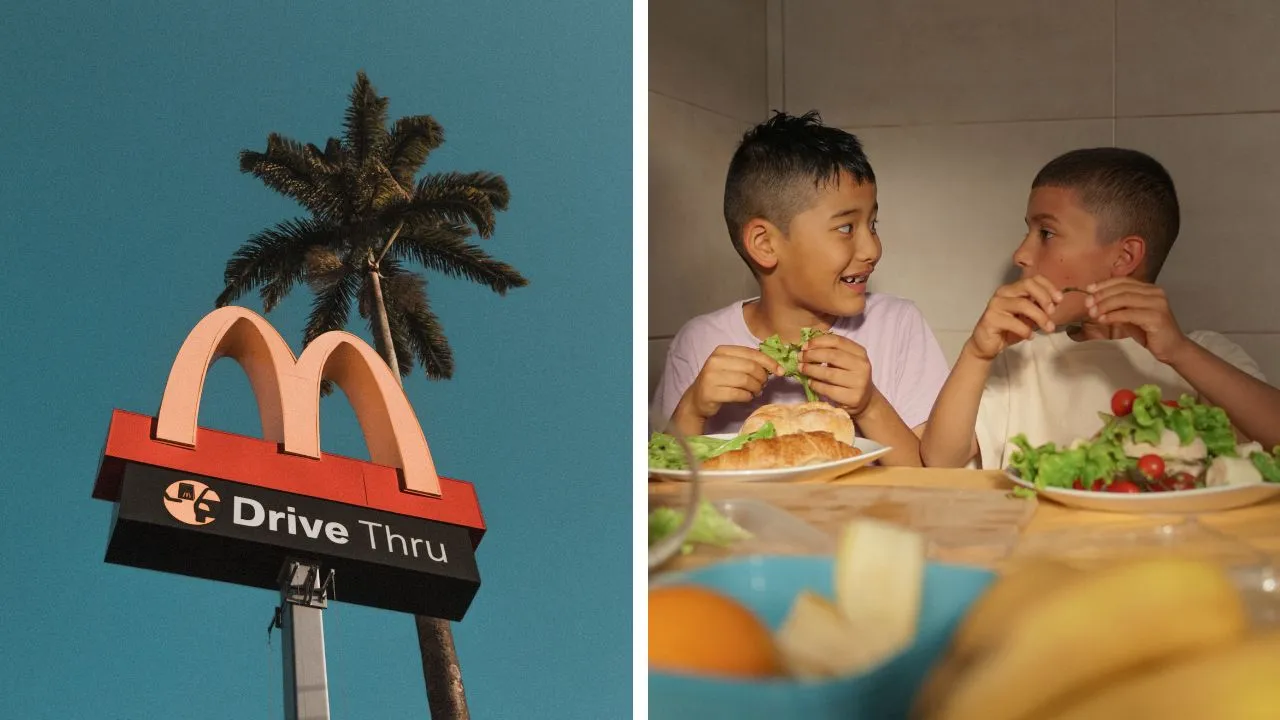
    McDonald’s unveiled a sweeping $8.5 billion investment plan through 2036 during its investor day on Wednesday, aimed at updating its business model and diagnosing why consumers have “stopped coming.” The strategy encompasses better food, faster service, new equipment, AI tools, and hospitality training. Yet a viral theory circulating on X suggests the fast-food giant may be overcomplicating a problem with a far simpler root cause: the disappearance of its iconic playgrounds.

    Viral X Post Argues Playgrounds Were the Real Product

    User Selene Mariposa (@Selene_Mariposa) posted a thread on September 24, 2026, that garnered more than 15,000 likes, arguing the “Next” initiative was unnecessary because the reason for declining visits was already obvious. The post contended that McDonald’s was never primarily a destination for food quality; rather, it was a sanctuary for parents. As the post explained:

    “You went because your kids could run screaming through a plastic tube for 40 minutes while you sat with a coffee and experienced silence.”

    According to Mariposa, the playground and children’s toys were the main attraction, giving parents time to decompress without cooking at home. The post further noted that while McDonald’s has slowly phased out playgrounds and child-focused equipment, Chick-fil-A appears to have stepped up, earning significantly more per restaurant by having staff hand food directly to customers instead of relying on automated touchscreens that “still making you do the work instead of getting to relax.”

    Commenters Describe ‘Sterile’ Atmosphere and Praise Human Service

    The thread drew hundreds of responses echoing the sentiment. One commenter summarized the dynamic succinctly:

    “The playground was the product; the burger was just the cover charge.”

    Others described current McDonald’s locations as looking like “hospital waiting rooms” or “prisons.” User TrueVibe (@truevibe75) amplified the critique:

    “Nailed it! Todays McDonalds look like hospital waiting rooms or… prisons. Where are the colorful characters? Where’s the color at all? Where’s the joy? McDonalds couldn’t be more sterile and cold if it tried! No kid I know wants to go there but they do like Chick-Fil-A!”

    Another commenter cited the touchscreen ordering system as a dealbreaker: “I won’t go back even if they get rid of [the touch screens] even if I am desperately hungry.” Several users argued the billions earmarked for AI and automation would be better spent training and paying servers who “would take care of the community,” suggesting sales would naturally rebound.

    Comparisons to Competitors and Past Value Proposition

    Mariposa’s post also highlighted a price comparison: at one point, only a $1 difference separated Chili’s and McDonald’s, but McDonald’s included a free toy, crayons, coloring activities, chips, salsa, drinks, French fries, refills, and table service. “What would I do for dinner with two kids and my husband?” she asked rhetorically, emphasizing the value of human interaction.

    Additional commenters pointed to similar missteps at chains like Cracker Barrel, while others cited a growing consumer preference for “natural foods” over “chemical soup.” A grandfather recounted taking grandchildren to a local McDonald’s for its play area, which closed after 2020 due to hygiene and health concerns — and never reopened even as conditions improved.

    Why This Matters

    The discourse underscores a fundamental tension in quick-service restaurant strategy: the push toward digital efficiency and labor reduction versus the experiential elements that historically drove family traffic. McDonald’s “Next” initiative leans heavily on technology — AI-driven operations, automated ordering, and streamlined kitchen equipment — to boost speed and margins. However, the viral reaction suggests a significant segment of the customer base views those very changes as eroding the brand’s core appeal to families. Chick-fil-A’s higher per-unit volumes, achieved with a service model emphasizing human interaction and table delivery, present a counter-case study. As McDonald’s deploys its $8.5 billion capital plan, the market will watch whether the investment revives family occasions or accelerates the shift toward a narrower, speed-focused customer base.

    Frequently Asked Questions

    How much is McDonald’s investing and over what timeframe?

    McDonald’s announced an $8.5 billion investment through 2036 to update its business model, including better food, faster service, new equipment, AI tools, and hospitality training.

    What is the viral theory about why families stopped visiting McDonald’s?

    An X post by Selene Mariposa argues the primary reason is the removal of indoor playgrounds, which previously gave parents a break while children played — calling the playground “the product” and the burger “just the cover charge.”

    How are customers describing current McDonald’s locations?

    Commenters on the viral thread described locations as resembling “hospital waiting rooms” or “prisons,” criticizing the sterile aesthetic, lack of color, and reliance on self-service touchscreens over human interaction.

  • Sizzler, Panera, MOD Pizza Top Predictions for Restaurant Chains Gone by 2030

    Sizzler, Panera, MOD Pizza Top Predictions for Restaurant Chains Gone by 2030

    Key Highlights

    • A viral Reddit thread on r/AskReddit with over 2,000 upvotes and 3,400 comments debates which restaurant chains will vanish by 2030, naming Sizzler, Panera, and MOD Pizza as top candidates.
    • Commenters cite dramatic location declines—such as Sizzler dropping from roughly 500 to 71 outlets and Shakey’s Pizza falling from over 400 to about 45—as evidence of ongoing contraction.
    • Users blend personal nostalgia with business critiques, arguing that shrinking portions, quality drops, and management issues accelerate decline, while others contend national chains simply retreat to profitable regions rather than disappear entirely.

    Reddit Users Forecast Restaurant Chain Extinctions by 2030

    A sprawling discussion on Reddit’s r/AskReddit community has become a barometer for consumer sentiment toward the casual-dining and fast-casual sectors. The prompt—asking which restaurant chain might disappear completely by the end of the decade—drew more than 2,000 upvotes and 3,400 comments as of publication, surfacing a mix of data-driven observations and emotional attachments to brands that defined generations of family meals and late-night study sessions.

    Nostalgia Meets Balance-Sheet Reality

    Several participants framed the potential losses in deeply personal terms. One commenter recalled childhood memories tied to Chili’s, Applebee’s, and Ruby Tuesday, noting they celebrated their 21st birthday at Applebee’s. They also described using Panera as a workspace while building a web development business: “I used to sit in front of the fireplace on cold days for a couple hours and get stuff done,” they wrote, adding that Pizza Hut carried childhood memories tied to their parents. The same user summarized the emotional weight: “It’s like losing a bit of your childhood every time one disappears.”

    Steep Location Declines Cited as Evidence

    Other commenters pointed to hard numbers. One noted that Sizzler dropped from roughly 500 locations to 71, while Shakey’s Pizza fell from more than 400 locations to about 45. The same commenter named Quiznos, Hooters, and Boston Market as chains they considered functionally dead already, and added Winchell’s Donut House to their list as a chain they expect to disappear next. A separate thread targeted Panera, with a user criticizing what they described as a recent reduction in sandwich meat portions: “my last three orders contained less than 2 ounces of meat for over $10 per sub, compared to a local deli charging less for 4 to 5 ounces.”

    MOD Pizza Singled Out for Imminent Risk

    Among the most specific predictions, one Redditor declared: “I would be absolutely shocked if MOD Pizza sees the next decade roll in. They’ve had to close so many stores, nearly went bankrupt, product has severely decreased in quality, the amount of price raises are insane, and burnt out or sketchy managers are running stores into the ground.” The comment encapsulates a broader narrative in the thread: that operational missteps—store closures, quality erosion, aggressive pricing, and labor issues—compound to create existential threats even for once-hot concepts.

    Counterargument: National Chains Retreat, Rarely Vanish

    Not all participants agreed on total extinction. One commenter pushed back on common picks, observing that chains like Friendly’s and Fuddruckers had left their region but remained active elsewhere. After reviewing a list of defunct fast-food chains, they recognized none of the names and concluded: “I think once a fast-food chain is national, it just retreats to its profitable bunkers but it never dies.” The Daily Dot was unable to independently verify every commenter’s personal experience with specific restaurant locations, including portion sizes and food quality complaints; the details above reflect predictions and accounts shared by individual users on r/AskReddit.

    Why This Matters

    The thread illustrates how consumer perception often runs ahead of formal financial disclosures. Chains such as Sizzler and Shakey’s Pizza have indeed undergone dramatic footprint reductions, yet neither has filed for Chapter 7 liquidation. Meanwhile, MOD Pizza’s well-publicized restructuring—including a 2023 bankruptcy filing and subsequent sale to a private-equity consortium—validates the Reddit user’s claim of near-bankruptcy. For investors, franchisees, and commercial landlords, these crowd-sourced sentiment signals can serve as early indicators of brands entering terminal decline versus those merely retrenching to core markets. The discussion also highlights the growing importance of value perception: complaints about portion sizes at Panera reflect a broader industry tension between margin preservation and guest satisfaction in an inflationary environment.

    Frequently Asked Questions

    Which chains did Reddit users mention most often as likely to disappear by 2030?
    Sizzler, Panera, and MOD Pizza received the most votes and detailed commentary, followed by Shakey’s Pizza, Quiznos, Hooters, Boston Market, and Winchell’s Donut House.
    Are the location-count declines for Sizzler and Shakey’s Pizza verified?
    The figures—roughly 500 to 71 for Sizzler and over 400 to about 45 for Shakey’s—come from a Reddit comment; The Daily Dot noted it could not independently verify every commenter’s data points.
    Has MOD Pizza actually filed for bankruptcy?
    Yes. MOD Pizza filed for Chapter 11 bankruptcy in 2023 and was subsequently acquired by a private-equity group, aligning with the Reddit user’s claim that the chain “nearly went bankrupt.”