Author: Maya Brooks

  • Man Warns: Never Share “Your Personal Business” With Coworkers

    Man Warns: Never Share “Your Personal Business” With Coworkers

    Key Highlights:

    • TikTok creator Elian (@dailydoseofelian) went viral advising workers to “lie like your life depends on it” to coworkers, arguing colleagues are not family and personal privacy must be protected.
    • The video amassed over 218,800 views and 3,600 comments, sparking debate about workplace boundaries, with many users sharing elaborate personal fabrications they maintain at work.
    • Commenters also highlighted alternative strategies—strict information minimalism—and warned that lies can become unsustainable when real-life circumstances change.

    TikTok Creator Sparks Debate on Workplace Transparency

    TikTok personality Elian, known by the handle @dailydoseofelian, ignited a widespread conversation about professional boundaries after posting a video that bluntly advised viewers to deceive their colleagues whenever possible. In the clip, which has garnered 218,800 views and 3,622 comments, Elian argued that coworkers do not merit the same level of honesty reserved for family, urging his audience to guard their private lives aggressively. “Lie like your life depends on it,” he wrote in the caption, adding that “coworkers are not family, so people do not necessarily need to be completely honest with them.” The post, tagged with #corporatelife, #workplace, #officehumor, and #9to5life, quickly became a lightning rod for contrasting philosophies on office disclosure.

    Commenters Embrace Fabrication as a Privacy Shield

    The response in the comment section revealed a spectrum of tactics, with many users endorsing active deception as a form of self-protection. One commenter summarized the prevailing sentiment: “A polite reminder your colleagues ain’t your friends.” Others treated the practice as a creative exercise, inventing entirely separate backstories for different audiences. “In fact different stories to everyone, tell one you’re married, tell one you are gay and tell your boss you are single,” one user joked. Another confessed, “I’m thinking of putting a ring on and telling them that I’m engaged just because I love lying for no reason sometimes,” while a third admitted, “Am a liar, especially when asked questions that don’t concern them.” Perhaps the most elaborate example came from a user who wrote, “My favorite hobbies. At my previous job I was a widow with 2 kids. Mind you that man is very much alive heish.” These anecdotes illustrate a community that views strategic misinformation as both a defensive necessity and, for some, an amusing pastime.

    Others Caution Against the Complexity of Lies

    Not all participants advocated for falsehoods. Several commenters described being “in too deep” after oversharing early in their employment. “Teach me your ways, they even know my birthmark,” one TikTok user lamented, while another confessed, “Started a new job last week they already know my whole history.” A different faction promoted radical minimalism instead of invention. “I just do my job and go home. My colleagues know NOTHING about me. Last Friday, they were shocked to hear from someone that my birthday is the next day. I even sit alone during lunch. It works for me,” one person wrote. Another agreed: “The moment I realized that the only thing my colleagues should know about me is my name and my appearance, it serves me better.” Skeptics also warned that lies carry maintenance costs: “I was single and hated men but now in real life I’m pregnant, they’re shocked,” shared one commenter, highlighting how real-life developments can expose or complicate fabricated narratives.

    Why This Matters

    The viral discussion underscores a growing tension in modern work culture between performative collegiality and genuine privacy. As open-plan offices, Slack channels, and team-building rituals blur professional and personal lines, employees are increasingly questioning how much of themselves they must surrender to belong. The debate also reflects generational shifts: younger workers, shaped by gig economies and remote onboarding, often view loyalty to an employer as transactional rather than familial. Meanwhile, HR experts caution that while discretion is prudent, deliberate deception—especially on matters that could affect benefits, leave policies, or workplace safety—may carry legal or ethical risks. The conversation Elian sparked is likely to persist as organizations navigate hybrid norms and employees recalibrate the boundaries of trust.

    Frequently Asked Questions

    Who is Elian and what platform does he use?
    Elian is a TikTok content creator who posts under the username @dailydoseofelian. His videos cover a wide range of topics, and the clip discussed here focuses on workplace privacy.
    What was the exact advice Elian gave in his viral video?
    Elian advised viewers to “lie like your life depends on it” when interacting with coworkers, stating in the caption that “coworkers are not family, so people do not necessarily need to be completely honest with them.”
    Did The Daily Dot verify the personal stories shared in the comments?
    No. The Daily Dot explicitly stated it “was unable to independently verify the personal experiences shared in the comments, which are based on individual users’ accounts of their workplaces and relationships with coworkers.”
  • Woman Shares What Happened After She Gave Her Boyfriend Another Chance: ‘I Should Have Listened to Her’

    Woman Shares What Happened After She Gave Her Boyfriend Another Chance: ‘I Should Have Listened to Her’

    Key Highlights

    • TikTok creator Alexia (@lexiiia) detailed three separate instances of infidelity by her live-in boyfriend, culminating in her evicting him from her apartment.
    • The video, tagged #storytime and #fyp, amassed over 140,900 likes and 750 comments, sparking debate about toxic relationship cycles and the difficulty of leaving.
    • The Daily Dot notes it was unable to independently verify the events, which rely solely on Alexia’s first-person account shared on social media.

    A Viral Storytime Details a Pattern of Betrayal

    TikTok user Alexia, who posts under the handle @lexiiia, published a lengthy storytime video recounting the repeated infidelity she says she uncovered after moving in with her boyfriend. The couple had previously sustained a long-distance relationship for years—four of their five years together, according to one commenter—before deciding to cohabitate. Alexia’s caption read: “LONGGG STORYTIME #storytime #fyp” accompanied by the platform’s “original sound – alexia” audio tag.

    According to Alexia’s narration, the first breach of trust occurred when she returned home to find her boyfriend messaging another woman on Instagram. That woman allegedly reached out to Alexia directly, warning that her boyfriend was in love with her and would cheat again. Alexia said she “chose not to believe the woman and gave her boyfriend another chance.”

    Location Data Exposes a Second Affair

    The situation escalated when Alexia worked an overnight shift. She recalled her boyfriend being “sweet to her as she left the house,” but upon arriving at work, she noticed his shared location placed him in a city where she did not expect him to be—notable because he was from Florida and had only been in the state for a limited time. Alexia said he initially insisted he had been home the entire time, but eventually admitted he was on a date with someone he had met at work, a woman who allegedly did not know Alexia existed.

    After Alexia confronted the other woman, she said her boyfriend called her “crazy in the head.” Despite the admission and the insult, Alexia described struggling to leave, saying “he continued trying to convince her that their relationship could work.” The cycle concluded, she said, when she caught him cheating a third time and “kicked him out of her apartment.”

    TikTok Community Splits Over Decision to Stay

    The comment section became a forum for conflicting perspectives on Alexia’s choice to remain in the relationship through multiple betrayals. Critics were blunt: “Actually I couldn’t watch this bc wdym u stayed that many times,” wrote one user. Another highlighted the relationship’s foundation: “5 year relationship.. 4 of them long distance..”

    Other viewers offered empathy, framing the dynamic as a toxic cycle. “Girl, I can’t even blame you. It’s hard to leave a toxic cycle but I’m glad you finally broke free from that,” one commenter posted. Another added: “It’s hard to leave toxic relationships girl. I’m so glad you made it out.” The discourse underscores how social media audiences grapple with the complexities of emotional attachment, sunk cost, and the psychology of repeated forgiveness.

    Why This Matters

    The viral spread of Alexia’s story illustrates the growing role of TikTok as a confessional platform where personal trauma becomes public discourse. With over 140,000 engagements, the video taps into broader conversations about gaslighting, the sunk-cost fallacy in long-distance-to-cohabitation transitions, and the difficulty of exiting abusive patterns without external support. The Daily Dot’s disclaimer—that it “was unable to independently verify the events described in the video, which are based solely on @lexiiia’s account”—also highlights the editorial challenges of reporting on user-generated testimony without corroboration. For audiences, the case serves as a real-time case study in recognizing red flags and the communal validation that can follow public disclosure.

    Frequently Asked Questions

    How many times did Alexia say her boyfriend cheated?
    She described three distinct instances: the initial Instagram messaging, a date with a coworker during her overnight shift, and a final incident that prompted her to evict him.
    What was the reaction on TikTok?
    Reactions were polarized. Some users criticized her for staying after the first or second incident, while others expressed sympathy, emphasizing the psychological grip of toxic cycles and celebrating her eventual departure.
    Has the story been independently verified?
    No. The Daily Dot explicitly stated it “was unable to independently verify the events described in the video, which are based solely on @lexiiia’s account of her relationship and experiences shared on TikTok.”
  • Server Averages 24% Tips by Treating Customers a Certain Way: “It’s Literally Fine”

    Server Averages 24% Tips by Treating Customers a Certain Way: “It’s Literally Fine”

    Key Highlights

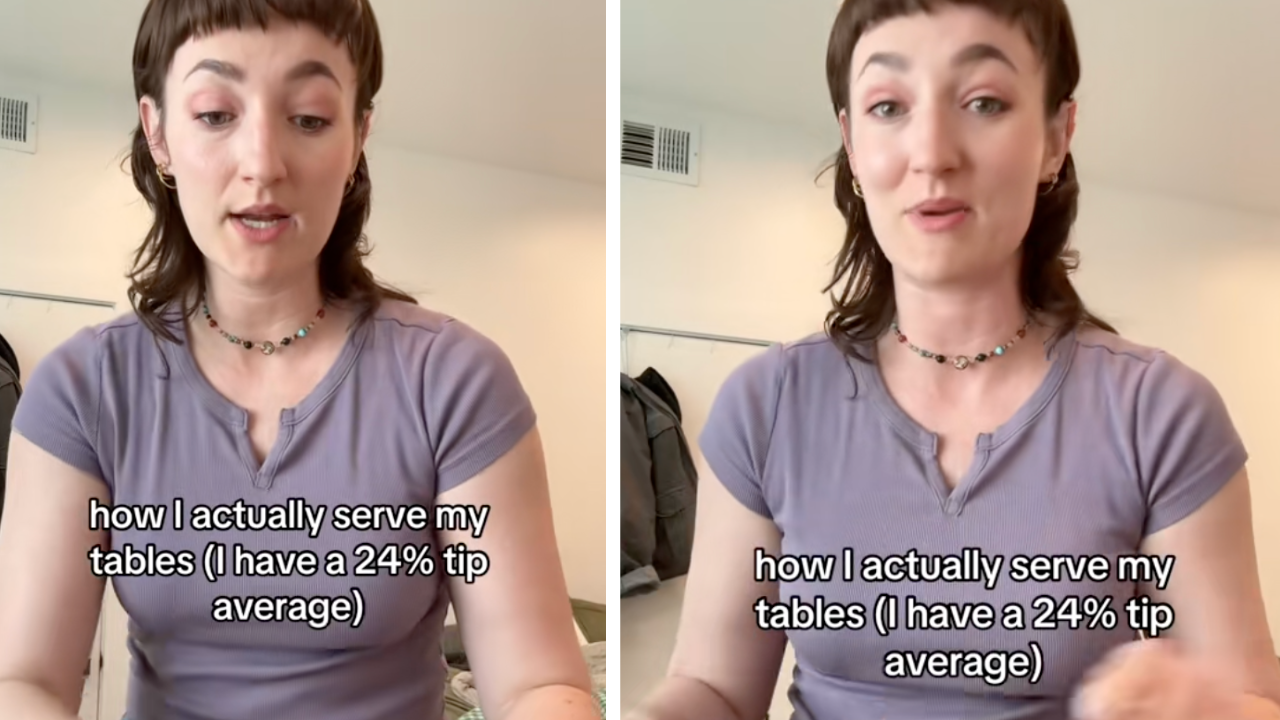
    • TikTok creator Sawyer (@soy.err) shared her customer service approach as a server in a video that garnered 5.8 million views, emphasizing attentiveness and making guests feel comfortable.
    • Sawyer claims to average a 24% tip rate by focusing on simple gestures like proactive refills and reassuring customers that requests such as splitting checks are “literally fine.”
    • The video sparked widespread discussion among service industry workers, with many commenters confirming that genuine hospitality and friendliness correlate with higher gratuities.

    TikTok Server’s Viral Breakdown of Her 24% Tip Strategy

    TikTok creator Sawyer, known by her handle @soy.err, has ignited a conversation about the economics of hospitality after posting a video detailing the specific service habits she believes drive her reported 24% average tip rate. The clip, which has accumulated 5.8 million views and over 1,200 comments as of publication, moves beyond generic advice to demonstrate exact phrasing and behavioral cues she uses during a shift. Rather than focusing on upselling or speed, Sawyer’s methodology centers on emotional intelligence—checking in on guests’ well-being, anticipating needs like beverage refills, and explicitly removing the guilt often associated with making special requests.

    The “Literally Fine” Philosophy: Removing Friction for Guests

    A central pillar of Sawyer’s approach is normalizing requests that servers often find cumbersome, most notably splitting the bill. In a skit reenacting a table interaction, she demonstrates her response to a group asking to divide the check. “You guys can split the bill. Honey, I’m at my job. Yeah, of course. It’s literally fine,” she says in the video. This scripted reassurance targets a common pain point: diners frequently apologize for splitting checks, anticipating annoyance from staff. By meeting that request with warmth and a dismissal of inconvenience, Sawyer signals that the guest’s comfort supersedes the server’s momentary administrative burden. She applies this same energy to routine tasks, playfully mimicking a proactive refill check: “Diet Coke refill? Yes,” Sawyer says in the video.

    Industry Professionals Validate the “Genuine Care” Model

    The comment section of the viral post effectively functioned as a peer-reviewed case study for Sawyer’s thesis. Numerous current and former servers weighed in to corroborate the link between authentic hospitality and income. “Being a waitress is actually really fun when you like making people have a good time and genuinely want people to have a good time,” one user wrote. Another commenter offered specific linguistic tools they deploy to cultivate a relaxed atmosphere: “My top line is ‘it’s your world and I’m just living in it’ and they go crazy. Also when I bring the check I say ‘and this is complimentary with every meal’ with a wink,” they wrote. A third contributor, identifying as a high earner in the field, stated bluntly: “As someone who regularly had a 20 to 30% tip rate this is literally it. People wanna feel special, like you really care… I was literally just kind and friendly.”

    Why This Matters: The Economics of Emotional Labor in Hospitality

    The discourse surrounding Sawyer’s video highlights a persistent tension in the restaurant industry between transactional service models and relational hospitality. While tipping culture in the United States remains a subject of legislative and ethical debate, front-line workers operate within its current reality daily. Sawyer’s content—and the community response it generated—serves as anecdotal evidence that emotional labor, often dismissed as “soft skills,” has a direct, measurable impact on a server’s take-home pay. It also underscores a shift in how service professionals are leveraging social media platforms like TikTok to codify and share tacit knowledge that was traditionally passed down only through on-the-job mentorship. For restaurant owners and managers, the viral engagement suggests that training programs emphasizing empathy, scripting for difficult requests, and server autonomy to “make it right” may yield better financial outcomes for staff—and by extension, better retention—than scripts focused solely on upselling appetizers.

    Frequently Asked Questions

    Has The Daily Dot verified Sawyer’s claimed 24% average tip rate?

    No. The Daily Dot explicitly stated they were unable to independently verify Sawyer’s reported 24% average tip rate. The figure is based solely on her personal account of her experience working as a server and the approach she describes in the video.

    What specific techniques does Sawyer recommend for increasing tips?

    Sawyer emphasizes three core behaviors: proactively checking on guests (e.g., offering refills before being asked), using language that reassures customers their requests are not a burden (specifically regarding splitting checks), and maintaining a demeanor that makes diners feel genuinely cared for and comfortable throughout the meal.

    Do other service workers agree with her assessment?

    Yes, the video’s comment section featured significant consensus from other industry professionals. Multiple commenters reported achieving similar 20–30% tip averages by employing comparable strategies focused on kindness, attentiveness, and making guests feel valued rather than processed.

  • Woman Shares Experience Dating Influencer After Traveling Across the Country to See Him: ‘Disrespectful From the Start’

    Woman Shares Experience Dating Influencer After Traveling Across the Country to See Him: ‘Disrespectful From the Start’

    Key Highlights

    • TikTok creator Kayla Kuncheff (@kaylakuncheff) detailed a four-day visit to an unnamed influencer that she described as uncomfortable and marked by a lack of basic consideration.
    • The influencer did not pick her up from the airport, packed food only for himself during a hike, and left her alone at a gym for approximately two hours.
    • The video amassed over 705,900 views, sparking widespread viewer criticism of the influencer’s behavior, though the individual remains unidentified and the account is unverified.

    TikTok Creator Details Uncomfortable Visit With Unnamed Influencer

    TikTok creator Kayla Kuncheff, known as @kaylakuncheff, has shared a multi-part storytime video recounting a four-day trip to visit an influencer she had been dating, describing a cascade of behaviors she found disrespectful and alienating. The initial video, filmed in a “Get Ready With Me” format, had garnered 705,900 views and 148 comments at the time of reporting. Kuncheff explained that she met the man in Las Vegas and initially believed he was “a good guy,” which led to the planning of a cross-country visit.

    Airport Arrival Sets the Tone

    According to Kuncheff, the first red flag appeared immediately upon landing. Uncertain of the transportation arrangements, she texted the influencer to ask if he was coming to get her or if she should call a rideshare. His response, she said, prioritized his workload over her arrival.

    “I end up landing and I text him and I’m like, ‘Hey what do you wanna do, should I call an Uber, are you coming to get me?’ And he says, ‘Can you call an Uber, I still have a lot of work I need to finish,’” she said.

    Kuncheff noted that she initially empathized with the demands of his job and did not think much of the interaction at the time. However, she said the dynamic shifted further once she arrived at his location, recalling that he was strangely particular about where she placed her luggage, which she described as “a little bit weird.”

    Hike and Gym Incidents Escalate Discomfort

    The situation deteriorated during a planned hike, Kuncheff reported. She said the pair spent hours on the trail without eating. When they finally stopped for food, she discovered the influencer had packed provisions exclusively for himself. He proceeded to eat without acknowledging that she had nothing, a moment she framed as a significant lack of hospitality.

    The pattern continued during a gym session, where Kuncheff said the influencer left her alone for roughly two hours. The combined incidents—transportation, food, and abandonment—painted a picture of what she characterized as a fundamental failure of communication and care.

    Why This Matters: Creator Economy and Parasocial Accountability

    The viral response to Kuncheff’s video underscores the growing scrutiny audiences apply to the off-camera conduct of digital creators. As the influencer economy matures, viewers increasingly treat personal anecdotes from smaller creators as a form of grassroots accountability, particularly when high-follower-count personalities are accused of behavior that contradicts their curated public personas. The fact that the influencer remains unnamed—yet commenters actively attempted to deduce his identity—highlights the tension between anonymous whistleblowing and the internet’s investigative impulse. For brands and platforms, stories like this reinforce the reputational risk associated with creator partnerships that lack thorough vetting beyond follower metrics.

    Frequently Asked Questions

    Who is the influencer Kayla Kuncheff dated?

    Kuncheff did not identify the influencer in her video, referring to him only as someone she met in Las Vegas. The Daily Dot was unable to independently verify the events described, and the influencer’s identity remains unconfirmed publicly.

    What specific behaviors did viewers criticize?

    Commenters focused on the influencer refusing to pick Kuncheff up from the airport due to work, packing food only for himself during a hike, and leaving her alone at the gym for two hours. One commenter wrote, “Disrespectful from the start,” while another stated, “You dodged a something.”

    Has the influencer responded to the allegations?

    There is no public response from the unnamed influencer mentioned in the source material. The Daily Dot noted it could not independently verify the events, which are based solely on Kuncheff’s account.

  • TikTok, Reels Memes Visualize Friend Group Separation

    TikTok, Reels Memes Visualize Friend Group Separation

    Key Highlights

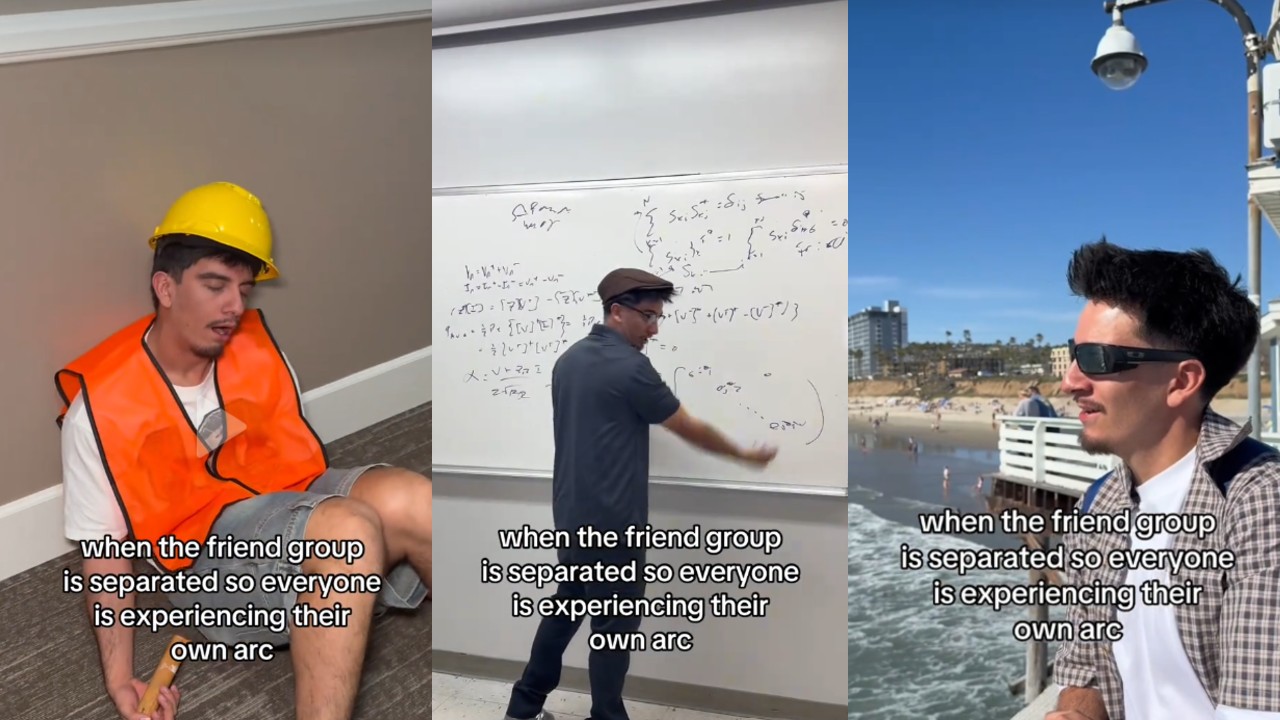
    • The “When the Friend Group Is Separated So Everyone Is Experiencing Their Own Arc” meme trend emerged in December 2024 and gained sustained traction across TikTok and Instagram Reels throughout 2026.
    • The format uses video clips of individuals pursuing solo activities, humorously framed as narrative “arcs” typically reserved for fictional character development.
    • The trend reflects a broader internet culture shift toward applying storytelling tropes to everyday social dynamics, particularly around friendship group evolution.

    Origin and Viral Spread of the Meme Format

    The meme captioned “When the Friend Group Is Separated So Everyone Is Experiencing Their Own Arc” first achieved viral momentum in December 2024. The format centers on a relatable social scenario: a friend group disperses, and each member embarks on a distinct, often mundane or absurdly specific personal journey. Creators on platforms like TikTok and Instagram Reels adopted the template to juxtapose the collective identity of a friend group against the sudden, individualized “plotlines” that unfold when they are apart.

    Structure and Recurring Themes in User Content

    Versions of the meme typically compile short video clips—skits, vlog snippets, or edited montages—showing people doing things independently. These actions range from picking up a niche hobby and changing a fashion style to navigating a specific personal crisis or simply eating a meal alone. The unifying narrative device is the caption, “When the friend group is separated so everyone is experiencing their own arc.” By borrowing the literary term “character arc,” the trend humorously elevates ordinary life events into structured narrative progressions, suggesting that physical separation from the group triggers a protagonist moment for each member.

    Platform Dynamics and Longevity Through 2026

    While the initial spike occurred in late 2024, the meme demonstrated unusual staying power, remaining a staple of short-form video culture throughout 2026. Its adaptability fueled longevity; the template works equally well for genuine “glow-up” documentation, ironic depictions of failure, or surreal humor. The algorithm-driven ecosystems of TikTok and Instagram Reels amplified the trend by serving variations to users based on engagement with similar “relatable humor” or “friend group dynamic” content categories. The format’s reliance on a fixed caption structure allowed for infinite permutation without losing the core joke.

    Why This Matters

    The persistence of this meme highlights how internet users increasingly process real-life social shifts through the lens of media literacy and storytelling frameworks. Applying the concept of a “character arc”—a staple of screenwriting and literature—to the dissolution of a friend hangout session reveals a generation fluent in narrative theory. It also underscores the role of short-form video in codifying shared emotional vocabulary; the caption functions as a shorthand for the bittersweet, sometimes chaotic transition from collective identity to individual agency. As friend groups naturally evolve due to relocation, life stages, or drifting apart, this meme provides a communal language to frame that experience not as loss, but as plot progression.

    Frequently Asked Questions

    When did the “Experiencing Their Own Arc” meme start?

    The trend first went viral in December 2024 and continued to be popularized across TikTok and Instagram Reels throughout 2026.

    What does “experiencing their own arc” mean in this context?

    It humorously applies the literary concept of a “character arc”—a transformation or inner journey—to the real-life activities of friends after they separate, turning mundane or random solo actions into defined narrative storylines.

    What platforms is this meme most associated with?

    The meme is primarily associated with TikTok and Instagram Reels, where the short-form video format suits the quick-cut compilation style of the trend.

  • Woman Breaks Down the Problem With Situationships: ‘Clarity Is a Form of Kindness’

    Woman Breaks Down the Problem With Situationships: ‘Clarity Is a Form of Kindness’

    Key Highlights

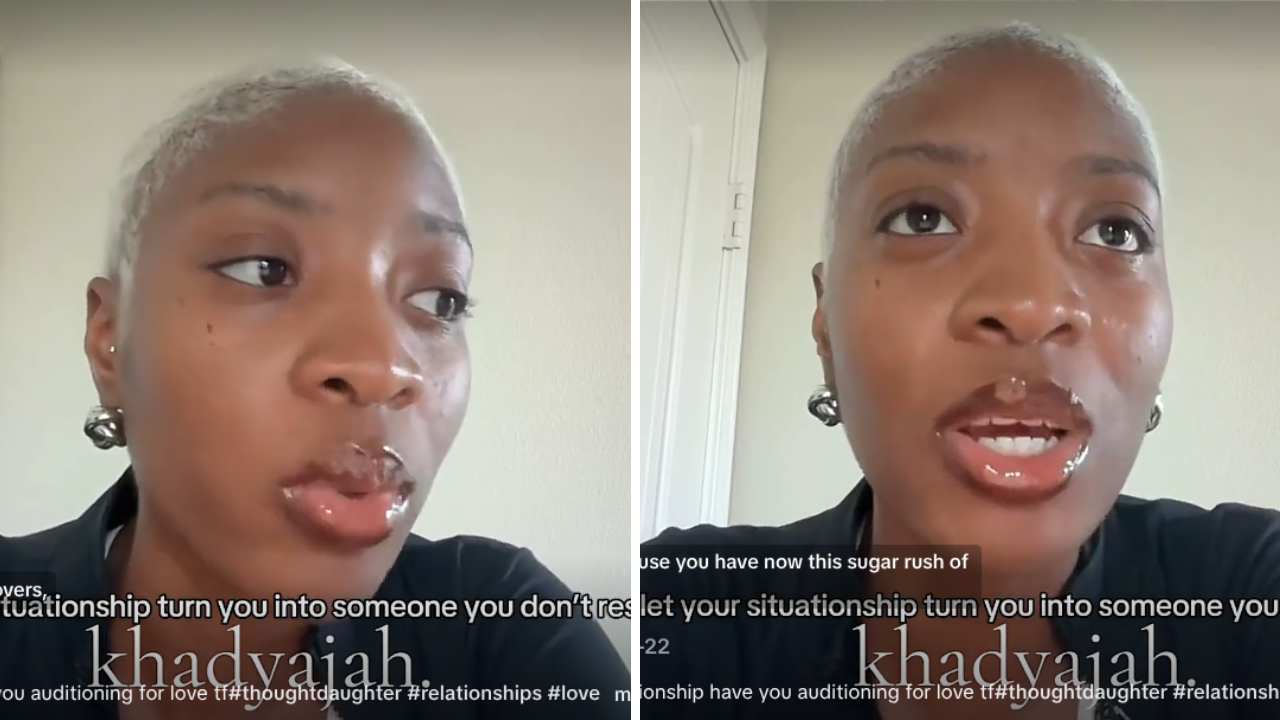
    • TikTok creator @khadyajah argues situationships are defined by ambiguity and mixed signals, while casual dating relies on transparency and clear communication about expectations.
    • Using a candy analogy, she describes situationships as initially satisfying but ultimately leaving people emotionally empty and craving genuine intimacy.
    • Her viral video, which has garnered over 294,000 views, resonated with viewers who shared similar experiences, with one commenter calling situationships “the BIGGEST disservice you can do to yourself.”

    TikTok Creator Draws Sharp Line Between Casual Dating and Situationships

    TikTok creator @khadyajah has sparked a significant conversation about modern romance with a viral video dissecting the distinction between casual dating and situationships. Published to her account, the video has accumulated more than 294,000 views and nearly 600 comments, striking a chord with viewers navigating undefined romantic dynamics. Her central thesis challenges the normalization of ambiguous connections, arguing that a lack of clarity fundamentally undermines kindness in dating.

    The Candy Analogy: Why Situationships Leave You Empty

    @khadyajah employs a vivid metaphor to illustrate her point, comparing situationships to store-bought candy. She contends that while these dynamics may “taste good at first,” they ultimately leave a person “feeling empty and wanting more.” She argues that individuals often cycle back into these arrangements attempting to recapture the initial dopamine rush or positive feelings, only to discover the experience fails to satisfy in the same way. Extending the analogy, she likens the emotional and spiritual turmoil of a situationship to the physical crash of eating too much sugar—recognizing it is harmful yet continuing to consume it in a futile search for fulfillment.

    Defining the Difference: Clarity vs. Ambiguity

    The creator draws a hard line between this ambiguity and what she defines as genuine casual dating. According to her framework, casual dating requires participants to first identify their needs and non-negotiables regarding romance and intimacy. She asserts that even when seeing multiple people, these connections should be grounded in “kindness, honesty and open communication.” Conversely, she characterizes situationships by “ambiguity, mixed signals and hot-and-cold behavior,” noting they often carry an unspoken, one-sided hope that the dynamic will eventually progress to serious commitment. True casual dating, she argues, carries no inherent expectation of exclusivity or marriage; instead, both parties are transparent about their desires and the relationship’s current standing.

    This emphasis on transparency culminates in the video’s most quoted sentiment: “Clarity is a form of kindness,” she said. “When things are not clear, they cannot be kind as well.” She posits that individuals seeking deep emotional intimacy will inevitably feel unfulfilled in a situationship that cannot provide it, urging viewers to set boundaries, reflect on their patterns, and walk away from dynamics that leave them wanting.

    Why This Matters

    The discourse initiated by @khadyajah reflects a growing cultural fatigue with “situationships”—a term that has solidified in the dating lexicon to describe romantic entanglements that lack definition, labels, or trajectory. As dating apps continue to gamify connection and expand the paradox of choice, many users report feeling stuck in liminal spaces that offer the comforts of partnership without the security of commitment. Mental health professionals and relationship experts increasingly warn that the chronic ambiguity inherent in these dynamics can trigger anxious attachment behaviors, erode self-esteem, and create a cycle of emotional dysregulation. The viral response to this video underscores a collective desire for vocabulary and frameworks that empower daters to demand reciprocity and definition, shifting the cultural needle from passive acceptance of ambiguity toward active advocacy for relational clarity.

    Frequently Asked Questions

    What is the core difference between a situationship and casual dating according to @khadyajah?
    The core difference lies in transparency. @khadyajah defines casual dating as an arrangement with clear expectations, open communication, and honesty about where things stand, even if non-exclusive. A situationship, by contrast, is characterized by ambiguity, mixed signals, and an unspoken expectation that it might become serious, often leaving one party emotionally unfulfilled.
    What does the phrase “Clarity is a form of kindness” mean in this context?
    The phrase means that being honest about your intentions, feelings, and the status of a relationship is an act of care. @khadyajah argues that withholding definition or sending mixed signals—hallmarks of a situationship—is inherently unkind because it denies the other person the agency to make informed decisions about their emotional investment.
    How did the audience react to the video?
    The reaction was largely supportive and resonant. The video amassed over 294,000 views and 578 comments. Top comments echoed her sentiment, with one user writing that a situationship is “the BIGGEST disservice you can do to yourself,” and another describing them as “a thrill with zero expectations” that requires a person to “lack the yearning to be fully loved.”
  • 2020 Karen Video About ‘Playing Games’ Becomes TikTok Meme Among Difficult Game Players

    2020 Karen Video About ‘Playing Games’ Becomes TikTok Meme Among Difficult Game Players

    Key Highlights

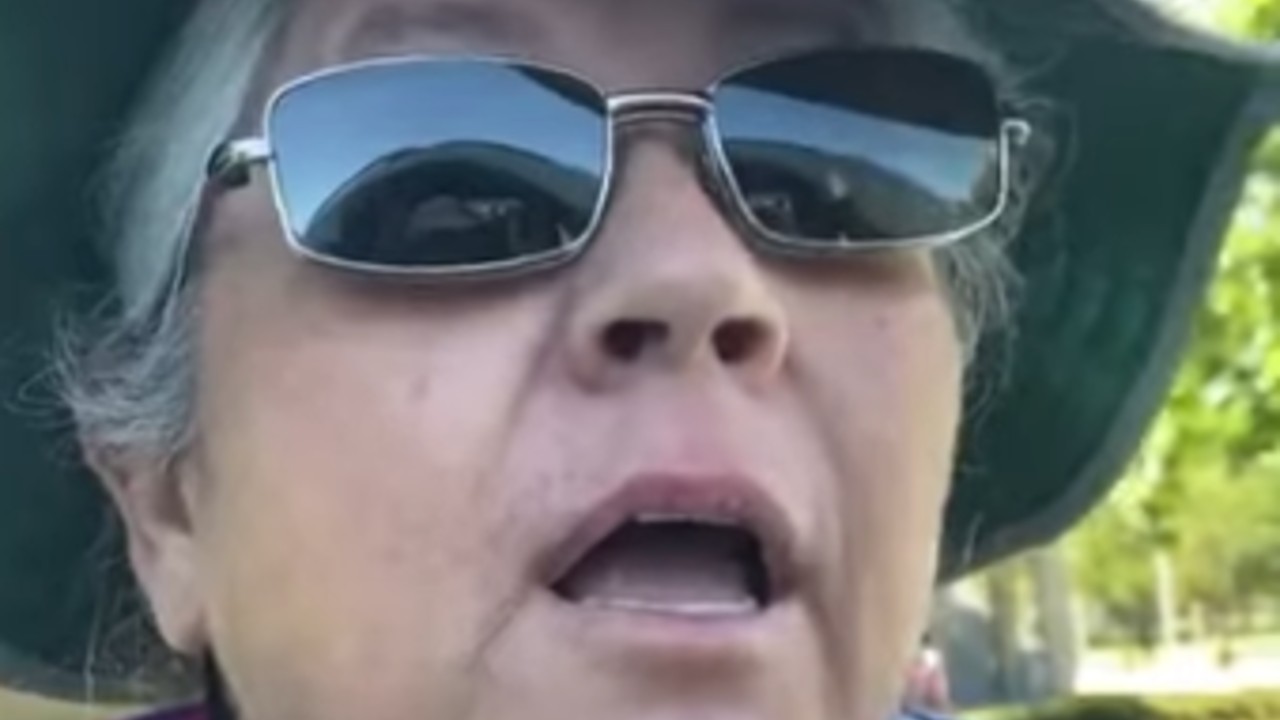
    • Lena Hernandez, a 56-year-old woman, was sentenced to 45 days in jail after a June 2020 viral video captured her directing racist remarks and violent threats toward an Asian man.
    • The confrontation produced the infamous line: “I play games where you get fucked to death,” which became the centerpiece of the “You Play Games, We Don’t Play Games” meme.
    • In September 2026, the clip resurfaced on TikTok as a popular meme format, frequently paired with gameplay footage or video game imagery.

    The 2020 Confrontation and Viral Video

    The phrase “You Play Games, We Don’t Play Games” originated from a June 2020 incident involving 56-year-old Lena Hernandez. Video footage showed Hernandez confronting an Asian man and delivering a barrage of racist remarks. During the exchange, the man asked what kind of game she was playing, to which Hernandez replied with a violent threat that would define the clip’s legacy: “I play games where you get fucked to death.” The video spread rapidly across social media platforms, drawing widespread condemnation for its overt racism and the explicit nature of the threat.

    Legal Consequences and Sentencing

    The public outcry translated into legal action. Hernandez faced charges stemming from the incident and ultimately received a 45-day jail sentence. The case was widely cited at the time as an example of accountability for racially motivated harassment captured on camera. The sentencing marked the apparent conclusion of a high-profile episode that had dominated online discourse for weeks during the summer of 2020.

    Resurgence as a TikTok Meme in 2026

    More than six years after the original incident, the audio clip experienced an unexpected second life on TikTok. In September 2026, the specific segment where Hernandez says, “You play games, we don’t play games,” became a trending sound on the platform. Creators detached the audio from its original, disturbing context, repurposing it as a humorous or dramatic backdrop. The meme format typically juxtaposes the intense delivery of the line with lighthearted content, most commonly gameplay videos or static images of recognizable video game icons and characters.

    Why This Matters

    The trajectory of the “You Play Games” clip illustrates the complex lifecycle of viral content in the digital age. A video documenting a serious hate crime and violent threat was transformed, years later, into a decontextualized internet joke. This phenomenon raises persistent questions about content moderation, the ethics of meme culture, and the platform algorithms that can resurface traumatic moments for entertainment. For the individuals involved in the original 2020 incident, the 2026 resurgence likely represented a renewed and unwelcome invasion of privacy, demonstrating how difficult it is to control one’s digital footprint once a moment enters the public domain.

    Frequently Asked Questions

    Who is Lena Hernandez?

    Lena Hernandez is the 56-year-old woman filmed in June 2020 directing racist remarks and violent threats at an Asian man. She was subsequently sentenced to 45 days in jail for the incident.

    What exactly did she say in the viral video?

    During the confrontation, the man asked what game she was playing. Hernandez responded: “I play games where you get fucked to death.” The earlier line, “You play games, we don’t play games,” became the namesake of the meme years later.

    Why did the clip become a meme on TikTok in 2026?

    In September 2026, the audio of Hernandez saying “You play games, we don’t play games” trended on TikTok. Users stripped the audio of its original context, overlaying it onto gameplay footage or images of video game characters for comedic or dramatic effect, a common pattern in remix culture where intense or absurd audio is repurposed for unrelated content.

  • Who Is ‘Barf Simmons’?

    Who Is ‘Barf Simmons’?

    Key Highlights

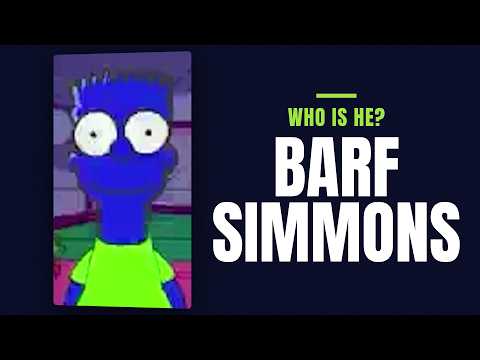
    • Barf Simmons is a meme series built around a distorted, blue-skinned, elongated version of Bart Simpson from The Simpsons.
    • The character is sometimes referred to as “Barf Symptons” across online communities.
    • The meme leans into a deliberately unsettling, “creepy” aesthetic that contrasts sharply with the original cartoon’s style.

    The Emergence of a Surreal Internet Icon

    In the constantly evolving landscape of internet humor, few phenomena illustrate the appetite for surreal reinterpretation as clearly as Barf Simmons. The meme series takes Bart Simpson—one of the most recognizable animated characters in television history—and warps him into a figure that is simultaneously familiar and deeply uncanny. By stretching his proportions to unnatural lengths and recoloring his skin a sickly blue, creators have transformed a mainstream pop-culture staple into an avatar of the “creepy aesthetic” that thrives on platforms devoted to bizarre, dreamlike, or deliberately off-putting humor.

    Visual Language and the “Creepy Aesthetic”

    The power of the Barf Simmons format lies in its visual dissonance. The original Bart Simpson is defined by sharp yellow geometry, a mischievous grin, and a voice that has echoed through three decades of broadcast television. Barf Simmons discards all of that: the elongated limbs and torso suggest a body pulled like taffy, while the blue palette evokes bruising, cold, or digital corruption. This deliberate ugliness is not accidental; it signals membership in a subculture that values the unsettling over the polished, the glitched over the pristine. The alternate spelling “Barf Symptons”—which appears interchangeably in community posts—adds a layer of phonetic corruption, reinforcing the sense that the character exists in a degraded, copy-of-a-copy space where canonical spelling no longer applies.

    Spread, Variation, and Community Adoption

    Because the source material is a single, easily reproducible image template, Barf Simmons has proven highly mutable. Editors drop the figure into unlikely backgrounds, pair him with nonsensical captions, or animate him in jerky, low-frame-rate loops that amplify the unease. The meme travels across imageboards, social-media timelines, and video-editing discords without a central author or release date, behaving more like folklore than a marketed product. Each iteration reinforces the core rule: the character must remain blue, elongated, and vaguely nauseating—hence the “Barf” prefix—while everything else is fair game for irony, absurdity, or outright horror.

    Why This Matters

    Barf Simmons exemplifies how internet communities remix corporate intellectual property into folk art that the original rights holders neither authorize nor control. The Simpsons has been a particularly fertile target for such remixing—consider earlier waves like “Simpsons Wave” vaporwave edits or the “Steamed Hams” surreal edits—because its visual language is universally recognized, lowering the barrier to entry for creators. The “creepy aesthetic” branch, of which Barf Simmons is a recent representative, reflects a broader cultural comfort with body horror, glitch art, and post-irony among younger digital natives. As platforms continue to prioritize short-form, algorithmically amplified visual content, templates that can be produced in seconds yet carry dense subcultural signaling will remain dominant vectors for collective creativity.

    Frequently Asked Questions

    What exactly is Barf Simmons?
    Barf Simmons is a meme series that depicts a blue, extremely elongated distortion of Bart Simpson from The Simpsons, rendered in a deliberately unsettling “creepy aesthetic.”
    Why is the character sometimes called “Barf Symptons”?
    “Barf Symptons” is an alternate, phonetically corrupted spelling used interchangeably in online posts, reinforcing the meme’s glitched, copy-degraded vibe.
    Where did the meme originate?
    The exact origin point is diffuse; like much folk internet art, Barf Simmons emerged organically across imageboards and social feeds without a single credited creator or launch date.
  • IShowSpeed’s ‘Ronaldo Day’ Clip Becomes Powerful Brainrot Meme

    IShowSpeed’s ‘Ronaldo Day’ Clip Becomes Powerful Brainrot Meme

    Key Highlights:

    • Streamer IShowSpeed’s 2024 hockey training video with NHL player Cole Caufield spawned the viral “Happy Day, Ronaldo Day” meme in September 2026.
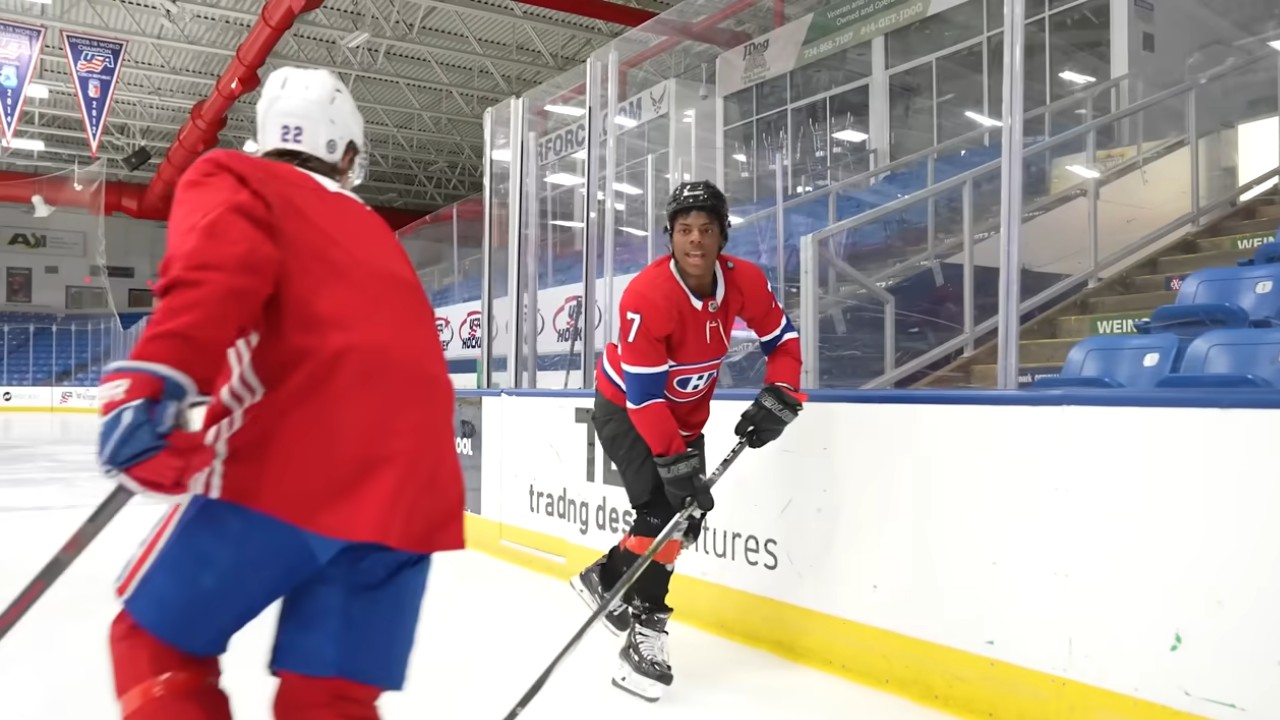
    • The clip features IShowSpeed skating and chanting “Happy day, Ronaldo day” before being body-checked into the boards by a hockey player.
    • The trend exploded across social platforms with accuracy reenactments and stylized “brainrot” video edits driving millions of views.

    From Hockey Lesson to Viral Phenomenon

    The “Happy Day, Ronaldo Day” meme originated from a collaborative video uploaded to IShowSpeed’s YouTube channel in 2024, where the popular streamer attempted to learn ice hockey under the guidance of Montreal Canadiens forward Cole Caufield. During the session, IShowSpeed can be seen skating across the ice while rhythmically chanting “Happy day, Ronaldo day”—a homage to his idol, Cristiano Ronaldo—before a sudden, full-speed body check sends him crashing into the dasher boards. The unscripted collision, captured from multiple camera angles, became the centerpiece of a meme wave that erupted two years after the original upload.

    September 2026: The Meme Explodes

    Although the source footage had been publicly available since 2024, it remained relatively dormant until September 2026, when short-form creators on TikTok, YouTube Shorts, and Instagram Reels began remixing the clip en masse. The trend was fueled by two distinct creative lanes: accuracy reenactments, in which users meticulously recreate the choreography, timing, and camera movements of the original fall, and stylized “brainrot” edits, which layer the audio with distorted bass, surreal visual effects, and rapid-fire jump cuts characteristic of Gen-Z internet humor. Aggregator accounts and meme pages amplified the reach, pushing the hashtag #HappyDayRonaldoDay into millions of cumulative views within weeks.

    Why This Matters

    The trajectory of “Happy Day, Ronaldo Day” illustrates how legacy content can be resurrected by algorithmic serendipity and participatory remix culture. For IShowSpeed, whose brand thrives on chaotic, high-energy moments, the meme reinforces his status as a perennial source of viral raw material. For Cole Caufield and the NHL, the crossover exposes hockey to a demographic that rarely consumes traditional sports broadcasts. Marketers and platform analysts are tracking the phenomenon as a case study in delayed virality—content that lies dormant for years before exploding when the right audio snippet aligns with prevailing meme aesthetics.

    Frequently Asked Questions

    When was the original “Happy Day, Ronaldo Day” video recorded?
    The source footage was filmed during a 2024 hockey training session and uploaded to IShowSpeed’s YouTube channel that same year.
    Who is the NHL player featured in the video?
    Cole Caufield, a forward for the Montreal Canadiens, appears alongside IShowSpeed in the original lesson.
    Why did the meme go viral in 2026 instead of 2024?
    The clip resurfaced in September 2026 when short-form creators began producing accuracy reenactments and stylized “brainrot” edits, triggering algorithmic amplification across TikTok, YouTube Shorts, and Instagram Reels.