Author: Maya Brooks

  • ‘Man’s Not Hot’ Turns Nine Years Old Today

    ‘Man’s Not Hot’ Turns Nine Years Old Today

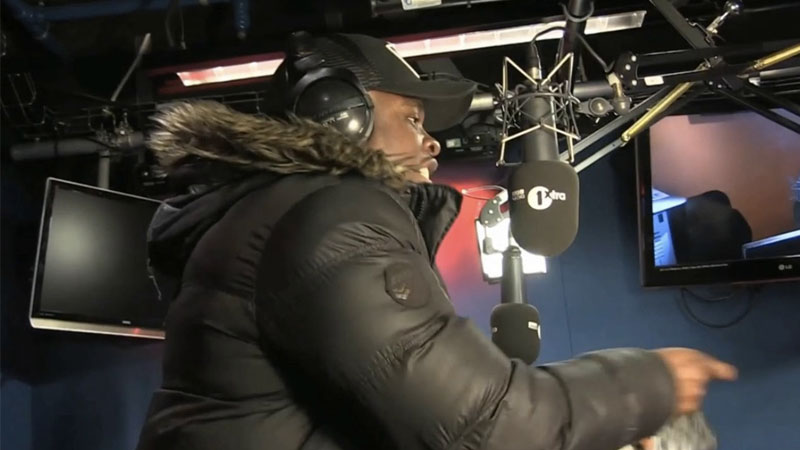
    “Man’s Not Hot”, also known as The Ting Goes, is a viral video featuring English comedian Michael Dapaah from his web series #SWIL. In the video, Dapaah portrays rappers MC Quakez and Roadman Shaq.

    The clip became widely known for the song “Man’s Not Hot”, particularly the verse in which Dapaah says “The ting goes…” before producing a series of exaggerated gunshot sound effects with his mouth.

    Online users have since turned the “ting goes” moment into a popular meme format, using Dapaah’s sounds as the punchline to jokes. The song has also been dubbed over footage from other videos.

    Source: knowyourmeme.com

  • 10 Years Later, “She Was His Queen…” Remains One of Cinema’s Cringiest Lines

    10 Years Later, “She Was His Queen…” Remains One of Cinema’s Cringiest Lines

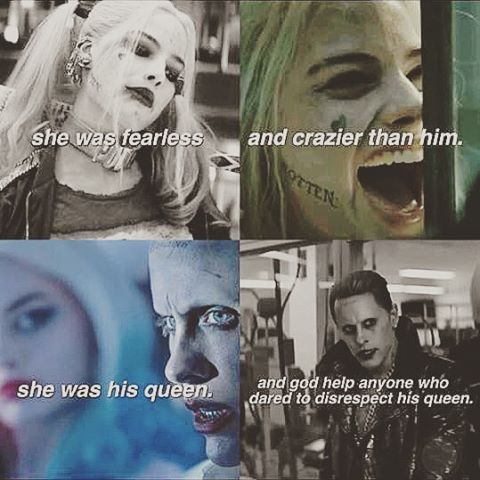
    “She Was His Queen” is a series of jokes inspired by a line from Suicide Squad about The Joker and Harley Quinn. The meme format pairs the quote with an image of a humorous couple.

    The full line reads, “She was fearless and crazier than him. She was his queen, and God help anyone who dared to disrespect his queen.”

    In these jokes, the dramatic reference to The Joker and Harley Quinn is used alongside photos of funny couples, creating a contrast between the serious wording and the humorous image.

    Source: knowyourmeme.com

  • Twin Sisters Born Minutes Apart Discover at 49 They Have Different Fathers

    Twin Sisters Born Minutes Apart Discover at 49 They Have Different Fathers

    Key Highlights

    • Non-identical twins Lavinia and Michelle Osbourne, now 49, discovered five years ago they have different biological fathers—a phenomenon known as heteropaternal superfecundation.
    • The revelation came after Michelle used an Ancestry DNA kit, prompted by doubts about their presumed father James and their late mother’s accounts.
    • With fewer than 20 documented cases globally, this is believed to be the first recorded instance in British history.

    The Discovery That Redefined a Lifelong Bond

    For nearly half a century, Lavinia and Michelle Osbourne lived as full biological sisters—non-identical twins born minutes apart, raised under the belief they shared the same father. Their mother had told them their father was a man named James, her boyfriend at the time of conception. “[James] was my mum’s boyfriend, I suppose,” said Lavinia. “From what I was told, when my mum got pregnant, he wasn’t happy.” Michelle added: “He always had one foot out the door. I think his mother used to whisper in his ear, ‘Those girls aren’t yours.’”

    Yet it was Michelle who harbored persistent doubts. As their mother’s health declined, Michelle’s suspicions crystallized. “When Mummy became unwell and wasn’t able to formulate any sensible responses to my questions, I saw a picture of James. I hadn’t seen him for a very long time. And I just thought, you don’t look anything like me. There’s no similarity there. I’m not going to have this. So I bought myself a kit.” She continued: “I was, like, I want to dispose of this whole concept that this man is my father because, deep down, I don’t believe he is. And then it occurred to me that Lavinia will also learn this man isn’t our father.”

    A Reluctant Participant and a Scientific Rarity

    Lavinia initially resisted the inquiry. “I was irritated by it,” she admitted. “Why are we going to dispute what our mother said?” She also feared what the search might unearth about their family’s painful past. “I think also part of me didn’t want to go down that rabbit hole because we knew there was sexual abuse in my mother’s childhood. And she was dying.” Eventually, Lavinia submitted her own DNA sample, and the results introduced them to a term neither had heard: heteropaternal superfecundation—a rare biological event where a woman releases multiple eggs in one cycle and conceives with different partners, resulting in twins who are genetically half-siblings. Fewer than 20 cases have been documented worldwide; the Osbourne sisters’ case is believed to be the first recorded in British history.

    Divergent Emotional Landscapes

    The sisters processed the truth in starkly different ways. Michelle, who learned she was conceived by a man named Alex, described a sense of validation rather than shock. “We’re so different. I’m still in amazement that this can actually happen – it’s super weird, super odd, super rare – but, if I apply it to myself, it makes sense.” For Lavinia, the news fractured her sense of identity. “For about a month, I couldn’t stop crying,” she said. “[Michelle] was the one thing that belonged to me. The one thing I was sure of. And then she wasn’t.”

    Why This Matters

    The Osbourne sisters’ story illuminates the profound personal impact of advances in consumer genetic testing. Beyond the scientific rarity of heteropaternal superfecundation, their experience underscores how DNA revelations can upend family narratives, reshape sibling dynamics, and force confrontations with hidden histories—particularly when those histories involve trauma such as the sexual abuse their mother endured. As at-home ancestry kits grow more accessible, more families may face similar reckonings, raising questions about identity, belonging, and the ethics of uncovering secrets the previous generation chose to keep.

    Frequently Asked Questions

    What is heteropaternal superfecundation?
    Heteropaternal superfecundation occurs when a woman releases more than one egg during a single menstrual cycle and has sexual intercourse with different partners, resulting in each egg being fertilized by sperm from a different man. The resulting twins are genetic half-siblings.
    How rare is this phenomenon?
    It is extremely rare, with fewer than 20 documented cases reported globally. The Osbourne sisters’ case is believed to be the first recorded instance in British history.
    How did the twins discover they had different fathers?
    Michelle Osbourne purchased an Ancestry DNA kit after doubting the resemblance to their presumed father, James. When the results indicated different paternal lines, Lavinia also took a test, confirming they were half-sisters conceived through heteropaternal superfecundation.
  • Man Who Bought Abandoned Ghost Town Describes Incident That ‘Buried Dozens of Workers Alive’

    Man Who Bought Abandoned Ghost Town Describes Incident That ‘Buried Dozens of Workers Alive’

    YouTuber Reveals Dark History of California Ghost Town Cerro Gordo

    Content creator Brent Underwood, known as Ghost Town Living on YouTube, has shared the haunting history of Cerro Gordo after purchasing the abandoned California mining settlement with his life savings. Established in 1865, the former silver-mining town once ranked among the state’s most prosperous, reportedly housing more than 4,500 miners at its peak and yielding nearly $500 million in minerals from the surrounding hills.

    Lawlessness and Violence Defined Daily Life

    Underwood describes a community where law enforcement rarely ventured, leaving miners to settle disputes themselves. This absence of authority contributed to Cerro Gordo’s reputation for extreme violence, though some of the most disturbing stories unfolded underground.

    Tragic Mining Accidents Preserved in Historical Records

    Detailing one infamous incident on his TikTok page (@brentwunderwood), Underwood recounts a catastrophic collapse in the 1870s:

    “An unknown number of Chinese miners went to work, and the roof of the mine collapsed on them, burying them where they were, and unfortunately, their bodies were never recovered,” he explained.

    “And there was an article a few years later where they were finally able to locate one of the bodies, and it was found almost perfectly preserved.”

    “And a few years after that, there’s an article that a man was making his way up this ladder from 900 feet below, and as he almost got to the surface right here, he was pulled in by this cage and he fell 900 feet to the very bottom of this mine where he was found a shapeless mass.”

    “If you look through the newspapers, there’s countless accidents that happened in this mine, which makes it incredibly spooky, especially when you go down there.”

    Last Recorded Murder Remains Unsolved

    The town’s above-ground history was equally grim. Underwood highlights the site of Cerro Gordo’s last recorded murder on December 29, 1892, when Henry Bolin was shot dead following an encounter with William Crapo. Crapo allegedly fled into the surrounding mines and disappeared despite a major manhunt and a $500 reward for his capture.

    Unexplained Personal Experience Adds to Mystery

    Underwood has experienced something he cannot explain himself. While walking past the town’s bunkhouse one evening, he claims he saw curtains open, a face peer through a window, and then disappear. After discovering nobody was staying there, he searched and padlocked the building. The following evening, however, he says the light inside was mysteriously back on. Underwood has since avoided entering the bunkhouse.

    Restoration Efforts Continue Despite Macabre Past

    Despite Cerro Gordo’s dark history, Underwood remains committed to restoring the property. His ultimate goal is to allow more visitors to stay overnight and experience the remarkable ghost town for themselves.

  • AO3 Users Express Mixed Feelings Amid ‘Wattpad Migration’ Rumors

    AO3 Users Express Mixed Feelings Amid ‘Wattpad Migration’ Rumors

    Wattpad Content Guidelines Update Sparks Migration Fears to AO3

    A wave of concern has rippled through the online writing community following Wattpad’s update to its content guidelines on August 10, 2026. The revised policies, which impose stricter regulations on sexual content, have ignited widespread speculation that a significant portion of the platform’s user base will migrate to rival archive sites, most notably Archive of Our Own (AO3).

    Details of the Revised Guidelines

    The updated guidelines explicitly prohibit several categories of content. According to the platform’s revised standards, banned material now includes:

    • Pornographic content created solely for the purpose of arousal.
    • Depictions of non-consensual sexual acts.
    • Content that glorifies sexual violence.
    • Sexual content involving minors.
    • Depictions of illegal sexual acts, specifically citing bestiality, necrophilia, and incest.

    Viral Backlash and Community Discourse

    The policy changes went viral across social media platforms in the days following the announcement. The discourse has fueled a phenomenon dubbed the “Wattpad Migration,” with users creating memes and engaging in heated debates regarding the potential exodus of writers and readers to alternative platforms like AO3.

    Opinion within the community remains sharply divided. One faction argues that the backlash is overblown, contending that the updates merely clarify existing rules through revised wording rather than introducing entirely new bans. Conversely, other users claim that stories have already been removed or deleted from the platform since the guidelines took effect, lending credence to fears of a diminishing user base.

    Implications for the Fanfiction Landscape

    As the situation develops, the long-term impact on Wattpad’s traffic and the corresponding growth of competitors remains to be seen. The migration narrative highlights the ongoing tension between platform safety enforcement and creative freedom within the fanfiction and online writing ecosystems.

  • ‘Flock Camera’ Hate Reaches All-Time High as ‘De-Flock America’ Campaign Spreads Online

    ‘Flock Camera’ Hate Reaches All-Time High as ‘De-Flock America’ Campaign Spreads Online

    Flock Safety Cameras Spark Nationwide Surveillance Debate and Protest Movement

    AI-powered traffic cameras manufactured by Flock Safety have become a flashpoint in the growing national conversation over mass surveillance and Fourth Amendment rights. Known as Flock cameras, these automated license plate readers (ALPRs) capture detailed data on every passing vehicle, including make, model, color, license plate number, direction of travel, and precise timestamps.

    How Flock Cameras Work

    Unlike traditional traffic cameras focused on speed enforcement or red-light violations, Flock Safety’s stationary and mobile units build a searchable database of vehicle movements. Law enforcement agencies subscribe to the Flock network, gaining access to a centralized platform that aggregates reads from cameras installed across jurisdictions. This allows investigators to query a plate number and retrieve a historical map of where that vehicle has been spotted.

    Surveillance Concerns and Legal Framework

    Civil liberties advocates and privacy-focused technologists argue the system functions as a dragnet surveillance tool. Because the cameras are often placed on public roads, they capture the movements of innocent drivers en masse, creating a detailed pattern-of-life profile without individualized suspicion. Critics highlight that, in many jurisdictions, police officers do not need a warrant to query the Flock database; a stated investigative reason is often the only requirement.

    This low barrier to entry has fueled accusations that the technology circumvents constitutional protections against unreasonable searches. The Electronic Frontier Foundation (EFF) and the American Civil Liberties Union (ACLU) have both warned that the proliferation of ALPR networks like Flock’s effectively creates a warrantless tracking infrastructure.

    Escalating Public Backlash and Direct Action

    As public awareness of the cameras’ capabilities has grown, so has resistance. Throughout the 2020s, incidents of vandalism and theft targeting Flock units have been reported across multiple states. Activists view the destruction of the devices as a direct response to what they perceive as unchecked government overreach.

    The “De-Flock America” Campaign

    Online organizing culminated in a coordinated call to action known as the De-Flock America campaign. The initiative urged participants to disable or destroy Flock cameras on Halloween night 2026. The campaign framed the action as a nationwide protest against the normalization of mass vehicle surveillance, encouraging participants to document and share their actions on social media platforms.

    Law enforcement agencies have responded by increasing physical security around camera installations and pursuing criminal charges for property damage. Flock Safety maintains that its technology is a force multiplier for solving violent crime, citing recoveries of stolen vehicles and Amber Alert resolutions as primary use cases.

    Ongoing Policy Battles

    The conflict underscores a widening gap between technological capability and regulatory oversight. Several state legislatures are currently debating bills that would mandate data retention limits, warrant requirements for database queries, and public transparency reports for ALPR programs. Until comprehensive legislation is enacted, the tension between public safety objectives and privacy rights is expected to remain a defining issue in smart-city infrastructure debates.

  • Greg Heffley Yearbook Reaction Image Explained

    Greg Heffley Yearbook Reaction Image Explained

    Greg Heffley Yearbook Photo Meme Mocks Minimal Transformations on TikTok

    The “Greg Heffley Yearbook Photo” meme, also known as “Greg Heffley Before And After,” has become a popular reaction image across social media platforms, particularly in TikTok comments. The format is used to mock supposed glow-ups or transformations where the subject appears to have barely changed their appearance over time.

    Origin of the Viral Reaction Image

    The meme features two school-portrait-style images of Greg Heffley, the protagonist from the 2010 live-action film Diary of a Wimpy Kid. The character is portrayed by actor Zachary Gordon in the movie adaptation of Jeff Kinney’s bestselling book series. The awkward school-photo aesthetic and Gordon’s appearance in the film became the visual basis for the comparison format.

    How the Meme Spread on Social Media

    Users typically deploy the side-by-side images in comment sections under videos showcasing dramatic before-and-after transformations. The implication is clear: despite claims of a major change, the person in question looks essentially the same. The format gained traction as a humorous way to call out minimal differences in transformation content, from fitness journeys to style makeovers.

    Cultural Impact of the Diary of a Wimpy Kid Franchise

    Since its theatrical release, the Diary of a Wimpy Kid film has maintained a lasting presence in internet culture. Gordon’s portrayal of the middle-school protagonist has spawned numerous reaction images and meme formats beyond the yearbook comparison, cementing the franchise’s status as a consistent source of relatable, shareable content for digital natives.

  • Why Social Media Keeps Making Us Angry — and Why the Next Generation of Platforms Needs New Incentives

    Why Social Media Keeps Making Us Angry — and Why the Next Generation of Platforms Needs New Incentives

    Key Highlights

    • Social media platforms initially marketed on the promise of human connection have systematically prioritized algorithmic engagement over user well-being.
    • Research and platform disclosures indicate that high-arousal negative emotions—particularly anger and outrage—generate significantly higher retention and interaction rates than positive content.
    • The resulting business model creates a structural incentive to amplify divisive discourse, reshaping public spheres and eroding trust in digital communities.

    The Pivot from Connection to Compulsion

    When the first wave of mainstream social networks launched, their mission statements centered on lofty ideals: giving people the power to build community, bringing the world closer together, and fostering meaningful relationships across distance. The user experience was designed around the social graph—friend requests, chronological feeds, and explicit sharing—mirroring the rhythms of offline interaction. However, as the industry matured and the battle for finite user attention intensified, the underlying architecture shifted. Platforms moved away from reverse-chronological timelines toward algorithmic curation optimized for a single north-star metric: time on site.

    The Mechanics of Outrage Amplification

    Internal research leaked from major technology companies, alongside independent academic studies, has consistently demonstrated that content eliciting high-arousal negative emotions—specifically moral outrage, indignation, and anger—outperforms almost every other category on viral coefficients. Anger is a high-energy emotion; it compels a physiological response that drives commenting, quote-posting, and rapid sharing as users signal tribal allegiance or condemn perceived adversaries. Algorithms, indifferent to the valence of the engagement, interpret this flurry of activity as a quality signal and distribute the provocative material to ever-wider audiences. The result is a feedback loop where the most polarizing voices gain the largest megaphones, while nuanced or conciliatory perspectives are algorithmically suppressed for lack of “engagement.”

    Structural Incentives and the Attention Economy

    This dynamic is not merely an accidental byproduct of code; it is a direct consequence of the advertising-driven revenue model that underpins the consumer internet. Advertisers pay for attention, and attention is harvested most efficiently when users are in a state of heightened emotional arousal. Consequently, platform design choices—from notification prompts that highlight conflict to “engagement bait” ranking weights—have been iterated to maximize the frequency and intensity of outrage cycles. Former employees of major platforms have testified that leadership teams were repeatedly presented with data showing the societal harms of this approach, yet chose to preserve the engagement gains. The business logic is clear: a calm, connected user generates less inventory than an agitated, combative one.

    Why This Matters

    The substitution of connection with conflict as the engine of growth has profound implications for democratic discourse, mental health, and social cohesion. When the digital town square is architected to reward the loudest anger, legitimate deliberation is crowded out, epistemic bubbles harden, and collective problem-solving becomes increasingly difficult. Regulators in the European Union, the United Kingdom, and the United States are now scrutinizing algorithmic transparency and duty-of-care obligations, while a new generation of “protocol-based” networks experiments with chronological feeds and user-controlled ranking to reclaim the original promise of connection. The central question facing the industry—and society—is whether the financial incentives of the attention economy can be realigned with the civic virtues that social media once claimed to champion.

    Frequently Asked Questions

    How do algorithms know that anger drives engagement?

    Machine-learning models train on billions of user interactions—likes, comments, shares, dwell time, and re-shares. Across diverse cultures and languages, content that triggers moral outrage consistently produces the strongest and fastest engagement signals, teaching the model to prioritize similar material in future ranking decisions.

    Can platforms fix this without losing revenue?

    Some platforms have experimented with “downranking” outrage bait or introducing friction before sharing unread articles, reporting modest reductions in misinformation spread with minimal revenue impact. However, a fundamental shift would require moving away from pure time-on-site optimization toward alternative metrics such as meaningful social interactions or user-reported well-being, which investors have historically resisted.

    Are there social networks that do not optimize for outrage?

    Emerging decentralized protocols like Mastodon, Bluesky (AT Protocol), and Nostr default to reverse-chronological feeds and give users control over ranking algorithms. Early adopter communities report lower toxicity, though these networks currently lack the network effects and monetization infrastructure of incumbent giants.

  • Old Edited Viral Video of Reporter Hit by Stop Sign Resurfaces as TikTok Trend After Dolly Parton’s Death

    Old Edited Viral Video of Reporter Hit by Stop Sign Resurfaces as TikTok Trend After Dolly Parton’s Death

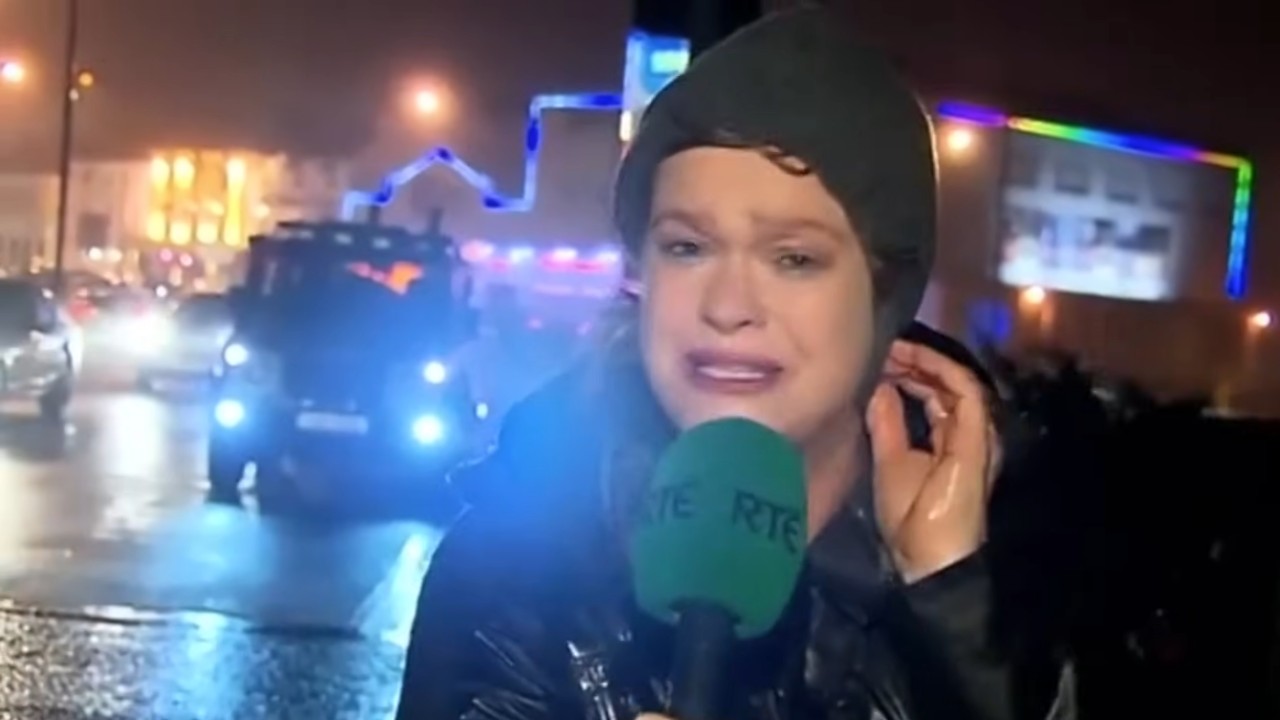
    An Irish news report from December 2015 has found renewed viral life on social media, more than a decade after its original broadcast. The footage features RTÉ reporter Teresa Mannion delivering a forceful weather warning during Storm Desmond, a segment that became an internet sensation and has now resurfaced as a popular audio trend on TikTok.

    The Original Broadcast

    The video was originally posted by RTÉ in December 2015. Standing in harsh winds and rain, Mannion urged the public to stay safe, stating: “Don’t make unnecessary journeys, don’t take risks on treacherous roads, and don’t swim in the sea!” Her intense delivery and the ferocity of the storm behind her made the clip an instant classic of Irish internet culture.

    Edited Version and Meme Status

    Shortly after the initial broadcast, an edited version of the video began circulating online. This doctored footage appeared to show Mannion being struck by a flying stop sign. The realism of the edit led some viewers to believe the incident had actually occurred, further cementing the clip’s status as a viral phenomenon.

    2026 TikTok Resurgence

    In August 2026, the audio from Mannion’s report experienced a significant resurgence on TikTok. Creators adopted the sound for a specific trend mourning the loss of celebrities. The format serves as a grim warning to public figures, urging them not to make “unnecessary journeys” that might lead to their death. The trend saw a sharp spike in usage in late August 2026 following the death of Dolly Parton.

  • ‘I Paid for My Own Food’: Woman Says First Date Didn’t Offer to Pay for Meal

    ‘I Paid for My Own Food’: Woman Says First Date Didn’t Offer to Pay for Meal

    TikTok User Sparks Debate Over First Date Payment Etiquette

    TikTok creator Seri Thompson, known as @serissnaps, shared a video on August 13 detailing a first date experience that quickly ignited a heated discussion about who should pay the bill. The post, captioned “I hate it here,” amassed 82,000 likes and thousands of comments divided over modern dating expectations.

    The Date and the Dispute

    Thompson explained she matched with a man named Ethan on Hinge. In the first clip, she appears dressed up in her car, stating, “Date one with Ethan. You guys,” signaling the start of the evening.

    The follow-up video, filmed after she returned home, captured her frustration. “I paid for my own food. Was it a date? I don’t know. … I paid for my own food,” she said. Thompson noted that Ethan did not offer to cover her meal, nor did she pay for his. “But someone has to do it, so I did,” she added.

    Commenters Split on Dating Norms

    The comments section became a battleground for opposing views on dating etiquette. Some viewers mocked the idea that paying for one’s own meal was problematic. One commenter wrote, “You paid for the food you ate? Oh nooooooooooo that’s so baaaaad,” while another questioned if the creator’s definition of a date relied on “someone else pays for [her] food.”

    Others defended the practice of splitting the bill. One user suggested daters should “always assume” they are paying for their own meal, and another argued that a man is not obligated to pay on a first date today.

    Conversely, several commenters insisted that the person who initiates the date should cover the cost. “If a man asks a woman out on a first date, he ‘should be paying,’” one user asserted. Another added that, for her, a date “wasn’t a date if the man didn’t pay or bring flowers.”

    Conversation Shifts to Gender Roles and Feminism

    The debate rapidly expanded into a broader argument about feminism and equality. Some framed Ethan’s refusal to pay as an example of “equality,” while critics countered that women only embrace equality when it benefits them. “Why are we expecting men to pay for everything for us now?” asked one commenter. Another described it as “always wild” to see women expect men to foot the bill.

    However, a segment of the audience pushed back against politicizing the interaction. One commenter emphasized that people simply have different dating standards, while another argued the core issue was not who paid, but whether the two parties had compatible expectations.

    The Daily Dot could not independently verify the details shared in the TikToker’s account. The details above reflect the events as described by @serissnaps on TikTok.