Author: Maya Brooks

  • Viral Video Captures Passenger Arguing With Airline Employee After Missing Flight — Internet Shows No Sympathy

    Viral Video Captures Passenger Arguing With Airline Employee After Missing Flight — Internet Shows No Sympathy

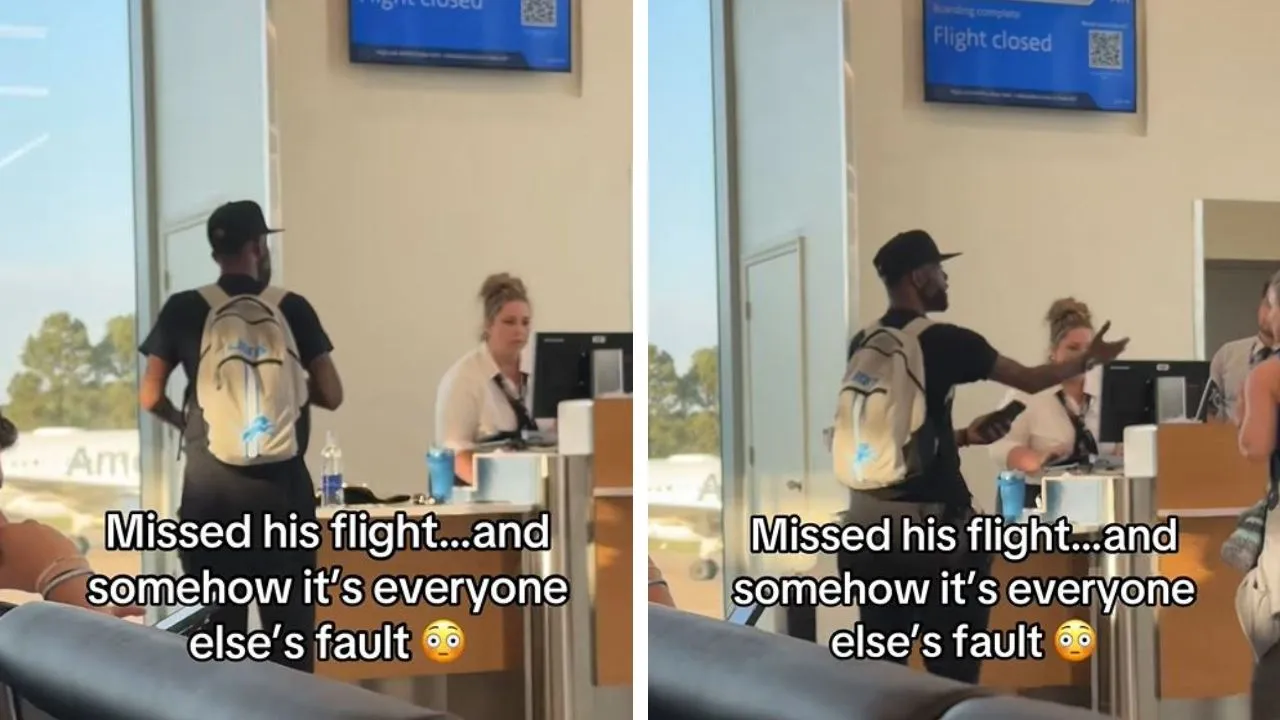
    A TikTok video posted by @bourbonbarry on April 18, 2026, has gone viral after capturing a heated confrontation between a passenger who missed his flight and an airline employee at the departure gate. As of publication, the video had amassed 26,100 likes, 1,147 comments, and 1,174 shares.

    Gate Monitor Shows “Flight Closed” for Charlotte-Bound Flight

    In the footage, a monitor visible behind the gate desk displays the message “Flight Closed” for a flight headed to Charlotte, North Carolina. Other passengers and airline staff appear in the background as the dispute unfolds at the gate podium.

    Creator’s Caption Frames the Incident

    The TikToker described the confrontation in the video’s caption, writing in second person addressed directly to the passenger:

    “Missed your flight… and somehow it’s everyone else’s fault.”

    “Boarding starts. They call it once… twice… twenty times. Everyone else gets on the plane.”

    “You stroll up after departure like it’s a dinner reservation.”

    Passenger Argues He Was Present at Departure Time

    During the recorded exchange, the passenger tells the employee:

    “My flight said I’m not at 6:13, and I was here at the departure.”

    He continues pressing his case:

    “It don’t [sic] matter. You’re not gonna do that to me.”

    When the employee rejects his requests, the passenger responds:

    “Bro, no, no, that’s not fair to anybody else that’s doing this, man. You guys are —.”

    Passenger Claims He Was Waiting Nearby

    The traveler further explains his situation, stating:

    “I’m on a timeline. I was sitting right across the street, like right there. You can talk to anybody over there.”

    He repeats the explanation moments later, adding:

    “I was sitting right there because I didn’t know.”

    Creator Responds to Passenger’s Explanation

    @bourbonbarry addressed that claim directly in the caption, writing:

    “‘Nobody told me.’ No — you weren’t listening.”

    “Airports don’t chase you. Life doesn’t either.”

    “Show up late, get left behind.”

    Comment Section Offers Little Sympathy

    Viewers in the comments largely sided with the airline employee. One commenter questioned the passenger’s grasp of basic airport terminology:

    “Did he not know what departure means?”

    Another highlighted the passenger’dismissal of the rules:

    “‘It don’t [sic] matter!’ Sir that’s literally the only thing that matters for making a flight.”

    A different commenter framed the confusion as a sign of inexperience:

    “Tell me you’ve never flown, without telling me you’ve never flown before.”

    One observer noted a visual detail in the background:

    “Watching the plane pulling away in the background is hilarious.”

    Details Remain Unverified

    The Daily Dot was unable to independently verify the identities of the passenger or airline employee, the specific flight involved, or the full circumstances surrounding the missed departure. The details above reflect the TikTok creator’s video and caption as shared on the platform.

  • Billions of Dollars in Virtual Guns: Inside the Economy Running Alongside a Video Game

    Billions of Dollars in Virtual Guns: Inside the Economy Running Alongside a Video Game

    Key Highlights

    • The Counter-Strike 2 cosmetic item market carries an estimated valuation of $7.1 billion.
    • Every item in this marketplace is a purely digital asset with zero impact on gameplay mechanics such as damage, accuracy, or movement.
    • Despite being intangible and functionally cosmetic, these virtual goods sustain a multi-billion-dollar economy driven by rarity, aesthetics, and community demand.

    The $7.1 Billion Valuation

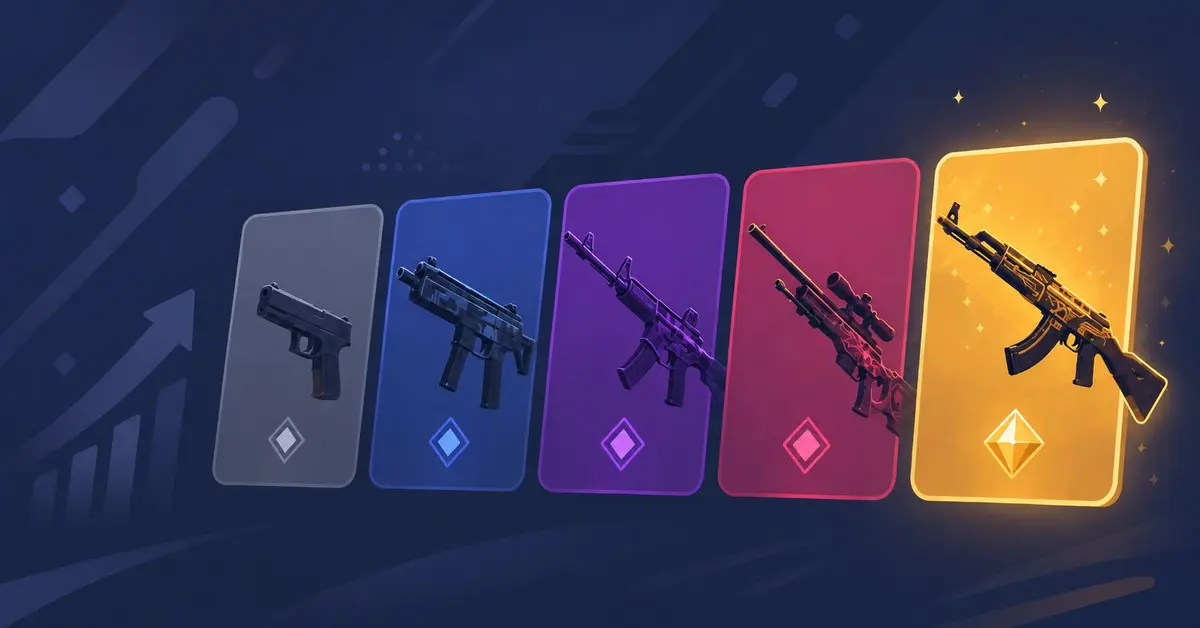
    The cosmetic item ecosystem surrounding Counter-Strike 2 (CS2) has been valued at roughly $7.1 billion, according to current market analyses. This figure reflects the aggregate worth of weapon skins, gloves, agents, stickers, and containers traded across the Steam Community Market and third-party platforms. Unlike traditional in-game purchases that unlock gameplay advantages, every asset in this economy is strictly visual—offering no competitive edge whatsoever.

    How the CS2 Skin Economy Functions

    The marketplace operates on a foundation of scarcity, visual appeal, and community-driven status signaling. Items are obtained primarily through random case openings, mission rewards, or direct purchases, with supply constrained by Valve’s drop rates and collection retirements. Once in circulation, skins trade freely between users, with prices determined by exterior wear condition (Factory New through Battle-Scarred), pattern index, float value, and the presence of rare stickers or StatTrak counters. High-tier items such as the AK-47 | Case Hardened with a “Blue Gem” pattern or the Karambit | Doppler in Sapphire/Ruby/Black Pearl phases routinely command five-figure sums.

    Purely Cosmetic, Purely Digital

    Critically, the source underscores that these assets “can’t be touched and don’t improve damage, accuracy, movement, or any other part of gameplay.” This distinction separates the CS2 economy from pay-to-win models prevalent in other titles. A Dragon Lore AWP skin performs identically to the default variant; its value derives entirely from cultural cachet, historical significance, and the social signaling it enables within the player base. The intangibility of these goods—existing solely as database entries on Valve’s servers—has not prevented them from behaving like speculative commodities, complete with price volatility, investor speculation, and liquidity considerations.

    Market Mechanics and Player Psychology

    Valve Corporation retains a 15% transaction fee (5% Steam fee + 10% CS2-specific fee) on every Steam Community Market sale, creating a direct revenue stream from the secondary market. Third-party marketplaces and peer-to-peer trading networks exist alongside the official platform, often offering lower fees or cash-out options prohibited by Steam’s wallet-only policy. The ecosystem is further fueled by content creators, professional players, and major tournaments—where souvenir packages dropped during Majors become instant collectibles. Psychological drivers such as the endowment effect, fear of missing out (FOMO) during limited-time operations, and the gambler’s fallacy associated with case openings sustain demand despite the absence of utility.

    Why This Matters

    The $7.1 billion valuation positions the CS2 skin economy as one of the largest virtual goods markets in the world, rivaling the GDP of small nations and exceeding the annual revenue of many AAA game studios. It represents a mature case study in digital property rights, platform-controlled economies, and the monetization of cosmetic customization. For regulators, the market raises questions about gambling-adjacent mechanics (case openings), money laundering risks via high-value item transfers, and consumer protections for digital assets that can be revoked or devalued by platform policy changes. For the gaming industry, it validates the “games-as-a-service” model where ongoing revenue derives not from gameplay-altering purchases but from self-expression and social status within a persistent community. Upcoming developments—including potential Source 2 engine optimizations affecting skin rendering, new case collections, and evolving third-party marketplace regulations—will shape whether this valuation expands or contracts.

    Frequently Asked Questions

    Do CS2 skins provide any gameplay advantage?

    No. Skins are purely cosmetic and do not affect damage, accuracy, movement speed, recoil, or any other gameplay mechanic. A weapon with a $10,000 skin performs identically to the same weapon with the default skin.

    How is the $7.1 billion market valuation calculated?

    The figure represents the estimated aggregate value of all tradable CS2 cosmetic items based on current listing prices across the Steam Community Market and major third-party exchanges, multiplied by available supply. It reflects theoretical market capitalization rather than realized liquidity.

    Can CS2 skins be converted into real money?

    On the official Steam Community Market, proceeds remain as Steam Wallet funds and cannot be withdrawn as cash. However, numerous third-party platforms facilitate peer-to-peer sales for real-world currency, operating in a regulatory gray area with varying degrees of legitimacy and user protection.

  • AI-Generated Future Polar Bear Reminds Us November 2026 Is Coming

    AI-Generated Future Polar Bear Reminds Us November 2026 Is Coming

    The internet’s latest time-bending joke has arrived right on schedule. A fresh wave of “Remember November 2026 Is Coming” memes is flooding Instagram Reels and TikTok, reviving a surreal piece of lore that first surfaced years ago.

    Origin of the Polar Bear Prophecy

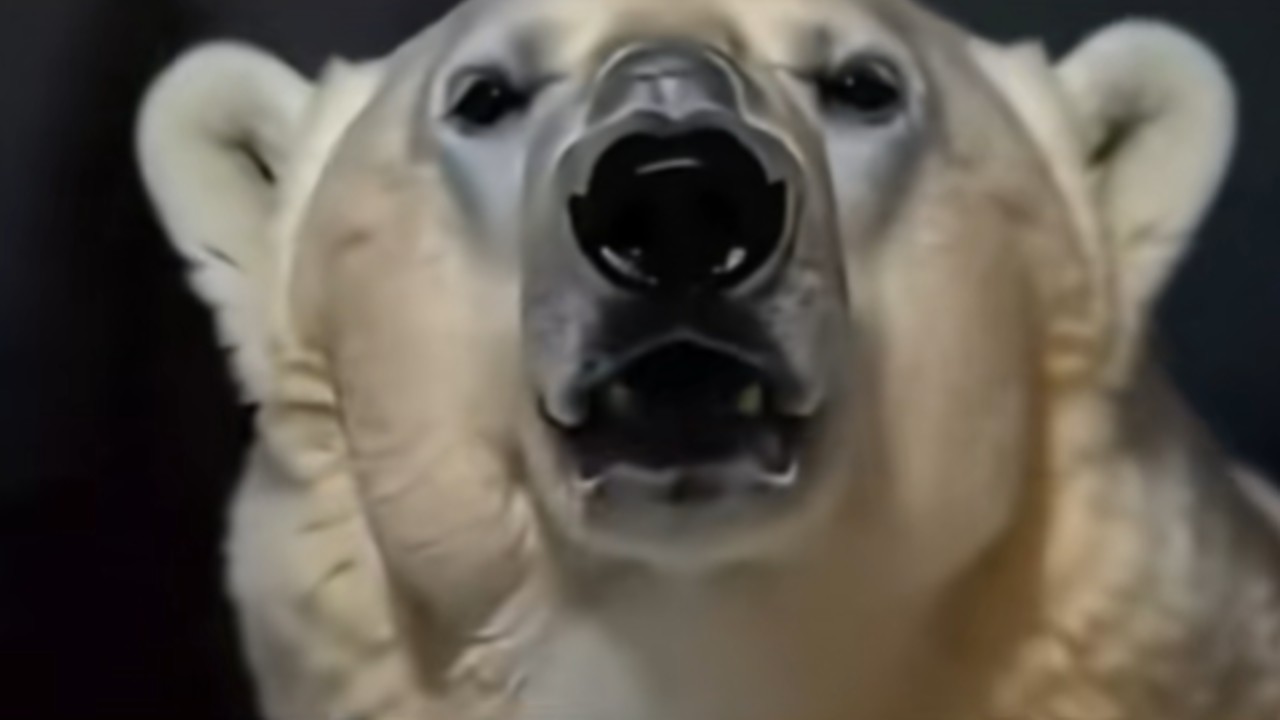
    The trend centers on an AI-generated video featuring a polar bear singing to the tune of “Life Goes On” by Oliver Tree. In the clip, the bear delivers the deadpan lyric: “Remember November 2026 is coming.” The video acts as a callback to the 2023 “Polar Bear 2026” meme, which users at the time joked was a dispatch from the future warning them about a specific date three years away.

    Why It Resurfaced in September 2026

    As the actual month of November 2026 approaches, the prophecy has become self-fulfilling. Creators on Instagram Reels and TikTok began reposting and remixing the bear’s musical reminder throughout September 2026, treating the date like a long-awaited cultural milestone. The humor lies in the loop: a 2023 joke about a 2026 meme is now a 2026 meme about the 2023 joke.

    Meme Culture’s Favorite Time Loop

    This format thrives on temporal irony. The polar bear isn’t predicting an event; it’s commemorating the meme itself. By the time the calendar flips to November, the joke will have completed its three-year arc—turning a throwaway AI video into a piece of shared internet history that users collectively willed into existence.

  • Southwest Employee Says Almost Any Food Can Go Through TSA; Travelers Share Wildest Hauls

    Southwest Employee Says Almost Any Food Can Go Through TSA; Travelers Share Wildest Hauls

    A Southwest Airlines employee and TikTok creator known as @brandithecsa is reminding travelers that they do not need to purchase pricey airport meals before boarding. In a June 27 video that has garnered more than 122,000 likes, she explains that passengers are permitted to bring their own food through Transportation Security Administration (TSA) checkpoints.

    Solid Food Is Generally Allowed

    The creator opens the clip with a direct statement that sets the tone for the discussion:

    “If you want to bring a whole charcuterie board through TSA, you can.”

    She notes that travelers frequently ask whether food can clear security, and her answer is a clear yes. She also confirms that ice can be brought through checkpoints. The creator highlights exceptions for medical and infant-related needs, such as water required for medication and milk for an infant.

    Commenters Share Their Own “Wildest Hauls”

    Following her tip, the comment section filled with examples of meals passengers have successfully transported. The list ranges from breakfast burritos and pizza to whole cakes and large quantities of tamales. Specific mentions include:

    • A full charcuterie box and tacos
    • Five cheesecakes from New York
    • A whole Chicago-style pizza
    • A 5-pound brisket from Texas
    • 12 dozen tamales
    • A whole muffuletta sandwich from New Orleans
    • A Chicago pizza flown to Northern California

    One commenter summed up a common habit:

    “I make breakfast burritos before every flight!”

    Consistency Matters: The Liquid, Gel, and Paste Rule

    While solid foods typically pass without issue, the consistency of certain items can trigger additional restrictions. Foods such as peanut butter, yogurt, and mashed potatoes may be classified as liquids, gels, creams, or pastes. These items fall under the TSA 3-1-1 rule, meaning they must be in containers of 3.4 ounces (100 milliliters) or less to be carried through security in a carry-on bag.

    Expect Possible Additional Screening

    The creator also cautions that bringing food does not guarantee a breezy walk through the checkpoint. Officers may ask travelers to remove food items from bags for separate screening, and some products may receive extra inspection. Commenters corroborated this:

    • One traveler recalled TSA officers unwrapping an entire burrito during screening.
    • Another reported a store-bought, sealed pudding being confiscated.

    Bottom Line for Travelers

    The overarching message is that passengers do not automatically have to leave homemade or purchased meals at home. The key factors to keep in mind are food consistency and the possibility of additional screening. Planning around those two points can save money and let you enjoy your preferred meal at 30,000 feet.

  • TikToker Explains TSA’s New Gate Access for Non-Ticketed Visitors, Sparking Heated Debate

    TikToker Explains TSA’s New Gate Access for Non-Ticketed Visitors, Sparking Heated Debate

    A TikTok video posted by @lisaremillard on September 8 details a new Transportation Security Administration pilot program that grants gate access to certain non-ticketed visitors for the first time in 25 years. The video had accumulated more than 56,000 likes and 9,000 shares at the time of publication.

    How the Gateside by TSA PreCheck Program Works

    The creator explained that the TSA has launched a pilot program called Gateside by TSA PreCheck. It allows approved visitors to meet arriving passengers at the gate, see departing travelers off, or spend time with someone facing a long layover — all without an airline ticket. Participation is limited, and the program is not yet available at every airport.

    Eligibility and Application Process

    According to the video, visitors must already hold a valid TSA PreCheck membership. Eligible members log into their PreCheck account and apply for Gateside access between one and three days before their intended visit. If approved, the visitor presents a government-issued ID at the TSA PreCheck lane along with the approval status displayed on their PreCheck dashboard, which serves in place of a boarding pass.

    Cost, Children, and Participating Airports

    The program is free for existing PreCheck holders. Children may also access the gate without a ticket when accompanied by a parent or guardian who has PreCheck and has received Gateside approval. As of the video’s publication, 13 airports nationwide are participating, with additional locations to be added in phases. The creator noted that availability may be limited during peak airline travel periods.

    @lisaremillard #tsa #airport #airportsecurity The TSA just announced it is now allowing certain non ticketed people to have gateside access to say goodbye or welcome home a loved one. This video explains who will qualify for gateside access and which airports are participating.

    ♬ original sound – ?The News Girl ?

    Historical Context: Gate Access Before and After 9/11

    The TikToker provided historical context, stating that gate access for non-ticketed individuals was standard practice before the September 11 attacks. During that era, people could freely walk through terminals and concourses without showing identification or travel documents, security screenings were minimal, and travelers could carry full-sized liquid containers in carry-on luggage — a period before the TSA existed. She said Congress established the TSA in response to the attacks, eliminated gate access for anyone without a ticket, and implemented the security framework still in place today.

    Comment Section Divided on the Change

    Reaction in the comments was mixed. One commenter pushed back on the historical framing, writing:

    “Am I the only one that’s OK with this? We used to be able to walk people to the gate.”

    Another commenter referenced an international comparison, noting:

    “Australia has had this for years. Not a big issue.”

    The creator also mentioned that the Trump administration has discussed modernizing airport policy and referenced a return to what it describes as a “golden age of travel,” though she clarified that the TSA did not cite a specific reason for launching the Gateside pilot.

    Verify Details Directly

    Readers can confirm the program’s existence and current status on the official TSA website at tsa.gov. The details above reflect the account as shared on TikTok by @lisaremillard.

  • Woman Finds Disturbing VHS Tape Hidden in Cupboard After Moving Into ‘Haunted’ 1792 House

    Woman Finds Disturbing VHS Tape Hidden in Cupboard After Moving Into ‘Haunted’ 1792 House

    Key Highlights

    • TikTok creator @saraheposts discovered a labeled VHS tape in the butler’s pantry of her newly purchased 240-year-old Maine home, which was reportedly the childhood residence of a “relatively famous politician.”
    • The tape, marked “1953 to 1957, scenes from home,” remains unwatched due to the creator’s horror-movie-inspired superstition and a notable historical anachronism: the VHS format did not launch until 1976.
    • Social media users flooded the comments urging her to play the footage, with some volunteering to watch it themselves or suggesting AI analysis, while skeptics pointed out the format discrepancy.

    Mystery VHS Tape Surfaces in Historic Maine Home

    TikTok creator Sarah, known as @saraheposts, has documented an unsettling discovery inside her recently acquired 18th-century Maine residence. In a video posted to her account, which focuses on historic preservation and “old house TikTok,” she revealed that a family member found a single VHS cassette inside a cabinet in the butler’s pantry shortly after the purchase closed but before the move-in date.

    The property, which Sarah describes as “haunted” in a tongue-in-cheek manner, dates back roughly 240 years. She notes the attic contains a small room with signatures on the walls and a coat hanger, calling it “a whole separate video” she is not yet ready to film. However, the VHS tape proved an immediate curiosity. “I promised that I would show the creepiest thing in this house and I’ll clarify that that does not include the attic,” Sarah told her followers. “The attic is a whole separate video when I feel like going up there — it’s in great condition for being 240 years old but there is a tiny room in the attic; there’s signatures on the walls, there’s a coat hanger up there, don’t even get me started. I’m not going up there today.”

    Horror Tropes and a Historical Anachronism

    Sarah’s reluctance to view the tape stems directly from the 2012 supernatural horror film Sinister, directed by Scott Derrickson and starring Ethan Hawke. In the film, a true-crime writer discovers a box of home movies in his new attic that turn out to be snuff films, unleashing a malevolent entity. “Right before we moved in (but we’d bought the house,) my little brother was walking the house for us; opened the cabinet and found a VHS tape,” Sarah recounted. “If you’ve ever seen the movie Sinister: if you find a VHS tape in your new home, you don’t watch it! You don’t watch it. So I’m not going to, but I will read the label on this for you. It says: ‘1953 to 1957, scenes from home’. This house was the childhood home of a relatively famous politician and so it would probably be an interesting tape to watch, but it’s never gonna happen. It’s neeeever gonna happen! I’ll probably burn it some day.”

    The label’s date range—1953 to 1957—immediately raised eyebrows among viewers. The VHS (Video Home System) format was developed by JVC and released commercially in 1976, two decades after the latest date on the label. This discrepancy suggests the tape is either a later recording of older film reels, a mislabeled item, or part of a staged narrative.

    Internet Reacts: Curiosity vs. Skepticism

    The comment section quickly filled with a mix of horror-movie jokes, genuine curiosity, and forensic skepticism. “Nothing would stop me from watching that tape,” one user wrote. Another offered: “Mail it to me. I’ll watch it and send u the cliff notes.” A third suggested a modern workaround: uploading the footage to an AI tool for summarization. Despite the engagement, Sarah has maintained her position that the tape will not be played.

    Why This Matters

    The incident highlights the intersection of social media storytelling, historic home ownership, and urban folklore. For owners of historic properties, discovering artifacts from previous occupants is common, though usually in the form of letters, newspapers, or photographs—not magnetic media formats that post-date the labeled content. The Sinister reference underscores how deeply horror cinema has shaped cultural reactions to found media. Additionally, the VHS anachronism serves as a real-time case study in digital media literacy: audiences quickly identified the technological impossibility, demonstrating how collective knowledge on platforms like TikTok can fact-check narrative details within hours. The identity of the “relatively famous politician” remains undisclosed, leaving a gap in the historical provenance that could authenticate or debunk the artifact’s origin.

    Frequently Asked Questions

    Who is the politician connected to the house?

    Sarah (@saraheposts) has not publicly identified the “relatively famous politician” whose childhood home she now owns. She only stated the property was their childhood residence.

    Why is the VHS tape considered anachronistic?

    The tape is labeled “1953 to 1957,” but the VHS format was not commercially available until 1976. This means the tape could not have been originally recorded in that format during those years; it would have to be a later transfer from film reels or a different medium.

    Has Sarah watched the tape or planned to?

    No. Sarah explicitly stated she will not watch it, citing the plot of the horror movie Sinister as a deterrent, and joked she would “probably burn it some day.”

  • Uber Eats Driver Documents Every Order in 10-Hour Shift, Reveals Earnings and Strategy Rule

    Uber Eats Driver Documents Every Order in 10-Hour Shift, Reveals Earnings and Strategy Rule

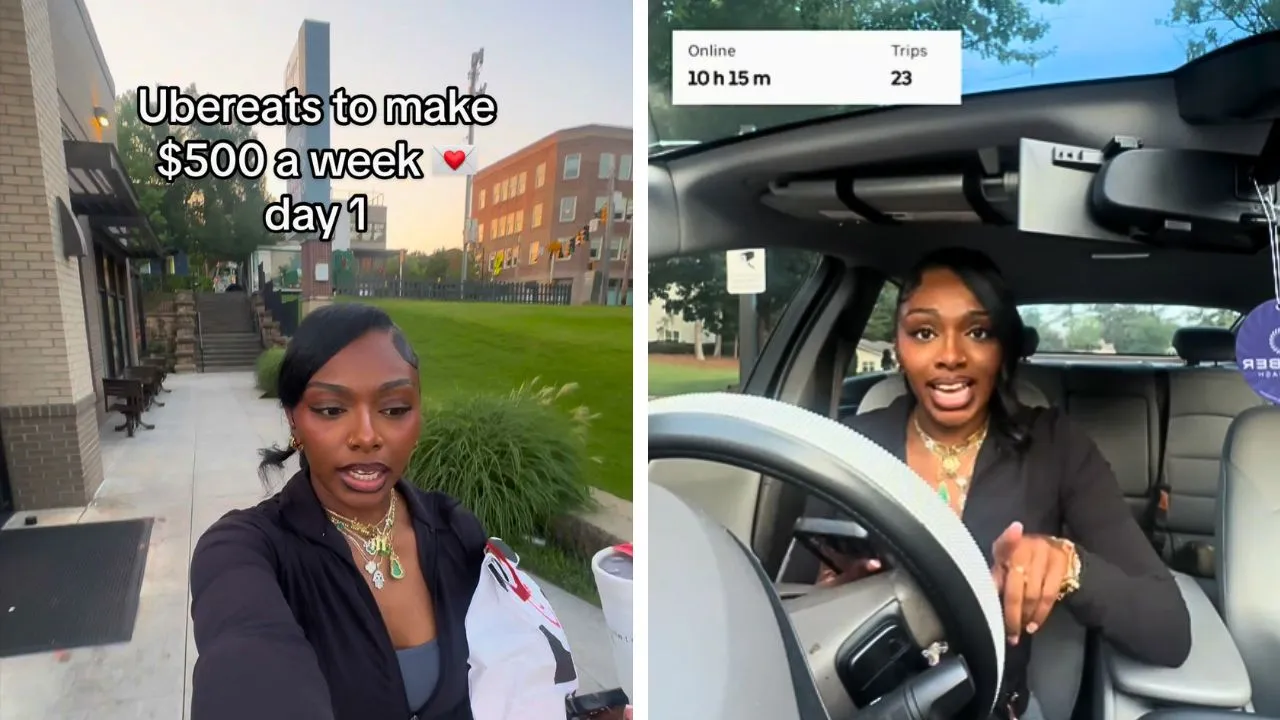
    Atlanta Uber Eats Driver Breaks Down 10-Hour Shift Earnings and Order Selection Strategy

    An Atlanta-based Uber Eats driver who posts under the handle @mu.nisah on TikTok recently gave viewers a transparent look at her earnings after spending more than 10 hours completing food deliveries. In a video posted on August 16, the creator documented multiple deliveries throughout her shift and revealed she earned more than $130 by carefully selecting which orders to accept.

    Order-by-Order Breakdown: Pay, Distance, and Restaurants

    The video captures the driver starting her shift with a Chick-fil-A order that paid approximately $9 for a 3-mile delivery. Subsequent orders included:

    • A $6 delivery covering 0.7 miles
    • A $6 order for 3.7 miles
    • A $7 McDonald’s delivery covering 2.7 miles

    As the day progressed, she accepted additional orders from Starbucks, Zaxby’s, and McDonald’s again. Her highest-paying single delivery of the shift paid $24 for a 9.9-mile trip.

    Hourly Rate Before Expenses

    By the end of her shift, the creator reported driving for 10 hours and 21 minutes. Based on her total earnings of over $130, that works out to roughly $12.60 per hour before expenses — a figure that does not account for gas, vehicle maintenance, insurance, or taxes.

    @mu.nisah guess how much i made doing a 10 hrs shift on @Uber Eats #ubereats #sidehustle #ubereatsdriver #gigworker #unemployed ♬ original sound – IG: mu.nisah♡

    The “$2 Per Mile” Rule and Time Considerations

    The video also shows the driver declining certain orders based on her personal criteria. In the comments section, a viewer asked how she earned so much, noting they sometimes spent hours on delivery platforms but only made around $60. In response, the creator explained that drivers should not necessarily worry about their acceptance rate when deciding which orders to take.

    Her personal rule: look for orders paying about $2 per mile. As an example, she said a 3-mile delivery should pay at least $6. She also factors in estimated time required, noting that most deliveries under 4 or 5 miles usually do not take more than 30 minutes.

    Alternative Platforms and Waitlist Status

    Another commenter suggested she sign up for Spark, Walmart’s delivery platform, claiming drivers could earn more there — though that claim could not be independently verified. The creator responded that she was already on Spark’s waitlist.

    Context: Gig Earnings Vary Widely

    The comments reflect recurring challenges of gig delivery work. Earnings vary considerably based on demand, location, time spent online, and which orders a driver accepts. Uber states that delivery people can see expected earnings and trip details before accepting many delivery requests, as this creator demonstrated. However, the amount a driver ultimately makes depends on many factors.

    Important context: The creator’s earnings on this particular shift are not representative of typical daily income for Uber Eats drivers, which varies widely based on location, hours, demand, and order selection.

  • ‘I Swear to God, Bro, I Can’t Make This Up’: Man Says Date Asked If He Has Autism After Calling Him ‘Interesting’ All Night

    ‘I Swear to God, Bro, I Can’t Make This Up’: Man Says Date Asked If He Has Autism After Calling Him ‘Interesting’ All Night

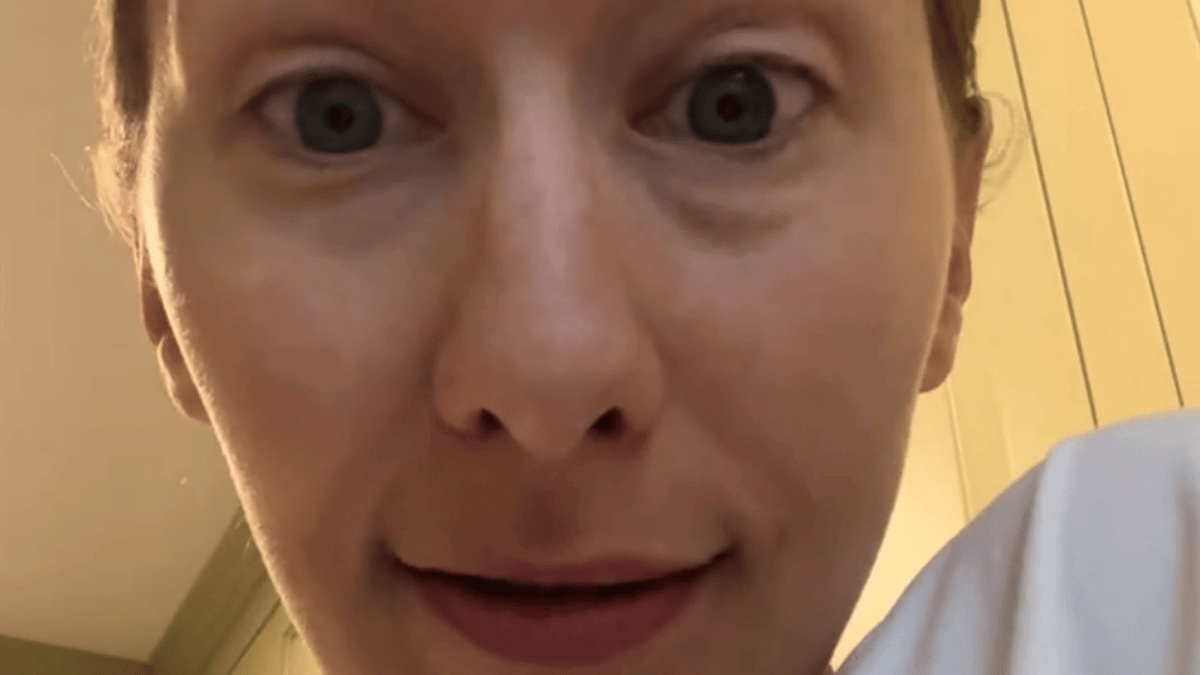
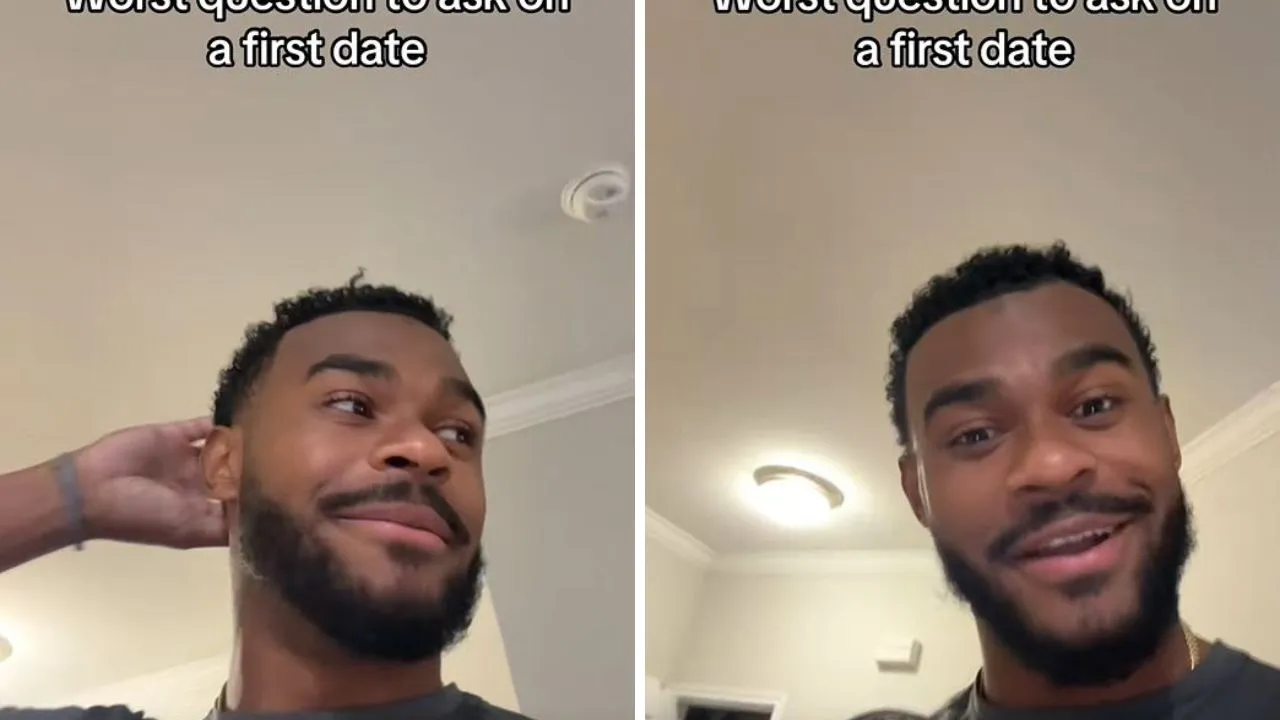
    A TikTok video uploaded in November 2025 by creator @777pres has garnered over 238,100 likes and nearly 9,000 comments after he recounted a first date that took an unexpected turn. The creator, known as Pres, opened the clip by declaring he does not think he will date again before detailing the encounter.

    Date begins normally before repeated comments spark confusion

    According to Pres, the date started well, with the pair doing what he described as cool stuff. However, the dynamic shifted when the woman repeatedly called him funny and interesting. Pres said he asked her what she meant by interesting, explaining that he felt the word could be read kind of differently depending on tone or intent. He pushed back on the description more than once.

    She repeated the same answer before he pressed her again. When she finally gave in, she asked, Do you have autism?

    @777pres Interesting #fyp #explore #dating #adhdtiktok ♬ original sound – Pres

    Creator stunned by question; viewers react with similar stories

    Pres said he was stunned, telling viewers, I swear to God, bro, I can’t make this up. He stated he did not have autism, though he added he might, before clarifying that any traits he might have would not be noticeable to someone meeting him for the first time. He ended the video by saying the experience left him hesitant to go on another date anytime soon, framing the moment as a turning point for how he views dating going forward.

    Commenters responded with a mix of requests for more information and personal anecdotes. One user asked for missing context, writing, We’re missing the part where you tell us what you were doing or saying.

    Another described a similar experience from a workplace setting: my coworker FIRST DAY I met them, asked if I have Aspergers!!? girrrrlll.

    Someone else admitted to asking a similar question themselves in the past, writing, That’s something I’d say or ask on the first date (and I have).

    The Daily Dot was unable to independently verify the events described in this video, including the identity of the woman involved. The details above reflect the TikTok creator’s account as shared on TikTok.

  • New Apple Watch Feature Labeled ‘straight out of Black Mirror’ as Consumers Are Creeped Out

    New Apple Watch Feature Labeled ‘straight out of Black Mirror’ as Consumers Are Creeped Out

    Key Highlights

    • Apple unveiled Apple Watch Series 12 with “Audio Intelligence” features including Live Rewind, which captures the previous 15 seconds of conversation as text, and Siri Recap, which generates AI summaries of conversations.
    • The company introduced its first foldable iPhone, the iPhone Duo, alongside iPhone 18 Pro and 18 Pro Max models powered by new A20 chips and featuring Apple Reference Image for photo authenticity verification.
    • Social media reaction to the watch’s conversation-monitoring capabilities was overwhelmingly negative, with users calling the concept “incredibly creepy” and “Black Mirror-esque,” though Apple insists all audio processing occurs on-device with no recordings stored.

    Apple’s Autumn Event Unveils Wearable AI and First Foldable iPhone

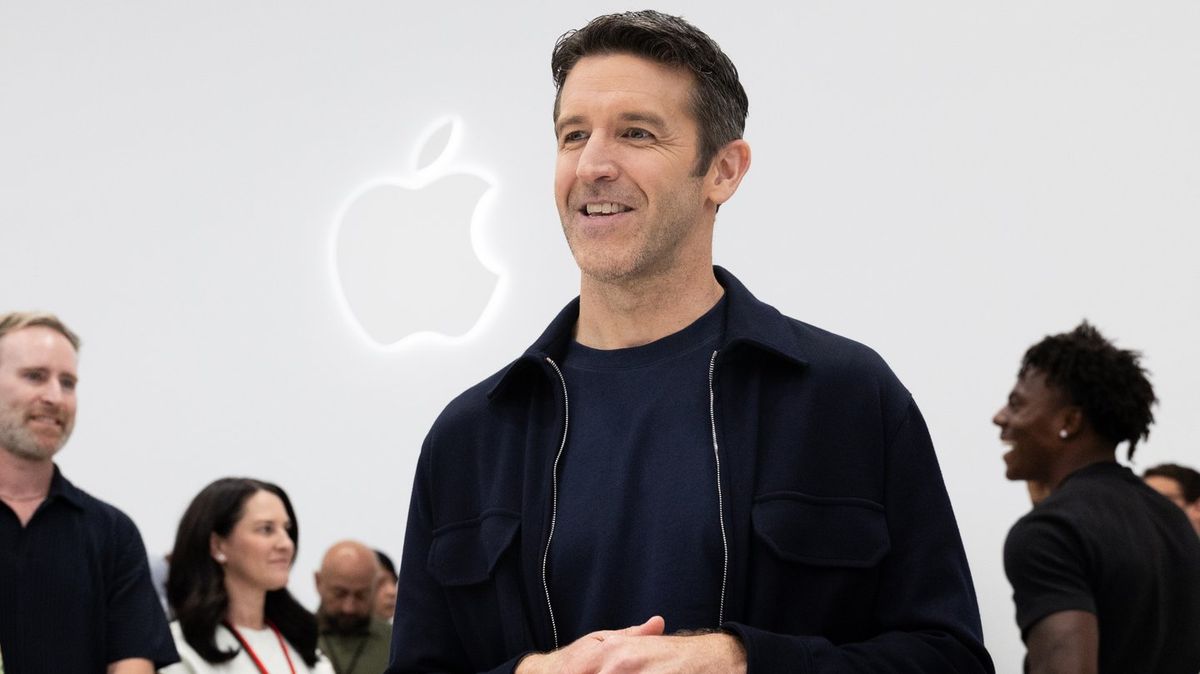
    Apple held its autumn product event on Wednesday, 9 September, introducing a slate of new hardware headlined by the Apple Watch Series 12, the company’s first foldable iPhone dubbed the iPhone Duo, and updated iPhone 18 Pro models. The presentation, led by Apple executive John Ternus, placed heavy emphasis on artificial intelligence integration across the product lineup, with the Apple Watch Series 12 serving as the primary showcase for what the company calls “Audio Intelligence.”

    According to Apple’s vice president of Worldwide Apple Watch Product Marketing, Kaiann Drance, “Apple Watch Series 12 is the most advanced health and fitness companion we’ve ever created.” She added, “With our new Health Sensing System and S11 chip, Apple Watch Series 12 gives you meaningful insights, like readiness, so you can better understand how to take on your day and care for your health, plus intelligence features that make everyday life easier. And it’s all wrapped in a beautifully thin, light design you’ll love wearing all day and night.” The Series 12, priced from £369, launches on 18 September.

    Audio Intelligence Sparks Privacy Debate

    The centerpiece of the watch announcement—and the feature generating the most controversy—is Audio Intelligence. Apple describes this as a way to “help users stay aware of the world around them, catch what they missed, and remember key moments – with user control, privacy, security, and accessibility at the centre of its design.” The system includes two primary components: Live Rewind and Siri Recap.

    Apple said: “A double press of the Digital Crown shows the previous 15 seconds of a conversation as a text snippet, so the user can catch something they may have missed or are less familiar with. Users can ask Siri about the content of the text or save it to the Siri app to revisit later.” The company further explained: “Siri Recap, which can create high-level summaries of conversations that users can review later to jog their memory. When Siri Recap is turned on, after a conversation, Apple Intelligence automatically generates a title and key points in the new Siri app, allowing users to be more present and engaged in the moment.”

    The watches also use the built-in microphone to alert users who are deaf or hard of hearing to important sounds such as sirens, alarms, doorbells, or a baby crying, using on-device intelligence.

    Public reaction on social media was swift and largely critical. One user wrote: “Do they not realise how incredibly creepy this is?” Another commented: “Just gonna have to tattoo ‘I do not consent to being recorded’ on my forehead at this point.” A third added: “This was literally a Black Mirror episode.” While some commenters welcomed the accessibility benefits, the overwhelming sentiment expressed concern about the implications of a wrist-worn device continuously buffering recent conversation.

    Apple Details On-Device Privacy Architecture

    Addressing privacy concerns directly, Apple provided a technical explanation of how Audio Intelligence functions without storing audio. Explaining how it works, the firm said: “This is because the S11 chip on Apple Watch Series 12 includes Secure Exclave, a dedicated hardware-isolated compartment that processes audio in complete isolation from the rest of the system, then immediately deletes it. Users are in control and can choose whether to opt in to each Audio Intelligence feature. They can decide exactly where and when Siri Recap takes notes, and can turn Siri Recap on or off at any time, right from Control Center.”

    The company continued: “By design, Audio Intelligence features do not identify and attribute speakers, to protect the privacy of both the user and those around them. Siri Recap produces a brief, high-level summary of conversations — not a transcript — and is designed to exclude sensitive information like financial information or government-assigned identifiers. Live Rewind plays an audible chime when it is being used, even if Apple Watch is on silent, and shows a full-display animation and microphone indicator so people nearby can hear and see that the feature has been activated.”

    iPhone Duo Marks Entry into Foldable Market

    Beyond wearables, Apple’s “big-ticket item” was the iPhone Duo, the company’s first foldable smartphone. When unfolded, the device approximates a tablet form factor; folded, it resembles a large phone. Apple claims the Duo offers “up to 40 percent higher stiffness” compared to competing foldables, reducing wear from repeated folding. The device runs on an A20 Pro chip, uses eSIM exclusively, and houses two batteries providing up to 24 hours of usage across both screens, with rapid charging capable of reaching 50 percent in minutes. The camera system matches the calibre of the iPhone 18 series.

    iPhone 18 Pro Line and Health App Overhaul Round Out Announcements

    The iPhone 18 Pro and 18 Pro Max feature the new A20 chip delivering “up to 40 percent improved graphics performance.” Greg Joswiak, Apple’s senior vice president of Worldwide Marketing, stated: “With iPhone 18 Pro, we’ve made advancements to the areas our users care about most: camera, performance, battery, and intelligence. And we didn’t just make incremental improvements in these areas — we took huge leaps forward to create the best Pro iPhone we’ve ever made.” The 18 Pro Max touts the longest battery life of any iPhone to date, while the 18 Pro matches the 17 Pro Max’s endurance. Both support 50 percent wired charge in 15 minutes. A new feature called Apple Reference Image helps verify photo authenticity.

    The Health app receives a significant update powered by Apple Intelligence, adding a readiness score, Health Age score, a Longevity tab, and personalized fitness suggestions based on user metrics. Apple says the app now allows in-depth assessments of how well users’ bodies are moving.

    Finally, AirPods 5 arrive in two configurations: a standard model and a version with a Wireless Charging Case offering longer battery life and on-stem volume control. Apple claims the new earbuds deliver “the industry’s best Active Noise Cancellation (ANC) in an open-ear design and even better sound quality” which “removes up to 50 percent more external noise compared to AirPods 4.”

    Why This Matters

    Apple’s autumn event signals a strategic pivot toward ambient, on-device AI that moves beyond traditional query-response interactions into continuous, context-aware assistance. The Apple Watch Series 12’s Audio Intelligence represents the company’s most ambitious attempt yet to position its wearable as an indispensable cognitive prosthetic—capturing, summarizing, and surfacing information from the user’s immediate environment. However, the fierce public backlash highlights a growing tension between the utility of always-on AI and societal norms around consent and surveillance in private conversation. Apple’s architectural choices—hardware-isolated Secure Enclave processing, immediate audio deletion, audible chimes, and opt-in controls—reflect an awareness of this tension and an attempt to establish a new privacy paradigm for wearable AI. Meanwhile, the iPhone Duo’s entry into the foldable market, years after competitors, follows Apple’s typical pattern of refining form factors rather than pioneering them. The integration of photo authenticity verification via Apple Reference Image also speaks to rising industry and regulatory pressure around AI-generated content and deepfake detection.

    Frequently Asked Questions

    When does the Apple Watch Series 12 launch and how much does it cost?
    The Apple Watch Series 12 launches on 18 September with pricing starting at £369.
    Does the Live Rewind feature store audio recordings of conversations?
    No. Apple states that the S11 chip’s Secure Enclave processes audio in complete isolation and immediately deletes it. The system does not create or store audio recordings, and neither the operating system, apps, the user, nor Apple can access them.
    What is the iPhone Duo and how does it differ from previous iPhones?
    The iPhone Duo is Apple’s first foldable iPhone. Unfolded, it provides a tablet-sized display; folded, it resembles a large phone. It features an A20 Pro chip, dual batteries for up to 24-hour battery life, eSIM-only connectivity, and a hinge design Apple claims is 40 percent stiffer than competing foldables.