Tag: Yuki Tsunoda

  • Yuki Tsunoda Reveals Biggest 2025 Mistake, How Red Bull Struggles Made Him a Better Driver

    Yuki Tsunoda Reveals Biggest 2025 Mistake, How Red Bull Struggles Made Him a Better Driver

    Tsunoda’s Unexpected Return to Racing Bulls

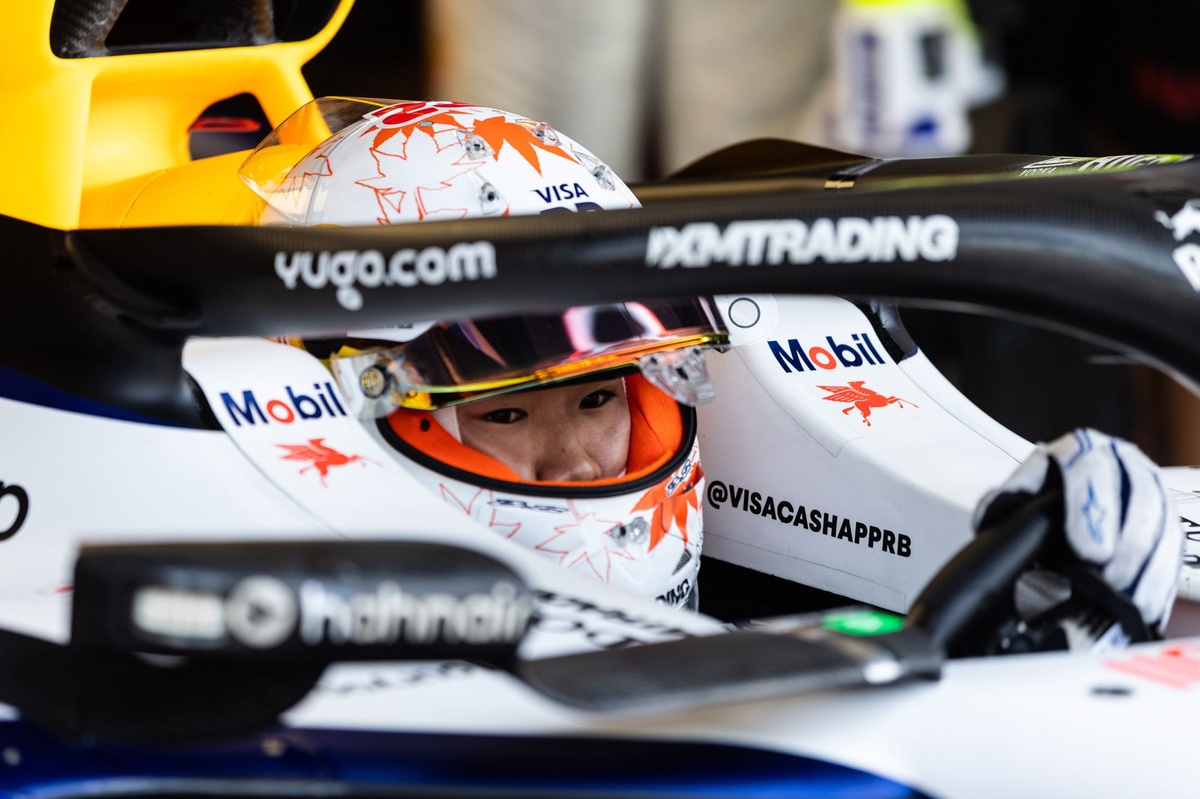
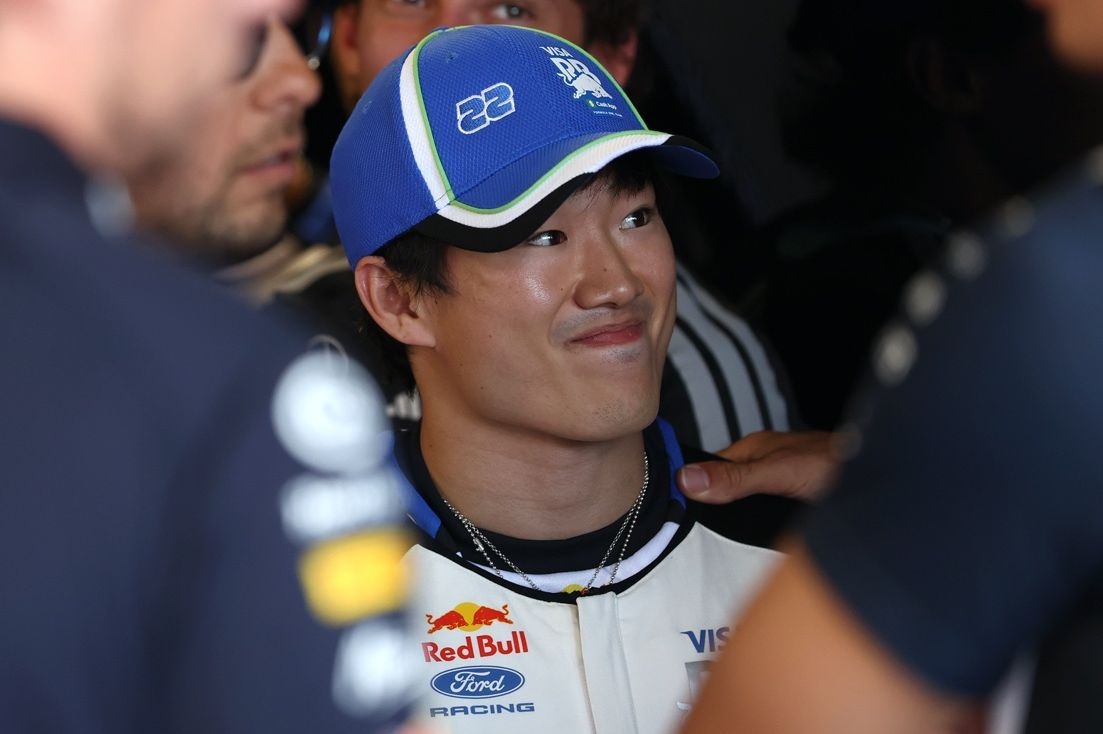
    Yuki Tsunoda has enjoyed a surprise three-race cameo in 2026, slotting into Racing Bulls in place of Liam Lawson following Isack Hadjar’s injury. While it remains unknown whether Tsunoda will get a fourth outing this season, the Japanese racer has certainly made the most of his unexpected comeback.

    Reflections on a Difficult 2025 Season at Red Bull

    Tsunoda is Red Bull’s reserve driver this season, having lost his race seat at the end of last year. After being promoted to Red Bull from the third round of the 2025 season, Tsunoda struggled to make much of an impact and was resigned to playing a support role in Max Verstappen’s championship bid.

    Speaking on the latest episode of official F1 podcast Beyond the Grid, Tsunoda explained just how tough 2025 was for him, after many years of relative success at Racing Bulls under their various guises, and exactly what he felt was his biggest mistake.

    “One thing about myself I think, if I say [being] completely honest, I have a big enough ego to not change my driving style,” Tsunoda said. “I know what I’m doing in terms of driving. I believe in myself, so I never try to change my driving style to other drivers, even though the driver is competitive and fast.

    “Obviously Max, it’s a different case, he’s a World Champion, he proves a lot of things and I still learn a lot of things from his driving. [It was] probably the first year out of any years since I started that I thought about changing driving style and tried to do something similar to Max.

    “But in my perspective, if I just look at data, I didn’t really see a huge difference in terms of driving. What I think now is the biggest mistake in last year was to try to replicate the set-up what he’s doing.”

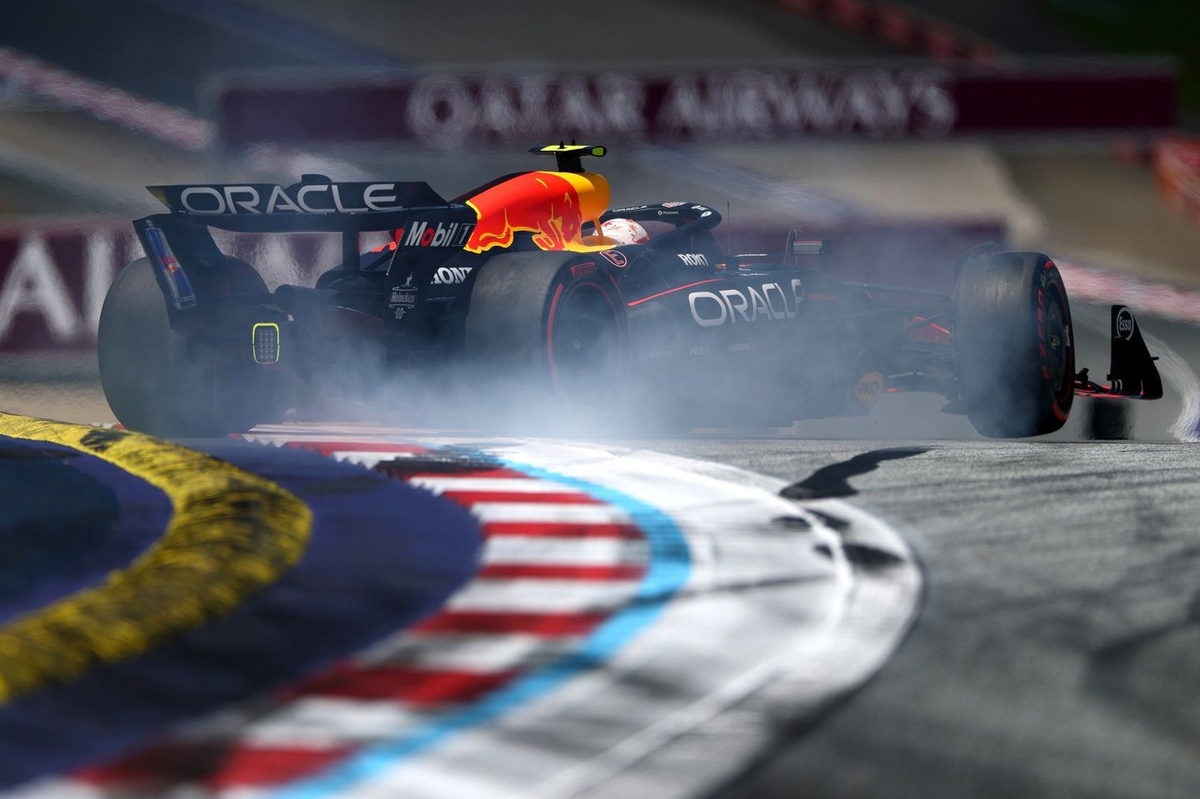
    Tsunoda scored just seven times out of the 21 Grands Prix he contested with Red Bull, in a car that Verstappen took to second in the championship. The comparison between the two late in that season was stark, with Verstappen winning five of the final eight races, while Tsunoda in the same period recorded a P6, P7 and P10 finish.

    That resulted in Tsunoda losing his seat, with Hadjar promoted from Racing Bulls to replace him.

    “When I got told, I still remember, I didn’t feel that much of huge disappointment or devastated feeling. Obviously, still disappointed and pretty sad that I’m not driving next year. But not as I expected, I don’t know why.

    “I fought really hard. I fought more than ever in that 2025 year, more than ever. And even if I look back now, I don’t have much regret. I gave everything and the outcome is something I didn’t like, obviously, but honestly, I just gave everything.”

    Lessons Learned and a Strong Comeback

    Tsunoda believes the struggles he went through in 2025 have made him a better driver, and he has impressed for Racing Bulls.

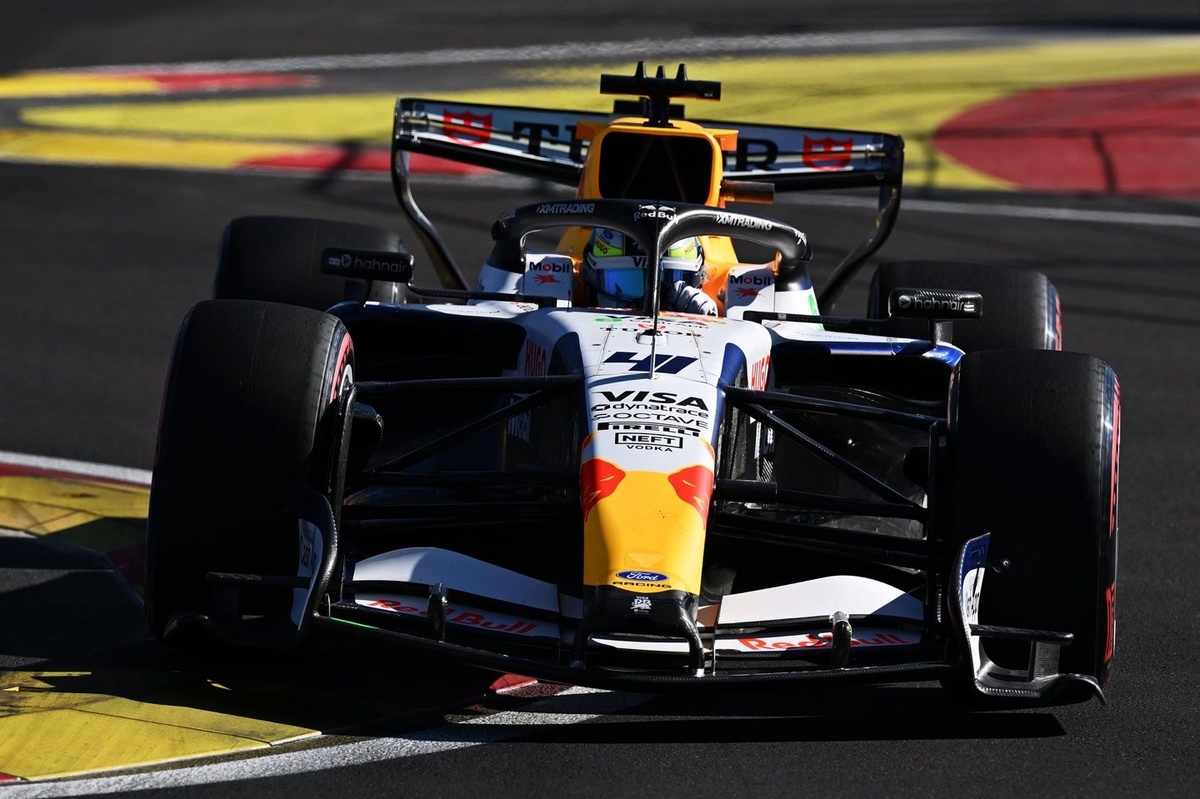
    In a new generation of cars, which are very different from what he drove last year, Tsunoda has done well in the three races he has contested – especially in Zandvoort, where the Sprint format meant he only had one practice session to get used to all the changes.

    “Going back to this Netherlands story, jumping into the car that I’ve never driven, Sprint Qualifying format, team is doing really well, you know, running P5 in Championship, [knowing] that you can’t really mess up for the race, you want to have points,” he added.

    “Somehow, I was like really, [feeling] okay. I didn’t feel anything, that much, of pressure.”

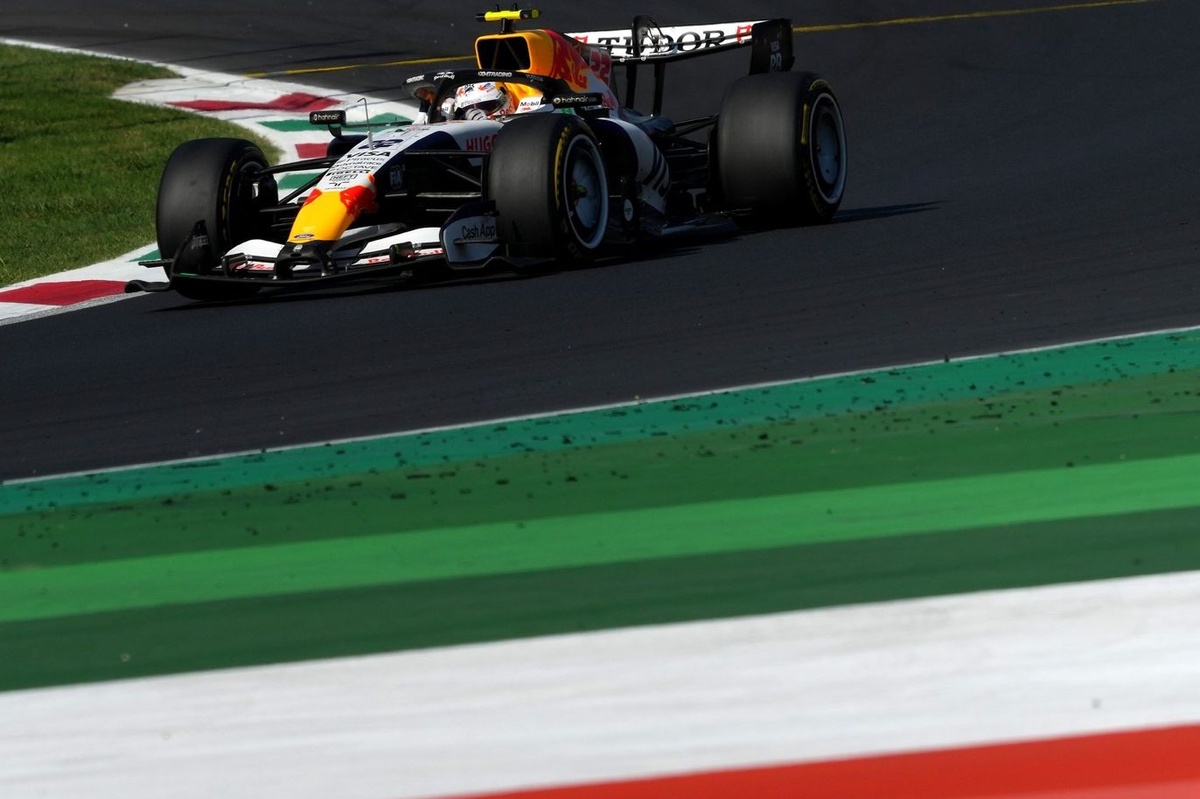
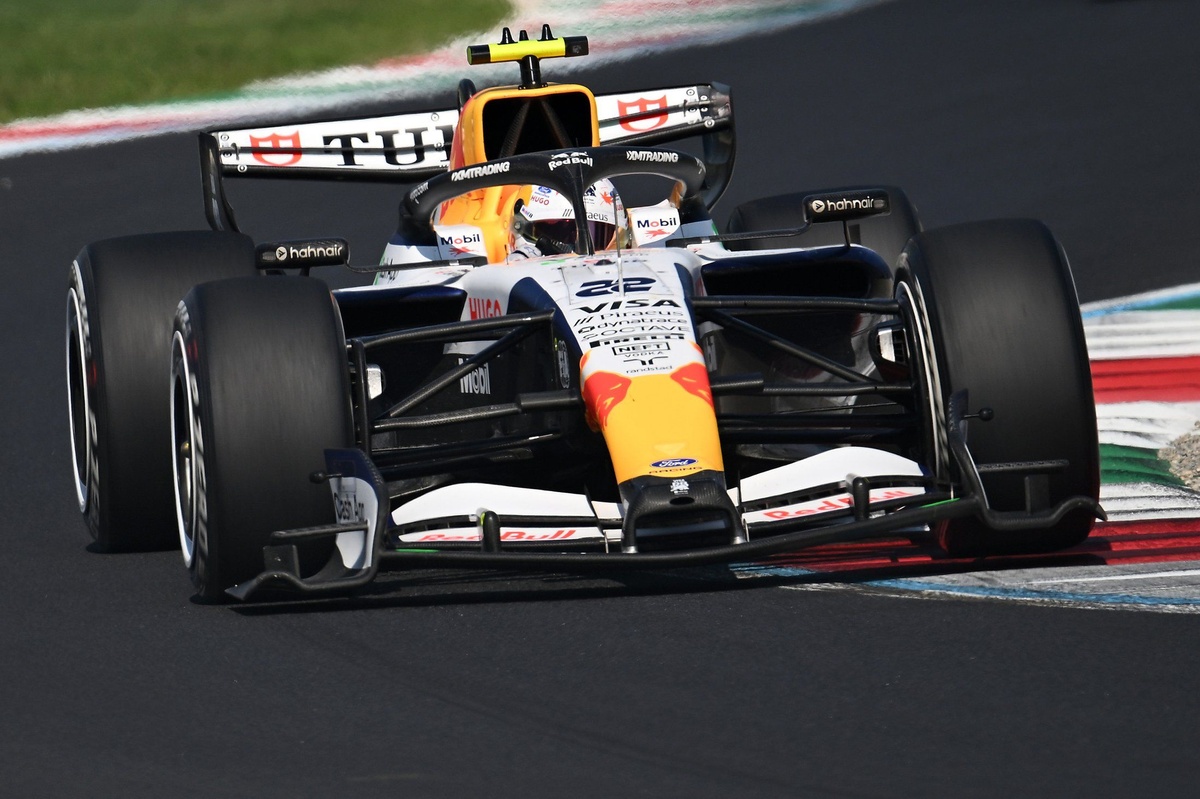
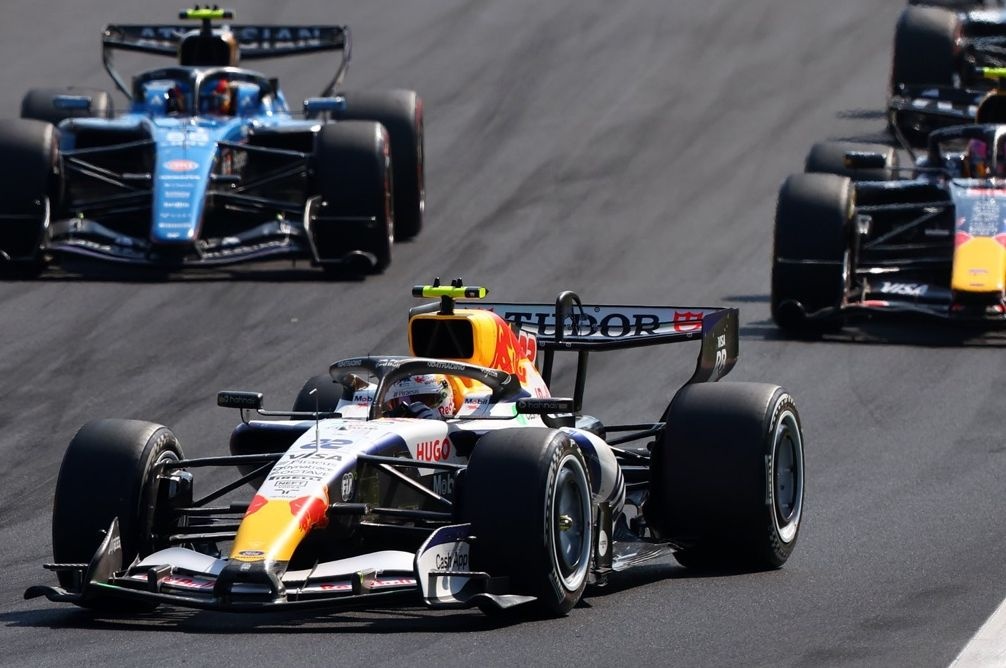
    Tsunoda finished 11th in Zandvoort, one place ahead of his team mate. But he then finished 10th at Monza to pick up a point for the team and help them in their fight against Alpine.

    “The feeling I had, crossing the line, finishing P10, is definitely a bit more special P10 than certainly last three years of my career. Felt like really similar feeling towards first time I scored points in AlphaTauri [in my] first year.

    “I felt very valuable, [more] than usual. I was so happy, team are happy, and the kind of moments that you can celebrate with the team – that we had a good race weekend – is something I didn’t have for a while. It was a very nice moment.”

    Future Aspirations for 2027

    As to Tsunoda’s future, he is still trying to secure a full-time drive for next season. But it is a tough ask, with very few open seats left available.

    “My primary focus is F1. I’m trying to be back. That’s my target and I’m not thinking anything else. For myself, it’s fortunate that I got opportunities so I try and maximise it and hope I can be back in 2027.”

    To listen to this week’s episode of Beyond The Grid, simply hit go on the audio player above or click here to listen via your preferred podcasting platform.

    You can also check out a huge selection of previous episodes – spanning every decade of F1 – in our dedicated Beyond The Grid library.

    You can also watch the podcast on the F1 YouTube channel.

  • Yuki Tsunoda Reveals Why He Failed to Master Red Bull’s 2025 F1 Car

    Yuki Tsunoda Reveals Why He Failed to Master Red Bull’s 2025 F1 Car

    Key Highlights

    • Yuki Tsunoda finished 17th in the 2025 drivers’ standings with 30 points, while teammate Max Verstappen won eight grands prix and scored 385 points during their time together.
    • Tsunoda admits attempting to replicate Verstappen’s car set-ups was his “biggest mistake,” as the RB21’s characteristics remained elusive despite his prior experience with Red Bull’s philosophy.
    • Red Bull informed Tsunoda he would not be retained for 2026 at the Qatar Grand Prix; he described the news as a relief after a “so stressful” second half of the season.

    The Unprecedented Gap: Tsunoda’s 2025 Red Bull Ordeal

    It seems almost unfathomable for a title contender’s team-mate to end up 17th in the Formula 1 drivers’ standings, yet that is precisely what happened to Yuki Tsunoda alongside Max Verstappen at Red Bull in 2025. In a way, it was unprecedented; the closest modern parallel was perhaps Felipe Massa lying 16th eight rounds into the 2012 season while Ferrari team-mate Fernando Alonso comfortably led the championship, though the Brazilian managed to turn that situation around. Tsunoda’s case was unique. Having decided to release an underperforming Sergio Perez, Red Bull initially picked Liam Lawson over Tsunoda for a 2025 promotion, believing the New Zealander’s lack of experience would be offset by his allegedly higher potential. Lawson did not get much time to prove himself. After two grands prix in which he was eliminated in Q1 and failed to score any points, he was sent back to Racing Bulls, with Tsunoda finally getting his chance at the main team.

    Pre-Season Optimism Meets RB21 Reality

    At the time, the Japanese driver was quite bullish about his odds of succeeding where so many others had failed. “People often say Red Bull cars tend to have strong front-end grip. I personally love cars that turn aggressively, and in the past, I adapted my driving style to that kind of set-up,” Tsunoda said ahead of his Red Bull debut. “Racing Bulls traditionally had cars that understeered a bit more, which was challenging for me at first, but I got used to it, and it eventually became my norm. Now, the key will be adjusting to Red Bull’s characteristics again, but considering my past experience, I’m not too worried about it.”

    Perhaps he should have been. While Verstappen won eight grands prix—more than anyone, including 2025 champion Lando Norris—Tsunoda failed to take a single podium finish, with his highest result an underwhelming sixth in Baku; he scored 30 points to his team-mate’s 385 over their time together. In 27 qualifying sessions (sprints included), Tsunoda made it to Q3 eight times, was out in Q2 on nine occasions, and was eliminated as early as Q1 on 10 occurrences. He outqualified his team-mate just once and was 0.6s slower on average. So, what was the problem with Red Bull’s RB21 F1 car? To some extent, Tsunoda remains at a loss to explain it. “Normally I’m able to understand the car, what I’m driving, what kind of characteristic,” Tsunoda detailed on the Beyond The Grid podcast, “but it feels like even after Abu Dhabi, I didn’t know what kind of car I was driving. I still don’t understand what was the issue and what things made me very struggle to learn about this car and get used to the car. I thought confidence was there, but some race I just somehow lost the confidence. I still don’t understand the car, to be honest.”

    The Setup Trap: Replicating Verstappen’s Philosophy

    Still, Tsunoda has fascinating insight to provide. He openly admits he refrained from tweaking his driving style, believing that is just what works for him. However, he did end up trying out Verstappen’s set-ups—and that experiment just failed. “One thing about myself: I have big enough ego to not change my driving style,” Tsunoda admitted. “I know what I’m doing in terms of driving and I believe in myself. So, I never try to change my driving style to another driver’s, even though the driver is competitive and fast. Obviously for Max, it’s a different case. He’s a world champion, he proves a lot of things and I still learn a lot of things from his driving. My core driving is the same. And at some time, probably the first year out of any years since I started, I thought about changing driving style and trying to do something similar to Max. But in my perspective, if I just look at data, I didn’t really see a huge difference in terms of driving. What I did most—and what I think now was the biggest mistake last year—was to try to replicate the set-up, what he’s doing; even knowing that sometimes, if I feel the car very oversteer, Max’s [set-up] in theory makes the car worse, more sensitive in the direction change, or makes the car slide more. I tend to choose the set-up, even though I’m already struggling with oversteer. It can happen sometimes the opposite way as well: even though I’m struggling with understeer, his car is more understeer. I try to replicate that.”

    Echoes of Albon: A Familiar Red Bull Struggle

    Tsunoda is not the first driver to unsuccessfully attempt to use Verstappen’s set-up. Alex Albon too struggled alongside the Dutchman, for a year and a half, in 2019-20. Back in 2023, the Anglo-Thai reminisced in the High Performance Podcast: “[Verstappen] has quite a unique driving style, it’s not that easy to get along with. Everyone has a driving style; I would say my driving style is a bit more on the smooth side, but I like a car that has a good front end, so quite sharp, quite direct. Max does too, but his level of sharp and direct is a whole different level—it’s eye-wateringly sharp. To give people kind of maybe an explanation of what that might feel like, if you bump up the sensitivity [on a computer game] completely to the max and you move that mouse and it’s just darting across the screen everywhere, that’s kind of how it feels. It becomes so sharp that it makes you a little bit tense.”

    This metaphor was brought up to Tsunoda, but he was not convinced it was particularly relevant to the RB21. Asked if he could relate, the Japanese racer said: “Yes and no. First, the car is a lot different to when Alex was driving. And I’ve never driven Alex’s car. I tend to force the car how I want to drive. It’s sensitive, but I didn’t feel that sensitive. But at the same time, like I said, it was very up and down. Some tracks I’m driving more sensitive car than him, some tracks he was driving more sensitive. On average, probably he was driving a bit more sensitive car, more like a sharper car than me. What he was definitely better at was, even though the car was sensitive or even numb… In a corner, there’s always one phase or one moment that the car naturally reacts to, or tries to kind of respect its own behaviour. You know what I mean? Like, always in the corner, as soon as I turn in or whatever, that car does its own thing. That can be like a sensitive, sharp rotation or, I don’t know, the front slides or something. He’s able to use that and he can smell that kind of behaviour probably much faster than me. And he was able to maximise that kind of behaviour throughout the corner. It’s not necessarily my driving style that I’m doing, but if I have that kind of moments, sharp turn-in or rotation or the front slide, I tend to force the car how I want to drive. I normally respect how the car wants to drive through the corner, or I’m able to use that kind of natural behavior from the car. But I wasn’t able to use that ability much in the Red Bull.”

    From Suzoka Optimism to Season-Long Ordeal

    As soon as he first drove the RB21 in free practice at Suzuka, Tsunoda’s early optimism gave way to caution; he reported the car was “feeling a bit more tricky” than on the simulator. With hindsight, it was a sign of the ordeal to come. “Even though I said, yeah, I thought I had confidence, probably it was not enough, as much as the VCARB car that I drove for four years,” Tsunoda said. “Red Bull is still a car that was completely different, which I felt as soon as I stepped into that car in Suzuka. There’s some confidence level I was able to build up, but to maximise that whole performance, I think that was probably something I was missing, and trying to find that confidence throughout the year.”

    The End of the Road: Relief Amid Disappointment

    Tsunoda eventually found out in Qatar, at the penultimate round of the season, that he would not be retained as a race driver and would act as a reserve in 2026—no huge surprise given his results, and the campaign had been so draining that the news actually was a relief to him. “I still remember the moments,” he recounted. “Initially, what I got told was from Helmut [Marko, then Red Bull’s motorsport advisor]. In the end, Helmut is the person that brought me into Formula 1, brought me even to the Red Bull junior programme. We were together since when I was 17, 18. I remember he was also pretty disappointed about that. And when I got told, I still remember, I didn’t feel that much of huge disappointment or devastated feeling. Obviously I was still disappointed and pretty sad that I’m not driving next year. But not as I expected because I don’t know why, somehow in a way, I fought really hard. I fought more than ever in that 2025 year. And even if I look back now, I don’t have much regret. I gave everything. In a way, honestly, my heart was just saying, ‘Okay, now I can be relaxed’. Because it was so stressful, the second half of the 2025 season, where I fought hard with a lot of pressure. Like I was never able to kind of breathe out much.”

    Why This Matters

    Tsunoda’s 2025 season serves as a stark case study in the difficulty of adapting to a Red Bull Racing car tailored around Max Verstappen’s singular driving style and set-up preferences. The RB21’s “eye-wateringly sharp” front-end sensitivity—described previously by Alex Albon as akin to maximizing mouse sensitivity in a video game—created a vehicle that rewarded a specific, highly reactive driving approach. Tsunoda’s admission that he “forced the car how I want to drive” rather than respecting its natural rotation highlights a fundamental philosophical clash: the car demanded a driver who could anticipate and utilize its nervous behaviour, while Tsunoda’s instinct was to impose his own rhythm. The experiment of copying Verstappen’s set-ups despite suffering opposite balance issues (oversteer vs. understeer) underscores the trap teammates fall into when chasing the benchmark’s data rather than their own confidence. With Tsunoda moving to a reserve role for 2026 and Liam Lawson returning to Racing Bulls, Red Bull’s driver development pipeline faces scrutiny over its ability to cultivate a viable second seat alongside a generational talent whose car demands remain uniquely extreme.

    Frequently Asked Questions

    Why did Yuki Tsunoda struggle so much relative to Max Verstappen in the 2025 Red Bull RB21?
    Tsunoda could not adapt to the RB21’s specific handling characteristics, describing the car as elusive even after the season ended. He admitted his “biggest mistake” was replicating Verstappen’s set-ups despite those set-ups often worsening the balance issues (oversteer or understeer) he was experiencing, and he acknowledged he “forced the car” rather than utilizing its natural rotation through corners as Verstappen could.
    How did Tsunoda’s 2025 statistics compare to Verstappen’s during their time as teammates?
    Over their stint together, Verstappen won eight grands prix and scored 385 points, while Tsunoda scored 30 points with a best finish of sixth in Baku. In 27 qualifying sessions (including sprints), Tsunoda reached Q3 eight times, exited in Q2 nine times, and was eliminated in Q1 on 10 occasions. He outqualified Verstappen once and trailed by 0.6 seconds on average.
    What was Tsunoda’s reaction to being dropped for the 2026 season?
    Tsunoda revealed the news—delivered by Helmut Marko at the Qatar Grand Prix—brought a sense of relief rather than devastation. He stated he “fought more than ever in that 2025 year” with no regrets, but acknowledged the second half of the season was “so stressful” and that his heart felt “okay, now I can be relaxed” upon learning he would move to a reserve role.
  • “I’m not enjoying life” – How Yuki Tsunoda’s Red Bull F1 stint “exhausted” him

    “I’m not enjoying life” – How Yuki Tsunoda’s Red Bull F1 stint “exhausted” him

    Key Highlights

    • Yuki Tsunoda described his 2025 Red Bull Racing season as the “toughest year” of his career, revealing severe mental exhaustion and a loss of enjoyment in Formula 1 while struggling to match Max Verstappen’s performance.
    • Tsunoda lost his race seat after the summer break when Isack Hadjar was promoted and Arvid Lindblad debuted, but returned to Racing Bulls for the final three grands prix following Hadjar’s wrist injury and Liam Lawson’s temporary Red Bull call-up.
    • The Japanese driver stated he emerged from the ordeal mentally stronger, declaring he now feels “very comfortable” under pressure and believes nothing in his future career will match the difficulty of his 2025 experience.

    Tsunoda’s Brutal Red Bull Audition: A Midseason Promotion With No Preparation

    Yuki Tsunoda’s 2025 Formula 1 campaign stands as a case study in the unforgiving nature of Red Bull Racing’s second seat. Promoted from Racing Bulls midseason to partner four-time world champion Max Verstappen, Tsunoda stepped into the RB21 without a single prior lap in the machinery—a disadvantage compounded by the team’s condensed development cycle. While Sergio Perez endured four seasons in the role and Liam Lawson lasted merely two grands prix, Tsunoda received a nearly full campaign to prove his worth. He finished 17th in the drivers’ championship, while Verstappen narrowly missed a fifth consecutive title by two points, underscoring the performance gap that has defined the Milton Keynes squad’s driver lineup dynamics for years.

    Mental Toll: Exhaustion, Isolation, and a Loss of Passion

    Speaking candidly on the Beyond The Grid podcast, Tsunoda laid bare the psychological erosion that accompanied his on-track struggles. The 26-year-old described a progressive breakdown of his usual coping mechanisms, where familiar reset rituals—good food, downtime at home—ceased to restore his energy as the season wore on.

    “Definitely, 2025 was the toughest year in my career, and I learned heaps of things,” Tsunoda said. “I’m the kind of person, as soon as I had good food or whatever, I was able to reset myself between the race weeks. But I started to really struggle, towards the second half of the season especially; somehow when I came back to my house, I felt very exhausted.”

    The exhaustion deepened into existential doubt. Tsunoda recounted a growing inability to recharge, a relentless schedule that offered no respite, and a creeping realization that the joy driving his career had evaporated.

    “Normally I’m able to reset myself, get back this energy after I had something that I really like, if I do something that I really like. But I didn’t feel that energy, [it] never came back, and the races just kept going and going, going, going. I had so much up and down, and at some point I just recognised myself that I’m not really enjoying my life, I would say, like I’m not really enjoying the situation, not really enjoying driving Formula 1 probably as much as I was doing the first three years.”

    Confronting the Root Cause: Distance from Home and Professional Support

    Tsunoda traced the crisis to a factor he had overlooked since his formative European racing years: geographic and emotional separation from his support network in Japan.

    “So, it was a very tough time, and outside of racing, try to solve this issue, right? What can I do to help that? And if I look back, is there something else other than eating food or this stuff? What makes me happy? And normally it’s friends, but mostly friends in Japan and… Okay, I really recognised, actually I’m away from Japan. That I really never thought about since probably my first year in F3.”

    He sought professional intervention—psychological support, trainer guidance—but the punishing second-half calendar limited the space needed for recovery. “Okay, this is tough, something that I have to resolve myself. I got help quite a lot with psychology, trainer and a lot of things, but the race [schedule] was pretty busy in the second half, so it was a pretty tough time. But at the same time, the year gave me the opportunity to look myself through a lot more than any other years.”

    Demotion, Reserve Role, and an Unexpected Return

    The organizational fallout was swift. Ahead of the 2026 season, Red Bull promoted Isack Hadjar to the senior team and handed Arvid Lindblad his Formula 1 debut at Racing Bulls, relegating Tsunoda to a reserve driver role across both squads. Fortune intervened during the summer break when Hadjar sustained a wrist injury, prompting Lawson’s temporary elevation to Red Bull and creating a vacancy at Racing Bulls. Tsunoda seized the opportunity, contesting the final three grands prix starting at Zandvoort.

    The reprieve revealed a transformed competitor. Tsunoda reported a newfound comfort under pressure, crediting the 2025 crucible for recalibrating his mental framework.

    “Not sure I’m gonna have that much pressure and struggle, difficult times, as much as I had in 2025,” he added. “So everything comes so far with big challenges. Somehow I’m able to enjoy that kind of pressure moments and I feel very comfortable. Jumping into the car that I’ve never driven, spring qualifying format, VCARB team’s doing really well, running P5 in the teams’ championship – you can’t really mess up for the race, you want to have points. Somehow I was like, I really feel okay, I didn’t feel that much pressure.”

    Asked whether any future challenge could match 2025’s intensity, his answer was definitive: “I don’t think so.”

    Why This Matters

    Tsunoda’s experience illuminates the human cost of Red Bull’s high-stakes driver development model, where the second seat has become a revolving door of talent unable to withstand the Verstappen benchmark. The team’s 2026 lineup shuffle—elevating Hadjar and Lindblad while retaining Tsunoda in a reserve capacity—signals a continued willingness to cycle through candidates rather than stabilize the pairing. For Tsunoda, the season represents a pivotal career inflection: a driver who confronted the limits of his resilience, sought structured psychological support, and emerged claiming a durable mental upgrade. His return to Racing Bulls for the season’s closing rounds, where he operated without the paralyzing pressure that defined his Red Bull stint, offers a tangible measure of that growth. The broader paddock will watch closely whether this psychological recalibration translates into sustained on-track performance in 2026, particularly if Tsunoda secures a full-time drive again.

    Frequently Asked Questions

    Why did Yuki Tsunoda struggle so severely during his 2025 Red Bull Racing stint?
    Tsunoda was promoted midseason without any prior experience driving the RB21, placing him at an immediate technical disadvantage against four-time champion Max Verstappen. The performance gap, combined with a relentless race schedule and isolation from his Japan-based support network, triggered profound mental exhaustion and a loss of enjoyment in racing.
    How did Tsunoda return to a race seat after being demoted to reserve driver?
    Isack Hadjar, who had been promoted to Red Bull Racing for 2026, suffered a wrist injury during the summer break. Liam Lawson filled in for Hadjar at Red Bull, vacating his Racing Bulls seat and allowing Tsunoda to compete in the final three grands prix starting at Zandvoort.
    Does Tsunoda believe he is mentally stronger after the 2025 season?
    Yes. Tsunoda explicitly stated that he now feels “very comfortable” under pressure, enjoys high-pressure moments, and does not expect any future career challenge to match the difficulty of his 2025 experience. He credited psychological support and self-reflection during the season for the transformation.
  • Arvid Lindblad Insists “I’m allowed to make mistakes” After Madring F1 Crash

    Arvid Lindblad Insists “I’m allowed to make mistakes” After Madring F1 Crash

    Arvid Lindblad Defends Right to Make Mistakes After Spanish GP Crash, Still Qualifies 10th

    Racing Bulls rookie Arvid Lindblad remained unapologetic after crashing out of FP2 at the Formula 1 Spanish Grand Prix, a mistake that forced a chassis change and limited his final practice running to just seven laps. Despite the setback, the Anglo-Swede recovered to qualify 10th, matching interim team-mate Yuki Tsunoda in Q1 before beating him by 0.9 seconds in Q2 to secure a Q3 berth.

    Crash Cost Valuable Track Time but Not Confidence

    Lindblad lost control of the VCARB 03 at the Circuit de Barcelona-Catalunya’s Turn 13 left-hander, damaging the car’s right-hand side and ending his Friday programme early. The team elected to change the chassis, leaving the fourth-youngest driver in F1 history with minimal preparation before qualifying.

    Asked if the incident dented his confidence, Lindblad explained: “The bigger thing was just that I didn’t drive in FP3, you know? If I had done all of FP3, I don’t think it really would have hurt me too much. But the reality was, I had the crash and then I only did two [flying] laps in FP3 and I didn’t really get a chance to get comfortable again. And that was the thing that hurt me.”

    He added: “The reality is we missed – I don’t want to say ‘two sessions of learning’, but we weren’t comfortable making a change after FP2 because of the crash. Then we didn’t drive properly in FP3, so we didn’t want to make a change. So we basically only used FP1 for the set-up. I have the same set-up as what we decided after FP1. I definitely think that if I hadn’t had that crash yesterday, the trajectory to quali would have been very different and I would have been a lot happier.”

    Rookie Accepts Errors as Part of Development Curve

    Lindblad refuses to dwell on the shunt, framing it as an inevitable consequence of pushing to the limit. “It is what it is, it’s something to learn from,” he said. “I’m not going to beat myself up for crashing, because it’s something that’s inevitable. I’ve been so on the limit this year, I’ve been so fast. It’s my 10th Q3 of the season [excluding sprints]. I’m allowed to make mistakes. I’m going to learn from it.”

    His consistency underscores that perspective. Lindblad has yet to retire from a grand prix (a clutch failure prevented his Montreal start), has scored points in seven of the last eight rounds, is on a nine-race Q3 streak, and has not been outqualified by a team-mate since the Silverstone sprint event.

    Realistic Race Expectations After Surprise FP2 Pace

    The 17-year-old topped the timesheets in FP2 with fourth place before his crash, but he downplayed that performance as a true indicator of race pace. “I wasn’t going to be P4 today,” he chuckled. “I mean, I can’t go one second quicker. The top teams obviously made a step. The reality is maybe our guys just did a better job with the starting set-up, so we started closer. So this is where we deserve to be. The reality is yesterday was something special. I think I was ahead of the curve, the team was also ahead of the curve. But there’s no hiding the fact that we’re not P4. So the reality is tomorrow we’re going to try to do the best we can. But P9, unless someone crashes, it’s the best that’s possible.”

    Arvid Lindblad, Racing Bulls. Photo by: Rudy Carezzevoli / Getty Images
  • “I f***ed up quite a lot”: How Yuki Tsunoda Discovered F1 2026 Complexity at Monza

    “I f***ed up quite a lot”: How Yuki Tsunoda Discovered F1 2026 Complexity at Monza

    Tsunoda Faces Steep Learning Curve With 2026 F1 Machinery at Spanish Grand Prix

    Yuki Tsunoda returns to Racing Bulls for a third Formula 1 appearance this season at the Spanish Grand Prix in Madrid, continuing his stand-in role for Liam Lawson. Lawson has moved to Red Bull Racing to replace the injured Isack Hadjar, giving Tsunoda another opportunity to adapt to the radically different 2026 regulations.

    Mixed Results in First Two Outings

    Tsunoda’s baptism with the new generation of cars began at the Dutch Grand Prix, where he finished just outside the points but ahead of teammate Arvid Lindblad. However, the Italian Grand Prix proved far more challenging. He struggled for pace relative to Lindblad throughout practice and qualifying, then lined up in the wrong grid slot during the race restart. A 10th-place finish remains provisional pending a protest from Audi, which argues Tsunoda should have been penalised for forcing an additional formation lap.

    Complex Energy Management Demands Precision

    The 2026 cars present a steep operational challenge. With a near 50:50 power split between the electrical motor and internal combustion engine, drivers must adopt an often counter-intuitive style that does not always prioritise maximum cornering speed. Active aerodynamics and machine-learning algorithms governing electrical deployment require precise throttle application rather than improvisation.

    Monza compounded these difficulties. Its layout offers minimal energy harvesting opportunities, meaning a competitive lap demanded both a slipstream and mastery of limited electrical power deployment.

    Tsunoda Details Operational Struggles

    Speaking in Madrid, Tsunoda outlined the specific difficulties he encountered at Monza.

    “I tended to forget quite a lot SM [Straightline Mode] last week, especially the Turn 8 to Turn 10,” he explained in Madrid.

    “There’s been more activation points than last year. And also, it’s a lot of work I have to do in the out lap, not to use the energy.

    “But obviously, if you don’t use the energy, the tyres are going to be cold, so you want to be sometimes aggressive in order where you [need] to be.

    “You want to start the lap with 100% battery, but this sacrifice in places, where to do it, where to not, was very complicated – and something that I fucked up quite a lot in qualifying. And the consequence was huge.”

    He also highlighted the increased reliance on steering wheel displays and throttle sensitivity.

    “It’s like you have to [look] on the steering monitor more,” said Tsunoda.

    “Somehow, you have to also be slightly more sensitive on throttle, especially in the out-lap. It is weird, especially in the out-lap, also in qualifying, but I think this is part of the regulation or sport, F1 right now, and you’ve got to deal with it.

    “Somehow, I was underestimating the amount of damage or penalty you’ll get if you don’t do everything right, and I definitely experienced it in qualifying.”

    Verstappen Critique Dismissed

    Max Verstappen recently suggested that the ability of drivers like Lawson and Tsunoda to step into the new cars and be immediately competitive indicates fundamental flaws in the regulations, stating the cars are “numb to your driver inputs.” Tsunoda declined to engage with the assessment.

    “It’s because these cars are numb to your driver inputs,” he said.

    “I’m not really taking anything from his comments,” responded Tsunoda when this was put to him.

    “And, you know, compare to my results, what I showed in two races, it’s a very individual thing.

    “I think I’ve done a good job. And that’s it.”

    As the Madrid weekend unfolds, Tsunoda will aim to translate his growing understanding of the 2026 machinery into a cleaner, more competitive showing on a circuit that offers more conventional energy management cycles than Monza.

  • Yuki Tsunoda Responds to Max Verstappen’s F1 2026 Claim

    Yuki Tsunoda Responds to Max Verstappen’s F1 2026 Claim

    Yuki Tsunoda has dismissed Max Verstappen’s suggestion that recent driver performances prove the 2026 Formula 1 regulations diminish the importance of driver skill. The Japanese driver, currently standing in for the injured Isack Hadjar at Racing Bulls, delivered strong results in his two race starts at Zandvoort and Monza.

    Tsunoda Unfazed by Verstappen’s Critique of 2026 Rules

    Tsunoda and Verstappen were teammates at Red Bull Racing during the 2025 season. While Verstappen secured second place in the drivers’ championship, Tsunoda finished 17th and was replaced by Isack Hadjar for 2026. After moving into a reserve role, Tsunoda returned to race action for sister team Racing Bulls following a wrist injury sustained by Hadjar over the summer break. Liam Lawson, who also struggled alongside Verstappen in 2025, temporarily filled Hadjar’s Red Bull seat.

    Both replacement drivers impressed. Lawson finished seventh at Zandvoort, while Tsunoda scored a championship point at Monza after narrowly missing out in the Netherlands. Speaking in Madrid ahead of this weekend’s race, Tsunoda expressed satisfaction with his performance and indifference to Verstappen’s theory.

    “It’s his comments, so… I don’t know. I really just read it, to be honest. That’s it.

    “It’s a different car, for sure. Obviously, energy deployments and stuff is different. It’s obviously part of things that you can’t really push flat out in some corners. Something I experienced in Monza.

    “But, yeah, that’s it. I’m not really taking anything from his comments and compare to my results, what I showed in two races, it’s a very individual thing, I think. So, I think I’ve done a good job and that’s it.”

    Verstappen Argues New Regulations Create “Choke Hold” on Drivers

    Verstappen has been a consistent critic of the 2026 technical regulations, famously describing them in pre-season testing as “Formula E on steroids” due to the heavy reliance on energy management. His concerns appear validated by several races this season where electrical deployment strategies overshadowed pure driving talent.

    Notable examples include Lando Norris being ‘forced’ into overtaking Lewis Hamilton at Suzuka due to energy deployment modes, and McLaren highlighting the “self-learning elements” of the power unit impacting racing at Spa-Francorchamps. These incidents prompted Verstappen to cite Lawson and Tsunoda’s immediate competitiveness as further evidence of a fundamental shift in the sport.

    “In the history of the sport, normally the driver that is the most committed, the latest on the brakes, earlier on throttle, committing in the high-speed [corners], they get rewarded, because you just gain that time in the corner.

    “But now you’re constantly thinking about, ‘In this corner I might have to hold in a bit. Go later on throttle. Or brake earlier. Or lift off. And then I have more top speed.’ Stuff like that. It’s so unnatural. It’s so not how it should be.

    “No disrespect, and I hope no one picks up on this, but look at Yuki. He jumps in the car. Never driven the car before. Immediately competitive. Liam jumps from the Racing Bulls to the Red Bull – immediately competitive. It’s because these cars are numb to your driver inputs.

    “Of course, yes, you still have to do a good lap and you still have to commit, the fastest drivers will always come out on top, but it’s really, really limited, like a choke hold or something. You’re held back.”

    Tsunoda will continue in the Racing Bulls seat for the Madrid Grand Prix as Hadjar recovers, offering another opportunity to test his form against Verstappen’s hypothesis.

  • Audi to Appeal Yuki Tsunoda’s Italian GP Result

    Audi to Appeal Yuki Tsunoda’s Italian GP Result

    The Audi Formula 1 team will proceed with its appeal against the stewards’ decision not to penalize Yuki Tsunoda for causing an extra formation lap at the Italian Grand Prix, Motorsport.com understands.

    Tsunoda’s Grid Alignment Triggers Aborted Start

    The incident occurred at the start of the Monza race when race director Rui Marques aborted the initial formation lap. Marques was not comfortable with the way the Japanese driver lined up in his grid box, angled towards the pit wall. The FIA race stewards reviewed the incident after the race but decided against issuing the customary stop-and-go penalty, which would have been converted into a 30-second time penalty.

    Regulation Article B5.9.4 Central to Dispute

    The appeal hinges on Article B5.9.4 of the F1 2026 sporting regulations, which states:

    “any driver who caused an extra formation lap, and is then able to start the, or any subsequent, extra formation lap must enter the pitlane at the end of the lap and must start… from the end of the pitlane.”

    Tsunoda’s Racing Bulls team argued that its driver was not out of his grid slot and did not impact his competitors. Race director Marques also explained that he acted out of an abundance of caution. Consequently, the team had not been notified by race control that Tsunoda was the cause of the extra formation lap, so it had no reason to instruct its driver to start from the pit exit.

    Stewards’ Interpretation and Audi’s Counter-Argument

    The stewards agreed with Racing Bulls’ interpretation of the rules. However, Audi promptly lodged an intention to appeal. The German manufacturer was directly affected by the non-penalty, as Gabriel Bortoleto finished 11th—one position behind Tsunoda—and would be promoted into a points-paying position if the verdict is overturned.

    By notifying the FIA of its intention to appeal, Audi secured a 96-hour window to study the rulebook, build a case, and decide whether to proceed. That window closes on Thursday night, and sources have now confirmed that Audi will follow through with the appeal procedure.

    Seeking Clarity for Future Precedent

    It is understood that Audi views the rulebook as unambiguous regarding penalties for causing an extra formation lap. The team argues that because the race director felt Tsunoda’s start position was sufficient reason to abort the start, Tsunoda should have been required to start from the pitlane regardless of the team’s notification status.

    Whether or not the appeal succeeds in overturning the decision, Audi is keen to obtain formal clarification from the race stewards to establish a clear precedent for future occasions. The FIA has yet to set a date for the appeal hearing.

  • Audi Lodges Intention to Appeal Yuki Tsunoda’s Italian GP Verdict

    Audi Lodges Intention to Appeal Yuki Tsunoda’s Italian GP Verdict

    Audi has formally notified the FIA of its intention to appeal the stewards’ decision not to penalize Yuki Tsunoda following the Italian Grand Prix at Monza. The move centers on the application of Article B5.9.4 of the 2026 Formula 1 Sporting Regulations regarding extra formation lap procedures.

    Tsunoda’s Grid Position Triggers Extra Formation Lap

    The incident occurred during a Lap 6 restart. Amid confusion over the correct grid alignment, Tsunoda stopped in his designated 14th position but at an angle toward the inside wall. Race Director Rui Marques stated he was “not comfortable” with the Racing Bulls driver’s positioning and ordered an extra formation lap.

    Regulatory Dispute: Article B5.9.4

    The specific regulation at the heart of the protest states:

    “any driver who caused an extra formation lap, and is then able to start the, or any subsequent, extra formation lap must enter the Pit Lane at the end of the lap and must start … from the end of the Pit Lane.”

    Had this penalty been applied, Tsunoda would have been required to start from the pit lane and likely received a mandatory stop-and-go penalty for non-compliance. Instead, the Japanese driver escaped sanction and finished 10th, scoring the final championship point.

    Stewards’ Verdict: No Further Action

    The FIA stewards ruled that Tsunoda did not technically cause the extra formation lap. Their determination highlighted that the Race Director acted out of an abundance of caution, Tsunoda remained within his grid slot, and no other competitors were impacted. Crucially, Race Control did not inform Racing Bulls that their driver was deemed the cause, meaning the team had no basis to instruct Tsunoda to enter the pit lane.

    The stewards’ written decision explained:

    “The extra formation lap resulted from the Race Director’s assessment of the situation, rather than being directly caused by the driver of Car 22.
    “Further, Article B5.9.4 goes on to specify that if a driver who causes the extra formation lap and is then able to start the extra formation lap, he must enter the Pit Lane at the end of the lap and start from the Pit Lane. It is only then, if the driver fails to do this, that the mandatory penalty of a Stop and Go penalty is imposed.
    “In other words, the penalty is for failing to come into the Pit Lane and start from there. The penalty is not for causing the extra formation lap, if indeed, he caused the extra formation lap in the first place.
    “A critical issue emerges here, in that in order to comply with the requirement to enter and start from the Pit Lane, a driver would need to know that he was the cause of the extra formation lap.”

    The stewards added:

    “The team, based on the fact that the car was positioned within its starting grid box in compliance with the regulations, had, in our determination, no reason to instruct its driver to enter and start from the Pit Lane.
    “Accordingly, irrespective of whether or not the driver directly caused the extra formation lap, the team and driver were unaware that they were being considered as the cause, therefore we determine that we are unable to impose a Stop and Go penalty in this case, and decide to take no further action.”

    Audi’s Appeal Notification and Championship Implications

    The non-penalty directly affects Audi driver Gabriel Bortoleto, who crossed the finish line in 11th place. A penalty for Tsunoda would have promoted Bortoleto into the points-paying 10th position.

    Audi released the following statement confirming the appeal notification:

    “Following the Italian Grand Prix, we raised a concern regarding the application of Article B5.9.4, which requires a driver who causes an extra formation lap to enter the pit lane and resume the race from there,” Audi said in a statement. “The Stewards issued a decision of No Further Action, and we have notified our intention to appeal. As the matter is now subject to the FIA appeal process, we will not comment further at this stage.”

    Appeal Process Timeline

    Under Article 15.4 of the FIA International Sporting Code, competitors have one hour after the stewards’ decision to notify an intention to appeal. This notification does not guarantee a full appeal will follow; it grants Audi a 96-hour window to further analyze the case and decide whether to proceed with a formal appeal hearing.

  • Yuki Tsunoda Retains Italian GP Point After Avoiding Sanction

    Yuki Tsunoda Retains Italian GP Point After Avoiding Sanction

    Yuki Tsunoda Escapes Penalty After Monza Grid Position Investigation

    Racing Bulls driver Yuki Tsunoda has avoided punishment following a stewards’ investigation into his grid positioning during an early restart at the Italian Grand Prix. The Japanese driver retained his tenth-place finish and first point of the season after officials accepted the team’s explanation that he did not gain an advantage.

    Incident During Lap 6 Restart

    The incident occurred during a lap 6 restart triggered by a red flag for Charles Leclerc’s accident on lap 2. As Tsunoda took up 14th position on the grid, race control noted he appeared to park outside his designated grid box. Officials responded by adding an extra formation lap, and the stewards summoned Tsunoda and team representatives after the race for an alleged breach of Article B5.9.4 of the FIA Formula 1 Regulations regarding start procedure infringement.

    The investigation put Tsunoda’s hard-earned point at risk. The driver had returned to Racing Bulls this weekend, deputising for Liam Lawson after Lawson moved to Red Bull to replace the injured Isack Hadjar. Tsunoda had lost his regular seat at the end of the 2024 season and was serving as Red Bull’s reserve driver prior to this call-up.

    Tsunoda Explains Grid Confusion

    Tsunoda clarified that confusion over his starting position caused the unusual angle of his car on the grid.

    “I was a bit confused starting between 14th and 15th,” Tsunoda explained. “In my view, I didn’t really gain the position before the red flag. I thought I was 15th. But at least I parked behind the box, pretty far, so I don’t think I gained any advantage for that.”

    According to Tsunoda, he initially prepared to line up 15th on the left-hand side of the grid before realising he needed to cross the track to the right-hand side for 14th position.

    Stewards Accept Team Arguments

    The stewards agreed with Racing Bulls that Tsunoda was not in a false start position and that no other competitors were impacted. They determined the extra formation lap was a discretionary decision by the race director rather than a direct consequence of Tsunoda’s actions, noting the team had not been informed they were considered the cause.

    FIA Verdict Details

    The stewards’ full decision outlined several key findings verified through multiple camera angles:

    Car 22 approached the grid initially heading for the left hand side of the grid, then realising he was headed for the wrong grid position, the driver changed direction and positioned his car in the correct grid box and in the correct position within the grid box. This was verified by the Stewards with video from multiple camera angles.

    The Race Director, in evidence, stated that it was his call, based on the behaviour of the car on the approach to the grid box, to commence an extra formation lap. He stated he was not comfortable starting the race with the car in that position.

    The team representative presented five arguments:

    The team representative stated that:
    (i) The car was not in a “false start” position – referring to Article B5.1.1c of the F1 regulations, because no contact patch of the front tyres was outside the grid box lines (front and side)
    (ii) At the Drivers meeting, the Race Director advised that for the start, the track limits were the pit walls and in this case, even though the car was pointed to the right, it had at least 4 metres of space to move off from the start
    (iii) No other driver was impacted by the position of Car 22
    (iv) The driver of Car 22 was not the “cause” of the extra formation lap.
    (v) At no time was the team advised that Race Control considered Car 22 to be the cause of the extra formation lap.

    Regulatory Technicality Prevents Penalty

    The stewards analysed Article B5.9.4, which specifies that a driver who causes an extra formation lap must enter the pit lane at the end of that lap and start from there. A stop-and-go penalty applies only if the driver fails to comply with that requirement.

    Further, Article B5.9.4 goes on to specify that if a driver who causes the extra formation lap and is then able to start the extra formation lap, he must enter the Pit Lane at the end of the lap and start from the Pit Lane. It is only then, if the driver fails to do this, that the mandatory penalty of a Stop and Go penalty is imposed.

    In other words, the penalty is for failing to come into the Pit Lane and start from there. The penalty is not for causing the extra formation lap, if indeed, he caused the extra formation lap in the first place.

    A critical issue emerged regarding driver awareness. The team cited precedents where extra formation laps were ordered for extraneous reasons such as photographer positioning.

    A critical issue emerges here, in that in order to comply with the requirement to enter and start from the Pit Lane, a driver would need to know that he was the cause of the extra formation lap. The team representative quoted situations where extra formation laps have been commenced due to extraneous circumstances such as the position of a photographer etc. In this case, no message was sent to the team or the driver, advising them that they were the cause of the extra formation lap.

    The team, based on the fact that the car was positioned within its starting grid box in compliance with the regulations, had, in our determination, no reason to instruct its driver to enter and start from the Pit Lane.

    No Further Action Taken

    The stewards concluded they could not impose a penalty because the team and driver were unaware they were considered the cause of the extra formation lap. They acknowledged the race director acted in good faith and suggested the FIA consider implementing a formal notification process for future incidents.

    Accordingly, irrespective of whether or not the driver directly caused the extra formation lap, the team and driver were unaware that they were being considered as the cause, therefore we determine that we are unable to impose a Stop and Go penalty in this case, and decide to take no further action.

    We note that the Race Director acted in good faith and out of an abundance of caution in ordering an extra formation lap. We further note that the FIA might wish to consider implementing a process to advise teams and drivers if they are considered to be the cause of an extra formation lap, so that they are then able to comply with the requirements of Article B5.9.4.

    Tsunoda’s tenth-place finish stands, securing his first championship point of the 2025 season in just his second grand prix appearance for Racing Bulls.

  • Racing Bulls’ Yuki Tsunoda Summoned for Restart Infringement, Risks Losing F1 Point

    Racing Bulls’ Yuki Tsunoda Summoned for Restart Infringement, Risks Losing F1 Point

    Yuki Tsunoda is under investigation by the FIA race stewards following a potential grid-box infringement during the restart at the Formula 1 Italian Grand Prix.

    Restart Incident Triggers Stewards’ Inquiry

    The investigation centers on the lap 6 restart, which followed a red flag period triggered by Charles Leclerc’s accident on lap 2. As Tsunoda lined up for 14th position on the grid at Monza, he appeared to stop outside his designated grid box. Race control flagged the potential breach immediately, but the stewards deferred their decision until after the race.

    Tsunoda and his Racing Bulls team have been summoned to the stewards’ office for an alleged breach of Article B5.9.4 of the FIA F1 Regulations – Start Procedure infringement at 15:41.

    Strong Race Result Amid Uncertainty

    Despite the looming investigation, Tsunoda delivered a strong performance at Monza’s high-speed circuit. He secured his first championship point of the season with a tenth-place finish in just his second Grand Prix appearance of the campaign. His Racing Bulls teammate, Arvid Lindblad, finished eighth after an extended slipstreaming battle in the competitive midfield.

    Tsunoda Returns as Reserve Driver Stand-In

    Tsunoda lost his full-time race seat at the end of the previous season and moved into a Red Bull reserve driver role. He returned to his former team, Racing Bulls, to deputize for Liam Lawson. Lawson was promoted to Red Bull Racing to replace the injured Isack Hadjar.

    Driver’s Perspective on the Grid Incident

    Speaking after the race, Tsunoda offered his view on the restart procedure.

    “I was a bit confused starting between 14 and 15,” Tsunoda explained. “In my view, I didn’t really gain the position before the red flag. I thought I was 15th.

    “But at least I parked behind the box, pretty far, so I don’t think I gained any advantage for that. So let’s see. I hope everything is okay.”