Tag: X

  • Social Media Platforms Refuse Paid Ads for Musk Documentary

    Social Media Platforms Refuse Paid Ads for Musk Documentary

    Key Highlights

    • Alex Gibney’s four-hour documentary Musk faces advertising bans on YouTube, TikTok, Meta, and X just two weeks before its October 9 theatrical release.
    • Platforms cited “political content” for rejecting the trailer, though the film is a documentary, not a political campaign; Meta has rejected an appeal while YouTube and TikTok are reviewing.
    • Universal Pictures reaffirmed commitment to international distribution after reported hesitation, while the incident mirrors Amazon MGM Studios dropping a film on OpenAI’s Sam Altman.

    Documentary Premieres to Acclaim but Hits Promotion Wall

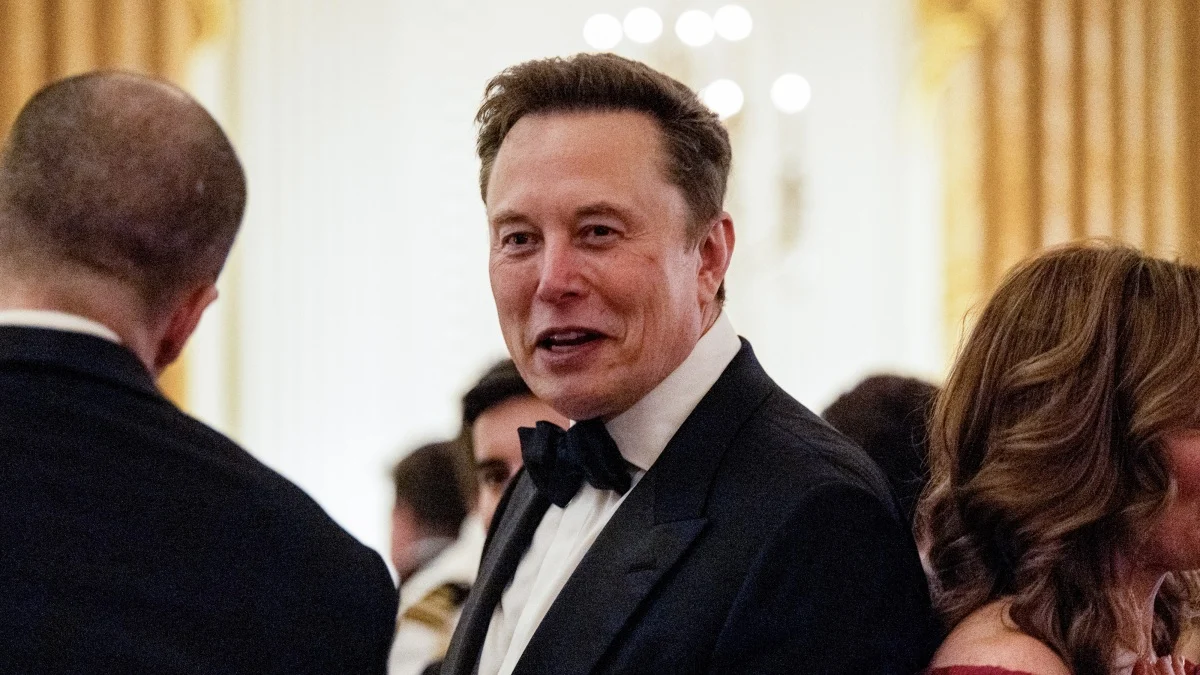
    Alex Gibney’s highly anticipated four-hour documentary Musk premiered to rave reviews at the Venice International Film Festival, setting the stage for a domestic theatrical rollout by Bleecker Street on October 9. However, the distributor is encountering an unprecedented promotional blockade: major social media platforms have refused to accept paid advertising for the film’s trailer. According to reporting by The Hollywood Reporter, YouTube, TikTok, and Meta—which owns Instagram and Facebook—have all declined to run the promotional spots. Notably, X, the platform owned by the film’s subject Elon Musk, has also reportedly refused advertising for Bleecker Street’s other upcoming releases.

    Platforms Cite “Political Content” Policies

    The platforms justified the rejections by classifying the trailer as “political content.” TikTok and Meta maintain policies prohibiting paid political and campaign ads, with Meta’s restrictions tracing back to the fallout from the Cambridge Analytica scandal. YouTube does permit political advertising provided it includes “paid for” disclosures. While the Musk trailer contains references to the 2024 election, the film itself is a documentary examination of the tech billionaire, not a political campaign advertisement. Bleecker Street has formally appealed the decisions across all three platforms. As of the latest reports, Meta has rejected the appeal outright, while YouTube and TikTok are still considering the distributor’s request.

    Universal Reaffirms International Commitment Amid Industry Jitters

    The advertising snub is the latest turbulence for the production. Universal Pictures, handling international distribution, reportedly grew hesitant about releasing the film. However, Evan Langweiler, Universal’s Executive Vice President of Global Communications and Media Relations, clarified the studio’s position to The Hollywood Reporter, stating, “the studio remains committed to releasing [Musk] in theaters internationally.” The situation highlights a growing friction point in the entertainment industry regarding the portrayal of powerful tech figures. The incident recalls Amazon MGM Studios’ decision to drop Luca Guadagnino’s Artificial, a fall release centered on OpenAI CEO Sam Altman. Additionally, Aaron Sorkin’s The Social Reckoning, targeting Meta CEO Mark Zuckerberg, is also slated for release this fall, suggesting a broader trend of scrutiny facing Silicon Valley leadership.

    Why This Matters

    The refusal by major social platforms to carry advertising for a critically acclaimed documentary raises significant questions about the intersection of content moderation, political advertising definitions, and corporate influence over information flow. When the platform owned by the documentary’s subject (X) and the platforms owned by his peers (Meta) or competitors align to restrict promotional reach, it creates a de facto “shadow ban” on cultural discourse surrounding powerful individuals. The broad application of “political content” policies to journalistic or documentary works threatens the ability of distributors to market non-fiction films that examine public figures involved in politics. With Universal recommitting to the international release and similar films on Sam Altman and Mark Zuckerberg in the pipeline, the industry is testing the boundaries of platform accountability and the definition of political speech in the 2024 election cycle.

    Frequently Asked Questions

    When does Musk hit theaters?
    The documentary opens in U.S. theaters on October 9, distributed by Bleecker Street. Universal Pictures is handling the international theatrical release.
    Why did YouTube, TikTok, and Meta reject the trailer ads?
    The platforms classified the trailer as “political content.” TikTok and Meta ban paid political ads entirely, while YouTube allows them with disclosures. The trailer references the 2024 election, but the film is a documentary, not a campaign ad.
    Has the distributor appealed the decision?
    Yes, Bleecker Street has appealed. Meta has rejected the appeal outright. YouTube and TikTok are currently reviewing the appeal.
  • No One on X Agrees With Concept of Video ‘If You Log Out It’s Still 2007’

    No One on X Agrees With Concept of Video ‘If You Log Out It’s Still 2007’

    Key Highlights

    • YouTube creator Emilymarie’s video “If You Log Out, It’s Still 2007” went viral in September 2026 after a screenshot spread across X, sparking widespread discourse about internet nostalgia and generational identity.
    • The video explores how growing up during the 2000s and witnessing rapid internet evolution affected the creator’s mental health and development, resonating with viewers who experienced similar digital coming-of-age.
    • Online reactions split between users embracing the premise that offline life retains a 2007 feeling and critics using humor to highlight how dramatically the physical world has changed since then.

    Viral Video Examines Digital Nostalgia and Generational Disconnect

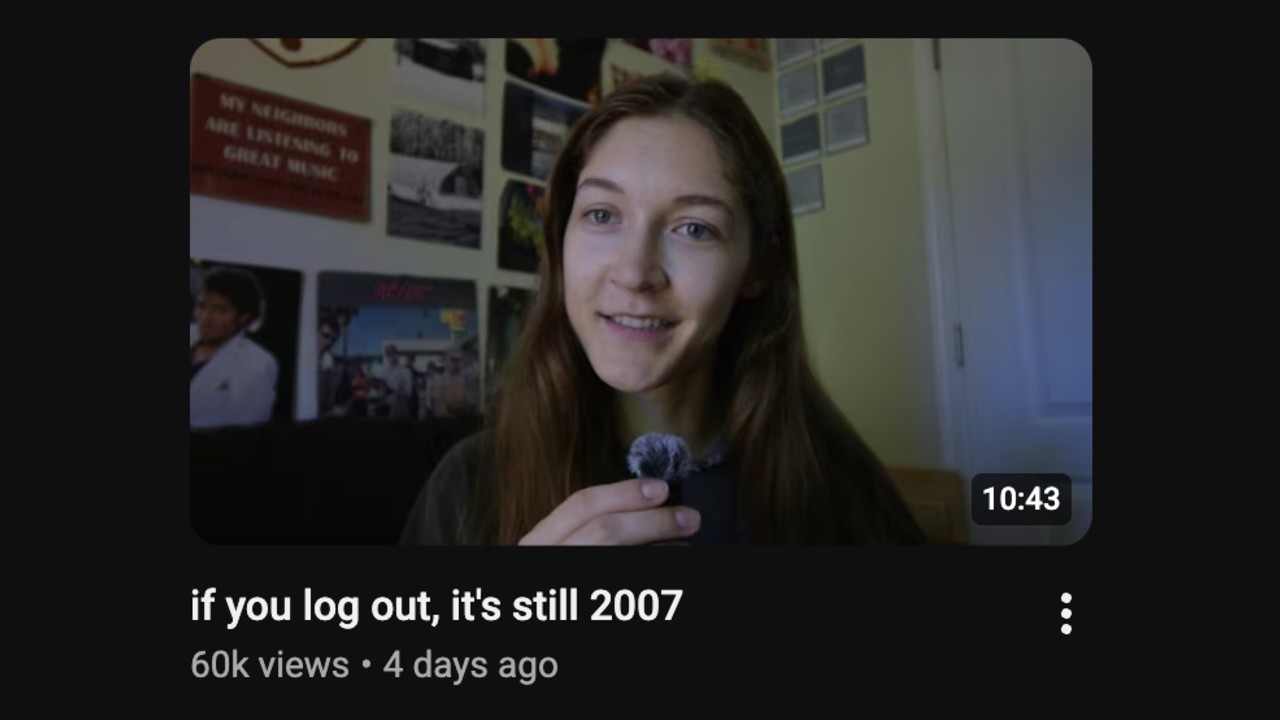
    A YouTube video published in September 2026 by content creator Emilymarie has ignited a significant conversation across social media platforms about the psychological impact of growing up alongside the internet’s rapid transformation. Titled “If You Log Out, It’s Still 2007,” the video details the creator’s experience maturing during the 2000s while witnessing the internet evolve from a novelty into an omnipresent infrastructure, and how that trajectory shaped her mental health and personal development.

    Screenshot Amplifies Reach on X, Triggering Meme Culture

    The video gained substantial traction after a screenshot displaying its thumbnail and title circulated widely on X (formerly Twitter) later that same month. The image served as a catalyst, inspiring what observers described as “discourse” and a wave of memes centered on the title’s central proposition: that disconnecting from the digital world returns one to a reality that still feels like 2007. The concept struck a nerve with a generation that came of age during the Web 2.0 era, prompting both earnest reflection and satirical commentary.

    Online Community Divided Over Premise of Static Offline Reality

    Reactions to the viral moment revealed a sharp divide in how internet users perceive the relationship between digital life and physical reality. Many commenters resonated with the sentiment, sharing personal anecdotes about how certain offline spaces, habits, or cultural touchstones appear frozen in the late 2000s. Conversely, a significant portion of the response took the form of refutation through humor. Users posted jokes highlighting modern realities—such as electric vehicle charging stations, QR code menus, smartphone ubiquity, and post-pandemic social norms—as evidence that logging off does not, in fact, transport a person back to 2007.

    Why This Matters

    This viral episode underscores a growing cultural preoccupation with the “digital native” experience and the psychological weight of living through the internet’s adolescence. As platforms like YouTube and X become primary archives for generational memory, content creators like Emilymarie function as informal historians of the digital transition. The debate sparked by the video reflects broader societal questions about whether the offline world has been fundamentally altered by digital saturation or if a pre-algorithm normalcy remains accessible. The phenomenon also illustrates how X continues to act as an accelerator for long-form video content, where a single static image can reframe a creator’s work for a massive audience within hours.

    Frequently Asked Questions

    Who is Emilymarie and what is the video about?
    Emilymarie is a YouTube content creator who published a video in September 2026 titled “If You Log Out, It’s Still 2007.” The video discusses her experience growing up during the 2000s, witnessing the rapid evolution of the internet, and the impact that digital transformation had on her mental health and development.
    How did the video go viral?
    A screenshot of the video’s thumbnail and title was shared on X (formerly Twitter) in September 2026. The post spread widely, inspiring extensive discussion, memes, and debate about the video’s central premise.
    What was the main point of contention in the online discourse?
    The discourse centered on the title’s suggestion that the offline world still feels like 2007. While some users agreed that certain aspects of physical life remain unchanged, others refuted the idea by pointing to modern developments like smartphones, electric vehicles, QR codes, and post-pandemic changes as proof that the offline world has moved on significantly.