Tag: X platform

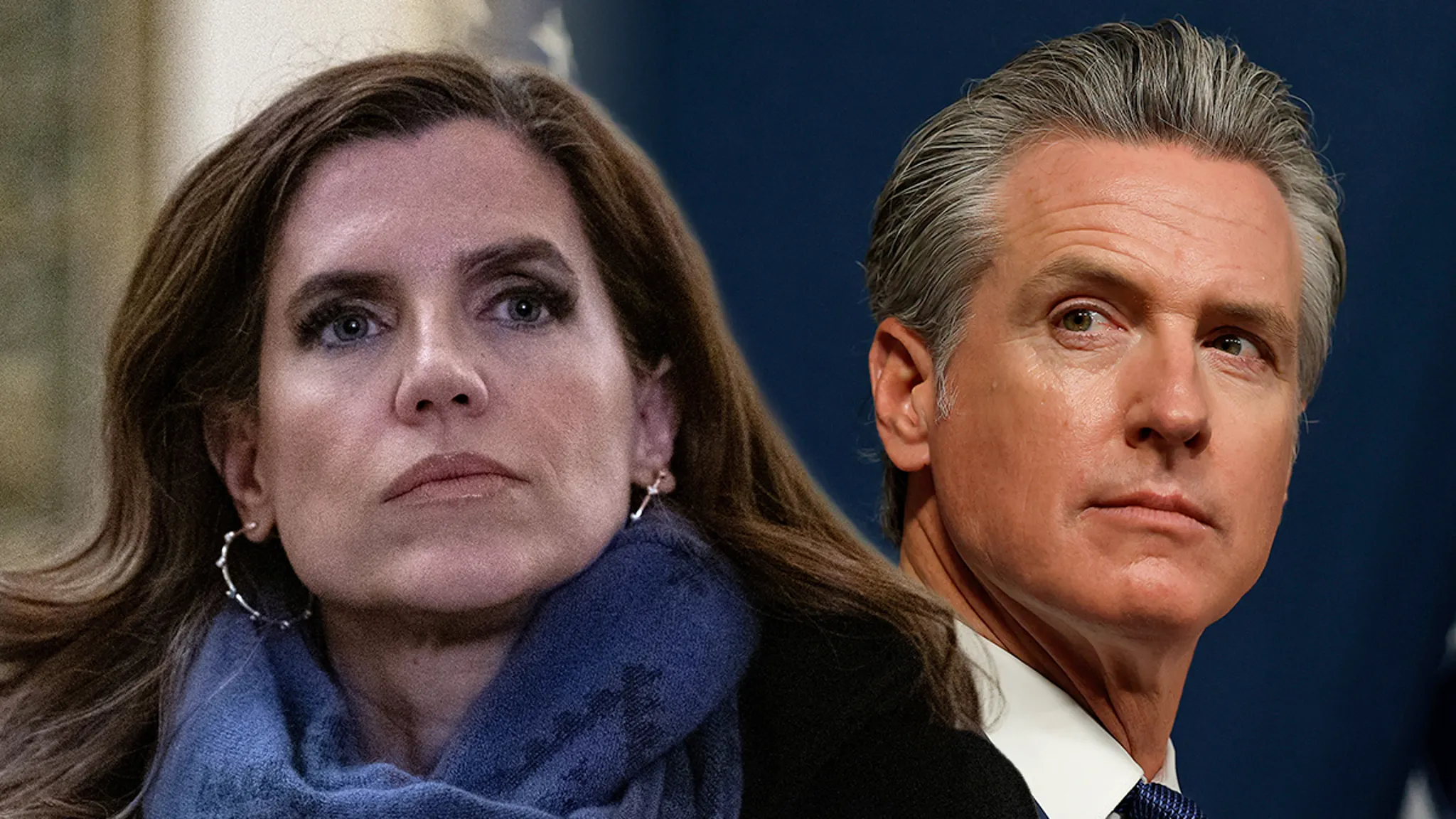
  • Rep. Nancy Mace Calls California Gov. Gavin Newsom a ‘D***’

    Rep. Nancy Mace Calls California Gov. Gavin Newsom a ‘D***’

    Key Highlights

    • Rep. Nancy Mace (R-SC) responded on X to a media report about explicit messages in her direct messages by criticizing Gov. Gavin Newsom (D-CA).
    • The Congresswoman’s post referenced a story describing her “horny suitors” and unsolicited explicit images.
    • The exchange highlights ongoing social media friction between the South Carolina Republican and the California Democrat.

    Mace Counters Media Coverage with Attack on Newsom

    Rep. Nancy Mace (R-SC) took to the social media platform X to push back against a recent story detailing the explicit nature of messages she receives in her direct messages, using the opportunity to launch a pointed critique at California Gov. Gavin Newsom. The Congresswoman’s response framed the media coverage as a distraction, pivoting immediately to the prominent Democrat in a move consistent with her established combative online persona.

    Context of the Original Report

    The catalyst for Mace’s post was a story—referenced in her reply as “our story”—which characterized the Congresswoman’s direct messages as inundated with unsolicited explicit photos and advances from “horny suitors.” Rather than addressing the specifics of the report or the broader issue of online harassment faced by women in politics, Mace opted to redirect the narrative. Her post on X explicitly stated she took “a break from dodging d*** pics in her direct messages to call out Gavin Newsom online,” employing coarse language to describe the volume of inappropriate content she claims to receive.

    Escalating Partisan Rhetoric on Social Media

    The interaction underscores the increasingly personal and performative nature of political discourse on platforms like X. Mace, known for her frequent and often provocative social media presence, utilized a story about gendered online abuse to score a partisan point against Newsom, a figure frequently mentioned as a potential future presidential candidate. The Governor’s office did not immediately issue a public response to the Congresswoman’s broadside at the time of the posting.

    Why This Matters

    This episode illustrates two converging trends in modern political communication. First, it highlights the severe and persistent issue of online harassment—specifically sexual harassment—targeting female elected officials, a problem Mace has spoken about previously. Second, it demonstrates how politicians increasingly leverage personal grievances and media coverage, even regarding their own victimization, as ammunition for immediate partisan warfare. The incident serves as a case study in how the lines between official conduct, personal boundaries, and political strategy have blurred on social media, often at the expense of substantive policy debate.

    Frequently Asked Questions

    What prompted Nancy Mace’s post about Gavin Newsom?
    Mace was responding to a media report—described as “our story” in the source—that detailed the explicit photos and messages she receives in her social media direct messages. She used the report as a pivot to criticize Newsom.
    Did Gavin Newsom respond to Nancy Mace’s criticism?
    Based on the available source material, there was no immediate public response from Gov. Newsom or his office to Mace’s post on X.
    Has Nancy Mace previously spoken about online harassment?
    While the current RSS snippet does not detail her history, Rep. Mace has publicly addressed the issue of online threats and harassment against women in politics during her tenure in Congress.
  • IShowSpeed Goes Viral Reacting to His Viral ‘GTA IV’ Meme

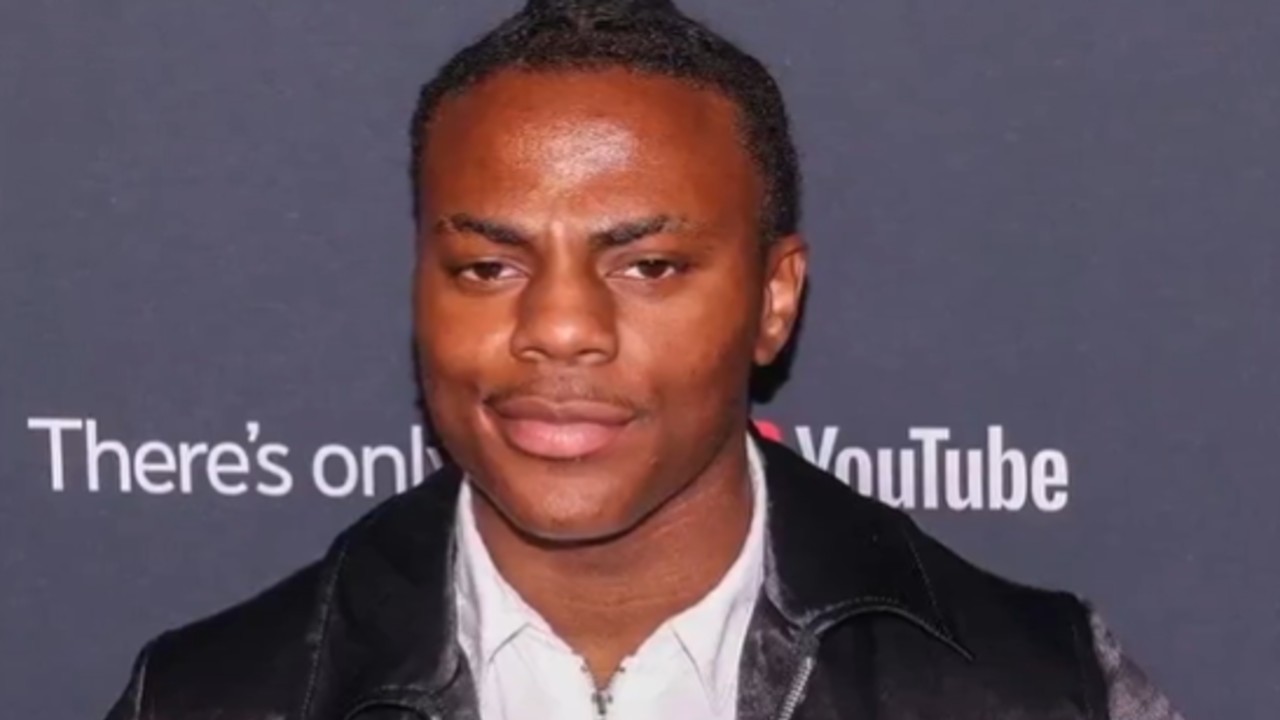
    IShowSpeed Goes Viral Reacting to His Viral ‘GTA IV’ Meme

    Key Highlights

    • The IShowSpeed GTA IV Edit emerged as a viral Grand Theft Auto IV loading screen parody featuring “Chadified” versions of the streamer set to the game’s iconic theme song.
    • The meme format spread rapidly on X (formerly Twitter) in September 2026, typically paired with captions contrasting valiant efforts with being ignored.
    • A reaction clip of IShowSpeed himself watching the edit also went viral the same month, completing the feedback loop between creator and community.

    GTA IV Parody Edit Sparks Viral Meme Cycle on X

    A new meme format centered on popular streamer IShowSpeed took over X in September 2026, blending video game nostalgia with internet humor. The “IShowSpeed GTA IV Edit” parodies the distinctive loading screen sequence from Rockstar Games’ 2008 title Grand Theft Auto IV, complete with the game’s melancholic theme song “Soviet Connection” by Michael Hunter playing in the background. Instead of the original game’s gritty Liberty City imagery, the edit cycles through a series of “Chadified” depictions of IShowSpeed—hyper-masculine, stylized illustrations that exaggerate the streamer’s features into an idealized, confident archetype often associated with the “Chad” internet meme.

    From Loading Screen to Relatable Format

    The edit’s structure proved uniquely adaptable for meme captioning. Users across X began pairing the video with text describing scenarios where someone performs a notably manly, valiant, or effortful act—only for that effort to go completely unnoticed or unappreciated. The juxtaposition of the GTA IV theme’s somber, reflective tone with the exaggerated “Chad” imagery and the self-deprecating captions created a resonant format for expressing the universal experience of unrecognized effort. The meme’s spread was fueled by the platform’s native video player and the streamer’s massive, highly engaged follower base, which actively remixes and circulates content related to his persona.

    Streamer Reaction Completes the Viral Loop

    Adding a meta-layer to the phenomenon, a clip of IShowSpeed reacting to the meme edit himself surfaced and went viral within the same month. Reaction content from the subject of a meme often serves as a definitive stamp of cultural penetration, and Speed’s genuine response—whether amusement, confusion, or embrace—provided fresh material for the community. This creator-audience feedback loop is characteristic of modern meme lifecycles on platforms like X, where the line between content creator and meme subject dissolves rapidly, driving sustained engagement and further iterations.

    Why This Matters

    The IShowSpeed GTA IV Edit exemplifies how legacy video game assets—specifically the iconic, mood-setting loading screens of the GTA series—continue to serve as powerful templates for internet culture years after release. It highlights the symbiotic relationship between high-profile streamers and their communities: the community creates derivative works using the creator’s likeness, and the creator’s reaction validates and amplifies the trend. For brands and creators monitoring digital culture, the speed at which a niche edit becomes a platform-wide caption format underscores the importance of real-time community listening. The meme’s reliance on the “Chad” visual trope also signals the ongoing evolution of that specific internet archetype from image-board origins to mainstream video meme vernacular.

    Frequently Asked Questions

    What is the IShowSpeed GTA IV Edit?

    It is a video meme that parodies the Grand Theft Auto IV loading screen, replacing the game’s artwork with a sequence of “Chadified” (hyper-masculine, stylized) illustrations of streamer IShowSpeed, set to the game’s original theme music.

    When did this meme go viral?

    The edit gained widespread traction on X (formerly Twitter) in September 2026.

    What is the typical caption format used with this meme?

    Captions generally describe a situation where someone does something “manly” or valiant, only for that effort to be ignored or go unnoticed, playing on the contrast between the edit’s confident imagery and the theme song’s somber tone.

  • ‘Yeah! I’m Very Inclusive’ Exploitable Explained

    ‘Yeah! I’m Very Inclusive’ Exploitable Explained

    “Yeah! I’m Very Inclusive” Meme Explained: Origin, Meaning, and Spread

    The exploitable image macro “Yeah! I’m Very Inclusive”—also referenced as Trying to Make Mutuals in The Big 26—emerged on X (formerly Twitter) in February 2026. Created by user @touybox, the template quickly circulated through fandom-centric corners of the platform and became a reusable reaction format for commenting on performative allyship.

    Visual Structure and Core Joke

    The meme is a 2×3 grid of crudely drawn MS Paint characters. Each panel caricatures a recognizable archetype encountered when trying to make “mutuals” (mutual followers) online. The first panel, which gives the meme its name, shows a figure waving a rainbow LGBTQ+ pride flag and declaring:

    “Yeah! I’m very inclusive, love is love!!”

    The humor turns on the character’s immediate pivot: when asked their views on Black people, they dodge the question and simply reaffirm support for gay rights. The juxtaposition satirizes selective inclusivity—publicly championing one marginalized group while ignoring or deflecting on another.

    Spread and Adaptation Across Fandom Spaces

    Throughout 2026 the template migrated across fandom-oriented communities on X, Tumblr, and Discord. Creators deployed the original grid as a reaction image to call out shallow solidarity, while others remixed the template by swapping the flag, editing the character, or rewriting the dialogue to target different hypocrisies. The editable MS Paint aesthetic lowered the barrier to entry, fueling rapid iteration.

    Why the Meme Resonates

    • Relatable archetypes: Each panel captures a specific “mutual-hunting” personality, making the format instantly recognizable.
    • Low-fidelity charm: The rough MS Paint style signals authenticity and DIY culture, encouraging participation.
    • Versatile commentary: The deflecting structure lets users map the joke onto countless identity-politics debates.

    As of mid-2026, “Yeah! I’m Very Inclusive” remains an active template for critiquing performative progressivism in online subcultures, demonstrating how a single six-panel comic can evolve into a durable shorthand for intersectional accountability.