Key Highlights
- TikTok creator Anthony (@undiagnosedanthony) went viral with a video joking that being kidnapped would feel like a vacation, garnering over 72,900 likes and 549 comments.
- Commenters initially responded with humor about escaping work and responsibilities, but a self-identified kidnapping survivor replied with a harrowing firsthand account condemning the trivialization of the crime.
- The Daily Dot could not independently verify the survivor’s account but reported the exchange as a stark illustration of the gap between internet hyperbole and lived trauma.
TikTok Creator Frames Kidnapping as ‘Vacation’ in Viral Video
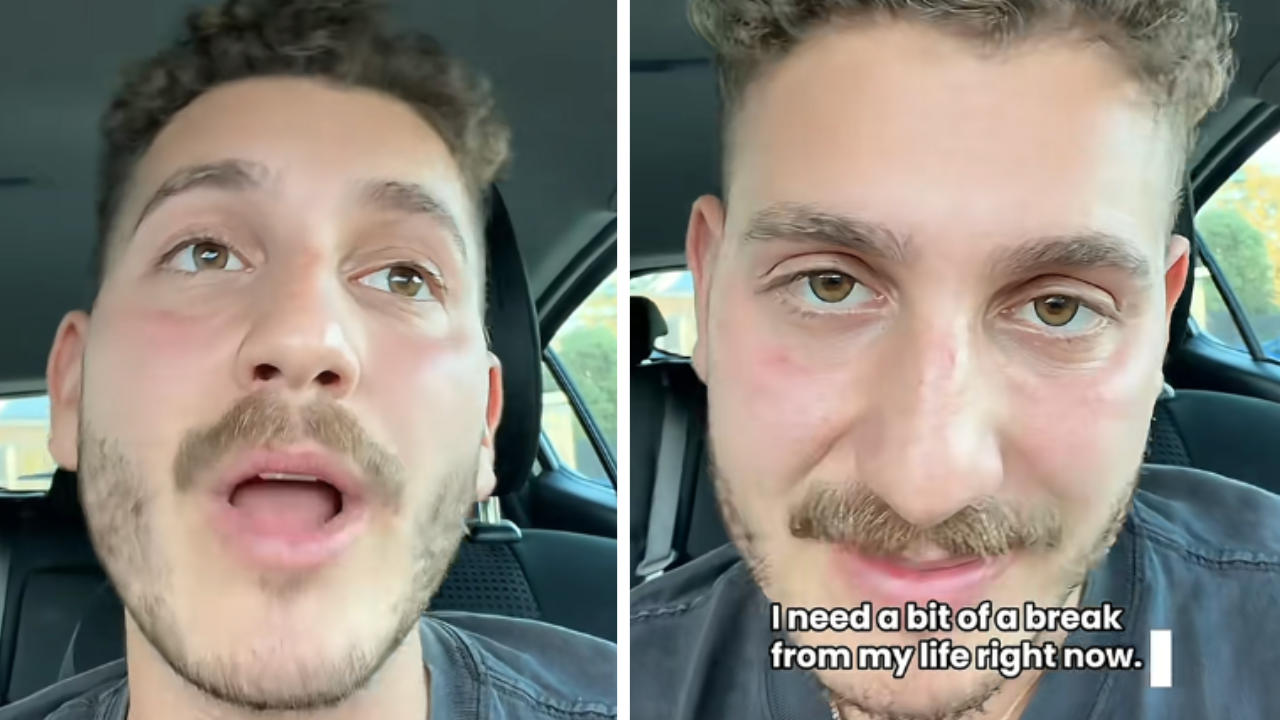
TikTok user Anthony, who posts under the handle @undiagnosedanthony, sparked a massive online conversation after posting a video suggesting that being kidnapped would effectively function as a paid holiday. In the clip, which accumulated 72,900 likes and 549 comments, Anthony explicitly states he would welcome the scenario because he needs “a bit of a break from my life.” He frames the hypothetical kidnapping as a mutually beneficial transaction: the perpetrators would receive their ransom demand, while he would secure a week away from his daily routine and responsibilities.
Comment Section Shifts From Dark Humor to Serious Testimony
The initial response to the video largely mirrored its satirical tone, with users leaning into the absurdity of the premise. Many commenters focused on the prospect of escaping professional obligations, with one writing, “You mean I don’t have to go work?” Another added, “This is me all the time. Great excuse for calling in sick to work.” Others jokingly negotiated the terms of their theoretical abduction: “Going to prison for 6 weeks, I feel like I could get my ultimate beach body,” one user quipped, while another stipulated, “Just kidnap me with my glasses on and not my contacts and I’m sound.” A third joked, “If I can take my Kindle, they can keep me.”
However, the tone shifted dramatically when a commenter identifying as a kidnapping survivor responded directly to Anthony. The individual wrote a detailed rebuke of the “vacation” narrative, drawing a direct line between the creator’s joke and their own past trauma. The survivor wrote:
“I know you only meant this as a joke, but coming from someone who was kidnapped—and even said the same thing you posted years before my kidnapping as a joke—I think everyone probably says the same thing once in their life as a joke,” the commenter wrote.
“But it’s definitely not a holiday, and every moment you are being held, not knowing why or even if anyone knows you’re in danger, is something I wish no one ever had to experience—especially when you’re being beaten and abused every day. I know you didn’t mean any harm by posting, but just remember there are true survivors of this, and it being made to be a holiday is 100% not the case.”
Why This Matters: Viral Fatigue Meets Lived Reality
The exchange highlights a recurring friction on social media platforms like TikTok, where hyperbolic expressions of burnout and “main character” humor frequently collide with the lived experiences of trauma survivors. Anthony’s video taps into a well-documented vein of internet humor centered on workplace exhaustion and the desire for radical escapism—a sentiment amplified by post-pandemic burnout culture. However, the survivor’s intervention serves as a potent reminder that the algorithmic amplification of such jokes can inadvertently minimize violent crimes. The Daily Dot noted it was unable to independently verify the commenter’s account of surviving a kidnapping, but the testimony nonetheless anchored the comment section in a reality far removed from the “Kindle and glasses” fantasy scenarios. The incident underscores the ethical complexity of content moderation and community discourse when dark humor intersects with unverifiable but deeply affecting personal narratives.
Frequently Asked Questions
Who is Anthony (@undiagnosedanthony)?
Anthony is a TikTok content creator who posted a viral video joking that being kidnapped would feel like a vacation because he needs a break from his daily routine. The video received over 72,900 likes and 549 comments.
What did the kidnapping survivor say in response?
A commenter identifying as a kidnapping survivor replied that the experience is “definitely not a holiday,” describing being held without knowing why or if anyone knows you are in danger, and being “beaten and abused every day.” They urged the creator to remember there are true survivors for whom kidnapping is not a joke.
Has the survivor’s story been verified?
The Daily Dot reported that it was unable to independently verify the commenter’s account of surviving a kidnapping. The article’s details are based on the TikTok video and the reactions shared in the comments section.
