Key Highlights
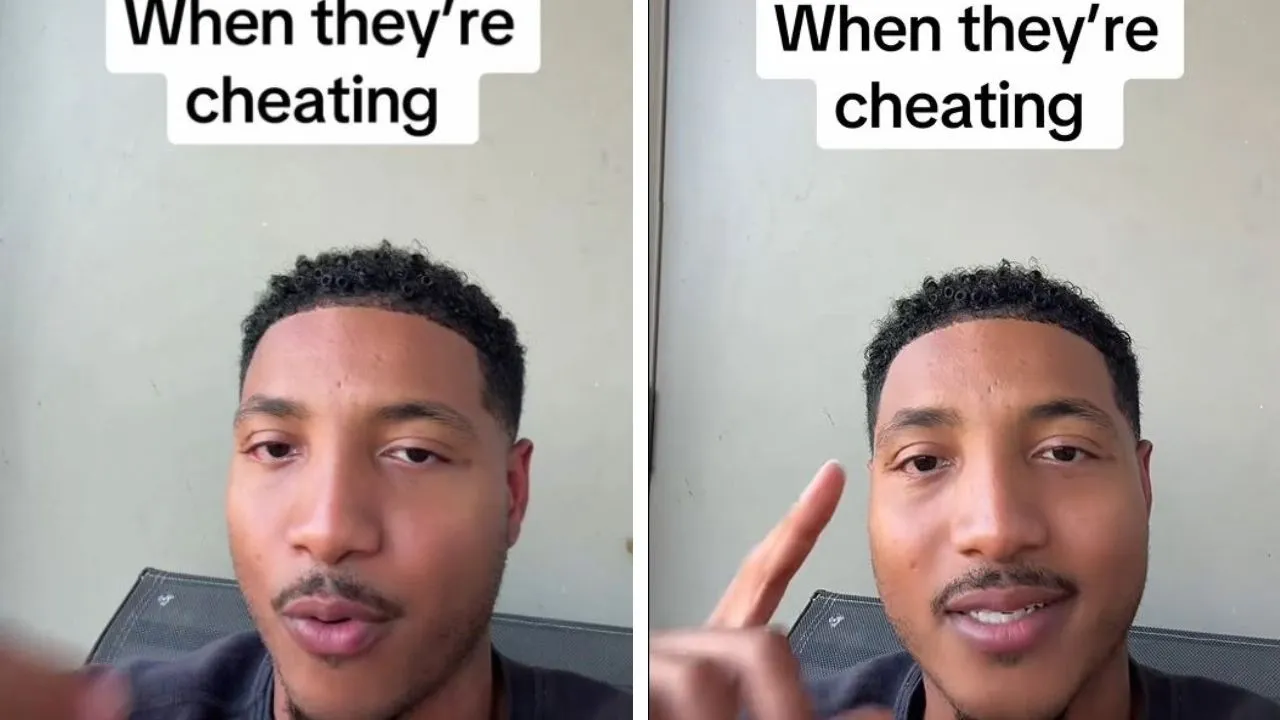
- TikTok creator @bustuh identified four behavioral patterns — flaw-finding, performative effort, projection, and sudden isolation — that he says commonly signal a cheating partner in a viral video posted September 19, 2026.
- The video amassed over 25,000 likes and nearly 500 comments, with multiple users sharing personal experiences of infidelity that aligned with the creator’s framework.
- The Daily Dot reported on the trend while noting it could not independently verify the anecdotal accounts shared in the comment section.
TikTok Creator Breaks Down ‘Intuitive Itch’ Behind Infidelity Suspicions
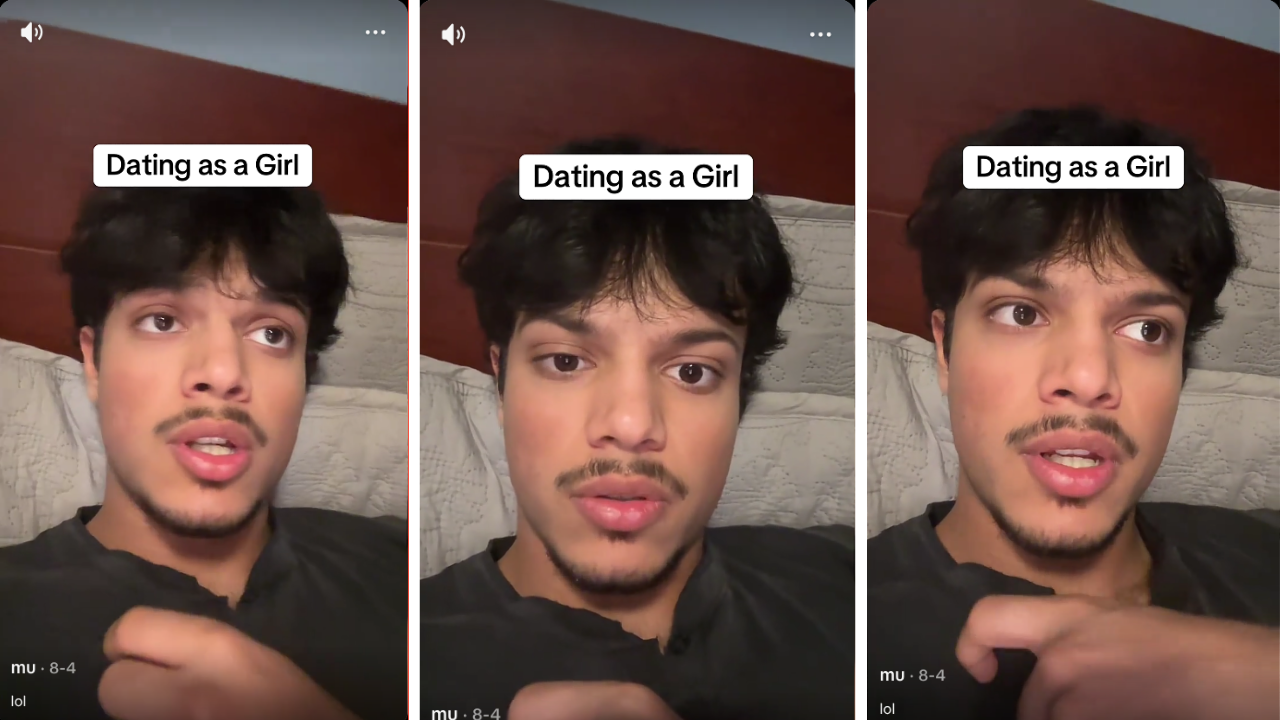
Content creator @bustuh posted a video on September 19, 2026, that quickly gained traction for articulating what he described as an intuitive itch
many partners feel before discovering infidelity. In the clip, which had drawn more than 25,000 likes and nearly 500 comments as of publication, the creator opened by stating that a person could be meeting every need
and still get cheated on, framing the four patterns he outlined as subconscious signals that often precede confirmation.
Flaw-Finding as Post-Hoc Justification
The first behavior @bustuh highlighted was what he termed flaw-finding
— a sudden, repetitive pattern of pointing out differences or shortcomings in a partner who was previously treated with patience. He characterized this shift as a cowardly way of proving to themselves that their decision is justified,
suggesting it functions to rationalize an affair after the fact rather than confront the betrayal directly. The creator positioned this not as genuine criticism but as internal narrative-building designed to ease the cheater’s own conscience.
Performative Effort and Image Management
The second pattern involved a paradoxical increase in time and attention paired with a drop in quality. @bustuh described this dynamic as more effort with less intention,
explaining that gestures become less thoughtful even as the amount of time spent together goes up. He argued this change operates as a form of image management aimed at reassuring the other person nothing is wrong,
effectively using presence as a decoy for emotional withdrawal.
Projection Rooted in Guilt
The third indicator the creator named was projection — accusing a partner of the very behavior the accuser is engaged in. @bustuh traced this pattern to guilt, comparing it to jealousy and pride in that it rots the beholder over time
and eventually surfaces as behavior directed at the other person, even without basis. He framed projection as an externalization of internal conflict that inevitably leaks into the relationship dynamic.
Sudden Isolation as Operational Cover
The final behavior was an abrupt shift toward wanting more time alone, which @bustuh distinguished from normal personal space. He stated this kind of isolation is just being able to cheat in a safer way,
and cautioned that a sudden change unaccompanied by any actual shift in a person’s job or friend group shouldn’t be ignored. The creator ended the video by naming depression and cheating as the two reasons
he believes a man would isolate from a partner he otherwise trusts, and told viewers not to feel foolish for noticing the signs even if they worried about being seen as controlling.
Comment Section Reveals Resonance and Personal Testimony
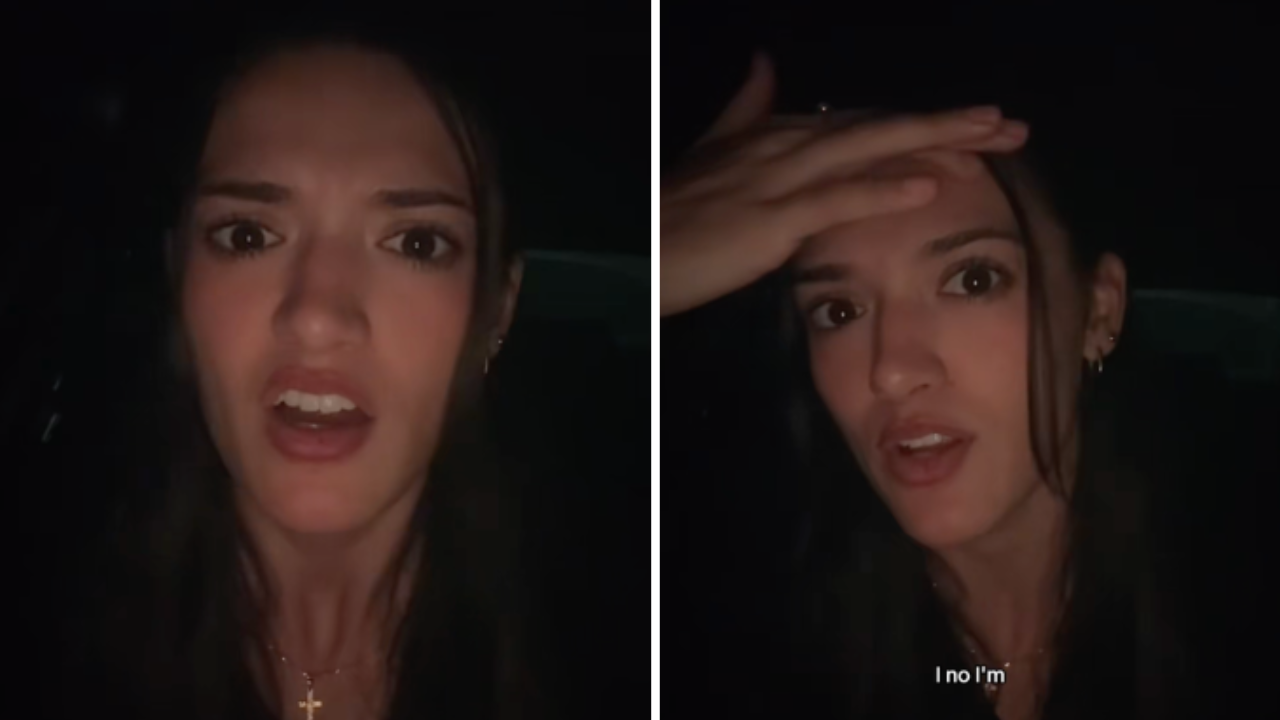
Under the video, multiple commenters shared experiences that mirrored the creator’s framework. One user described checking a partner’s phone and said she discovered over 5 women
before leaving them without a further conversation. Another, reflecting on an eight-year relationship, said she wouldn’t believe how blindsided I was when it all unfolded,
adding that she no longer expects to trust a future partner. A third commenter, five months postpartum at the time, said she found messages between her partner and someone else and felt he discarded me like I was nothing.
The Daily Dot was unable to independently verify the experiences described by commenters on this video. The details above reflect the creator’s stated views and commenters’ individual accounts as shared on TikTok.
Why This Matters
The viral spread of @bustuh’s video underscores a growing appetite on social platforms for crowdsourced relationship diagnostics — particularly frameworks that validate intuitive suspicions before concrete evidence emerges. With over 25,000 likes, the content reflects how TikTok has become a de facto forum for peer-to-peer emotional intelligence, where creators codify patterns many users recognize but struggle to articulate. The comment section’s concentration of detailed, high-stakes personal stories — including a postpartum betrayal and a long-term blindsiding — illustrates the real-world consequences of the behaviors described. For media literacy, the piece also highlights the tension between viral relatability and verifiability: The Daily Dot’s explicit disclaimer that it could not confirm commenters’ accounts signals an emerging editorial standard for covering anecdotal social media testimony responsibly.
Frequently Asked Questions
- Who is @bustuh and what platform did this originate on?
- @bustuh is a TikTok content creator who posted the original video on September 19, 2026. The clip was reported on by The Daily Dot, a digital media outlet covering internet culture.
- What are the four signs of cheating the creator identified?
- The four patterns are: (1) flaw-finding — suddenly criticizing a previously accepted partner; (2) performative effort — more time together but with less intentionality; (3) projection — accusing the partner of the cheater’s own behavior; and (4) sudden isolation — an abrupt, unexplained withdrawal framed as personal space.
- Are the commenters’ stories verified?
- No. The Daily Dot explicitly stated it was unable to independently verify the experiences described by commenters. The accounts reflect individual testimony shared publicly on TikTok and should be understood as anecdotal.