Tag: viral TikTok video

  • TikToker Says Sister’s First Night at Dance Club Job Sparked Problems Still Unresolved After Two Years

    TikToker Says Sister’s First Night at Dance Club Job Sparked Problems Still Unresolved After Two Years

    Key Highlights

    • TikTok creator Reagan (@reaganisapotato) shared a viral multi-part story about helping her sister secure employment at her dance club, which resulted in a disruptive first night that Reagan says damaged her professional standing for two years.
    • The dispute escalated over allegations of unpaid house contributions, missing tips to club staff, and hundreds of dollars left uncollected from a private room, prompting widespread viewer debate about workplace etiquette and family boundaries.
    • The video amassed over 56,900 views and nearly 500 comments, with audiences questioning club tipping structures, financial expectations between siblings, and the sister’s behavior during her first shift.

    TikTok Storytime Sparks Debate Over Family Loyalty and Workplace Etiquette

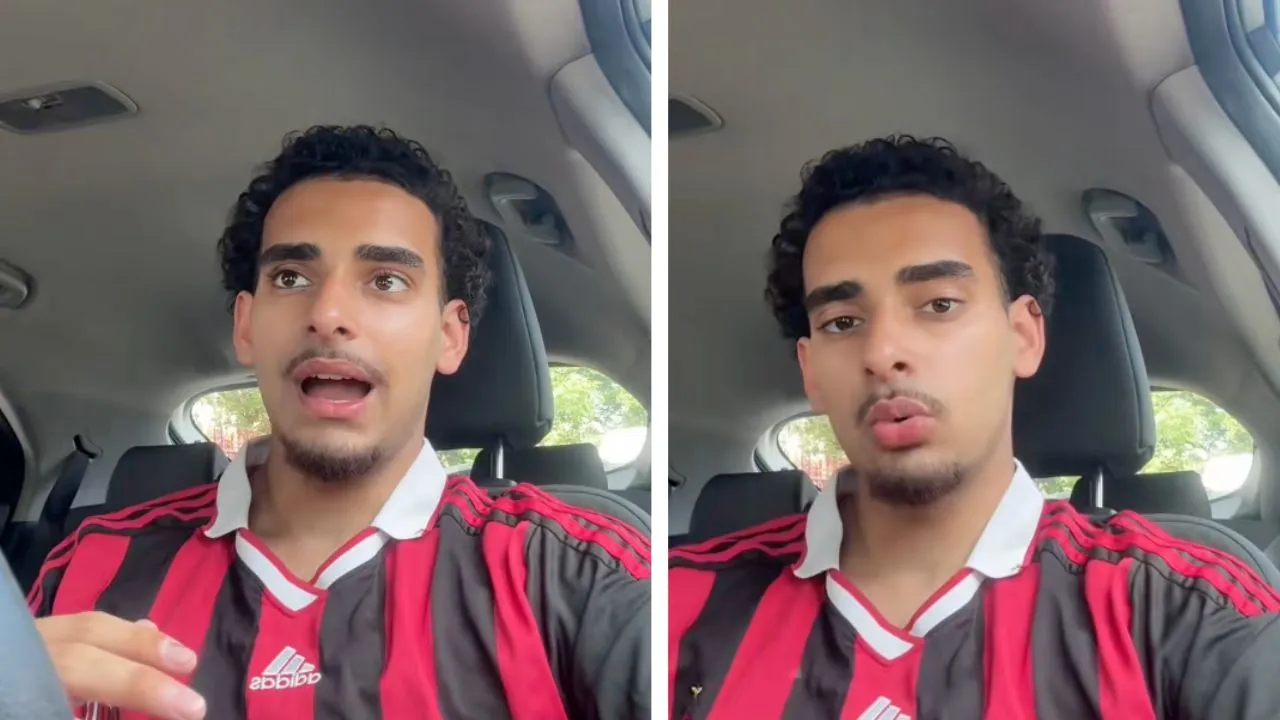
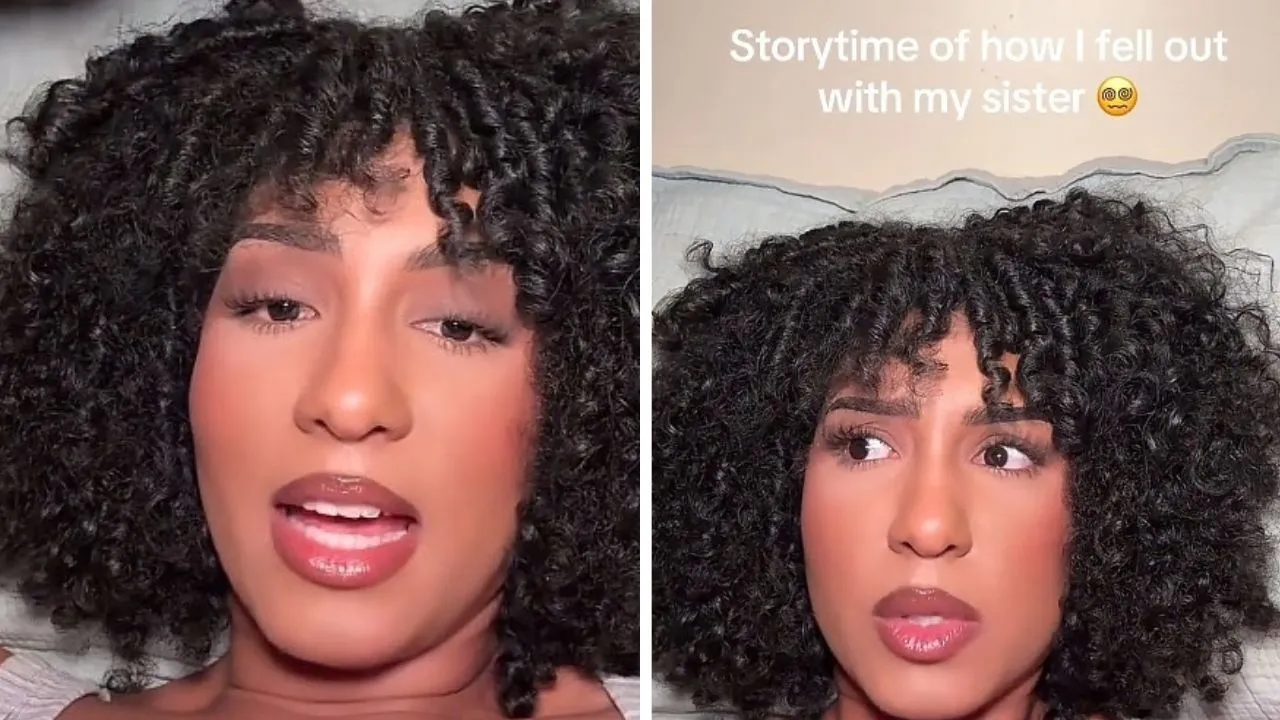
    Content creator Reagan, who posts under the handle @reaganisapotato, published a multi-part storytime video on TikTok detailing a years-long conflict with her sister that began with an act of familial support and culminated in professional repercussions she claims to still face. The initial post, captioned “I feel like being messy and airing everybody out so we’re starting with her ? #messytiktok #storytime #familydrama #teatime #storytelling”, quickly gained traction, surpassing 56,900 views and generating 496 comments at the time of reporting.

    From Financial Support to Professional Referral

    According to Reagan’s account, her sister faced financial difficulties at age 22. Reagan stated her family invited the sister to live with them, and she personally covered expenses including food, drinks, clothing, room decor, and other necessities. Reagan emphasized she did not consider these expenditures as debts requiring repayment. The situation evolved when Reagan leveraged her position at a dance club to secure employment for her sister, who had prior experience as a dancer. Reagan said she arranged positions at two separate clubs, paid for two mandatory licenses, and purchased heels, an outfit, and provided older work attire.

    First Night Fallout and Lasting Professional Damage

    The arrangement deteriorated rapidly. Reagan claimed her sister consumed alcohol heavily during her first night at Reagan’s home club and behaved poorly toward the end of the shift. Reagan alleged this incident damaged her credibility with the club manager, stating the manager “still refused to hire people through her, two years later.” The professional fallout was compounded by a subsequent dispute over household finances and club earnings. Reagan said her sister asserted she had paid house expenses and tipped staff, but Reagan later claimed staff informed her the sister had not tipped. Reagan also alleged her sister left hundreds of dollars from a private room uncollected.

    Viewers Dissect Club Economics and Family Dynamics

    The narrative prompted extensive audience discussion regarding the financial mechanics of dance clubs and the ethics of familial financial expectations. Commenters raised structural questions about the industry. One user asked, “Wait why do the dancers have to pay the dj? Isn’t that the club owner responsibility[sic].” Another questioned tipping norms, writing, “if she needed the money you shouldn’t have been wanting her to tip,” while adding the sister “shouldn’t have lied.” A different viewer inquired whether DJs, bouncers, and staff already receive hourly wages.

    Other responses focused on the sister’s condition during the shift. One commenter suggested, “Sounds like she was nervous or something and got too messed up there.” The conversation also veered into comparative family conflicts, with one user sharing, “I CUT OFF MY SISTER FOR NOT MAKING HER ONLY NIECE (MY DAUGHTER) HER FLOWER GIRL.” Humor surfaced as well, with a viewer joking, “Someone explain to me what kinda insurance u need to be a ballerina.”

    Why This Matters

    This viral episode illuminates the precarious intersection of informal labor economies—such as adult entertainment venues—and personal support networks. The story highlights how referral-based hiring in nightlife industries places the referrer’s reputation at risk, creating high-stakes dynamics when friends or family underperform. Additionally, the audience’s fixation on tipping structures and “tip-outs” to DJs and staff reflects broader public unfamiliarity with the independent contractor model prevalent in strip clubs, where dancers often pay house fees and tip support staff out of pocket. The discourse also underscores how social media platforms like TikTok transform private familial disputes into public referendums on money, loyalty, and labor ethics.

    Frequently Asked Questions

    What happened during the sister’s first night at the dance club?

    Reagan alleged her sister drank heavily, behaved poorly, and damaged Reagan’s credibility with the club manager, who subsequently refused to hire anyone referred by Reagan for two years.

    Why are viewers questioning the club’s tipping structure?

    Commenters expressed confusion over dancers paying DJs and tipping staff, questioning whether those employees already receive hourly wages and whether it was fair to expect tips from someone who needed the money.

    Has the story been independently verified?

    No. The Daily Dot reported it was unable to independently verify the events described; the details reflect the account as shared on TikTok by @reaganisapotato.

  • Woman Reveals Ex’s Lie About Hole in Condo Wall: ‘Will the Gaslighting Never Cease?’

    Woman Reveals Ex’s Lie About Hole in Condo Wall: ‘Will the Gaslighting Never Cease?’

    Key Highlights

    • TikTok creator Kristen (@lil_tachy) revealed in episode 61 of her 60+ part series how her ex-boyfriend “Quinoa” falsely blamed her brother for a hole in their condo wall, using past property damage as cover for his own lie.
    • The deception was uncovered when the condo owner—Kristen’s aunt—provided footage proving the hole did not exist before the couple moved in, exposing a pattern of gaslighting behavior.
    • The video amassed over 43,000 likes and 255 comments, with viewers praising Kristen’s dark humor while expressing outrage over the ex’s manipulative tactics and questioning the brother’s prior unrepaired damage.

    TikTok Series Exposes Pattern of Deception in Past Relationship

    Content creator Kristen, known as @lil_tachy on TikTok, has cultivated a substantial following through an ongoing storytime series documenting her experiences with a former boyfriend she pseudonymously calls “Quinoa.” In the sixty-first installment, which garnered more than 43,000 likes and 255 comments at the time of reporting, Kristen detailed a calculated lie involving property damage in the condominium she currently occupies. The narrative centers on a hole discovered in the wall during their cohabitation—damage her ex insisted he did not cause, instead attributing it to Kristen’s brother.

    The Setup: A Plausible Deflection

    The ex-boyfriend’s accusation carried initial credibility because of the property’s history. Before Kristen and her partner moved in, her brother resided in the unit while on probation. Their aunt had purchased the condo specifically to rent to him during this period. During his tenancy, the brother punched a hole in a bathroom wall but left it unrepaired. When Kristen later discovered a hole in the wall, her ex’s claim that her brother was responsible seemed consistent with known facts, and she accepted the explanation without suspicion.

    Video Evidence Contradicts the Narrative

    The truth emerged only after the relationship ended and the ex moved out. When Kristen’s aunt visited to inspect the property, she presented footage demonstrating that the wall was intact when the couple took possession. The hole Kristen’s ex had blamed on her brother was, in fact, new damage inflicted during their occupancy—and he had lied to shift accountability. Kristen noted she was not surprised by the revelation, describing it as consistent with broader behavioral patterns throughout the relationship.

    Audience Reaction: Humor, Outrage, and Scrutiny

    Commenters on the video responded to both the gravity of the gaslighting and Kristen’s delivery. One follower wrote, “Girl I know this is such a serious subject matter and I hope I’m not being insensitive but damn. you’re actually so effing funny, the intro killed me and we really do be both laughing and crying during this series.” Another viewer asked, “I wonder if quinoa watches your videos,” prompting replies from others hoping he does. The discourse extended to the ex’s credibility, with one commenter asking, “Did that boy EVER tell the truth? Like…ever????” and another questioning, “Will the gaslighting never cease with this man?”

    Not all sympathy flowed exclusively toward Kristen. A dissenting voice criticized the brother’s prior conduct: “I’m sorry but your brother punching a hole in the bathroom wall of your generous aunt’s condo and not patching it up before leaving it is very disrespectful imo.” The Daily Dot was unable to independently verify the events described in the video, which are based solely on @lil_tachy’s account of her experiences with her former boyfriend, as shared on TikTok.

    Why This Matters

    The viral traction of Kristen’s series underscores how social media platforms have become primary venues for public storytelling about interpersonal abuse, particularly coercive control and gaslighting. The “Quinoa” saga illustrates a recognizable dynamic: an abuser weaponizes a kernel of truth—here, the brother’s prior damage—to construct a plausible lie that isolates the victim from her support system and distorts her reality testing. The aunt’s preserved footage functioned as objective corroboration, a rarity in domestic disputes where evidence often reduces to he-said-she-said. Meanwhile, the comment section’s mixed reaction—validating Kristen while also holding her brother accountable—reflects an audience increasingly literate in red-flag behaviors but unwilling to excuse collateral harm. As the series surpasses sixty episodes, it also raises questions about the ethics and sustainability of long-form trauma narration for algorithmic engagement.

    Frequently Asked Questions

    Who is “Quinoa” in Kristen’s TikTok series?
    “Quinoa” is the pseudonym Kristen (@lil_tachy) uses for her former boyfriend, the central figure in her 60+ episode storytime series documenting their relationship and his alleged pattern of lying and gaslighting.
    How was the lie about the hole in the wall discovered?
    After the ex moved out, Kristen’s aunt—the condo owner—reviewed footage showing the wall was intact when the couple moved in, proving the hole was created during their tenancy and not by Kristen’s brother, as the ex had claimed.
    Has The Daily Dot verified the events in Kristen’s videos?
    No. The Daily Dot explicitly states it was unable to independently verify the events described, which are based solely on @lil_tachy’s first-person account shared on TikTok.
  • Woman Says Best Friend Turned Against Her After Dating Man She Feared: ‘You Deserve It’

    Woman Says Best Friend Turned Against Her After Dating Man She Feared: ‘You Deserve It’

    Key Highlights

    • TikTok creator @kaylaimee (Kayla) shared a viral storytime video detailing how her childhood best friend betrayed her by dating a racist man who targeted Kayla, eventually adopting his rhetoric and telling Kayla, I’m not going to stop, you deserve it.
    • The alleged bullying occurred when both girls were only 7 years old, including the friend falsely telling teachers Kayla was skipping school while she was actually sick, and refusing to take accountability for a broken lamp.
    • The video amassed over 41,000 likes and 285 comments, with viewers expressing shock at the girls’ young age, outrage over the racist behavior, and support for Kayla’s growth since ending the friendship.

    TikTok Creator Recounts Childhood Betrayal by Best Friend Who Embraced Racist Rhetoric

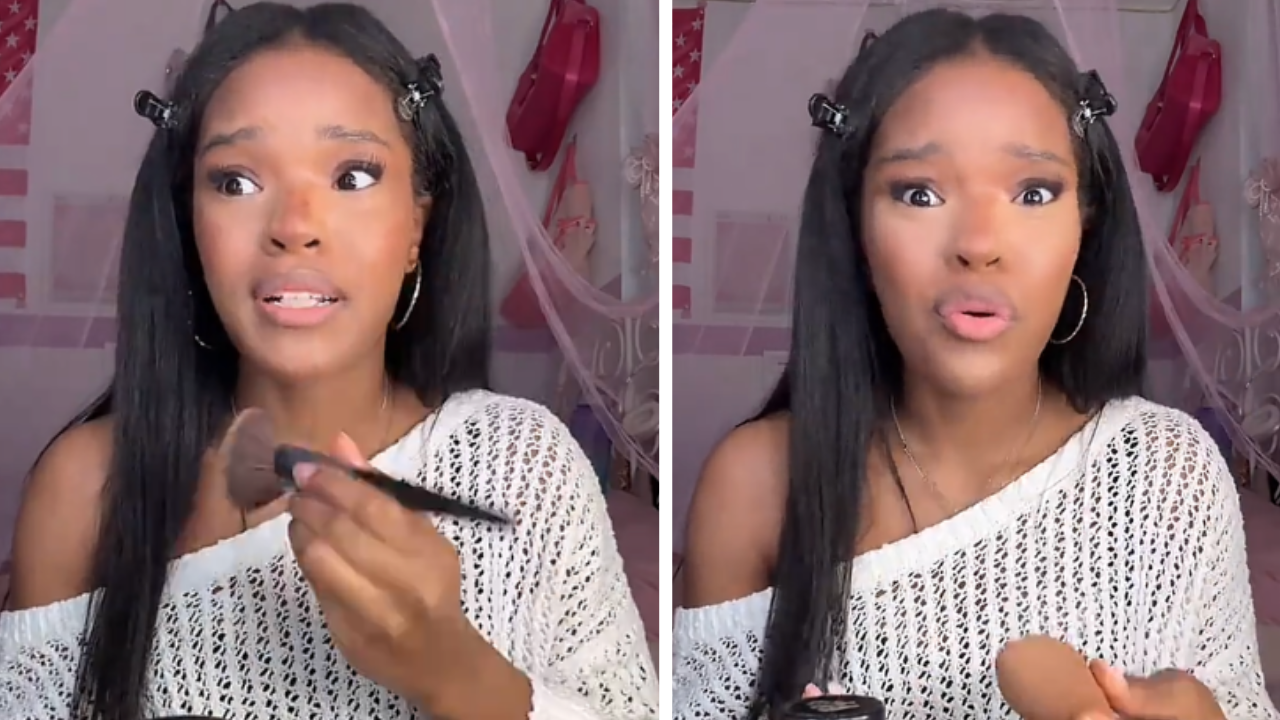
    TikTok creator Kayla, known as @kaylaimee, has gone viral after sharing a detailed storytime video recounting a deeply painful childhood friendship that deteriorated into racism and betrayal. The video, filmed in a “Get Ready With Me” format, has garnered more than 41,000 likes and 285 comments as of publication. Kayla describes a series of escalating betrayals by her former best friend, beginning when the friend started dating a man who had repeatedly directed racist slurs at Kayla, a Black woman. Despite knowing the history, the friend not only continued the relationship but eventually began using the same slurs and adopting the man’s mentality, according to Kayla’s account.

    Pattern of Betrayal: From School Absences to Property Damage

    The narrative reveals a pattern of sabotage that extended beyond racial hostility. Kayla recounts missing school due to legitimate illness, only to have her friend tell teachers and classmates she was skipping for fun. When Kayla returned with a note from her mother, the school had already been convinced of the false narrative and refused to accept the parental note. In another incident, after both girls accidentally broke a lamp at school, Kayla immediately took accountability while her friend cried and denied any involvement, despite it being a shared accident. These incidents, Kayla says, occurred when they were merely 7 years old — a detail that stunned viewers who initially assumed the events took place during their teenage years.

    The Breaking Point: I’m Not Going to Stop, You Deserve It

    Before ending the friendship entirely, Kayla attempted to address the mistreatment directly. She asked her friend to stop treating her poorly, and the friend initially agreed — only to reverse course moments later. Kayla recalls her former friend stating explicitly: I’m not going to stop, you deserve it. That statement marked the final straw, leading Kayla to cut ties completely. The revelation that such calculated cruelty and racial hostility could manifest between children of that age has been a central point of discussion in the video’s comment section.

    Viewer Reaction: Shock, Outrage, and Support for Kayla’s Growth

    The comment section reflects a mix of disbelief and emotional responses. Multiple users fixated on the girls’ age, with one commenter writing: Wait, I thought y’all were teenagers and then you said SEVEN??? SEVEN?!! Another replied simply: SAME OMG. Others expressed anger on Kayla’s behalf: this is just sad, one user wrote, while another added: I’m sorry but I gotta scroll because this is just straight making me mad. Many commenters celebrated Kayla’s resilience and current success, with one noting: Girllll, the past is in the past, look at you now! You almost have 1 mil followers! Hope you get 1 mil soon! Another remarked on Kayla’s appearance in contrast to the racism she endured: I seriously cant understand racism I mean LOOK AT HER SHEES SO BEAUTIFUL,

    Why This Matters

    This story highlights how early childhood experiences with racism and interpersonal betrayal can have lasting visibility in the digital age. Kayla’s decision to share her story on TikTok — a platform where personal narrative drives engagement — illustrates the growing role of social media as a space for processing trauma and reclaiming agency. The viral response also underscores audience appetite for authentic storytelling that intersects with themes of racial justice, childhood development, and the long-term impact of peer relationships. While The Daily Dot was unable to independently verify the events described, relying solely on @kaylaimee‘s account, the conversation sparked in the comments reflects broader societal concerns about how racism manifests in youth and how survivors navigate public healing.

    Frequently Asked Questions

    How old were Kayla and her friend when these events occurred?

    According to Kayla’s video, all the described events took place when they were 7 years old, not teenagers as many viewers initially assumed.

    What was the final incident that ended the friendship?

    Kayla asked her friend to stop treating her badly. The friend initially agreed but then said: I’m not going to stop, you deserve it. That statement led Kayla to cut off the friendship completely.

    Has The Daily Dot verified the events in the video?

    No. The Daily Dot stated it was unable to independently verify the events described, which are based solely on @kaylaimee‘s account as shared on TikTok.

  • Woman Eats Pizza Slice in Store Before EBT Card Declined; Viral Video Reignites Food Assistance Debate

    Woman Eats Pizza Slice in Store Before EBT Card Declined; Viral Video Reignites Food Assistance Debate

    Key Highlights

    • A viral TikTok video showing a woman eating a boxed pizza slice in a store before her EBT card was repeatedly declined has reignited debate over food assistance rules and whether consuming food before payment constitutes theft.
    • The clip, originally posted by @gadzooks2025, garnered over 18,500 likes on TikTok and 4,900+ likes on X, with commenters split between accusing the woman of intentional fraud and questioning EBT eligibility for prepared foods.
    • According to Propel, standard SNAP benefits generally prohibit purchasing hot, ready-to-eat items like heated pizza, though cold or uncooked foods such as chilled deli sandwiches and pre-packaged cold chicken are typically allowed.

    Viral Video Sparks Heated Debate Over EBT Usage and Store Policies

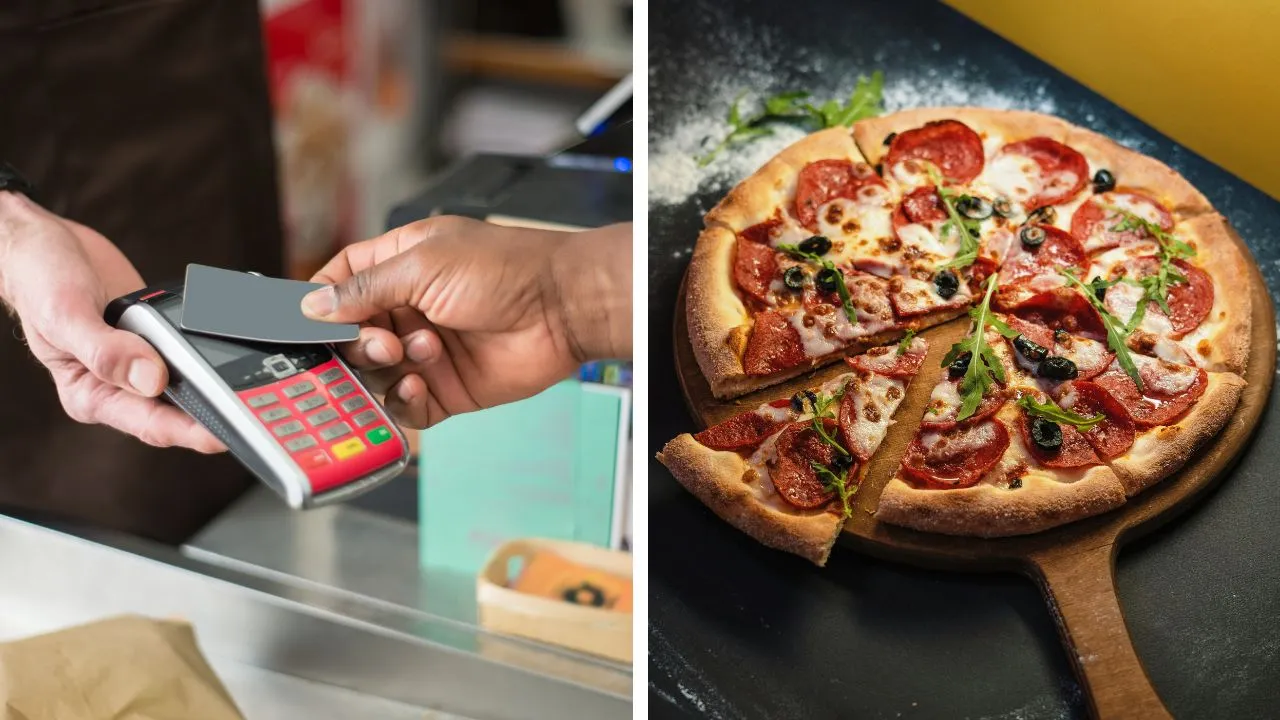
    A resurfaced video circulating on TikTok and X has thrust the complexities of the Supplemental Nutrition Assistance Program (SNAP) into the spotlight, drawing millions of views and a polarized reaction regarding a woman who ate a boxed pizza slice in a store before her Electronic Benefits Transfer (EBT) card was declined at the register. The footage, originally shared by TikTok user @gadzooks2025, shows the customer taking repeated bites of the pizza while approaching the cash counter. She remarks that the pizza “tasted great” before presenting her EBT card for payment. After the card is declined multiple times—despite her asking the cashier for additional attempts—she takes a final bite and leaves the store without paying.

    Social Media Reaction Divided on Intent and Policy

    The video amassed over 18,500 likes on TikTok and was subsequently reposted on X, where it garnered more than 4,900 likes. The comment sections on both platforms became forums for intense debate. Several viewers accused the woman of bad faith, with one commenter asserting, “eating the food before paying is considered stealing by law.” Others claimed this was not the first time the individual had engaged in similar behavior. Conversely, a separate thread questioned whether EBT should cover cooked or prepared foods at all. A reply to that point highlighted a critical nuance: “some people actually can’t get their cooked food paid for as well, especially if they are homeless and don’t have access to a kitchen daily.” However, skeptics noted the woman’s appearance did not align with their perception of homelessness, dismissing that explanation.

    Broader Implications for Retail and Food Access

    The discourse extended beyond the specific incident to broader retail trends. An X user identifying as a Manhattan resident offered a firsthand observation on shifting store policies. He stated that even high-end restaurants in his area now require upfront payment for entire meals before dining—a practice he noted was uncommon just a few years ago. He explained the shift by saying, “not all — but the trend is noticeably growing.” This anecdote underscores a growing tension between retailers loss-prevention measures and customer experience, potentially accelerated by viral incidents like this one.

    What SNAP Benefits Actually Cover

    Central to the confusion is the distinction between eligible and ineligible items under federal SNAP guidelines. According to Propel, a financial technology company serving EBT users, standard benefits generally do not cover hot, ready-to-eat, or cooked foods. This restriction excludes items such as rotisserie chickens, hot pizza, hot soup, and hot coffee purchased from a deli or counter, as well as most restaurant-prepared meals. Eligible purchases are typically limited to cold or uncooked items intended for home preparation, including chilled deli sandwiches, cold pasta salads, and pre-packaged cold chicken—provided they are not heated at the point of sale. The temperature of the pizza slice in the viral video could not be determined, leaving the specific eligibility of that item unresolved.

    Why This Matters

    The viral incident highlights the persistent public confusion surrounding SNAP eligibility rules, particularly the federal prohibition on using benefits for “hot foods” or foods meant for immediate consumption. This restriction, rooted in the Food and Nutrition Act of 2008, aims to limit benefits to groceries for home preparation, though states can request waivers for specific populations (such as the homeless, elderly, or disabled) through the Restaurant Meals Program. The debate also reflects rising retail theft concerns—often termed “shrink”—which have prompted major chains to implement receipt checks, locked cases, and pre-payment requirements. As inflation strains household budgets, incidents like this fuel political and cultural narratives about welfare fraud, even as advocates stress that the vast majority of SNAP recipients follow the rules and that administrative errors or benefit lapses often explain declined transactions. The Daily Dot was unable to independently verify the woman’s identity, the store location, or the recording date, meaning the full context remains unknown.

    Frequently Asked Questions

    Can you buy hot pizza with an EBT card?
    Generally, no. Standard SNAP benefits prohibit purchasing hot, prepared foods intended for immediate consumption, including heated pizza from a deli or counter. Only cold or uncooked items meant for home preparation are typically eligible.
    Is eating food in a store before paying considered theft?
    Legally, consuming merchandise before payment can be classified as shoplifting or theft in many jurisdictions, as ownership does not transfer until the transaction is complete. Store policies vary, but most retailers consider it a violation.
    Why are some restaurants and stores now requiring upfront payment?
    Businesses cite rising incidents of “dine-and-dash” and retail theft as primary drivers. The Manhattan commenter noted this trend is “noticeably growing” even in high-end establishments, reflecting a broader shift in loss-prevention strategies.
  • Woman Shocked by How Much Servers Rely on Tips: ‘It Shouldn’t Be On You to Pay Them’

    Woman Shocked by How Much Servers Rely on Tips: ‘It Shouldn’t Be On You to Pay Them’

    Key Highlights:

    • TikTok creator @smoothoperator3k went viral after admitting she was unaware that many U.S. restaurant servers depend on tips to reach minimum wage, sparking a debate with over 566,000 likes and 12,800 comments.
    • Federal law permits a $2.13/hour direct cash wage for tipped employees under a “tip credit” provision, provided tips bring total compensation to at least the $7.25/hour federal minimum; state laws often mandate higher base wages.
    • Restaurant workers in the comments clarified that even when paid a base wage, servers frequently “tip out” support staff and credit-card fees from their sales, meaning a zero-tip table can cost the server money out of pocket.

    The Viral Video That Exposed a Knowledge Gap

    A TikTok creator known as @smoothoperator3k ignited a widespread conversation about the economics of restaurant labor after posting a video confessing her surprise at learning how heavily servers rely on gratuities. In the clip, she explained that she had long assumed restaurants paid their employees a full wage and that tips were merely an optional bonus. The revelation that many servers operate under a tip-credit system—where employers count a portion of tips toward minimum-wage obligations—prompted her to share her newfound understanding with her audience. The video rapidly amassed more than 566,000 likes and 12,800 comments, turning a personal realization into a public forum on wage policy.

    How the Tip-Credit System Works Under Federal and State Law

    The discussion brought the mechanics of the Fair Labor Standards Act (FLSA) into sharp focus. Under current federal regulations, employers may pay eligible tipped workers a direct cash wage as low as $2.13 per hour, provided the employee’s tips raise their total hourly earnings to at least the federal minimum wage of $7.25 per hour. If tips fall short, the employer is legally required to make up the difference. However, state laws vary significantly: many states mandate higher direct cash wages, and several—including California, Oregon, and Washington—prohibit a tip credit entirely, requiring employers to pay the full state minimum wage before tips. This patchwork of regulations contributed to the confusion evident in the video’s comment section.

    Restaurant Workers Correct the Record on Pay Structures

    Current and former restaurant employees quickly entered the conversation to clarify how compensation actually functions on the floor. Several commenters who identified as Olive Garden servers disputed the creator’s assertion that the chain “doesn’t pay their servers anything.” One wrote, “Wait, no, I work at Olive Garden and we do indeed get paid minimum wage and tip.” Another added, “So they DO get paid… not JUST the tip…” A third server provided operational context: “And as a server, specifically for Olive Garden, you only get 3 tables so when you sit at my table for 4+ hours you’re also affecting their money.”

    Beyond base pay, servers detailed the hidden costs built into the tipping model. One commenter explained the “tip-out” structure: “If you tip me zero I still have to tip out the bar/bussers/food runners/credit card tax from the sales amount of everything you ordered. At that point I’m paying out of my own pocket to serve you.” Another highlighted the tax burden on the sub-minimum cash wage: “As a server we get paid around 2-3 dollars an hour, that gets taken in taxes. The legal loophole is that the tip plus the hourly should equal to minimum wage so they get away with it.” These firsthand accounts illustrated why many workers say they “survive mostly on their tips” even when a base wage is provided.

    Consumer Frustration and the Broader Tipping Debate

    The exchange also surfaced growing consumer fatigue with the current system. One TikToker shared that the pressure to tip had driven her away from dining out altogether: “That’s why I don’t eat out anymore. I’m tired of that system and feeling bad for only affording the food.” The sentiment reflects a broader national debate over whether the responsibility for a living wage should rest with employers or customers. While the Daily Dot noted it was unable to independently verify the specific claims made in the original video—since they are based solely on @smoothoperator3k’s account—the ensuing discussion underscores how little public awareness exists about the legal framework governing tipped labor.

    Why This Matters

    The viral moment highlights a structural opacity in the U.S. service economy: millions of diners participate in a tipping custom without understanding the wage laws that make tips a de facto wage subsidy rather than a pure gratuity. With the federal tipped minimum wage frozen at $2.13 since 1991 and inflation eroding its value, the gap between the direct cash wage and a living income has widened. Meanwhile, state-level reforms—such as ballot initiatives to eliminate the tip credit in places like Washington, D.C., and Chicago—signal a shifting policy landscape. For workers, the stakes are immediate: a zero-tip table can result in a net loss after mandatory tip-outs and credit-card processing fees. For consumers, the debate raises ethical questions about whether voluntary generosity should underwrite a legal wage floor.

    Frequently Asked Questions

    What is the federal tipped minimum wage?
    The federal cash wage for tipped employees is $2.13 per hour, provided tips bring total compensation to at least $7.25 per hour. If they do not, the employer must cover the shortfall.
    Do all states follow the federal tip-credit rule?
    No. Many states require a higher direct cash wage, and at least seven states—including California, Oregon, and Washington—prohibit a tip credit entirely, meaning servers receive the full state minimum wage plus tips.
    What does “tipping out” mean for servers?
    “Tipping out” refers to the practice of servers sharing a percentage of their sales or tips with support staff such as bussers, food runners, bartenders, and sometimes covering credit-card processing fees. If a customer leaves no tip, the server may still owe these tip-outs, effectively paying to serve that table.
  • Woman Says Friends Canceled Birthday Dinner They Urged Her to Plan: ‘I’d Definitely Be Reevaluating Those Friends’

    Woman Says Friends Canceled Birthday Dinner They Urged Her to Plan: ‘I’d Definitely Be Reevaluating Those Friends’

    Key Highlights

    • TikTok creator Brittany (@brittanyybowen) says five close friends canceled her 29th birthday dinner at the last minute after encouraging her to organize the celebration instead of her preferred solo trip.
    • The friends who attended a St. Patrick’s Day block party in Dallas informed her they wouldn’t return in time, while others cited work conflicts, despite three-and-a-half weeks’ notice.
    • Brittany says the experience has led her to plan her 30th birthday with family instead of relying on friends, and the viral video sparked widespread criticism of the friends’ behavior in comments.

    Introvert’s Birthday Plans Derailed by Friends’ Last-Minute Cancellations

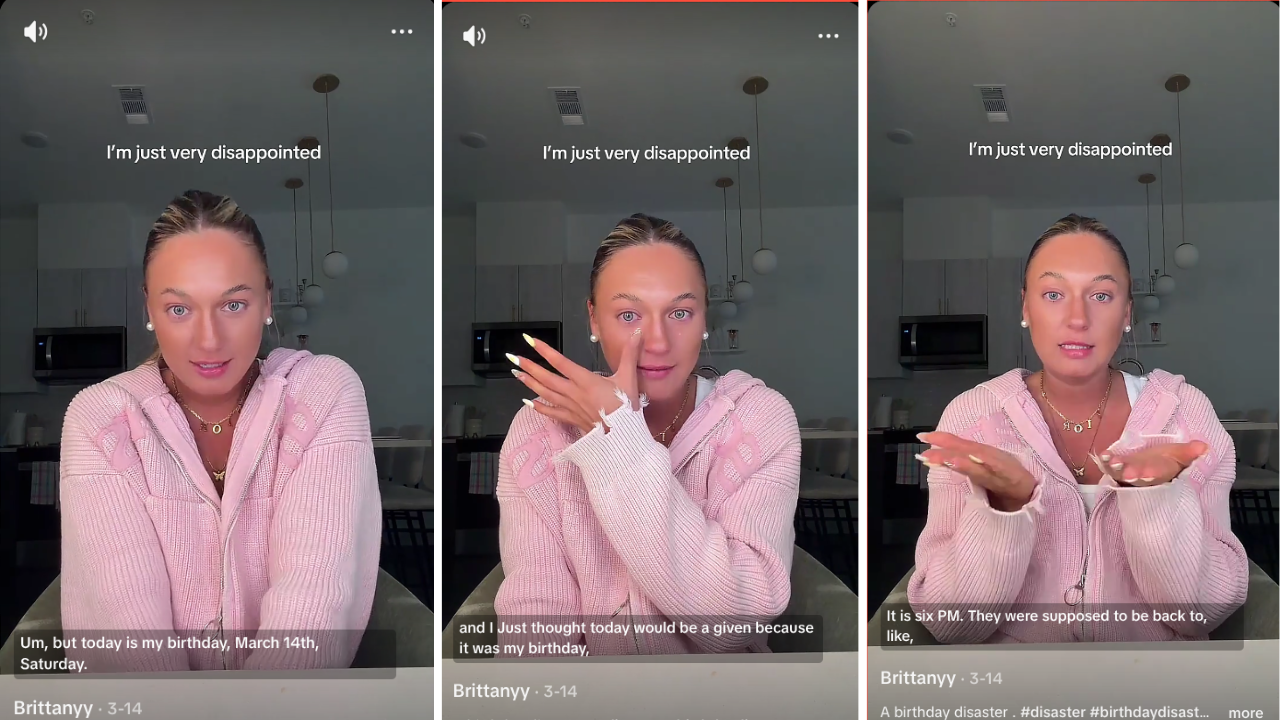
    TikTok creator Brittany, who posts under the handle @brittanyybowen, shared a widely viewed account of spending her 29th birthday alone at a restaurant after every invited friend canceled on the dinner they had urged her to plan. The video, posted to her TikTok account, has accumulated 2.4 million views and over 9,100 comments, resonating with viewers who criticized the friends’ conduct. Brittany, who describes herself as an introvert with a small social circle, initially wanted to mark the milestone with a personal trip rather than a social gathering.

    Friends Suggested Dinner, Then Failed to Attend

    According to Brittany’s account, her friends persuaded her to host a small birthday dinner instead of traveling. Though hesitant, she agreed and secured a restaurant reservation approximately three and a half weeks in advance, ensuring all invitees were aware of the date. She also purchased a $250 dress specifically for the occasion. On the evening of the dinner, however, none of the five close friends she invited appeared. Some explained they could not obtain time off from work, while others revealed they had attended a St. Patrick’s Day block party in Dallas and would not return in time for the reservation — a detail they communicated only at the last minute.

    Disappointment Leads to Reevaluation of Friendships

    Brittany expressed significant disappointment, noting she would not have canceled on friends for an occasion she considered important. She emphasized that she had made a deliberate effort to organize the event after initially preferring a low-key celebration. Because her family lives in another state, she had hoped her local friends would be present for the milestone. The experience, she said, reflected poorly on those friendships and fundamentally changed her approach to future birthdays: for her 30th, she plans to celebrate with family rather than depend on friends to show up.

    Why This Matters

    The viral response to Brittany’s story highlights a broader conversation about reciprocity and reliability in adult friendships, particularly around milestone events. The fact that the friends initiated the dinner plan — only to abandon it for a block party or without timely notice — struck a nerve with viewers, many of whom characterized the behavior as inconsiderate and indicative of one-sided relationships. The incident also underscores how social media amplifies personal grievances into public referendums on social norms, with thousands of strangers weighing in on the obligations of friendship. While The Daily Dot could not independently verify the specific details of Brittany’s account, the volume of engagement signals a shared cultural sensitivity to flakiness and the emotional labor of event planning.

    Frequently Asked Questions

    What happened to Brittany on her 29th birthday?

    Brittany organized a birthday dinner at a restaurant after her friends encouraged her to host one instead of taking a trip. She booked the reservation three and a half weeks in advance and bought a $250 dress, but none of the five close friends she invited showed up. Some cited work conflicts; others said they were at a St. Patrick’s Day block party in Dallas and wouldn’t make it back in time, informing her only at the last minute.

    How has Brittany said she will handle future birthdays?

    Brittany stated that the experience changed how she plans to celebrate. For her 30th birthday, she intends to spend it with her family rather than rely on friends to attend a celebration she organizes.

    What was the public reaction to her TikTok video?

    The video received 2.4 million views and over 9,100 comments. Many commenters criticized the friends for suggesting the dinner and then not attending. One wrote, “I can’t believe they’re suggested you do a dinner. Against your better judgement, you booked it — for them to NOT show up. I’d definitely be reevaluating those friends.” Another said, “They convinced you to have the dinner just for them to not show up??” A third called the last-minute cancellations after three weeks’ notice “diabolical.”

  • Woman Says Best Friend Became Obsessed With Her Boyfriend: ‘He Was All We Would Talk About’

    Woman Says Best Friend Became Obsessed With Her Boyfriend: ‘He Was All We Would Talk About’

    Key Highlights

    • TikTok creator Mya (@themyab) alleged her best friend messaged her boyfriend privately on Snapchat asking to get ice cream together, sparking a viral debate about friendship boundaries.
    • Mya said the friend had increasingly talked about and commented on her boyfriend’s social media posts, behavior a third party flagged during a group hangout before the boyfriend showed Mya the screenshot.
    • The video prompted thousands of comments sharing similar experiences, with many users praising the boyfriend’s transparency and loyalty for immediately showing Mya the message.

    TikTok Creator Alleges Best Friend Crossed Boundary by Messaging Her Boyfriend

    TikTok user Mya, who posts under the handle @themyab, shared a storytime video detailing how her best friend’s behavior toward her boyfriend escalated from social media interactions to a private Snapchat invitation. According to Mya, she initially welcomed the connection between the two people closest to her, thinking it was healthy for them to get along. She did not think much of her friend following her boyfriend on TikTok or having his Snapchat information at first.

    Friend’s Interest Escalates From Comments to Private Message

    Over time, Mya said she noticed her friend frequently talked about her boyfriend and consistently engaged with his social media posts. The dynamic shifted noticeably during a group hangout that included Mya, her boyfriend, and another person. That third party reportedly pointed out that Mya’s best friend appeared particularly interested in her boyfriend. While Mya had started noticing the behavior herself, she said her boyfriend initially dismissed her concerns, suggesting she might be overthinking the situation.

    His perspective changed, Mya recounted, after he received a direct Snapchat message from her best friend asking whether he wanted to get ice cream with her. The boyfriend immediately sent Mya a screenshot of the message, which she said left her surprised by her friend’s actions. The Daily Dot was unable to independently verify the details of Mya’s story, which are based solely on her account shared on TikTok. Mya did not identify her friend or provide independent documentation of the interactions described.

    Viral Video Ignites Debate on Friend-Partner Boundaries

    The video triggered a widespread discussion in the comments section about appropriate boundaries between friends and their friends’ partners. Numerous women shared parallel experiences, validating Mya’s discomfort. One commenter wrote, “Maam. I didn’t even follow my bestie’s man back on TikTok when he followed me. Bc NO THATS MY GIRL & that’s HER mans.” She added that she had never followed any of her friends’ boyfriends unless they were already friends independently, and would not have interacted with their posts in the same manner.

    Another user shared, “One of my friends is this way with my husband, and my mom keeps telling me to keep an eye on her.” A third commenter described a nearly identical situation: “Wait, this same exact thing happened to me. He told me right away when it was obvious and showed me her text. He called her out and we both blocked her. I didn’t even waste a word on her.” A fourth woman recounted an even more extreme breach: “Oh girl, I had a girl do the same thing, but she KISSED him because she wanted to ‘understand’ our relationship better.”

    Commenters Praise Boyfriend’s Transparency and Loyalty

    Amid the stories of betrayal, many commenters highlighted the boyfriend’s response as a positive example of relationship security. “That’s such a good bf,” one user shared, while another added, “We love a loyal bf.” The consensus among responders was that the boyfriend’s immediate decision to show Mya the screenshot—rather than hiding it—demonstrated respect for the relationship and helped prevent the situation from escalating further.

    Why This Matters

    The viral spread of Mya’s video underscores how social media platforms like TikTok have become primary venues for negotiating modern relationship norms. The sheer volume of similar anecdotes in the comments suggests that boundary violations between close friends and romantic partners are a common, yet often unspoken, source of relational stress. The discourse highlights two competing values: the expectation that a partner’s inner circle should be welcoming, and the need for clear limits to protect the intimacy of the romantic bond. For content creators, the incident also illustrates how personal storytelling can catalyze collective sense-making around shared social dilemmas.

    Frequently Asked Questions

    Who is Mya and where did she share this story?
    Mya is a TikTok creator who posts under the handle @themyab. She shared the story in a video posted to her TikTok account.
    What specific action by the best friend prompted the boyfriend to show Mya the message?
    The best friend sent the boyfriend a private Snapchat message asking if he wanted to get ice cream with her. The boyfriend screenshot the message and sent it to Mya immediately.
    Has the story been independently verified?
    No. The Daily Dot reported that it was unable to independently verify the details of Mya’s account. The story is based solely on her TikTok video; she did not name the friend or provide screenshots or other documentation to the outlet.
  • 5 Body Language Signs Someone May Not Want to Talk to You

    5 Body Language Signs Someone May Not Want to Talk to You

    Key Highlights

    • TikTok creator Liz Rose (@lizroseofficial) shared a viral video on May 19, 2025, identifying five body language cues she claims signal conversational discomfort, garnering over 90,000 likes.
    • Experts and commenters emphasize that isolated gestures—such as lowered eyelids, pressed lips, or a raised chin—require contextual interpretation and are not definitive proof of dislike.
    • The American Psychological Association defines body language as involuntary expressions of thoughts and feelings through posture, gestures, and facial movements, cautioning against simplistic readings.

    Viral TikTok Breaks Down Five Alleged Disinterest Signals

    A TikTok video posted on May 19, 2025, by self-described human behavior expert Liz Rose (@lizroseofficial) has drawn more than 90,000 likes and sparked widespread discussion about the subtle nonverbal cues that may reveal when someone is uncomfortable in a conversation. The post, captioned “5 body language signs they don’t like you & don’t like talking to you #pscyhologytip #psychologyfacts #psychology #psychologytricks #bodylanguage #bodylanguagesecrets #psychologyhacks #dating #relationships” and set to “Fire for You (Sped Up) – Cannons”, lists five specific behaviors Rose associates with conversational aversion. While the clip has resonated with viewers, psychologists and commenters alike stress that body language is nuanced and rarely decipherable through a single gesture.

    Understanding the Limits of Nonverbal Interpretation

    Before detailing Rose’s list, it is important to recognize how professionals define the field. The American Psychological Association describes body language as “the way in which thoughts and feelings are expressed through posture, gestures, facial expressions and other movements.” Crucially, the APA notes that “a person does not always willingly display certain nonverbal behavior, so it may not be correctly interpreted by others.” This caveat underpins the analysis of each signal Rose highlights, reminding audiences that context, baseline behavior, and cultural norms all shape meaning.

    The Five Cues and Their Contextual Caveats

    Rose’s first indicator is lowered eyelids, which she suggests may signal disengagement. However, the gesture can equally reflect a person’s natural facial structure, fatigue, or concentration. The second cue, pressed lips, is described by Rose as a thin line indicating discomfort or a desire to end the exchange; yet pressed lips appear across emotions ranging from anger to deep thought, making situational awareness essential. Third, a raised chin directed toward the speaker might look dismissive or distant, but its significance shifts with posture, relational history, and cultural background. Fourth, scrunching the nose can accompany disapproval, though allergies, irritation, or habitual expression offer alternative explanations. Finally, pinching the bridge of the nose may denote frustration or stress, but it is just as commonly a response to tiredness or a headache.

    Commenters Advocate Direct Communication Over Guesswork

    Response to the video underscores the skepticism surrounding checklist-style analysis. One commenter argued that “rather than trying to work out each expression, it is better to ask the person directly,” adding that “there might be several other explanations for the behavior, such as the person’s mind being occupied or needing to be elsewhere.” Others injected humor: one user pretended to ignore the signs and continued talking until the other party grew visibly uneasy, while another joked about whether it would be acceptable to keep discussing “their irritable bowel syndrome when the other person was standing with their eyes closed and fingers in their ears!”

    Why This Matters

    The popularity of Rose’s video reflects a broader cultural appetite for quick, actionable insights into social dynamics—especially in dating and professional networking. Yet the consensus among researchers and the APA aligns with the commenters’ pushback: nonverbal communication is probabilistic, not deterministic. Misreading a yawn as boredom or a furrowed brow as hostility can damage relationships and reinforce biases. As short-form content continues to distill complex psychology into shareable lists, media literacy around nonverbal cues becomes essential. The next step for consumers is to treat such videos as conversation starters rather than diagnostic tools, and to prioritize open dialogue over silent speculation.

    Frequently Asked Questions

    Who is Liz Rose and what credentials does she claim?

    Liz Rose operates the TikTok account @lizroseofficial and describes herself as a human behavior expert. The source does not specify formal academic or clinical qualifications beyond her self-identification.

    Can any single body language cue reliably prove someone dislikes you?

    No. The American Psychological Association and multiple commenters emphasize that isolated gestures—lowered eyelids, pressed lips, raised chin, scrunched nose, or pinched nose bridge—are ambiguous and must be interpreted within full context, including baseline behavior, environment, and cultural norms.

    What do experts recommend instead of analyzing body language checklists?

    Experts and viral commenters alike recommend direct, respectful communication—asking the other person how they are feeling or whether they wish to continue the conversation—rather than relying on presumed nonverbal signals.

  • Woman Says Her Ex Was a “Pathological Liar” Who Faked Trauma, Claimed to Be CEO: ‘He Was Playing Video Games’

    Woman Says Her Ex Was a “Pathological Liar” Who Faked Trauma, Claimed to Be CEO: ‘He Was Playing Video Games’

    Key Highlights

    • TikTok creator Annie (@cellow111) shared a viral video alleging her ex-boyfriend fabricated personal trauma, faked being a CEO, and manipulated her emotionally throughout their long-distance relationship.
    • The video amassed nearly 930,000 views and over 1,290 comments, with viewers sharing similar experiences of manipulation and offering support.
    • The Daily Dot was unable to independently verify the allegations, which are based solely on Annie’s account; her ex has not been publicly identified.

    TikTok Creator Details Allegations of Fabricated Trauma and Fake CEO Persona

    TikTok creator Annie, who posts under the handle @cellow111, published a video that has garnered nearly 930,000 views and more than 1,290 comments detailing her relationship with a man she describes as an emotionally manipulative “pathological liar.” In the video, Annie recounts how the relationship began after meeting through a mutual friend, bonding over what she believed were shared traumatic experiences. She later discovered, she said, that her ex had fabricated his trauma entirely.

    Annie explained that she had experienced significant trauma as a child but had learned to conceal it well. Her ex, she said, was the first person she ever opened up to about those experiences, which led her to believe their connection was uniquely meaningful. According to her account, he would also invent situations designed to make her worry about his well-being. Because she considers herself a caring person, she said she would become deeply concerned whenever he claimed something was wrong.

    Long-Distance Dynamic and the Fake Business Narrative

    The relationship was long distance, with the pair seeing each other only about once every six months and spending the majority of their time communicating over FaceTime. During the final three months of the relationship, Annie said her ex claimed he had started a company and was serving as its CEO. She said he used the supposed business venture as a reason to limit the time they spent together, which only intensified her longing for him.

    She later realized, she said, that he did not own a company at all. The time he claimed to be devoting to building the business was actually spent playing video games online. Annie emphasized there was no apparent motive for the deception regarding his career, noting that she “did not care about a partner’s material possessions.”

    Lasting Emotional Impact and Viewer Reactions

    Annie said the experience has made it difficult for her to trust another man and believe he will treat her well or be honest about his career. She had been so invested, she said, that she believed they would eventually marry and move in together; now, she is much more cautious about who she allows into her life. She also recalled other alleged lies, including a $5,000 reservation he claimed to have made for them, which she said he later used to make her feel guilty after she had to cancel a trip to see him because of work. The emotional effects, she said, have continued to linger.

    Reactions in the comments section focused on validation and shared experience. One commenter wrote, “Genuinely sounds like a bad guy, no one deserved that. Like, genuinely, if you’re in a relationship don’t lie please. Cause tbh someone broke my heart gave me false hope which tbh really broke me.” Another offered encouragement, writing, “Look at it this way: he’s most likely out there rn thinking about how badly he fumbled, meanwhile you were able to move on.”

    Why This Matters

    The viral spread of Annie’s story highlights the growing role of platforms like TikTok as spaces for public testimony about emotional abuse and manipulation in relationships. The volume of engagement—nearly a million views and over a thousand comments—signals a broad audience resonance with themes of gaslighting, fabricated identities, and the long-term trust damage such dynamics can cause. While The Daily Dot was unable to independently verify the details of Annie’s account, which remain based solely on her TikTok narrative, the discourse in the comments reflects a wider cultural conversation about recognizing red flags in long-distance relationships and the psychological aftermath of coercive control. Annie has not publicly identified her ex, and no independent evidence supporting the claims has been presented.

    Frequently Asked Questions

    Who is the TikTok creator sharing this story?

    The creator is Annie, who posts under the handle @cellow111 (also credited as Annie Zheng in the video’s sound attribution). She shared a video detailing her past relationship that received nearly 930,000 views and over 1,290 comments.

    Has the ex-boyfriend been identified or responded to the allegations?

    No. Annie has not publicly identified her ex, and The Daily Dot reports that he has not been named or located for comment. The outlet was unable to independently verify any of the details described in the video.

    What specific lies does Annie allege her ex told?

    According to Annie’s account, her ex fabricated his own childhood trauma, invented crises to elicit her concern, falsely claimed to be the CEO of a startup company he had founded (when he was actually playing video games), and lied about a $5,000 reservation he supposedly made for them, which he later used to guilt her after she canceled a visit due to work.

  • Uber Eats Driver Mocked for Job Changes Perspective After Meeting Men Working 15-Hour Shifts to Feed Families

    Uber Eats Driver Mocked for Job Changes Perspective After Meeting Men Working 15-Hour Shifts to Feed Families

    Key Highlights

    • TikTok creator Kash (@fivestarkashh) shared a viral video with over 430,000 views detailing how two days of Uber Eats deliveries transformed his perspective on gig work and financial privilege.
    • Conversations with older delivery workers — some working 15–16 hour days without formal qualifications — revealed the harsh economic realities behind the platform’s labor force.
    • The experience shifted Kash from spending £50–60 daily without thought to valuing every £3–4 earned per delivery, prompting a public rebuke of those mocking gig economy jobs.

    From Mockery to Revelation: A Creator’s Gig Economy Awakening

    TikTok creator Kash, known to his followers as @fivestarkashh, recently posted a video that has amassed 430,300 views as of publication, recounting a profound shift in worldview triggered by just two days working as an Uber Eats delivery driver. In the video, Kash opens by acknowledging the ridicule he faced: “a lot of people have been mocking me for it… a lot of people had been shaming me for it.” Yet he quickly pivots to the core revelation — that the job “changed my perspective on life” in two fundamental ways: the sheer difficulty of earning money and the immense sacrifices made by workers who rely on the platform for survival.

    Encounters at Mackie’s: The Invisible Workforce

    The turning point came during a routine order pickup at Mackie’s, where Kash repeatedly encountered a group of men in their 50s — whom he refers to as “uncles” — whose stories dismantled his preconceptions. These workers, he learned, had no formal qualifications — “no A levels or GCSEs, which are British secondary school certifications” — and viewed Uber Eats as their “only option” and “the only job that they could do.” One detail struck him deeply: “they didn’t have enough for a car and that they were working 15-16 hours a day to make ends meet for their family.”

    Kash describes the nocturnal reality of the job: “when I was delivering orders from 1 A.M. to 5 A.M., it was just me and these uncles.” Their resilience in the face of grueling conditions left a lasting impression. As he recounts, “They do like 8-9 hours a day in the heat. Whether it’s windy, cold, snowing, whatever it is, they’re still delivering food.” The realization that “a job that he is not even taking seriously is feeding someone’s whole lifestyle” moved him to prayer, hoping “to make the lives of all those uncles at Uber Eats easier and hoped that they are able to feed their families abundantly.”

    A Personal Financial Reckoning

    The experience forced a brutal confrontation with his own spending habits. Kash contrasts his past behavior with his new reality: “before I started this job, I was spending 2,3 bills in a week. I’m spending like 50-60 pounds a day. I’m just letting money go out like it’s nothing.” Now, earning “3-4 pounds” per delivery, he says the work “is making him realize how important even this money is” and reshaping his understanding of financial discipline. “You don’t just splash it everywhere,” he asserts. The lessons, he insists, “are going to stick with him for the rest of his life,” culminating in a direct message to critics: “All of you that are still mocking me for doing this job, carry on.”

    Why This Matters: The Human Cost of Platform Labor

    Kash’s account, while unverified by The Daily Dot — which notes it “could not independently verify the experiences described, including the conversations with other delivery workers” — illuminates a broader, well-documented reality of the gig economy. The workers he describes represent a demographic often excluded from traditional employment: older adults without formal credentials, for whom platform work offers neither benefits nor security, only survival. Their 15-hour shifts in extreme weather underscore the physical toll and economic precarity inherent in algorithmic labor. Meanwhile, Kash’s journey from privilege to empathy reflects a growing public discourse on the dignity of all work and the invisible labor sustaining on-demand convenience. As gig platforms face mounting regulatory scrutiny in the UK and globally, stories like this humanize the data points in policy debates over worker classification, minimum earnings, and social protections.

    Frequently Asked Questions

    Who is Kash and what platform did he share his story on?
    Kash is a TikTok creator who posts under the handle @fivestarkashh. He shared his experience in a video on TikTok that received over 430,000 views.
    What specific details did the older delivery workers share about their circumstances?
    The workers, aged 50–55, told Kash they had no A-levels or GCSEs, could not afford cars, worked 15–16 hour days to support their families, and considered Uber Eats their only employment option.
    Has The Daily Dot verified the events described in the video?
    No. The Daily Dot explicitly states it “could not independently verify the experiences described, including the conversations with other delivery workers.”