Tag: Viral meme

  • Robert Pattinson’s ‘you see how this looks, right’ Primetime Quote: What It Really Means

    Robert Pattinson’s ‘you see how this looks, right’ Primetime Quote: What It Really Means

    Key Highlights

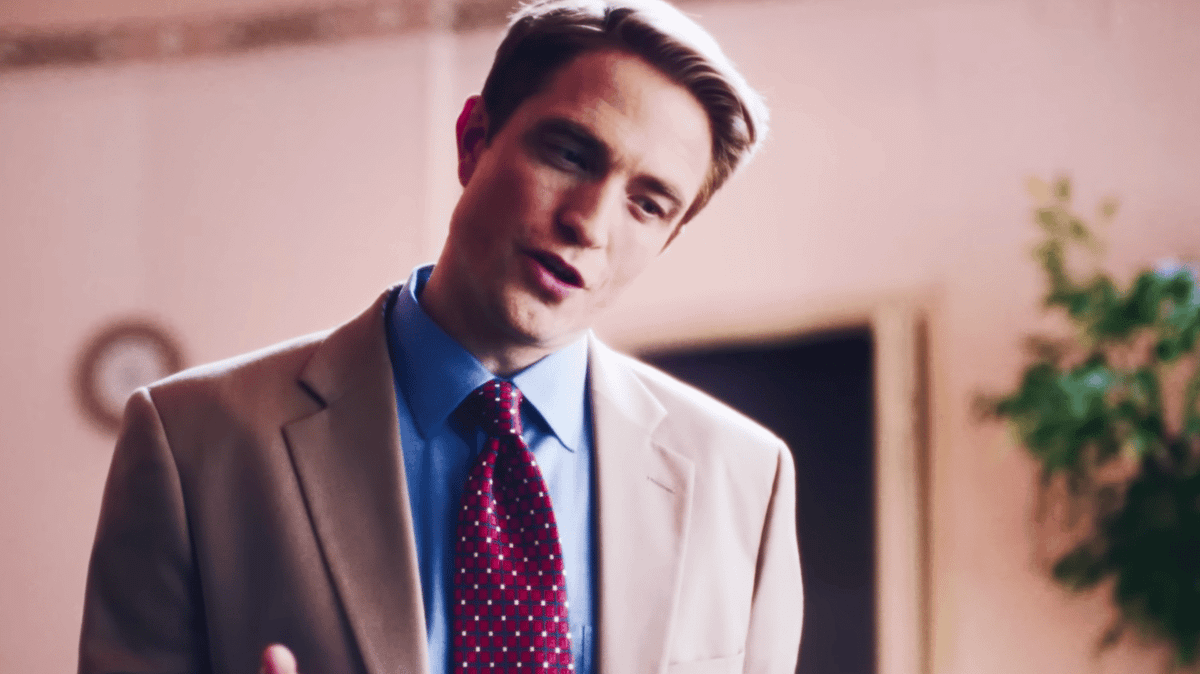
    • Robert Pattinson portrays Chris Hansen in the A24 film Primetime, now in U.S. theaters, with early trailers going viral for his delivery of Hansen’s iconic line: “You see how this looks, right?”
    • Pattinson, considered an outside Oscar contender, tells LADbible he found it fascinating how the serious Dateline segment To Catch a Predator became an internet meme, and anticipated the trailer’s own viral second life.
    • The film holds an 87% Rotten Tomatoes score; Variety praises “extraordinary performances” that make the “uncompromisingly grimy” movie unignorable. U.K. release is set for 31 October.

    Pattinson’s Chris Hansen Portrayal Ignites Viral Buzz Ahead of Primetime Release

    A24’s Primetime has arrived in U.S. cinemas, propelled by a wave of online attention that began months before opening weekend. The catalyst was Robert Pattinson’s uncanny embodiment of Chris Hansen, the former host of NBC’s Dateline: To Catch a Predator. Early trailers spread rapidly across social platforms, zeroing in on Pattinson’s delivery of Hansen’s signature confrontation line: “You see how this looks, right?” The clip turned the actor into an instant meme and placed him in the early conversation as a dark-horse contender for the Academy Award for Best Actor.

    The Irony of a Serious Sting Operation Becoming Internet Comedy

    In an exclusive interview with LADbible, Pattinson dissected the strange trajectory that took a hard-hitting investigative news segment and transformed it into lasting meme fodder. He explained that the script’s central tension—the gap between the show’s grave purpose and its eventual ironic afterlife—was what drew him to the role. “I think that’s one of the things I found interesting about the characters and the story, it’s one of those weird internet things, why has he been co-opted? When you look at the chronology of how people were receiving the show… it was a segment on the news, that’s what it was,” Pattinson said. He described the speed of the shift as jarring: “To be so popular immediately was so strange, but then it was co-opted so quickly by people doing parodies and people normalising it and it being something which people were imitating just immediately.”

    The actor dug deeper into the “alchemy” that made audiences read a predator sting as entertainment. “You’re like ‘Why? What was it about the alchemy of the different elements that made it first of all something where people interpreted the news as sort of like… funny? Because it wasn’t supposed to be funny,” he observed. Pattinson acknowledged the difficulty of predicting internet culture but admitted he sensed the trailer might follow the same path: “But then it had this second life as this internet thing, which in some ways was ironic, it’s so difficult to understand why anything happens on the internet but I kinda thought there was a possibility that that might happen.”

    Chris Hansen Embraces the Meme Legacy

    The subject of the portrayal has publicly welcomed his unexpected digital fame. Chris Hansen has addressed the phenomenon repeatedly, most notably during a 2019 appearance on the H3 podcast. He framed the meme status as a generational bridge: “It’s amazing to me because a whole generation of people who were kids or not even born when we started doing To Catch a Predator now know me through YouTube clips and memes.” Hansen argued that resistance is futile in modern media: “I think it’s great. You have to embrace it—if you take yourself too seriously in this business, you’re done.” He traced his own acceptance to the shift from rigid network formats to audience-driven clips: “At first, back at NBC, everything had to be very rigid news broadcast format. But when I saw the online reaction, I realized people loved the catchphrases and the dramatic moments. So why fight it?”

    Critical Reception and Release Schedule

    Early critical consensus suggests the film transcends its viral marketing hook. Primetime holds an 87% rating on Rotten Tomatoes at the time of publication. Variety highlighted the ensemble’s work as the anchor that prevents the film’s bleak aesthetic from alienating viewers: “This uncompromisingly grimy approach would be actively repellent were it not for the extraordinary performances, which make Primetime a thing you cannot stop watching even as the desire to flee to the nearest shower cubicle grows.” The film is currently playing in U.S. theaters and expands to U.K. cinemas on 31 October.

    Why This Matters

    Primetime arrives at a cultural moment where true-crime media, internet irony, and prestige cinema increasingly overlap. The film uses the To Catch a Predator legacy—once a staple of appointment-viewing broadcast journalism, later a staple of YouTube compilation culture—as a lens to examine how digital platforms strip context from serious events and repurpose them as content. Pattinson’s casting signals A24’s continued strategy of pairing bankable stars with challenging, director-driven material. For awards watchers, his “outside contender” status will be tested by the crowded Best Actor field and the Academy’s historical reluctance to reward horror-adjacent or deeply uncomfortable performances. The U.K. release on 31 October positions the film for Halloween-season horror audiences while keeping it eligible for the 2025 awards cycle.

    Frequently Asked Questions

    When and where can I watch Primetime?
    The film is currently in wide release in U.S. cinemas. It opens in U.K. cinemas on 31 October. No streaming date has been announced.
    Is Robert Pattinson actually a front-runner for the Best Actor Oscar?
    Industry outlets currently categorize him as an “outside contender” or dark-horse candidate. The race remains highly competitive and will depend on precursor awards and guild nominations in early 2025.
    How did Chris Hansen react to the film and the memes?
    Hansen has publicly embraced the meme phenomenon, stating on the H3 podcast that it introduces his work to new generations and that fighting the internet’s affection for catchphrases is pointless.
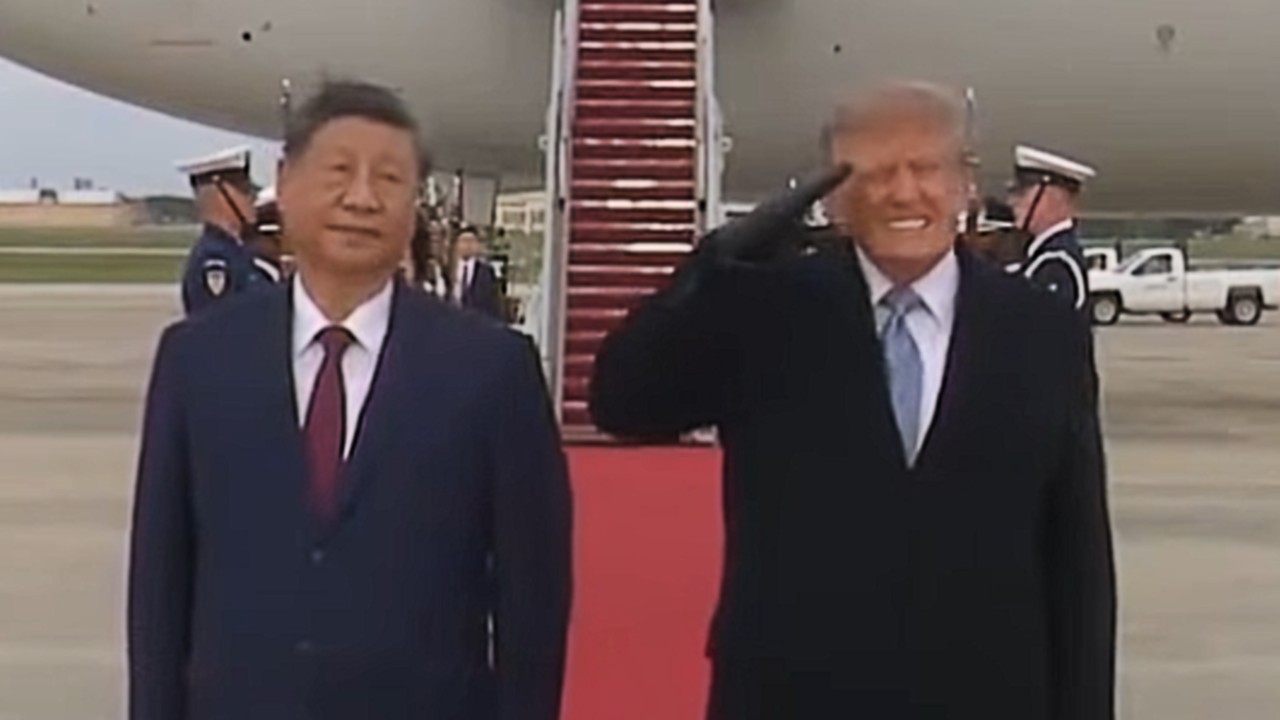
  • President Trump Flinches During Military Flyover Beside Xi Jinping, Sparking Viral Meme

    President Trump Flinches During Military Flyover Beside Xi Jinping, Sparking Viral Meme

    Key Highlights

    • A viral video captured former U.S. President Donald Trump visibly flinching during a loud military jet flyover while standing next to Chinese President Xi Jinping at a Maryland summit on September 23, 2026.
    • The contrast between Trump’s reaction and Xi Jinping’s composed demeanor sparked widespread internet memes and social media commentary comparing the two leaders’ responses.
    • The moment became a cultural touchpoint for political satire, illustrating how spontaneous, unscripted moments at high-profile diplomatic events can instantly fuel global digital discourse.

    Viral Moment at Maryland Summit Captures Global Attention

    A routine military flyover during a bilateral summit in Maryland on September 23, 2026, produced an unscripted moment that quickly transcended diplomatic protocol to become a defining internet meme. As jets roared overhead, video footage showed former President Donald Trump instinctively flinching and ducking slightly at the sudden noise, while Chinese President Xi Jinping remained visibly still and composed beside him. The split-second divergence in body language was captured by press pool cameras and disseminated across social media platforms within minutes, setting off a wave of remixes, caption contests, and comparative analysis.

    Anatomy of a Meme: From Footage to Cultural Commentary

    The clip’s virality stemmed less from the event itself—a standard ceremonial arrival or departure honor—and more from the perceived symbolism projected onto the leaders’ involuntary reactions. Editors on platforms such as X, TikTok, and Reddit isolated the two-second sequence, looping it alongside audio exaggerations, split-screen comparisons, and satirical captions framing the moment as a metaphor for contrasting leadership styles, geopolitical resolve, or simple physiological reflex. Know Your Meme documented the phenomenon under the entry “Trump Flinches Beside Xi Jinping,” cataloging hundreds of derivative works that ranged from lighthearted humor to pointed political caricature. The meme’s velocity underscored how modern digital ecosystems repurpose raw news footage into participatory cultural artifacts almost instantaneously.

    Diplomatic Stagecraft Meets Unfiltered Reality

    The summit itself was part of ongoing high-stakes engagement between Washington and Beijing, addressing trade, security, and climate cooperation. Such events are meticulously choreographed to project unity, strength, and controlled optics. The flyover, intended as a display of American military capability and ceremonial honor, instead introduced an uncontrolled variable: the human startle reflex. Trump’s reaction, while a normal physiological response to sudden loud noise, was weaponized by critics and meme creators alike as evidence of weakness or lack of composure. Conversely, Xi’s stillness was framed by some observers as calculated poise, though experts noted it could equally reflect anticipation, protocol adherence, or simply a different sensory threshold. The incident highlighted the fragility of staged diplomacy in an era where every micro-expression is recorded, amplified, and reinterpreted by a global audience.

    Why This Matters

    The “Trump Flinches” episode exemplifies a broader shift in political communication: unscripted, incidental moments now carry outsized weight in shaping public perception, often eclipsing the substantive policy outcomes of the summits where they occur. For strategists and leaders, it reinforces that no public appearance—no matter how routine—is immune from becoming viral content. For media literacy advocates, it serves as a case study in how context collapse on social platforms strips nuance from complex diplomatic interactions, reducing hours of negotiation to a single, looping gesture. As U.S.-China relations continue to define the geopolitical landscape, the ability of fleeting visual moments to drive narrative—sometimes detached from factual substance—remains a critical dynamic for policymakers, journalists, and the public to navigate.

    Frequently Asked Questions

    When and where did the viral video originate?

    The video was recorded on September 23, 2026, during a summit in Maryland, United States, where former President Donald Trump and Chinese President Xi Jinping were standing together for a military jet flyover.

    Why did the clip become a meme?

    The stark visual contrast between Trump’s visible flinch and Xi Jinping’s motionless composure was widely shared and remixed online, with users interpreting the moment as symbolic of differing leadership personas, fueling satire and political commentary across social media.

    Was the flyover an unusual event for a diplomatic summit?

    Military flyovers are a standard ceremonial honor for visiting heads of state at major U.S. summits, intended as a display of pageantry and military capability rather than a surprise or threat.

  • Nolan Winking Responds to His Unofficial ‘Cappy’ Audition Becoming a Brainrot Meme

    Nolan Winking Responds to His Unofficial ‘Cappy’ Audition Becoming a Brainrot Meme

    Key Highlights

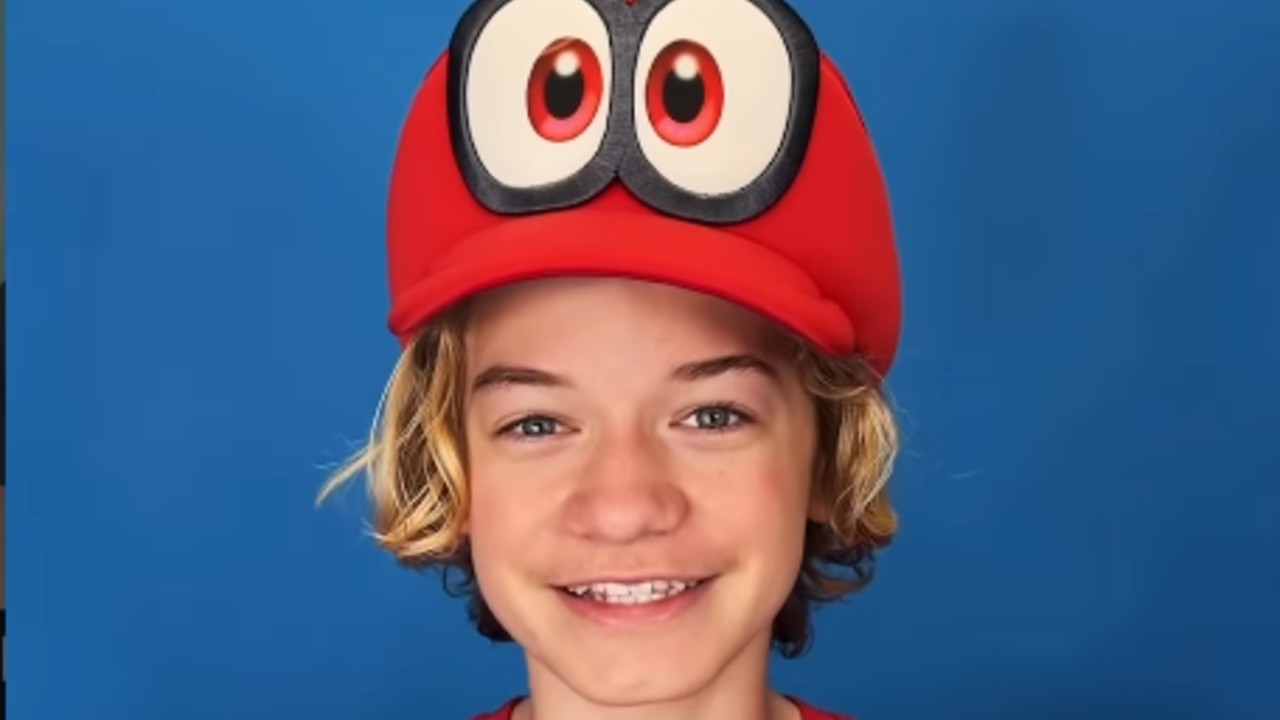
    • Content creator Nolan Winking uploaded an unofficial audition video for the role of Cappy, the sentient hat from Super Mario Odyssey, to Instagram in April 2026.
    • The clip exploded into a viral meme phenomenon across TikTok and Instagram Reels in September 2026, spawning “brainrot” edits, remixed audio trends, and dance and lip-dub challenges.
    • Winking embraced the internet’s response, reacting positively to the wave of user-generated content built around his original performance.

    The Audition That Wasn’t: Nolan Winking’s Cappy Performance

    In April 2026, digital creator Nolan Winking posted a video to Instagram that blended committed performance art with internet absurdity. Titled as an unofficial audition for the character Cappy—the sentient, mustachioed hat who serves as Mario’s primary companion and gameplay mechanic in Nintendo’s 2017 hit Super Mario Odyssey—the clip saw Winking embody the anthropomorphic headwear with surprising physicality and vocal mimicry. The premise carried a layer of meta-humor: Winking was ostensibly auditioning for a “Super Mario Odyssey movie,” a project that, at the time of the upload and this writing, has neither been officially announced by Nintendo nor confirmed by Illumination as a follow-up to 2023’s The Super Mario Bros. Movie.

    From Niche Upload to “Brainrot” Phenomenon

    For roughly five months, the video existed as a curiosity within Winking’s follower base. That changed dramatically in September 2026, when the algorithmic currents of TikTok and Instagram Reels seized on the clip. The video became the raw material for a massive, platform-native meme cycle. Editors remixed the footage into “brainrot” edits—a genre defined by rapid-fire, surreal, and often intentionally degrading visual and audio manipulation that signals deep engagement with internet subculture. Simultaneously, an isolated audio track of Winking’s “Cappy noises” detached from the visual context to become a standalone sound trend, underpinning thousands of dance routines and lip-dub performances.

    Creator Embraces the Chaos

    Unlike creators who distance themselves from ironic or mocking reinterpretations of their work, Winking leaned into the virality. Throughout September 2026, he responded positively to the deluge of edits and trend participations, engaging with the community that had transformed his sincere bit of character work into a shared inside joke. This reception cemented the video’s status not merely as a viral hit, but as a case study in how a creator’s good-faith participation can validate and extend a meme’s lifespan far beyond its initial upload window.

    Why This Matters

    The trajectory of Winking’s Cappy audition illustrates the modern lifecycle of character-driven internet comedy. It demonstrates how platforms like TikTok and Reels function as collaborative writers’ rooms, deconstructing a single performance into audio stems, visual templates, and lore expansions that the original author never anticipated. For Nintendo and Illumination, the organic demand for Cappy-centric content—evidenced by millions of user-generated videos—serves as unsolicited market research confirming the character’s breakout appeal ahead of any potential Super Mario Odyssey film adaptation. For creators, Winking’s trajectory underscores that relinquishing control of a clip to “brainrot” culture can be the definitive mark of having “made it” in the attention economy.

    Frequently Asked Questions

    Is a Super Mario Odyssey movie actually in production?
    No. As of the viral peak in September 2026, neither Nintendo nor Illumination had officially announced a Super Mario Odyssey film, nor confirmed it as a sequel to The Super Mario Bros. Movie. Winking’s audition was explicitly unofficial and satirical.
    What are “brainrot” edits?
    “Brainrot” edits are a style of internet video remix characterized by extreme visual distortion, layered irony, nonsensical captions, and rapid pacing. They are typically created by and for communities deeply immersed in platform-specific humor on TikTok and Instagram Reels.
    How did Nolan Winking react to the memes?
    Winking responded positively to the meme trend in September 2026, engaging with the edits, dances, and lip-dub videos created by users rather than requesting takedowns or expressing frustration.
  • Ted 2’s ‘Grr Mondays’ Scene Sparks Viral Hashtag Trend on TikTok, Reels

    Ted 2’s ‘Grr Mondays’ Scene Sparks Viral Hashtag Trend on TikTok, Reels

    Key Highlights

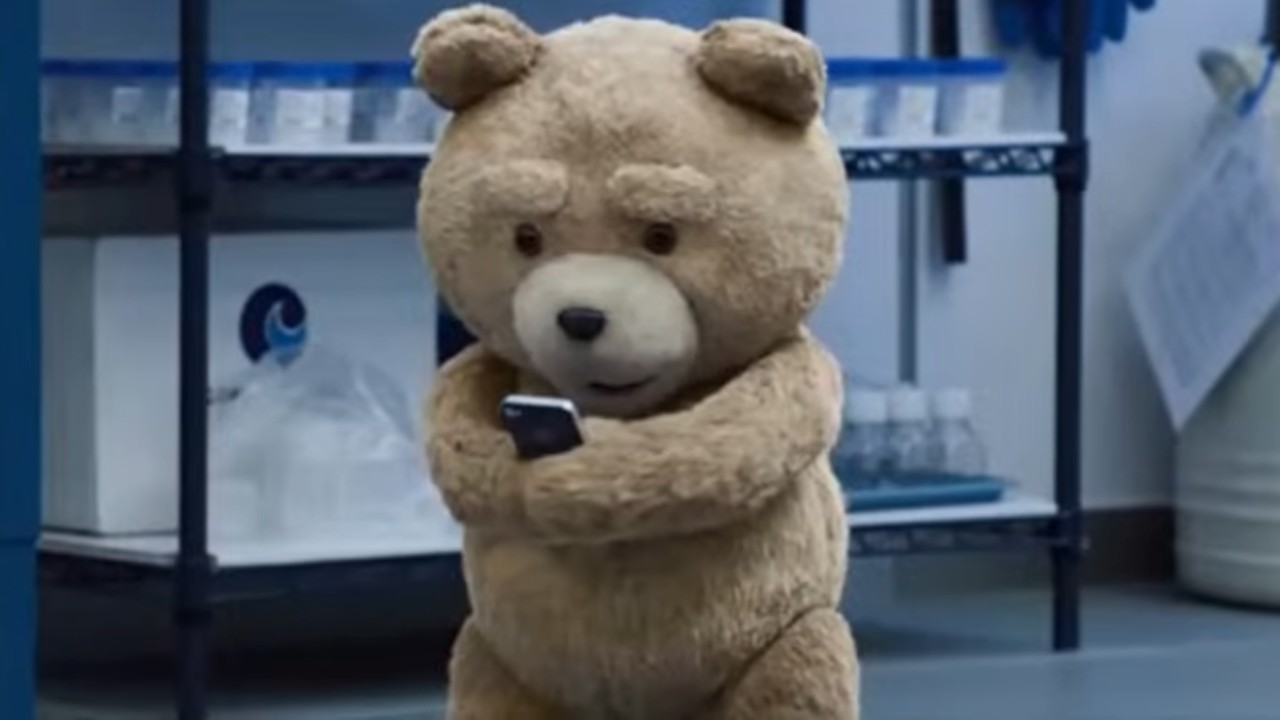
    • The “Grr Mondays” catchphrase originates from a sperm bank scene in the 2015 film Ted 2, where Mark Wahlberg’s character John Bennett is accidentally covered in sperm and the titular teddy bear posts a photo tagged “#GrrMondays.”
    • In September 2026, the scene experienced a viral resurgence on TikTok and Instagram Reels, inspiring widespread meme formats including audio-based animations and user reenactments.
    • The trend highlights the enduring cultural footprint of the Ted franchise and the cyclical nature of internet humor, where older media moments find new life through short-form video platforms.

    Origin of the “Grr Mondays” Catchphrase

    The “Grr Mondays” meme traces its roots directly to a specific sequence in Ted 2, the 2015 sequel written and directed by Seth MacFarlane. In the scene, John Bennett, portrayed by Mark Wahlberg, visits a sperm bank as part of a subplot involving his attempts to have a child with his wife. A mishap occurs resulting in John being drenched in the donor material. Seizing the moment, the anthropomorphic teddy bear Ted—voiced by MacFarlane—snaps a photograph of the humiliated John and uploads it to Facebook with the sarcastic caption “#GrrMondays.” The line functions as a dark twist on the classic “Garfield” comic strip trope of hating Mondays, reframed through the franchise’s signature raunchy humor.

    Viral Resurgence on Short-Form Video Platforms

    More than a decade after the film’s theatrical release, the moment exploded into a major trend during September 2026. The catalyst for the resurgence appears to be the extraction of the scene’s audio—specifically the delivery of the hashtag line—which began circulating widely on TikTok and Instagram Reels. Creators on both platforms adopted the sound for two primary formats. The first involves animated edits, where artists synchronize original character animations or motion graphics to the audio clip. The second trend sees users filming live-action reenactments, often staging messy or unfortunate “Monday morning” scenarios in their own lives before cutting to the punchline. The hashtag #GrrMondays accumulated millions of views across the platforms during the peak of the trend.

    The Mechanics of the Meme Format

    The structure of the trend relies heavily on the juxtaposition of the audio’s specific cadence with visual misery. Because the source material is a single, punchy line of dialogue, it functions as a versatile “sound effect” for content creators. Unlike memes requiring complex narrative setups, the “Grr Mondays” format allows for low-barrier participation: a creator simply needs a relatable inconvenience—spilled coffee, a missed alarm, a work email notification—and the audio provides the instant comedic framing. This accessibility fueled the volume of user-generated content, pushing the 2015 movie clip back into the cultural conversation nearly eleven years post-release.

    Why This Matters

    The “Grr Mondays” phenomenon underscores the shifting dynamics of media longevity in the algorithmic era. Legacy comedy films, particularly those from the 2010s, are increasingly serving as raw material libraries for Gen Z and Alpha creators on TikTok and Reels. Studios and rights holders are observing that singular, quotable moments—often secondary gags rather than central plot points—can drive massive organic engagement years after a title leaves the box office. For Ted 2, a film that received mixed critical reviews upon release, the trend represents a significant “second life” asset, potentially driving catalog streaming revenue and maintaining franchise relevance ahead of any potential future installments or the Peacock streaming series. It also illustrates how platform-native humor (animations, POV reenactments) remediates passive film viewing into active, participatory culture.

    Frequently Asked Questions

    What movie is the “Grr Mondays” meme from?

    The meme originates from the 2015 movie Ted 2, directed by Seth MacFarlane and starring Mark Wahlberg.

    Why did the meme go viral in September 2026?

    The scene’s audio clip gained traction on TikTok and Instagram Reels, where creators used it for animations and reenactments depicting relatable “bad Monday” moments, driving millions of views under the #GrrMondays hashtag.

    What happens in the original scene?

    Mark Wahlberg’s character, John Bennett, has an accident at a sperm bank that leaves him covered in sperm. Ted photographs him and posts the picture to Facebook with the caption “#GrrMondays.”

  • TikTok’s “How I Feel In My Hometown” Trend Explained

    TikTok’s “How I Feel In My Hometown” Trend Explained

    Key Highlights

    • A TikTok trend titled “How I Feel In My Hometown” emerged in late August 2026, pairing local footage with anime or fictional character edits.
    • The format uses the on-screen caption “how I feel in my hometown” to express emotions such as awkwardness, boredom, displacement, and nostalgia.
    • The trend leverages relatable media characters to visualize the complex experience of returning to or residing in one’s place of origin.

    The Anatomy of a Viral Hometown Sentiment

    In late August 2026, a new meme format began circulating on TikTok that quickly crystallized a specific, widely shared emotional experience. Known interchangeably as “How I Feel In My Hometown” or “How It Feels In My Hometown,” the trend invites creators to juxtapose video clips or static images of recognizable local landmarks—their high school, a specific strip mall, a childhood park—with edited footage of an anime protagonist or another fictional character. The connective tissue is a simple, lowercased caption: “how I feel in my hometown.”

    Visual Language and Emotional Resonance

    The trend’s power lies in its economy of storytelling. By overlaying a fictional character’s dramatic reaction—whether it is a blank stare of existential dread, a frantic attempt to escape, or a quiet moment of tearful recognition—onto mundane local geography, users bridge the gap between internal psychology and external environment. The selected characters often come from popular anime series, though the source material extends across animation, gaming, and live-action franchises. This choice allows participants to outsource the articulation of complex feelings to a pre-existing visual vocabulary understood by the platform’s culturally literate user base.

    Mapping the Spectrum of Return

    While the specific character edits vary, the emotional core of the trend clusters around a distinct set of themes. Primary among them is a sense of awkwardness or feeling visibly out of place, often depicted through characters hiding their faces or shrinking into themselves. Boredom and stagnation are frequent motifs, represented by characters staring into middle distance or engaging in repetitive, low-stakes actions. However, the trend is not purely negative; a significant subset of posts leans into nostalgia or a bittersweet identification with a character’s journey, suggesting that the hometown serves as both a trap and a touchstone for identity formation.

    Why This Matters

    The rapid adoption of the “How I Feel In My Hometown” trend underscores TikTok’s role as a primary engine for collective emotional processing among younger demographics. It transforms the private, often isolating experience of navigating one’s past geography into a public, shareable language. For sociologists and digital culture analysts, the trend offers a real-time dataset on how Generation Z and younger Millennials conceptualize “home”—not merely as a location, but as a psychological state characterized by regression, alienation, and the search for self-definition against the backdrop of formative spaces. The trend also highlights the increasing dominance of anime and “fandom” aesthetics as a universal lingua franca for emotional expression on social media, superseding traditional reaction GIFs or stock photography.

    Frequently Asked Questions

    When did the “How I Feel In My Hometown” trend start?
    The trend emerged on TikTok in late August 2026 and spread over the following weeks.
    What kind of media is typically used for the character edits?
    Users most frequently edit in characters from anime series, though characters from other franchises such as video games, Western animation, and live-action properties are also used.
    Is the trend exclusively about negative feelings toward one’s hometown?
    No. While awkwardness, boredom, and feeling out of place are common themes, the trend also encompasses nostalgia and positive identification with a character’s journey, reflecting a complex, often bittersweet relationship with one’s origins.
  • Seven Years Since ‘Naruto Area 51 Runner’ Went Viral

    Seven Years Since ‘Naruto Area 51 Runner’ Went Viral

    Key Highlights

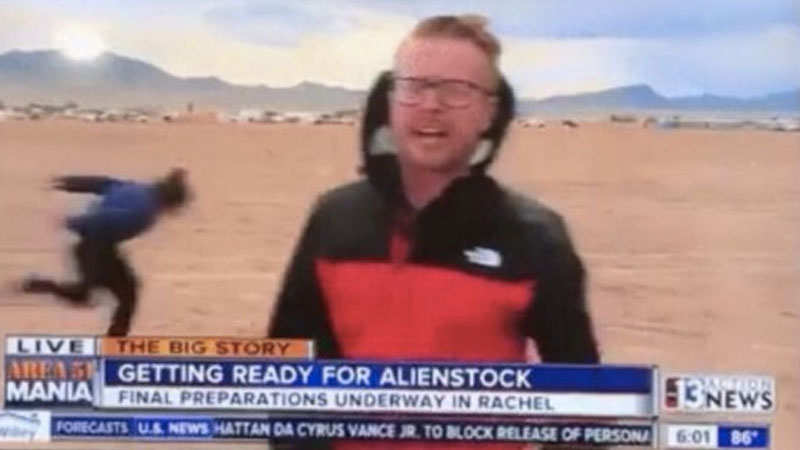
    • Elia Elixir became the viral face of the “Storm Area 51” event after photobombing a live news broadcast with the “Naruto Run.”
    • The distinctive running style—arms stretched backward, torso leaned forward—originates from the titular character of the anime Naruto and was a central meme in the event’s planning.
    • Footage of the incident spread rapidly across social platforms, cementing the moment as a defining piece of internet culture and inspiring countless image macro memes.

    The Viral Moment at the Storm Area 51 Gathering

    In September 2019, the desert surrounding the highly classified United States Air Force facility known as Area 51 became the backdrop for a surreal intersection of internet culture and mainstream media. The “Storm Area 51, They Can’t Stop All of Us” event, which began as a satirical Facebook proposal, drew thousands of curiosity seekers, journalists, and meme enthusiasts to the Nevada desert. Amid the festival atmosphere and heavy media presence, one attendee, Elia Elixir, inadvertently secured a place in digital folklore. While a television news crew conducted a live segment covering the gathering, Elixir sprinted into the frame behind the reporter, executing the now-iconic “Naruto Run” with committed precision.

    Anime Origins and Meme Mechanics

    The maneuver performed by Elixir is a direct visual reference to Naruto Uzumaki, the protagonist of Masashi Kishimoto’s globally renowned manga and anime franchise Naruto. In the series, the titular ninja and other characters frequently run with their arms extended straight behind their torsos and their upper bodies tilted forward at a sharp angle. While stylized for animation, the posture became a shorthand for supernatural speed within the fandom. By the time the Storm Area 51 event was conceptualized in mid-2019, “Naruto running” had already been adopted by the event’s online community as a tongue-in-cheek tactical strategy—participants joked that the posture would allow them to dodge bullets or move too fast for base security to target. Elixir’s live-TV recreation transformed this inside joke into a broadcast reality.

    From Live Broadcast to Enduring Digital Artifact

    The clip of Elixir’s photobomb detached from its original news context almost immediately. Within hours, the video was clipped, re-uploaded, and remixed across platforms including Twitter, Reddit, TikTok, and YouTube. The moment’s appeal lay in its perfect encapsulation of the event’s chaotic energy: a serious journalistic backdrop disrupted by a physical manifestation of an anime meme. The footage fueled a wave of image macro memes, with Elixir’s silhouette pasted into historical photos, movie scenes, and other news broadcasts. The incident demonstrated the accelerating feedback loop between offline spectacles and online participatory culture, where attendees arrive not just to witness but to generate content designed for viral amplification.

    Why This Matters

    The “Area 51 Naruto Run” incident serves as a case study in the lifecycle of a modern meme. It illustrates how a fictional movement mechanic from a Japanese anime series migrated into Western internet humor, was adopted as a collective joke for a real-world gathering, and was ultimately physically performed on live television—creating a feedback loop that solidified the moment in the cultural record. For media analysts, the event highlights the increasing difficulty of distinguishing between “organic” crowd behavior and performed content creation at high-visibility events. For platforms, it underscores the speed at which a few seconds of background footage can be stripped of context and repurposed into a durable, remixable asset. The phenomenon remains a touchstone reference for the “Storm Area 51” event, often cited alongside the “Alienstock” festival and the minimal arrests as a defining example of the gathering’s lighthearted, internet-native character.

    Frequently Asked Questions

    Who is Elia Elixir?
    Elia Elixir is the attendee at the September 2019 “Storm Area 51” event who went viral after photobombing a live news broadcast by performing the “Naruto Run” behind the reporter.
    What is the “Naruto Run”?
    The “Naruto Run” is a distinctive running style featured in the anime and manga series Naruto, where the character runs with arms stretched straight back and the torso leaned forward. It was adopted by the Storm Area 51 online community as a satirical “tactic” for the raid.
    Why did the video become such a popular meme?
    The clip resonated because it visually collided a serious live news report with a niche anime reference, perfectly capturing the absurd, internet-driven nature of the Storm Area 51 event. Its clear, loopable action made it ideal for remixing into image macros and video edits across social media.
  • Streamers ‘Zias’ and ‘B.Lou’ Inspire Memes With ‘Sound vs. Light’ Speed Test

    Streamers ‘Zias’ and ‘B.Lou’ Inspire Memes With ‘Sound vs. Light’ Speed Test

    Key Highlights

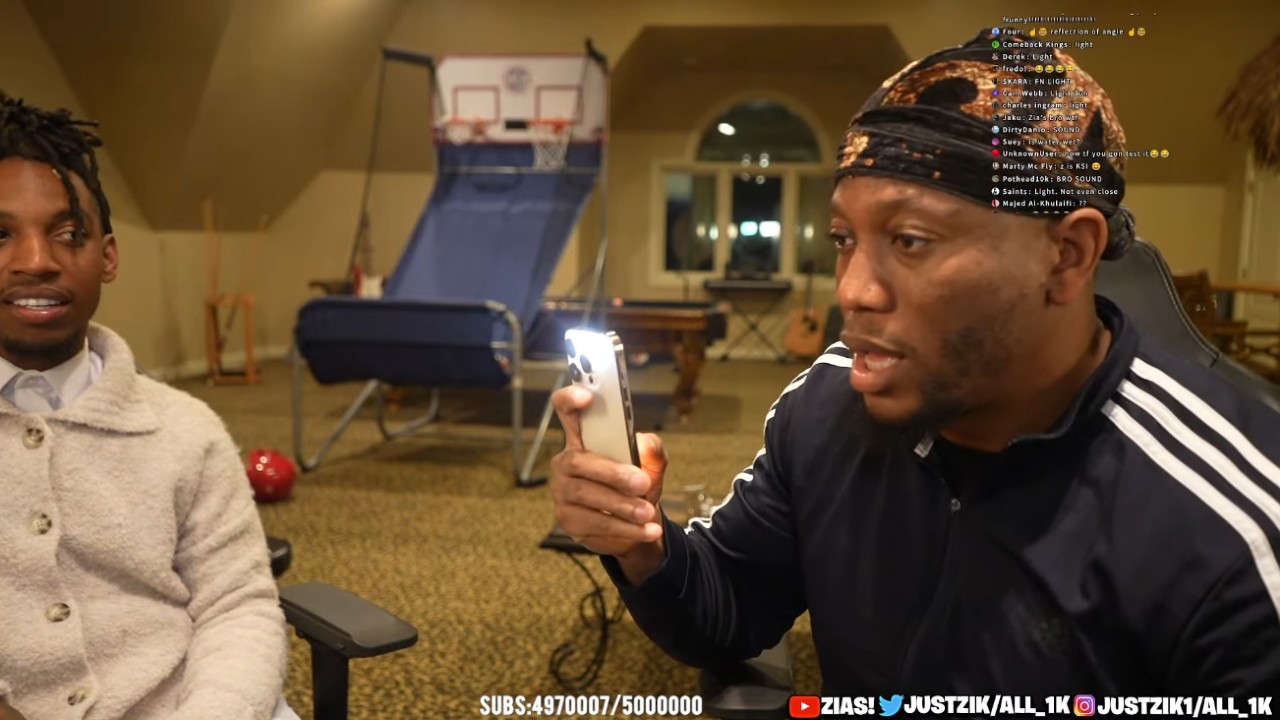
    • Streamers Zias and B.Lou inadvertently sparked a viral science meme on March 22, 2025, by testing if sound or light travels faster using a phone flashlight and an “Ah” vocalization.
    • The clip gained massive traction on TikTok in 2025 and experienced a significant resurgence in September 2026, inspiring ironic “great scientists” edits across TikTok and Instagram Reels.
    • The phenomenon highlights how spontaneous creator moments can evolve into enduring internet folklore, blending genuine curiosity with absurdist humor across platform algorithms.

    The Origin: A Backyard Physics Experiment Goes Viral

    On March 22, 2025, popular streamers Zias and B.Lou conducted an impromptu physics demonstration during a live broadcast that would unexpectedly capture the internet’s imagination. The duo attempted to settle a rudimentary scientific question—whether sound or light travels faster—by simultaneously activating a smartphone flashlight and emitting a vocal “Ah” sound. The premise was simple: observe which sensory signal reached the camera or microphone first. While the laws of physics dictate light’s decisive victory at roughly 299,792 kilometers per second versus sound’s 343 meters per second in air, the execution’s charmingly unscientific nature—relying on consumer-grade hardware and human reaction times—struck a chord with viewers. The clip rapidly circulated on TikTok throughout 2025, amassing millions of views as audiences delighted in the streamers’ earnest yet flawed methodology.

    Resurgence and the “Great Scientists” Irony

    Approximately 18 months after its initial explosion, the footage found new life in September 2026. A fresh wave of video edits and memes flooded TikTok and Instagram Reels, this time steeped in heavy irony. Creators began captioning the clip with hyperbolic praise, referring to Zias and B.Lou as “great scientists,” “physics pioneers,” and “the Einstein and Newton of our generation.” This satirical framing transformed the original moment from a mere viral blooper into a collaborative inside joke. The resurgence demonstrates the cyclical nature of short-form video trends, where older content is excavated by algorithm-driven “For You” pages and reinterpreted through the lens of current meme culture—specifically, the post-ironic humor that celebrates mundane actions as historic achievements.

    Anatomy of a Cross-Platform Meme Lifecycle

    The trajectory of the “Sound Faster Than Light Test” offers a case study in modern meme propagation. The initial 2025 virality was driven by TikTok’s algorithm amplifying authentic, unscripted creator interactions. The 2026 revival, however, was fueled by remix culture: editors isolated the flashlight-and-“Ah” sequence, layered it with dramatic orchestral scores, fake documentary narration, and pseudo-academic graphics, then distributed these derivatives across both TikTok and Instagram Reels. This cross-pollination between Meta’s and ByteDance’s ecosystems underscores how memes no longer remain platform-exclusive; they migrate fluidly, adapting to each community’s distinct comedic vernacular while retaining the core visual anchor. Zias and B.Lou, established figures in the streaming and reaction-video sphere, became unwitting mascots for a joke about scientific illiteracy that required their genuine personalities to land effectively.

    Why This Matters

    The enduring popularity of the Zias and B.Lou clip illustrates a broader shift in digital culture: the blurring line between content creation and collective folklore. In an era where attention spans are measured in seconds, a three-second improvisation from a March 2025 stream can generate two distinct viral cycles separated by over a year. For platforms, it validates the long-tail value of archived live content. For creators, it serves as a reminder that unguarded moments often outperform polished productions in meme potential. For audiences, the “great scientists” narrative provides a shared language of absurdity—a way to collectively pretend that two streamers yelling at a flashlight constitutes a peer-reviewed breakthrough. As algorithmic resurfacing becomes more sophisticated, expect more “dormant” clips to re-enter the cultural bloodstream with entirely new ironic contexts attached.

    Frequently Asked Questions

    When did the original Zias and B.Lou “Sound Faster Than Light Test” stream take place?
    The original stream occurred on March 22, 2025, during which the streamers attempted the flashlight-and-vocalization experiment live.
    Why did the clip go viral again in September 2026?
    The resurgence was driven by ironic meme edits on TikTok and Instagram Reels that humorously labeled Zias and B.Lou as “great scientists,” repurposing the 2025 footage into a new absurdist trend.
    What does the meme reveal about internet culture?
    It highlights how algorithms resurface old content for new audiences, how irony layers transform genuine moments into shared folklore, and how cross-platform distribution (TikTok to Instagram Reels) extends a meme’s lifespan and mutates its meaning.
  • Disney Star Behind Iconic Meme Turns 18, Looks Totally Different

    Disney Star Behind Iconic Meme Turns 18, Looks Totally Different

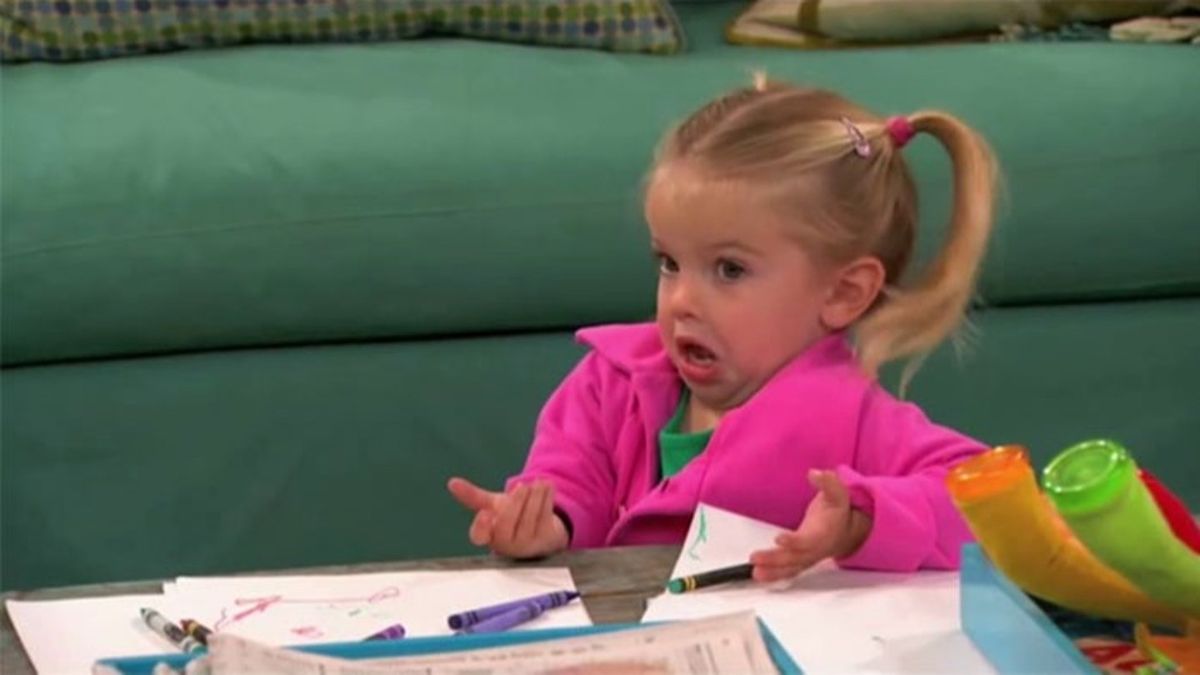
    Disney Channel fans are feeling a wave of nostalgia as Mia Talerico, the toddler behind one of the internet’s most enduring reaction memes, celebrates her 18th birthday. Talerico starred as Charlie Duncan on the hit series Good Luck Charlie from 2010 to 2014. A GIF of her throwing her hands up in a pink coat became a viral sensation, shared millions of times across social media platforms.

    From Viral Toddler to Young Adult

    Twelve years after the sitcom ended its run, Talerico marked the milestone on Instagram. In a video posted on her last day as a 17-year-old, she told followers she would ‘still be a kid at heart’. She also shared a birthday wish list for her mother that included clothing, a high-end camera, a health-tracking smart ring, and a yoga mat.

    While she retains her signature blonde hair, Talerico’s transformation from the toddler in the pink coat is striking. Since Good Luck Charlie, she has continued acting, appearing in the TV series Mani from 2018 to 2022, and more recently in the projects American Summer and Karmageddon.

    Another Child Star Transformed: ‘Devilfinger’ Grows Up

    Talerico is not the only former child star unrecognizable from their viral heyday. British audiences may remember Travis Yates as ‘Devilfinger’ from the CBBC show Stupid!. His character famously poked people while claiming his hand was possessed, absolving him of blame.

    Yates remained recognizable for years after the show aired. On one occasion, a supporting act on a tour with his band realized they were performing alongside the former ‘Devilfinger’. While Yates has retained a youthful appearance—often compared to the seemingly ageless Thomas Brodie-Sangster—he did sport bleach-blonde hair for a period.

  • ‘Dexter: New Blood’ Character ‘Kurt Caldwell’ Laughter-to-Shock Transition Becomes Viral Meme

    ‘Dexter: New Blood’ Character ‘Kurt Caldwell’ Laughter-to-Shock Transition Becomes Viral Meme

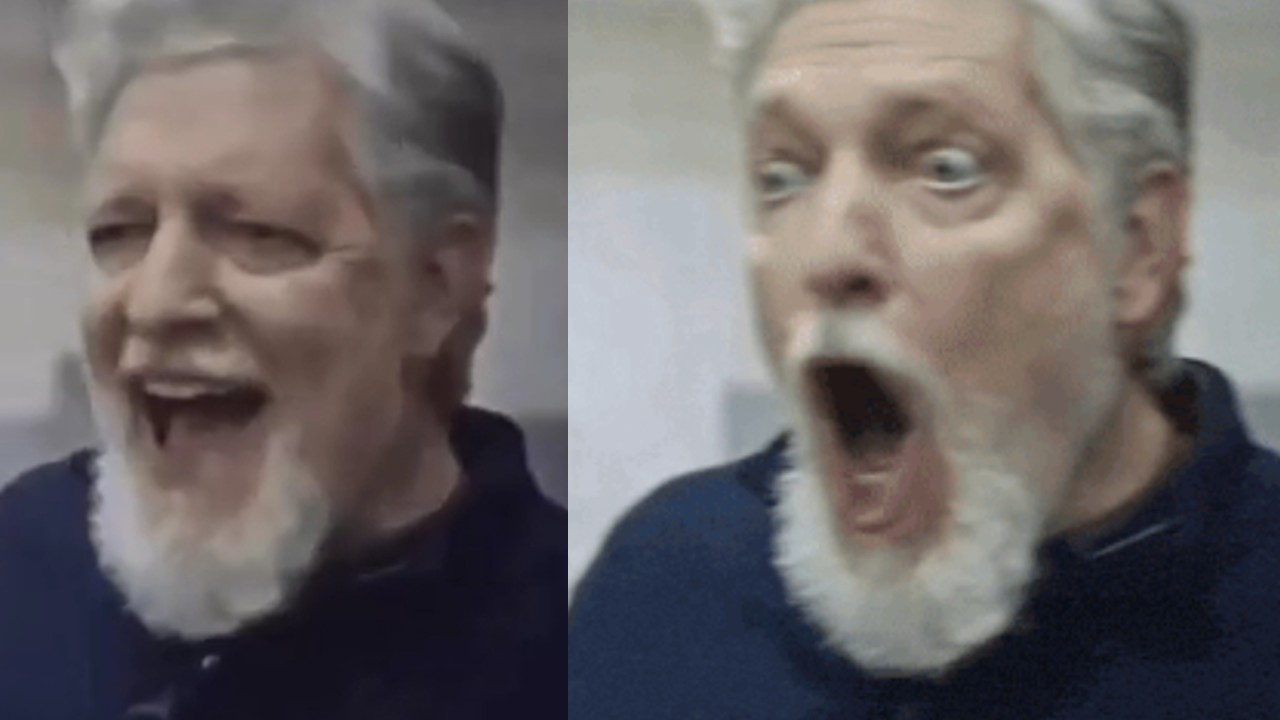
    TheDexter: New Blood fandom has a new reaction GIF taking over social media feeds: Kurt Caldwell laughing maniacally before his face snaps into pure, wide‑eyed shock. The two‑frame sequence, pulled from the Showtime revival’s sixth episode, “Too Many Tuna Sandwiches,” has become a go‑to template for captioning moments when enjoyment curdles into sudden horror.

    Origin of the Kurt Caldwell reaction GIF

    Actor Clancy Brown portrays Kurt Caldwell, the affable‑yet‑sinister villain of Dexter: New Blood Season 1. In Episode 6, titled “Too Many Tuna Sandwiches,” Caldwell delivers a chilling monologue that pivots from jovial laughter to a frozen, stunned expression. The exact frames were clipped and shared online, first surfacing as a standalone shocked‑face image macro in March 2025 before the full laugh‑to‑shock loop gained traction later that year.

    How the meme is being used

    As an image macro format, the GIF is typically paired with captions that describe a seemingly pleasant situation taking a sharp, unsettling turn. Common examples range from relatable daily annoyances—biting into a chocolate chip cookie only to find raisins—to pop‑culture twists such as a favorite character’s sudden death. The versatility of the two‑beat reaction—genuine amusement followed by instant disbelief—has made it a staple in meme communities on Reddit, X (formerly Twitter), and TikTok.

    Clancy Brown’s career resurgence

    The meme’s popularity has also shone a fresh spotlight on Clancy Brown’s extensive career. Best known for roles in The Shawshank Redemption, Highlander, and as the voice of Mr. Krabs in SpongeBob SquarePants, Brown’s portrayal of Kurt Caldwell introduced him to a new generation of viewers. The GIF’s spread demonstrates how a single, well‑timed performance beat can live on far beyond a series’ original broadcast window.

    Why the format resonates

    Meme analysts point to the GIF’s clear emotional arc—joy to horror in under a second—as the key to its shareability. The format mirrors the classic “expectation vs. reality” structure but adds a performative layer: the laughter feels authentic, making the subsequent shock feel earned rather than forced. That authenticity, combined with Brown’s recognizable face, gives the template staying power across varied internet subcultures.

  • Cristiano Ronaldo’s ‘Cheeky Boy’ Comment to Interviewer Resurfaces as Viral Meme on TikTok, Reels

    Cristiano Ronaldo’s ‘Cheeky Boy’ Comment to Interviewer Resurfaces as Viral Meme on TikTok, Reels

    Cristiano Ronaldo “Cheeky Boy” Interview Clip Sparks Viral Meme Trend Across Social Media

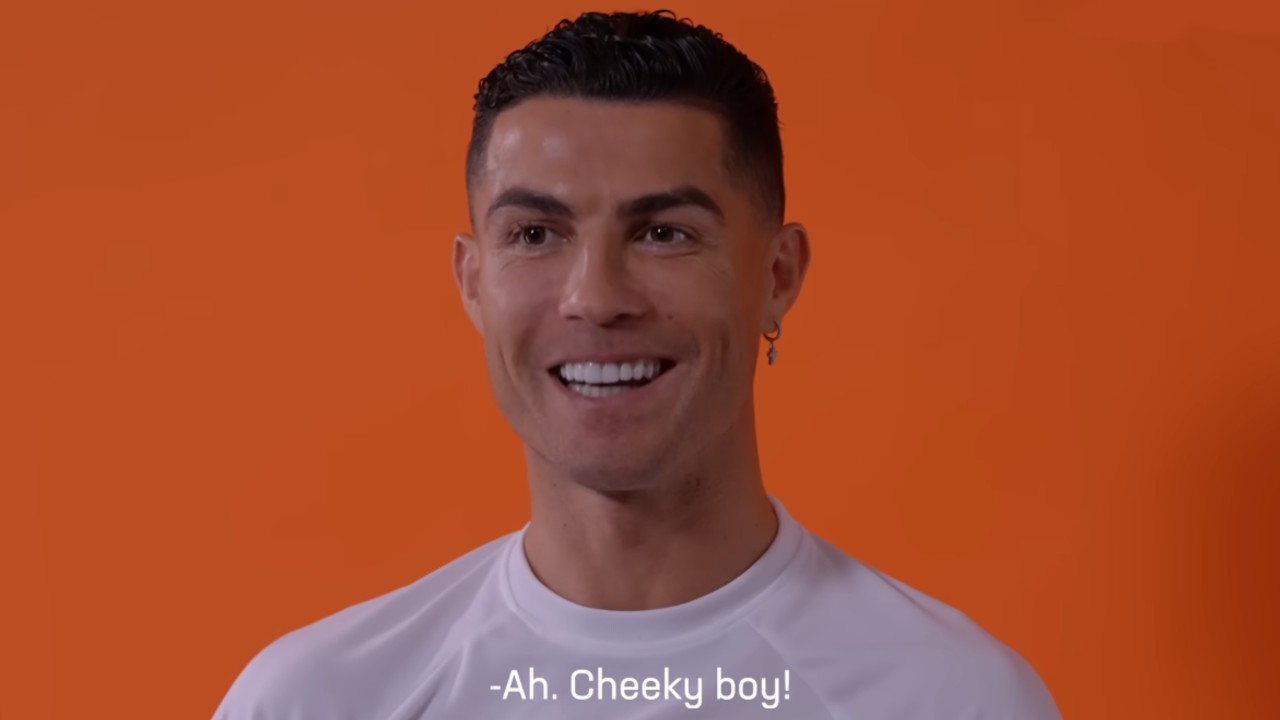
    A short clip from a 2023 interview with football superstar Cristiano Ronaldo has evolved into a recurring internet phenomenon known as the “Cheeky Boy” Ronaldo meme series. The moment originated from a LiveScore video uploaded to YouTube in April 2023, during which Ronaldo playfully referred to the interviewer as a “cheeky boy.”

    From Interview Moment to Instagram Reels Sensation

    The exchange quickly captured online attention, becoming the subject of memes on Instagram Reels as early as 2023. Users remixed the clip across various formats, turning Ronaldo’s lighthearted remark into a versatile reaction template.

    TikTok Revival and the “Animal Transformation” Format

    The meme experienced a significant resurgence in September 2026 on TikTok, where it adopted a new narrative structure. In this iteration, creators pair footage of an animal engaging in humorous or inappropriate behavior with a sudden cut to the Ronaldo clip. The format typically carries a caption describing someone transforming into an animal, using the interviewer’s reaction as the punchline to the transformation scenario.

    This latest wave demonstrates how a single spontaneous moment from a sports interview can sustain cultural relevance across multiple platforms and years, continually adapting to the creative norms of each social media ecosystem.