Tag: Viral dating video

  • Woman Breaks Down the Problem With Situationships: ‘Clarity Is a Form of Kindness’

    Woman Breaks Down the Problem With Situationships: ‘Clarity Is a Form of Kindness’

    Key Highlights

    • TikTok creator @khadyajah argues situationships are defined by ambiguity and mixed signals, while casual dating relies on transparency and clear communication about expectations.
    • Using a candy analogy, she describes situationships as initially satisfying but ultimately leaving people emotionally empty and craving genuine intimacy.
    • Her viral video, which has garnered over 294,000 views, resonated with viewers who shared similar experiences, with one commenter calling situationships “the BIGGEST disservice you can do to yourself.”

    TikTok Creator Draws Sharp Line Between Casual Dating and Situationships

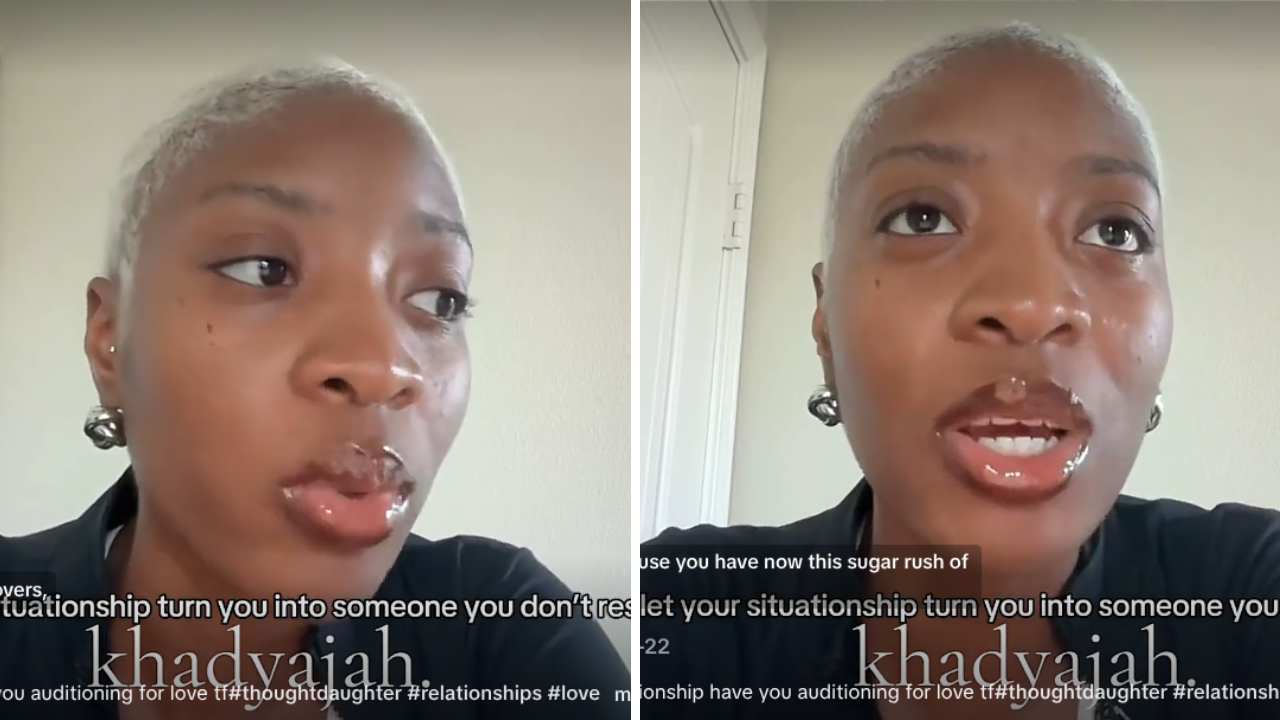
    TikTok creator @khadyajah has sparked a significant conversation about modern romance with a viral video dissecting the distinction between casual dating and situationships. Published to her account, the video has accumulated more than 294,000 views and nearly 600 comments, striking a chord with viewers navigating undefined romantic dynamics. Her central thesis challenges the normalization of ambiguous connections, arguing that a lack of clarity fundamentally undermines kindness in dating.

    The Candy Analogy: Why Situationships Leave You Empty

    @khadyajah employs a vivid metaphor to illustrate her point, comparing situationships to store-bought candy. She contends that while these dynamics may “taste good at first,” they ultimately leave a person “feeling empty and wanting more.” She argues that individuals often cycle back into these arrangements attempting to recapture the initial dopamine rush or positive feelings, only to discover the experience fails to satisfy in the same way. Extending the analogy, she likens the emotional and spiritual turmoil of a situationship to the physical crash of eating too much sugar—recognizing it is harmful yet continuing to consume it in a futile search for fulfillment.

    Defining the Difference: Clarity vs. Ambiguity

    The creator draws a hard line between this ambiguity and what she defines as genuine casual dating. According to her framework, casual dating requires participants to first identify their needs and non-negotiables regarding romance and intimacy. She asserts that even when seeing multiple people, these connections should be grounded in “kindness, honesty and open communication.” Conversely, she characterizes situationships by “ambiguity, mixed signals and hot-and-cold behavior,” noting they often carry an unspoken, one-sided hope that the dynamic will eventually progress to serious commitment. True casual dating, she argues, carries no inherent expectation of exclusivity or marriage; instead, both parties are transparent about their desires and the relationship’s current standing.

    This emphasis on transparency culminates in the video’s most quoted sentiment: “Clarity is a form of kindness,” she said. “When things are not clear, they cannot be kind as well.” She posits that individuals seeking deep emotional intimacy will inevitably feel unfulfilled in a situationship that cannot provide it, urging viewers to set boundaries, reflect on their patterns, and walk away from dynamics that leave them wanting.

    Why This Matters

    The discourse initiated by @khadyajah reflects a growing cultural fatigue with “situationships”—a term that has solidified in the dating lexicon to describe romantic entanglements that lack definition, labels, or trajectory. As dating apps continue to gamify connection and expand the paradox of choice, many users report feeling stuck in liminal spaces that offer the comforts of partnership without the security of commitment. Mental health professionals and relationship experts increasingly warn that the chronic ambiguity inherent in these dynamics can trigger anxious attachment behaviors, erode self-esteem, and create a cycle of emotional dysregulation. The viral response to this video underscores a collective desire for vocabulary and frameworks that empower daters to demand reciprocity and definition, shifting the cultural needle from passive acceptance of ambiguity toward active advocacy for relational clarity.

    Frequently Asked Questions

    What is the core difference between a situationship and casual dating according to @khadyajah?
    The core difference lies in transparency. @khadyajah defines casual dating as an arrangement with clear expectations, open communication, and honesty about where things stand, even if non-exclusive. A situationship, by contrast, is characterized by ambiguity, mixed signals, and an unspoken expectation that it might become serious, often leaving one party emotionally unfulfilled.
    What does the phrase “Clarity is a form of kindness” mean in this context?
    The phrase means that being honest about your intentions, feelings, and the status of a relationship is an act of care. @khadyajah argues that withholding definition or sending mixed signals—hallmarks of a situationship—is inherently unkind because it denies the other person the agency to make informed decisions about their emotional investment.
    How did the audience react to the video?
    The reaction was largely supportive and resonant. The video amassed over 294,000 views and 578 comments. Top comments echoed her sentiment, with one user writing that a situationship is “the BIGGEST disservice you can do to yourself,” and another describing them as “a thrill with zero expectations” that requires a person to “lack the yearning to be fully loved.”
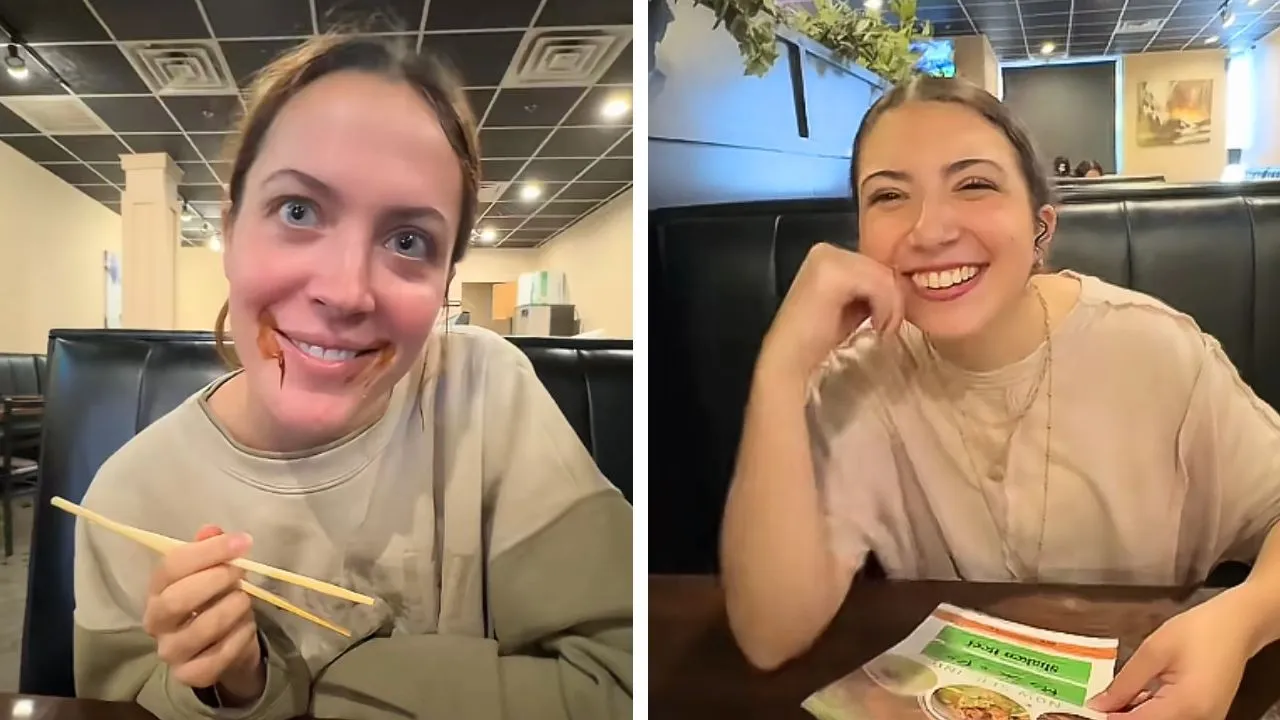
  • Women Reenact Men’s First Date Behavior; Not Standing to Say Hello Sparks Comment Section Debate

    Women Reenact Men’s First Date Behavior; Not Standing to Say Hello Sparks Comment Section Debate

    Key Highlights

    • TikTok creator @brakyni posted a POV skit depicting two women imitating stereotypical male behaviors on first dates, amassing over 34,500 likes and sparking widespread discussion in the comments.
    • The sketch highlights relatable awkward moments including men not standing to greet their date, struggling with chopsticks, mispronouncing menu items, and inappropriate physical greetings like hand-kissing and air kisses.
    • Commenters shared personal dating horror stories, including one woman who described a date who arrived in oversized basketball shorts, lied about his height, ordered two margaritas, and asked her to drive him home due to intoxication.

    TikTok Sketch Satirizes First-Date Behaviors, Strikes a Nerve With Viewers

    A point-of-view style video posted to TikTok by user @brakyni has ignited a conversation about modern dating dynamics after two women performed a satirical take on how they perceive men behaving during first encounters. The video, uploaded just a day prior to reporting, carries the overlay text “Men on first date” and a caption describing the scenarios as giving women the “heebie jeebies.” Despite the biting humor, the creator clarified in a subsequent comment that one of the performers, Kate, had actually gone on a date the previous day, noting that the sketch “had nothing to do with the way he behaved.”

    Sketch Breaks Down Awkward Arrival Rituals and Dining Fumbles

    The comedic sketch unfolds through a series of vignettes. In the opening scene, one woman portrays a date arriving while the other plays the male counterpart, who asks her name, offers a handshake, and compliments her appearance—all while remaining seated. The omission of standing to greet a date emerged as a flashpoint in the comment section. Further segments depict a man struggling to pronounce a dish yet attempting to play it off playfully, another kissing a woman’s hand and delivering an air kiss from across a booth, and multiple instances where the performers burst into laughter mid-bit. Additional scenarios show men speaking with food in their mouths and attempting to use chopsticks unsuccessfully, layering physical comedy onto the social commentary.

    Comment Section Becomes Forum for Shared Dating Horror Stories

    The video’s comment section quickly evolved into a space for users to compare notes and share personal experiences. One commenter asked, “Y’all don’t get hugged?” explaining they typically initiate hugs unless the woman appears uncomfortable, in which case they refrain from asking. A female user responded with raw vulnerability: “I am so scared to start dating again.” Another commenter zeroed in on the greeting ritual, asking if others “don’t get the awkward hug at the very beginning where [the men] sniff your hair?” while a different user declared they “would have left immediately if a man just sat in his chair the whole time instead of standing up to greet her.”

    Among the most striking anecdotes, one woman recounted meeting a date who arrived wearing a Polo shirt and basketball shorts with the shirt “too big for him.” She noted she was wearing a dress and discovered during the date that he had lied about his height. As the evening progressed, he ordered two margaritas and then informed her she would need to take him home because he was already too inebriated. She concluded: “Safe to say we didn’t speak after that.”

    Why This Matters: Viral Humor Reflects Real Dating Fatigue

    The resonance of @brakyni’s sketch underscores a broader cultural conversation about dating expectations, gendered social scripts, and the fatigue many women report experiencing in heterosexual dating scenarios. The video’s popularity—exceeding 34,500 likes—signals that the depicted behaviors, while exaggerated for comedic effect, align with widely recognized patterns. The comment section’s transformation into a repository for personal testimony highlights how social media platforms function as informal support networks where users validate shared experiences. The Daily Dot could not independently verify the personal experiences described by commenters, but the volume and specificity of responses suggest the sketch tapped into a collective frustration with performative or inconsiderate dating conduct.

    Frequently Asked Questions

    Who created the viral TikTok video about first-date behaviors?

    The video was posted by TikTok user @brakyni and features two women, one identified as Kate, performing a POV-style skit imitating how they perceive men acting on first dates.

    What specific behaviors does the sketch satirize?

    The sketch depicts men not standing to greet their date, offering handshakes instead of warmer greetings, mispronouncing menu items, kissing hands and giving air kisses, speaking with food in their mouths, and struggling to use chopsticks—all while the performers laugh at the absurdity.

    What was the most discussed personal anecdote in the comments?

    One woman shared a story about a date who arrived in oversized basketball shorts and a Polo shirt, lied about his height, ordered two margaritas, became intoxicated, and asked her to drive him home—ending with her statement: “Safe to say we didn’t speak after that.”

  • Woman Says Date Blocked Her After She Declined Invite In, Despite Telling Him She Wanted Long-Term

    Woman Says Date Blocked Her After She Declined Invite In, Despite Telling Him She Wanted Long-Term

    Key Highlights

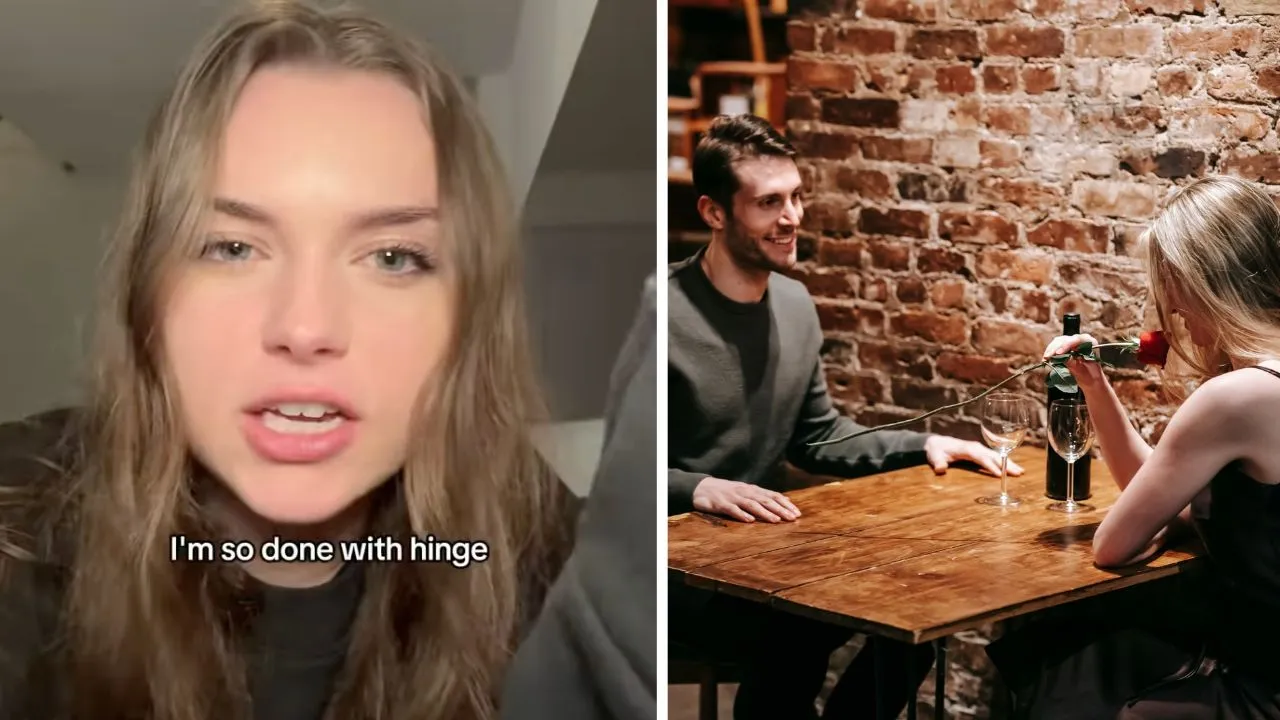
    • Instagram user @sophiasinlovee’s viral video detailing a Hinge date where she declined a first-night invitation and was subsequently blocked and unmatched has garnered over 480,000 views.
    • Despite clearly stating she sought a long-term relationship, the woman claims her date asked to come inside after walking her home, then cut contact the next morning.
    • The incident has sparked widespread discussion about communication gaps and differing definitions of “long-term” on dating apps, with many users sharing similar experiences.

    Viral Video Exposes Disconnect Between Stated Intentions and Actions on Hinge

    An Instagram user known as @sophiasinlovee has ignited a significant conversation about modern dating dynamics after posting a video recounting a frustrating experience on the dating app Hinge. The video, which had accumulated 480,000 views, 9,397 likes, and 498 comments at the time of reporting, details a first date where the user says she explicitly communicated her desire for a serious partnership, only to face what she describes as a contradictory and abrupt ending.

    Date Dynamics: Stated Goals vs. Late-Night Expectations

    According to the account shared in the video, the date began positively. The woman described the evening as going “pretty well.” Approximately halfway through the meeting, the topic of relationship intentions arose. She stated that she felt the question was natural and responded clearly.

    “I like to date intentionally, and my profile clearly states that,” she said in the video.

    She noted a discrepancy in their profiles: while her profile indicated she was seeking a long-term relationship, his profile stated he was looking for something short-term but was open to long-term. Despite this clarification and her explicit verbal confirmation, the man remained for another hour and subsequently walked her to her apartment.

    Abrupt Escalation and Immediate Cutoff

    The situation escalated rapidly after they arrived at her residence. The woman recounted that she thanked the man for dinner and said good night. His response, she claims, revealed a starkly different expectation for the evening’s conclusion.

    “Are you not gonna invite me in?”

    She resisted the invitation, stating she does not invite dates inside on a first meeting. The following morning, the narrative took a sharper turn. The user reported that the man had blocked her on Instagram and unmatched her on Hinge.

    “I was pretty clear that I wasn’t looking for a hookup, so why did you think that’s what you were getting?” she asked viewers.

    Concluding her video, the user declared she is “done with Hinge” and intends to pivot exclusively to matchmaker services, specifically naming Blind Tuesdate as an alternative.

    Comment Section Reflects Wider App Fatigue and Ambiguity

    The comment section of the viral post quickly became a forum for shared grievances and cynicism regarding dating app mechanics. One commenter offered a structural critique of the platform’s business model:

    “what do you expect, you’re on a dating app..You think they make money out of successfully pairing people up and losing users?”

    Another user contributed a personal anecdote that underscores the ambiguity of the term “long-term” on these platforms:

    “Bruh… I met this guy on Hinge who said he was looking for a long-term relationship. We started talking, and then, in a random conversation, he mentioned that he’d eventually marry whoever his parents chose for him and just wanted someone to date until then, which would probably be another year or year and a half. Apparently, that’s what he meant by “long term” coz as per his logic anything beyond an [sic] year is long term. I was so done, I uninstalled Hinge.”

    Why This Matters: Trust and Terminology in Digital Dating

    This incident highlights a persistent friction point in app-based dating: the reliability of self-reported intentions. While platforms like Hinge prompt users to select relationship goals—ranging from “short-term” to “long-term” or “life partner”—there is no verification mechanism ensuring alignment between a user’s selection and their actual behavior. The viral nature of @sophiasinlovee’s video suggests a broad resonance with the experience of “intentions mismatch,” where users feel misled by profiles that signal openness to commitment while behavior suggests a pursuit of casual encounters.

    The discussion in the comments further reveals a crisis of definition. The term “long-term” appears to be subject to wildly subjective interpretations, ranging from marriage-minded partnership to a placeholder arrangement lasting a year. This semantic ambiguity erodes trust, a critical currency for retention on dating platforms. As users like the video creator migrate toward curated matchmaking services like Blind Tuesdate—which often involve human vetting and clearer accountability—the pressure mounts on algorithmic apps to address the gap between profile signaling and user reality. The Daily Dot noted it was unable to independently verify the events described in the video, and the identity of the man involved has not been confirmed, a standard caveat for single-source social media reports.

    Frequently Asked Questions

    What happened on the Hinge date described in the viral video?

    Instagram user @sophiasinlovee stated she went on a date with a man from Hinge. Despite her profile and verbal confirmation that she sought a long-term relationship, she claims the man asked to come inside her apartment after walking her home. When she declined, citing a personal rule against first-date invitations, he blocked her on Instagram and unmatched her on Hinge the next morning.

    Has the story been independently verified?

    No. The Daily Dot explicitly stated it was unable to independently verify the events described in the video. The details reflect solely the account shared by @sophiasinlovee, and the identity of the man described has not been confirmed.

    Why are users frustrated with dating apps like Hinge based on this incident?

    The video and subsequent comments highlight two major pain points: a perceived mismatch between stated profile intentions (e.g., selecting “long-term” while seeking casual encounters) and the ambiguity of terms like “long-term” itself. Commenters also criticized the apps’ business models, suggesting platforms profit from prolonged user engagement rather than successful matches that remove users from the pool.

  • Man’s 8 Non-Negotiables for How Men Should Treat Women Sparks Debate Over Paying for First Meal

    Man’s 8 Non-Negotiables for How Men Should Treat Women Sparks Debate Over Paying for First Meal

    Key Highlights

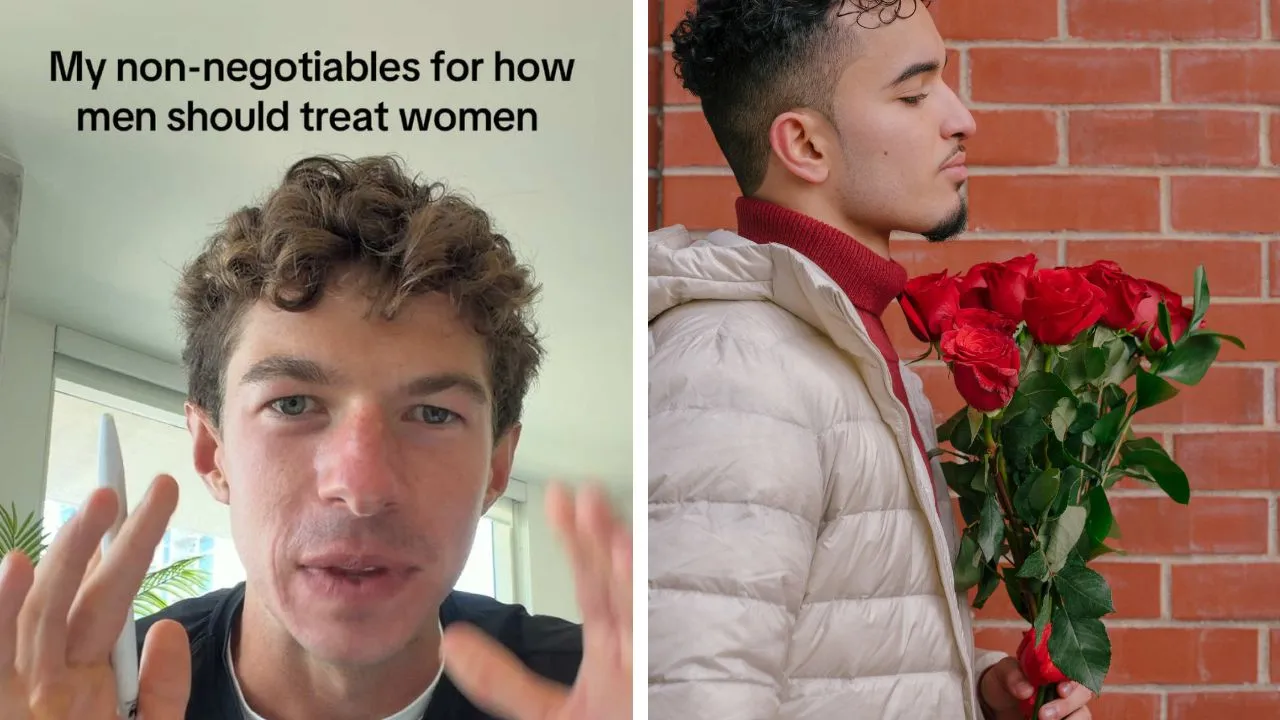
    • TikTok creator Chase Ridgeway (@chaseridgewayy) posted a video on August 5 outlining eight “non-negotiables” for how men should treat women, garnering approximately 179,800 likes and over 2,600 comments.
    • The rules cover traditional gestures like holding doors, walking street-side, paying for the first meal, and planning dates, alongside emotional expectations such as valuing a woman’s problems equally and being warm to her friends and family.
    • The comment section revealed sharp divisions, particularly over the expectation that men always pay for the first date and the concept of men “leading” in relationships, with some viewers calling the list “antiquated and conservative-coded” while others praised it as a “masterclass.”

    TikTok Creator’s Eight Dating Rules Spark Viral Debate

    On August 5, TikTok creator Chase Ridgeway, known as @chaseridgewayy, published a video enumerating eight “non-negotiables” regarding how men should treat women in dating contexts. Despite stating he had been single for three years, Ridgeway presented the list as a standard he believes men should meet. As of publication, the clip had accumulated roughly 179,800 likes and more than 2,600 comments, triggering a wide-ranging conversation about modern dating expectations, gender roles, and reciprocity.

    The Eight Rules: Gestures, Planning, and Emotional Weight

    Ridgeway’s guidelines blend conventional chivalry with emotional attentiveness. His first rule instructs men to hold doors open—whether apartment or car doors. The second advises that when walking with a woman, the man should position himself between her and the street. The third calls for men to be warm toward a woman’s friends and family, “greeting them with the same enthusiasm as he would the woman.”

    The fourth rule drew immediate contention: men should always pay for the first meal, “even if the woman offered to split the cost or pay entirely.” The fifth rule shifts to emotional labor, stating that when a woman shares her problems, the man “should treat those as just as important as his.” The sixth recommends offering to carry a woman’s bag or anything she might be holding, “even if she declined.” The seventh is practical: always bring a jacket in case the woman gets cold. The final rule addresses agency in planning: men should make plans rather than constantly asking their partners where they would like to go or what they would like to do. Ridgeway called this “taking the lead, though he admitted that a woman might prefer not to be led.”

    Comment Section Divides Over Payment and “Leading”

    The response was far from monolithic. Many commenters embraced the list enthusiastically. One urged Ridgeway to give a “masterclass” to all men, while another joked that women should watch the video at full volume next to their situationship. Multiple users specifically praised the emphasis on planning dates and treating a woman’s social circle well.

    However, criticism emerged sharply. One commenter characterized the list as “antiquated and conservative-coded,” while another argued that some of the behaviors are simply platonic acts of kindness, not gendered obligations. The idea that men should always pay for the first meal generated a “vastly different set of responses.” Some agreed, but others countered that paying for dinner should not mean the person who paid is entitled to anything else.

    The concept of “leading” a woman also prompted nuanced pushback. A commentator noted that women might want to be led, but only in “respectful ways” that are compatible with feminism. Another maintained that men and women should be treated equally no matter what. Several users expanded on Ridgeway’s framework, adding that relationship expectations should involve sharing the mental load, doing domestic work, looking after children, and supporting a partner’s personal interests—emphasizing that these responsibilities are gender neutral.

    Why This Matters

    The viral traction of Ridgeway’s video underscores an ongoing cultural negotiation around dating scripts in the era of dating apps and shifting gender norms. While “chivalry” gestures like holding doors or walking street-side have historical roots in gendered protection rituals, their modern interpretation is contested: some view them as baseline respect, others as benevolent sexism. The debate over who pays for the first date remains a flashpoint because it intersects with income disparities, autonomy, and differing views on whether financial gesture signals investment or obligation. Meanwhile, the discussion around “leading” versus collaboration reflects broader questions about decision-making equity in relationships. The commenters who broadened the list to include mental load and domestic labor highlight a growing expectation that partnership standards extend beyond performative gestures into structural equality. As dating discourse migrates to short-form video platforms, these conversations become public, searchable, and algorithmically amplified—shaping norms in real time.

    Frequently Asked Questions

    Who is Chase Ridgeway and when was the video posted?

    Chase Ridgeway is a TikTok creator who posts under the handle @chaseridgewayy. He published the video outlining his eight dating “non-negotiables” on August 5.

    What were the most controversial rules in the list?

    The requirement that men always pay for the first meal—even if the woman offers to split or pay—and the expectation that men “take the lead” by planning all dates generated the most divided reactions in the comments.

    Did commenters suggest additions to Ridgeway’s list?

    Yes. Several commenters argued that relationship expectations should also include sharing the mental load, dividing domestic work and childcare, and supporting a partner’s personal interests, noting these responsibilities should be gender neutral.

  • ‘I Don’t Think You’re Ready for That’: Woman Says Her Date Was Swiping for a Wife on a Dating App While Sitting Across From Her

    ‘I Don’t Think You’re Ready for That’: Woman Says Her Date Was Swiping for a Wife on a Dating App While Sitting Across From Her

    Key Highlights

    • A TikTok user recounted a date where her companion actively swiped on a dating app while seated across from her, eventually admitting he was “looking for my wife” on Coffee Meets Bagel.
    • The man criticized the creator for not leaving immediately, claiming the app was for people “serious about love and marriage” and she wasn’t ready for “that s—.”
    • The video amassed nearly 10,000 likes and sparked debate in comments, with many viewers questioning why she continued the conversation instead of walking out.

    TikTok Creator Details Surreal Date Where Match Searched for a Wife Mid-Conversation

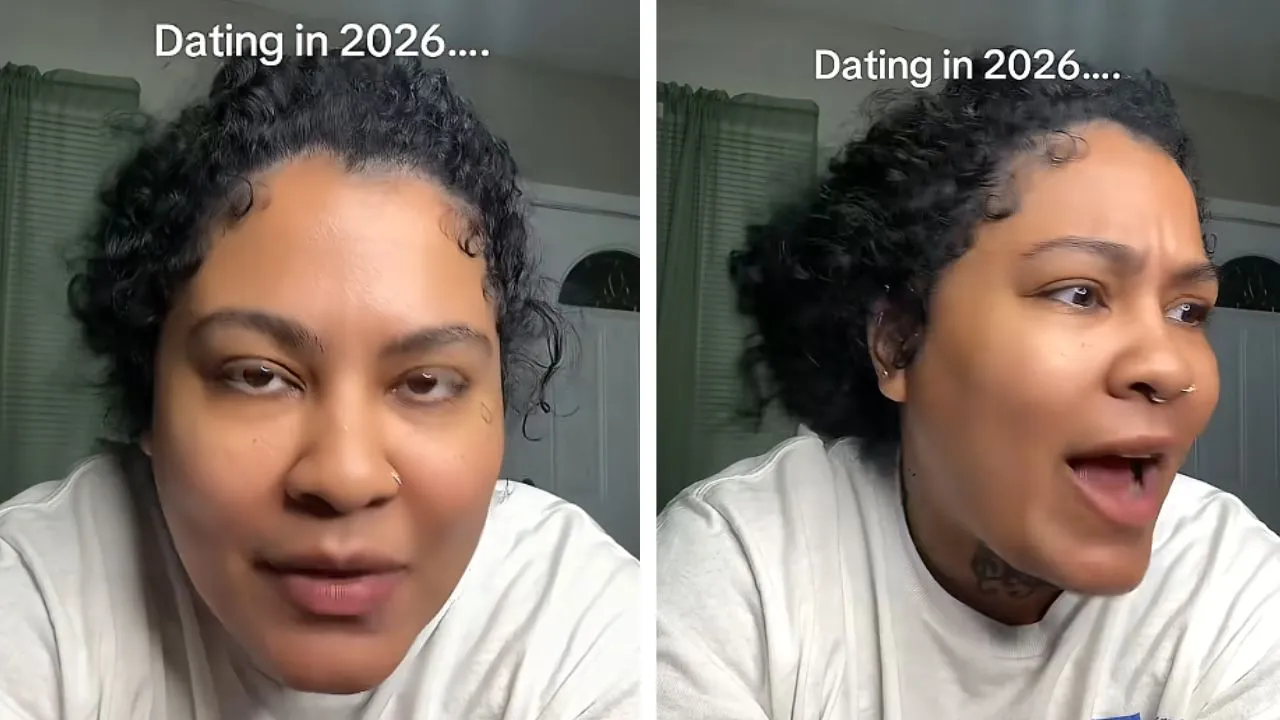
    TikTok user @nashalantmusic posted a video six days ago that has since drawn 9,776 likes, 702 comments, and 621 saves. Captioned Wow…. #dating #relationships with on-screen text reading Dating in 2026…., the clip recounts a first-date experience that quickly veered into territory many viewers found baffling. The creator describes sitting across from a man who remained glued to his phone throughout their interaction, prompting her to ask him to be present and put the device away.

    The Exchange That Left Her Speechless

    According to the creator, her date initially replied he was busy and had to take care of something very quickly. When she pressed him on what could be so urgent, he told her, I’m looking for my wife. Taken aback, she asked, Are you married? He clarified that he meant he was searching for a wife — on a dating app. The platform, he revealed, was Coffee Meets Bagel.

    The conversation took a further turn when she asked for the app’s name and whether she should try it. He responded, I don’t think you should try it out. Asked why, he explained the app was built for people serious about love and marriage, and he didn’t think she was ready for that s—. Pressed further on what made him say that, he told her that if she were actually ready for something serious, she would have gotten up and left the moment she found out he was using a dating app mid-date. The exchange left her speechless, she said, closing out the video without further comment.

    Commenters React to the Audacity and the Creator’s Response

    Viewers weighed in heavily on both the date’s behavior and the creator’s decision to stay. One top comment, which garnered 509 likes, read: I would’ve walked out, y’all be giving people too many chances. Another user echoed the sentiment: He ate bc I was like girl why are you still having a conversation and sitting there A third commenter appeared to confirm a detail from the story, simply writing, Coffee meets bagel

    Why This Matters

    The incident highlights evolving dating norms and the friction that arises when technology designed to facilitate connection instead disrupts face-to-face interaction. Coffee Meets Bagel, launched in 2012, positions itself as a platform for users seeking meaningful, long-term relationships — a detail the date weaponized to critique the creator’s tolerance for his behavior. The viral response underscores a broader cultural conversation about boundaries, self-respect, and the performative contradictions of modern dating: a man actively seeking a spouse while on a date with someone else, then framing her refusal to exit as evidence she isn’t “serious.” For daters navigating app culture, the story serves as a stark reminder that clarity about intentions — and the courage to act on red flags — remains essential.

    Frequently Asked Questions

    What dating app was the man using during the date?
    He was using Coffee Meets Bagel, a platform marketed toward people seeking serious relationships and marriage.
    How did the date justify his behavior?
    He claimed that if the creator were truly ready for a serious relationship, she would have left immediately upon discovering he was swiping for a wife while sitting across from her — framing her decision to stay and question him as proof she wasn’t ready for that s—.
    What was the public reaction to the video?
    The video amassed nearly 10,000 likes and over 700 comments. Many viewers criticized the creator for not walking out sooner, with the top comment stating, I would’ve walked out, y’all be giving people too many chances.
  • Dating Expert Claims Truly Attracted Men Avoid Coffee Dates; Commenters Disagree

    Dating Expert Claims Truly Attracted Men Avoid Coffee Dates; Commenters Disagree

    TikTok dating expert Cory, known as @corytalksnow, recently sparked a heated debate about first-date expectations. In a viral video posted four days ago, The Date Doctor argued that a man who is highly attracted to a woman would rarely choose coffee as his opening move.

    The Expert’s Argument: Attraction Drives Effort

    In the clip, Cory states he does not know a single man, professionally or personally, who would look at the woman of his dreams and think, “Imma take her to get some coffee.” He contends that men spend money on people they value and would feel embarrassed to suggest a low-cost coffee meeting to someone they genuinely want to impress. The video’s on-screen overlay reinforces the point: “If he’s highly attracted to you, coffee probably isn’t his first move.”

    The accompanying caption elaborates: “In dating, a man’s level of attraction can influence how much effort he puts into planning a first date. A coffee date isn’t automatically a bad sign, but if he consistently chooses low-effort dates, never plans anything more intentional, and gives you little indication that he’s genuinely interested, pay attention. #datingadvice #datingtipsforwomen #datingadviceforwomen #moderndating #firstdate”

    Viral Engagement and Divided Reactions

    The post has amassed 38,900 likes and over 2,500 comments, revealing sharply divided perspectives on what constitutes an appropriate first date.

    Viewers Who Agree: Effort Equals Interest

    Several commenters backed Cory’s stance. One described coffee dates as ‘low effort, low interest,’ while another asserted that a man who truly wants to impress a woman would take her to a nice dinner instead.

    Viewers Who Disagree: Coffee as a Practical Screening Tool

    Others pushed back, framing coffee as a strategic, low-stakes introduction. “Coffee is the interview,” one commenter explained, noting that a brief meeting allows both parties to gauge mutual interest without committing to an expensive, lengthy meal. Another said they would never agree to a two-hour dinner with someone they had never met in person.

    Multiple women emphasized a preference for short first dates. One explained she wants to know within five to 10 minutes whether a connection exists. Another said she prefers drinks or appetizers because she can leave quickly if the date goes poorly.

    Alternative First-Date Ideas and Cost Considerations

    Commenters also suggested activities that naturally encourage conversation, such as bowling or laser tag, as alternatives to both coffee and dinner.

    The cost of dating surfaced repeatedly. One user said she would rather spend $20 or $30 on a first date than expect someone to spend $200 or $300 before establishing mutual interest.

    Real-Life Counterexamples Challenge the Theory

    Personal anecdotes in the comments directly contested the idea that an expensive first date predicts long-term success. One woman shared that her husband took her to Burger King on their first date and they have been married for 15 years. Another said she met her partner for coffee, went on a weekend getaway two weeks later, and they remain together six years later.

    The discussion underscores a broader tension in modern dating: whether financial investment signals genuine attraction or whether low-pressure meetings are a smarter, more authentic way to start a relationship.