Tag: TikTok video

  • Manager Called Employee ‘Stupid,’ Then Tried to Fire Her After HR Report

    Manager Called Employee ‘Stupid,’ Then Tried to Fire Her After HR Report

    Key Highlights

    • A TikTok video by @productivitywork shows a manager named Janice threatening to fire an employee after discovering she reported her to HR for calling her “stupid” in front of colleagues.
    • The employee argues the termination would constitute illegal retaliation for filing an HR complaint, while the manager claims the report proves the behavior that prompted the initial criticism.
    • Legal experts and the EEOC clarify that not all workplace rudeness meets the legal standard for harassment, and employers can still discipline employees for legitimate, non-discriminatory reasons.

    TikTok Video Captures Manager’s Threat to Fire Employee After HR Complaint

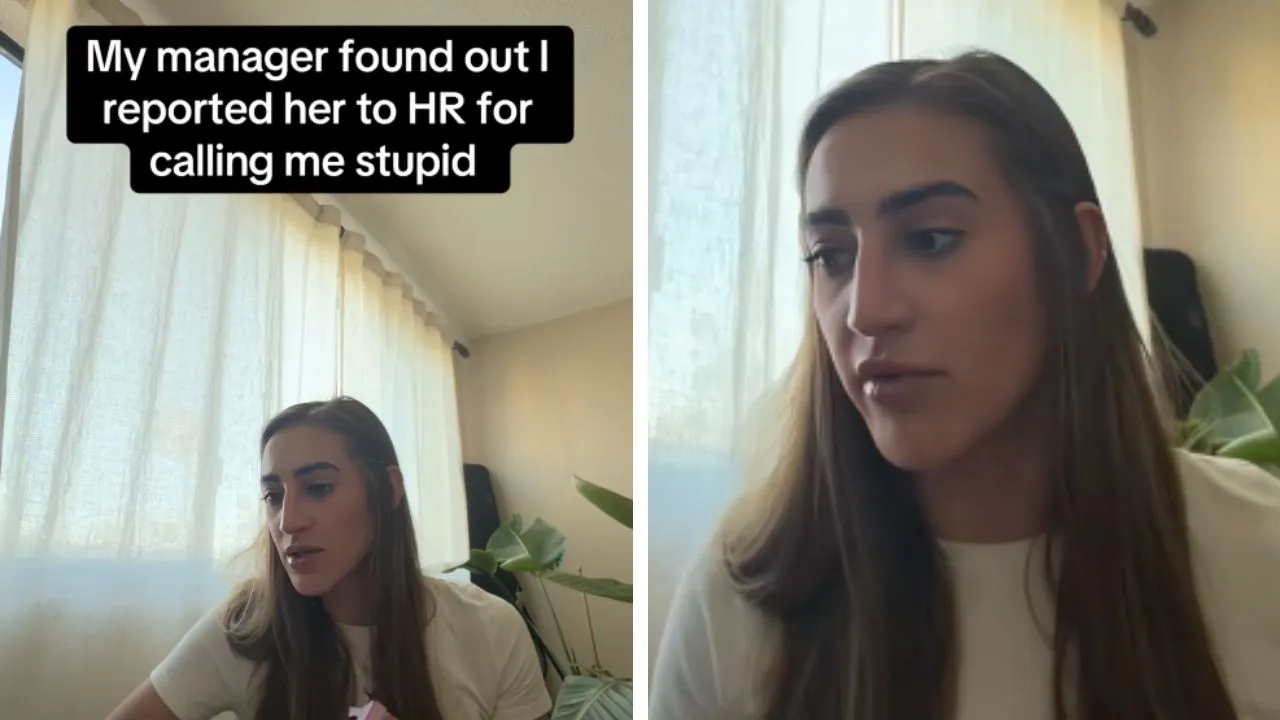
    A viral TikTok video posted by user @productivitywork has ignited widespread discussion about workplace dynamics, the role of human resources, and the legal boundaries of retaliation. The video, which has amassed over 157,500 likes, features an on-screen overlay stating, “My manager found out I reported her to HR for calling me stupid.” In the footage, a manager identified as Janice confronts the employee, who is recording the interaction, after learning she filed a formal harassment complaint with HR.

    The Confrontation: From Name-Calling to Termination Threat

    According to the video, the incident originated when Janice allegedly called the employee “stupid” in front of colleagues during a meeting. The employee states she submitted a transcript of that meeting to HR because she “felt bad being called ‘stupid’ in front of her colleagues.” Upon discovering the report, Janice argues the employee should have addressed the issue directly rather than escalating it to HR. She asserts that by choosing to report the incident, the employee is “proving that she is still behaving in the same way that was the reason for the initial criticism.” The confrontation escalates rapidly, culminating in Janice informing the employee that she would be fired.

    Employee Cites Retaliation Protections and Legal Recourse

    The employee pushes back forcefully, arguing that terminating her employment would amount to illegal retaliation for filing an HR complaint. She asserts her right to submit valid complaints and informs the manager that the dismissal itself will also be reported to HR. Additionally, she indicates that if the manager proceeds, she can seek advice from an employment attorney. The video has prompted a flood of comments offering strategies such as documenting all conversations, contacting an attorney, recording future interactions with the manager, and sharing those recordings with HR. However, some commenters maintain the employee should have attempted to resolve the matter directly with the manager before escalating the dispute.

    Why This Matters: The Legal Nuance Behind Workplace Retaliation and Harassment

    The viral nature of the video underscores a critical gap between public perception and employment law. The U.S. Equal Employment Opportunity Commission (EEOC) clarifies that federal anti-retaliation protections generally apply when an employee engages in “protected activity” under federal equal employment opportunity laws. This includes reporting or opposing discrimination or harassment covered by those statutes, or participating in an investigation, even against the employer’s wishes.

    However, the EEOC emphasizes that filing an HR complaint does not grant blanket immunity from termination. Employers retain the right to discipline or dismiss employees for legitimate, non-discriminatory reasons such as poor performance or misconduct. Whether an adverse action constitutes unlawful retaliation depends on whether the action is causally linked to the protected activity. Furthermore, the EEOC notes that not all rude or inappropriate workplace behavior meets the legal threshold for harassment. Under federal anti-discrimination laws, harassment typically must be based on a protected characteristic or protected activity and satisfy specific legal standards; isolated, non-serious incidents generally do not violate federal harassment law.

    Frequently Asked Questions

    Does reporting a manager to HR legally protect an employee from being fired?

    No. Filing an HR complaint triggers anti-retaliation protections only if the complaint involves “protected activity” under federal EEO laws (such as opposing discrimination or harassment based on a protected characteristic). Employers can still terminate employees for valid, non-discriminatory reasons unrelated to the complaint, such as documented performance issues or misconduct.

    Is calling an employee “stupid” considered illegal harassment under federal law?

    Not necessarily. The EEOC states that harassment must be based on a protected characteristic (like race, sex, religion, etc.) or protected activity, and be severe or pervasive enough to create a hostile work environment. Isolated incidents of rudeness or name-calling, while unprofessional, generally do not meet this federal legal standard.

    What should an employee do if they believe they are facing retaliation after an HR complaint?

    Document all interactions meticulously, preserve any relevant communications, and consult an employment attorney to evaluate the specific facts. The employee in the video indicated she would report the threatened termination to HR and seek legal counsel, which aligns with standard guidance for preserving legal claims.
  • Delivery Driver Refuses to Test Stranger’s Dog Obedience, Sparking TikTok Debate

    Delivery Driver Refuses to Test Stranger’s Dog Obedience, Sparking TikTok Debate

    Key Highlights

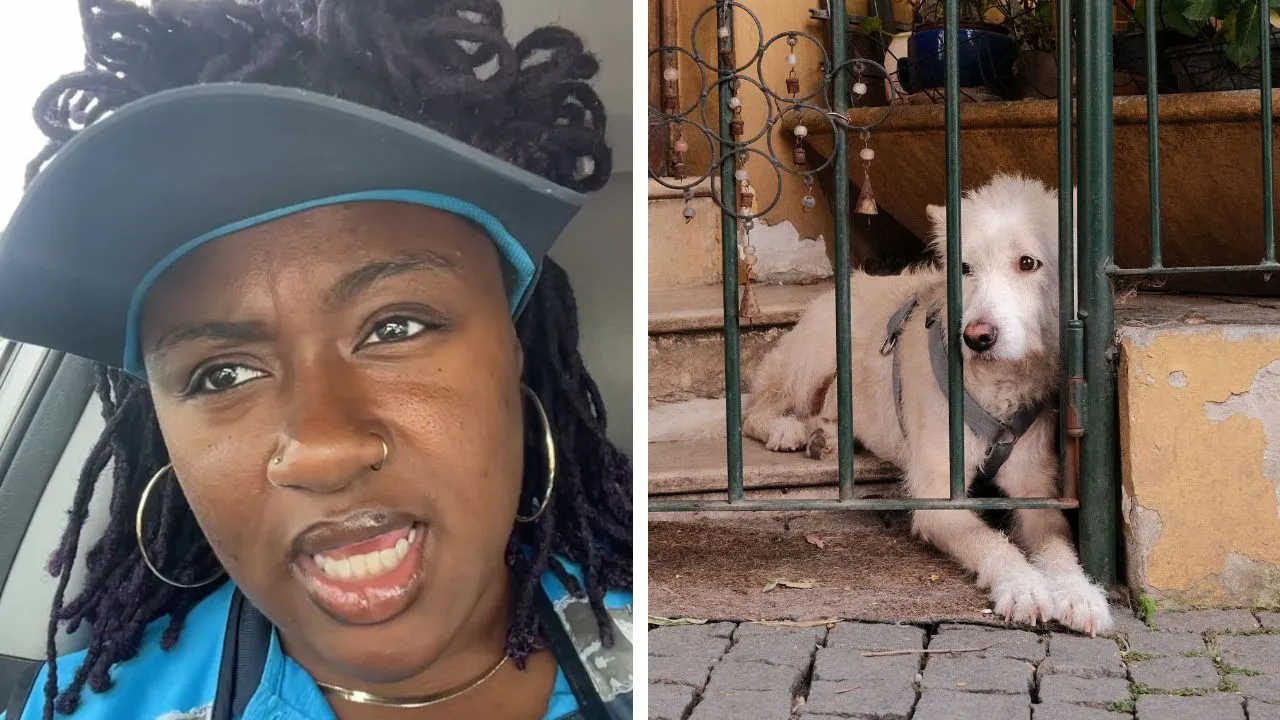
    • Amazon delivery driver Ladii Lanna (@ladiilanna) refused to test a customer’s claim that their dog “Max” would obey voice commands shouted through a window, citing safety concerns.
    • The viral TikTok, posted September 7, amassed over 52,000 likes and sparked debate among viewers and fellow delivery workers about safety protocols with unrestrained pets.
    • The Daily Dot could not independently verify the events, which remain based solely on the driver’s social media account.

    Delivery Driver Declines to Test Stranger’s Dog Commands, Sparking Safety Debate

    A routine package delivery took an unusual turn on September 7 when Amazon driver Ladii Lanna, who posts under the handle @ladiilanna, arrived at a customer’s home and encountered an unrestrained dog. According to Lanna’s TikTok recounting, she called ahead to request the dog be secured inside. The customer’s husband answered and stated the couple was not home. Rather than arrange for someone to contain the animal, he suggested an alternative: Lanna should shout through the window, “Max, go in your kennel,” assuring her the dog would comply and not disturb her.

    Customer Insists Dog Will Obey Verbal Commands From Stranger

    Lanna said she was taken aback by the suggestion. The wife then took the phone and repeated the same instructions, telling the driver to ask Max to “go lay down” and insisting the dog would obey. Lanna recalled responding, “Okay, yeah,” before ending the call. She subsequently left a note stating the packages could not be delivered due to an unsafe dog situation and departed the property. “Don’t play with me,” she said in the video, expressing disbelief at the expectation.

    TikTok Community Divided on Driver’s Decision

    The video, captioned “Customers say the wildest stuff ever! I can’t make it up.”, quickly gained traction, surpassing 52,000 likes as of publication. Commenters were split on the driver’s refusal. Some admitted curiosity about whether the command would work but acknowledged they would not risk proximity: “I would’ve tried it. But I would’ve still driven off.” Others emphasized personal safety, with one user writing, “Protect yourself. Don’t test that theory.” Several joked that Max might only respond to his owners, not a stranger.

    Delivery Workers and Pet Owners Share Similar Experiences

    The discussion expanded as other delivery personnel and pet owners chimed in with their own stories. Multiple commenters reported being bitten or frightened by dogs during deliveries, while others described customers asking them to approach pets. Very few viewers indicated they would have tested the command from a safe distance, such as from inside their vehicle. The consensus among professional drivers leaned toward prioritizing safety over experimentation.

    Why This Matters

    The incident highlights an ongoing tension in the gig economy and last-mile delivery sector: the responsibility for pet containment often falls ambiguously between customers and drivers. While carriers like Amazon, UPS, and FedEx have policies allowing drivers to skip deliveries when animals pose a threat, enforcement relies on real-time judgment. Viral moments like this amplify awareness of the risks delivery workers face daily—from dog bites to unpredictable animal behavior—and underscore the need for clearer customer accountability and safer delivery protocols. As e-commerce volume grows, these encounters are likely to increase, making standardized safety practices and customer education more critical.

    Frequently Asked Questions

    Did the delivery driver ever attempt the voice command?
    No. Ladii Lanna explicitly stated she refused to test the command, left a note citing an unsafe dog situation, and did not deliver the packages.
    Has the incident been independently verified?
    The Daily Dot reported it was unable to independently verify the events described in the TikTok video. The account is based solely on the driver’s social media post.
    What are standard delivery policies regarding unrestrained dogs?
    Most major carriers, including Amazon, permit drivers to decline delivery if a dog is not secured and poses a safety risk. Drivers are generally instructed not to interact with animals and to prioritize personal safety.
  • DoorDash Driver Flees ICE to Stranger’s Home; Native American Homeowner Denies Entry Without Warrant

    DoorDash Driver Flees ICE to Stranger’s Home; Native American Homeowner Denies Entry Without Warrant

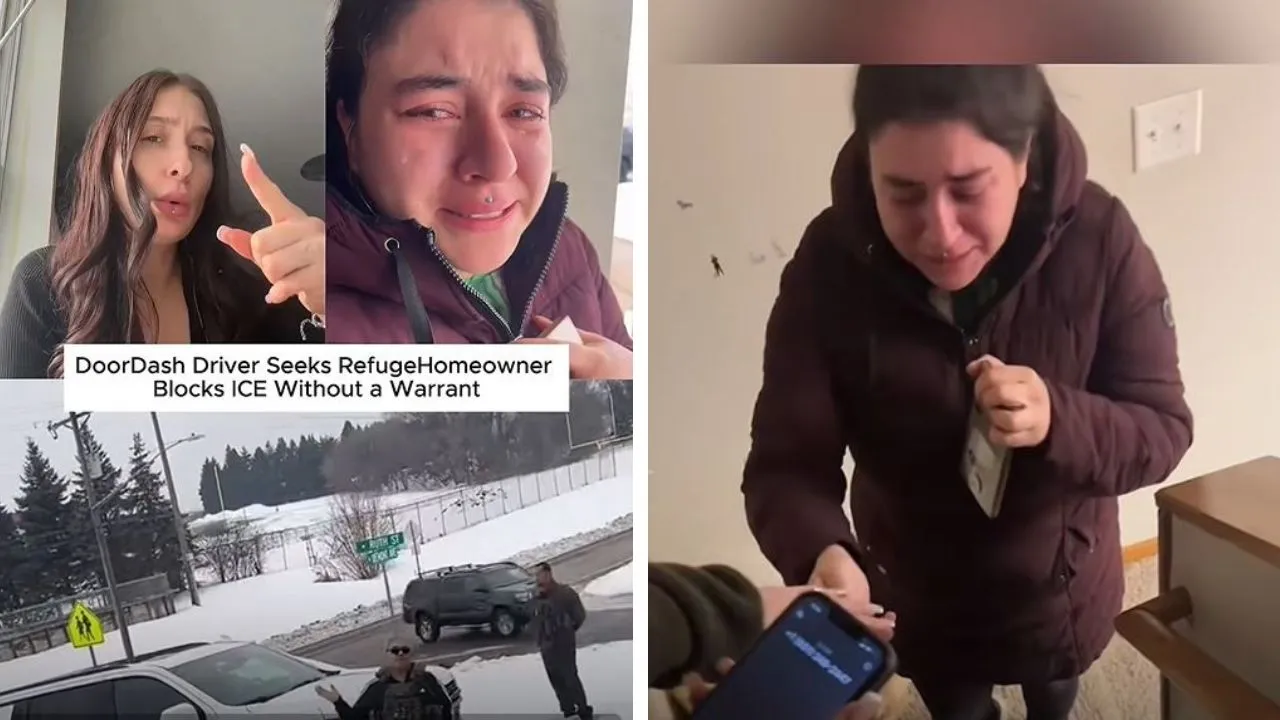
    A TikTok video shared by user @paddhgc captured a tense standoff between Immigration and Customs Enforcement (ICE) agents and a Native American homeowner who refused entry to her property without a judicial warrant. The incident occurred in January when a DoorDash delivery driver fled to the homeowner’s residence seeking refuge while apparently being pursued by federal immigration officers.

    Homeowner Stands Firm on Constitutional Rights

    The homeowner, identified in the footage as TikTok creator StormiBabyy27, was livestreaming at the time the driver arrived at her door. A baby was inside the house during the encounter, according to the video’s narration. As agents remained on her property, Stormi repeatedly informed them they would not be permitted inside without a judge-signed warrant.

    At one point in the recording, she confronted the officers directly: “Are you f—— kidding me? I’m Native American. Get the f— off my yard,” she said.

    Video Spreads Rapidly Across Social Media

    The clip circulated widely online, drawing praise for Stormi’s composure under pressure and her refusal to be intimidated during the high-stakes confrontation. The video’s narration claims her follower count grew from approximately 11,000 to nearly 30,000 following the incident, though The Daily Dot could not independently verify that figure.

    The footage also noted that the driver had sought help at the home of someone who speaks publicly about Indigenous history. The driver’s current situation and immigration status remain unconfirmed.

    Viewer Reactions Highlight Legal and Ethical Questions

    Commenters responded to both the confrontation and Stormi’s actions in protecting the driver. One user offered direct support, writing: “SHOUT OUT TO @Stormibabyy27 MAY THE LORD HELP YOU AND GUIDE YOU.”

    Another commenter argued the driver’s employment implied legal work authorization: “If they work for DoorDash they are legal (your vehicle must be registered with insurance).”

    A third questioned ICE’s enforcement priorities in the case: “so let me get this straight .. ICE is trying to get someone who appears to be WORKING … simply because of no papers …. i thought they were supposed to be going after drug cartels and bad guys ……….i hope that woman is safe !!!!”

    Verification Status and Outstanding Questions

    The Daily Dot was unable to independently verify several key details described in the video, including:

    • The identity and immigration status of the DoorDash driver
    • The driver’s current whereabouts
    • The specific ICE operation involved
    • The follower growth figures cited in the narration
    • Other details as described in the footage and narration shared by @paddhgc on TikTok

    The details reported above reflect the content as presented in the original TikTok video and its accompanying narration.

  • Fake San Francisco 49ers Player Allegedly Wooed Woman Until Day of Arrest

    Fake San Francisco 49ers Player Allegedly Wooed Woman Until Day of Arrest

    A woman who says she was the last victim of alleged fake 49ers player Daejon Love claims she was still involved with him until the day the FBI arrested him—and says she has evidence to support her account.

    The woman shared a TikTok video saying she was still connected to Love right up until his arrest.

    Source: www.tmz.com

  • ‘Spidey Senses Are Going Off’: Florida Woman Warns Shoppers to ‘Stay Alert’ After Haunting Walmart Encounter

    ‘Spidey Senses Are Going Off’: Florida Woman Warns Shoppers to ‘Stay Alert’ After Haunting Walmart Encounter

    A Florida woman is warning Walmart shoppers to “stay alert” after she says two men followed her during a recent trip to a Bradenton, Florida, store. The TikTok creator, known as @brokenbutgrafted, shared the unsettling experience in a viral video that has garnered over 500,000 views.

    Encounter Begins at Gas Station

    The content creator recalled a “scary” encounter that started when she pulled up to a gas station connected to the Walmart parking lot. She noticed two men observing her from the side of the curb near their vehicle. While she found the attention uncomfortable, she said it wasn’t unusual and chose to ignore it.

    After fueling up, she drove through the shared parking lot, parked, and began walking toward the store entrance. That’s when she spotted the same car and license plate from the gas station. Initially dismissing the coincidence, she proceeded with her grocery shopping.

    Suspicious Behavior Inside the Store

    While working through her list in different aisles, she noticed one of the men in the food section. According to her account, he had no cart, nothing in his hands, and kept looking around. Despite finding this odd, she continued to the assisted self-checkout area.

    There, she observed the second man checking out with only a bottle of water. He was on the phone and talking in Spanish, according to the woman.

    Testing Her Theory

    Her instincts intensified when she noticed the second man following her outside. She described the moment saying, “Spidey senses going off…”

    To test whether she was being followed, she let him exit ahead of her while she took a different route. She noted that just before they separated, they made eye contact and he seemed to have regretted going the other way. She then circled back through the store and exited through the same door as him after an extended delay.

    Confrontation in the Parking Lot

    Upon reaching her vehicle, she immediately performed a safety check—scanning the area for the man, his car, or anyone inside her car. She spotted him elsewhere in the lot, still on the phone and looking at her. The minute they locked eyes, he began to casually walk towards her.

    Her instincts kicked in, and she decided to leave immediately. Rather than risk him following her home, she drove in circles while checking for tracking devices and staying on the phone with a loved one.

    Warning to Other Women

    In her video conclusion, she delivered a direct message to female viewers:

    “Ladies, you are not overreacting. Have your spidey senses on; check your surroundings at all times no matter if you’re with somebody or by yourself, and document everything.”

    Why Police Weren’t Called

    In a follow-up video addressing comments about law enforcement involvement, she explained that legally, the men didn’t do anything wrong to her. Despite having friends who are police officers, she said the most they could have done was file a report to “make her feel better.” She maintained that the priority remains personal safety and awareness.

    Original TikTok Safety Message

    Her initial TikTok caption included this full alert:

    START ALERT LADIES If something feels off, it probably is. Trust that feeling before you talk yourself out of it. Keep your head up, keep your phone charged, and don’t be afraid to make a scene if you need to. Stay aware out there. ? #bradentonflorida #staysafe #walmart #stayalert #bradenton

    This article reflects the details and claims made by @brokenbutgrafted on TikTok. The Daily Dot could not independently verify the events described, the identities of the men involved, or the specific Walmart location. Walmart did not respond to a request for comment.

  • Walmart Worker on Lunch Break Confronted by Demanding Customer; TikTok Reacts

    Walmart Worker on Lunch Break Confronted by Demanding Customer; TikTok Reacts

    Walmart Employee’s Lunch Break Interrupted by Demanding Customer Sparks TikTok Debate

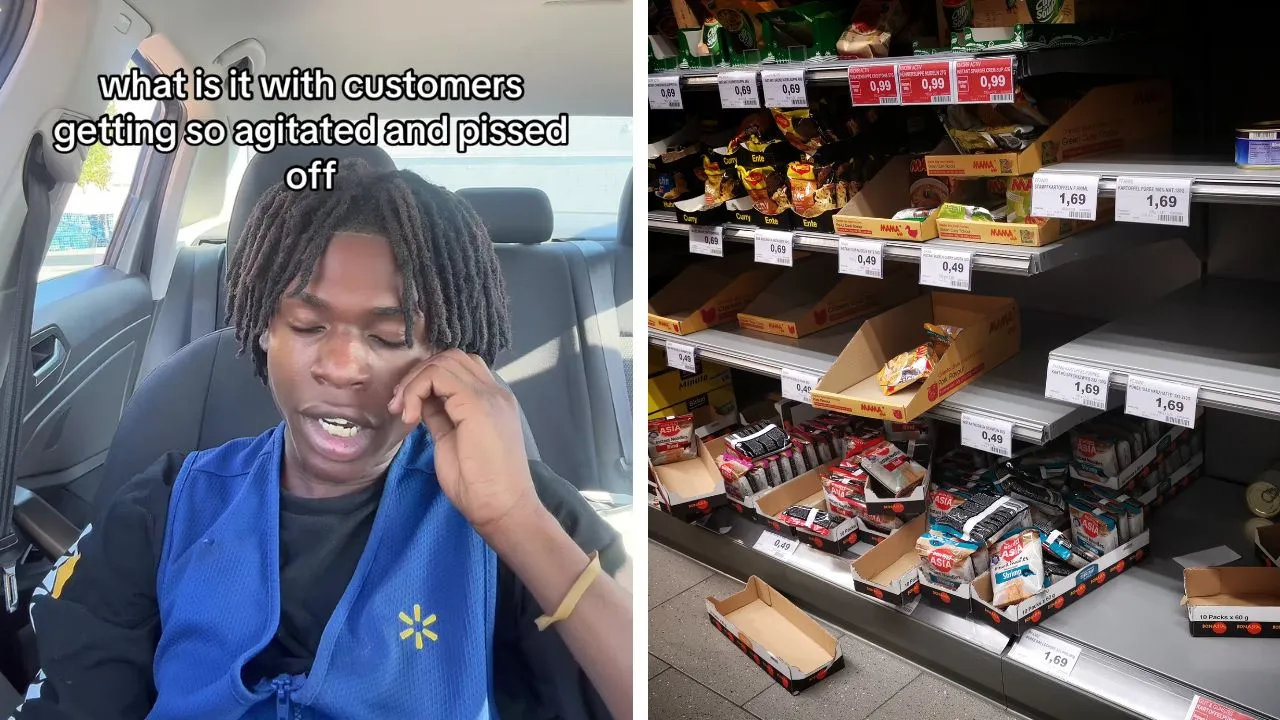
    A Walmart employee known as @skylouieeeee on TikTok recently shared a story that has resonated with retail workers and customers alike. Four days ago, the creator posted a video from his car while wearing his Walmart vest, describing an encounter that occurred when he attempted to take his lunch break. As of publication, the video had garnered approximately 39,000 likes.

    Off-Duty Worker Pressured to Assist Customer

    According to the TikToker, he had removed his vest before heading to lunch specifically to avoid being approached by customers while off the clock. Despite this precaution, a customer in the bicycle section stopped him and asked for help unlocking a bike. The employee explained that he was on his lunch break and did not have the necessary keys, but offered to fetch another worker who could assist.

    The customer, however, insisted he had already been waiting and pressed the employee to help regardless, even if it took about 20 minutes. The Walmart worker reiterated that he was off duty and would find a colleague. Fortunately, another employee soon arrived with keys and unlocked the bicycle.

    Interaction Escalates Beyond Initial Request

    The encounter did not end there. After the bike was unlocked, the customer asked the TikToker for assistance with additional items. Once again, the employee stated he was on his lunch break and could not continue helping.

    The creator captioned the video: “I don’t why he still needed me when someone was RIGHT THERE HELPING HIM #fyp #walmart #storytime #retail #retailworker”

    TikTok Community Overwhelmingly Supports Employee

    Commenters on the video, including both retail workers and customers, largely agreed that the employee had gone above and beyond by locating another staff member to help. “You are already giving that man too many words if you’re off the clock,” one commenter noted, adding that workers should simply state they are off the clock and continue walking.

    Several users shared similar experiences. One reported being approached by customers despite not wearing a uniform, while another said customers still asked for help even when they were visibly leaving work. Multiple commenters emphasized that a lunch break often constitutes a significant portion of a worker’s limited personal time during a shift.

    Break Time vs. Customer Expectations

    One commenter highlighted that spending 20 minutes assisting a customer could consume most of a standard 30-minute meal break. Another offered perspective on the customer’s viewpoint, suggesting that shoppers may simply be reacting to inconvenience and that employees inevitably encounter people needing help while on break. However, the consensus remained clear: an employee who has clocked out is entitled to use that time as they intend.