Key Highlights
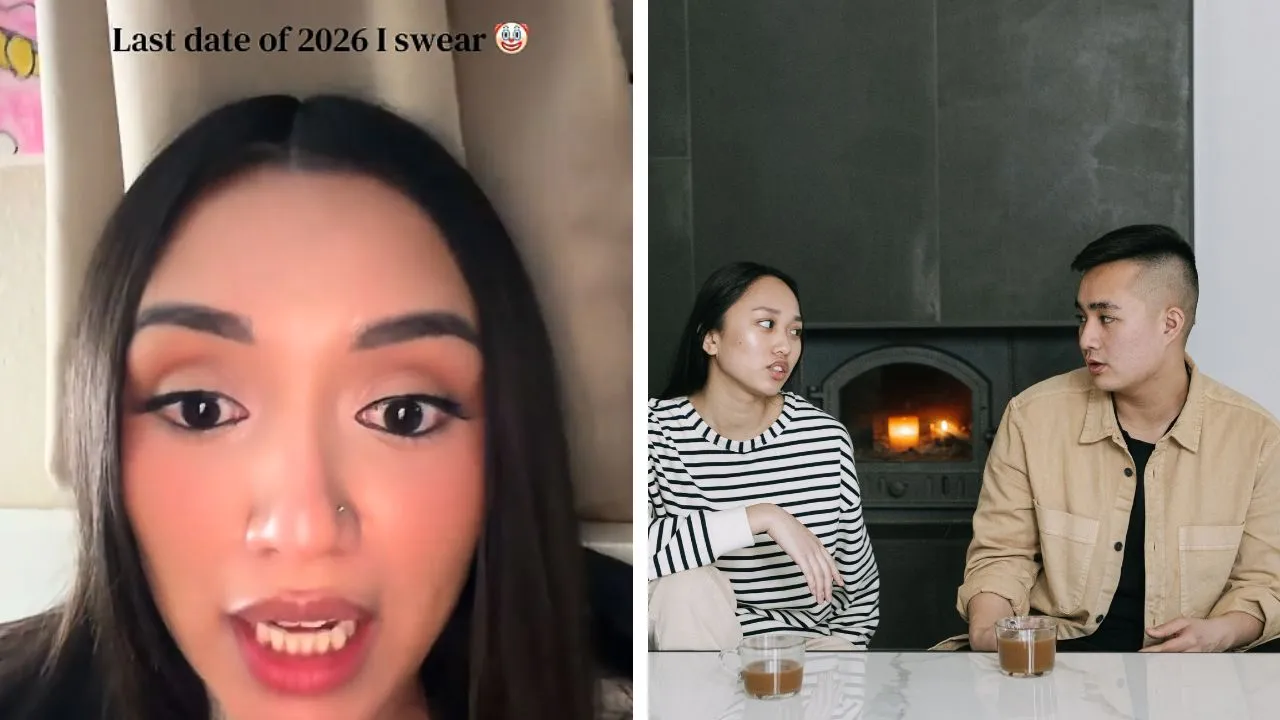
- TikTok creator @caldo.de.les went viral after sharing a first date where the man asked what she could “offer” him in return for paying the bill — before they had even ordered main courses.
- The date at Texas Roadhouse featured repeated financial probing, including questions about other diners’ credit scores, her 2023 Toyota Camry, and his claim that he chose the restaurant because it was “in your budget.”
- She paid for her own appetizer and drink (~$17), left a $40 tip for the waitress, blocked the man, and bought herself boots — declaring she is “done dating” for now.
TikTok Creator Walks Out on First Date After Man Demands Reciprocity Before Dinner Arrives
A first date that began with multiple invitations and a trip to Texas Roadhouse unraveled into a viral TikTok story about entitlement, financial scrutiny, and modern dating expectations. The creator, who posts under the handle @caldo.de.les, posted the story on August 22, labeling it her “last date of 2026.” As of publication, the video had amassed more than 24,000 likes and ignited a wide-ranging debate in the comments about who should pay, what constitutes a red flag, and whether walking out mid-date is justified.
Escalating Discomfort Over Finances and Status
According to the creator, the man had asked her out several times before she agreed. Once seated at Texas Roadhouse — a restaurant she said she already knew she liked — the conversation quickly turned uncomfortable. He began by asking what she thought the credit scores of other patrons were and continued talking about finances. He then asked what kind of car she drove; when she replied she had a 2023 Toyota Camry, he compared it to his own vehicle, which she did not name in the video, and spoke about his goal of becoming a millionaire within a year.
The conversation shifted to her career as a nurse. She said he told her she should be grateful because nurses earn more than other workers, then added that he had chosen Texas Roadhouse because he thought it was “in your budget.” The turning point came when they had only ordered an appetizer and a drink — no main courses yet — and he asked what she could “offer” him in return for paying the bill.
Exit Strategy and a $40 Tip for the Waitress
The creator said she replied that she had nothing to offer him and no intention of establishing a physical relationship in exchange for food. He had been drinking alcohol while she declined, citing the need to drive and other obligations afterward. Recognizing the situation was deteriorating, she waited for him to go to the restroom, then took her purse and spoke with the waitress — who, she noted, had also been wondering whether she would stay or leave. She paid for her appetizer and drink, which totaled around $17, and left a $40 tip for the waitress before blocking the man and heading out to buy herself a pair of boots as a treat.
Why This Matters: Dating Norms, Financial Entitlement, and Viral Accountability
The video struck a nerve because it encapsulates several flashpoints in contemporary dating culture: the expectation of transactional reciprocity, the weaponization of financial status as a control mechanism, and the increasing willingness of women to document and exit unsafe or demeaning situations publicly. The man’s line of questioning — credit scores, car comparisons, income comparisons, and a pre-dinner demand for what she could “offer” — reads less like courtship and more like an audition for a transactional arrangement. Commenters largely backed her decision, with one urging people to normalize “getting up and walking out at the very first red flag.” Others debated whether the person who initiates the date should pay, or if splitting the bill is acceptable. The creator’s final statement — that she is “done dating” for now — reflects a growing sentiment among singles who feel the risk-reward calculus of modern dating has tilted too far toward exhaustion.
Frequently Asked Questions
- What exactly did the man ask that prompted the creator to leave?
- He asked what she could “offer” him in return for paying the bill — before they had ordered their main courses, while they had only an appetizer and a drink on the table.
- Did the creator pay for anything on the date?
- Yes. She paid for her own appetizer and drink, which came to about $17, and left a $40 tip for the waitress before leaving.
- What was the reaction on TikTok?
- Most viewers applauded her decision to leave. One commenter said to normalize “getting up and walking out at the very first red flag.” Others debated who should pay on a first date, while a few questioned her credit score and income.
