Tag: Surrogacy dispute

  • Baby Rumi’s Parents Fight Surrogate McKenna West’s Supreme Court Bid

    Baby Rumi’s Parents Fight Surrogate McKenna West’s Supreme Court Bid

    Key Highlights

    • Intended parents Nausheen Gilkar and Omar are opposing surrogate McKenna West’s emergency Supreme Court petition in their ongoing surrogacy dispute.
    • The parents argue West’s requested emergency relief could jeopardize their infant son’s health and well-being.
    • Legal representatives for Gilkar and Omar have filed a formal response challenging West’s latest court maneuver.

    Surrogacy Dispute Escalates to State Supreme Court

    The legal battle surrounding a surrogacy arrangement involving surrogate McKenna West and intended parents Nausheen Gilkar and Omar has intensified, with the case now reaching the state Supreme Court. Attorneys representing Gilkar and Omar have formally pushed back against West’s latest filing, which seeks emergency judicial relief. According to court documents, the parents contend that the specific relief West is requesting poses a direct risk to their newborn son’s health, adding urgent medical dimensions to an already complex custody and contractual dispute.

    Parents Challenge Emergency Petition Citing Infant Health Concerns

    In their response to the Supreme Court, legal counsel for Gilkar and Omar emphasized that the emergency measures sought by West could disrupt the infant’s current care environment and medical stability. The filing argues that the child’s immediate physical well-being must take precedence over procedural or contractual arguments advanced by the surrogate. While the specific nature of West’s emergency petition remains under seal in portions of the record, the parents’ opposition brief characterizes it as an attempt to alter the child’s living situation or medical decision-making authority in ways their doctors advise against.

    Legal Background and Contractual Framework

    The dispute originates from a gestational surrogacy agreement between West and the intended parents. Such arrangements typically involve detailed contracts governing parental rights, medical decision-making, and post-birth custody transitions. When disagreements arise — whether over compensation, medical choices, or the termination of parental rights — courts are tasked with interpreting these agreements alongside the best interests of the child standard. In this case, the escalation to the state’s highest court suggests significant unresolved questions about the enforceability of specific contract provisions or the applicability of state surrogacy statutes to the facts at hand.

    Why This Matters

    This case highlights the evolving legal landscape surrounding gestational surrogacy, where advances in reproductive technology have outpaced uniform statutory frameworks. States vary widely in their recognition and regulation of surrogacy contracts, and disputes involving emergency medical concerns for infants introduce constitutional due process considerations alongside family law principles. The Supreme Court’s eventual ruling could establish precedent for how courts balance contractual obligations between surrogates and intended parents against the immediate health needs of children born through assisted reproduction. For families pursuing surrogacy, the outcome may influence contract drafting, choice-of-forum decisions, and the definition of “emergency” circumstances warranting judicial intervention.

    Frequently Asked Questions

    Who are the parties in this surrogacy dispute?
    The intended parents are Nausheen Gilkar and Omar. The surrogate is McKenna West. The case involves their infant son.
    What is the core of the current legal conflict?
    McKenna West has filed an emergency petition with the state Supreme Court seeking immediate relief. Nausheen Gilkar and Omar oppose this petition, arguing through their attorneys that the requested relief could endanger their son’s health.
    Why has this case reached the state Supreme Court?
    The filing of an emergency petition directly with the Supreme Court suggests the matter involves urgent legal questions — potentially regarding jurisdiction, irreparable harm, or the interpretation of surrogacy law — that warrant the highest court’s immediate attention before lower courts rule.
  • Billionaire Claiming He Paid $4.5 Million to Marry Actress Seeks Refund After Romance Ends

    Billionaire Claiming He Paid $4.5 Million to Marry Actress Seeks Refund After Romance Ends

    Key Highlights

    • Tron founder Justin Sun is suing former fiancée Jing Tian to recover a $4.5 million dowry paid to her parents, alleging she demanded $50 million for a surrogacy arrangement before cutting contact.
    • Sun’s lawyer Zhang Qihuai confirmed a court has approved the lawsuit; Sun also consulted Anthropic’s AI tool Claude about the surrogacy demand, which reportedly advised against compliance.
    • Tian responded on social media stating “Time will prove everything” and that she “believes in the law” while denying she would “trade love or her soul for money,” per the South China Morning Post.

    Billionaire Crypto Founder Takes Legal Action Over Failed Engagement

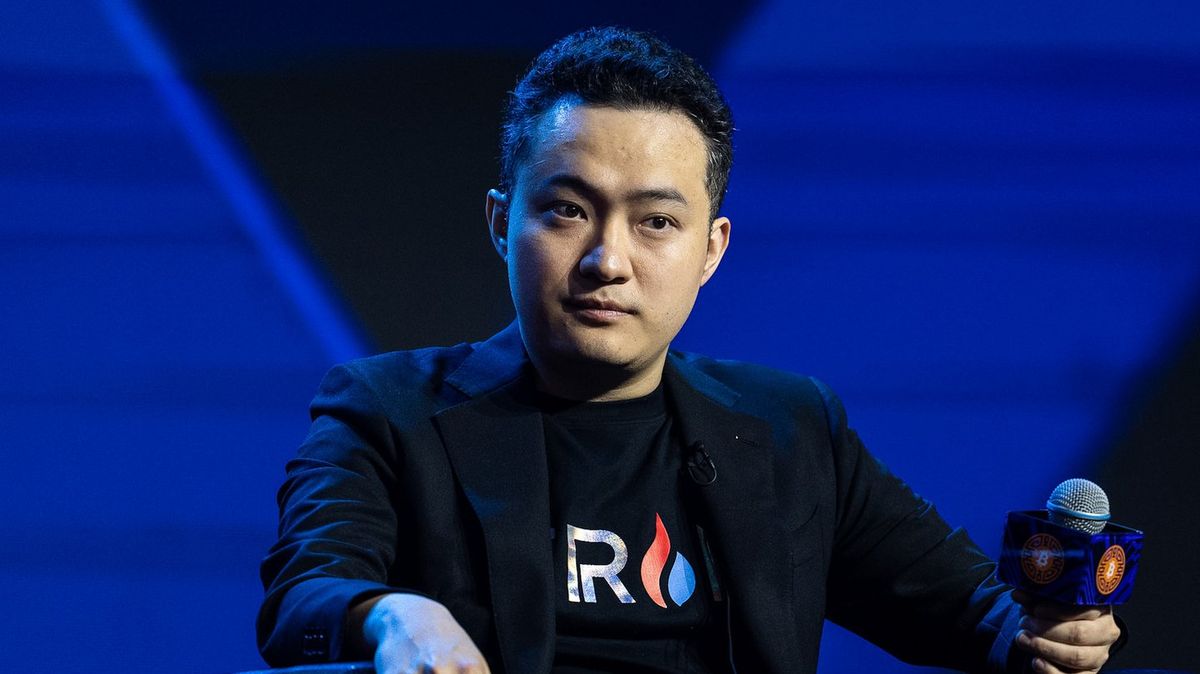
    Justin Sun, the 36-year-old founder of blockchain platform Tron and a figure Forbes values at $8.5 billion, has initiated a high-profile lawsuit against Chinese actress Jing Tian, 38, seeking the return of a $4.5 million “bride fee” he allegedly paid to her parents during their engagement. The legal dispute, first reported by the Wall Street Journal, centers on the collapse of a relationship that Sun says was explicitly oriented toward marriage. “We dated with marriage in mind,” the cryptocurrency tycoon told the Wall Street Journal in a short statement. According to Sun’s attorney, Zhang Qihuai, the payment was made to Tian’s family under the assumption the couple would wed, but the engagement unraveled during discussions about having a child via a U.S. surrogate.

    Surrogacy Demand and AI Consultation Preceded Split

    Sun alleges that Tian demanded $50 million to proceed with surrogacy plans, a request he refused. He further claims that after declining the demand, Tian severed communication. In an unusual detail, Sun said he consulted Anthropic’s AI tool Claude regarding the surrogacy payment and that the tool encouraged him not to comply. “The engagement could no longer proceed,” Sun told the Journal, while his lawyer Qihuai claimed that a court has given the lawsuit against his ex the green light to proceed. The case highlights the intersection of personal wealth, family law, and reproductive technology among ultra-high-net-worth individuals in China’s entertainment and tech circles.

    Actress Responds With Defiant Social Media Posts

    Tian, known for roles in Pacific Rim: Uprising, Kong: Skull Island, and the 2016 Zhang Yimou epic The Great Wall alongside Matt Damon, has not directly addressed the specific financial allegations. However, she posted a response on social media that was reported by the South China Morning Post, referencing her “poor judgment in men and insufficient wisdom” and adding brutally that she “would never trade love or her soul for money.” In a subsequent statement, “Time will prove everything,” Tian said, while going on to say she ‘believes in the law’ and that ‘justice and fairness will ultimately prevail’. The phrasing suggests a calculated public posture as the legal process advances.

    Sun’s Public Narrative Shifts After Detailed X Post

    Adding complexity to the public record, Sun published a lengthy post on X titled “My Girlfriend Jing Tian,” recounting his longstanding admiration for the actress, a date at a privately hired cinema, and the payment to her parents. The post appeared to serve as his version of events but concluded with a striking disclaimer: “This article is entirely fictional; any resemblance to actual events or persons is purely coincidental.” The retraction raises questions about the evidentiary value of the post and Sun’s media strategy. Sun previously drew global attention in 2024 when he purchased Maurizio Cattelan’s conceptual banana artwork for $6.2 million and promptly ate the fruit, a stunt that cemented his reputation for headline-grabbing behavior.

    Why This Matters

    This dispute transcends celebrity gossip, touching on several consequential domains. First, it tests the enforceability of substantial pre-marital financial transfers—often termed “bride prices” or dowries—in Chinese civil courts when a marriage does not materialize, a recurring flashpoint in family law. Second, the involvement of a U.S. surrogate and a nine-figure demand introduces cross-border reproductive rights and contract law complexities. Third, Sun’s citation of an AI tool (Claude) as a factor in a high-stakes personal decision may foreshadow how generative AI is increasingly woven into human decision-making narratives, including legal defenses. Finally, the case underscores the reputational risks for public figures when private negotiations become public litigation, especially in an era where social media posts serve as both evidence and performance.

    Frequently Asked Questions

    What is the exact amount Justin Sun is trying to recover, and what was it for?

    Sun is seeking the return of $4.5 million he characterizes as a “bride fee” paid to Jing Tian’s parents during their engagement, which he says was made with the understanding the couple would marry.

    Has a court officially accepted the lawsuit?

    Yes. According to Sun’s lawyer Zhang Qihuai, a court has given the lawsuit the green light to proceed, meaning the case has passed the initial filing threshold and will move toward hearings.

    How has Jing Tian responded to the allegations?

    Tian has not directly contested the financial claims in a formal legal filing as of this reporting. Publicly, she posted on social media that “Time will prove everything,” affirmed she “believes in the law,” and stated that “justice and fairness will ultimately prevail,” while also declaring she would “never trade love or her soul for money.”