Tag: Spanish GP

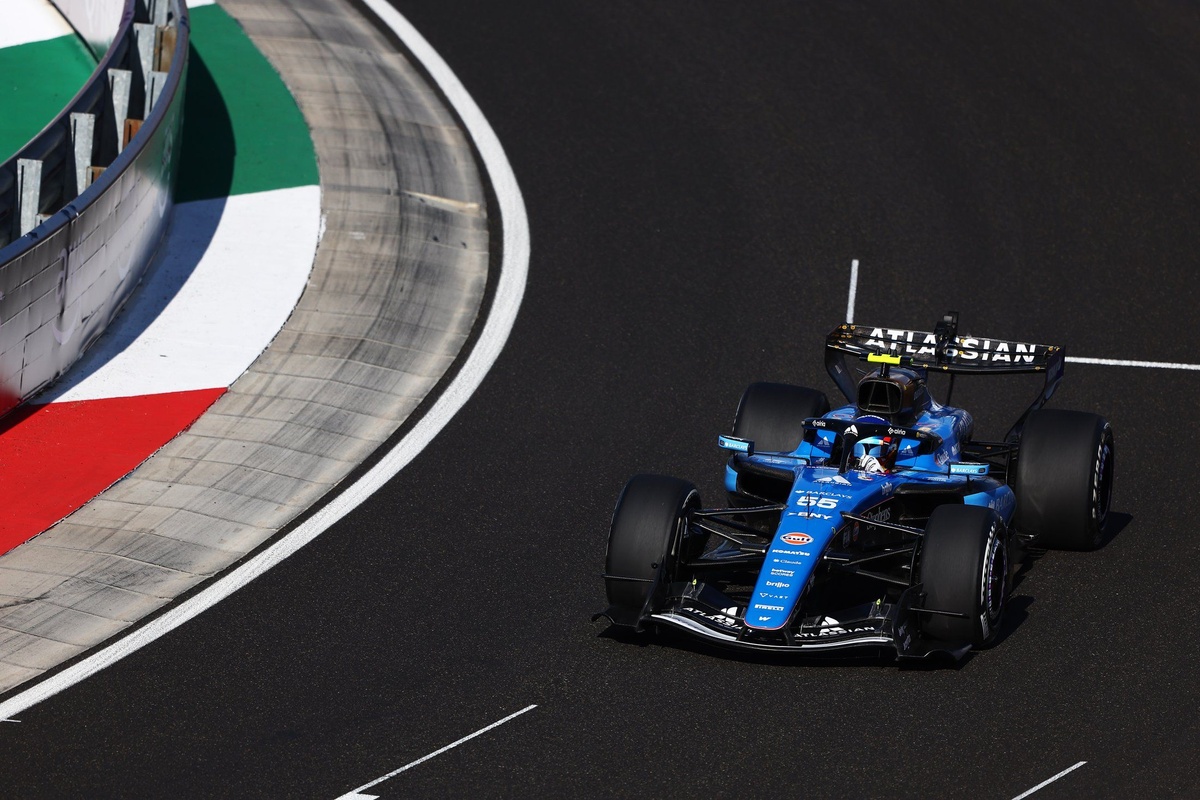
  • Williams Accepts 2026 F1 Development Compromise, Shifts Focus to 2027

    Williams Accepts 2026 F1 Development Compromise, Shifts Focus to 2027

    Key Highlights

    • Williams Racing has accepted a developmental compromise for the remainder of the 2026 Formula 1 season, having redirected the majority of its engineering resources toward the 2027 campaign.
    • Team principal James Vowles confirmed two new chassis and aerodynamic upgrades will debut at the Azerbaijan Grand Prix to address car mass limits, but warned the updates will not be sufficient to consistently score points given the pace of rival development.
    • A difficult Spanish Grand Prix at the new Madring circuit—where Alex Albon finished 15th and Carlos Sainz retired with floor damage—exposed the extent of Williams’ current performance deficit relative to the midfield.

    Vowles Acknowledges Difficult Spanish Grand Prix Reality

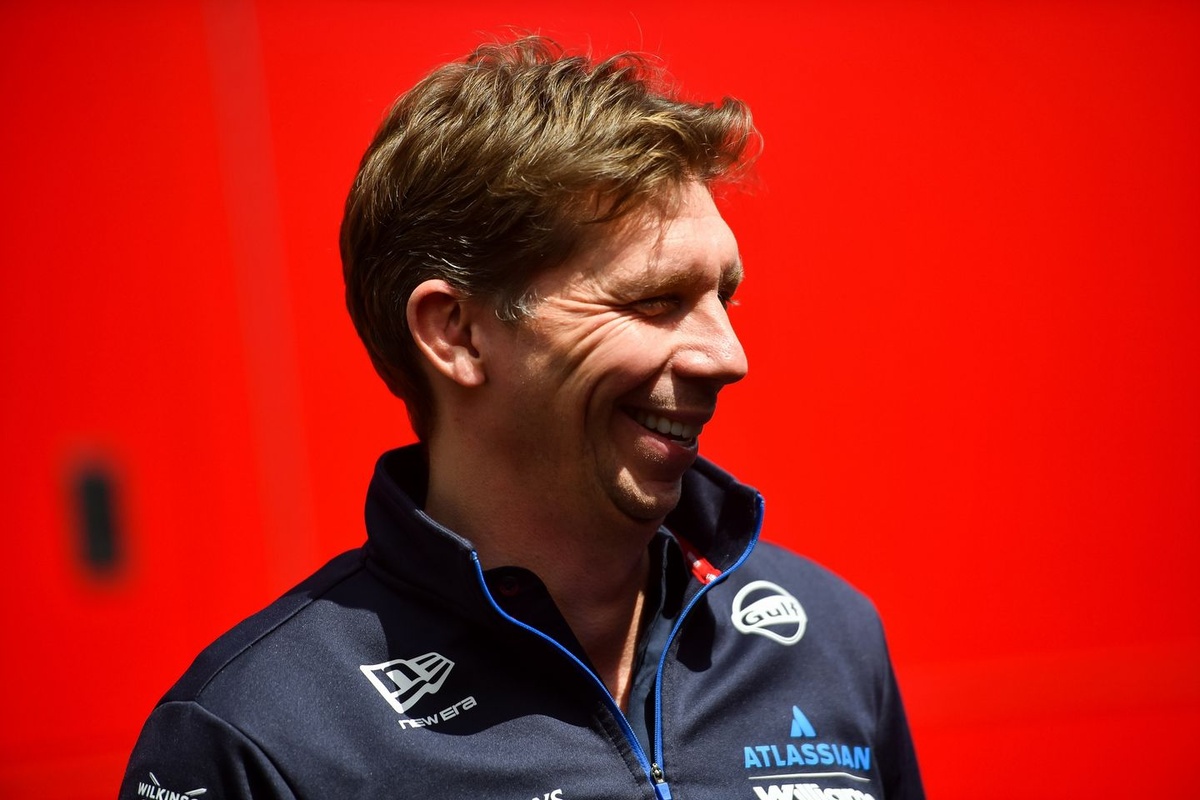
    Williams team principal James Vowles offered a candid assessment of the squad’s trajectory during his post-race “Vowles Verdict” debrief following a challenging Spanish Grand Prix at the brand-new Madring circuit. The weekend underscored the Grove outfit’s current struggles: Alex Albon and Carlos Sainz qualified 16th and 17th respectively, before Sainz incurred a three-place grid penalty for impeding, dropping him to 20th on the grid. Albon managed only 15th at the finish, while Sainz retired after 43 laps due to floor damage.

    “For us, a difficult grand prix. We knew it was going to be difficult going into it,” Vowles explained. “It’s just exaggerating the issues we have at the moment, and we haven’t added performance to the car for far too long and have fallen back relative to teams around us.”

    Baku Upgrades Offer Limited Relief

    Looking ahead to the Azerbaijan Grand Prix, Vowles outlined a technical plan aimed at extracting immediate gains. “We have Baku coming up next, and it’s a race we’ve been looking forward to for a while. We’re going to be bringing two new chassis to that event in a bid to get our car mass below the limit. So that should be a strong step up in performance for us. And in addition to that, we’ll have some aerodynamic upgrades that go with it.”

    However, the team principal tempered expectations regarding the impact of those updates. “There is a however. The field has moved on so significantly and these upgrades, whilst powerful, simply won’t be what we are looking for in order to consistently score points.”

    Strategic Pivot Toward 2027 Season

    The fundamental constraint, Vowles revealed, is a resource allocation decision made months ago. “We’ve invested a lot already into next year and beyond, and the resultant behind this is that we accept the compromise to this year, and it stems from what happened over the winter, and we weren’t able to recuperate to the level we wanted. So, a positive step forward but really we need more, and it will come into next year.”

    This strategic pivot means Williams has effectively conceded the remainder of the 2026 championship, accepting a period of limited competitiveness to accelerate development for the 2027 regulation cycle.

    Why This Matters

    Williams’ situation illustrates the brutal resource allocation dilemma facing midfield teams under Formula 1’s cost cap and aerodynamic testing restrictions. With development bandwidth finite, teams must choose between fighting for points in the current season or investing early in the next regulatory cycle—a decision that can define competitiveness for years. For Williams, a historic constructor seeking to return to the front, the 2027 regulation changes represent a potential inflection point. The team’s willingness to endure a barren second half of 2026 signals high internal confidence in their 2027 concept, but also carries reputational and commercial risk if the projected gains fail to materialize. The Baku upgrades will serve as a litmus test for whether the new chassis can at least stabilize the car’s platform before the long pivot to next year.

    Frequently Asked Questions

    Why is Williams bringing two new chassis to the Azerbaijan Grand Prix?
    Williams is introducing two new chassis in Baku to reduce the car’s mass below the regulatory minimum weight limit, which Vowles described as a “strong step up in performance” for the team.
    Will the Baku upgrades make Williams competitive enough to score points regularly?
    No. Vowles explicitly stated that while the upgrades are “powerful,” the development rate of rival teams means they “simply won’t be what we are looking for in order to consistently score points.”
    What caused Williams to accept a compromise for the rest of the 2026 season?
    The team shifted the majority of its engineering resources to the 2027 project during the winter, and Vowles acknowledged they “weren’t able to recuperate to the level we wanted” for the current campaign, forcing a strategic acceptance of reduced competitiveness in 2026.
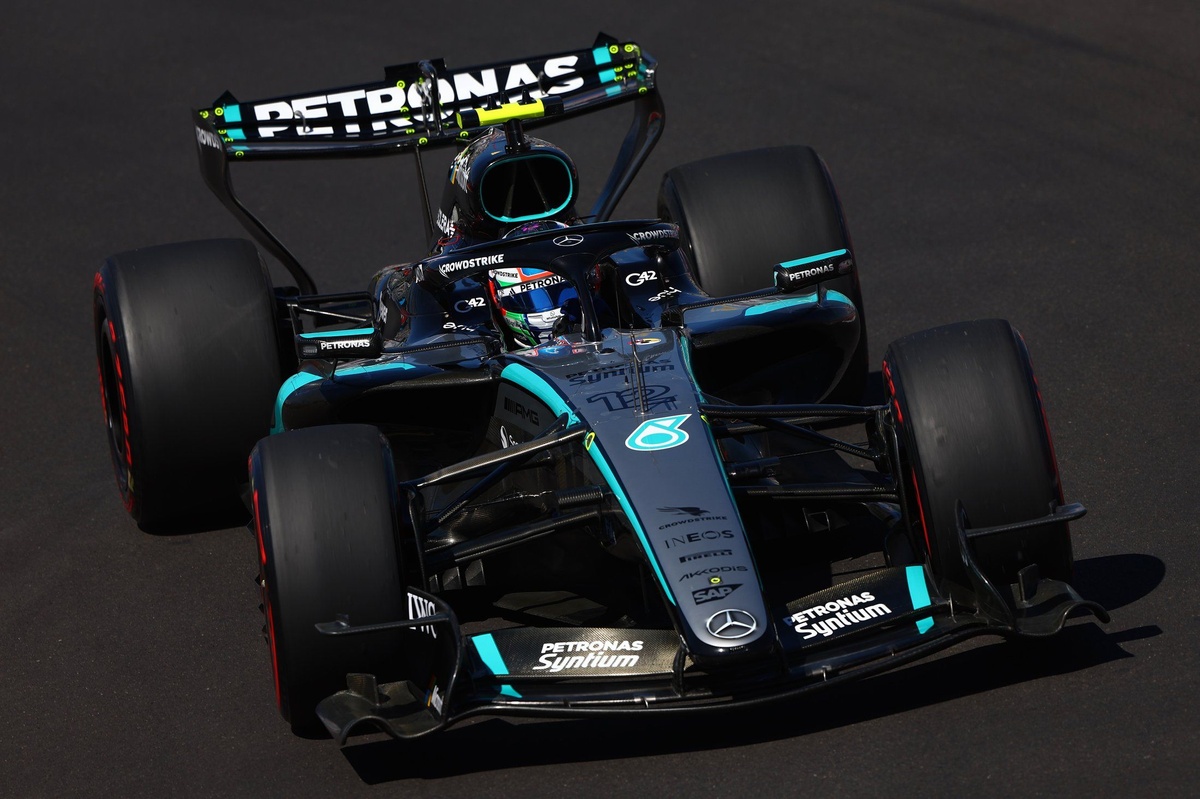
  • Mercedes Targets Pole Drought End with Malaysia F1 Upgrades

    Mercedes Targets Pole Drought End with Malaysia F1 Upgrades

    Key Highlights

    • Mercedes confirms its next major Formula 1 upgrade package will debut at the Malaysian Grand Prix on 2–4 October, targeting a return to pole-contending form.
    • Despite a commanding 145-point championship lead over Ferrari, the Silver Arrows have not claimed pole position since Kimi Antonelli topped qualifying at Spa in July.
    • Trackside engineering director Andrew Shovlin expects a “decent step” from the Malaysian updates but cautions the competitive gap to McLaren and Ferrari is now just one or two tenths.

    Mercedes Targets Malaysian Upgrade to Arrest Qualifying Slide

    Mercedes has confirmed that its next significant Formula 1 development package will arrive at the Malaysian Grand Prix on 2–4 October, marking the Asian venue’s return to the calendar in place of Bahrain. The German manufacturer enters the event with a substantial 145-point advantage over Ferrari in the 2026 Constructors’ Championship, a lead built despite the team’s last major upgrade being introduced at the Montreal round in May. Since then, Mercedes has relied on minor, circuit-specific updates while rivals Ferrari and McLaren have pursued more aggressive development programmes.

    That strategic conservatism has coincided with a shift in competitive momentum. After winning the opening six grands prix of the season, Mercedes has secured only four victories in the subsequent eight rounds, with McLaren and Ferrari each claiming two wins. More critically for a team historically defined by Saturday dominance, the Silver Arrows have not started from pole position since Kimi Antonelli set the pace at Spa-Francorchamps in July—a drought spanning four consecutive race weekends.

    Shovlin Details Baku Strategy and Upgrade Timeline

    Speaking on the Nu Silver Arrows Radio Show podcast, trackside engineering director Andrew Shovlin outlined the team’s immediate approach. With the Azerbaijan Grand Prix preceding Malaysia, Shovlin acknowledged limited new components for the Baku street circuit, emphasising its unique demands.

    “We haven’t got much new coming to Baku, but actually that’s a circuit that’s more about drag than downforce. So the car was good in Monza, hopefully it will work well in Baku. But, you need a car that can have a good straight line speed.”

    “There’s other things, though, you need in Baku, like the sort of street circuit nature, almost that Monaco-esque being able to deal with the low speed, keeping all the wheels on the ground.”

    Looking beyond the Caspian Sea venue, Shovlin confirmed the developmental focus shifts eastward.

    “And then the updates, well, they’re going to come Malaysia onwards and hopefully we’ll make a decent step. I don’t think we’re going to be out front by miles, but hopefully we’ll be back into a position where we can really go into qualifying, knowing that we’re fighting for pole.”

    Championship Lead Masks Growing Qualifying Deficit

    The disconnect between Mercedes’ race-day potency and its qualifying form is stark. Antonelli has converted the W15’s race pace into back-to-back victories at Monza and Madrid, yet the team finds itself on a pole-position drought that contrasts sharply with the opening phase of the campaign. In the three most recent rounds without a Mercedes pole, McLaren’s Lando Norris has topped the timesheets each time—a reversal from the first ten rounds where the Silver Arrows swept every pole position.

    Shovlin articulated the fine margins now defining the championship’s front row.

    “Early in the season, we tended to go thinking, we have a car that if we do a really good job, it should be on pole. We should be fighting for a race win. Whereas now the margin between finishing first and finishing sixth is one or two tenths and it’s difficult to predict because Monza is a unique track.”

    “It needs a car that’s quite slippy with low drag and then new circuit like Madring couldn’t be more different. But we just focus on getting the most out of the car and if we win, awesome.”

    Why This Matters

    The Malaysian Grand Prix represents a pivotal inflection point in the 2026 season. While Mercedes’ championship buffer provides insulation, the convergence of performance among the top three teams—now separated by mere hundredths of a second in qualifying—threatens to erode the operational advantages that come with starting at the front. For team principal Toto Wolff and technical director James Allison, the Malaysian upgrade must deliver not merely incremental lap time but a restoration of the qualifying predictability that underpinned the team’s early-season dominance. With McLaren and Ferrari showing no signs of slowing their development trajectories, the Sepang event will test whether Mercedes’ conservative mid-season strategy was a calculated masterstroke or a window of opportunity ceded to rivals.

    Frequently Asked Questions

    When will Mercedes’ next major upgrade arrive?
    The next significant development package is scheduled for the Malaysian Grand Prix on 2–4 October 2026.
    Why has Mercedes not taken pole since July?
    The competitive gap to McLaren and Ferrari has narrowed to one or two tenths of a second, making qualifying outcomes highly sensitive to circuit characteristics. Lando Norris has claimed pole in three of the last four rounds for McLaren.
    What is Mercedes’ current championship position?
    Mercedes leads the 2026 Constructors’ Championship by 145 points over second-placed Ferrari, despite winning only four of the last eight races.
  • Kimi Antonelli’s Luxury Problem Sparks Concern for Toto Wolff and Mercedes

    Kimi Antonelli’s Luxury Problem Sparks Concern for Toto Wolff and Mercedes

    Key Highlights

    • Kimi Antonelli secured a strong result at the Madring circuit in Madrid despite repeated track-limit warnings from race engineer Pete Bonnington and a late-race brush with the wall at Turn 7.
    • Mercedes team principal Toto Wolff described the 20-year-old Italian as “an inch too cool,” joking with father Marco Antonelli about his son’s aggressive driving while acknowledging it may be the source of his speed.
    • Both Wolff and Antonelli insist the rookie is not thinking about the championship, emphasizing a compartmentalized approach and a strong support network to manage pressure through the remainder of the 2025 season.

    Antonelli’s Flat-Out Approach Tests Mercedes’ Patience in Madrid

    The Madring circuit in Madrid provided the latest showcase of Kimi Antonelli’s uncompromising driving style, a trait that continues to deliver results while simultaneously testing the nerves of the Mercedes pit wall. Race engineer Pete Bonnington assumed the role of a stern schoolteacher throughout the Grand Prix, relentlessly reminding the 20-year-old Italian to respect track limits on a layout where overtaking proved virtually impossible. Having gained an early advantage from a well-timed virtual safety car period, Antonelli’s primary task was to bring the car home cleanly ahead of Max Verstappen and Lando Norris, who were resigned to following the Mercedes to the finish line.

    Radio Drama: From “Weird Steering” to a Wall Strike

    The race weekend nearly took a dramatic turn earlier in the event when Antonelli delivered what sounded like a prank call over the team radio. Antonelli: “Check the car!” Bonnington responded calmly, “Which corner?” only for the driver to clarify, “No I didn’t touch any wall, but the steering feels weird…” The tension escalated with five laps remaining. Despite facing little genuine pressure from behind, Antonelli tagged one of the concrete walls lining the challenging circuit. “I touched the wall on the entry to Turn 7,” Antonelli yelled. The incident underscored a pattern of flirting dangerously with track boundaries, much to the dismay of his father Marco and team boss Toto Wolff.

    Wolff: “He’s Causing Us Grey Hair” But Speed Justifies the Risk

    Speaking after the race, Wolff offered a candid, often humorous assessment of his young charge’s methodology. Revealing a post-race conversation with Marco Antonelli, the Mercedes chief stated: “I just discussed it with his father and we were joking: ‘What an idiot!’. No, that’s just Kimi. The white lines, we had to drum it into his head that he shouldn’t go over the white lines. Even in Monza, he still went over the white lines and [risked] the car. And the same with track limits. At a certain stage, I said to him: ‘Don’t you see out of the car? Do we need to sit you that high up so that you have [avoid] those track limit things? We had a laugh about it. And today, six laps to the end or whatever it was, he says: ‘Check the car, I just brushed the wall.’ What?! He’s causing us grey hair. But maybe he’s like this and maybe that’s what’s making him so quick.”

    Wolff doubled down on the characterization, adding: “He had to hit the wall again because he wants to go fast. Sometimes for me, he’s an inch too cool.” The team principal suggested this flat-out approach is a trait Mercedes will have to live with, at least until it eventually goes wrong. Yet, when pressed on whether the pressure of a maiden world championship challenge might alter the rookie’s mindset, Wolff was adamant it would not.

    Compartmentalization and the “Black Swan” Philosophy

    Addressing the championship implications for the youngest driver ever in such a position, Wolff insisted: “I promise you he’s not thinking about it. The way this kid is able to compartmentalise and be the young kid and then get into the car and be the mature racing driver… If Kimi says to himself: ‘I’m not thinking about the championship’, then he’s not thinking about the championship. We are also trying, the parents and myself, the team is saying: ‘You know, this is not finished.’ There are black swan events. They can come and you’re losing something out of your hands when you didn’t think it was possible to lose. So, he’s not going to think about it. We’re too grown up and mature for this. We think about worst-case scenarios. He doesn’t think about it.”

    Building on the lessons of a troubled debut year in 2025, Antonelli feels equipped to handle the season’s remaining challenges, whether the finale arrives in Abu Dhabi or at an impromptu home race in Imola near his native Bologna. He credits his support system for keeping him grounded. “I’m lucky to have really good people around me. I have an incredible team that supports me, a great family. Especially my dad is the one who keeps me on the ground. Especially when he sees that I might lose a little bit the way, he doesn’t [hesitate] to tell me off or to just tell me to come back to the ground. On my side, as I said many times, I just try to do my best every race, trying to really drive as fast as I can whenever I go in the car. And then we’ll see where we end up at the end of the year. But definitely I don’t want to overcomplicate things or just drive worrying about championship or results. Just driving, doing my best.”

    Why This Matters: The Antonelli Paradox

    Kimi Antonelli’s 2025 campaign represents a fascinating case study in modern Formula 1 driver management. Mercedes has invested heavily in the Italian teenager as a cornerstone of their post-Lewis Hamilton era, and his raw pace is undeniable. However, the Madrid weekend crystallized the central tension of his rookie season: the razor-thin line between “maximum attack” and “costly mistake.” The Madring circuit’s unforgiving walls and strict track limits acted as a pressure cooker, exposing the operational friction between a driver whose instinct is to push beyond the limit and an engineering team desperate for reliability. Wolff’s public joking—referencing “grey hair” and calling his own driver an “idiot” affectionately—signals a management strategy of acceptance rather than suppression. The team has calculated that neutering Antonelli’s aggression might dull the very weapon that makes him quick. The broader championship picture remains volatile; with Verstappen and Norris still in contention, Mercedes cannot afford a “black swan” event caused by an avoidable error. The coming rounds will test whether this high-wire act can be sustained until the checkered flag in Abu Dhabi.

    Frequently Asked Questions

    What happened during Kimi Antonelli’s radio exchange with Pete Bonnington in Madrid?

    Early in the race, Antonelli reported a steering issue saying, “Check the car!” When Bonnington asked which corner, Antonelli clarified he hadn’t hit a wall but the steering felt weird. Later, with five laps to go, Antonelli struck the wall at Turn 7 entry, reporting, “I touched the wall on the entry to Turn 7.”

    How did Toto Wolff characterize Antonelli’s driving style after the race?

    Wolff described Antonelli as “an inch too cool” and revealed he and Marco Antonelli joked, “What an idiot!” regarding the track limits violations. Wolff acknowledged the aggression causes “grey hair” but suggested it might be the source of Antonelli’s speed, stating Mercedes will have to live with the approach until it goes wrong.

    Is Kimi Antonelli thinking about the 2025 World Championship?

    Both Wolff and Antonelli insist he is not. Wolff emphasized Antonelli’s ability to compartmentalize and stated the team and parents constantly remind him “this is not finished,” focusing on “black swan events” and worst-case scenarios. Antonelli said he simply tries to drive as fast as possible every race without overcomplicating things or worrying about the championship.

  • James Vowles Backs Madrid as ‘One to Watch’ Despite Calls for Changes

    James Vowles Backs Madrid as ‘One to Watch’ Despite Calls for Changes

    Key Highlights

    • Williams team principal James Vowles praised the inaugural Madrid Grand Prix organization, calling it potentially “one of the races to watch in the future” despite the circuit’s overtaking limitations.
    • The Madring street circuit offers exceptional logistics: 30 minutes from the city center, 10 minutes by metro, and roughly ten times the paddock space of typical venues.
    • Vowles confirmed Williams’ difficult weekend exposed their ongoing performance deficit, while noting Pirelli’s tyre selection—particularly the hard compound—was well-suited to the new tarmac.

    Vowles Hails Madrid Debut as Logistical Triumph Despite Racing Criticism

    Williams Racing team principal James Vowles has delivered a strong endorsement of Formula 1’s newest venue, declaring the inaugural Spanish Grand Prix at the Madring circuit a logistical success that could become a championship highlight. Speaking on the latest episode of The Vowles Verdict, the team chief commended the event organizers for avoiding the chaotic teething problems that typically plague first-year street races.

    “First and foremost, well done to the organisers,” the Williams team chief said during the latest episode of The Vowles Verdict. “It’s the first year of the grand prix, and typically that just means the event is a little chaotic, but it wasn’t the case in Madrid.

    Vowles emphasized the venue’s unique geographic advantages, noting its proximity to the Spanish capital and expansive footprint. He highlighted that the circuit sits just half an hour from the city centre—a journey reduced to roughly ten minutes via metro—and offers a paddock area approximately ten times larger than the standard allocation at other venues. While that space allows for significantly higher spectator capacity, Vowles candidly acknowledged the trade-off: considerable walking distances between the two main arena zones and the garages.

    “In fact, what I would say is it may be one of the races to watch in the future. Half an hour from the city centre, a capital city, 10 minutes, I think, if you took the metro as a result of it. Huge space, probably 10 times more space than we would normally have available to us, which has pros and cons. Pros means you can fit more people in. Cons, you wear out your shoe leather walking between the two different arenas and to the cars.”

    Technical Layout Praised, but Overtaking Deficit Looms Large

    On the sporting side, the verdict was more mixed. Drivers universally described the Madring layout as a demanding technical challenge, yet the race itself suffered from a distinct lack of overtaking opportunities—a shortcoming that has already prompted calls for layout revisions ahead of the 2027 edition. Vowles confirmed that circuit promoters are expected to study potential improvements to enhance the on-track spectacle.

    “In terms of the track itself, as you saw, very technical, and the drivers all commented that it was a difficult challenge for them, an enjoyable challenge for them,” Vowles continued. “But the racing also suffered slightly, and I’m sure the circuit organisers will be looking into how they can improve that for next year.”

    Williams’ Struggles Magnified by Circuit Demands

    For Williams, the weekend underscored the team’s current competitive trajectory. Vowles was blunt in his assessment: the Madring weekend was always anticipated to be difficult, and the circuit’s characteristics merely amplified the squad’s existing performance shortfall relative to midfield rivals. He pointed to a prolonged period without meaningful car upgrades as the root cause of their slide down the order.

    “For us, a difficult grand prix, we knew it was going to be difficult going into it. It’s just exaggerating the issues we have at the moment and we haven’t added performance to the car for far too long and have fallen back relative to teams around us.”

    Tyre Management and Pirelli’s Successful Selection

    Delving into the tyre data, Vowles revealed a clear split in compound performance. The soft and medium tyres suffered from pronounced graining—a rapid degradation of surface grip lap-on-lap—particularly evident during long runs rather than qualifying stints. Conversely, the hard compound proved remarkably durable, with multiple drivers able to stretch stints to near-full race distance. Vowles credited Pirelli for selecting the correct allocation and noted the new asphalt surface was in excellent condition, providing a stable platform for the compounds.

    “If I now focus on the details you may have seen on the softer compounds, the soft and the medium, we had graining, and that’s where the tyre suddenly just starts to lose a lot more performance every lap. Noticeable on the long runs, not in qualifying conditions. But the hard tyre, however, was a tyre, as you saw with a number of cars that could run near enough for the whole race. It was really on the edge, but just about on the good side. That means Pirelli have done a very good job bringing the right tyres to the event. It also means the circuit, the tarmac, was in a good state for it as well.”

    Concluding his analysis, Vowles reiterated that the primary objective for future editions must be improving overtaking dynamics, but he signed off with an unequivocal thumbs-up for the event’s debut.

    “As I said, the main real issue is: let’s look into how we can get more overtaking in future years. Otherwise, well done. Brilliant first race.”

    Why This Matters

    The Madrid Grand Prix represents Formula 1’s latest strategic push into major metropolitan markets, following the blueprint established by events in Las Vegas, Miami, and Singapore. Its successful logistical execution—seamless public transport integration, massive spectator capacity, and a purpose-built facility footprint—sets a new operational benchmark for street circuits. However, the overtaking deficit highlights the persistent tension between urban venue constraints and the sporting requirement for wheel-to-wheel racing. With the current contract running through 2026 and a likely extension to 2035, the FIA, FOM, and local promoters now face a critical 18-month window to engineer layout modifications—potentially widening key straights or reprofiling corners—before the 2027 season. For Williams, the weekend served as a stark data point: without a substantive aerodynamic upgrade package before the summer shutdown, the team risks cementing a backmarker status for the remainder of the 2025 campaign.

    Frequently Asked Questions

    Where is the Madrid Grand Prix held and how accessible is it?
    The race takes place at the Madring street circuit, located approximately 30 minutes from Madrid city centre by car and roughly 10 minutes via metro, offering exceptional public transport connectivity for a Formula 1 venue.
    What were the main criticisms of the inaugural Madring layout?
    The primary criticism centered on a lack of overtaking opportunities during the Grand Prix, prompting expectations that circuit organizers will pursue layout revisions ahead of the 2027 edition to improve the racing spectacle.
    How did Williams perform and what tyre strategy insights emerged?
    Williams endured a difficult weekend that exposed their ongoing performance deficit. The soft and medium tyres suffered from significant graining on long runs, while the hard compound proved highly durable, allowing near-full-race stints—Pirelli’s selection was validated by the new asphalt’s good condition.
  • Nico Rosberg Proposes Major F1 VSC Rule Change After Lando Norris’ Spanish GP Setback

    Nico Rosberg Proposes Major F1 VSC Rule Change After Lando Norris’ Spanish GP Setback

    Key Highlights

    • 2016 Formula 1 World Champion Nico Rosberg has proposed closing the pitlane or drastically reducing the pitlane speed limit during Virtual Safety Car (VSC) periods to eliminate the unfair advantage gained by drivers who pit under VSC conditions.
    • The suggestion comes after the inaugural Spanish Grand Prix at the Madring circuit, where McLaren’s Lando Norris lost a likely victory after an ill-timed VSC deployed for Lance Stroll’s stranded Aston Martin allowed rivals to make cheaper pit stops.
    • Norris, who started from pole and built a lead over Mercedes’ Kimi Antonelli, had just passed the pit entry when the VSC was called, forcing him to stay out while Antonelli and Red Bull’s Max Verstappen pitted under neutralized conditions, ultimately finishing third behind race winner Antonelli and Verstappen.

    Rosberg Highlights Fundamental Flaw in VSC Pit Stop Delta

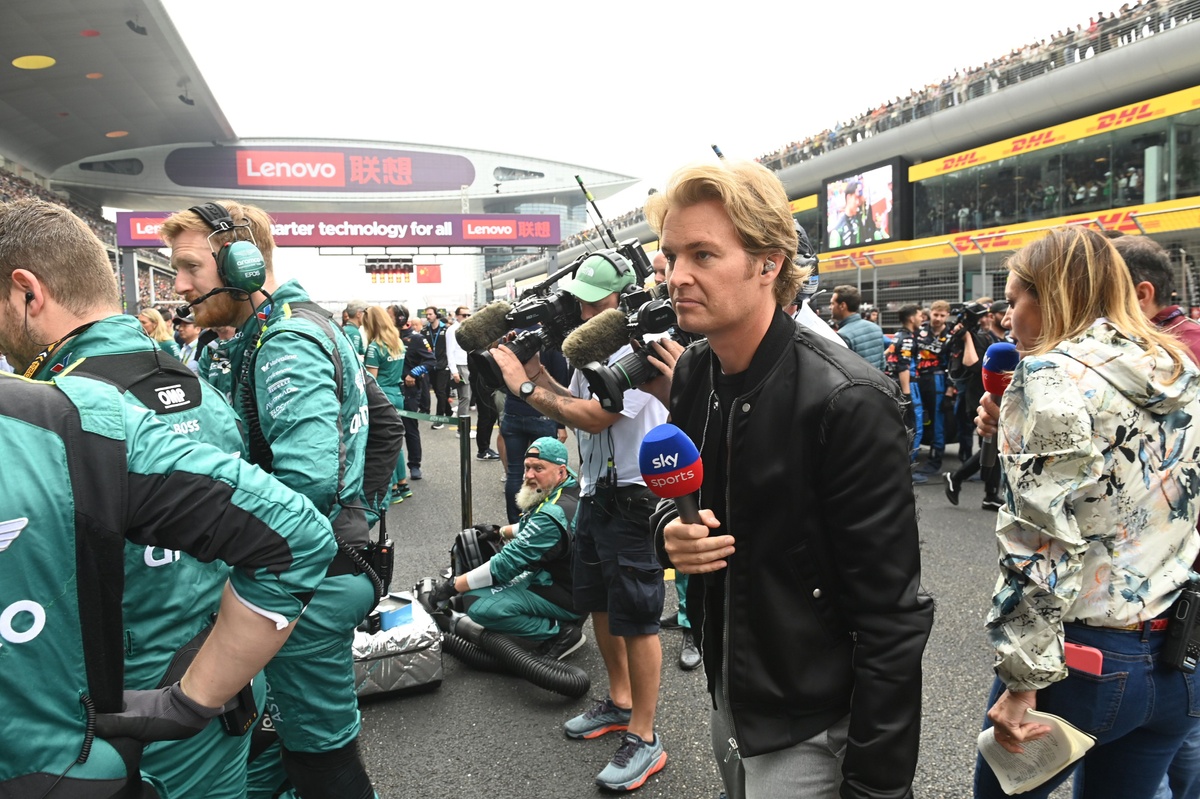
    Speaking on Sky Sports’ The F1 Show, 2016 Formula 1 World Champion Nico Rosberg dissected the strategic inequity exposed during the first-ever Spanish Grand Prix held at the Madring circuit. The race saw McLaren driver Lando Norris dominate the early stages from pole position, building a comfortable margin over Mercedes rookie Kimi Antonelli. However, the complexion of the Grand Prix shifted irrevocably when a Virtual Safety Car was deployed to retrieve Lance Stroll’s Aston Martin. Because Norris had just crossed the pit entry threshold, he was denied the opportunity to pit under the reduced time-loss delta that the VSC affords, while his primary rivals—including eventual race winner Antonelli and Red Bull Racing’s Max Verstappen—dived into the pits and emerged ahead.

    Former Champion Advocates for Structural Rule Changes

    Rosberg acknowledged the inherent lottery of neutralizations but argued the sport must explore regulatory fixes to preserve sporting fairness. “No, it’s just really unlucky,” Rosberg explained. “That’s the way it is. And it swings and roundabouts with the VSC and safety car deployments. You’re always going to have good luck or bad luck. It’s always horrible when that happens because he deserved to win, and it sucks that he lost it just because of a VSC.” He emphasized that while the VSC was introduced to avoid the spectacle-killing procession of a full Safety Car—“The problem is we hate seeing cars going round and round behind a safety car. It’s the most boring thing in the world of motorsport. And that’s why the VSC has been brought in so that we can reduce speed out there for minor dangers.”—the current rules create a perverse incentive where pitting under VSC yields a massive time gain relative to green-flag racing.

    Two Concrete Proposals to Neutralize the Pit Stop Advantage

    The German outlined two specific mechanisms to equalize the time loss of a pit stop regardless of track status. “Either the pitlane stays closed during a VSC, which then doesn’t give anybody the opportunity to take advantage during it or even why not something like: during a VSC, the pitlane speed limit gets reduced massively because it’s all about the time lost during a pitstop.” Rosberg explained the physics of the disparity: “The problem is during a VSC, the pitstop time lost is so much less because everybody on track is driving so slowly, so by going in the pits you lose a lot less race time, and that is the big problem, why then it becomes unfair.” His second proposal targets that delta directly: “But if you somehow find a way to make the pitstop time lost during a VSC as much time lost as when there’s no VSC, so you need to somehow slow people down who are going for the pitstop, that could be an idea. So then it’s all fair and equal for everybody.”

    Why This Matters

    The debate touches on a long-standing tension in Formula 1 between safety protocol integrity and competitive equity. The VSC was implemented precisely to minimize race neutralization time for minor incidents, yet its very efficiency—slowing cars on track without bunching the field—creates a “free” pit stop window that can overturn a driver’s legitimate on-track performance. The Madring race serves as a high-profile case study: Norris lost a near-certain win not through error or pace deficit, but through the geometric misfortune of track position relative to the pit entry at the moment of VSC deployment. As F1 evaluates its sporting regulations for future seasons, Rosberg’s proposals—closing the pitlane or mandating a drastically lower pitlane speed limit during VSC—represent practical, enforceable levers the FIA could pull to align the time cost of a pit stop with green-flag conditions, thereby removing the “lottery” element without reverting to full Safety Car deployments that degrade the spectacle.

    Frequently Asked Questions

    Why did Lando Norris lose the lead at the Spanish Grand Prix?

    A Virtual Safety Car was deployed to recover Lance Stroll’s Aston Martin just after Norris had passed the pit entry. This allowed rivals Kimi Antonelli and Max Verstappen to pit under VSC conditions—losing significantly less time relative to the field—while Norris was forced to stay out, dropping him to third by the finish.

    What specific rule changes did Nico Rosberg propose?

    Rosberg suggested two options: either keep the pitlane closed for the duration of a VSC, or drastically reduce the pitlane speed limit during a VSC so that the time lost during a pit stop equals the time lost under green-flag racing, neutralizing the unfair advantage.

    Was this the first Spanish Grand Prix at the Madring circuit?

    Yes, the race referenced was the inaugural Spanish Grand Prix held at the Madring circuit.

  • Fred Vasseur shuts down claims Ferrari split Spanish GP strategy to separate drivers

    Fred Vasseur shuts down claims Ferrari split Spanish GP strategy to separate drivers

    Key Highlights

    • Ferrari Team Principal Fred Vasseur dismissed suggestions that split tire strategies for Charles Leclerc and Lewis Hamilton at the Spanish Grand Prix were designed to keep the teammates apart on track.
    • Vasseur cited identical strategy splits at McLaren, Mercedes, and Red Bull as evidence the approach was standard racecraft, not internal conflict management.
    • Hamilton retired early with a braking issue on soft tires, while Leclerc’s hard-tire gamble for a late safety car did not materialize, leaving Ferrari without points in Madrid.

    Vasseur Rejects Narrative of Manufactured Separation

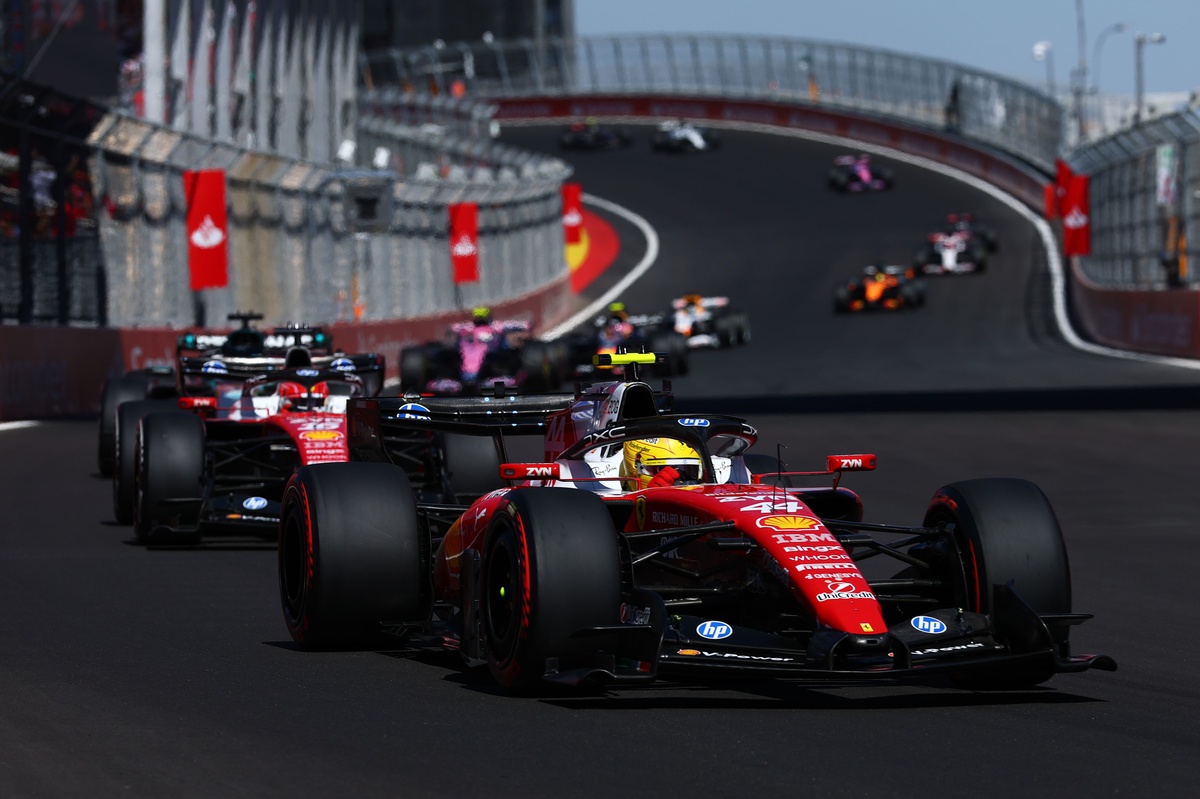
    Ferrari Team Principal Fred Vasseur moved decisively to quash speculation that the Scuderia’s divergent tire strategies for Charles Leclerc and Lewis Hamilton at the Spanish Grand Prix were a tactical maneuver to prevent on-track friction between the pair. The scrutiny followed a tense run of races: in Zandvoort, Hamilton pleaded for team orders to pass Leclerc, and at Monza, the duo collided on the opening lap, derailing Hamilton’s afternoon. Against that backdrop, the decision to start Hamilton on soft compounds and Leclerc on hards in Barcelona invited immediate questions about whether Ferrari was engineering separation.

    Comparisons to Rivals Underscore Standard Practice

    Addressing reporters after Sunday’s race, Vasseur pointed to the grid at large to contextualize the call. “Have a look. [Lando] Norris, [Oscar] Piastri did the same. [George] Russell, [Kimi] Antonelli did the same. [Max] Verstappen, [Liam] Lawson did the same,” he said. “I don’t think they [McLaren] were scared to have a crash between Norris and Piastri.” The comparison framed the split strategy as a routine response to marginal qualifying positions—Hamilton fourth, Leclerc fifth—rather than a relationship-management tool.

    Divergent Race Outcomes Highlight Strategic Gamble

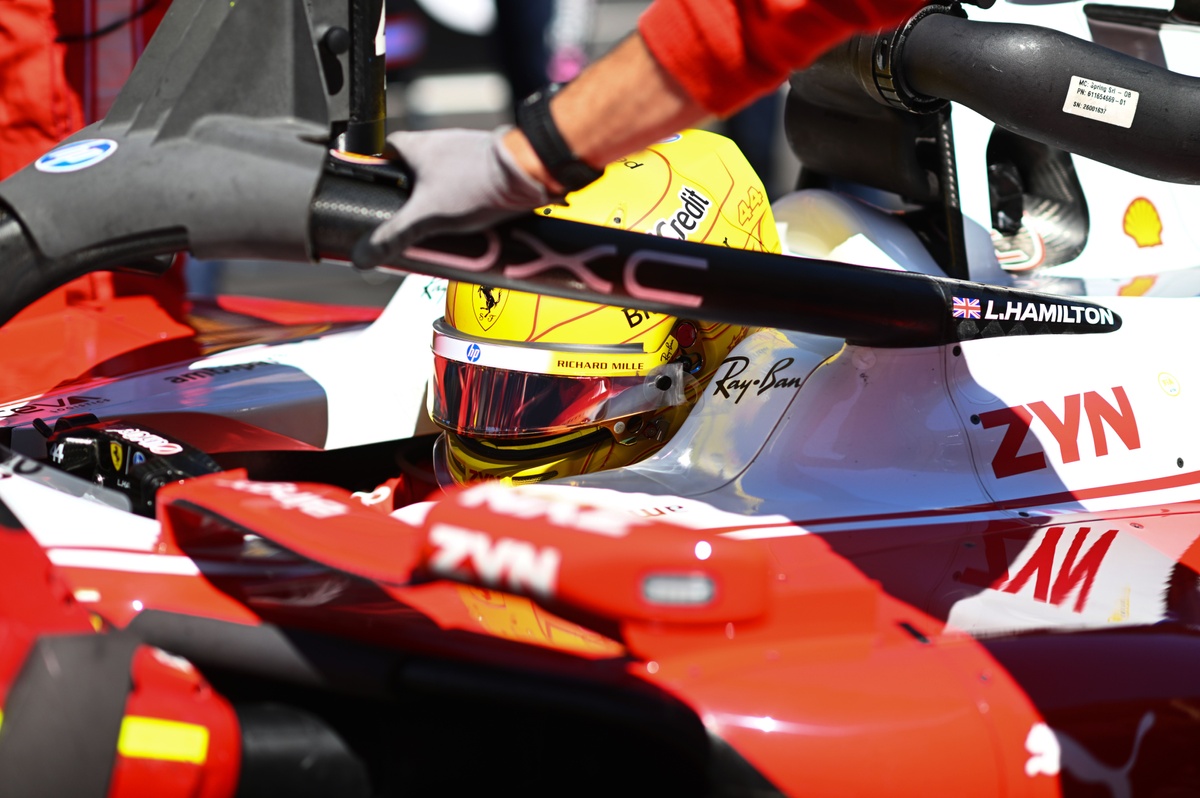
    The race itself rendered the strategic debate largely academic. Hamilton’s afternoon ended prematurely when a braking issue prevented him from exploiting the soft tire’s early-life advantage, forcing retirement after only a handful of laps. Leclerc, meanwhile, committed to a long first stint on the hard compound, banking on a late safety car that would allow a cheap pit stop for fresh rubber. That caution period never arrived, leaving the Monegasque to finish outside the points.

    Leclerc Stands by Hard-Tire Call Despite Result

    Leclerc offered a robust defense of the approach post-race, emphasizing the lack of overtaking opportunities at the Madring circuit. “We could have done many different things, but I think the best thing for us today was what we did. If I had to do the race again I would do exactly the same thing. Because starting on the soft at the beginning wouldn’t have given me the opportunity to do anything special,” he explained. “I would have ended up in the same strategy as the guys in front of me and wouldn’t have been very helpful, considering there were no overtakes. So, the hard soft was the right strategy and waiting for the safety car at the end was also the right thing to do. But, unfortunately, it never came.”

    Why This Matters

    The episode underscores the intense external pressure on Ferrari’s driver lineup, where every tactical decision is parsed for signs of internal discord. While Vasseur’s data-driven rebuttal—highlighting identical splits at McLaren, Mercedes, and Red Bull—is factually sound, the team’s zero-point weekend in Spain amplifies scrutiny of its strategy group. With the Constructors’ Championship battle tightening, Ferrari cannot afford weekends where both cars finish empty-handed, regardless of the strategic rationale. The next round will test whether the Leclerc-Hamilton dynamic stabilizes or continues to overshadow the Scuderia’s technical performance.

    Frequently Asked Questions

    Did Ferrari split strategies to keep Leclerc and Hamilton apart?

    No. Team Principal Fred Vasseur explicitly denied this, noting that McLaren, Mercedes, and Red Bull all employed the same soft/hard split for their driver pairings in Spain, indicating it was a circuit-specific tactical choice rather than a relationship-management measure.

    Why did Hamilton retire from the Spanish Grand Prix?

    Lewis Hamilton suffered a braking issue early in the race that prevented him from extracting performance from his soft-compound tires, leading to his retirement after only a few laps.

    What was Leclerc’s strategy and why did it not work?

    Charles Leclerc started on hard tires aiming for a long first stint, hoping a late safety car would allow a cheap stop for softs. The safety car did not deploy, leaving him on a one-stop strategy that yielded no points at a circuit where overtaking was extremely difficult.

  • Lewis Hamilton Denies Claims He’s Pushing Ferrari to Replace Key Staff

    Lewis Hamilton Denies Claims He’s Pushing Ferrari to Replace Key Staff

    Key Highlights

    • Lewis Hamilton has categorically denied Italian media reports claiming he pressured Ferrari to replace key on-track personnel following frustrating race executions.
    • The seven-time world champion affirmed his commitment to empowering his current team, stating he has “never asked for anyone on my team to be replaced.”
    • Hamilton’s 2026 season has shown significant improvement with a maiden Ferrari victory in Barcelona and a current third-place championship standing.

    Hamilton Refutes Corriere della Sera Claims of Internal Pressure

    Lewis Hamilton has moved swiftly to quash speculation emanating from the Italian press regarding his relationship with the Scuderia Ferrari operation. A report published by Corriere della Sera alleged that the British driver had been advocating for the removal of several key members of his on-track engineering and strategy group. The newspaper did not identify the specific personnel targeted by these alleged demands but linked the supposed friction to Hamilton’s visible frustration over race execution during recent Grand Prix weekends.

    The publication cited two specific flashpoints from the 2026 campaign. At the Dutch Grand Prix in August, Hamilton expressed exasperation over team radio regarding the strategic decision to keep him behind teammate Charles Leclerc for an extended period while hunting for a podium finish. Subsequently, at the Italian Grand Prix in Monza, the 40-year-old was reportedly displeased with a first-lap collision involving Leclerc, suggesting the onus was on Team Principal Fred Vasseur to manage the intra-team dynamic. Corriere della Sera further speculated that the long-standing professional relationship between Hamilton and Vasseur—dating back to their GP2 championship collaboration in 2006—had become strained under the weight of these incidents.

    Driver Issues Direct Denial Via Social Media Channels

    Addressing the rumors head-on, Hamilton utilized his official social media platforms to issue a comprehensive rebuttal. The statement preserved the driver’s exact wording and intent:

    “I’ve seen some of the stories that have gone out and I want to clear it up here. I’ve never asked for anyone on my team to be replaced. Everyone I work with works hard every day and their dedication is what moves us forward. I always try to empower and lift people to be the best versions of themselves or at least see the best in themselves. I may not always achieve that but it’s my intention and what I’m here to do. We all work together and that will continue.”

    The forceful denial underscores a leadership philosophy centered on collective development rather than personnel upheaval. Hamilton’s emphasis on “empower and lift people” aligns with his public persona as a mentor figure within the paddock, contrasting sharply with the narrative of a driver engineering a purge of his support staff.

    Context: A Season of Transition and Resurgence

    While the current rumors have been dismissed, the background context reveals a driver actively reshaping his technical environment. Heading into the 2026 season, Hamilton implemented structural changes to his engineering group following a disappointing debut campaign with Ferrari in 2025. That inaugural year saw him finish sixth in the Drivers’ Championship, 86 points adrift of Leclerc in fifth, without securing a single podium finish.

    In response, the team executed a notable shuffle: race engineer Riccardo Adami was replaced by a dual-engineer structure comprising Carlo Santi and Cedric Grosjean. Additional, unspecified “tweaks” were made to the operational setup. The early returns on this restructuring have been positive. Hamilton secured his maiden victory for the Scuderia at the Spanish Grand Prix in Barcelona in June, executing a decisive three-stop strategy after 14 rounds with the team. He currently sits third in the 2026 Drivers’ Standings, though he trails championship leader Kimi Antonelli of Mercedes by a substantial 101-point margin.

    Why This Matters

    The episode highlights the intense scrutiny faced by high-profile driver transfers, particularly when a champion of Hamilton’s stature joins a historic manufacturer like Ferrari. The Italian media landscape is notorious for amplifying paddock rumors, and Corriere della Sera‘s report reflects the pressure narrative that often accompanies periods of underperformance or visible on-track frustration. Hamilton’s direct engagement with fans via social media to correct the record represents a modern approach to narrative control, bypassing traditional press channels. For Ferrari, maintaining a stable, high-functioning engineering environment around both Hamilton and Leclerc remains critical as they chase both Drivers’ and Constructors’ titles against a dominant Mercedes package led by Antonelli.

    Frequently Asked Questions

    Did Lewis Hamilton ask Ferrari to fire his race engineer or strategy team?
    No. Hamilton explicitly stated on social media: “I’ve never asked for anyone on my team to be replaced.” He denied the Corriere della Sera report entirely.
    What changes did Hamilton make to his engineering team for 2026?
    Following a difficult 2025 debut season, Hamilton replaced race engineer Riccardo Adami with a two-engineer structure: Carlo Santi and Cedric Grosjean. Other unspecified operational tweaks were also implemented.
    How is Hamilton performing in the 2026 season compared to 2025?
    Significantly better. He achieved his first Ferrari win at the Spanish Grand Prix in Barcelona and currently sits third in the Drivers’ Championship, whereas he finished sixth in 2025 without a podium.
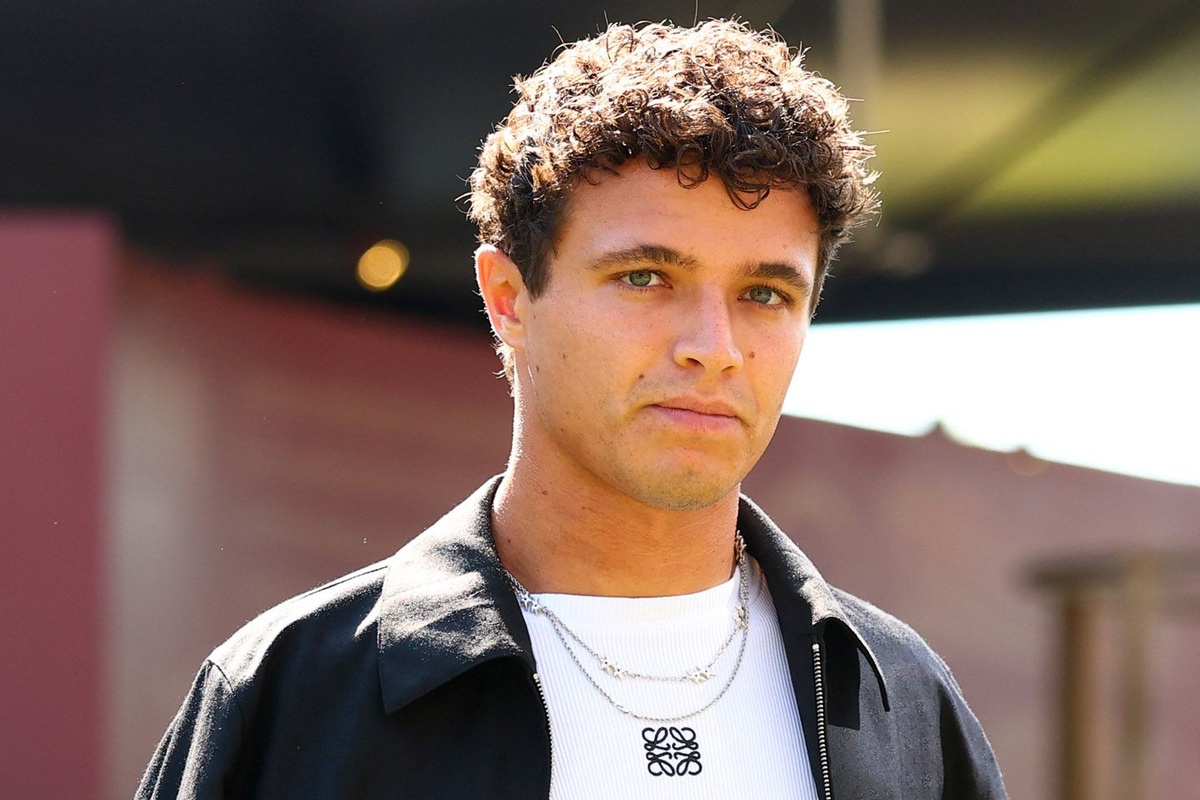
  • Lando Norris Spotted Driving Ferrari F40 in London Following 2025 Crash

    Lando Norris Spotted Driving Ferrari F40 in London Following 2025 Crash

    Key Highlights

    • Formula 1 champion Lando Norris has returned his rare Ferrari F40 to public roads in London following a January 2025 crash in Monaco that left the supercar damaged.
    • The F40, one of only 1,311 produced between 1987 and 1992, was being driven by a friend when it lost traction and struck guardrails while Norris was away.
    • Norris’s sighting comes after a third-place finish at the inaugural Spanish Grand Prix at Madring, while seven-time champion Lewis Hamilton has also recently acquired an F40.

    Norris’s Ferrari F40 Returns to London Streets After Monaco Crash Repair

    McLaren Formula 1 driver and 2025 world champion Lando Norris has been filmed driving his Ferrari F40 through London, marking the supercar’s first public appearance since a high-profile accident in Monaco earlier this year. The sighting follows Norris’s podium finish at the inaugural Spanish Grand Prix held at the new Madring circuit, where he secured third place. Footage circulating on social media shows the British driver behind the wheel of the iconic red supercar, confirming that extensive repairs have been completed since the January incident.

    Details of the January 2025 Monaco Accident

    The Ferrari F40 was involved in a crash on roads outside Monaco in January 2025 while Norris was traveling. According to reports, a friend was driving the vehicle when it lost traction exiting a left-hand corner and made contact with guardrails. The incident drew significant attention given the car’s rarity and historical significance. Norris addressed the situation shortly after it occurred, telling The Sun: “No [it is not back to normal]. It was when I was away. I wasn’t happy at all,” Norris told The Sun at the time. The 2025 champion took delivery of the F40 during the fourth quarter of 2024, adding it to a collection that already included multiple McLaren hypercars, a Porsche Carrera GT, and a Lamborghini Miura P400.

    Engineering Icon: The Ferrari F40 Legacy

    The crashed vehicle represents a significant piece of automotive history. Produced between 1987 and 1992, only 1,311 examples of the F40 were ever built. It holds the distinction of being the last road car personally overseen by Enzo Ferrari before his death in 1988, and it was the first street-legal production car to break the 200 mph barrier. The model’s twin-turbocharged V8 engine, lightweight composite construction, and raw driving dynamics have cemented its status as one of the most collectible supercars ever made, with values regularly exceeding several million dollars at auction.

    Fan Reaction and the Hamilton Connection

    Social media reaction to the London sighting was immediate and enthusiastic. On Instagram, one follower commented: “Good to see this car on the road again, after one of his friends crashed it some time ago,” while another praised: “Unbelievable taste in cars.” A third user drew a parallel to Norris’s Mercedes-powered rival, writing: “Are Lando and Lewis car sharing? Velcro on the back of the number plates?” The remark references Lewis Hamilton, the seven-time Formula 1 world champion who recently joined Scuderia Ferrari. Hamilton unveiled his own newly acquired Ferrari F40 ahead of the Italian Grand Prix at Monza, having previously sold his entire private car collection. The coincidence of both British F1 champions owning the same ultra-rare model has fueled discussion among motorsport and automotive enthusiasts alike.

    Why This Matters

    The return of Norris’s F40 to the road underscores the deep intersection between Formula 1 drivers and high-end automotive collecting. As brand ambassadors with substantial incomes and technical appreciation for engineering excellence, drivers like Norris and Hamilton serve as highly visible custodians of automotive heritage. The F40’s status as the final Enzo Ferrari–approved road car makes its preservation and active use particularly significant for marque historians and collectors. Furthermore, the Monaco crash and subsequent restoration highlight the specialized expertise required to repair carbon-fiber and Kevlar bodywork on a vehicle where original panels are irreplaceable. With both Norris and Hamilton now piloting F40s, the model’s cultural relevance within the F1 paddock has been reinforced, potentially influencing market values and collector interest in the coming years.

    Frequently Asked Questions

    When and where did Lando Norris’s Ferrari F40 crash?
    The crash occurred in January 2025 on public roads outside Monaco. A friend of Norris was driving when the car lost traction exiting a left-hand corner and struck guardrails. Norris was away at the time.
    How many Ferrari F40s were produced, and why is the model significant?
    Only 1,311 Ferrari F40s were built between 1987 and 1992. It was the last road car personally overseen by Enzo Ferrari and the first street-legal production car to exceed 200 mph, making it a landmark in automotive history.
    Does Lewis Hamilton also own a Ferrari F40?
    Yes. Seven-time Formula 1 champion Lewis Hamilton, who now drives for Scuderia Ferrari, recently acquired a Ferrari F40 after selling his previous car collection. He unveiled the purchase ahead of the Italian Grand Prix at Monza.
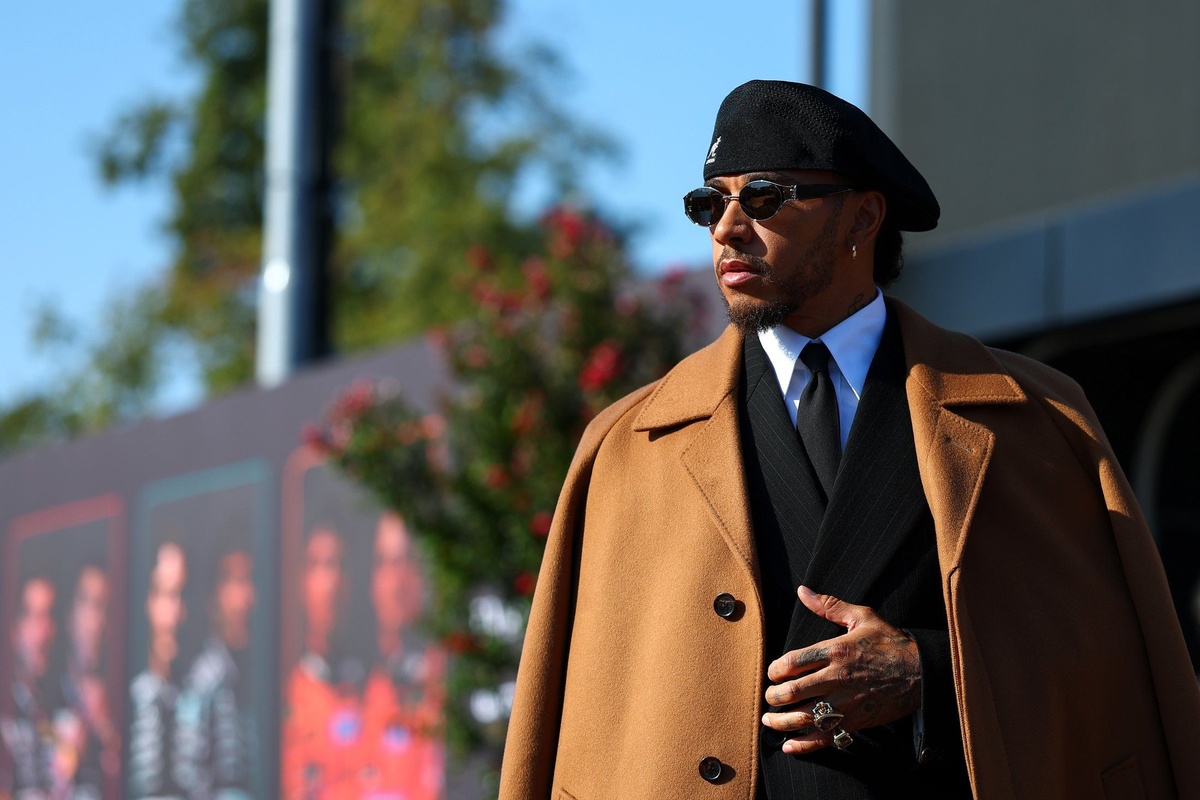
  • Lewis Hamilton’s Dawn Apollo Studios Signs Major New Deal with Skydance Sports

    Lewis Hamilton’s Dawn Apollo Studios Signs Major New Deal with Skydance Sports

    Key Highlights

    • Seven-time Formula 1 champion Lewis Hamilton has signed a multi-year, first-look production deal with Skydance Sports through his Dawn Apollo Studios company, expanding his footprint in film and television.
    • Dawn Apollo Studios, founded in 2022, will develop and produce scripted, unscripted, and animated content with Hamilton serving as executive producer on all projects.
    • The partnership follows Dawn Apollo’s significant involvement in “F1: The Movie,” which grossed over $634 million globally, and Hamilton has revealed three new film concepts in development, including two animations.

    Hamilton Expands Media Empire with Skydance Sports Partnership

    Seven-time Formula 1 World Champion Lewis Hamilton has formalized a multi-year, first-look production agreement with Skydance Sports, the sports entertainment division of Paramount Skydance, through his Dawn Apollo Studios banner. The deal positions the newly signed Ferrari driver as an executive producer across a slate of scripted, unscripted, and animated projects, marking a significant escalation of his off-track business ventures. Announced amid Hamilton’s debut season with Scuderia Ferrari, the partnership leverages the commercial momentum generated by “F1: The Movie,” the Apple Original Films release that Dawn Apollo helped shepherd to a global box office haul exceeding $634 million.

    Dawn Apollo Studios: From Consultancy to Content Creation

    Hamilton launched Dawn Apollo Studios in 2022 with a mandate to champion diverse storytelling across sport, culture, and entertainment. The company’s most visible credit to date is its deep involvement in “F1: The Movie,” the high-octane drama starring Brad Pitt and Damson Idris directed by Joseph Kosinski. Hamilton served as both executive producer and consultant on the production, embedding himself in the creative process from script development through post-production. The film’s commercial success—crossing the $634 million threshold worldwide—validated Dawn Apollo’s model of athlete-led content creation and provided the leverage for the new Skydance Sports arrangement.

    Strategic Alignment with Skydance Sports Leadership

    The agreement pairs Dawn Apollo with a division led by Jesse Sisgold, President of Skydance Sports, whose portfolio includes documentaries, series, and feature films centered on athletic narratives. Hamilton emphasized the cultural resonance of the collaboration in a statement accompanying the announcement:

    “I’ve always believed stories can help people see the world differently and spark important conversations,” the Ferrari driver explained.

    “That’s what excites me about Dawn Apollo Studios. It gives us the chance to back projects that feel honest, bold and meaningful, and to create space for voices and perspectives that haven’t always had that opportunity.

    “Skydance Sports understands how powerful sport, culture and entertainment can be in moving audiences, and I’m excited to team up with Jesse and the team to bring those stories to life.”

    Slate Expansion: Animations, Documentaries, and Feature Films

    Beyond the structural partnership, Hamilton has offered a glimpse into Dawn Apollo’s active development pipeline. Speaking to media during the 2025 Monaco Grand Prix weekend, he detailed three original concepts currently in various stages of writing, signaling a shift from consulting on external projects to originating intellectual property.

    “I’ve got three concepts that I’m writing,” he told the media at the 2025 Monaco Grand Prix. “I’m going to write them with a writer because I’ve never written a movie before.

    “But I’ve got these concepts and these ideas that I’ve come up with for movies. I think two of them will be animations and one of them is already in a phase of the first part of the script already, so it’s exciting.

    “And then there will be documentaries, there will be maybe a TV series at some stage, but mostly movies. I love the development of movies – that’s what I love the most.”

    This disclosure reveals a deliberate diversification strategy: two animated features, a live-action script nearing completion, and a broader slate encompassing documentaries and potential series. The animation focus suggests an intent to reach younger, global audiences beyond the core motorsport demographic, while the documentary and series formats align with the current streaming-driven demand for behind-the-scenes sports content.

    Why This Matters

    The Hamilton–Skydance Sports deal exemplifies the accelerating convergence of elite athlete branding, media ownership, and studio infrastructure. As traditional endorsement models evolve into equity and production partnerships, Hamilton is following a trajectory blazed by figures like LeBron James (SpringHill Company) and Peyton Manning (Omaha Productions), but with a distinct Formula 1 global platform. For Paramount Skydance, the alliance secures a first-look window on projects from one of the world’s most recognizable athletes at the precise moment his Ferrari move amplifies international visibility. For the industry, it signals that athlete-led studios are no longer vanity imprints but viable content engines capable of delivering theatrical-scale returns, as evidenced by the $634 million gross of “F1: The Movie.” The next 12–18 months will test whether Dawn Apollo can translate that singular success into a sustainable, multi-genre pipeline.

    Frequently Asked Questions

    What is Dawn Apollo Studios and when was it founded?

    Dawn Apollo Studios is Lewis Hamilton’s production company, established in 2022. It focuses on developing and producing scripted, unscripted, and animated content across film, television, and digital platforms, with an emphasis on diverse storytelling in sport and culture.

    How was Dawn Apollo involved in “F1: The Movie”?

    Dawn Apollo Studios was heavily involved in the making of “F1: The Movie,” with Hamilton serving as an executive producer and consultant on the project. The film, starring Brad Pitt and Damson Idris, grossed more than $634 million at the global box office.

    What new projects has Lewis Hamilton revealed are in development?

    At the 2025 Monaco Grand Prix, Hamilton disclosed he is writing three original concepts—two animated features and one live-action project already in early script phase—with plans for documentaries and a potential television series. He is collaborating with professional screenwriters on these projects.

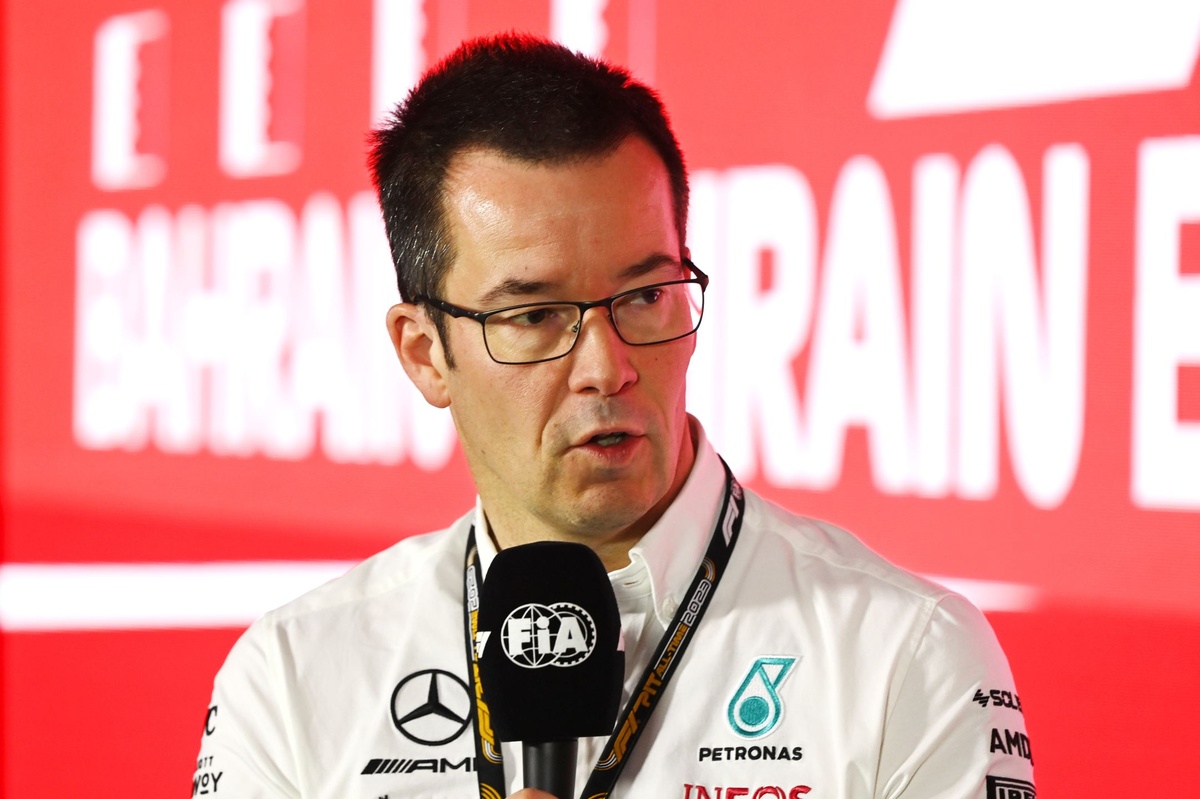
  • Alpine Hires Former Mercedes F1 Tech Chief Mike Elliott as CTO

    Alpine Hires Former Mercedes F1 Tech Chief Mike Elliott as CTO

    Key Highlights

    • Alpine F1 appoints former Mercedes CTO Mike Elliott as Chief Technical Officer in a newly created role at the Enstone factory.
    • Elliott returns to Enstone after previous tenure as principal aerodynamicist during the Renault and Lotus eras, bringing eight Constructors’ and eight Drivers’ championship pedigree.
    • The appointment comes as Alpine fights Racing Bulls for fifth in the 2025 Constructors’ Championship ahead of its 2026 transition to Mercedes power units.

    Alpine Bolsters Technical Leadership with Mike Elliott Appointment

    The BWT Alpine Formula 1 Team has confirmed the appointment of Mike Elliott as Chief Technical Officer, a newly created position designed to oversee the technical and engineering functions at the team’s factory at Enstone. The announcement, made on Thursday, signals a significant reinforcement of the squad’s technical hierarchy as the outfit targets a return to the front of the grid. Elliott, a 52-year-old British engineer, assumes immediate responsibility for the entire technical area, with current Executive Technical Director David Sanchez now reporting directly into him.

    A Proven Championship Pedigree Returns to Enstone

    The hiring represents a notable homecoming for Elliott, who previously served as the team’s principal aerodynamicist during its Renault and Lotus iterations. His career trajectory since departing Enstone has been defined by sustained success at Mercedes. He joined the Brackley-based squad as Head of Aerodynamics, playing a pivotal role in the team’s early dominance of the 2014 hybrid regulations. Elliott subsequently rose through the ranks to serve as Technical Director and ultimately Chief Technical Officer, a tenure that saw him trade positions with James Allison before his departure from Mercedes in 2023.

    Alpine Highlights Championship CV and Strategic Fit

    In its official statement, Alpine emphasized the depth of Elliott’s winning experience. “He has a proven track record in the sport, having contributed to an impressive eight constructors’ and eight drivers’ championships,” the team stated. Alpine further contextualized the strategic rationale behind the hire, noting that “Elliott’s arrival at Enstone strengthens the team’s technical capabilities as the team looks to build on the improved performances on track and close the gap to the top four teams.” This mandate aligns directly with the team’s current trajectory, having sacrificed development on the 2024 car to prioritize the 2025 and 2026 projects.

    Why This Matters

    The appointment of Mike Elliott is a definitive statement of intent from Alpine and its parent company, Renault Group. After a difficult start to the current regulatory cycle, the team has shown signs of recovery in 2025, currently battling Visa Cash App Racing Bulls for fifth place in the Constructors’ Championship. Crucially, 2026 marks a seismic shift for the Enstone operation: it will be the first season Alpine competes as a customer team for Mercedes power units, ending its factory engine program. Elliott’s intimate knowledge of Mercedes’ power unit installation requirements, cooling architectures, and aero-philosophy—gained during his decade-long stint at Brackley—provides a unique bridge between the chassis team and their new engine partner. His elevation above David Sanchez also clarifies a technical reporting structure that has seen frequent reorganization in recent years, placing a single, highly experienced figure at the apex of technical decision-making ahead of the all-new 2026 regulations.

    Frequently Asked Questions

    What is Mike Elliott’s specific mandate at Alpine?

    Elliott has been appointed Chief Technical Officer, a newly created role in which he will “oversee the technical and engineering functions at the team’s factory at Enstone.” He sits atop the technical hierarchy, with Executive Technical Director David Sanchez now reporting to him.

    Why is his Mercedes background significant for Alpine’s 2026 season?

    Alpine will switch to Mercedes customer power units in 2026. Elliott spent over a decade at Mercedes, rising to CTO, giving him unparalleled insight into the power unit’s integration requirements, which is critical for designing the all-new 2026 chassis regulations.

    How has Alpine performed recently to warrant this structural change?

    After a deliberate strategy of sacrificing 2024 development to focus on future regulations, Alpine has made a strong start to the 2025 season, currently fighting Racing Bulls for fifth place in the Constructors’ Championship.