Key Highlights
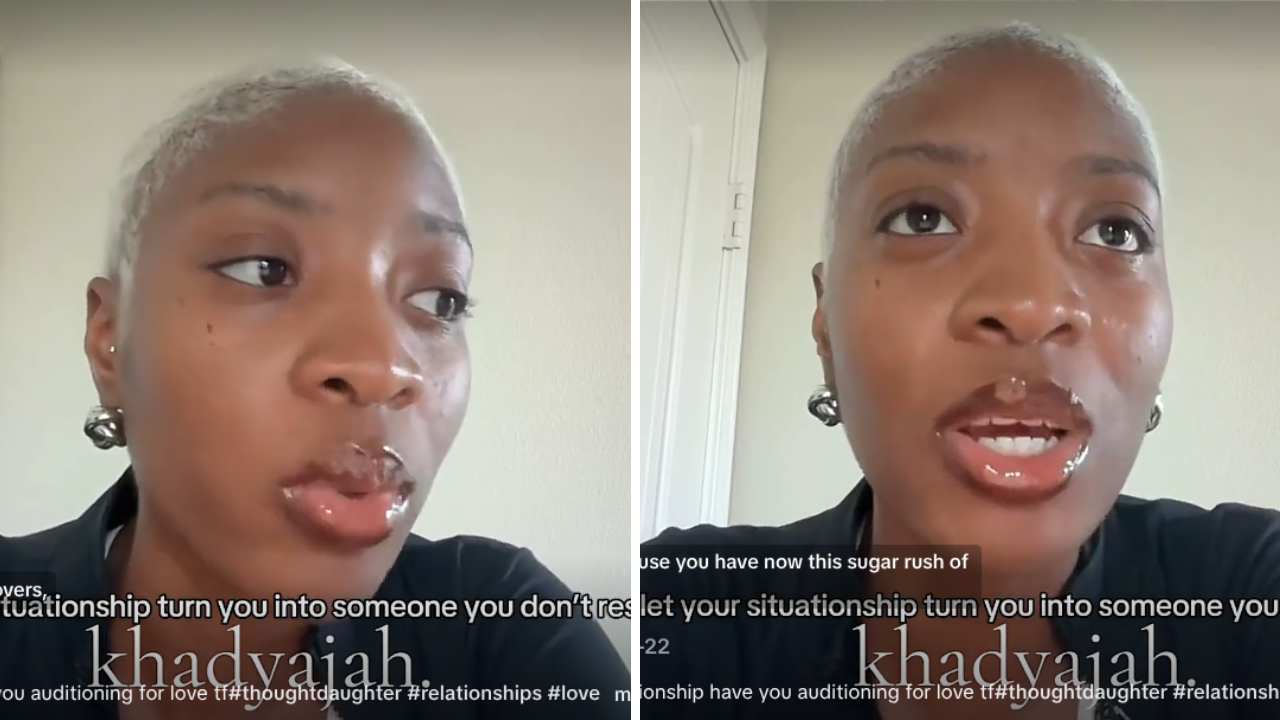
- TikTok creator @khadyajah argues situationships are defined by ambiguity and mixed signals, while casual dating relies on transparency and clear communication about expectations.
- Using a candy analogy, she describes situationships as initially satisfying but ultimately leaving people emotionally empty and craving genuine intimacy.
- Her viral video, which has garnered over 294,000 views, resonated with viewers who shared similar experiences, with one commenter calling situationships “the BIGGEST disservice you can do to yourself.”
TikTok Creator Draws Sharp Line Between Casual Dating and Situationships
TikTok creator @khadyajah has sparked a significant conversation about modern romance with a viral video dissecting the distinction between casual dating and situationships. Published to her account, the video has accumulated more than 294,000 views and nearly 600 comments, striking a chord with viewers navigating undefined romantic dynamics. Her central thesis challenges the normalization of ambiguous connections, arguing that a lack of clarity fundamentally undermines kindness in dating.
The Candy Analogy: Why Situationships Leave You Empty
@khadyajah employs a vivid metaphor to illustrate her point, comparing situationships to store-bought candy. She contends that while these dynamics may “taste good at first,” they ultimately leave a person “feeling empty and wanting more.” She argues that individuals often cycle back into these arrangements attempting to recapture the initial dopamine rush or positive feelings, only to discover the experience fails to satisfy in the same way. Extending the analogy, she likens the emotional and spiritual turmoil of a situationship to the physical crash of eating too much sugar—recognizing it is harmful yet continuing to consume it in a futile search for fulfillment.
Defining the Difference: Clarity vs. Ambiguity
The creator draws a hard line between this ambiguity and what she defines as genuine casual dating. According to her framework, casual dating requires participants to first identify their needs and non-negotiables regarding romance and intimacy. She asserts that even when seeing multiple people, these connections should be grounded in “kindness, honesty and open communication.” Conversely, she characterizes situationships by “ambiguity, mixed signals and hot-and-cold behavior,” noting they often carry an unspoken, one-sided hope that the dynamic will eventually progress to serious commitment. True casual dating, she argues, carries no inherent expectation of exclusivity or marriage; instead, both parties are transparent about their desires and the relationship’s current standing.
This emphasis on transparency culminates in the video’s most quoted sentiment: “Clarity is a form of kindness,” she said. “When things are not clear, they cannot be kind as well.” She posits that individuals seeking deep emotional intimacy will inevitably feel unfulfilled in a situationship that cannot provide it, urging viewers to set boundaries, reflect on their patterns, and walk away from dynamics that leave them wanting.
Why This Matters
The discourse initiated by @khadyajah reflects a growing cultural fatigue with “situationships”—a term that has solidified in the dating lexicon to describe romantic entanglements that lack definition, labels, or trajectory. As dating apps continue to gamify connection and expand the paradox of choice, many users report feeling stuck in liminal spaces that offer the comforts of partnership without the security of commitment. Mental health professionals and relationship experts increasingly warn that the chronic ambiguity inherent in these dynamics can trigger anxious attachment behaviors, erode self-esteem, and create a cycle of emotional dysregulation. The viral response to this video underscores a collective desire for vocabulary and frameworks that empower daters to demand reciprocity and definition, shifting the cultural needle from passive acceptance of ambiguity toward active advocacy for relational clarity.
Frequently Asked Questions
- What is the core difference between a situationship and casual dating according to @khadyajah?
- The core difference lies in transparency. @khadyajah defines casual dating as an arrangement with clear expectations, open communication, and honesty about where things stand, even if non-exclusive. A situationship, by contrast, is characterized by ambiguity, mixed signals, and an unspoken expectation that it might become serious, often leaving one party emotionally unfulfilled.
- What does the phrase “Clarity is a form of kindness” mean in this context?
- The phrase means that being honest about your intentions, feelings, and the status of a relationship is an act of care. @khadyajah argues that withholding definition or sending mixed signals—hallmarks of a situationship—is inherently unkind because it denies the other person the agency to make informed decisions about their emotional investment.
- How did the audience react to the video?
- The reaction was largely supportive and resonant. The video amassed over 294,000 views and 578 comments. Top comments echoed her sentiment, with one user writing that a situationship is “the BIGGEST disservice you can do to yourself,” and another describing them as “a thrill with zero expectations” that requires a person to “lack the yearning to be fully loved.”
