Key Highlights
- Paramount Global is negotiating a settlement in an antitrust lawsuit filed by 12 state attorneys general.
- State officials are divided into two factions at the bargaining table: those favoring a deal and those opposing any settlement.
- The outcome could shape future enforcement of competition law in the entertainment and media sectors.
Paramount Antitrust Settlement Talks Expose Deep Divisions Among State Enforcers
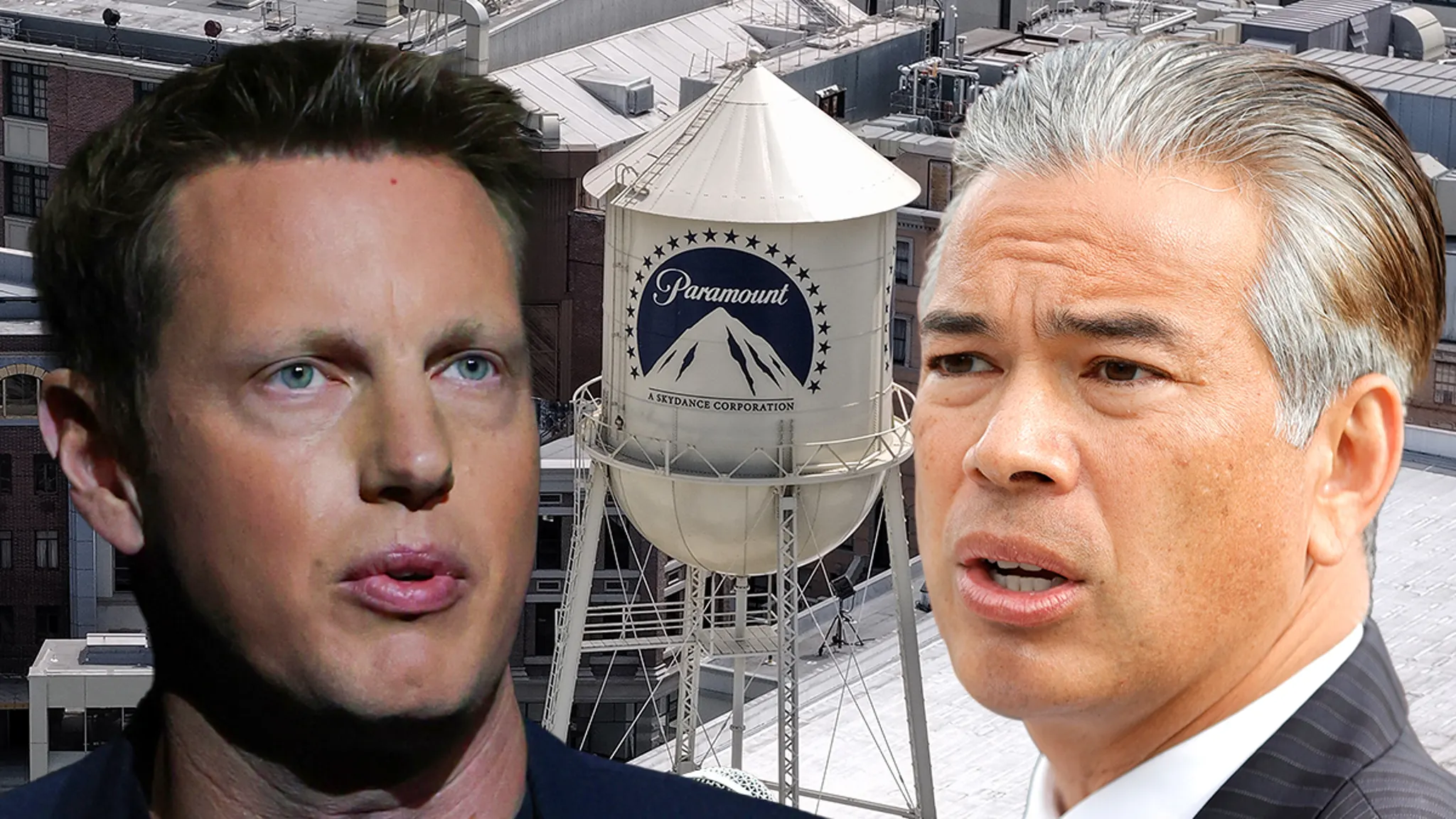
Negotiations to resolve a major antitrust case against Paramount Global have fractured the coalition of 12 state attorneys general who brought the suit, creating a stark split between officials pushing for a negotiated resolution and hardliners insisting on litigation. The divide threatens to weaken the states’ collective leverage over the entertainment conglomerate and raises questions about the durability of multistate enforcement actions in the media sector.
Two Camps Emerge at the Bargaining Table
According to people familiar with the discussions, the state enforcers have sorted themselves into distinct “deal” and “no deal” factions. Proponents of a settlement argue that a consent decree with structural remedies—such as behavioral commitments on licensing practices or data sharing—would deliver faster consumer protection benefits than a protracted court battle. Opponents counter that anything short of a judicial verdict risks legitimizing anticompetitive conduct and sets a weak precedent for future cases against dominant platforms.
Strategic Stakes for Paramount and the States
For Paramount, the case arrives at a pivotal moment as the studio navigates a potential merger with Skydance Media and broader industry consolidation. A settlement would remove a significant legal overhang and provide regulatory certainty for dealmaking. For the states, the fracture complicates a enforcement strategy that has relied on unified fronts to challenge tech and media giants. Several attorneys general have privately expressed concern that a splintered coalition could embolden other defendants to pick off individual states in future negotiations.
Why This Matters
The Paramount case is being closely watched as a bellwether for how state antitrust authorities will police competition in the streaming and content-licensing era. Unlike federal enforcers, state attorneys general can pursue claims under both federal and state statutes, often allowing broader remedies. However, the current deadlock illustrates a recurring vulnerability: multistate coalitions require consensus on strategy, and divergent political priorities or resource constraints can erode that unity. The resolution—or failure—of these talks will likely influence how other pending media antitrust investigations, including probes into live-event ticketing and sports broadcasting rights, are structured and negotiated.
Frequently Asked Questions
Which states are involved in the antitrust suit against Paramount?
The lawsuit was filed by a coalition of 12 state attorneys general. The specific states have not been disclosed in the current reporting, but such coalitions typically include a mix of large and mid-sized states from both political parties.
What antitrust allegations are at issue?
The source material does not specify the exact conduct challenged. However, recent state actions against media companies have focused on exclusive licensing arrangements, bundling practices, and market allocation agreements that may restrict competition in content distribution.
Could the split among states cause the case to collapse?
A fractured coalition does not automatically dismiss the case—individual states can continue litigation independently. However, fragmented enforcement typically reduces negotiating leverage and increases the likelihood of inconsistent outcomes across jurisdictions.
