Tag: September 11 attacks

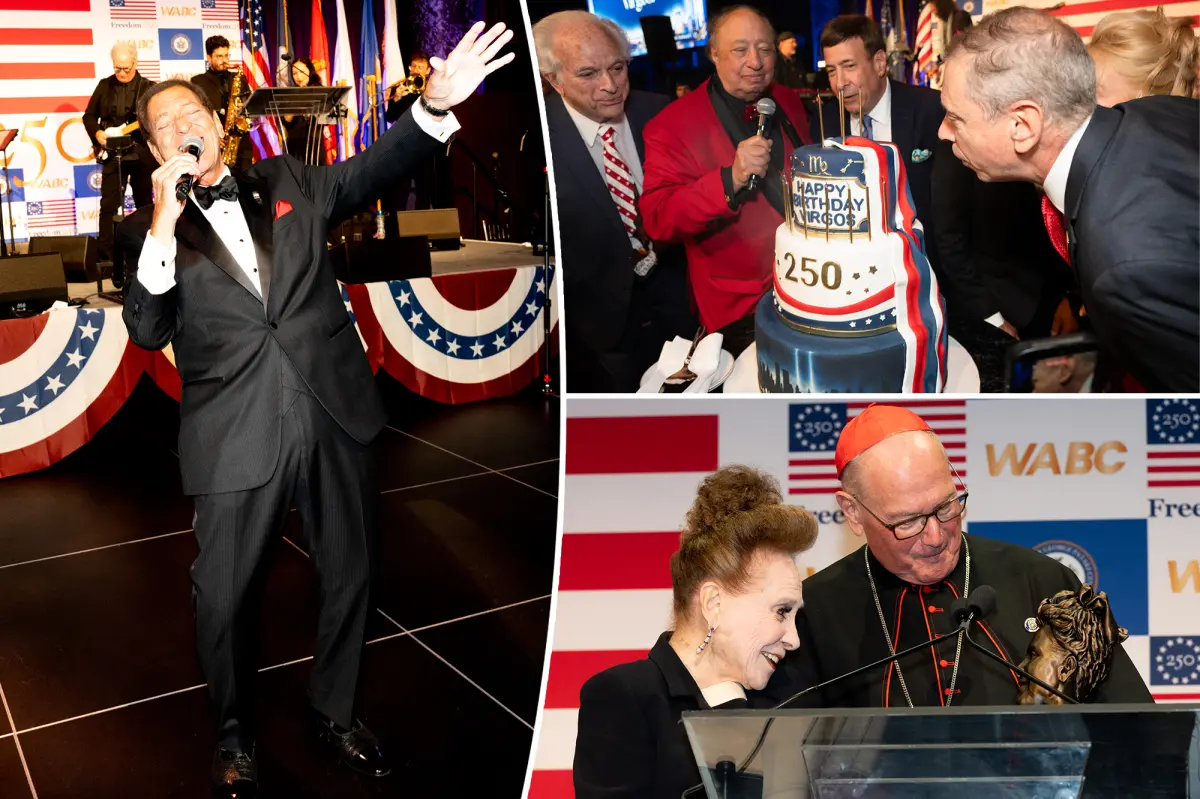
  • John Catsimatidis Commemorates 25th Anniversary of 9/11 with Star-Studded Gala Concert, Raising $1.5 Million

    John Catsimatidis Commemorates 25th Anniversary of 9/11 with Star-Studded Gala Concert, Raising $1.5 Million

    Gristedes Owner Emphasizes Lasting Memory of 9/11

    John Catsimatidis, the owner of Gristedes supermarkets, delivered a pointed reminder about the enduring significance of the September 11 attacks during a recent interview. Speaking to Page Six, the businessman and former mayoral candidate stressed that the national trauma remains a pivotal reference point for all Americans.

    “Everybody has to remember that we’re never gonna forget 9/11,”

    Catsimatidis made the comments amid ongoing public discourse surrounding national security and collective memory. His statement underscores a widely held sentiment that the events of 2001 continue to shape policy, culture, and public consciousness more than two decades later.

  • Inside Iowa Politics: Sen. Grassley Questions Whether Americans Would React Today as They Did on 9/11

    Inside Iowa Politics: Sen. Grassley Questions Whether Americans Would React Today as They Did on 9/11

    Twenty-five years after the September 11 terrorist attacks, Iowa U.S. Senator Chuck Grassley recalled the chaos and confusion inside the U.S. Capitol that morning, describing a scene of frantic evacuation and a stark lack of preparedness that contrasts sharply with today’s security protocols.

    Confusion and Evacuation at the Capitol

    On the morning of September 11, 2001, Grassley was conducting radio interviews inside the U.S. Capitol Building in Washington, D.C., when the first plane struck the World Trade Center’s North Tower. He initially believed the crash was a terrible accident. That perception changed moments later when the second plane hit the South Tower.

    “Within five minutes, policeman knocks on the door and say, ‘You got to get out of here. You got to get out of here,’” Grassley said.

    As staff and lawmakers fled the building and first responders rushed in, Grassley waited outside the Capitol with colleagues. He noted that at the time, there was no established safety plan for an attack of that magnitude.

    No Evacuation Plan Existed

    Two other planes crashed that day, including United Airlines Flight 93, which investigators believe was targeting the U.S. Capitol before passengers intervened. Reflecting on how close he and others may have come to disaster, Grassley emphasized the vulnerability they faced.

    “I reflected on this afterwards that if the if that plane was going to hit the U.S. Capitol building where we were standing was probably going to be just as dead as what we were,” Grassley said. “There was no plans for evacuation. Today we have all sorts of plans to what to do under similar circumstances.”

    Following the evacuation, Grassley and his wife took shelter in a staffer’s home while he and his colleagues worked to understand the full scope of the attacks unfolding across the country.

    Reflections on Unity and Division

    Looking back a quarter-century later, Grassley said he remains struck by the patriotism and national unity that emerged in the aftermath of the attacks. However, he expressed doubt that the country would respond the same way today.

    “Politics has divided the country.”

    The senator’s remarks underscore how the events of September 11 reshaped not only national security infrastructure but also the political landscape, leaving a legacy of both resilience and deepening partisan divides.

  • George W. Bush says Americans “don’t pay attention to the lesson of 9/11”

    George W. Bush says Americans “don’t pay attention to the lesson of 9/11”

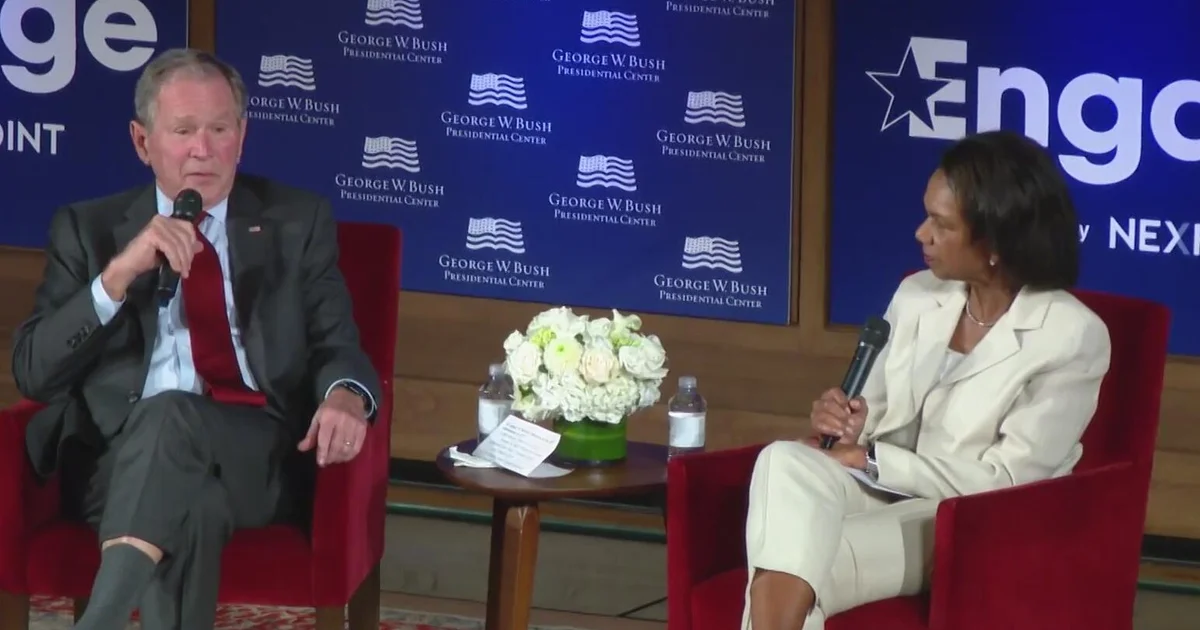
    Former President George W. Bush delivered rare public remarks Wednesday as the United States marks 25 years since the September 11 terrorist attacks, warning that a growing isolationist sentiment ignores the core lesson of that day: events overseas directly affect national security at home.

    Bush Warns Against Isolationism on 9/11 Anniversary

    Speaking at his presidential library in Dallas alongside former Secretary of State Condoleezza Rice, who served as national security adviser during the attacks, Bush said the country periodically turns inward.

    “Our nation occasionally goes through isolationist periods, where the attitude is, ‘Well, we’ve got too many problems at home. Therefore, who cares about what happens overseas?’”

    “Which really means to me they just don’t pay attention to the lessons of 9/11, because what happens overseas matters to our national security at home.”

    Standing With Those Fighting for Freedom

    Bush argued that the United States should support people struggling against tyranny, even without deploying troops.

    “We don’t have to send troops,”

    “We ought to at least stand with them and stand beside them because this is what we went through 250 years ago. And again, it’s a belief that everybody wants to be free and we saw that in Afghanistan.”

    Bush launched the war in Afghanistan after the 2001 attacks and supported building a democratic government following years of Taliban abuses. The conflict lasted 20 years, becoming America’s longest war, before the U.S. withdrawal in 2021 returned the country to Taliban control.

    Bush pushed back against the view that Afghans do not understand freedom.

    “Of course they know the difference,”

    “Young girls going to school for the first time in their lives know the difference. Women becoming doctors and professors know the difference between a free society and a tyrannical society. And sadly, these women who begin to realize their full potential no longer have a chance to realize their full potential.”

    Recalling the Morning of Sept. 11, 2001

    Bush recounted being at an elementary school when Chief of Staff Andy Card informed him of the attacks.

    “I became a wartime president,”

    “This was a war, and that the job of the president and the country and his team is to rally the nation and to do what’s necessary to protect our people.”

    Bush and Rice described the chaotic hours when officials believed every aircraft could be a weapon, ordering all planes to land or risk being shot down. Then-Transportation Secretary Norman Mineta worked to land planes “on a legal pad,” they said, while officials feared United Flight 93 had been downed by the U.S. military. The plane ultimately crashed in Shanksville, Pennsylvania, after passengers fought the hijackers.

    “There was this horrible moment where the vice president kept trying to get confirmation as to what had happened, and for about 10 minutes, we thought we’d shot down a civilian aircraft,”

    “And that always to me represented just how hard the decisions that you had to take under a lot of pressure.”

    Ground Zero Visit and Defining the Response

    Bush said he sensed trauma in the attacks’ aftermath but did not grasp the full scale until visiting Ground Zero on September 14, 2001, where he addressed first responders amid the wreckage. He said his highest priority became helping the country return to normal.

    “I didn’t want us to lose our soul,”

    “I wanted, as we defended our freedoms, I wanted people to remember how precious they are.”

    Bush also recalled visiting a mosque shortly after the attacks, driven by reports of harassment against Muslim women, particularly in Michigan.

    “It became clear to me that this is an ideological struggle, which is what I viewed it as, and we forego one of the most important parts of our ideology, which is the freedom to worship the way you want to worship,”

    “All of a sudden, the enemy has won a victory, and so that was part of my thinking.”

    Bush and Rice described shifting to a “Sept. 12” mentality, moving onto the offense to prevent further attacks.

    “People now don’t understand the heaviness of the days after 9/11 in trying to protect the country,”

  • Remembering 9/11: FBI Agents in New York, South Florida Share Case Stories

    Remembering 9/11: FBI Agents in New York, South Florida Share Case Stories

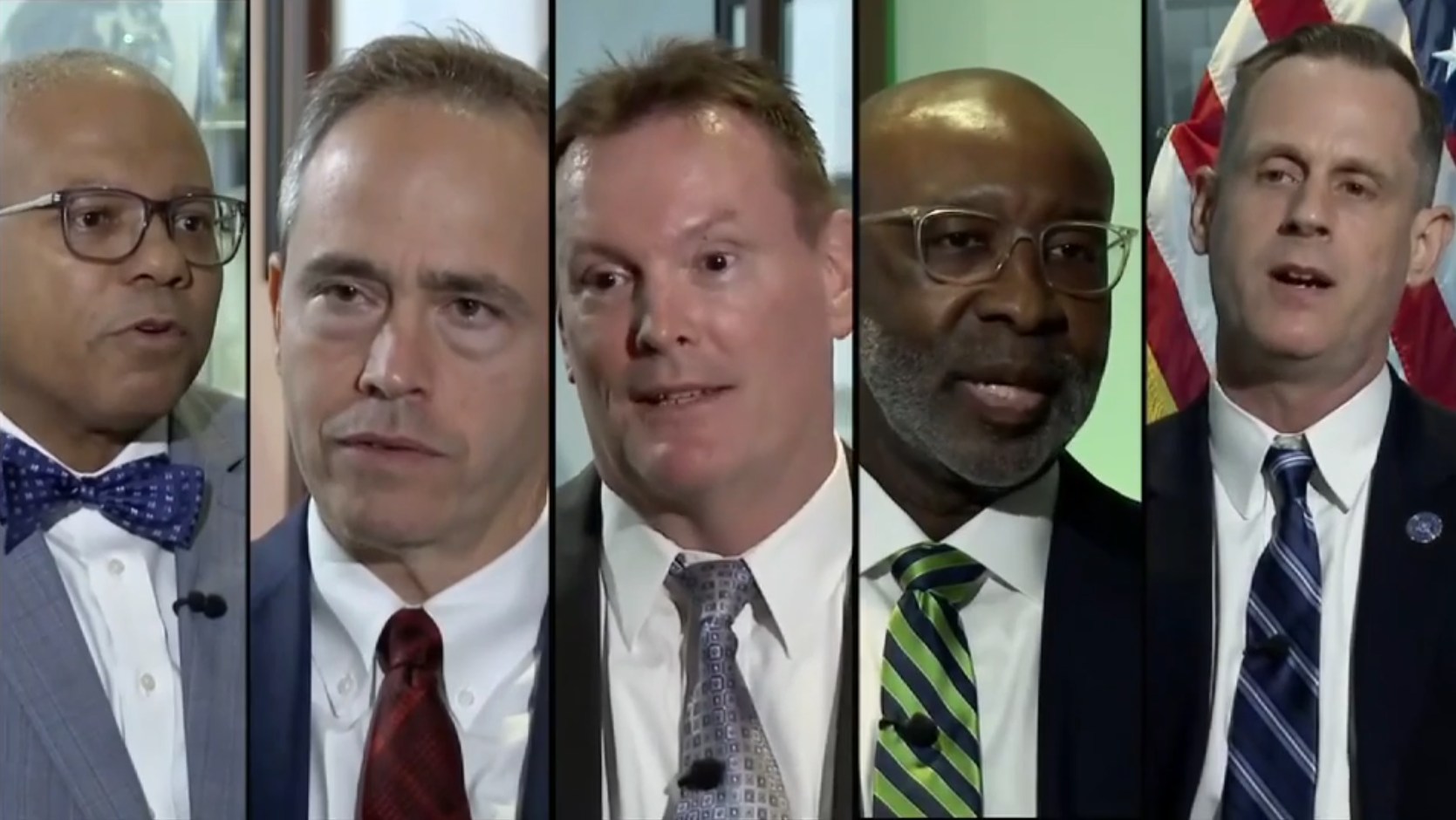
    On September 11, 2001, FBI agents and staff from South Florida to New York—each at different stages in their careers—recognized instantly that everything had changed. As the nation marks the 25th anniversary of the attacks, several former and current agents are sharing their firsthand accounts of that day and its enduring impact on the bureau.

    Evacuation and Immediate Response in New York

    Jeffrey Koch, based in Manhattan, was forced to evacuate the FBI’s New York office as the towers fell.

    “We found a pay phone, put a quarter in it, and we called our boss from the pay phone,” he said.

    In the hours following the attack, with the nation reeling and the perpetrators still unknown, FBI agents across the country mobilized rapidly.

    Miami Agents Pivot to Flight School Investigation

    Willie Creech, an FBI agent based in Miami, recalled his initial impulse.

    “My first thought was, ‘I have to get ready to go to New York,’” said Willie Creech, FBI agent based in Miami.

    A phone call to the Miami field office redirected his mission.

    “The gist of it was, ‘Hey, I think there’s some people that may be interested in,’ and it was about the flight schools,” said James Kaelin, a new FBI agent in Miami.

    Creech remained in Florida, tasked with searching homes, apartments, and any locations the hijackers reportedly frequented for forensic evidence.

    “Hairs, fibers, so that we could – things to identify them, but also anything they may have left behind — plans, contacts,” Creech said.

    Operations Aboard the USS Intrepid

    Back in New York, Koch eventually reported to the FBI’s temporary headquarters established on the docked aircraft carrier Intrepid. The bureau faced an investigation of unprecedented scale.

    “They set up computer systems in there. We were there for probably four to six weeks,” Koch said. “Our job was to address all leads; thousands of leads came in from the public.”

    Deserted Airports and Surreal Scenes

    Kaelin was dispatched to Fort Lauderdale-Hollywood International Airport, which stood empty after the nationwide ground stop.

    “There was planes abandoned, just on the tarmac, just everywhere, and there was no passengers,” he said. “It was very surreal, and all of the flights internationally were grounded.”

    Fresh Kills: Supporting the Investigators

    In New York, debris from the towers—twisted metal, crushed vehicles, concrete, personal effects, and human remains—was transported to the Fresh Kills Landfill on Staten Island for meticulous examination. Jeff Green, community relations coordinator from the FBI’s Miami office, was deployed there to support the personnel sifting through the wreckage.

    “They couldn’t believe that we, as a nation, were experiencing this, what our country was going to look like, they mentioned that they had families, just, I think, at times overwhelmed,” he said. “We were there just to support them, and oftentimes that meant, ‘Hey, what do you need? Do you need a cup of coffee? Do you need a glass of water?’”

    A Fundamental Shift in FBI Mission

    For decades, the FBI concentrated primarily on violent crime and white-collar offenses. The 19 hijackers forced a paradigm shift. The bureau established a National Security Division in 2006, and according to the Department of Justice, began hiring analysts and linguists to prioritize prevention.

    “I think it changed the mindset of the FBI, and it caused the FBI to evolve, because we had to,” said Brett Skiles, then FBI applicant who is now the special agent in charge of the FBI’s Miami office.

    Enduring Memories of Ground Zero

    Despite years of debate and controversy surrounding the response, the weight of responsibility on September 11 remains vivid for those who worked that day.

    “I saw human beings jumping. I mean, can you imagine making a decision whether to just be incinerated in the fumes and the heat and the fire? I saw neckties kind of like the one I’m wearing wrapped around these steel pillars,” Koch said. “I’ll never forget that smell, the smell of ground zero, the metallic smell. You know, it was just something I’ll never forget.”

  • Mark Wahlberg Claims He Narrowly Missed First 9/11 Plane Hitting World Trade Center

    Mark Wahlberg Claims He Narrowly Missed First 9/11 Plane Hitting World Trade Center

    This article contains details which some readers may find distressing.

    Mark Wahlberg’s 9/11 Flight Controversy and Apology

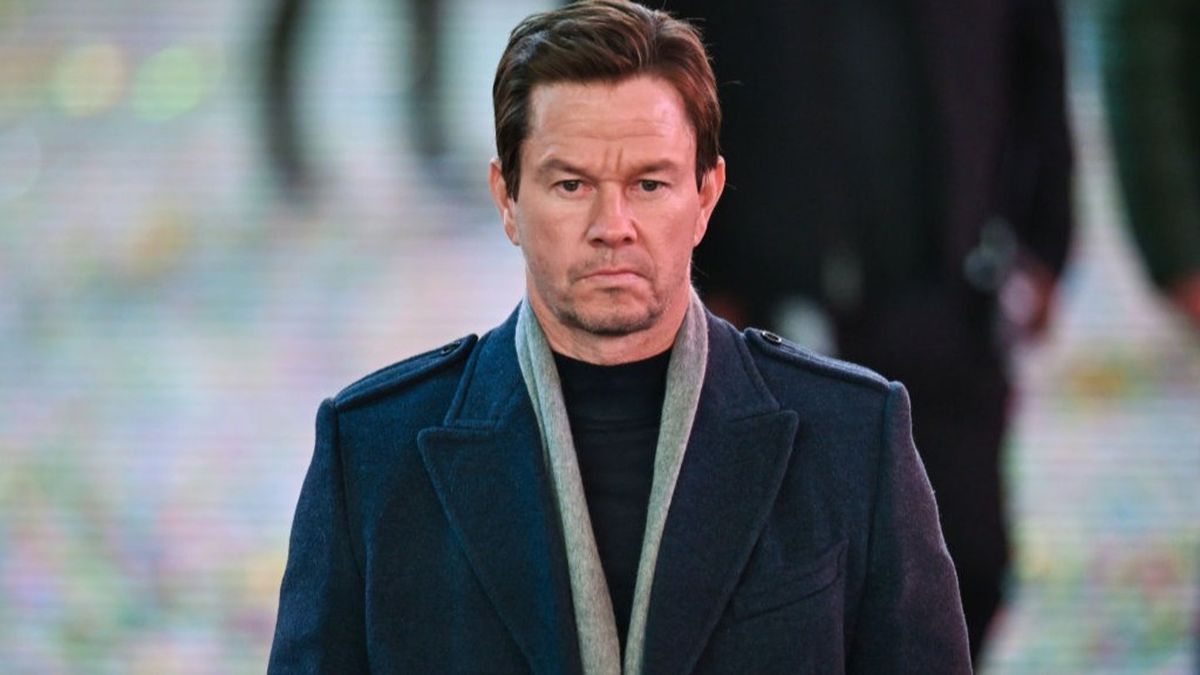
    Actor Mark Wahlberg faced significant backlash after making controversial comments about what he believed would have happened if he had been aboard one of the planes used in the September 11, 2001 terrorist attacks. Twenty-five years ago, Wahlberg was originally scheduled to fly on American Airlines Flight 11, the first aircraft to strike the World Trade Center’s North Tower.

    Last-Minute Travel Change Saved the Actor

    Wahlberg had been booked on the Boston-to-Los Angeles flight but decided at the last minute to travel to a film festival in Toronto instead, requiring a different flight. This spontaneous decision meant he was not on board when terrorists crashed the plane into the North Tower, killing all 92 people aboard.

    Controversial Comments to Men’s Journal

    Years later, when asked about the near-miss by Men’s Journal, Wahlberg described a scenario in which he would have single-handedly thwarted the hijacking:

    “If I was on that plane with my kids, it wouldn’t have went down like it did,” he claimed. “There would have been a lot of blood in that first-class cabin and then me saying, ‘Okay, we’re going to land somewhere safely, don’t worry’.”

    In essence, Wahlberg suggested that his presence would have led to the terrorists being beaten and the aircraft landed safely.

    Backlash from Victims’ Families

    The remarks drew immediate and fierce criticism from loved ones of those who perished in the attacks. The widow of a man killed on 9/11 labeled Wahlberg’s comments “disrespectful,” echoing the sentiment of many who felt the actor diminished the bravery of the actual passengers and crew.

    Formal Apology Issued

    Following the outcry, Wahlberg released a formal apology acknowledging the insensitivity of his speculation:

    “To speculate about such a situation is ridiculous to begin with, and to suggest I would have done anything differently than the passengers on that plane was irresponsible.”

    “I deeply apologise to the families of the victims that my answer came off as insensitive. It was certainly not my intention.”

    25 Years Since the September 11 Attacks

    As the 25th anniversary of the attacks approaches, the nation reflects on the loss of 2,977 lives. The milestone has prompted many to revisit harrowing footage and firsthand accounts to grasp the terrifying scale of destruction.

    Eyewitness Account: Stefan Horlacher

    Stefan Horlacher, who witnessed Flight 11 striking the North Tower from two blocks away, shared his experience with LADbible. He recalled feeling vibrations from the impact and described the horrifying scenes that unfolded outside:

    “We had the first jumpers, splashing on the plaza. Almost every 10 seconds, maybe 20 seconds, somebody right in front of you, kind of splashed on the plaza,” he said. “They always gave [me] that deep, dark noise… Then you knew it was more serious than just a tiny accident.”

    Horlacher’s testimony underscores the unimaginable horror faced by those in Lower Manhattan that morning, a stark contrast to the hypothetical scenarios later debated in the media.

  • Gavin Newsom Condemns Donald Trump Over Alleged False 9/11 Story

    Gavin Newsom Condemns Donald Trump Over Alleged False 9/11 Story

    Gavin Newsom Condemns Trump’s 9/11 Claims as ‘Absolutely Disgusting’ Lie

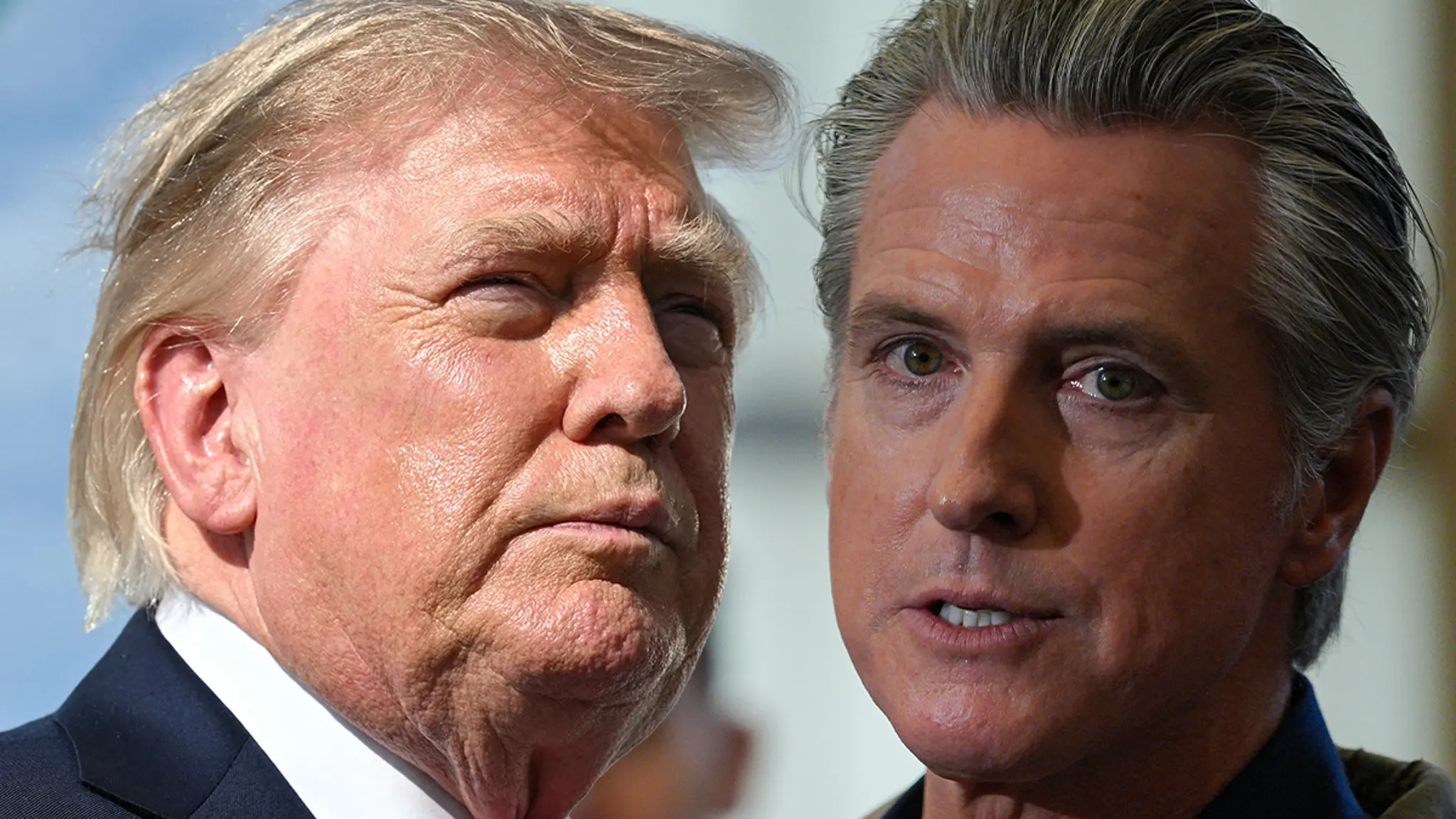
    California Governor Gavin Newsom has sharply criticized former President Donald Trump over his recurring account of where he was during the September 11, 2001, terrorist attacks, labeling the narrative an “absolutely disgusting” lie.

    Newsom’s Forceful Rebuke

    The Democratic governor’s condemnation came in response to Trump’s remarks at a Tuesday event honoring 9/11 emergency responders. During the ceremony, the former president repeated a story he has told previously regarding his whereabouts and actions on the day of the attacks.

    Newsom did not mince words in his assessment, directly accusing Trump of fabricating a false narrative surrounding the national tragedy. The phrase “absolutely disgusting” underscores the intensity of the governor’s objection to the former president’s version of events.

    Recurring 9/11 Narrative Draws Scrutiny

    Trump has frequently recounted his personal experience of 9/11 in public speeches and interviews over the years. His latest retelling at a formal commemoration event has reignited debate over the accuracy of his claims, drawing a forceful rebuttal from one of his most prominent Democratic rivals.

  • How Final Calls From 9/11 Became a Record of the Tragedy

    How Final Calls From 9/11 Became a Record of the Tragedy

    9/11 Timeline: Final Calls from Flights 11 and 175 Reveal Human Stories Behind the Attacks

    American Airlines Flight 11 Strikes the North Tower

    American Airlines Flight 11 departed Boston for Los Angeles carrying 76 passengers, 11 crew members, five hijackers, and approximately 10,000 gallons of jet fuel. At 8:46 a.m., the aircraft slammed into the North Tower of the World Trade Center between floors 93 and 99, erupting in a massive fireball. The fiery wreckage severed access to all three emergency stairwells from the 92nd floor upward, trapping hundreds of people on the upper floors.

    Within minutes, New York City’s 911 system was overwhelmed with calls. Around 8:50 a.m., one of the first recorded 911 calls from inside the North Tower came from 35-year-old Christopher Hanley, who was attending a conference at Windows on the World on the 106th floor.

    “We have smoke and it’s pretty bad,” Hanley told the operator, keeping his composure. “We can’t get down the stairs. We have about 100 people up here.”

    Neither Hanley nor the 911 operator knew a plane had crashed into the tower; they only knew there had been an explosion. Even some who witnessed the impact assumed it was an accident.

    “America today is a fundamentally different country than it was at 8:45 on Tuesday, September 11,” says Graff. “We weren’t a country that had experienced terror attacks like this. No one really understood in those first 17 minutes that this wasn’t an accident.”

    The 911 operator connected Hanley to a fire department dispatcher, who told him to stay where he was and “sit tight.” Hanley’s final words on the call were, “All right, please hurry.”

    Jim Gartenberg’s Live Broadcast from the 86th Floor

    Jim Gartenberg, a real estate executive who had come to the World Trade Center that morning to clear out his desk after accepting a new job, found himself trapped on the 86th floor of the North Tower. After failing to reach his wife, Jill, Gartenberg spoke to a reporter at The New York Times and then went live on a television news broadcast. The anchors initially spoke of him as if he had already evacuated.

    “It’s World Trade Center 1, and it’s not was—I am here and I’m stuck right now,” Gartenberg clarified, remaining remarkably calm. “If I’m on the air, I want to tell anyone who has a family member that may be in the building that the situation is under control for the moment and the danger has not increased. So please, all family members take it easy.”

    Gartenberg never escaped the North Tower, but he was able to speak with Jill one last time, telling her how much he loved her and their 2-year-old daughter, Nicole. Jill was three months pregnant with their second child.

    United Airlines Flight 175: A Father Hears His Son’s Final Moments

    At 8:15 a.m., United Airlines Flight 175 took off from Boston, also bound for Los Angeles. Among its 51 passengers were Peter and Sue Hanson and their 2½-year-old daughter, Christine, who were traveling to Disneyland. Five hijackers were aboard. As on Flight 11, they attacked the crew and seized the cockpit.

    Peter Hanson called his father, C. Lee Hanson, to report the hijacking. Neither knew that a plane had already hit the World Trade Center, but Peter had a grim premonition that the hijackers intended to crash the aircraft.

    “Don’t worry, Dad,” Peter said. “If it happens, it will be quick.”

    As father and son spoke, Lee was watching television coverage of the North Tower engulfed in smoke. Suddenly Peter began to mutter, “Oh my God, oh my God, oh my God!” Lee watched in horror as his son’s plane crashed into the South Tower.

    Bryan Sweeney’s Voicemail to His Wife

    Julie Sweeney Roth never spoke directly with her husband, Bryan Sweeney, a former Navy pilot aboard Flight 175. When she arrived home, she discovered a voicemail he had left that morning using a seatback phone.

    “Jules, this is Bryan,” began Sweeney. “Listen, I’m on an airplane that’s been hijacked. If things don’t go well, and it’s not looking good, I just want you to know I absolutely love you. I want you to do good, go have good times. Same to my parents and everybody, and I just totally love you, and I’ll see you when you get there.”

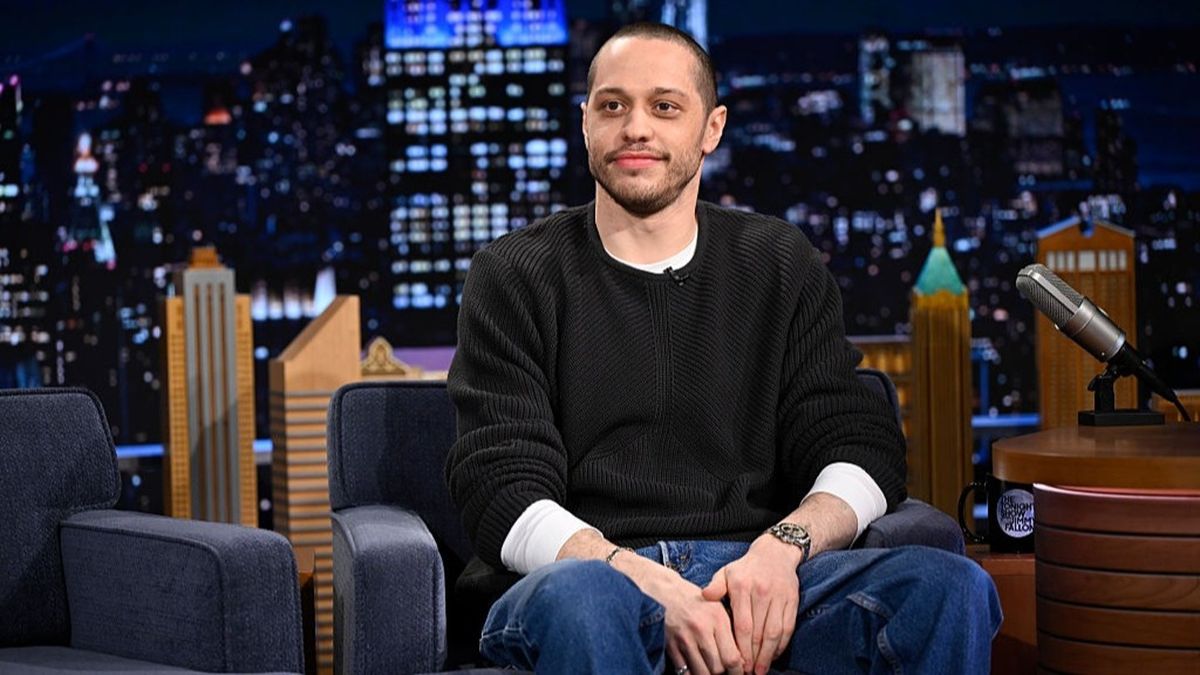
  • Pete Davidson Describes Heartbreaking ‘Holy S***’ Decision as 9/11 Anniversary Approaches

    Pete Davidson Describes Heartbreaking ‘Holy S***’ Decision as 9/11 Anniversary Approaches

    Pete Davidson has shared why the upcoming 25th anniversary of the September 11 attacks feels significantly more difficult than in previous years. The comedian, who lost his firefighter father in the World Trade Center collapse, is navigating the milestone while experiencing