Tag: Rocky Balboa

  • Sylvester Stallone Shares Battle with Severe Anxiety and Recurring Attacks

    Sylvester Stallone Shares Battle with Severe Anxiety and Recurring Attacks

    Key Highlights

    • Sylvester Stallone reveals decades-long struggle with anxiety-induced attacks in candid New York Times interview.
    • The actor discusses how his diagnosis continues to affect his daily life and career.
    • Stallone’s openness aims to destigmatize mental health challenges among high-profile figures.

    Stallone Breaks Silence on Long-Term Anxiety Battle

    Hollywood icon Sylvester Stallone has publicly disclosed a decades-long, private struggle with anxiety-induced attacks, offering a rare glimpse into the mental health challenges that have persisted alongside his celebrated action-film career. In a wide-ranging and candid interview with The New York Times, the 78-year-old actor, screenwriter, and director detailed the onset and enduring impact of his condition, marking one of his most vulnerable public discussions to date.

    The Hidden Toll Behind the Action Hero Persona

    For generations of moviegoers, Stallone has embodied physical resilience and mental toughness through characters like Rocky Balboa and John Rambo. However, the interview reveals a stark contrast between the on-screen persona and the actor’s lived experience. Stallone described suffering these attacks “quietly” for decades, suggesting a deliberate effort to conceal the condition from the public and industry colleagues. The revelation adds a significant layer to the public understanding of the pressures faced by leading men in an industry that often equates vulnerability with weakness.

    Diagnosis and Ongoing Management

    While the specific clinical terminology Stallone uses for his diagnosis was not fully detailed in the available excerpts, he confirmed that the condition remains an active part of his life. The actor’s willingness to discuss the ongoing nature of his symptoms—rather than framing them as a past obstacle already overcome—aligns with a growing movement among public figures to present mental health management as a continuous process rather than a finite victory.

    Why This Matters

    Stallone’s disclosure carries weight beyond celebrity gossip. As a defining figure of 1980s and 1990s masculinity in cinema, his admission challenges the stoic archetype he helped popularize. It contributes to a broader cultural shift where high-profile men—from athletes to actors—are increasingly rejecting the stigma surrounding anxiety and depression. The interview, published in The New York Times, ensures the conversation reaches a serious, news-focused audience, potentially encouraging others in high-pressure professions to seek support without fear of professional repercussion.

    Frequently Asked Questions

    What specific condition did Sylvester Stallone reveal he suffers from?

    Stallone disclosed he has suffered from anxiety-induced attacks for decades. The full clinical details of his diagnosis were not fully excerpted in the initial reports from his New York Times interview.

    Why is Stallone speaking about this now?

    The interview appears to be part of a broader, candid career retrospective. By discussing the ongoing nature of his diagnosis, Stallone joins a growing list of public figures normalizing conversations about long-term mental health management.

    Where can I read the full interview?

    The complete wide-ranging interview was published by The New York Times. Readers can access it directly through the publication’s website or print edition.
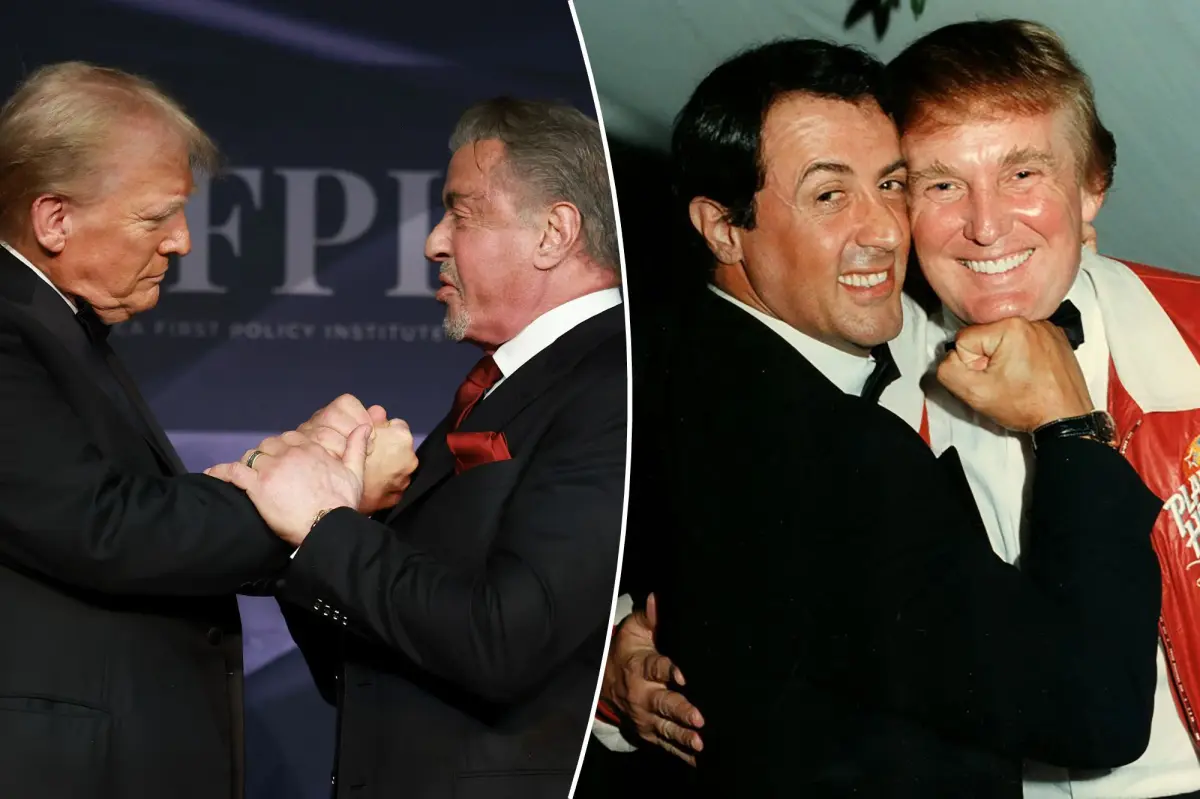

  • Sylvester Stallone Reveals What He Said to Trump After Surprise Hollywood Ambassador Appointment

    Sylvester Stallone Reveals What He Said to Trump After Surprise Hollywood Ambassador Appointment

    Key Highlights

    • Sylvester Stallone declined a special envoy position offered by Donald Trump.
    • Stallone reportedly told Trump “thank you and ciao” when turning down the role.
    • The actor concluded the special envoy position was “impossible” for him to accept.

    Stallone Rejects Trump Special Envoy Offer

    Actor Sylvester Stallone, best known for his iconic role as Rocky Balboa, has turned down a special envoy position offered by former President Donald Trump. According to reports, the “Rocky” star communicated his decision directly to Trump, stating that he had determined the role would be impossible for him to fulfill.

    Details of the Declination

    Stallone reportedly conveyed his refusal with the phrase “thank you and ciao” after concluding the special envoy position was impossible. The brief exchange marks the end of speculation regarding whether the Hollywood action star would take on a formal diplomatic or advisory capacity within Trump’s orbit. The specific portfolio or geographic focus of the proposed special envoy role has not been disclosed in the available reporting.

    Why This Matters

    The interaction highlights the ongoing intersection of celebrity influence and political appointments. While high-profile figures are frequently floated for ambassadorial or envoy roles, Stallone’s swift determination that the position was unworkable underscores the practical constraints—scheduling, policy alignment, or personal preference—that often prevent such nominations from materializing. The episode also reflects Trump’s continued practice of engaging entertainment industry figures for potential government roles, a pattern established during his presidency and maintained in his post-presidential political activity.

    Frequently Asked Questions

    What position did Sylvester Stallone decline?

    Stallone declined a special envoy position offered by Donald Trump. The specific duties or region associated with the role have not been specified in public reports.

    What did Stallone say when turning down the offer?

    Stallone told Trump “thank you and ciao” after concluding the special envoy position was impossible for him to accept.

    Why did Stallone decide the role was impossible?

    The source material does not detail the specific reasons—whether scheduling conflicts, policy disagreements, or personal considerations—that led Stallone to determine the position was unworkable.

  • Michael B. Jordan, Sylvester Stallone Continue Rocky Legacy

    Michael B. Jordan, Sylvester Stallone Continue Rocky Legacy

    Key Highlights

    • New narrative explores whether Rocky Balboa can mentor a young boxer into becoming a true fighter
    • Story centers on the theme that legacy extends beyond a name
    • Project appears to continue the Rocky franchise’s focus on mentorship and boxing redemption

    Rocky Balboa Returns to the Corner in Latest Legacy-Driven Narrative

    The iconic Rocky Balboa is poised to step back into the spotlight, not as a fighter, but as a mentor tasked with transforming a promising young boxer into a true champion. The central premise—”Your legacy is more than a name”—signals a continued evolution of the franchise’s core themes, shifting focus from personal glory in the ring to the enduring impact of guidance, character, and the passing of the torch.

    Mentorship Over Muscle: The Evolution of a Franchise Icon

    Since his debut in 1976, Rocky Balboa has embodied the underdog spirit, rising from a club fighter to heavyweight champion through sheer will. In recent iterations, particularly the Creed series, the character portrayed by Sylvester Stallone has transitioned into a trainer role, guiding Adonis Creed—the son of his former rival and friend, Apollo Creed. This latest narrative hook suggests a further deepening of that mentor dynamic, questioning whether the lessons of a legendary career can forge not just a winner, but a “true fighter” defined by resilience, honor, and identity.

    The Weight of a Name Versus the Measure of a Fighter

    The tagline “Your legacy is more than a name” speaks directly to the central tension facing any successor in a storied lineage. For a young boxer stepping into a gym haunted by the ghost of a legend, the pressure to live up to a surname can be crushing. The narrative appears set to explore how Balboa’s tutelage aims to strip away the burden of expectation, replacing it with the internal fortitude that defined his own career. It is a story about earning one’s place rather than inheriting it.

    Why This Matters

    The Rocky franchise has endured for nearly five decades by reinventing its core conflict for each generation. Moving definitively into the mentor arena allows the property to explore intergenerational dynamics, the psychology of coaching, and the definition of masculinity and strength beyond physical dominance. For the film industry, it represents a sustainable model for legacy sequels: honoring the past while investing in new protagonists. For audiences, it offers a familiar anchor—Sylvester Stallone’s grizzled, philosophical Balboa—while the dramatic stakes shift to the trajectory of a new, unnamed fighter.

    Frequently Asked Questions

    Is this a new Creed movie or a separate Rocky project?
    The source text does not specify a title or confirm if this is Creed IV, a standalone film, or a streaming series. It provides only the thematic logline.
    Who is the young boxer Rocky is training?
    The source does not name the young boxer. In the Creed films, the protégé is Adonis Creed (Michael B. Jordan), but this description uses generic language (“a young boxer”).
    Will Sylvester Stallone reprise his role?
    The source mentions “Rocky Balboa” by name but does not confirm casting. Stallone portrayed the character from 1976 to 2018 (Creed II) but did not appear in Creed III.