Tag: Relationship advice

  • Woman Finds ‘Work Wife’ Text on Husband’s Work Phone

    Woman Finds ‘Work Wife’ Text on Husband’s Work Phone

    A TikTok creator known as Crystal recently shared a viral video detailing her discovery of a suspicious message on her husband’s work phone, sparking a widespread debate about workplace boundaries and the dynamics of a so-called “work wife” relationship. The clip, posted under the handle @crystallovesspicy, has garnered more than 40,000 likes as of publication.

    Discovery of the Message

    In the video, Crystal explains that she woke up to a buzzing phone beside her head after her husband had left for work approximately an hour and a half earlier. She had remained in bed because she was feeling unwell. Initially assuming the device was her own, she realized it was her husband’s work phone—a device he had received just a few months prior. The phone was lodged between the mattress and the headboard.

    The first notification she saw was from a contact named Jasmine, accompanied by an alien emoji. According to Crystal, the message read:

    “I had my world rocked last night thanks to you.”

    Crystal states she immediately photographed the message, sent it to her husband, and demanded an explanation. She also threatened to search the phone further, though she noted it was password-protected.

    Husband’s Explanation and Prior Concerns

    Crystal recounts that her husband attempted to explain the situation by stating Jasmine was going through a separation and sought advice on repairing intimacy in her relationship. He allegedly told Crystal he had offered guidance on rekindling things in the bedroom. This explanation raised immediate red flags for Crystal, who questioned why her husband would provide such personal advice to a female colleague he had known for only a few months. She adds that he told her to calm down, leading her to wonder if she was overreacting.

    Crystal says her suspicions predated the text message. She claims her husband’s office relocated a few months ago, after which he told her not to visit the new location because it was a very male-oriented office and he did not want her to get hit on. However, Crystal notes she had frequently visited his previous workplace to bring him coffee and lunch.

    The “Work Wife” Introduction

    On her husband’s birthday, Crystal decided to visit the new office with a gift and a surprise. There, she met Jasmine, who was sitting at the front desk. Crystal says Jasmine introduced herself as her husband’s “work wife” and stated she had heard a lot about Crystal. The creator found this introduction strange, given her husband’s description of the office as predominantly male.

    Crystal also observed Jasmine texting her husband randomly, even when he was at home with his wife and children. She describes those earlier messages as normal questions about sandwiches and food.

    TikTok Community Reaction

    The comment section of the video largely validated Crystal’s concerns. Most viewers encouraged her to confront Jasmine directly, while others emphasized that the responsibility lay with her husband’s behavior.

    One commenter wrote:

    “This is on your husband 100%,”

    while another asserted:

    “That’s cheating.”

    Several users suggested Crystal visit the office to speak with Jasmine in person. Others advised her to leave the relationship entirely.

    Verification Disclaimer

    The Daily Dot was unable to independently verify the events described in this video, including the contents of the messages and the identities of those involved. The details above reflect the account shared by @crystallovesspicy on TikTok.
  • What Is the ‘Things To Say’ Meme? Viral Hustle Culture Memes on TikTok and Reels Explained

    What Is the ‘Things To Say’ Meme? Viral Hustle Culture Memes on TikTok and Reels Explained

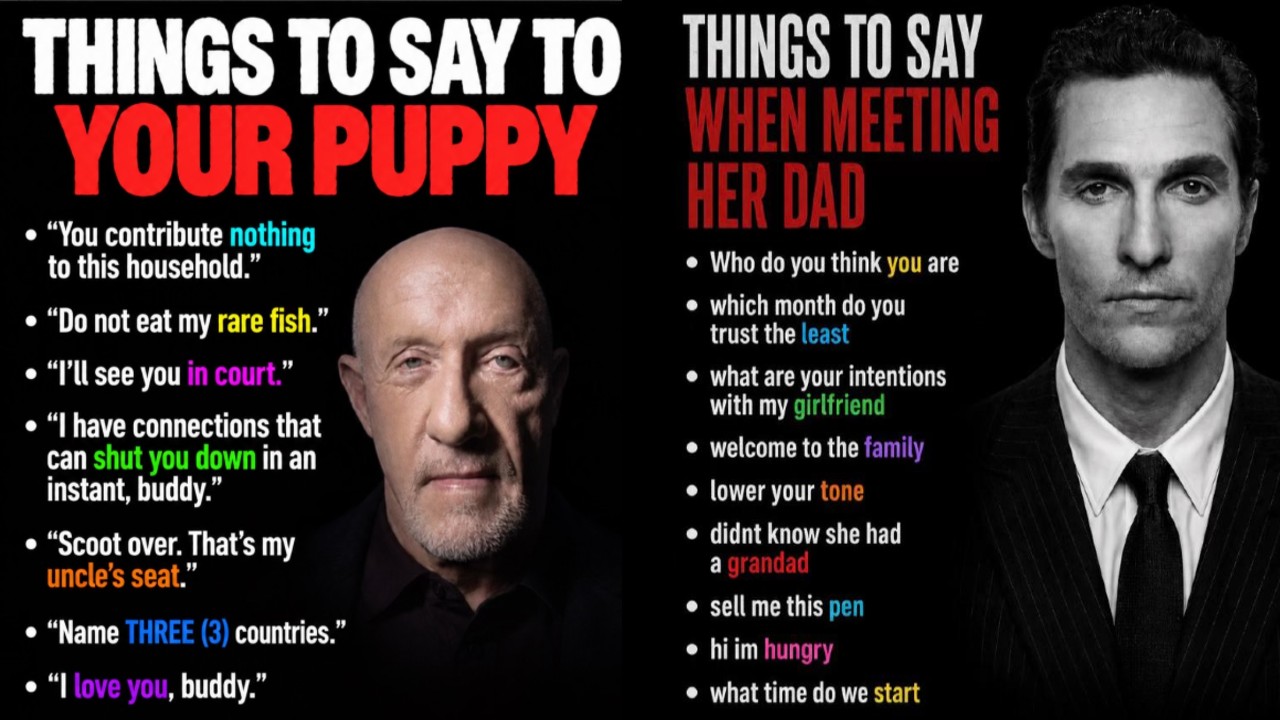
    Viral “Things to Say” Meme Exposes Bad Relationship Advice from Self-Proclaimed Hustlers

    A new internet meme is satirizing the flood of questionable relationship advice circulating on social media, particularly from accounts branding themselves as entrepreneurs or “hustlers.” The “things to say” trend highlights scripted lines supposedly guaranteed to win over partners, family members, or friends—advice experts warn should be ignored entirely.

    How the Meme Works

    The format typically presents a list of manipulative or overly calculated phrases framed as “high-value” communication strategies. Creators package these lines as psychological cheat codes for navigating intimate relationships, often promising instant respect, attraction, or compliance. The humor derives from the absurdity of the suggestions, which range from transactional to emotionally dismissive.

    Origin in Hustle Culture Content

    The meme directly targets a corner of social media where self-improvement rhetoric intersects with performative masculinity and transactional views of human connection. Accounts focused on “leveling up,” “alpha” mindsets, or financial success frequently post carousel graphics or short videos listing exact phrases to deploy in personal interactions. The advice usually lacks nuance, context, or ethical consideration.

    Why the Advice Fails

    Relationship therapists and communication scholars emphasize that healthy connection relies on authenticity, active listening, and mutual respect—not memorized scripts. Using pre-written lines to manipulate outcomes erodes trust and signals emotional unavailability. The meme’s popularity suggests audiences recognize the gap between performative “high-value” posturing and genuine relational skill.

    Satire as Media Literacy

    By exaggerating the logic of hustle-culture advice to its breaking point, the “things to say” meme functions as informal media literacy. It encourages viewers to question accounts that monetize insecurity by selling oversimplified solutions to complex human dynamics. The trend underscores a growing skepticism toward influencers who treat relationships as transactions to be optimized.

  • Woman Shares 3 Rules for Long-Distance Relationship Success: Planning Visits, Communicating, and ‘This Is Expected’

    Woman Shares 3 Rules for Long-Distance Relationship Success: Planning Visits, Communicating, and ‘This Is Expected’

    TikTok creator Chessie, known as @chessie.772, has gone viral after sharing her personal framework for sustaining a long-distance relationship. Her video, which has amassed over 24,000 likes and 187 comments, outlines three practical rules she and her boyfriend follow to maintain their connection while living apart.

    The ‘Three-Month Rule’ and Adjusting to Distance

    Chessie introduces the concept of a “three-month rule,” suggesting that after roughly 90 days, couples begin to confront the day-to-day realities of a long-distance dynamic. Drawing from her own experience, she details three expectations she believes are essential for navigating this phase successfully.

    Rule 1: Always Have the Next Visit Booked

    Uncertainty about the next reunion can amplify the stress of separation. Chessie emphasizes the importance of having a concrete visit planned. She explains that a scheduled meeting provides a tangible milestone to anticipate and offers reassurance that the distance is temporary.

    Rule 2: Prioritize Intentional Communication

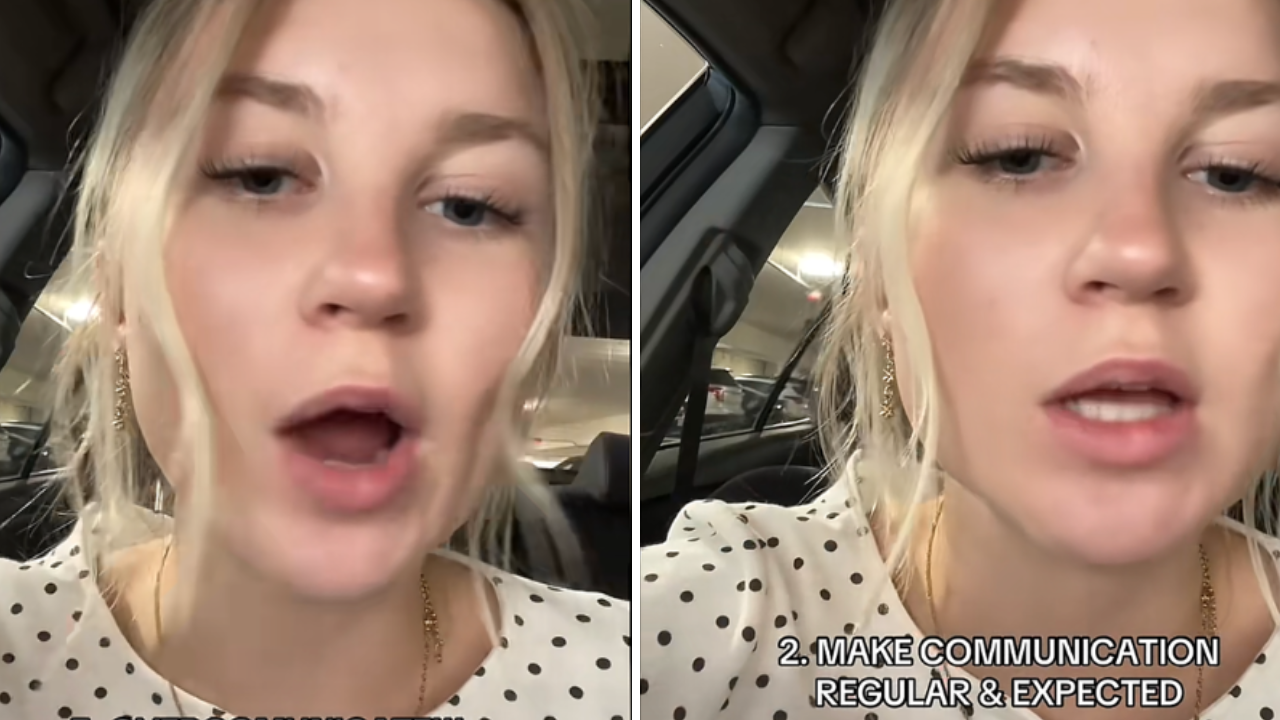
    Staying in touch is vital, but Chessie argues that the quality of interaction matters more than quantity. She and her boyfriend have developed a system to make their exchanges more personal. They use an application that delivers messages directly to the recipient’s phone lock screen, ensuring a personalized note is the first thing seen upon waking. This replaces generic “good morning” texts with something more meaningful. Chessie notes that this level of intentional communication is a mutual expectation in their relationship and encourages other couples to discover their own effective rhythms.

    Rule 3: Overcommunicate to Prevent Resentment

    Her final guideline centers on transparency. Chessie advises addressing concerns immediately rather than allowing them to fester. She asserts that proactive discussion resolves potential conflicts before they escalate into larger issues, preserving the health of the partnership.

    The Temporary Nature of Long Distance

    Beyond the specific rules, Chessie reminds viewers that the long-distance phase is not permanent. She urges couples to remain motivated and continue investing effort into the relationship while they navigate the separation.

    Community Response Highlights Shared Struggles and Strategies

    The comment section revealed a spectrum of experiences. Some viewers described relationships spanning years without an in-person meeting, while others discussed navigating four-year separations. Many resonated with Chessie’s emphasis on communication. One commenter encapsulated this sentiment:

    “Being long-distance for 4 and a half years has taught me that it takes a lot of time, patience, and effort, but communication is the biggest key. If something is bothering you or needs to be talked about, bring it up. Don’t let problems sit because they’ll only get bigger. Change is going to happen, and both people have to be willing to grow and make changes when they’re needed.”

    Both Chessie and the commenters who supported her advice converge on a central theme: sustained commitment and proactive effort are the bedrock of a successful long-distance relationship.