
Tag: Proletic

  • Moulik Budhiraja Builds AI That Acts Before Prompts

    Moulik Budhiraja Builds AI That Acts Before Prompts

    Proletic Co-founder and CTO Advances Predictive Autocomplete Technology for Computers

    The co-founder and chief technology officer of Proletic is spearheading the development of predictive autocomplete capabilities designed specifically for computer systems. This initiative aims to enhance user interaction by anticipating input needs across desktop environments.

    Advancing Desktop Productivity Through Prediction

    While predictive text has become standard on mobile devices, bringing similar intelligence to computer interfaces represents a significant evolution in human-computer interaction. The Proletic leadership team is focusing on adapting these predictive models for the broader context and complexity of desktop computing workflows.

    This development aligns with growing industry momentum toward AI-assisted interfaces that reduce repetitive typing and accelerate task completion for knowledge workers, developers, and general computer users alike.
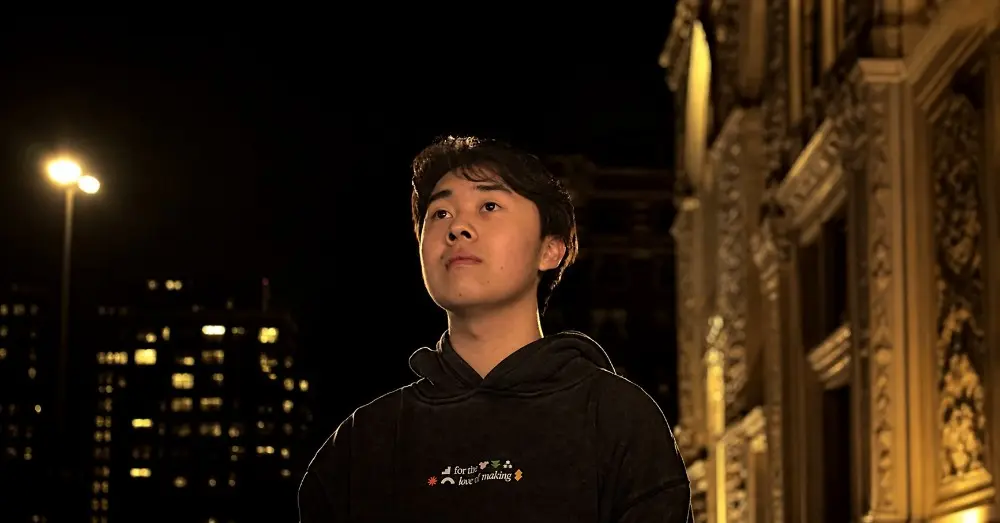
  • AI Wrapper Boom Misses Real Problem, Says Jeffrey Zang

    AI Wrapper Boom Misses Real Problem, Says Jeffrey Zang

    Proletic Founder Predicts Restrained AI Will Win Next Product Wave

    The founder of Proletic contends that success in the next generation of artificial intelligence products will belong to teams prioritizing restraint and genuine utility over flashy capabilities. According to the argument, the market will reward software that users genuinely want to continue using rather than tools that merely demonstrate technical prowess.

    Shifting Focus From Capability to Utility

    This perspective suggests a maturing AI landscape where the novelty of large language models and generative features gives way to product discipline. Teams that resist the urge to over-engineer or stuff products with every possible AI feature may gain a competitive edge by delivering focused, reliable experiences that solve specific problems well.

    Retention as the New Metric

    The emphasis on software “people actually want to keep using” highlights retention and habitual use as critical differentiators. In a crowded market of AI-powered tools, products that integrate seamlessly into workflows and provide consistent value without friction are positioned to outlast those relying on initial hype or demonstrations of raw model power.

    Proletic’s stance reflects a broader industry conversation about sustainable AI product strategy, where restraint in design and clarity of purpose become strategic advantages.