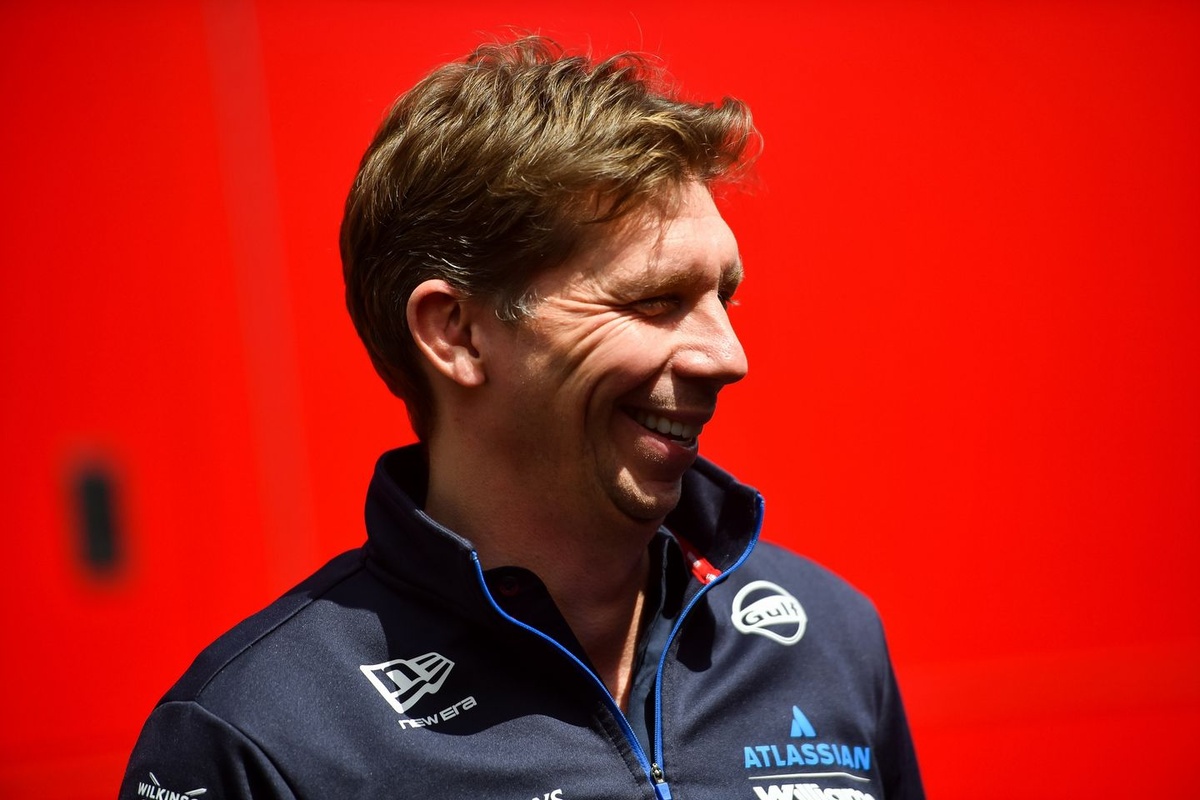
Key Highlights
- Williams team principal James Vowles praised the inaugural Madrid Grand Prix organization, calling it potentially “one of the races to watch in the future” despite the circuit’s overtaking limitations.
- The Madring street circuit offers exceptional logistics: 30 minutes from the city center, 10 minutes by metro, and roughly ten times the paddock space of typical venues.
- Vowles confirmed Williams’ difficult weekend exposed their ongoing performance deficit, while noting Pirelli’s tyre selection—particularly the hard compound—was well-suited to the new tarmac.
Vowles Hails Madrid Debut as Logistical Triumph Despite Racing Criticism
Williams Racing team principal James Vowles has delivered a strong endorsement of Formula 1’s newest venue, declaring the inaugural Spanish Grand Prix at the Madring circuit a logistical success that could become a championship highlight. Speaking on the latest episode of The Vowles Verdict, the team chief commended the event organizers for avoiding the chaotic teething problems that typically plague first-year street races.
“First and foremost, well done to the organisers,” the Williams team chief said during the latest episode of The Vowles Verdict. “It’s the first year of the grand prix, and typically that just means the event is a little chaotic, but it wasn’t the case in Madrid.
Vowles emphasized the venue’s unique geographic advantages, noting its proximity to the Spanish capital and expansive footprint. He highlighted that the circuit sits just half an hour from the city centre—a journey reduced to roughly ten minutes via metro—and offers a paddock area approximately ten times larger than the standard allocation at other venues. While that space allows for significantly higher spectator capacity, Vowles candidly acknowledged the trade-off: considerable walking distances between the two main arena zones and the garages.
“In fact, what I would say is it may be one of the races to watch in the future. Half an hour from the city centre, a capital city, 10 minutes, I think, if you took the metro as a result of it. Huge space, probably 10 times more space than we would normally have available to us, which has pros and cons. Pros means you can fit more people in. Cons, you wear out your shoe leather walking between the two different arenas and to the cars.”
Technical Layout Praised, but Overtaking Deficit Looms Large
On the sporting side, the verdict was more mixed. Drivers universally described the Madring layout as a demanding technical challenge, yet the race itself suffered from a distinct lack of overtaking opportunities—a shortcoming that has already prompted calls for layout revisions ahead of the 2027 edition. Vowles confirmed that circuit promoters are expected to study potential improvements to enhance the on-track spectacle.
“In terms of the track itself, as you saw, very technical, and the drivers all commented that it was a difficult challenge for them, an enjoyable challenge for them,” Vowles continued. “But the racing also suffered slightly, and I’m sure the circuit organisers will be looking into how they can improve that for next year.”
Williams’ Struggles Magnified by Circuit Demands
For Williams, the weekend underscored the team’s current competitive trajectory. Vowles was blunt in his assessment: the Madring weekend was always anticipated to be difficult, and the circuit’s characteristics merely amplified the squad’s existing performance shortfall relative to midfield rivals. He pointed to a prolonged period without meaningful car upgrades as the root cause of their slide down the order.
“For us, a difficult grand prix, we knew it was going to be difficult going into it. It’s just exaggerating the issues we have at the moment and we haven’t added performance to the car for far too long and have fallen back relative to teams around us.”
Tyre Management and Pirelli’s Successful Selection
Delving into the tyre data, Vowles revealed a clear split in compound performance. The soft and medium tyres suffered from pronounced graining—a rapid degradation of surface grip lap-on-lap—particularly evident during long runs rather than qualifying stints. Conversely, the hard compound proved remarkably durable, with multiple drivers able to stretch stints to near-full race distance. Vowles credited Pirelli for selecting the correct allocation and noted the new asphalt surface was in excellent condition, providing a stable platform for the compounds.
“If I now focus on the details you may have seen on the softer compounds, the soft and the medium, we had graining, and that’s where the tyre suddenly just starts to lose a lot more performance every lap. Noticeable on the long runs, not in qualifying conditions. But the hard tyre, however, was a tyre, as you saw with a number of cars that could run near enough for the whole race. It was really on the edge, but just about on the good side. That means Pirelli have done a very good job bringing the right tyres to the event. It also means the circuit, the tarmac, was in a good state for it as well.”
Concluding his analysis, Vowles reiterated that the primary objective for future editions must be improving overtaking dynamics, but he signed off with an unequivocal thumbs-up for the event’s debut.
“As I said, the main real issue is: let’s look into how we can get more overtaking in future years. Otherwise, well done. Brilliant first race.”
Why This Matters
The Madrid Grand Prix represents Formula 1’s latest strategic push into major metropolitan markets, following the blueprint established by events in Las Vegas, Miami, and Singapore. Its successful logistical execution—seamless public transport integration, massive spectator capacity, and a purpose-built facility footprint—sets a new operational benchmark for street circuits. However, the overtaking deficit highlights the persistent tension between urban venue constraints and the sporting requirement for wheel-to-wheel racing. With the current contract running through 2026 and a likely extension to 2035, the FIA, FOM, and local promoters now face a critical 18-month window to engineer layout modifications—potentially widening key straights or reprofiling corners—before the 2027 season. For Williams, the weekend served as a stark data point: without a substantive aerodynamic upgrade package before the summer shutdown, the team risks cementing a backmarker status for the remainder of the 2025 campaign.
Frequently Asked Questions
- Where is the Madrid Grand Prix held and how accessible is it?
- The race takes place at the Madring street circuit, located approximately 30 minutes from Madrid city centre by car and roughly 10 minutes via metro, offering exceptional public transport connectivity for a Formula 1 venue.
- What were the main criticisms of the inaugural Madring layout?
- The primary criticism centered on a lack of overtaking opportunities during the Grand Prix, prompting expectations that circuit organizers will pursue layout revisions ahead of the 2027 edition to improve the racing spectacle.
- How did Williams perform and what tyre strategy insights emerged?
- Williams endured a difficult weekend that exposed their ongoing performance deficit. The soft and medium tyres suffered from significant graining on long runs, while the hard compound proved highly durable, allowing near-full-race stints—Pirelli’s selection was validated by the new asphalt’s good condition.