Tag: Pentagon

  • Jimmy Kimmel Airs Brutal Montage of Trump Sleeping at Events

    Jimmy Kimmel Airs Brutal Montage of Trump Sleeping at Events

    Key Highlights

    • Jimmy Kimmel aired a montage of Donald Trump appearing to fall asleep at multiple public events, including a recent 9/11 remembrance ceremony at the Pentagon.
    • Kimmel noted the White House issued a statement denying Trump was asleep during the Pentagon event, quoting Kimmel: “He was sleeping so much on camera the White House had to put out a statement that said he wasn’t asleep.”
    • The segment highlighted the contrast between Trump’s frequent “Sleepy Joe” attacks on Joe Biden and his own on-camera drowsiness, with Kimmel saying: “It’s so perfect, the guy who spent four years screaming ‘Sleepy Joe, sleepy Joe,’ constantly falling asleep on camera.”
    Kimmel Compiles Trump ‘Napping’ Montage Following Pentagon 9/11 Event

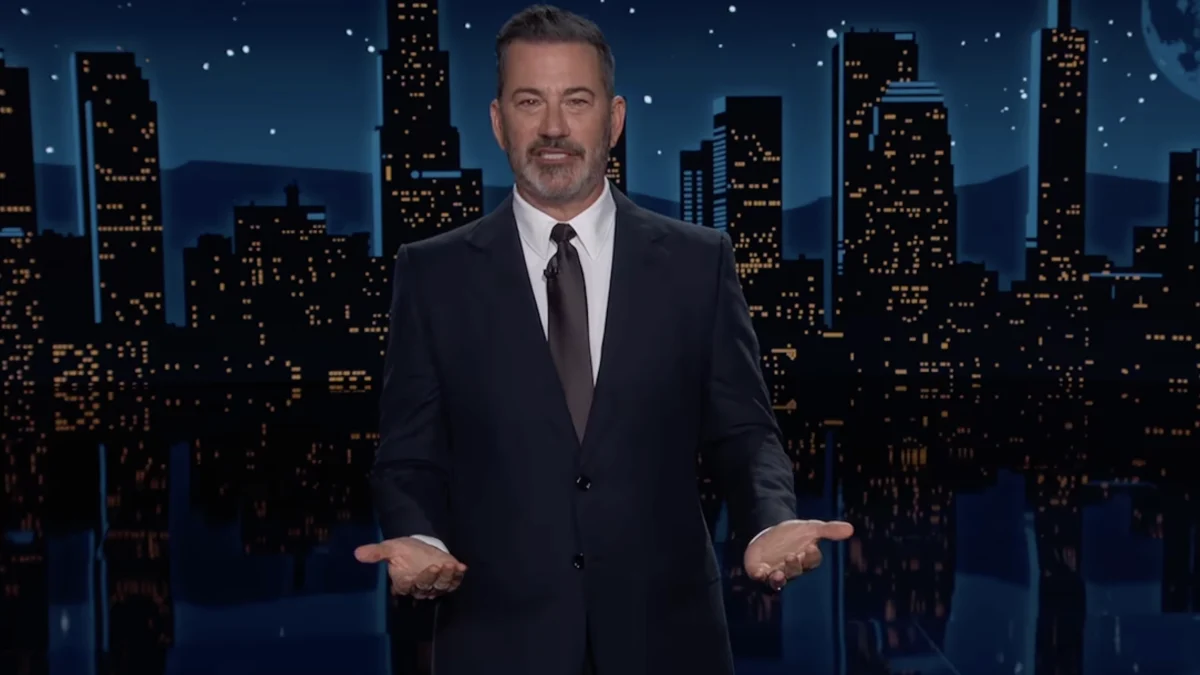
    Late-night host Jimmy Kimmel dedicated a segment to documenting what he described as a pattern of former President Donald Trump appearing to doze off during official appearances. The bit was prompted by Trump’s visible fatigue during a September 11 remembrance ceremony at the Pentagon, where cameras caught the former president with his eyes closed for extended periods.

    According to Kimmel, the moment was so noticeable that it drew an official response. “He was sleeping so much on camera the White House had to put out a statement that said he wasn’t asleep,” says Kimmel, recounting the administration’s reaction to the Pentagon footage. The host used the incident as a springboard to showcase a supercut of similar moments spanning multiple events.

    Contrast With ‘Sleepy Joe’ Rhetoric Draws Sharp Irony

    The montage underscored a pointed political irony. Throughout the 2020 campaign and his presidency, Trump repeatedly branded his opponent and successor Joe Biden as “Sleepy Joe,” suggesting the Democrat lacked the stamina for the office. Kimmel highlighted the dissonance between that messaging and the visual record of Trump’s own public appearances.

    “It’s so perfect, the guy who spent four years screaming ‘Sleepy Joe, sleepy Joe,’ constantly falling asleep on camera,” Kimmel says, delivering the punchline that framed the entire segment. The compilation included footage from various speeches, meetings, and ceremonies where Trump appeared to struggle to keep his eyes open.

    Why This Matters

    The segment reflects the ongoing role of late-night comedy in shaping political narratives through visual evidence and satire. By juxtaposing Trump’s own rhetoric with unedited footage, Kimmel leverages a classic comedic technique—irony—to challenge a central branding strategy of the Trump era. The White House’s decision to issue a formal denial about the Pentagon moment indicates the political sensitivity of the former president’s public image regarding vitality and attentiveness. As the 2024 election cycle intensifies, such contrasts between past messaging and current optics will likely remain fodder for both late-night hosts and political opponents.

    Frequently Asked Questions

    What event triggered Jimmy Kimmel’s montage of Trump appearing to fall asleep?

    The immediate catalyst was the 9/11 remembrance ceremony at the Pentagon, where cameras captured Trump with his eyes closed for a prolonged period. Kimmel noted the White House subsequently released a statement insisting the former president was not asleep.

    Did the White House officially respond to the Pentagon footage?

    Yes. According to Kimmel, “He was sleeping so much on camera the White House had to put out a statement that said he wasn’t asleep.”

    What is the ‘Sleepy Joe’ reference in Kimmel’s segment?

    During the 2020 campaign and his presidency, Donald Trump frequently nicknamed Joe Biden “Sleepy Joe” to question his mental and physical fitness. Kimmel’s segment highlighted the irony of that attack given the montage of Trump himself appearing to nod off at public events, quoting Kimmel: “It’s so perfect, the guy who spent four years screaming ‘Sleepy Joe, sleepy Joe,’ constantly falling asleep on camera.”

  • Pentagon Codifies Fitness Standards Across Military Branches

    Pentagon Codifies Fitness Standards Across Military Branches

    Pentagon Codifies Sweeping Military Fitness Overhaul Including Combat-Arms Standards and Body Composition Rules

    The Department of Defense has formally published sweeping changes to military fitness requirements, cementing directives Defense Secretary Pete Hegseth ordered throughout 2025. The new regulations, released August 31, establish standardized testing timelines, distinct standards for troops in combat arms specialties, guidelines for pregnancy and postpartum fitness, and mandatory tracking mechanisms for results across all services.

    New Fitness Testing Structure and Combat-Arms Standards

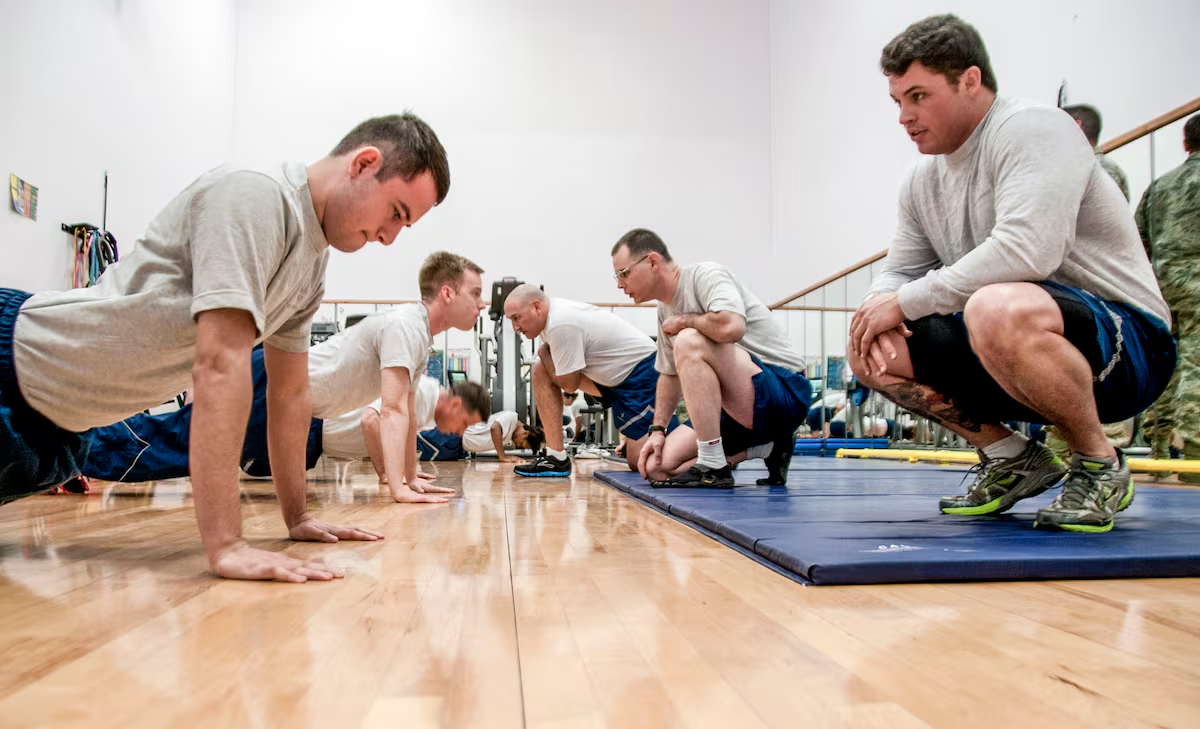
    Under the updated policy, active-duty service members will complete two fitness tests annually, while National Guard and Reserve members will take one. All active-duty personnel must take their service’s regular fitness test plus a second assessment measuring combat readiness.

    Personnel in designated combat arms jobs are required to take a Combat Field Test (CFT), while those outside those specialties will take a Combat Readiness Test (CRT). The services may substitute a regular fitness test for the CRT. The regulations identify more than 80 occupations as combat arms across the Army, Navy, Marine Corps, and Air Force, including infantry, armor, artillery, select engineering roles, and special forces. No Space Force jobs are listed.

    Troops in combat arms roles will be held to male-based standards on their regular service tests and must score an average of 70% across events. Service members in non-combat roles will continue with sex- and age-based scoring. Each service is responsible for developing its own CFTs that adhere to Pentagon standards.

    Body Composition Requirements and Postpartum Provisions

    Active-duty troops will undergo body composition testing twice a year; Guard and Reserve members will test once annually. All service members must meet a waist-to-height ratio of less than 0.55, calculated by dividing waist circumference by height. Those who exceed the standard face a service-specific body fat assessment, and failure results in enrollment in a remedial program. Branches may impose stricter requirements.

    The policy provides a minimum 12-month exemption from fitness and body composition testing after childbirth, miscarriage, or stillbirth. Postpartum service members may receive additional time exemptions based on healthcare provider input.

    Command Accountability and Data Tracking Mandates

    The regulation makes commanders responsible for allocating time for physical training. Leadership “will allow such members to perform physical fitness training every duty day,” the document states, except when mission requirements dictate otherwise.

    Beginning June 1, 2027, each service must submit a report on its fitness and body composition programs to the Pentagon with data enabling analysis by sex, age, race, ethnicity, rank, and military specialty. The services must also maintain electronic records of troops’ test results throughout their careers and provide the scientific basis used to create their standards.

    Policy Context and Controversy

    The new document replaces the Pentagon’s 2022 fitness policy and incorporates directives issued throughout 2025. In March, Hegseth ordered the services to identify combat-arms specialties and develop sex-neutral, mission-related physical standards. The secretary has repeatedly criticized “fat troops,” and “fat generals,” and pledged to return combat arms jobs to “the highest male standard only.”

    These changes coincide with a Pentagon review of women in front-line roles. In December, the Pentagon’s personnel chief, Anthony Tata, announced a study on the effectiveness of integrating ground combat units, raising concerns it could be used to justify restricting women from combat positions. Critics have questioned the study’s independence after it was transferred from the Institute for Defense Analyses to Johns Hopkins’ Applied Physics Laboratory and placed under a researcher involved in a controversial 2015 study Hegseth has cited to argue against women serving in combat jobs.