Rarely has a Major League Baseball season been more forgiving to mediocre teams. According to FanGraphs projections entering Thursday, 18 teams had at least a 10% chance of reaching the playoffs, meaning 60% of the league remained meaningfully alive in the postseason race.
Half the league — 15 teams — had at least a 30% playoff probability. Only the Brewers were on pace for 100 wins, while just six teams were projected to reach 90 victories, including only two American League clubs: the Rays and Yankees. Since 1998, an average of 8.2 teams have won at least 90 games in a full season.
The American League is particularly wide open. Sub-.500 teams such as the Orioles, Twins and Mariners still had double-digit playoff chances entering Thursday.
The more interesting question is not which fringe contenders are most likely to qualify. It is which underperforming teams could become the most dangerous if they reach the postseason in such a relatively flat year.
Several traits can make a team more dangerous in October than during the regular season.
What makes a team dangerous in the MLB playoffs?
Top-end starting pitching
In the playoffs, innings are concentrated around a team’s best pitchers. When the Diamondbacks won the World Series as a 92-win team in 2001, Randy Johnson and Curt Schilling accounted for 34.7% of Arizona’s regular-season innings but 58.2% of its postseason innings. The Dodgers followed a similar blueprint last year, although their postseason innings were spread more evenly across a group of starters.
Strikeout-focused bullpens
Relievers absorb an increasing share of postseason innings, and the best bullpen arms are used disproportionately in the highest-leverage situations.
Strong playoff pitching also makes it difficult to string hits together, which increases the value of power. Each of the last 10 World Series champions finished above average in slugging percentage, and many ranked among the elite offensive teams.
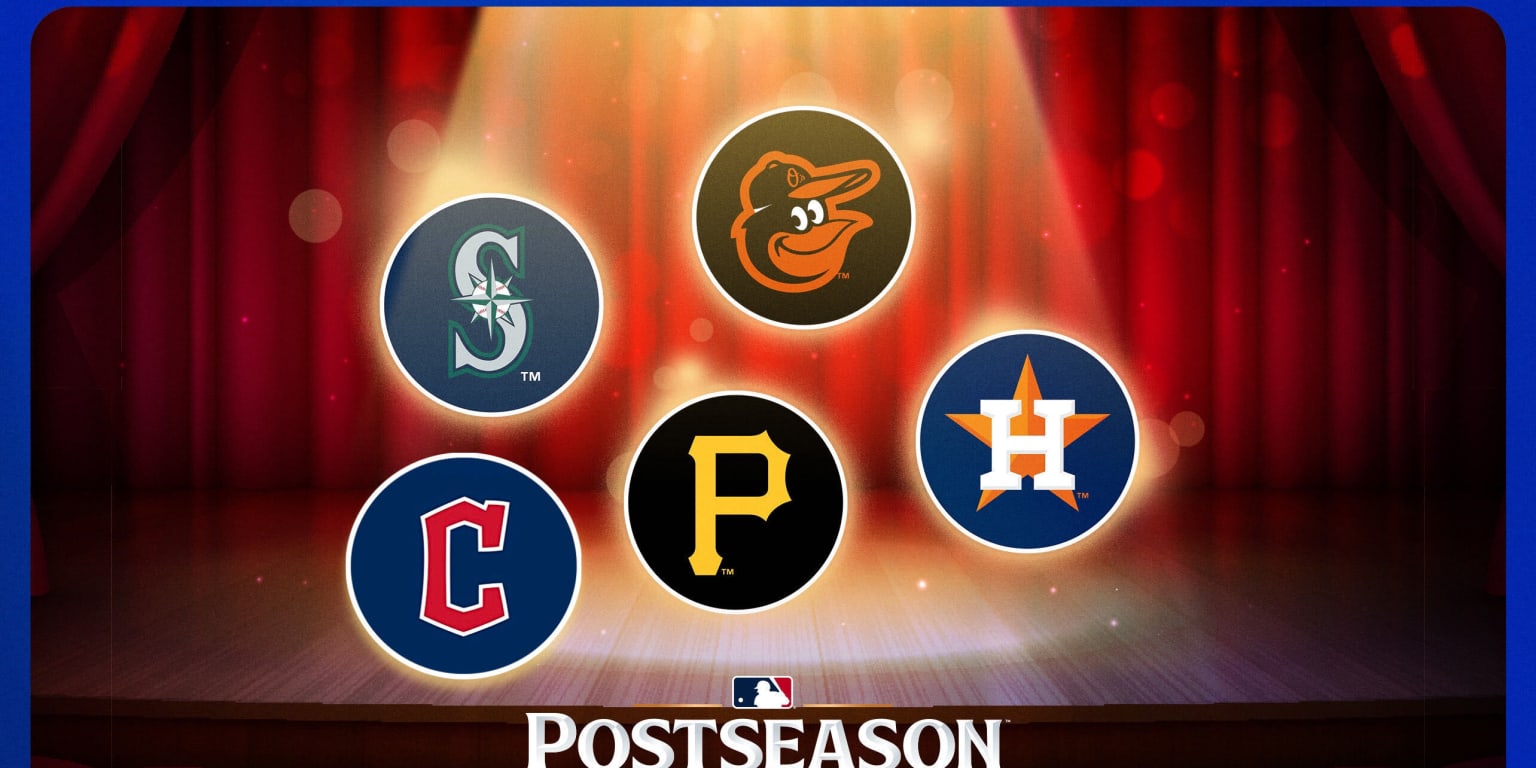
Among the fringe contenders, the following teams have underperformed so far but could have the greatest upside if they reach the postseason.
Cleveland Guardians
The Guardians’ regular-season record understates how dangerous their potential October roster could be.
Cleveland has one of the stronger rotations among the fringe contenders. The rotation is tied for sixth in ERA at 3.74, tied for eighth in xERA at 3.96 and 11th in fWAR at 10.5.
The rotation looks even stronger when its weakest links are removed, as could happen in October when added urgency and playoff off-days allow innings to be concentrated among the top arms.
Entering Thursday, the Guardians ranked seventh in fWAR from their three best starting pitchers currently on the roster: Parker Messick, Gavin Williams and deadline acquisition Foster Griffin. Only the Phillies, Brewers, Dodgers, Yankees, Red Sox and Pirates ranked ahead of them.
Lowe addresses first-base production. Adell addresses lacking power from the right side.
This is a stronger group than it was before the trade deadline — and stronger than its record might suggest.
Houston Astros
The Astros have been in a gradual decline from their peak years last decade, but they could still do damage in October if they qualify.
One major reason is an improving bullpen. Houston’s K-BB% by month was:
- March/April: 6.9%
- May: 10%
- June: 17.6%
- July: 20.7%
- August: 18.8%
July and August were well above-average marks. The trend makes sense because elite closer Josh Hader did not return to full health until June. Bryan Abreu has a 1.45 ERA in the second half compared with 5.81 in the first half, while Steven Okert has also been better after the All-Star break, posting a 1.93 ERA.
As a pitching staff, the Astros rank 12th in strikeout rate at 22.7%. Staff ace Hunter Brown is also back leading the rotation after missing most of the first half.
Houston has another trait that can matter in October: offensive star power.
Triple Crown contender Yordan Alvarez, who has a 185 wRC+, can carry a team for stretches. His bat is a major reason the Astros are tied for seventh in season-long wRC+ at 104. Over the last 30 days, Houston ranks sixth in slugging percentage.
Jeremy Peña is having an excellent season, while Isaac Paredes, Christian Walker and Jose Altuve remain average-to-above-average regulars.
Seattle Mariners
For a team that nearly reached the World Series a year ago, sitting six games below .500 with a minus-57 run differential as September approached was perhaps the most disappointing campaign in the majors to that point.
In the 2026 American League, however, the Mariners still had a 41.1% chance of making the playoffs, according to FanGraphs. Their biggest problem was run production. After tying for the ninth-most runs in baseball a year earlier, Seattle had scored the fewest this season.
The Mariners have also experienced poor offensive fortune. Their expected batting average, slugging percentage and wOBA are all better than their actual figures. They have posted an MLB-worst .272 batting average on balls in play.
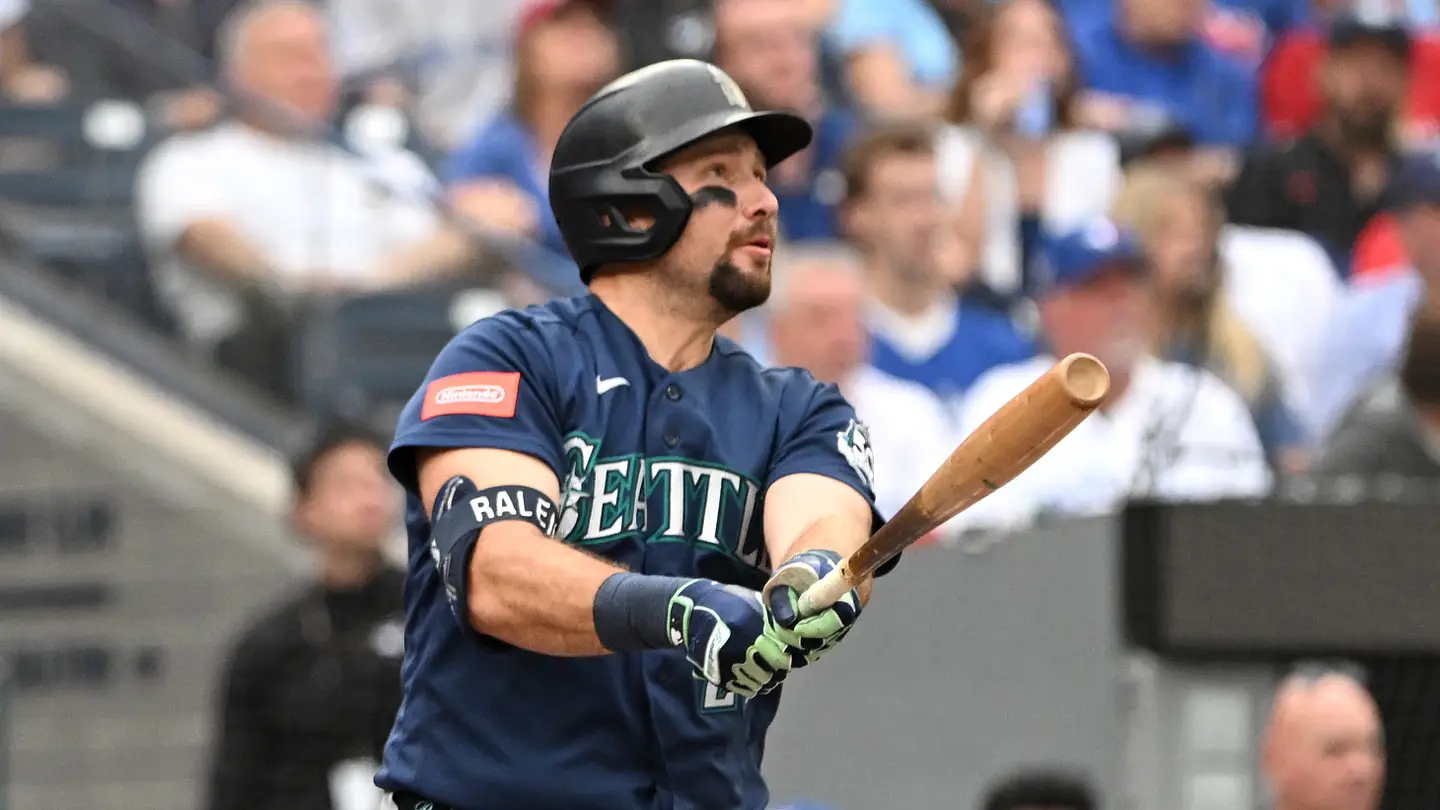
Cal Raleigh is the clearest example of that misfortune. He suffered a dramatic decline after finishing runner-up for the MVP award, but he may be emerging from a season-long slump.
Over the last 30 days, three Mariners hitters ranked among baseball’s hottest performers. Raleigh was joined by Randy Arozarena, who had a 146 wRC+ and seven home runs during the month, and Josh Naylor, who had a 132 wRC+.
If Seattle’s offense improves, its pitching can remain the foundation. The Mariners once again have one of baseball’s deepest and most talented rotations. In the postseason, an arm such as Bryce Miller could also become a bullpen weapon if his stuff plays up in shorter appearances.
Baltimore Orioles
As noted earlier, the Orioles have one of the stronger rotations among the contenders. Shane Baz has a 3.63 ERA and a 16% K-BB%, while Trevor Rogers has a 3.40 ERA. Both pitchers have performed much better in the second half than in the first.
Baltimore ranks in the top 10 in wRC+ and home runs. Pete Alonso, the underperforming but talented Gunnar Henderson and 22-year-old Samuel Basallo provide offensive upside and power.
The bullpen has been uneven, and Jackson Holliday has struggled. Still, this is an underperforming roster that could have significant upside if it plays closer to its true talent level. Baltimore could save its best baseball for last.
Pittsburgh Pirates
The Pirates are the longest shot on the list. They trail the Padres by 7 1/2 games for the final National League Wild Card spot and would need to pass three other teams to get there. FanGraphs gives Pittsburgh a 1% chance of making the playoffs.
But if Pittsburgh produces a minor miracle, the Pirates could become a fascinating postseason team.
After a concerning mult-week stretch, Paul Skenes’ velocity increased and his stuff and performance looked significantly better during six shutout innings Tuesday in San Diego. Pittsburgh has a pitching staff loaded with power arms, including Jared Jones, Braxton Ashcraft and Bubba Chandler.
In the same game, Oneil Cruz, who had recently returned from the injured list, homered against elite San Diego closer Mason Miller. The home run showcased Cruz’s game-changing bat speed. An injury derailed his potential breakout season, but he remains a 30-30 talent now back in the lineup.
Uber-prospect Konnor Griffin is ramping up his baseball activities and could return when eligible to come off the 60-day injured list on Sept. 4. He was a difference-maker as a 20-year-old before injuring his left ring finger.
The Pirates are not a perfect team. Their defense is shaky, and too many members of their talented rotation have been inconsistent. However, Pittsburgh ranks sixth in pitcher strikeout rate at 24.1%, a trait that plays well in the postseason, and its offense still ranks fifth in runs scored.
What happens if a team that has limped to a 65-71 record suddenly gets Skenes, Cruz, Griffin, Montgomery, Doval and Weaver contributing near their best?
Pittsburgh is by far the least likely of these teams to reach the postseason. But if the Pirates earn a playoff spot, they may also have the largest gap between their regular-season record and their potential October ceiling.